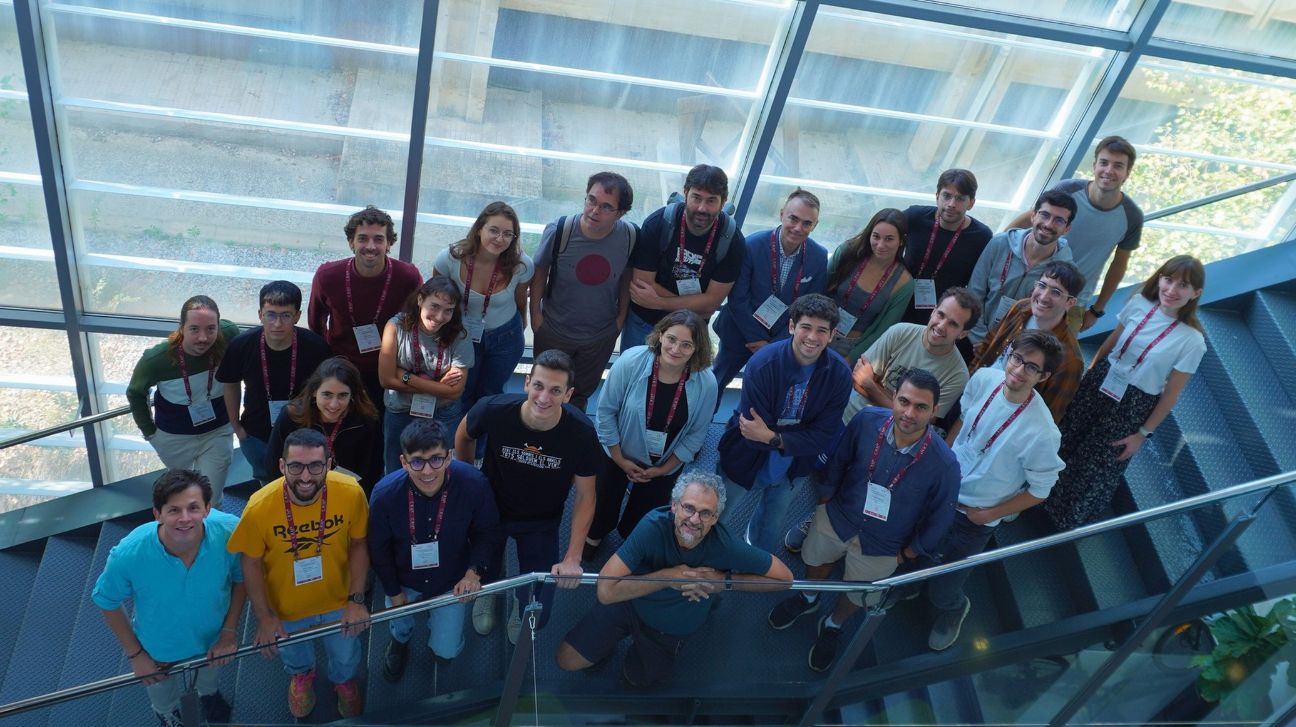
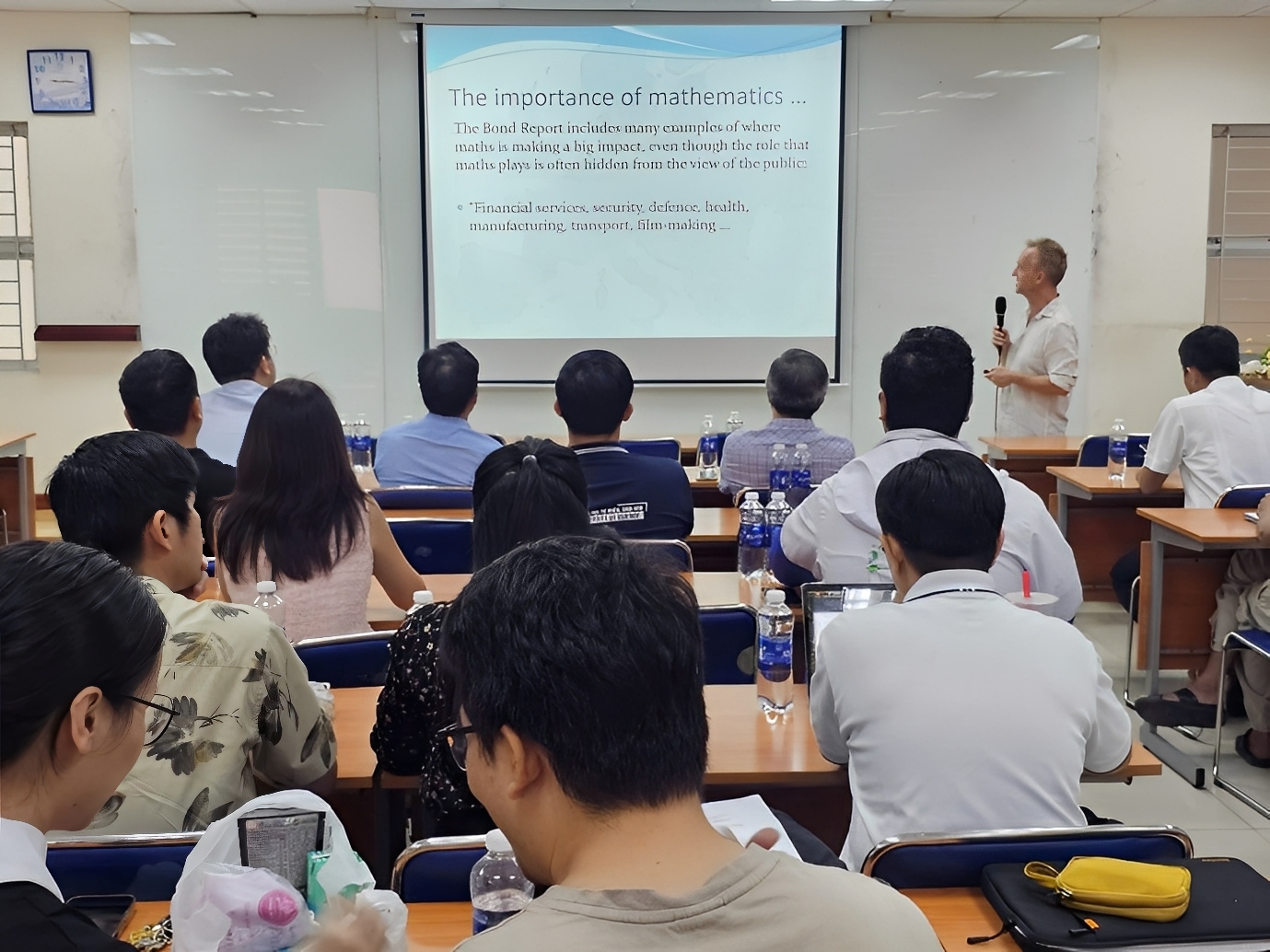
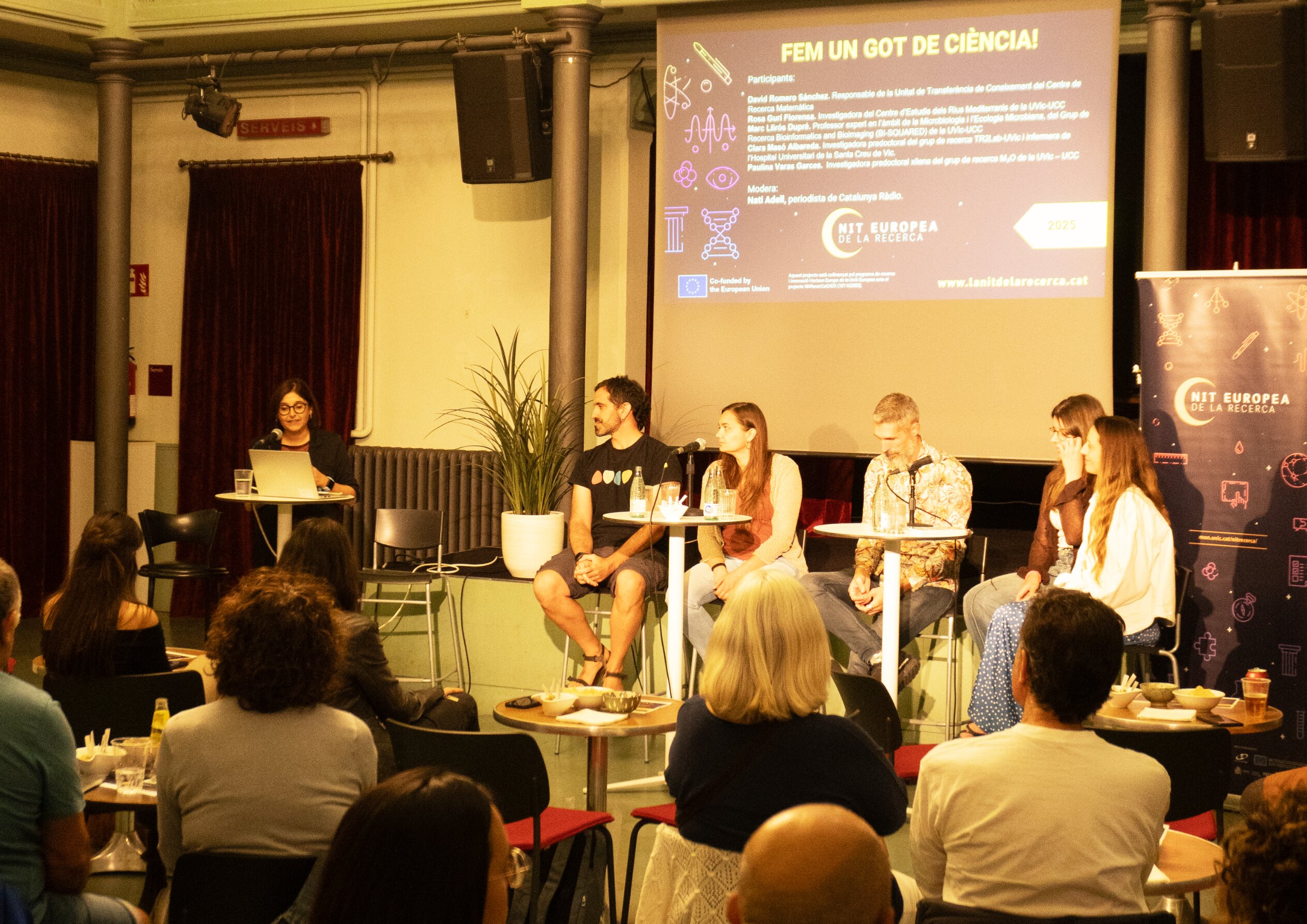
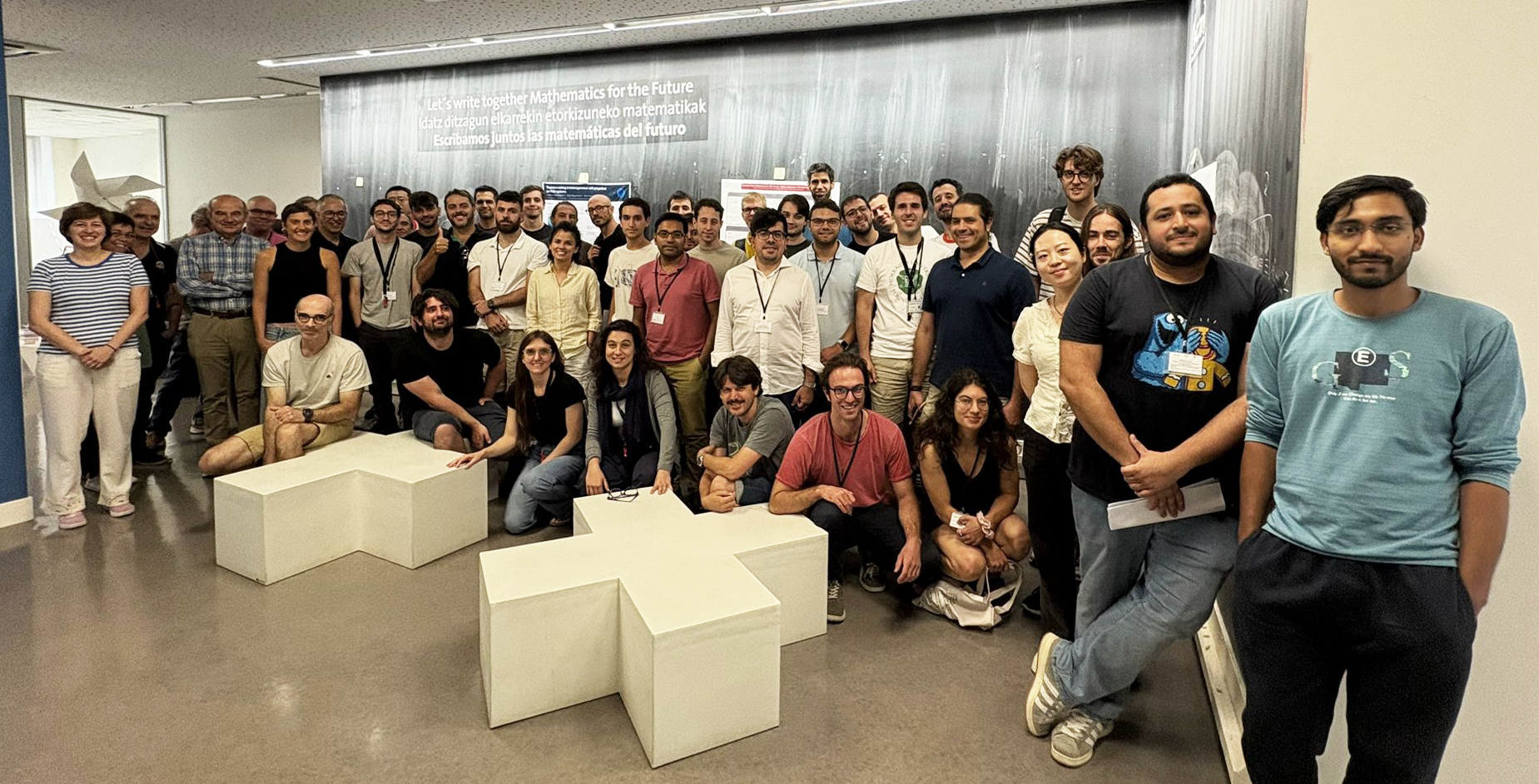
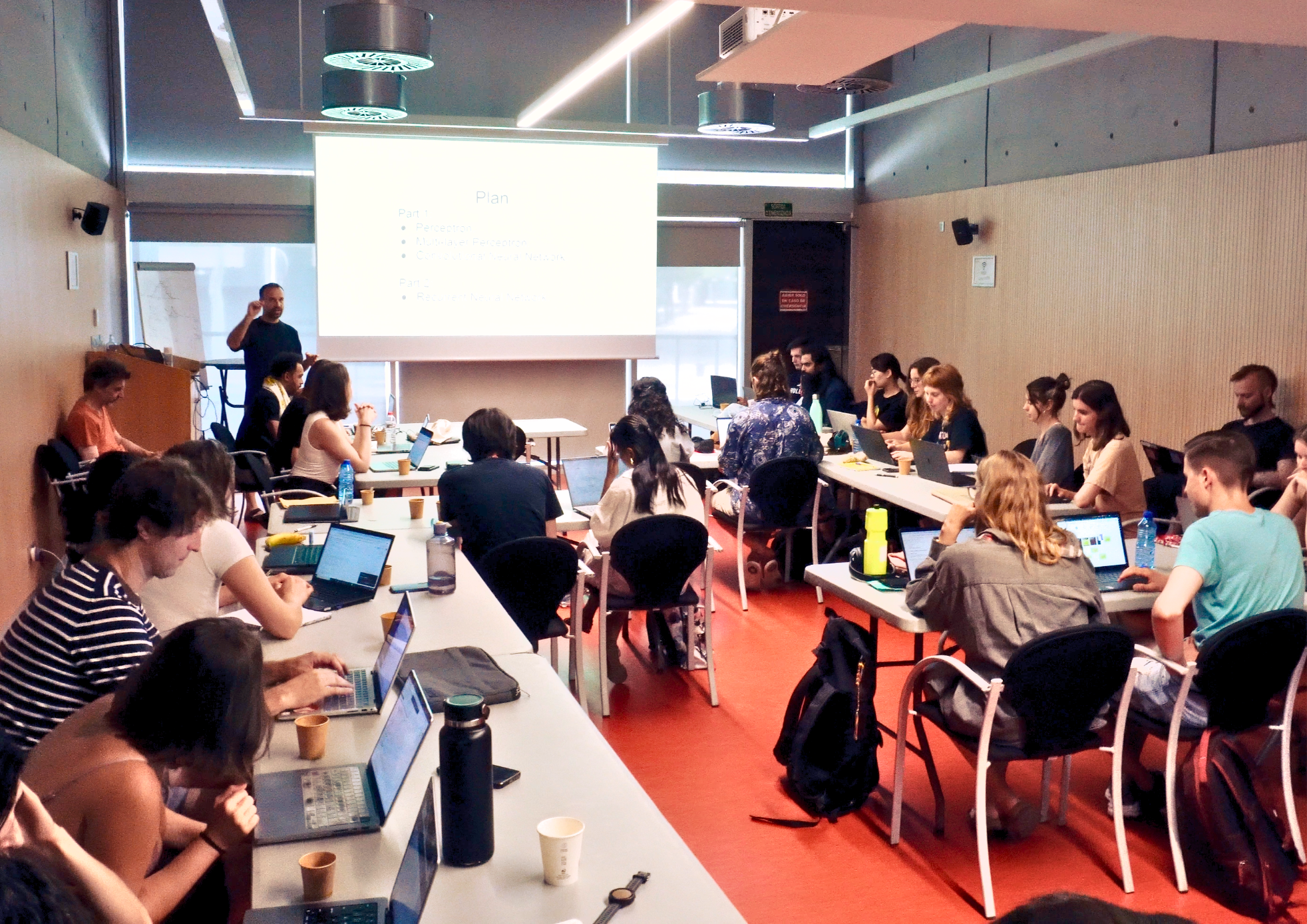
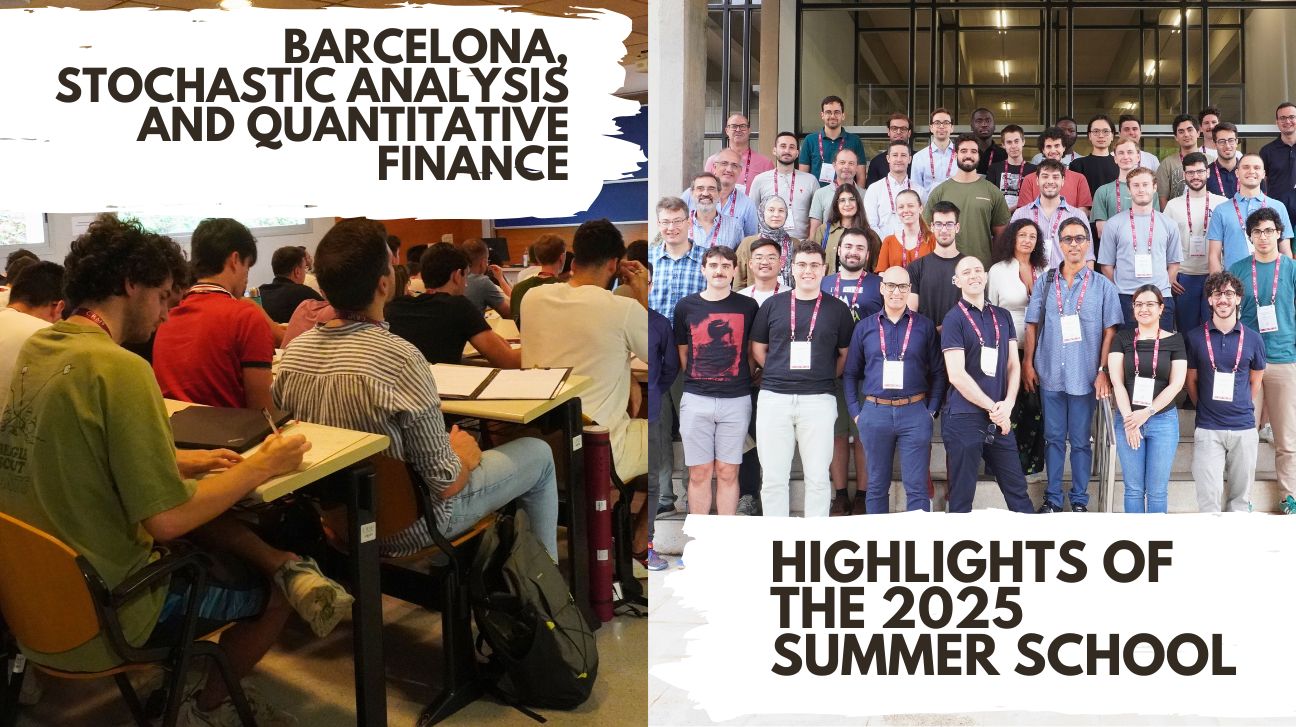
If there’s such a thing as a natural habitat for complexity, it’s definitely a room full of scientists arguing about it. From September 29 to October 3, 2025, the auditorium of the Centre de Recerca Matemàtica (CRM) became exactly that for the first Summer School of the Complex Systems Society (CS3): a living laboratory of ideas, all trying to decode how the world organises itself into chaos, and chaos into order.
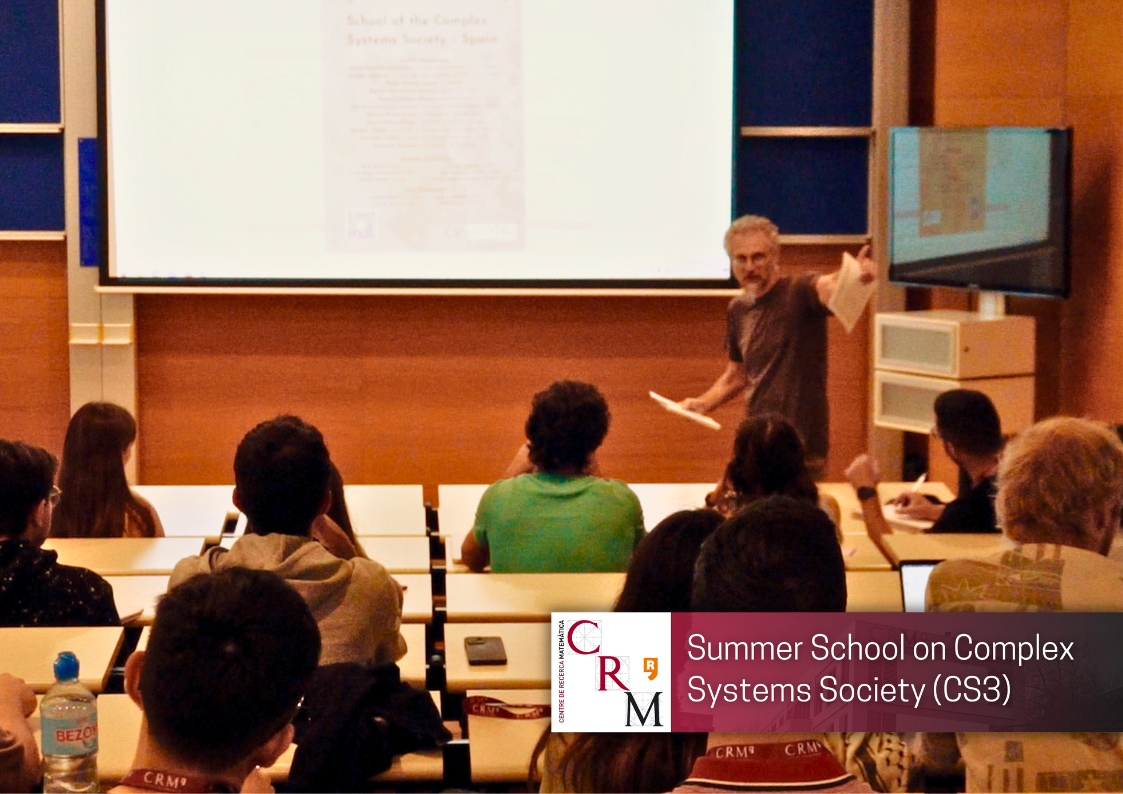
This was the inaugural edition of what is set to become a biennial tradition of the Complex Systems Society Spain (CS³), the Spanish Chapter of the Complex Systems Society, founded to connect and strengthen the country’s growing community of researchers in complex systems. CS³ promotes collaboration across disciplines, from physics and biology to economics and the social sciences, through meetings, workshops, and schools that bridge theory and application. For five days, the CRM transformed into a miniature ecosystem of its own with biologists, physicists, economists, and mathematicians orbiting a shared set of questions: How do systems grow, adapt, and eventually break down?
For five days, the CRM became a miniature ecosystem of its own; biologists, physicists, economists, and mathematicians orbiting a shared set of questions: How do systems grow, adapt, and eventually break down?
Invited lecturers included Bernat Corominas-Murtra (Graz University), who led a journey through embryonic development, a dance of feedback, mechanics, and stochastic magic that somehow yields a creature instead of chaos, and Gasper Tkačik (ISTA), who shifted the conversation to optimisation; the idea that genes, neurons, and ecosystems might all be nature’s way of solving problems with mathematical precision.
Antonio Turiel (CSIC) brought the tone down to the planetary scale and to Earth’s thermodynamic limits. His course on energy, entropy, and collapse was a sober reminder that no system, not even the global economy, escapes the second law. And finally, Karoline Wiesner (University of Potsdam) closed the circle, tracing the philosophical and computational foundations of complexity science; from randomness to emergence, from theory to the social sphere.
Afternoons brought a different rhythm: contributed talks and posters that spilt from the lecture hall into corridors and coffee lines. Among the invited talks, Guim Aguadé-Gorgorió compared tumours to ecosystems, David Moriña revealed the hidden mathematics of gender-based violence, and Jacobo Aguirre stretched the discussion to the stars, tracing how molecular complexity might arise in interstellar clouds. Even the pharmaceutical world joined in, with Núria Folguera-Blasco (AstraZeneca) showing how mathematical models guide drug development. Marta Sales-Pardo (URV) closed the loop, reminding everyone that even in science, our assumptions are often the most invisible variables.
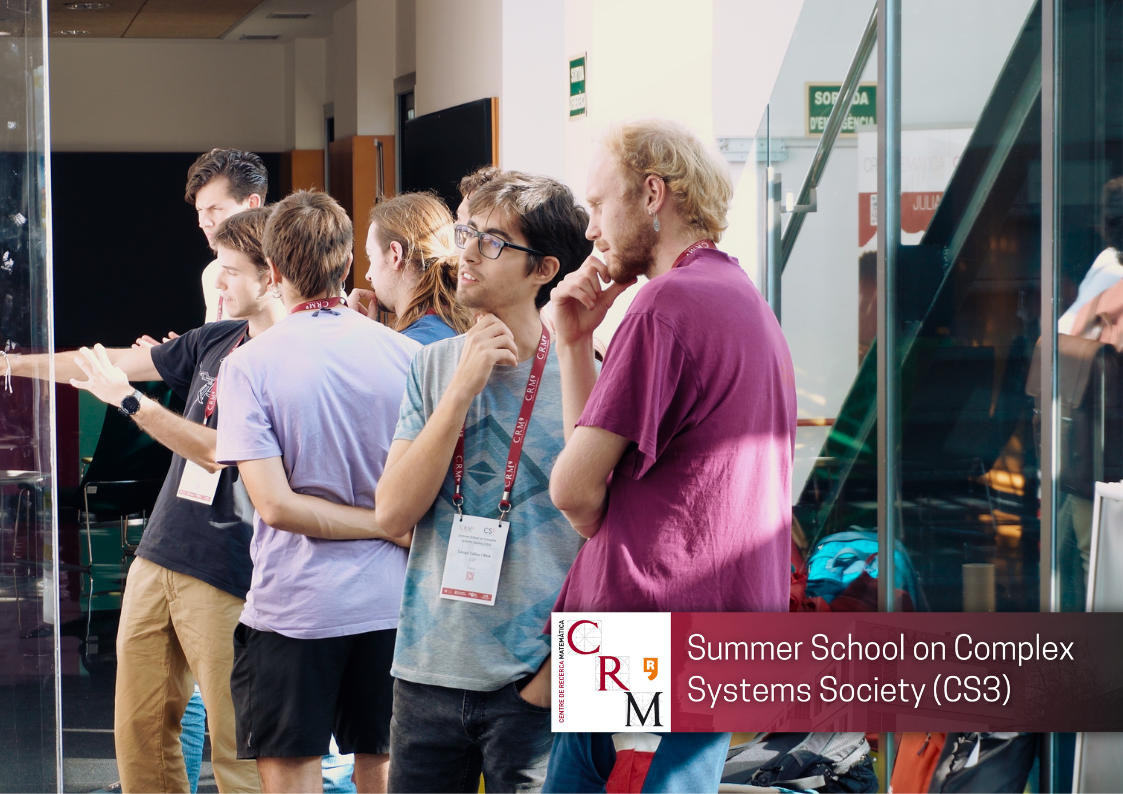
All in all, forty-seven participants from more than ten countries and over thirty institutions took part in the school; ten invited speakers, dozens of perspectives, and countless ideas exchanged over the course of five intense days.