
Javier Gómez Serrano, former CRM member and professor at Brown University, is working with Terence Tao and DeepMind on AlphaEvolve, an AI tool that uses code evolution to solve complex math problems. For him, it signals a shift in how research is…
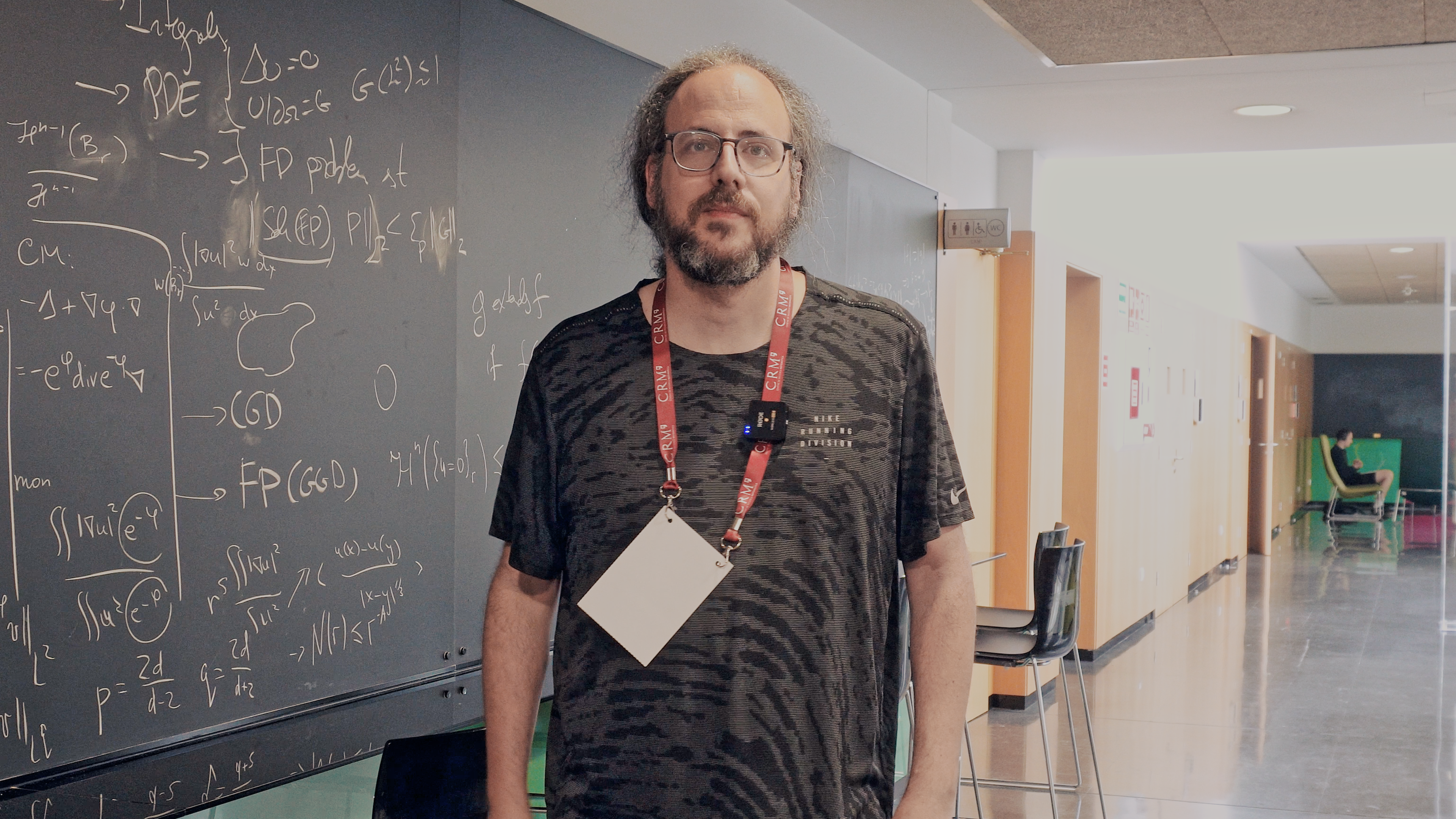


Researcher Javier Gómez Serrano, a former member of the Centre de Recerca Matemàtica (CRM) from 2020 to 2022, and currently a professor at Brown University, is part of a new project at the intersection between mathematics and artificial intelligence. Together with mathematician Terence Tao, form the University of California, and a team at Google DeepMind, Gómez Serrano is helping to develop AlphaEvolve, a pioneering tool that explores a new way of doing mathematics. We had the opportunity to speak with him during the recent Conference on Modern Trends in Fourier Analysis at the CRM.
AlphaEvolve, publicly announced on May 14, 2025, is an evolutionary coding agent based on language models like Gemini. Its core idea is simple but powerful: generate multiple candidate solutions in code and evolve them iteratively through a process similar to natural selection. This method has already shown its potential by tackling major open problems, such as matrix multiplication or the kissing number problem in 11 dimensions. In this last case, AlphaEvolve discovered a configuration of 593 spheres tangent to a unit sphere, setting a new lower bound for this longstanding geometric challenge.
Gómez Serrano first came into contact with DeepMind through a previous collaboration on the Navier–Stokes equations. “I had already been working with them on that topic, and at the end of January 2025 we started this new project,” he explains. For him, the emergence of tools like AlphaEvolve signals a turning point in mathematical research: “I believe the way we do mathematics is going to change, at least for part of the community. These kinds of models or assistants will become more widespread and will help us reach results that now take one or two years in just a few days.”
This acceleration also transforms the kind of questions mathematicians can ask: “We’ll be able to tackle harder problems, because we’ll have more powerful tools,” he says. But he also adds a note of caution: “We still don’t know the best way to interact with these models. The community is figuring out how to get the most insight with the least computational cost.”
Unlike systems like ChatGPT, AlphaEvolve does not operate through natural language. “We don’t talk to it with plain text,” Gómez Serrano explains. “We ask it to write code that tries to solve the problem, and that code then evolves and improves over time.”
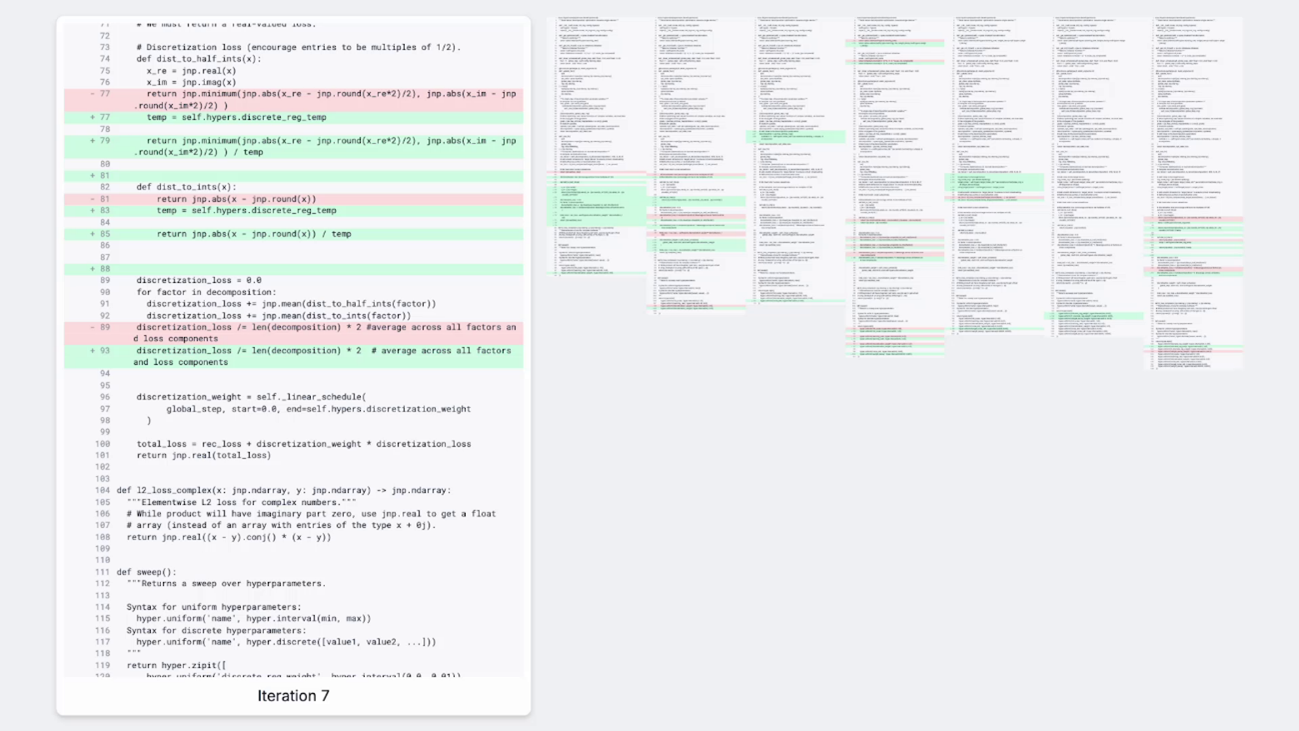
This raises new challenges, especially when it comes to extracting insight from the solutions. “When the model detects structure in a solution, how do we understand and translate that into mathematical intuition? That’s something we still don’t fully grasp.” As Terence Tao explained on Mastodon: “AlphaEvolve can attempt to extremize functions F(x) with x ranging over a high-dimensional parameter space, and can outperform traditional optimization algorithms when the function and space have non-obvious structure”.
When it comes to the role of AI in mathematics, Gómez Serrano is clear: it’s not a competition. “This isn’t about humans versus machines. The real value is in what humans and machines can do together. These tools allow us to go beyond our limits, not in competition, but in collaboration.”
As for the areas of mathematics most likely to be affected, he points to quantitative or concrete domains as natural early adopters. “It’s easier for a computer to handle numbers than to represent abstract concepts like groups. But with the speed these technologies are evolving, we don’t really know where the boundary will be.”
His advice to early-career mathematicians is simple: keep an open mind. “This landscape is evolving incredibly fast. The pace of results is no longer measured in years, but in months. Staying informed and open-minded is essential to understand how this new mathematical world will work.” He sees it not as a threat, but as an opportunity: “We’re starting from scratch in many ways. That gives us a chance to take the lead, not just in research, but in defining how mathematics is done in the future.”
New tools like AlphaEvolve are reshaping how we approach mathematical discovery. By combining human insight with AI-driven exploration, this project is opening new paths toward solving complex problems; faster, deeper, and with unexpected creativity.
The full interview with Javier is available on the CRM YouTube channel.
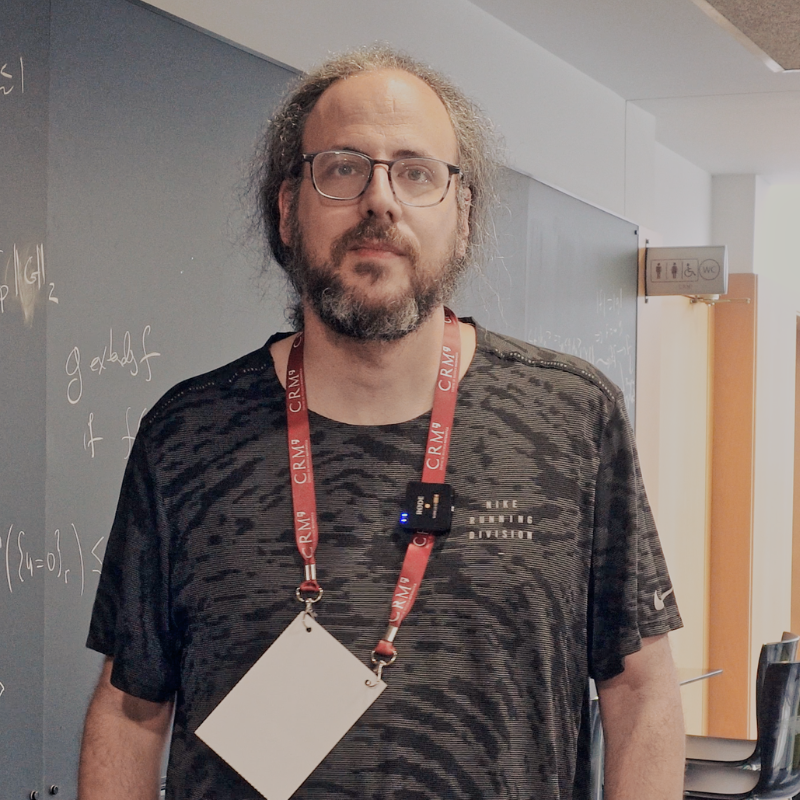
Javier Gómez Serrano is an Associate Professor at Brown University. He was previously a Distinguished Researcher at the University of Barcelona and held positions at Princeton University. From 2020 to 2022, he was an Affiliated Researcher at the Centre de Recerca Matemàtica (CRM).
His work sits at the crossroads of analysis, PDEs, fluid mechanics, spectral geometry, numerical computation, machine learning, and computer-assisted proofs.
|
|
CRM CommPau Varela
|
Javier Gómez Serrano, former CRM member and professor at Brown University, is working with Terence Tao and DeepMind on AlphaEvolve, an AI tool that uses code evolution to solve complex math problems. For him, it signals a shift in how research is…
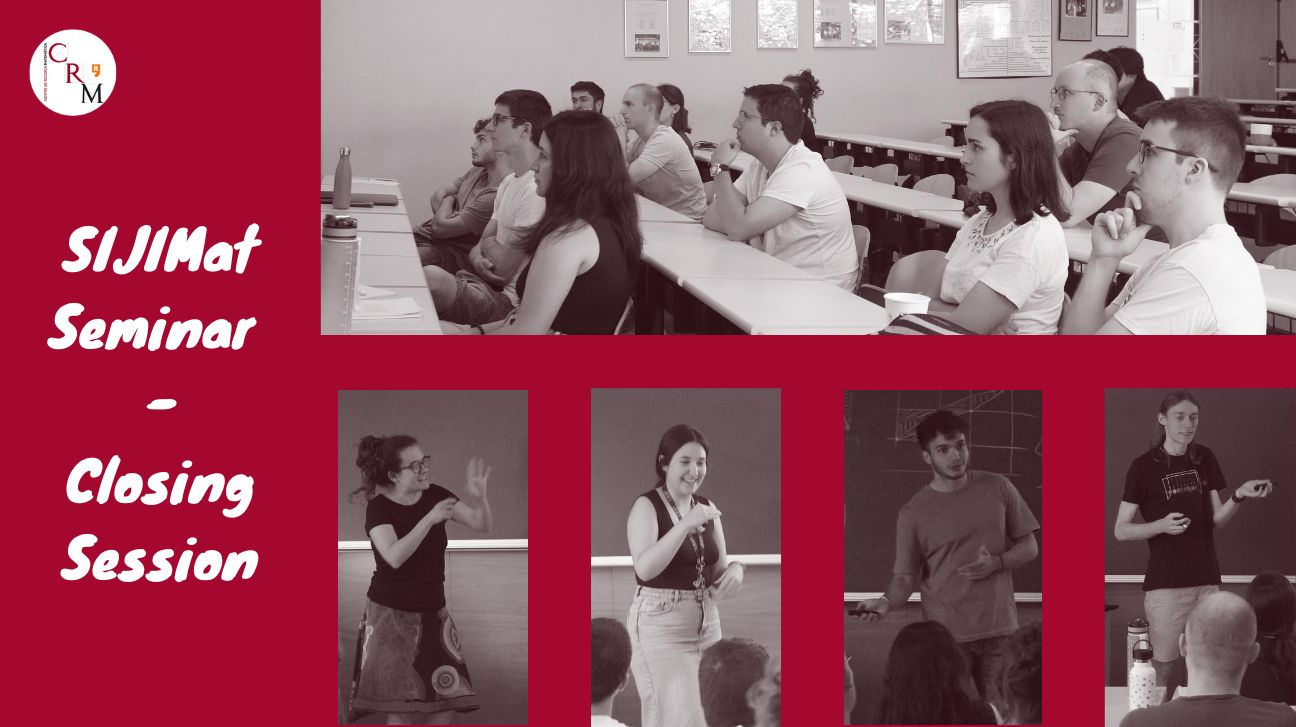
Four young researchers (S. Dhyr, A. Garcia, L. Unamuno and R.Homs) at CRM present their work in geometry, neuroscience, environmental statistics, and algebraic methods in the final SIJIMat session of the academic year.On June 12, the Centre de Recerca Matemàtica (CRM)…
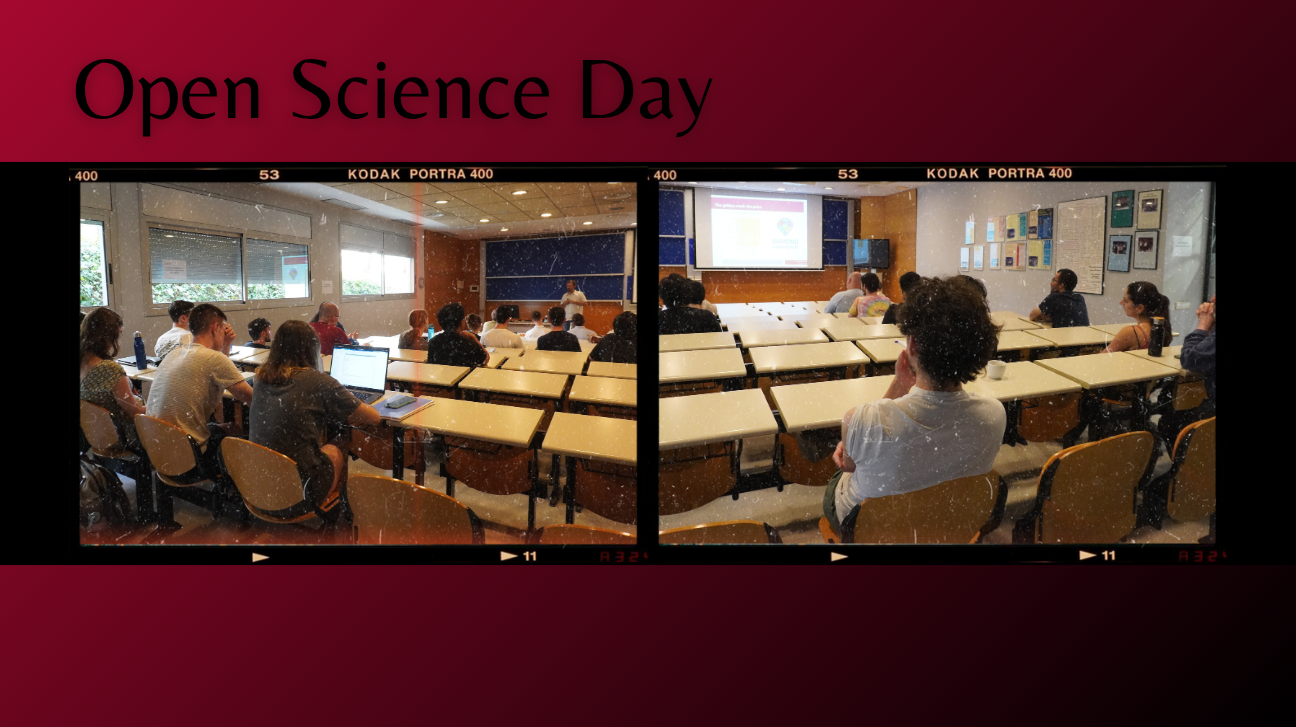
On June 11, the Centre de Recerca Matemàtica (CRM) hosted the Open Science Day, bringing together researchers to explore the principles, challenges, and transformative potential of open science. With a central talk by Ignasi Labastida and a roundtable featuring…
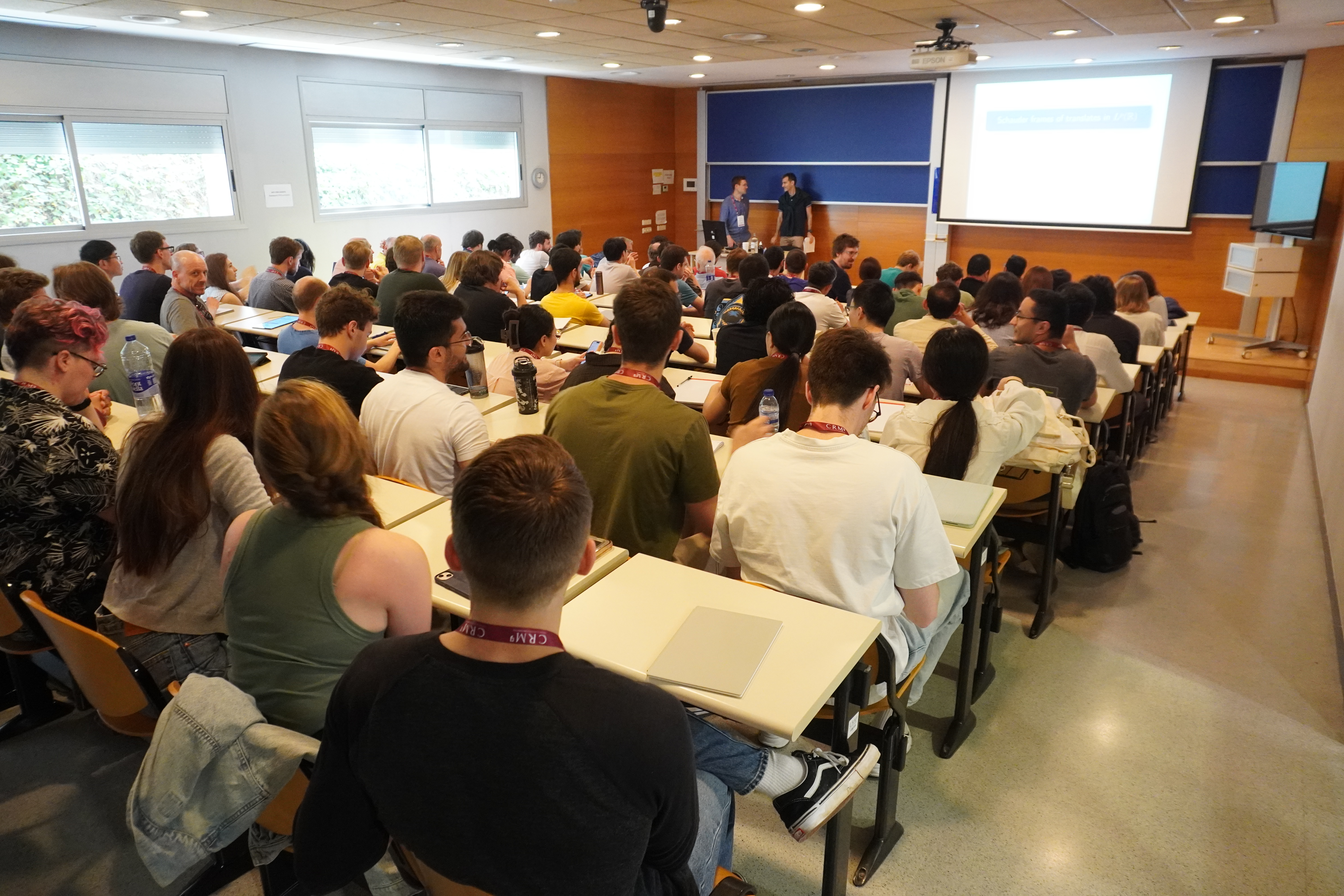
For one intense week, the CRM auditorium became a meeting point for some of the most active researchers in modern Fourier analysis. From June 2 to June 6, 2025, the Conference on Modern Trends in Fourier Analysis brought together senior experts,…
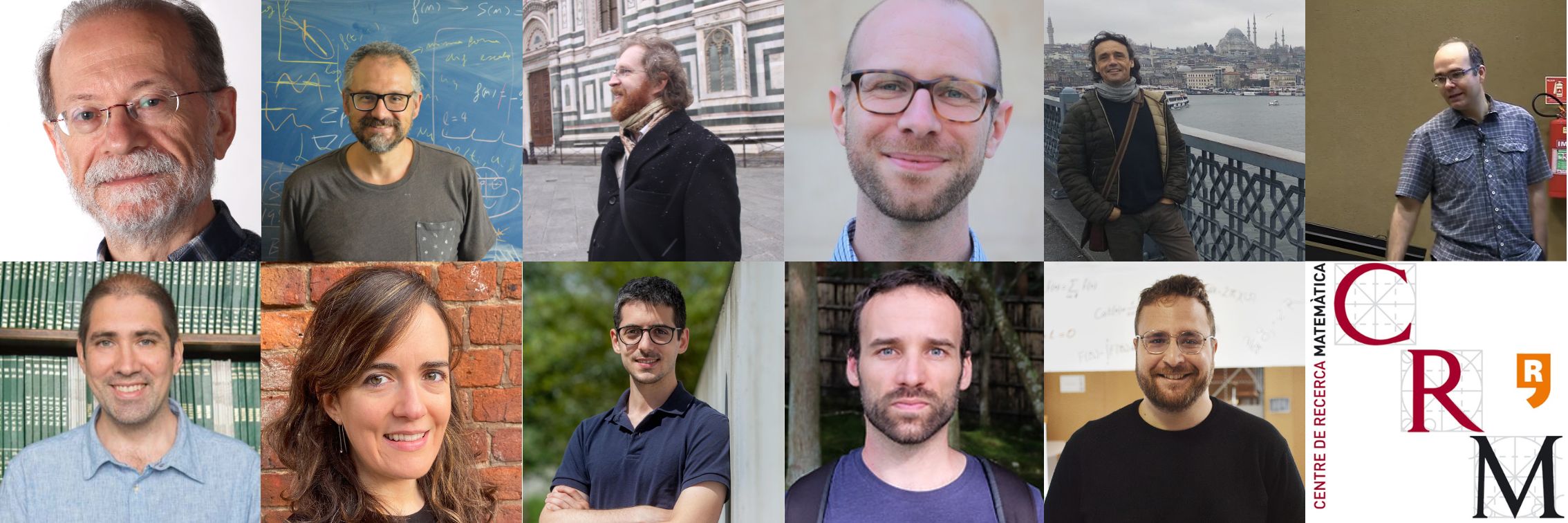
From left to right, top to bottom: Carles Broto (UAB-CRM), Álvaro Corral (UAB-CRM), Wolfgang Pitsch (UAB-CRM), Richard Lang (UPC – CRM), Simeon Ball (UPC – CRM), Lluís Vena (UPC – CRM), Jorge Antezana (UB-CRM), Leticia Pardo (UB-CRM), Guillem Blanco (UPC – CRM),…
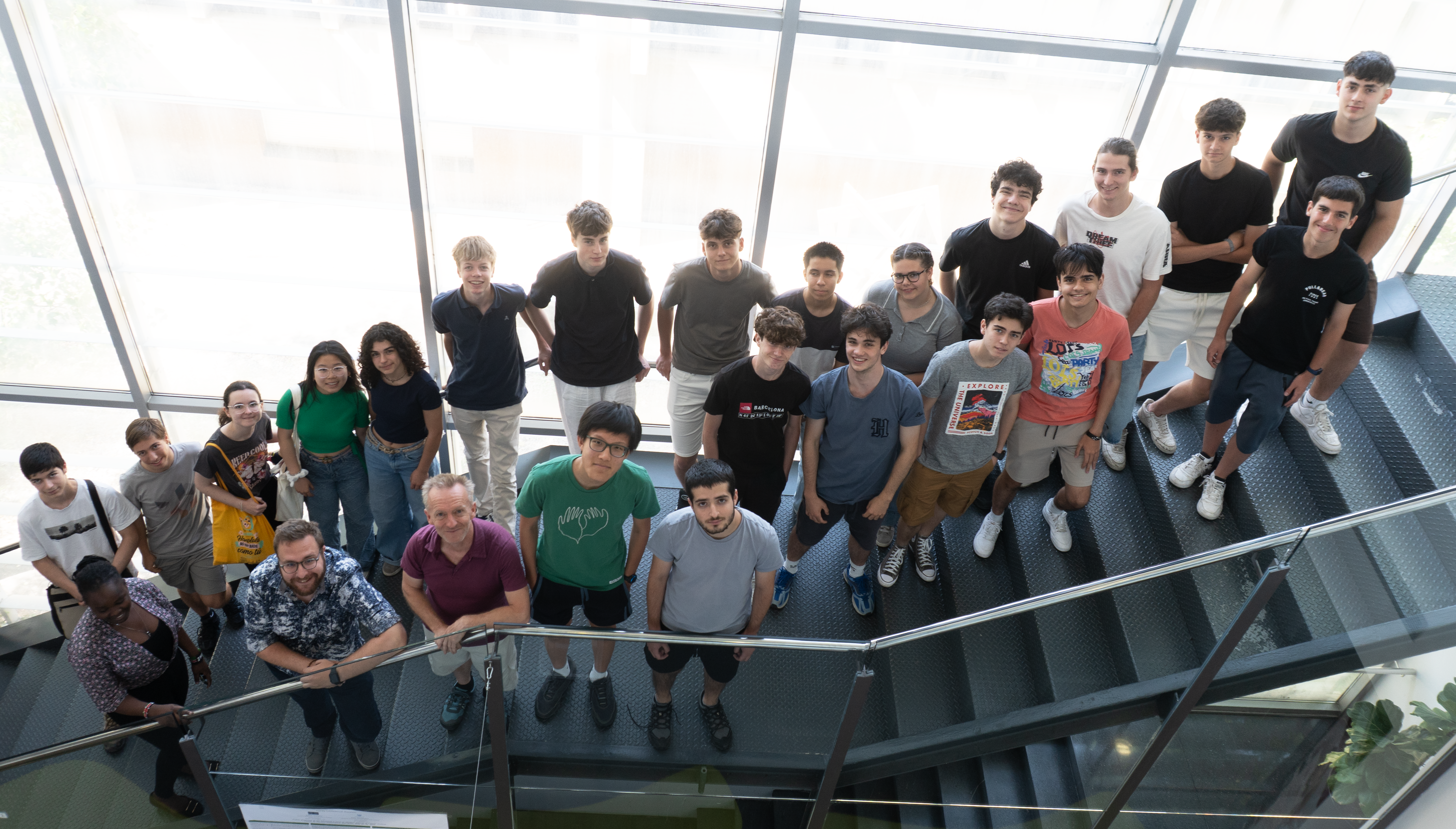
Dissabte passat, el Centre de Recerca Matemàtica va acollir una sessió del programa Bojos per les Matemàtiques, adreçat a estudiants de batxillerat amb interès i talent per aquesta disciplina. Una vintena de participants van assistir a dues…
La professora i investigadora Núria Fagella ha estat escollida nova degana electa de la Facultat de Matemàtiques i Informàtica de la Universitat de Barcelona. Especialista en dinàmica complexa i adscrita al Centre de Recerca Matemàtica, el seu…
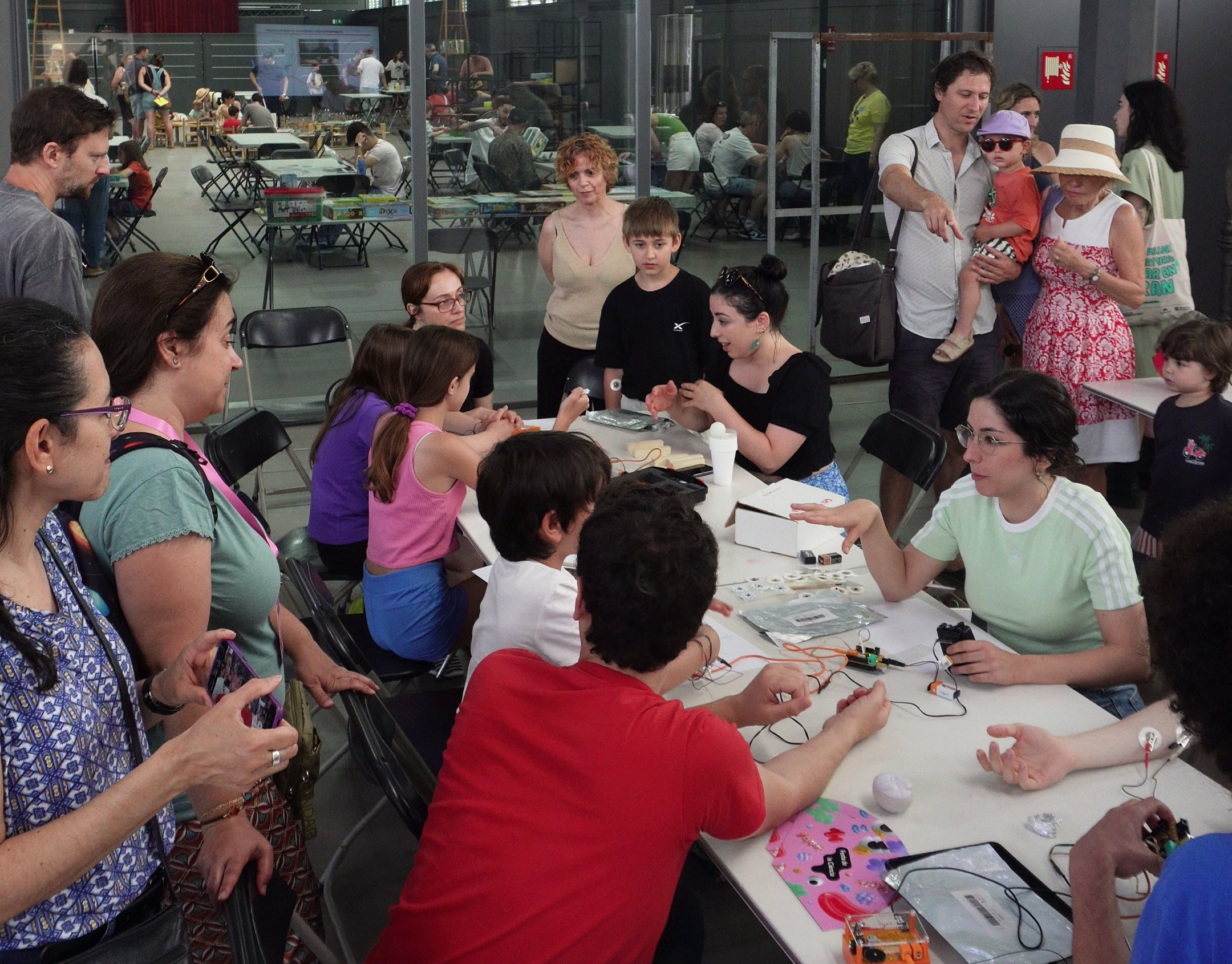
Aquest cap de setmana, el Centre de Recerca Matemàtica ha participat a la 18a Festa de la Ciència de Barcelona amb l’activitat Neural Code, un taller interactiu per explorar com el cervell transforma els senyals neuronals en moviment. L’activitat, organitzada en…

From May 26 to May 30, 2025, the Centre de Recerca Matemàtica (CRM) in Bellaterra welcomed more than 80 participants from institutions around the world for the Advanced Course on Modern Aspects of Fourier Analysis. The activity, held at the CRM Auditorium, was one of…
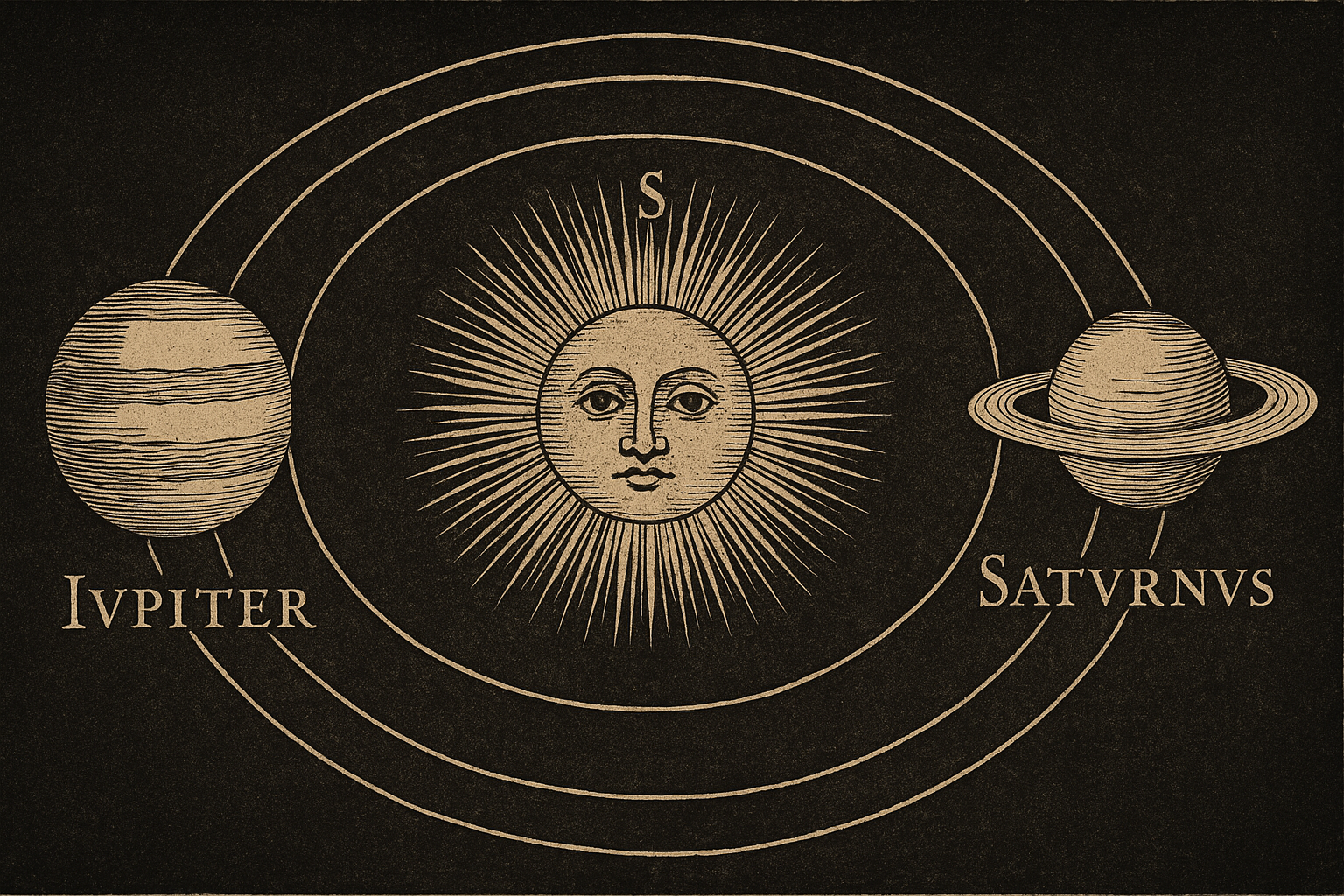
Mathematicians Jordi-Lluís Figueras and Alex Haro have taken a step toward validating a long-standing astronomical hypothesis: that the Sun–Jupiter–Saturn system could sustain stable, quasiperiodic motion indefinitely, even in the face of chaotic…
The Centre de Recerca Matemàtica (CRM) has released its 2024 Annual Report, a comprehensive overview of the centre’s scientific output, institutional developments, training initiatives, and outreach activities over the past year. This edition carries particular…
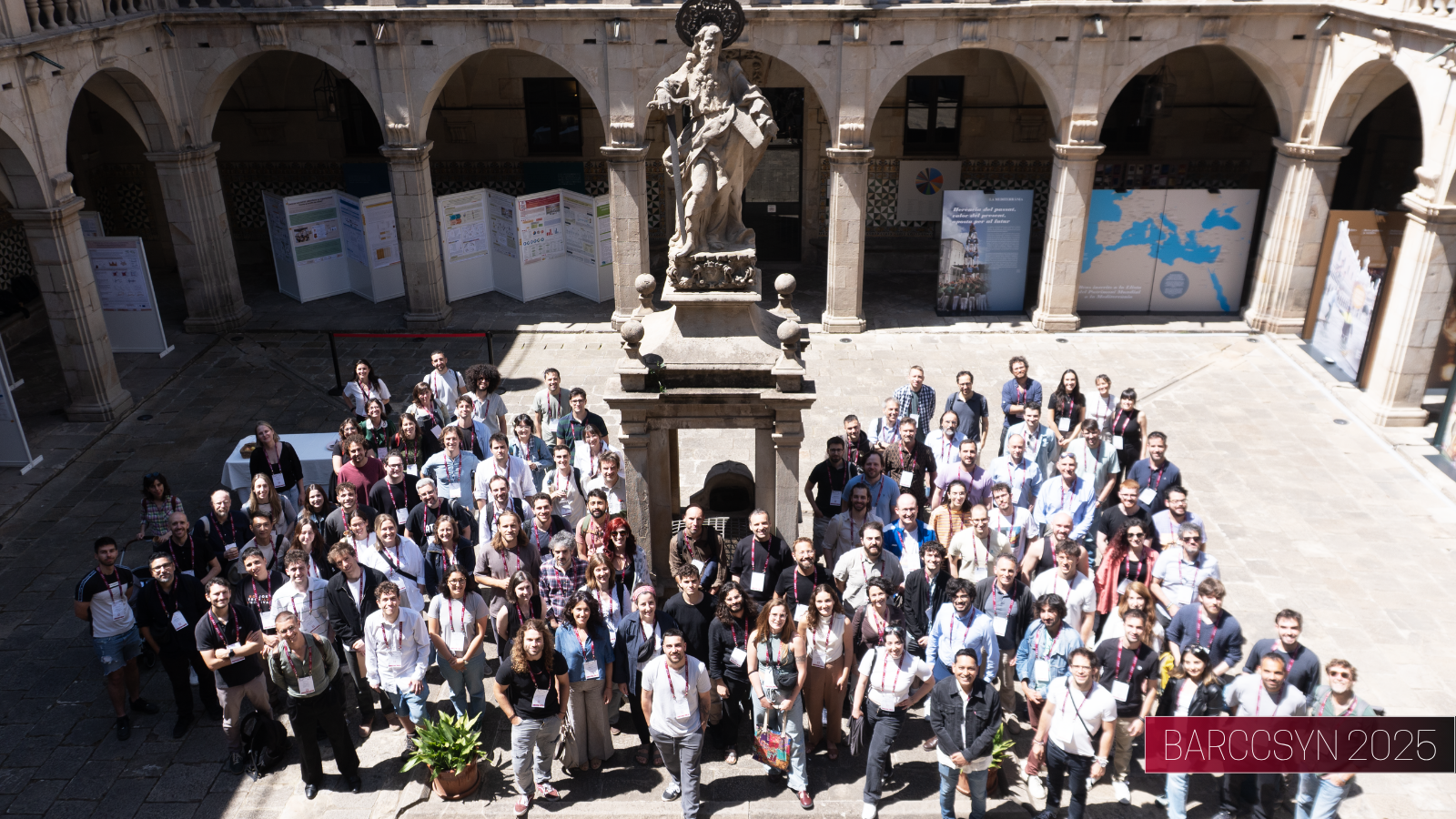
On May 22 and 23, the Institut d’Estudis Catalans (IEC) opened its doors to the 12th edition of the Barcelona Computational, Cognitive and Systems Neuroscience (BARCCSYN) conference. Now a well-established event in the city’s scientific calendar, BARCCSYN continues to…
The post Javier Gómez Serrano collaborates with Terence Tao and DeepMind on an AI project to solve open mathematical problems first appeared on Centre de Recerca Matemàtica.