Author Archive

ICIQ publishes its Open Science Policy advancing research transparency

ICIQ has publicly released its Open Science Policy, whose main objective is to set an environment that ensures transparency and accessibility in research. This step reflects the institute’s commitment to sharing knowledge with peers and society, maximizing the impact of its work. 

The policy defines how ICIQ intends to align with current European mandates as well as Spanish and Catalan regulations. It has been available to the ICIQ community since last March, within the ICIQ Open Science portal, launched during the ICIQ Open Data Day event. The portal centralizes resources for researchers, which makes it easier for them to navigate and adopt open science practices. It provides access to internal guides, links to open repositories, lists of external tools, data management resources and training materials. 

Internal guidelines on Open Access and Data Management are also available, focusing on practical aspects of Open Science such as how to share publications, research data and other related metadata, following the principle of “as open as possible, as closed as necessary” to account for potential intellectual property conflicts. The institute benefits from the recent Transformative Agreements for CERCA centers for Open Access publications and is currently developing a new platform, the eChemPad, to streamline formatting and storage of experimental research data in the CORA.RDR repository. These efforts follow the pioneer work of ICIQ’s computational research groups within io-ChemBD, a recognized online platform to manage and share computational and materials science research data, with hundreds of users worldwide.  

The Open Science policy has been developed by a working group composed of a broad representation of members from different areas of the institute, providing guidelines on FAIR data management, outlining the responsibilities of both ICIQ and its researchers in this area and highlighting the commitment to evaluate research more qualitatively, beyond traditional quantitative metrics, in line with the Coalition for Advancing Research Assessment (CoARA).  

Additionally, the policy advocates for the implementation of regular training activities for researchers, including onboarding session, SHARP programme and Open Data Day, ensuring that everyone has the knowledge and the support needed to implement open science practices.  

Open Science is one of ICIQ’s scientific and strategic objectives and our commitment to its development is also reflected in the recently awarded Severo Ochoa Centre of Excellence accreditation. This funding will partially support the implementation of the actions outlined above, including the recent recruitment of two key positions related to this topic: a Data Manager and a Data Steward. Altogether helping to fully implement the policy and further advance open science practices across the institute.

 

This action has received funding from the Spanish State Research Agency/Ministry of Science, Innovation and Universities through the “Severo Ochoa” Centres of Excellence Programme 2024 (CEX2024-001469-S, MICIU/AEI/10.13039/501100011033). 

La entrada ICIQ publishes its Open Science Policy advancing research transparency se publicó primero en ICIQ.

Go to Source

Uncovering the Regulatory Mechanism Behind Arabidopsis Defense Against Herbivores

An article led by CBGP researcher Isabel Diaz reveals the key role of a microRNA (miRNA) in faster and more robust plant responses. The study highlights the importance of understanding these coordinated gene reprogramming networks to improve crop resilience.

Go to Source

First discovery of how an autism-linked mutation reduces vasopressin and alters social behavior

  • This study from the Institute for Neurosciences shows that vasopressin, a neuropeptide, regulates sociability and social aggression.
  • The results, published in Nature Communications, open the door to treatments that could restore social deficits in autism spectrum disorder without altering social aggression by targeting specific vasopressin receptors.

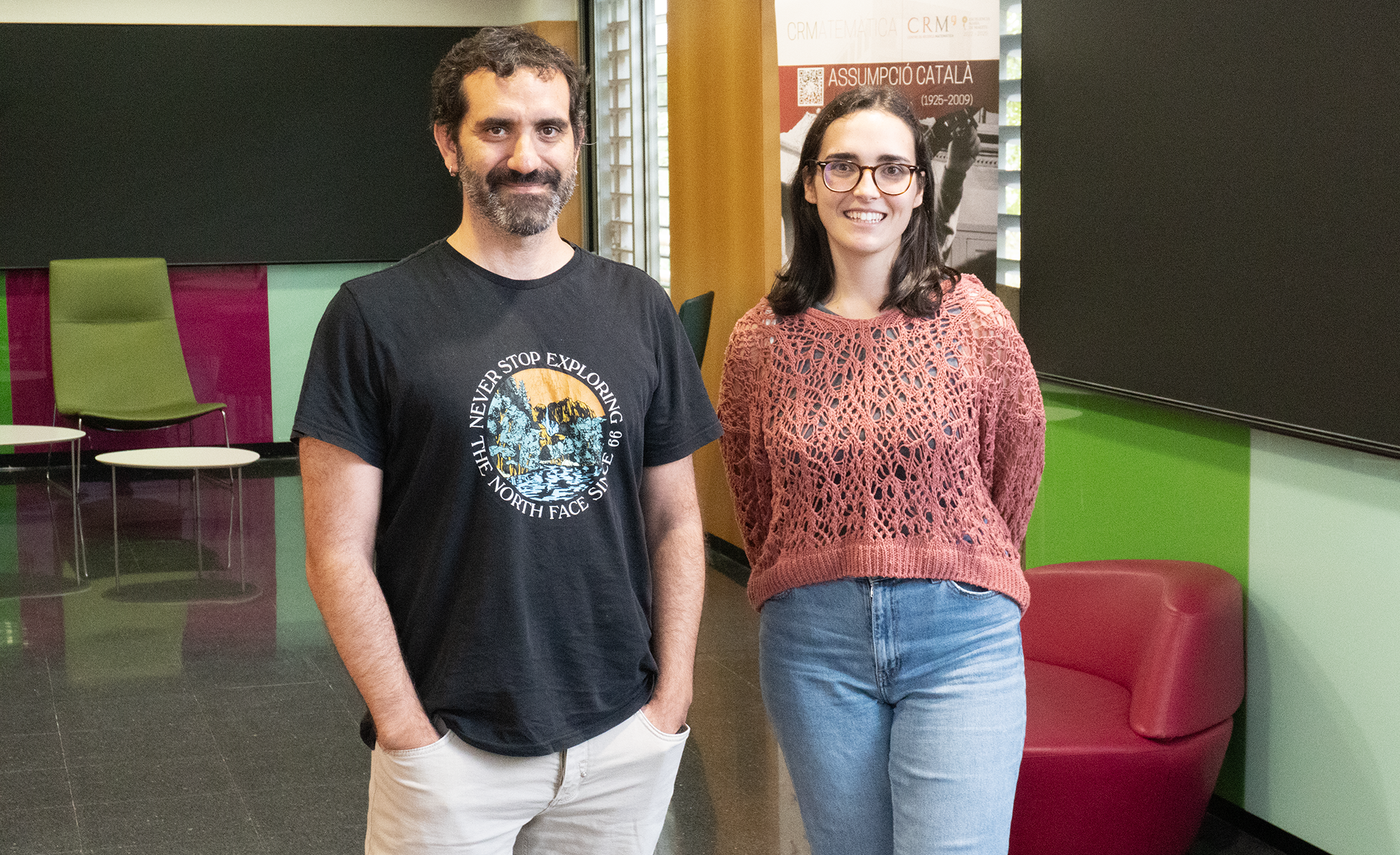
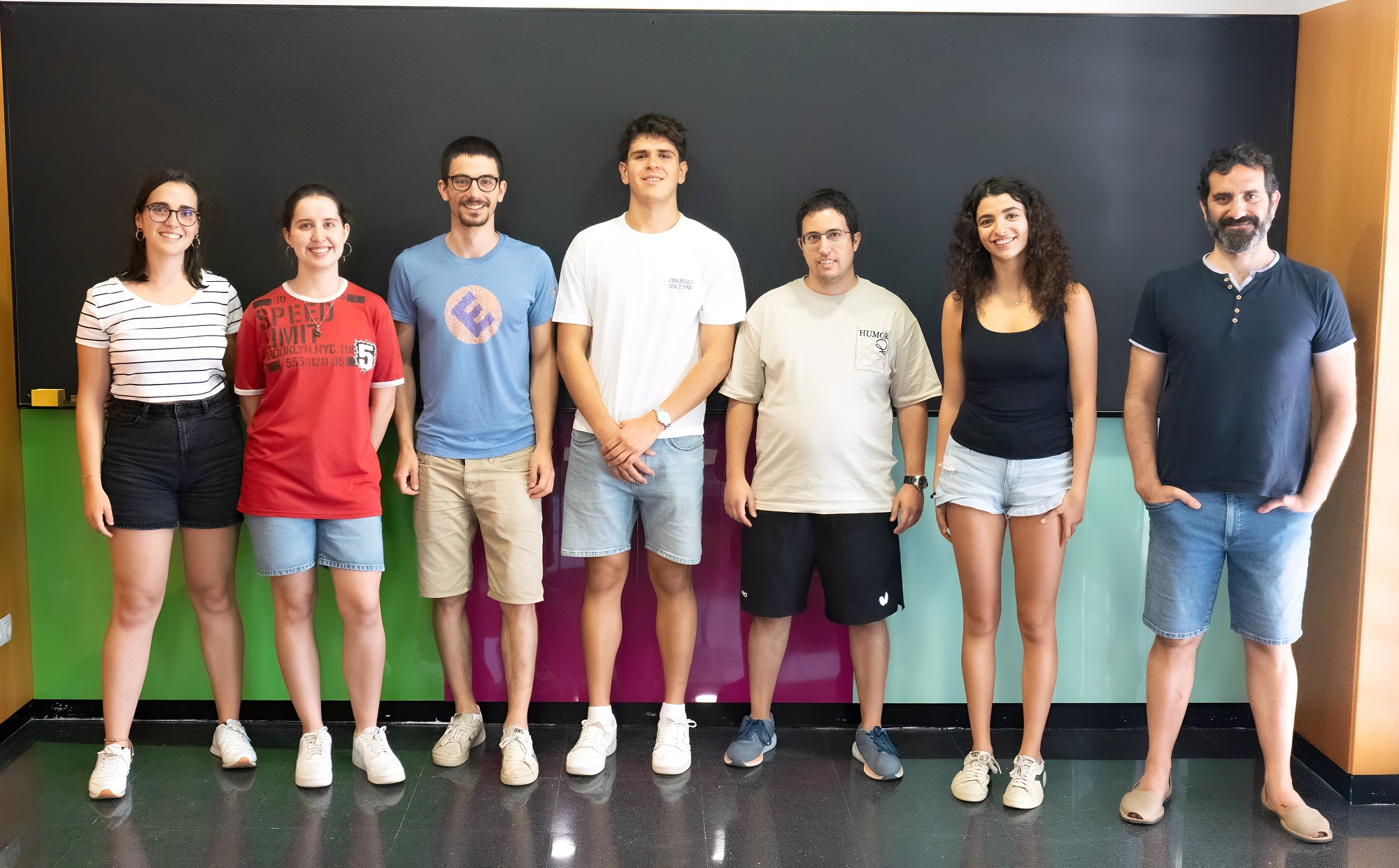
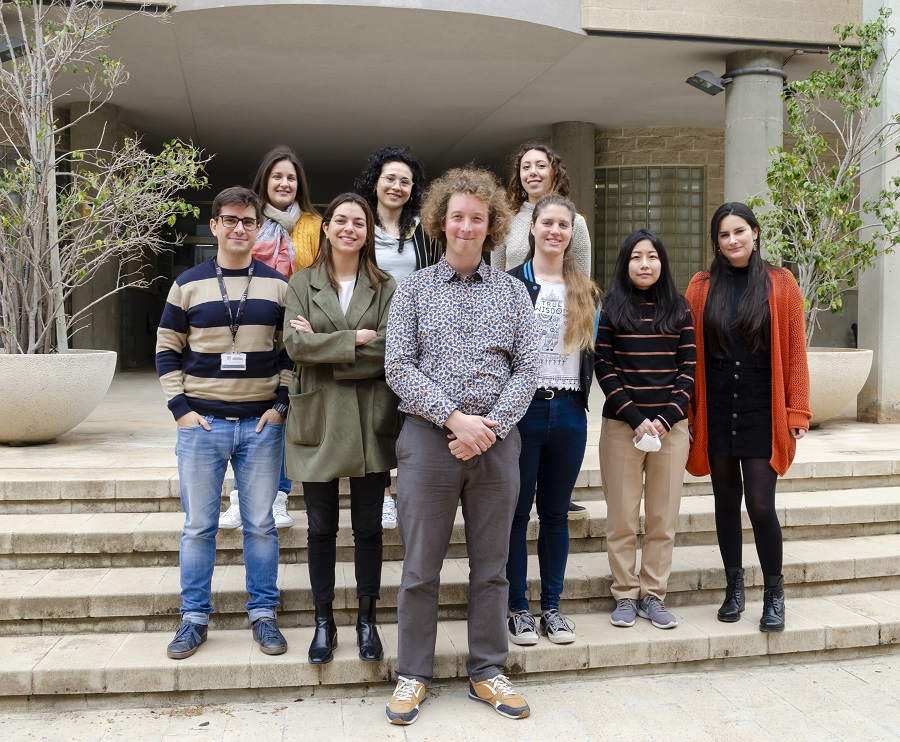
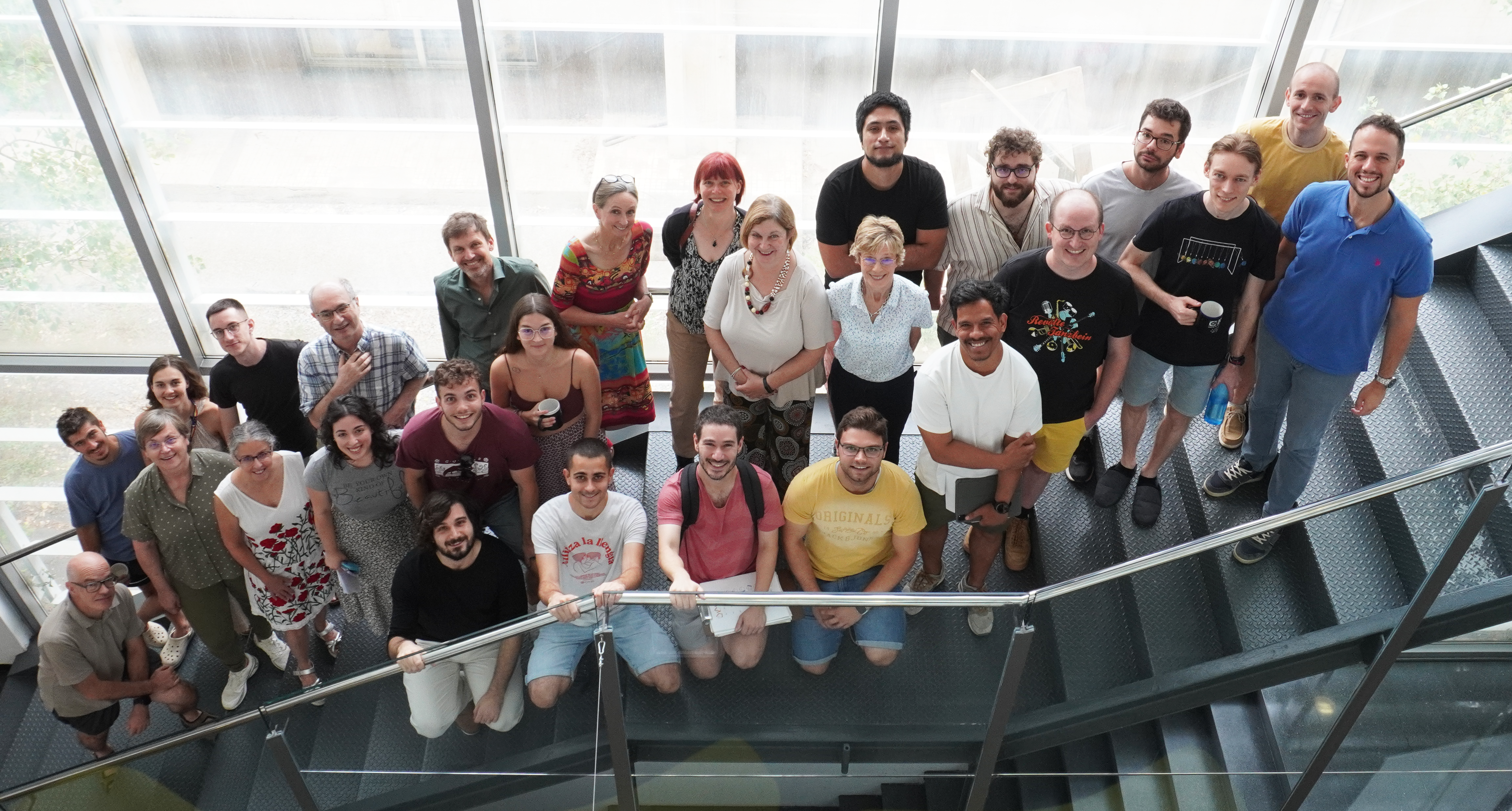
(Photo: Team of the Cognition and Social Interactions laboratory, led by Félix Leroy at the IN CSIC-UMH)

The Cognition and Social Interactions laboratory, led by Félix Leroy at the Institute for Neurosciences, a joint center of the Spanish National Research Council (CSIC) and the Miguel Hernández University (UMH) of Elche, has identified for the first time the mechanism linking a mutation in the Shank3 gene with alterations in social behavior. Using a mouse model carrying this autism-associated mutation, the study shows that vasopressin, a brain hormone essential for social relationships, is not properly released in the lateral septum. The work, published in Nature Communications, demonstrates that the proper release of vasopressin in this region regulates social behaviors through two distinct receptor pathways: one controlling sociability and the other controlling social aggression, and that selective activation of these receptors can reverse deficits in social interaction without triggering unwanted aggressive responses.

The findings provide the first detailed explanation of how a genetic mutation linked to autism leads to problems in social interaction. Until now, the Shank3 gene had been associated with the disorder, but the biological mechanism underlying this connection remained unclear. The key, as this study demonstrates, lies in vasopressin: a brain hormone that acts as a messenger between neurons and is essential for regulating sociability and aggression in male mice.

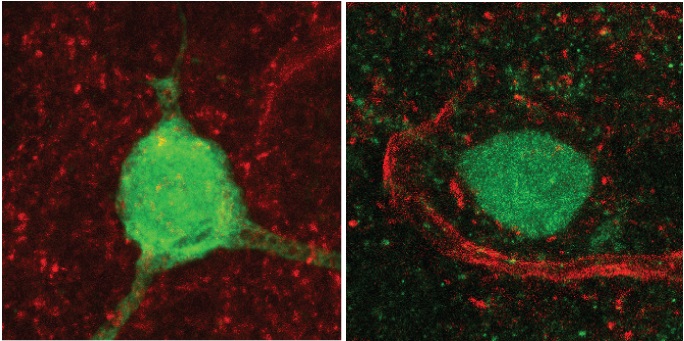
The researchers observed that in animals with the mutation, part of the population of vasopressin-releasing neurons in the bed nucleus of the stria terminalis (BNST) was lost. In addition, they confirmed that these neurons release vasopressin in the lateral septum. As a result, little vasopressin reached the lateral septum. This alteration explains why the mutant mice showed reduced sociability and a marked decrease in defensive aggression, a behavior that, under normal conditions, allows males to defend their territory.

Image of the mouse brain showing vasopressin-producing neurons (green) in the BNST region. In red, excitatory connections contacting these cells can be seen. Source: Nature Communications.

The study also shows that vasopressin acts in the lateral septum through two different receptors, each responsible for a specific aspect of behavior: receptor AVPR1a controls sociability, while receptor AVPR1b regulates social aggression. When the researchers manipulated these receptors, they were able to restore each behavior independently. “We managed to improve sociability without increasing aggression, which is fundamental if we are thinking about a future treatment”, explains Leroy.

To achieve this, the team used a new vasopressin biosensor developed in collaboration with Yulong Li’s laboratory at Peking University. This tool, never before applied to this hormone, made it possible to visualize in real time how vasopressin was released in the brain. “Thanks to this technology, we were able to demonstrate that the alteration was not present across the entire nervous system, but in a very specific circuit,” emphasizes María Helena Bortolozzo-Gleich, first author of the study. In addition, collaboration with researchers at the University of Zurich made it possible to validate the reliability of the results through computational data analysis.

The results of this research are protected by a patent application aimed at developing drugs capable of selectively activating the AVPR1a receptor, which is responsible for sociability. The goal is to design therapies that improve social deficits in people with autism without inducing side effects related to aggression. The study was carried out in male mice because the vasopressin pathway is more developed in males, and only they display the territorial aggression under study. This sex difference could help explain, at least in part, why autism is more frequent in males, although it is also possible that in females the disorder manifests differently or is underdiagnosed. “Our results suggest that future treatments could be personalized, taking these differences into account,” adds Leroy.

This study has been supported by funding from the European Research Council (ERC) under the European Union’s Horizon 2020 research and innovation program, the CIDEGENT fellowship program of the Generalitat Valenciana, the Severo Ochoa Foundation, and the “la Caixa” Foundation. It was also supported by grants from the National Institutes of Health (NIH, USA), the National Natural Science Foundation of China, and the Swiss National Science Foundation.

“Impaired vasopressin neuromodulation of the lateral septum leads to social behavior deficits in Shank3B+/- male mice.” Bortolozzo-Gleich MH, Bouisset G, Leng L, Ruiz Pino A, Nomura Y, Han S, Li Y and Leroy F. Nature Communications (2025) 16, 6783.

DOI: https://doi.org/10.1038/s41467-025-61994-6

The research is part of the MotivatedBehaviors project (H2020-ERC-STG/0784, n°949652), which aims to study the role of the lateral septum in regulating motivated behaviors to uncover the changes that occur in disorders associated with social behavior deficits. In this line, Leroy has developed extensive expertise in studying this brain region. In 2023, his group published in Cell a study showing how corticotropin-releasing hormone signaling from the prefrontal cortex to the lateral septum suppresses interaction with familiar individuals. This scientific trajectory has consolidated Leroy as a reference in the field, a recognition further reinforced by the EBBS Mid Career Award, recently granted by the European Brain and Behaviour Society.

Source: Institute for Neurosciences CSIC-UMH (in.comunicacion@umh.es)

La entrada First discovery of how an autism-linked mutation reduces vasopressin and alters social behavior se publicó primero en Instituto de Neurociencias de Alicante.

Go to Source

FENS-Hertie Winter School 2025–2026, 11-17 Jan 2026

The upcoming FENS-Hertie Winter School 2025–2026, titled “Single-cell and Spatial Omics to Understand Brain Heterogeneity”, will take place in Alicante from 11–17 January 2026.

This Winter School will introduce participants to cutting-edge methodologies in single-cell and spatial omics (including transcriptomics, epigenomics, lipidomics, and proteomics) and explore how these technologies are transforming our understanding of brain heterogeneity, function, and pathology.

The course is designed for PhD students and early postdoctoral researchers with a strong interest in applying single-cell and spatial omics in neuroscience. It offers a unique opportunity to engage with leading scientists in the field. It will foster an interactive, collaborative environment, encouraging participants to discuss their own research and build new collaborations in this rapidly evolving field of neuro-omics.

Further details and the application form can be found on the event webpage:  https://www.fens.org/news-activities/fens-and-societies-calendar/training-event/fens-hertie-winter-school-single-cell-and-spatial-omics-to-understand-brain-heterogeneity

Applications are open until 18 September 2025.

This international training event is co-organised by FENS and the Institute for Neurosciences, a joint center of the Spanish National Research Council (CSIC) and the Miguel Hernández University (UMH) of Elche. The local organising committee includes researchers Guillermina López-Bendito, Francisco Martini, and Silvia De Santis.

La entrada FENS-Hertie Winter School 2025–2026, 11-17 Jan 2026 se publicó primero en Instituto de Neurociencias de Alicante.

Go to Source

Dr Héctor Bueno presents the ESC consensus document on mental health and CVD

Professor Héctor Bueno, a researcher at the National Centre for Cardiovascular Research (CNIC) and the Cardiology Department of the 12 de Octubre University Hospital, and Professor Christi Deaton, from the University of Cambridge (United Kingdom), have presented a Clinical Consensus Document from the European Society of Cardiology (ESC) calling for greater awareness of the multidirectional relationship between mental health disorders and cardiovascular disease in order to improve patient health.

The Consensus Statement recommends that mental health symptoms are systematically screened for during cardiovascular care, and cardiovascular risk is routinely assessed for those being treated for mental health conditions. While poor mental health can be a contributory factor to cardiovascular disease, people living with cardiovascular disease are also at greater risk of poor mental health. Patients experiencing both cardiovascular disease and a mental health condition have worse health outcomes.

The new Consensus Statement also recommends that mental health and psychosocial risk factors become part of cardiovascular risk assessments for healthy individuals.
Significant changes to clinical cardiovascular care are advised by the Consensus Statement. This includes the establishment of Psycho-Cardio Teams, multidisciplinary teams to treat patients that include mental health professionals, such as psychologists or psychiatrists, working alongside cardiovascular care professionals. These teams should be integrated into standard care and tailored to local need.
The Consensus Statement proposes a cultural shift to treat the deadly combination of mental health conditions and cardiovascular disease.


This will involve improvements in patient care, such as professionals acknowledging the complex relationship between mental health and cardiovascular disease, working together to integrate both areas of care, therefore advocating for change to implement a better integrated person-centred care that is tailored to individual circumstances. This would present a significant change as most current models of cardiovascular care do not currently consider mental health to be a main goal.


“Clinical cardiovascular practice often overlooks the impact of mental health and the importance of its inclusion in care. We need to see cardiovascular health professionals developing collaborations with mental health professionals in Psycho-Cardio Teams to help identify early mental health conditions in our patients and improve care and support for patients and their caregivers,” said Professor Héctor Bueno.

“We are advising that mental health is actively considered in clinical appointments and that screening for mental health conditions becomes part of the assessment of patients at regular intervals. We are also advocating psychological support for caregivers,” Professor Bueno concluded. el Dr. Bueno.

Key points:

  • Lack of awareness by healthcare professionals of the prevalence of mental health conditions in the population, and the impact of this on the increased risk of developing cardiovascular disease.
  • Limited appreciation among healthcare professionals of the incidence and prevalence of mental health conditions in people with cardiovascular disease and the impact of this on quality of life, therapeutic adherence, and health outcomes.

The Consensus Statement also outlines substantial gaps in knowledge about the interplay between mental health, cardiovascular health and disease. This includes a lack of evidence-based protocols to:

  • Support mental health in the general population to reduce the risk of cardiovascular disease
  • Screen people with mental health conditions for cardiovascular disease
  • Treat mental health conditions in people with cardiovascular disease

People with severe mental illness are at increased risk of developing supraventricular and ventricular arrhythmias, which may eventually lead to sudden cardiac death. Increased arrhythmia risk is caused by multiple factors, including distress resulting from their mental health condition, high prevalence of risk factors, unhealthy lifestyle and potentially some medications.

“We hope the Consensus Statement will spark a change that empowers patients to feel able to discuss their mental health with cardiovascular professionals, and that they will have a better chance of this being taken seriously. This means accessing timely assessment, management, and the support they need to improve their mental health,” concluded Professor Deaton.


The ‘2025 ESC Clinical Consensus Statement on Mental Health and Cardiovascular Disease’ was developed by the task force on mental health and cardiovascular disease of the European Society of Cardiology (ESC). The Statement has been endorsed by the European Federation of Psychologists’ Associations, the European Psychiatric Association, and the International Society of Behavioral Medicine.


Go to Source

Designing Carbon-Based Quantum Nanocircuitry for Next-Generation Nanoelectronics and Spintronics

A new review study by ICN2 researchers highlights recent advances in controlling quantum electronic properties of nanoporous graphene, an emerging material with great potential for future nanoelectronics and quantum devices.

Go to Source

Javier Gómez-Serrano receives the 2025 R. E. Moore Prize

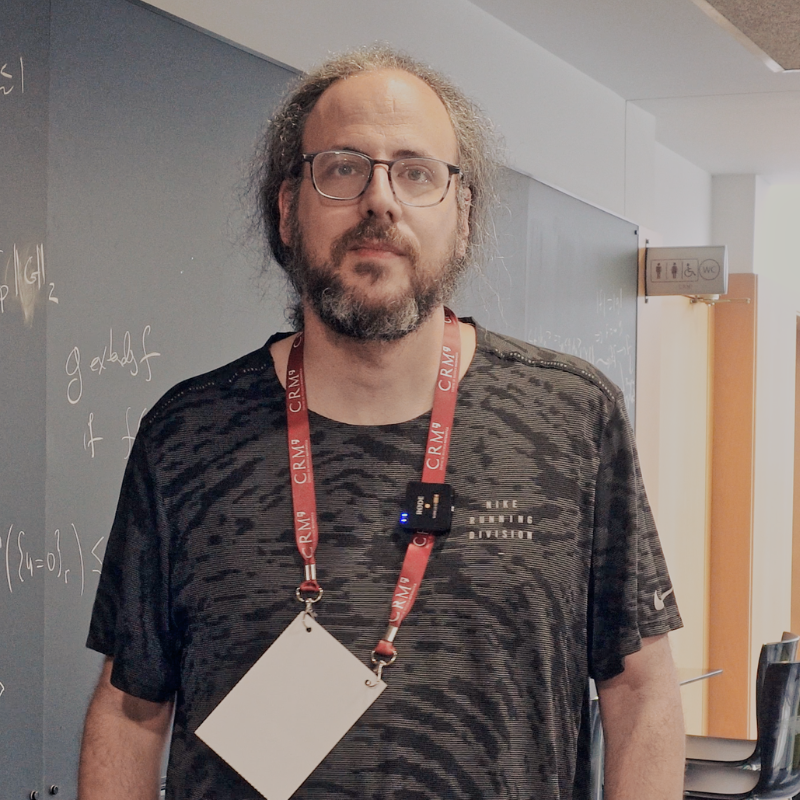
Javier Gómez-Serrano, professor at Brown University, has received the 2025 R. E. Moore Prize for Applications of Interval Analysis together with Tristan Buckmaster and Gonzalo Cao-Labora. The award honours their article Smooth imploding solutions for 3D compressible fluids, which proves that smooth fluid flows can implode and give rise to singularities. The publication also carries the affiliation of the Centre de Recerca Matemàtica, highlighting Gómez-Serrano’s continued connection with the CRM research community.

Javier Gómez-Serrano, professor at Brown University, has been awarded the 2025 R. E. Moore Prize for Applications of Interval Analysis, together with Tristan Buckmaster (Courant Institute of Mathematical Sciences, New York University) and Gonzalo Cao-Labora (École Polytechnique Fédérale de Lausanne). The award recognises their article Smooth imploding solutions for 3D compressible fluids, published this year in Forum of Mathematics, Pi.

The R. E. Moore Prize was created in 2002 by the editorial board of the journal Reliable Computing to honour the legacy of Ramon E. Moore, a pioneer in interval arithmetic. The prize, awarded every two to four years, celebrates outstanding contributions where interval analysis makes a decisive impact.

“It is the highest distinction within this community, and I feel very proud and fortunate to have received it,” says Gómez-Serrano. He is also quick to stress the collective nature of the award, underscoring the key role of Tristan Buckmaster and Gonzalo Cao-Labora: “This article began as Gonzalo’s undergraduate thesis between Princeton and the UPC, which gives his contribution extraordinary value and deserves recognition.”

Gómez-Serrano studied Mathematics and Telecommunications Engineering at the Universitat Politècnica de Catalunya, and obtained his PhD in Mathematics from the Universidad Autónoma de Madrid in 2013. He later held positions at Princeton and the Universitat de Barcelona before joining Brown University in 2022. His work sits at the crossroads of analysis, partial differential equations, fluid mechanics, spectral geometry, numerical computation, machine learning, and rigorous computer-assisted proofs.


Smooth implosions that trigger singularities in 3D fluids

In their prize-winning paper by Buckmaster, Cao-Labora and Gómez-Serrano (which also carries the affiliation of the CRM), construct the first smooth self-similar imploding solutions to the 3D Euler equations for all adiabatic exponents γ > 1, and show that these profiles can also be used to build asymptotically self-similar imploding solutions to the Navier–Stokes equations (for γ = 7/5). This represents the first rigorous example of singularity formation in compressible fluids with density bounded away from zero and constant at infinity.

“Singularities are the central piece of any differential equation. By understanding how singularities form, we also gain a deeper understanding of the model itself and its connection with the natural world around us.”

Singularities, Gómez-Serrano explains, are “the central piece of any differential equation, in fluids or beyond. The fact that a singularity appears tells us whether a problem has a solution or not, one of the most basic questions one can ask mathematically. By understanding how singularities form, we also gain a deeper understanding of the model itself and its connection with the natural world around us.”

“For example, with a simple quadratic equation, we know that if b² – 4ac < 0 there is no real solution. For partial differential equations there is no such criterion, and all studies are very complex and must be carried out equation by equation, not always successfully. By understanding the formation of singularities, we gain a much better understanding of the mathematical model and its relationship with the nature that surrounds us.”

To establish these results, the authors combined deep mathematical analysis with rigorous computer-assisted proofs based on interval arithmetic. “The classical pencil-and-paper approach is very limited when some quantity is not perturbative (for example, when the solutions are not small) and the calculations have to be done quantitatively,” says Gómez-Serrano. “A modern approach, mixing classical analysis with highly precise quantitative estimates, can make the difference between proving a result or not.”


Opening paths for future mathematics

Beyond its specific results, the paper also highlights the growing role of computer-assisted methods in mathematics. “This research helps bring computer-assisted proofs closer to the mathematical mainstream and shows how synergy produces stronger theorems. Our methods are already being reused in other contexts, and I believe this kind of approach will be very successful in the future, especially now that AI models have made programming much faster and easier.”

This is not Javier’s first step into the frontier between mathematics and computation. Just a few months ago, we reported on his collaboration with Terence Tao and DeepMind on AlphaEvolve, an AI tool for exploring open mathematical problems. In that piece, and in a video interview available on the CRM YouTube channel, he reflected on how AI is reshaping the way mathematicians work, opening faster and more collaborative paths to discovery.

The award ceremony will take place during SCAN’2025 (International Symposium on Scientific Computing, Computer Arithmetic, and Verified Numerical Computations), held in Oldenburg, Germany, from 22 to 26 September 2025.

This is the second time the award goes to a researcher affiliated with the CRM, following Àlex Haro, professor at the Universitat de Barcelona, who was previously distinguished with the same prize in 2018.

Citation

Buckmaster T, Cao-Labora G, Gómez-Serrano J. Smooth imploding solutions for 3D compressible fluids. Forum of Mathematics, Pi. 2025;13:e6. doi:10.1017/fmp.2024.12


Javier Gómez-Serrano is a Professor at Brown University, formerly a Distinguished Researcher at the University of Barcelona and earlier Instructor and Assistant Professor at Princeton. His research spans analysis, partial differential equations, fluid mechanics, spectral geometry, numerical computation, machine learning, and rigorous computer-assisted proofs. He has received awards such as the MCA Prize, the Antonio Ambrosetti Medal, the Antonio Valle Prize, the Vicent Caselles Prize, and the Princeton Junior Faculty Teaching Award. Between 2020 and 2022 he held an ERC Starting Grant, and his work is now supported by the NSF, with media coverage in outlets like Quanta Magazine and El País.

Website

Subscribe for more CRM News

Stay updated to our mailing list to get the lastest information about CRM activities.

CRM Comm

Pau Varela

CRMComm@crm.cat


Javier Gómez-Serrano receives the  2025 R. E. Moore Prize

Javier Gómez-Serrano receives the 2025 R. E. Moore Prize

Javier Gómez-Serrano, professor at Brown University, has received the 2025 R. E. Moore Prize for Applications of Interval Analysis together with Tristan Buckmaster and Gonzalo Cao-Labora. The award honours their article Smooth imploding solutions…

ESGI 2025: Mathematics Meets Industry at the CRM

Over the course of five days, ESGI 2025 turned the CRM into a collaborative lab where mathematics tackled questions raised by industry. From safer autonomous driving systems to smart water resource allocation and the financial uncertainties of wind…

The post Javier Gómez-Serrano receives the 2025 R. E. Moore Prize first appeared on Centre de Recerca Matemàtica.

Go to Source

Dr Carla Casadevall awarded ERC Starting Grant for BIOPOLE project

Dr. Carla Casadevall (URV-ICIQ) has been awarded a prestigious European Research Council (ERC) Starting Grant, with funding of approximately €1.5 million over up to five years, to lead the project BIOPOLE.

I am honoured to receive this ERC Starting Grant to develop BIOPOLE. Our aim is to design bio-inspired photocatalytic polymersome-based systems that can mimic natural confinement and organization for solar-driven energy conversion. This support will allow me to acquire all the needed equipment and infrastructure that my group requires and establish a strong multidisciplinary research team to explore new pathways towards sustainable energy technologies.

The BIOPOLE project

The transition to renewable fuels and chemicals requires efficient CO2 reduction technologies. Artificial photosynthesis (AP) offers a promising strategy but remains limited by low efficiency, poor selectivity beyond 2-electron products, and cross-reactivity in solution. BIOPOLE proposes a bioinspired solution by mimicking the compartmentalization of thylakoid membranes. Using functionalized polymeric vesicles (polymersomes) as photocatalytic microreactors, BIOPOLE will spatially separate oxidation and reduction reactions, enhance charge separation, and enable efficient electron transfer from water oxidation to CO2 reduction. This approach aims to develop stable and selective photocatalytic polymersomes, advancing both the conceptual design of AP systems and the production of solar fuels and chemicals through a transformative, membrane-based platform.

About Dr Carla Casadevall

Dr Carla Casadevall is a Ramón y Cajal Assistant Professor at Universitat Rovira i Virgili (URV) and Junior Group Leader at ICIQ. She studied Chemistry at the University of Girona (BSc 2013, MSc 2014) and obtained her PhD at ICIQ (2019) at Prof Julio Lloret-Fillol group, working on molecular systems for water oxidation and photoredox catalysis. Afterward, she carried out postdoctoral research at the groups of Prof. Erwin Reisner at the University of Cambridge as a BBSRC and Marie Skłodowska-Curie Fellow, focusing on bio-hybrid systems and carbon-based materials for solar fuels and chemicals.

Since October 2022 she has established her independent research group at ICIQ and the URV with a “La Caixa” Junior Leader Fellowship and a Ramón y Cajal contract, respectively. Her group research centres on catalyst-functionalised polymeric microreactors for artificial photosynthesis and sustainable catalysis. She has authored over 40 publications, holds two patents (one transferred to the spin-off Treellum Technologies), and has received several recognition such as the RSEQ Young Investigator Prize (2023), the Catalan Chemical Society Emerging Scientific Talent Prize (2023), the Thieme Chemistry Journals Award (2024) and a BBVA Foundation Leonardo Grant (2025), among others. She is the President of the Young Section of the Spanish Royal Society of Chemistry (JIQ-RSEQ), the Networks Team Leader and Board Member of the European Young Chemists Network (EYCN) of EuChems, and has been recently elected member of the Early Career Advisory Board of JACS Au.

About ERC Starting Grants

The ERC Starting Grants are highly competitive awards intended to support early-career researchers establishing their own independent research teams. In the latest call, the ERC funded 478 proposals across Europe with a total budget of €761 million, following a selection rate of just over 12 % from nearly 3,928 applications. Each grant provides up to €1.5 million over five years, with further top-ups available for relocation, equipment, large-scale facilities, or field-work costs. ERC estimates around 3,000 new jobs will be created by this round. Grantees include researchers from 25 countries, with nationalities spanning 51 countries; Spain and the UK each had 32 awardees, Germany 99, the Netherlands 44 and France 41. Approximately 42 % of grantees were women, similar to previous years at 43–44 %.

The ERC, founded in 2007 under the EU’s Horizon Europe programme, is the premier European funding body for frontier scientific research. It funds researchers of any age/nationality via four main schemes (Starting, Consolidator, Advanced, and Synergy Grants), plus a Proof-of-Concept scheme to foster early commercial translation. It is steered by the independent ERC Scientific Council and currently presided by Maria Leptin. The overall ERC budget (2021–2027) exceeds €16 billion.

La entrada Dr Carla Casadevall awarded ERC Starting Grant for BIOPOLE project se publicó primero en ICIQ.
Go to Source

Dr Luis Escobar begins Ramón y Cajal fellowship

The researcher Dr. Luis Escobar, hosted until now at ICIQ as “La Caixa” Junior Leader, began the prestigious Ramón y Cajal fellowship on 1 September, corresponding to the 2023 call. It’s one of the most competitive in the Spanish scientific system. Dr. Luis Escobar’s research focuses on the development of functional supramolecular polymers for applications in health.

These fellowships, funded by the Ministry of Science, Innovation and Universities/AEI (DOI 10.13039/501100011033) and the European Social Fund+, aim to promote the incorporation of outstanding researchers and support their long-term integration into centres of research excellence. The contracts last five years and include resources to develop independent research projects.

With this recognition, ICIQ strengthens its commitment to cutting-edge research and the promotion of scientific talent.


La publicación es parte de la ayuda RYC2023-042793-I, financiado por MICIU/AEI/10.13039/501100011033 y por el FSE+

La entrada Dr Luis Escobar begins Ramón y Cajal fellowship se publicó primero en ICIQ.
Go to Source

European Heart Journal: Genes linked to sudden cardiac death increase the risk of heart failure in patients with genetic dilated cardiomyopathy

A Spanish study led by Dr. Pablo García-Pavía and Dr. Fernando Domínguez –investigators at the Centro Nacional de Investigaciones Cardiovasculares (CNIC) and cardiologists at Hospital Universitario Puerta de Hierro and the Spanish cardiovascular disease research network (CIBERCV)—shows that patients with genetic dilated cardiomyopathy who experience severe arrhythmias are at an elevated risk of developing advanced heart failure and requiring a heart transplant. The study, published in the European Heart Journal, was conducted through collaboration among 19 Spanish hospitals and the analysis of more than 1,200 patients.

Dilated cardiomyopathy is one of the leading causes of heart failure in young people and is the main cause of heart transplantation worldwide. The disease is characterized by enlargement of the heart and a reduced ability to pump blood. This can lead to arrhythmias and, in some cases, sudden cardiac death.

This condition can have multiple causes, but in many cases results from genetic mutations. Not all mutations have the same effect, with alterations to some genes driving faster and more severe disease progression. The new study demonstrates that patients with mutations in genes known to be associated with severe arrhythmias and sudden cardiac death (LMNA, FLNC, PLN, TMEM43, RBM20, and desmosomal genes) are also more likely to develop serious heart failure complications. These patients face a higher likelihood of needing a heart transplant, requiring ventricular assist devices, or even dying due to disease progression.

Individualized follow-up

“Understanding the specific characteristics of different genetic subtypes of dilated cardiomyopathy is the first step toward individualized treatment for patients with this disease,” explains Nerea Mora Ayestarán, a cardiologist at Hospital Universitario Puerta de Hierro and first author on the study.

According to the researchers, the new finding has important clinical implications, allowing high-risk patients to be identified early and referred sooner to specialized heart failure units. The discovery also underlines the importance of initiating treatments to slow disease progression as soon as possible—even when heart dysfunction is still mild.

The authors point out that many of these patients are young and may have no symptoms at diagnosis, underscoring the importance of early detection and personalized monitoring. These results contribute to the advancement of precision medicine and highlight the need to develop more targeted treatments for this form of cardiomyopathy.

The study was possible thanks to the collaboration of 19 Spanish hospitals caring for patients with inherited heart diseases. “Spain is one of the countries with the largest number of units dedicated to these conditions,” notes Fernando Domínguez.

“It is a source of pride for our country and the collaboration developed between centers over many years. It is rare to see such clear international recognition of Spanish leadership in a medical field,” say García-Pavía and Domínguez.

The intense activity of Spanish research groups in this area has positioned Spain as a global reference, participating in and leading major advances in precision medicine for heart diseases. “In recent years we have developed new treatments that target the mechanisms that cause the disease, whereas previously we could only treat its consequences and complications,” explains García-Pavía. “The future is very promising; we are already developing gene therapy and gene-editing drugs to correct DNA mutations or replace the defective gene,” the researchers conclude.

This work has received funding from the Instituto de Salud Carlos III (PI20/0320), co-financed by the European Regional Development Fund/European Social Fund (‘A way to build Europe’ / “Investing in your future”), and the Pathfinder Cardiogenomics Programme of the European Union’s European Innovation Council (project DCM-NEXT; project 101115416).

Go to Source

Una primasa muy potente permite a los ratones superar fácilmente los bloqueos en la replicación del ADN

Un equipo del Centro de Biología Molecular Severo Ochoa (CBM, CSIC-UAM) ha descubierto que una enzima clave para la replicación en células eucariotas, llamada PrimPol, es mucho más potente en ratones que su equivalente en humanos. Esta primasa funciona como una “herramienta de rescate” que permite reiniciar la copia del ADN cuando el proceso se detiene por daños o bloqueos.

El laboratorio de Luis Blanco había descubierto en 2013 la existencia de PrimPol en nuestras células. Entonces, junto al grupo de Juan Méndez (CNIO, Madrid) se comprobó que era esencial para contrarrestar el llamado “estrés replicativo”, una situación en la que la duplicación del material genético se ve comprometida. Este fenómeno está detrás de muchos tipos de cáncer y es un objetivo en varias terapias contra la enfermedad.

En este nuevo trabajo del CBM, los investigadores muestran que la PrimPol de ratón es capaz de arrancar de nuevo la reparación del ADN con mucha más eficacia que la humana, incluso a partir de cantidades mínimas de deoxinucleótidos, los “ladrillos” necesarios para fabricar ADN. Esta mayor eficiencia se debe a que la PrimPol murina tiene una estructura especialmente preparada para iniciar la nueva síntesis de inmediato.

Los autores proponen que esta versión “turbo” de PrimPol es una adaptación a las particularidades fisiológicas del ratón: un ciclo de vida corto con un metabolismo más acelerado, una producción más alta de desechos celulares y un recambio celular más rápido, todo lo cual genera más daños en el ADN que es necesario tolerar.

“Nuestros resultados muestran que la PrimPol de ratón es una versión mucho más robusta de la humana, probablemente como respuesta a las mayores exigencias de su biología. Entender estas diferencias nos ayuda a comprender la evolución de las primasas y su adaptación fisiológica”, explica Gustavo Carvalho, primer autor del estudio.


Referencia

Carvalho G, Guerra S, Martínez-Jiménez MI, Blanco L. Mouse PrimPol Outperforms Its Human Counterpart as a Robust DNA Primase. Int J Mol Sci. 2025 Jul 19;26(14):6947. DOI: 10.3390/ijms26146947

La entrada Una primasa muy potente permite a los ratones superar fácilmente los bloqueos en la replicación del ADN se publicó primero en Centro de Biología Molecular Severo Ochoa.

Go to Source

A sustainable strategy to strengthen plant defenses without compromising their growth

In the plant world, there is a traditional belief that a plant’s resistance always comes at the expense of its growth. However, new research led by Dr. Estrella Santamaría of the CBGP and published in the journal Plant, Cell & Environment presents a novel approach that activates specific defenses against pests without penalizing growth, development, or reproduction, allowing plants to strengthen their defensive mechanisms without compromising productivity.

Go to Source

Sidebar