Author Archive

What Are the Factors that Influence Prolonged Grief Symptoms? A Longitudinal Study of the Pandemic

duelo en pandemia
Researchers from the CIMCYC, members of the Psychosocial and Transcultural Aspects of Health and Disease research group at the UGR, in collaboration with the University of Alicante, have studied some of the predictors of grief symptomatology in individuals who lost a loved one during the pandemic.
Seguir leyendo

Go to Source

Descubren una nueva causa de los aneurismas en la aorta y una posible vía para prevenirlos sin cirugía

Un equipo de investigadores españoles ha dado un paso importante para entender y frenar los aneurismas de la aorta, una enfermedad peligrosa que muchas veces se detecta tarde y suele requerir cirugía. Estos aneurismas se producen cuando la pared de la aorta, la arteria más grande del cuerpo, se debilita y se ensancha como un globo, con riesgo de romperse y causar la muerte en minutos.

El hallazgo ha sido liderado por Jorge Oller Pedrosa y María Mittelbrunn, en el Centro de Biología Molecular Severo Ochoa (CBM-CSIC-UAM) y el Instituto de Salud Carlos Tercero – Fundación Jiménez Díaz (IIS-FJD), y publicado en European Heart Journal. El avance abre una vía para posibles tratamientos farmacológicos que podrían evitar operaciones y salvar vidas.

Azúcares que debilitan la aorta

Los investigadores han descubierto que, en personas con aneurismas, se acumulan azúcares complejos en la pared de la aorta. Estos azúcares, conocidos como proteoglicanos y glicosaminoglicanos, forman una especie de “pegamento” que, en exceso, acaba dañando la estructura de la arteria y favorece que se ensanche.

Lo más novedoso es que han encontrado la causa de esta acumulación: una vía celular llamada vía biosintética de hexosaminas (HBP), que usa nutrientes como la glucosa y la glutamina para producir estos azúcares. Aunque esta vía es necesaria en nuestro cuerpo, el exceso de actividad provoca estrés en las células de la aorta, las debilita y facilita que se forme el aneurisma.

“Estos resultados abren una nueva vía terapéutica en una enfermedad para la que no existen actualmente tratamientos farmacológicos eficaces”, explica el Dr. Oller. “Si logramos trasladar estos hallazgos a la práctica clínica, podríamos prevenir muchas complicaciones graves y mejorar la calidad de vida de los pacientes”.

Resultados en ratones y potencial para pacientes

Para confirmar este hallazgo, el equipo lo comprobó en ratones con el síndrome de Marfan (una enfermedad genética que predispone a aneurismas) y en modelos animales con aneurismas provocados. Además, analizaron muestras de pacientes humanos con aneurismas en la aorta. En todos los casos, se observó la misma activación excesiva de la vía HBP y la acumulación de azúcares en la aorta.

Lo más prometedor es que los investigadores lograron frenar el crecimiento de los aneurismas en ratones utilizando dos fármacos experimentales. Uno de ellos, llamado DON, bloquea la enzima clave de esta vía metabólica, mientras que otro, llamado ISRIB, bloquea la respuesta de estrés celular que daña la aorta. Los dos tratamientos consiguieron reducir la inflamación, mejorar la estructura de la arteria y devolverla a su tamaño normal.

Esto sugiere que, en el futuro, se podrían desarrollar medicamentos para pacientes con riesgo de aneurisma, evitando la necesidad de una cirugía de alto riesgo.

Hacia un diagnóstico precoz

Otro aspecto importante del estudio es que identificaron posibles marcadores en sangre que podrían utilizarse para diagnosticar aneurismas antes de que sean peligrosos. Estos marcadores son derivados de la vía HBP y de los azúcares acumulados, lo que podría facilitar un análisis de sangre que detecte a tiempo el riesgo de aneurisma y permita vigilar su evolución.

Este avance ha sido posible gracias a la colaboración entre investigadores del CBM, el Instituto de Investigación Sanitaria Fundación Jiménez Díaz, el CIBERCV y varios hospitales universitarios de Madrid, Barcelona, Santander y Lisboa.

Aunque todavía faltan ensayos clínicos para confirmar estos resultados en humanos, este descubrimiento abre una puerta de esperanza para prevenir y tratar una enfermedad que, hasta ahora, solo podía controlarse con cirugía y vigilancia, y que puede costar la vida si no se detecta a tiempo.


Referencia


Excessive glycosylation drives thoracic aortic aneurysm formation through integrated stress response. European Heart Journal. DOI: https://doi.org/10.1093/eurheartj/ehaf556

La entrada Descubren una nueva causa de los aneurismas en la aorta y una posible vía para prevenirlos sin cirugía se publicó primero en Centro de Biología Molecular Severo Ochoa.

Go to Source

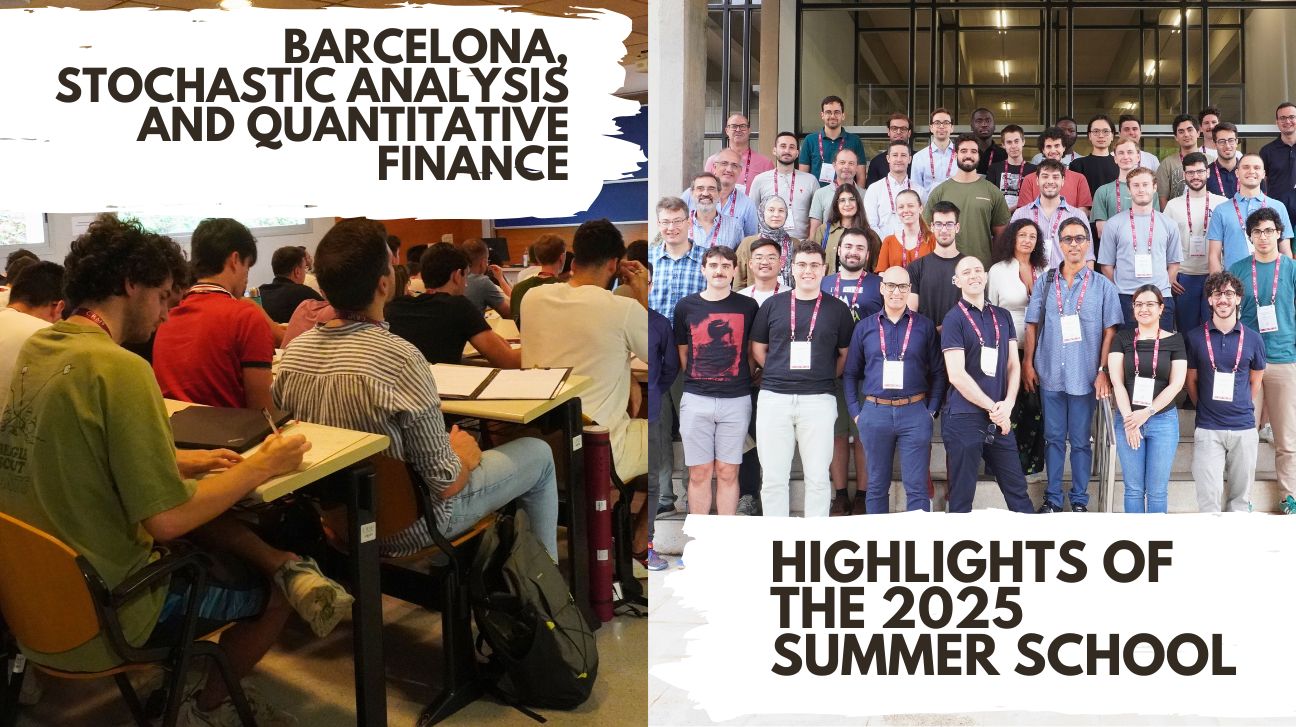
Barcelona, Stochastic Analysis and Quantitative Finance: Highlights of the 2025 Summer School

The 5th edition of the Barcelona Summer School on Stochastic Analysis and Quantitative Finance took place from July 21 to 25, 2025, at the Centre de Recerca Matemàtica (CRM), marking the revival of an academic tradition interrupted by the pandemic. The program offered advanced training in cutting-edge topics such as rough volatility, path signatures, and weather derivatives, featuring international experts and a strong presence of early-career researchers.

The 5th Barcelona Summer School on Stochastic Analysis and Quantitative Finance marked an important milestone in the revival of a valued academic tradition. After a hiatus caused by the pandemic, this edition sought to re-establish the series of summer schools previously held at the Centre de Recerca Matemàtica (CRM) between 2012 and 2018. Its main objective was to provide advanced training in cutting-edge topics in stochastic analysis and quantitative finance, delivered by internationally renowned experts. The school was aimed at PhD students, postdoctoral researchers, and academics, fostering both local and international collaboration while reinforcing Catalonia’s position as a leading center for mathematical research.

The academic core of the summer school consisted of three advanced courses, each offering a deep dive into a key area of contemporary research in stochastic analysis and quantitative finance. The lectures were designed not only to present theoretical developments, but also to build intuition and connect with practical applications.

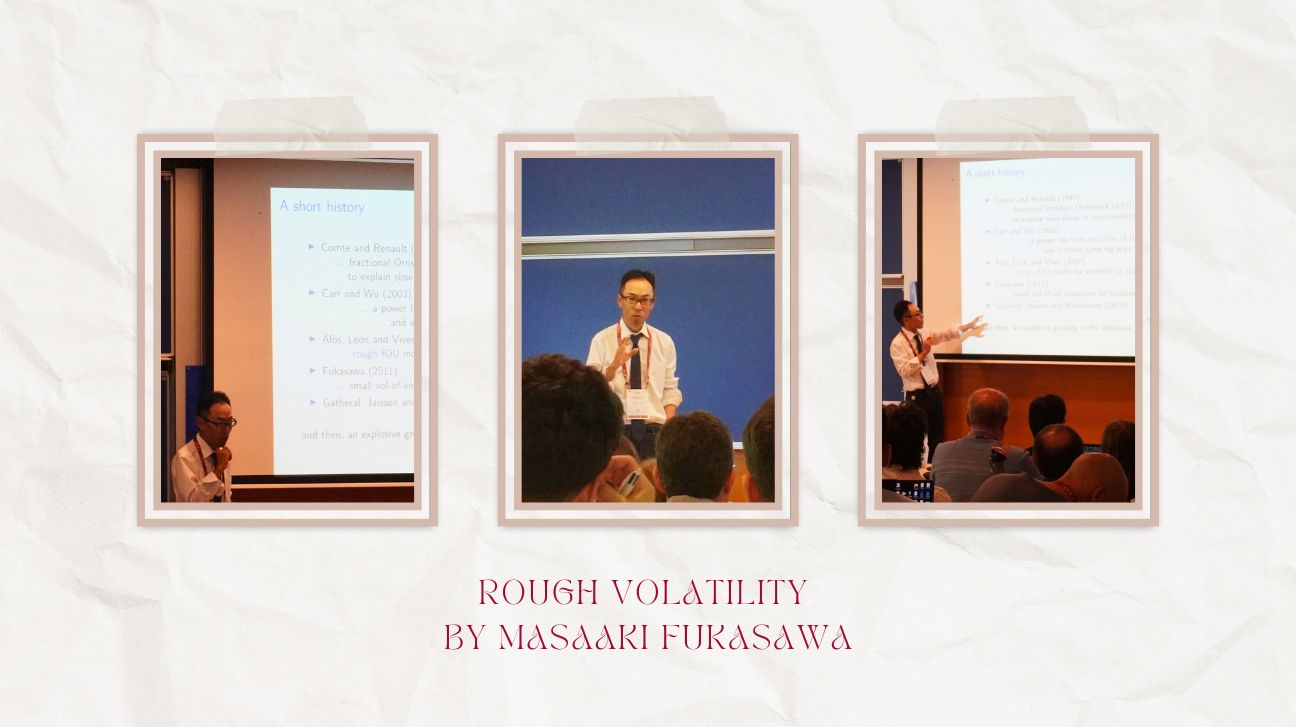
  • Rough Volatility by Masaaki Fukasawa (Osaka University)

Professor Fukasawa is a highly respected figure in the field of mathematical finance, known for his influential work on skewness, volatility estimation, and stochastic integration. His research has contributed significantly to the understanding of implied volatility surfaces and their asymptotic behavior, particularly in the context of rough volatility. He is also a key member of the Sekine–Fukasawa–Yano research group at Osaka University.

In his course, he emphasized intuitive understanding through simple computations and highlighted connections with classical models. Fukasawa also offered a conceptual and accessible introduction to rough volatility modeling, focusing on three key perspectives: historical volatility dynamics, the term structure of implied volatility, and market microstructure.
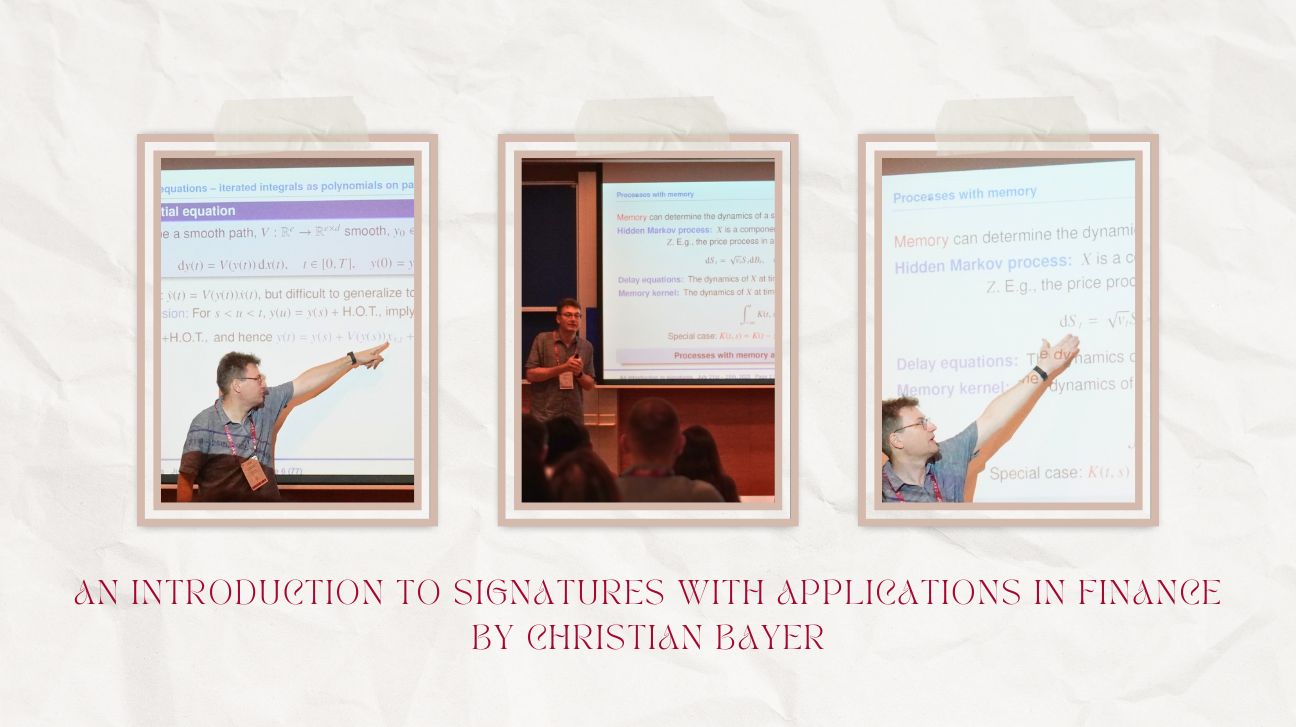
  • An Introduction to Signatures with Applications in Finance by Christian Bayer (Weierstrass Institute)

Professor Bayer is a leading researcher in stochastic numerics and quantitative finance. His work on rough volatility, stochastic control, and the application of rough path theory to machine learning has positioned him at the forefront of modern financial mathematics.

The course introduced the theory of path signatures, a powerful tool for encoding time series data. Bayer explained how signatures can be used to encode time series and serve as approximators for functions on path space, and he explored their applications in machine learning and numerical methods for stochastic control. The course was particularly relevant for problems involving non-Markovian dynamics, such as those arising in rough volatility models.
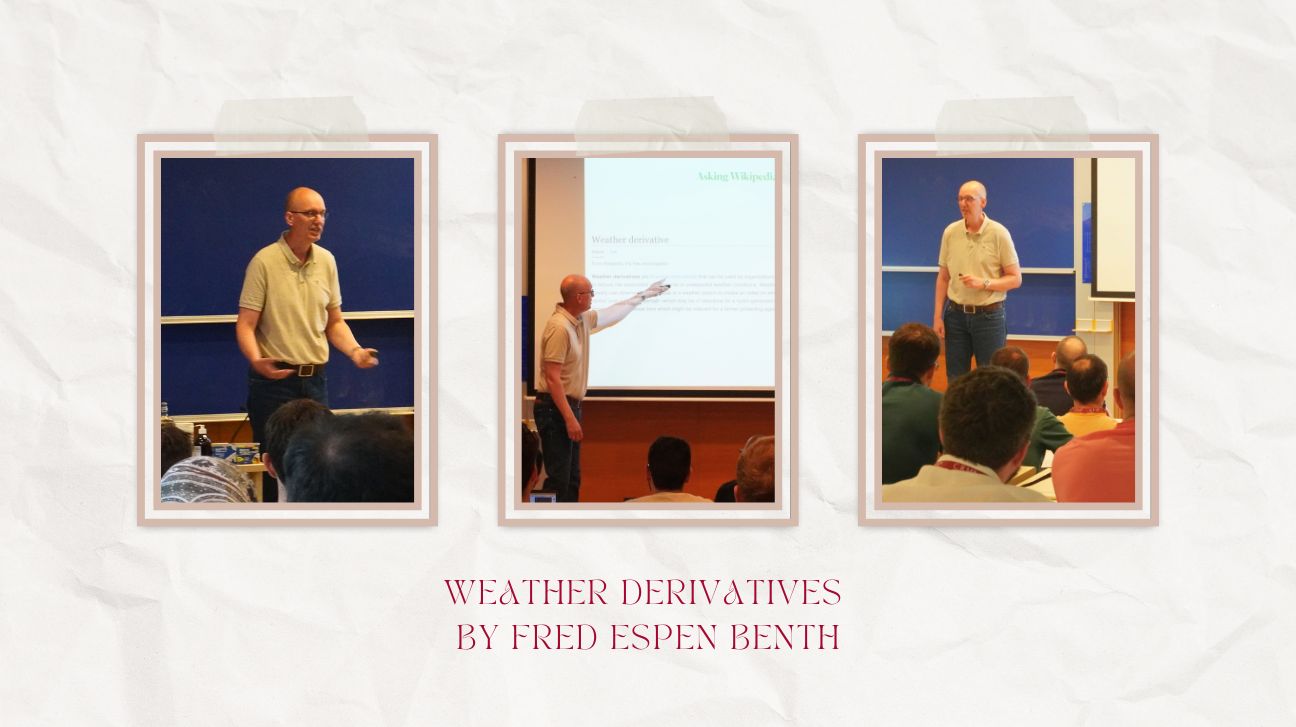
  • Weather Derivatives by Fred Espen Benth (University of Oslo)

Professor Benth is a prominent figure in the intersection of stochastic analysis, energy markets, and climate-related financial modeling. He has significantly contributed to the understanding of weather risk and its financial implications.

His course focused on weather derivatives—financial instruments linked to temperature, wind, and solar irradiation. After introducing the concept of weather risk and its role in renewable energy markets, Benth presented stochastic models suitable for describing weather dynamics, with particular emphasis on continuous-time autoregressive processes. The course also addressed pricing techniques for weather futures, including temperature-dependent pricing measures, and concluded with a discussion on hedging strategies and basis risk in standardized contracts.
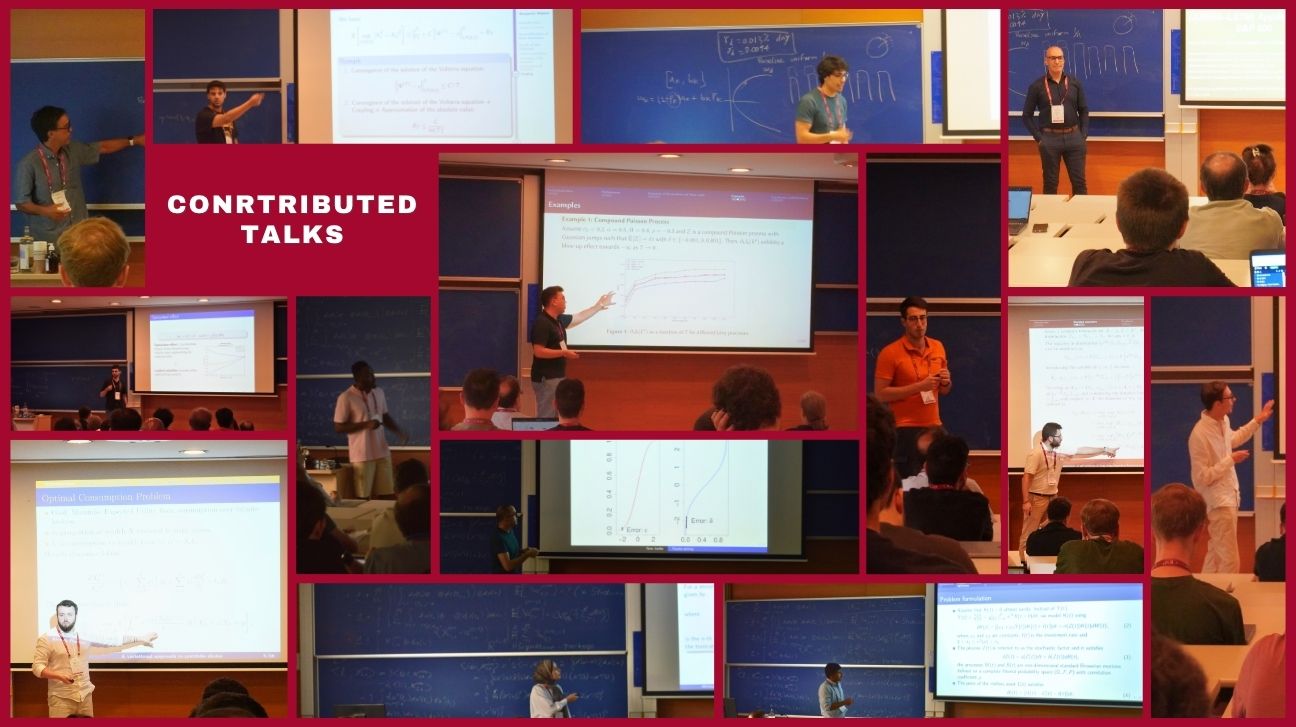
In addition to the three main courses, the summer school featured a program of contributed talks and a poster session, further enriching the academic exchange and showcasing the breadth of current research in the field. Participants from institutions across Europe and beyond presented their work on topics ranging from rough volatility and fractional processes to portfolio optimization and climate-related financial modeling. Highlights included:

  • Daniele Angelini (Sapienza University of Rome) – Kolmogorov–Smirnov estimation of self-similarity in long-range dependent fractional processes
  • Argimiro Arratia (Universitat Politècnica de Catalunya) – Portfolio risk and diversification strategies
  • Martin Bergerhausen (University of Mannheim) – Mean-field stochastic Volterra equations: Results on the existence of weak solutions
  • Òscar Burés (Universitat de Barcelona) – Short-time behavior of the At-The-Money implied volatility for the jump-diffusion stochastic volatility Bachelier model        
  • Mihriban Ceylan (University of Mannheim) – Global approximation theorem for signatures on the Wiener space
  • Ranieri Dugo (University of Rome Tor Vergata) – Multivariate Rough Volatility
  • Héctor Folgar (Universidade da Coruña and CITIC) – Pricing with rough Bergomi model in commodity markets
  • Emmanuel Gnabeyeu (Sorbonne Université and Université Paris Cité) – On a Weak Stationarity Theory for FSVIEs: Finite-Time and Asymptotic Analysis, Application to Stabilized Volatility models
  • Azmat Hussain (University of Central Asia) – Optimal Investment and Consumption for Assets with stochastic Volatility and Infinite Delay
  • Ruben Jimenez (Universitat de Barcelona) – Fractional signature: a generalisation of the signature inspired by fractional calculus
  • Gero Junike (Carl von Ossietzky Universität) – Fourier pricing techniques
  • Emmet Lawless (Dublin City University) – A variational approach to portfolio choice
  • Benjamin Massat (Université de Toulouse) – Quantification of limit theorem for nearly unstable Hawkes processes
  • Ahmed Wafi (LMU München and Cairo University) – Hybrid econometric–ML models for return prediction under climate policy uncertainty
  • Giacomo Zarfati (Sapienza Università di Roma) – Optimal Allocation With Weather Risk
The poster session enhanced the diversity of research showcased, with presentations on neural network approaches to implied volatility, Hawkes processes in energy markets, and jump-diffusion models for electricity pricing. Notable contributions included:

  • Samira Amiriyan (University of Liverpool) – Neural networks and asymptotic regimes
  • Konstantinos Chatziandreou (University of Amsterdam) – Execution strategies in short-term energy markets
  • Christoph Gärtner (RPTU Kaiserslautern) – Shot-noise jump-diffusion models for electricity spot prices
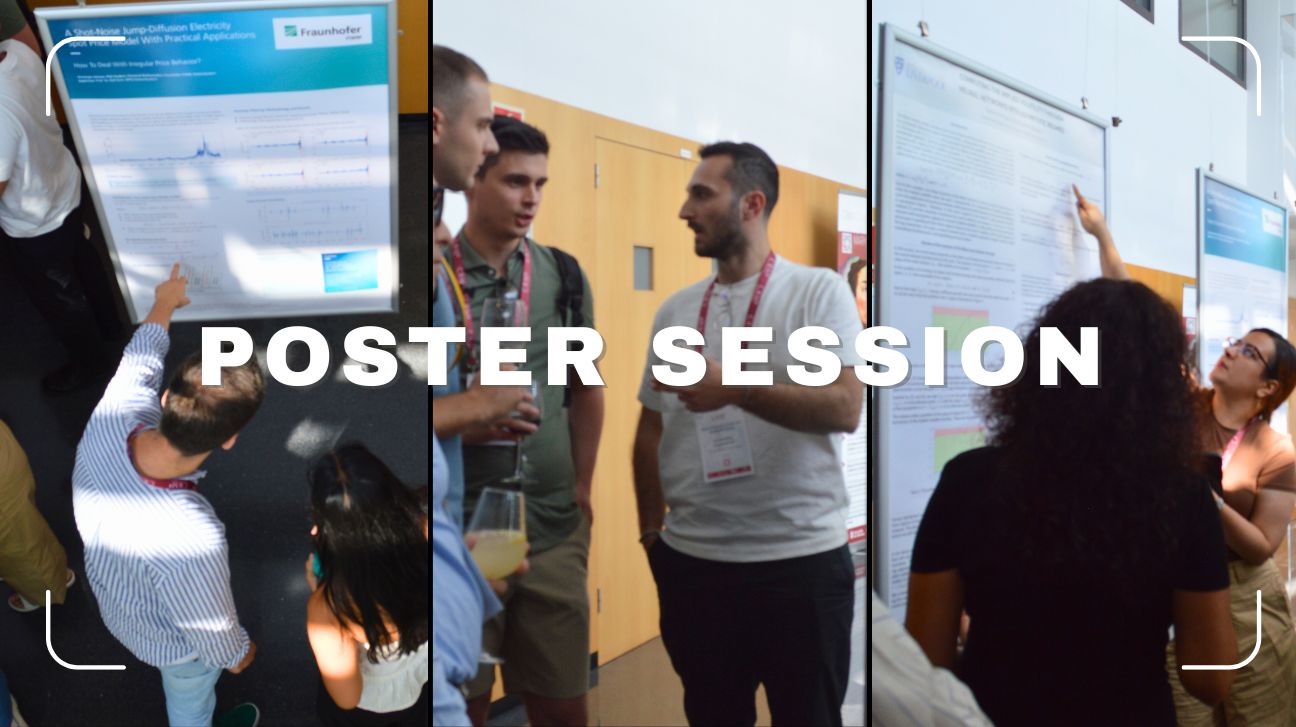
These sessions provided an excellent platform for early-career researchers to engage with peers and senior academics, fostering collaboration and constructive feedback in a supportive environment.

The 5th edition of the Barcelona Summer School successfully rekindled a tradition of academic excellence and international collaboration. With high-level courses, dynamic discussions, and a strong sense of community, the event reaffirmed the importance of in-person scientific exchange. It also strengthened the international visibility of Catalan research in mathematics, setting a promising precedent for future events. The CRM looks forward to building on this renewed momentum in upcoming editions.

    Subscribe for more CRM News

    Stay updated to our mailing list to get the lastest information about CRM activities.

    CRM Comm

    Natalia Vallina

    CRMComm@crm.cat


    ESGI 2025: Mathematics Meets Industry at the CRM

    Over the course of five days, ESGI 2025 turned the CRM into a collaborative lab where mathematics tackled questions raised by industry. From safer autonomous driving systems to smart water resource allocation and the financial uncertainties of wind…

    The post Barcelona, Stochastic Analysis and Quantitative Finance: Highlights of the 2025 Summer School first appeared on Centre de Recerca Matemàtica.

    Go to Source

    Scientific vision and dialogue: the SAB meets at CRM to advise on future directions

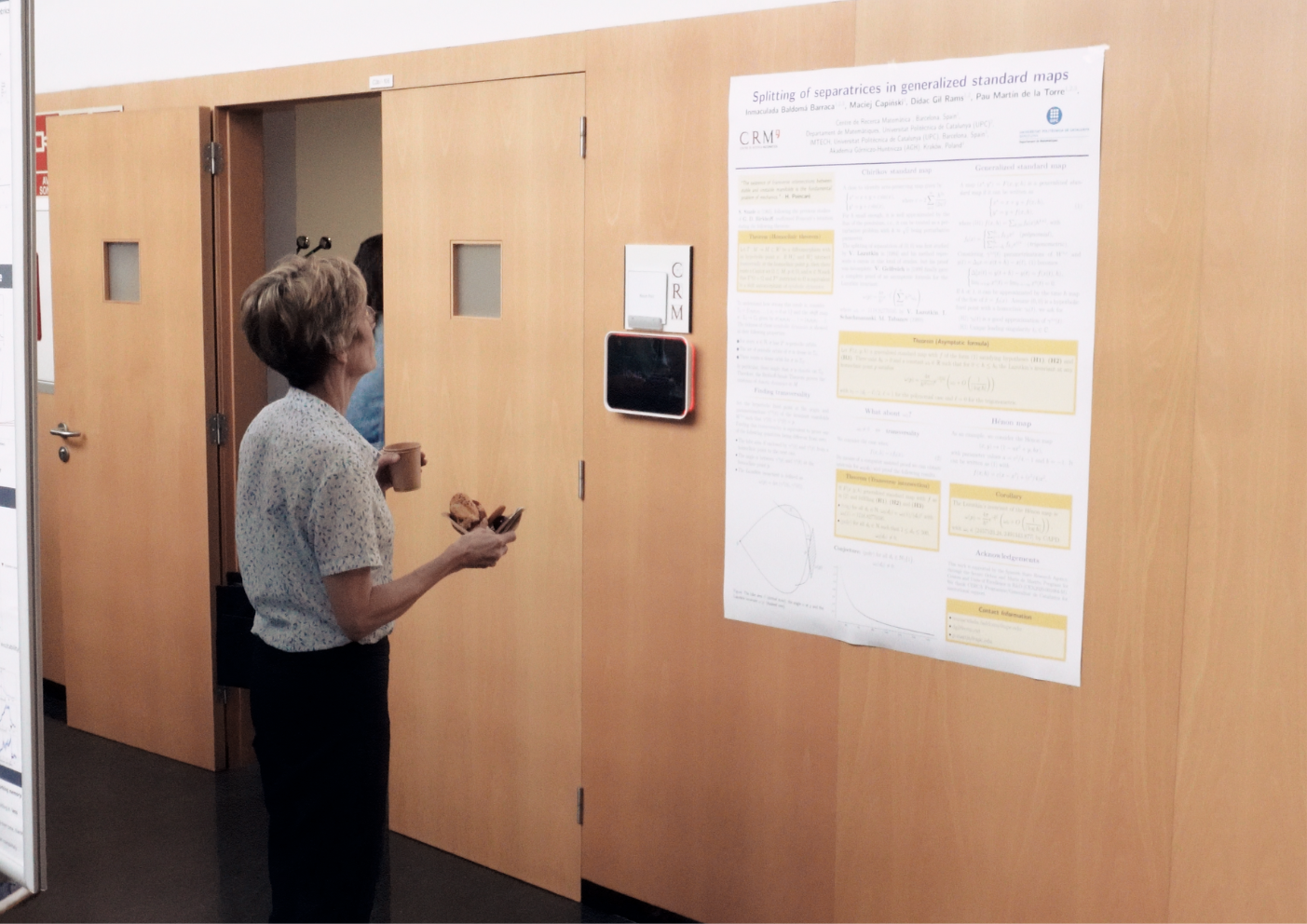
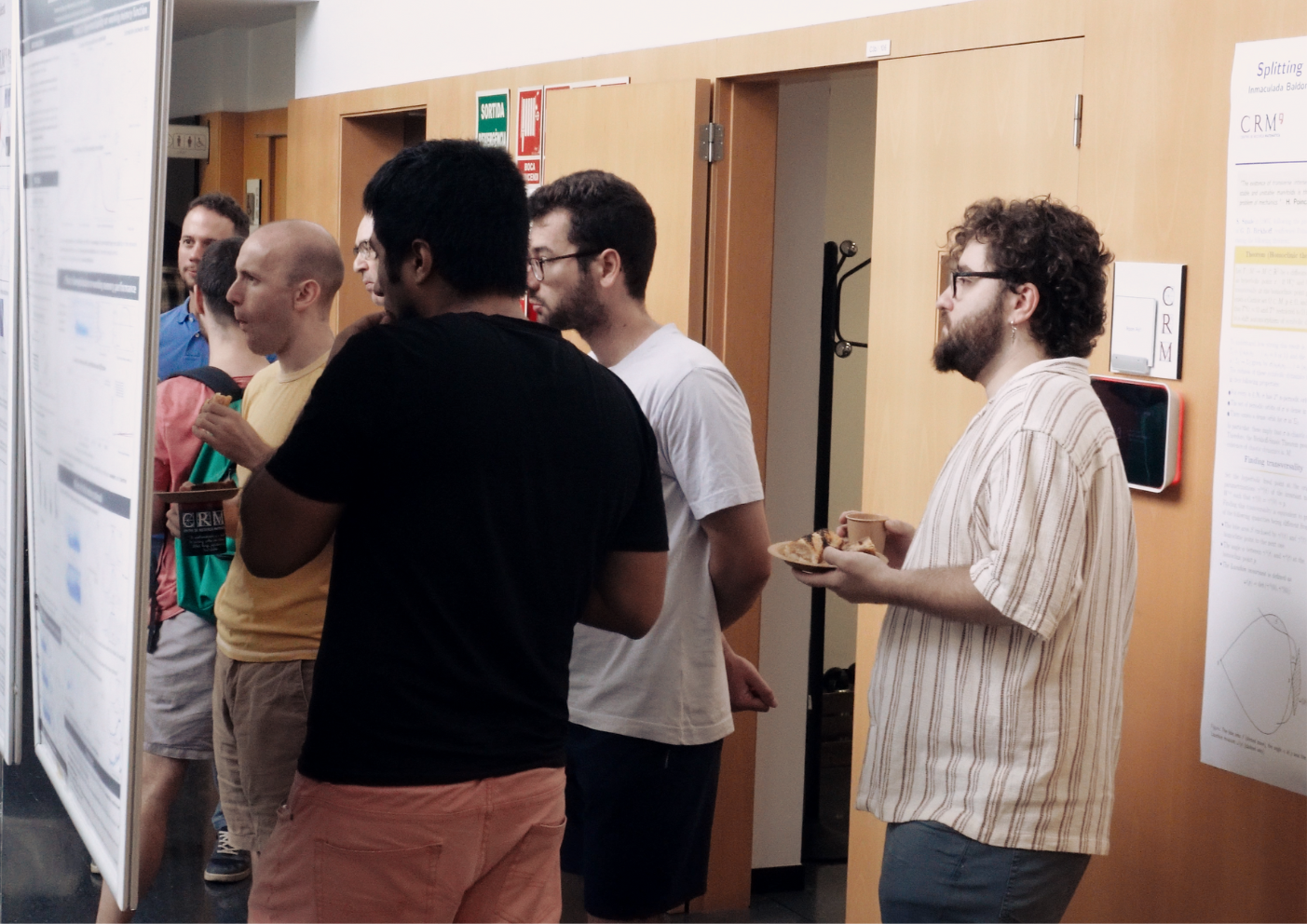
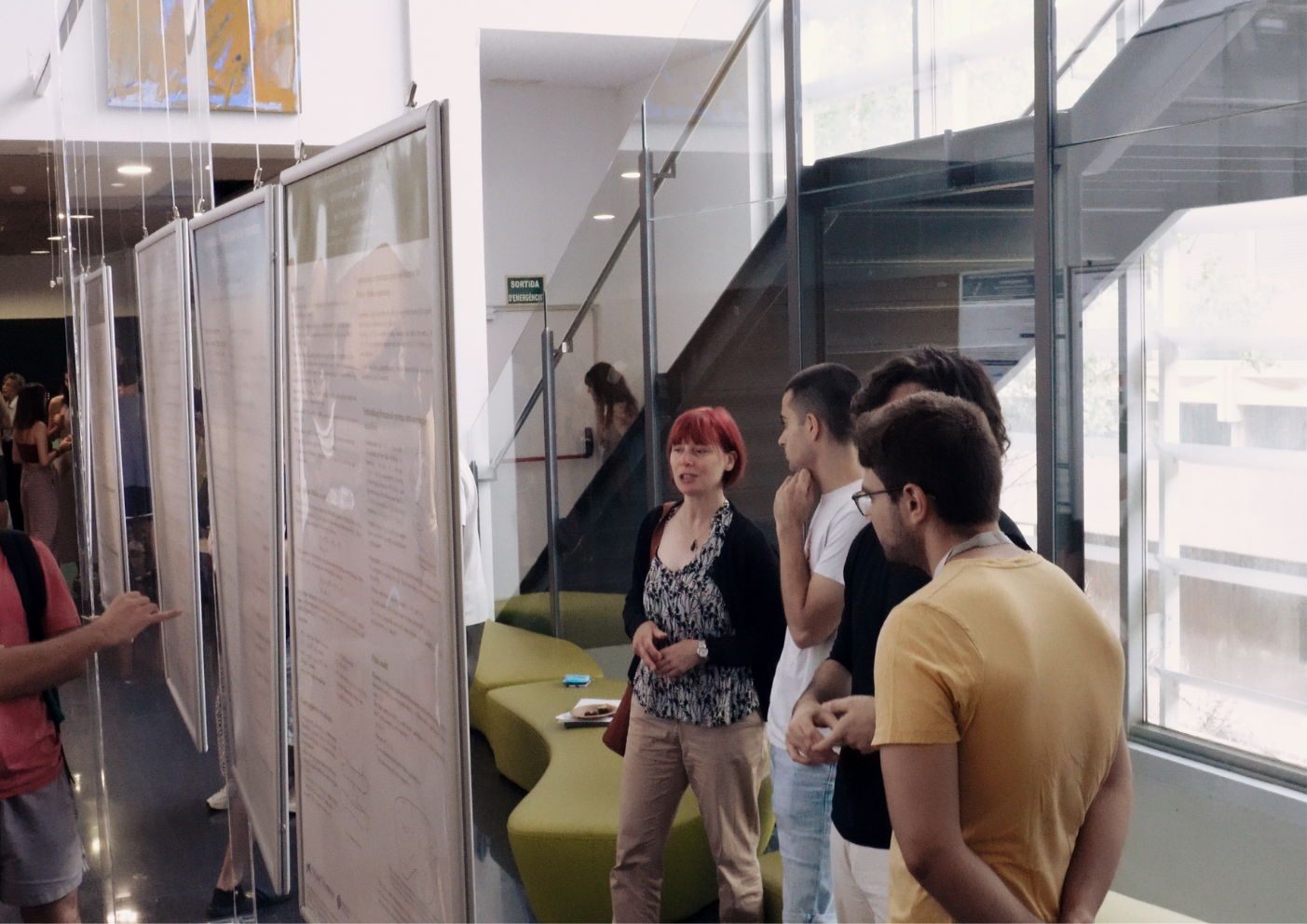
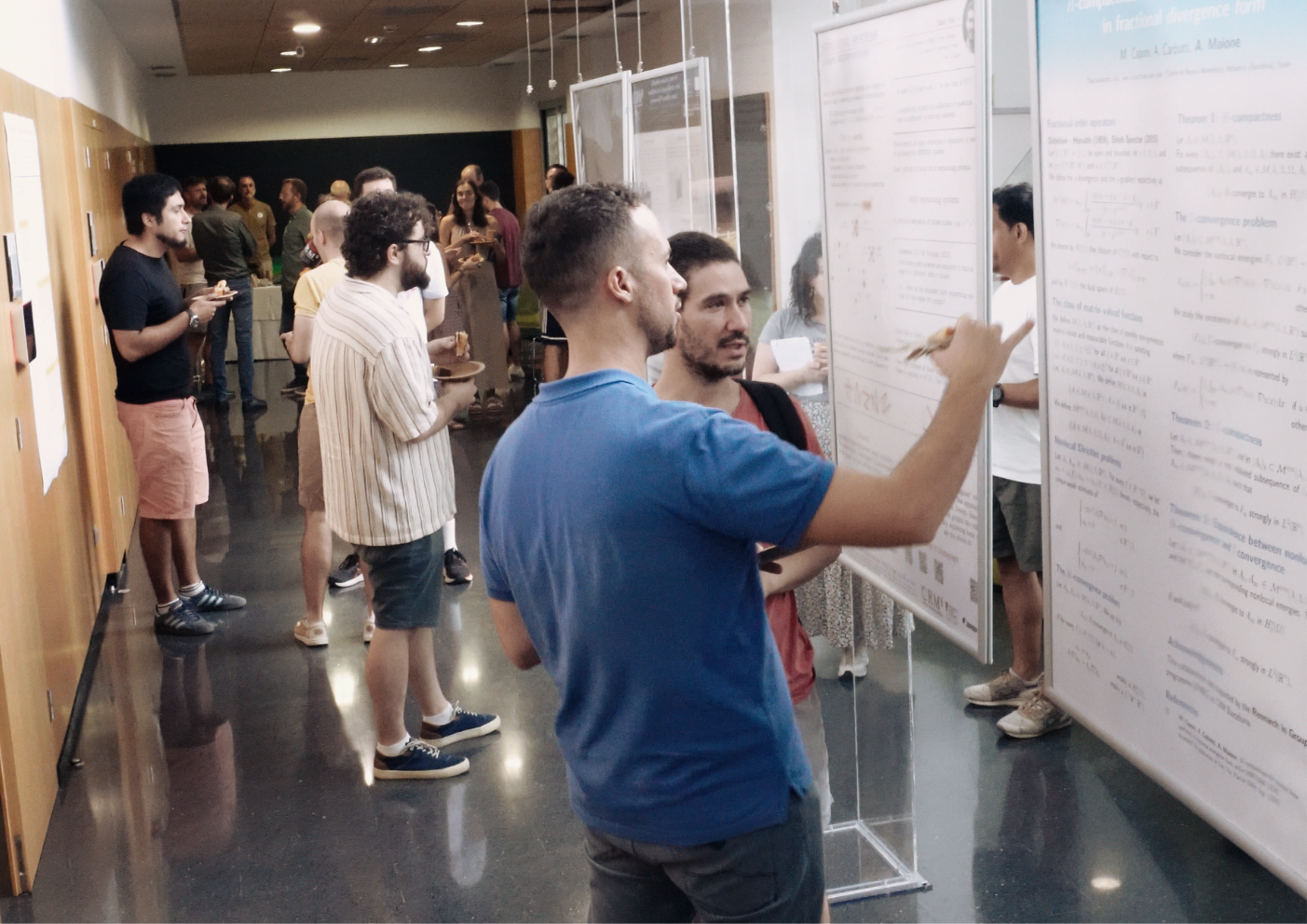
    The Scientific Advisory Board of the CRM met in July 2025 to advise on the centre’s scientific direction and review key aspects of its activity. In addition to looking at strategic plans and recruitment priorities, Board members took part in a poster session with CRM young researchers, offering feedback and career guidance. This exchange highlighted the SAB’s essential role in ensuring the quality, coherence, and future vision of CRM’s research programmes.

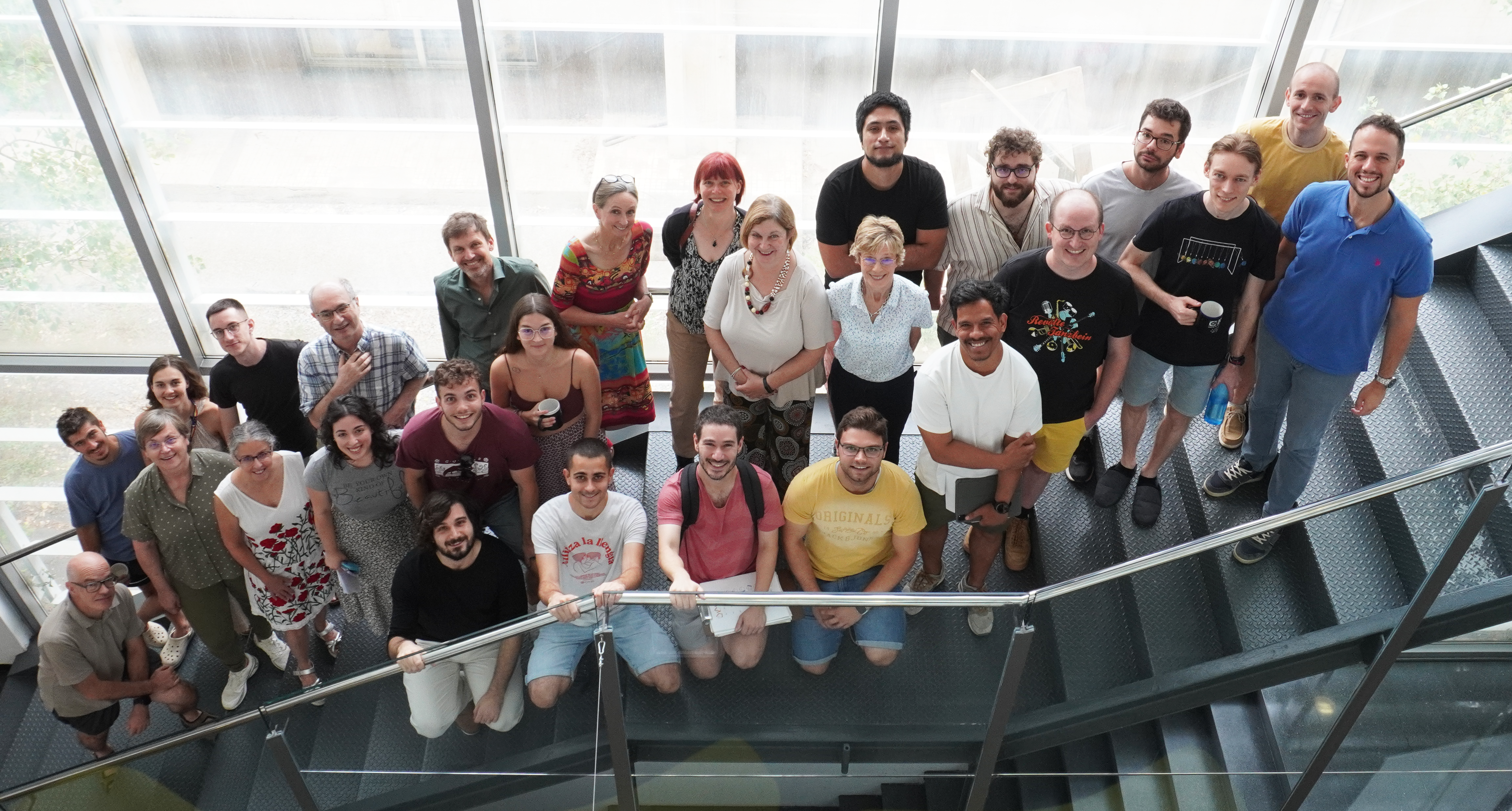
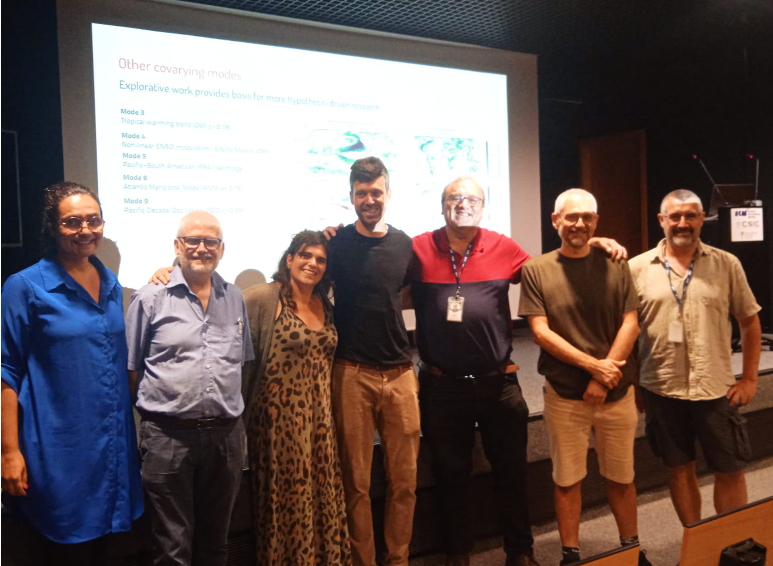
    Every year, the Centre de Recerca Matemàtica (CRM) opens its doors to the members of its Scientific Advisory Board (SAB), a group of internationally renowned researchers tasked with a crucial mission: to assess the scientific health of the centre, offer strategic guidance, and help shape its future. The most recent meeting, held on July 9th and 10th, 2025, was an opportunity for the SAB to assess ongoing programmes, and engage directly with the next generation of researchers building their careers at CRM.

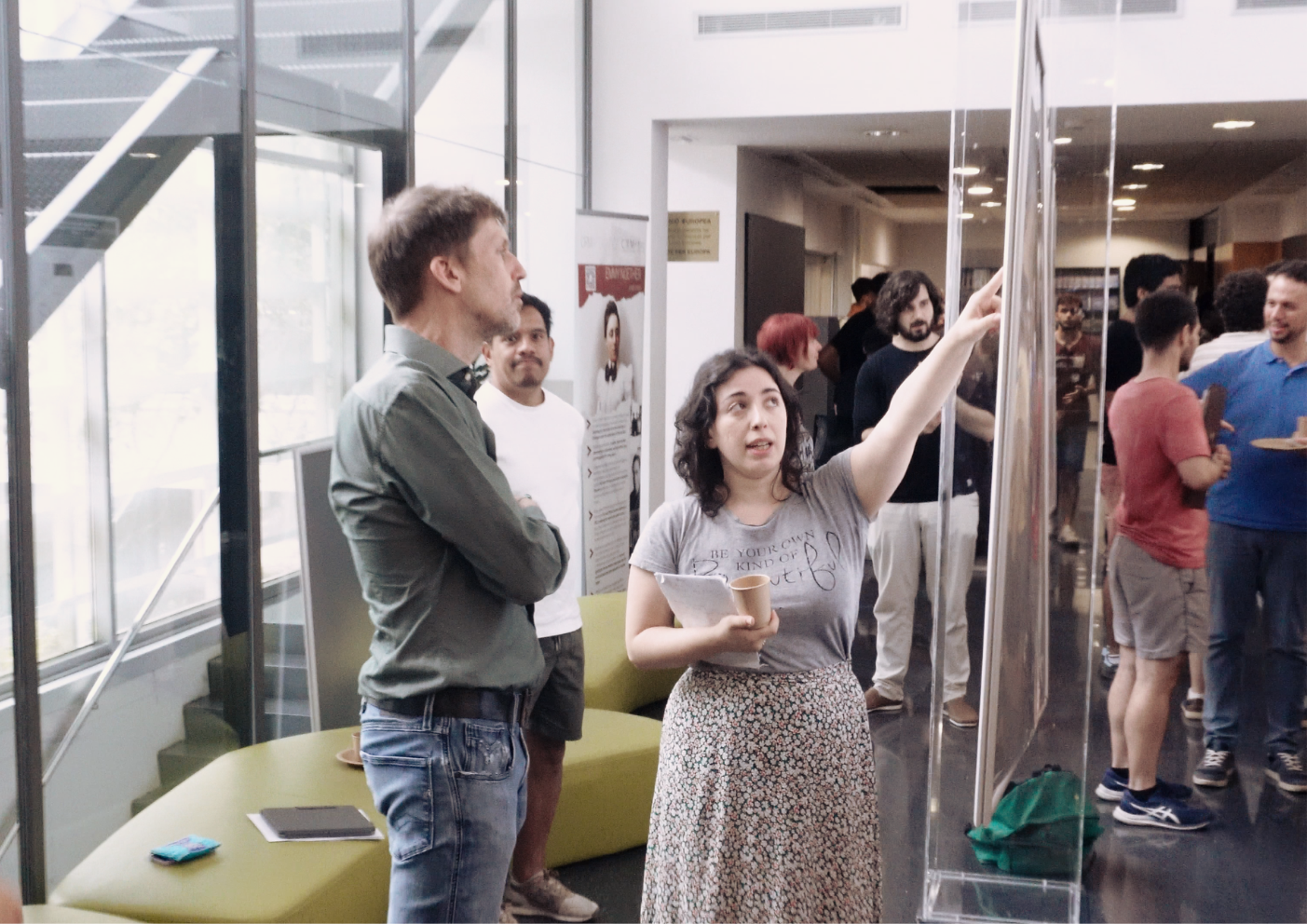
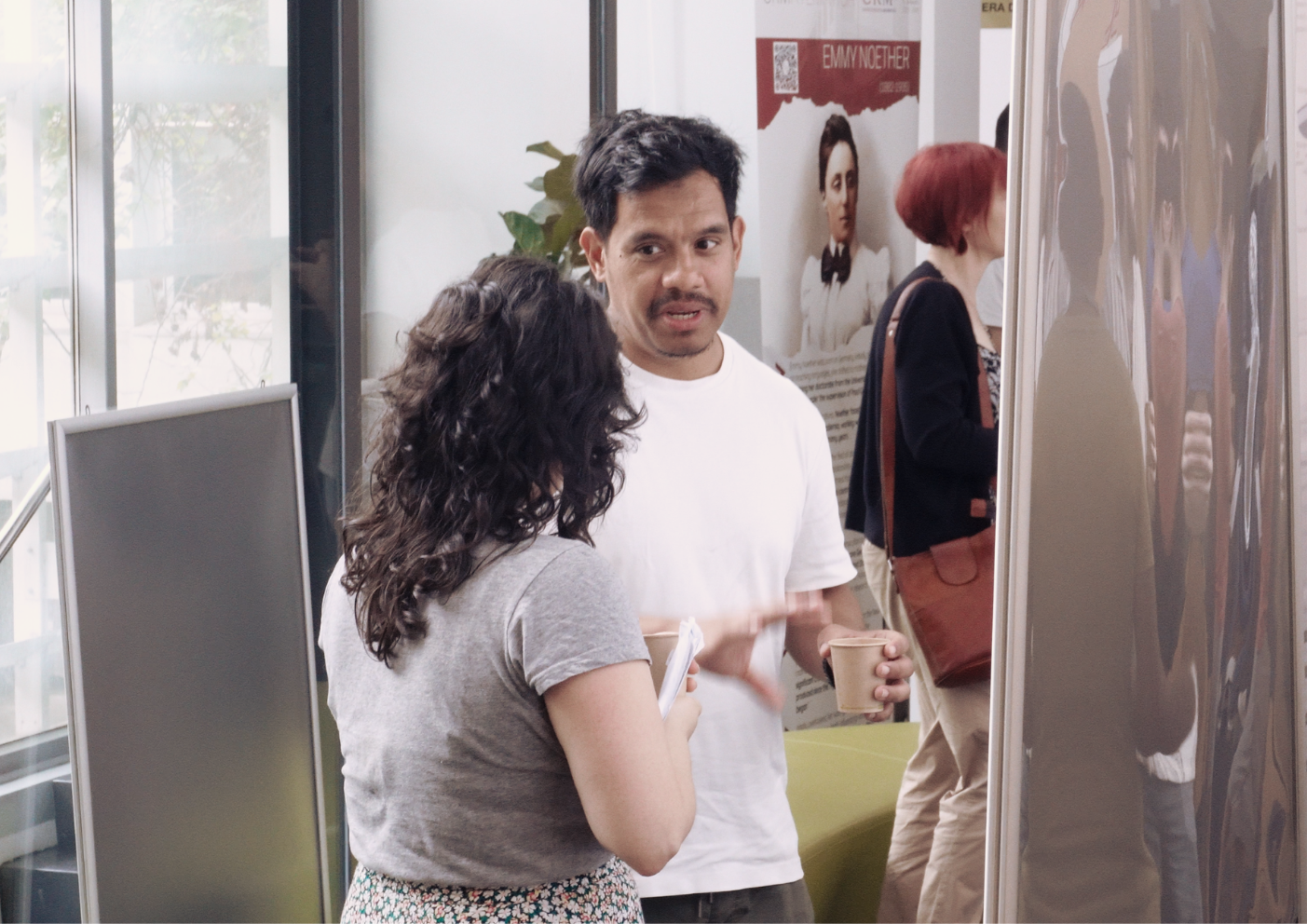
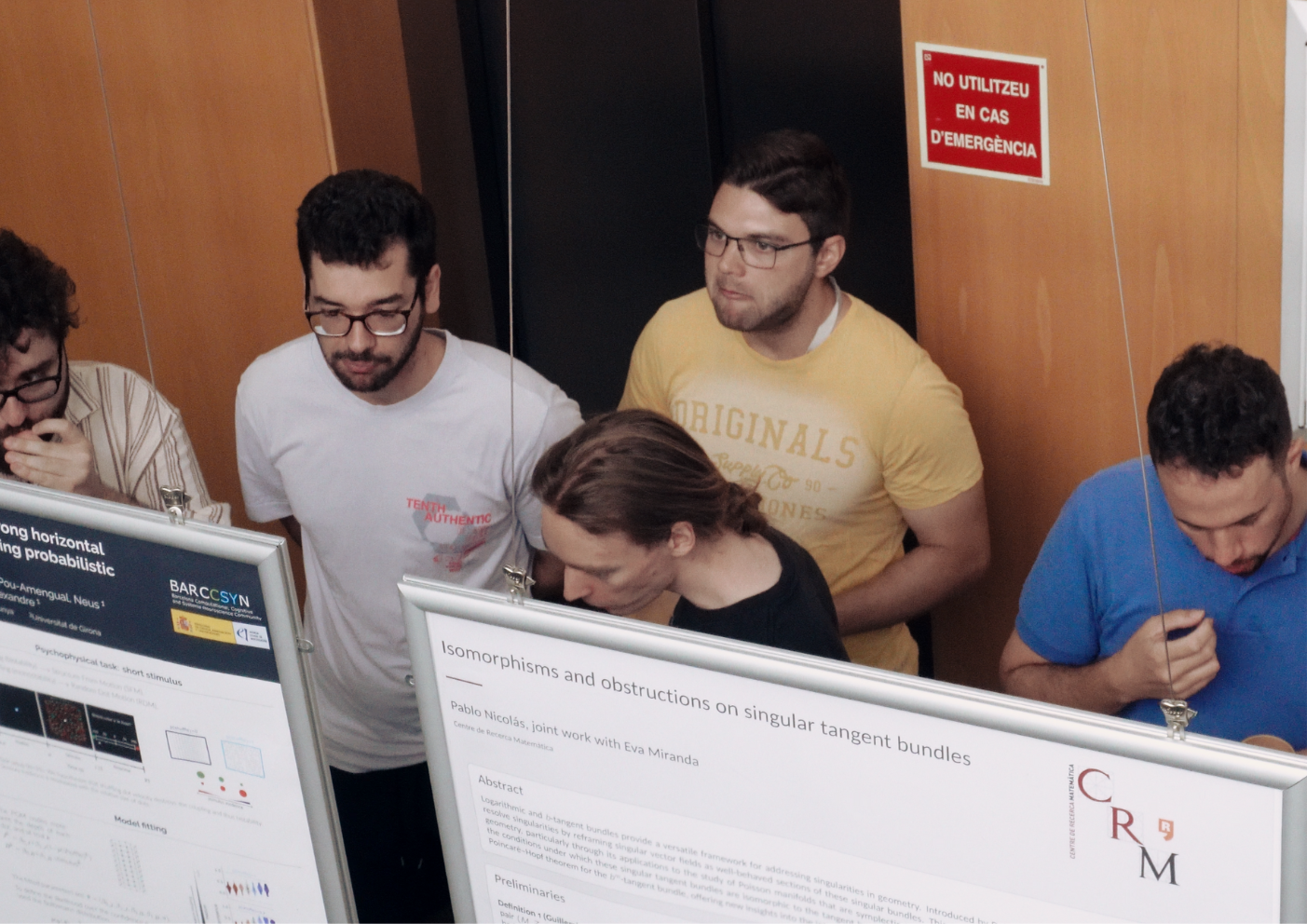
    One of the highlights of the meeting was the poster session led by young CRM researchers.

    The Scientific Advisory Board plays a central role in the life of the centre. Beyond assessing reports and evaluating researchers, its members serve as a sounding board for the institution’s major strategic decisions. Their independent perspective, grounded in long-standing academic experience, provides a vital counterpoint to the internal management of the centre. This year, the SAB was invited to contribute to the development of the 2026–2030 Strategic Plan and reflect on CRM’s positioning within an increasingly interdisciplinary research ecosystem.

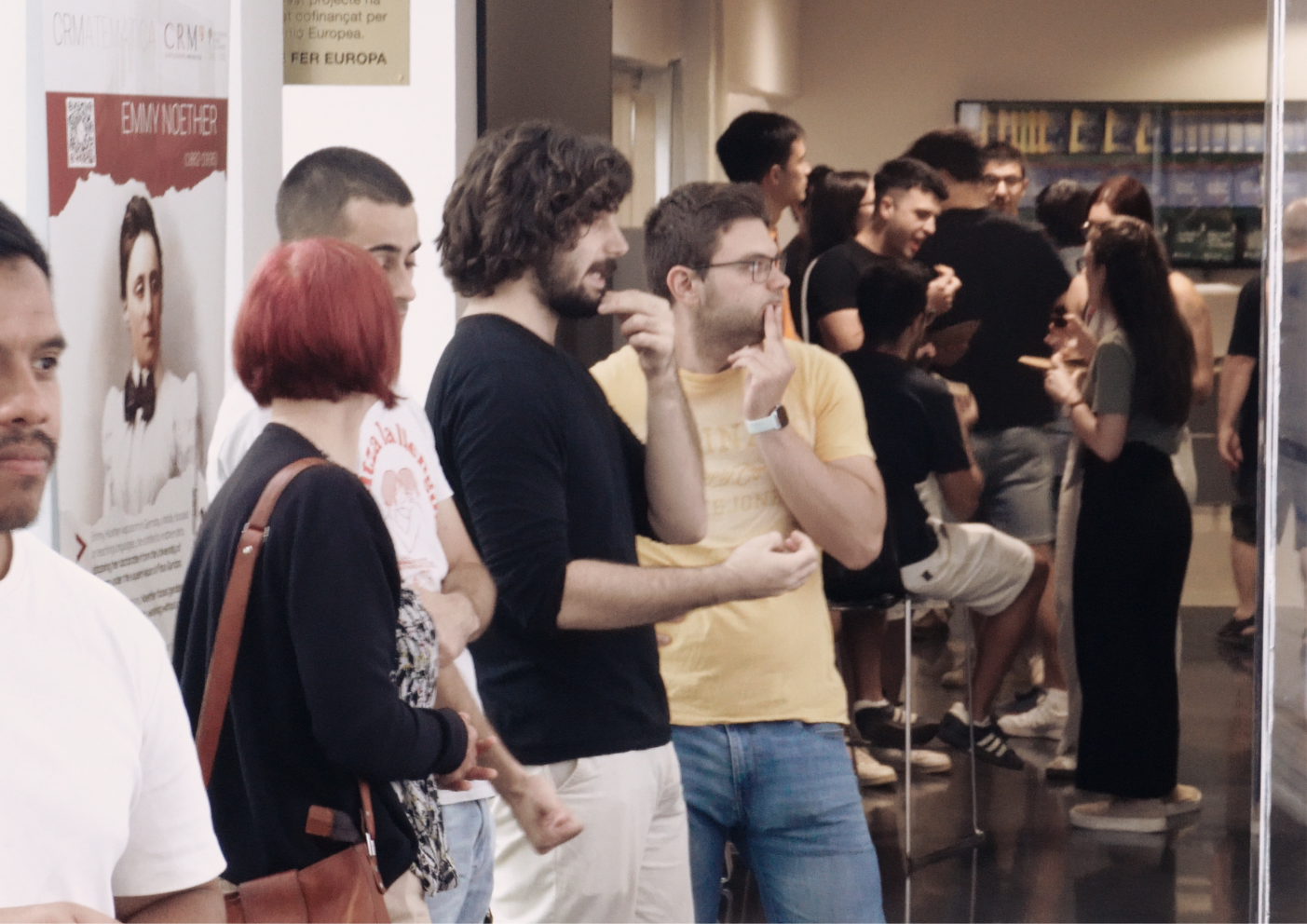
    One of the highlights of the meeting was the poster session led by young CRM researchers. Held during the second day, this informal gathering brought together PhD researchers and postdoctoral fellows from diverse areas, ranging from dynamical systems and geometry to mathematical modelling and neuroscience, to present their work directly to the SAB members. The exchange was lively and constructive, with Board members offering not only feedback on the projects but also broader career advice and encouragement.

    This kind of interaction captures the spirit of the CRM: a research centre where scientific excellence is nurtured through dialogue, collaboration, and mentorship. The SAB’s contribution ensures that the centre remains firmly rooted in mathematical research while evolving in step with the challenges of the scientific world.

    As CRM enters the end of the Maria de Maeztu project, the support and insight of the Scientific Advisory Board will continue to be an essential part of its journey.

    Current members of the CRM Scientific Advisory Board:
    • Nicolas Brunel, Duke University

    • Afonso Bandeira, ETH Zürich

    • Kathryn Hess, École Polytechnique Fédérale de Lausanne

    • Victoria Gould, University of York

    • Ari Laptev, Imperial College London (Chair)

    • Philippe Michel, EPFL

    • Alessandra Micheletti, Università degli Studi di Milano

    • Mikhail Sodin, Tel Aviv University

    • Susanna Terracini, Università di Torino

    • Katrin Wendland, Trinity College Dublin

    Subscribe for more CRM News

    Stay updated to our mailing list to get the lastest information about CRM activities.

    CRM Comm

    Pau Varela

    CRMComm@crm.cat


    ESGI 2025: Mathematics Meets Industry at the CRM

    Over the course of five days, ESGI 2025 turned the CRM into a collaborative lab where mathematics tackled questions raised by industry. From safer autonomous driving systems to smart water resource allocation and the financial uncertainties of wind…

    The post Scientific vision and dialogue: the SAB meets at CRM to advise on future directions first appeared on Centre de Recerca Matemàtica.

    Go to Source

    El CIMCYC cierra con éxito su ciclo de CIMCY Sessions

    cimcyc sessions
    El Centro de Investigación Mente, Cerebro y Comportamiento (CIMCYC) clausuró el pasado jueves 3 de julio su ciclo de CIMCYC Sessions en la Sala de Juntas del Carmen de la Victoria. El ciclo retomará su actividad con novedades en septiembre.
    Seguir leyendo

    Go to Source

    CIMCYC Successfully Concludes Its CIMCY Sessions Cycle

    cimcyc sessions
    The Mind, Brain and Behavior Research Center (CIMCYC) closed its cycle of CIMCYC Sessions last Thursday, July 3, in the Sala de Juntas in Carmen de la Victoria. The cycle will resume its activity with new features in September.
    Seguir leyendo

    Go to Source

    La trampa cognitiva: distorsión de la realidad y toma de decisión en víctimas de violencia de género

    distorcion cognitiva violencia de genero
    Investigadoras del Laboratorio de Psicología Social y Género han llevado a cabo una revisión sistemática de la literatura para explorar, sintetizar y analizar la evidencia disponible sobre las distorsiones cognitivas y la toma de decisiones en mujeres víctimas de violencia de género.
    Seguir leyendo

    Go to Source

    The Cognitive Trap: Reality Distortion and Decision Making in Victims of Gender Violence

    distorcion cognitiva violencia de genero
    Researchers from the Social Psychology and Gender Lab have conducted a systematic review of the literature to explore, synthesize and analyze the available evidence on cognitive distortions and decision-making in women victims of gender violence.
    Seguir leyendo

    Go to Source

    ICTA-UAB renews its María de Maeztu Unit of Excellence accreditation for the third time 

    ICTA-UAB has been accredited, for the third time, as a “María de Maeztu” Unit of Excellence by the Spanish Ministry of Economy and Competitiveness through the State Research Agency (AEI). This distinction is the highest awarded at the national level to research centres in Spain, and is awarded in recognition for their scientific leadership, research quality, and international impact. 

    Go to Source

    Social-Ecological Justice in Cities: Mapping Vulnerability for Fairer Urban Planning

    How can cities plan green infrastructures that are fair as well as efficient? A recent ICTA-UAB study developed in the framework of the European INTERLACE project and led by Johannes Langemeyer, assesses socio-ecological vulnerability in Krakow, Poland, using a novel participatory and spatial approach.

    Go to Source

    Urban policies in Brazil advance housing but fail to curb urban expansion

    Brazil’s national urban policies have achieved clear progress in expanding housing and improving basic services in 27 major cities over the past 30 years, yet they have failed to control urban expansion, a key challenge for sustainable development. This is the main finding of a study conducted by Beatriz Pierri Daunt at ICTA-UAB.

    Go to Source

    One in four Spaniards allocates most of their income to housing 

    A total of 40% of Spanish tenants spend more than 30% of their income on housing, surpassing the threshold that defines households as excessively overburdened in this area.

    Go to Source

    Sidebar