Author Archive

Study by the Institute for Neurosciences UMH–CSIC shows that CBD reverses damage caused by fetal alcohol spectrum disorder in mice

  • The study, published in Biomedicine & Pharmacotherapy, shows that CBD reverses alterations in the gut–brain axis and gut microbiota caused by prenatal alcohol exposure.
  • Cannabidiol treatment normalises anxiety, depression, and increased vulnerability to addiction in mice exposed to alcohol during development, with particularly strong effects in females.
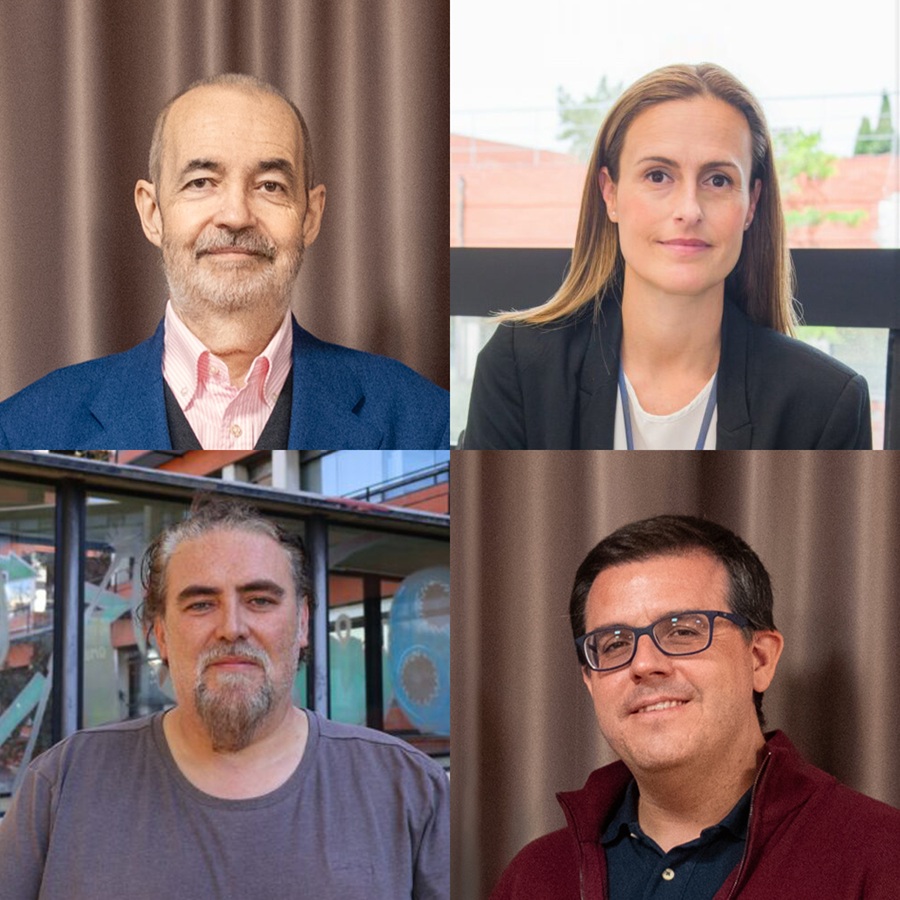
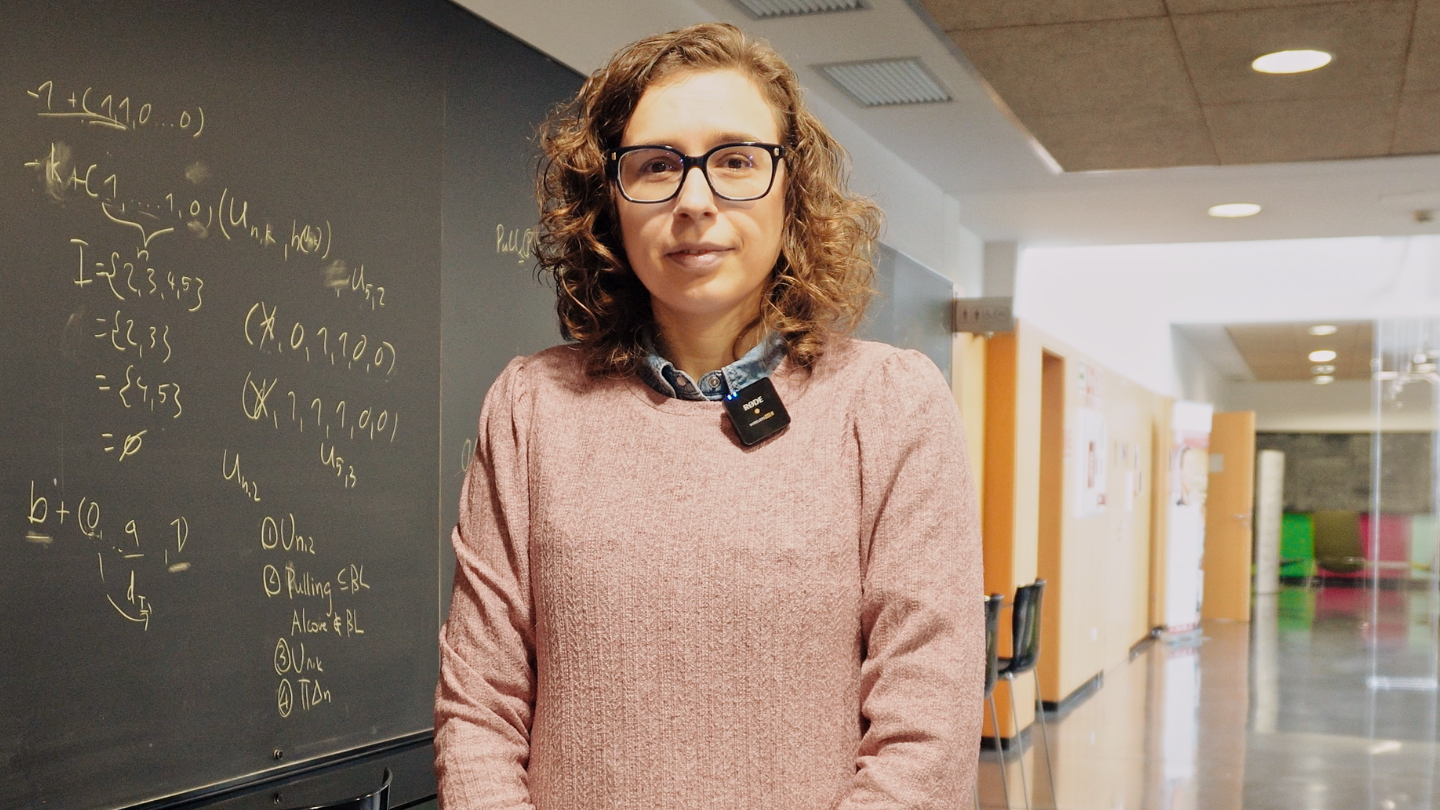
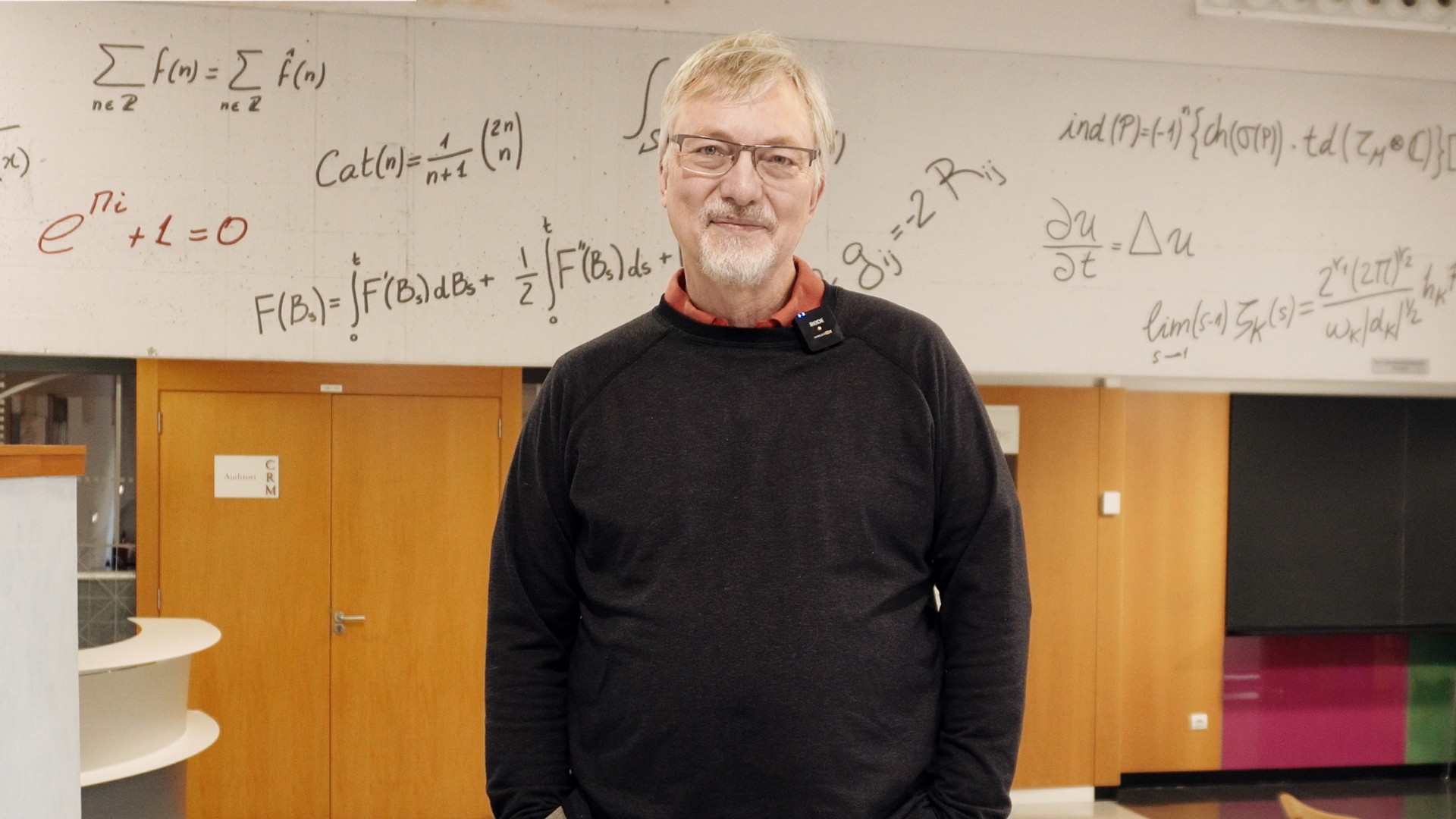
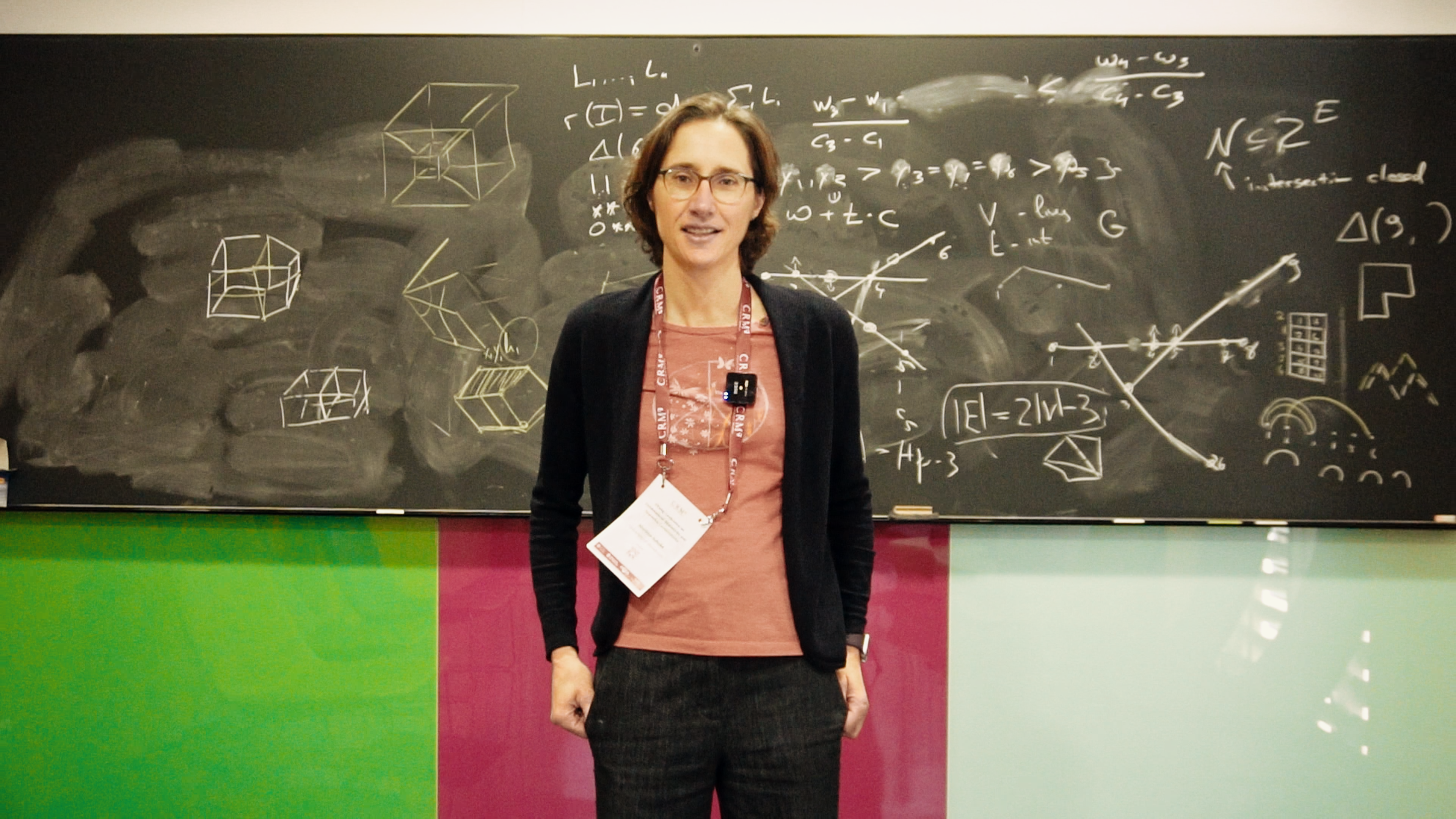
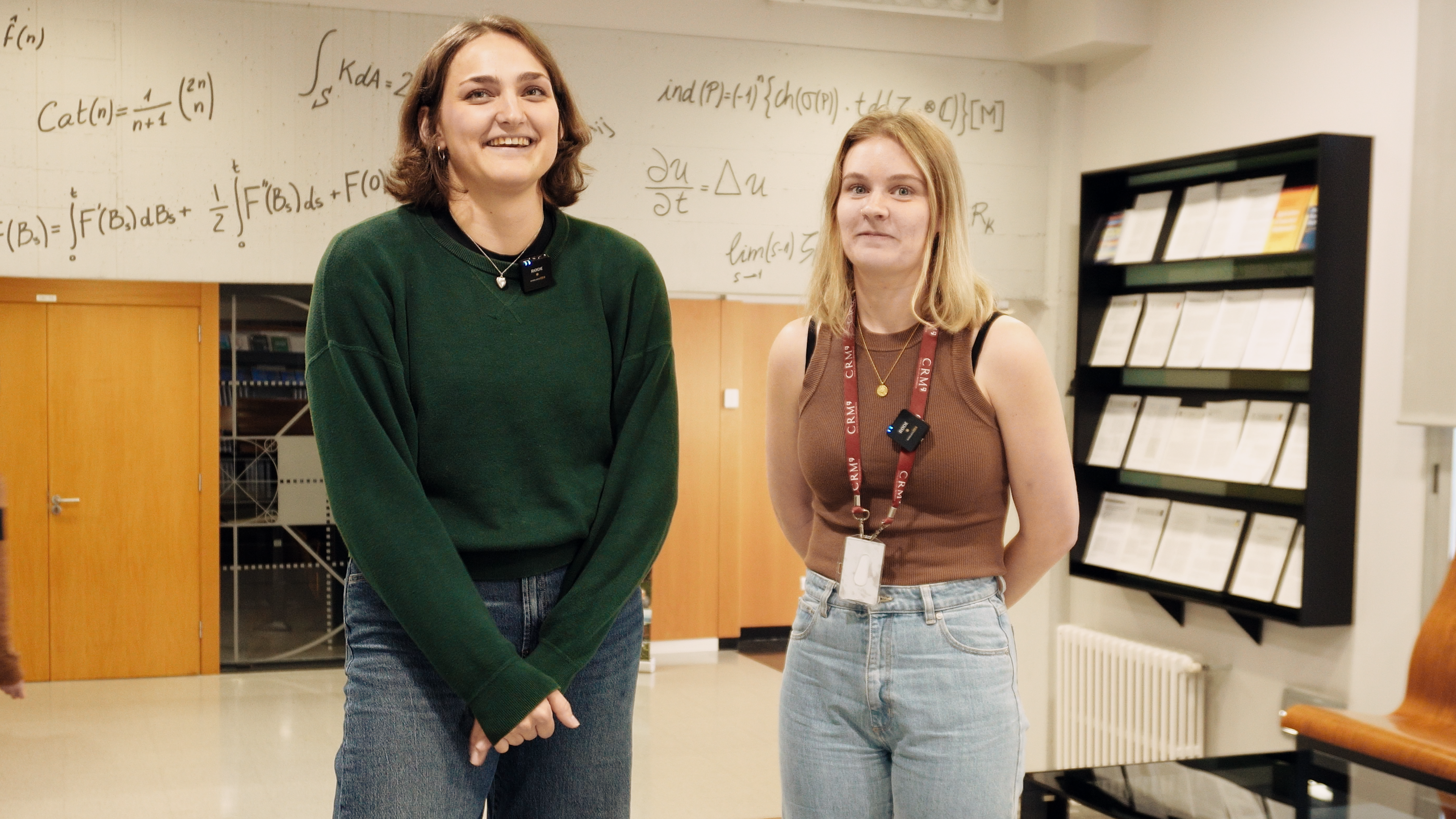
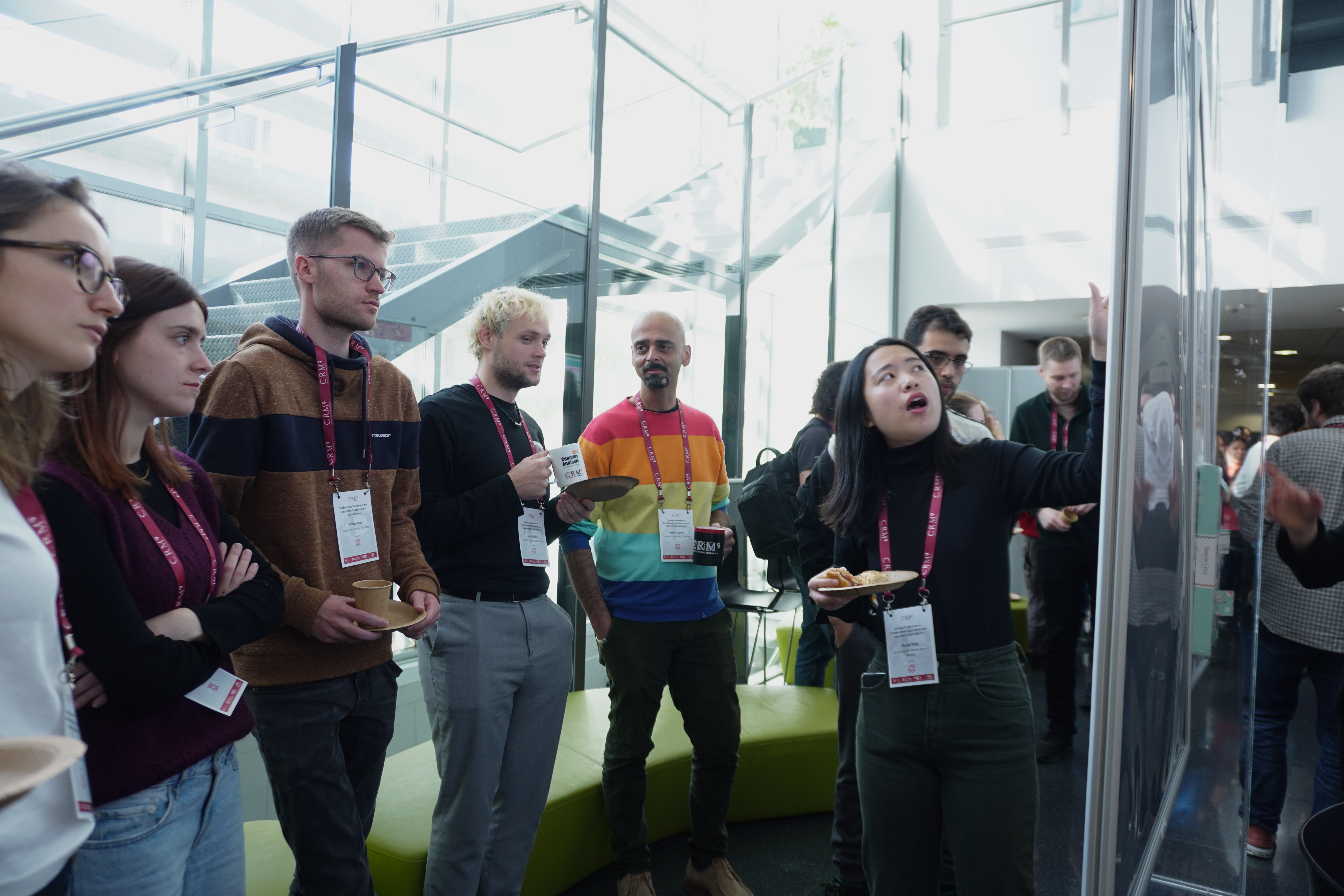
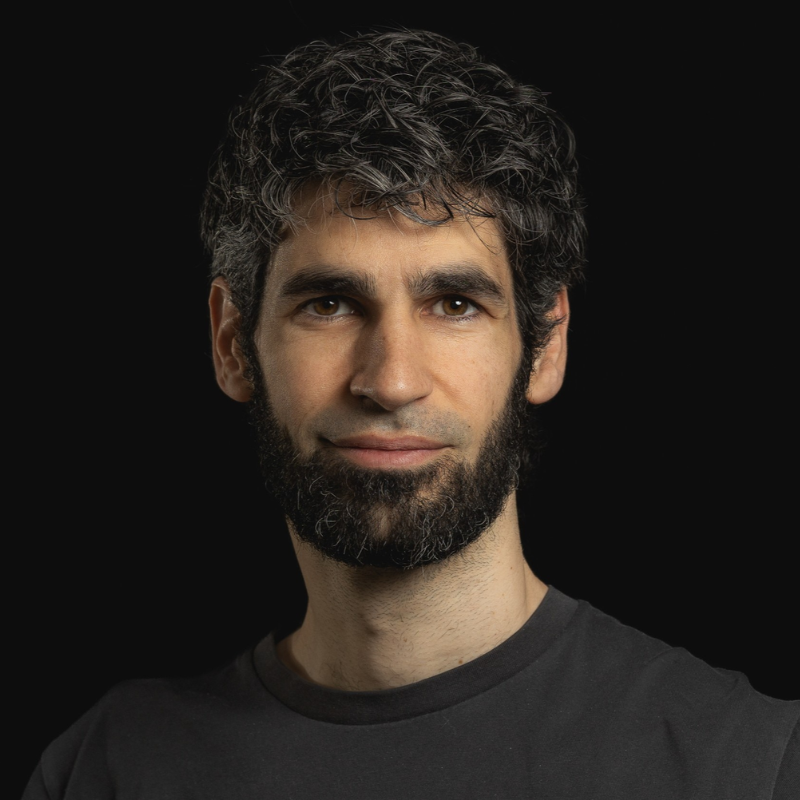
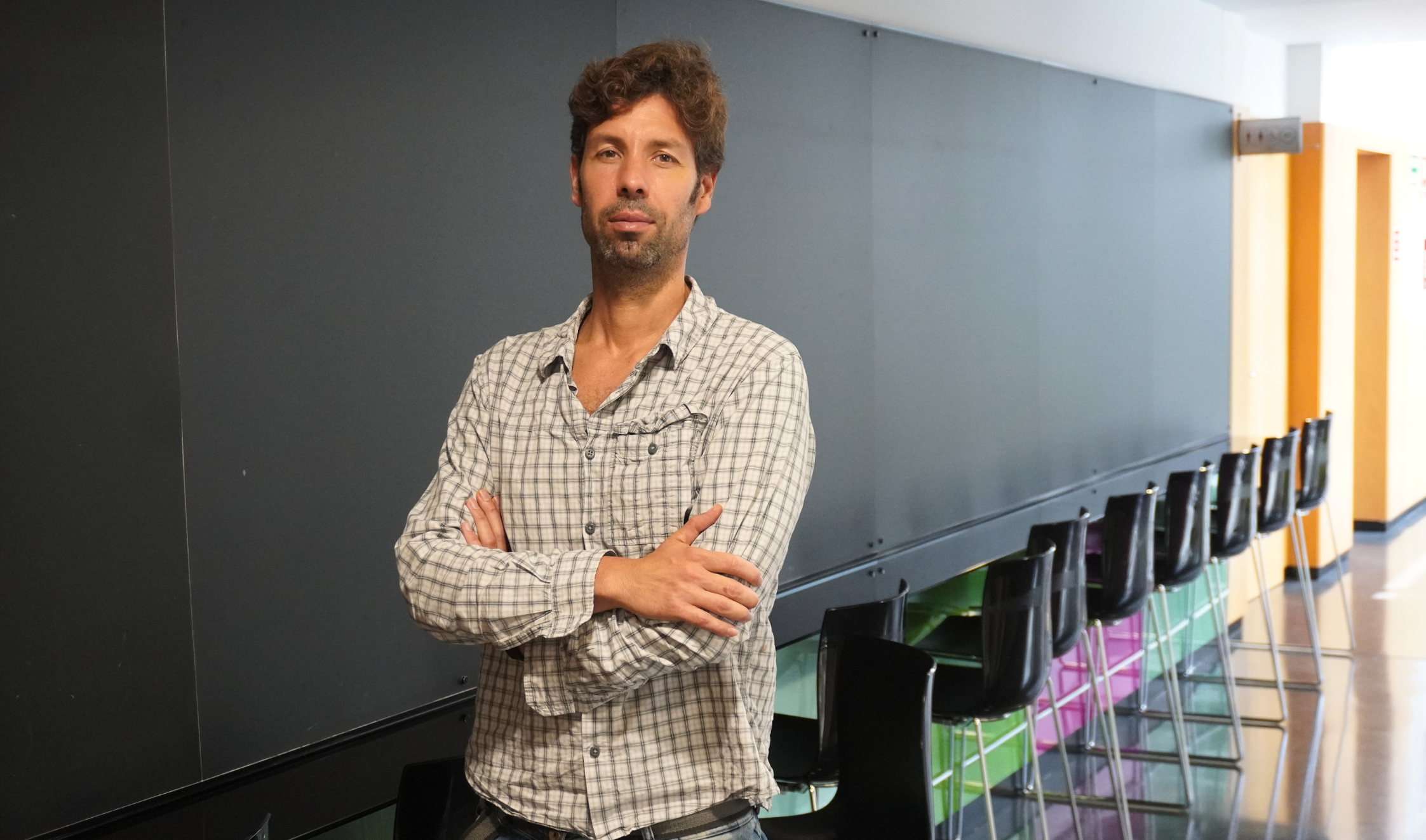
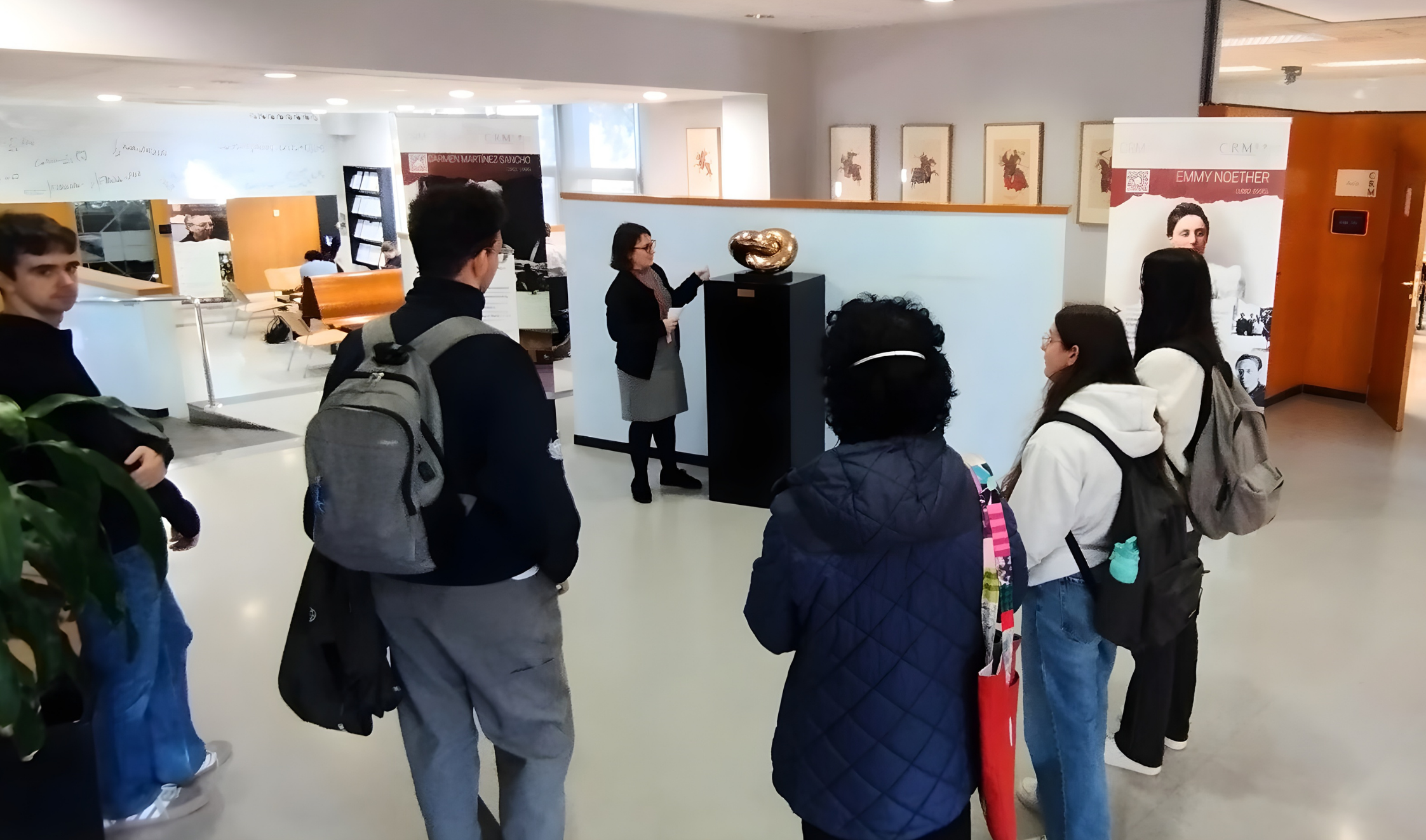
Photo: From top to bottom: Jorge Manzanares (IN UMH-CSIC), Mª Carmen Collado (IATA-CSIC), Raúl Cabrera-Rubio (IATA-CSIC), and Francisco Navarrete (IN UMH-CSIC).

Cannabidiol (CBD) could become a therapeutic tool to treat some of the most common and disabling effects of fetal alcohol spectrum disorder (FASD) caused by alcohol exposure during pregnancy. This is one of the main conclusions of a study conducted in mice and led by researchers from the Institute for Neurosciences (IN), a joint research centre of Miguel Hernández University of Elche (UMH) and the Spanish National Research Council (CSIC). The study also involved researchers from the Institute of Agrochemistry and Food Technology (IATA-CSIC) and the University of Turku (Finland).

The research, published in the journal Biomedicine & Pharmacotherapy, shows that CBD treatment normalises emotional behaviour and vulnerability to addiction in animals exposed to alcohol during the perinatal period, with particularly marked effects in females. Additionally, the treatment significantly improves alterations in gut microbiota composition, promoting a more balanced profile associated with improved intestinal health.

Fetal alcohol spectrum disorder is the leading preventable cause of intellectual disability worldwide and occurs when the developing brain is exposed to alcohol at any point during pregnancy. Its consequences include learning difficulties, emotional disturbances, increased risk of anxiety and depression, impaired behavioural regulation, and, in adulthood, a higher vulnerability to addictive behaviours.

“Despite its enormous social and public health impact, there is currently no approved pharmacological treatment that targets the root cause of the disorder. Available interventions only help manage some symptoms”, explains Jorge Manzanares, principal investigator of the study and head of the Translational Neuropsychopharmacology of Neurological and Psychiatric Diseases laboratory at the IN UMH-CSIC. For this reason, the multidisciplinary research team explored therapeutic strategies capable of correcting alcohol-induced alterations during development.

The relevance of the endocannabinoid system

The study focuses on the endocannabinoid system, a network of molecules and receptors in the nervous system involved in regulating essential processes such as emotion, motivation, learning, and stress responses. Previous independent research has shown that this system is profoundly disrupted following prenatal alcohol exposure, contributing to emotional disturbances and increased addiction risk.

“Cannabidiol, or CBD, a non-addictive compound derived from the cannabis plant, modulates this system and has demonstrated neuroprotective, anti-inflammatory, and anxiolytic properties in other models of neurological damage”, notes the UMH professor. “We therefore set out to first determine the emotional effects of perinatal alcohol exposure in mouse models, identify biomarkers to quantify alcohol’s impact on the brain, and analyse how gut microbiota composition is affected, before testing a chronic CBD treatment administered from weaning and assessing its effects”.

“We found that fetal alcohol spectrum disorder causes not only direct brain damage, but also a systemic disruption affecting intestinal health, and that CBD can modulate this complex cascade of alterations”, Manzanares adds. In the experimental model, mice of both sexes exposed to alcohol during the perinatal period developed behaviours equivalent to anxiety and depression. In females only, this exposure also led to increased motivation to consume alcohol.

Early and continuous CBD administration normalised emotional effects in both sexes. In females, CBD also eliminated vulnerability to alcohol addiction: their motivation to drink was reduced to levels comparable to control animals that had not been exposed to alcohol. The treatment also modulated key brain biomarkers, including dopaminergic and endocannabinoid receptors, whose disruption is associated with emotional and addictive disorders.
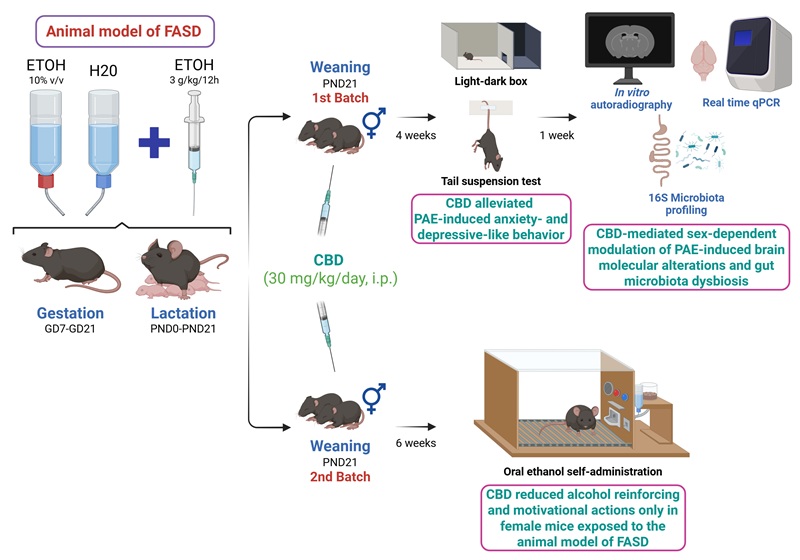
CBD treatment normalises emotional behaviour and vulnerability to addiction in animals exposed to alcohol during the perinatal period, with particularly strong effects in females. Source: Biomedicine & Pharmacotherapy.

The gut–brain axis

Another major novelty of the study is its focus on the gut–brain axis. “In both health and disease, there is constant bidirectional communication between the digestive and nervous systems that influences physical and mental health”, explains Francisco Navarrete, first author of the article. This communication occurs through neural, hormonal, and immune signals and is strongly influenced by the gut microbiota. “What happens in the gut microbiota affects the brain, and vice versa”, he adds.

The team found that alcohol exposure during development induces gut dysbiosis —an imbalance in microbial composition— which CBD was able to reverse. Treatment restored microbial diversity and increased the abundance of bacterial populations associated with improved gut–brain communication.

However, these effects differed between males and females, as they naturally exhibit distinct microbial profiles. In this regard, Raúl Cabrera-Rubio (IATA-CSIC) explains that “gut microbiota in mice was influenced by alcohol exposure and modulated by CBD treatment in a sex-dependent manner, and these changes were associated with markers linked to both brain function and other body systems.”

Along similar lines, Navarrete highlights that the findings suggest that some of the sex differences in vulnerability to fetal alcohol spectrum disorder may originate in the gut rather than the brain. The team also identified sex-dependent differences in the expression of genes related to the endocannabinoid system. “These results indicate that gut microbiota actively contributes to the effects of fetal alcohol spectrum disorder and that restoring it could help correct some of its impact on the nervous system as a whole”, he adds.

Mª Carmen Collado (IATA-CSIC) emphasises that although the results are based on an animal model, “our data show that sex modulates both microbiota composition and responses to interventions”. She notes that these findings “reinforce the importance of considering sex as a key biological variable when developing microbiota-targeted strategies, both pharmacological and dietary, as a step toward personalised medicine and nutrition”.

The researchers stress that these findings come from a preclinical animal model and “should under no circumstances be interpreted as a recommendation to self-medicate with CBD, nor as a way to counteract the effects of alcohol during pregnancy,” Navarrete warns. Fetal alcohol spectrum disorder can only be prevented by completely avoiding alcohol consumption during pregnancy.

“Cannabidiol modulates brain molecular alterations, gut microbiota dysbiosis and alcohol self-administration in a mouse model of fetal alcohol spectrum disorder”. Navarrete F, Cabrera-Rubio R, Gasparyan A, Aarnio R, López-Picón F, Helin S, Rajander J, Collado MC and Manzanares J. Biomedicine & Pharmacotherapy (2025) 193, 118791.

DOI: https://doi.org/10.1016/j.biopha.2025.118791.

This research was funded by the Carlos III Health Institute, the Alicante Health and Biomedical Research Institute (ISABIAL), and the Primary Care Addiction Research Network (RIAPAd) of the Spanish Ministry of Health, as well as by the Ministry of Science, Innovation and Universities (MAMI Plus project), the Severo Ochoa Centres of Excellence and María de Maeztu Units programme of the Spanish State Research Agency, and the Valencian Regional Government through the GenT Plan (CDEIGENT 2020–02).

Source: UMH Communication Office (comunicacion@umh.es) / Institute for Neurosciences UMH-CSIC (in.comunicacion@umh.es)


La entrada Study by the Institute for Neurosciences UMH–CSIC shows that CBD reverses damage caused by fetal alcohol spectrum disorder in mice se publicó primero en Instituto de Neurociencias de Alicante.
Go to Source

Seeing Through Walls: María Ángeles García Ferrero at CRM

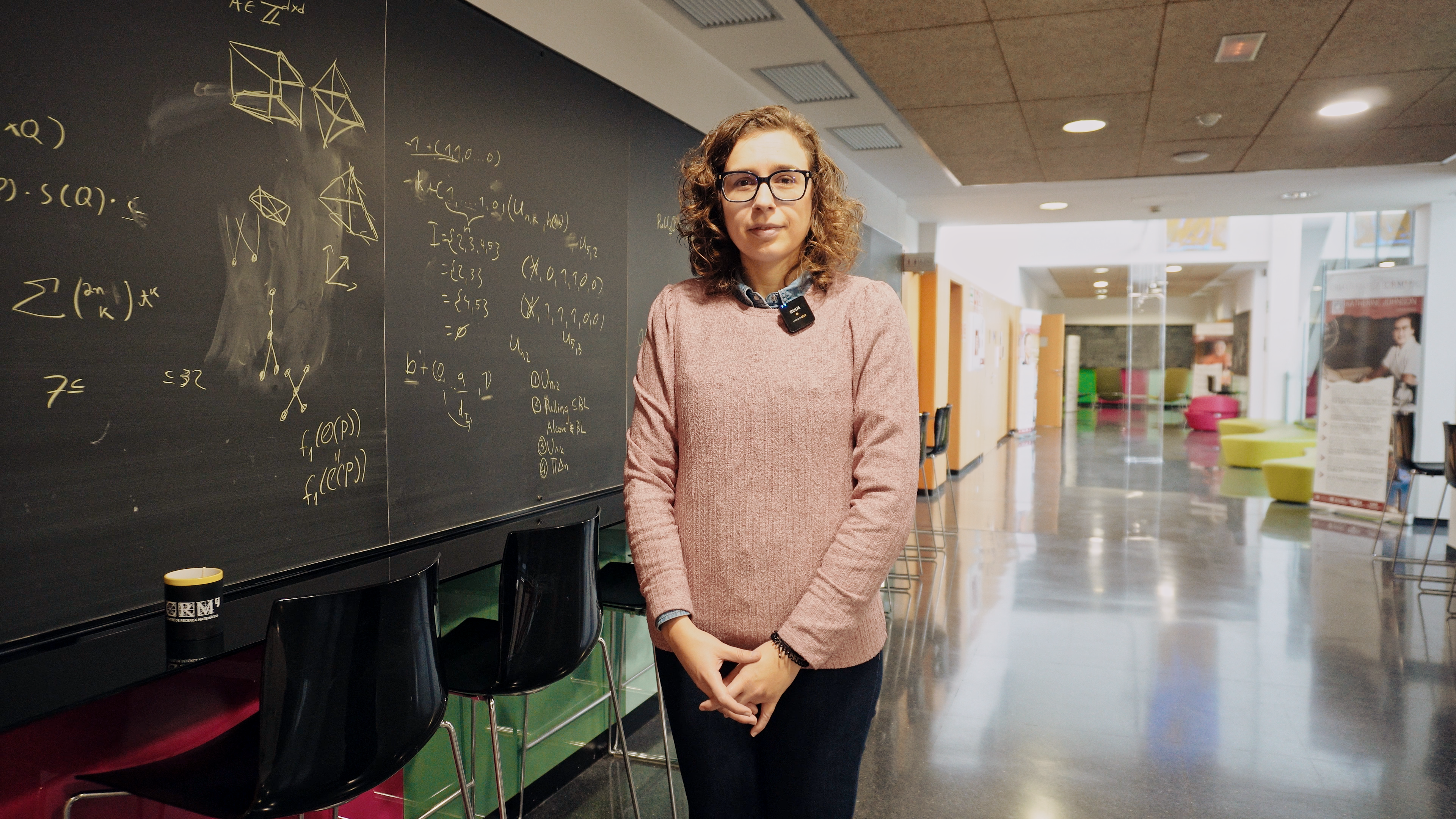
From October to November 2025, María Ángeles García Ferrero held the CRM Chair of Excellence, collaborating with Joaquim Ortega-Cerdà on concentration inequalities and teaching a BGSMath course on the topic. Her main research focuses on the Calderón problem, determining a medium’s internal electrical conductivity from surface measurements, which has applications in medical imaging for distinguishing stroke types and monitoring brain function.

In October and November 2025, María Ángeles García Ferrero (ICMAT – Institute of Mathematical Sciences) spent two months at CRM as the Maria de Maeztu Chair of Excellence, working on problems that sound almost like magic: how to see what’s hidden, how to know what you can’t measure directly, how to reconstruct the invisible.

Her main field is inverse problems, the mathematics of gaining information about an unknown object from related data. “In particular, I work on the Calderón problem, which attempts to determine the electrical conductivity of a medium from measurements of voltage and current at the boundary,” she explains. It’s the kind of problem that only makes sense when you think about what it enables. If you can measure electrical signals on the surface of a human skull, can you map what’s happening inside the brain? If you know how electricity flows through different tissues, can you distinguish a stroke caused by bleeding from one caused by blockage?

She came to the field during her first postdoc. “It was connected with what I had done previously, but it was something different,” she says. The shift opened a new door, and what pulled her through was the applicability. “The applications of these problems, which in particular involve medical imaging techniques, were one of the reasons that made me stick with this topic. So, it interests me mathematically, but the real-world motivation gives me additional incentives to dedicate myself to it.”


Working with Joaquim Ortega-Cerdà

However, at CRM, García Ferrero worked on something different: concentration inequalities for holomorphic functions, a topic she developed through her collaboration with Joaquim Ortega-Cerdà (Universitat de Barcelona – CRM). “It’s a topic I got to know thanks to him,” she says. “Honestly, listening to him talk about any subject and not becoming interested is very difficult.”

The work they’re pursuing is both a continuation and an expansion. In a previous paper, they studied how concentrated polynomials can be when restricted to domains of the complex plane. Now they’re generalising that result, though not all the tools that worked before are available in the new setting. It’s the kind of problem that requires building new machinery.

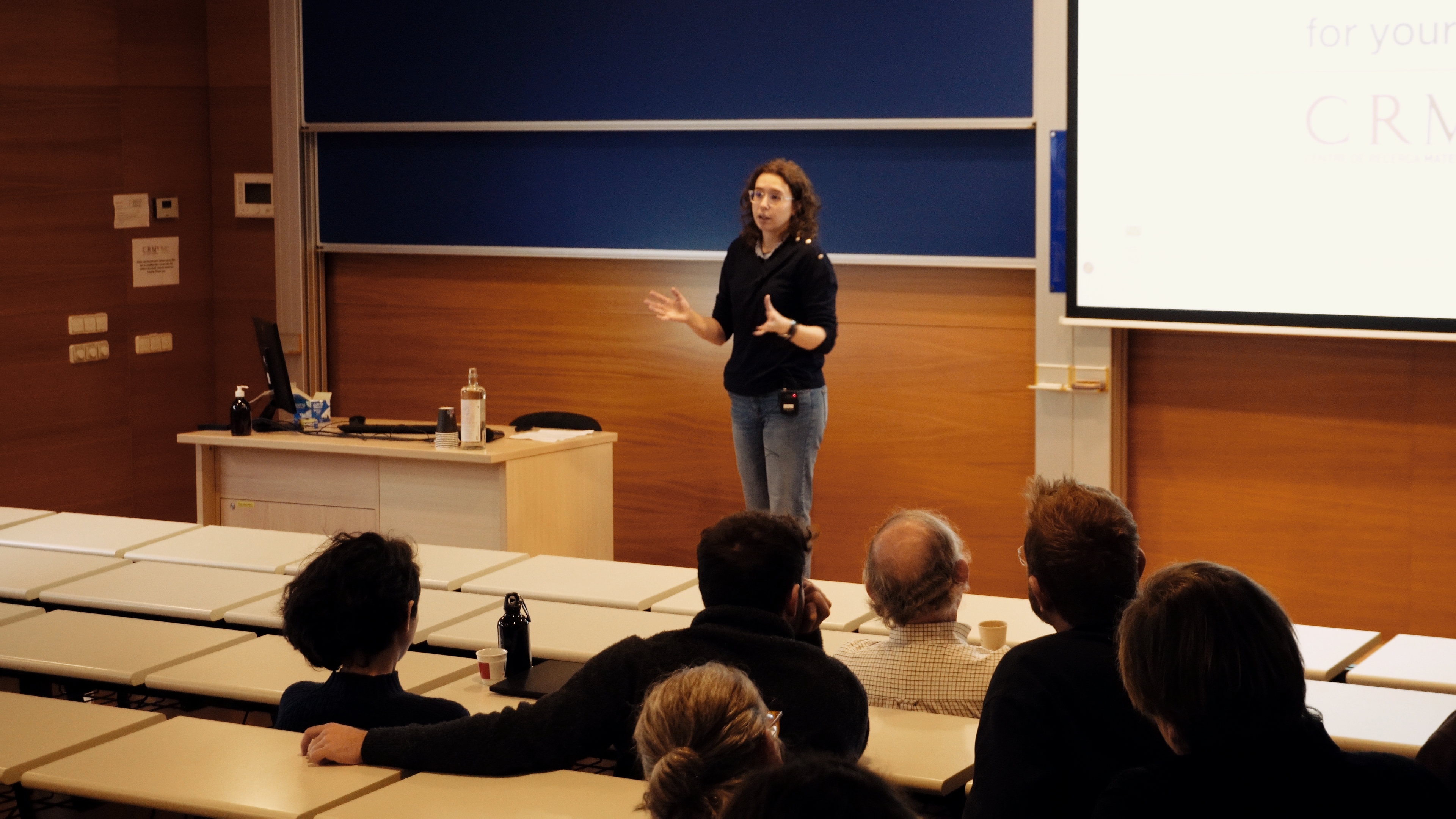
From October 27 to November 5, García Ferrero taught a BGSMath course on precisely this topic: concentration inequalities for holomorphic functions. Five sessions, each two hours long. The course covered uncertainty principles, spaces of holomorphic functions, the Lieb conjecture on generalised Wehrl entropy, and the stability of these inequalities. It’s a field where conjectures from the late 1970s have only recently been proven and where quantitative stability results are still emerging.


The Calderón Problem

On November 19, García Ferrero gave a colloquium at the Maria de Maeztu Closing Conference, a gathering of the CRM research community marking the completion of a four-year strategic research program. The María de Maeztu distinction, awarded by Spain’s Ministry of Science and Innovation, recognises research units that demonstrate exceptional international scientific leadership. It provides substantial funding and connects CRM to the SOMMa alliance of Spain’s top research centres and units of excellence. It’s one of the highest honours in Spanish research.

Her talk returned to her main research: the inverse conductivity problem, also known as the Calderón problem. Named after Argentine mathematician Alberto Calderón, who posed it in 1980, the setup sounds deceptively simple. If you can measure voltage and current on the surface of an object, can you determine its internal electrical conductivity?

Think of it as X-rays, but instead of using radiation, you’re using electrical measurements. You apply voltage at the boundary, measure the resulting current, and try to reconstruct what must be happening inside. In medical imaging, this translates to Electrical Impedance Tomography (EIT). Different tissues conduct electricity differently: blood, bone, healthy tissue, tumorous tissue, bleeding, and blockages. If you can solve the Calderón problem, you can monitor brain function or monitor the lung activity of premature infants without invasive procedures or the risks of repeated X-rays.

“I think initiatives such as the MdM Chair of Excellence are important because sometimes we look for role models in our day-to-day life. This opportunity I’ve had to come here and talk with students, with people visiting CRM and also the universities in Barcelona, I think it helps a lot to give visibility to this role of women in mathematics, but in an approachable way.”

García Ferrero’s talk walked through the main questions: Can you uniquely determine the conductivity? If so, how stable is the reconstruction? Does a small measurement error lead to a catastrophic error in the recovered conductivity? And can you actually compute it? In one dimension, the problem has no solution at all: completely different conductivities can produce identical boundary measurements. In two dimensions, uniqueness was proven in 2006 for bounded conductivities. In three or more dimensions, the breakthrough came in the 1980s from John Sylvester and Gunther Uhlmann, but only for very smooth conductivities.

The talk also touched on what makes the problem mathematically delicate. The stability is logarithmic, meaning that to improve your reconstruction accuracy by a factor of 10, you need to improve your measurement accuracy exponentially. This isn’t just a technical annoyance; it is fundamental to the problem’s structure. Under certain special assumptions (for instance, if the conductivity is piecewise constant with known jump locations), the stability improves dramatically. But in the general case, you’re stuck with logarithmic stability.

The colloquium covered the full arc: the problem’s origins in geophysical prospecting and medical imaging, the mathematical framework of Dirichlet-to-Neumann maps that encode the boundary measurements, the construction of CGO solutions that make reconstruction possible, and the ongoing work to handle ever-more-realistic conductivity profiles. It was technical but accessible, pitched to an audience of mathematicians across specialities. And it showcased exactly what the María de Maeztu program aims to support: frontier research with both mathematical depth and real-world impact.


Visibility from the day-to-day

The Chair of Excellence program doesn’t just fund research visits. It’s designed to bring senior women mathematicians into sustained contact with the CRM community. “I think it’s important because sometimes we look for role models in our day-to-day life,” García Ferrero says. “This opportunity I’ve had to come here and talk with students, with people visiting CRM and also the universities in Barcelona, I think it helps a lot to give visibility to the role of women in mathematics, but in an approachable way.”

Visibility isn’t just about seeing someone at a conference. It’s about proximity. It’s about the conversations that happen in corridors, the questions asked after a course, the presence that becomes ordinary rather than exceptional. For García Ferrero, the Chair also carried personal significance. “At a personal level, it’s an honour because of the centre that grants it, because of the people I know are behind it. It’s a very important recognition. And at an even more personal level, the opportunity to return to the mathematical community in Barcelona, where I already spent time before, it’s an opportunity I couldn’t pass up.”

She’s based at ICMAT in Madrid now, a tenured researcher, elected to the Executive Committee of the European Mathematical Society in 2024. But for two months, her office was at CRM, her collaboration was with Ortega-Cerdà, and her work was on polynomials and concentration inequalities. The inverse problem she’s always working on (how to reconstruct the hidden from the visible) took on a different form. And the visibility she provided, simply by being present, working through problems in real time, is exactly what the program was designed for.

You can watch the full interview with María Ángeles García Ferrero on the CRM YouTube channel:


Subscribe for more CRM News

Stay updated to our mailing list to get the lastest information about CRM activities.

CRM Comm

Pau Varela

CRMComm@crm.cat


Seeing Through Walls: María Ángeles García Ferrero at CRM

Seeing Through Walls: María Ángeles García Ferrero at CRM

From October to November 2025, María Ángeles García Ferrero held the CRM Chair of Excellence, collaborating with Joaquim Ortega-Cerdà on concentration inequalities and teaching a BGSMath course on the topic. Her main research focuses on the Calderón problem,…

BAMB! 2025: Participants Return to the CRM for Research Stays

BAMB! 2025: Participants Return to the CRM for Research Stays

In October 2025, the Centre de Recerca Matemàtica hosted Josefine Meyer (ISTA) and Cate MacColl (University of Queensland) for a month-long research stay following their participation in the BAMB! Summer School. Despite studying vastly different subjects, from…

The post Seeing Through Walls: María Ángeles García Ferrero at CRM first appeared on Centre de Recerca Matemàtica.

Go to Source

ICN2 Researchers Unveil a New Strategy to Capture Electron Dynamics in Complex Materials, in Real Time

This pioneering simulation framework now makes it possible to track ultrafast electron behaviour in realistic models of disordered materials at unprecedented scales.

Go to Source

Revealing the Winners of the Annual Art Meets Nano 2025 Contest

The winners of the 7th edition of the Art Meets Nano contest were revealed at the Season’s Greetings celebration in December 2025.

Go to Source

Eroica Dx, a new ICN2 spin-off Bringing Nanophotonics to the Frontline Against Antibiotic Resistance

The new company, emerging from the NanoB2A group, will develop point-of-care diagnostic solutions based on nanophotonic biosensors for the rapid detection of life-threatening bacterial infections and antimicrobial resistance.

Go to Source

El CNIO refuerza la inteligencia artificial y la investigación clínica para que los avances lleguen antes a las personas con cáncer

Edificio CNIO / Laura M. Lombardía CNIO

El Centro Nacional de Investigaciones Oncológicas (CNIO), el principal centro de investigación en cáncer de España y uno de los más productivos a escala global, ha iniciado la puesta en marcha de su nuevo Plan de Actuación, aprobado en diciembre de 2025 por su Patronato a propuesta de la Dirección del centro, que prevé el refuerzo de la inteligencia artificial y las técnicas computacionales para potenciar la ciencia del centro con el objetivo de mejorar la prevención, el diagnóstico y el tratamiento del cáncer.

Además, el CNIO ampliará sus alianzas con hospitales y centros de investigación españoles e internacionales, para que los logros obtenidos en los laboratorios se traduzcan cuanto antes en beneficios para las personas con cáncer.

El Plan, que se publicará íntegramente en la web del CNIO, orienta los recursos científicos, tecnológicos y humanos del Centro hacia los grandes retos actuales del cáncer.

Este Plan responde a los profundos cambios que ha experimentado la ciencia del cáncer en los últimos años, y con su puesta en marcha, el CNIO quiere seguir siendo un centro de referencia internacional, adaptando su organización para concentrar esfuerzos en aquellas áreas con mayor impacto científico y proyección futura.

Nuevos programas científicos y refuerzo tecnológico

El Plan contempla la creación de dos nuevos programas científicos con enfoques computacionales y genómicos avanzados: Biología de Sistemas y Computacional del Cáncer; y Genómica del Cáncer de Precisión y de Poblaciones. Estos programas refuerzan el uso de inteligencia artificial y metodologías computacionales para acelerar el conocimiento en este conjunto de patologías y mejorar la prevención, el diagnóstico y el tratamiento.

El CNIO contará con 11 plataformas de innovación científico-tecnológica que darán soporte a los grupos de investigación en tecnologías clave como el Biobanco, la genómica y la proteómica, potenciando su uso y la colaboración con otros centros españoles y a escala global, y captando financiación externa.

Más integración clínica y orientación a pacientes

El Plan refuerza la investigación clínica y alienta su integración con la investigación básica, ampliando las alianzas con hospitales españoles y europeos. El objetivo es acelerar la traslación de los avances científicos a beneficios reales para los pacientes, y ampliar la investigación a nuevos tipos tumorales.

El CNIO cuenta ya con cinco grupos de investigación clínica, cuatro de ellos en colaboración con hospitales del área de Madrid (Hospital 12 de Octubre y Hospital La Paz) y Barcelona (Hospital del Mar). El nuevo Plan impulsará el desarrollo de fármacos y terapias celulares como el diseño de nuevas estrategias de inmunoterapia, así como la búsqueda de nuevos biomarcadores y el estudio de los mecanismos de resistencia y de la evasión inmune del cáncer.

A largo plazo, el CNIO aspira a consolidarse como centro nacional de referencia en genómica del cáncer, en conexión con grandes iniciativas internacionales en las que ya desempeña un papel destacado.

Adaptación del modelo organizativo a la evolución del entorno científico

El Plan también contempla la adaptación del modelo organizativo del Centro a la evolución del entorno científico y sanitario, lo que implica que algunas actividades dejen de desarrollarse como unidades independientes.

La estrategia del CNIO se enfoca ahora en la investigación oncológica de precisión personalizada y familiar. En el caso de las unidades de Diagnóstico Molecular y de Cáncer Familiar, el diagnóstico genético rutinario se encuentra hoy integrado de forma estructural en el Sistema Nacional de Salud.

En cuanto a la investigación en nuevas terapias, el CNIO se enfoca en la inmunoterapia y las nuevas terapias celulares. Tras un análisis estratégico, el Plan concluye que el impacto científico y el retorno institucional de los recursos del Programa de Terapias Experimentales será mayor si se dedica a áreas prioritarias, como la genómica avanzada, la biología computacional o las plataformas tecnológicas compartidas.

Estas decisiones responden a criterios de priorización estratégica, alineación con la misión investigadora del CNIO y uso eficiente y sostenible de los recursos públicos.

Modernización de la gestión y buen gobierno

El Plan, además, incluye una modernización de la estructura de gestión con foco en las personas, la captación de recursos, la digitalización, la transparencia y el buen gobierno.

Con esta modernización de la estructura, el CNIO reafirma su compromiso con la excelencia científica, el uso responsable de los recursos públicos y la generación de conocimiento con impacto real en la lucha contra el cáncer.

La entrada El CNIO refuerza la inteligencia artificial y la investigación clínica para que los avances lleguen antes a las personas con cáncer se publicó primero en CNIO.

Go to Source

Alumni CBM: Entrevista con Víctor Briz

En nuestra serie de entrevistas AlumniCBM contamos hoy con Víctor Briz. En la actualidad dirige su grupo de investigación como Investigador Ramón y Cajal en el Centro Nacional de Sanidad Ambiental en el Instituto de Salud Carlos III (CNSA-ISCIII) sobre los factores genéticos y ambientales implicados en los trastornos del neurodesarrollo.

Llegaste al CBM como investigador postdoctoral tras estar en otros laboratorios, ¿De qué forma crees que tu paso por el CBM ha condicionado tu forma de trabajar?

Lo importante de pasar por distintos laboratorios es aprender cosas nuevas. En mi primera estancia en EEUU hice sobre todo biología molecular, en Bélgica me centré más en comportamiento animal, y eso me cambió la visión científica de cara a estudiar modelos animales de trastornos del neurodesarrollo. Y, por último, en el CBM he aprendido sobre todo electrofisiología -aunque ya antes había estudiado la plasticidad sináptica- y esto me ha enriquecido mucho a la hora de aprender conocimientos, no solo científicos y teóricos sino también técnicos, que me han ayudado a entender mejor estos conceptos de plasticidad sináptica y, en general, la fisiología del cerebro.  Además, me ha dado la oportunidad de volver a España y hacer ciencia de alto nivel, ya que el CBM, es un centro de referencia.

¿Qué es lo que más valoras y recuerdas de tu paso por el CBM?

Sobre todo destacaría la gente que he conocido durante estos 6 años de la que no sólo he tenido una experiencia de aprendizaje científico sino gente que he podido conocer y con la que me sigo llevando bien y mantengo el contacto, tanto estudiantes de máster, predoctorales y postdoctorales.

 ¿Qué referentes has tenido en la investigación?

He tenido referentes científicos en los supervisores que he tenido a lo largo de mi carrera. Muchas veces les digo a la gente que está buscando laboratorios o a postdocs al acabar la tesis que miren bien donde van a ir, ya que una cosa es lo que se vea desde fuera o las publicaciones y otra cosa es la dinámica o cómo se trabaje en ese laboratorio. Por ello, mis referentes no han sido solo científicos sino gente que ha sabido tratar a sus estudiantes en lo personal. Durante mi tesis, Cristina me enseñó a cómo trabajar en equipo y a ser meticuloso. Después, en mi etapa postdoctoral en California, Michel Baudry era una persona muy exigente en lo científico, pero lo hacía desde el entusiasmo por la ciencia y eso me causó muy buena impresión y motivación. En otras etapas, como en esta última en el CBM, con José Antonio, he aprendido el rigor científico y a buscar las preguntas que necesitas hacerte para continuar la investigación, siempre manteniendo una visión global. A nivel profesional, me ha ayudado mucho y yo se lo agradezco.

¿Cuáles son los principales logros y retos en tu investigación?

Durante la tesis fui bastante autodidacta ya que tuve la ventaja de que me dejasen expresar mis propias ideas y la iniciativa de probar cosas, aunque el dinero era limitado y había que elegir cuidadosamente los experimentos, siguiendo tu intuición, y avanzar en el proyecto. Yo tenía muy claro que después de la tesis quería irme de postdoc y en California me fue muy bien. Sin embargo, en Bélgica fue diferente, el clima no era tan bueno como en California, con un ambiente de competitividad y generación de resultados, lo que supuso una etapa muy difícil en mi carrera y me planteé otras alternativas fuera de la investigación. De hecho, en 2016 nos juntamos varios compañeros y creamos el CEBE, una organización de científicos españoles en bélgica sin ánimo de lucro con el soporte de la FECYT -dedicada a facilitar el networking entre científicos, comunicación científica, promover la colaboración entre instituciones españolas y belgas, así como favorecer la visibilidad institucional. Hasta entonces, solo veía que la ciencia era o la investigación en los centros de investigación o la industria. Esta etapa me ayudó a abrir la mente; a pesar de que lo más fácil era rendirse, no paré de intentarlo y perseveré hasta que lo conseguí. Algo parecido me sucedió antes de conseguir la Ramón y Cajal estando ya en el CBM.

En base a esta experiencia ¿Qué consejo le darías al Víctor que acababa de salir de la carrera o a un joven investigador?

Al final hay que guiarse por tu instinto y saber que todo tiene límites, también está bien probar otras alternativas y nunca es tarde para volver atrás, no creo que sea cierto que salir de la academia a la industria sea irreversible, ya que te da otra serie de valores añadidos importantes. Como consejo le daría que se escuche a sí mismo, que, si lo tienes claro y es tu sueño, hay que luchar por ello e intentarlo una y otra vez y si en algún momento surge otra cosa quizá hay que dar esa oportunidad porque nunca sabes si tu carrera es esa.

Ahora tienes tu propio grupo de investigación en el CNSA-ISCIII, ¿nos puedes contar un poco más sobre tu trabajo?

La investigación que hice en los últimos 5 años con la beca Intertallentum era estudiar el efecto de una serie de contaminantes ambientales entre ellos varios pesticidas y ver sus efectos en el cerebro; en particular sobre la plasticidad sináptica y las habilidades cognitivas, así como su relación con trastornos del neurodesarrollo como el autismo o la discapacidad intelectual, ya que había estudios previos que los relacionaban. En este estudio lo que encontramos fue el mecanismo de cómo los pesticidas y otros contaminantes ambientales alteran la plasticidad sináptica, lo que explica parte de los deficits cognitivos que causan estos contaminantes. Usando el hipocampo de rata como modelo, vimos que los pesticidas aumentan la señalización de la vía Ras-MAPK y producen efectos similares a los observados en las rasopatías, que son trastornos del desarrollo causados por mutaciones en diferentes elementos de esta vía. Esto es lo que me ha llevado a desarrollar el nuevo proyecto en el CNSA-ISCIII que es estudiar cómo estos contaminantes ambientales interaccionan con los genes relacionados con las rasopatías para producir una mayor susceptibilidad a sufrir trastornos del neurodesarrollo en estos pacientes. Esto pretendo abordarlo usando tanto modelos animales como celulares (iPS de pacientes) de las rasopatías.

En base a tu trayectoria, has tenido una gran movilidad, desde el Erasmus en Florencia durante el grado de Bioquímica, hasta tus posteriores estancias como investigador postdoctoral, ¿en qué crees que se ha reflejado esa movilidad? ¿qué te ha aportado?

En general, en todos los sitios donde he estado, a nivel personal me ha aportado muchísimo, lo que implica independizarse y madurar. También aprendí idiomas, tanto italiano en Florencia, inglés en EEUU y algo de francés, aunque poco, cuando estuve durante la tesis de estancia corta en Lille. Sin embargo, a nivel profesional me ha servido para ver diferentes formas de hacer investigación, de abordar la ciencia, y sobre todo a la hora de tutorizar a estudiantes. Así, en algunos casos me han servido para utilizarlos como modelo e imitarlos y en otros para entender lo que se debe evitar.

¿Por qué crees que es importante mantener vínculos con el CBM?

Estuve vinculado al CBM como doctor y formé parte de un proyecto de José Antonio Esteban. Al mismo tiempo, tutelé a una estudiante de tesis doctoral que estaba a punto de finalizar —mi primera doctoranda— y a una estudiante de máster. Ese proyecto hizo que siguiera acudiendo uno o dos días por semana para la supervisión de los estudiantes y la asistencia a las reuniones de grupo. Mantener este tipo de colaboraciones resultaba importante, ya que, por un lado, permitía que mis estudiantes se formaran en electrofisiología con José Antonio y, por otro, facilitaba que el CBM pudiera beneficiarse de los proyectos desarrollados en el ISCIII.

La entrada Alumni CBM: Entrevista con Víctor Briz se publicó primero en Centro de Biología Molecular Severo Ochoa.

Go to Source

ICN2 and Waterologies Celebrate Three Years of Partnership

This collaboration reaches a three-year milestone in bringing mussel-inspired coatings from laboratory bench to applied water purification systems, turning ICN2 research into sustainable solutions for real-world challenges.

Go to Source

Rhombus day

Go to Source

ICN2 Welcomes a New Research Group: Nanomaterials for Advanced Memory and Computing

Led by ICREA Prof. Jordi Sort, the group will focus on designing advanced computing and brain-inspired data-storage systems based on nanoscale materials.

Go to Source

1st Systems-IN-Action Meeting, 16–18 March 2026

The 1st Systems-IN-Action Meeting will take place from March 16 to 18, 2026, at the Complejo San Juan (Alicante, Spain) and will bring together leading international researchers to discuss how distributed brain circuits give rise to behaviour, from sensation to action

Over the course of three days, the meeting will offer an integrative perspective on systems neuroscience, covering topics such as sensorimotor control, decision-making, memory, navigation, and attention. The programme will feature a top-tier lineup of speakers representing a broad range of experimental and computational approaches, to highlight where the field currently stands and where it is heading.

The meeting is designed to foster interaction and the exchange of ideas in an open and collaborative environment, encouraging dialogue between established investigators and early-career scientists. In addition, the programme will include a half-day hands-on training session for early-career researchers, focused on modern systems neuroscience methodologies.

Registration is now open, and the deadline to register is January 15. As the meeting will have a limited capacity of 120 participants, early registration is strongly encouraged to ensure participation.

The Systems-IN-Action organizing committee is composed of researchers from the Institute for Neurosciences, a joint centre of the Spanish National Research Council (CSIC) and Miguel Hernández University of Elche (UMH), Andreas Kardamakis, head of the Neural Circuits in Vision for Action laboratory; Isabel Pérez Otaño, head of the Plasticity and Remodeling of Neural Circuits laboratory and scientific lead of the Synaptic Modulation of Neural Circuits and Behavior scientific programme; and Ramón Reig, head of the Sensory-motor Processing by Subcortical Areas laboratory.

Up-to-date information on the programme (in preparation), speakers, abstract submission, and logistics is available at https://systems-in-action.umh.es

La entrada 1st Systems-IN-Action Meeting, 16–18 March 2026 se publicó primero en Instituto de Neurociencias de Alicante.

Go to Source

Una investigación del CNIO halla nuevos genes que predisponen al cáncer de páncreas

Evangelina López (izda) y Núria Malats. / Christian Esposito. Madmoviex. CNIO

Un nuevo estudio del Centro Nacional de Investigaciones Oncológicas (CNIO) ha logrado identificar varios conjuntos de genes relacionados con la predisposición a desarrollar adenocarcinoma ductal de páncreas (el tipo más habitual de cáncer de páncreas), y también con el pronóstico de la enfermedad, una vez ha aparecido.

El estudio, que acaba de publicarse en Nature Communications, supone un paso hacia el desarrollo de programas de cribado entre la población, una herramienta esencial para avanzar en diagnóstico precoz. Está liderado por Núria Malats y Evangelina López de Maturana, del Grupo de Epidemiología y Genética Molecular del CNIO.

Adelantar el diagnóstico es un desafío especialmente importante en cáncer de páncreas, cuya alta mortalidad se asocia precisamente a que suele detectarse cuando está muy avanzado.

Los genes identificados forman parte de un mecanismo de defensa innato del organismo, el sistema de complemento. Cuando las proteínas del sistema del complemento fallan, o si faltan o se producen en exceso, pueden aparecer enfermedades. Muy pocos estudios hasta ahora relacionan el sistema de complemento con el cáncer.

Biomarcadores para futuros cribados

Este trabajo, cuyo primer autor es Alberto Langtry –actualmente en la Universidad de Columbia (EE.UU.) después de hacer la tesis doctoral en el CNIO–, ha descubierto que la probabilidad de desarrollar cáncer de páncreas puede aumentar cuando dos genes concretos del sistema de complemento están mutados.

Estos genes, llamados FCN1 y PLAT, podrían convertirse en biomarcadores útiles para realizar cribados a población de riesgo. Cuando su presencia y la de otros factores indicara susceptibilidad a cáncer de páncreas, la persona podría entrar en programas de seguimiento.

Son programas cruciales en cáncer de páncreas, cuya alta mortalidad se asocia a que suele detectarse en fases muy avanzadas; pero antes hay que identificar a quienes tienen más riesgo de desarrollar este tumor, y en ese contexto cobra especial valor este nuevo trabajo, indican sus autores.

Hacia la inmunoterapia en cáncer de páncreas

Otros genes del sistema de complemento tienen que ver con dos tipos de células inmunitarias, las defensoras y las reguladoras. El equipo ha descubierto que la actividad de determinados grupos de genes determina que en el tumor se infiltren células defensoras, o células reguladoras. Las primeras aumentan la supervivencia frente al cáncer, mientras que las segundas tienen el efecto opuesto.

Entender la relación de los genes del sistema de complemento con el cáncer de páncreas también puede tener implicaciones para el tratamiento. El cáncer de páncreas es un cáncer frío: logra camuflarse ante el sistema inmunitario, que por tanto no lo ‘ve’ y no se activa para destruirlo. Por eso el cáncer de páncreas no responde a la inmunoterapia.

El nuevo conocimiento sobre la relación entre el sistema de complemento y el cáncer de páncreas permite pensar en “nuevas inmunoterapias dirigidas a estos genes”, afirma Malats.

Una web y una app para clasificar cáncer de páncreas

Núria Malats y Pablo Villoslada. / Christian Esposito. Madmoviex. CNIO

Otro de los desafíos del cáncer de páncreas es su heterogeneidad: el grado de agresividad de los tumores es diverso, y también su respuesta a los tratamientos. Se han propuesto varios modelos de clasificación, pero cada uno identificaba distintos subtipos.

Un nuevo trabajo también dirigido por Malats en el CNIO ha recopilado la información de todos esos modelos y, con ayuda de algoritmos, la ha integrado en un nuevo clasificador de consenso. Además, ha desarrollado una web y una aplicación que facilitan su uso: se secuencia el ARN de una muestra del tumor, se suben los datos a la web o la aplicación y se obtiene el subtipo de tumor.

Del mejor tratamiento a nuevos factores de riesgo

El nuevo clasificador establece dos subtipos según la información de las células tumorales, y otros dos según la del estroma, el conjunto de células sanas que rodea a las tumorales y que influye en la eficacia de los tratamientos. El estudio se publica en Genome Medicine y su primer autor es Pablo Villoslada, investigador postdoctoral del grupo de Malats.

El nuevo modelo puede indicar que el tumor corresponde al subtipo que reacciona mejor a uno de los tratamientos más frecuentes para este cáncer. De ahí su importancia para la práctica clínica.

El clasificador también sirve para estudiar factores de riesgo para cáncer de páncreas, indica Malats. “Sabemos que el tabaco aumenta el riesgo, poco, pero consistentemente. Quizás lo que ocurre es que lo hemos estudiado para el cáncer de páncreas en general, y resulta que hay subtipos a los que les aumenta el riesgo, y a otros no. Ahora que somos capaces de separar estos subtipos podemos comprobarlo”.

Tanto la web como la aplicación están ya en marcha, son de libre acceso e incluyen los clasificadores anteriores, para hacer comparativas o tener esos datos.

Financiación

El estudio publicado en Nature Communications ha sido financiado principalmente con fondos públicos del Fondo de Investigaciones Sanitarias (FIS), el Instituto de Salud Carlos III, el Ministerio de Ciencia, Innovación y Universidades y aportaciones privadas de la Fundación Científica de la Asociación Española contra el Cáncer (AECC), y la iniciativa Pancreatic Cancer Collective de la Fundación Lustgarten y Stand Up To Cancer

El trabajo publicado en Genome Medicine ha recibido fondos del Fondo de Investigaciones Sanitarias (FIS), el Instituto de Salud Carlos III, el programa marco de investigación e innovación (I+I) de la Unión Europea (EU) y la iniciativa Pancreatic Cancer Collective de la Fundación Lustgarten y Stand Up To Cancer

Sobre el Centro Nacional de Investigaciones Oncológicas (CNIO)

El Centro Nacional de Investigaciones Oncológicas (CNIO) es un centro público de investigación dependiente del Ministerio de Ciencia, Innovación y Universidades. Es el mayor centro de investigación en cáncer en España y uno de los más importantes en Europa. Integra a medio millar de científicos y científicas, más el personal de apoyo, que trabajan para mejorar la prevención, el diagnóstico y el tratamiento del cáncer.

La entrada Una investigación del CNIO halla nuevos genes que predisponen al cáncer de páncreas se publicó primero en CNIO.

Go to Source

Sidebar