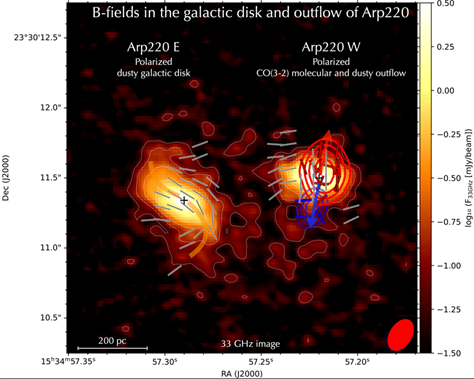
Using the Atacama Large Millimeter/submillimeter Array (ALMA), an international team of astronomers, with the participation of ICCUB-IEEC researcher Gemma Busquet, has mapped a magnetic highway driving a powerful galactic wind into the nearby galaxy merger of Arp 220, revealing for the first time that its fast, molecular outflows are strongly magnetized and likely helping to drive metals, dust, and cosmic rays into the space around the galaxy. By watching how tiny dust grains and gas molecules line up with these fields, researchers have drawn the most detailed magnetic map yet of Arp 220’s buried, star‑forming cores and their outflows. The result is a new way to see how gravity, starbirth, black holes, and magnetic forces all work together in a chaotic cosmic environment.
Arp 220 is an ultraluminous infrared galaxy (ULIRG) made up of two spiral galaxies in the final stages of merging. Because Arp 220 is the nearest galaxy of its kind, it serves as a powerful time machine: what happens here today likely mirrors what happened in the first generations of massive, dusty galaxies more than 10 billion years ago.
“We used ALMA to map the orientation and strength of magnetic fields in the twin galaxies,” shared Enrique Lopez-Rodriguez, the lead author of this research, and an Associate Professor with the University of South Carolina. “This revealed previously unseen details about Arp 220’s dust-enshrouded cores and molecular outflows, including the first detection of a polarized CO(3–2) molecular line emission,” adds Josep Miquel Girart, the lead in the observational work, and a researcher at the Institut de Ciències de l’Espai. This emission traced the galactic outflow in the external galaxy, showing that the outflowing gas itself carries a well-ordered magnetic field.

Observations of the west nucleus of Arp 220 revealed a nearly vertical magnetic field that runs alongside a bipolar molecular outflow moving at up to roughly 500 kilometers per second, driving a powerful, magnetic superhighway out of the galaxy. Galaxy mergers and starbursts are known to launch powerful winds that can shut down, or regulate, star formation by removing gas. However, these new results show that magnetic fields are a crucial, previously unknown driver in the force of these winds.
The team obtained full-polarization ALMA observations at 870 microns (Band 7), measuring both dust continuum polarization and CO(3–2) line polarization at a resolution of about 0.24 arcseconds (≈96 parsecs), fine enough to separate the two compact nuclei and their outflows. The dust polarization traces magnetically aligned grains in the cold, dense interstellar medium, while the Goldreich–Kylafis effect imprints linear polarization on the CO(3–2) emission line in the presence of anisotropic radiation and magnetic fields, together providing a three-dimensional view of the field geometry.
By combining the polarization geometry with measurements of gas mass, turbulence, and outflow speed, the authors applied and refined versions of the Davis–Chandrasekhar–Fermi method to estimate the magnetic field strengths in the blue- and redshifted outflow lobes. In the eastern nucleus, ALMA revealed a spiral-like magnetic pattern threading a compact, dust-enshrouded disk and arm, suggesting that ordered spiral fields can survive deep into the merger stage.
A highly polarized highway of dust between the two nuclei, with polarization fractions of about 3–5 percent, traces a magnetized ridge that may be funneling material and magnetic flux between the merging cores. Adds Lopez-Rodriguez, “When Arp 220 is observed as a whole, it’s one of the best places in the Universe for astronomers to study how gravity, star formation, and powerful winds work together with strong magnetic fields to reshape a galaxy and seed its surroundings with magnetized gas and dust.”
The team estimates magnetic field strengths of roughly 1–10 milligauss in the molecular outflows—hundreds to thousands of times stronger than the average magnetic field in the Milky Way’s disk—implying that compressed and turbulence-amplified fields help steer material into the circumgalactic medium. Because Arp 220 is the closest analog to the extreme, dusty star-forming galaxies in the early Universe, these results suggest that strong, organized magnetic fields may be common in high-redshift starbursts and could regulate star formation and feedback across cosmic time.
These ALMA observations show that magnetic fields are a major engine in driving material out of galaxies like Arp 220. The strong, ordered fields in its galactic winds act like invisible guardrails, guiding metals, dust, and cosmic rays into the vast cocoon of gas surrounding the system. That material will eventually help build and enrich future generations of stars and galaxies. As astronomers turn ALMA and future telescopes toward ever more distant galaxies, they expect to find similar magnetic superhighways at work across the cosmos. Studies like this transform Arp 220 from a single spectacular merger into a crucial blueprint for understanding how galaxies grow, shut down, and recycle their material over cosmic time—shaping the Universe we see today.
About NRAO
The National Radio Astronomy Observatory (NRAO) is a facility of the U.S. National Science Foundation, operated under cooperative agreement by Associated Universities, Inc.
About ALMA
The Atacama Large Millimeter/submillimeter Array (ALMA), an international astronomy facility, is a partnership of the European Southern Observatory (ESO), the U.S. National Science Foundation (NSF) and the National Institutes of Natural Sciences (NINS) of Japan in cooperation with the Republic of Chile. ALMA is funded by ESO on behalf of its Member States, by NSF in cooperation with the National Research Council of Canada (NRC) and the National Science and Technology Council (NSTC) in Taiwan and by NINS in cooperation with the Academia Sinica (AS) in Taiwan and the Korea Astronomy and Space Science Institute (KASI).
ALMA construction and operations are led by ESO on behalf of its Member States; by the National Radio Astronomy Observatory (NRAO), managed by Associated Universities, Inc. (AUI), on behalf of North America; and by the National Astronomical Observatory of Japan (NAOJ) on behalf of East Asia. The Joint ALMA Observatory (JAO) provides the unified leadership and management of the construction, commissioning and operation of ALMA.
Dominik Bäuerle a PhD student under Dr. Elisabet Romero and Prof. Pau Ballester’s supervision has succesfully defended his thesis entitled “Towards photosynthetic studies with user-friendly two-dimensional electronic spectroscopy” publicly on Wednesday 28 January 2026.
The members of the evaluation committee have been Prof. Tom Oliver (University of Bristol, United Kingdom), Dr. Luca Bolzonello (ICFO, Spain) and Dr. Parveen Akhtar (HUN-REN Biological Research Centre, Hungary).

First, we will know more about yourself: where are you from, where and what you studied, your hobbies, and any other information you would like to include.
I was born and raised in the Breisgau, a German region located in the Rhine Valley close to France and Switzerland. After obtaining my undergraduate degree in Physics in my hometown of Freiburg, I specialised in renewable energy science in Amsterdam, which eventually led me to study photosynthesis. Learning languages, playing the piano and endless podcast listening are among the hobbies that I spent most of my time on so far.
Have you received any special external funding? If so, which one?
Thankfully I was granted a Severo Ochoa fellowship for my PhD at ICIQ, especially since it has a decent amount of money assigned for secondments that can be chosen flexibly and imposes a certain structure on the research goals right from the start. I encourage anyone to apply if possible!
Why did you become a scientist?
Science class in school was the only one for which I didn’t mind doing homework – that felt like a strong hint for someone who wanted to put in as little effort as possible! Even though I didn’t have the enthusiasm or brilliance of some other kids, I always felt at home among other scientists, and that’s the ultimate proof it was the right call.
What do you want to achieve as a scientist?
I want to be someone that effectively collaborates with people and tries to do produce clean data, while I try to avoid falling victim to my cognitive biases and waste other people’s hard-earned taxes by doing bad laboratory work. These things alone are already quite hard to achieve, but I’d like to get there.
What is your thesis about?
It is about making it easier to use a spectroscopic technique called two-dimensional electronic spectroscopy (2DES). In 2DES, one uses several short pulses of visible laser light to excite molecules and track processes that follow excitation. This can be useful for any type of molecule absorbing the visible with dynamics on timescales slower than about 100 femtoseconds, for example when studying the chromophore-protein complexes that are responsible for running the first energy conversions following light absorption in photosynthetic organisms.
From the lessons learnt at ICIQ, which one do you value the most?
I learned that what really matters is whether I gave it my best. If you focus on your work it will give results eventually. Complaining about things I can’t change, which I did more than I should have, gets you nowhere. I hope I’ll internalize this forever!
What will you miss the most from ICIQ?
Luckily nothing, since I will continue as postdoc.
What advice do you have for someone who’s starting their PhD now?
Asking questions is always a good thing, but only once you gave your mind the opportunity to tackle the question without help for a day or so. Furthermore, calmly taking time to read things will not be a problem for your experimental success, because every minute of reading invested will save hours in the lab, help grow your horizon and deepen your insight. It is, however, important to move back and forth between experiment and literature regularly to first face the practical issues and then search for answers and new ideas in publications.
Have you ever been emotional over an experiment? Why?
I’ve been emotional about my experiment most of the time, usually because something didn’t let the measurement achieve the quality I decided I need. But every time something goes wrong, it’s a unique opportunity to finally figure out what to do better and which questions to ask, so being emotional is a good thing as long as it merely means you care about the science and it doesn’t affect relationships with colleagues in a negative way.
Science is fun because…
The best part of science for me is that I meet people from many different cultures. As scientists we share a common basis in our work, but hearing stories about other places and customs across the globe is a lot of fun and feels so enriching.
If you were a piece of lab equipment, what would you be?
The entire 2DES setup in PB8 – I feel I know more details about it than can be considered reasonable/sane.

La entrada Glückwunsch Dr. Bäuerle! se publicó primero en ICIQ.
La entrada IMDEA Energía acoge la reunión de lanzamiento del proyecto internacional WAVE se publicó primero en IMDEA ENERGÍA.

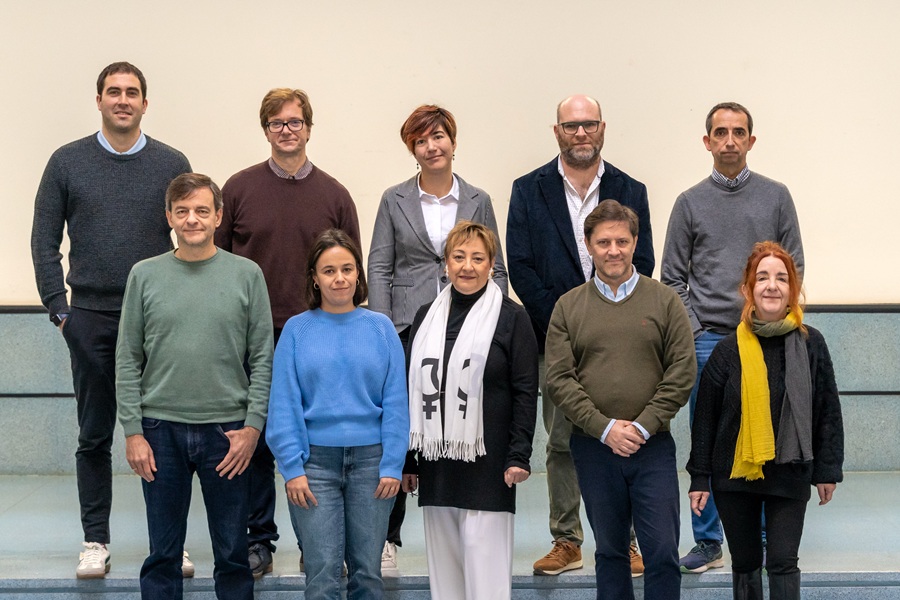
Part of the IN CSIC-UMH research team leading projects funded under the 2024 Knowledge Generation call. From left to right, top to bottom: Javier Aguilera, Ramón Reig, Alerie Guzmán, Khalil Kass Youssef, Víctor Borrell, Santiago Canals, Mª Salud García, Ángela Nieto, José P. López Atalaya, and Ana Carmena. Source: IN CSIC-UMH.
The Institute for Neurosciences (IN), a joint centre of the Spanish National Research Council (CSIC) and Miguel Hernández University of Elche (UMH), has secured €3,199,875 in funding for the development of 11 research projects under the 2024 Knowledge Generation call of the Ministry of Science, Innovation and Universities, one of the main competitive programmes within Spain’s R&D system. With these new grants, the IN currently has 33 active projects funded under the State R&D&I Plan, reflecting the strength and continuity of its scientific activity.
The funded research focuses on the basic and pathological mechanisms of the nervous system. The projects range from cortical development and memory formation to multiple sclerosis, the origin, progression, and innervation of cancer, gut neuroimmunology, advanced neuromodulation, and rare neuropathological disorders, including the identification of biomarkers with diagnostic and therapeutic potential. Furthermore, the funding will allow the consolidation of emerging research groups, the launch of new lines of investigation, the strengthening of knowledge transfer, and the training of four predoctoral researchers, ensuring the continuity and impact of the IN’s scientific activity.
Cutting-edge research on the nervous system
Researcher Guillermina López Bendito leads the project ‘Interaction between Spontaneous Activity and Genetic Programs in Cortical Organization of Sensory Modalities’. Over three years, her team will investigate how the cerebral cortex organizes into specific functional areas through the interplay between genetic programs and spontaneous neuronal activity, even before birth. Using advanced transcriptomic and neuronal imaging techniques, the project aims to elucidate how these mechanisms shape cortical identity and sensory processing, with potential implications for addressing neurodevelopmental disorders that affect sensory function.

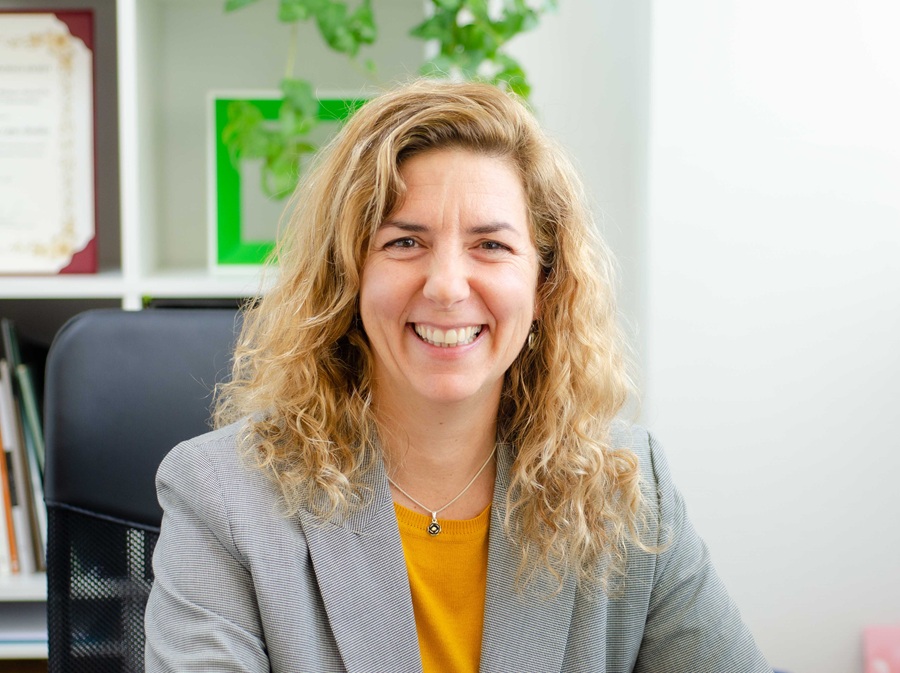
Researcher Guillermina López Bendito in her office at the Institute for Neurosciences.
Over three years, researcher Ángela Nieto will lead the project “Interactome and Cellular Plasticity in Tumor Evolution and Metastatic Potential.” Her team will study how tumor cells change and adapt, and how they interact with their microenvironment, to understand why some tumors become more aggressive and acquire metastatic capacity. Developed in collaboration with the MD Anderson Cancer Center Spain Foundation, the project aims to identify which tumors are at higher risk and which may respond better to treatment, to develop strategies to block metastasis, increase tumor vulnerability to the immune system, and ultimately improve patients’ survival and quality of life.
Researcher Ana Carmena de la Cruz leads the project ‘Asymmetric Cell Division in Nervous System Development and Tumorigenesis: Redundancy and Cell Competition’. Over three years, her team will study how stem cells in the central nervous system divide asymmetrically to generate cellular diversity and maintain tissue homeostasis, and how errors in this process can promote tumor formation. Specifically, the project will examine whether such errors can trigger mechanisms of cell competition that may either limit or favour tumor growth, thereby contributing to a deeper understanding of cancer biology and the development of potential therapeutic strategies.
Over four years, researcher Javier Aguilera will lead the project ‘Study of Intestinal Paracellular Pathways and Mucosal Neuroimmune Interactions in Constipation’. The project aims to investigate the mechanisms underlying chronic constipation and abdominal pain by analysing how the intestinal barrier is disrupted and how the nervous and immune systems interact. The project will combine experimental models and patient samples to identify key factors and lay the groundwork for new non-surgical treatments. The research is carried out in collaboration with the Digestive Diseases Unit of Dr. Balmis University General Hospital–Alicante Health and Biomedical Research Institute (ISABIAL), and the Flemish Institute for Biotechnology (VIB, Belgium).
Researcher Alerie Guzmán de la Fuente leads the project ‘Epigenetic Inflammatory Memory of OPCs in Multiple Sclerosis: A Double-Edged Sword in Aging and Remyelination’. Over three years, her team will study how oligodendrocyte progenitor cells (OPCs) retain a memory of previous inflammatory events through epigenetic modifications, and how this “memory” can either promote or hinder myelin regeneration in the central nervous system. This research aims to elucidate the molecular mechanisms that regulate inflammatory memory and its impact on the progression of multiple sclerosis, laying the groundwork for future therapeutic strategies to modulate inflammation and promote remyelination.
Over three years, researcher Santiago Canals Gamoneda will lead the project ‘Temporal Interference and Digitally Enhanced Neuromodulation to Improve Memory Formation: An Experimental Perspective’. His team will develop innovative neuromodulation strategies to enhance memory formation in animal models, combining experimental and computational approaches. The project will employ an advanced technique to selectively stimulate deep brain regions and will use digital brain models to personalize stimulation and adapt it to each individual. Coordinated with the IFISC in Palma de Mallorca, the research has potential implications for the treatment of neurological and psychiatric disorders and could lay the groundwork for future translational applications in humans.
Researcher Khalil Kass Youssef leads the project ‘Neuronal Control of Epithelial Tissues: The Role of Sympathetic Innervation in Mammary Gland Homeostasis and Breast Cancer’. Over three years, his team will study how the nervous system communicates with epithelial cells to regulate their behavior, plasticity, and vulnerability to disease. The project aims to elucidate this neuroepithelial dialogue to uncover new mechanisms of tissue regeneration and maintenance, with potential applications for reducing risk and improving the treatment of degenerative diseases and various types of cancer.
Durante tres años, el investigador Víctor Borrell liderará el proyecto ‘Generando nuevos tipos celulares del cerebro mediante genómica evolutiva’. El equipo de Borrell estudiará cómo la diversidad de células madre neurales ha permitido la aparición de nuevos tipos celulares en la corteza cerebral a lo largo de la evolución. El proyecto combina modelos animales estratégicos, desde reptiles hasta mamíferos, y técnicas genómicas avanzadas para identificar los mecanismos que generaron esta diversidad, proporcionando claves sobre cómo se formaron tejidos complejos, incluido el cerebro humano.
Researcher Ramón Reig leads the project ‘Beyond the Midline Fusion Theory in the Mouse Vibrissal System’. Over three years, his team will study how the brain processes tactile information arriving from both sides of the body, using the mouse whisker system as a model. The project seeks to understand why certain neurons receive and “copy” signals from both sides of the snout via the corpus callosum, and what functional advantages this mechanism provides during exploration, revealing how different types of neurons contribute to tactile communication between the two cerebral hemispheres.
Over three years, researcher José P. López-Atalaya will lead the project ‘Neuropathological Mechanisms in Type I Interferonopathy Caused by RELA Mutations’. His team will study this rare autoinflammatory disease in which the immune system remains chronically activated, leading to inflammation and neurological damage. The project will analyze how these mutations affect immune cells in the brain and the cerebral vasculature, and will evaluate potential strategies to counteract their effects on neuronal circuits, to advance towards therapeutic interventions that preserve or restore neurological function in patients.
Researcher Mª Salud García Gutiérrez, together with researcher Jorge Manzanares, leads the project ‘Identification of Biomarkers as Prognostic Predictors and Therapeutic Guides, and New Pharmacological Treatments in Post-Traumatic Stress Disorder’. The project will run for four years and involves collaboration with researchers from Hospital 12 de Octubre and the Central Defence Hospital Gómez Ulla. The team will study post-traumatic stress disorder (PTSD) to advance towards more personalized treatments, analyzing biological samples from patients to identify markers that can predict response to therapies. The research will combine clinical studies with experimental models and will evaluate new pharmacological strategies, contributing to improved therapeutic approaches for a disorder with a high personal and social impact.
The grants have been awarded by the Spanish State Research Agency, within the framework of the State Programme for Research and Experimental Development of the 2024–2027 State Plan for Scientific, Technical and Innovation Research, with European co-funding through the European Regional Development Fund (ERDF) and the European Social Fund Plus (ESF+).
Source: Institute for Neurosciences CSIC-UMH (in.comunicacion@umh.es) / UMH Communication Service (comunicacion@umh.es)
La entrada The Institute for Neurosciences CSIC – UMH receives more than €3.1 million in the 2024 National Knowledge Generation call se publicó primero en Instituto de Neurociencias de Alicante.
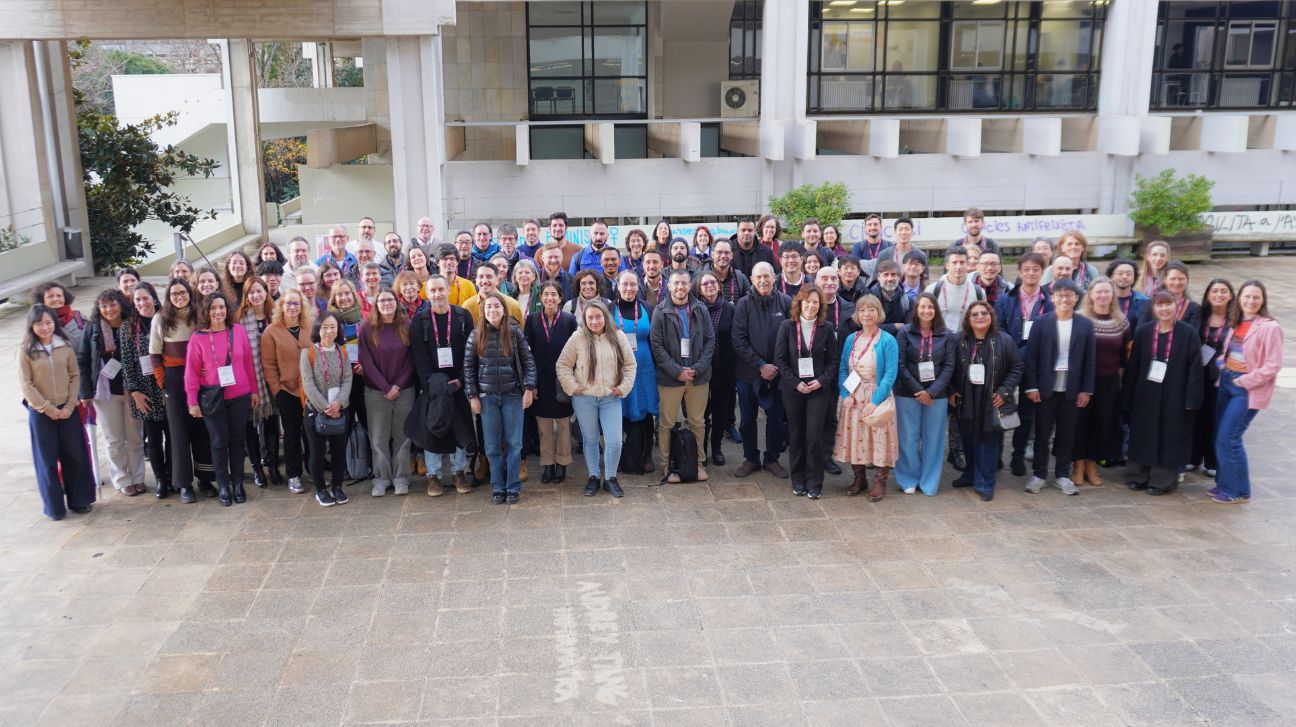
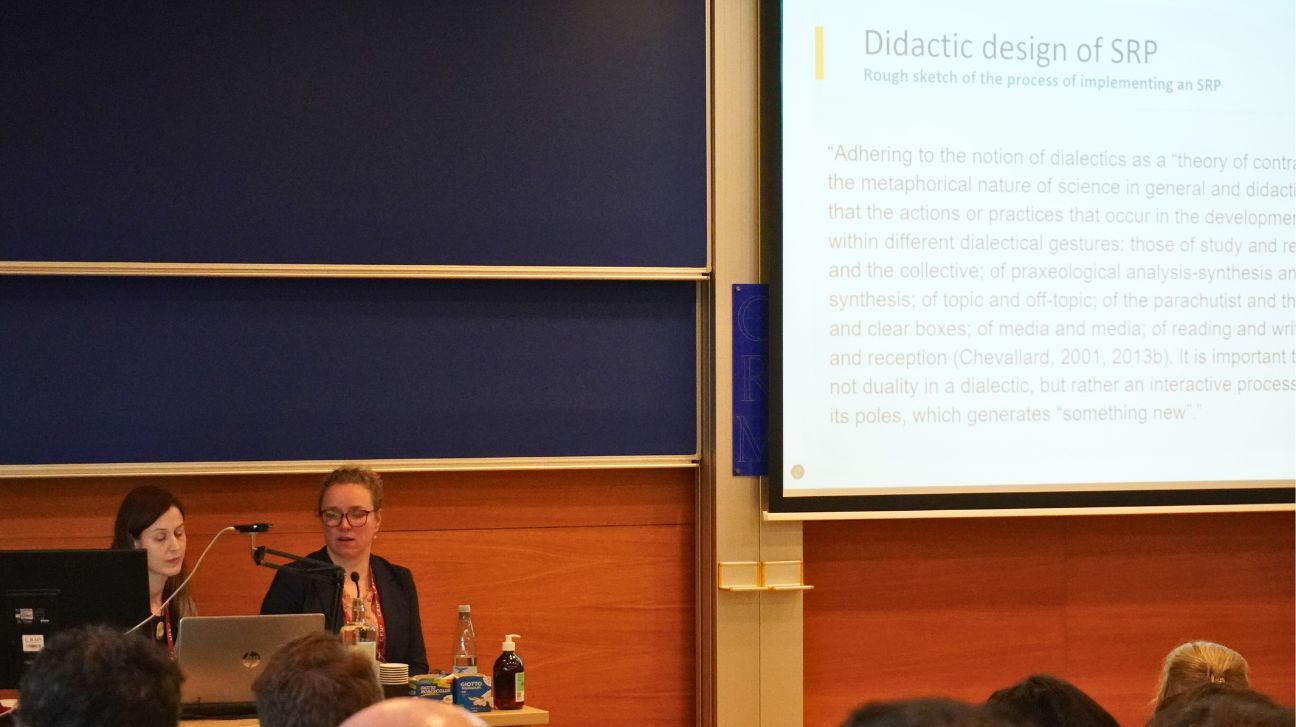
From 19 to 23 January 2026, the CRM hosted the 8th International Conference on the Anthropological Theory of the Didactic (CITAD 8), a leading international event in the field of didactics research that brought together researchers from different countries in Barcelona.
The conference is fully embedded in the study of the processes of teaching, learning and the transmission of knowledge. In this sense, holding CITAD 8 at the CRM strengthens the dialogue between mathematical research and educational reflection, while highlighting the Centre’s openness to hosting interdisciplinary scientific events.
Under the title Research praxeologies in the Anthropological Theory of the Didactic, CITAD 8 aimed primarily to provide an updated overview of advances in ATD, both in terms of basic research and its links with education systems and teacher education. The conference also addressed the main open problems in the field, as well as the challenges involved in extending the conceptual and methodological frameworks of ATD to other domains.
One of the cross-cutting themes of the conference was the reflection on research praxeologies: how research is conducted within ATD, which conceptual tools are mobilised, and what specific characteristics this theoretical framework presents when applied to diverse contexts.
The scientific programme of the conference was structured around three main axes:
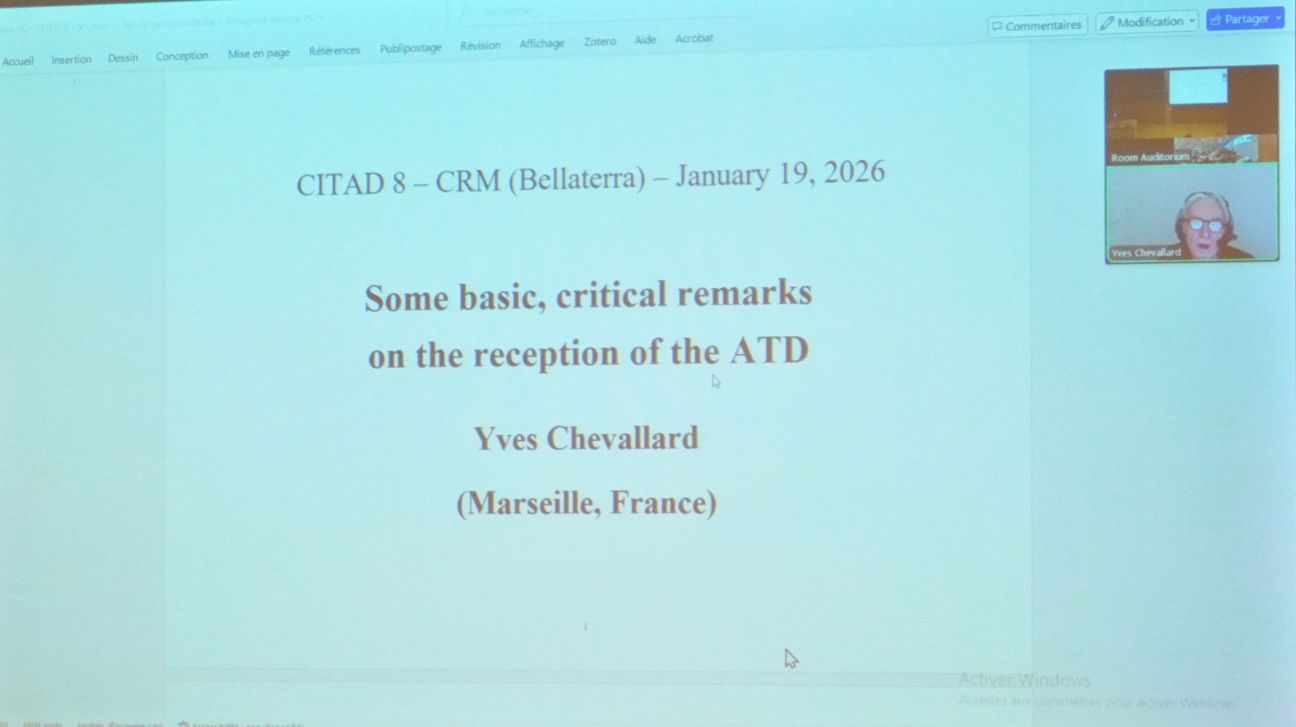
The conference featured the participation of leading international researchers in the field of didactics. Among them, special mention should be made of Yves Chevallard, founder of the Anthropological Theory of the Didactic, whose contribution was one of the highlights of the conference and generated extensive theoretical and methodological discussion.
The diversity of the participants’ institutional and geographical backgrounds enriched the debates and further consolidated CITAD 8 as a high-level international forum.
As in previous editions, the conference included a seminar specifically devoted to PhD students, held on the first day. This seminar provided doctoral students with the opportunity to present their research projects and discuss them with experienced researchers, fostering intergenerational exchange and academic mentoring.
For the CRM, it was an honour to host CITAD 8, a conference with a long-standing international trajectory that reinforces the Centre’s commitment to high-quality research, scientific exchange and openness to diverse disciplines and approaches. The event also highlights Barcelona’s role as a meeting point for international educational and scientific reflection.
|
|
CRM CommNatalia Vallina
|
Over 100 researchers gathered at the Centre de Recerca Matemàtica to explore the mathematical foundations needed to understand modern artificial intelligence. The three-day workshop brought together mathematicians working on PDEs, probability, dynamical systems, and…
From 19 to 23 January 2026, the CRM hosted the 8th International Conference on the Anthropological Theory of the Didactic (CITAD 8), a leading international event in the field of didactics research that brought together researchers from different countries in…
From October to November 2025, María Ángeles García Ferrero held the CRM Chair of Excellence, collaborating with Joaquim Ortega-Cerdà on concentration inequalities and teaching a BGSMath course on the topic. Her main research focuses on the Calderón problem,…
Brian Wetton, from the University of British Columbia, spent last October at CRM collaborating with Tim Myers on computational models for filtration systems. His career has evolved from pure numerical analysis to applied mathematics with industrial partners, working…
Researchers at the Centre de Recerca Matemàtica, in collaboration with IIT Kharagpur and UPC, have developed a mathematical model that accurately predicts the performance of fluoride-removal water filters made of mineral-rich carbon (MRC) and…
The Centre de Recerca Matemàtica recently hosted a research programme on Combinatorial Geometries and Geometric Combinatorics, focusing on the overlap between polytopes and matroids. Martina Juhnke, a member of the scientific committee, reflects on how this programme…
In October 2025, the Centre de Recerca Matemàtica hosted Josefine Meyer (ISTA) and Cate MacColl (University of Queensland) for a month-long research stay following their participation in the BAMB! Summer School. Despite studying vastly different subjects, from…
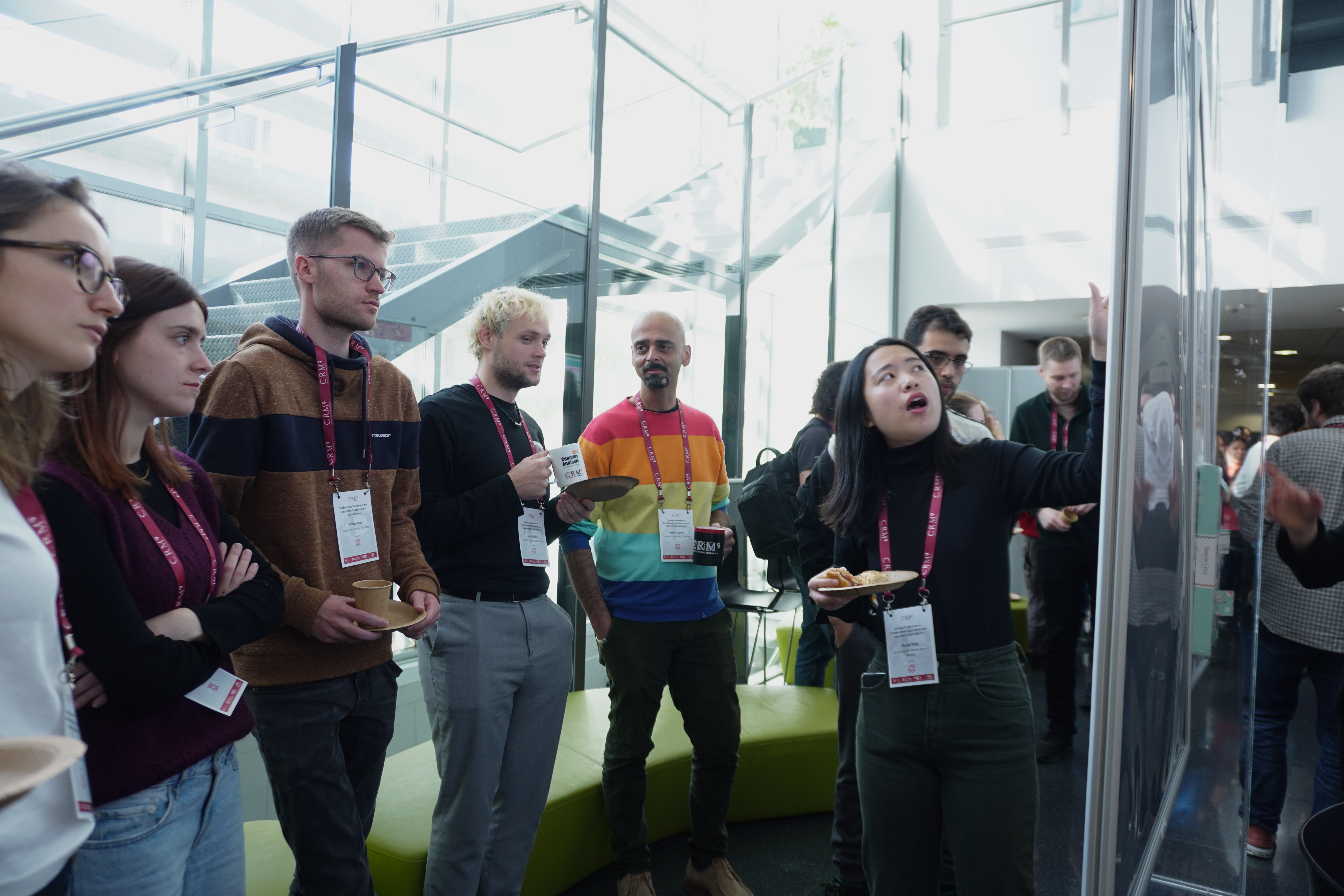
During five days, the CRM hosted the Closing Conference of the MDM Focused Research Programme on Combinatorial Geometries & Geometric Combinatorics. The event featured plenary talks, contributed sessions, and posters on topics from matroids and polytopes to…
ICREA professor at the Universitat de Barcelona and CRM affiliated researcher Xavier Ros-Oton appears on Clarivate’s Highly Cited Researchers 2025 list, which this year reinstates the mathematics category after two years of exclusion.Citations are a strange way to…
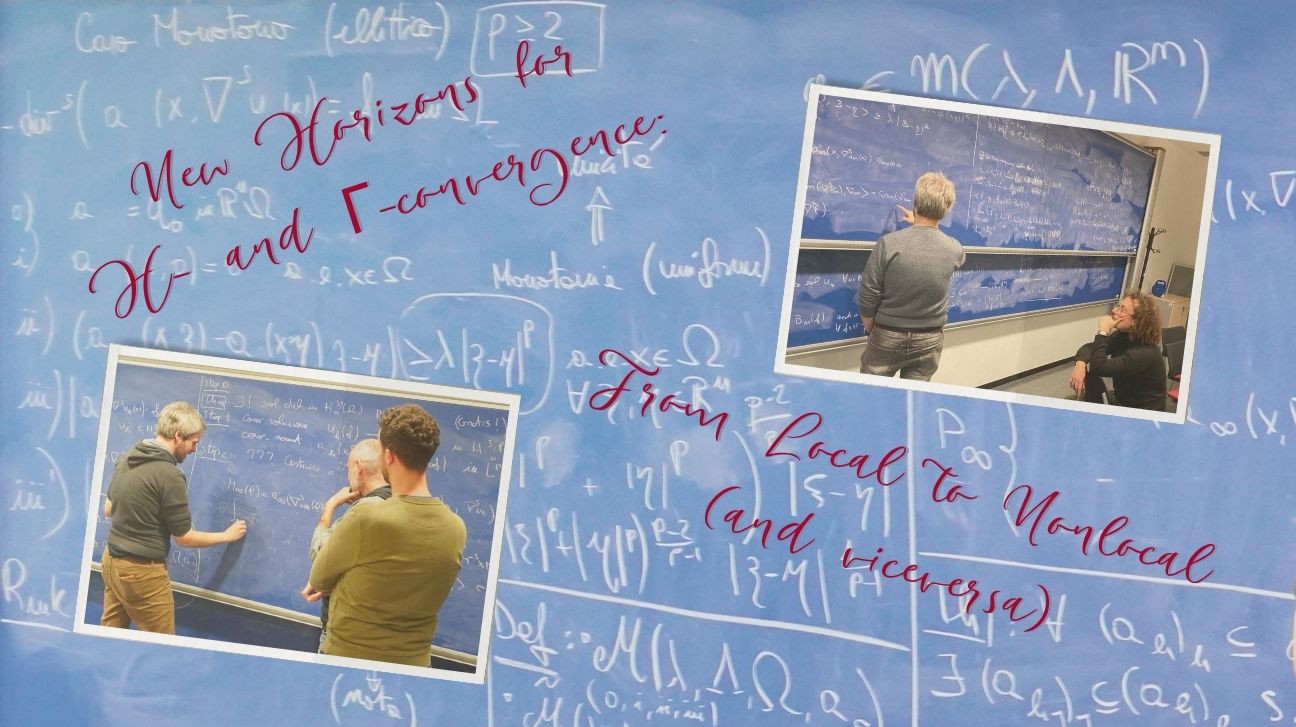
The researchers Maicol Caponi, Alessandro Carbotti, and Alberto Maione extended the H- and Γ-convergence theories to the setting of nonlocal linear operators and their corresponding energies. The authors were able to overcome the limitations of classical localization…
Diego Vidaurre has joined the Centre de Recerca Matemàtica through the ATRAE programme, bringing his expertise in modelling spontaneous brain activity across multiple data modalities. His work focuses on understanding how the brain’s intrinsic dynamics shape…
El CRM va participar en la 30a edició de la Setmana de la Ciència amb una ruta guiada que va combinar les biografies de dones matemàtiques amb obres d’art del centre, connectant ciència, història i creació artística.El 12 de novembre, el Centre de Recerca Matemàtica…
The post Barcelona + didactics + CRM = CITAD 8 first appeared on Centre de Recerca Matemàtica.
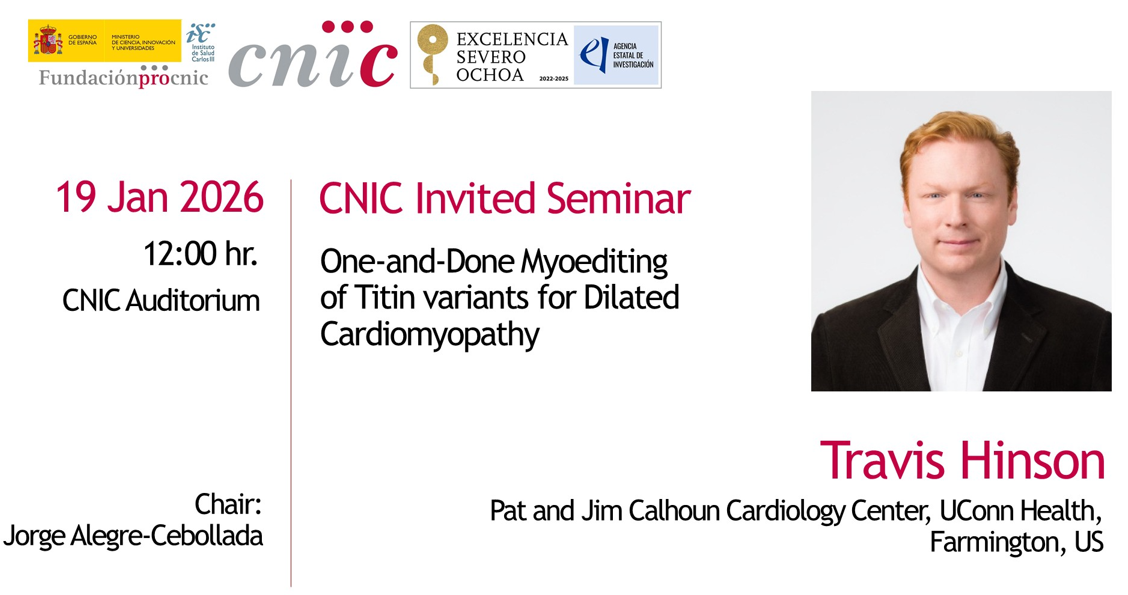
Dr. Travis Hinson is an NIH-funded physician–scientist and clinical cardiologist specializing in inherited cardiovascular diseases. He is the Jim Calhoun Endowed Associate Professor of Cardiology and Genetics at The Jackson Laboratory for Genomic Medicine in Farmington, Connecticut, a precision medicine genomics institute. He also serves as Founding Director of Cardiovascular Genetics at UConn Health, where he provides clinical care for patients with inherited cardiovascular disorders. Dr. Hinson’s research focuses on developing best-in-class human and animal models of cardiovascular disease, integrating human stem cell biology, tissue engineering, microphysiological systems, genome editing, and mouse models. His laboratory is advancing a next generation of genome editing–based therapeutics aimed at treating inherited cardiovascular diseases that remain inadequately addressed by current therapies. Dr. Hinson received his M.D. from Harvard Medical School, completed residency training at Massachusetts General Hospital, and completed a Fellowship in Cardiovascular Medicine at Brigham and Women’s Hospital.
When I was in secondary school, I loved science, and I thought I was actually going to be an engineer. The reason I liked engineering was because science was applied to important problems for people. I was around a lot of people in the chemical industry, so I decided to do chemical engineering.
I started university thinking I was going to be an engineer. In the U.S., you enter university and you can change direction. During my first year, I worked in the summer at a chemical engineering company, and I realized it was not a good fit for me.
At the same time, I had a research experience in a biological engineering group doing tissue engineering on artificial vascular grafts, and I really enjoyed that. So I decided to switch into medicine.
I did it because I always loved science, but instead of engineering, I felt that in medicine I could apply science directly to human life and suffering. From the beginning, I loved scientific discovery, and medicine allowed me to do that for patients and in a disease-oriented way.
In the United States, you first do undergraduate studies. I did mine in chemistry and then applied to medical school at the end of undergrad. I then went down the path of doing research as an MD.
My mentors only had MD degrees. Christine Seidman, for example, was one of my mentors; she is a cardiovascular genetics researcher and also did research without a PhD. She told me that you can get the training you need as an MD by supplementing with fellowships. So I always integrated research into my training, not through a formal PhD, but through other routes.
I’ve always been interested in science and medicine because it allowed me to apply science to human disease and suffering. Science has always been my ultimate interest.
Yes, I’m a firm believer that when you immerse yourself in a problem, you want to see all aspects of it. As a clinician, I see patients directly: what their hearts look like on imaging, what heart failure looks like clinically, what the treatments and complications are. That experience inspires me to work harder in the lab and gives me perspectives on questions you might not think about without clinical exposure.
The clinical side provides excitement and a clear sense of importance because I see people suffering, but it also gives me unique perspectives on research questions.
A lot of my work is guided by the ultimate goal of impacting people. There is a spectrum: some fundamental work focuses on basic cellular and molecular processes, which are extremely important, but I’m not as well trained to study those in isolation. I try to study processes that are closer to human disease.
So I’m on the translational side. Even though I do basic research, it always has disease or human relevance, partly because of my clinical experience.
I think “decoding” is the perfect word. Imagine I come in and I don’t speak Spanish at all. When I hear Spanish, I hear sounds and grammar, but I don’t understand the meaning.
The genome is similar. We see letters, spelling, grammar, and rules, but if we don’t understand them, it’s just noise. Decoding means turning that noise into meaning.
It’s like wartime codebreaking, listening to encrypted messages and trying to make sense of them. We’re trying to take a very complex genetic code of billions of nucleotides and distill what it means for patients. It’s ambitious, but we’re trying to play a small part in that process.
One of our main goals is designing experiments that help us decode that meaning. If we find a genetic variant—a misspelling—and don’t know what it does, we can build a system in a cell or a mouse that contains only that variant and study its effects.
We can see how it affects force production, gene expression, or cellular markers. By isolating one change and observing its consequences, we can decode its function.
That’s a great point. We know the general functions of many proteins, especially those involved in heart contraction and pumping. The diseases we study are ultimately about too much or too little pumping.
We build cellular systems focused on that readout, but cells alone aren’t enough. So we use tissue engineering and other technologies to make systems that are more physiological and integrative. The heart has many cell types, and we try to incorporate that complexity.
We know what heart failure looks like in patients from imaging and clinical data, and we try to connect that to what we see in cells and tissues.
I often use a car analogy. The sarcomere—the structure I study—is like the engine. You can have too much horsepower or too little. Either is bad. You need the right amount for the car. If the engine is too powerful, you wear out the tires and brakes; if it’s too weak, the car doesn’t move properly.
Genetic changes can cause too much or too little “horsepower,” and our goal is to identify and correct that imbalance, using gene therapy or drugs.
We create engineered heart tissues from human stem cells, three-dimensional mini heart tissues with human cells and a biophysical environment similar to the real heart. We use microfabrication and semiconductor technologies to build them.
We study calcium flux using advanced microscopy, use echocardiography to image mouse hearts, and apply next-generation sequencing and proteomics for molecular characterization.
We also use genome editors, which allow us to introduce patient-specific variants into our models and potentially correct them therapeutically.
Rewriting is definitely a goal. There are two main approaches. One is directly correcting the variant using CRISPR-based technologies. The other is correcting the consequence of the mutation.
For example, if a mutation causes reduced protein production (haploinsufficiency), we can activate the gene to increase protein levels without fixing the mutation itself.
We now know patient sequences, we can identify harmful variants, and we have tools to safely rewrite or compensate for them.
Twenty years ago, developing a therapy required massive pharmaceutical infrastructure. Genome editing has changed that; it puts therapeutic development into the hands of geneticists and physician-scientists. This is a golden era for people like me.
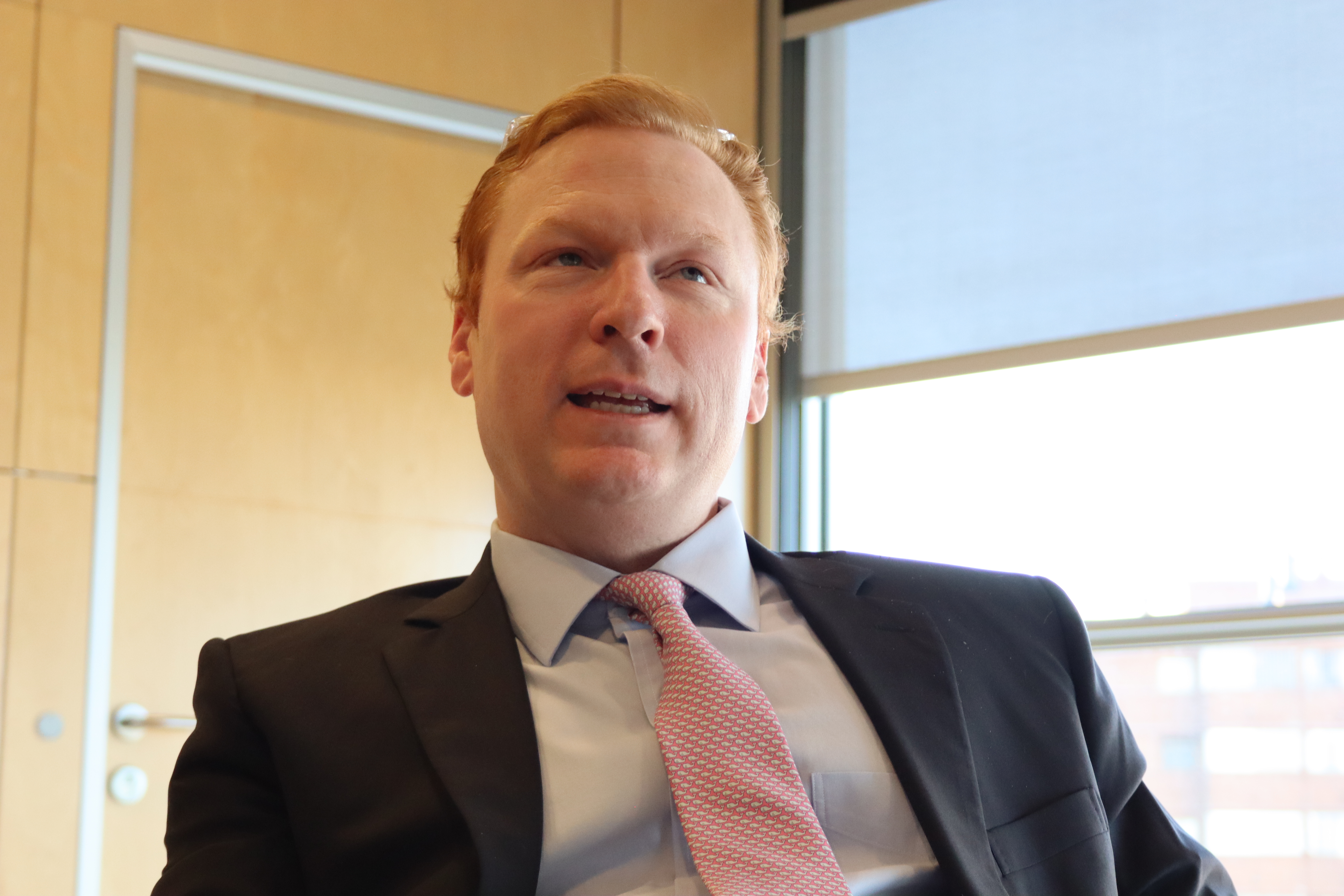
Globally, cardiovascular disease remains the leading cause of death. Public health interventions—blood pressure control, diet, addressing obesity—are likely to have the greatest impact in the next 10–20 years.
Genetic therapies will show proof of concept in that timeframe, but they will initially be expensive and limited to small populations. Over time, they’ll become cheaper and more accessible.
Public health measures are still the most impactful, but genetic therapies will mature and eventually contribute significantly.
Yes, every Wednesday I see patients in a precision cardiovascular clinic. We evaluate suspected genetic cardiovascular diseases -heart failure, arrhythmias, aortic disease, early heart attacks-.
We help identify genetic risks not just for patients but for their families. Often, by the time the first patient presents, the disease is advanced. But identifying family members early allows prevention and early treatment.
Genetics shifts medicine toward prevention at the family level, which is far more effective.
Physicians need to do a better job of education. Nutrition is very hard to study, which leads to conflicting advice. In the U.S., the influence of the food industry on politics is a real problem. Your director, Dr. Valentin Fuster, has been a strong proponent of education; I’ve heard he even has a Sesame Street puppet. That’s an example of using a children’s TV show to educate people at a very young age about the importance of good health care, and I think that’s very important.
One thing I would emphasize about nutrition is that it is not an easily researched field. It’s very difficult to study, and as a result, it leads to what I would call heterogeneity in advice. I think the current situation in the United States reflects this.
First of all, it’s very important that companies do not have so much influence over government policies and recommendations. In the United States, the food industry has a significant influence on politics. This represents a missed opportunity for physicians to advise the government more effectively. The reason is that when physicians try to do so, the food industry pushes back, because they make money by selling products. As a result, there is too much corporate influence in U.S. politics.
But I think it’s worse in the United States. I don’t know much about European politics, but what I can tell you about the United States is that lobby groups essentially represent industry, whether it’s the dairy industry, the beef industry, tobacco, or others.
Historically, these groups fund politicians, and as a result, politicians who receive funding from those industries are often hesitant to speak out or vote against them. Until money is taken out of politics, it will always be an uphill battle.
I also think it goes both ways. Another important issue that you didn’t mention is that vaccinations are under attack in the United States, which is crazy.
Truly unbelievable. However, I can understand how vaccine companies have historically developed vaccines: when you run a clinical trial, the vaccine works, just like a drug.
Like drugs, the medications we use are generally tested in robust clinical trials involving large populations, with clear measurements of outcomes. The way this works is that we look at averages: on average, people benefit from the drugs that are approved. However, it’s inevitable that some individuals will experience serious side effects. For example, in a trial of 10,000 people, maybe five have a severe adverse reaction, while 100 people benefit. If you are one of the five who experience that side effect, it understandably feels like a very bad outcome for you.
Vaccines work the same way. If you run a clinical trial with 20,000 people, on average the vaccine is protective and helps the population. However, there may be a small number—say, five people—who develop an autoimmune condition. The current administration is focusing on those few cases and shaping policy around them, rather than considering the overall benefit to the population. Personally, I don’t think that’s the right approach.
At the same time, I also don’t think it’s right for governments to claim that vaccines have absolutely no side effects. They do have side effects. But on average, the benefit is far greater. The problem is that scientists and doctors have not always educated the public in a balanced and honest way.
All we really need to say is this: if a million people receive a vaccine, on average they are going to live longer. However, we cannot rule out that three or four people may develop an autoimmune disease, and we won’t know in advance who those people will be. So you are much more likely to benefit than to be harmed, but there will still be some adverse events. We need to be honest about that.
Sometimes public health has the right goal—which is to promote vaccination—but the messaging can be flawed. We also need to acknowledge that perhaps one in 10,000 people may develop a condition such as a polyneuropathy or something like multiple sclerosis. Even so, the overall outcome is much better for the population.
I think we need to give people more credit and assume they can understand nuance. When we don’t communicate honestly and someone experiences a complication, trust is lost. We saw this during COVID. People were told they would be “cured,” but then some individuals—such as teenage boys—developed myocarditis. In most cases it resolves on its own, but we weren’t transparent about that risk.
We should have said: yes, this may happen in a small number of cases, but it is still far better than not being vaccinated. Or we should have explained that vaccination reduces severity rather than guaranteeing immunity. Instead, people were told, “Once you get it, you’re fine.” When they then got infected again, trust eroded, and that loss of trust led people to support voices that focus only on the rare adverse cases.
The point I’m trying to make is that those of us in research and medicine have a duty to educate better—to be more honest, more open, and more transparent. Transparency is key.
No, they’re not, and they’re also legally protected. In the United States—and in many cases worldwide—you generally can’t sue vaccine manufacturers if you experience a serious adverse event. They are largely immune from liability. There is a legitimate reason for this: without that protection, vaccine companies likely wouldn’t have a viable business model, and we need vaccines. So that immunity was granted for a reason.
However, today that immunity is often perceived differently. Because the pharmaceutical industry funds politicians, it can appear as though companies are paying for immunity so they can sell large volumes of drugs. That creates the perception of a conflict of interest. While there is a legitimate rationale behind liability protection, we need to be honest about it, discuss it openly, and be transparent. That’s my opinion, and it’s a very complex issue.
People no longer see diseases like measles, so they forget how serious they are. We know what will happen: vaccination rates will drop, measles and other severe diseases will return, and then people will say, “Okay, now I want the vaccine.”
This pattern repeats itself. We’re at one point in the cycle now. When people start to see the negative consequences again, they’ll change their minds. And then, 30 years later, the same thing will happen again. When there’s no measles, mumps, rubella, or hepatitis B, people become complacent. When these diseases reappear, they realize why vaccines were necessary. Humans forget, that’s just how we are.
La entrada IMDEA Energía acerca la ciencia sostenible a las aulas en el Día la Educación Ambiental se publicó primero en IMDEA ENERGÍA.

The THICOHERENTERA project will develop graphene-based photodetectors to measure the thickness of thin material layers without contact and in real time.