A study published in Nature Plants sequenced the genome of a 3000-year old wheat
The study was conducted by an international team of researchers including the University College London, the Natural History Museum (London) and the Centre of Research in Agricultural Genomics
The research may pave the way towards more pest-resistant and cold-resistant wheat varieties
The interconnection of humans, plants and livestock along history
The history of human civilization is intimately connected to the history of plants and animals. Humanity began to domesticate plants and livestock for her benefit some 10,000 years ago, during the Neolithic period, allowing for the establishment of agricultural societies.
In a milestone in research of agriculture in the antiquity, researchers from the University College London (UCL), the Natural History Museum from the same city and the Centre for Research in Agricultural Genomics (CRAG) have succeeded in sequencing the DNA of wheat species that was harvested over 3,000 years ago in Egypt. The results, published in the journal Nature Plants, show that this wheat had already been deeply domesticated 3,000 years ago and that its genome is closely related to modern emmer wheats that are grown in India, Oman and Turkey.
Agriculture in ancient Egypt: depiction of Egyptian peasants harvesting papyrus
The knowledge gained does not go without potential for future applications: as explained by CRAG researcher Dr. Laura R. Botigué, one of the main authors of the study, “characterizing the genomes of old samples will allow us to discover genetic diversity that has been lost in the current varieties, and recover genes that may have a high agronomic interest in the current climate crisis context.”
Obtaining DNA in specimens preserved in museums
At CRAG, Botigué studies ancient DNAs from domesticated animal and plant species. In this particular case, the study sample was found in a collection of the Petrie Museum of Egyptian Archaeology at the University College London (UCL). Botigué and the archaeobotanist Dorian Fuller convinced the museum’s curator to let them extract DNA from some emmer wheat grains from an excavation in Egypt led by the archaeologist Gertrude Caton-Thomson in 1924. Thanks to the collaboration of Dr. Mark Thomas’ laboratory at the UCL Institute of Genetics they were able to extract a DNA of sufficient quality to sequence it and make subsequent analyses.
The researchers noted that the specimen was stored for over 90 years without any climate control, as mentioned senior author Professor Richard Mott (UCL Genetics Institute): “importantly, material excavated over 90 years ago and since then stored without climate control can yield usable DNA, which accentuates the great potential of museum specimens for genetic analysis”.
Natural History Museum of London. The wheat samples used had been stored in the museum for over 90 years at room temperature
Petrie Museum curator Dr. Anna Garnett, added: “This study shows that our collection is a dynamic and living resource. Genetic data allows us to look at these specimens from an angle that couldn’t have been imagined when they were first added to the collection.”
Genetics of the Pharaoh’s Wheat
Emmer wheat (Triticum turgidum subsp. Dicoccon) was the most popular cereal in ancient Egypt. When the Romans invaded Egypt they adopted the use of this cereal, which they called “Pharaoh’s wheat” (“farro” in Italy). Most wheat grown today is bread wheat, which is the result of a hybridisation between emmer wheat and a wild grass. To further complicate matters, emmer wheat is itself the result of an older hybridisation in the wild.
The study now published in Nature Plants also found signatures of pre-historic human activity in the ancient wheat genome. “Wild emmer wheat seeds are released from the plant where they can’t be easily harvested. Under cultivation, deliberately or co-incidentally, farmers bred emmer wheats that retain their seeds. This specimen was domesticated, likely over 8,300 years ago based on archaeobotanical data, and would have retained its seeds,” explained Professor Fuller.
The comparison of the DNA of this emmer wheat from 3,000 years ago with the genome of modern varieties of the same cereal that are currently grown in India, Oman and Turkey, has led researchers in London and Barcelona to hypothesize that once domesticated in the Fertile Crescent region of the Near East, the cereal was disseminated in various waves.
Spikes of cultivated Emmer wheat. Unlike the wild variety, seeds do not scatter but stay on the plant, making harvesting easier
According to the proposed hypothesis, a first wave of distribution of the cereal would have run along the north Mediterranean coast and Europe, and a second wave would have gone to Africa and Asia. “This result is surprising, since it was traditionally assumed that the Neolithic period extended in parallel along the two coasts of the Mediterranean, and instead this ancient emmer wheat is telling us another story,” says Botigué.
Recover lost genetic variability to cope with climate change
Although the process of plant domestication has led us to enjoy crops that provide the necessary nutrition, in this process we have lost a large part of genetic variants that could be useful in the future, especially in the context of climate change. Recovering this genetic variability is a key objective for the plant breeding sector.
“We observe that old varieties show unique patterns of genetic variability that modern plant varieties do not show,” explains Laura R. Botigué. “Recovering this genetic variation from the past will be a very valuable tool for current crops,” adds another author from London. In this sense, emmer wheat will be a cereal to be studied: it is resistant to certain pests, and is capable of growing in impoverished soils and with scarce water. So far, one author of the study has already baked his own bread using modern emmer wheat.
A material for data storage is developed aiming at the substitution of traditionally used ferromagnetics
Tapes made of the antiferromagnetic material provide a new, versatile and safer support for the storage of information
The research is fruit of a collaboration of ICMAB-CSIC with the ALBA Synchrotron
A primer about data storage materials
Ferromagnetics are a widely used type of magnetic materials in data-storage applications such as credit cards, intelligent ID cards or conventional computer hard drives, among other uses. To date, ferromagnetics are the most widely used support worldwide to encode information. Alas, one of their main disadvantages is that the stored data may become corrupted or erased under certain conditions.
Antiferromagnetics offer a more robust alternative for storing information than ferromagnetic materials. A group of researchers of the Institute of Materials Science of Barcelona (ICMAB-CSIC), in collaboration with the ALBA Synchrotron, have obtained a flexible tape made of an antiferromagnetic material (an iron-rhodium system, FeRh). This tape could substitute ubiquitously used ferromagnetic materials such as barium ferrite for data storage.
Their role in conventional hard drives is a paradigmatic example of the use of ferromagnetics for data storage.
An advantageous alternative to ferromagnetics
The novel material is capable of storing information in a more robust and secure way than commonly used ferromagnetics and can be of application where both physical flexibility and robustness and realiability of data storage are required.
The innovation, published in Applied Materials and Interfaces, can be integrated into flexible or wearable devices. The developmet, made of an iron-rhodium (FeRh) alloy, on the one hand displays the necessary antiferromagnetic characteristics while also being flexible and having the required crystalline structure. As an additional advantage, the material is especially easy to manipulate owing to the fact that it presents a transition from antiferromagnetic to ferromagnetic behaviour at conditions close those of room temperature.
A cross-section of the flexible tapes, in an image obtained by the researchers
“Ferromagnets have been known for thousands of years and their behavior has been extensively studied. Antiferromagnetics, in which the magnetic moments of the atoms are spontaneously aligned antiparallel to the neighboring moments, can be used to store information, following certain protocols, providing greater security than ferromagnets”, explains Ignasi Fina, ICMAB researcher and first author of the article.
Until now, FeRh alloy materials had not been integrated in conventional flexible devices, grown on polymeric substrates, because they need to show a good crystalline structure. This entails that the atoms need to be arranged in a certain order that allows stabilizing the antiferromagnetic ordering. In practice, this typically resulted in FeRh alloys being usually prepared on monocrystalline substrates, which in turn made them rigid and potentially fragile, hence unsuitable for certain applications requiring flexibility.
A challenge overcome:
“It is especially difficult to obtain a flexible material with a crystalline structure. Since the properties of materials utterly depend on their structure, it is very important to obtain the material with a good crystallinity, which is what gives FeRh its unique properties for data recording”, adds researcher Ignasi Fina.
The study by Fina and colleagues gives proof of the robustness of the properties of the material under bending forces, and of the information stored on the tapes, which could be fabricated in meters-long stretches of material, proving the affordability and feasibility of its scale-up.
A fragment of the developed FeRh tapes that aim at improving the versatility, robustness and safety of data storage
“These flexible antiferromagnetic tapes have multiple applications in secure and robust magnetic recording, and could be integrated in real flexible or wearable devices, such as credit cards or identification cards, where security and robustness against electromagnetic radiation, for example from cell phones, is extremely important. Other possible niche applications are likely to emerge when suitable prototypes become available” concludes the ICMAB researcher.
The SOMM alliance designates a new Executive Board for internal coordination across the strategic axes of action
Four new delegates and a new executive director will design and execute in coordination with the presidency the strategies for communication, visibility, I+D+i, global impact and intitutional relations
The new structure that is established by this precedes the change in the SOMMa presidency, that will take place next November 16th
Constitution of the new SOMMa coordination board
During the afternoon of June the 30th was held the meeting by which officially took place the constitution of the new Executive Committee of the SOMM alliance. During the meeting, a new internal structure of the alliance was established, with the designation and approval of the new Executive Board. The Executive Board is henceforth composed of the presidency and vicepresidencies, together with the newly appointed 4 Delegates and the new Executive Director and Secretary of the Board.
To these changes will be added 16th November the change in the presidency of SOMMa, when the 1st Vice President Maria Blasco will take over the charge of President, currently held by Luis Serrano. The 2nd Vice President Mª José Sanz will then become 1st Vice President and a subtitute in the position of 2nd Vice President will be designated via a voting procedure.
All the new members of the committee have sound, consolidated research careers in their respective fields, with wide international experience. The newly appointed charges are: Antonio Molina, Executive Director and coordinator of the Board; David Barrado, Delegate of Communication and International Visibility; Ramon Miquel, Delegate of I+D+i Policy; Isabel Márquez, Delegate of Global Impact and Luis Vega, delegate for Intitutional Relations.
Final composition of the Executive Board:
SOMMa President: Luis Serrano (continues in position)
SOMMa 1st Vice President: María Blasco (continues in position)
SOMMa 2nd Vice President: María José Sanz (continues in position)
Executive Director, Secretary and Coordinator of the Board: Antonio Molina
Delegate of Communication and International Visibility: David Barrado
Delegate of R+D+i Policy: Ramon Miquel
Delegate of Global Impact: Isabel Márquez
Delegate of Institucional Relations: Luis Vega
New appointments:
-Executive Director, Secretary and Coordinator of the Commitee
Antonio Molina, of the Centre for Plant Biotechnology and Genomics (CBGP, UPM-INIA)
Molina is full professor of Biochemistry and Molecular Biology at the Department of Biotechnology and Plant Biology of the Polytechnical University of Madrid. Since February 2016, he is director at CBGP, UPM-INIA. The research activity of Molina is focused on the study of plant immunity and its application towards the protection of crops. Molina has developed an intensive activity in the field of innovation and tech. transfer. A prominent highlight is his role as co-founder of PlantResponse Biotech, a spin off company that raised over 12 million Euro from venture capital and that has been designated as one of the most successful Spanish spin offs of the last decade.
As Executive Director, Molina will play a role in the coordination of the SOMMa delegates, in the pursuit of the decided strategic goals of SOMMa, with the help of the work groups that become established, to that aim.
-Delegate of Communication and International Visibility:
David Barrado, of the Centro de Astrobiología (CAB, CSIC-INTA)
Barrado is research professor, Scientific Director at CAB and former director of the German–Spanish Astronomical Centre, Calar Alto Observatory. Among his research and projects stand out the development of the mid-infrarred instrument that will fly with the next space telescope, the James Web Space Telescope; also, the coordination of funding for the PLATO satelite of the European Space Agency. Barrado is part of the scientific team of the CHEOPS space observatory. His research interests as a researcher focus on the study of the properties of stars of open cumuli, as well as the search and characterisation of substellar objects and exoplanets. He pairs his tasks as an astrophysicists with an intensive activity as science communicator.
As a Delegate of Communication and International Visibility, his responsibilities will fall into the the fields of communication strategy development, web & social media strategy, outreach event coordination (100xCiencia) and the improvement of international visibility of the Severo Ochoa – María de Maeztu programme, as well as that of the alliance.
-Delegate of R+D+i Policy:
Ramon Miquel, of the Institut de Física d’Altes Energies (IFAE)
Ramon Miquel is an ICREA professor since the year 2006, and director of IFAE since the year 2015. After a career devoted to high-energy physics, Miquel redirected his interests towards observational cosmology. His recent work has addressed, mainly, the projects “Dark Energy Survey” (DES), “Dark Energy Spectroscopic Instrument” (DESI) y and the IFAE-led project “Physics of the Accelerating Universe” (PAU). Each one of these initiatives attempt to cast new light onto the intrinsic nature of dark energy, which causes the sustained acceleration of the expansion of the Universe.
As a Delegate of R+D+i Policy, Miquel will focus on the analysis of regional, national and international policies of research, development and innovation. He will aim at defining proposals for financing entities with the goal of improving the impact and management of R+D+i funding.
-Delegate of Global Impact:
Isabel Márquez, of the Instituto de Astrofísica de Andalucía (IAA-CSIC)
Prof. Márquez is the Scientific Director of IAA-CSIC and has held numerous other positions of responsibility in national and international organisms, mainly in connection to the field of astrophysics. The research activity of Prof. Márquez focuses on the nuclear activity of galaxies, particularly those with a low luminosity. To be highlighted, are the studies developed regarding the mechanisms of nuclear activity in circumnuclear regions of active galaxies, comparing against inactive galaxies. Her research of LINES nuclei using X-ray approaches became the originary core of the X-ray branch of the Extragalactic Astronomy Department at the IAA.
As the Delegate for Global Impact, Prof. Márquez will analyse and undertake a follow-up of the impact of the Severo Ochoa – María de Maeztu initiative on Spanish R+D+i, both nationally and internationally, with attention towards social and economic impact.
–Delegate for Institutional Relations:
Luis Vega, of the Basque Center for Applied Mathematics (BCAM).
Luis Vega is and a mathematician and full Professor of the University of the Basque Country, specialised on the study of partial differential equations. He was the Scientific Director at BCAM (2013-2019) and is now is the current Severo Ochoa Scientific Director at the institution. His research addresses mainly the interaction and interconnection between partial differential equations and Fourier analysis. More recently, Vega directed his interests towards the principles of uncertainty and the lower limits to find solutions towards linear and non-linear dispersive equations. Vega was awarded the Premio Euskadi de Investigación in 2012, and the Blaise Pascal Medal in 2015.
In his new position at the Executive Board, Vega will address aspects connected to institutional relations of SOMMa with Spanish autonomous communities, embassies, foundations, technology platforms, business associations as well as any relevant international contacts.
A study led by the Centro de Astrobiología (CAB, CSIC-INTA) has detected for the first time the presence of viable cyanobacteria in the deep subsurface (below 600 meters of depth)
The finding took place at the rocky massif sulphide ore of the Iberian Pyrite Belt (IPB; at Río Tinto, Huelva), an area in the South of Spain considered in astrobiology as a terrestrial analogue of early and wet Mars.
The found cyanobacteria apparently use as an energy source a mechanism that at the Earth surface protects them from the light.
Cyanobacteria are very versatile photosynthetic organisms that live in the majority of ecosystems, from sea systems to extremely arid deserts. Until now, their ecological range seemed to be restricted to environments with at least occasional occurrence of sunlight. A study led by researchers of the Centro de Astrobiología (CAB) and published by the journal Proceedings of the National Academy of Sciences (PNAS), has detected the presence of viable cyanobacteria in samples of deep rocky cores of the Iberian Pyrite Belt (area in which Rio Tinto originates, in the Huelva province of Spain).
In the study, done in the framework of the projects Advanced Grant of the European Research Council (ERC) and the Spanish RETOS-MINECO, molecular, microscopic, and metagenomic evidence is presented of the preponderance of cyanobacteria in some niches of the deep underground of IPB. The analysed core samples were obtained from two purposed designed deep drillings , within the ERC’s IPBSL project (Iberian Pyrite Belt Subsurface Life). This project, undertaken by CAB between the years 2010 and 2015, had as the main objective to characterize the geomicrobiology and operating metabolisms in the deep ecosystems of the IPB.
During the drillings, the core samples extracted were analysed with the SOLID-LDchip system, a biochip used to detect signs of life that is under development at CAB for planetary exploration. Researchers detected from the first moment and on site some immunologic clues of the presence of cyanobacteria. The initial result of the analysis confirmed later by means of other techniques, such as the sequencing of the ribosomal 16S gene extracted from the analysed rocks, or the visualization of cyanobacteria with microscopy and the use of specific fluorescent probes capable of binding to them. Later on, the sequence of two metagenomes (collective pool of genes from an environmental sample) at different depths, 420 and 607 m, respectively, allowed researchers to fully confirm the presence of cyanobacteria.
As energy source, the found cyanobacteria seem to use a natural “security valve” that at the Earth surface protects them from the light. The system redirects excess energy towards the outside of the cell, transferring electrons towards substances such as oxidised metals or organic matter. Paradoxically, the same system would become activated in conditions of darkness and anoxia present in the deep underground, allowing them to obtain energy despite the absence of light.
Rock sample cross-section (left), LDChip immunoassay results (right) and fluorescence plot of quantified cyanobacteria (below)
The results of the study suggest that cyanobacteria can play a very relevant role as primary producers in the deep biosphere of the Earth. Also, this ecological niche, until recently unknown, highlights the versatility of cyanobacteria, one of the most ancient groups of microorganisms on Earth. It as well allows to propose new models on their origin and evolution, and to suggest the possible presence of similar organisms in current or primitive biospheres in other planets and their moons.
Image credits:
All images were kindly provided by the Centro de Astrobiología.
ICFO and B. Braun Surgical develop a new technique that could prevent bacterial contamination and infection in medical implants
The procedure generates heat via the application of light radiation onto gold nanoparticles on the implants
This advance may contribute to avoid post-surgery complications, keeping minor surgeries as safe as possible.
On surgical meshes, caveats, and how to avoid them
Invented approximately 50 years ago, surgical medical meshes have become key elements in the recovery procedures of damaged-tissue surgeries, the most frequent being hernia repair. When implanted within the tissue of the patient, the flexible and conformable design of these meshes helps hold muscles tight and allows patients to recover much faster than through the conventional sowing and stitching surgery.
However, the insertion of a medical implant in a patient’s body carries alongside the risk of bacterial contamination during surgery and subsequent formation of an infectious biofilm over the surface of the surgical mesh. Such biofilms tend to act like an impermeable coating, impeding any sort of antibiotic agent to reach and attack the bacteria formed on the film in order to stop the infection. Thus, antibiotic therapies, which are time-limited, could fail against these strongly entrenched bacteria and the patient could end up in recurring surgeries that could even lead to death. As a matter of fact, according to the European Antimicrobial Resistance Surveillance Network (EARS-Net), in 2015 more than 30,000 deaths in Europe were linked to infections with antibiotic-resistant bacteria.
Light and nanotechnology combine to prevent bi
In the past, several approaches have been sought to prevent implant contamination during surgery. Post-surgery aseptic protocols have been established and implemented to fight these antibiotic-resistant bacteria but none have entirely fulfilled the role of solving this issue.
In a study published in Nano Letters and highlighted in Nature Photonics, ICFO researchers Dr. Ignacio de Miguel, Arantxa Albornoz, led by ICREA Prof. at ICFO Romain Quidant, in collaboration with researchers Irene Prieto, Dr. Vanesa Sanz, Dr. Christine Weis and Dr. Pau Turon from the major medical device and pharmaceutical device company B. Braun, have devised a novel technique that uses nanotechnology and photonics to dramatically improve the performance of medical meshes for surgical implants.
ICFO hand in hand with B. Braun Surgical
Through an ongoing collaboration since 2012, the team of researchers at ICFO and B. Braun Surgical, S.A., developed a medical mesh with a particular feature: the surface of the mesh was chemically modified to anchor millions of gold nanoparticles. Why? Because gold nanoparticles have been proven to very efficiently convert light into heat at very localized regions.
The technique of using gold nanoparticles in light-heat conversion processes had already been tested in cancer treatments in previous studies. Even more, at ICFO this technique had been implemented in several previous studies supported by the Cellex Foundation, thus being another salient example of how early visionary philanthropic support addressed at tackling fundamental problems eventually leads to important practical applications. For this particular case, in knowing that more than 20 million hernia repair operations take place every year around the world, they believed this method could reduce the medical costs in recurrent operations while eliminating the expensive and ineffective antibiotic treatments that are currently being employed to tackle this problem.
Scanning electron microscope (SEM) micrographs of the Staphylococcus aureus biofilm formed on the surgical mesh surface
Thus, in their in-vitro experiment and through a thorough process, the team coated the surgical mesh with millions of gold nanoparticles, uniformly spreading them over the entire structure. They tested the meshes to ensure the long-term stability of the particles, the non-degradation of the material, and the non-detachment or release of nanoparticles into the surrounding environment (flask). They were able to observe a homogenous distribution of the nanoparticles over the structure using a scanning electron microscope.
Once the modified mesh was ready, the team prepared it for testing by exposing it to S.aureus bacteria for 24 hours until they observed the formation of a biofilm on the surface. With the biofilm yet formed, they exposed the modified mesh to twenty short intense pulses of near infrared light (800 nm) at a fixed angle of incidence, resulting in an effective bacterial removal effect.
The illumination of the mesh with the specified near-infrared light frequency would induce a phenomenon of localized surface plasmon resonance in the nanoparticles. By this effect, electrons from the metal surface become excited, resulting in the efficient conversion of light into heat, in turn resulting in the hyperthermia of bacterial cells and the biofilm on the surface of the nanoparticles.
Secondly, by using a fluorescence confocal microscope, researchers saw how much of the bacteria had died or was still alive. For the bacteria that remained alive, they observed that the biofilm bacteria became planktonic cells, recovering their sensitivity or weakness towards antibiotic therapy and to immune system response. For the dead bacteria, they observed that upon increasing the amount of light delivered to the surface of the mesh, the bacteria would increasingly lose their adherence and eventually peel off the surface.
Schematic view of plasmon-enabled biofilm prevention on surgical meshes
Thirdly, the researchers confirmed that operating at near infrared light ranges was completely compatible with in-vivo settings, meaning that such a technique would most probably not damage the surrounding healthy tissue. Finally, they repeated the treatment and confirmed that the recurrent heating of the mesh had not affected its light-to-heat conversion capabilities.
ICREA Prof. at ICFO Romain Quidant comments, “the results of this study have paved the way towards using plasmon nanotechnologies to prevent the formation of bacterial biofilm at the surface of surgical implants. There are still several issues that need to be addressed but it is important to emphasize that such a technique will indeed signify a radical change in operation procedures and further patient post recovery.”
As additionally explains Dr. Pau Turon, Director of Research and Development at B. Braun Surgical, S.A., “our commitment to help healthcare professionals to avoid hospital related infections pushes us to develop new strategies to fight bacteria and biofilms. Additionally, the research team is exploring to extend such technology to other sectors where biofilms must be avoided.”
In a context of increasing bacterial resistance to antibiotics, this advance may contribute to the saving of many lives from unnecessary post-surgery complications, helping to keep relatively minor surgeries as safe as possible.
185 ERC Advanced Grants were awarded on 31 March, for a total investment of 450 Million Euro
14 grants went to Spain, of which eleven were to researchers with affiliation to SOMMa members
Each of these grants is funded with up to 2.5 Million Euro for a five-year period
The 2019 ERC Advanced Grant Call:
In the year 2007, the European Research Council (ERC) started awarding grants that aim to support internationally recognised researchers performing top-tier, cutting-edge research in any field of research. Eligible researchers must be working in an EU member state or one of the associated countries. Projects with a strong multidisciplinary component favouring the rise of innovative applications in emerging fields are encouraged, being evaluated by selected international peer reviewers on basis of their excellence and soundness.
On Tuesday 31th March, the ERC published the list of grantees for the new ERC Advanced research projects that are to be funded during the next five years. The ERC Advanced Grant is awarded to projects led by well-established researchers with an outstanding track-record of relevant groundbreaking research in the past ten years. The projects have to develop innovative, original, high-risk research lines that contribute to solve key scientific challenges and to open new fields of research. The funding to successful proposals can reach up to 2.5 million euros for a five-year period.
ERC projects are awarded to institutions and researchers of EU countries, plus a number of associated countries
During the period for submission of projects for the 2019 ERC Advanced Grant call, close to 1.900 proposals were submitted, among which a total of 185 grants were awarded, yielding an overall success rate of 9.8 %. Of the successful proposals, a total of 14 went to Spain, four of which were in the Life Sciences, seven in Physical Sciences and Engineering, and three in the Social Sciences. Of these, up to twelve* were awarded to researchers with affiliation to a SOMMa member institution.
The SOMMa awardees:
The ERC Advanced projects of researchers from SOMMa member institutes span disciplines from economic policy and theory, artificial intelligence, new approaches to information technology, nanotechnology, computational physics and chemistry, to biosciences, and cancer. The projects, which can have a strong basic research component, have the aspiration to have a significant impact and a lasting imprint. This will translate in the facilitation of future applications or the consolidation of pioneering fields of research.
Starting an overview of the projects with those in the field of economics, with affiliation to the Barcelona Graduate School of Economics, we find Jan Eeckhout, who will study about market power: the ability of a company or economic actor to influence the price of a good, service or item in the market by means of the modification of supply or demand. The project by Eeckhout will put an emphasis on the study of the effects of market power on wage inequality. Another focus point is on the technological factors that can be behind an increase in the market power of a particular company. All taken together, what are the implications for efficiency and wellbeing?
Also in the field of economics, another of the awards went to Jordi Galí, a researcher affiliated to the Center for Research in International Economics, and to the Barcelona GSE as well. Galí will direct his efforts and attention towards the interplay and effects of heterogeneity, monetary policy and economic fluctuations. Heterogeneity, the trait describing the differences found across a particular parameter being considered (such as differences in productivity or human capital of companies) is a factor with impact in manifold economic aspects. Stemming from the proposal by Galí, models will be developed contributing to revise central aspects of macroeconomic policy, salary flexibility, or the stabilizing role of fiscal policy and income control.
Two of the awarded projects were in the field of economics, a better understanding of which can aid in policymaking
In another field of research, the project RLeap, “From Data-based to model-based AI: Representation Learning for Planning”, will be the deployed at DTIC-UPF by researcher Hector Geffner. Radically new methods in artificial intelligence, and ideas based on various overlapping areas of knowledge will have to be developed -and leveraged-. The ability to learn particular symbolic representations (“1st order symbolic representations”) starting just from data (non-symbolic representations) and using them to express, communicate, recognize and attain objectives is a main component of human intelligence. This is also a key theme in AI research, which in this project translates into a work to attain the integration of “learner” and “solver” elements in the context of planning.
Based at ICN2, Clivia Sotomayor will be furthering the study of phonons and their properties. A phonon is a quantum (i.e. a discrete, indivisible amount) of energy, and more specifically, a quantum of vibrational energy. Phonons and their transmission will be researched in her project, codenamed LEIT. The studies will be conducted by means of particular structures that allow to take advantage of phonon properties, looking for new ways for lossless information transmission in semiconductor nanostructures, silicon membranes and phononic crystals. Success in this endeavour will lay the foundations for a phononics-based approach to information processing, which would yield significant advantages in terms of lowered device energy-consumption, size and enhanced reliability.
“Imaging, DEcoherence, and AttoSecond probing of ionization – induced charge migration in molecules” is the proposal by Fernando Martín of the Universidad Autónoma de Madrid (also affiliated to SOMMa members IFIMAC-UAM and IMDEA Nano). The proposed work will aim to understand and predict the initial stages of the process of charge migration in complex molecules in the extremely short timeframe of the attoseconds (10-18 seconds). Computational tools to obtain detailed descriptions of ionization and charge migration in complex molecules will be developed. This enterprise will make significant contributions to consolidate the field of “attosecond science”, a discipline addressing practical problems in the fields of physics and chemistry, while providing basic knowledge of electronic processes inside matter.
Several of the awarded projects have relevance in the development of technologies that may one day reach the palm of our hands
Switching to the field of nanotechnology, we find the project e-DOTS, by Maurizio Prato. He and his team at CIC biomaGUNE will direct their efforts towards engineering carbon nanodots, a type of luminescent carbon nanoparticles. Exploring the structure and properties of these particles will allow their tailored synthesis, and a better control of the resulting properties. The nanoparticles, of between 3 to 4 millionths of a millimetre, are made of organic molecules subjected to temperatures of 200-300 °C. Their bioluminiscence and solubility in water and other solvents make them particularly well suited for biomedical imaging and therapeutic applications.
Xavier Trepat, of the Institute of Bioengineering of Catalonia, was granted the funding for “Engineering epithelial shape and mechanics: from synthetic morphogenesis to biohybrid devices” (EpiFold). The surfaces of the human body are covered by thin cellular layers called epithelia, playing essential roles in morphogenesis, filtration and transport, and in the protection against pathogens. Trepat will, via engineering of tissues in vitro, shed light on how three-dimensional strutures are generated in the organism, and on the mechanical properties and principles behind 3D epithelia. His team will focus on clarifying how epithelial tissue adopts and keeps its particular shape, also advancing in the generation of hybrid devices with the capability to enhance biorobot functionalities.
In the field of oncology, two pending key questions that remain to be answered will be addressed by two projects at the Centro Nacional de Investigaciones Oncológicas: Why can tumours divide indefinitely? How become cancer cells capable of disseminating across the body? (ultimately leading them to invade new organs). Maria Blasco, director at CNIO and vice-president of SOMMa, will perform via one of these projects the first systematic study of Shelterins, a particular type of protein that is found to be mutated in a variety of kinds of cancer. One of the aims is to be able to thwart the mechanism that allows the infinite division and multiplication of cancer cells. Success in this endeavour will help block one of the main deletereous characteristics of cancer cells.
In addition to the previous project, researcher Marisol Soengas, also of the CNIO, will address a different key aspect related to the aggressiveness of cancer. Her project “Imaging, characterizing and targeting metastatic niches in melanoma” will focus on the ability of cancer cells to generate metastasis, which is a leading cause of cancer mortality. In order to find ways to make treatments more effective, her team will employ animal models and sophisticated techniques that will shed light on how metastases are originated. The results of the study will be validated in samples provided by actual cancer patients.
Two of the deletereous traits of cancer cells are their infinite capacity to divide, and their ability to generate metastasis
Switching yet to another SOMMa member, a third cancer-related project is that of Eduard Batlle, of the Institute of Research in Biomedicine of Barcelona. Batlle will study cancer relapse in colorectal cancer, an event that happens in up to 40 % of these cancer patients after successful treatment. The recurrence often occurs as a result of metastases taking place, by which cancer cells travel to vital organs. Efforts will concentrate on the stage in which cells of the primary tumour spread before surgical intervention, later originating those metastases and relapses. By means of tumour organoids Batlle will study the migration of cancer cells, their evasion of the immune system, invasion of organs and the seeding of new tumours.
Finally, Ben Lehner, of the Centre for Genomic Regulation, was awarded an ERC grant for his project to determine understand mutations and how they interact with each other to influence protein structure, organism evolution, epigenetic inheritance and disease. The group of Lehner will use deep mutagenesis, a method capable to generate large datasets of mutated proteins, enabling to assess the effect of a numerous range of mutations. The project will provide rich insights into how mutations combine to alter phenotypes, which is of central importance to evolution. Techniques enabling laboratories worldwide to use deep mutagenesis to solve protein structures will be developed.
The alliance wishes all these researchers, their teams, host institutions and collaborators even further success in their endeavours, and in the development of their projects.
* Note: For the sake of readability, in-text reference to the institution of origin cites in most cases only the SOMMa institution, except in the cases in which the application to the ERC grant was formalized via a different institution (i.e. a different “host” institution). In those cases the name of the host institution is mentioned, and the benefitting researchers are mentioned if they are members of a SOMMa institution. Further details about researcher affiliations can be recovered in the links used as source information.
Both symptomatic and asymptomatic malaria is transmissible, which presents a problem for disease containment and control
Parasites causing asymptomatic and febrile malaria differ in the expression of certain genes: var group B, var group C and DC8
The study provides useful information to understand better the situation leading to “hidden reservoir” malaria patients
Malaria and its impact
Malaria is a disease that can affect humans, but also birds, bats, lizards and antelopes. Symptoms include fever, tiredness, vomiting, and headaches, with severe cases being cause for epilepsy (in cerebral malaria), coma or even death.
The disease is widespread in tropical and subtropical regions. It has a large economic impact as a result of increased healthcare costs, decreased work productivity and a negative impact on tourism. According to the World health organisation, in 2018, there were 228 million cases of malaria worldwide resulting in an estimated 405,000 deaths.
Anopheles punctipenis mosquito, vector of Plasmodium vivax, one of the five species of Plasmodium causing malaria in humans
The disease is spread via the bite of an infected female Anopheles mosquito. The contact with the infected mosquito saliva introduces malaria Plasmodium parasites into the blood flow. Then, the parasites travel to the liver where they eventually mature and reproduce.
The risk of contracting and spreading of the disease in endemic areas can be reduced by preventing mosquito bites through the use of mosquito nets and insect repellents, or with mosquito control measures such as spraying insecticides and draining standing water.
Alas, an existing problem for the eradication of malaria is the existence of patients whose infected status is not evident. This poses a challenge connected to the potential for disease transmission going on unchecked.
Comparing Plasmodium in asymptomatic and febrile patients
Researchers of IS Global have looked into the differences between afebrile and febrile infections, focusing on the malaria parasite itself in those conditions. The findings suggest that the parasites are equally transmissible in both situations. It appears that parasites in one and other situation differentially express genes related to cell adhesion and immune evasion.
Asymptomatic infections with Plasmodium falciparum represent a hidden source of malaria transmission that can hinder elimination efforts. However, little is known about the dynamics, transmissibility and biology of parasites that cause afebrile infections.
Plasmodium falciparum is cause of close to 50 % of malaria cases in humans. In the picture, two P. falciparum gametophytes.
Researcher Alfredo Mayor of IS Global and his colleagues performed a case-control study, collecting blood samples from 61 infected individuals without fever at the time of recruitment. These individuals were paired with 61 other infected individuals with fever, of the same age, gender and with the same parasite density in blood.
The expression level of different parasite genes involved in pathogenicity was studied, such as those related to cell adhesion and immune evasion. The results show that parasites causing febrile infections expressed higher levels of certain genes genes called var group B and DC8 that are linked to cell adhesion. The finding of these increased gene expression levels “suggests a higher pathogenic potential that could lead to clinical manifestations,” explains Himanshu Gupta, first author of the study.
Parasites from afebrile infections, on their hand, expressed higher levels of a gene variant (var group C) that has been associated with immune evasion and whose expression is epigenetically controlled by another gene (PfSir2a) that was also increased.
Life cycle of the malaria parasite. The gametocyte is the stage transmitted by the Anopheles mosquito
Of the various stages of the parasite life cycle, the transmissible form is one particular stage called: the gametocyte. In the research by Mayor and colleagues, both febrile and afebrile infections expressed similar levels of the genes that gametocytes express. As in both situations the expression of gametocyte genes is equivalent, this suggests that both types of infection can be transmitted with the same efficiency.
“This study provides valuable information that may help guide evidence-based approaches to deal with asymptomatic malaria, a major obstacle to malaria elimination,” concludes Mayor. The study, led by ISGlobal, an institution supported by “la Caixa”, was undertaken in collaboration with the Manhiça Health Research Centre (CISM) in Mozambique.
Green spaces can protect against all-cause premature death
The study provides robust evidence that may help policy makers estimate the impact of increasing green space in cities
Residential greenness can protect against premature all-cause mortality, according to a systematic review and meta-analysis conducted by the Barcelona Institute for Global Health (ISGlobal), an institution supported by ”la Caixa”, in collaboration with Colorado State University and the World Health Organization (WHO), and published in TheLancet Planetary Health. The analysis, which included nine longitudinal studies involving seven countries and a total of over eight million people, provides strong evidence on the impact of increasing green areas on mortality.
Half of the world’s population lives in cities, where there is often a lack of green space. Many studies suggests that green spaces in cities have a positive health effect, including less stress, improved mental health, and lower risk of cardiovascular disease, metabolic syndrome and premature death, among others. However, many of these studies look at only one specific point in time and use different ways to measure exposure to greenness.
This is why the research team decided to summarize the available evidence and focus on studies that were longitudinal –studies that follow the same cohort of individuals during several years–, used a simple measure of exposure to green space –the NDVI (Normalised Difference Vegetation Index) based on satellite images–; and looked at premature all-cause mortality as a health outcome. They identified nine cohort studies worldwide that included over eight million individuals in total, from seven different countries (Canada, United States, Spain, Italy, Australia, Switzerland and China).
Forsyth Park (Savannah, Georgia). Built in 1840 as per french urban planning: residential areas radiate from central green area
The meta-analysis of these studies found that an increment in greenness around homes is significantly associated with reduced premature mortality. More specifically, the study provides an estimate for the protective effect: a 4% reduction in premature mortality per each increment of 0.1 in vegetation score, within 500 meters of the residence.
“This is the largest and most comprehensive synthesis to date on green space and premature mortality”, says David Rojas, researcher at ISGlobal and Colorado State University and first author of the study, “and the results support interventions and policies to increase green spaces as a strategy to improve public health”. Furthermore, this study “provides important information that can already be used in future Health Impact Assessment (HIA) studies”, explains Rojas.
Indeed, Rojas and colleagues are currently applying the results of the above meta-analysis to estimate the number of premature deaths that could be prevented in cities around the world if the city achieved its ambitious goal of increasing green infrastructures.
“Urban greening programmes are not only key to promoting public health, but they also increase biodiversity and mitigate the impacts of climate change, making our cities more sustainable and livable” concludes Mark Nieuwenhuijsen, director of the Urban Planning, Environment and Health Initiative at ISGlobal.
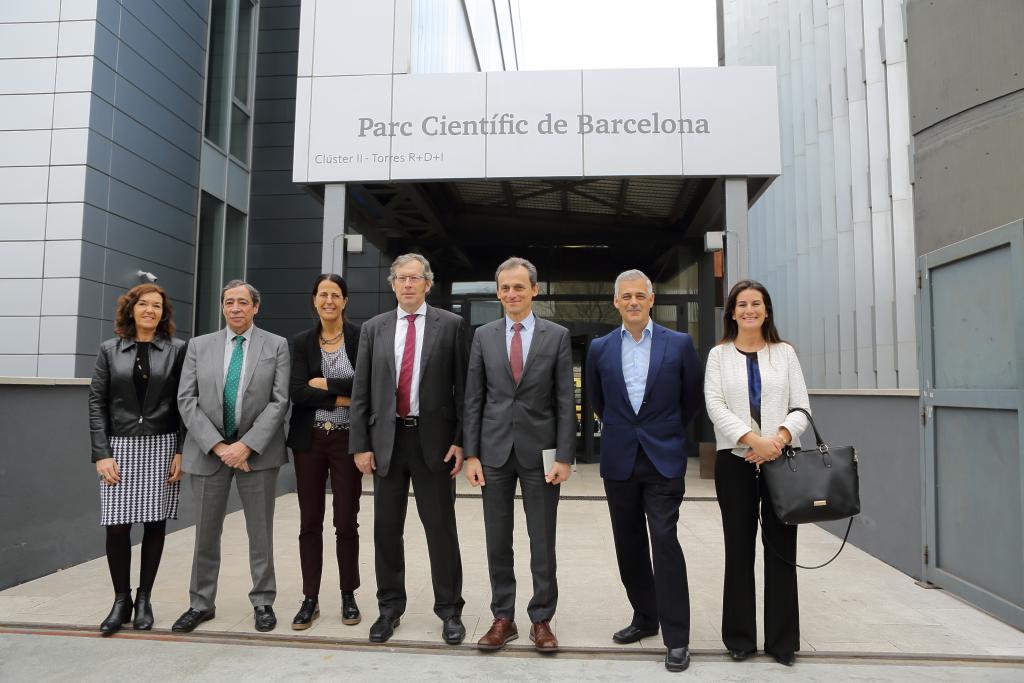
The Minister of Science and Innovation Pedro Duque today met with Luis Serrano, president of the Severo Ochoa/Maria de Maeztu alliance (SOMMa) and director of the Centre for Genomic Regulation (CRG). The minister expressed his firm commitment to the continuity of the Severo Ochoa/Maria de Maeztu programme.
From left to right: Maria Terrades, Rafael Rodrigo, Monica Vallés, Ivo Gut, Pedro Duque, Luis Serrano and Bruna Vives.
The program currently benefits 49 research centres of excellence around Spain, helping them further consolidate their science. The program’s continuity will help raise the ambition of research projects taking place at these centres by boosting their international standings.
“We’ve had a constructive meeting with the minister, who has told us about his eagerness in boosting science funding and removing red tape that afflicts Spanish science. He recognised the importance of the Severo Ochoa and Maria de Maeztu programmes for Spanish science. As SOMMa, we offer to do everything we can to turn this into reality,” says Luis Serrano, director of the CRG.
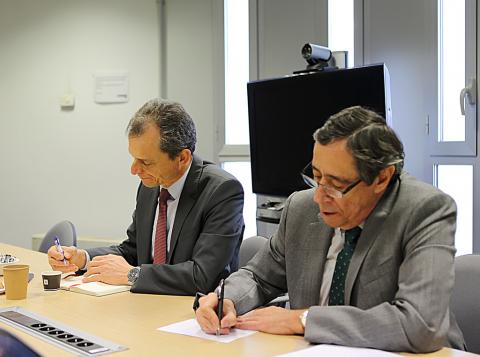
Snapshot of the meeting; in the picture, Pedro Duque and Rafael Rodrigo
The minister Pedro Duque met with Luis Serrano during a trip by the government to the Centro Nacional de Análisis Genómico (CNAG-CRG) in Barcelona, part of the Centre for Genomic Regulation (CRG), which is led by Serrano. The Secretary General of Research, Rafael Rodrigo and Bruna Vives, CRG Managing Director also attended to the meeting.
The statement reproduced next, regarding the partition of the Ministry of Science, Innovation and Universities, reacts upon the information indicating the partition of the the current Ministry of Science Innovation and Universities. Original document released by COSCE and signed by FACME, CRUE and SOMMa, can be found here (in Spanish).
English translation of the original document released by COSCE and co-signed by FACME, CRUE and SOMMa:
In face of the repeated information that in the composition of the new Spanish Government the current Ministry of Science, Innovation and Universities would lose part of its competences in favour a new Ministry of Universities, we express our deep concern about the consequences that such a decision will bring about.
Any partition of the current Ministry will be negative news for our country, as it will imply the removal of knowledge from the political spotlight it is receiving in Europe (European Council and Commission). It is indispensable that the management of the triad known as the “knowledge triangle” (research-innovation-education) is consolidated in the new Government into a single Ministry. In that sense, the structure of the European Commissariat, with a Commissioner competent in all these areas, indicates the trend to follow by countries of the Union that, in their ample majority, keep such unity into a single Ministry.
That Ministry, together with its head, needs to have the strongest political weight possible, and gather all competences and resources necessary to manage the science system globally, including the research done in universities. This is a necessary condition for the proposals obtaining the attention and viability that science requires, taking into account that science policy is a competence of all the Council of Ministers, on initiative of the incumbent Minister. This has to be so whatever is the decision regarding the number of ministries to be created.
Fatally, any fragmentation of competences implies a fragmentation of resources. Regarding this, authorized voices in Europe warn about the mistake that could be to have research and universities confront each other during budget negotiations, which could favour decades of stagnation for research, universities, or both.
The competitivity of science in our country will only be able to recover its positive trend (so damaged currently) if it can articulate and boost the bulk of the knowledge that this country has proven to be able to generate. This will have to include, of course, the University, as higher education, research and innovation are indissoluble.
Confederation of Scientific Societies of Spain – Confederación de Sociedades Científicas de España (COSCE)
Federation of Spanish Scientific and Medical Associations – Federación de Asociaciones Científico Médicas Españolas (FACME)
Crue Spanish Univerties – Crue Universidades Españolas
Severo Ochoa – Maria de Maeztu Alliance – Alianza de Centros Severo Ochoa y Unidades María de Maeztu (SOMMa)
Frontpage image downloaded from Wikipedia and licensed via an Attribution 2.0 Generic (CC BY 2.0) license.
SOMMa members met in Donostia/San Sebastián on 22-23 November to appeal to families and citizens as a whole
Dozens of talks and interactive activities took place at the Tabakalera Culture Centre
18 speakers and 13 stands from SOMMa members gathered during this event for the whole family
During the past 22nd and 23rd of November took place the outreach event of the SOMM alliance during the year 2019: 100xCiencia.4. Citizens and scientists met at the Tabakalera International Centre for Contemporary Culture in Donostia/San Sebastián, where numerous representatives of SOMMa members could enjoy the charming premises and delightful landscape around the location while they contributed their science and enthusiasm to the event.
During those two days the objective was to reach out for citizens and provide them with experiences and talks that would allow them to grasp and see first-hand what research is doing for them. The motto “What is science doing for you?” became the banner under which researchers of SOMMa members appealed to citizens. The edition of this year, the first in which the citizenry was explicitly addressed, was co-organised by SOMMa and the Basque Center on Cognition, Brain and Language (BCBL).
Landscape outside Tabakalera: see the sea not far behind, Mt. Urgull to the left, and the city centre around…
What met the visiting citizens during 100xCiencia.4?
Despite the rainy weather, hundreds of people attended during the two days after the inauguration by Cristina Uriarte, Basque Counsellor of Culture, Manuel Carreiras, director at BCBL, and SOMMa director Luis Serrano. 100xCiencia.4 boasted up to 18 different speakers, paired with 13 stands covering a variety of disciplines.
Visitors did not only have chance to hear about what the scientists had to say during their talks: they could also hold in their own hands and interact with many of the developments and devices presented. The ludic format of the event allowed families and people of all ages, senior and child, to enjoy and learn about what research is for, and even how it can contribute to everyday life. Interactive science for the whole family was put at the centre of the stage.
One of the first talks was given by José Antonio Lozano, Scientific Director of the Basque Centre for Applied Mathematics
Many disciplines were represented: nanotechnology, chemistry, bioengineering, plant biotechnology… and of course computer science, biomedicine and bioengineering, neuro- and language science, physics, environmental sciences, mathematics, physics and engineering… and even more!
One could find about projects of international cooperation, therapies against either very rare or very prevalent diseases, various simulations and virtual reality approaches to research and different human conditions, developments in agronomy and livestock technology, … the use of plants for food or for water decontamination, nanotechnology for nanomedicine, and so on and so forth. Very popular among young visitors were the virtual reality activities , pinpointing the importance of the interactive element to attract citizens, as well as technology.
Examples of companies and technology transfer services were also presented: the tangible example of how research translates into products that the society can grasp –and leverage-. Science, and the companies stemming from it, can become part of the drivers of a thriving economy. With technology advancing at an ever-increasing pace, what new advances will the progress of science bring next?
Adding to the cocktail, aspects related to the application of mathematical simulation and data analysis to many aspects of life and industry were treated. Closing the circle, the outstanding success of a physics divulgation YouTube channel, the computational simulation of a full human body, and even rocket science were address. The latter, regardless of the cliché, was explained in a pleasant and very enjoyable fashion. All this, and more, was found during 100xCiencia.4.
Impressions from the event
Among the participants and public, the reception of the event was very positive. For instance, the possibility to see a developed product (such as a new device, sensor or treatment), a prototype of a new idea or an illustrative demonstration of a concept (such as in a simulation) was acclaimed by the visitors. Every interactive activity also was object of success and interest, again with the emphasis put on those younger citizens… perhaps some of them future scientists?
Snapshot of visitors and stands at 100xCiencia.4, with some of the visitors about to take a… vertiginous experience.
As the event also appealed to children, the finding of the right formula or way to communicate to them constituted another challenge for participants: presenting scientific ideas using games, puzzles, and adapting complex explanations by means of metaphors adapted to children. To the delight of the public, this was an infrequent opportunity to interact with the scientists, their equipment, and ask them questions that perhaps had not ever found the right place or moment to be asked.
The provision of sensory experiences was recurrent among the stands. Children were repeatedly among the most enthusiastic participants, sometimes puzzling researchers with their ideas and leaving them thinking afterwards. Scientists themselves did not miss the chance to learn and exchange ideas with colleagues from disparate fields of knowledge.
Pictures of several stands of 100xCiencia.4. Clockwise: IFAE, CNIO and CNB.
Among the institutional representatives, words of praise were also uttered: speaking in name of the co-organisers at BCBL, Manuel Carreiras, scientific director of BCBL declared that “all disciplines of science impact directly on our society. This event has been an excellent opportunity to approach science and society, of which we are very satisfied”.
For his part, Luis Serrano, declared that “as president of SOMMa I am impressed by the quality of the stands offered to the public, and by the dedication of the members of the different institutions that participated of them: it has to be thanked and acknowledged. The public enjoyed it. Moreover, the short talks of research centres and units were spectacular, and showed not only the quality of the science done by SOMMa members, but also highlighted that science can translate into competitive businesses and companies providing jobs and solutions to societal problems. Really impressive.”
The upcoming 100xCiencia.5
Some of the participants were at the end of 100xCiencia.4 already looking forward to the next edition, wondering whether it will again appeal to the citizen: lots of ideas may already have sprung into life in their heads, in wait for 100xCiencia.5. The format, said several participants, “gives chance to perform a fundamental exercise on the part of research institutions: rephrasing their message for society to understand better”.
As said some other participants, 100xCiencia is an opportunity for members of SOMMa institutions, “to get to know better each other, and to consolidate a stronger sense of community”. One of them also added that events such as this one are “really useful to generate interest of youngsters in science. It will help feed the ranks of future generations of researchers, and show society that science really is useful”. The next edition, that will be taking place in Santiago de Compostela (Galicia), will be co-organised with the Galician Institute of High Energy Physics. Participants and organisers are already looking forward to it, and to the future 100xCiencia.5! When and how…? More details to come!
Directors of SOMMa Centres discussed at the CNIO best practices in gender equality to attain a culture change allowing to integrate gender equality into strategic science decisions
Gender equality expert Cheryl Smythe discussed the gender policies implemented at the Babraham Institute to obtain the Athena SWAN Charter: a UK recognition to best practices for gender equality, and model for prospective future European initiatives
The British Embassy in Spain took part in the event, that was closed by Ana Puy, Director of the Women and Science Unit at the Ministry of Science, Innovation and Universities
On October the 29th, took place the 1st Gender Equality Event of SOMMa, in Madrid, at the Centro Nacional de Investigaciones Oncológicas (CNIO). The conference was organized both by SOMMa and CNIO’s Women in Science Office (WISE), created in 2012 by its director Maria Blasco and coordinated by Isabel López de Silanes. The event also enjoyed the collaboration of the British Embassy in Spain, featuring a talk of the British Ambassador in Spain, Hugh Elliott.
The meeting aimed at sharing best practices in this area at the SOMMa Centres to promote a change of their institutional culture in support of female talent and gender equality in science, and of strategic decision-making in a coordinated and institutional way.
The why of the event
During this first SOMMa meeting on gender balance at CNIO, several directors of SOMMa Centres discussed the network’s best practices and shared experiences, so that its members could learn from the experience acquired by other members. This knowledge exchange would help generate a change of culture enabling gender equality to be integrated into strategic decision-making in science.
The dimensions of gender equality. Here, the representation of the average Gender Equality Index of the EU (2017).
“We must support and facilitate a strategy of excellence in which gender balance benefits from scientific talent,” said Patrizia Ziveri, Chair of the Mobility and Exchange Work Package of SOMMa and Scientific Director at the Institute of Environmental Science and Technology of the Universitat Autònoma de Barcelona (ICTA-UAB). “Strategic decisions made by mixed-gender groups of experts benefit science and society. The main questions that government agencies and institutions should ask are: How do we back the scientific careers of the best women in the centres of excellence and how do we promote sustained leadership? What are the benefits for science and society of having gender diversity in future strategic decisions in research centres of excellence?”.
“At CNIO we started making structural changes in 2012 to enable more women to take a step forward in their scientific careers,” explains Maria Blasco, CNIO Director and SOMMa Vice-Chair. “For example, the introduction of flexible working hours has significantly reduced the number of women asking for shorter working days. But much remains to be done.”
There is indeed still a long road ahead before reaching gender equity in research. According to data from the recent SRUK/CERU Survey on Gender Equality in Research, male and female scientists doing research in Spain perceive gender inequality in the workplace very differently.
For instance, up to 79% of male researchers feel treated with equity in their workplace. This figure drops to 55% for female researcher answers. Sixty percent of female respondents believe that maternity leave harms their career, whereas only 33% of male respondents think the same about paternity leave. In general, women feel less internal support than men do, more women think that their work is not appreciated, and they feel less encouraged to ask for a promotion. Moreover, only 40% of all Spanish male and female researchers surveyed believe that the departments are committed to gender equality.
British ambassador to Spain Hugh Elliott attended the meeting, and declared that “women and science are words that should go hand in hand more often. We cannot afford this loss of talent, creativity and innovation, and this is why the British Government has committed to promote quality education for girls all over the world as its strategic goal. Governments and societies must commit to work together, to inspire and empower female talent, to support and develop it across all life stages, from school to the board of directors.”
Scientists for gender equality
Gender equality expert Cheryl Smythe, International Grants Manager of the Babraham Institute, explained the barriers that her centre identified with regard to the gender gap, and the measures taken to overcome them and to obtain the Athena SWAN Charter, which since 2005 recognizes UK universities and research centres that are committed to the establishment, monitoring and evaluation of practices that lead to real gender equality. In the United Kingdom, such centres must have the Athena SWAN accreditation to be able to request funding for their projects, and more and more experts are now asking that the European Union implement a similar accreditation system.
Group picture of all the participants of the Gender Equality event at Madrid’s CNIO
The talks: barriers in sight… and ways to overcome them
Setting the stage with some context about the Babraham Institute, and the difference between the concepts of equality, equity and inclusion, Cheryl Smythe started her keynote talk. Attendees were invited to take the test for implicit bias, being warned that the results might reveal aspects one may be unaware of. Awareness of it, indeed, is one of the requirements for being able to act on bias, affirmed Smythe.
Cheryl Smythe further elaborated about a number of challenging factors for reaching gender equality in research, factors that lie broadly in areas such as: decision making inside institutions, work-life balance (and relatedly, family leaves), institutional culture and awareness, recruitment practices, promotion and career, development and training practices. Strategies to overcome some of those hurdles were proposed over the discussion, and actions that led to the obtention of the Athena SWAN Charter by the Babraham Institute.
Keynote speaker Cheryl Smythe, on the obtention of the Athena SWAN Charter.
The statistics presented by Aurelio Ruiz (DTIC) earlier during the event showcased something that was perhaps yet foreseen: data showed that the representation of women decreased with increasing seniority level of the research positions at hand. This would be reflecting the underlying problems that female researchers face in their careers. Flash talks of SOMMa directors and other representatives showed the steps taken to attain gender equality at several members.
The importance of acquiring reliable data of the situation in order to take informed decisions, as well as an appropriate follow-up of the impact of the measures was highlighted as also a key for success. During the talks, it was underscored that there are specific hurdles for the attraction of women to technology careers and research, one of the specific fields where female researchers are more scarce.
Connecting with the previous, one of the exposed initiatives aimed at providing visible role models for prospective female researchers (in that specific case, engineers), which is particularly urgent in technological fields of research. There, women are at a clear minority even at the undergraduate level. Other measures focused on conciliation, support in child-care, “stop-the-clock” policies during parental leaves, prevention of discrimination, or training and education against gender bias. Recruitment bias, for instance applying measures as gender-balanced evaluation panels was another focus point mentioned.
Ana Puy, Director of the Women and Science Unit at the Spanish Ministry of Science, Innovation and Universities, closed the meeting talking about work in course to establish an upcoming system for evaluating at a national level the gender policies implemented by Spanish universities and research and innovation institutions.
Snapshop of one of the flash talks: engineer María Santos explaining concepts of engineering to a group of children.
Among the ideas that appeared repeatedly during the event were the need for a systemic commitment inside institutions, both top-down and bottom-up, ensuring an adequate provision of resources, and the commitment to the proposed action plans, as well as the value of diversity in decision making.
While a good number of initiatives were presented, hurdles in the way ahead were also made evident. For instance, initiatives were often found to be rather individual than institutional, could perhaps be missing dedicated resources or the required critical mass leading to stability over time necessary to consolidate real transformation. As initiatives undertaken initially in a relative isolation from fellow SOMMa members, they did not benefit from the experience acquired to date by the other institutions of the network. This is something that SOMMa aims to change.
Neither research nor any society can afford to overlook a significant portion of the talent or potential of half of its population. Rescuing the words of Ambassador Hugh Elliott during his address: it is of the greatest strategic importance to empower women everywhere.
To learn more, watch the video of the full event, here.





_14.jpg)
