Author Archive

De las aulas al laboratorio: IMDEA Energía celebra el 11F acercando la ciencia a las más jóvenes

La entrada De las aulas al laboratorio: IMDEA Energía celebra el 11F acercando la ciencia a las más jóvenes se publicó primero en IMDEA ENERGÍA.

Go to Source

February 11 | International Day of Women and Girls in Science

February 11 | International Day of Women and Girls in Science

Go to Source

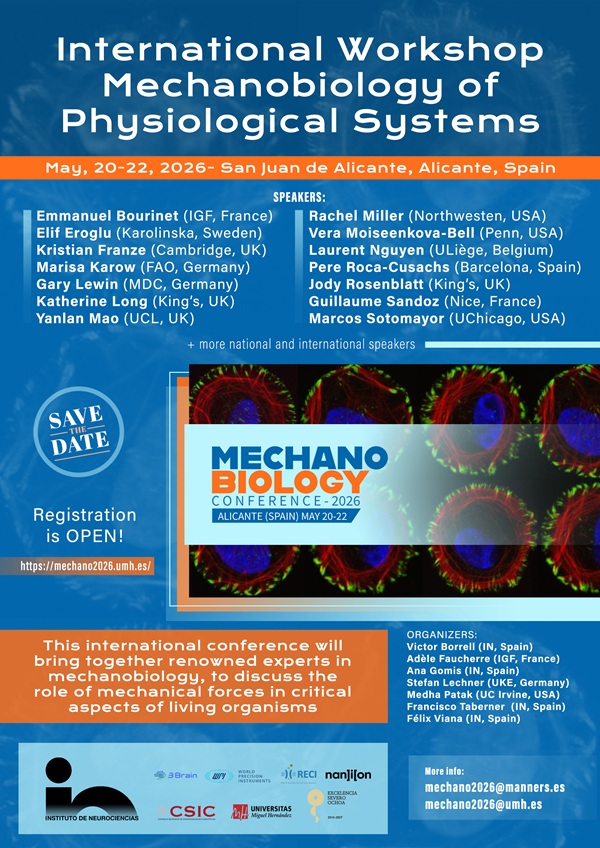
Workshop “Mechanobiology of Physiological Systems” – May 20-22, 2026

The international workshop “Mechanobiology of Physiological Systems” will take place from May 20 to 22, 2026, at the Complejo San Juan in Alicante, Spain. This event will bring together a distinguished group of national and international researchers to discuss how mechanical forces shape the development, structure and function of organs and tissues.

Over three days, the workshop will offer a comprehensive overview of recent advances in mechanobiology, addressing topics such as:

  • Mechanisms of mechanical force transduction and downstream signaling.
  • Neural circuits involved in processing mechanical stimuli, with implications for pain and hearing.
  • The role of mechanical forces in axon guidance, morphogenesis and tissue organization, including the development of the cerebral cortex.
  • The fundamental contribution of mechanical forces to cardiovascular system function.

The program will feature leading experts in mechanobiology who employ a wide range of experimental approaches, including advanced biophysics and microscopy, neurophysiology, cell biology, and bioinformatics. Designed to promote scientific interactions and the open exchange of ideas, the meeting will also include dedicated speaking slots for young investigators and two poster sessions.

Key deadlines and registration:

  • Registration deadline: April 5, 2026.
  • Capacity: Limited to 100 participants (early registration is strongly recommended).

The organizing committee comprises researchers from the Instituto de Neurociencias— a joint center of the Spanish National Research Council (CSIC) and the Miguel Hernández University of Elche (UMH)—together with invited experts from France, the United States, and Germany.

Further details on the venue, scientific program, speakers, registration fees, and abstract submission are available on the official event website: 

https://mechano2026.umh.es/

La entrada Workshop “Mechanobiology of Physiological Systems” – May 20-22, 2026 se publicó primero en Instituto de Neurociencias de Alicante.

Go to Source

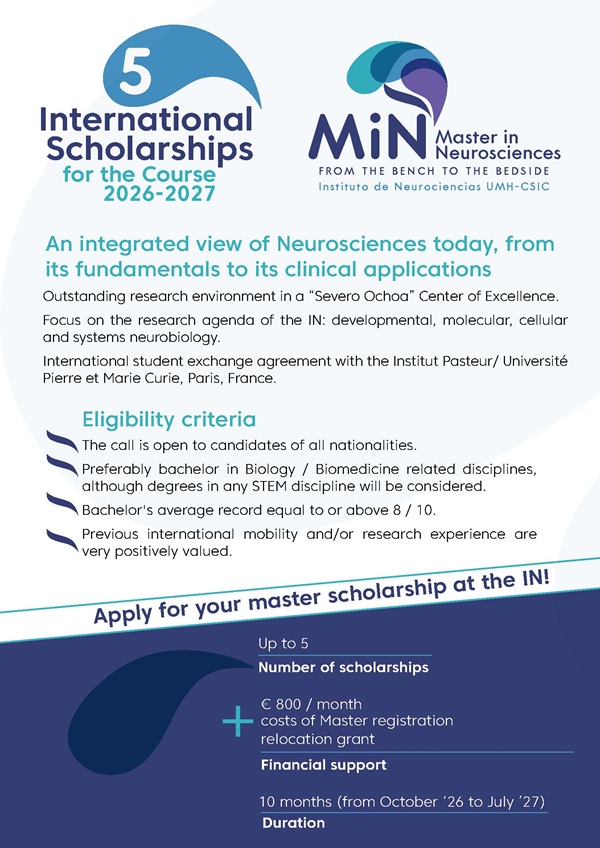
The IN offers up to 5 International Scholarships for the Master’s Degree in Neurosciences: from the Bench to the Bedside

The Severo Ochoa Excellence Programme of the Institute for Neurosciences (IN), a joint center of the Miguel Hernández University of Elche (UMH) and the Spanish National Research Council (CSIC), offers up to 5 International Scholarships for the Master’s Degree in Neurosciences: from the Bench to the Bedside during the 2026-2027 academic year (October- July). These scholarships cover full Master’s tuition fees, a monthly stipend of €800, and a reallocation grant.

This is an open call to candidates from all nationalities who hold a bachelor’s degree in Biology/Biomedicine-related disciplines, although degrees in any STEM field will be considered. Bachelor’s GPA should be above 8/10, and previous international mobility and/or research experience will be very positively valued.

Interested candidates must submit their application no later than March 5th to the email address so_scholar@umh.es. Applicants must include a copy of their passport (PDF version), a short CV, the academic transcript, and a motivation letter in English, indicating up to three IN research groups in which they would like to carry out their master’s experimental work, along with a justification for their choice.

More information is in the attached document and on the Master in Neurosciences website.

Source: Institute for Neurosciences UMH-CSIC (in.comunicacion@umh.es)

La entrada The IN offers up to 5 International Scholarships for the Master’s Degree in Neurosciences: from the Bench to the Bedside se publicó primero en Instituto de Neurociencias de Alicante.

Go to Source

ICIQ celebrates the International Day of Women and Girls in Science 2026: from commitment to real impact

As every year, the ICIQ joins the commemoration of the International Day of Women and Girls in Science, an initiative promoted by the United Nations to promote the full and equal access and participation of women in the scientific field. In the 2026 edition, under the global slogan focused on turning the vision of equality into a real impact on STEM disciplines, the institute reaffirms its commitment to gender equality as a driver of scientific excellence.

#Científiques: A program to inspire and transform

This program combines outreach activities in schools and visualization campaigns to share experiences and analyze the current challenges of female researchers.

The ICIQ actively participates in the #científiques platform, a joint initiative of the Catalan Foundation for Research and Innovation (FCRI) and BIST (Barcelona Institute of Science and Technology), which this year reaches its 8th edition and which mobilizes more than half a thousand researchers to bring their experience to students in the 6th and 1st years of ESO and become female references in science.

From the ICIQ we participate again in order to promote gender equality with talks in various primary and secondary schools throughout the territory. The aim is to show female role models to students, explaining our daily work and demonstrating that chemistry is a field of opportunities without distinction of gender.

Among our participating researchers is Dr. Gisela Colet, Dr. Eugenia Martínez Ferrero, Dr. Marta Llorens Fons, and Angie Bolaños, predoctoral student.

Scientists in action… Try it!

Researcher Marta Romero, a predoctoral student in Prof. Mónica H. Pérez-Temprano’s group, is one of the five scientists participating in the new edition of Scientists in Action… Try it! within the framework of the FECYT Experimenta Challenge project, of which the ICIQ is a part. The rest of the scientists are from IRTA, UAB, and the faculties of Chemistry, Oenology and ETSEQ of the URV.

Marta explains what a mechanistic study is, where it is observed how a chemical reaction takes place step by step, what happens before and after the reaction and how a catalyst helps during the process.


This gamified educational initiative engages young minds with hands-on scientific activities, emphasizing the role of women in scientific discovery.

Campaign of the Department of Research and Universities

The institute also participates with the researcher Laia Marín, a predoctoral student in the group of Prof. Emilio Palomares, in the campaign promoted by the Department of Research and Universities of the Government of the Generalitat to vindicate science in women, carried out by researchers, on the occasion of 11F.

Social media campaign

In addition, as part of our commitment to equality, ICIQ maintains the campaign #ICIQWomeninScience highlighting the work of the center’s women scientists for another year. This initiative highlights his research and shows the passion and perseverance that drives his contributions to the global scientific community. The campaign is published on the 11th of each month as a reminder that we want to recognize and celebrate the contributions of women in STEM every day.

Firm commitment to equality

The ICIQ Equality Commission stresses that February 11 is not just a day of celebration, but a time for active reflection. “In 2026, our focus is on impact: we want women not only to be there, but to occupy decision-making positions and for their contribution to be valued with total equity,” the institution points out.

The ICIQ maintains several active internal policies, such as the Equality Plan, which seek to eliminate the “glass ceiling” and ensure an inclusive and diverse work environment for all.

Precisely, in 2026, the ICIQ will host the 4th Empowering Women in Organic Chemistry (EWOC Europe) that will take place on June 29-30 in Tarragona.

This event features several scientific presentations and motivational workshops on topics relevant to women and allies embarking on a career in organic chemistry. The aim is to facilitate networking with industry, academia, women and allies at different stages of their professional careers.

With these actions, the ICIQ reaffirms its desire to be an agent of social change, inspiring the next generation of chemists and ensuring that female talent is a fundamental piece in solving the global challenges of the future.

La entrada ICIQ celebrates the International Day of Women and Girls in Science 2026: from commitment to real impact se publicó primero en ICIQ.

Go to Source

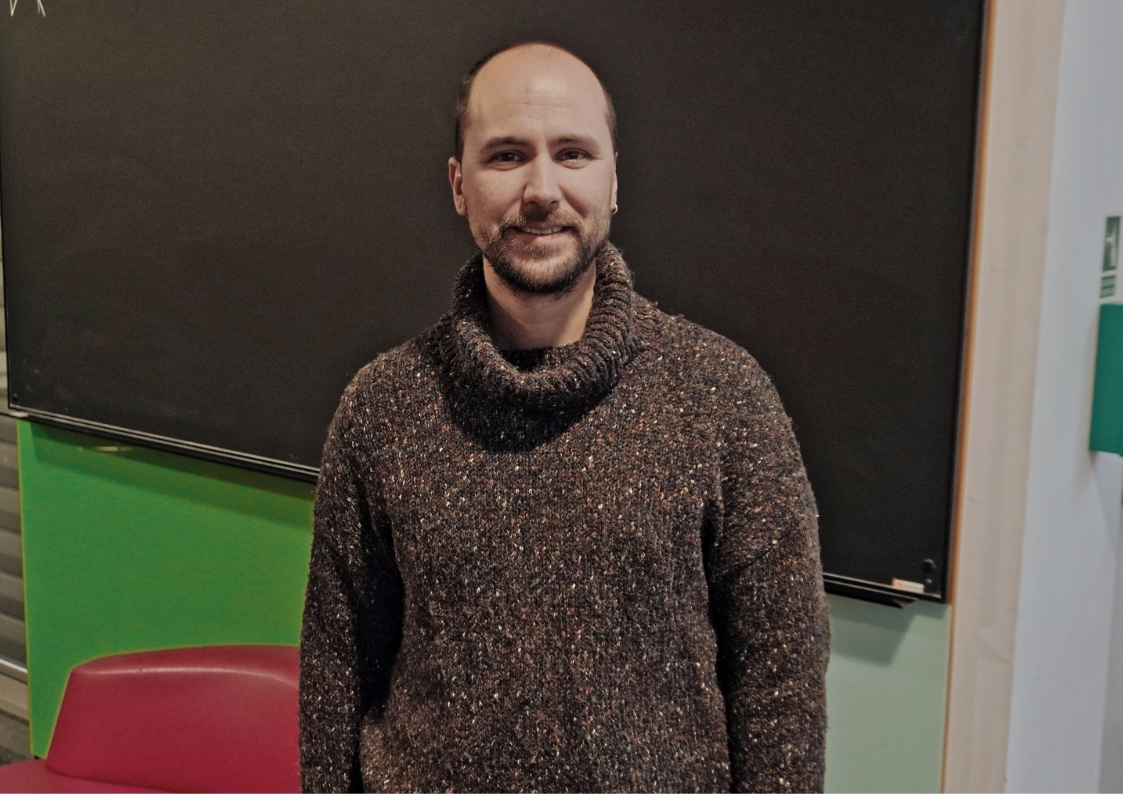
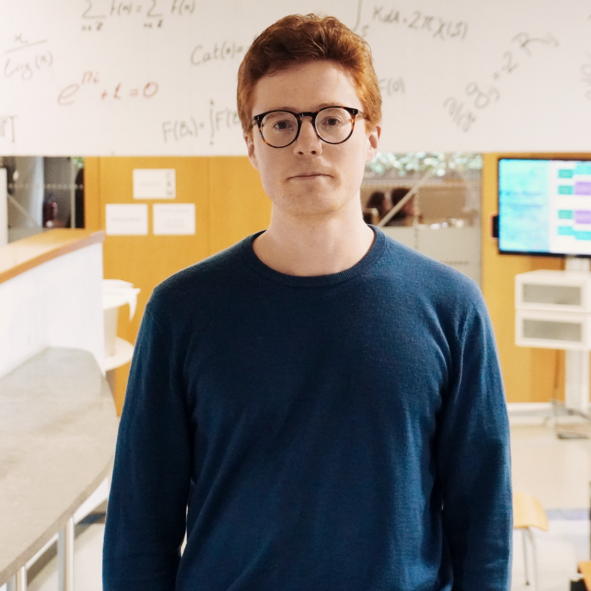
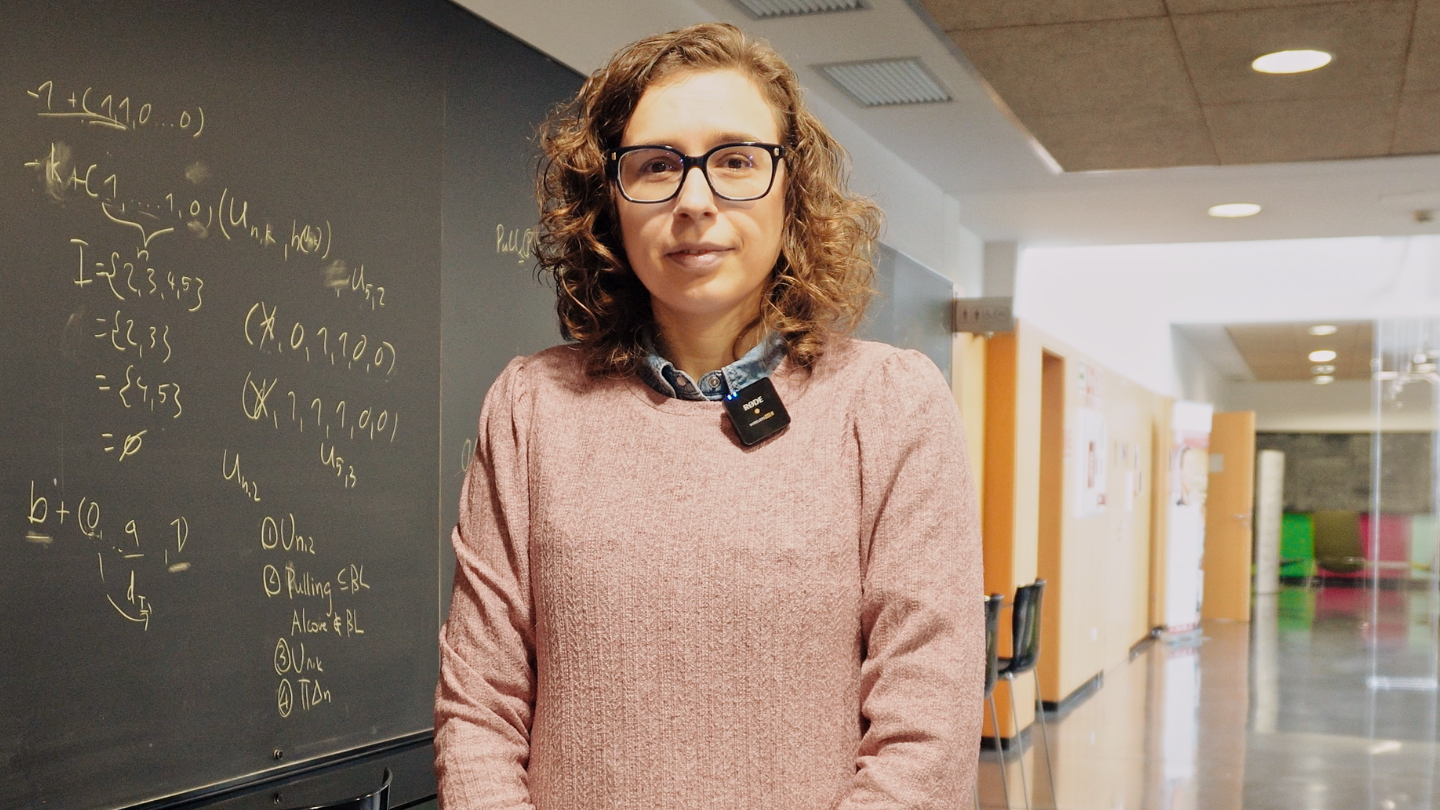
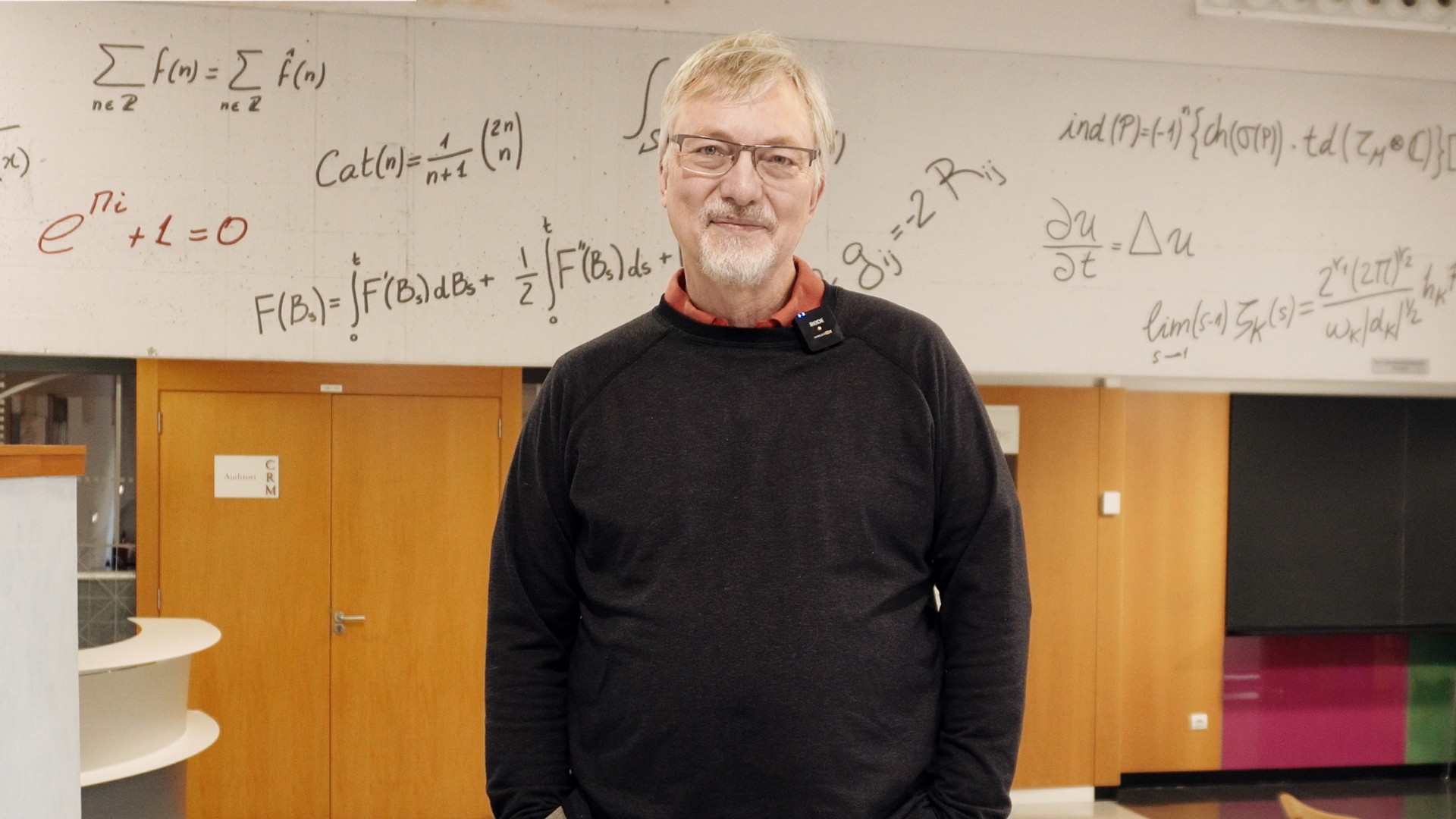
Xavier Tolsa rep el Premi Ciutat de Barcelona per un resultat clau en matemàtica fonamental

L’investigador Xavier Tolsa (ICREA–UAB–CRM) ha estat guardonat amb el Premi Ciutat de Barcelona 2025 en la categoria de Ciències Fonamentals i Matemàtiques, un reconeixement que atorga l’Ajuntament de Barcelona i que enguany arriba a la seva 76a edició. L’acte de lliurament del premi tindrà lloc l’11 de febrer de 2026 al Saló de Cent.

Una trajectòria acadèmica de referència internacional

Xavier Tolsa Domènech és investigador ICREA i professor del Departament de Matemàtiques de la Universitat Autònoma de Barcelona (UAB), així com investigador afiliat al Centre de Recerca Matemàtica (CRM).

Va cursar estudis d’enginyeria industrial (UPC, 1990) i de matemàtiques (UB, 1994). Posteriorment es va doctorar en enginyeria industrial a la UPC (1995) i en matemàtiques a la UAB (1998). La seva formació postdoctoral va incloure estades a la Chalmers University of Technology (Göteborg, Suècia) i a la Université Paris-Sud (París, França), aquesta darrera amb una Marie Curie Fellowship.

L’any 2001 es va incorporar a la UAB com a investigador Ramón y Cajal, i des del 2003 és investigador ICREA. Es va afiliar al CRM l’any 2020. Al llarg de la seva carrera ha rebut nombrosos reconeixements i ajuts competitius, entre els quals destaquen el Premi Nacional Julio Rey Pastor (2024), el Frontiers of Science Award de l’International Congress of Basic Sciences (Beijing), un ERC Advanced Grant per al projecte Geometric Analysis and Potential Theory (2021–2026), el Premi Rei Jaume I en Investigació Bàsica (2019) i el Premi de la Societat Europea de Matemàtiques per a joves investigadors (2004), entre d’altres. A més, serà ponent plenari al Congrés Internacional de Matemàtics (ICM) de 2026, que se celebrarà a Filadèlfia.

Recerca en anàlisi harmònica i geometria

La recerca de Xavier Tolsa se centra principalment en l’anàlisi harmònica, la teoria geomètrica de la mesura i la teoria del potencial. El seu treball aborda problemes que connecten conceptes analítics, geomètrics i relacionats amb les equacions en derivades parcials, camps fonamentals de les matemàtiques amb interaccions profundes entre si.

Al llarg dels anys ha desenvolupat resultats clau que han contribuït a establir ponts entre àrees tradicionalment separades, mitjançant noves tècniques i enfocaments conceptuals, amb especial atenció a qüestions de rectificabilitat, mesura harmònica, capacitat i problemes de frontera lliure.

El Premi Ciutat de Barcelona

El jurat dels Premis Ciutat de Barcelona ha distingit Xavier Tolsa pel seu treball Carleson’s   varepsilon^2 Conjecture in Higher Dimensions, publicat l’any 2025 a la revista Inventiones Mathematicae. El guardó reconeix un llarg projecte de recerca que culmina amb la resolució d’una versió en dimensions superiors d’una conjectura fonamental de l’anàlisi harmònica i destaca per entrellaçar de manera profunda l’anàlisi, les equacions en derivades parcials i la geometria, descrivint un mateix objecte matemàtic des de perspectives aparentment molt diferents.

L’article representa un pas endavant en la comprensió del comportament d’operadors singulars en espais d’alta dimensió, amb implicacions profundes per a la teoria de Fourier i àrees afins, i obre noves perspectives a la intersecció entre anàlisi, geometria i teoria de la mesura. Entre els resultats destacats del treball, cal mencionar que s’hi demostra que el conjunt de punts on una certa integral d’oscil·lació és finit és n-rectificable, un resultat nou fins i tot en el cas pla. A més, sota condicions adequades sobre dos conjunts oberts, el treball caracteritza els punts tangents de les seves fronteres mitjançant una condició d’integrabilitat que involucra constants esfèriques, estenent i refinant la conjectura original de Carleson a dimensions superiors.

Segons el veredicte del jurat, el resultat té un ampli ventall d’aplicacions potencials en problemes d’interès per a la comunitat científica.

Subscribe for more CRM News

Stay updated to our mailing list to get the lastest information about CRM activities.

CRM Comm

Natalia Vallina

CRMComm@crm.cat


Axel Masó Returns to CRM as a Postdoctoral Researcher

Axel Masó Returns to CRM as a Postdoctoral Researcher

Axel Masó returns to CRM as a postdoctoral researcher after a two-year stint at the Knowledge Transfer Unit. He joins the Mathematical Biology research group and KTU to work on the Neuromunt project, an interdisciplinary initiative that studies…

Barcelona + didactics + CRM = CITAD 8

Barcelona + didactics + CRM = CITAD 8

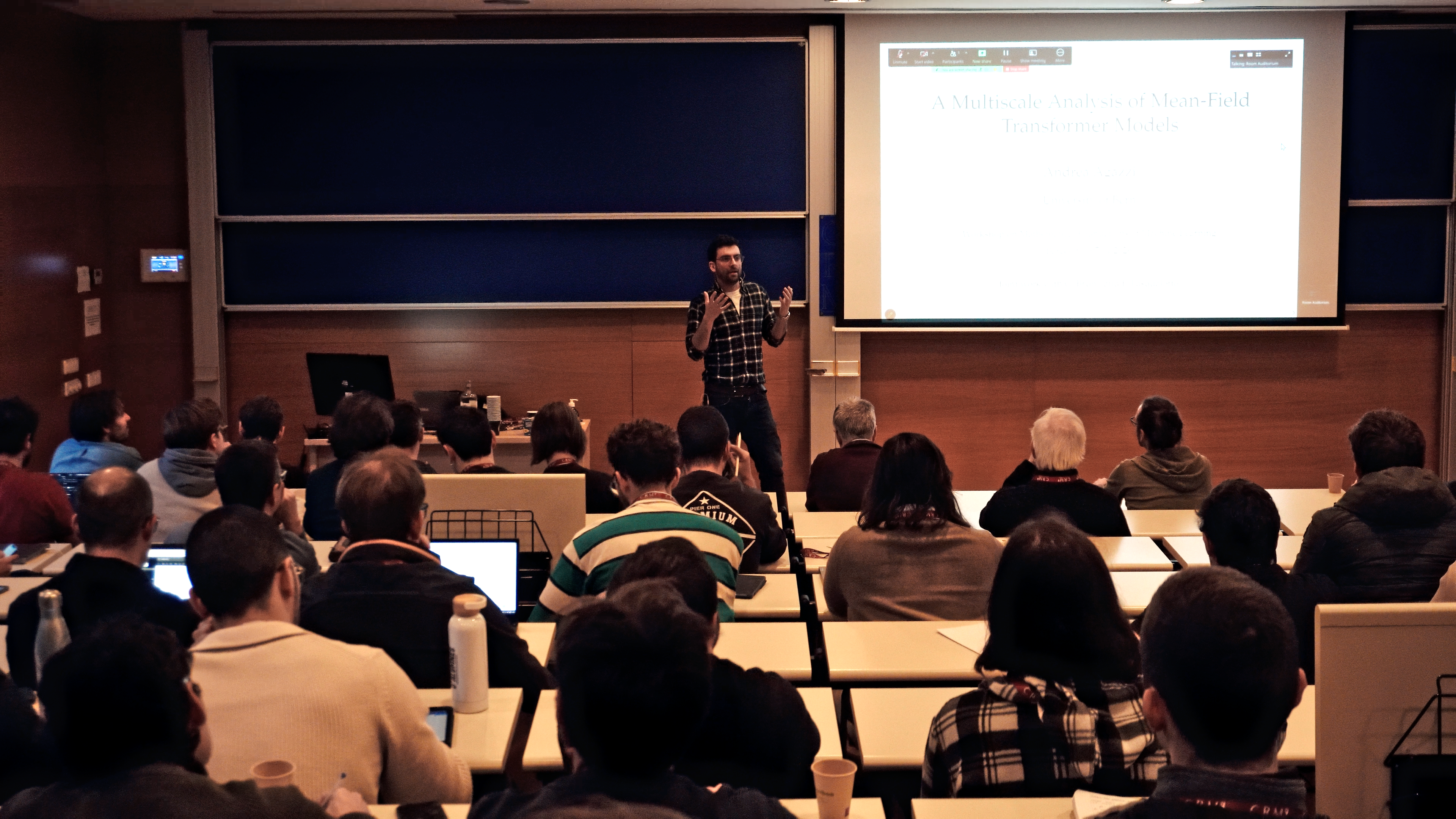
From 19 to 23 January 2026, the CRM hosted the 8th International Conference on the Anthropological Theory of the Didactic (CITAD 8), a leading international event in the field of didactics research that brought together researchers from different countries in…

Seeing Through Walls: María Ángeles García Ferrero at CRM

Seeing Through Walls: María Ángeles García Ferrero at CRM

From October to November 2025, María Ángeles García Ferrero held the CRM Chair of Excellence, collaborating with Joaquim Ortega-Cerdà on concentration inequalities and teaching a BGSMath course on the topic. Her main research focuses on the Calderón problem,…

BAMB! 2025: Participants Return to the CRM for Research Stays

BAMB! 2025: Participants Return to the CRM for Research Stays

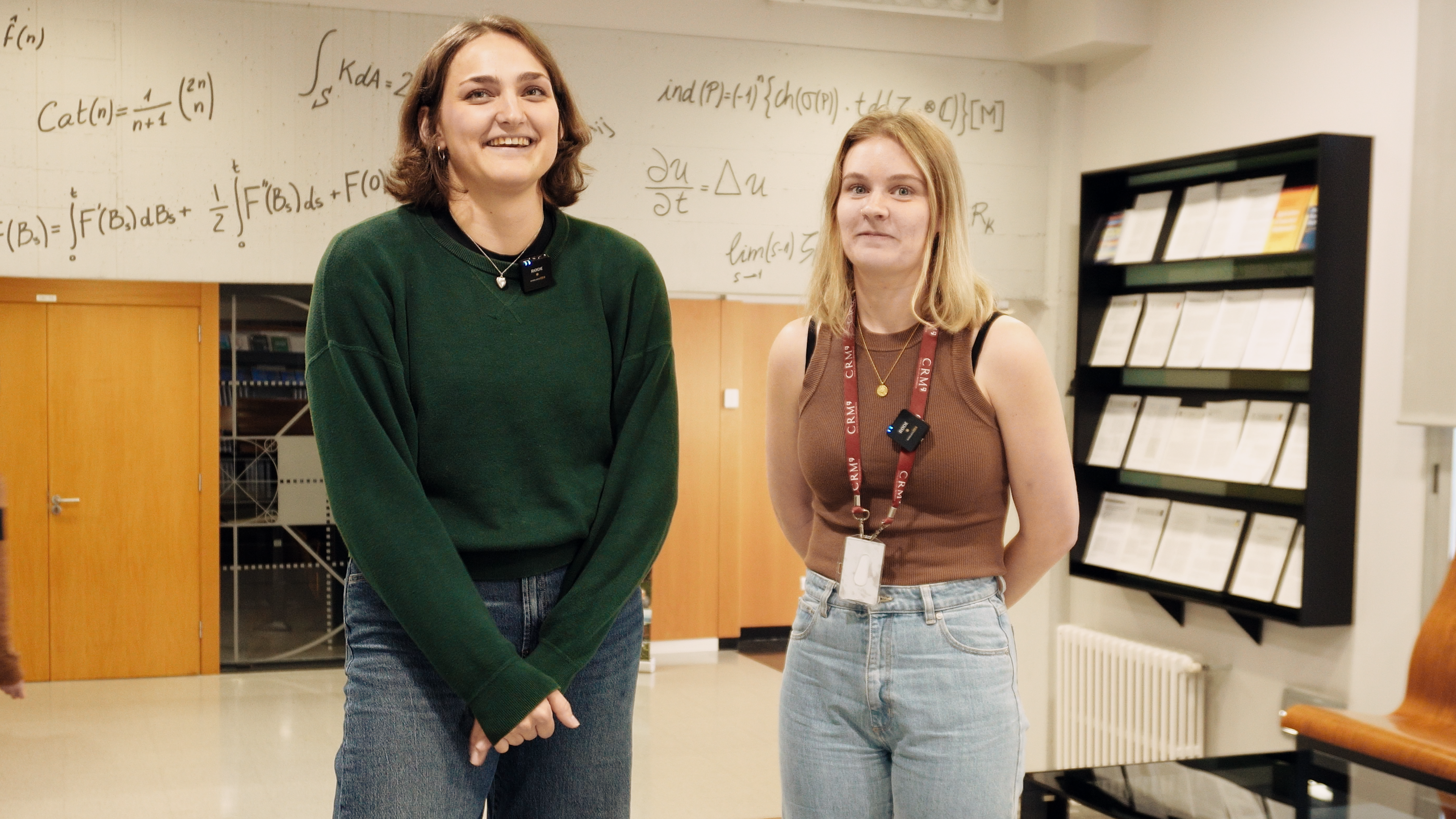
In October 2025, the Centre de Recerca Matemàtica hosted Josefine Meyer (ISTA) and Cate MacColl (University of Queensland) for a month-long research stay following their participation in the BAMB! Summer School. Despite studying vastly different subjects, from…

The post Xavier Tolsa rep el Premi Ciutat de Barcelona per un resultat clau en matemàtica fonamental first appeared on Centre de Recerca Matemàtica.

Go to Source

El CIMCYC recibe una mención especial en los Premios de Implicación Social de Andalucía

Premios implicación Social del Foro de Consejos Sociales
El Centro de Investigación Mente, Cerebro y Comportamiento (CIMCYC) de la Universidad de Granada ha sido distinguido por su compromiso con el progreso social a través de la investigación y la innovación en la comunidad andaluza.
Seguir leyendo

Go to Source

The CIMCYC honored with Special Mention for Social Engagement in Andalusia

Premios implicación Social del Foro de Consejos Sociales
The Mind, Brain and Behavior Research Center (CIMCYC) at the University of Granada has been recognized for its commitment to social progress through research and innovation within the Andalusian community.
Seguir leyendo

Go to Source

Circulation Research: Study reveals new cellular mechanisms that allow the most common chronic cardiac arrhythmia to persist in the heart

Atrial fibrillation (AF), the most common chronic cardiac arrhythmia in clinical practice, is very challenging to treat once it becomes persistent, after which spontaneous return to normal rhythm becomes highly unlikely. A multidisciplinary study led by the Centro Nacional de Investigaciones Cardiovasculares Carlos III (CNIC) and published in Circulation Research now provides a new perspective on why this arrhythmia can persist long-term, highlighting the key role of non-contractile cardiac cells.

AF has traditionally been viewed as a purely electrical disorder of cardiomyocytes—the heart’s contractile cells. However, the research coordinated by Dr. David Filgueiras Rama, head of the CNIC Advanced Development in Arrhythmia Mechanisms and Therapies group, demonstrates that patient-specific regions within the atria develop a distinct cellular environment that facilitates arrhythmia persistence. Dr. Filgueiras Rama explains that “these areas, which we call driver regions, display electrical activity that is faster than the surrounding tissue and operate as true engines that sustain atrial fibrillation over time.”

The study identified significant differences in the abundance, type, and function of fibroblasts and macrophages—cells that do not participate directly in contraction but strongly influence tissue behavior.

First author Ana Simón Chica, CNIC researcher and currently at Massachusetts General Hospital and Harvard Medical School, explains that “these non-contractile cells create a specialized microenvironment that promotes cellular homeostasis and long-term survival, both of which are crucial for maintaining atrial fibrillation.”

The team observed that macrophages in these regions do not display the classical inflammatory profile previously thought to dominate in AF. Instead, the study describes a higher proportion of resident cardiac macrophages associated with protective functions, metabolic support, and cellular survival. “This cellular composition may help cardiomyocytes withstand the intensive electrical and energetic demands imposed by persistent atrial fibrillation,” adds Dr. Filgueiras Rama.

The study integrates advanced experimental models closely resembling the human heart pathophysiology with the analysis of cardiac tissue from patients with persistent AF, confirming that these mechanisms also operate in the clinical condition. Moreover, the study findings demonstrate the functional importance of these regions, showing that their selective elimination through ablation—an intervention used to eliminate malfunctioning tissue—can interrupt the arrhythmia in experimental models and is associated with effective long-term rhythm control in patients.

The authors emphasize that these findings reveal regionally adaptive and patient-specific mechanisms that allow AF to persist. They also challenge the widespread assumption that atrial remodeling—the structural and functional changes triggered by AF—occurs uniformly across the atria. Together, these findings open the door to new therapeutic strategies targeting cellular and molecular components beyond cardiomyocytes.

Overall, the study underscores the role of non-contractile cell populations in sustaining AF and indicates that effective future treatments will need to address the cellular mechanisms involved.

This research was conducted with the collaboration of national institutions, including the Instituto de Investigación Sanitaria del Hospital Clínico San Carlos (IdISSC); Centro Nacional Instituto de Investigación y Tecnología Agraria y Alimentaria (INIA-CSIC); Centro de Investigación Biomédica en Red de Enfermedades Cardiovasculares (CIBERCV); Instituto de Investigación Sanitaria de la Fundación Jiménez Díaz, and Fundación Interhospitalaria para la Investigación Cardiovascular (FIC), together with international teams at the University of Calgary (Canada) and the University of Freiburg (Germany).

Microscopy experiments were performed at the CNIC Advanced Imaging Unit (part of the ICTS‑ReDib Distributed Biomedical Imaging Network), co-funded by MCIN/AEI/10.13039/501100011033 and the European Regional Development Fund (ICTS‑2018‑04‑CNIC‑16).

The study received funding from the European Union Horizon 2020 Research and Innovation Programme (No. 965286); the Ministry of Science and Innovation (MCIN: PID2023‑150456OB‑I00 and PGC2018‑097019‑B‑I00) funded by MCIN / AEI / 10.13039/501100011033; the Instituto de Salud Carlos III (Fondo de Investigación Sanitaria PRB3: PT17/0019/0003‑ISCIII‑SGEFI / ERDF, ProteoRed); the Fundación Interhospitalaria para la Investigación Cardiovascular; the Spanish Society of Cardiology; and the “la Caixa” Foundation.

Go to Source

Día Internacional de la Mujer y la Niña en la Ciencia, 11-20 feb 2026

El Instituto de Neurociencias celebra el Día Internacional de la Mujer y la Niña en la Ciencia con charlas divulgativas en centros de la provincia

El Instituto de Neurociencias (IN), centro mixto de la Universidad Miguel Hernández de Elche (UMH) y el Consejo Superior de Investigaciones Científicas (CSIC), se suma un año más a la celebración del Día Internacional de la Mujer y la Niña en la Ciencia (11F) con una iniciativa dirigida al público escolar de la provincia de Alicante. Con este motivo, ocho investigadoras del Instituto de Neurociencias se desplazarán a distintos colegios e institutos para impartir charlas divulgativas que comenzarán el 11 de febrero y se prolongarán a lo largo de la siguiente semana.
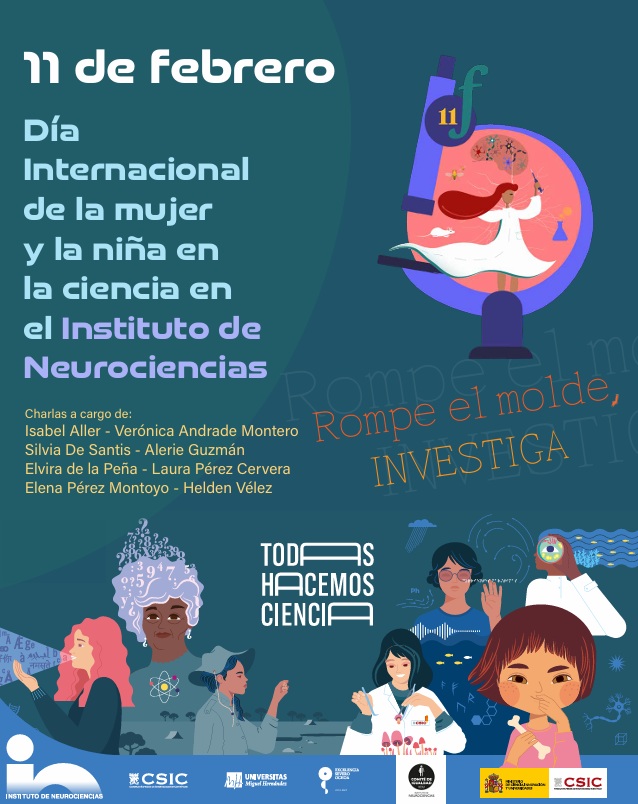
Las charlas están dirigidas al alumnado de primaria, ESO y bachillerato y abordan, desde diferentes enfoques, la contribución de las mujeres a la ciencia a lo largo de la historia, experiencias personales en la carrera investigadora y distintos aspectos de la investigación actual en neurociencia. El objetivo de esta iniciativa es acercar la ciencia al entorno educativo, ofrecer referentes femeninos cercanos y fomentar vocaciones científicas entre niñas y niños.

Charlas en centros educativos

Premio Nobel de Ciencias: 26 mujeres no cuentan toda la historia

Alerie Guzmán de la Fuente, investigadora principal del laboratorio Neuroinmunología de las Células Oligodendrogliales, impartirá esta charla en el IES Cabo de la Huerta, dirigida al alumnado de ESO y bachillerato. A partir de las 26 mujeres que han recibido el Premio Nobel en disciplinas científicas, la charla reflexiona sobre el papel histórico de las mujeres en la ciencia, cómo ha evolucionado la forma de investigar y cómo las científicas actuales lideran proyectos y transforman la investigación hoy en día.

Cómo estudiar nuestro cerebro

Isabel Aller, investigadora del laboratorio Fisiología Sináptica, ofrecerá esta charla al alumnado del CEIP San Blas. A través de materiales audiovisuales adaptados y ejemplos cercanos, la investigadora explicará qué es una neurona, cómo se comunican entre sí y qué cambios se producen en el cerebro cuando estudiamos, dormimos o sentimos dolor, introduciendo conceptos básicos de neurociencia y mostrando el papel del cerebro de ratón en la investigación.

Neurocientíficas de aquí y ahora: lo que sabemos del cerebro y lo que seguimos descubriendo

Silvia De Santis, investigadora principal del laboratorio Biomarcadores de Imaging Translacional, impartirá esta charla en el CEIP El Faro. La actividad pone el foco en mujeres que trabajan actualmente en investigación científica, muy cerca del entorno del alumnado, abordando descubrimientos recientes sobre plasticidad cerebral, memoria y aprendizaje, y mostrando que la ciencia se hace aquí, ahora y por personas reales.

Emociones: ¿qué pasa en nuestro cerebro?

Helden Vélez, investigadora predoctoral del laboratorio Cognición e Interacciones Sociales, ofrecerá una charla en el CEIP Rajoletes (Sant Joan d’Alacant). A partir de emociones cotidianas como el miedo, la alegría o la tristeza, la charla introduce de forma divulgativa qué ocurre en el cerebro cuando sentimos, cómo influyen nuestras experiencias y qué mecanismos neurobiológicos están detrás de las respuestas emocionales.

Una tragicomedia neurocientífica: interneuronas, circuitos y muchas horas en el lab

Elena Pérez Montoyo, investigadora del laboratorio Desarrollo, Plasticidad y Reprogramación de Circuitos Sensoriales, impartirá una charla en el IES Haygón (San Vicente del Raspeig). A través de un relato personal, la investigadora acercará al alumnado el proceso de formación científica y el trabajo en el laboratorio, explicando su investigación sobre cómo el cerebro selecciona la información relevante para la memoria y el papel de las interneuronas en el hipocampo.

Cómo acabé estudiando el cerebro sin haberlo planeado

Laura Pérez Cervera, investigadora del laboratorio Biomarcadores de Imaging Translacional, ofrecerá una charla en el IES Enric Valor (El Campello). A partir de su propia experiencia, la investigadora compartirá un recorrido vocacional no lineal, mostrando cómo se puede llegar a la investigación en neurociencia paso a paso y explicando qué preguntas se estudian hoy en este campo y cómo se investiga el cerebro.

La docencia impartida desde la curiosidad y la investigación deja huella

Elvira de la Peña, que colidera el laboratorio Transducción Sensorial y Nocicepción, impartirá una charla en el CEIP San Roque. En ella combinará su experiencia docente e investigadora para acercar al alumnado la función del sistema cardiovascular, destacando el valor de aprender desde la curiosidad y la investigación como herramientas para dejar una huella duradera en el aprendizaje.

Transportando genes (plásmidos)

Verónica Andrade, técnico del laboratorio Mecanismos Transcripcionales y Epigenéticos de la Plasticidad Neuronal, ofrecerá una charla en el IES Radio Exterior, en la que explicará qué son los plásmidos y por qué son herramientas fundamentales de la ingeniería genética, explicando su relevancia en neurociencia para estudiar interacciones moleculares y epigenéticas en las neuronas.

A lo largo de los días en que se desarrollan estas actividades, el Instituto de Neurociencias compartirá contenidos relacionados con las charlas y las investigadoras participantes a través de sus redes sociales, con los hashtags #TodasHacemosCiencia, #WinS y #MujeryCiencia, vinculados al 11F y a la visibilización de las mujeres en la ciencia.

Fuente: Instituto de Neurociencias CSIC-UMH (in.comunicacion@umh.es)


La entrada Día Internacional de la Mujer y la Niña en la Ciencia, 11-20 feb 2026 se publicó primero en Instituto de Neurociencias de Alicante.

Go to Source

Measurement of CP Violation Observables in D+ →k-K+π+ Decays

Measurement of CP Violation Observables in D+ →k-K+π+ Decays

Aaij R.; Abdelmotteleb A.S.W.; Abellan Beteta C.; Abudinén F.; Ackernley T.; Adefisoye A.A.; Adeva B.; Adinolfi M.; Adlarson P.; Agapopoulou C.; Aidala C.A.; Ajaltouni Z.; Akar S.; Akiba K.; Albicocco P.; Albrecht J.; Alessio F.; Alexander M.; Aliouche Z.; Alvarez Cartelle P.; Amalric R.; Amato S.; Amey J.L.; Amhis Y.; An L.; Anderlini L.; Andersson M.; Andreianov A.; Andreola P.; Andreotti M.; Andreou D.; Anelli A.; Ao D.; Archilli F.; Argenton M.; Arguedas Cuendis S.; Artamonov A.; Artuso M.;
Physical Review Letters, Vol. 133, Num. 251801 (2024)
Article

Go to Source

Higher-derivative corrections to the Kerr quasinormal mode spectrum

Higher-derivative corrections to the Kerr quasinormal mode spectrum

Cano P.A.; Capuano L.; Franchini N.; Maenaut S.; Völkel S.H.
Physical Review D, Vol. 110, Num. 124057 (2024)
Article

Go to Source

Sidebar