Author Archive

Nickel catalyst opens door to sustainable, branched hydrocarbon fuels

A research team led by Associate Professor Boon Siang Yeo from the Department of Chemistry at National University of Singapore (NUS) have developed a new way to turn carbon dioxide, a greenhouse gas, into valuable liquid hydrocarbons, which are the main components of fuels like gasoline and jet fuel. The research was conducted in collaboration with Professor Núria López, an expert in computational simulation from the Institute of Chemical Research of Catalonia, Spain, and Professor Javier Pérez-Ramírez from ETH Zürich, Switzerland, who brings extensive expertise in electro- and thermocatalytic fuel synthesis.

For years, scientists have searched for efficient ways to recycle carbon dioxide into energy-rich molecules, with the twin goals of cutting harmful emissions and creating sustainable fuels. Most efforts have focused on using copper as the catalytic material, as it has been shown to convert carbon dioxide into simpler products like ethylene or ethanol. However, copper has consistently fallen short in producing longer, branched hydrocarbon chains which are key components of high-quality fuels.

The team explored a different path in green fuel production by using a nickel-based material to catalyze the electrochemical reduction of carbon dioxide. By introducing a small amount of fluoride ions into the nickel structure as well as by applying pulsed potential electrolysis, they found that they could fine-tune the catalytic process. These strategies allowed them to have unprecedented control over the types of hydrocarbons produced, especially in determining whether the molecules are straight chains or have branches. Branched hydrocarbons are particularly valuable because they enable fuels to burn more efficiently and with higher performance, making them ideal for use in vehicles and aircraft.

Their findings were recently published in the journal of Nature Catalysis.

Schematic illustration of the key strategies employed in the study. These approaches allowed the researchers to guide the reaction toward making more branched and longer-chain molecules, which are sought after for advanced fuels. [Credit: Nature Catalysis]


The study showcases new strategies to selectively promote the production of branched hydrocarbons. By applying a technique called pulsed potential electrolysis, where the electrical bias is varied in periodic cycles, the team was able to markedly increase the branch-to-linear ratio of hydrocarbons with five or more carbon atoms, achieving an over 400% improvement compared to standard methods. In addition, fluoride doping in the nickel catalyst helped maintain its oxidation state under reducing conditions, a key factor in promoting the formation of longer hydrocarbon chains.

Despite being extensively studied and modified over the last decade, a known limitation of copper-based catalysts is its inability to reduce carbon dioxide to appreciable amounts of long-chain hydrocarbons. A key insight from this study was understanding how nickel and copper catalysts behave differently at the molecular level. The team showed that nickel-based catalysts promote the removal of oxygen from reaction intermediates and favor asymmetric coupling between adsorbed carbon monoxide (*CO) intermediates and unsaturated hydrocarbon species. This contrasts with copper-based catalysts, which tend to convert oxygen-containing intermediates into alcohols, which halts the growth of longer hydrocarbon chains. These distinct properties mean that on nickel catalysts, the building blocks needed for longer and more complex hydrocarbons are more likely to form and link together, resulting in products that more closely resemble those made through traditional, high-temperature industrial processes such as Fischer-Tropsch synthesis.

Prof Yeo said, “This work brings together complementary expertise in catalyst synthesis, mechanistic investigation and computational modelling, which allows us to uncover new mechanisms and design strategies for carbon dioxide reduction to long-chain hydrocarbons. This work would not have been possible, if not for the intense collaboration between experimentalists and theoreticians.”

Prof Lopez indicates “None of our techniques individually is able univocal identifying key mechanistic steps it is only by combination of experimental and computational results.”

The impact of this study goes beyond advancing the fundamental understanding of carbon dioxide electroreduction mechanisms. By developing ways to precisely control the structure of hydrocarbons produced from carbon dioxide using electricity, this research opens new pathways for the development of on-demand, sustainable aviation fuels and chemical precursors. Such advances are crucial for supporting the global shift towards cleaner technologies.

The figure shows the proposed reaction mechanisms and energetics for the formation of linear and branched hydrocarbons. During the electrochemical reduction of carbon dioxide on fluorine-doped nickel catalysts, key reaction intermediates can follow two competing routes: one leading to simple, straight-chain (linear) hydrocarbons, and the other enabling the creation of branched molecules. Calculated energy values show that both routes are energetically favorable. However, under suitable conditions, good control over the structure of the product can still be made. [Credit: Nature Catalysis]


Reference

Controlling hydrocarbon chain growth and degree of branching in CO2 electroreduction on fluorine-doped nickel catalysts
Ou, Y.; Liu, L.; Seemakurthi, R. R.; You, F.; Ma, H.; Pérez-Ramírez, J.; López, N.; Yeo, B. S.
Nat. Catal. 2025
DOI: 10.1038/s41929-025-01370-1

La entrada Nickel catalyst opens door to sustainable, branched hydrocarbon fuels se publicó primero en ICIQ.

Go to Source

UA and ICCUB participate in the first scientific article on the discovery of the interstellar object 3I/ATLAS

Image
3I/ATLAS – This diagram shows the path of the interstellar comet 3IATLAS as it passes through the solar system. It will reach its closest point to the Sun in October.
Credits
NASA/JPL-Caltech.
English

Since the announcement on July 1, 2025, of the discovery of a new interstellar object—the third of its kind known to date—astronomers from Michigan State University (MSU), along with an international team of researchers including Toni Santana-Ros from the Institute of Applied Physics to Science and Technology at the University of Alicante (UA) and the Institute of Cosmos Sciences of the University of Barcelona (ICCUB), have focused their efforts on collecting data about this exotic body.

The team has now published the first scientific article on what is currently known about the object named 3I/ATLAS, in honor of the telescope network that discovered it: NASA’s Asteroid Terrestrial-impact Last Alert System (ATLAS). ATLAS consists of four telescopes—two in Hawaii, one in Chile, and one in South Africa—that automatically scan the entire sky several times each night in search of moving objects.

According to Santana-Ros, “the object is far from Earth, at 3 astronomical units, which is about 500 million kilometers, and its trajectory poses no risk of impact with our planet.”

As noted in the article, experts confirm that 3I/ATLAS is only the third interstellar object detected passing through the solar system. It may emit gas like other comets, although this is yet to be confirmed. Among other data, they also report that it is moving at a staggering speed of 216,000 km/h relative to the Sun and follows a boomerang- or hyperbola-shaped orbital path, which will lead it to exit the solar system and never return.


Images of the discovery of the 3I/ATLAS interstellar object
Credit: ATLAS Chile.


Astronomers hope that the James Webb Space Telescope and the Hubble Space Telescope will reveal more information about its size, composition, rotation, and how it reacts to the increasing solar radiation it will receive in the coming months.

UA and ICCUB researcher and co-author of the article, who has been actively involved in tracking 3I/ATLAS, explains that “studying interstellar objects that come from outside our solar system is an opportunity to advance our understanding of how planetary systems form and evolve.”

In addition to MSU and UA, the research and article involve collaboration from the European Space Agency’s Near-Earth Object Coordination Centre (Italy), NASA/Caltech’s Jet Propulsion Laboratory (USA), University of Hawaii (USA), Auburn University (USA), University of Barcelona (Spain), European Southern Observatory (Germany), Villanova University (USA), Lowell Observatory (USA), University of Maryland (USA), Las Cumbres Observatory (USA), University of Belgrade (Serbia), Polytechnic University of Milan (Italy), University of Michigan (USA), Western University (Canada), Georgia Institute of Technology (USA), Diego Portales University (Chile), and Boston University (USA).


Reference:
Darryl Z. Seligman et al., “Discovery and Preliminary Characterization of a Third Interstellar Object: 3I/ATLAS”, arXiv (2025). DOI: 10.48550/arxiv.2507.02757


Source: Michigan State University / UA Communications Unit

Media Contact:
Toni Santana-Ros, researcher at the Institute of Applied Physics to Science and Technology at UA and ICCUB: antonio.santana@ua.es

News Type
Date
SEO Title
UA and ICCUB participate in the first scientific article on the discovery of the interstellar object 3I/ATLAS

Go to Source

Protected: Wigglyhedra: A New Combinatorial and Geometric Structure

Password Protected

To view this protected post, enter the password below:

The post Protected: Wigglyhedra: A New Combinatorial and Geometric Structure first appeared on Centre de Recerca Matemàtica.

Go to Source

From Real Problems to Mathematical Applications: A Chronicle of the XI Iberian Modeling Week

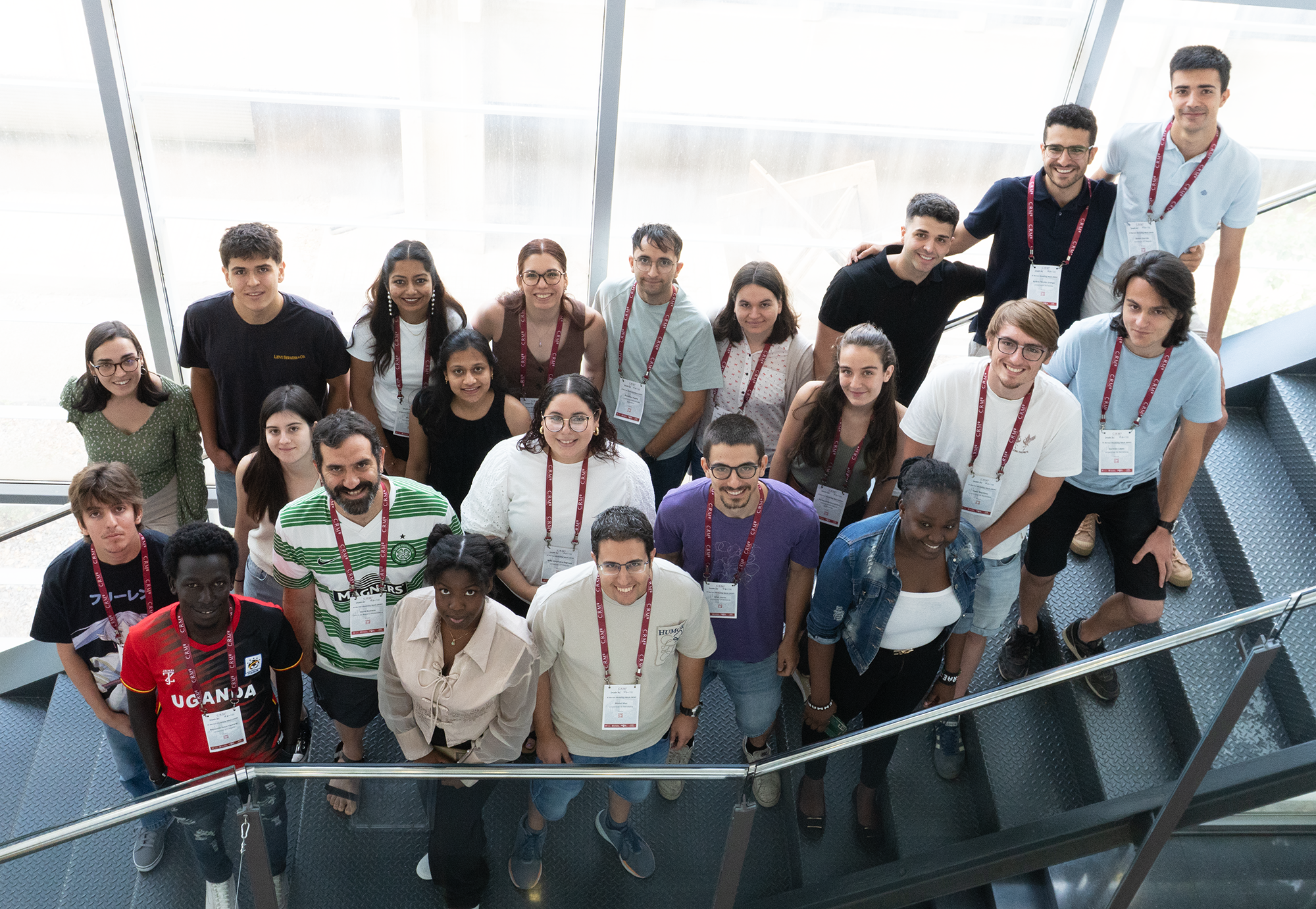
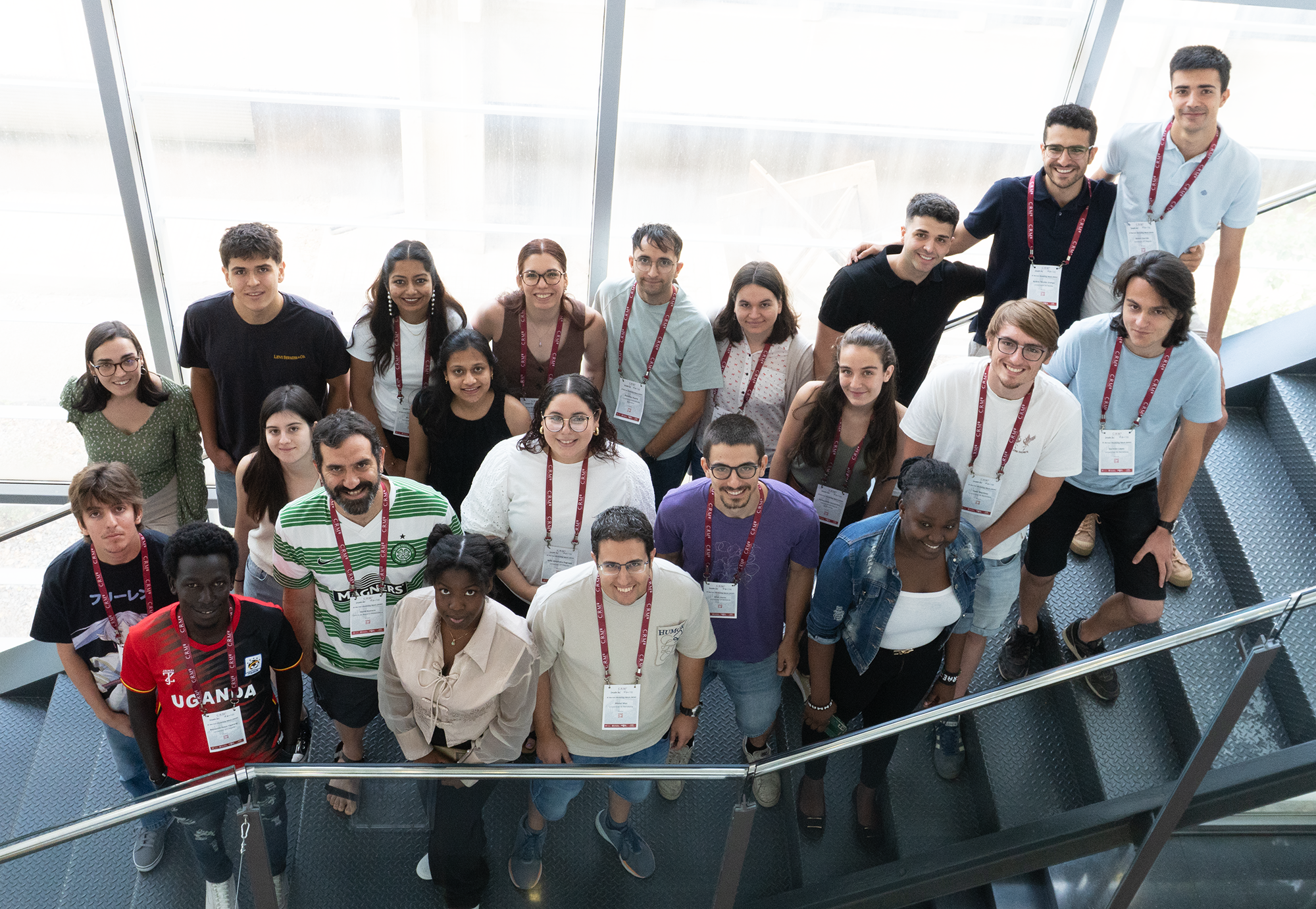
From July 7 to 11, the CRM became a hub for collaborative problem-solving during the XI Iberian Modeling Week, an international training initiative that brought together nearly 30 students from diverse academic backgrounds to tackle real-world challenges using mathematical modeling. Through hands-on work on industrial problems, ranging from public transport and biomedical diagnostics to urban planning and renewable energy, the participants not only applied their skills, but also experienced the power of teamwork and interdisciplinary thinking.

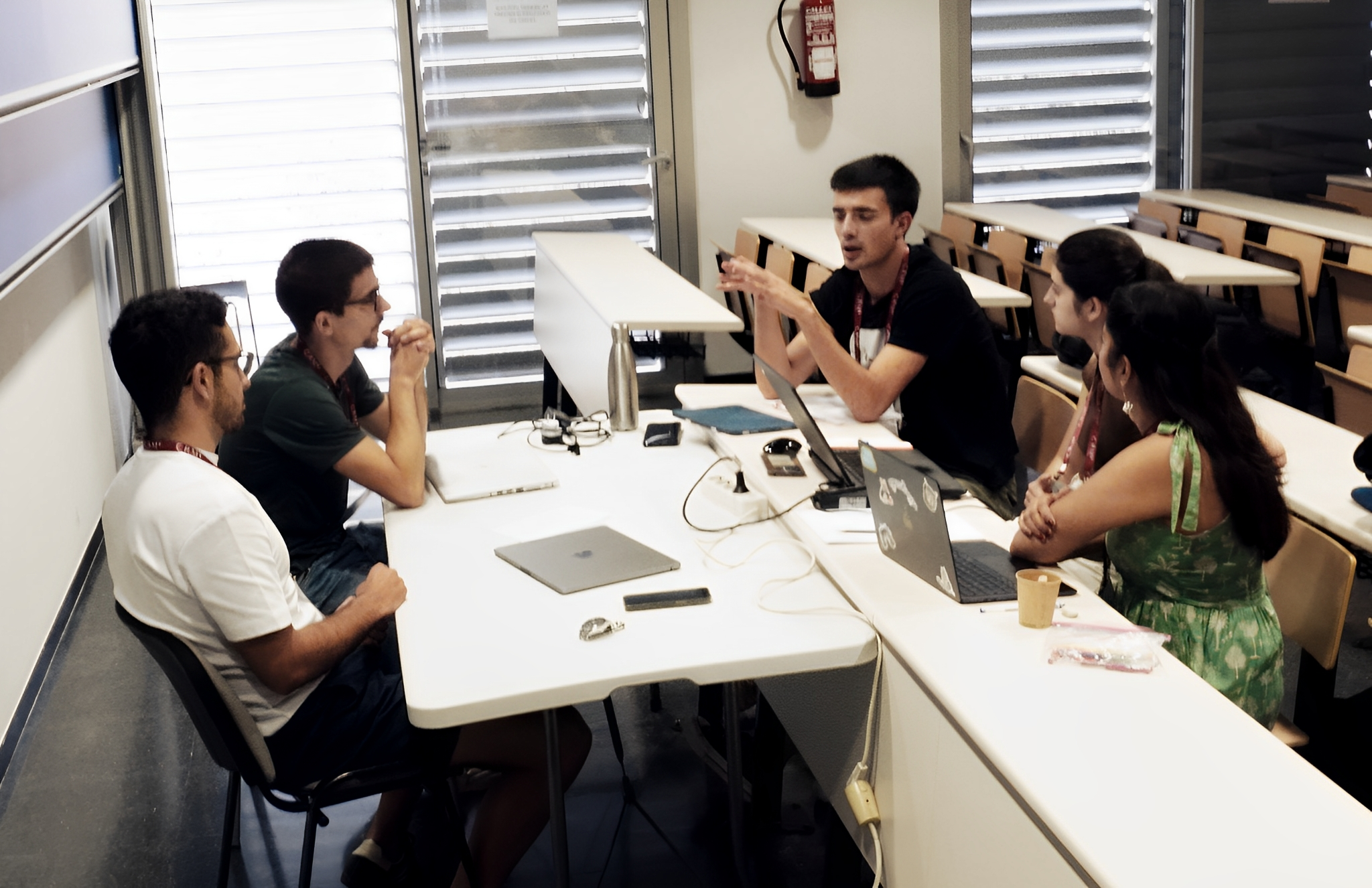
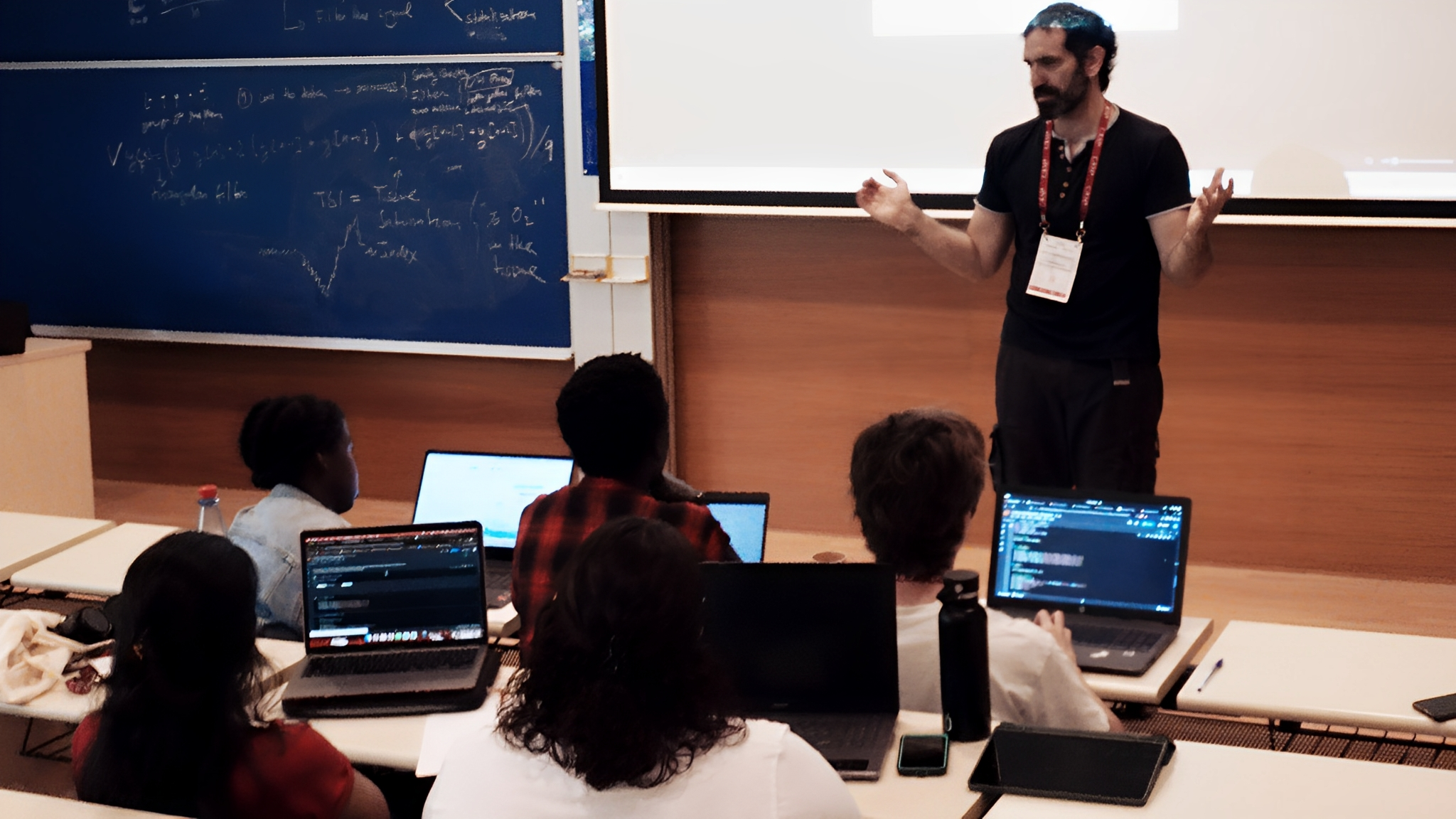
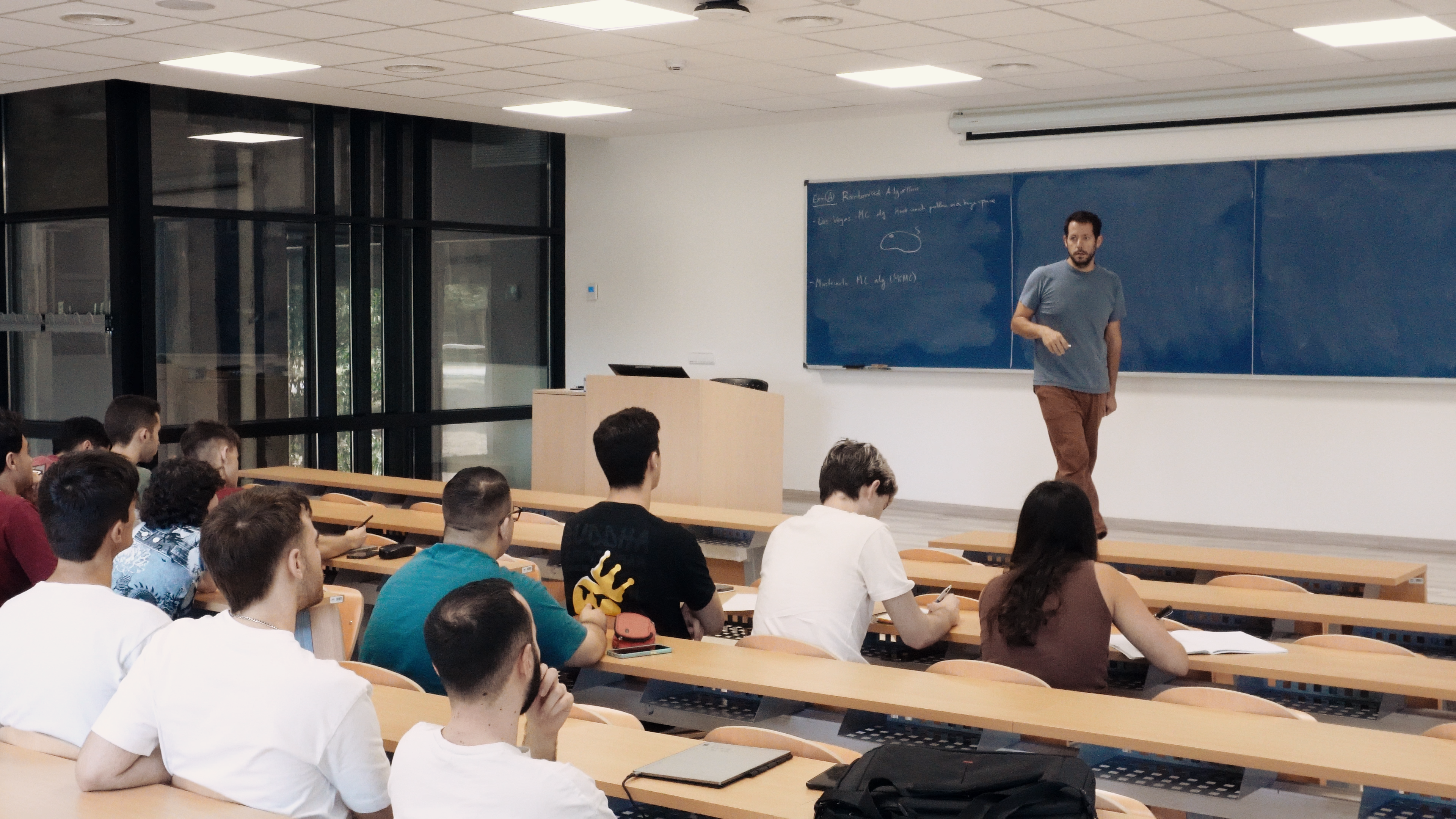
For five days, the CRM classrooms echoed not with lectures but with the buzz of teamwork. From July 7 to 11, 2025, the Centre de Recerca Matemàtica hosted the eleventh edition of the Iberian Modeling Week (IMW), a training experience where mathematics steps outside the classroom and into the messy, fascinating world of real-world problems.

Organised by the CRM, in collaboration with math-in (Spain) and PT-MATHS-IN (Portugal), the IMW brought together nearly 30 students from across Europe (from Barcelona to Lisbon, from Hamburg to L’Aquila) to tackle the applications of mathematics head-on. And not all of them came from a pure mathematics background. Among the participants were students of physics, chemistry, artificial intelligence, biomedical engineering, and aerospace engineering, bringing with them diverse perspectives and problem-solving strategies.

“It was incredible to work on a problem that’s actually useful for society,” said Álvaro Garrido, a participant from the University of L’Aquila, in Italy. “We often study theory, but here we had to make something work under real conditions; with data, with deadlines, with ambiguity.” Over the course of the week, participants worked in teams under the guidance of researchers and industry mentors, navigating challenges that ranged from public transport optimisation to biomedical diagnostics.

Each challenge had a real industrial or societal angle. One group modeled the optimal allocation of buses throughout a city’s daily cycle, factoring in not only trip duration and passenger demand but also synchronisation strategies to minimise fuel use and waiting times. Another team worked on the physics of blood flow, refining the Windkessel model to better understand hemodynamic changes during venous occlusion using real data from non-invasive spectroscopy.

A third team worked on a problem as timely as it was complex: how to place climate shelters in cities to ensure maximum accessibility for vulnerable populations during extreme heat events, using Barcelona as a case study. They used demographic and geographic datasets to develop algorithms that balanced social equity with spatial efficiency. Meanwhile, a fourth team wrestled with the trade-off between energy harvesting and flow efficiency in asphalt solar collectors, a problem at the crossroads of renewable energy, fluid dynamics, and infrastructure design.

For Angelica Chanvoedou Abaga, a student at Universidad Rey Juan Carlos, the IMW was more than just an academic experience. “You don’t just learn how to model,” she explained. “You learn to communicate with people from different countries, from different fields. That’s what made this week so valuable.”

Throughout the week, participants learnt how to translate the language of mathematics into tools for change. The modeling week emphasised collaboration and critical thinking. It also offered a glimpse into how mathematics connects with everything: engineering, public health, urban planning, and climate resilience.

“I didn’t expect to enjoy it this much,” admitted Natan Sisoev, a mathematics student from Universitat Autònoma de Barcelona. “But working side by side with others, finding new ways to look at a problem, it reminded me why I wanted to study this in the first place.”

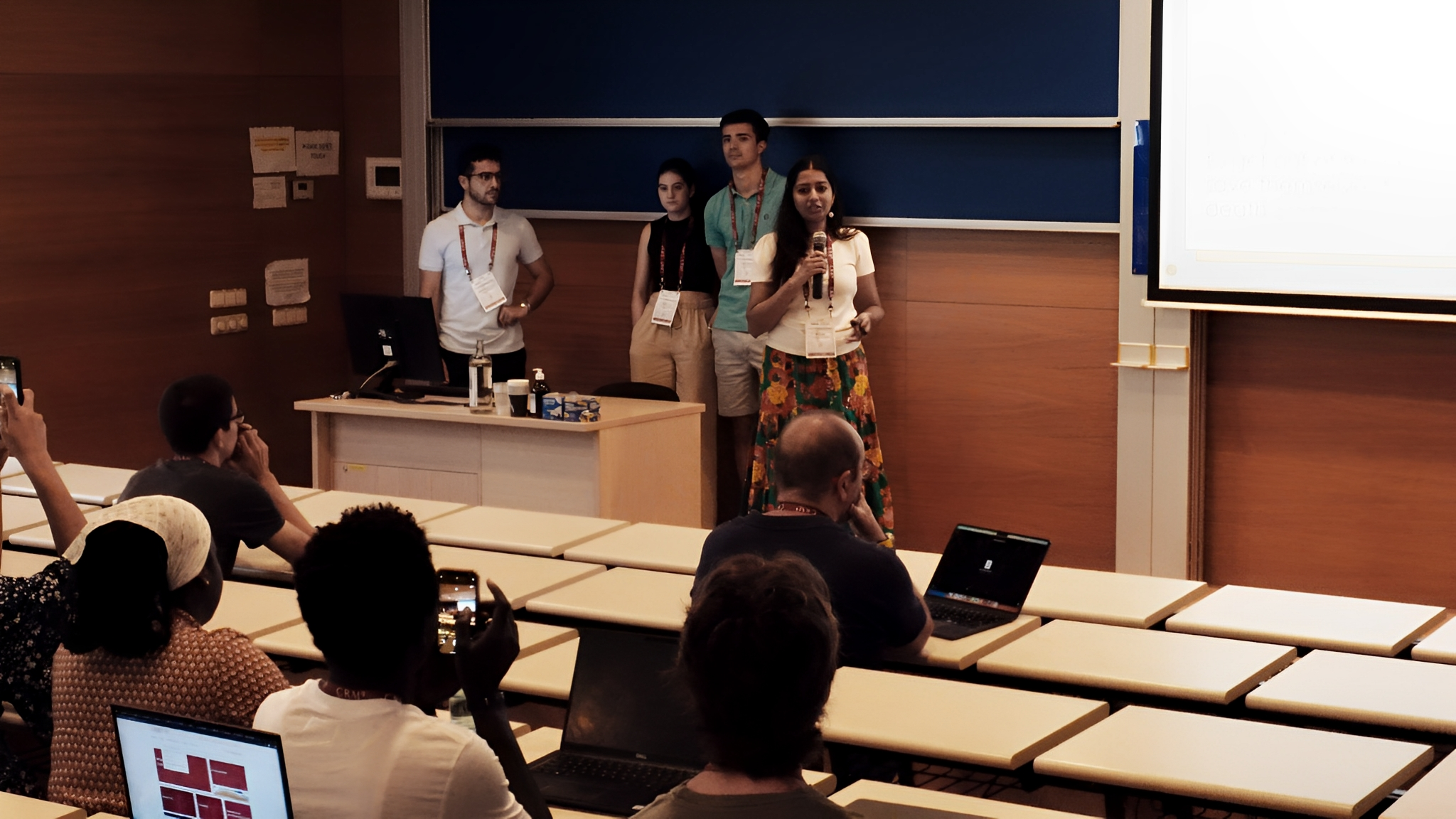
Friday marked the final presentations. Each group stood before their peers and mentors to explain what they’d built: the models they’d refined and the solutions they proposed. And, just as importantly, the open questions that remained.

“Presenting our results to the other teams was a really interesting experience,” said Andrés Uranga, from Universidad de Sevilla. “It was impressive to see how each group approached the problem differently.”

For David Romero, director of the Knowledge Transfer Unit at CRM, this is precisely the point: “This kind of activity puts students in touch with problems that aren’t polished or prepared for a textbook. They’re raw, they’re real, and that forces them to think.” He added: “At CRM, we believe deeply in the connection between knowledge and society. That’s why we organise things like this; to make sure talent doesn’t stay isolated in theory.”

Emilio Carrizosa, professor at Universidad de Sevilla and president of Math-in, echoed this sentiment: “Events like this one are essential. They show that mathematics can, and should, leave the university walls and go solve real-world problems.” But beyond the technical skills, he emphasised what students take with them: “It’s not just about solving a problem. It’s about learning how to work in a team, how to explain your ideas, and how to listen. That’s what they’ll carry with them into any career.”

The IMW was not an isolated event, it preceded the European Study Group with Industry (ESGI), creating a powerful continuity: first the students, then the professionals, tackling problems side by side in the same space. This back-to-back setup maximised opportunities for networking.

Behind the scenes, the activity was coordinated by the Knowledge Transfer Unit at the CRM: Lucía Escudero, Marc Homs-Dones, Manel Mas, and David Romero, who served as the mentors for the four working groups. Their work, in collaboration with representatives from Spanish and Portuguese universities and industrial platforms, ensured that both the scientific content and the organisational logistics of the IMW ran smoothly and effectively.

Subscribe for more CRM News

Stay updated to our mailing list to get the lastest information about CRM activities.

CRM Comm

Pau Varela

CRMComm@crm.cat


JISD 2025 – Where Dynamical Systems Meet PDEs

JISD 2025 – Where Dynamical Systems Meet PDEs

JISD 2025, held at the Centre de Recerca Matemàtica (CRM) from June 30 to July 4, 2025, featured four advanced minicourses delivered by Dmitry Dolgopyat (on averaging and Fermi acceleration in dynamical systems), Serena Dipierro (on the theory of nonlocal minimal…

Hong Wang: On Solving Kakeya and Rethinking Restriction

Hong Wang: On Solving Kakeya and Rethinking Restriction

At the Modern Trends in Fourier Analysis conference held at the Centre de Recerca Matemàtica, mathematician Hong Wang (NYU Courant) presented a new approach to the Stein restriction conjecture, connecting it with geometric incidence problems…

The post From Real Problems to Mathematical Applications: A Chronicle of the XI Iberian Modeling Week first appeared on Centre de Recerca Matemàtica.

Go to Source

El CIMCYC y el Parque de las Ciencias se unen para fomentar la cultura científica

CIMCYC
El Centro de Investigación Mente, Cerebro y Comportamiento (CIMCYC) de la Universidad de Granada ha firmado un acuerdo de colaboración con el Parque de las Ciencias para fomentar la cultura científica de la ciudadanía con el desarrollo de proyectos de divulgación e investigación de excelencia. Esta colaboración estratégica refuerza el compromiso de ambas instituciones con la generación y divulgación de conocimiento científico como un motor clave para  el crecimiento y la transformación social. 
Seguir leyendo

Go to Source

The CIMCYC and the Science Park of Granada join forces to promote scientific culture

CIMCYC
The Mind, Brain and Behavior Research Center (CIMCYC) of the University of Granada has signed a collaboration agreement with the Science Park of Granada (Spain) to promote scientific culture among citizens through the development of dissemination and research projects of excellence. This strategic collaboration reinforces the commitment of both institutions to generating and disseminating scientific knowledge as a key driver of growth and social transformation.
Seguir leyendo

Go to Source

FairNature: embedding justice in the scaling of NbS

FairNature is an international research project, in which the ICTA-UAB is one of the participating institutions, aiming to develop approaches for scaling Nature-based Solutions (NbS) to achieve just transformative change. NbS simultaneously address societal and environmental challenges.

Go to Source

Glückwunsch, Dr. Schiel!

Florian Schiel, a PhD student who is under Prof. Paolo Melchiorre’s supervision, has successfully defended his PhD thesis entitled “Novel Photochemical Transformations for the Activation of Native Functional Groups: From Lewis Base Catalysis to Highly Reducing Photocatalysts” publicly on Wednesday, 16 July.

The members of the evaluation committee were Prof. M. Elena Fernández Gutiérrez (Universitat Rovira i Virgili), Prof. José Luis Vicario (Universidad del País Vasco) and Prof. Davide Bonifazi (Universität Wien, Austria).

Florian was born in Vienna, Austria. He obtained his B.Sc. and M.Sc. in Chemistry at the University of Vienna. Florian performed his Master thesis at Boehringer Ingelheim RCV working on a photoredox coupling methodology for late stage functionalization in cooperation with Prof. Nuno Maulide. He stayed there another 2 years working in the medicinal chemistry department, until he joined the group of Prof. Melchiorre in October 2021 as a PhD student. In his spare time, he likes biking, volleyball and listing to music.

Why did you become a scientist?

Chemistry was the subject that interested me the most at high school. After finishing school, it was only fitting that I enrolled at university to study it.

What do you want to achieve as a scientist?

I am a really big fan of organic chemistry, and I hope that I can stay within this field and continue to enjoy solving synthetic problems in the future.

What is your thesis about?

My thesis describes Lewis base-catalysed asymmetric transformations used to produce relevant pharmaceutical compounds, as well as a super-reducing catalyst that activates otherwise inert compounds for their use in chemical transformations.

What triggered your interest for the subject of your thesis?

I did my master thesis already in photochemistry and wanted to continue in this research area.

What applications can your thesis have in the future?

Through collaboration with a pharmaceutical company, some of the work from my thesis has already been applied in the industry and will hopefully allow to simplify synthetic procedures for accessing bioactive compounds.

The thing that I like most about my thesis is…. 

How much I was able to learn through it! Thank you especially to the people that I was working directly together with and from whom a was able to learn a great deal.

From the lessons learnt (or skills developed) at ICIQ, which one do you value the most?

Probably writing scientific publications as it’s a skill that takes time to develop.

What will you miss the most from ICIQ?

I met great people during my time here, and I’m hoping to stay in touch with them.

What do you wish you had known at the beginning of your PhD?

Spanish — it would definitely have made things a bit easier at the start.

What advice do you have for someone who’s starting their PhD now?

A PhD is an education and should be treated as such by all parties involved. When you start, you are not supposed to know everything. You will make mistakes and many things won’t work as expected, but don’t let these bad experiences demotivate you.

Have you ever been emotional over an experiment/simulation? Why?

Yes, especially when things didn’t work for a long time. It’s always helpful to take such moments with humor, then it becomes less frustrating.

Who/What has been your biggest influence/motivation?

My biggest motivation was organic chemistry itself, which fascinated me from the very beginning of my studies.

Chemistry/Science is fun because…

It often results in unexpected outcomes, which can be quite interesting to explore.

If you were a piece of lab equipment, what would you be?

Probably a photoreactor — a functional and useful tool that plays a role in facilitating various chemical processes.

Tell us something about you that people might not know… 

I like 3D-printed photoreactors.

La entrada Glückwunsch, Dr. Schiel! se publicó primero en ICIQ.
Go to Source

DIPC obtains the ‘Severo Ochoa’ seal for scientific excellence

The State Research Agency (AEI) handed today its ‘Severo Ochoa’ and ‘María de Maeztu’ seals of excellence to 17 centres, including the DIPC

Go to Source

Detectan una radiación inusualmente energética en una galaxia análoga a las del universo primitivo

16/07/2025

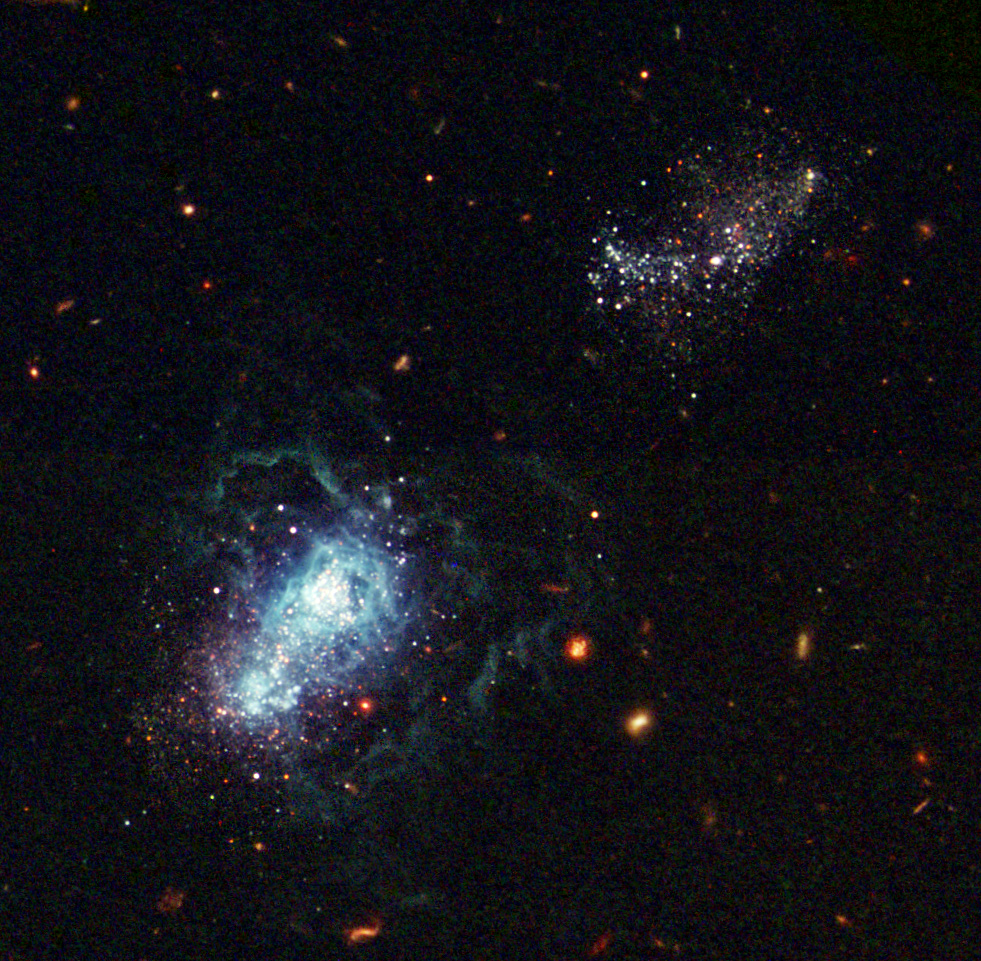
En los alrededores del universo cercano, aún pueden encontrarse reliquias que tienen la huella química de los primeros tiempos cósmicos. Este es el caso de la galaxia IZw18, un objeto compacto y excepcionalmente pobre en elementos pesados, cuya composición se asemeja a la del universo primitivo. Aunque se encuentra relativamente cerca —a unas veinte veces la distancia que nos separa de Andrómeda— apenas contiene más que hidrógeno y helio, los elementos más simples de la tabla periódica.


La galaxia IZw18 captada por el Hubble. Crédito: NASA, ESA, Y. Izotov (MAO, Kyiv, UA) y T. Thuan (Universidad de Virginia)


Ahora, un estudio liderado por el Instituto de Astrofísica de Andalucía (IAA-CSIC) ha detectado, por primera vez en esta galaxia, una línea de emisión poco habitual que revela una radiación mucho más energética de lo esperado cerca de la región central de intensa formación estelar.

“Lo más llamativo es que la región donde aparece esta radiación tan energética no coincide con el grupo principal de estrellas comunes, como las que solemos ver en otras galaxias, lo que podría apuntar a un origen distinto o a un fenómeno de propagación estelar”, señala Antonio Arroyo-Polonio, investigador del Instituto de Astrofísica de Andalucía (IAA-CSIC) y primer autor del estudio. “Además, el gas en esa zona se comporta de forma muy agitada, lo que refuerza la idea de que esas fuentes de alta energía no solo iluminan el gas, sino que también lo empujan y lo perturban, generando flujos veloces e irregulares a su alrededor”.

El hallazgo, publicado en la revista The Astrophysical Journal Letters, sugiere la presencia de procesos físicos extremos que aún no han sido explicados.


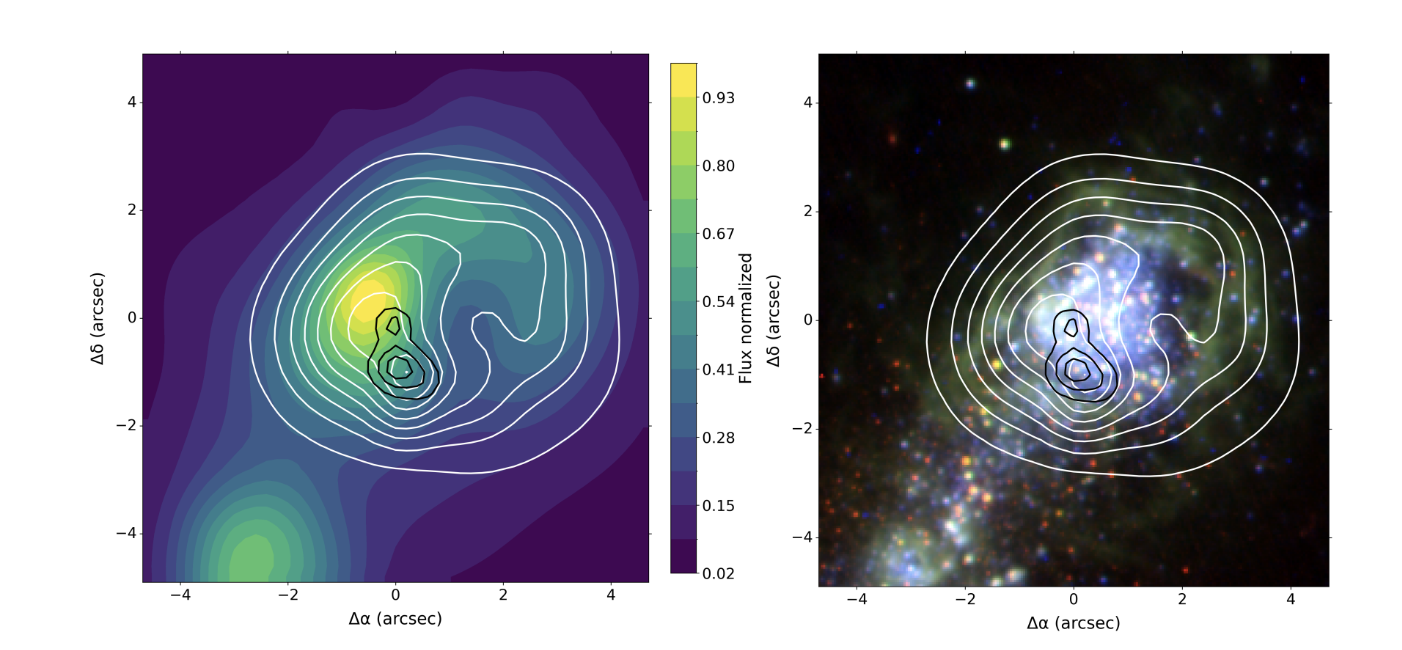
En la imagen izquierda se ve cómo está distribuido el gas con distinta energía: el color muestra gas moderadamente energético, el contorno blanco marca zonas con gas muy energético, y el negro señala regiones con energía extrema, detectada por primera vez en esta galaxia. La imagen derecha combina datos del Hubble y del telescopio espacial James Webb para mostrar la galaxia en detalle. Los mismos contornos marcan las regiones con gas más energético. Créditos: Antonio Arroyo Polonio (IAA-CSIC)


UNA VENTANA CERCANA AL UNIVERSO TEMPRANO

IZw18 es una galaxia que, con un diámetro de unos 6.000 años luz, resulta pequeña en comparación con otras galaxias, aunque sigue siendo más de cuatro trillones de veces mayor que la Tierra. En términos de energía, emite en un solo segundo más de 100.000 millones de veces la cantidad que ha consumido toda la humanidad desde el inicio de las civilizaciones.

Su gas, muy pobre en elementos pesados, está sometido a condiciones extremas: se encuentra en estados altamente energéticos debido a la intensa radiación emitida por las estrellas y otras fuentes luminosas en su interior. Esa radiación puede arrancar electrones de los átomos del gas, en un proceso conocido como ionización. “Cuanto mayor es la energía de la luz, más fácil le resulta arrancar los electrones ligados a los distintos núcleos atómicos”, explica Antonio Arroyo-Polonio (IAA-CSIC).

Para estudiar el gas ionizado, el equipo analizó las llamadas líneas de emisión, un tipo de “huella luminosa” que nos indica qué átomos están presentes en el gas y cuántos electrones han perdido. Esto permite conocer no solo su composición, sino también el nivel de energía al que ha sido expuesto.

En este trabajo, se han combinado observaciones del instrumento MEGARA, instalado en el Gran Telescopio Canarias, y del instrumento MIRI, a bordo del telescopio espacial James Webb (JWST). Gracias a MEGARA, se analizaron líneas de emisión de hidrógeno y helio ionizado, que revelaron que una parte del gas de la galaxia está más alterada y agitada de lo esperado. Este comportamiento apunta al posible escape de gas en la galaxia, el cual es impulsado por fuentes muy energéticas aún no identificadas.


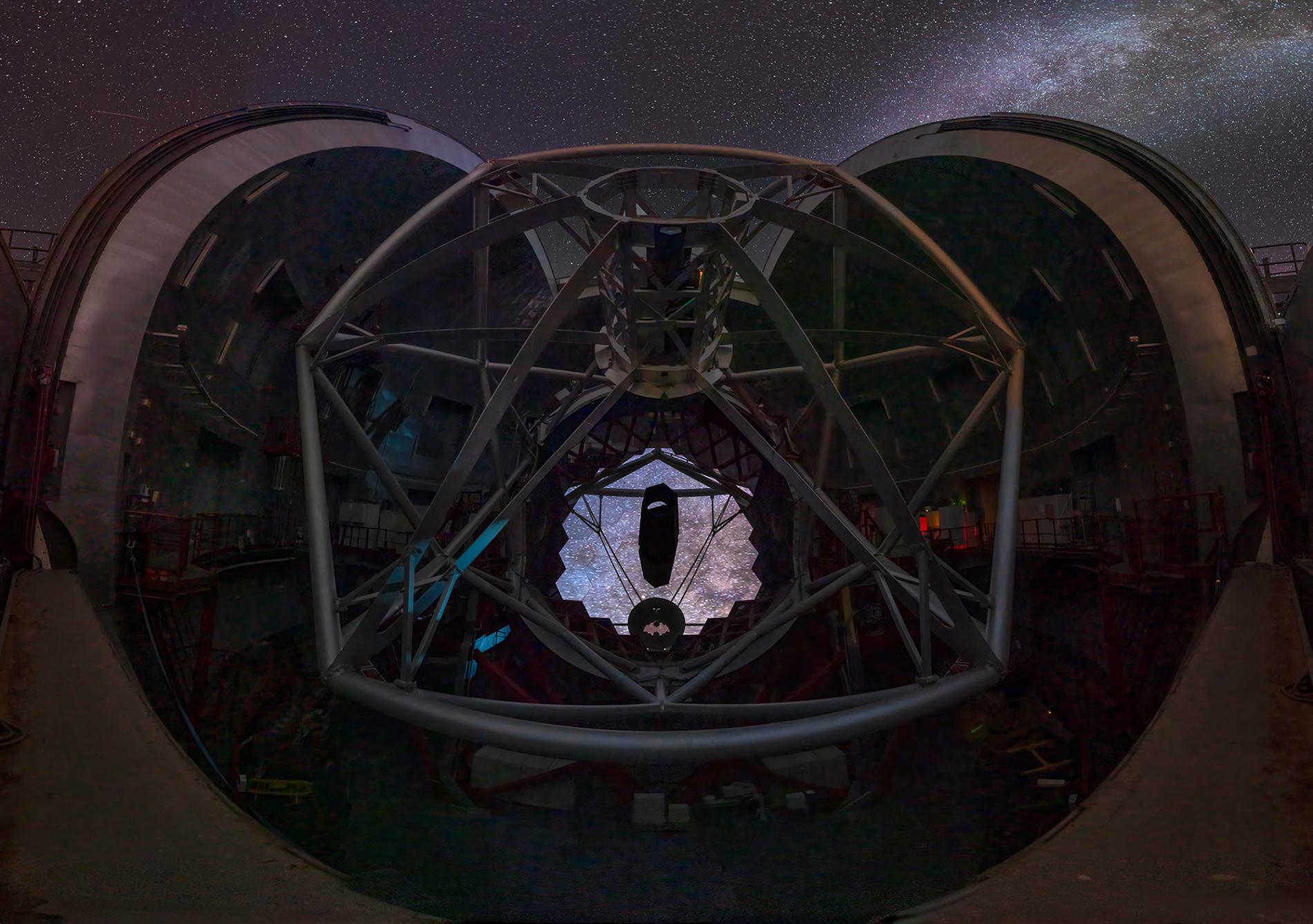
Imagen del GTC durante las observaciones nocturnas. Se puede ver la Vía Láctea reflejada en los segmentos del espejo primario, compuesto por 36 espejos hexagonales de 1.9 metros aproximadamente. Créditos: Antonio Marante

Por su parte, las observaciones del JWST permitieron detectar una señal aún más extrema, que solo aparece cuando el gas ha sido expuesto a una radiación especialmente potente. Todo indica que en el corazón de la galaxia actúa una fuente energética aún no identificada, cuyas características podrían asemejarse a las que dominaron en las primeras galaxias del universo.

“El hecho de poder estudiar esta luz —que ha viajado millones de años hasta nosotros—, analizarla con esta precisión y obtener pistas sobre la energía de las estrellas que la generaron es, sencillamente, increíble”, señala Antonio Arroyo-Polonio (IAA-CSIC). Y concluye: “Es importante seguir estudiando las fuentes de ionización de esta galaxia ya que se trata de una ventana local al Universo temprano”.


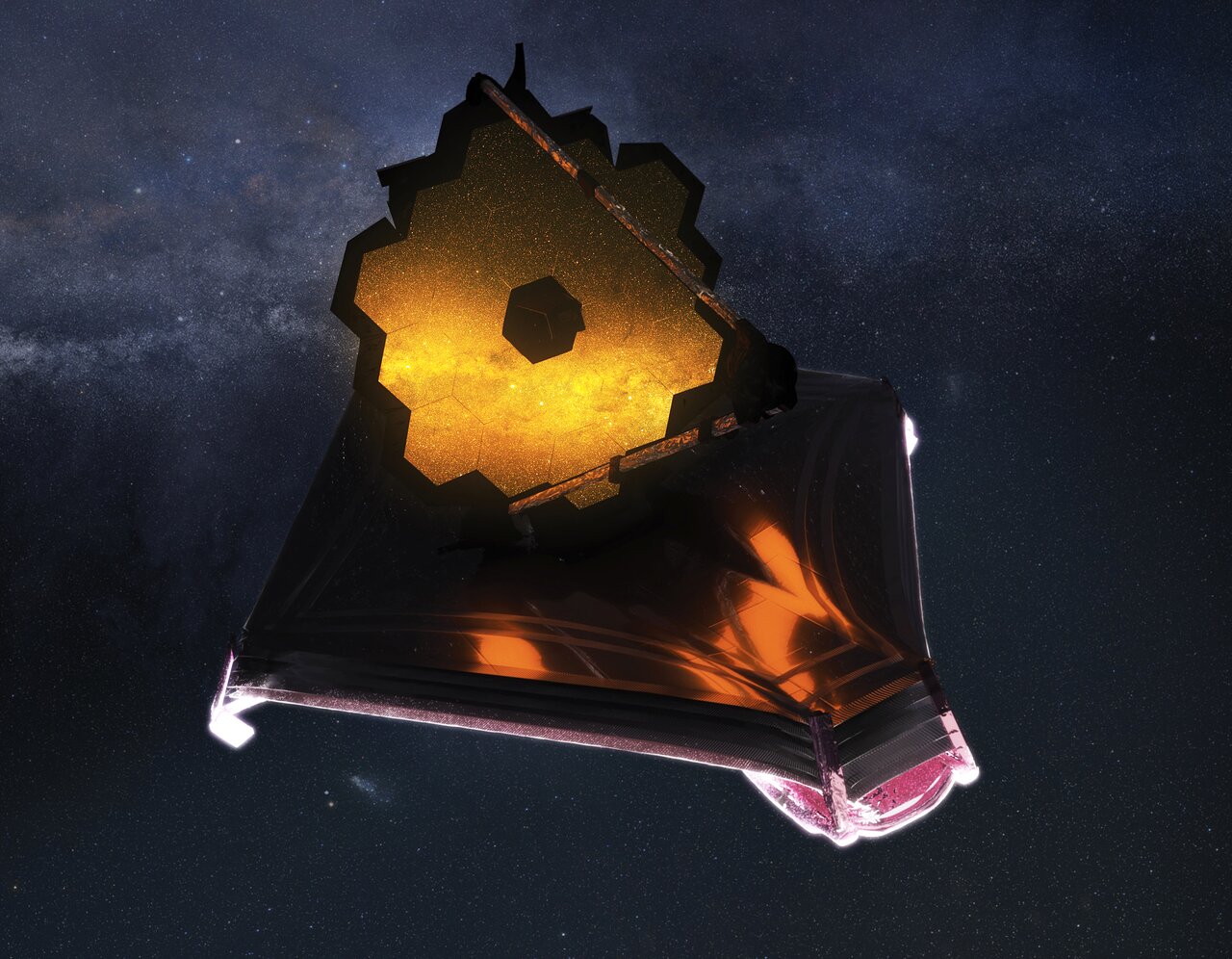
Ilustración del Telescopio Espacial James Webb Space Telescope en el espacio. Créditos: Adriana Manrique Gutierrez, NASA Animator

 
Referencia: 
Más información: 
Contacto: 

Go to Source

The Way DNA Folds Might Help Explain How Cells Decide What to Become

A new study by researchers from the University of Edinburgh, Oxford, and CRM reveals how the 3D structure of DNA and a microscopic molecular tug-of-war shape the identity of every cell in our bodies.

Inside each one of your cells, there’s enough DNA to stretch more than two metres if laid out end-to-end. Yet somehow, all this DNA fits into a tiny structure called the cell nucleus, so intricately folded and tightly packed that it makes origami seem simple by comparison. But scientists are learning that this incredible folding isn’t just a clever trick to save space; it may also help cells make critical decisions about what kind of cells they become and how they behave.

A study published in the Bulletin of Mathematical Biology by researchers Daria Stepanova (CRM), Meritxell Brunet Guasch (University of Edinburgh), Helen M. Byrne (University of Oxford), and Tomás Alarcón (ICREA–CRM) explores how DNA’s 3D folding influences gene activity. They discovered that the shape of DNA, and how molecules interact with it, may be key to determining whether genes are switched “on” or “off.”

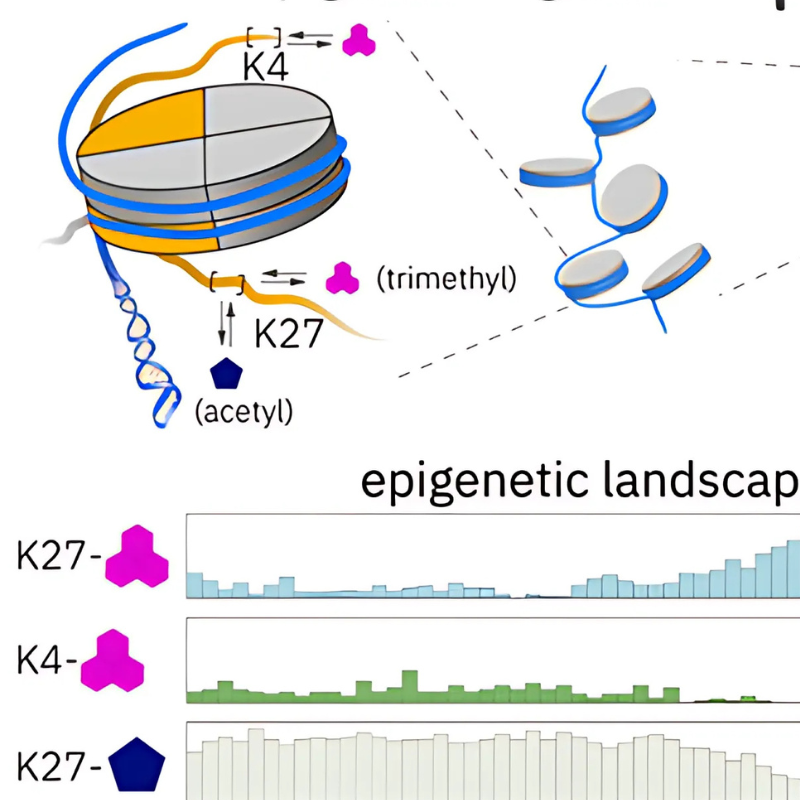
This switching of genes on and off without changing the DNA code is known as epigenetics. Epigenetic changes occur through chemical marks that attach to the DNA molecule or to proteins called histones, around which DNA wraps. Think of these marks as sticky notes placed along the DNA: they don’t change the instructions in our genetic code, but they tell cells which parts of those instructions to read or ignore. These notes are crucial for guiding a cell’s identity, allowing it to specialise into muscle, nerve, skin, or blood cells, even though every cell begins life with the same DNA.

However, a key mystery remains: sometimes these epigenetic marks form smooth patterns across the genome, while other times they become strikingly uneven or “rugged,” marked by abrupt shifts between areas where genes are active and areas where they’re silenced.

Until now, exactly how and why these complex, rugged patterns emerge has not been well understood.


A Virtual Lab Built with Mathematics

To solve this mystery, the research team created a mathematical model, a kind of “virtual lab,” that allows them to test biological rules and see what patterns emerge through computer simulations. Their model specifically explored the interactions between key histone modifications and the enzymes responsible for adding (“writing”) or removing (“erasing”) these chemical marks.

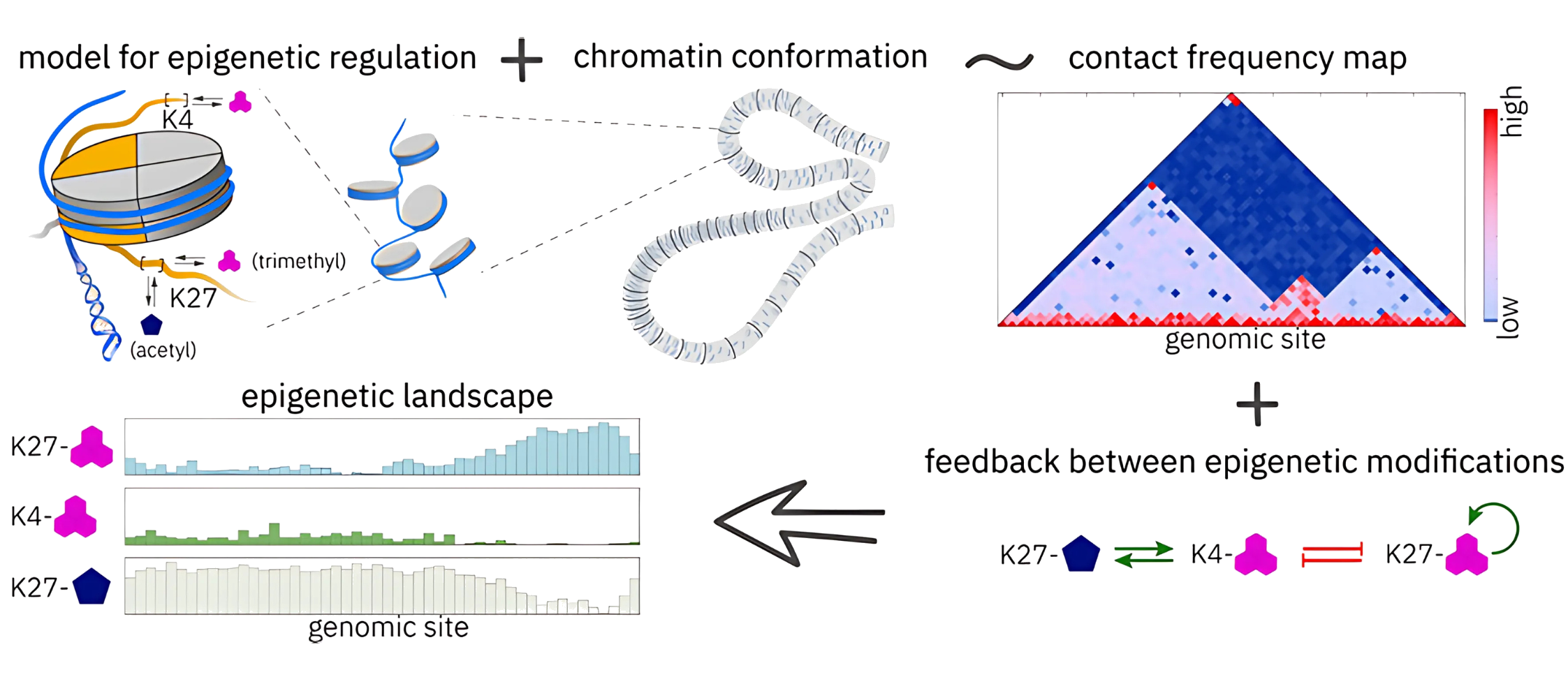
The model considers epigenetic modifications (H3K27me3, H3K4me3, H3K27ac) on histone H3 residues. It divides chromatin into fixed-size genomic regions characterised by these modifications, linked through reinforcing and inhibitory enzyme-driven feedback.

What set their approach apart was the inclusion of two critical elements usually overlooked in other studies. First, they included the actual 3D folding structure of chromatin (DNA wrapped around histones) because how chromatin folds changes which parts of the genome interact. Second, they factored in the limited availability and competition among enzymes. These enzymes constantly “fight” over which sites on the chromatin they modify, creating a microscopic molecular tug-of-war.

“There are not so many models of epigenetic regulation, especially those which also account for chromatin conformation; therefore, previous models have been formulated in a more simplified setting.” As Stepanova explains, “enzyme competition can be important in shaping epigenetic landscapes. It is a more realistic assumption than a constant or uniform concentration of enzyme along the chromatin. Chromatin is folded, and enzyme molecules are ‘floating’ around, ready to bind to any genomic site in their vicinity.” Moreover, she notes, this enzyme competition can “break the symmetry and eventually lead to the emergence of rugged epigenetic patterns.”

By combining chromatin folding and enzyme competition, the team found that remarkably uneven patterns emerged. When distant segments of DNA come into close contact due to folding, they influence each other’s epigenetic states. At the same time, because the enzymes needed to modify these regions are limited, only some areas get marked, leaving others untouched. The result is a patchwork, or rugged landscape, of active and inactive zones that mirrors what scientists see in real cells.

Stepanova further highlights why identifying these rugged and uniform regimes is crucial: “Epigenetic marks are known to have self-reinforcing feedback mechanisms, promoting the addition of the same or similar marks in neighbouring chromatin regions. If the region is extended, these loops would make the entire region uniform. This does not coincide with reality, since we know that, especially in differentiated cells, there are chromatin regions which are silenced and chromatin domains which are active.”

She notes that this raises an important question: “What is the ‘stopping factor’ that maintains the boundaries between these activating and inhibitory regions?” Their research provides “a possible explanation for one of the factors contributing to the emergence of alternating silenced and active genomic regions.”

Interestingly, the team’s model also captured another aspect observed in real cells called bivalent chromatin. These are regions carrying both activating and silencing epigenetic regulators at once, like genes being kept on standby, ready to quickly turn “on” or “off” in response to specific signals. These bivalent states help cells transition smoothly from uniform epigenetic landscapes to more rugged patterns, or vice versa.


Bridging Scales

The researchers designed their model to function effectively across different scales, from individual gene regions to larger chromatin structures known as Topologically Associating Domains (TADs). This mesoscale approach is particularly important. “Higher-order structures, such as loops and small TADs, can be visualised more precisely, and we can investigate how these structures influence the formation of epigenetic patterning,” Stepanova explains. “If we go to large scales of the entire chromosome, these details are also lost. In my view, the mesoscopic approach is ideal for exploring epigenetic landscapes.”

Stepanova also highlights the unique advantages mathematics offers in studying epigenetics. “Using mathematical modelling, we can investigate various aspects of biological processes which cannot be manipulated, visualised, isolated, measured, or controlled in an experimental setting,” she notes. While experimental studies are powerful, they can be costly and time-consuming. Theoretical modelling, she points out, is essentially cost-free, though closer collaboration with biologists is essential.

As an example of this type of collaboration, Stepanova mentions the current work of her master’s student Roger Bosch, who is investigating how various methods of processing chromatin conformation data affect our understanding of epigenetic patterns. These techniques aim to remove experimental artefacts and clarify the true chromatin folding patterns. However, Stepanova remarks, “It is still unclear how much these methods give us a prettier picture and how much they genuinely bring us closer to the accurate structure of cellular DNA.”

Questions like these underline both the importance and potential of integrating theoretical modelling closely with experimental research to improve our understanding of biological data.

Citation:

Stepanova, D., Brunet Guasch, M., Byrne, H.M. et al. Understanding How Chromatin Folding and Enzyme Competition Affect Rugged Epigenetic Landscapes. Bull Math Biol 87, 59 (2025). https://doi.org/10.1007/s11538-025-01434-0 


crm researchers

Tomás Alarcón studied Physics, obtaining his PhD in 2000. He then pursued postdoctoral research at Oxford’s Centre for Mathematical Biology, collaborating with Helen Byrne and Philip Maini on mathematical models of tumour growth, a topic he continues researching today. After further postdoctoral positions at University College London and Imperial College, focusing on tumour dormancy, receptor dynamics, and epigenetic evolution, he led the Mathematical Biology group at the Basque Centre for Applied Mathematics (BCAM). Since 2010, he has headed the Computational & Mathematical Biology group at CRM.

Website: https://sites.google.com/site/tomasalarc/home 

Daria Stepanova is a researcher specialising in mathematical modelling applied to theoretical biology. She completed her PhD at the CRM (UAB) under the supervision of Tomás Alarcón (ICREA–CRM), Helen Byrne, and Philip Maini (University of Oxford), focusing on blood vessel growth (angiogenesis). After a research stay at Oxford studying cellular interactions linked to cancer, she joined the Laboratorio Subterráneo de Canfranc (LSC), providing mathematical support for experiments such as Hyper-Kamiokande and investigating how low-background radiation affects biological systems. Currently back at CRM as a postdoc, she continues exploring the complex interactions between epigenetic regulation and the 3D chromatin structure.

Website: https://www.crm.cat/person/39/stepanova-daria/ 

Subscribe for more CRM News

Stay updated to our mailing list to get the lastest information about CRM activities.

CRM Comm

Pau Varela

CRMComm@crm.cat


JISD 2025 – Where Dynamical Systems Meet PDEs

JISD 2025 – Where Dynamical Systems Meet PDEs

JISD 2025, held at the Centre de Recerca Matemàtica (CRM) from June 30 to July 4, 2025, featured four advanced minicourses delivered by Dmitry Dolgopyat (on averaging and Fermi acceleration in dynamical systems), Serena Dipierro (on the theory of nonlocal minimal…

Hong Wang: On Solving Kakeya and Rethinking Restriction

Hong Wang: On Solving Kakeya and Rethinking Restriction

At the Modern Trends in Fourier Analysis conference held at the Centre de Recerca Matemàtica, mathematician Hong Wang (NYU Courant) presented a new approach to the Stein restriction conjecture, connecting it with geometric incidence problems…

The post The Way DNA Folds Might Help Explain How Cells Decide What to Become first appeared on Centre de Recerca Matemàtica.

Go to Source

Nature: A gut microbiota metabolite linked to atherosclerosis could revolutionise diagnosis and treatment

Cardiovascular disease remains the world’s leading cause of death, and often originates in atherosclerosis, a chronic condition in which inflammation and fat deposits cause arteries to harden and narrow. Although clinical practice already targets causal factors like high cholesterol, hypertension, and smoking, detecting atherosclerosis in its early stages continues to be a significant challenge.

Now, researchers at the Spanish National Center for Cardiovascular Research (CNIC) have identified a gut microbiota–derived metabolite, imidazole propionate (ImP), that appears in the blood during the early stages of active atherosclerosis.

This metabolite is uniquely produced by intestinal bacteria,’ explains CNIC researcher Annalaura Mastrangelo, one of the study’s two first authors. ‘Our study shows that its presence in the bloodstream is associated with the development of active atherosclerosis in people who otherwise appear healthy.’

The discovery offers a promising alternative to current diagnostic tools, which typically involve costly and complex imaging techniques. ‘Detecting this blood marker offers a major advantage because current diagnostic tools rely on advanced imaging techniques that are complex, expensive, and not covered by public health systems. Blood levels of ImP provide a diagnostic marker that could help identify apparently healthy individuals with active atherosclerosis, and thus enable earlier treatment.’ says Mastrangelo.

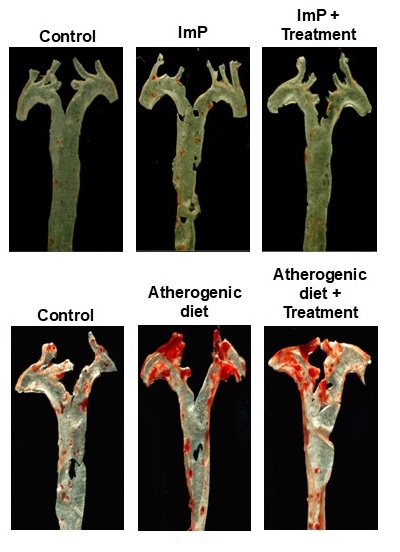
imageBut the discovery goes even further. Co–first author Iñaki Robles-Vera explains: ‘We not only observed elevated ImP levels in people with atherosclerosis, but also showed that ImP itself is a causal agent of the disease. In animal models of atherosclerosis, ImP administration led to the formation of arterial plaques. It does this by activating the imidazoline receptor type 1 (I1R), which increases systemic inflammation and promotes atherosclerosis development.’

David Sancho, head of the CNIC Immunobiology Laboratory, lead author on the study and ERC grantee notes that ‘this discovery is important because it opens the way to a completely new line of treatment.’

The study shows that blocking the I1R receptor in animal models prevented plaque formation and slowed disease progression, even when the animals were fed a high-cholesterol diet. ‘This suggests that future treatment could combine I1R blockade with cholesterol-lowering drugs to produce a synergistic effect that prevents atherosclerosis development,’ explains Sancho.

‘These findings open new possibilities for the early detection and personalised treatment of atherosclerosis,’ he continues. ‘Instead of focusing solely on cholesterol and other classic risk factors, we may soon be able to analyse blood for ImP as an early warning signal. At the CNIC, we are also working to develop drugs that block the detrimental effects of ImP.’

The CNIC-led study was conducted through extensive collaboration with researchers at multiple national and international centres: Mount Sinai Fuster Heart Hospital and the Icahn School of Medicine at Mount Sinai (New York, USA); the Fundación Jiménez Díaz Health Research Institute; the Universidad Autónoma de Madrid; the Spanish cardiovascular research network (CIBER-CV); the University of Gothenburg (Sweden); the University of Athens (Greece); Inmunotek S.L.; the University of Michigan (USA); Hospital de La Princesa; the Center for Metabolomics and Bioanalysis (CEMBIO) from Universidad CEU San Pablo; the University of Heidelberg (Germany); and the Sols-Morreale Biomedical Research Institute (IIBM-CSIC). 

The study was supported by funding from the European Research Council (Consolidator and Proof of concept grants), Spanish Ministry of Science, Innovation, and Universities; the Spanish State Research Agency; the European Union’s NextGeneration funding mechanism; and the “la Caixa” Foundation.

Watch the video for more information: https://www.youtube.com/watch?v=vrfA8plVrgk 

Go to Source

Sidebar