Author Archive

Fuel Cells, Filtration, and Decades of Collaboration: A Conversation with Brian Wetton

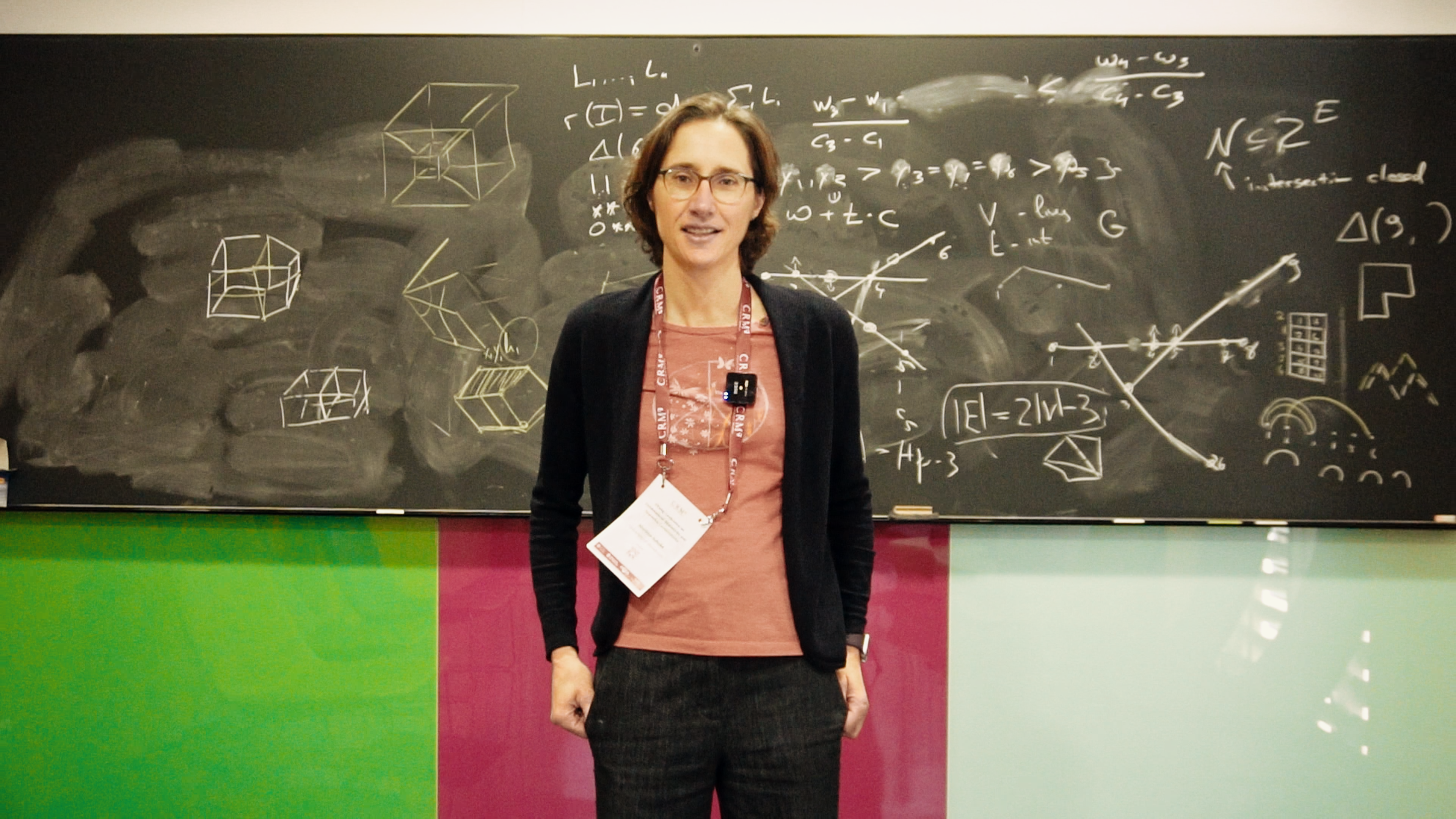
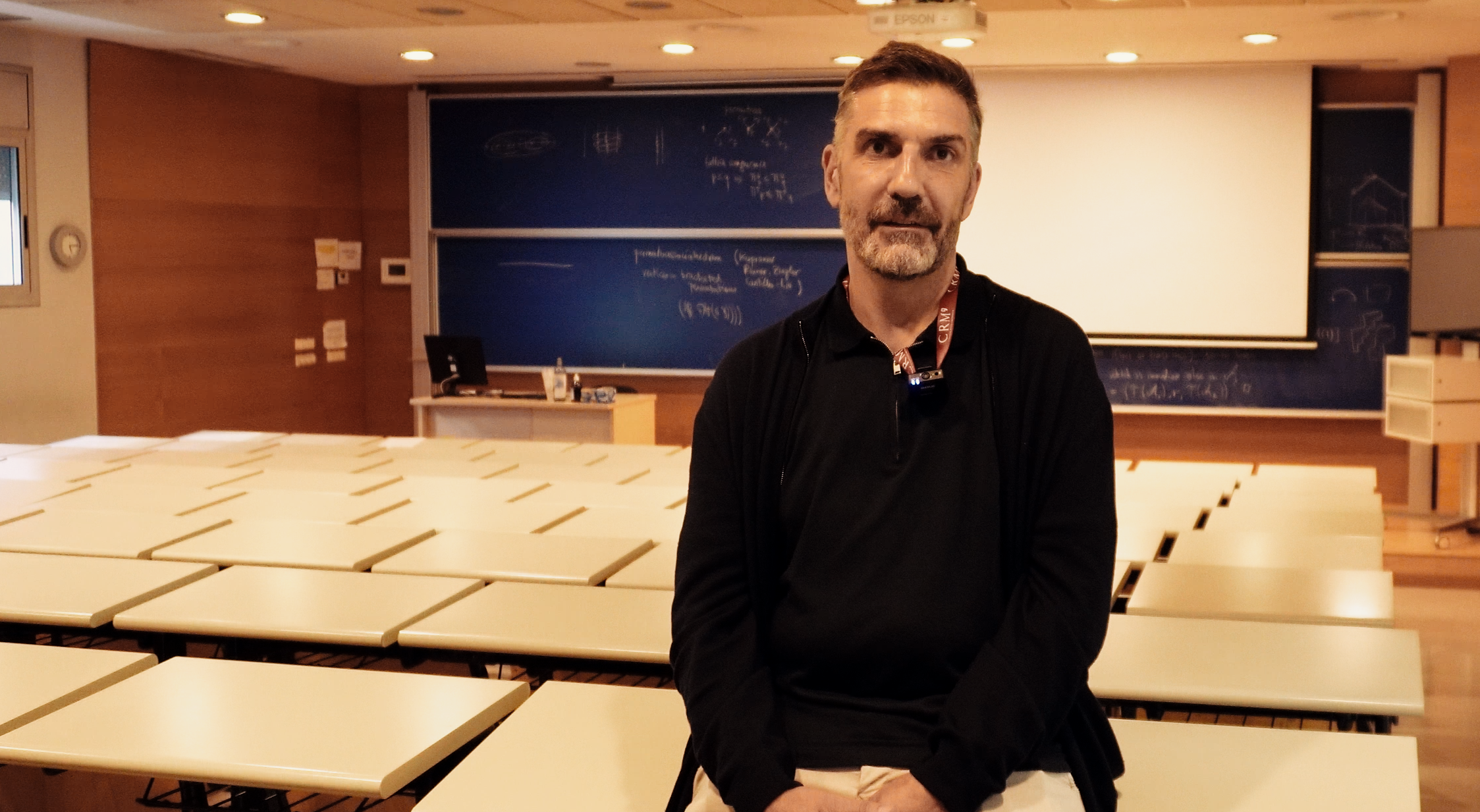
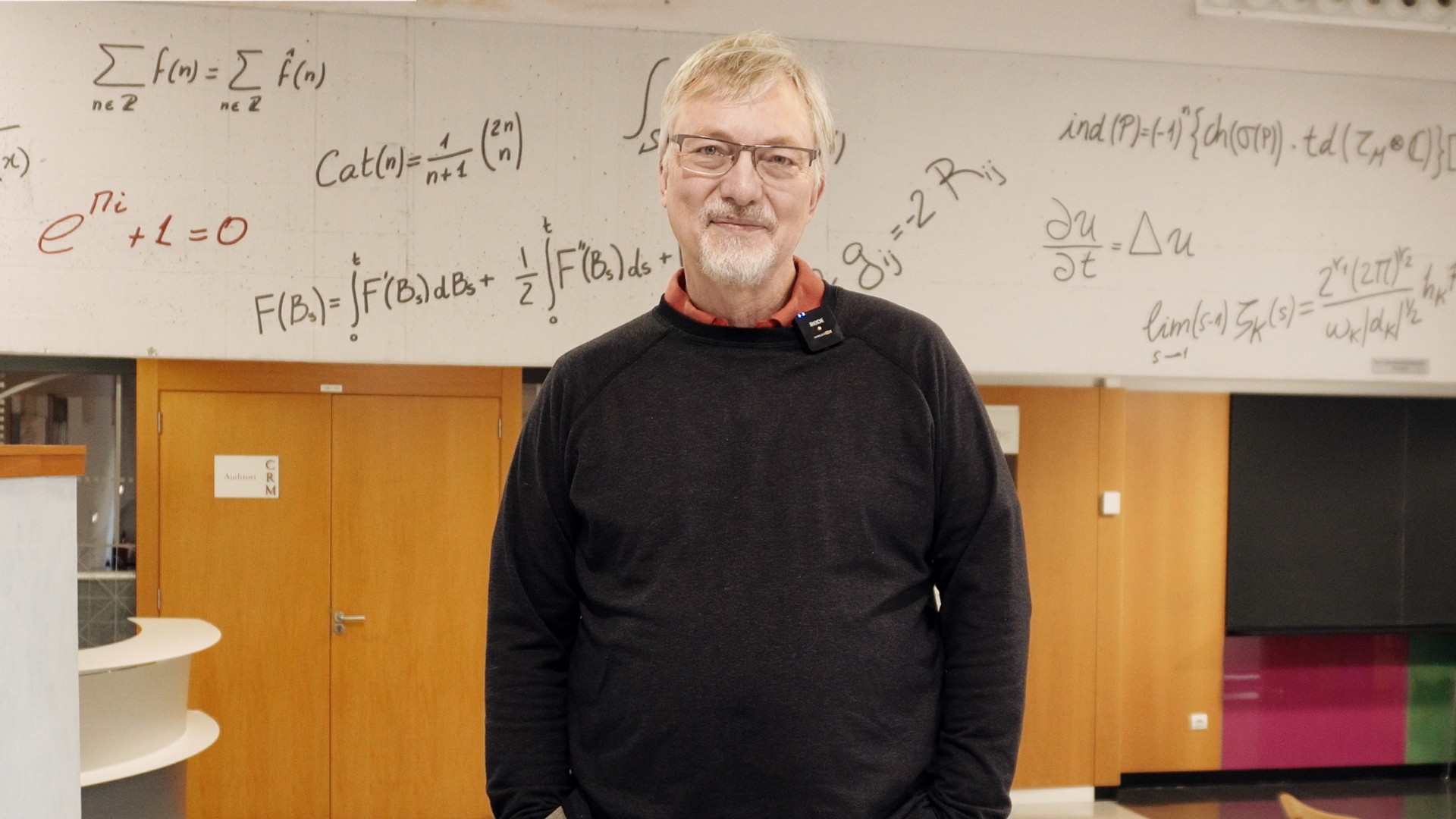
Brian Wetton, from the University of British Columbia, spent last October at CRM collaborating with Tim Myers on computational models for filtration systems. His career has evolved from pure numerical analysis to applied mathematics with industrial partners, working on everything from fuel cells to lithium-ion batteries. He reflects on what makes collaborations last, why in-person work matters, and his advice for students.

Last October, Brian Wetton, from the University of British Columbia in Canada, came to the Centre de Recerca Matemàtica to work with Tim Myers on big filtration systems. The partnership is in line with the path Wetton’s career has taken: working on real problems with real devices and using maths and engineering to solve them. But things weren’t always this way.

Wetton has been visiting CRM for a long time. He says his first visit was “20 or 25 years ago” and this is the third or fourth time he’s been here. The partnership with Myers has lasted for decades, and his last visit was seven years ago. “I started out as a numerical analyst,” Wetton says. He came from a world of proving theorems and looking at numerical methods for fluid flow with the same level of rigour as pure maths. It was intellectually satisfying work. Until it wasn’t.

Tenure marked a pivotal moment in his career. “There was a realisation for me that I could continue doing the work that I was doing, but I would be analysing schemes that no one would ever use,” he says. “It would have been mathematically interesting but not actually interesting in the bigger context.” This epiphany created a new opportunity. A project with a local fuel cell company appeared, supported by a newly formed industrial mathematics network in Canada. Wetton was elected to lead the group at a meeting he didn’t even attend. It took him a couple of years to warm up, but once he committed, something shifted.

“That was one of the most exciting things in my career: to be able to predict behaviour with mathematics and computational methods and then see that the device really did behave that way.”

“That was one of the most exciting things in my career,” he says, “to be able to predict behaviour with mathematics and computational methods and then see that the device really did behave that way.” It’s a thrill that stays with you. From fuel cells, his work spread to other electrochemical systems like lithium-ion batteries and dialysis, alongside continuing work on geometric motion and phase field models in materials science. The problems range from pore structures in fuel cell membranes to sea ice formation. But the thread is clear: partial differential equations, computational expertise, and systems that actually exist in the world.

His current work with Tim Myers focuses on large-scale cylindrical filters used to remove contaminants from drinking water or other fluids. Myers handles much of the modeling and maintains connections with experimental colleagues and industry partners. Wetton brings the computational machinery. “I’m sheltered from all of that,” Wetton admits with a smile. “I get to work with him a little bit on the modeling, but it’s the computational side that I’ve done.”

The result is a simulator, a tool where you can input any mix of contaminants, specify their reactive properties with the filter material, “and just turn it on and see what comes up.” It sounds simple, but underneath lies the accumulated weight of decades spent learning how to make mathematics behave like the physical world.


Research centres as meeting spaces

Ask Wetton about the importance of research centres like CRM, and he doesn’t hesitate. “There’s this age of electronic communication, and you think, ‘Oh, well, we could just Zoom,’ but it’s just not the same as sitting there in front of a blackboard scratching your head and writing stuff down and having ideas go back and forth in person.”

What makes his collaboration with Myers work across decades? “Honestly, one of the things about a collaboration that keeps it going is just that you enjoy working with the other person,” he says. On the technical side, successful collaboration involves having some overlap in skills and ideas, but not complete overlap. “You are close enough that you’re not just staring at each other strangely, not understanding anything that the other person is saying, but appreciating what the other person can bring, the depth of skill that you maybe only kind of have.”

He’s collaborated at institutes around the world: week-long gatherings where everyone arrives as a guest, works intensely in groups of 40 or fewer, then disperses. CRM is different. “I think what makes CRM a bit different is that there are permanent people here,” he notes. The stability of having researchers rooted in place, combined with the flow of visiting collaborators, creates a particular kind of intellectual ecosystem. Ideas can simmer. Conversations pick up where they left off months ago.

This kind of environment allows mathematicians from different continents to spend weeks working through the physics of contaminants moving through large-scale water filters, building computational tools that translate industrial problems into solvable equations. The motivation is the problem itself: the mathematics is challenging, and industry needs better ways to predict what happens inside a filter column.


A final piece of advice

Wetton’s website contains something unusual: advice for students that begins with “Remember to sleep”. The list was originally aimed at undergraduates, written after an exam where a student approached him shaking. She hadn’t slept all night and hadn’t eaten for two days, too anxious to function properly. “I just thought that can’t be the right way to succeed in an exam format or whatever you’re trying to do,” Wetton says.

The advice stuck around, and its wisdom extends beyond undergraduates. “Looking after yourself mentally and physically is one of the best ways to be more productive,” he says. It’s advice from someone who spent years proving theorems about numerical convergence before discovering that what he really wanted was to see mathematics work in the world. Batteries that charge, filters that clean, fuel cells that power. All of it requiring collaboration, different skill sets and the occasional good night’s sleep.


Subscribe for more CRM News

Stay updated to our mailing list to get the lastest information about CRM activities.

CRM Comm

Pau Varela

CRMComm@crm.cat


BAMB! 2025: Participants Return to the CRM for Research Stays

BAMB! 2025: Participants Return to the CRM for Research Stays

In October 2025, the Centre de Recerca Matemàtica hosted Josefine Meyer (ISTA) and Cate MacColl (University of Queensland) for a month-long research stay following their participation in the BAMB! Summer School. Despite studying vastly different subjects, from…
The post Fuel Cells, Filtration, and Decades of Collaboration: A Conversation with Brian Wetton first appeared on Centre de Recerca Matemàtica.


Go to Source

New Materials that Change Colour with Heat: A Major Step Towards Smart Sensors and Inks

Researchers at ICN2 have developed novel thermochromic compounds capable of reversibly changing from colourless to coloured when heated. This functionality opens the door to promising applications in diverse areas as product labelling and security inks, as well as in photoprotective coatings for smart windows.

Go to Source

From Barcelona to West Bengal: Chemistry Meets Mathematics to Enhance Water Filter Design

Researchers at the Centre de Recerca Matemàtica, in collaboration with IIT Kharagpur and UPC, have developed a mathematical model that accurately predicts the performance of fluoride-removal water filters made of mineral-rich carbon (MRC) and chemically treated MRC deployed in rural West Bengal. By grounding the mathematics in the underlying chemistry rather than relying on century-old models with inconsistent assumptions, the framework achieves excellent agreement with experimental data. It can predict filter behaviour across varying operating conditions without refitting. The work opens the door to optimised filter design for resource-limited settings.

In West Bengal, India, solar-powered water filters operate quietly in village centres and school courtyards, removing fluoride from groundwater that could otherwise cause skeletal deformities and dental disease. The filters work. Communities now have access to safe drinking water. But until recently, no one could predict how long the filters would last or how to make them better.

Excess fluoride is a global health issue. In India alone, approximately 62 million people consume water exceeding the WHO recommended limit of 1.5 mg/L. The challenge is compounded by extreme local variability: fluoride concentrations can differ drastically between wells separated by just a few hundred metres, making standardised filter design particularly difficult.

The answer wasn’t in the chemistry. It was in the mathematics.

A team spanning Barcelona and Kharagpur has published a new model in the Journal of Water Process Engineering that finally reconciles what happens in a laboratory beaker with what happens in a village filter, something previous approaches consistently failed to do. The work, led by Lucy Auton and Timothy Myers at the Centre de Recerca Matemàtica, with Shanmuk Ravuru at the University of Alberta, Sirshendu De at IIT Kharagpur, and Abel Valverde at UPC, doesn’t just predict filter performance. It reveals why a century of standard models have been getting column adsorption¹ wrong.

De has witnessed the scale of the problem first-hand. “Fluoride contamination in West Bengal occurs in 6 districts,” he explains. “The concentration of fluoride varies from 2.0-14 mg/L. The villagers in the affected areas have stained and deformed teeth and that was visibly pronounced.” Field samples confirm the extreme local variability the models must account for: “The concentration differs from well to well. The variation is from 2 to 6 mg/L in the same village. The concentration even gets diluted during rainy seasons.”


The Invisible Error

Myers points to a fundamental issue with how the field has approached these problems. “The problem starts with a general acceptance of old models, where researchers have forgotten the assumptions involved in their development,” he explains. “This has led to the old models being applied incorrectly or incorrectly interpreted.”

Last year, he published a critique of possibly the most widely used model for column adsorption: the Bohart-Adams model, developed in the 1920s. The mathematical derivation assumes certain terms are constant, then when fitting to data, those same “constants” are allowed to vary. “Since the derivation is in the appendix of a 1920’s paper it may not be surprising that it has been forgotten,” Myers notes. “To me the fact that ‘constants’ have to vary is a clear indication that the model assumptions are wrong. It is surprising that an obviously erroneous analysis has been applied for over 100 years.”

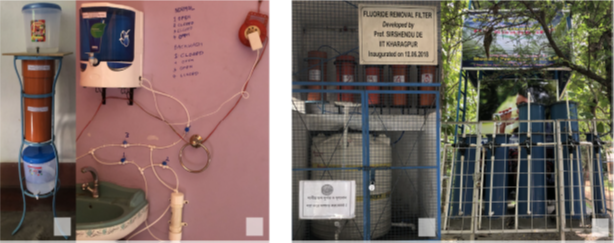
Fluoride-removal filters deployed across West Bengal: from early household prototypes (top left) to the commercialised version now in use (top right), and from a community-scale prototype installed in a school (bottom left) to the solar-powered community filter operating in a rural village (bottom right). Taken from [1].

For fluoride filters, this matters. The filters contain two materials: mineral-rich carbon (MRC), essentially carbonised bone meal, and chemically treated MRC (TMRC), which is coated in aluminium hydroxide. Previous models for these materials already existed, but they were fundamentally inconsistent. Researchers modelled batch experiments using one set of equations (isotherms) and column experiments using completely unrelated models (kinetics), without ensuring the two were physically coherent. Parameters that should have stayed fixed across conditions instead wandered, forcing researchers into a cycle of refitting rather than genuine prediction. This inconsistency made filter optimisation and scale-up nearly impossible.

“In fact, this is true in general of mathematical modelling, understanding the interplay between mathematics and chemistry or physics is key to producing a successful model.”

Rather than reaching for standard equations, the team began with crystal structures. MRC is mostly hydroxyapatite, the same mineral that forms teeth and bones. Its lattice contains calcium, phosphate, and crucially, hydroxide ions that fluoride can replace through ion-exchange2. TMRC adds a thin aluminium hydroxide coating that dramatically increases fluoride uptake, roughly tenfold. “There are many approximate models in the literature for contaminant capture but the process involving coated bone char didn’t quite fit with standard situations,” Myers and Valverde explain. “The data indicated the presence of multiple adsorption mechanisms rather than a single governing kinetic law. For this reason, we first examined the chemistry; by understanding the physical process we were better able to develop a suitable mathematical model.”

He adds a broader principle: “In fact this is true in general of mathematical modelling, understanding the interplay between mathematics and chemistry or physics is key to producing a successful model.” The chemistry revealed distinct reactions: TMRC undergoes ion-exchange between aluminium-bound hydroxide and fluoride; MRC does the same with its hydroxyapatite core but also physisorbs3 fluoride at vacant lattice sites. Each process operates on different timescales. Any honest model would need to capture all three.


Two Filters, One Model

Auton and the team derived separate models for MRC and TMRC from batch experiments, closed systems where adsorbent and contaminated water mix in a beaker. These batch models, grounded in chemical kinetics, established four intrinsic parameters: equilibrium constants and maximum adsorption capacities for each material.

Then came the column model, where contaminated water flows through a packed bed of the MRC-TMRC mixture. The mathematics changes. Advection⁵ and dispersion⁶ now matter, alongside the same chemical reactions.

The team developed three interconnected models, each grounded in the actual chemistry: CB-MRC for mineral-rich carbon (capturing both ion-exchange and physisorption in the hydroxyapatite structure), IE-TMRC for the chemically treated material (ion-exchange at the aluminium hydroxide coating, which provides ten times the adsorption capacity of MRC), and CB-MT for the mixed filter bed (integrating both materials with transport processes). The key insight: the four parameters from batch experiments don’t change when moving to the column model. They’re properties of the materials, not the experimental setup. Only the forward reaction rates, which depend on flow and mixing, needed refitting.

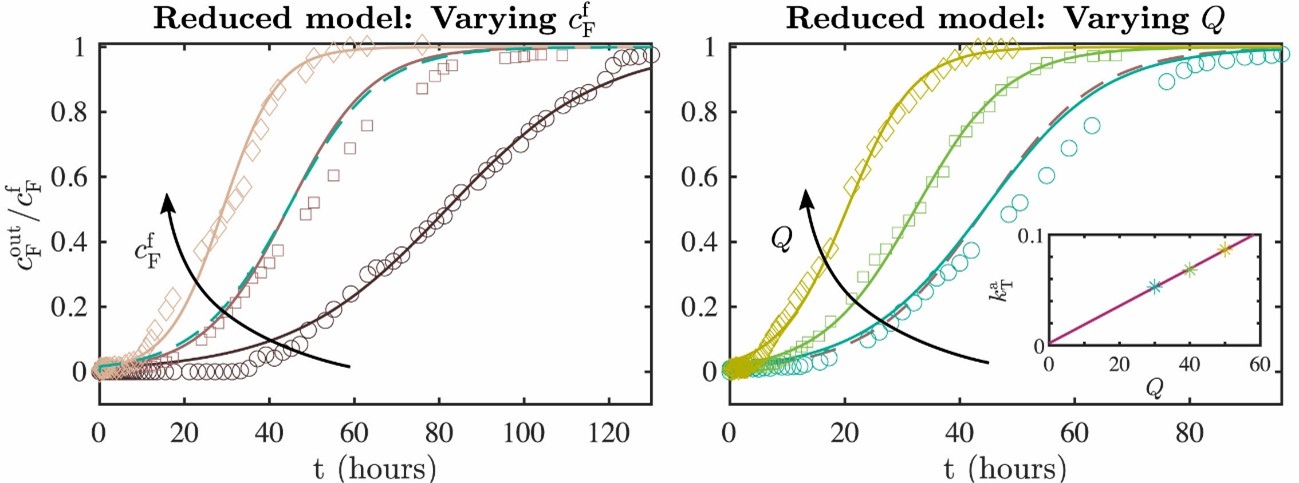
The result is a model that predicts breakthrough curves4 (the moment fluoride starts appearing in the filter outlet) across different inlet concentrations and flow rates. The coefficient of determination exceeds 0.991. The sum of squared errors stays below 6.3% of inlet concentration. When inlet concentration changes, the model predicts the new curve without refitting. The chemistry and mathematics finally align.


Breakthrough curves showing when fluoride begins appearing at the filter outlet. The reduced model (solid lines) accurately predicts experimental measurements (data points) across varying inlet fluoride concentrations (left panel) and flow rates (right panel). The model captures filter behaviour under different operating conditions using just one adjustable parameter, demonstrating its predictive power and practical utility for filter design. Taken from [1].


“In this paper we worked hard to develop a mathematical model consistent with the chemistry and experimental observations,” Myers explains. “Mathematics can help in the design of future filtration equipment but only if it is done well, is understandable to the community and is able to predict observed phenomena.”


Collaboration Across Continents

Auton visited the IIT Kharagpur laboratory, photographing prototype filters and taking detailed notes on operating conditions. Back in Barcelona, the modelling proceeded through constant exchange: questions about pH fluctuations, clarifications on grain size distributions, back-and-forth on how to interpret aluminium concentrations in the effluent.

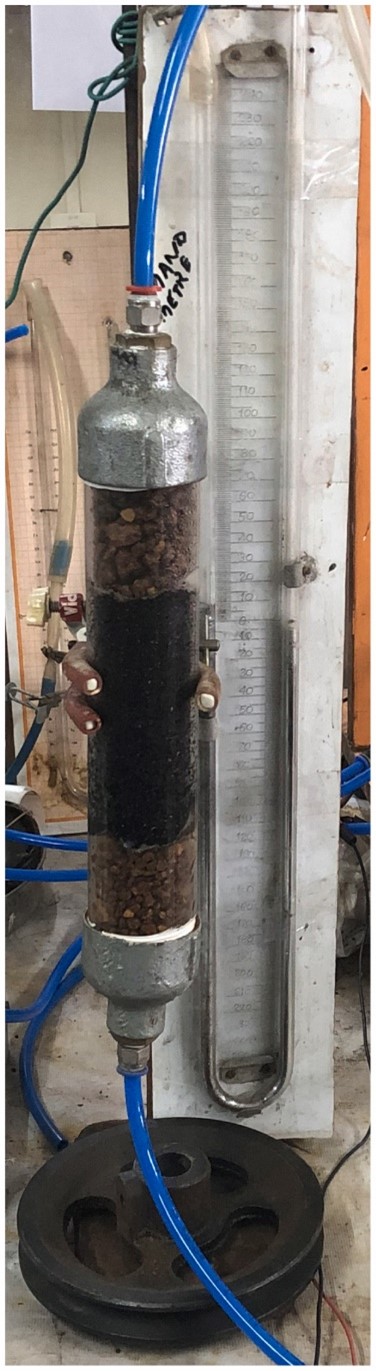
Laboratory column filter at IIT Kharagpur used to validate the mathematical model. Contaminated water flows through the packed cylinder, with fluoride concentration measured at the outlet over time. Taken from [1].

“The first author, Lucy Auton, visited the group in India (and took the photos used in the paper),” Valverde recalls. “Subsequently we received a detailed report from the experimental team in India outlining all operational conditions and providing the complete set of experimental data. Our modelling work proceeded in close collaboration with them, and they addressed all of our questions as we developed the model and generated results.”

De describes how the partnership evolved: “Our initial collaboration was with Oxford University and one of the scientists Lucy Auton has been shifted to Barcelona and the collaboration continued there. The idea of modelling of filters was jointly proposed. It was envisaged that the experiments would be done by IIT Kharagpur and the modelling would be carried out by Lucy. The filter life can be predicted from the model for scaled up filters.”

Analysis of the full model revealed something unexpected: despite MRC outweighing TMRC forty to one, TMRC does nearly all the work. MRC contributes only at very early times and very late times, when TMRC sites saturate. This suggested a radical simplification. What if you ignored MRC entirely? The reduced model drops two of the three chemical reactions, leaving only TMRC ion-exchange. It has one fitting parameter instead of three. It still achieves R² 7 greater than 0.983. The finding aligned with De’s expectations. “It was anticipated as the treated bone char is more porous impregnated by aluminium and calcium compounds and hence has high capacity of the fluoride,” he notes. “However, since this is powdery in nature, it could choke the filter. Hence, its proportion in the mixture was identified carefully.”

“Firstly, we did not know but we suspected,” Myers says. “Experience in modelling physical problems and also techniques such as non-dimensionalisation permit us to identify dominant and negligible processes and quantify possible errors when we neglect terms. This guided us to the simplified model.” Suspicion alone isn’t sufficient. “However, whenever we present a simple model, especially to a non-mathematical community, we go to great lengths to verify it. The usual approach is to compare against a full numerical solution and also against experimental data. Only if both work well can we have confidence that the reduced model is suitable.”

The reduced model isn’t just mathematically elegant. It’s computationally cheap and straightforward to implement, exactly what’s needed for designing filters in resource-limited settings.


Where Mathematics Leads Next

The immediate applications are practical: predicting filter lifespan, optimising the MRC-TMRC ratio, designing for different flow rates and inlet concentrations. But the approach opens a broader question about systems with multiple contaminants.

“A key question we are investigating at the moment involves the simultaneous capture of multiple contaminants, this leads to a coupled system where contaminants interact and compete for adsorption sites and then some interesting new models, analysis and numerics,” Myers says. “And we don’t yet know where we are heading!”

De’s team has already begun investigating these competitive effects. “It was observed that even high concentration of calcium does not affect the adsorption capacity of TMRC and hence filter life,” he reports. “Nitrate up to 50 mg/L reduces the capacity by 5% only. Phosphate and sulphate up to 50 mg/L reduce the capacity by 10%.” However, he notes that these reductions can be compensated by packing proportionally more adsorbent in the filter columns.

Real groundwater contains arsenate, nitrate, and phosphate, all competing for the same surface sites. pH shifts as hydroxide ions are released. Temperature fluctuates. “New effects inevitably lead to more complex models,” Valverde notes. “Different contaminants, different pH will affect the adsorption and desorption processes. In addition to the higher computational cost associated with introducing new variables, mass balances, and kinetic equations, defining all relevant chemical interactions would definitely be challenging.”

The filters were already working. Now we understand why, and how to make them better.

Citation:

[1] L.C. Auton, S.S. Ravuru, S. De, T.G. Myers, A. Valverde, Development and experimental validation of a mathematical model for fluoride-removal filters comprising chemically treated mineral rich carbon, Journal of Water Process Engineering 79 (2025) 108914. https://doi.org/10.1016/j.jwpe.2025.108914


Glossary

  1. Adsorption: The process by which molecules or ions from a fluid (such as fluoride in water) bind to the surface of a solid material (such as bone char). Unlike absorption, where a substance is taken into the volume of another material, adsorption occurs only at the surface.
  2. Ion-exchange: A chemical process in which ions of one type are replaced by ions of another type. In these filters, fluoride ions (F⁻) swap places with hydroxide ions (OH⁻) in the crystal structure of the adsorbent material.
  3. Physisorption: Physical adsorption where molecules attach to a surface through weak intermolecular forces (such as hydrogen bonding) rather than through chemical bonds. This type of adsorption is generally weaker and more easily reversible than chemisorption.
  4. Breakthrough curve: A graph showing the concentration of a contaminant at the filter outlet over time. The “breakthrough point” is when the contaminant first begins appearing in the filtered water, indicating the filter is becoming saturated and approaching the end of its useful life.
  5. Advection: The transport of dissolved substances by the bulk motion of flowing fluid. In a water filter, this is simply the movement of contaminated water through the filter bed.
  6. Dispersion: The spreading of dissolved substances in a fluid due to variations in flow velocity and molecular diffusion. This causes some mixing as water moves through the filter.
  7. R² (coefficient of determination): A statistical measure ranging from 0 to 1 that indicates how well a mathematical model fits experimental data. A value of 0.991 means the model explains 99.1% of the variation in the data, indicating an excellent fit.

crm researchers

Timothy G. Myers is a researcher at the Centre de Recerca Matemàtica in Barcelona with over 30 years of experience developing mathematical models for complex physical processes. He serves as a Board Member of the European Consortium for Mathematics in Industry (ECMI), coordinator of European Study Groups with Industry, and is a member of the European Mathematical Society Committee for Developing Countries.

His research has advanced mathematical modelling in areas ranging from phase change and thin film flow to nanoscale optics. His current work focuses on environmental contaminants and water treatment, with particular emphasis on challenging accepted theories and developing models grounded in the underlying physics and chemistry of real-world systems.

Subscribe for more CRM News

Stay updated to our mailing list to get the lastest information about CRM activities.

CRM Comm

Pau Varela

CRMComm@crm.cat


BAMB! 2025: Participants Return to the CRM for Research Stays

BAMB! 2025: Participants Return to the CRM for Research Stays

In October 2025, the Centre de Recerca Matemàtica hosted Josefine Meyer (ISTA) and Cate MacColl (University of Queensland) for a month-long research stay following their participation in the BAMB! Summer School. Despite studying vastly different subjects, from…

The post From Barcelona to West Bengal: Chemistry Meets Mathematics to Enhance Water Filter Design first appeared on Centre de Recerca Matemàtica.
Go to Source

The ninth edition of ‘Cinema and Science’ invites reflection on humanity, nature, and the future

The cycle will kick off today with a screening of Planet of the Apes, a subversive science fiction classic that invites reflection on humanity’s progress and setbacks, as well as authoritarian tendencies. This year there will once again be parallel activities, such as a talk by Ginés Morata, biologist and winner of the Princess of Asturias Award for Scientific and Technical Research, and a round table discussion with filmmaker Pilar Palomero and oncologist Ander Urrutikoetxea. Around twenty scientists will engage in discussions with the public at events taking place between January and March in Vitoria, San Sebastián, Bilbao, Pamplona, and Saint-Jean-de-Luz.

Go to Source

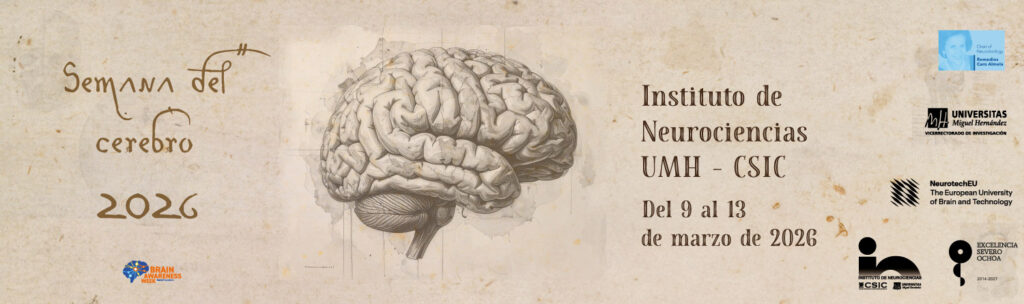
Brain Awareness Week, 9-13 marzo 2026

Toda la información en: semanadelcerebroin.umh.es

La entrada Brain Awareness Week, 9-13 marzo 2026 se publicó primero en Instituto de Neurociencias de Alicante.

Go to Source

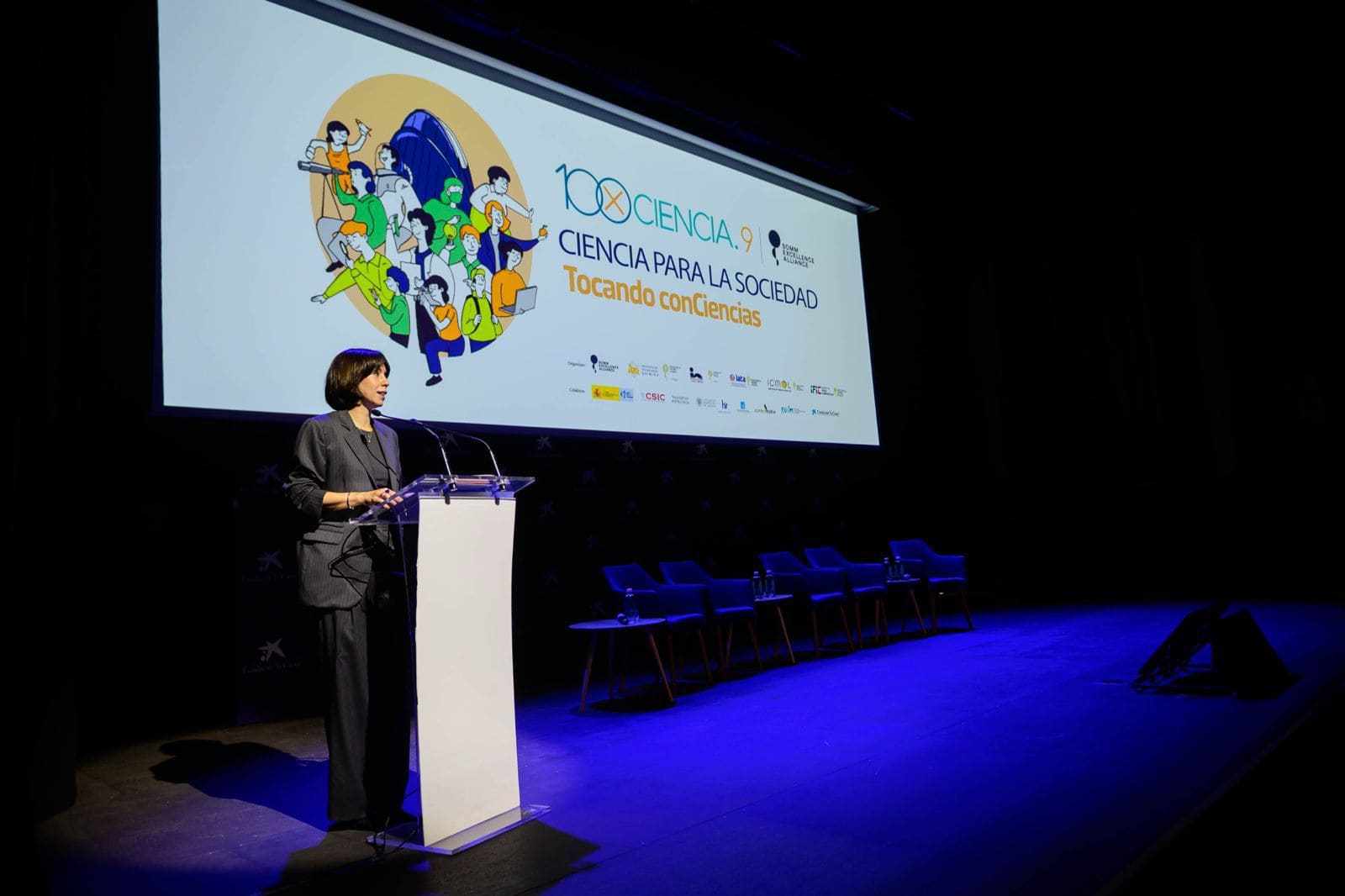
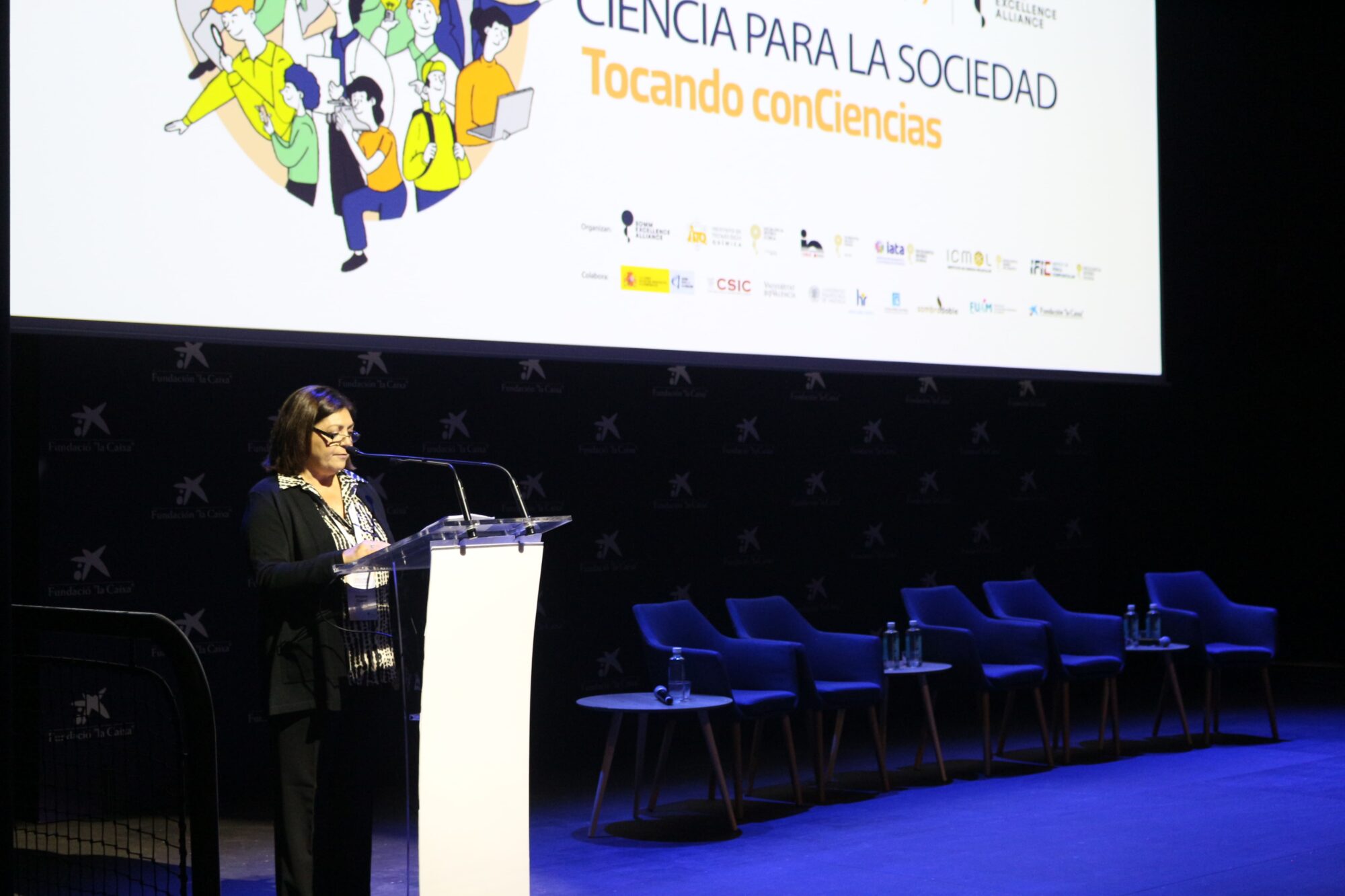
100xCiencia.9: Ciencia para la sociedad, excelencia con impacto

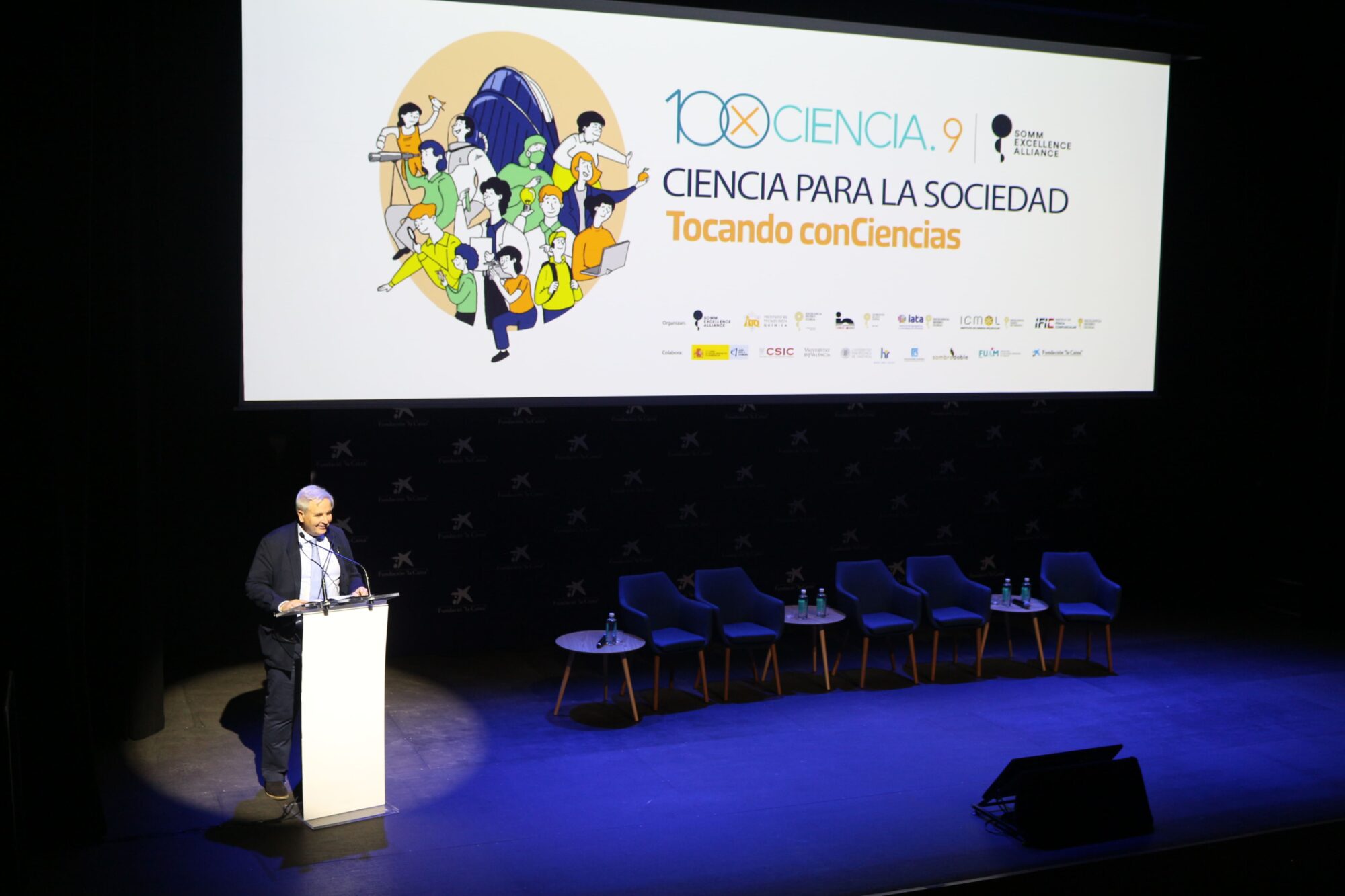
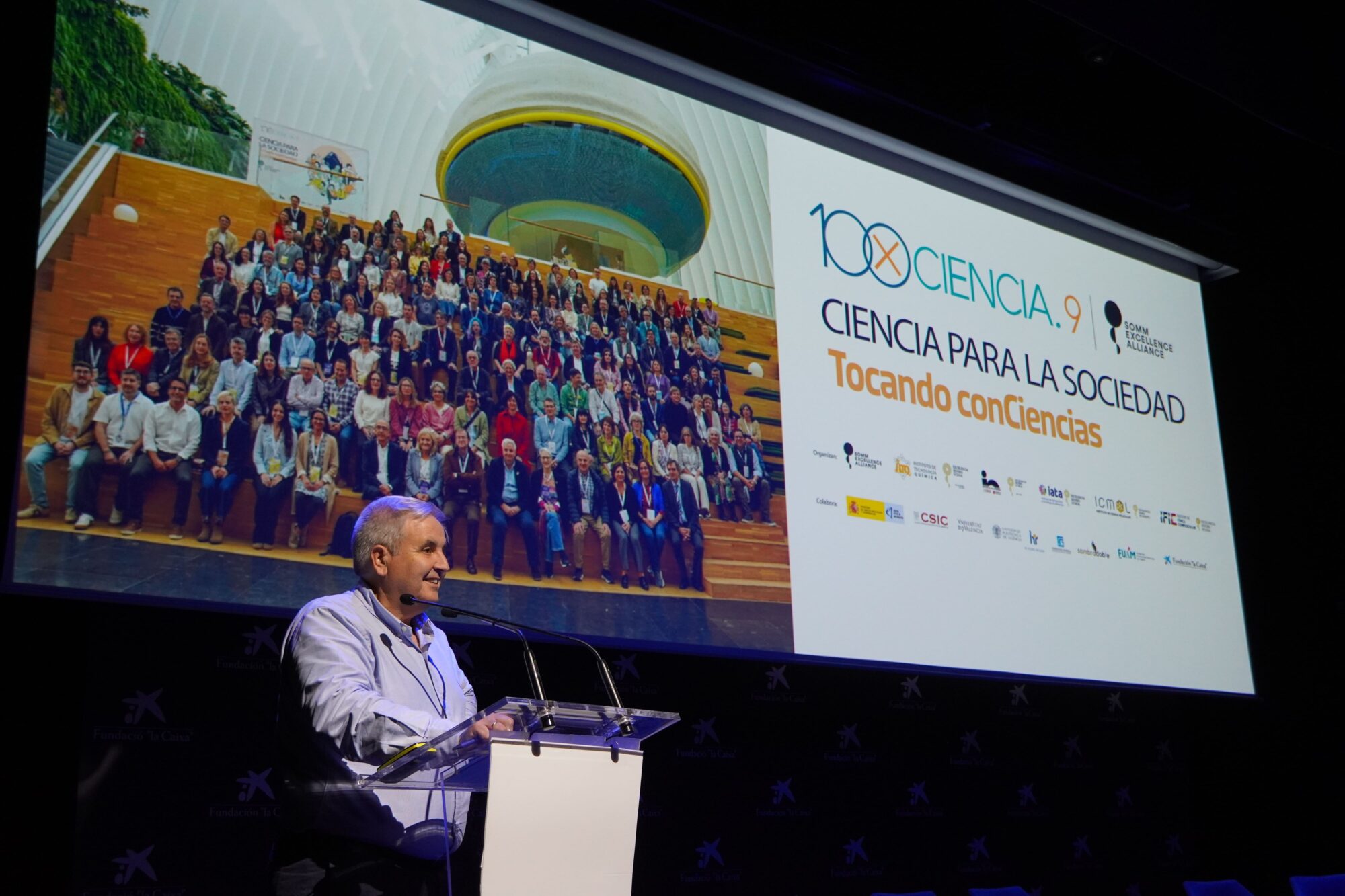
Los días 13 y 14 de noviembre CaixaForum Valencia acogió la novena edición de 100xCiencia, el congreso anual impulsado por la Alianza SOMMa, que reunió a cerca de 300 investigadores, responsables institucionales, gestores de I+D y representantes de la ciudadanía bajo el lema “Ciencia para la Sociedad, Tocando conciencias” y organizado por cinco instituciones de investigación de referencia de la Comunidad Valenciana con acreditación SO/MM: el Instituto de Agroquímica y Tecnología de Alimentos (IATA-CSIC), el Instituto de Ciencia Molecular (ICMol-UV), el Instituto de Tecnología Química (ITQ-UPV/CSIC), el Instituto de Física Corpuscular (IFIC-UV/CSIC) y el Instituto de Neurociencias (IN-CSIC/UMH).

Durante dos jornadas, el encuentro se consolidó como un espacio estratégico de reflexión y diálogo sobre el papel de la ciencia de excelencia en la transformación social, el diseño de políticas públicas y el fortalecimiento del sistema español de I+D+I.

La inauguración corrió a cargo de la ministra de Ciencia, Innovación y Universidades, Diana Morant, acompañada por Amparo Querol en representación del comité organizador 100XCiencia.9 y Antonio Molina, presidente de SOMMa. Morant destacó el papel estratégico de los centros y unidades acreditados con los sellos Severo Ochoa y María de Maeztu como “motores esenciales del avance científico, la innovación y la transformación del país”.

Transferencia, integridad y asesoramiento: la ciencia como agente social

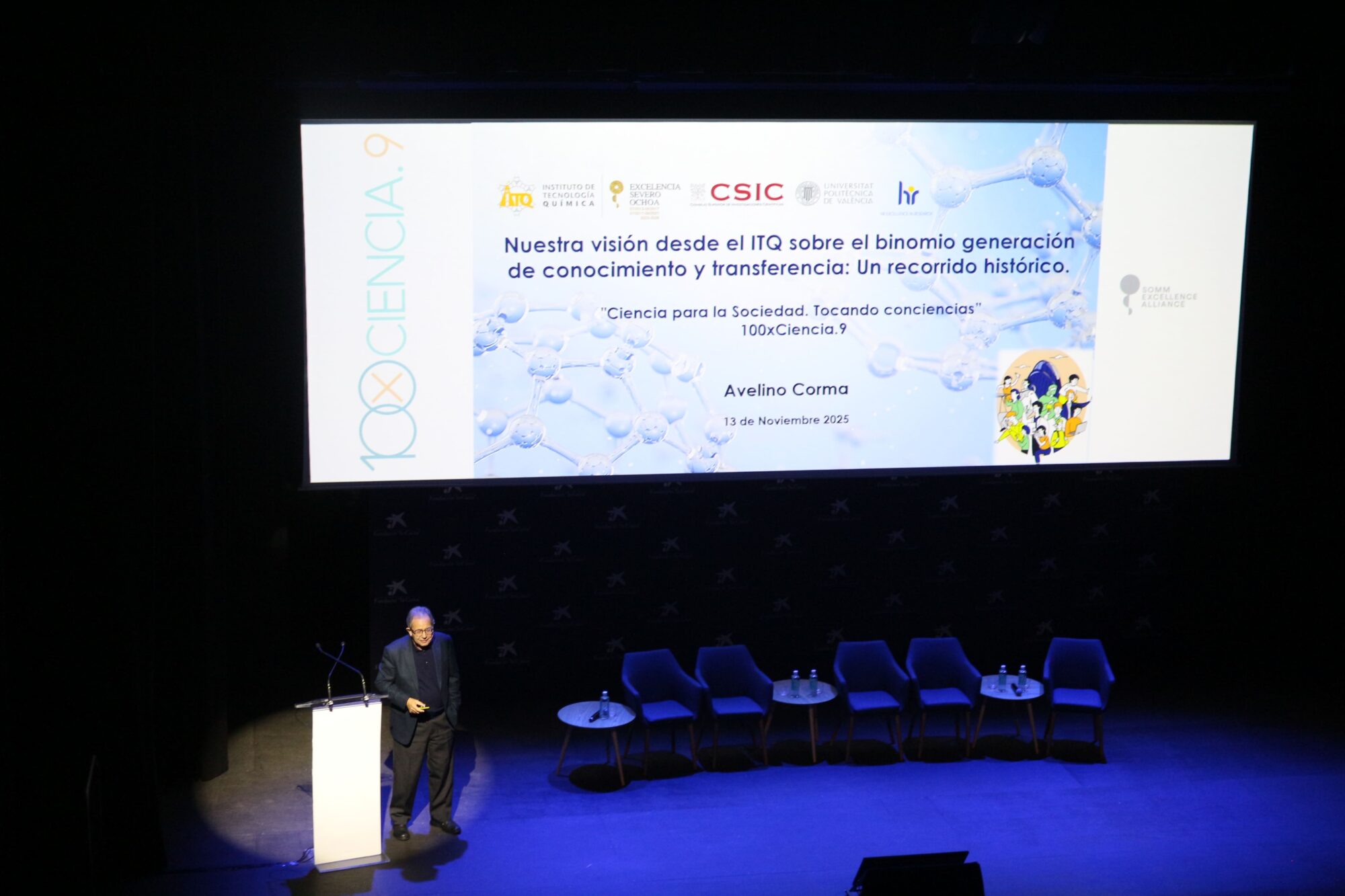
La conferencia inaugural del primer día, impartida por Avelino Corma (ITQ, UPV-CSIC), marcó uno de los ejes centrales del encuentro: la relación entre ciencia básica y transferencia. Corma repasó la trayectoria del ITQ demostrando cómo la investigación básica sostenida en el tiempo puede generar innovaciones industriales de enorme impacto.

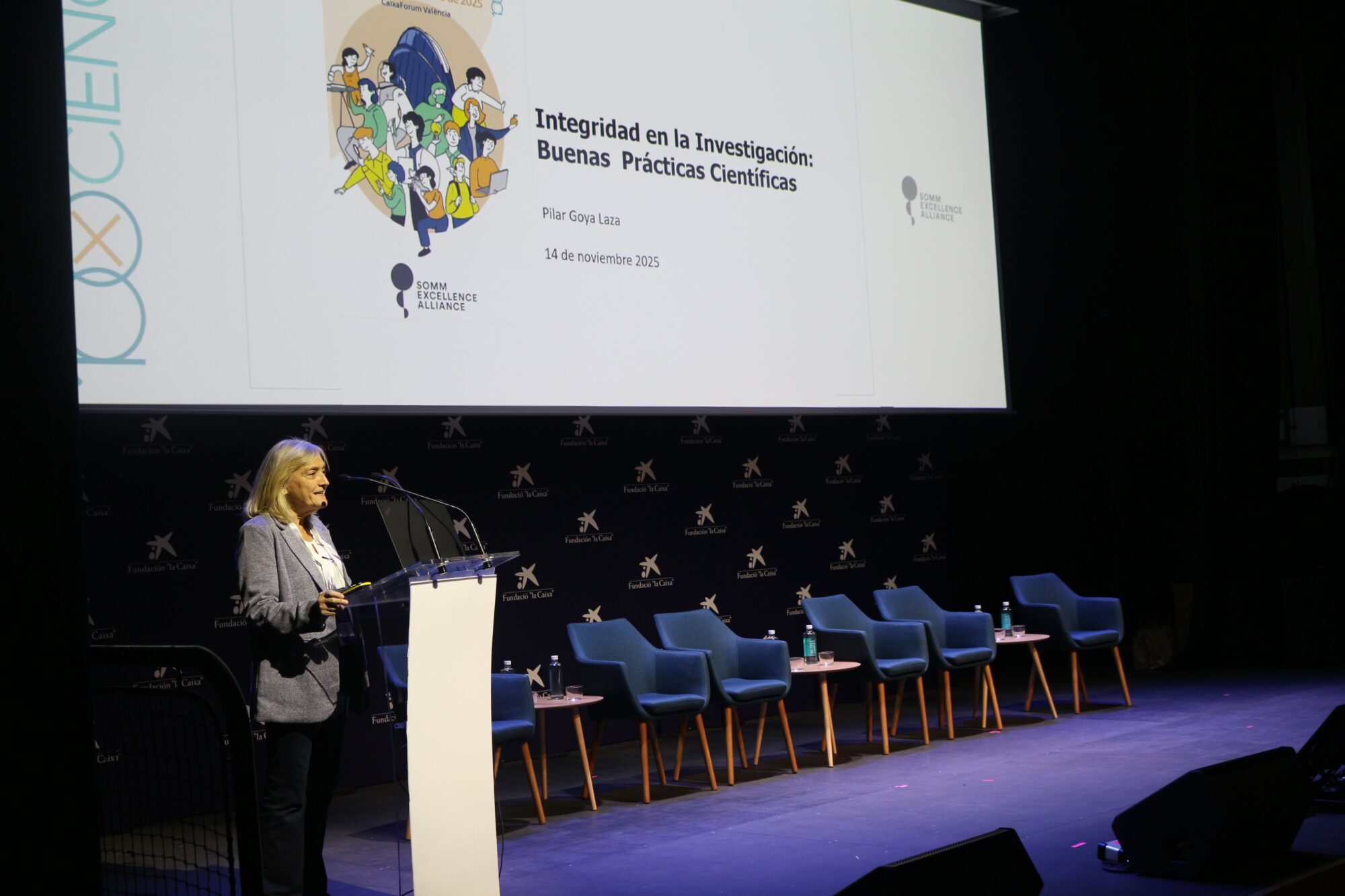
El segundo día se abrió con la intervención de Pilar Goya (IQM-CSIC), centrada en la integridad científica y las buenas prácticas en investigación. Alertó sobre los riesgos derivados del aumento exponencial de publicaciones y el auge de las revistas depredadoras, defendiendo el papel crítico de la revisión por pares y la ética como pilares irrenunciables de la credibilidad científica.

Ambas intervenciones fueron referenciadas en las conclusiones del presidente de SOMMa, Antonio Molina, quien subrayó que “la ciencia de excelencia no solo produce conocimiento; también tiene una responsabilidad esencial en la construcción de un sistema científico robusto, ético y útil para la sociedad”.

Políticas públicas, talento, IA, longevidad y sostenibilidad: un Congreso transversal

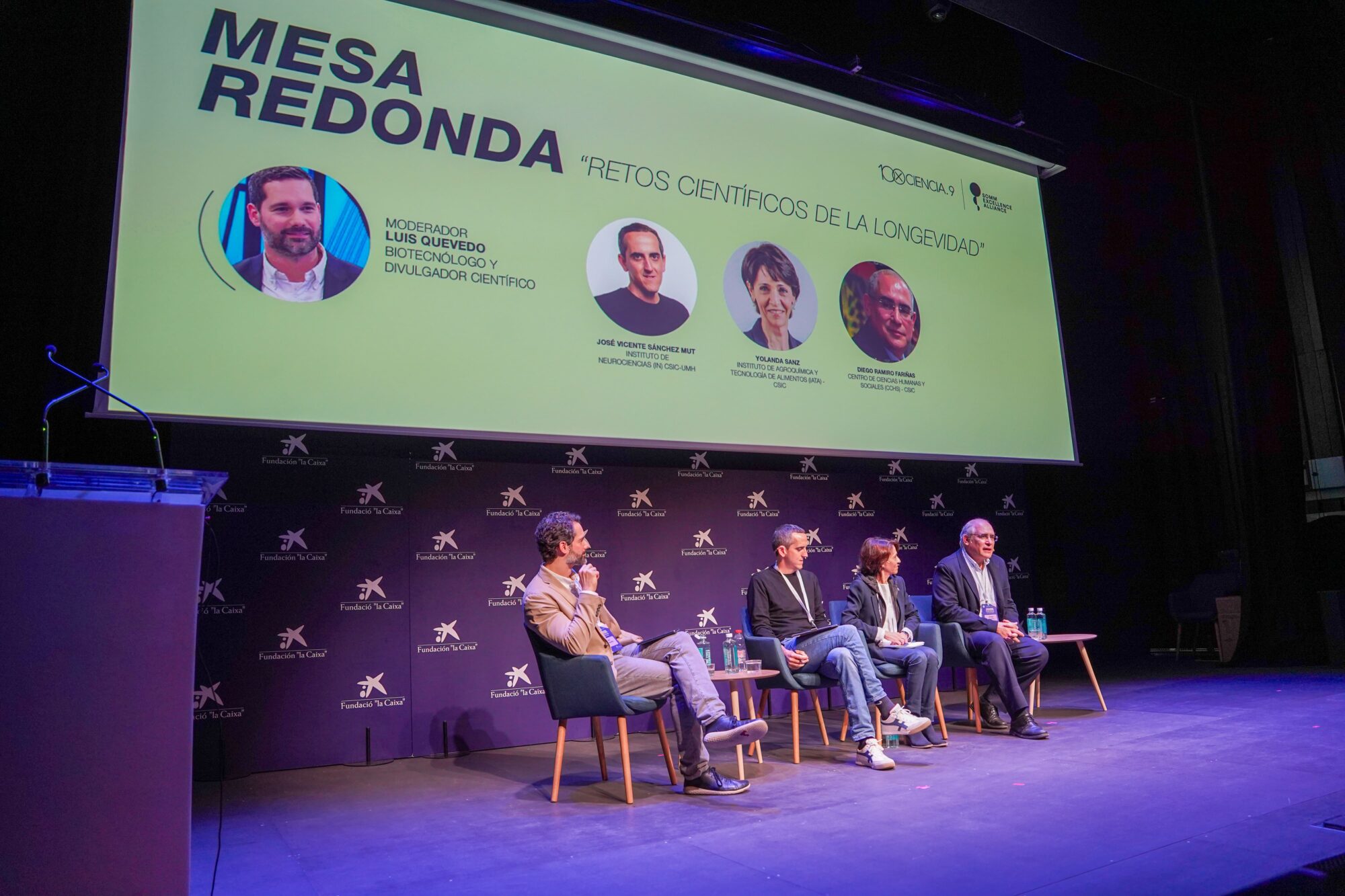
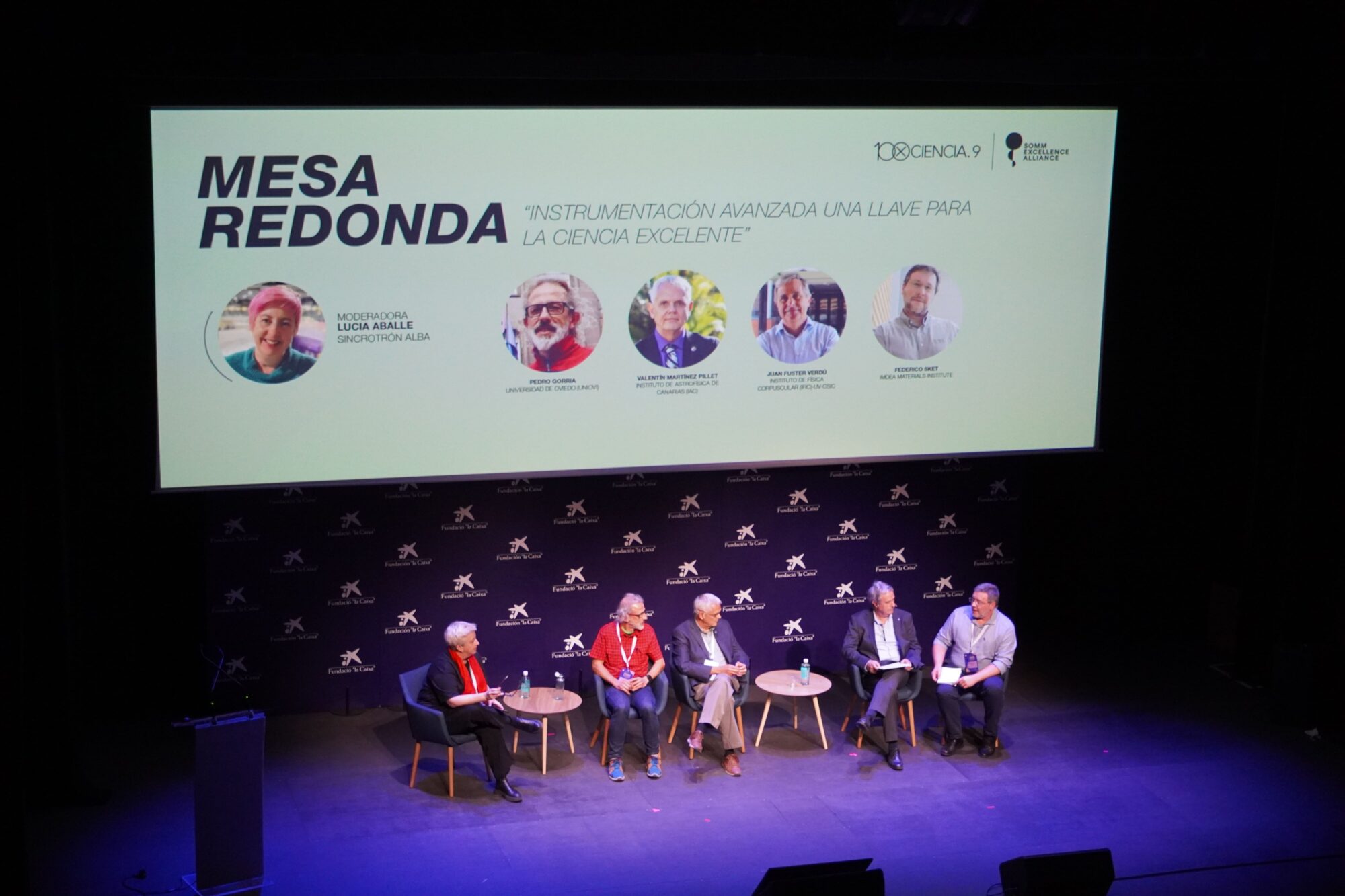
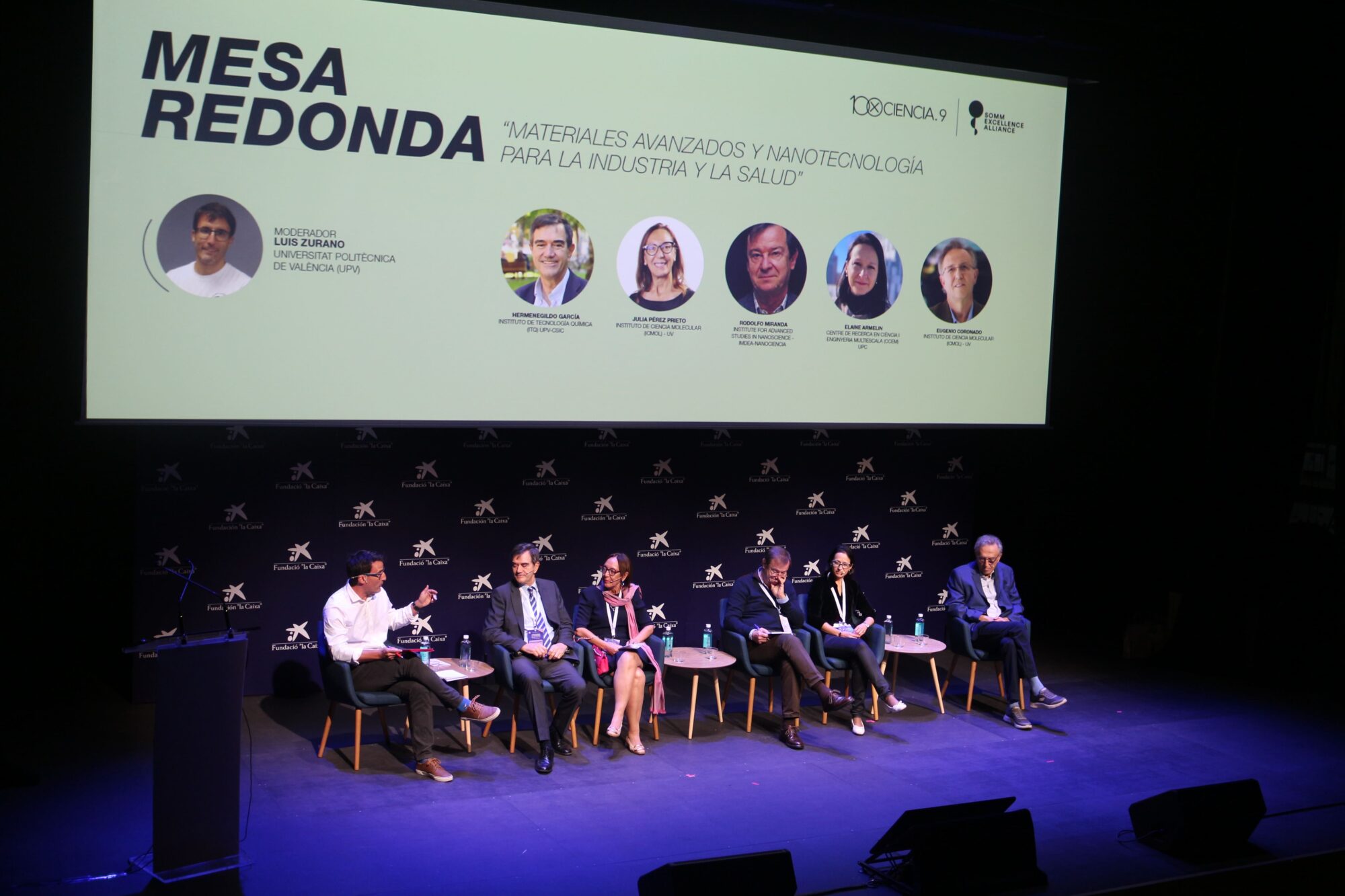
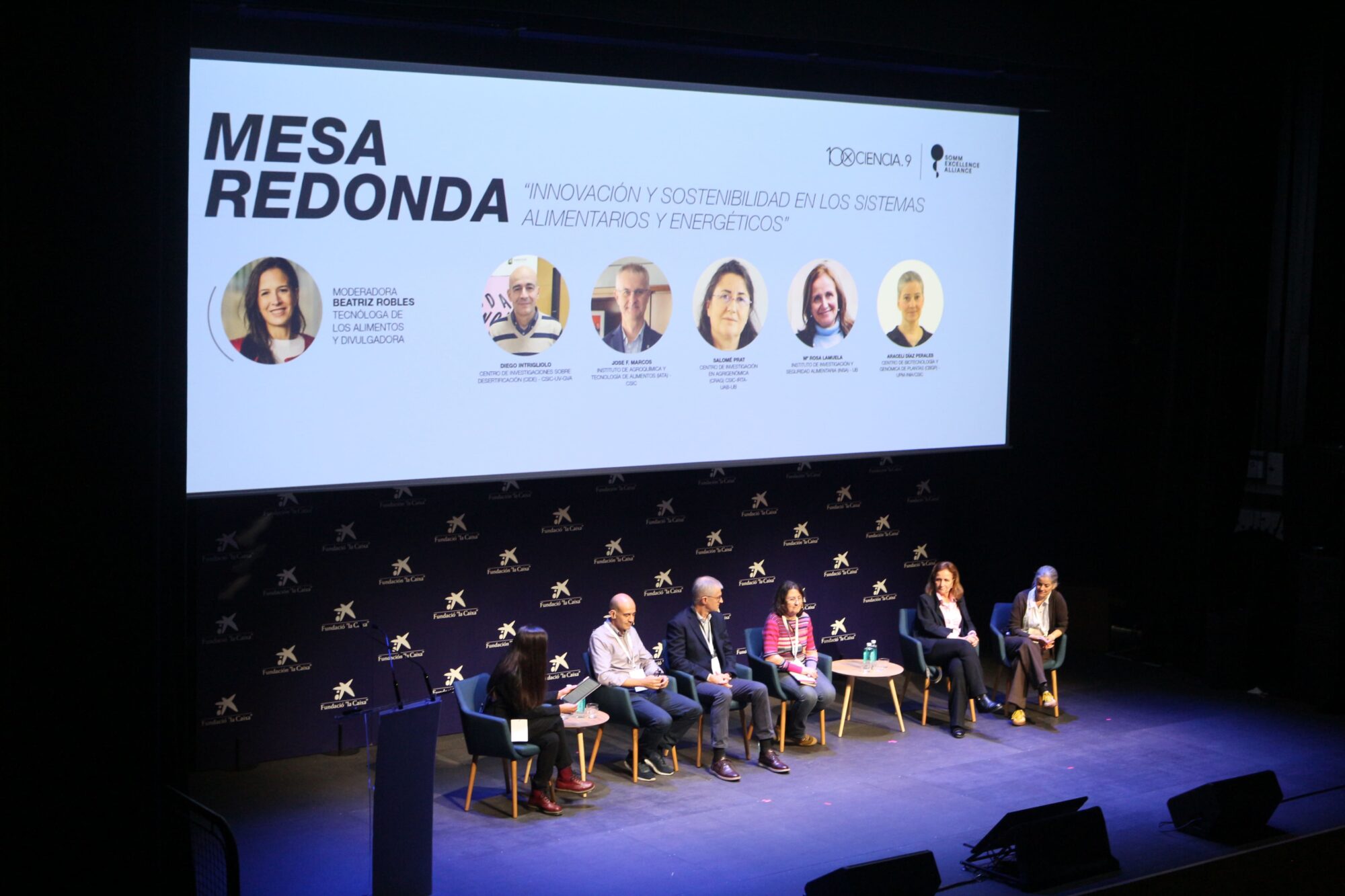
Las mesas redondas, celebradas a lo largo de ambas jornadas, sirvieron como un espacio privilegiado de debate y reflexión, abordando de manera integral algunos de los desafíos científicos, tecnológicos y sociales más urgentes que enfrenta la sociedad contemporánea.

Ciencia y políticas públicas

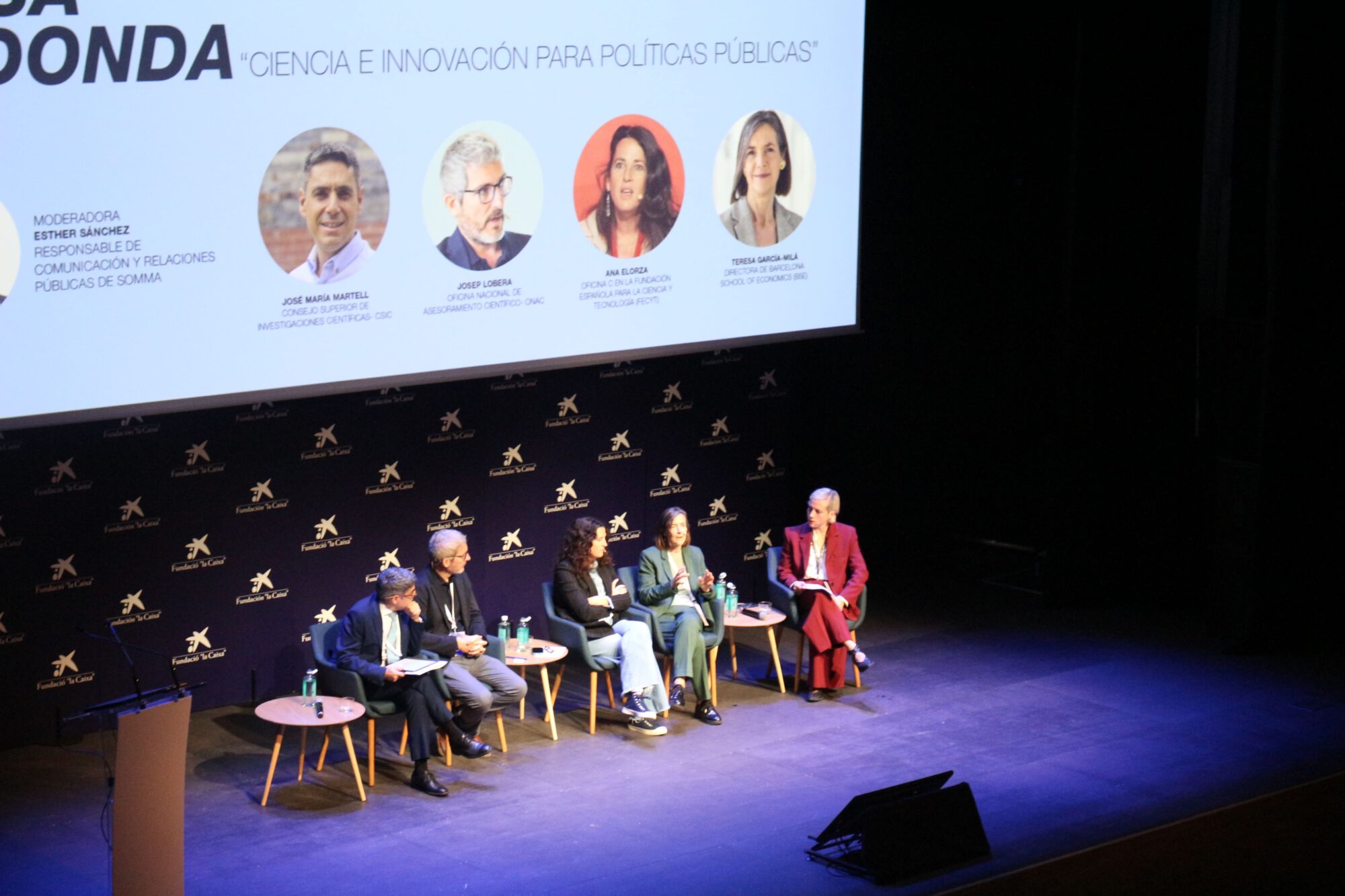
Expertos de la Oficina Nacional de Asesoramiento Científico, FECYT, CSIC y la Barcelona School of Economics coincidieron en la necesidad de incorporar la evidencia científica en el diseño de políticas, con estructuras estables de asesoramiento y una interacción fluida entre comunidad científica y administraciones para una democracia más robusta.

Atracción y retención de talento

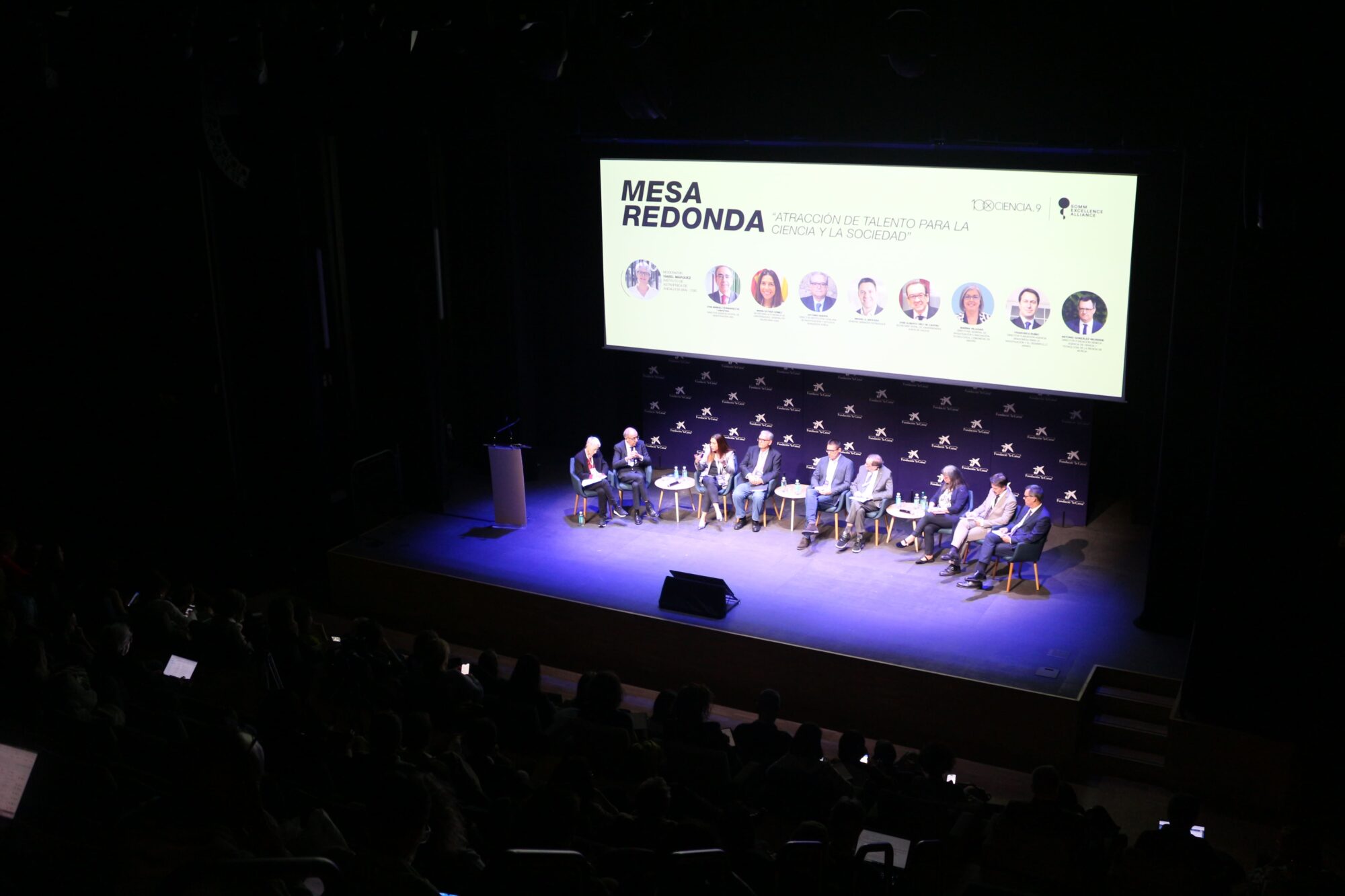
Representantes autonómicos y responsables de programas como ICREA, IKERBASQUE, ARAID y Fundación Séneca compartieron experiencias para mejorar la movilidad, captación y estabilidad del personal investigador. Molina insistió en que “la retención es tan crítica como la atracción: el talento necesita condiciones, financiación y expectativas realistas”. La excelencia científica depende de las personas: sin talento cuidado y estable no hay sistema competitivo.

Materiales, nanotecnología e instrumentación

Las mesas sobre nanociencia e instrumentación avanzada evidenciaron el potencial de España en estos campos y señalaron retos persistentes, como la necesidad de reforzar la compra pública innovadora y reconocer la labor científica detrás de las grandes infraestructuras.

Inteligencia Artificial y ciencia de datos

Investigadores de CSIC, BCAM o el Barcelona Supercomputing Center destacaron las oportunidades de la IA para acelerar descubrimientos, pero también sus limitaciones: “Afortunadamente —señaló Molina durante las conclusiones— todavía no podemos fiarnos al 100% de la IA; necesitamos usarla de forma crítica y responsable”.

Longevidad y salud

Un diálogo amplio entre neurociencia, demografía, microbiota y ciencias sociales puso sobre la mesa los factores clave para afrontar los desafíos del envejecimiento, desde los biomarcadores a la epidemiología y las herramientas genómicas.

Sistemas alimentarios y energía

La sostenibilidad alimentaria y energética se abordó como un desafío transversal, marcado por el cambio climático y la seguridad alimentaria. Se subrayó que esta no se limita a la inocuidad, sino que implica garantizar alimentos accesibles, sostenibles y resilientes.

Un SOMMa más conectado: SOMMa Connect

Durante el congreso se anunció que 100xCiencia fue el punto de partida para SOMMa Connect, un encuentro anual destinado a consolidar la cooperación entre los centros y unidades de excelencia, reforzar los grupos de trabajo y potenciar el asesoramiento científico a las administraciones.

Molina señaló la importancia de mantener el espíritu colaborativo: “Cuando hacemos propuestas no lo hacemos solo para SOMMa, sino para mejorar todo el sistema español de I+D+I”.

Ciencia para la ciudadanía: divulgación, arte y música

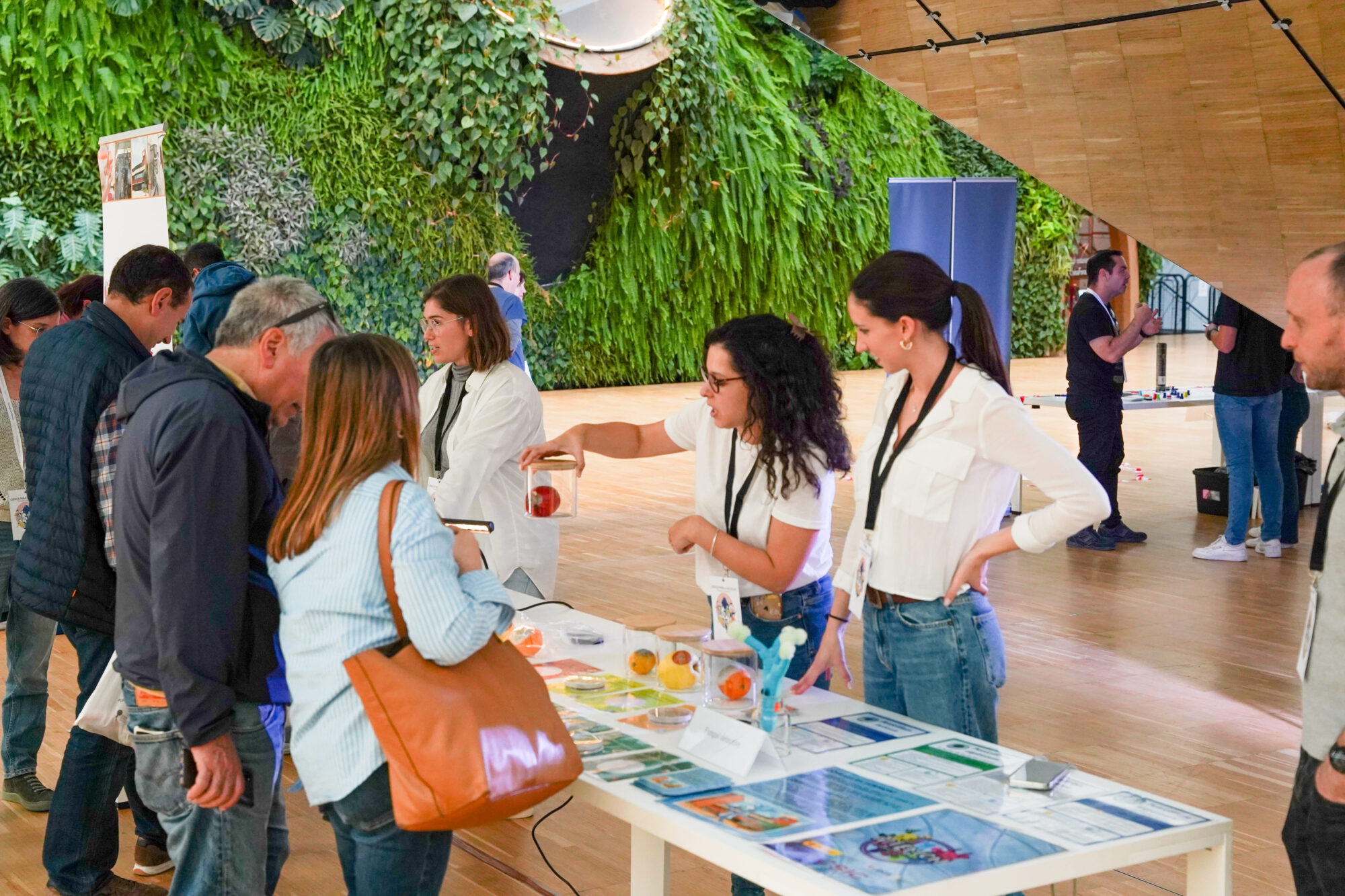
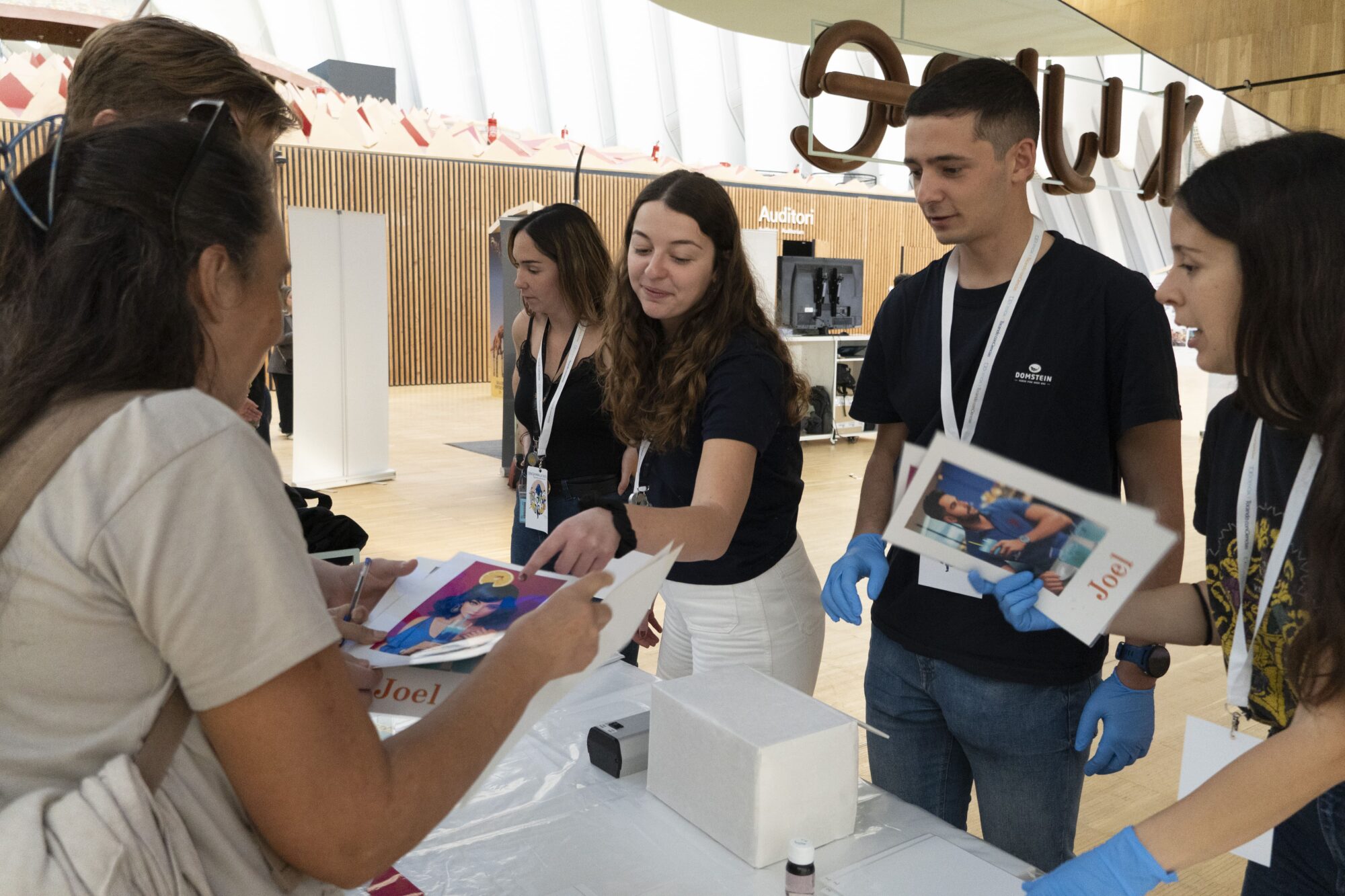
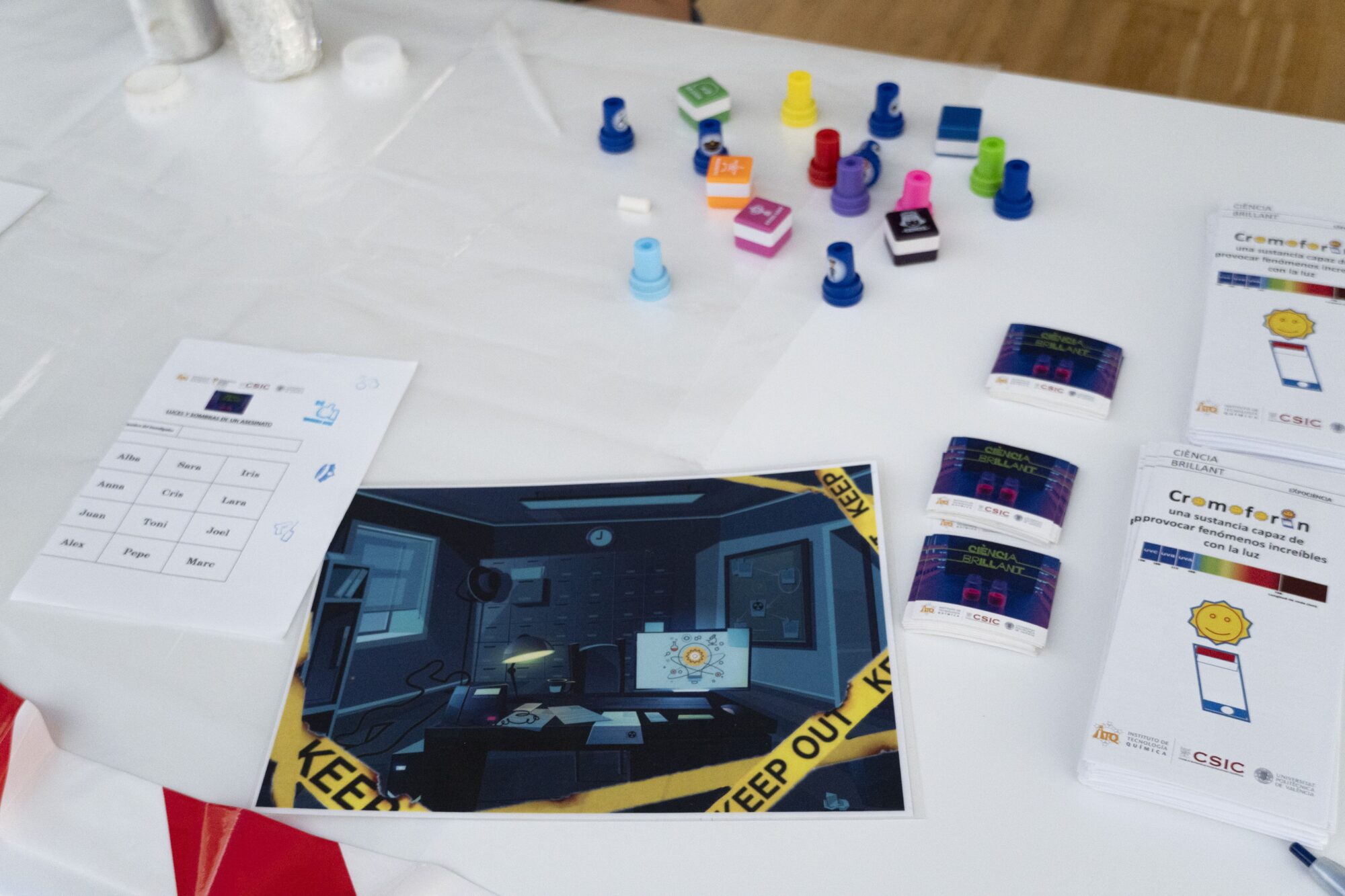
100xCiencia.9 dedicó la tarde del 14 de noviembre a actividades abiertas al público: charlas sobre fenómenos meteorológicos extremos, monólogos científicos, teatro químico y un concierto final de Soul Docks. Además, CaixaForum acogió talleres interactivos sobre hongos, aceleradores de partículas, neutrinos submarinos, magnetismo, química forense o neurociencia, liderados por los centros SO/MM de la Comunidad Valenciana.

Conclusiones: ciencia que escucha, conecta y transforma

El 100xCiencia.9 no buscó establecer conclusiones definitivas, sino promover una reflexión compartida sobre el papel de la ciencia en la sociedad contemporánea. A lo largo de las jornadas, se evidenció que la investigación de excelencia en España avanza no solo gracias a su capacidad para generar conocimiento fundamental, sino también por su creciente voluntad de participar activamente en el diseño de políticas públicas, reforzar el diálogo con la ciudadanía y consolidar un ecosistema científico más estable y cooperativo.

Los debates sobre talento, tecnologías emergentes, sostenibilidad o salud pusieron de manifiesto desafíos comunes y la necesidad de abordarlos de manera coordinada. En este sentido, el lanzamiento de SOMMa Connect supone un paso relevante para fortalecer la colaboración interna y proyectar una voz colectiva más robusta en defensa de un sistema de I+D+I competitivo, atractivo y alineado con las necesidades del país.

Así, 100xCiencia.9 reafirma el compromiso de SOMMa con una ciencia abierta, responsable y orientada al bien común. Más que cerrar una edición, el congreso consolidó una dirección estratégica: una comunidad científica que aspira a contribuir, con rigor y cohesión, al progreso social y al fortalecimiento del sistema español de ciencia e innovación.

El grupo español referente en la investigación de la metástasis cerebral augura avances a medio plazo que mejorarán la vida de los pacientes

El grupo español referente en la investigación de la metástasis cerebral augura avances a medio plazo que mejorarán la vida de los pacientes

En sus conferencias, Manuel Valiente pregunta al público sobre qué resultados de su laboratorio en el Centro Nacional de Investigaciones Oncológicas (CNIO) prefieren que hable. Pero cuesta decidir. Con su grupo está cambiando la forma de entender el cáncer de cerebro más común y peor pronóstico, la metástasis cerebral. Sus descubrimientos lideran un área en ebullición, con avances que traerán “estrategias terapéuticas innovadoras”, escribe el propio Valiente en una revisión que firma como primer autor con investigadores de Europa y Estados Unidos.

“Sí, estamos muy ilusionados”, confirma este investigador. La metástasis cerebral ha sido vista como la etapa final y sin opciones de un cáncer agresivo; quienes la tenían eran históricamente excluidos de los ensayos clínicos, precisamente por su peor pronóstico. Pero el escenario está cambiado.

“Los hallazgos de estos años están reconfigurando las estrategias terapéuticas; hay ensayos clínicos que abordan específicamente [la metástasis cerebral]”, dice la revisión en Trends in Cancer. “Estos avances están transformando el panorama clínico, ofreciendo esperanza para la prevención y el tratamiento” de esta enfermedad.

Metástasis (verde) creciendo en el cerebro (morado, marcaje de los astrocitos, un tipo celular del cerebro que se acumula en torno a la metástasis). /P. García-Gomez. CNIO

Diez años de investigación audaz

Valiente llegó al CNIO en 2015 decidido a mejorar la vida de las personas con metástasis cerebral. Diez años después la investigación de su grupo ha dado lugar a dos ensayos clínicos ahora en marcha, a una herramienta para saber qué fármaco funciona mejor en cada paciente y a resultados que impulsan cambios de paradigma. Varios de estos resultados están a punto de ser presentados.

Uno de sus grandes proyectos, ALTERbrain, con casi dos millones de euros por el Consejo Europeo de Investigación, termina ahora. Ha permitido descubrir que la metástasis a menudo interfiere con la actividad de las neuronas, la hackea, y esto puede causar graves problemas cognitivos que empeoran la calidad de vida.

Hasta ahora ni siquiera se buscaba la manera de tratar el efecto de la metástasis sobre la manera de pensar y comportarse, porque se atribuía a la mera presencia física del tumor en el cerebro, el llamado efecto masa. Ahora Valiente es optimista: “Estoy seguro de que dentro de cinco, diez años vamos a encontrar estrategias terapéuticas para reducir y/o prevenir esta disfunción cerebral”.

“Urge encontrar terapias específicas”

La metástasis es el proceso por el que un tumor coloniza otros órganos, y es más letal que el cáncer primario. Valiente estudia la metástasis en el cerebro porque siente “fascinación” por este órgano, y por su deseo de mejorar la vida de personas con un tumor huérfano de tratamientos específicos, a pesar de su alta incidencia. Formado como veterinario y doctor en Neurociencias, empezó a estudiarlo con Joan Massagué en el Memorial Sloan Kettering Cancer Center, en Nueva York.

“Hay una necesidad clínica no cubierta, urge encontrar terapias específicas para la metástasis cerebral”, dice. Hasta un 30% de los pacientes de cáncer desarrollan metástasis cerebral, sobre todo de tumores de mama, pulmón, piel y colon/recto. Pero no hay un tratamiento específico para estas personas más allá de la cirugía y radioterapia.

Se da la paradoja de que, como las mejoras en el tratamiento de los cánceres primarios prolongan la supervivencia, hay más tiempo para que la metástasis cerebral aparezca. Por eso la incidencia de esta enfermedad está aumentando.

Manuel Valiente, jefe del Grupo de Metástasis Cerebral del CNIO. / MadMoviex. CNIO

“Estamos dejando escapar oportunidades terapéuticas»

Los resultados del grupo del CNIO promueven un gran cambio conceptual: la metástasis cerebral es una enfermedad con entidad propia, no una mera extensión del tumor primario, como se ha entendido hasta ahora. Es un cambio que afecta a la búsqueda de tratamientos.

Los datos apuntan a que tratar la metástasis según el tumor del que procede, como se hace hoy, “es insuficiente”, dice Valiente. “Vemos que hay fármacos potencialmente efectivos para tratar las metástasis que no están necesariamente ‘encima de la mesa’ del oncólogo, porque no son los que corresponden al tratamiento del tumor primario. Nuestros hallazgos sugieren que estamos dejando escapar oportunidades terapéuticas».

El grupo del CNIO ha obtenido este resultado gracias al primer banco mundial de muestras vivas de metástasis cerebral, RENACER, y a una plataforma para ensayar fármacos de manera personalizada que estas muestras han permitido desarrollar, METPlatform. Ambos recursos, repositorio y plataforma, son herramientas de investigación innovadoras celebradas por la comunidad internacional de neuro-oncología.

Un banco de muestras de vivas para buscar el mejor fármaco para cada paciente

“RENACER surgió de una necesidad imperiosa”, explica Valiente. “Cuando se estudia la metástasis cerebral lo primero es aportar más opciones al paciente, y para ello necesitábamos muestras. Las que nos enviaban los dos hospitales con que colaborábamos no bastaban. Con el Biobanco del CNIO lanzamos la iniciativa de crear una red nacional sin saber si funcionaría, y ha sido un gran éxito. La respuesta fue inmediata, súper positiva. En cuatro años, 21 hospitales de toda España aportan muestras; ahora esperamos ampliar la red a Europa”.

Que las muestras estén vivas exige un sofisticado despliegue logístico. Las muestras salen del quirófano en un contenedor especial, en su medio de cultivo a entre 4 y 8 grados centígrados, y llegan al Biobanco del CNIO en menos de 24 horas. Allí se procesan, cultivan, analizan y almacenan.

El esfuerzo vale la pena, entre otras cosas porque en muestras vivas se puede estudiar cómo responde cada cáncer a cada fármaco. Aquí entra en juego METPlatform. Cuando la plataforma cuente con las aprobaciones regulatorias, permitirá que la muestra sobrante del uso clínico necesario para el diagnóstico del paciente sea usada para probar múltiples opciones terapéuticas, antes de, aplicarlas a ese mismo paciente.

METPlatform “eleva la medicina de precisión al siguiente nivel, pues construye una estrategia terapéutica más allá del tumor primario -que en general no es lo que mata al paciente- y permite enfocarse en la metástasis, que se asocia a la gran mayoría de las muertes por cáncer”, dice Valiente.

Para él, desarrollar RENACER y METPlatform “ha sido muy enriquecedor, ha permitido trascender más allá del laboratorio, más allá de las publicaciones científicas: crear una red que conecta al paciente, al clínico, al investigador, al biobanco. Realmente la manera de trabajar es diferente, podemos empezar proyectos directamente de los pacientes”, dice Valiente. “Emociona saber que hay tanta gente trabajando en un proyecto común”.

Ensayos clínicos en marcha

La Plataforma de ensayo de fármacos permitió encontrar en 2018 un fármaco ya en uso, la silibinina, con actividad contra muestras de pacientes de metástasis cerebral y que fue validado en un ensayo clínico de uso compasivo en el Hospital Universitario Josep Trueta. Poco después un ensayo clínico fase II randomizado  multicéntrico se inició en Italia, que obtendrá resultados previsiblemente este año.

No es el único ensayo a partir de los resultados del CNIO. En 2022, siempre gracias a las muestras de RENACER, el grupo de Metástasis Cerebral descubrió un mecanismo molecular que impide que la radioterapia sea efectiva, y también un fármaco que podría revertir la situación. Comenzaron un ensayo clínico multicéntrico liderado por el Hospital 12 de Octubre, que ya ha presentado resultados de no toxicidad en congresos científicos.

Evitar efectos de la metástasis sobre mente y comportamiento

La línea que ha adelantado puestos y es ahora prioritaria en el grupo de Metástasis Cerebral del CNIO tiene que ver con los efectos cognitivos de esta enfermedad.

En 2023 sacudieron el área al demostrar que cuando el cáncer se disemina en el cerebro altera la química cerebral e interfiere en la comunicación entre neuronas, en una colaboración con el grupo de Liset Menéndez de La Prida, directora del Centro de Neurociencias Cajal del CSIC.

Ahora, con sus nuevos resultados “estamos entendiendo las bases moleculares que podrían explicar por qué hay metástasis cerebrales que alteran la comunicación neuronal, y otras que no”. Es el primer paso para diseñar estrategias para evitar el fenómeno.

Y, de nuevo, será esencial RENACER. Valiente aspira a poder acompañar las muestras, en un futuro próximo, de una evaluación cognitiva de los pacientes donantes.

“Estamos explorando estrategias innovadoras basadas en test online y otras con inteligencia artificial”, explica. “El objetivo es siempre el mismo: una investigación centrada en mejorar la vida de las personas con metástasis cerebral”.

Sobre el Centro Nacional de Investigaciones Oncológicas (CNIO)

El Centro Nacional de Investigaciones Oncológicas (CNIO) es un centro público de investigación dependiente del Ministerio de Ciencia, Innovación y Universidades. Es el mayor centro de investigación en cáncer en España y uno de los más importantes en Europa. Integra a medio millar de científicos y científicas, más el personal de apoyo, que trabajan para mejorar la prevención, el diagnóstico y el tratamiento del cáncer.

La entrada El grupo español referente en la investigación de la metástasis cerebral augura avances a medio plazo que mejorarán la vida de los pacientes se publicó primero en CNIO.

Go to Source

Más allá de las emisiones: los retos sociales de la transición energética en España hasta 2050

La transformación del sistema eléctrico español hacia un modelo renovable no solo implicará cambios tecnológicos y ambientales, sino también profundas consecuencias sociales. Así lo advierte un nuevo estudio realizado por […]

La entrada Más allá de las emisiones: los retos sociales de la transición energética en España hasta 2050 se publicó primero en IMDEA ENERGÍA.

Go to Source

Polytopes, Matroids, and the Friends You Make: Martina Juhnke on Two Months at the CRM

The Centre de Recerca Matemàtica recently hosted a research programme on Combinatorial Geometries and Geometric Combinatorics, focusing on the overlap between polytopes and matroids. Martina Juhnke, a member of the scientific committee, reflects on how this programme prioritized collaboration, allowing postdocs and students to build the professional networks and broad expertise required in a rapidly moving field.

Martina Juhnke still has friends from her first summer school. She meets them at conferences, years later, and the connection holds. It is a detail that anchors her view of this autumn at the Centre de Recerca Matemàtica (CRM); two months of research, collaboration, and the social architecture of mathematics.

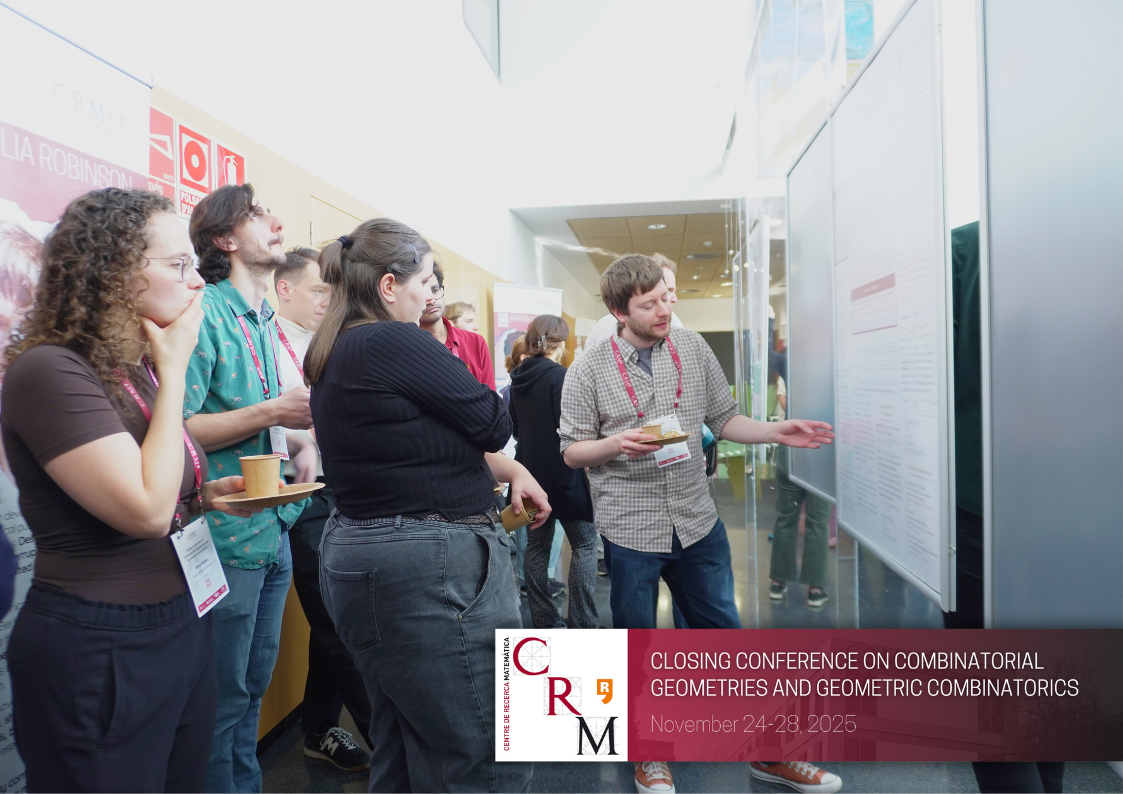
From October through November, the CRM hosted an intensive research programme on Combinatorial Geometries and Geometric Combinatorics. Juhnke, a professor of discrete mathematics at the University of Osnabrück and member of the scientific committee, came to Barcelona for the closing conference. What she saw confirmed a long-held belief: research centres are not just venues for solving problems. They are where young mathematicians learn to work together, take on responsibility, and build the relationships that shape careers.

“The goal was to bring them together,” Juhnke says, describing the design. “To have time, to do research together, to have collaboration time, to get to know new projects, to have contact with senior researchers, and also just have a great time.” The structure was deliberate. After preliminary sessions on polytopes and oriented matroids, a two-week research school introduced the field’s core topics through advanced courses. Then came five weeks of collaborative research projects and seminars. The programme closed with a conference where participants presented their progress.

For the postdocs who led research groups, it was a chance to take responsibility for a team, a factor when applying for faculty positions. For PhD and master’s students, it was an immersion in how mathematics actually gets done: not alone in an office, but in conversation, at a blackboard, or over coffee.

“If someone comes who just wants to work alone, then maybe he’s at the wrong place.”

Juhnke is frank about the selection criteria. Scientific qualification mattered, but so did a willingness to collaborate. “If someone comes who just wants to work alone, then maybe they’re at the wrong place.” Gender balance and diversity were considered throughout for participants, visitors, and speakers. The mathematical focus reflected a shift Juhnke sees across combinatorics. The programme’s two branches, geometric combinatorics, where polytopes play a central role, and combinatorial geometries, which deal with matroids, used to feel more distinct.

“Basically, a matroid is a polytope with some specific properties.” The boundaries have blurred. Polytopes appear in optimization, algebra, statistics, theoretical physics, and topology. Juhnke notes a saying often attributed to the field: “Polytopes want to be everywhere.” Matroids generate combinatorial objects and give rise to geometry. “I don’t think that one can separate polytopes and matroids anymore,” Juhnke says. “Synergies just arise naturally.”

This naturalness showed up in the research projects. Topics had to be accessible but also current. The result was a programme responsive to where the field is moving. And the field is moving fast. Juhnke describes it as “a quickly emerging field,” which she sees as an opportunity for young mathematicians. There are plenty of open problems, and as they are solved, new directions open. But this requires a shift in how researchers prepare.

“It’s not enough to be a specialist in just one area,” she says. “It’s not enough to just know something about polytopes. You should also know a lot about matroids.” She cites work in theoretical physics where solving problems requires knowledge across multiple areas. “The younger generation really have to become broad and have broad knowledge.” This is where research centres like the Centre de Recerca Matemàtica become necessary. These spaces provide time to focus without teaching obligations and offer a community to researchers from smaller universities who might otherwise work in isolation.

Before the interview ended, Juhnke added: “I would like to congratulate the organizers, and also all the participants in this programme, for the huge success of this programme, because I think they really achieved a lot. I think everybody can just be proud of themselves.”

It loops back to the friends from that first summer school. The theorems and proofs matter, but so does the structure that supports them: the postdocs learning to lead and the students finding collaborators. If polytopes want to be everywhere, it seems mathematicians do too; at least the ones who have learned that the work goes better when you are not doing it alone.

Subscribe for more CRM News

Stay updated to our mailing list to get the lastest information about CRM activities.

CRM Comm

Pau Varela

CRMComm@crm.cat


BAMB! 2025: Participants Return to the CRM for Research Stays

BAMB! 2025: Participants Return to the CRM for Research Stays

In October 2025, the Centre de Recerca Matemàtica hosted Josefine Meyer (ISTA) and Cate MacColl (University of Queensland) for a month-long research stay following their participation in the BAMB! Summer School. Despite studying vastly different subjects, from…

The post Polytopes, Matroids, and the Friends You Make: Martina Juhnke on Two Months at the CRM first appeared on Centre de Recerca Matemàtica.
Go to Source

WIN–ICN2 Joint Seed Funding Programme Expanded with Two Additional Projects

The high scientific quality of the proposals submitted has enabled ICN2 and WIN to extend the initial funding and support two new collaborations focused on strategic areas: health and sustainable electronics.

Go to Source

WEAVE First Light Observations: Origin and Dynamics of the Shock Front in Stephan’s Quintet

WEAVE First Light Observations: Origin and Dynamics of the Shock Front in Stephan’s Quintet

Arnaudova M.I.; Das S.; Smith D.J.B.; Hardcastle M.J.; Hatch N.; Trager S.C.; Smith R.J.; Drake A.B.; McGarry J.C.; Shenoy S.; Stott J.P.; Knapen J.H.; Hess K.M.; Duncan K.J.; Gloudemans A.; Best P.N.; García-Benito R.; Kondapally R.; Balcells M.; Couto G.S.; Abrams D.C.; Aguado D.; Aguerri J.A.L.; Barrena R.; Benn C.R.; Bensby T.; Berlanas S.R.; Bettoni D.; Cano-Infantes D.; Carrera R.; Concepción P.J.; Dalton G.B.; D’Ago G.; Dee K.; Domínguez-Palmero L.; Drew J.E.; Escott E.L.; Fariña C.; Foss
Monthly Notices of the Royal Astronomical Society, Vol. 535, (2024)
Article

Go to Source

Multi-component dark matter from Minimal Flavor Violation

Multi-component dark matter from Minimal Flavor Violation

Mescia F.; Okawa S.; Wu K.
Journal of High Energy Physics, Vol. 2024, Num. 114 (2024)
Article

Go to Source

Sidebar