Author Archive

Experimental study of the 7Be destruction reaction relevant to Big Bang nucleosynthesis and future prospects

Image
Experimental study of the 7Be destruction reaction relevant to Big Bang nucleosynthesis and future prospects
Seminar

Experimental study of the 7Be destruction reaction relevant to Big Bang nucleosynthesis and future prospects

Date
Place
Pere Pascual V5.07 Room and via Zoom

Abstract: The Cosmological Lithium Problem (CLP) is a well-known issue in astrophysics. It refers to an overestimation of the primordial 7Li abundance in the standard Big Bang nucleosynthesis (BBN) model predictions relative to astrophysical observations. Our research focuses on experimental nuclear physics to address the CLP. In particular, we aim to constrain the reaction rate of the 7Be(d, p)8Be reaction by measuring its cross section. The majority of 7Li nuclei were produced by the electron capture decay (T1/2= 53.22 days = 4.6 × 10⁶ seconds) of 7Be. 7Be nuclei were produced in several hundred seconds during the BBN, leading to a timescale difference of more than 104 between the production time of 7Li and 7Be. This significant timescale difference implies that if more 7Be nuclei were destroyed during the BBN, it could result in a lower abundance of 7Li, potentially resolving the discrepancy.

Our study focuses on the 7Be(d, p)8Be reaction based on a theoretical suggestion that this reaction played a significant role in the destruction of 7Be nuclei during the BBN [1]. The measurement of the absolute cross section in the Big Bang energy region (Ec.m.=0.1−0.4 MeV) was crucial for understanding the nuclear reactions in the primordial universe. We produced a radioactive 7Be target and measured the 7Be(d, p)8Be reaction cross section at the tandem facility of Kobe University in Japan. A distinctive feature of this experiment was the production of an unstable nucleus 7Be as a target. The thick-target analysis method was applied to determine the cross sections. The cross section at the lowest energy of Ec.m.=0.12 MeV was measured with the highest sensitivity compared to the available data [2, 3, 4]. We confirmed that the measured 7Be(d, p)8Be cross sections have a limited impact on resolving the CLP.

This talk will outline the key details and discuss future perspectives, including a new project aimed at addressing the CLP.


References

[1] S. Q. Hou et al., Phys. Rev. C 91, 055802 (2015).

[2] R. Kavanagh, Nucl. Phys. 18, 492-501 (1960).

[3] C. Angulo et al., ApJ 630, L105 (2005).

[4] N. Rijal et al., PRL 122, 182701 (2019).

Go to Source

Simple Effective Interaction: From Finite Nucleus to Neutron Stars

Image
Simple Effective Interaction: From Finite Nucleus to Neutron Stars
Seminar

Simple Effective Interaction: From Finite Nucleus to Neutron Stars

Date
Place
Pere Pascual V5.07 Room and via Zoom

Abstract: The background of the formulation of the Simple Effective Interaction (SEI) is discussed. The systematics of its parameter fixation protocol is outlined that could account for the divergent trends on the density and momentum dependence of the isovector part of the nucleonic mean field predictions by different model calculations. 

The r-mode oscillation as a possible mechanism for the spin-down feature of newborn neutron stars is discussed. The ability of the bulk viscosity due to direct Urca processes in dissipating the large oscillations produced in the merger remnant in the event of two neutron star merger is examined where the equation of state of hot neutron star matter of neutron-proton-electron-muon composition is built upon it’s zero-temperature predictions.  

The predictions of SEI in different areas of finite nuclei properties is discussed. The correlation between the finite nuclei properties and the constraints resulting from neutron star phenomenology is examined using the charge radii differences in mirror nuclei pairs as observable.

Go to Source

Ultracold polarons and impurities in one-dimensional optical lattices

Image
Ultracold polarons and impurities in one-dimensional optical lattices
Seminar

Ultracold polarons and impurities in one-dimensional optical lattices

Date
Place
Pere Pascual V5.07 Room and via Zoom

Abstract: The progress in realising ultracold atomic mixtures has greatly revitalised the interest in studying impurities immersed in quantum mediums [1]. Following these developments, and motivated by the possibility of trapping ultracold atoms in optical lattices [2], the theoretical study of impurities in lattice configurations has emerged as a new platform for studying polaron physics. In this direction, recent studies of impurities interacting with bosonic baths have revealed intriguing features across the superfluid-to-Mott insulator transition [3,4].

In this talk  I will first present a numerical study of an impurity interacting with a bosonic bath and immersed in a harmonically confined optical lattice [5]. We reveal that the impurity can form a correlated counterflow state with the bath. This counterflow state [6] shows long-range anti-pair order and displays non-trivial features, including a sudden orthogonality. Then, I will briefly present a related study of an impurity interacting with a spin-1/2 fermonic bath in small lattices, where we show

[1] F. Grusdt, N. Mostaan, E. Demler and L. A. Peña Ardila, Rep. Prog. Phys. 88, 066401 (2025).

[2] I. Bloch, Nat. Phys. 1, 23 (2005).

[3] V. E. Colussi, F. Caleffi, C. Menotti, and A. Recati, Phys. Rev. Lett. 130, 17, 3002  (2023).

[4] R. Alhyder, V. E. Colussi, M. Čufar, J. Brand, A. Recati, G. M. Bruun, SciPost Phys. 19, 002 (2025).

[5] F. Isaule, A. Rojo-Francàs, L. Morales-Molina, and B. Juliá-Díaz, Phys. Rev. Lett. 135, 023404 (2025).

[6] A. B. Kuklov and B. V. Svistunov, Phys. Rev. Lett. 90, 100401 (2003).

Go to Source

Moments of Angular Distribution of the K+K- System with CLAS12

Image
Moments of Angular Distribution of the K+K- System with CLAS12
Seminar

Moments of Angular Distribution of the K+K- System with CLAS12

Date
Place
Pere Pascual V5.07 Room and via Zoom

Abstract: Since the prediction of the meson in 1935, facilities and institutions across the world have contributed to the discovery of over 200 distinct types, some of those being the well-known pions, kaons and J/Ψ. Understanding the properties of the mesons, including their spin, lifetime and mass, allows for the classification of this vast family of hadrons to be improved. This is particularly important in the case of the discovery of new or exotic mesons. In this endeavour, determining the spin is vitally important. A set of quantities known as moments of angular distributions relate the spin of a meson to the angular distributions of its decay products; furthermore, these quantities can be extracted unambiguously and directly from experimental data. The Thomas Jefferson National Accelerator Facility, also known as Jefferson Lab, located in Virginia, is home to the Continuous Electron Beam Accelerator Facility (CEBAF), which is capable of producing a high-luminosity 12 GeV electron beam. When this beam impinges on a supercooled liquid hydrogen target, electron-proton interactions result in the production of various mesons, which are then detected by the CEBAF Large Acceptance Spectrometer at 12 GeV (CLAS12). The purpose of this research is to use CLAS12 at Jefferson Lab to obtain the moments of angular distributions of mesons that decay into pairs of oppositely charged kaons.

Go to Source

Representatives from CropLife Europe visit the CBGP

Representatives from CropLife Europe had the opportunity to learn about the work of the researchers and the state-of-the-art facilities of the CBGP firsthand.

Go to Source

Measurement of (Formula presented), (Formula presented), and (Formula presented) Decay Parameters Using (Formula presented) Decays

Measurement of (Formula presented), (Formula presented), and (Formula presented) Decay Parameters Using (Formula presented) Decays

Dekkers S.; Egede U.; Fujii Y.; Hadavizadeh T.; Henderson R.D.L.; Lane J.J.; Liu F.L.; Monk M.; Song R.; Walton E.J.; Ward J.A.; Bediaga I.B.; Camargo Magalhaes P.; Cruz Torres M.; De Freitas Carneiro Da Graca U.; De Miranda J.M.; dos Reis A.C.; Falcao L.N.; Gomes A.; Massafferri A.; Santoro L.; Sundfeld D.; Torres Machado D.; Amato S.; De Paula L.; Ferreira Rodrigues F.; Gandelman M.; Hicheur A.; Lopes J.H.; Nasteva I.; Nogarolli P.; Otalora Goicochea J.M.; Polycarpo E.; Rangel M.S.; Souza De P
Physical Review Letters, Vol. 133, Num. 261804 (2024)
Article

Go to Source

New constraints on gauged U1Lμ−Lτ models via Z − Z′ mixing

New constraints on gauged U1Lμ−Lτ models via Z − Z′ mixing

Asai K.; Miyao C.; Okawa S.; Tsumura K.
Journal of High Energy Physics, Vol. 2024, Num. 18 (2024)
Article

Go to Source

Euclid: High-precision imaging astrometry and photometry from Early Release Observations I. Internal kinematics of NGC 6397 by combining Euclid and Gaia data

Euclid: High-precision imaging astrometry and photometry from Early Release Observations I. Internal kinematics of NGC 6397 by combining Euclid and Gaia data

Libralato M.; Bedin L.R.; Griggio M.; Massari D.; Anderson J.; Cuillandre J.-C.; Ferguson A.M.N.; Lançon A.; Larsen S.S.; Schirmer M.; Annibali F.; Balbinot E.; Dalessandro E.; Erkal D.; Kuzma P.B.; Saifollahi T.; Verdoes Kleijn G.; Kümmel M.; Nakajima R.; Correnti M.; Battaglia G.; Altieri B.; Amara A.; Andreon S.; Baccigalupi C.; Baldi M.; Balestra A.; Bardelli S.; Basset A.; Battaglia P.; Bonino D.; Branchini E.; Brescia M.; Brinchmann J.; Caillat A.; Camera S.; Capobianco V.; Carbone C.; Car
Astronomy and Astrophysics, Vol. 692, Num. A96 (2024)
Article

Go to Source

Kasner eons in Lovelock black holes

Kasner eons in Lovelock black holes

Bueno P.; Cano P.A.; Hennigar R.A.; Li M.-D.
Physical Review D, Vol. 110, Num. 124015 (2024)
Article

Go to Source

Entrenamiento cognitivo y TMS: “Trainep” estudia su efectividad para cambiar hábitos alimentarios

Entrenamiento cognitivo y TMS:
Desde el grupo de investigación PNINSULA, del CIMCYC, en colaboración con las universidades de Monash (Australia) y Exeter (Reino Unido), se ha investigado cómo el entrenamiento de habilidades cognitivas específicas puede modificar el funcionamiento de los sistemas impulsivo y reflexivo en relación con la alimentación. Ahora, estudian la efectividad de una intervención que utiliza también la estimulación magnética transcraneal.
Seguir leyendo

Go to Source

Cognitive Training and TMS: “Trainep” Studies Effectiveness in Changing Eating Habits

Entrenamiento cognitivo y TMS:
Desde el grupo de investigación PNINSULA, del CIMCYC, en colaboración con las universidades de Monash (Australia) y Exeter (Reino Unido), se ha investigado cómo el entrenamiento de habilidades cognitivas específicas puede modificar el funcionamiento de los sistemas impulsivo y reflexivo en relación con la alimentación. Ahora, estudian la efectividad de una intervención que utiliza también la estimulación magnética transcraneal.
Seguir leyendo

Go to Source

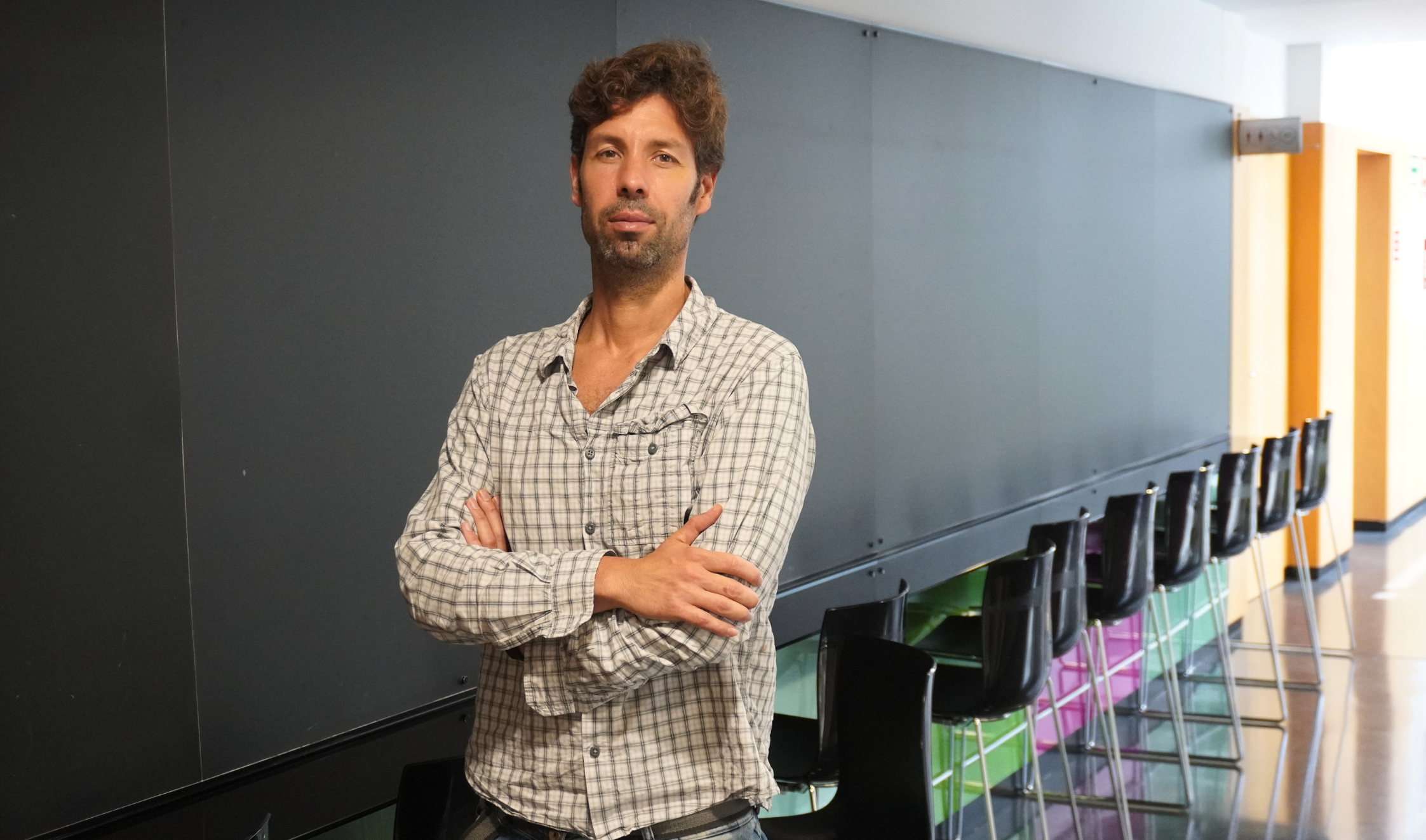
Diego Vidaurre joins the CRM through the ATRAE talent programme

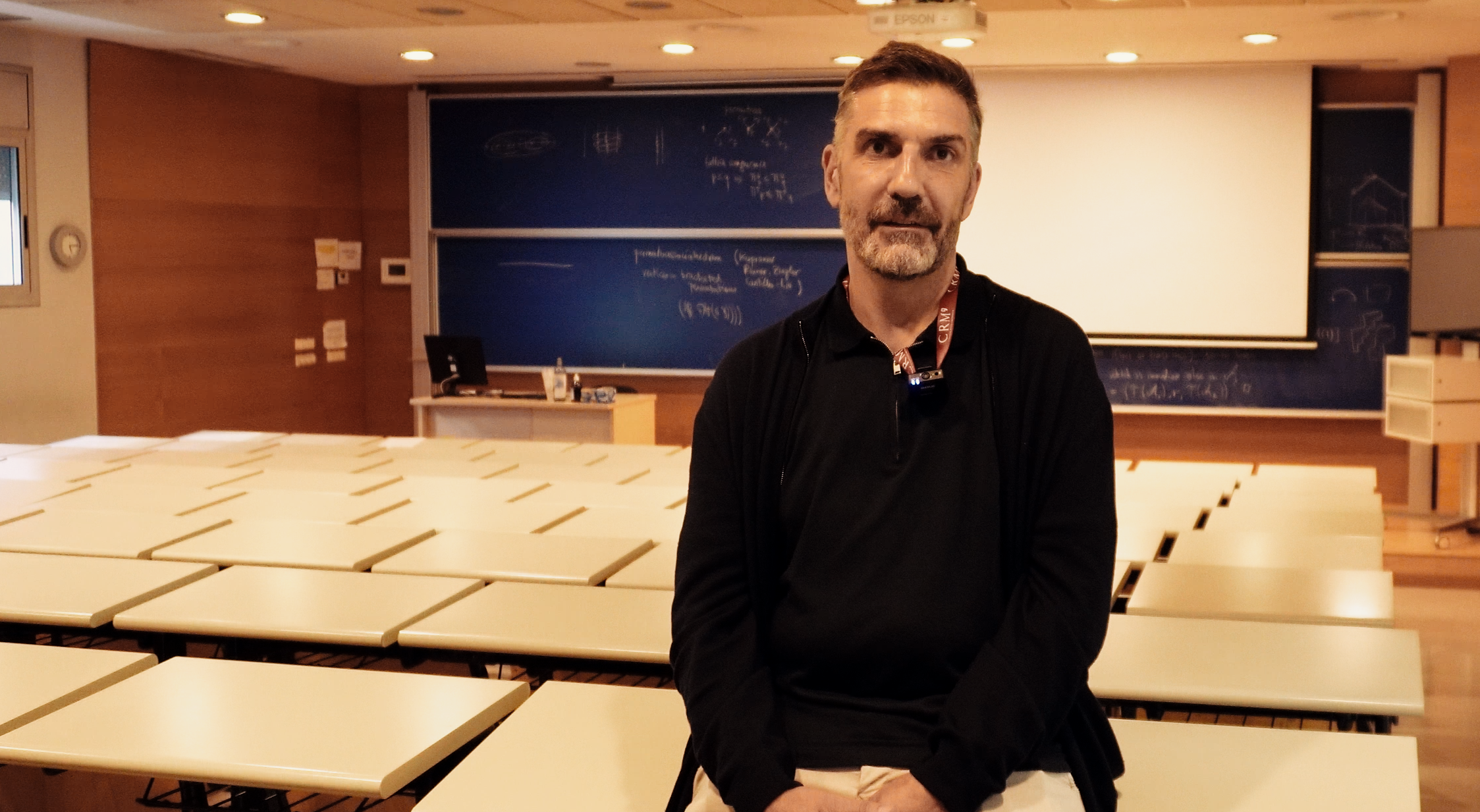
Diego Vidaurre has joined the Centre de Recerca Matemàtica through the ATRAE programme, bringing his expertise in modelling spontaneous brain activity across multiple data modalities. His work focuses on understanding how the brain’s intrinsic dynamics shape perception and relate to behavioural and clinical variables, with a strong emphasis on early stages of neurodegenerative disease.

Diego Vidaurre has joined the Computational and Mathematical Neuroscience group at the Centre de Recerca Matemàtica, supported by the Programa ATRAE. This national initiative brings internationally recognised senior researchers back to Spain after substantial careers abroad, to strengthen the Spanish scientific system through long-term leadership.

Vidaurre’s path to neuroscience began elsewhere. He completed his doctorate in computer science and statistics at the Universidad Politécnica de Madrid in 2012, then moved to Oxford for seven years of postdoctoral work in computational neuroscience. Positions in Osaka and Aarhus followed, where he rose to professor and built his own research group. Along the way, his focus shifted. “Statistics and machine learning were interesting as goals on their own,” he explains, “but I was even more interested in using them as tools for understanding. At the time, I thought neuroscience would be the science of the twenty-first century, the way physics and genetics were in the twentieth. Today I am a bit more sceptical, but the brain remains the most fascinating thing there is.”

“The brain remains the most fascinating thing there is.”

His group, currently split between the CRM and Denmark, operates along three intertwined lines. The first is methodological: developing and implementing pipelines for analysing functional brain data. The second is basic research, focused on understanding the role of spontaneous brain activity, that constant inner hum that never quite switches off, and how it shapes perception. The third is applied, examining how individual differences in these patterns relate to early markers of dementia.

At the CRM, Vidaurre will lead the project A new integrative statistical framework to connect symptoms to mechanisms in brain disease. The challenge is both technical and conceptual in nature. Understanding the brain through any single imaging modality, he notes, is like “trying to understand what research is being done at the CRM by looking from the outside through a frosted window.” Each technique reveals only a sliver of the full picture. The hope is that combining these partial views can compensate for the blind spots of any one method. His project aims to push that integration further, developing statistical tools capable of merging multiple data sources to reveal the earliest stages of Alzheimer’s disease.

The decision to come to Barcelona had personal roots. Vidaurre wanted to be closer to his mother and raise his daughter here. But the scientific reasons carried equal weight. “Barcelona brings together a critical mass of neuroscience and applied mathematics at a top international level,” he says. “And in particular, I think that the CRM, being a centre specifically focused on mathematics, can enrich me a lot in that part.”

His arrival strengthens Barcelona’s growing computational neuroscience ecosystem and opens new collaborative paths within the CRM and across nearby institutions. The CRM is delighted to welcome him.

CRM Comm

Pau Varela

CRMComm@crm.cat


Subscribe for more CRM News

Stay updated to our mailing list to get the lastest information about CRM activities.

László Lovász receives the 2025 Erasmus Medal in Barcelona

László Lovász receives the 2025 Erasmus Medal in Barcelona

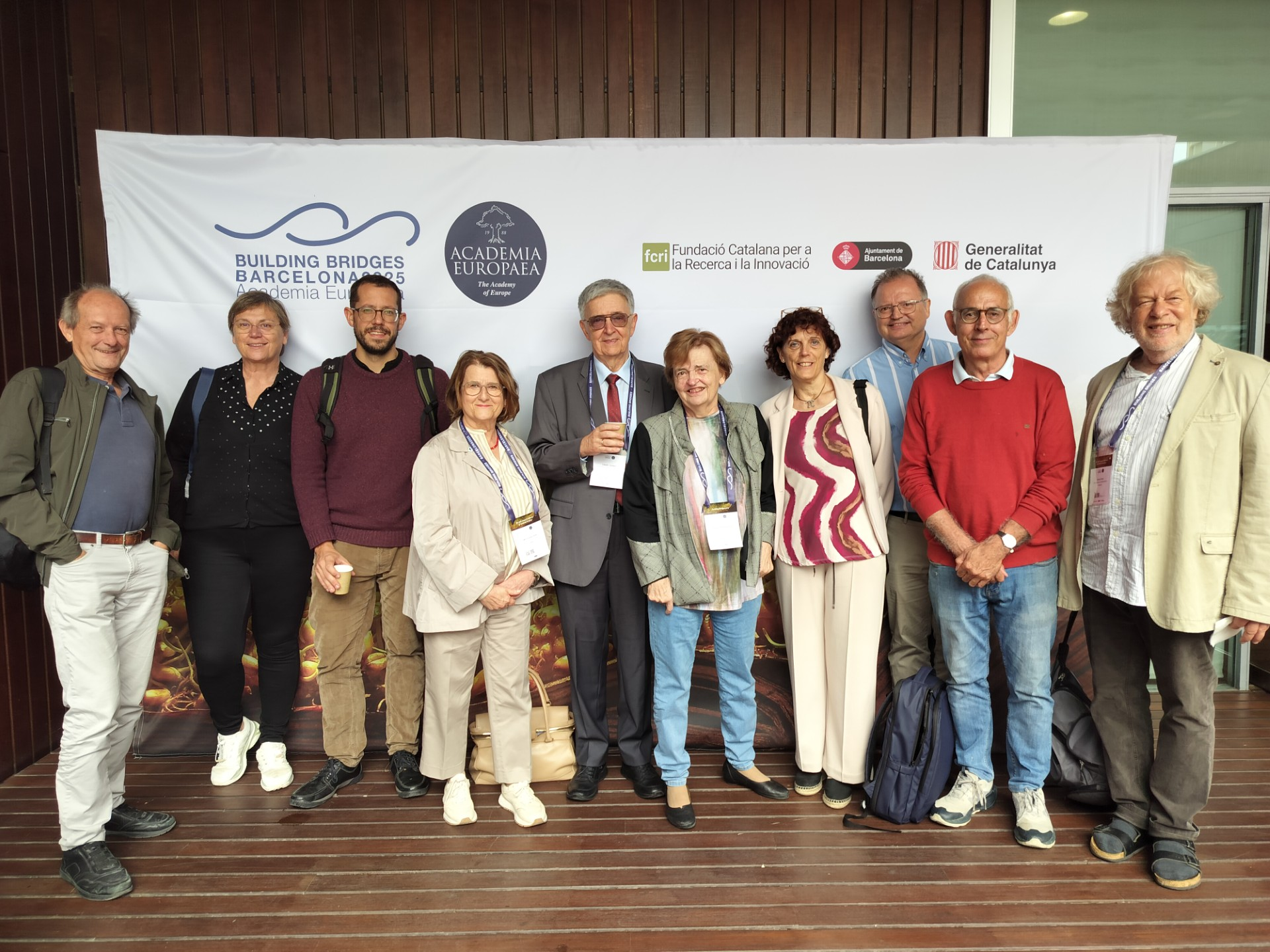
Mathematician László Lovász received the 2025 Erasmus Medal from the Academia Europaea yesterday at the PRBB in Barcelona, where he delivered the lecture “The Beauty of Mathematics”. Renowned for his work in graph theory and discrete mathematics, Lovász has shaped…

Combinatorial Geometry Takes Shape at the CRM

Combinatorial Geometry Takes Shape at the CRM

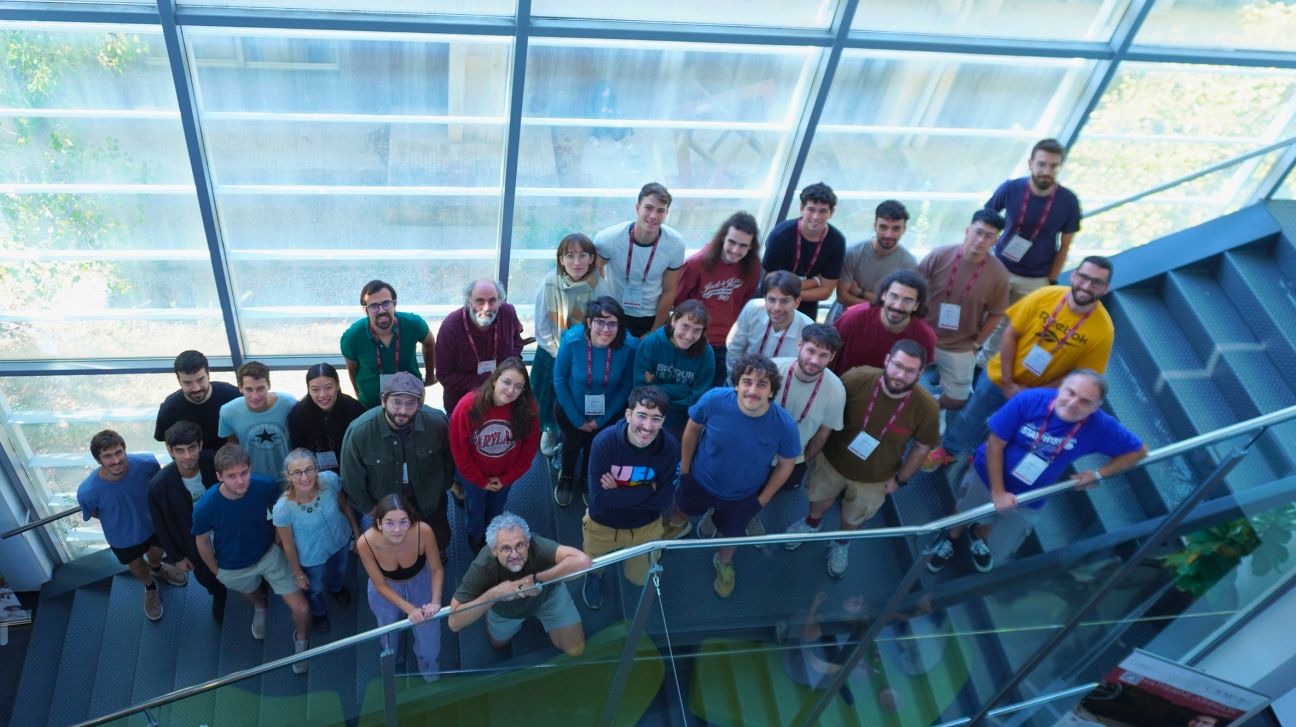
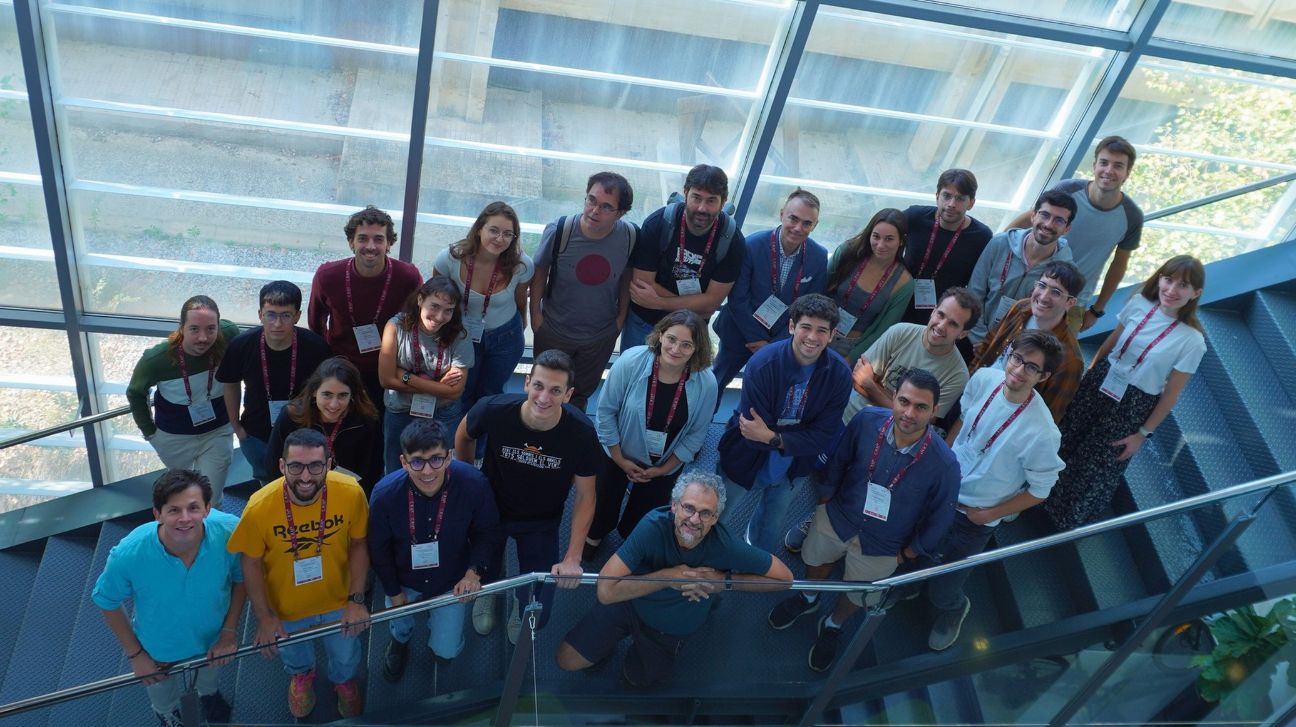
For one week in early October, the Centre de Recerca Matemàtica became a meeting ground for the world of combinatorial geometry. The Polytope Week research school gathered more than fifty participants from three continents to study the interplay…

The post Diego Vidaurre joins the CRM through the ATRAE talent programme first appeared on Centre de Recerca Matemàtica.

Go to Source

Sidebar