Author Archive

Entrenamiento cognitivo y TMS: “Trainep” estudia su efectividad para cambiar hábitos alimentarios

Entrenamiento cognitivo y TMS:
Desde el grupo de investigación PNINSULA, del CIMCYC, en colaboración con las universidades de Monash (Australia) y Exeter (Reino Unido), se ha investigado cómo el entrenamiento de habilidades cognitivas específicas puede modificar el funcionamiento de los sistemas impulsivo y reflexivo en relación con la alimentación. Ahora, estudian la efectividad de una intervención que utiliza también la estimulación magnética transcraneal.
Seguir leyendo

Go to Source

Cognitive Training and TMS: “Trainep” Studies Effectiveness in Changing Eating Habits

Entrenamiento cognitivo y TMS:
Desde el grupo de investigación PNINSULA, del CIMCYC, en colaboración con las universidades de Monash (Australia) y Exeter (Reino Unido), se ha investigado cómo el entrenamiento de habilidades cognitivas específicas puede modificar el funcionamiento de los sistemas impulsivo y reflexivo en relación con la alimentación. Ahora, estudian la efectividad de una intervención que utiliza también la estimulación magnética transcraneal.
Seguir leyendo

Go to Source

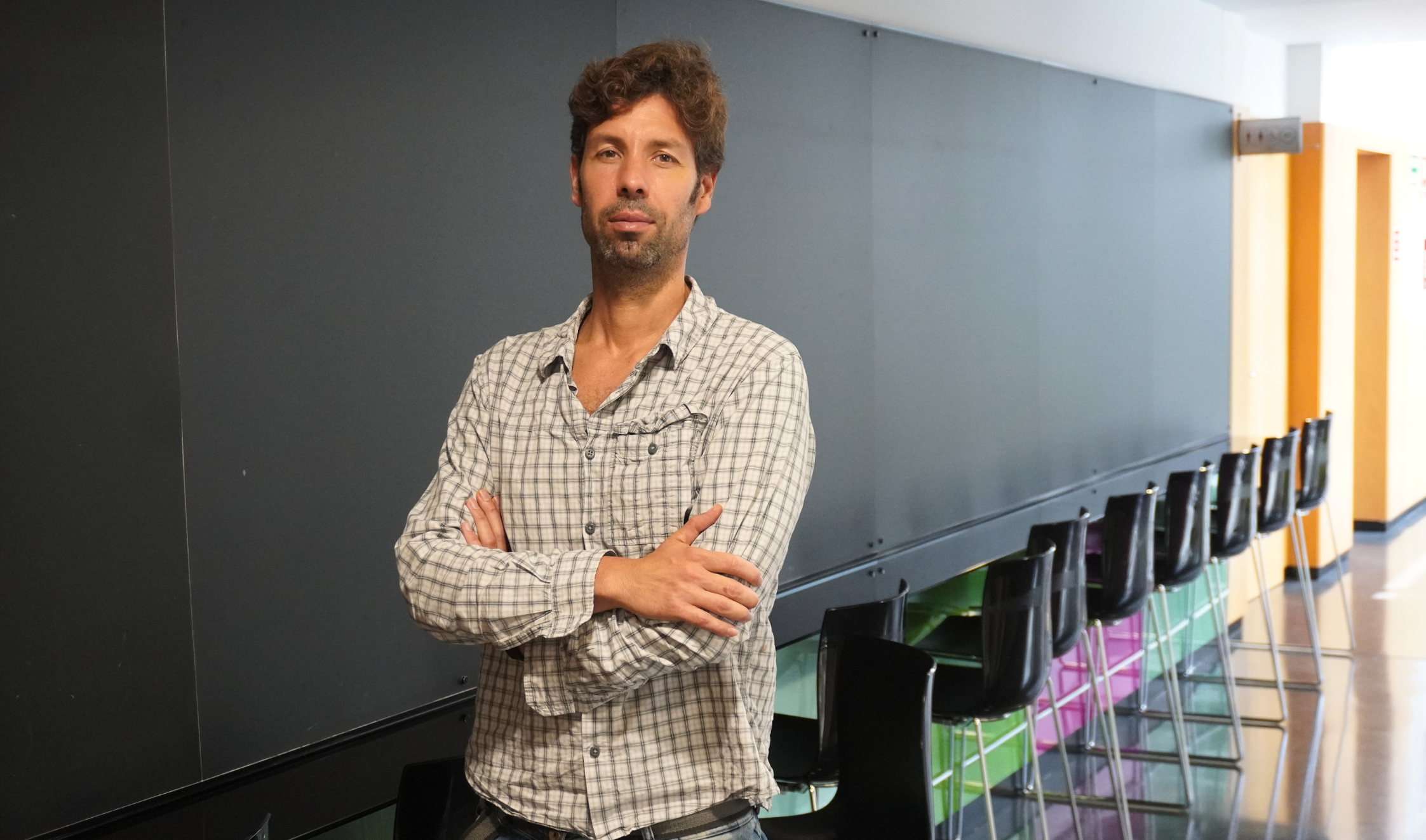
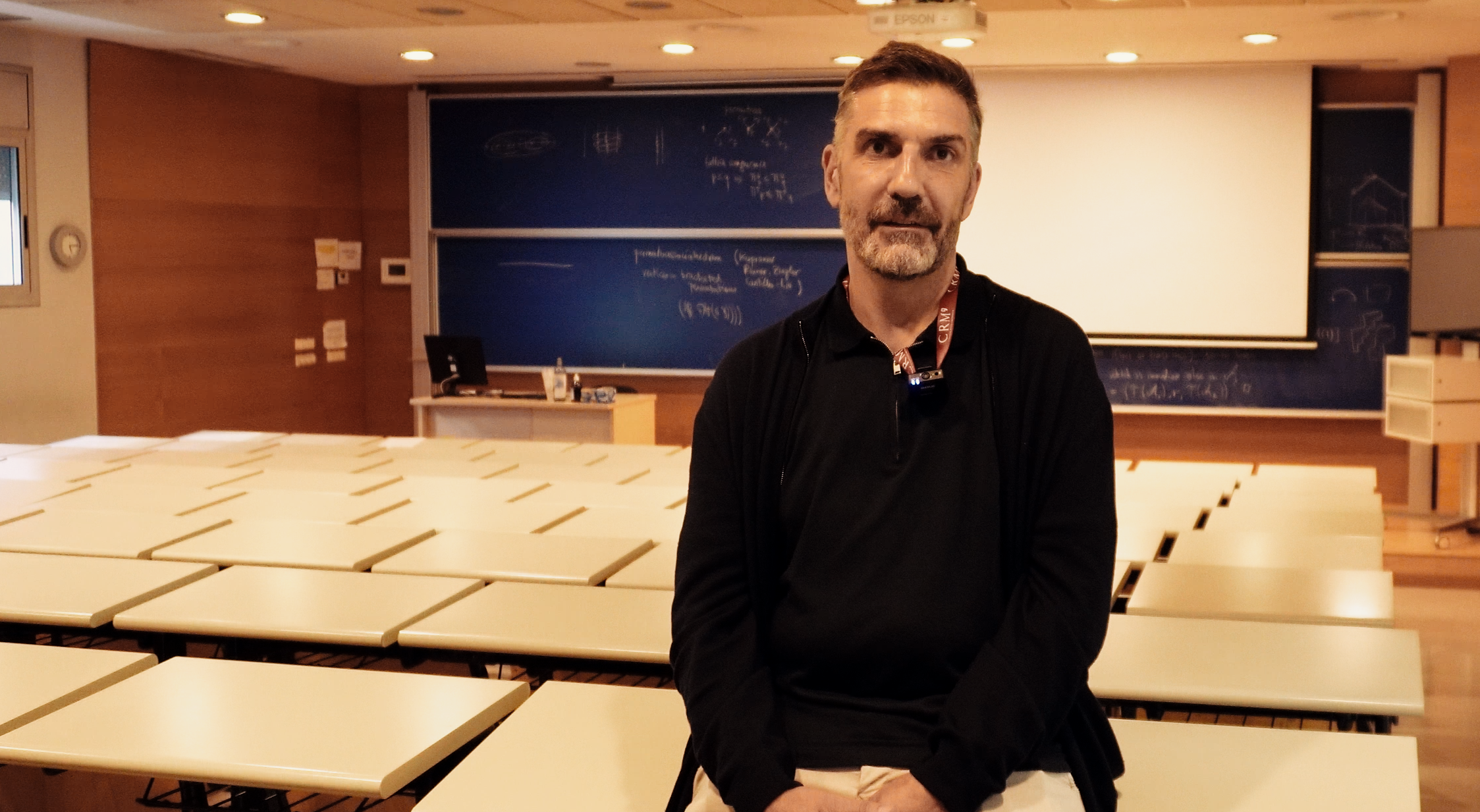
Diego Vidaurre joins the CRM through the ATRAE talent programme

Diego Vidaurre has joined the Centre de Recerca Matemàtica through the ATRAE programme, bringing his expertise in modelling spontaneous brain activity across multiple data modalities. His work focuses on understanding how the brain’s intrinsic dynamics shape perception and relate to behavioural and clinical variables, with a strong emphasis on early stages of neurodegenerative disease.

Diego Vidaurre has joined the Computational and Mathematical Neuroscience group at the Centre de Recerca Matemàtica, supported by the Programa ATRAE. This national initiative brings internationally recognised senior researchers back to Spain after substantial careers abroad, to strengthen the Spanish scientific system through long-term leadership.

Vidaurre’s path to neuroscience began elsewhere. He completed his doctorate in computer science and statistics at the Universidad Politécnica de Madrid in 2012, then moved to Oxford for seven years of postdoctoral work in computational neuroscience. Positions in Osaka and Aarhus followed, where he rose to professor and built his own research group. Along the way, his focus shifted. “Statistics and machine learning were interesting as goals on their own,” he explains, “but I was even more interested in using them as tools for understanding. At the time, I thought neuroscience would be the science of the twenty-first century, the way physics and genetics were in the twentieth. Today I am a bit more sceptical, but the brain remains the most fascinating thing there is.”

“The brain remains the most fascinating thing there is.”

His group, currently split between the CRM and Denmark, operates along three intertwined lines. The first is methodological: developing and implementing pipelines for analysing functional brain data. The second is basic research, focused on understanding the role of spontaneous brain activity, that constant inner hum that never quite switches off, and how it shapes perception. The third is applied, examining how individual differences in these patterns relate to early markers of dementia.

At the CRM, Vidaurre will lead the project A new integrative statistical framework to connect symptoms to mechanisms in brain disease. The challenge is both technical and conceptual in nature. Understanding the brain through any single imaging modality, he notes, is like “trying to understand what research is being done at the CRM by looking from the outside through a frosted window.” Each technique reveals only a sliver of the full picture. The hope is that combining these partial views can compensate for the blind spots of any one method. His project aims to push that integration further, developing statistical tools capable of merging multiple data sources to reveal the earliest stages of Alzheimer’s disease.

The decision to come to Barcelona had personal roots. Vidaurre wanted to be closer to his mother and raise his daughter here. But the scientific reasons carried equal weight. “Barcelona brings together a critical mass of neuroscience and applied mathematics at a top international level,” he says. “And in particular, I think that the CRM, being a centre specifically focused on mathematics, can enrich me a lot in that part.”

His arrival strengthens Barcelona’s growing computational neuroscience ecosystem and opens new collaborative paths within the CRM and across nearby institutions. The CRM is delighted to welcome him.

CRM Comm

Pau Varela

CRMComm@crm.cat


Subscribe for more CRM News

Stay updated to our mailing list to get the lastest information about CRM activities.

László Lovász receives the 2025 Erasmus Medal in Barcelona

László Lovász receives the 2025 Erasmus Medal in Barcelona

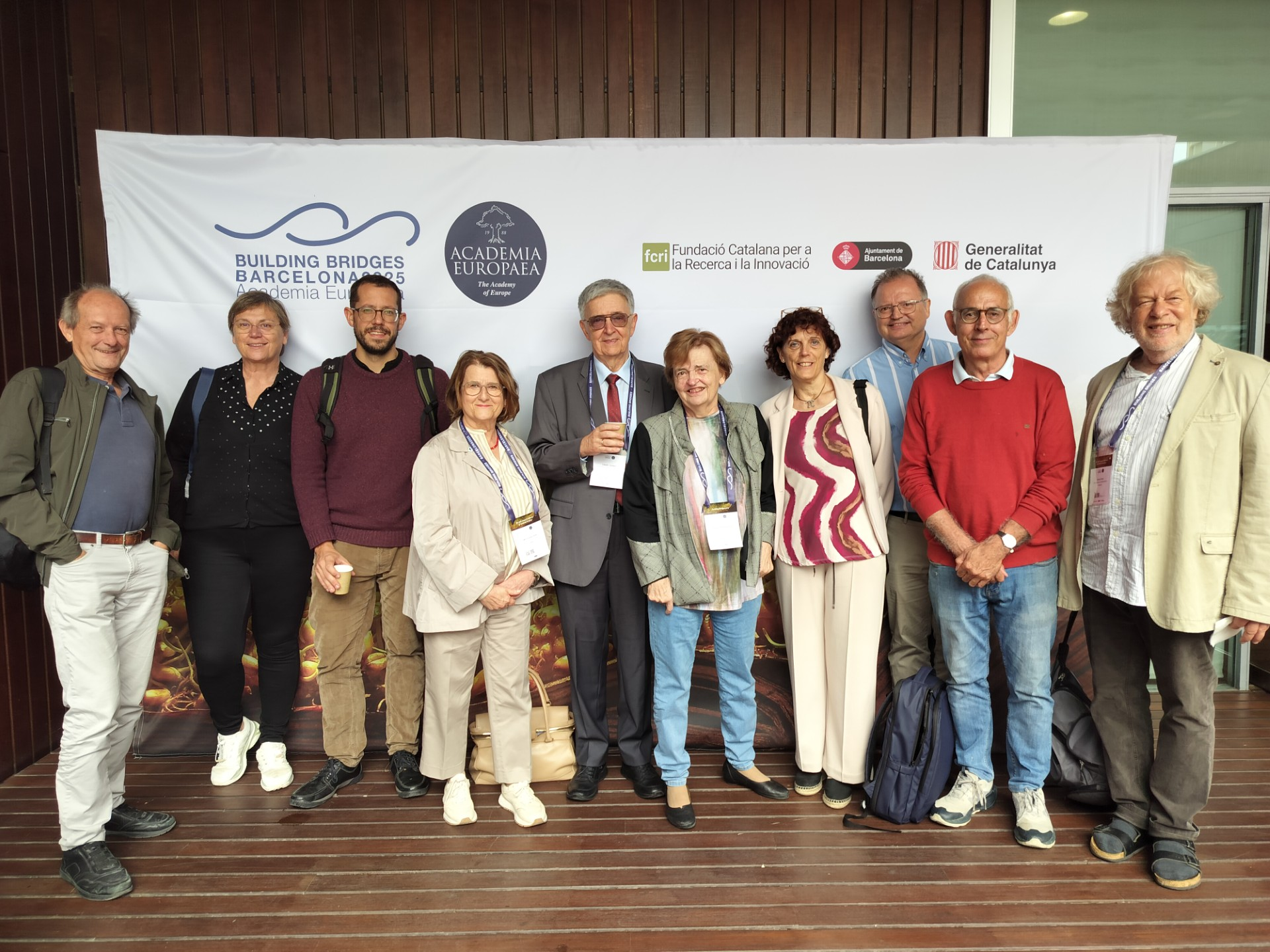
Mathematician László Lovász received the 2025 Erasmus Medal from the Academia Europaea yesterday at the PRBB in Barcelona, where he delivered the lecture “The Beauty of Mathematics”. Renowned for his work in graph theory and discrete mathematics, Lovász has shaped…

Combinatorial Geometry Takes Shape at the CRM

Combinatorial Geometry Takes Shape at the CRM

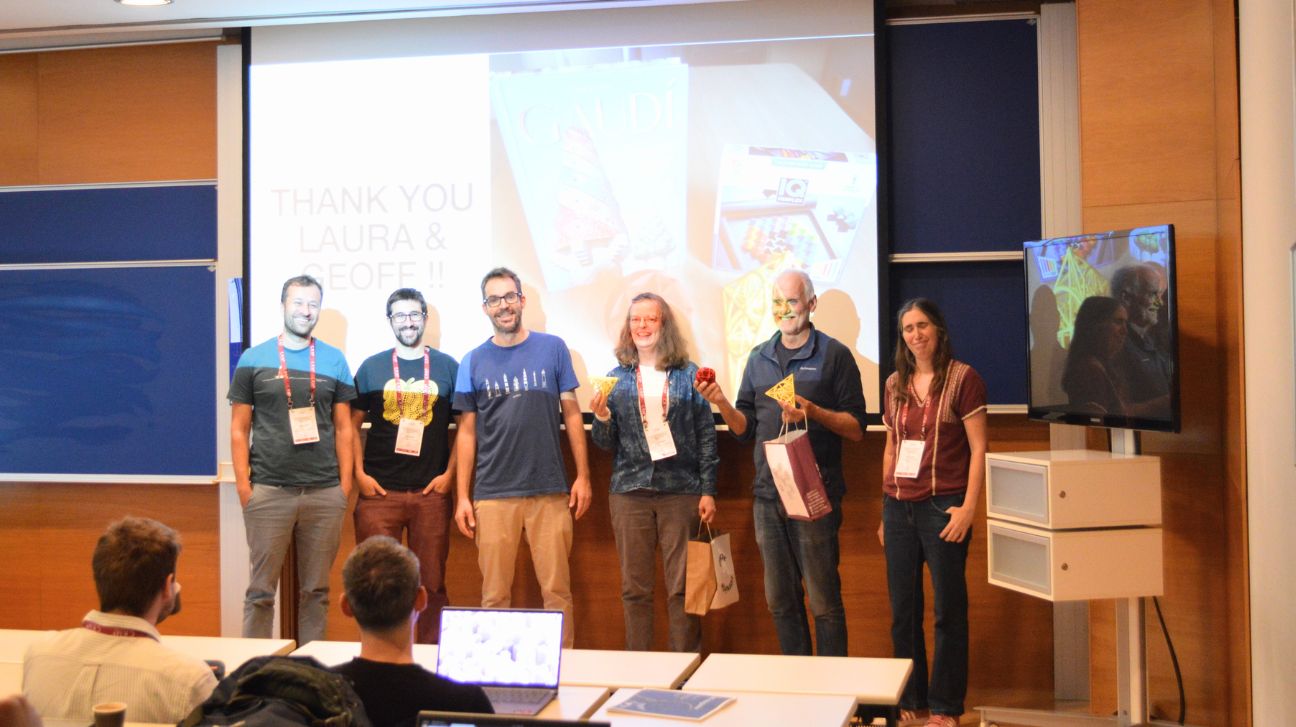
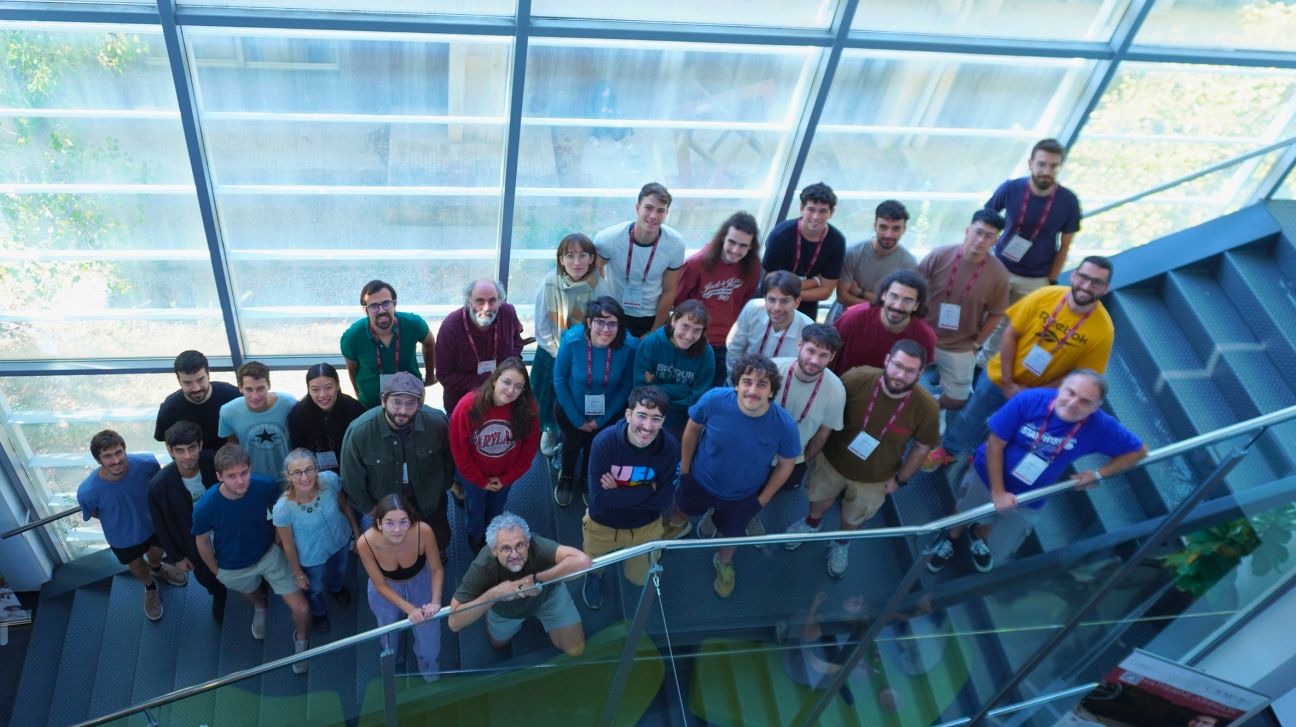
For one week in early October, the Centre de Recerca Matemàtica became a meeting ground for the world of combinatorial geometry. The Polytope Week research school gathered more than fifty participants from three continents to study the interplay…

The post Diego Vidaurre joins the CRM through the ATRAE talent programme first appeared on Centre de Recerca Matemàtica.

Go to Source

Un nuevo método español simplifica la detección de ARN de virus como el SARS-CoV-2

Un equipo del Centro de Biología Molecular Severo Ochoa (CBM, CSIC–UAM) ha desarrollado un nuevo método para detectar ARN —como el de virus respiratorios o patógenos emergentes— de forma rápida, sencilla y sin necesidad de usar la técnica de PCR tradicional ni costosos aparatos de laboratorio.

El avance se basa en una tecnología llamada amplificación isotérmica, una forma de copiar material genético que funciona siempre a una misma temperatura. A diferencia de la PCR (reacción en cadena de la polimerasa), que requiere subir y bajar la temperatura muchas veces para copiar el ADN  —algo que solo puede hacerse con equipos especializados—, la amplificación isotérmica se realiza a una temperatura constante.

“Con este sistema podemos obtener resultados en apenas dos horas y sin máquinas de PCR, lo que lo hace mucho más accesible”, explica Miguel de Vega, investigador principal del CBM. “El resultado positivo puede incluso verse como un cambio de color, a simple vista”.

El nuevo método utiliza una sonda testigo  de ADN que se une específicamente al ARN que se quiere detectar, circularizándose. Luego, un conjunto de enzimas hace que esa sonda, ya circular, se replique una y otra vez, lo que amplifica la señal que informa de la presencia del ARN.

La clave está en una enzima diseñada por el equipo, llamada Qx5, una versión mejorada de la ADN polimerasa del fago Phi29 que, a diferencia de las convencionales, puede usar directamente el ARN diana como punto de partida para comenzar la copia continua de la sonda de ADN circular. Esta enzima se combina con otra enzima llamada TthPrimPol, que genera múltiples iniciadores (unas pequeñas piezas de ADN) sobre la copia de ADN que se está realizando, y que serán utilizados por Qx5 para lograr una amplificación exponencial de la sonda testigo inicial.

El sistema produce así una amplificación potente sin necesidad de los pasos previos habituales de transcripción inversa y diseño de iniciadores —dos de los principales cuellos de botella en el diagnóstico de ARN. “Nuestra tecnología elimina los pasos más lentos y complicados del diagnóstico molecular”, señala Luis Blanco, investigador principal del CBM. “Esto abre la puerta a test rápidos, económicos y portátiles, que podrían usarse en clínicas rurales, aeropuertos o en situaciones de emergencia sanitaria”.

La simplicidad del método podría facilitar el desarrollo de kits de diagnóstico accesibles y de bajo coste, útiles tanto para la detección de virus como para otras aplicaciones biomédicas.

El trabajo, firmado por Alicia del Prado, María I. Martínez-Jiménez, Luis Blanco y Miguel de Vega, se publica bajo el título “Novel primer-less amplification method for detection of RNA molecules” (Methods, 244 (2025), pp. 227-239, 10.1016/j.ymeth.2025.10.007).

La entrada Un nuevo método español simplifica la detección de ARN de virus como el SARS-CoV-2 se publicó primero en Centro de Biología Molecular Severo Ochoa.

Go to Source

Tecnologías energéticas e Inteligencia Artificial: claves para la colaboración con Arabia Saudí

La entrada Tecnologías energéticas e Inteligencia Artificial: claves para la colaboración con Arabia Saudí se publicó primero en IMDEA ENERGÍA.

Go to Source

El CRM a la Setmana de la Ciència: una ruta entre dones, formes i pensament

El CRM va participar en la 30a edició de la Setmana de la Ciència amb una ruta guiada que va combinar les biografies de dones matemàtiques amb obres d’art del centre, connectant ciència, història i creació artística.

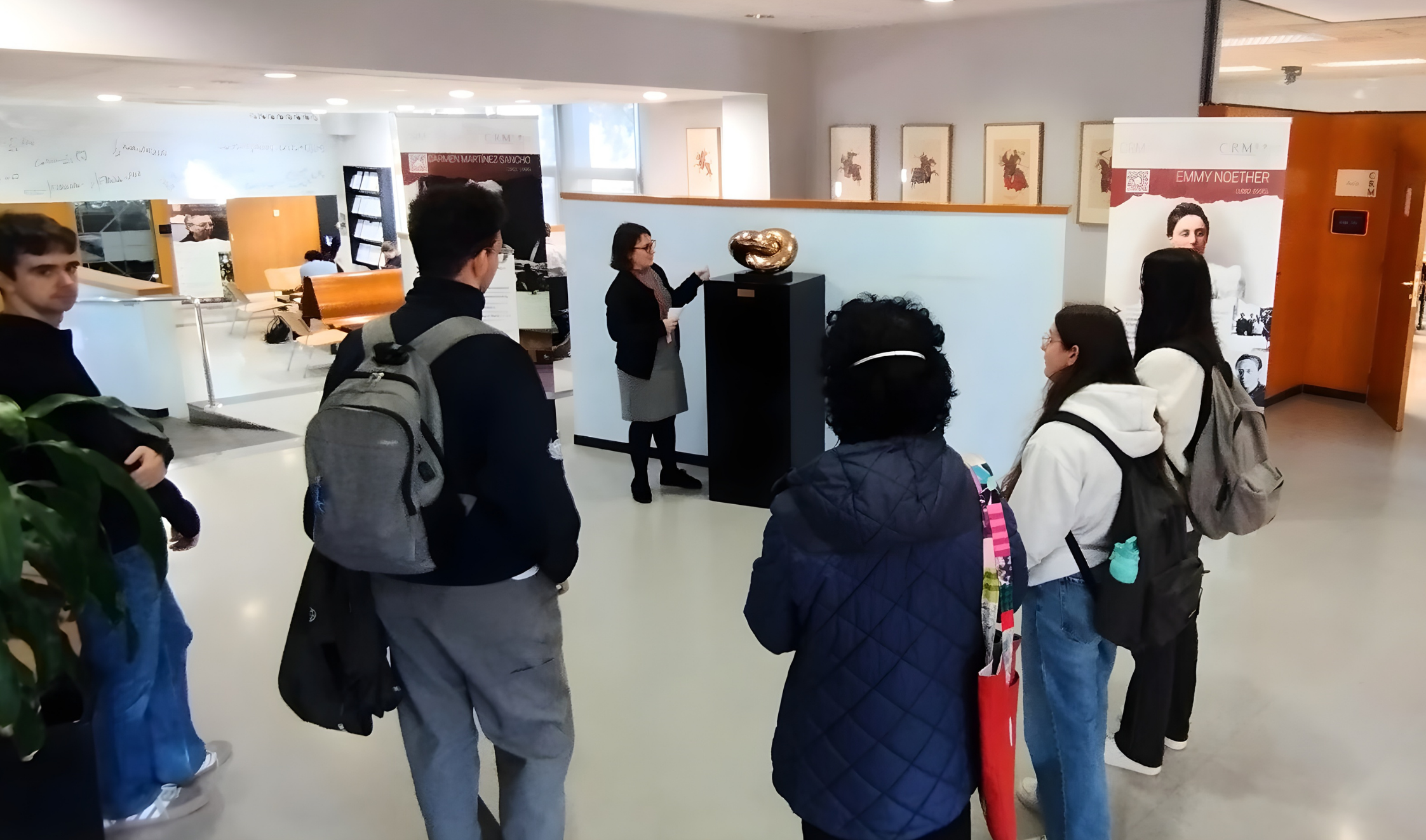
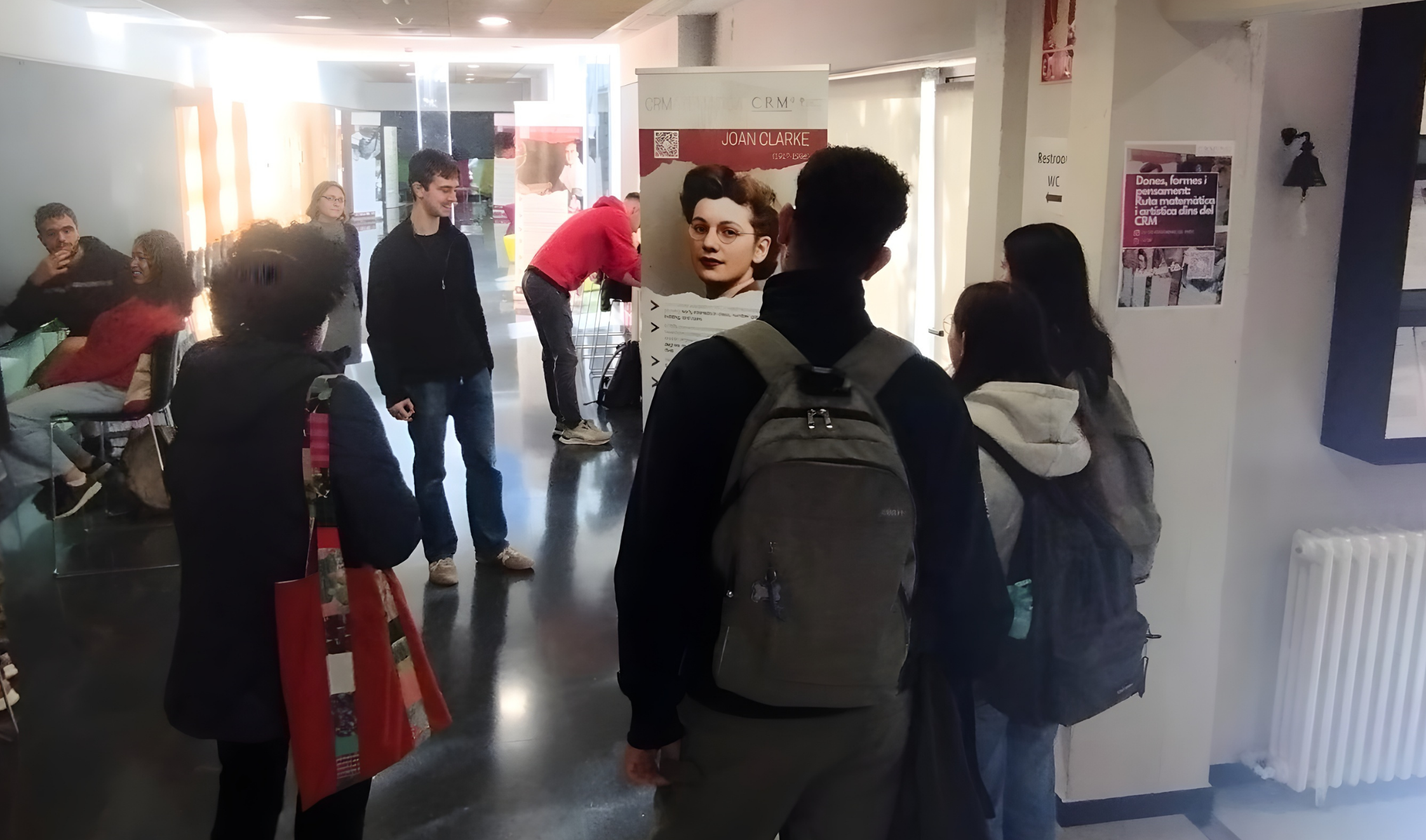
El 12 de novembre, el Centre de Recerca Matemàtica va obrir les portes a visitants que van recórrer els passadissos del centre amb una missió clara: descobrir les històries de dones que han transformat les matemàtiques i deixar-se sorprendre per l’art que habita entre les equacions.

La ruta Dones, formes i pensament va combinar l’exposició Figures visibles amb obres artístiques del centre, guiada per Pau Varela i Natalia Vallina, del Departament de Comunicació, i Javier Guillán, estudiant de doctorat al CRM. Durant una hora, els participants van passejar per les biografies d’Emmy Noether, Maryam Mirzakhani, Maria Assumpció Català i altres matemàtiques que van obrir camí en contextos sovint hostils. Les explicacions van anar més enllà dels teoremes: qui eren aquestes dones, què van haver de superar, i com les seves idees ressonen encara avui en la recerca actual.

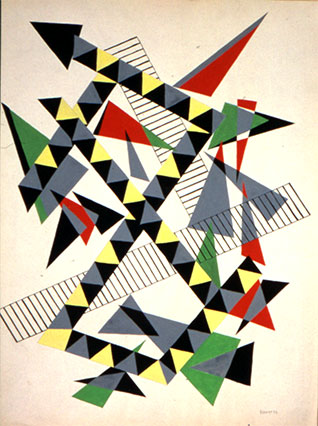
El recorregut també es va aturar davant de dues pintures Geomètric de Mercè Rodoreda, una faceta poc coneguda de l’escriptora, i les escultures Creation de John Robinson i Bonds of Friendship de Jeff Robinson, peces que conviden a pensar en simetries, topologia i la construcció del coneixement des d’una mirada que no distingeix entre art i ciència.

Una activitat emmarcada en la 30a edició de la Setmana de la Ciència que reivindica el que el CRM fa cada dia: connectar la recerca matemàtica amb el món, i recordar que darrere de cada teoria hi ha sempre una persona.

CRM Comm

Pau Varela & Natalia Vallina

CRMComm@crm.cat


Subscribe for more CRM News

Stay updated to our mailing list to get the lastest information about CRM activities.

László Lovász receives the 2025 Erasmus Medal in Barcelona

László Lovász receives the 2025 Erasmus Medal in Barcelona

Mathematician László Lovász received the 2025 Erasmus Medal from the Academia Europaea yesterday at the PRBB in Barcelona, where he delivered the lecture “The Beauty of Mathematics”. Renowned for his work in graph theory and discrete mathematics, Lovász has shaped…

Combinatorial Geometry Takes Shape at the CRM

Combinatorial Geometry Takes Shape at the CRM

For one week in early October, the Centre de Recerca Matemàtica became a meeting ground for the world of combinatorial geometry. The Polytope Week research school gathered more than fifty participants from three continents to study the interplay…

The post El CRM a la Setmana de la Ciència: una ruta entre dones, formes i pensament first appeared on Centre de Recerca Matemàtica.

Go to Source

The COALA project begins with six schools in Catalonia

The new COALA project will incorporate scientific knowledge on sustainable food and circular economy into the learning of primary school communities. To make this possible, the Sostenipra research group of ICTA-UAB and six educational centers have established the first network in Catalonia dedicated to collaborative work and knowledge exchange.

Go to Source

Investigadores de IMDEA Energía llevan sus proyectos a las aulas durante la Semana de la Ciencia y la Innovación

La entrada Investigadores de IMDEA Energía llevan sus proyectos a las aulas durante la Semana de la Ciencia y la Innovación se publicó primero en IMDEA ENERGÍA.

Go to Source

ICN2 PhD Talent Shines at JPhD 2025

The event, co-organised by ICN2, ICMAB and UAB, featured a rich scientific communication programme and brought together early-career researchers to foster collaboration and knowledge exchange.

Go to Source

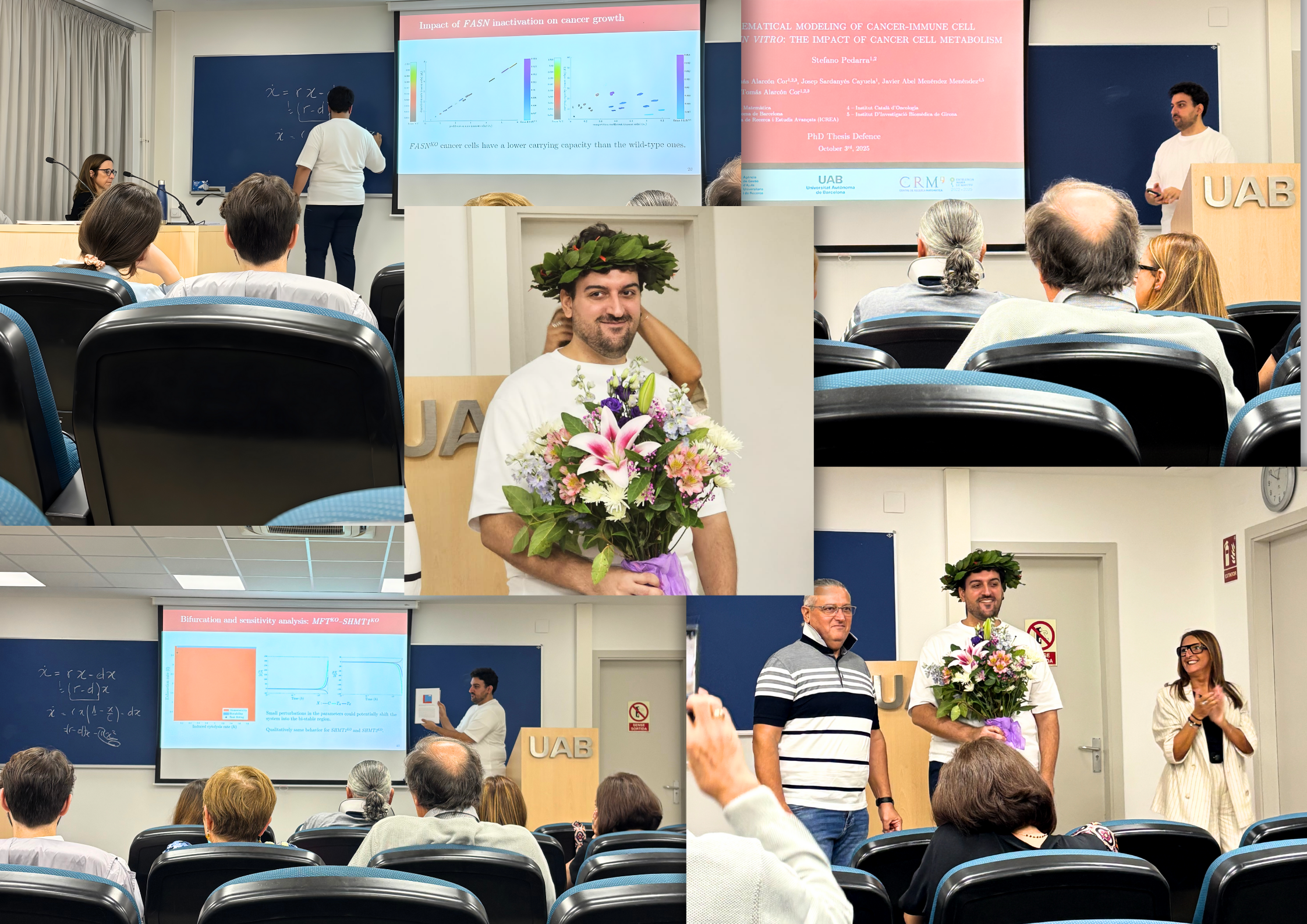
Stefano Pedarra Defends his PhD Thesis on the Interaction between Tumour Cells and the Immune System

Stefano Pedarra has completed his PhD at the Centre de Recerca Matemàtica with a thesis exploring how tumour-cell metabolism shapes the immune system’s ability to fight cancer. His work brought mathematics and biology into direct conversation, from building models to decoding laboratory data, and taught him the craft of translating complex biological processes into quantitative language. With his doctoral chapter now closed, he begins a new stage as a science communicator, determined to stay close to research and share its meaning with a wider public.

There is a moment, says new CRM doctorate Stefano Pedarra, when everything finally clicks. After months spent shaping a mathematical model, adjusting parameters, and running simulations of a biological process you’ve only encountered in papers or in conversations with specialists from another field, the laboratory data and your computer’s predictions suddenly line up. It is not chance; it is the sign that you’ve grasped the biology well enough to express it in mathematical form, and that the bridge you’ve built between both disciplines can hold its own weight.

“It was toward the end of my third year, between the end of the third and the beginning of the fourth. When everything was working, it surprised me to see the mathematical results align with the biological results. In a way, it’s what you expect, because if they didn’t, well, we might as well pack up and go home. But it was a moment of real satisfaction, seeing how things can actually fall into place.”

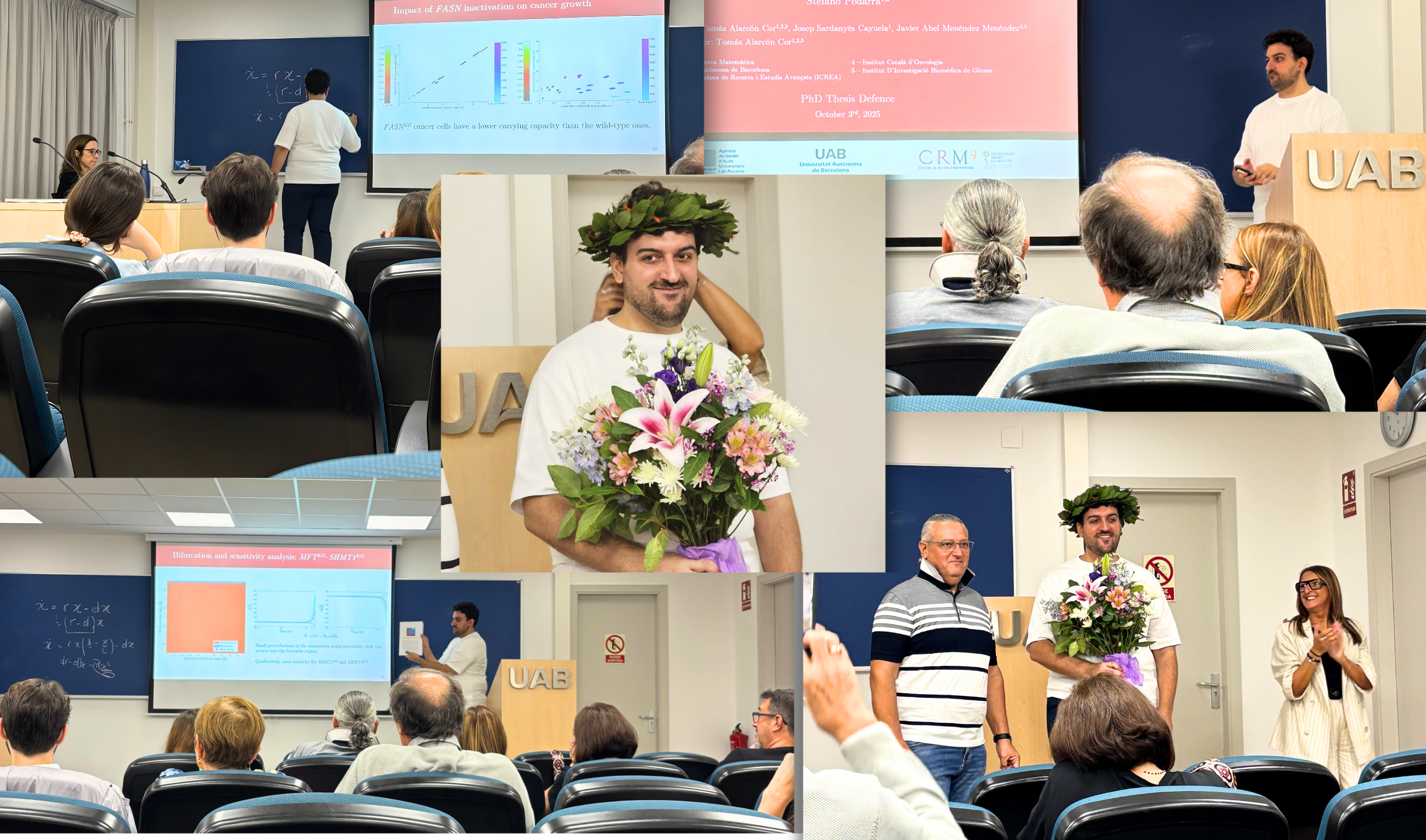
On October 3rd, Stefano Pedarra defended his doctoral thesis, conducted at the Centre de Recerca Matemàtica (CRM), titled Mathematical modeling of cancer-immune cell dynamics in vitro: the impact of cancer cell metabolism. The work was supervised by Tomàs Alarcón (ICREA-CRM), Josep Sardanyés (CRM), from the Mathematical Biology research group at CRM, and Javier Menéndez (IDIBGI). At its core, the thesis tackles a precise question: how does the metabolism of tumour cells affect the immune system’s ability to eliminate them? Addressing it carries clear medical relevance, but getting there demands mathematical models, computational simulations, and the slow, careful work of building a genuine dialogue between mathematics and biology.


Translating biological processes into mathematics

“The main goal of my thesis was to understand how the metabolic dynamics of tumour cells can influence the antitumour immune response,” Stefano explains. “From a mathematical perspective, I developed and analysed models describing the interaction between the tumour and the immune system, exploring how certain metabolic alterations can support or hinder the effectiveness of the immune response. In short, the goal was to integrate biological knowledge with mathematical tools to obtain a more quantitative and mechanistic view of a very complex process.”

It was not his first interdisciplinary project, but it was the first with such tightly coordinated supervision. “There was much closer contact with the biological side,” he recalls. And this involves a challenge that is not always obvious: communicating with people from other scientific areas. “Even though my thesis, mathematically speaking, did not use very complex tools, at least in the first part, I still had to shape the explanations and concepts so they could be understood without much mathematical background.” Explaining things to people from other fields is, in the end, a challenge.

And a learning experience.

“That bridge, you build it yourself in the moment when you’re doing the maths, because you’ve understood how the biological process works and you’ve been able to express it in a mathematical model that truly reflects it.”

The first year of the PhD was especially revealing. His early conversations with Javier Menéndez, head of the Cancer and Metabolism research group at the Girona Biomedical Research Institute Dr. Josep Trueta, helped him form an initial idea of how the biological system was structured. Based on that guidance, Stefano and his supervisors built a first model. But months later, in a new meeting, they realised they had misunderstood how the system worked. That discovery was not easy to accept. “It was frustrating, because I had spent a lot of time reading and maybe a couple of months developing and studying that model from a mathematical standpoint. Even so, it gave me a first contact with modelling, even if, in terms of results, those months were practically lost.”

Over time, however, the dialogue strengthened. “Little by little you understand things from the other field,” he explains, “but at the same time you realise that it’s not enough to just explain yourself better. As a researcher, you have to inform yourself, read, and study the topic. It’s a process that grows naturally, but it demands effort, because without that, there’s no way forward.” Time, in a PhD, is limited, and waiting for understanding to arrive on its own can be too slow.

One of the biggest surprises for him was discovering that the biological part was not just a background framework, but a living, essential piece of his work. “I thought the biological side was just context and that there wasn’t much more to understand, but I had to study, inform myself and read a lot.” Over time, he understood that the bridge between mathematics and biology does not appear on its own; it is built as you move forward. “You build that bridge while you’re doing the maths, once you understand how the biological process works and manage to express it in a model that truly reflects it.”

The years of work behind a PhD also bring moments of crisis, academically and personally. Stefano is clear: you must learn to ask for help. “It’s very important to recognise your own limits and ask for support, because if you don’t, you create unnecessary frustration. And academically, even more so.” He reminds us that PhD candidates are, by definition, researchers in training. “You’re in a learning process; you’re not a fully trained researcher. You need to keep a degree of autonomy and find ways to solve problems on your own, but you also need to be aware that you don’t know everything, and that’s why you have supervisors who must guide you.”

When asked what he would tell his five-year-younger self, Stefano answers without hesitation. He would say not to fear uncertainty, that it is all part of the path, and that you must trust the process. “A PhD is a long-distance race: there are moments of euphoria and moments of doubt, and that’s normal.” He would also remind his past self that asking for help is not a sign of weakness but an essential part of scientific work. “And above all,” he adds, “not to lose the curiosity that made him start.”


A new stage as a science communicator

Now that the PhD is behind him, Stefano has begun a new stage devoted to science communication. He says he felt “the need to stay connected to science, but from a different perspective.” This work allows him to remain linked to research “not to produce knowledge, but to communicate it, share it, and make it accessible.” He is especially motivated by the chance to convey “the beauty of science to people who may never have approached it before,” and he also sees a social dimension in this role: “Science communication is a way to inspire new scientific vocations and give meaning to knowledge.”

To future PhD students, Stefano advises finding a balance between what you research and who you research with. He recalls that the topic of the thesis is not always the decisive factor. “Maybe at the beginning, the topic of the PhD wasn’t something I had imagined studying, but over time, I came to really enjoy it. What truly made the difference was having supervisors who were there for me, who supported me, academically but also personally.” For this reason, he insists that “the human factor can completely change the PhD experience.”

Before jumping into a doctorate, Stefano recommends experiencing research from the inside to truly understand what it entails. “From the outside, you see scientists who seem exceptional, who know everything, who have the answer to absolutely everything and no obstacle in front of them. But the truth is that it isn’t like that.” Research is full of errors, unexpected problems, and results that often take much longer than expected. This is why he believes that “the PhD is not for everyone, nor does it have to be,” since everyone has aptitudes and skills that contribute to the whole in different ways. “Without that diversity,” he says, “the world couldn’t move forward.”

In the end, Stefano’s thesis is the story of a bridge. Not only between mathematics and biology, but also between curiosity and rigour, between abstractions and applications, between individual effort and collective support. A bridge built piece by piece, through mistakes, corrections, and moments when everything clicks. And when it holds, it lets you see that equations can speak of cells, tumours, and the stubborn human drive to understand the world a little better.

Pedarra, Stefano (2025). Mathematical modeling of cancer-immune cell dynamics in vitro: the impact of cancer cell metabolism. Doctoral thesis, Universitat Autònoma de Barcelona. Supervisors: Tomàs Alarcón (ICREA-CRM), Josep Sardanyés (CRM), Javier Abel Menéndez (IDIBGI).

Permanent link: https://ddd.uab.cat/record/320733
Alternative link: https://hdl.handle.net/10803/695473

CRM Comm

Pau Varela

CRMComm@crm.cat


László Lovász receives the 2025 Erasmus Medal in Barcelona

László Lovász receives the 2025 Erasmus Medal in Barcelona

Mathematician László Lovász received the 2025 Erasmus Medal from the Academia Europaea yesterday at the PRBB in Barcelona, where he delivered the lecture “The Beauty of Mathematics”. Renowned for his work in graph theory and discrete mathematics, Lovász has shaped…

Combinatorial Geometry Takes Shape at the CRM

Combinatorial Geometry Takes Shape at the CRM

For one week in early October, the Centre de Recerca Matemàtica became a meeting ground for the world of combinatorial geometry. The Polytope Week research school gathered more than fifty participants from three continents to study the interplay…

The post Stefano Pedarra Defends his PhD Thesis on the Interaction between Tumour Cells and the Immune System first appeared on Centre de Recerca Matemàtica.

Go to Source

Prof. Núria López among the world’s top 1% most cited scientists

Prof. Núria López, Group Leader at the Institute of Chemical Research of Catalonia (ICIQ), has been included in the 2025 list of Highly Cited Researchers published by Clarivate. The list identifies the top 1 in 1,000 scientists and social scientists worldwide whose publications rank in the top 1% by citations in their field and year, based on data from the Web of Science Core Collection over the past eleven years.

This year, 7,131 researchers were recognised globally, including 237 in Chemistry. In Spain, only two researchers in this field received the distinction: Prof. López and Prof. Avelino Corma (Instituto de Tecnología Química, ITQ).

“This recognition highlights the dedication and teamwork behind our research,” said Prof. López. “It would not have been possible without the commitment of my group and our collaborators.”

She leads a research group at ICIQ focusing on theoretical studies of heterogeneous photo-electro-catalysis. Prof. López obtained her PhD in Theoretical Chemistry from the University of Barcelona and has received several distinctions, including an ERC Starting Grant (2010), an ERC Proof-of-Concept Grant (2015) and the John Jeyes Sustainability Prize by the Royal Chemical Society in 2022. She has also played leading roles in European supercomputing initiatives and pioneered open data practices through ioChem-BD, a computational catalysis database. Prof. López’s research record includes 336 publications, an H-index of 85, and more than 25,000 citations.

La entrada Prof. Núria López among the world’s top 1% most cited scientists se publicó primero en ICIQ.

Go to Source

Humanity travels an average of 78 minutes per day, regardless of living standards 

People travel for many reasons—commuting, as part of their job, or to go shopping—and the time spent traveling differs from day to day, from person to person. But remarkably, populations tend to travel for close to 1.3 hours per day (78 minutes), no matter where they live, or how rich they are.

Go to Source

Sidebar