New constraints on gauged U1Lμ−Lτ models via Z − Z′ mixing
Asai K.; Miyao C.; Okawa S.; Tsumura K.
Journal of High Energy Physics, Vol. 2024, Num. 18 (2024)
Article
.jpg?h=dca5c52d&itok=0MmPcav- "semana de la ciencia 2025")

These distinctions highlight the quality of ICN2’s doctoral research and the growing impact of its young scientific community.
Muhammad Saad Naeem, a PhD student who is under Prof. Núria López and Prof. Ricard Garcia-Valls (URV) supervision has successfully defended his PhD thesis entitled “Theoretical Descriptors for Electrochemical Devices: Interfaces-Transport” publicly on Monday, November 10.
The members of the evaluation committee were Prof. Damien Laage (École Normale Supérieure, Paris), Prof. José Ramón Galán-Mascarós (ICIQ) and Dr. Carine Michel (École Normale Supérieure, Paris)
Muhammad Saad Naeem is from Pakistan, and his academic path has taken him across Europe, where he trained in computational chemistry and AI-driven materials discovery. Outside the lab, he enjoys reading philosophy, listening to music, and walking outdoors to clear his mind and think more clearly.
He received a Marie Skłodowska-Curie Fellowship, which significantly shaped his research trajectory and opened international scientific opportunities.

Why did you become a scientist?
Curiosity has always guided me. I became a scientist because I wanted to understand how the world works at the most fundamental level and contribute to meaningful technological progress.
What do you want to achieve as a scientist?
I want to accelerate the discovery of sustainable energy materials. My goal is to bridge chemistry and AI to move innovations from concept to real-world impact faster.
What is your thesis about?
My thesis focuses on combining quantum chemistry and machine learning to design and understand catalytic and membrane materials more efficiently. The aim is to build computational frameworks that guide development for energy-relevant devices.
What triggered your interest for the subject of your thesis?
The global need for clean energy solutions was a major motivation. I was also drawn to the intellectual challenge of understanding chemical reactivity through both physical laws and data-driven models.
What applications can your thesis have in the future?
The methods developed can support the discovery of efficient catalysts for hydrogen production and other sustainable chemical processes. They have potential to help accelerate green technology deployment in industry.
From the lessons learnt (or skills developed) at ICIQ, which one do you value the most?
The ability to think critically and systematically about complex problems. I also cultivated strong interdisciplinary communication skills, especially between experiemental and data science teams.
What ICIQ moment you´ll never forget?
The day I enthusiastically shook my smoothie and it responded by detonating over my computer, clothes, and part of my neighbour’s desk. The whole lab witnessed it, and I was kindly encouraged to go home and reconsider my life choices.
What do you wish you had known at the beginning of your PhD?
That science exists mainly to remind you you’re not as clever as you thought.
Have you ever been emotional over an experiment/simulation? Why?
I once simulated a polymer that decided to violently explode instead of behaving, and it taught me that even virtual matter sometimes wakes up and chooses drama.
Chemistry/Science is fun because…
It transforms questions into knowledge and ideas into real-world progress. There is a profound satisfaction in uncovering how nature works.
If you were a piece of lab equipment, what would you be?
A chair. In computational chemistry, that’s where 99% of the reactions actually happen.
Tell us something about you that people might not know…
I reflect a lot often through philosophy and poetry. It helps me think more deeply about both science and life.

La entrada مبارک ہو, Dr. Naeem! se publicó primero en ICIQ.
Dr. Karen de la Vega Hernández, postdoctoral researcher at the Institute of Chemical Research of Catalonia (ICIQ), has won first place at the Falling Walls Lab Global Finale 2025, held in Berlin. This victory has earned her the title of Science Breakthrough of the Year – Emerging Talents, one of the most prestigious recognitions for young innovators worldwide. Dr. de la Vega Hernández has been distinguished as the leading young talent among more than 100 finalists worldwide.
Her pitch, titled “Breaking the Wall of Molecular Monotony,” uses the analogy of pizza-making to explain a key challenge in drug design: the difficulty of generating diverse versions of existing medicines to improve their properties.
“We build the tools that allow scientists to create as many versions of a medicine as needed — faster, cheaper, and more sustainably,” explains Karen. “Just as you might change pizza toppings to suit different tastes, our approach lets us fine-tune molecules to meet current needs.”
Through her postdoctoral work in the group of ICIQ Group Leader Prof. Marcos García Suero, Karen and her colleagues have developed two innovative molecular editing tools that allow researchers to modify drug molecules efficiently, enabling the rapid exploration of new analogues with improved efficacy or safety. Their discoveries, published in two articles in the Journal of Amercian Chemical Society (JACS) in 2025, open new pathways for next-generation drug design.
“Karen’s success shows how scientific excellence, and creativity can go hand in hand,” said Prof. Marcos García Suero. “This work exemplifies how chemistry can truly transform the way we design medicines.”
This achievement reflects ICIQ’s commitment to supporting early-career researchers and contributing to meaningful scientific progress.
 Karen, a Marie Curie Postdoctoral Fellow at ICIQ, has built an impressive international research profile in organometallic, radical, and supramolecular chemistry. She represented the Marie Skłodowska-Curie Actions (MSCA) community after winning the Falling Walls Lab MSCA event in Denmark, where 17 finalists competed during the MSCA Presidency Conference 2025. From over a hundred applications, she was selected among the top three winners to advance to the global stage — and has now achieved the top global prize, standing out among a hundred finalists from 82 international labs across 60 countries. For the Marie Skłodowska-Curie Actions programme, this recognition is especially significant, as it marks the first time a Marie Curie fellow has won the global Falling Walls Lab competition, highlighting the excellence and international impact of the MSCA community.
The Falling Walls Lab competition brings together emerging scientists and entrepreneurs from around the world to present their breakthrough ideas in just three minutes under the motto “Which are the next walls to fall?” The three top global winners are awarded the Falling Walls Science Breakthrough of the Year 2025 title in the Emerging Talents category, recognizing ideas with exceptional creativity, scientific rigor, and global impact. Falling Walls Lab is part of the prestigious Falling Walls Science Summit, which gathers leading scientists, innovators, and Nobel laureates every year in Berlin. Winning the global finale is an outstanding recognition of emerging scientific talent and creative science communication.
La entrada ICIQ researcher wins first place at the Falling Walls Lab Global Finale in Berlin se publicó primero en ICIQ.
A major analysis led by the Centro Nacional de Investigaciones Cardiovasculares (CNIC), in collaboration with international institutions, has pooled data from 17,801 myocardial infarction survivors with preserved cardiac function enrolled in five global clinical trials. The study concludes that beta-blockers offer no clinical benefit for this patient group, which today represents the majority of infarction survivors. The study was made possible by close collaboration between CNIC researchers and the authors of the other trials, who worked together at record speed to deliver a definitive answer to a question affecting millions of patients worldwide.
The meta-analysis, published in The New England Journal of Medicine and presented at the American Heart Association (AHA Congress in New Orleans (USA), confirms that beta-blocker therapy—one of the most widely used treatments after acute myocardial infarction—does not reduce the risk of death, recurrent infarction, or heart failure in patients with preserved cardiac contractile function.
The study analyzed individual patient data from all contemporary clinical trials—REBOOT (Spain and Italy), REDUCE-AMI (Sweden), BETAMI (Norway), DANBLOCK (Denmark), and CAPITAL-RCT (Japan)—in patients recovering from infarction who had preserved cardiac function (left ventricular ejection fraction ≥50%).
In the analysis, half of the participants received beta-blockers and half did not. After nearly four years of follow-up, around 8% of patients experienced a major cardiovascular event (death, recurrent infarction, or heart failure). This rate was similar in both groups.
The principal investigator on the study was Dr. Borja Ibáñez, CNIC Scientific Director, cardiologist at Hospital Universitario Fundación Jiménez Díaz, and group leader at the Spanish cardiovascular research network (CIBERCV). Dr. Ibañez—one of four senior investigators on the study—explains that the researchers also “found no benefit when analyzing individual outcomes—total or cardiac mortality, recurrent infarction, heart failure, or serious arrhythmias. The results were consistent across all patient subgroups, regardless of age, sex, or the type of beta-blocker used.”
As explained by Xavier Rosselló, CNIC scientist, cardiologist at Hospital Son Espases de Mallorca (Mallorca), and co–first author of the study, “This shows that beta-blockers provide no benefit to any subgroup of post-infarction patients with preserved cardiac function.”
The findings in female patients were of particular interest, since the REBOOT trial had suggested that beta-blockers might even be harmful in women. However, while the meta-analysis indicated that women had more adverse events when treated with beta-blockers, it also confirmed that the difference was not statistically significant.
The investigators underline that the CNIC is firmly committed to studying sex-based differences in cardiovascular disease and treatment responses.
Importantly, the investigators also note that beta-blockers remain essential for other patient groups, such as those with reduced left ventricular function after infarction (ejection fraction <50%) or those with chronic heart failure or arrhythmias.
They also stress that these findings do not mean that patients have been treated incorrectly until now. Rather, they show that recent advances in infarction management have made beta-blockers unnecessary for infarction survivors with normal cardiac function going forward.
The trials included in this meta-analysis did not enroll patients who were already taking beta-blockers for other reasons (such as heart failure or arrhythmias), so the conclusions apply only to the initiation of beta-blocker therapy after infarction in patients with normal cardiac function.
The REBOOT trial, led by the CNIC in collaboration with the Spanish Society of Cardiology (SEC) and the CIBERCV, and the largest and most robust of the five, had already shown that patients with preserved cardiac function after infarction do not benefit from beta-blockers. Another recent study (BETAMI-DANBLOCK) suggested a slight benefit in reducing recurrent infarction rates. Although this benefit was not observed in the other trials (REBOOT, REDUCE-AMI, CAPITAL-RCT), it was important to conduct a pooled analysis to provide a definitive answer.
This meta-analysis unequivocally demonstrates that beta-blockers do not provide any benefit—even in terms of reducing recurrent infarction rates—in patients with preserved cardiac function after infarction. The investigators affirm that “the signal seen in BETAMI-DANBLOCK likely reflects the inclusion of a non-negligible proportion of patients with mildly reduced cardiac function, a group known to benefit from beta-blockers.”
They conclude: “Thanks to this collaborative effort, we now know how beta-blockers should be used after infarction: patients with preserved cardiac function (ejection fraction ≥50%) do not benefit, while those with reduced function (<50%) do.”
Since approximately 70% of infarction patients today have preserved cardiac function, these findings have enormous global implications.
Paradigm shift
For more than 40 years, all infarction patients were treated with lifelong beta-blockers, regardless of heart function. This practice was based on clinical trials from the 1970s and 1980s that showed benefit. But infarction management has changed dramatically since then, and patient outcomes have improved, with lower risks of malignant arrhythmias and heart failure. The REBOOT trial, led by the CNIC, had already pointed to a paradigm shift. This meta-analysis confirms it: patients with preserved cardiac function after infarction do not benefit from beta-blockers.
Dr. Valentín Fuster, CNIC General Director, President of the Mount Sinai Fuster Heart Hospital, and investigator on both REBOOT and the meta-analysis, explains: “In 2025, we have overturned a treatment paradigm that had gone unquestioned for decades. From now on, patients discharged after infarction with normal cardiac function will no longer receive beta-blockers. This is one of the most important changes in cardiology in recent decades. We suspected this for years, but only now—thanks to these studies—can we deliver an irrefutable message.”
The researchers emphasize that beta-blockers are very safe medications with a long track record of use, and they urge patients not to discontinue them without first consulting their doctor. “It’s important to speak with a physician,” explains Dr. Ibañez, “because some patients may be taking beta-blockers for reasons other than infarction, and in those cases the treatment should continue.” This is not an urgent issue, but something to raise at the next scheduled follow-up. “If the doctor confirms that the patient is taking beta-blockers solely because of a past infarction and has normal cardiac function, the treatment will most likely be discontinued.” Although beta-blockers have a very favorable safety profile, they are not entirely free of side effects. While these are generally mild, they can affect quality of life, producing fatigue or sexual dysfunction. The new findings therefore stand to improve quality of life for these patients.
This study will undoubtedly have a major impact on clinical practice guidelines worldwide. As Dr. Fuster notes, “This study joins others coordinated by the CNIC—such as PESA, SECURE, and DapaTAVI—that are transforming global clinical practice.”
The CNIC has become one of the world’s most influential research centers in the diagnosis and treatment of cardiovascular disease.
The study was supported by funding from the CNIC; Swedish Research Council; Swedish Heart and Lung Foundation; Región de Estocolmo; South-Eastern Norway Regional Health Authority; Research Council of Norway; Danish Heart Foundation; Novo Nordisk Foundation, y Research Institute for Production Development Kyoto (Japan).
Dr. Edgar Gomes is a cell biologist whose work explores how the internal architecture of cells shapes their function, focusing on the organization and positioning of organelles, especially nuclei, in muscle cells. Currently based in Gulbenkian Institute for Molecular Medicine in Lisbon (Portugal) Dr. Gomes leads a research group studying how the spatial arrangement inside cells affects muscle development, performance, and disease. His discoveries have helped reveal that the position of the nucleus is not just a structural feature, but a key determinant of muscle function.
It’s very important because all these organelles within cells are responsible for different functions and activities. To understand how a cell works, you need to know how its organelles communicate and interact. Many diseases arise from miscommunication even within a single cell. Not all diseases, of course, but many dysfunctions have roots in this. So, understanding this communication has a big impact on our knowledge of disorders and diseases—and that really fascinates me.
What first drew me to skeletal muscle was my interest in where the nucleus is located inside a cell. Most cells have a single nucleus, and I started by studying this in fibroblasts. But muscle cells can have up to 600 or even 800 nuclei—so for someone studying nuclear positioning, it’s a paradise.
It’s also known that the position of nuclei in muscle cells is associated with muscle disorders. In fact, as early as the 1960s, when the first muscle biopsies were done for diagnostics, one of the key parameters was where the nuclei were located. That was part of how muscle disorders were defined, even though at the time it wasn’t clear whether it was a cause or a consequence. So skeletal muscle turns out to be the perfect system to study where nuclei are and what they do.
I define cell architecture as how different organelles communicate and interact within the cell. Of course, the nucleus—the biggest organelle—is the one I’ve been most interested in, but all the internal scaffolding is crucial. Skeletal and cardiac muscles are particularly fascinating because they have this contractile machinery that constantly changes the cell’s shape and size to create force. That makes them perfect for studying how internal organization supports function. During my postdoc, I studied how fibroblasts polarize during migration—how they know where to go. We discovered that the nucleus moves to the back of the cell when it starts migrating. That observation led me to study nuclear positioning more deeply, and skeletal muscle became the ideal system for it.
The most important thing is choosing the right people. That’s not easy, and sometimes I think it’s a lot of serendipity
I’d say one major breakthrough—rather than a challenge—was when our group, together with another team working in Drosophila, provided the strongest evidence that nuclear position is important for muscle function. That was a key finding. The challenge had been to prove that the position really matters, and we managed to do that.
It changes everything. Sydney Brenner said, “Progress in science depends on new techniques, new discoveries and new ideas, probably in that order.” He was a Nobel laureate who discovered the genetic code, and he understood that technology drives research. If you look back, that’s always true. Progress comes not only from scientists creating new tools, but also from researchers adopting technologies from other fields and applying them in new ways. There are countless examples of that.
A lot. One of the most beautiful things in science is interacting with people. Those interactions fuel discoveries and ideas. Talking to other scientists—sometimes even a short conversation after a seminar—can completely change your perspective. Many of my ideas were shaped by such exchanges.
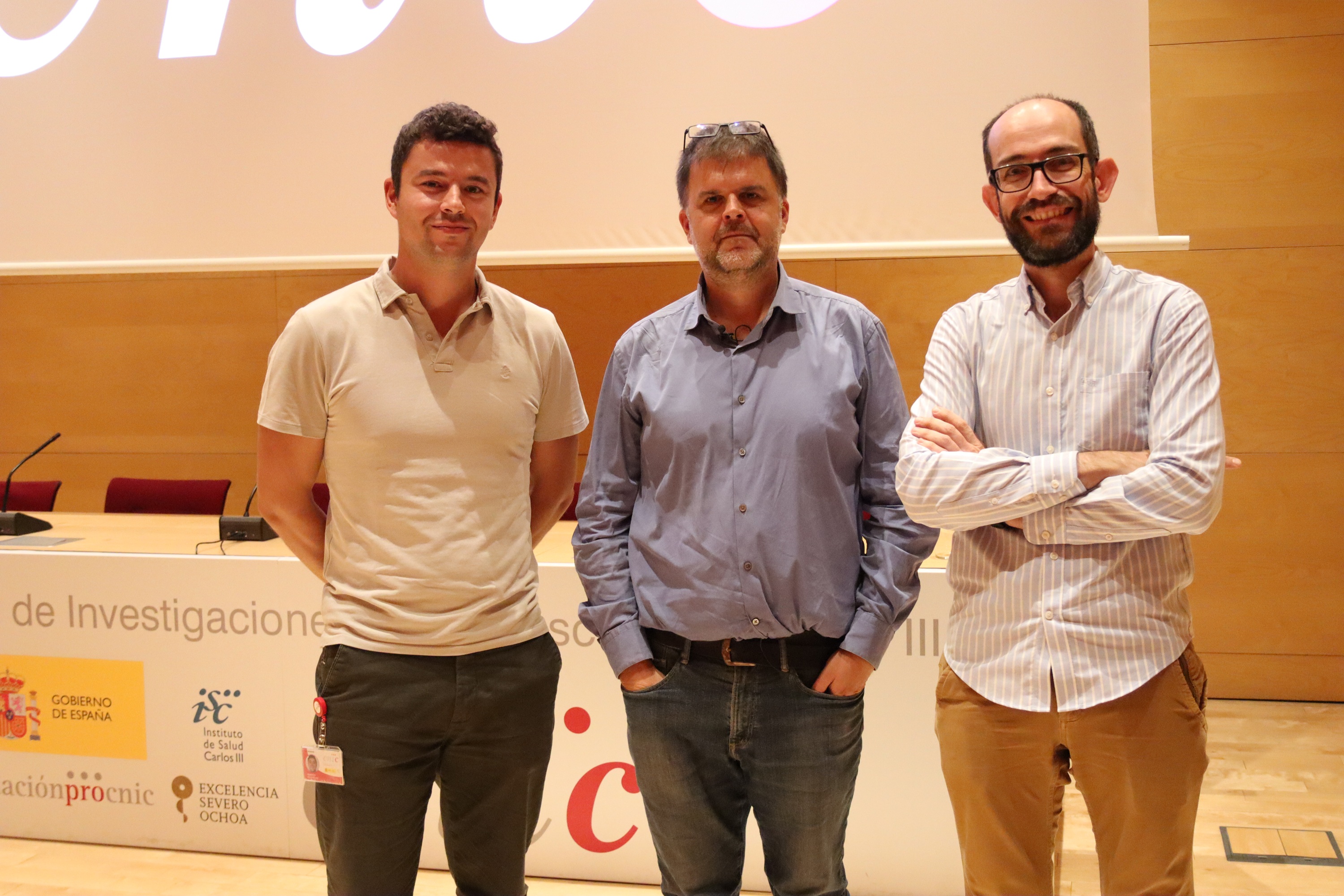
Actually, nobody has ever asked me that! I started my lab in Paris, but I’m Portuguese, and now that I’m back in Portugal, things are going very well. I’m happy here. Of course, it’s also nice to be close to home and to have a local impact through the training and mentoring I do. Culturally, I love Portugal, and I’m glad my kids are growing up here. I’ve lived five years in New York, five in Paris, and now ten in Portugal. Everywhere I’ve lived, I’ve met people from all over the world. There’s definitely a difference between northern and southern Europe, but also a shared European culture.
Spain, Portugal, Italy, Greece, we have a lot in common. Sometimes it’s even funny how similar things are; walking around a Spanish city, I often feel like I’m back home. Of course, not everything is perfect, like cars parked on sidewalks, but the atmosphere feels familiar. One thing I appreciate about southern Europe is the balance between rules and empathy. We like to solve problems pragmatically. That practicality, I think, is a strength.
Absolutely. For example, southern Europeans are often very creative and resourceful; we find ways to solve problems. Americans, in contrast, tend to be extremely hardworking and persistent, sometimes achieving results by brute force. Northern Europeans, on the other hand, tend to be more rigorous and structured. In southern Europe, sometimes we lack that same level of rigor, which isn’t ideal. I often remind my students that precision and discipline in writing and experimenting are essential. These are stereotypes, of course, but there’s some truth to them.
Yes, very differently. Today, the output per hour is much higher thanks to new technologies. But the expectations are also much higher. Papers now require far more data than they did 30 years ago. We also tend to compare today’s students with how we remember ourselves, but that’s not always fair. Some of my students are more hardworking or more talented than I was at their age. Work–life balance is another difference. We often say it’s a new issue, but I think it’s part of a natural evolution. My parents used to work on Saturdays, it was normal then. Now it isn’t. Society has evolved, and that’s a good thing. People today can live decently without working extremely long hours, so why shouldn’t they? Every generation thinks the next one has it easier. That’s just part of getting older.
The most important thing is choosing the right people. That’s not easy, and sometimes I think it’s a lot of serendipity. The right match between person and project makes all the difference.
Honestly, I’d do exactly what I’m doing now. I’m very happy with my work. One thing I love is that my research depends on the people in my lab. I might have many ideas, but if I don’t have the right person for a particular project, it won’t happen. I don’t assign projects just to fill slots; I match them to people’s interests and strengths. So, my research evolves with the people around me. Some ideas take five, ten years to become reality. Others never happen. But that’s fine. It’s part of the process. I’m doing what I love, and I wouldn’t change it for anything.
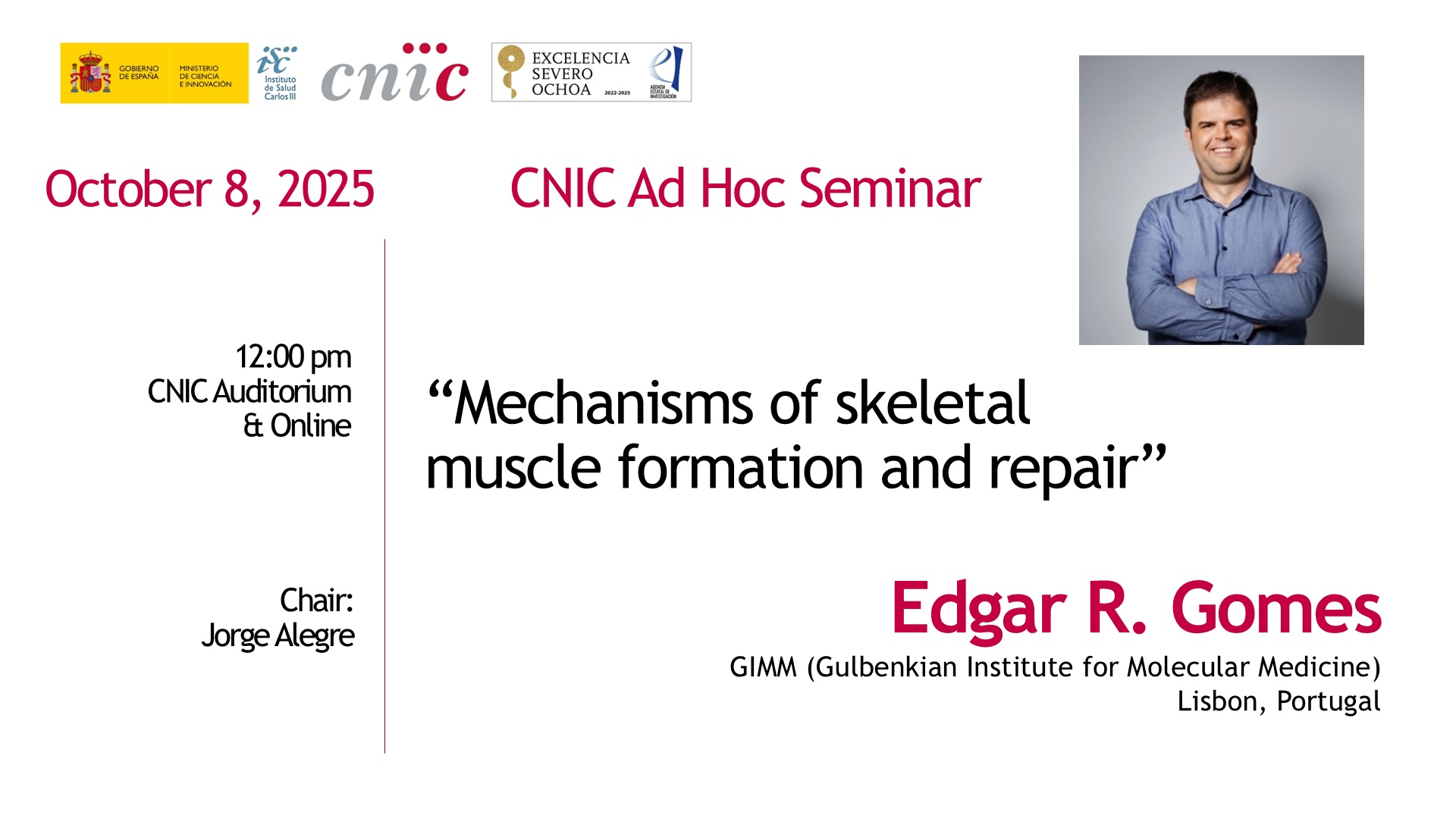
Sergio Barranco, a PhD student who is under Prof. Mónica H. Pérez-Temprano and Prof. JR Galán-Mascarós supervision has successfully defended his PhD thesis entitled “Harnessing the Mechanistic Potential of Reaction Intermediates in Cp*CoIII-Catalyzed C–H Functionalization Reactions” publicly on Friday, November 7.
The members of the evaluation committee were Prof. Arjan W. Kleij (ICIQ), Dr. Sara Cembellín Santos (Universidad Complutense de Madrid) and Prof. Mark Crimmin (Imperial College London).
Sergio Barranco was born and raised in Madrid, where he studied Chemistry at the Autonomous University of Madrid (UAM). After his third year, he joined the Summer Fellowship program at ICIQ under the supervision of Prof. Mónica H. Pérez-Temprano, an experience that sparked his passion for research. After graduating during the pandemic, he moved to Tarragona to pursue a Master’s in Synthesis, Catalysis, and Molecular Design within the same research group. In 2021, he began his PhD studies.
Beyond science, he is passionate about design, storytelling, and yoga — disciplines that, in their own ways, reflect his appreciation for creativity, structure, and balance.
He was awarded an FPU fellowship (FPU20/00610) from the Spanish Ministry of Universities, which supports his doctoral research.

Why did you become a scientist?
I have always been curious about how the world works, but the real catalyst was my high-school chemistry teacher. Some people have that special spark that makes you fall in love with a subject, and for me, that spark turned curiosity into a journey.
What is your thesis about?
My thesis explores the fundamental mechanisms behind how chemical reactions work. Specifically, I studied the elementary steps that define transition-metal-catalyzed C–H functionalization, from C–H activation and transmetallation to reductive elimination, using cobalt(III) complexes as model systems.
The thing that I like most about my thesis is….
That it connects the dots between fundamental understanding and real-world applications. I love that something so deeply mechanistic can ultimately have an impact on how we design drugs or understand catalytic processes in the future.
From the lessons learnt (or skills developed) at ICIQ, which one do you value the most?
Storytelling. Every scientific discovery is, in essence, a story that needs to be told clearly and effectively. Data alone isn’t enough. The way we communicate our findings defines their impact. Learning to shape a narrative that does justice to the science while connecting with people has been one of the most valuable lessons I’ve learned.
What will you miss the most from ICIQ?
The people, their kindness, their humor, and the way everyone genuinely helps each other grow, both scientifically and personally.
What advice do you have for someone who’s starting their PhD now?
Ask questions, as many as possible! It’s the most powerful way to learn, both about your project and about yourself. Curiosity drives science, and questions are the language of curiosity.
Who/What has been your biggest influence/motivation?
Myself. I believe intrinsic motivation is essential in research. As the lyrics of my favorite song (Mía by Belén Aguilera) say: “Y que si no fuera por mí, ¿por quién sería?”(If it wasn’t for me, who would it be for?)
Where are you going next? What will you do there?
During my PhD, I discovered my passion for communicating science: transforming complex concepts into engaging stories. I’ll soon be joining the Institute of Neurosciences at the University of Barcelona as Communication Manager, where I’ll continue bridging science and storytelling.
What is your favourite molecule?
Water (H2O). It’s simple but essential.
Tell us something about you that people might not know…
Fries are my favorite food. I know they’re supposed to be a side dish, but honestly, I think they deserve the spotlight.

La entrada Muchas felicidades, Dr. Barranco! se publicó primero en ICIQ.
The Energy Commission of the Association of Chemical Companies of Tarragona (AEQT) has visited the facilities of the ICIQ with the aim of getting to know first-hand the decarbonisation project coordinated by the centre, as well as the technological and research facilities it makes available to the industry.
During the conference, ICIQ representatives presented the centre’s main lines of work in the field of energy transition and sustainability, highlighting the European industrial decarbonisation project for energy-intensive industries that are difficult to reduce CO₂. A strategic initiative, together with Eurecat and the URV, which consists of 4 mobile test units to test new technologies for capturing and using CO2 and which has the potential to transform not only the industry of the territory, but of the whole country.
The members of the commission, energy managers of the companies of the Association of Chemical Companies of Tarragona, have been able to learn about the design of the plants and how their operation is planned, thanks to the explanations of the head of the Industrial Decarbonization Unit of the ICIQ, Dra. Júlia Viladoms, the director of Eurecat’s Singular Projects Unit, Agustí Chico, and the director of Cirauqui engineering, Ernesto Cirauqui.
The visit also allowed the members of the Energy Commission to learn about the scientific and technological capacities of the ICIQ, including the advanced research laboratories and the infrastructures to support collaborative projects with industry.
The visit is part of the ICIQ’s desire to promote projects with a real impact on society and the competitiveness of the territory, reinforcing its role as a European reference center in green chemistry.


La entrada The AEQT’s Energy Commission visits the ICIQ to learn about its decarbonisation project and research facilities se publicó primero en ICIQ.