Nonlinear Aspects of Classical Black Hole Dynamics
Date
Place
“Aula Magna Enric Casassas”, Physics Faculty
Abstract: This thesis studies several methods whose application allows one to address problems of nonlinear black hole dynamics within the framework of Einstein’s classical theory of gravity, that is, General Relativity.
In Section A of the thesis, the large D limit is presented and applied to spacetimes with an arbitrarily large number of spatial dimensions. Thanks to this limit, it becomes possible to study analytically nonlinear black hole phenomena that would otherwise require extensive numerical computation.
In Section B of the thesis, a study of nonlinear—more precisely, quadratic contributions to detectable gravitational-wave signals is presented. The focus is placed on binary black hole merger events during their final stage, in which the final object is already well formed and the emitted radiation arises from the limit of small oscillations around the stable final state.
Our results illustrate how one can analytically explore the dynamics of classical black holes beyond the linear regime by means of suitable limits, such as the large D limit or quadratic contributions in perturbative expansions of the theory.
Tribunal:
President: Dr. Diego Blas Temiño
Secretary: Dr. Raimon Luna Perelló
Vocal: Dr. Carlos Fernández Sopuerta
Suplents:
Dr. Pau Figueras Barnera
Dr. Pere Talavera Sanchez
Director: Dr. Roberto Alejandro Emparan Garcia De Salazar
“Nunca vas a poder curar un cáncer solo con dieta, eso no va a pasar”, subraya el investigador turco Kivanç Birsoy, de la Universidad de Rockefeller (EEUU). Coinciden con él los y las asistentes a un reciente congreso en Centro Nacional de Investigaciones Oncológicas (CNIO), líderes internacionales en esta área. Así pues, no, la ‘dieta anticáncer’ no existe.
Sin embargo, no hay duda de que la nutrición tiene mucho que ver con el cáncer. En los últimos años ha quedado claro que lo que comemos, y cuánto comemos, es importante. La obesidad se asocia con más riesgo de desarrollar 13 tipos de cáncer, y con más posibilidad de metástasis.
Lo que falta ahora es entender los detalles de una relación que es enormemente compleja: ¿Qué mecanismos moleculares vinculan cáncer y obesidad? ¿Cómo interviene cada nutriente? ¿Y la actividad física? Saber las respuestas permitiría usar la alimentación y los hábitos no solo para prevenir, también para ayudar a tratar el cáncer.
Eileen White: “Devolver el poder al paciente”
Eileen White / CNIO.
La dieta podría ser un potente complemento: nutrientes específicos potenciarían un determinado tratamiento o reducirían sus efectos secundarios. O, si se entiende por qué tiene beneficios cierta dieta difícil de seguir, se podría diseñar un fármaco que copiara su efecto.
Sería lo que Eileen White, del Rutgers Cancer Institute (EEUU), llama “devolver el poder al paciente”. Las personas con cáncer participarían en su tratamiento con hábitos ‘recetados’ médicamente.
La buena noticia es que la genómica, la proteómica y la metabolómica –y la computación y la IA, para extraer la información relevante del big data que generan todas estas tecnologías– permiten investigar como nunca antes la relación entre nutrición y cáncer.
Birsoy: “¿Qué dieta para qué cáncer? En 10 años lo sabremos”
Birsoy cuenta que ya al principio de su carrera “me di cuenta de que si averiguábamos qué nutrientes necesitan las células cancerosas, y cómo los obtienen, tal vez podríamos cortarles el suministro”.
En su grupo se analiza la dependencia que tiene el cáncer de aminoácidos específicos y lípidos. Recientemente han descubierto que, en determinadas condiciones, algunos antioxidantes que actúan dentro de los compartimentos celulares pueden favorecer el cáncer. En concreto el glutatión ayuda a las células cancerosas a metastatizar, porque les permite sobrevivir en condiciones de poco oxígeno.
Pero es un área de investigación joven, que según Birsoy todavía no llega al paciente. Faltan “entre 5 y 10 años para que la dieta pueda complementar el tratamiento del cáncer, pero llegaremos”, dice. “Ya tenemos tecnología para aprender a conectar la genética de cada paciente con nutrientes y tipos de cáncer concretos. Pero necesitamos más investigación básica, como la que se hace en centros como el CNIO, y ensayos clínicos”.
Metabolismo: el cáncer habla con el resto del cuerpo
Los nutrientes son solo parte de la historia. Investigar qué papel tienen en el cáncer la obesidad, el sistema inmunitario, el tipo de nutrición y el ejercicio físico implica investigar el metabolismo, las reacciones bioquímicas que ocurren en las células para transformar nutrientes en energía.
Se sabe hace décadas que el metabolismo está alterado en un cuerpo con cáncer. Las células tumorales necesitan más energía porque proliferan más rápido –por eso los tumores se visualizan detectando tejidos con alto consumo de azúcar, como en el escáner PET–. Además, el cáncer reconfigura su metabolismo para extraer nutrientes por rutas bioquímicas inusuales, para sobrevivir incluso con pocos recursos.
Pero, de nuevo, profundizar en el metabolismo era… complejo sin la tecnología adecuada. En el metabolismo participan más de 5.000 de los cerca de 22.000 genes del genoma humano; los diagramas de rutas metabólicas de un organismo son un verdadero bosque. Ahora, los 150 participantes en el congreso del CNIO celebran que el momento ha llegado.
Efeyan: “Dieta, ejercicio… ahora son un foco de investigación, antes no”
Para Alejo Efeyan, investigador del CNIO y co-organizador, esto está “cambiando el enfoque de la investigación. Nos hemos dado cuenta de que las células de cáncer no están aisladas, interactúan activamente con el cuerpo. Por eso ahora hay mucha actividad en áreas a las que antes no se prestaba mucha atención: dieta, metabolismo, ejercicio y básicamente todos los puntos de conexión entre la célula de cáncer y el resto del organismo”.
Aprender a controlar cómo habla el tumor con el cuerpo podría extender la efectividad de la inmunoterapia, por ejemplo: “La revolución de la inmunoterapia se basa en la conversación del cáncer con el sistema inmunitario; hay otras conversaciones en marcha y, si las exploramos, podremos encontrar otras maneras de atacar a la célula de cáncer”, añade Efeyan.
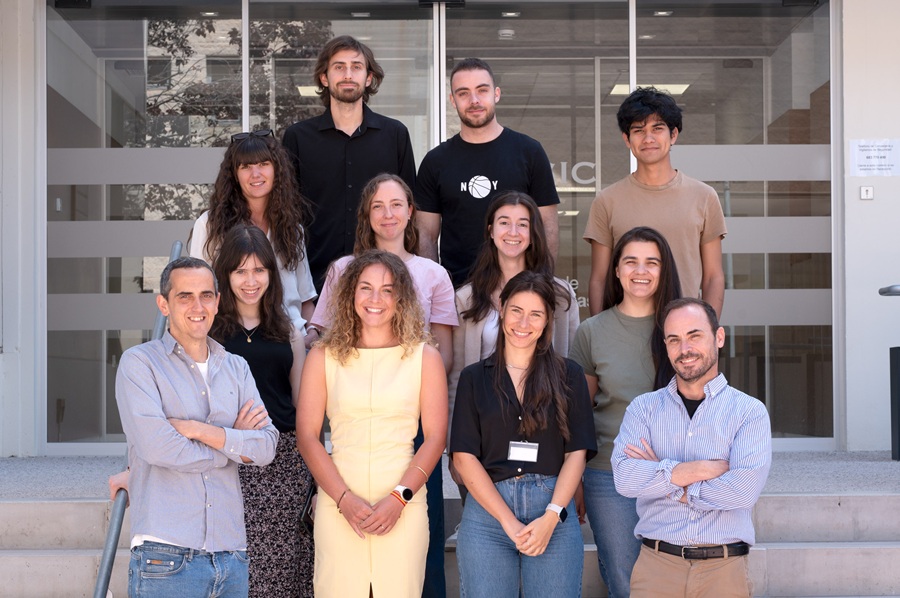
Organizadores del encuentro. Desde la izda.: Alejo Efeyan, Guadalupe Sabio, Mª Carmen F. Agüera y Nabil Djouder. / Christian Esposito. Madmoviex. CNIO
Djouder: “La obesidad aumenta el riesgo, pero hay personas obesas saludables, necesitamos entender por qué”
Nabil Djouder, investigador del CNIO y también co-organizador, pone el foco en la obesidad, cuya relación con el cáncer y otras enfermedades es cada vez más clara pero aún incomprendida. Para empezar, “no todas las personas con obesidad tienen más riesgo de cáncer, hay personas con un alto índice de masa corporal que no tienen las patologías asociadas a la obesidad. Necesitamos entender esto muy bien”, dice Djouder.
En una revisión reciente sobre el uso de la dieta en los tratamientos contra el cáncer, Djouder explicaba que «las dietas pueden apuntar directamente al metabolismo del cáncer, al privar al tumor de los nutrientes que necesita (…)». En el congreso presentó uno de sus últimos resultados, sobre cómo la falta de una proteína favorece la aparición de fibrosis hepática, un paso decisivo en la progresión hacia la cirrosis y el cáncer de hígado.
Sabio: “No es solo la cantidad de lo que se come, también la calidad”.
El peso corporal no es lo único que cuenta; de la misma forma, la clave tampoco está sólo en la cantidad de lo que se come. “La calidad es muy importante, no todas las grasas son iguales”, afirma Guadalupe Sabio, también investigadora del CNIO y co-organizadora.
Sabio coordina un gran proyecto europeo para descifrar cómo la grasa se comunica con el resto de nuestro organismo e influye así en la salud. Recuerda que “no todas las grasas tienen el mismo efecto. Sabemos, por estudios epidemiológicos, que el impacto de la obesidad en la salud es distinto en personas con el mismo peso pero que siguen dietas diferentes”.
Su investigación ha ayudado a entender que el tejido adiposo –los ‘michelines’– “no es solo un depósito de grasa, también es un órgano endocrino e inflamatorio que influye en las células tumorales y del sistema inmunitario”, explica Sabio. “Nuestros estudios podrían ayudar a identificar biomarcadores de riesgo y estrategias preventivas en pacientes con obesidad”.
Más ensayos clínicos personalizados
Para que los descubrimientos en esta área lleguen a las consultas de oncología hacen falta más ensayos clínicos. Estudiar con rigor el efecto de una dieta es difícil, por los muchos elementos en juego: hay que controlar que muchas personas comen lo indicado y se sabe aún poco sobre la interacción de cada nutriente entre sí y con la genética de cada persona.
Por eso muchos estudios parecen llegar a conclusiones contradictorias, advierte Birsoy: “Algunos dicen que tal nutriente es bueno para tal cáncer, otros que no… Es preliminar. El problema principal es que no sabemos qué tumores abordar con qué nutrientes. Y cuando se hacen ensayos aún no se seleccionan las poblaciones adecuadas de pacientes. Aún tenemos que aprender. Por eso necesitamos ciencia básica”.
Miguel Ángel Quintela, jefe de la Unidad de Investigación Clínica de Cáncer de Mama del CNIO y co-organizador del congreso, dirige uno de los ensayos pioneros en la investigación personalizada de la relación entre nutrientes y cáncer. Se dirige a pacientes muy específicas: mujeres con tumores de mama o ginecológicos tratadas con un tipo de terapia de última generación que administra pequeñas dosis de quimioterapia concentrada. El ensayo LUMINOVA ha empezado hace poco en el Hospital 12 de Octubre.
Los CNIO-CaixaResearch Frontiers Meeting son conferencias internacionales de gran prestigio sobre aspectos candentes de la investigación del cáncer. En ellos, una veintena de conferenciantes invitados procedentes de todo el mundo presentan sus hallazgos más recientes. Participan además otro centenar de expertos y expertas seleccionados por el interés de sus aportaciones en forma de póster o presentaciones breves.
Comité Organizador del ‘CNIO-CaixaResearch Frontier Meeting Metabolism and Cancer: Insights from Obesity and Beyond’
Además: Roger Davis, del UMass Chan Medical School en Massachusetts, Estados Unidos; y Mª Carmen Fernández Agüera, Cell Metabolism, Cell Press, Sevilla.
Sobre el Centro Nacional de Investigaciones Oncológicas (CNIO)
El Centro Nacional de Investigaciones Oncológicas (CNIO) es un centro público de investigación dependiente del Ministerio de Ciencia, Innovación y Universidades. Es el mayor centro de investigación en cáncer en España y uno de los más importantes en Europa. Integra a medio millar de científicos y científicas, más el personal de apoyo, que trabajan para mejorar la prevención, el diagnóstico y el tratamiento del cáncer.
Un compuesto natural de origen vegetal, la 7,8 dihidroxiflavona, obtiene resultados prometedores y revierte parte de las alteraciones en un modelo neuronal de ratón de la enfermedad rara Ataxia de Friedreich, según una investigación liderada por la Universidad Complutense de Madrid (UCM) en la que también colabora el Centro de Biología Molecular Severo Ochoa (CBM-CSIC-UAM), la Universidad Autónoma de Madrid (UAM) y el Laboratorio de Apoyo a la Investigación del Hospital Universitario Fundación Alcorcón.
En concreto, el compuesto revierte la muerte de las neuronas por un proceso conocido por apoptosis y mitiga el daño que sufre su ADN. Sin embargo, no revierte la muerte celular a través de otro proceso conocido como ferroptosis.
La Ataxia de Friedreich es una enfermedad neurodegenerativa rara que afecta especialmente al sistema nervioso y al corazón sin cura en la actualidad. Su prevalencia es de 2-4 por cada 100.000 habitantes y tan solo un tratamiento aprobado consigue mitigar el estrés oxidativo que sufren las mitocondrias ante la falta de frataxina (FXN), la proteína cuyo defecto provoca el desarrollo de la enfermedad.
La novedad de este estudio radica en que se han caracterizado en profundidad y tratado farmacológicamente neuronas granulares del cerebelo del ratón YG8-800, un nuevo modelo murino que representa muchas similitudes moleculares y fisiopatológicas con la Ataxia de Friedreich.
“La aplicación inmediata de estos resultados es que estas células de cerebelo son un modelo válido para el estudio in vitro de la Ataxia de Friedreich. Aunque se trata de un estudio básico, realizado en modelos preclínicos, podrían tener utilidad clínica en el futuro”, explica Saúl Herranz, investigador del Departamento de Bioquímica y Biología Molecular de la Facultad de Medicina de la UCM.
Como líneas futuras de trabajo, los investigadores señalan el abordaje de terapias conjuntas con el tratamiento de 7,8 dihidroxiflavona y otros fármacos conocidos por activar otras vías de señalización celular afectadas en Ataxia de Friedreich, tanto en neuronas in vitro, así como en el ratón YG8-800 in vivo.
“El objetivo será analizar si la combinación de los tratamientos tiene un efecto sinérgico comparado con su uso individual”, concluye Herranz.
Referencia
Galán-Cruz, J., Vicente-Acosta, A., Loría, F. et al. The TRKB Agonist 7,8-dihydroxyflavone Alleviates DNA Damage and Apoptosis in a Neuronal Cell Model of Friedreich’s Ataxia. Mol Neurobiol 63, 580 (2026). DOI: 10.1007/s12035-026-05856-2.
The work, led by the Institute of Astrophysics of Andalusia (IAA-CSIC), offers a new physical reconstruction of the mega-outburst of the comet that surprised the world in 2007. It is also the first study to offer a complete compilation of all documented outbursts of 17P/Holmes since its discovery in 1892.
En España se diagnostican cada año más de 10.300 casos de cáncer de páncreas, uno de los tumores más agresivos. Su detección en fases avanzadas, y la falta de terapias eficaces, hace que la supervivencia cinco años tras el diagnóstico sea inferior al 10%. Pero la investigación está despegando, y empezando a cambiar el paradigma tras décadas de muy escasos avances.
Mariano Barbacid, jefe del Grupo de Oncología Experimental del Centro Nacional de Investigaciones Oncológicas (CNIO), ha diseñado una terapia que consigue eliminar tumores de páncreas en ratones de manera completa y duradera, y sin efectos secundarios notables. El estudio se publica en la revista PNAS (Proceedings of the National Academy of Sciences), con Carmen Guerra como co-autora principal y Vasiliki Liaki y Sara Barrambana como primeras autoras.
Una versión anterior de este estudio fue retractada por los editores de la revista PNAS el 27 de abril de 2026 por un conflicto de intereses relevante no declarado.
“Estos estudios abren una vía para diseñar nuevas terapias combinadas que puedan mejorar la supervivencia de los pacientes con adenocarcinoma ductal de páncreas [el cáncer de páncreas más común]”, afirman los autores en PNAS. “Estos resultados marcan el rumbo para desarrollar nuevos ensayos clínicos”.
Eliminar la resistencia al tratamiento
Los primeros fármacos dirigidos a dianas moleculares de cáncer de páncreas se aprobaron en 2021, después de medio siglo sin mejoras respecto a la quimioterapia convencional. Estos nuevos fármacos bloquean la acción de KRAS, un gen mutado en el 90% de las personas con cáncer de páncreas; su eficacia sin embargo es modesta, porque al cabo de unos meses el tumor se vuelve resistente.
Este problema de las resistencias a los fármacos inhibidores de KRAS es el que aborda el nuevo estudio de Barbacid, pionero tanto en la investigación de KRAS como en el desarrollo de modelos animales para cáncer de páncreas.
La estrategia del grupo del CNIO ha sido bloquear la acción del oncogén KRAS en tres puntos, en vez de solo en uno -es más difícil que una viga se parta si se la fija al techo por tres sitios, en lugar de solo en un punto-. Y, en efecto, después de eliminar genéticamente tres moléculas de la vía de señalización de KRAS en modelos de ratón, los tumores desaparecieron de manera permanente.
Contra tres eslabones de la cadena
Aplicar la misma estrategia en pacientes implica buscar fármacos que bloqueen la vía molecular de KRAS en los mismos tres puntos. El equipo empleó una terapia triple, que combinaba un inhibidor de KRAS disponible para estudios experimentales (daraxonrasib); un fármaco aprobado para ciertos adenocarcinomas de pulmón (afatinib); y un degradador de proteínas (SD36).
El tratamiento se aplicó a tres modelos de ratón de adenocarcinoma ductal de páncreas, y en todos se indujo “una regresión significativa y duradera de estos tumores experimentales sin provocar toxicidades significativas”, escriben los autores.
“Este estudio describe una terapia triple combinada (…) que induce la regresión robusta de modelos experimentales de adenocarcinoma ductal de páncreas, y evita la aparición de resistencias. Esta triple combinación es bien tolerada en ratones”, afirman en PNAS.
Hacia un ensayo clínico, pero todavía no
En cuanto a los siguientes pasos, Barbacid explica que “es importante entender que, si bien nunca se habían obtenido resultados experimentales como los aquí descritos, todavía no estamos en condiciones de llevar a cabo ensayos clínicos con la triple terapia”.
“El camino para optimizar la terapia de triple combinación descrita aquí para su uso en un escenario clínico no será fácil”, se afirma en PNAS. “(..) A pesar de las limitaciones actuales, estos resultados podrían abrir la puerta a nuevas opciones terapéuticas para mejorar el resultado clínico de los pacientes con adenocarcinoma ductal de páncreas en un futuro no muy lejano”.
Financiación
Este estudio ha sido financiado por la Fundación CRIS Contra el Cáncer; el Consejo Europeo de Investigación (ERC); la Agencia Estatal de Investigación en cofinanciación con el Fondo de Desarrollo Regional Europeo; fondos Next Generation de la Unión Europea; el Centro de Investigación Biomédica en Red (CIBERONC); y el Instituto de Salud Carlos III.
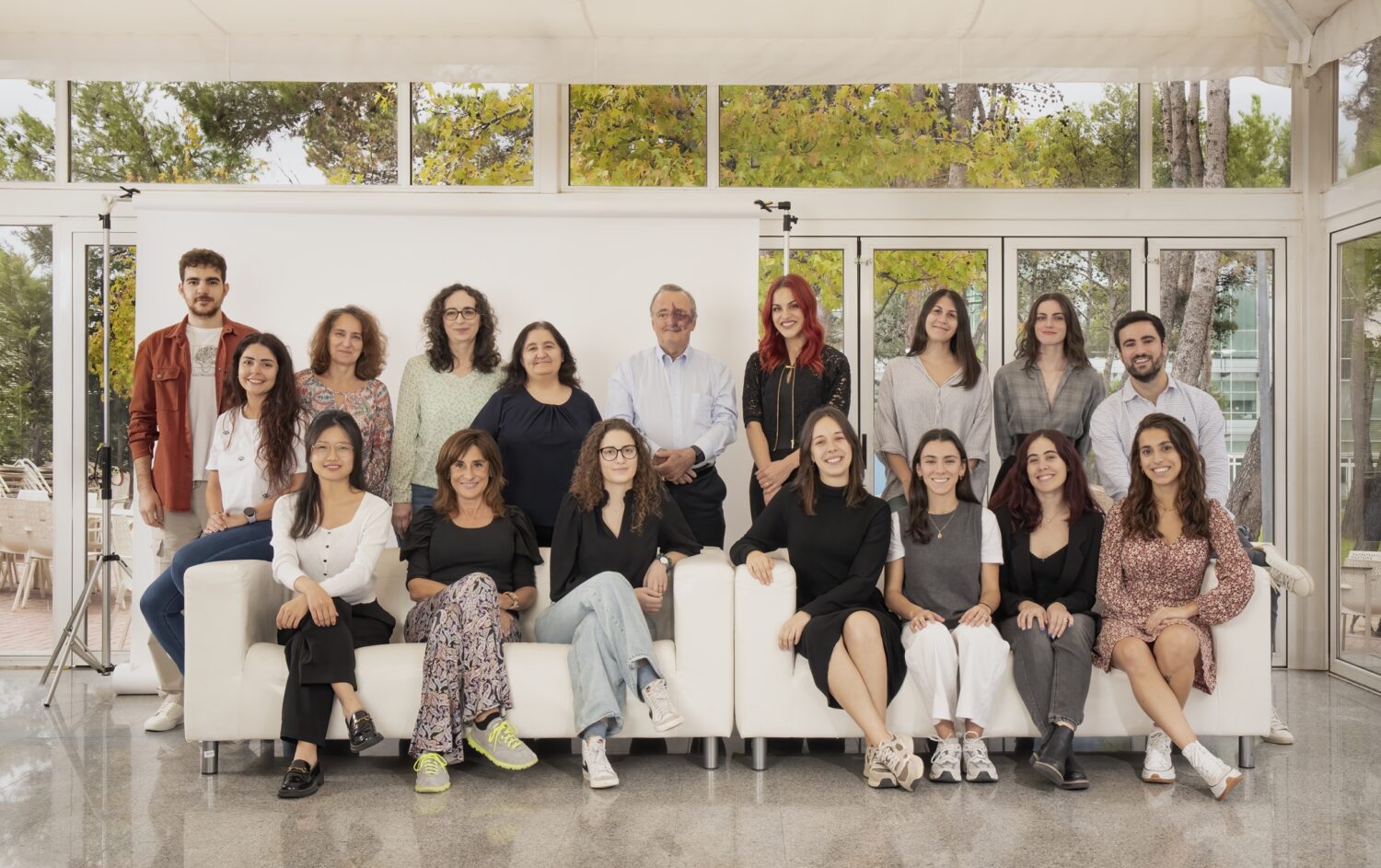
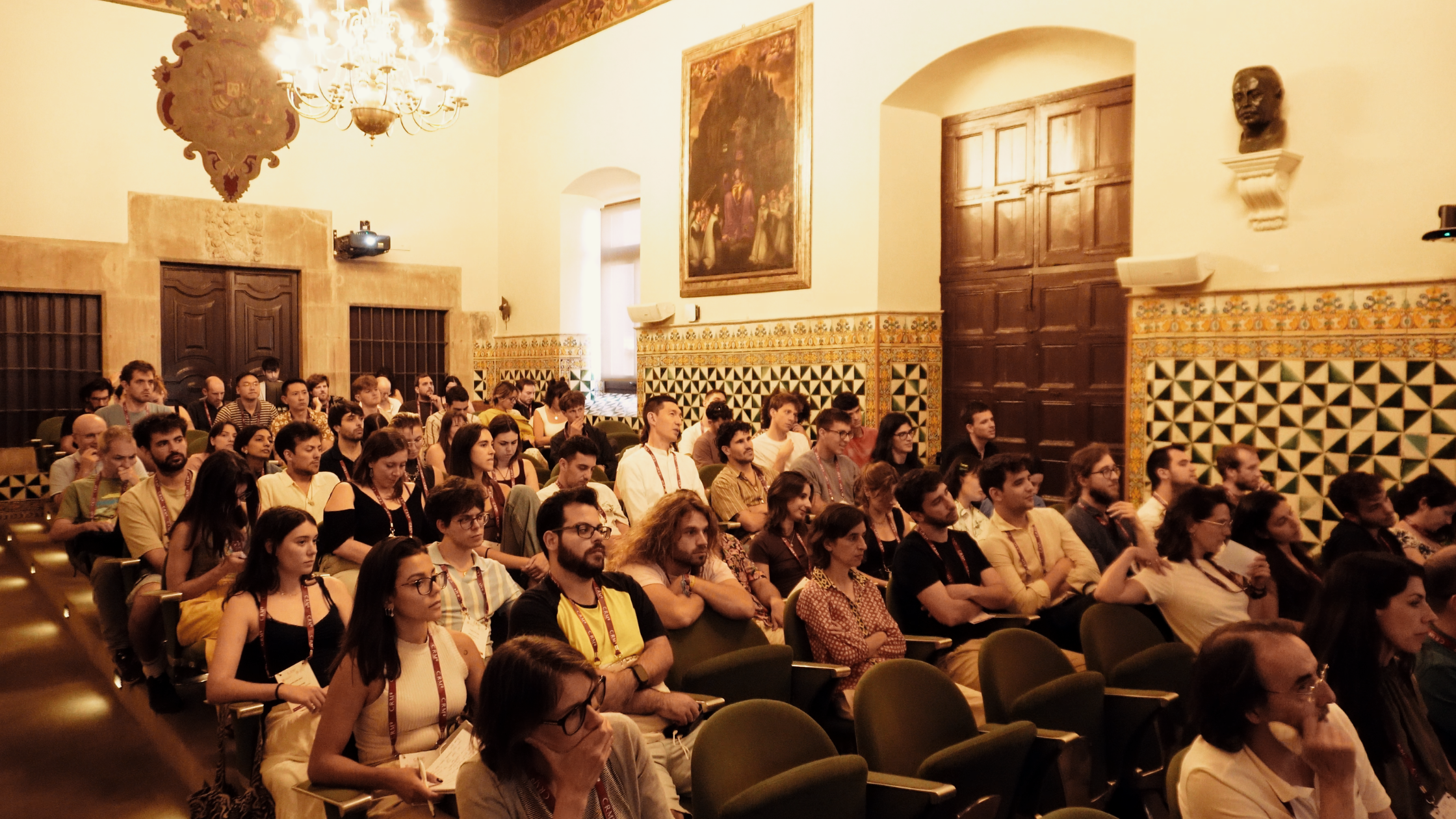
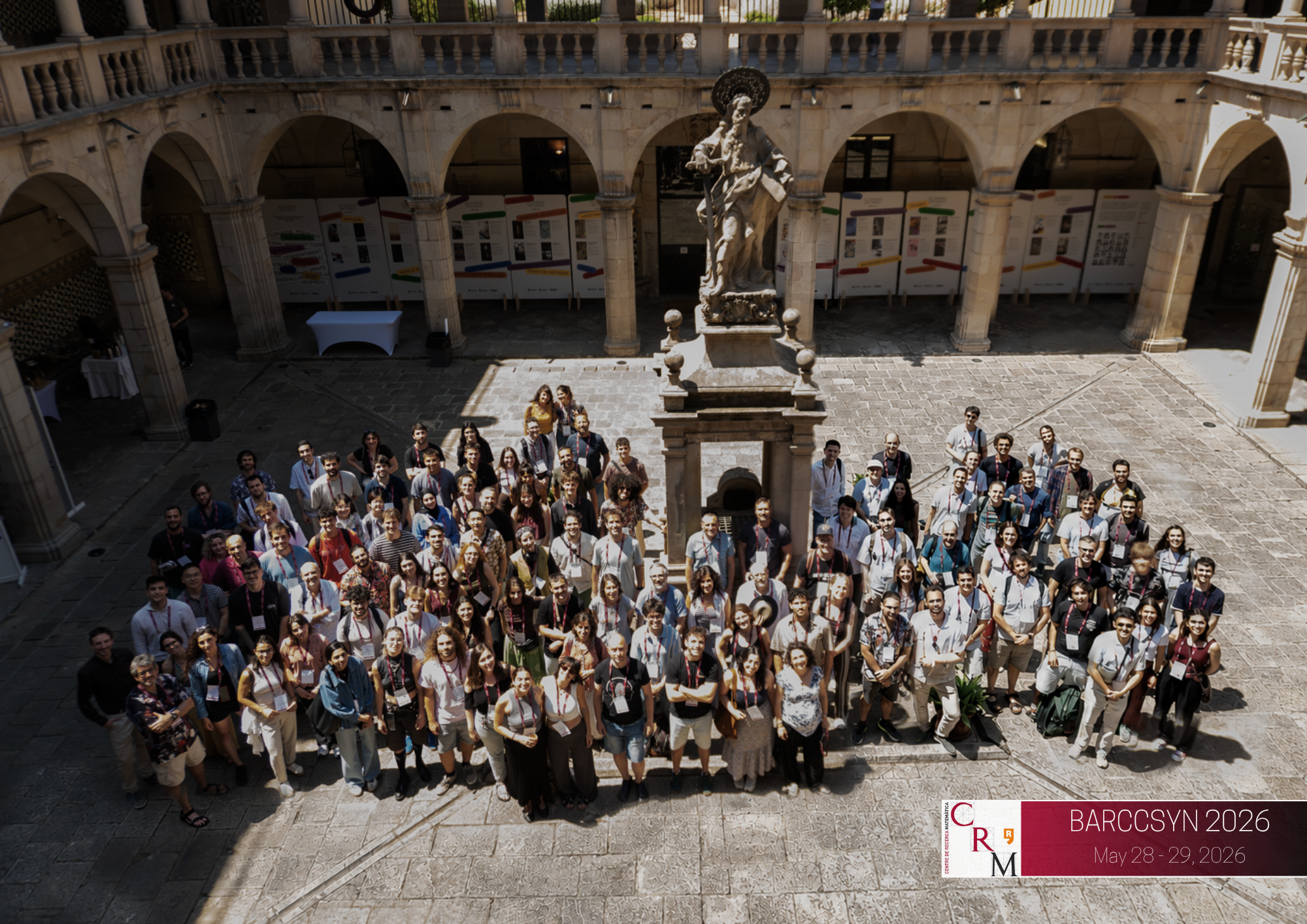
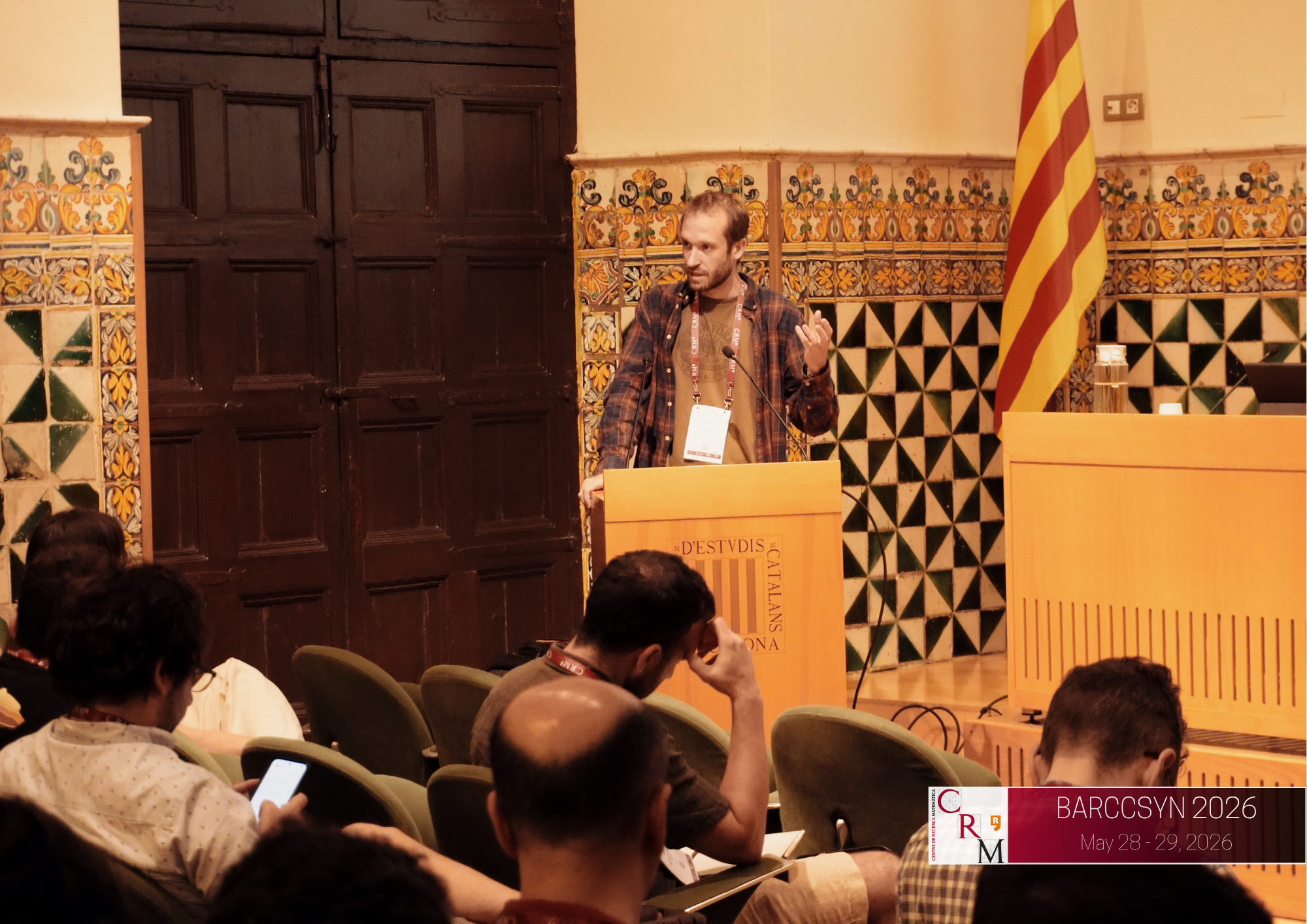
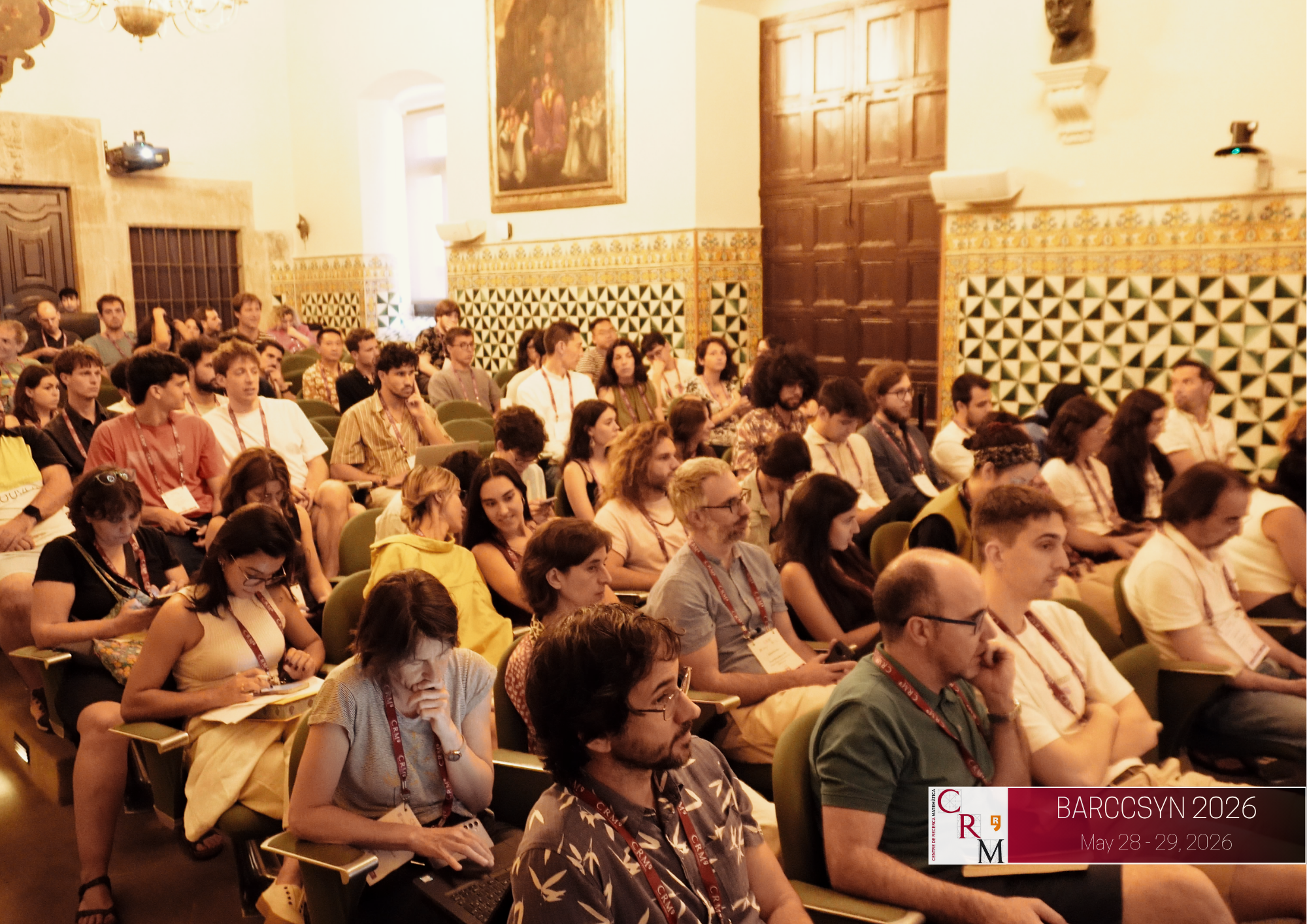
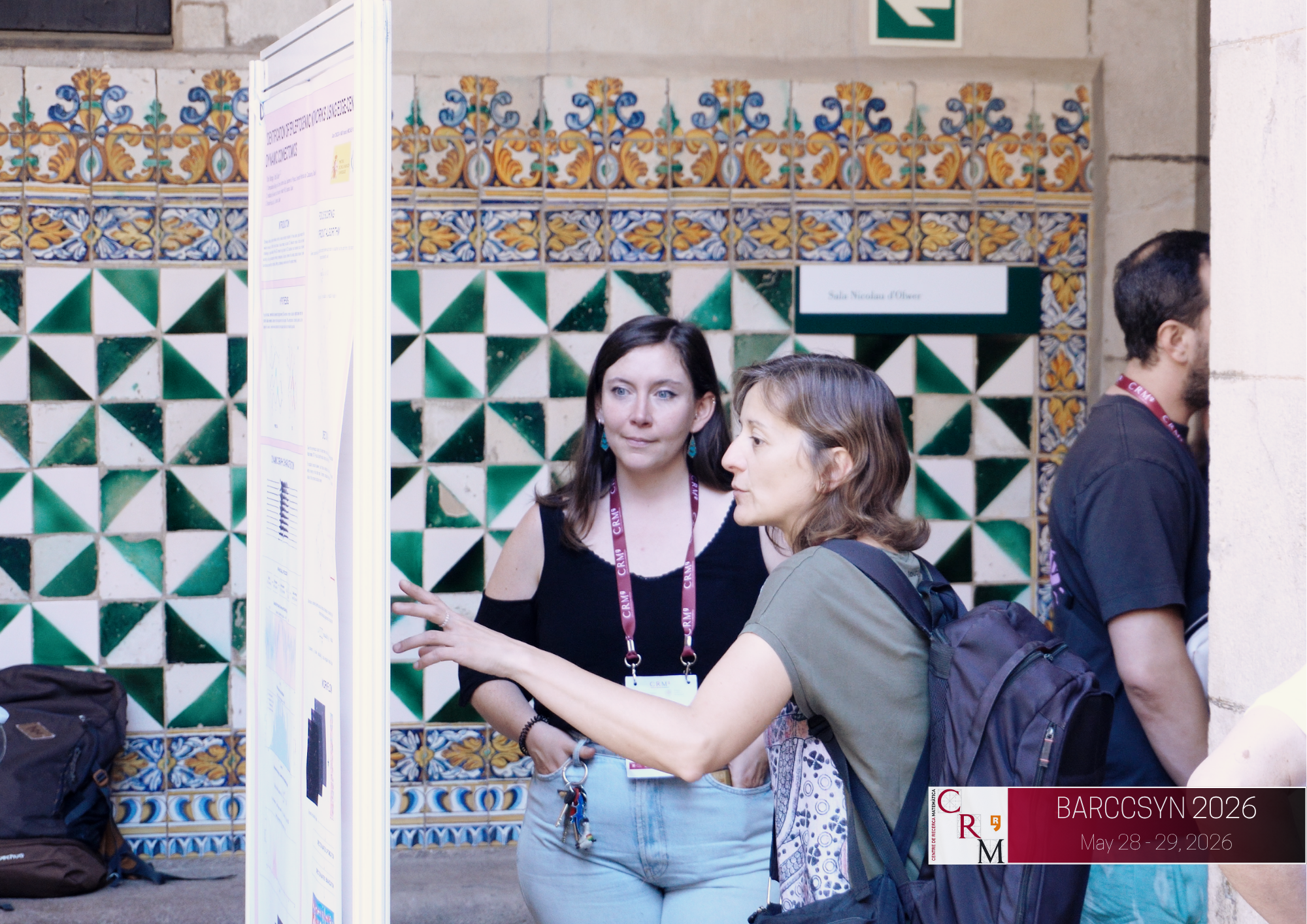
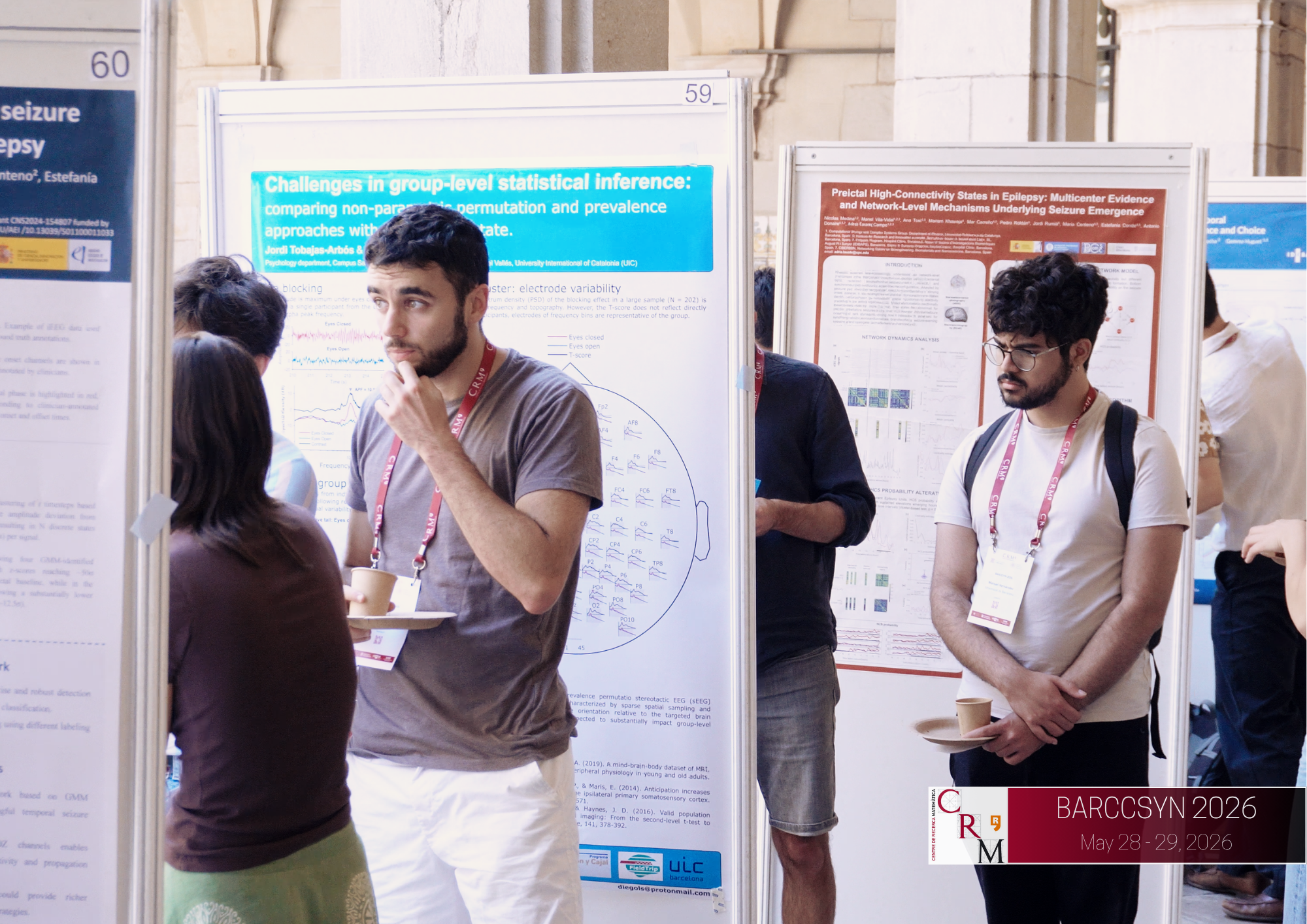
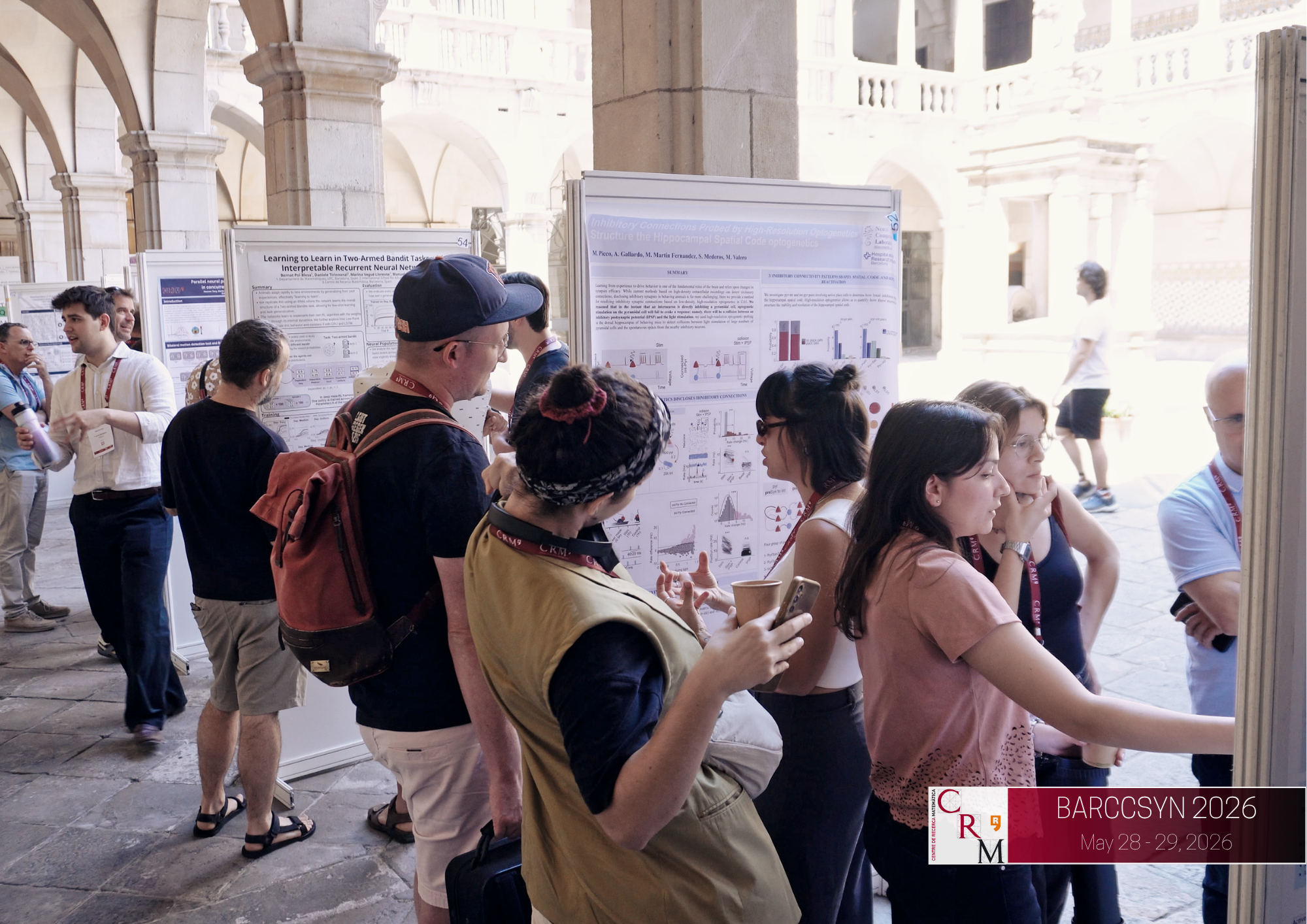
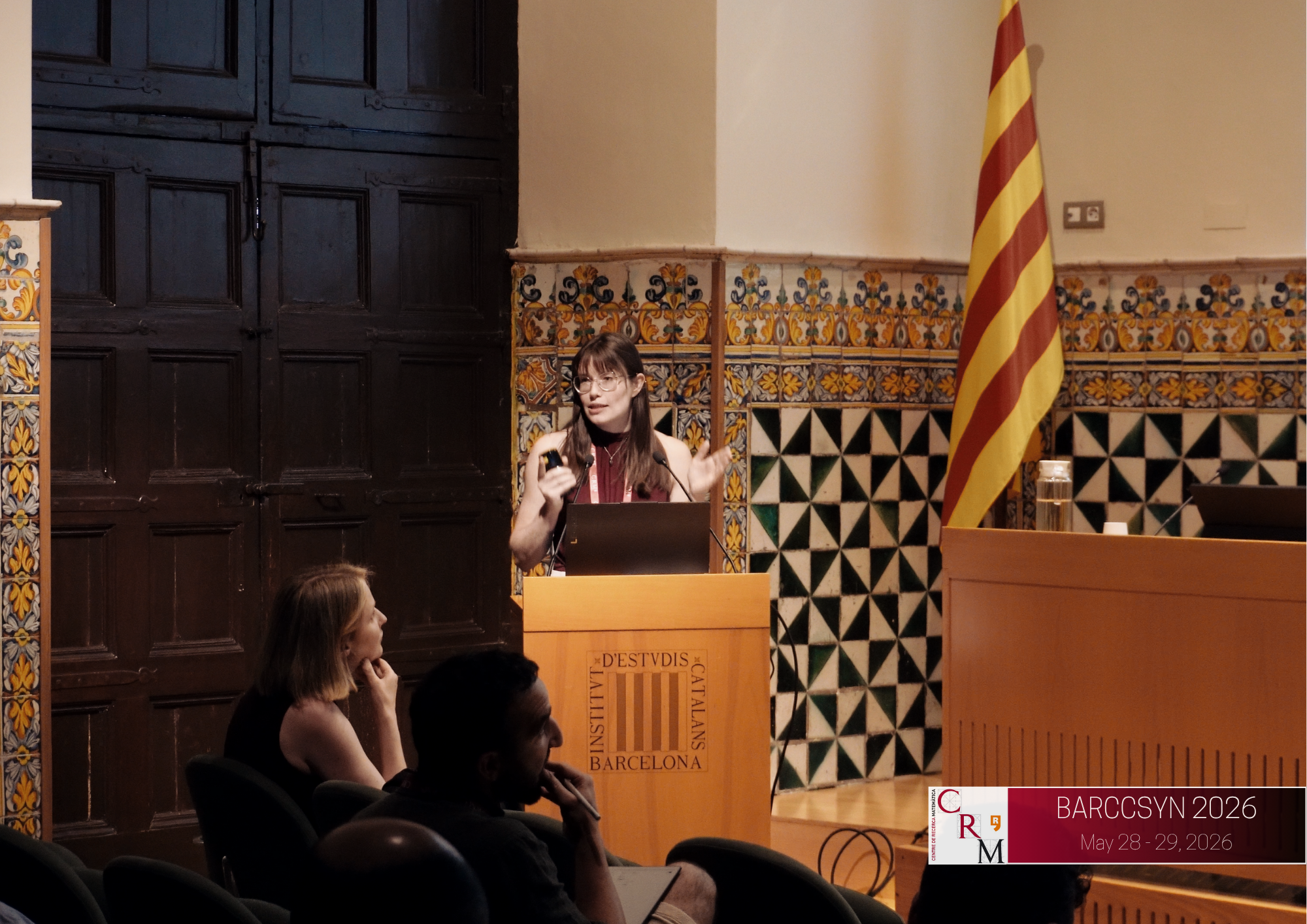
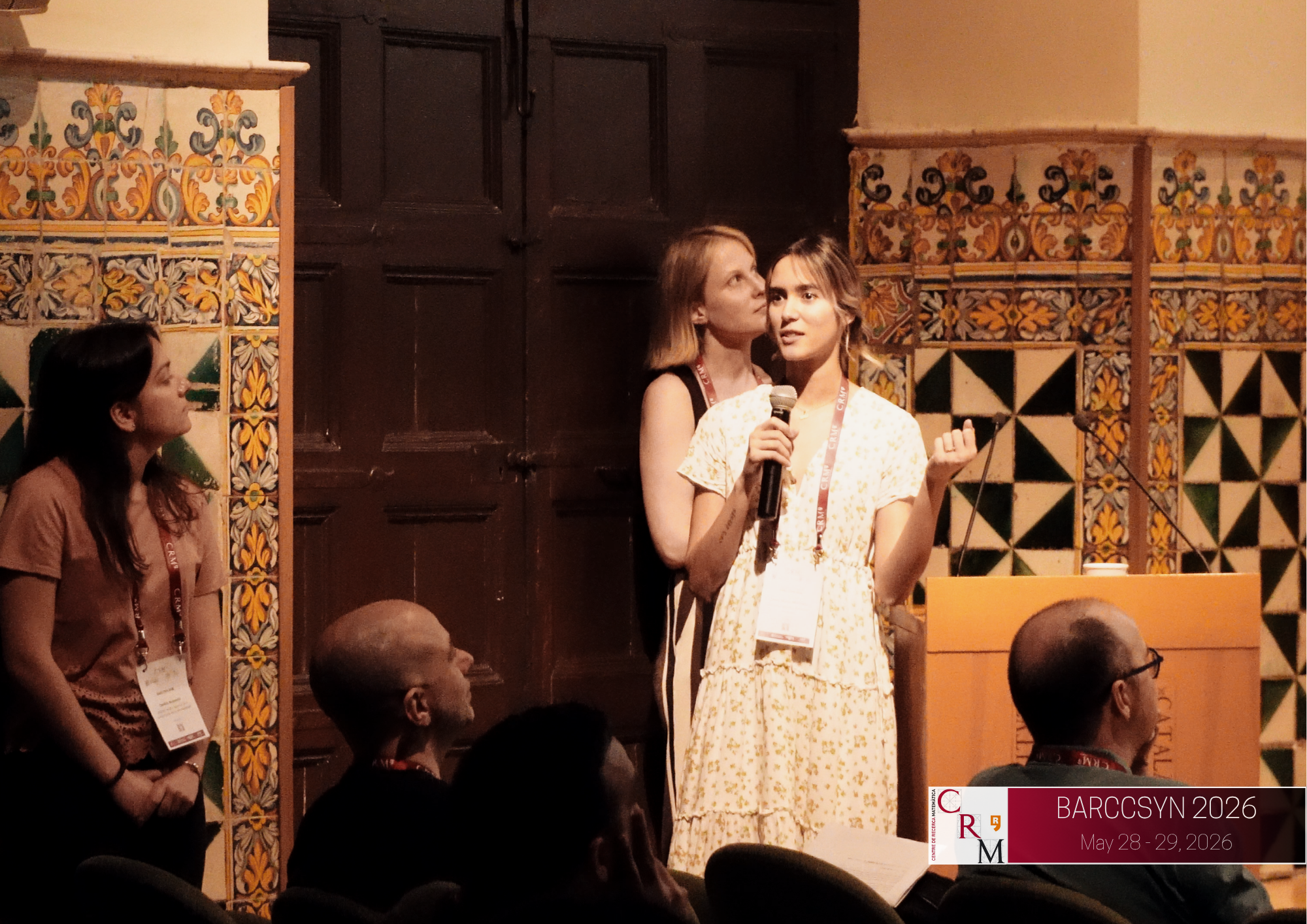
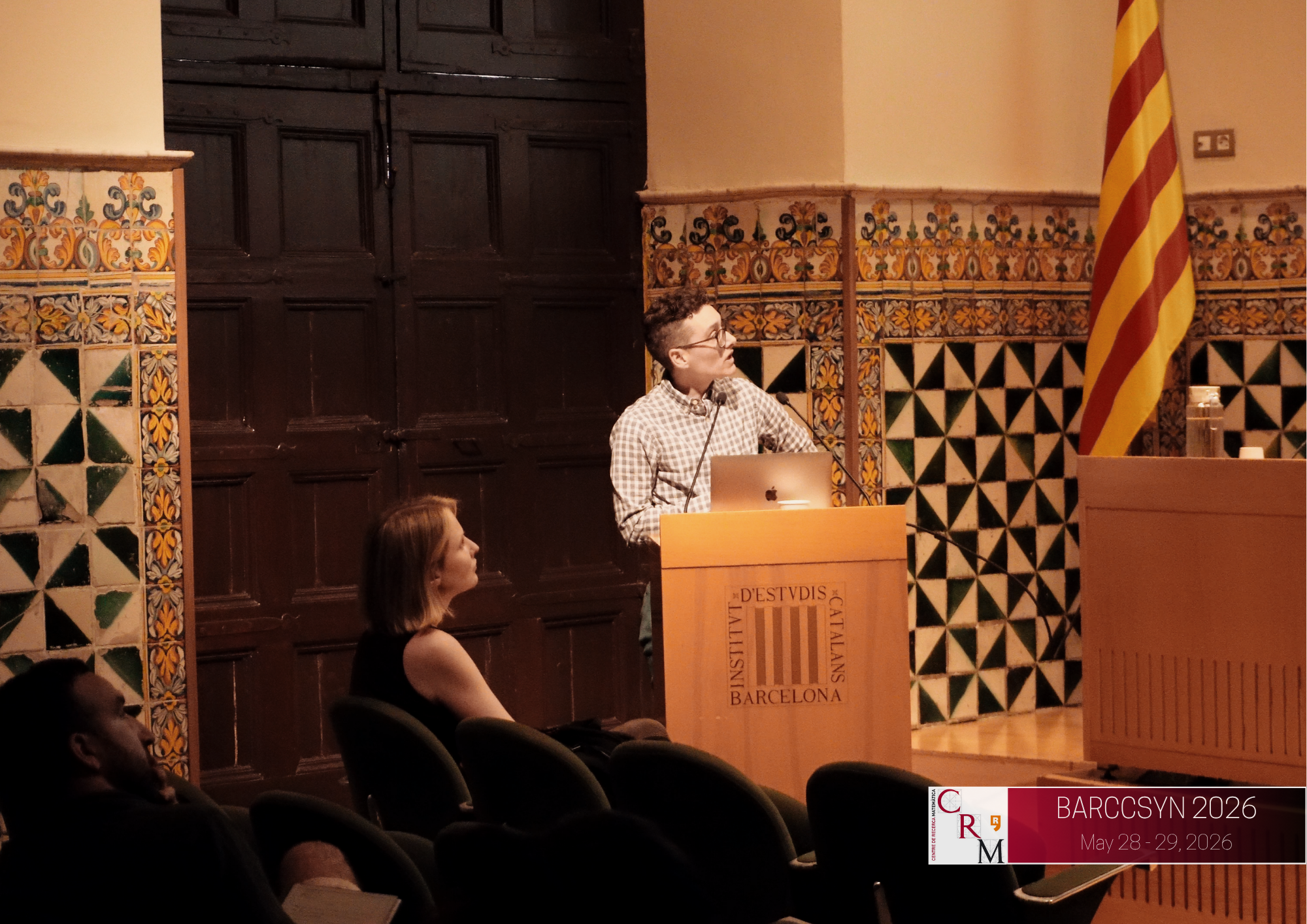
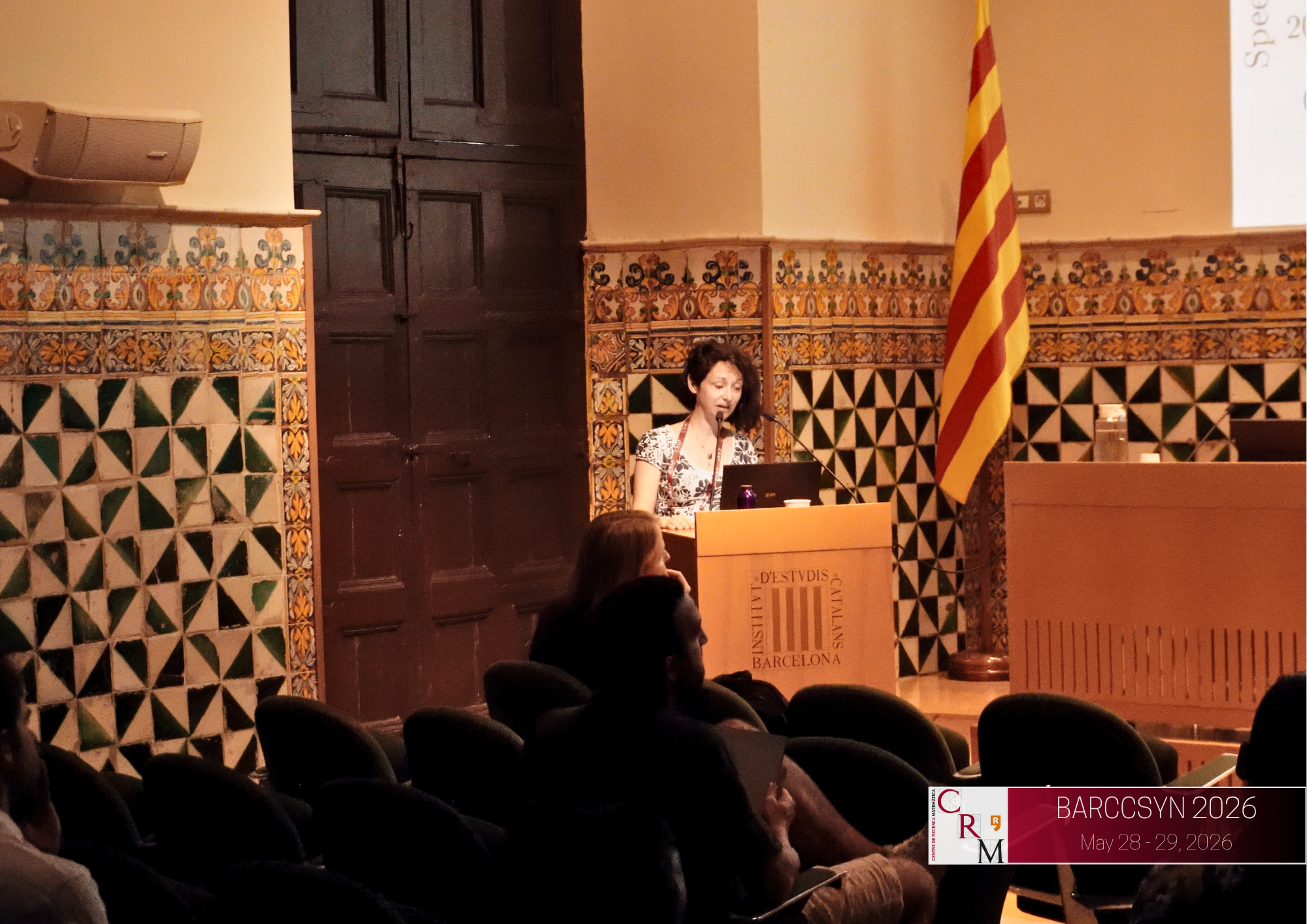
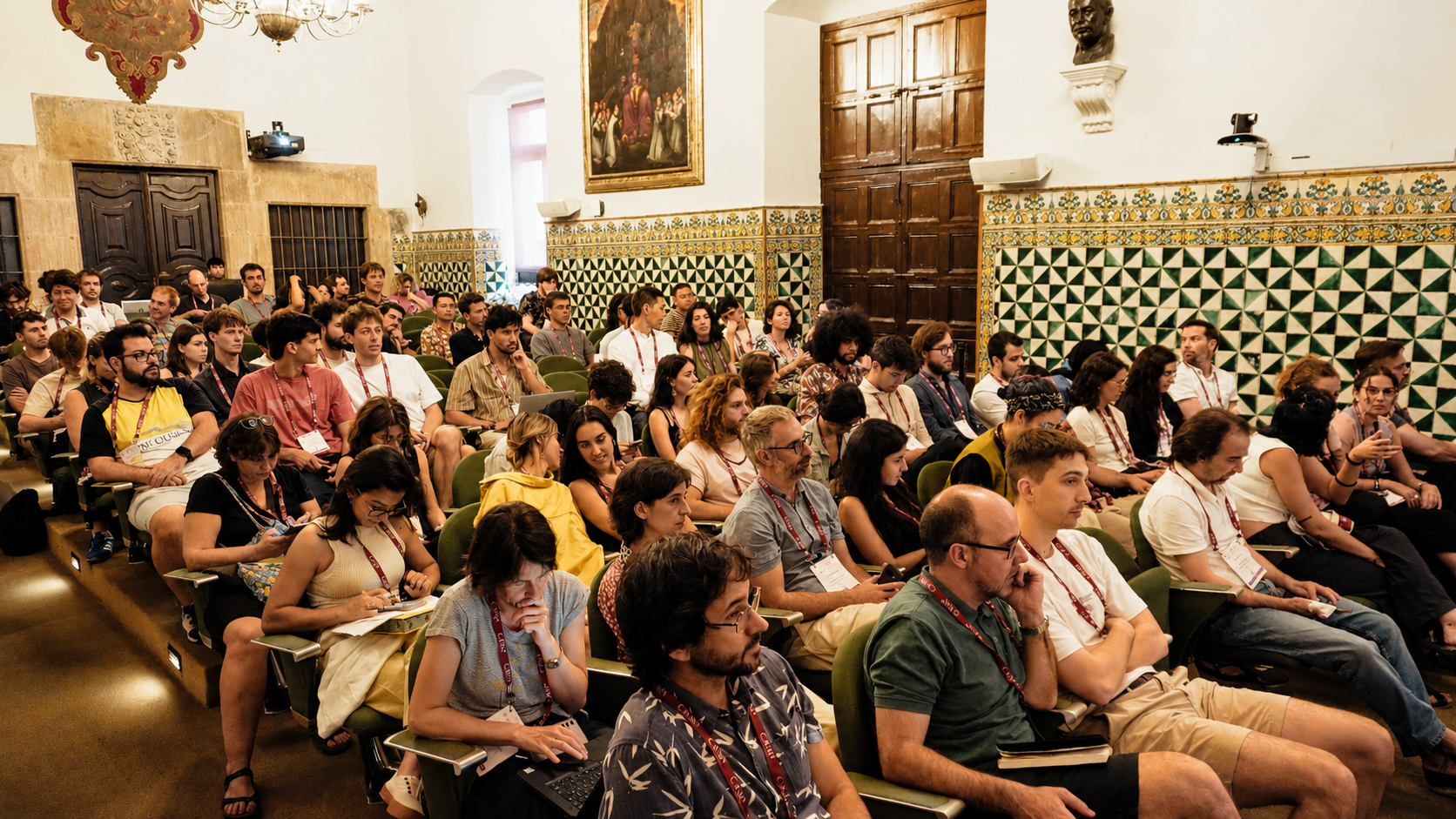
The fourteenth BARCCSYN meeting brought 117 researchers to the Institut d’Estudis Catalans on 28 and 29 May 2026 for two days of computational, cognitive and systems neuroscience. Organised by the CRM with the relevant section of the Catalan societies of biology and mathematics, it gathered eleven talks, three keynote lectures and sixty-three posters, with prizes going to work from IDIBAPS.
The Institut d’Estudis Catalans hosted the fourteenth edition of the Barcelona Computational, Cognitive and Systems Neuroscience meeting (BARCCSYN) on 28 and 29 May 2026. Two days in the Prat de la Riba room brought together 117 registered participants for what has become the annual meeting point of the city’s computational neuroscience community.
The meeting is organised by the Centre de Recerca Matemàtica (CRM), in collaboration with the Neurociència computacional i de sistemes section, which belongs to the Societat Catalana de Biologia and the Societat Catalana de Matemàtiques. This year’s organising committee paired Jens-Bastian Eppler and Alexandre Hyafil, from the CRM, with Hernando Martínez Vergara and Indre Pileckyte, from IDIBAPS. BARCCSYN exists to keep Barcelona-based groups in conversation, and in particular to put theorists and experimentalists in the same room.
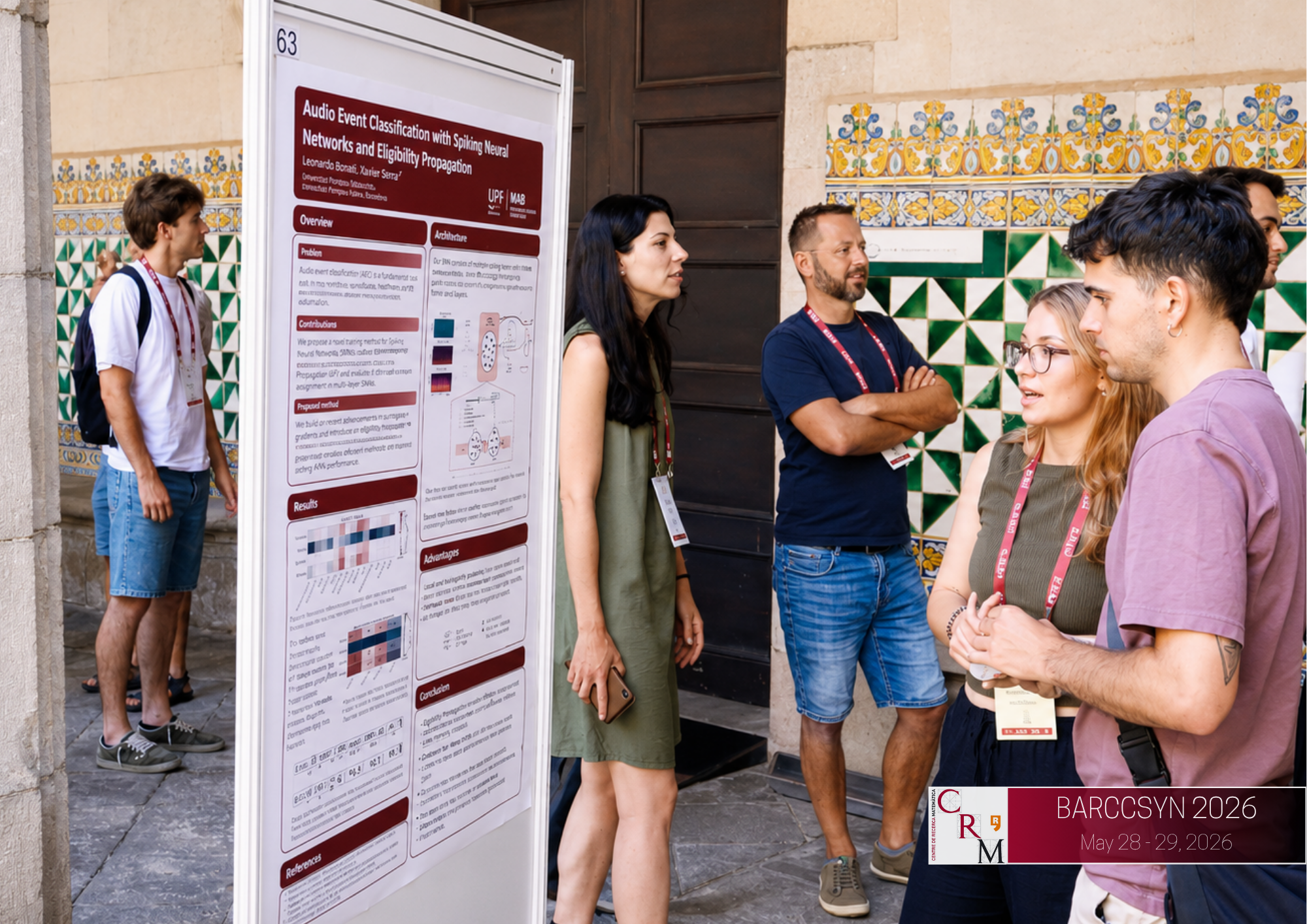
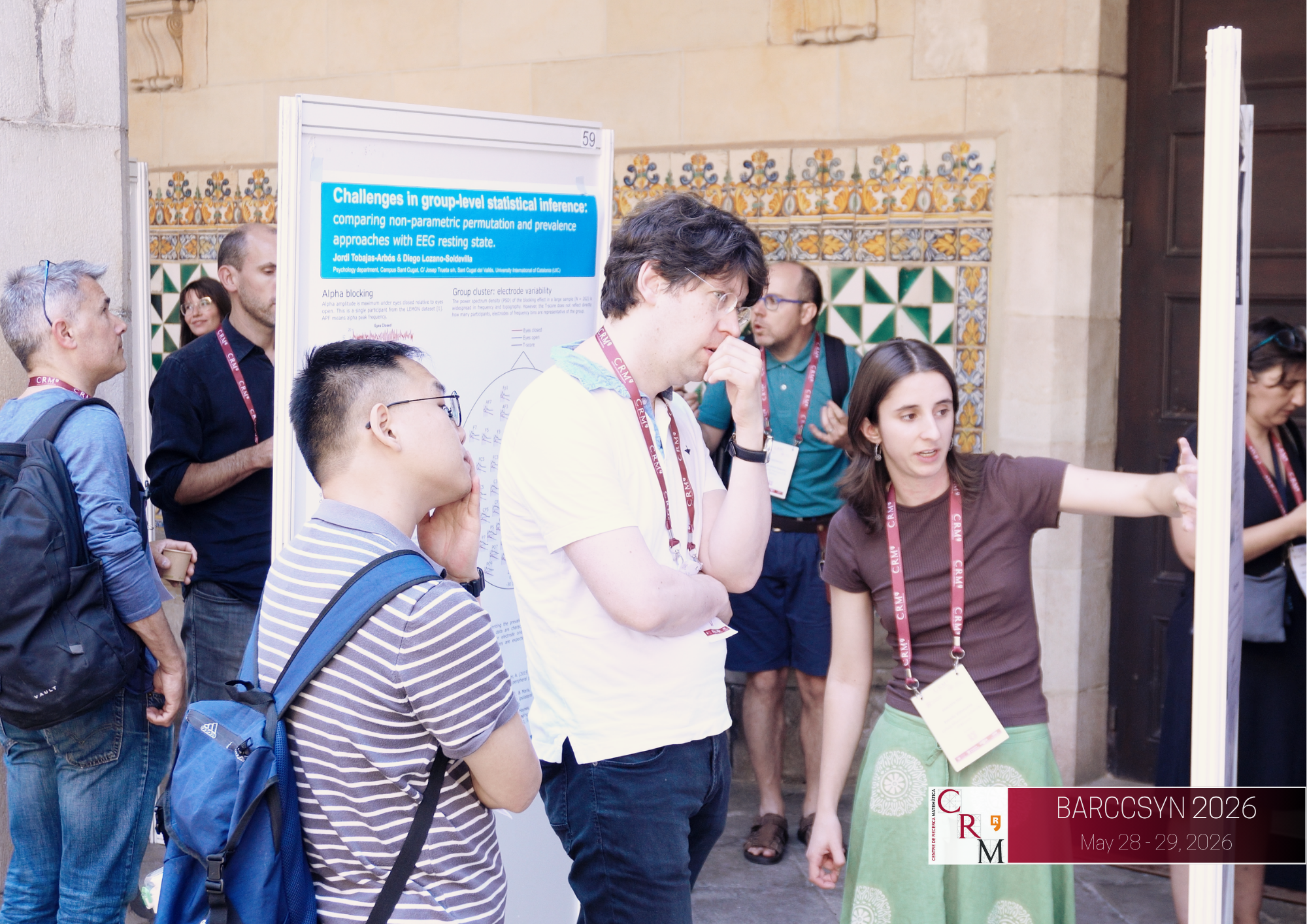
The programme followed that purpose closely. Across the two days, eleven short talks from local researchers shared the schedule with three keynote lectures and a poster exhibition of sixty-three contributions, divided over two sessions. The list of participants ran well beyond the local circuit, with researchers travelling from Bonn, Columbia, Amsterdam, Leicester, Cologne, Munich, Vienna and Prague, among other institutions.
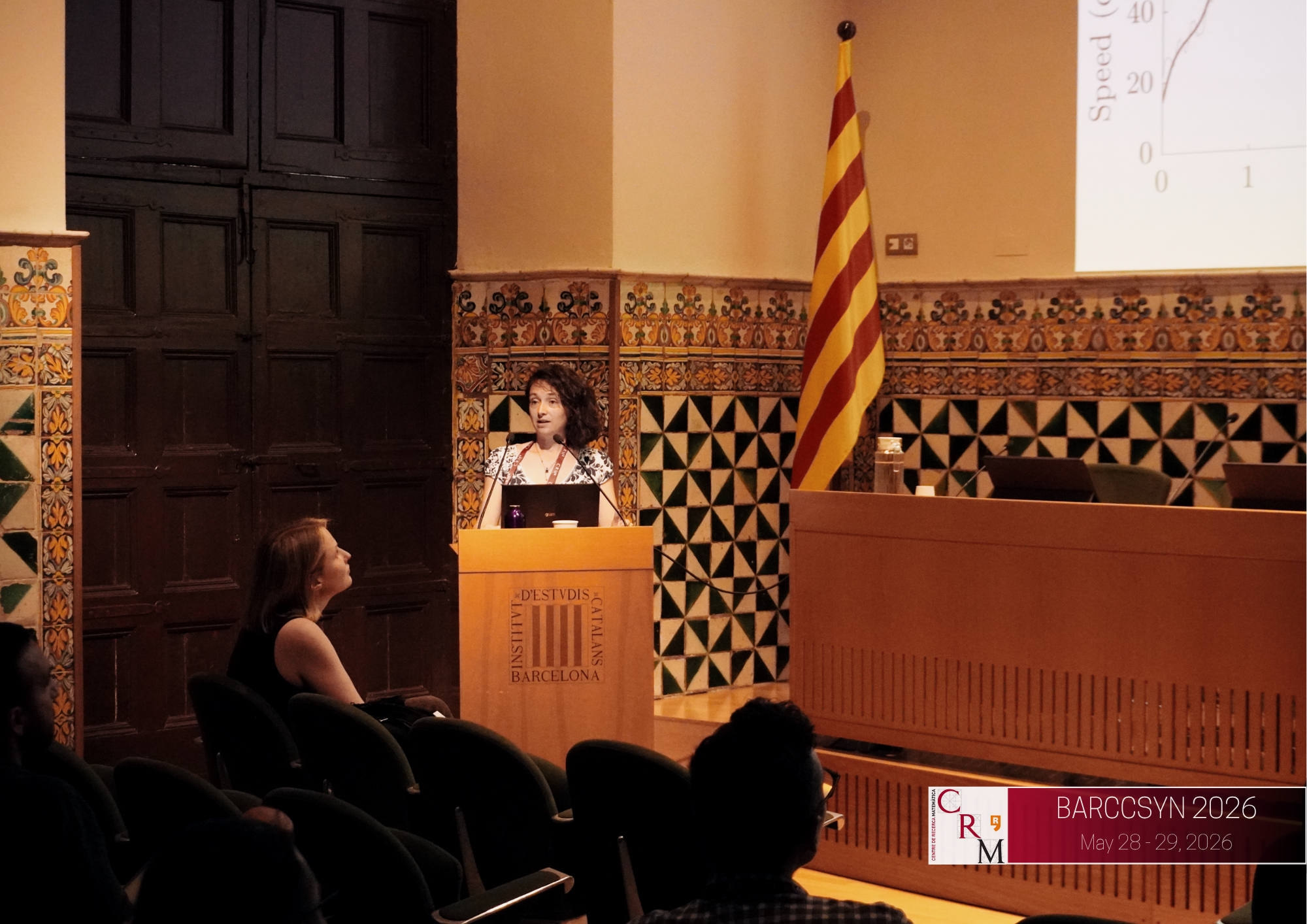
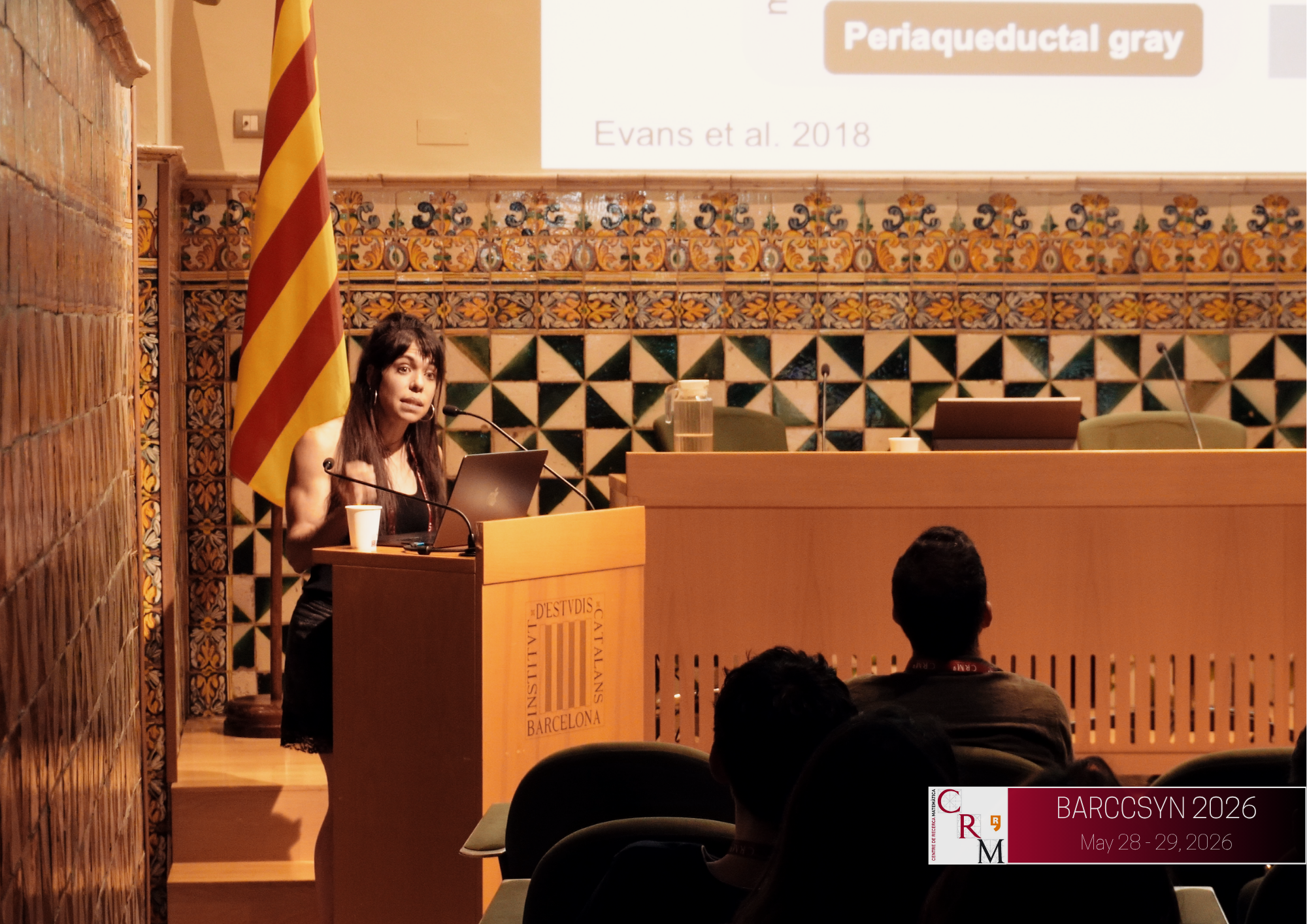
The three keynote lectures set the intellectual range of the meeting. Raoul-Martin Memmesheimer (University of Bonn) opened the series with a memory model that runs against the standard picture. Associative memories are usually thought to live in assemblies of strongly connected neurons that stay put. His group proposes the opposite: that the assemblies remodel completely over time, with neurons swapped in and out as spontaneous synaptic turnover and noisy network activity push the engram around. Plasticity keeps inputs, outputs and the broader structure consistent through the churn, so the memory holds even as its physical substrate moves. Borrowing descriptions from statistical physics, the model treats that drift, part deterministic and part random, as the very thing that redistributes and consolidates a memory rather than something the brain has to fight.
Saskia Haegens (Columbia University) turned to the beta rhythm, between 15 and 30 Hz, as the scaffolding for forming brief, flexible neural ensembles. Using spike and LFP recordings in non-human primates alongside MEG and EEG in human participants on a categorical decision task, they found that beta-frequency shifts in the frontal cortex track the outcome of a decision and predict the behavioural response. The shifts do real work, on this reading: they reactivate the communication channels a task needs, springing from changes in coupling between weakly connected oscillators, which makes them a mechanism rather than a passive spectral signature.
Sara Mederos (Hospital del Mar) closed the lectures with the circuits behind decisions made under threat. In her paradigm, mice escape an overhead looming stimulus that imitates a predator from the air, and repeated exposure gradually suppresses that instinctive flight. Higher visual areas instruct the learning through projections to the inhibitory ventrolateral geniculate nucleus, where particular neurons ramp up their activity across training and turn out to be necessary for the suppression. The same hub weighs safety against exploration by combining signals from retrosplenial cortex and the hypothalamus, and ongoing work links acute stress to lasting changes in hippocampal dynamics that may bear on anxiety and PTSD.
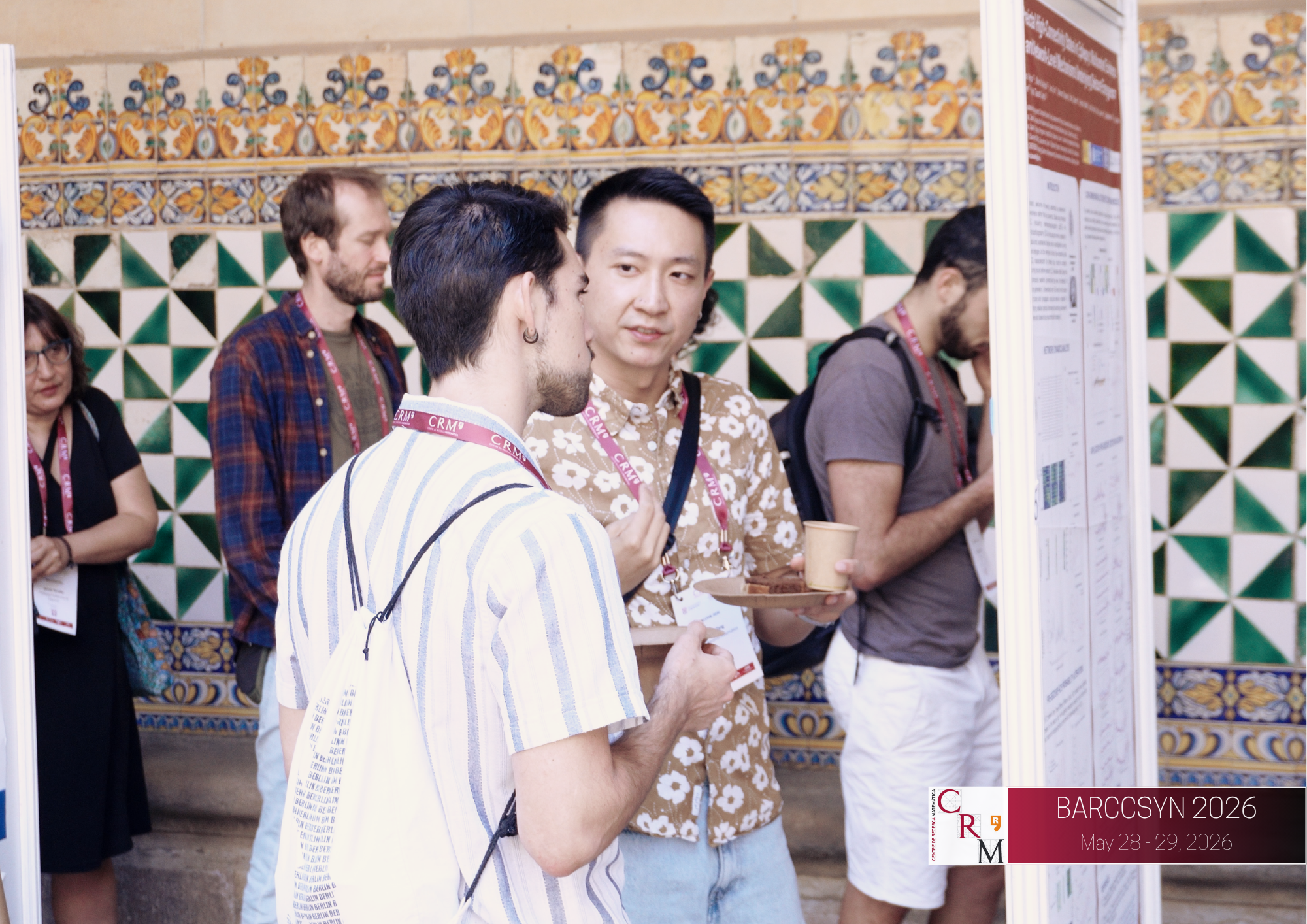
The contributed talks and posters covered much of what currently occupies the field. Several addressed memory: how working memory degrades with age, how prefrontal and parietal activity converge during its maintenance, and how engrams remain stable while the cells that carry them change. Another strand turned to decision-making and the slow accumulation of evidence, including foraging behaviour and choices made under threat. Perception had a strong presence too, from bistable and ambiguous vision modelled through catastrophe theory to the encoding of motion in area MT. Work on the hippocampal spatial code, on neural oscillations and intrinsic timescales, on whole-brain models and connectomics, and on the clinical side of epilepsy and seizure prediction rounded out a programme that moved easily between theory, modelling and experiment.
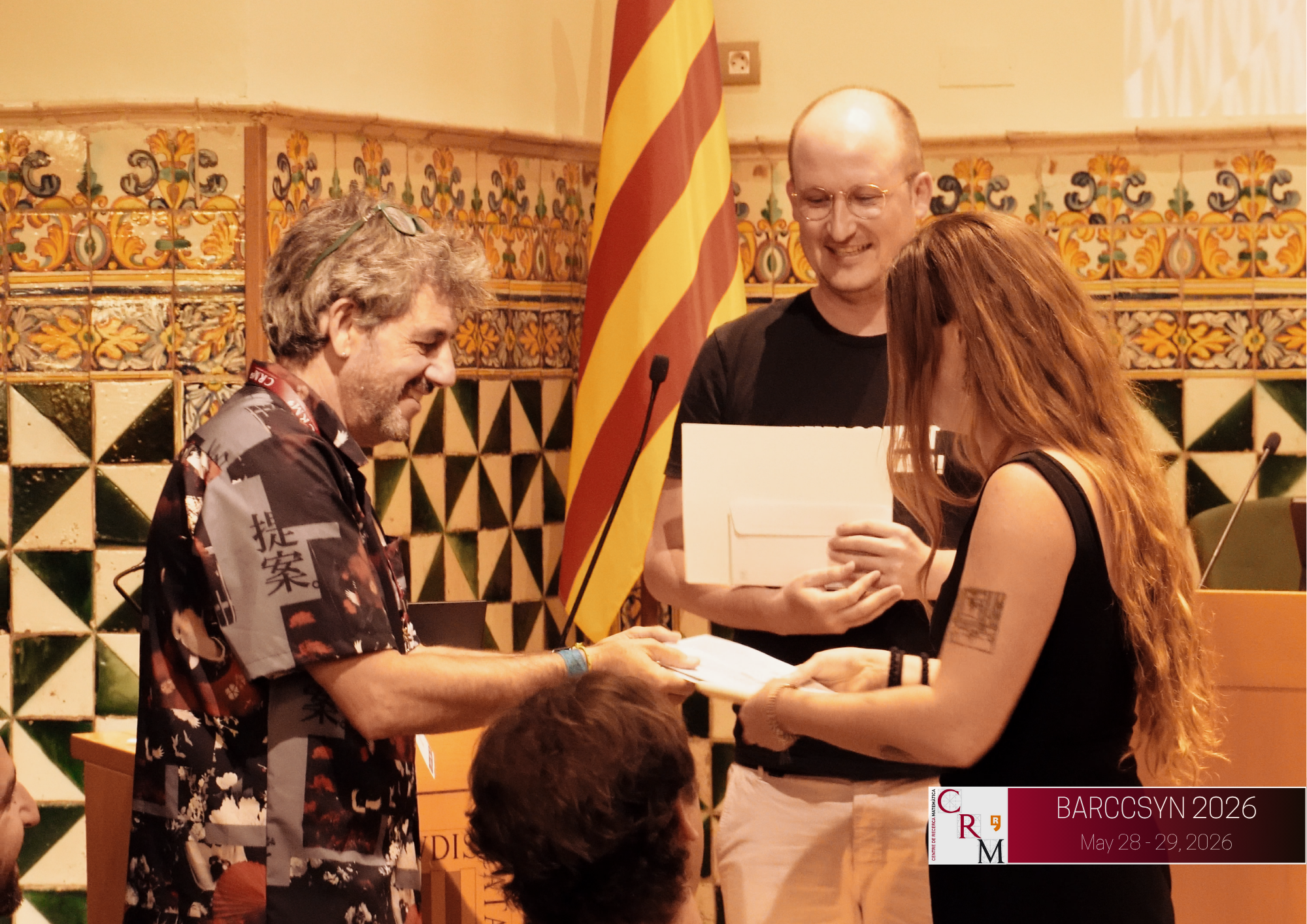
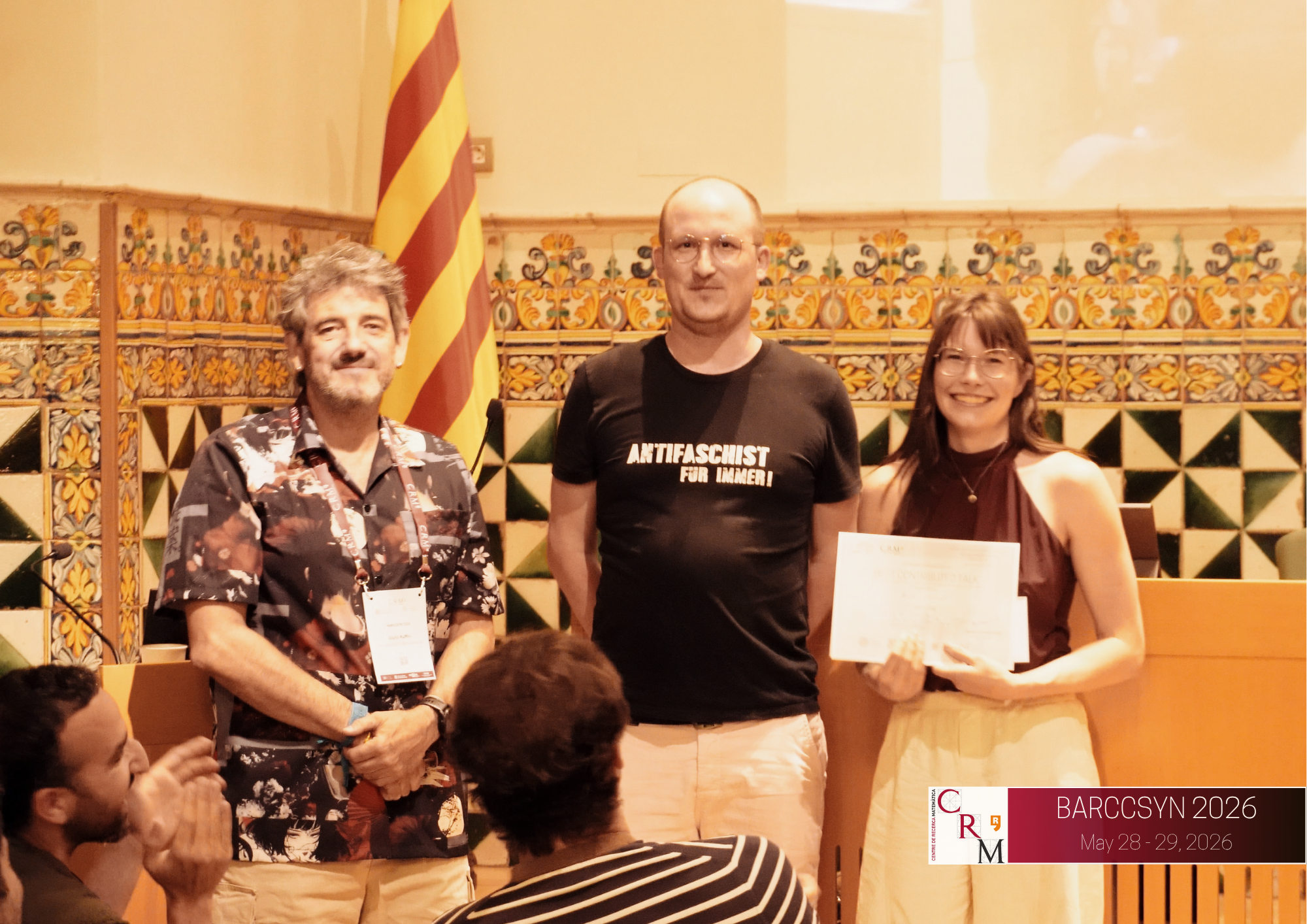
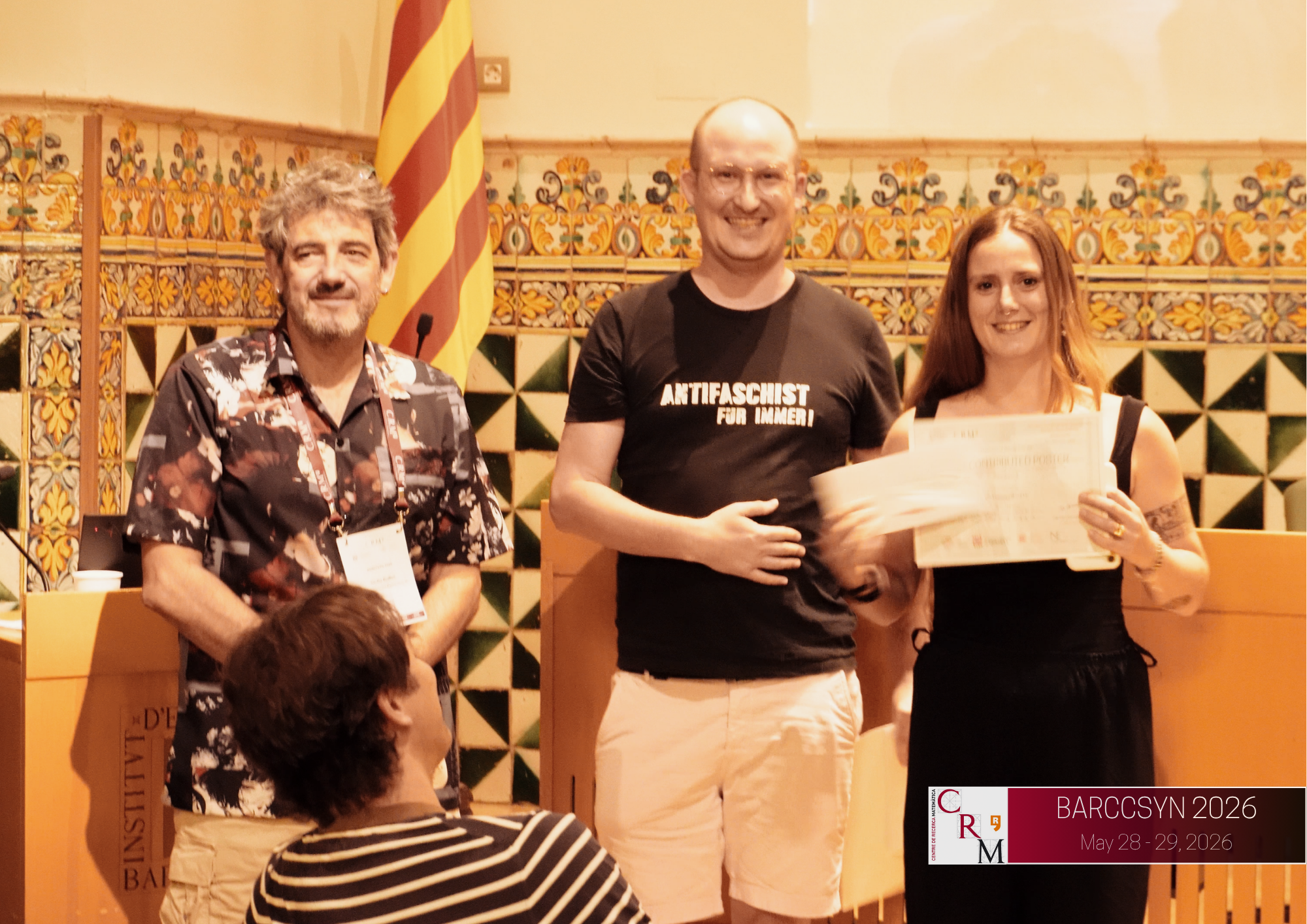
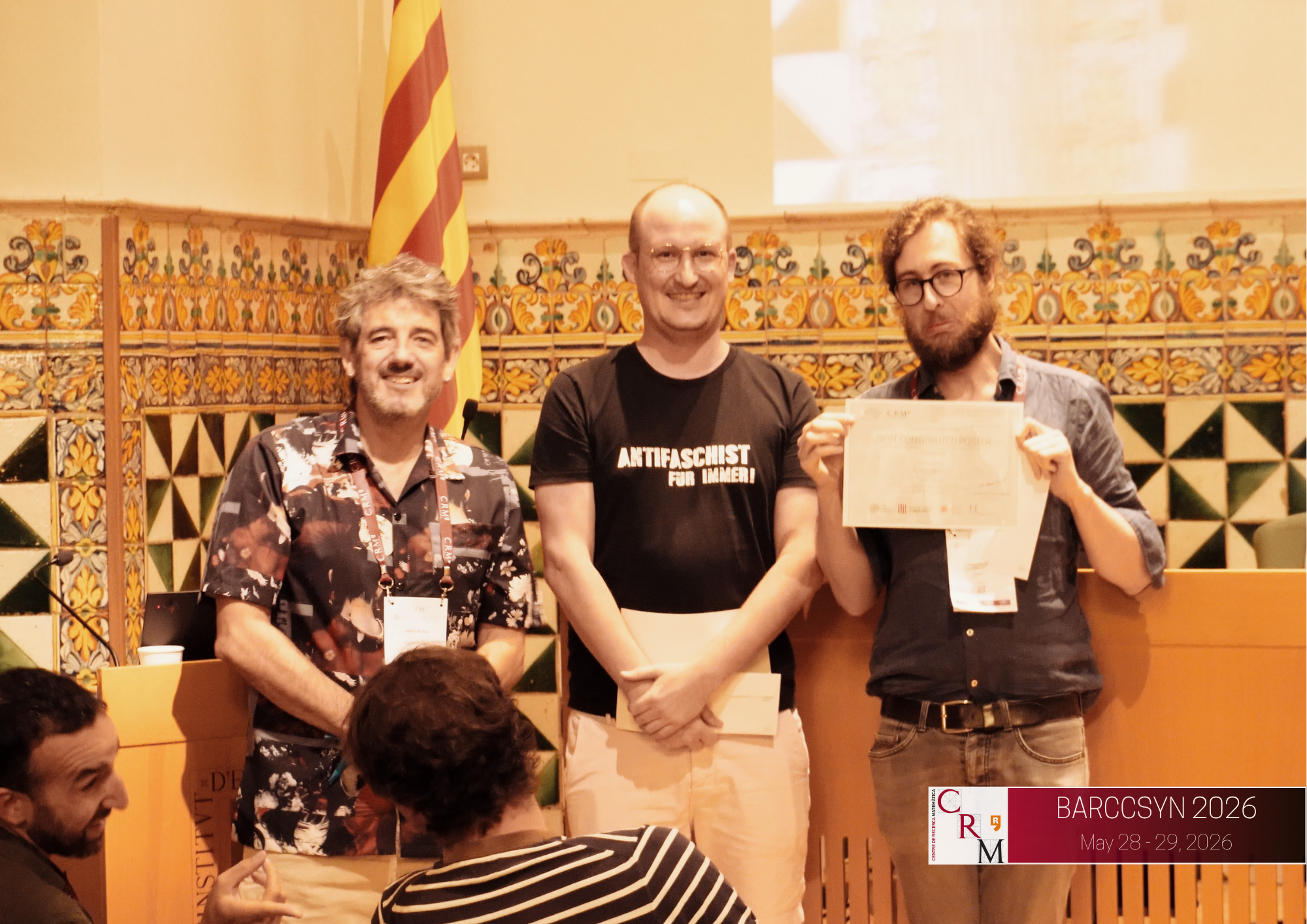
The closing session recognised three contributions. Melanie Tschiersch (IDIBAPS) received the award for best contributed talk, for her work on how prefrontal and parietal activity converge during working memory maintenance. The two prizes for best poster went to Thomas Morvan (IDIBAPS), for a round-the-clock automated evidence accumulation task in mice designed to study deliberation biases, and to Caterina Barezzi (IDIBAPS), for work on how photoinhibition of the medial prefrontal cortex alters decision-making during foraging.
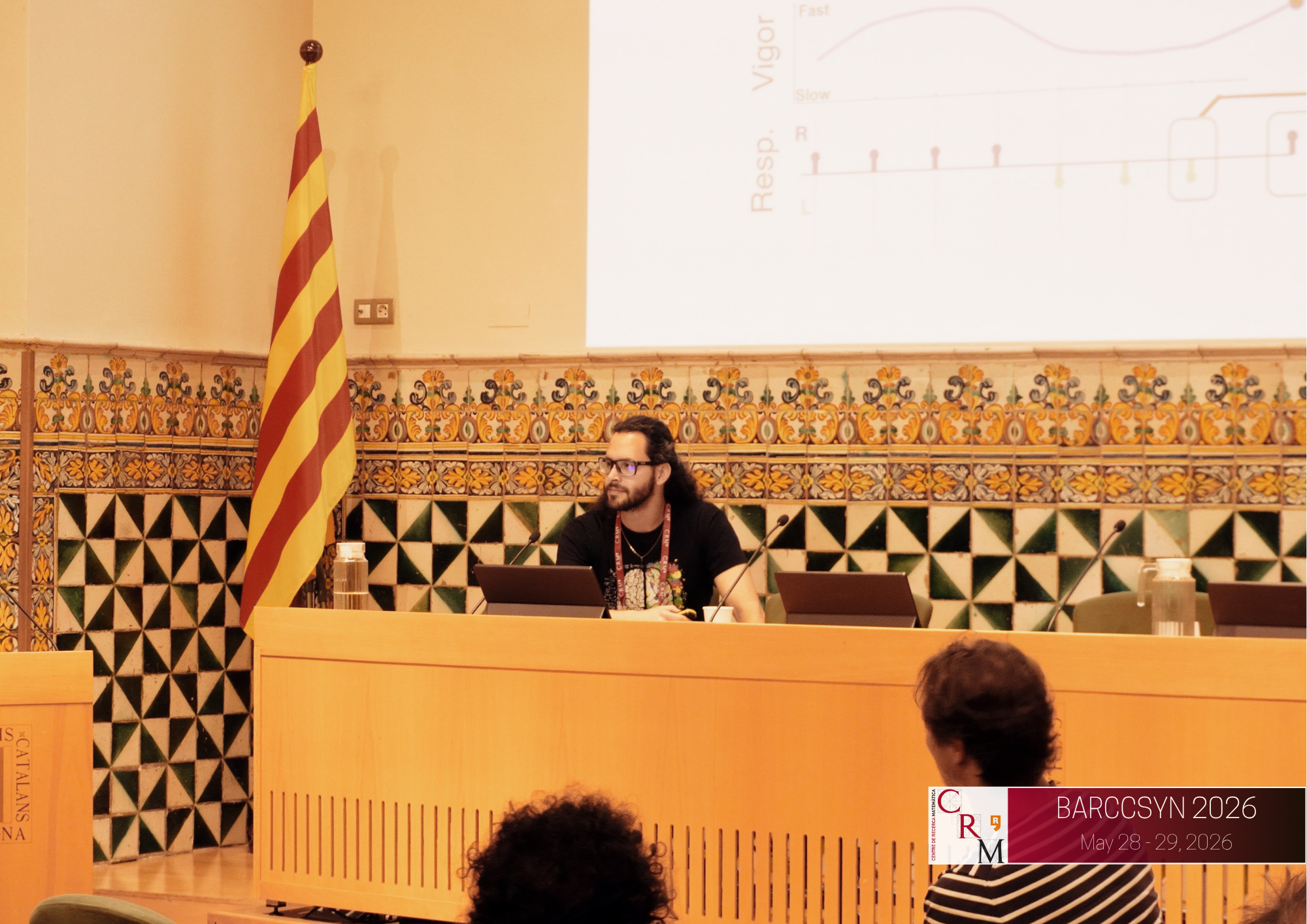
CRM had a strong presence across the two days. Gloria Cecchini presented work on the emergence of spatial fields in mouse CA1, Alexandre Garcia-Duran on bistable perception as a canonical sensory computation, and Lluís Hernández on how the rat striatum encodes the vigour of a task. The centre also brought eight posters to the two sessions. Alexandra Antoniadou and Davide Colella both looked at how ageing perturbs working memory, in a bump attractor model and in a large-scale model of macaque cortex; Lucía Arancibia worked on motion perception in area MT; Pablo Crespo on the neural signatures of evidence accumulation; Demetrio Ferro on adaptive temporal weighting across behaviour and network models; and Haowen Tang on parallel pathways for perceptual decisions under bilateral motion. Jens-Bastian Eppler‘s poster, on how network structure stabilises neural manifolds as representations drift, sat neatly beside Memmesheimer’s keynote.
Fourteen years in, BARCCSYN has kept the same modest format, a couple of rooms, a long coffee break and a wall of posters, and that format continues to do its job: putting the people who build the models next to the people who record the data, and seeing what comes of it.
Newsletter
Get the latest CRM news and activities delivered to your inbox
The fourteenth BARCCSYN meeting brought 117 researchers to the Institut d’Estudis Catalans on 28 and 29 May 2026 for two days of computational, cognitive and systems neuroscience. Organised by the CRM with the relevant section of the Catalan societies of biology and…
Obstacle problems are a fundamental class of questions in the analysis of partial differential equations. They describe situations in which a quantity can evolve freely, but is subject to a restriction that prevents it from crossing a certain barrier. One intuitive…
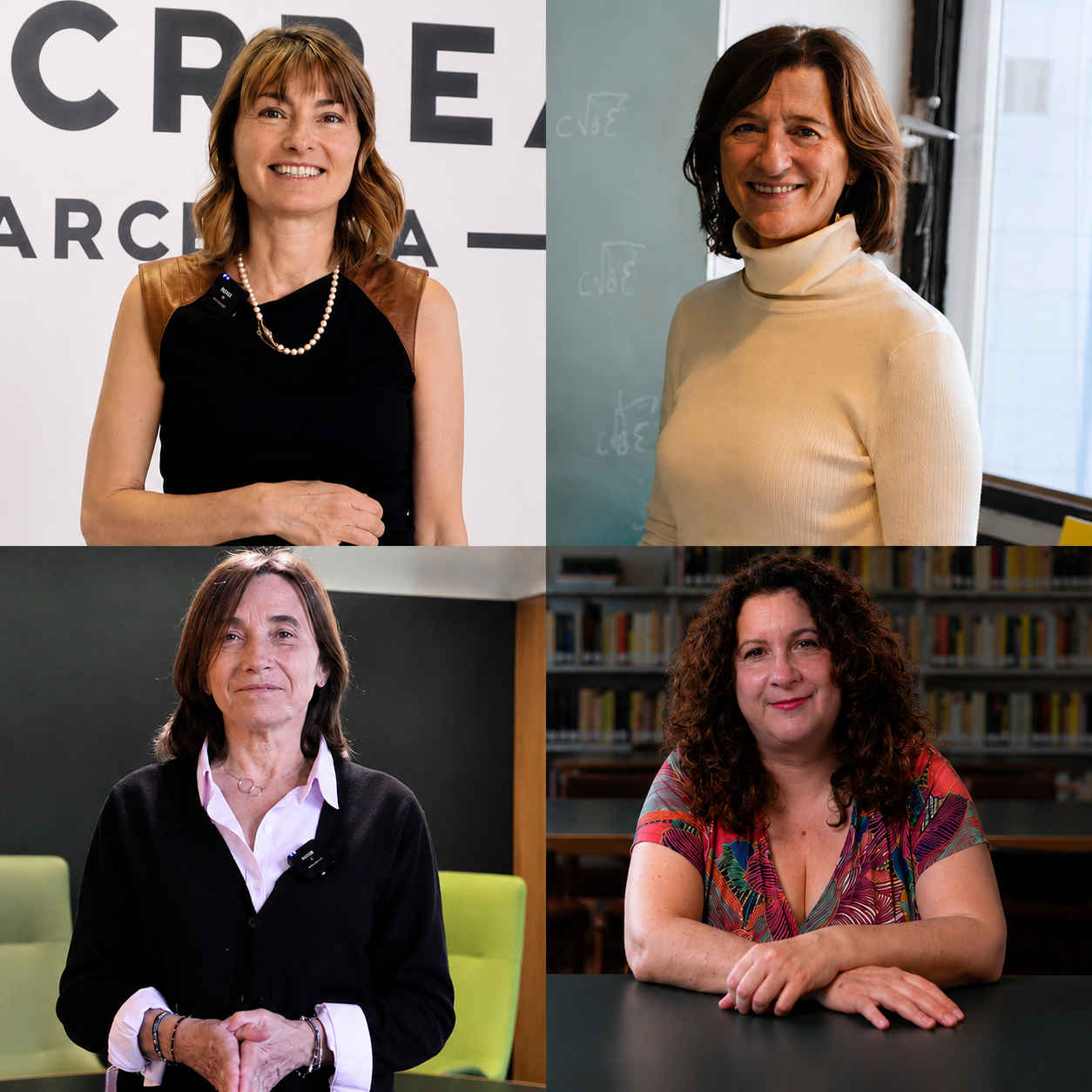
Tere M-Seara, Eva Miranda, Núria Fagella and Marta Mazzocco appear in the April 2026 edition of the Ranking de mujeres investigadoras españolas y en España.Four mathematicians affiliated with the Centre de Recerca Matemàtica (CRM) appear in the latest edition of the…
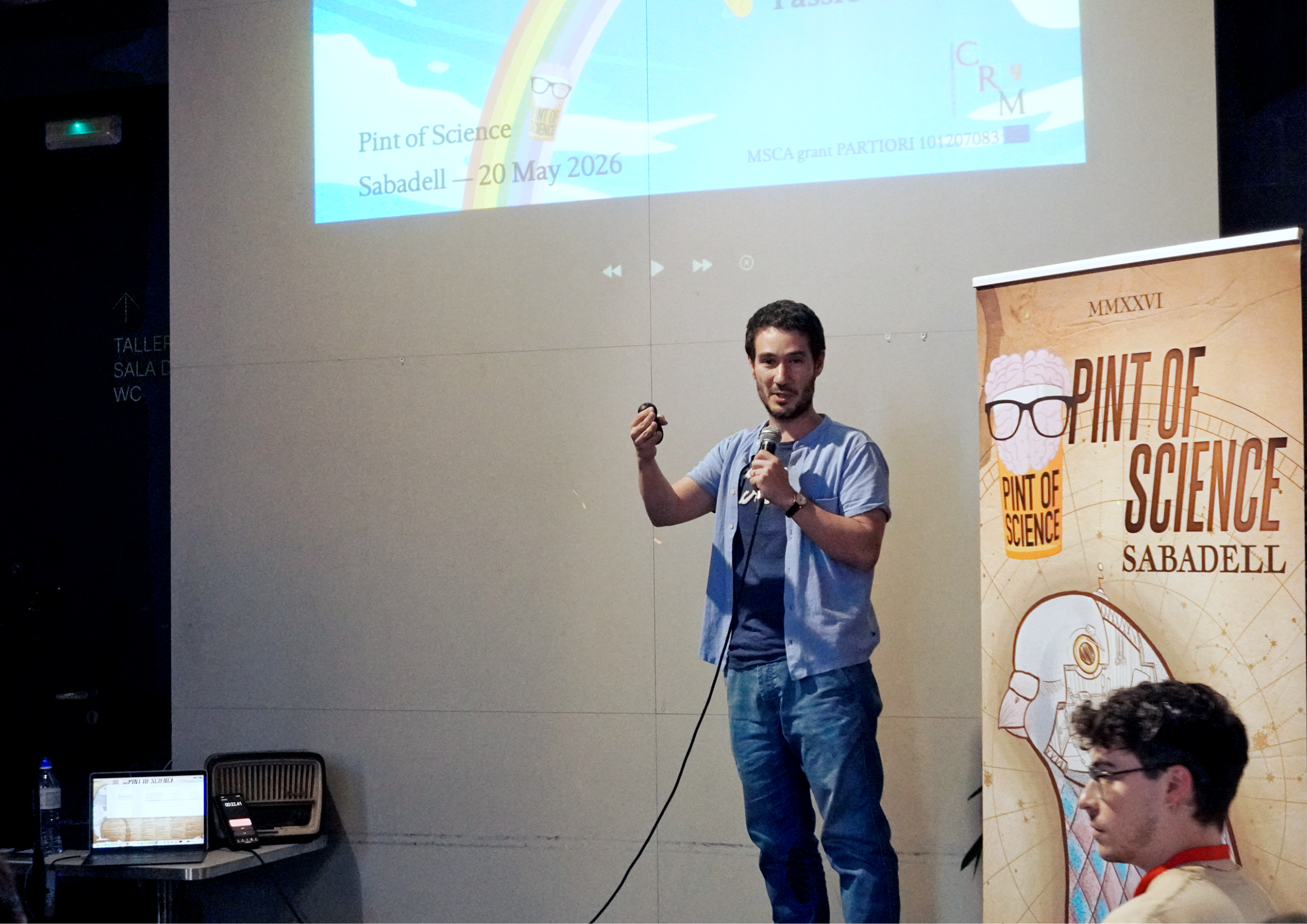
On 20 May, three researchers from the Centre de Recerca Matemàtica spent the evening at two bars in Sabadell, explaining their work to anyone who turned up for a drink. They were taking part in Pint of Science Sabadell 2026, the local edition of an international…
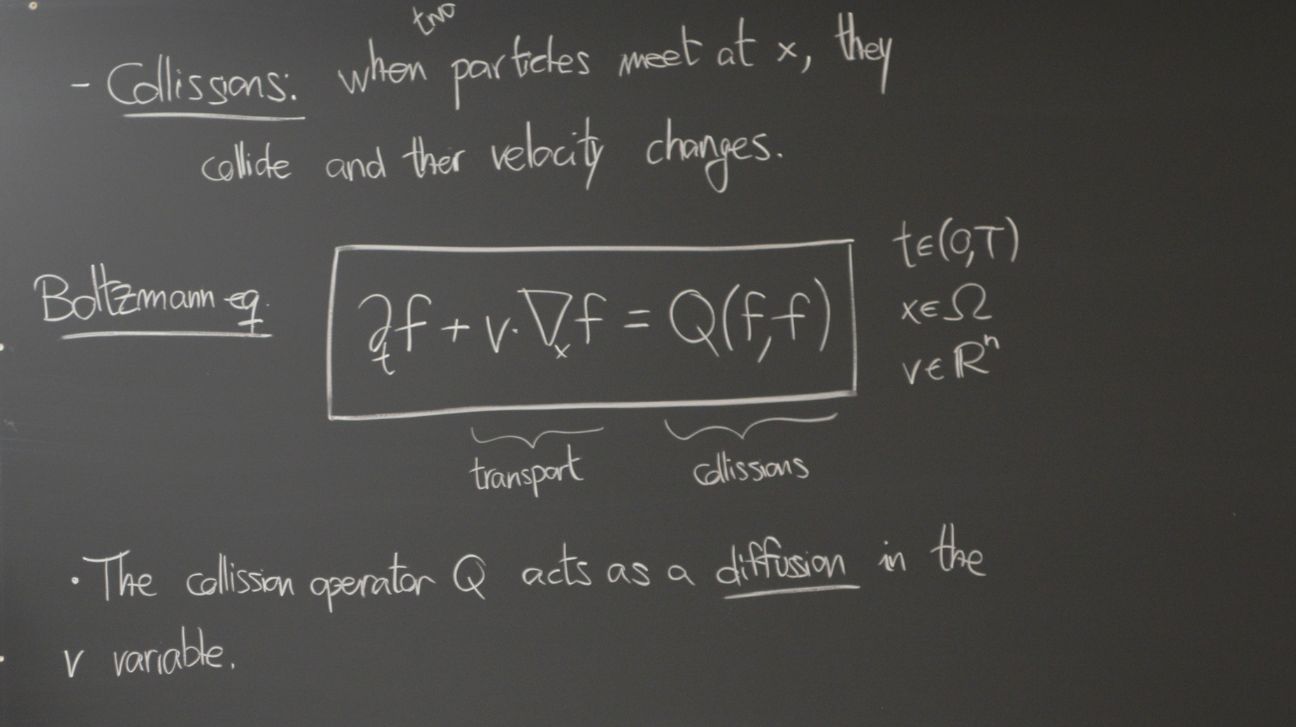
Between April 28 and May 14, 2026, the Faculty of Mathematics at the Universitat de Barcelona hosted the BGSMath course An introductory course to the Boltzmann equation. Over six sessions, the course brought together students and researchers interested in one of the…
Two recent papers from the Computational and Mathematical Neuroscience group at CRM ask what makes neural circuits drift in the first place, and what keeps them from collapsing under their own learning rules. One, published in PNAS, traces representational drift in…
The study, led by the Institute for Neurosciences CSIC-UMH and EPFL (Switzerland), shows that the molecule OLE helps microglia enclose and contain beta-amyloid plaques, reducing their size and toxicity.
The research, published in the journal Cell Death and Disease, could pave the way for a new strategy to combat Alzheimer’s disease by restoring the protective function of the brain’s immune system.
The team from the Functional Epi-Genomics of Aging and Alzheimer’s Disease laboratory at the Institute for Neurosciences CSIC-UMH
A team led by researcher José Vicente Sánchez Mut at the Institute for Neurosciences (IN), a joint center of the Spanish National Research Council (CSIC) and the Miguel Hernández University of Elche (UMH), together with researcher Johannes Gräff at the École Polytechnique Fédérale de Lausanne (EPFL), has identified an experimental molecule capable of “reprogramming” the brain’s immune cells to restore part of their protective function against Alzheimer’s disease. The study, published in the journal Cell Death and Disease, shows that the compound, called OLE, helps microglia enclose and contain beta-amyloid plaques, reducing their size and toxicity. In animal models, the treatment also improved cognitive performance in memory tests.
Alzheimer’s disease is characterized, among other factors, by the accumulation of beta-amyloid plaques and by the progressive deterioration of microglia, the immune cells responsible for clearing these toxic deposits from the brain. As the disease progresses, these cells lose part of their protective capacity and contribute to neuronal damage. In this study, the researchers found that OLE, a molecule derived from the PM20D1 gene, helps restore microglia to a more protective state: the cells move toward the plaques and enclose them, forming a kind of barrier around the deposits that limits their interaction with neurons and reduces their toxic impact on brain tissue.
“One of the most significant findings is that we have identified a molecule capable of restoring microglia’s protective function,” explains Sánchez Mut. “In Alzheimer’s disease, these cells become progressively impaired. Our results suggest that this process can be reversed, pointing to new therapeutic and research avenues to counteract the disease”, adds the researcher, who leads the Functional Epi-Genomics of Aging and Alzheimer’s Disease laboratory at the IN CSIC-UMH.
Effects of OLE in experimental models
To study the effects of OLE, the team combined different experimental models. First, they used genetically modified worms (C. elegans) engineered to produce beta-amyloid, allowing researchers to assess its toxicity rapidly. In this model, treatment with OLE reduced the accumulation of protein aggregates and improved the worms’ mobility, suggesting a protective effect against disease-associated damage.
The team then administered the compound for three months to mouse models of Alzheimer’s disease to analyze its effects on the brain and memory. Following treatment, the animals showed improved performance in memory tests and a reduction in the beta-amyloid plaques associated with the disease.
To understand how OLE acts in the brain, the team analyzed the activity of thousands of individual cells. The results showed that microglia were the cell type most affected by the treatment. After administration of the compound, these cells activated mechanisms involved in beta-amyloid clearance and regained their ability to move toward and enclose the plaques. “Single-cell analysis allowed us to determine that microglia were the cells that responded most strongly to the treatment”, says Victoria Pozzi, first author of the study. “From there, we observed that the compound helped these cells move toward beta-amyloid plaques and better contain the damage associated with the disease”, adds the researcher.
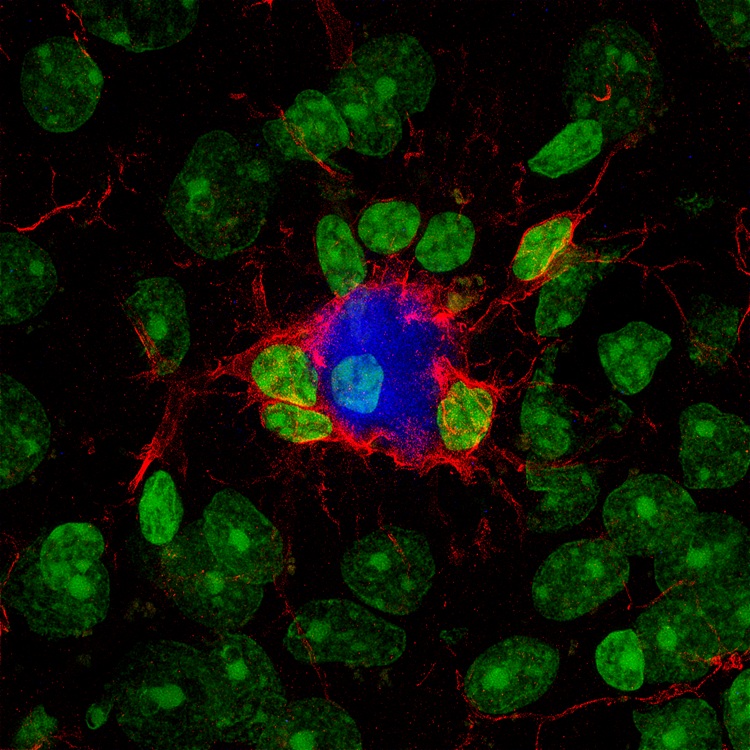
Microglia (in red) respond to the treatment by encapsulating and reducing the size of amyloid plaques (in blue) and protecting neurons. Cell nuclei are shown in green. Source: IN-CSIC-UMH.
In addition, the team confirmed in cell cultures that microglia treated with OLE showed an increased ability to move toward beta-amyloid deposits and promote their clearance. Likewise, in neuronal cultures exposed to stress conditions similar to those observed in Alzheimer’s disease, the treatment increased cell survival, suggesting that it also exerts a direct protective effect on neurons.
The study’s findings are protected by two European patents, one of them owned by the CSIC. According to the authors, this advance reinforces the translational potential of the research and its possible future development in the therapeutic field.
The PM20D1-OLE pathway induces microglia rewiring to ameliorate Alzheimer disease.Pozzi-Ruiz, V., Giner de Gracia, A., Glauser, L., Romani, M., Gunter-Rahman, F., González-Ramón, A., Haj-Yahya, M., Kolla, R., Burns, A.M., Lashuel, H.A., Auwerx, J., Gräff, J. and Sanchez-Mut, J.V.Cell Death and Disease, 2026
This study was made possible thanks to funding from the Dementia Research Switzerland – Synapsis Foundation (Switzerland), the Pasqual Maragall Researchers Programme (PMRP) of the Pasqual Maragall Foundation, the Spanish Ministry of Science, Innovation and Universities, the Severo Ochoa Centres of Excellence programme of the State Research Agency (AEI), the Prometeo programme of the Generalitat Valenciana, the European Regional Development Fund (ERDF), and the CSIC Interdisciplinary Thematic Platform PTI+ NEURO-AGING. It also received support from the Swiss National Science Foundation, the École Polytechnique Fédérale de Lausanne (EPFL), the European Research Council (ERC), the National Research Foundation of Korea (NRF), and the European Social Fund (ESF+).