Author Archive

Gravitational Waves as a Probe of the Early Universe

Image
Gravitational Waves as a Probe of the Early Universe
Seminar

Gravitational Waves as a Probe of the Early Universe

Date
Place
Pere Pascual V5.07 Room

Abstract: Gravitational waves (GWs) provide a unique probe of the early universe, as they can travel almost freely from their generation to the present. I will discuss two cosmological GW sources: primordial GWs from quantum fluctuations during inflation and scalar-induced GWs (SIGWs) produced by curvature perturbations at horizon reentry. Both can reveal the universe’s thermal history. In particular, I will highlight how a non-standard reheating phase imprints distinctive features on the GW spectrum, and how the Big Bang nucleosynthesis (BBN) bound constrains the high-frequency tail of primordial GWs. I will also discuss the recent pulsar timing array (PTA) results and their possible interpretation as SIGWs, which may shed light on early-universe dynamics. Finally, I will briefly address the gauge issue of SIGWs and describe how to define a gauge-invariant observable by constructing a generalized idealized detector including second-order effects.

Go to Source

Els estudiants participants a la prova de preselecció de Bojos per les Matemàtiques visiten el CRM

  • La prova de preselecció de Bojos per les Matemàtiques va reunir estudiants de tot Catalunya a la UAB i al CRM, amb presentacions a càrrec de Montse Alsina, presidenta de la Societat Catalana de Matemàtiques, Núria Fagella, degana de la Facultat de Matemàtiques i Informàtica de la UB, i Juan Jesús Donaire, degà de la Facultat de Ciències de la UAB.
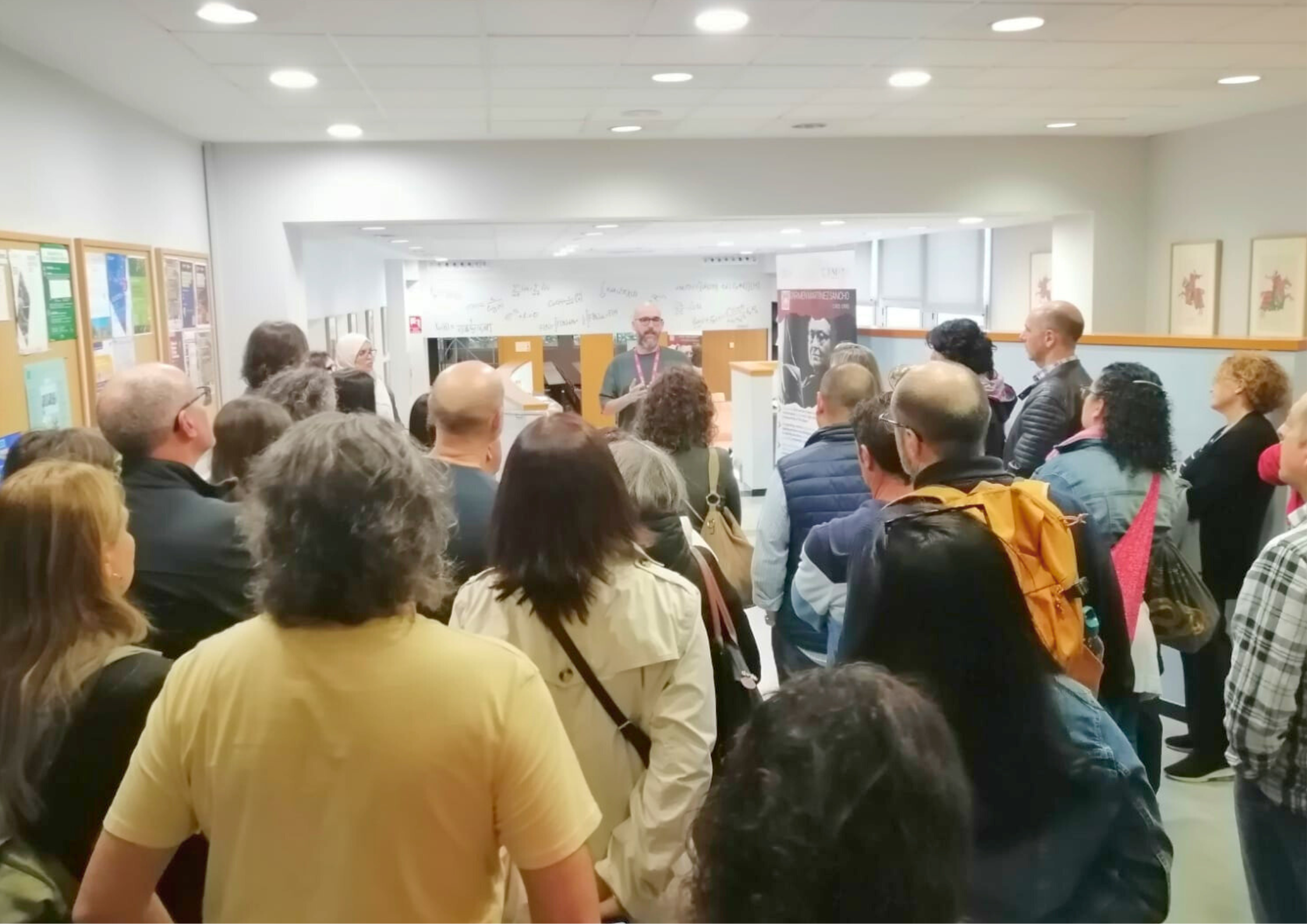
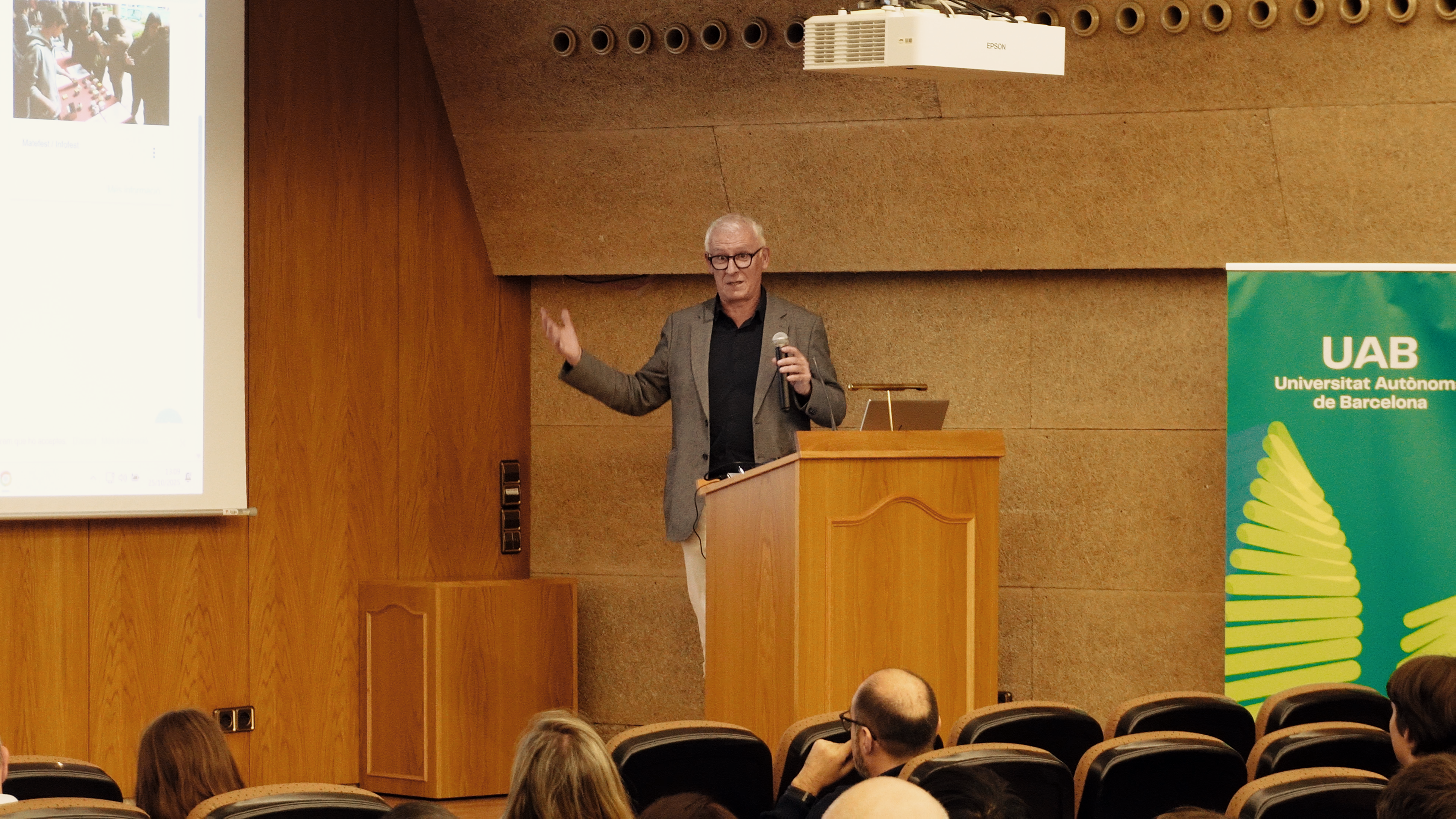
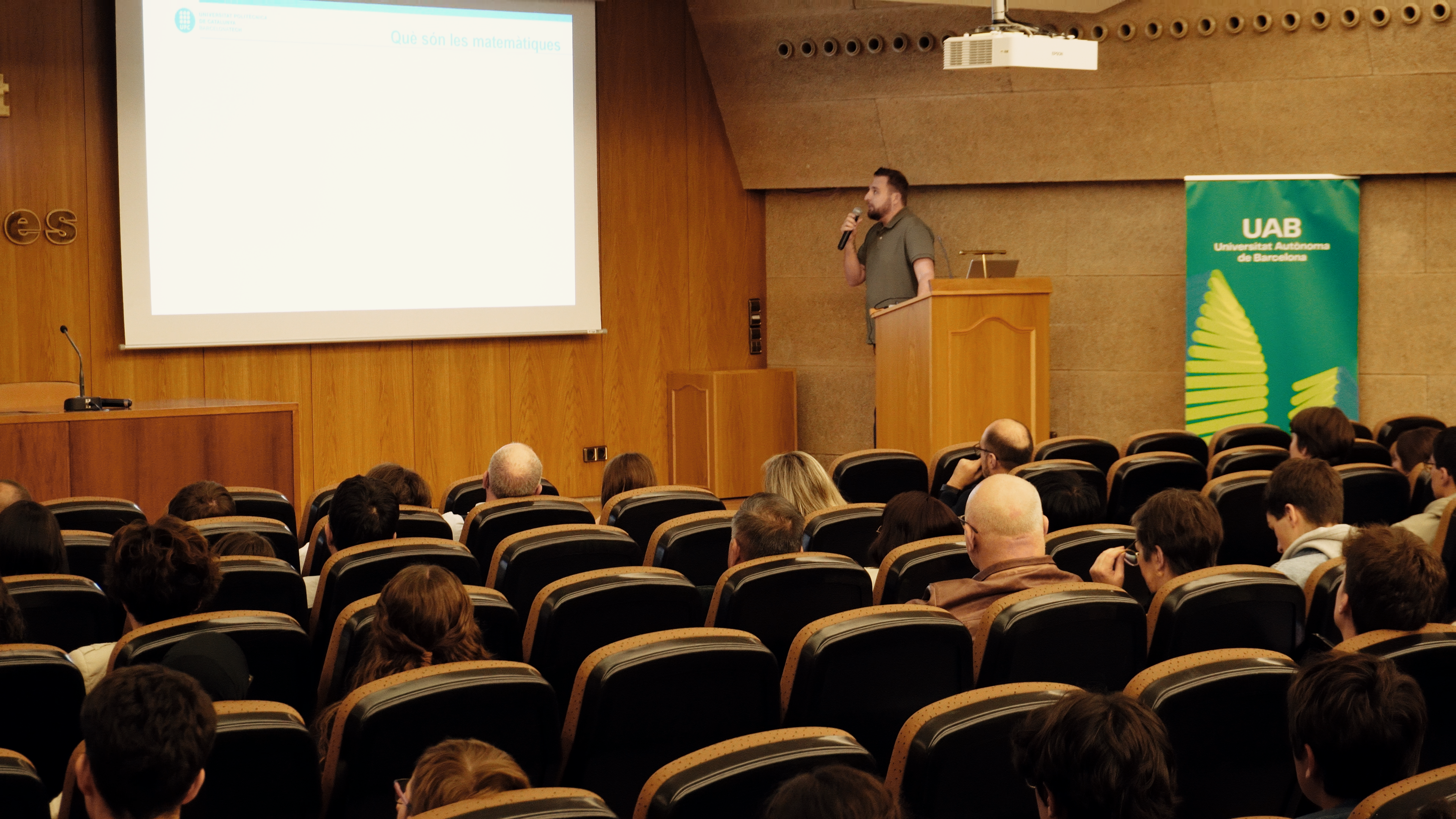
  • Els participants i les seves famílies van visitar el Centre de Recerca Matemàtica, amb una visita guiada, i van assistir a la xerrada Matemàtiques que flueixen a càrrec de Marc Calvo.

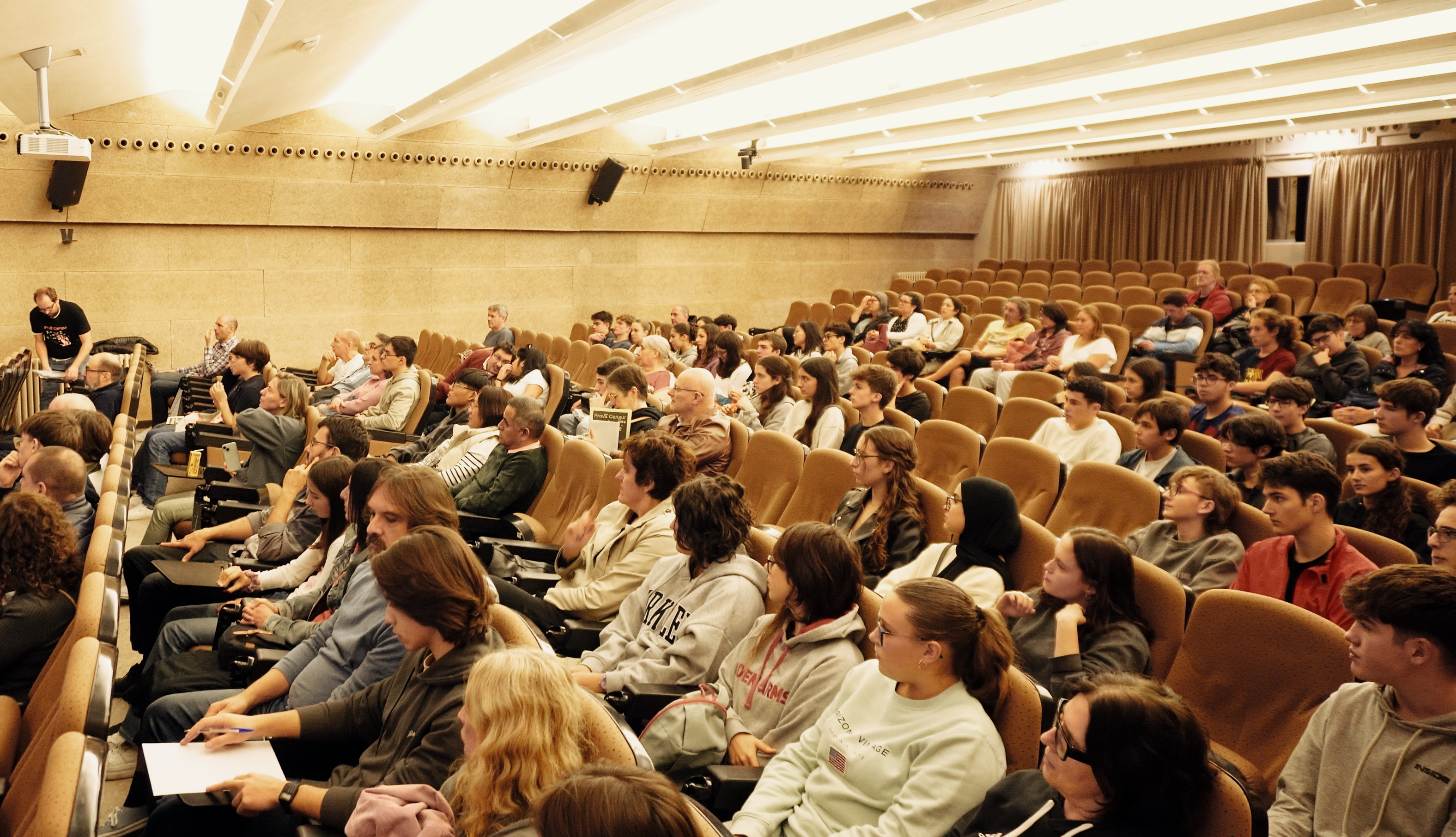
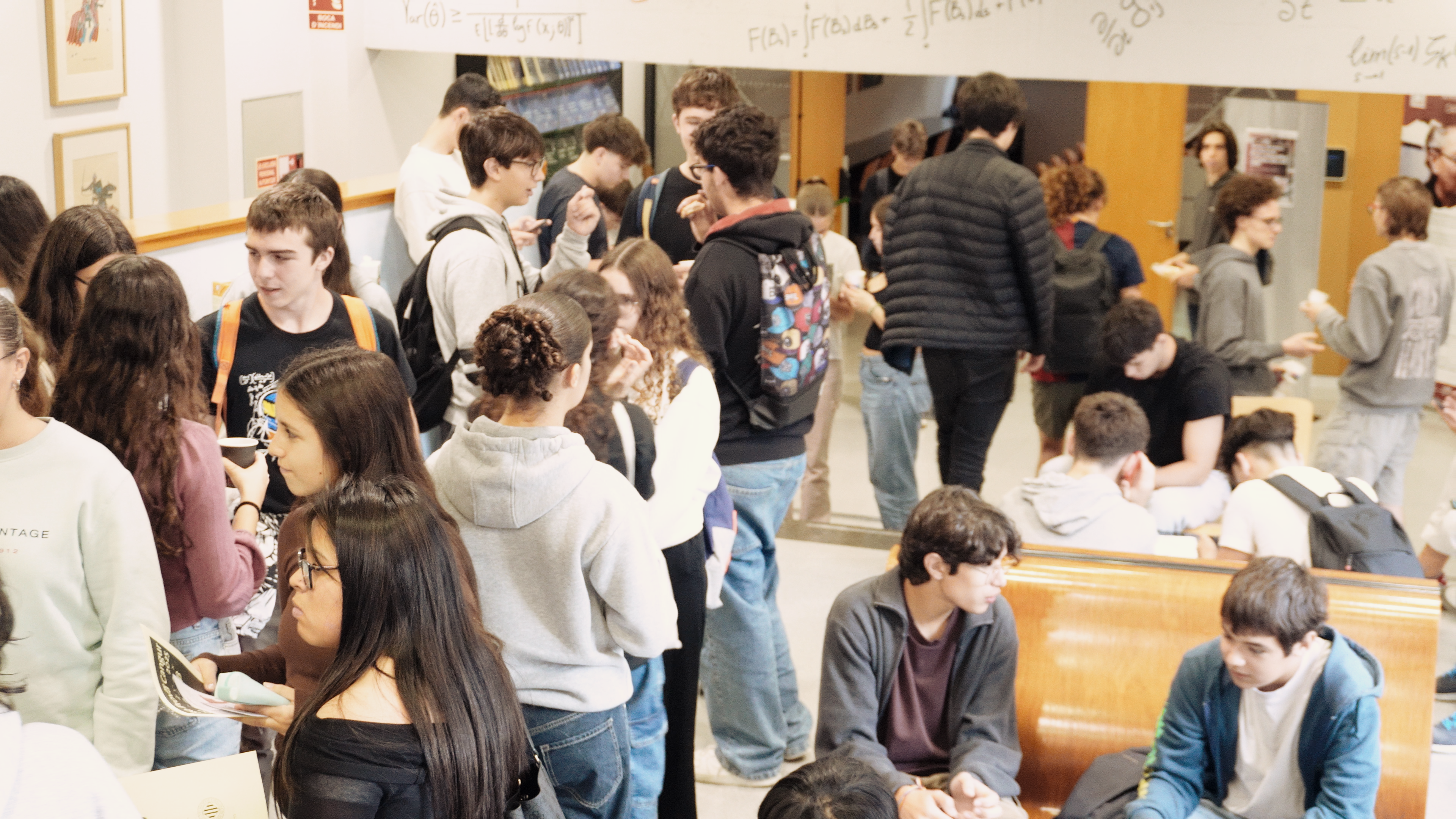
Dissabte 25 d’octubre, la Facultat de Ciències de la UAB va acollir la prova de preselecció del curs Bojos per les Matemàtiques, impulsat per la Societat Catalana de Matemàtiques (SCM) i la Fundació Catalunya La Pedrera. L’objectiu era escollir els futurs participants de l’edició 2026 del programa, una experiència de sis mesos pensada per acostar l’alumnat de batxillerat a la recerca matemàtica real.

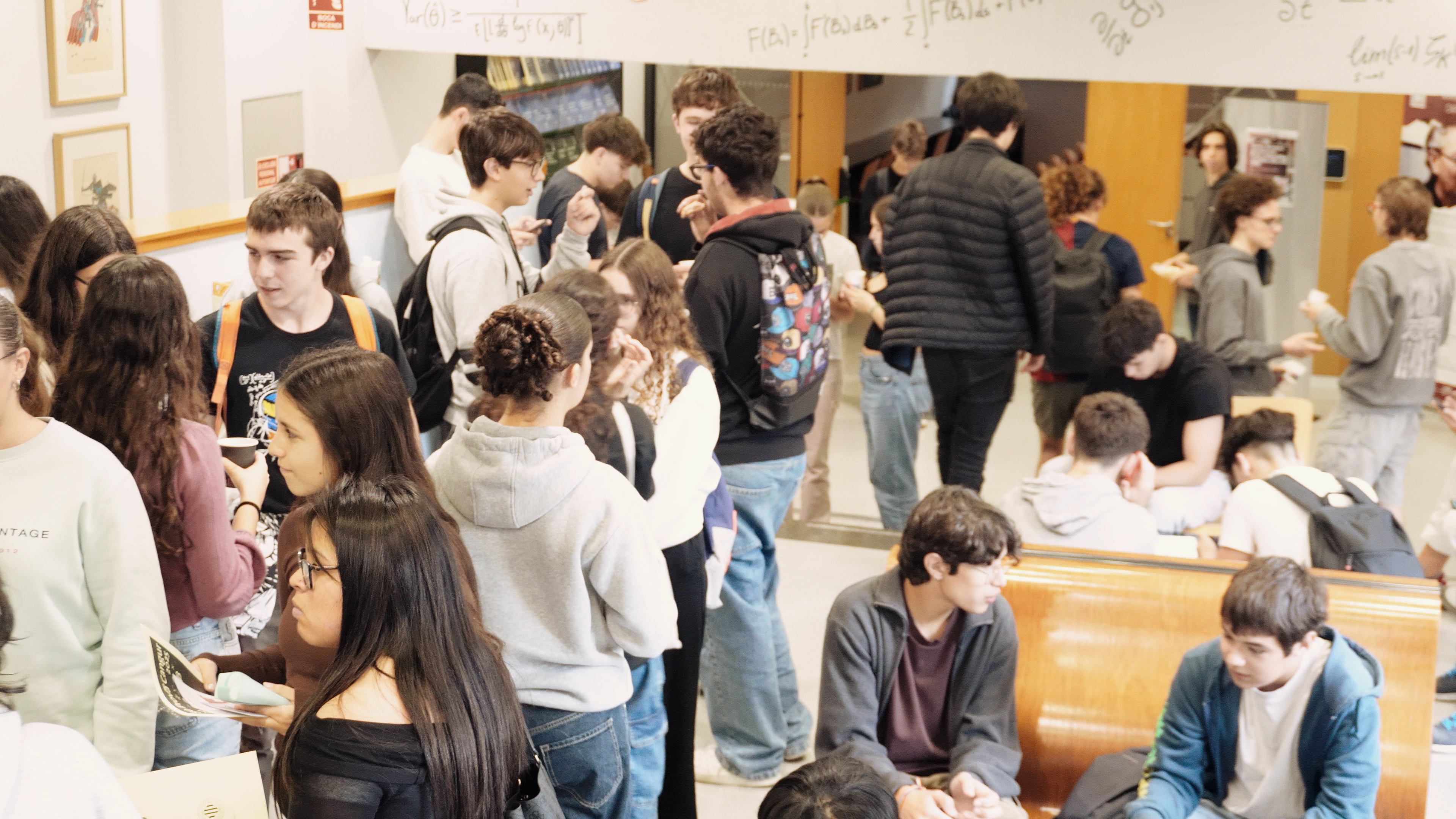
El matí va començar amb la prova de nivell. A continuació, els estudiants i les seves famílies van visitar les instal·lacions del Centre de Recerca Matemàtica, on Pau Varela, del departament de Comunicació, va conduir una visita guiada pels espais del centre. La trobada va incloure un petit esmorzar, que va servir per conversar i intercanviar impressions. Una bona oportunitat per descobrir de prop on treballen investigadors i investigadores d’arreu del món, i per compartir l’experiència amb altres participants.

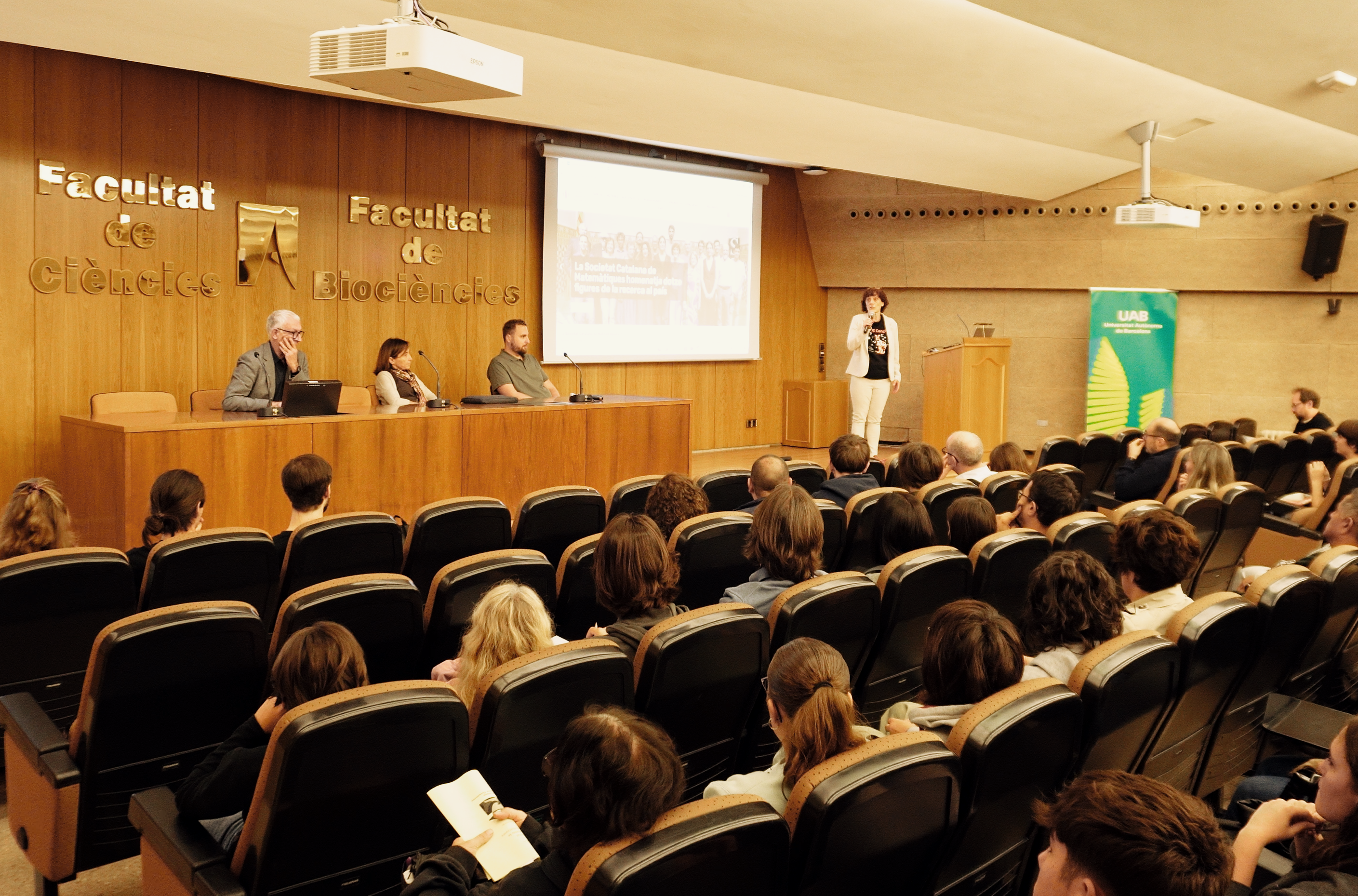
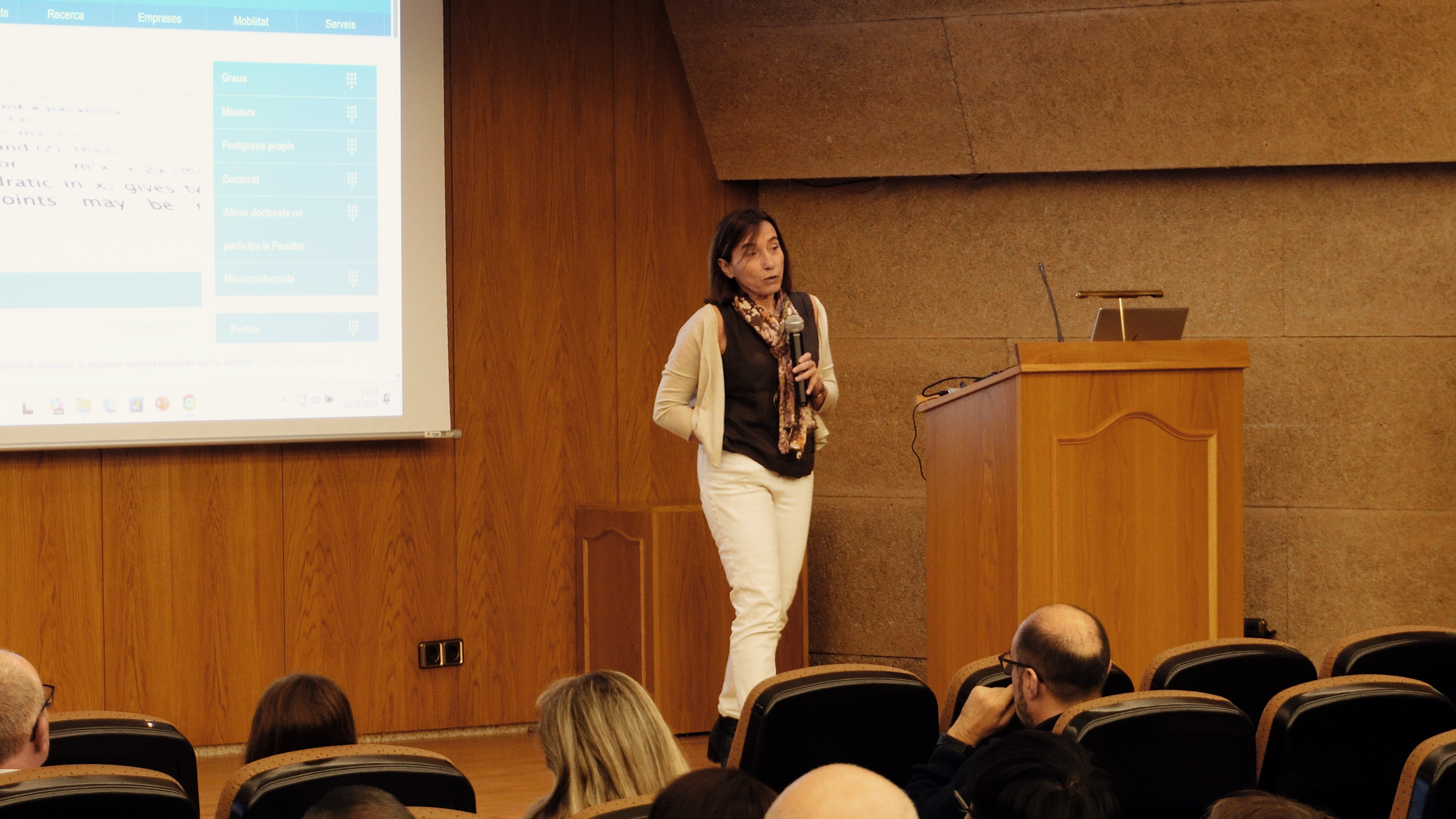
Tot seguit, a la sala d’actes de la facultat, Montse Alsina, presidenta de la SCM, va presentar les activitats de divulgació que impulsa la societat. Després, Núria Fagella, degana de la Facultat de Matemàtiques i Informàtica de la UB i investigadora adscrita al CRM, va parlar del grau en Matemàtiques de la Universitat de Barcelona, i Juan Jesús Donaire, professor del Departament de Matemàtiques i degà de la Facultat de Ciències de la UAB, va presentar el grau de la seva universitat.

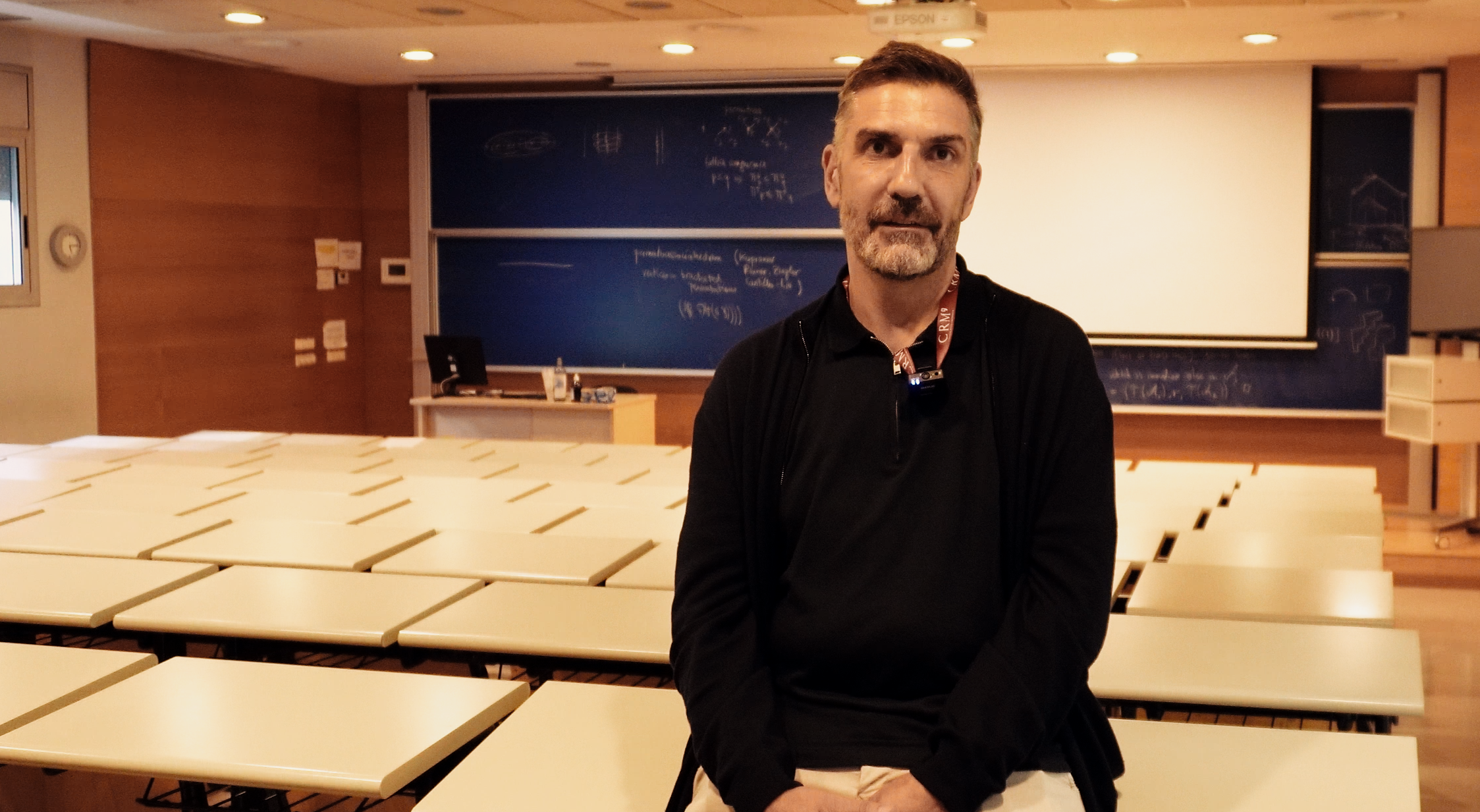
La jornada es va tancar amb la xerrada Matemàtiques que flueixen, a càrrec de Marc Calvo, professor adjunt a la UPC i investigador adscrit al CRM, que va mostrar com els models matemàtics poden descriure fenòmens físics reals, del moviment dels fluids a altres processos naturals. Aquesta prova dona el tret de sortida al procés de selecció del curs Bojos per les Matemàtiques 2026, que es desenvoluparà entre gener i juny.

Els estudiants seleccionats tindran l’oportunitat de treballar al costat d’investigadors i investigadores de la UB, la UAB, la UPC i el CRM. Sis mesos d’immersió en el pensament matemàtic.

CRM Comm

Pau Varela

CRMComm@crm.cat


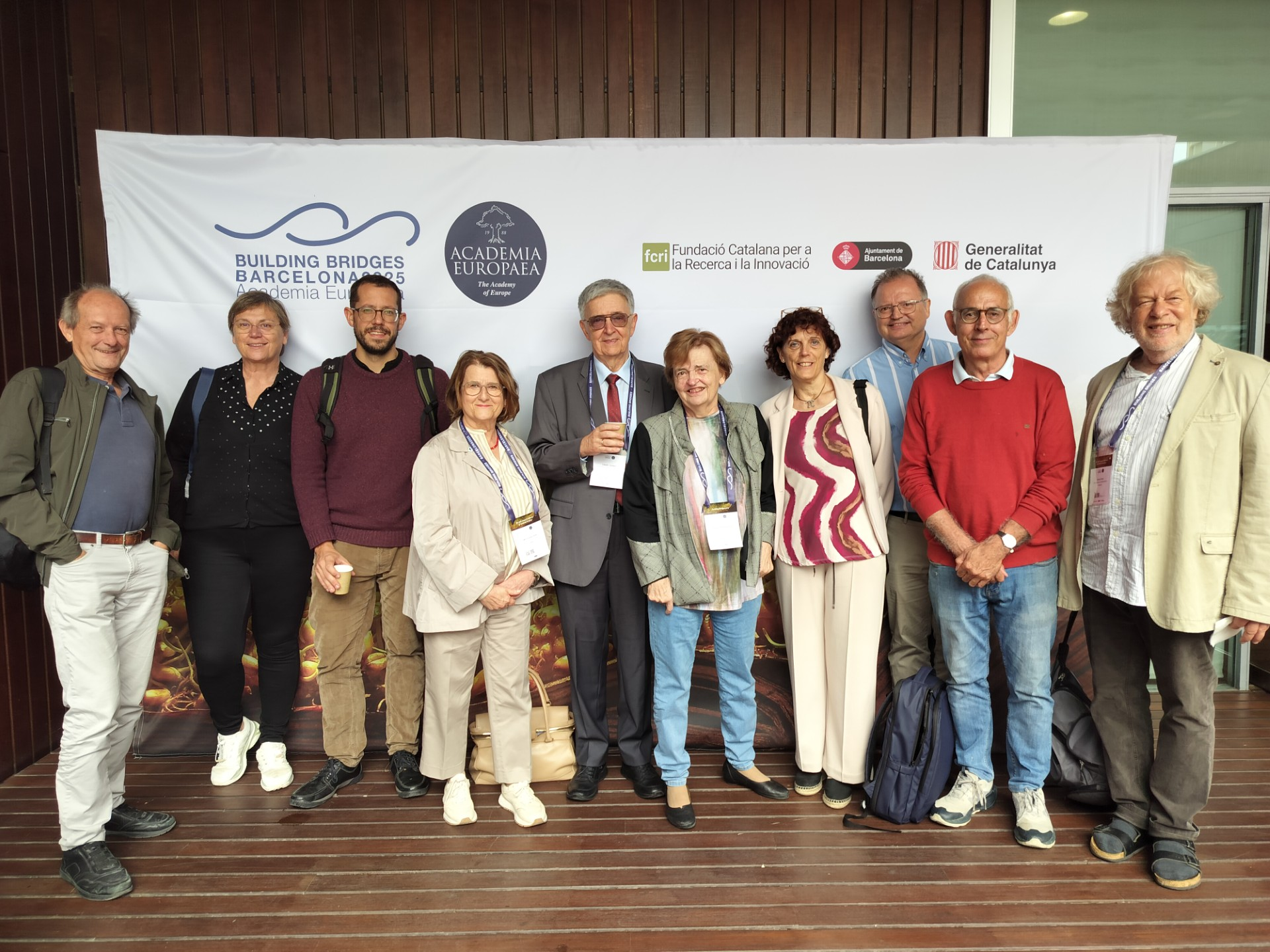
László Lovász receives the 2025 Erasmus Medal in Barcelona

László Lovász receives the 2025 Erasmus Medal in Barcelona

Mathematician László Lovász received the 2025 Erasmus Medal from the Academia Europaea yesterday at the PRBB in Barcelona, where he delivered the lecture “The Beauty of Mathematics”. Renowned for his work in graph theory and discrete mathematics, Lovász has shaped…

Combinatorial Geometry Takes Shape at the CRM

Combinatorial Geometry Takes Shape at the CRM

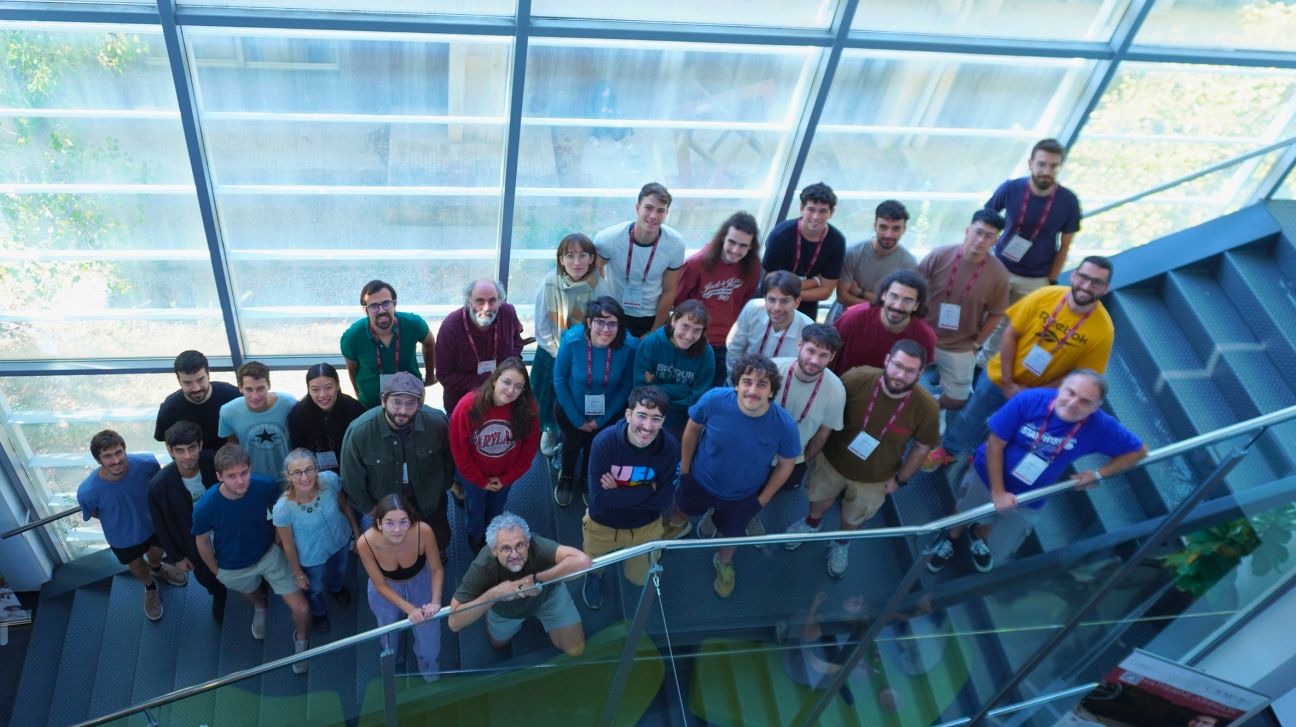
For one week in early October, the Centre de Recerca Matemàtica became a meeting ground for the world of combinatorial geometry. The Polytope Week research school gathered more than fifty participants from three continents to study the interplay…

The post Els estudiants participants a la prova de preselecció de Bojos per les Matemàtiques visiten el CRM first appeared on Centre de Recerca Matemàtica.

Go to Source

“Blau de Prússia”: The union of the ICIQ and Tarragona Ràdio that makes us travel through knowledge aboard a space ship

The rigour of scientific research and the magic of radio narrative go hand in hand with Blau de Prússia, the podcast co-produced by Tarragona Ràdio and the Institute for Chemical Research of Catalonia (ICIQ) that has already created 50 episodes in four seasons. It is a unique proposal on the scientific and communicative scene: a sound series that combines chemical dissemination with space fiction, in an innovative, entertaining format of high educational value.

On board the Margulis space ship, named after the scientist Lynn Margulis, Captain Vigo, the android Denver 7 and Captain Barcino, rescued from the Hypatia ship, face a new challenge in each episode that tests their scientific knowledge and imagination. Technical problems and unexpected phenomena force the crew to resort to science and the memory of an artificial intelligence that preserves the voices of the ICIQ research staff.

With immersive sound effects and a script that combines humour, emotion and knowledge, Blau de Prússia manages to transform complex concepts into captivating stories, making chemistry a close and fascinating experience for all audiences.

A pioneering formula: journalists and scientists, hand in hand

Blau de Prússia is the result of a unique collaboration between two teams that share the same goal: to bring chemical research closer to the public in a creative and understandable way. The ICIQ communication and dissemination unit is in charge of conceiving and writing the scripts, turning complex scientific concepts into stories full of rhythm and narrative sense. And in each chapter, ICIQ researchers contribute their expertise. On the other hand, the Tarragona Radio team gives sound shape to the project, with a careful production and a science fiction format that has captivated the audience.

“Blau de Prússia is an example of how science and chemistry in particular can excite and entertain. When journalists and researchers work together, dissemination takes on another dimension,” says Professor Emilio Palomares, director of the ICIQ.

Chemistry to change the world

The topics addressed at the Blau de Prússia connect directly with the cutting-edge lines of research of the ICIQ, a national and European reference center in chemical research.

In its fourth season, the podcast dives into the key role of CO₂: from an environmental problem to a valuable resource for a cleaner economy. The chapters explore concepts such as industrial decarbonisation – with a special focus on the Tarragona chemical estate – renewable hydrogen generation as an energy vector of the future, and Metal-Organic Frameworks (MOFs), materials recently awarded the Nobel Prize in Chemistry for their potential to capture and transform CO₂.

In Blau de Prússia, this research becomes part of the plot: the discoveries born in the ICIQ laboratories are transformed into solutions for the Margulis spacecraft and, in turn, a window into the future of science that seeks a more sustainable planet.

Dissemination with its own style

Since its launch in 2022, Blau de Prússia has already published 4 seasons and more than 50 episodes, available on Tarragona Ràdio and the ICIQ website, as well as on Spotify and Enacast. In 2023 it was a finalist in the Catalan Podcast Sound Awards, where among the nearly 200 nominations that had been submitted, the jury chose three finalists in the “Best Advertising Podcast” category. And in the Local Communication Awards 2023, among the nearly 60 nominations that had been submitted, the jury chose the Blau de Prússia among three of the finalists, in the category of “Best multimedia and transmedia content.”

Tarragona Ràdio has reached 50,000 listeners, with 202,625 hours consumed (+75% compared to 2023) and almost 25,000 podcasts downloaded to Spotify, with a growth of 160% compared to the previous year. With thousands of loyal listeners, Blau de Prussia has established itself as a benchmark in scientific dissemination in Catalan, demonstrating that chemistry can be as exciting as a galactic adventure.

“We have managed to make chemistry sound like a space adventure. If a single listener falls in love with science after listening to us, the mission will be accomplished”, adds Xavier de Gispert, managing director of Tarragona Ràdio.

Where to listen to it

Episodes of Blau de Prússia are available at:

👉 www.tarragonaradio.cat

👉 www.iciq.org/ca/divulgacio/public-general/podcast-blau-de-prussia/

👉 Spotify, Apple Podcasts and Enacast

La entrada “Blau de Prússia”: The union of the ICIQ and Tarragona Ràdio that makes us travel through knowledge aboard a space ship se publicó primero en ICIQ.

Go to Source

13-14 nov 2025, 100xCiencia.9

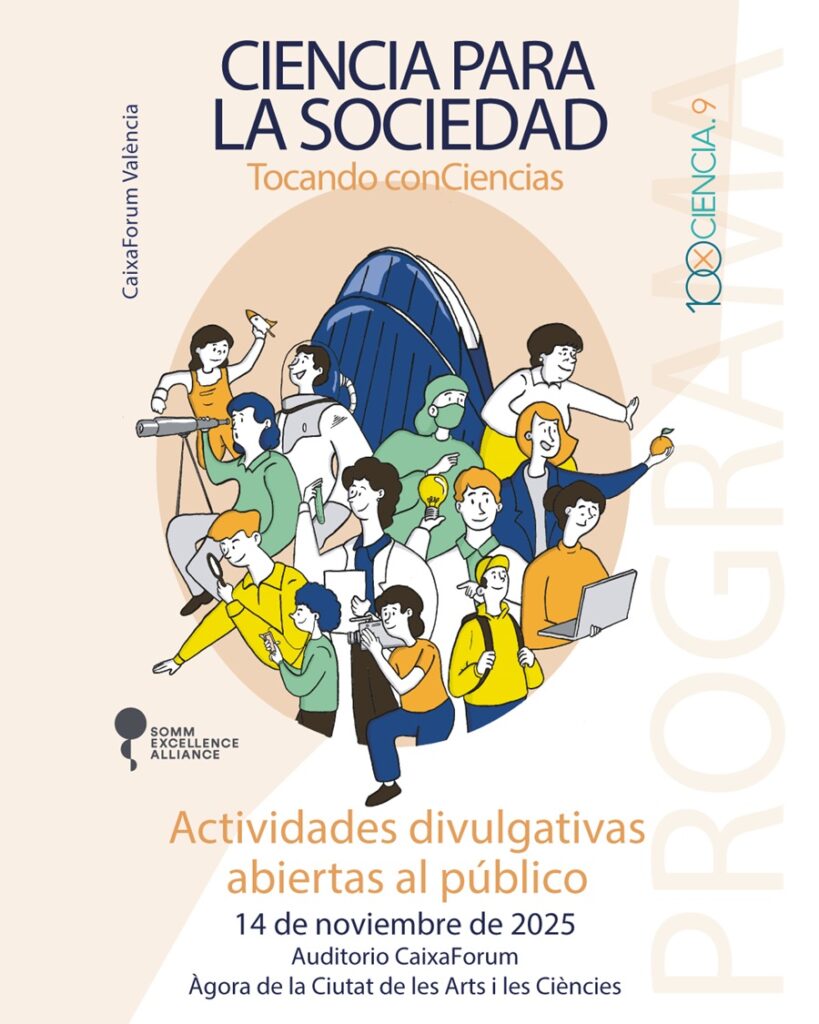
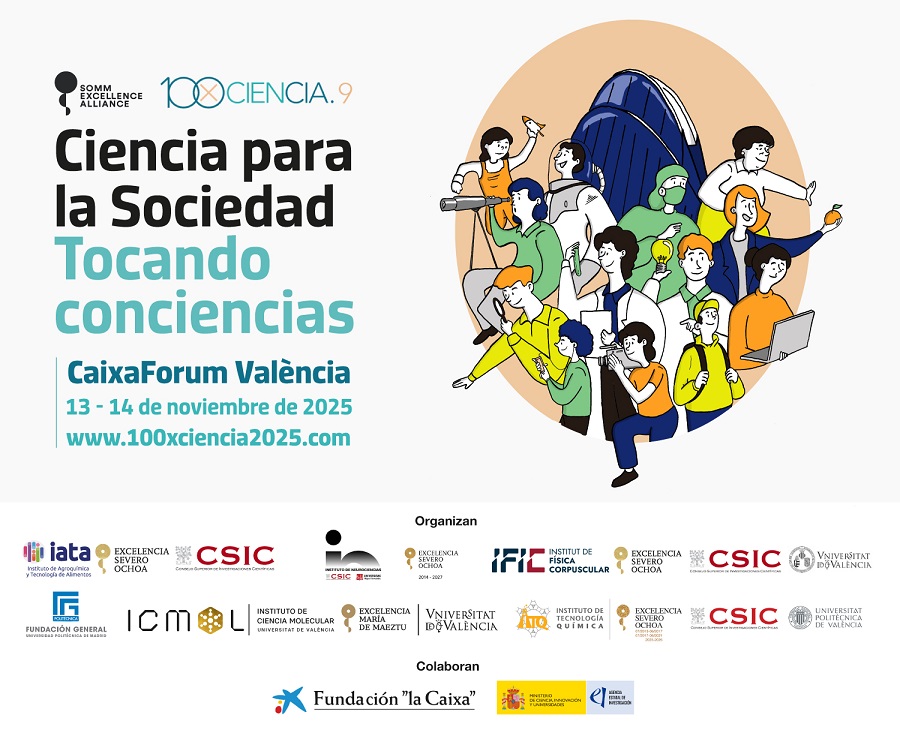
Science for Everyone: The 100xCiencia.9 congress transforms CaixaForum València into an open laboratory for the public

  • Under the theme ‘Science for Society, Touching ConSciences’, 100xCiencia.9 will bring together researchers, managers, and public officials to strengthen the bridges between science and citizens.
  • ICMol (UV), IFIC (CSIC-UV), IATA-CSIC, ITQ (UPV-CSIC), and IN (CSIC-UMH) will join forces for a special day designed to experience science firsthand in the heart of València.

València is getting ready for a unique afternoon in which science will become a participatory experience for the whole family. On November 14, the 100xCiencia.9 congress, organized by the SOMMa Alliance (the Alliance of Severo Ochoa and María de Maeztu Centers of Excellence), will open its doors to the public at the CaixaForum València auditorium and the Àgora space of the Ciutat de les Arts i les Ciències. The event offers an attractive and innovative program that combines talks, experiments, theatre, and music to bring research closer to society.

The event will begin with a musical touch by ALGABROWN & the Pipettes, who, together with researchers Amparo López-Rubio and Gloria Sánchez from the Institute of Agrochemistry and Food Technology (IATA-CSIC), will introduce the SOMMa Alliance and set the tone for an afternoon where science takes the stage. Among the presentations, a highlight will be the talk by Bruno J. Ballesteros, Head of the Valencia Territorial Unit of the Spanish Geological and Mining Institute (IGME-CSIC), who will discuss the causes and consequences of the October 2024 DANA. This natural disaster affected numerous towns in the Valencian region.

Humor and creativity will also join forces with science through two short scientific monologues offering a witty look at current research: ‘Going FASTA: A (Very Brief) History of Bioinformatics’ by Sergio Romera (IATA-CSIC), and ‘Flying with Sunlight: Sustainable Aviation Fuels from Solar Energy’ by Alfonso Carrillo (ITQ UPV-CSIC). Next, the Teatro Químico of the University of Valencia will bring to the stage a show that transforms scientific concepts into scenes full of humor and imagination, proving that science can also move and entertain.

Meanwhile, at the Àgora space, from 5:00 to 7:00 p.m., science will be explored hands-on. Interactive workshops will invite people of all ages to become researchers for a day, discovering everything from the secrets of the brain and nervous system to the mysteries of matter and light. Each activity has been designed by research teams from the host institutions to showcase the cutting-edge science they conduct in their laboratories in a practical, exciting, and accessible way for all audiences.

Activities such as ‘Fungal Detective’, challenging participants to identify fungi responsible for agricultural plagues, or ‘Bring the Truth to Light’, where ultraviolet light and luminol help solve a fictional crime, will demonstrate that scientific knowledge can be as fun as it is enlightening.

Visitors will also have the chance to discover how particle accelerators work, observe the smallest and most elusive particles from the depths of the sea through the ANTARES and KM3NeT neutrino telescopes, or be amazed by experiments on magnetism and levitation that make the invisible visible.

Finally, to close the day with rhythm and emotion, the Valencian band Soul Docks will offer a concert filled with soul, blues, and classic rock, uniting generations and celebrating science through music.

Science for Society. Touching conSciences

Under the theme ‘Science for Society. Touching conSciences’, 100xCiencia.9 will bring together leading researchers, R&D professionals, policymakers, and citizens to reflect and build bridges between science and society on November 13 and 14 at CaixaForum València.

This edition features five highly recognized host institutions that play a key role in the scientific development of the Valencian Community: the Instituto de Ciencia Molecular (ICMol, University of Valencia); the  Institute of Corpuscular Physics (IFIC), affiliated with the University of Valencia (UV) and the Spanish National Research Council (CSIC); the Institute of Agrochemistry and Food Technology (IATA-CSIC); the Institute of Chemical Technology (ITQ), a joint center of the Polytechnic University of Valencia (UPV) and the CSIC; and the Institute for Neurosciences, a joint center of the CSIC and the Miguel Hernández University of Elche (UMH).

More information about the event is available at the 100xCiencia.9 website.

The program is available in the attached document (file .pdf)

The Institute for Neurosciences co-organizes the 100xCiencia.9 Congress under the motto ‘Science for Society, Touching Consciences’

1 oct 2025

From November 13 to 14, 2025, CaixaForum València, located inside the Àgora building at the City of Arts and Sciences, will host the ninth edition of the 100xCiencia.9 congress. This annual event is promoted by the SOMMa Alliance (Alliance of Severo Ochoa and María de Maeztu Centers of Excellence). Under the theme ‘Science for Society, Touching Consciences’, the event will bring together leading researchers, R&D management professionals, policy representatives, and citizens to reflect, engage in dialogue, and build bridges between science and society for a more sustainable future.

A showcase of scientific excellence with social impact

The congress offers a unique opportunity to highlight the scientific excellence and social impact of the work carried out by the Severo Ochoa centers and María de Maeztu units that make up the SOMMa Alliance. In this edition, five leading scientific institutions from the Valencian Community will serve as hosts, contributing their leadership in strategic areas to tackle major global challenges.

The Institute of Agrochemistry and Food Technology (IATA-CSIC), accredited as a Severo Ochoa Center of Excellence, is at the forefront of research in food science and technology. This center conducts studies on the interaction between diet and health, examining how dietary habits affect consumers and developing new foods that address current needs and challenges. Additionally, IATA drives innovation in areas such as the use of nanotechnology and more sustainable packaging materials, as well as the application of microorganisms to transform the food industry. Its commitment to knowledge transfer establishes it as a benchmark for collaboration between science, industry, and society.

The Instituto de Ciencia Molecular (ICMol), a member of the University of Valencia and continuously accredited as a María de Maeztu Unit of Excellence since 2015, specializes in molecular chemistry and nanotechnology. Its research focuses on functional materials and advanced molecules for technological applications such as sensors, electronic devices, and sustainable energy. ICMol stands out for its contributions to the design of frontier materials and its impact on cutting-edge chemistry.

The Institute of Chemical Technology (ITQ), a joint center of the Universitat Politècnica de València (UPV) and the CSIC, has been recognized as a Severo Ochoa Center of Excellence in 2013, 2017, and 2023. The ITQ (UPV-CSIC) is a global leader in catalysis, green chemistry, and the development of materials for sustainable energy. Its work has been key in advancing cleaner and more efficient technologies, providing innovative solutions to today’s environmental challenges.

The Institute of Corpuscular Physics (IFIC), accredited as a Severo Ochoa Center of Excellence and affiliated with the University of Valencia and the CSIC, focuses its research on particle physics, nuclear physics, and astroparticles. The center actively collaborates on international projects such as those at CERN, contributing fundamental knowledge about the origin of the universe and the laws that govern it. IFIC has also become a benchmark in training new generations of researchers in theoretical and experimental physics.

Lastly, the Institute for Neurosciences (IN), a joint center of the CSIC and Miguel Hernández University (UMH) of Elche, has been a Severo Ochoa Center of Excellence continuously since 2014. Its research focuses on understanding the biological foundations of the brain and nervous system, as well as developing therapies for neurodegenerative diseases and neurological disorders. The IN stands out for its impact in biomedicine and its ability to translate scientific discoveries into solutions that improve well-being.

Science and society: an open gathering

The 100xCiencia.9 congress will not only serve as a forum for the scientific community but also as an open space for the public. The program will include participatory and outreach activities for all audiences, promoting dialogue on topics such as sustainability, health, energy, and climate change. This inclusive approach will help bring science closer to society and highlight its relevance in everyday life.

València: a city committed to science

The choice of València as the venue for the 100xCiencia.9 congress reinforces its position as a leading scientific and technological hub in Spain. With a strong scientific tradition, a network of excellence centers, and a firm commitment to public engagement and social connection, the city stands out as the ideal location to host an event that positions science as a driver of development and transformation.

The SOMMa Alliance calls on the scientific community, R&D policymakers, and the public to join 100xCiencia.9 and be part of this unique event, an opportunity to discover, debate, and connect, where science is presented as a driving force for addressing today’s and tomorrow’s challenges.

More information: https://100xciencia2025.com/

Source: Institute for Neurosciences CSIC-UMH (in.comunicacion@umh.es)

La entrada 13-14 nov 2025, 100xCiencia.9 se publicó primero en Instituto de Neurociencias de Alicante.

Go to Source

Jordi Mompart highlights the role of artificial intelligence in sport at the XIII GEFENOL-DIFENSC Summer School

  • The XIII GEFENOL-DIFENSC Summer School gathered over thirty researchers from across Europe to explore how statistical physics helps explain complex phenomena in biology, ecology, networks, and social systems.
  • In his closing lecture, Jordi Mompart (UAB) examined how artificial intelligence is reshaping sport through data analysis.
  • Mompart connected these developments to the broader framework of complex systems physics and reflected on the value of fundamental research.
The XIII GEFENOL-DIFENSC Summer School on Statistical Physics of Complex Systems, organised by the Centre de Recerca Matemàtica (CRM) and held from October 6 to 10, brought together PhD students and researchers from around the world to explore how statistical physics can illuminate a broad range of fields, from biology and network dynamics to social systems. The program included sessions on stochastic thermodynamics, ecological processes, collective behaviour in species, and the scaling laws that govern ageing.

This year’s edition gathered more than thirty researchers from leading European institutions, including the École Polytechnique Fédérale de Lausanne (EPFL), Universidad Complutense de Madrid, Universitat de Barcelona, Universitat Politècnica de Catalunya, Universitat de les Illes Balears, Universitat Rovira i Virgili, University Grenoble Alpes, and the CRM itself. This diversity of origins and disciplines underscores the school’s interdisciplinary character and its ongoing role as a forum where physics, biology, mathematics, and data science intersect.

The closing talk was delivered by Jordi Mompart, professor at the Universitat Autònoma de Barcelona (UAB), under the title Artificial intelligence in a sports club. Discussing the growing influence of AI, he identified two main areas where its impact is most evident: data analysis and smart stadiums. “In the world of sport, there are two verticals where data and artificial intelligence are beginning to have a very large impact,” he explained. “Tracking data, combined with artificial intelligence algorithms, is used for pre-match, post-match, and scouting analyses in a highly professional way.” He also highlighted how new technologies are changing the infrastructure of sport itself. “Many clubs are renovating or building new stadiums, and these stadiums have many devices. This is the world known as the Internet of Things,” he said. “These devices produce vast amounts of data that are highly relevant for maintenance, operations, and security.”

“Complex systems are everywhere. They can be found in the study of how cancer progresses in the body, in the movement of bees or bird migration, in market behaviour or social network interactions. But they also exist in the world of entertainment and in football.”

Mompart linked these transformations to the core concepts of complex systems physics, one of the main focuses of GEFENOL. “Complex systems are everywhere,” he noted. “They can be found in the study of how cancer progresses in the body, in the movement of bees or bird migration, in market behaviour or social network interactions. But they also exist in the world of entertainment and in football. We all know that individual players are important, but players form associations and ultimately constitute a complex system.”

He also underscored the role of basic research in driving today’s technological breakthroughs. “Things start in the academic world; then, if they work, they move into engineering and eventually reach the market,” he said. “Scientists who work deeply in a specific field of knowledge can see whether one day it will make its way to the market. Those who worked on the foundations of quantum computing knew that sooner or later it would emerge; the same is true for artificial intelligence.”

Mompart emphasised that academic training develops valuable skills applicable beyond research. “The fact that scientists attend conferences, teach, and can explain things in depth but clearly is very valuable,” he said. “These skills developed through research and teaching have been very useful to me in the business world. There’s a certain shortage of people with an academic background who have this analytical and explanatory ability.” For him, mastering the fundamentals of a discipline remains essential. “Having worked on the foundations of a field of knowledge is very rewarding, because there’s depth, there are mistakes, and you learn from mistakes,” he reflected. “Having gone through them before anyone else gives you a competitive advantage.”

With his talk, Mompart closed another edition of the GEFENOL‑DIFENSC Summer School, which continues to consolidate its status as a forum for interdisciplinary dialogue aimed at understanding the collective mechanisms that shape the world.

You can listen to the full interview on CRM’s YouTube channel.

CRM Comm

Pau Varela

CRMComm@crm.cat


László Lovász receives the 2025 Erasmus Medal in Barcelona

László Lovász receives the 2025 Erasmus Medal in Barcelona

Mathematician László Lovász received the 2025 Erasmus Medal from the Academia Europaea yesterday at the PRBB in Barcelona, where he delivered the lecture “The Beauty of Mathematics”. Renowned for his work in graph theory and discrete mathematics, Lovász has shaped…

Combinatorial Geometry Takes Shape at the CRM

Combinatorial Geometry Takes Shape at the CRM

For one week in early October, the Centre de Recerca Matemàtica became a meeting ground for the world of combinatorial geometry. The Polytope Week research school gathered more than fifty participants from three continents to study the interplay…

The post Jordi Mompart highlights the role of artificial intelligence in sport at the XIII GEFENOL-DIFENSC Summer School first appeared on Centre de Recerca Matemàtica.

Go to Source

The plant-virus interaction can be neutral, beneficial or harmful depending on various factors

A study, led by CBGP researchers and published in the journal New Phytologist, reveals that the relationship between plants and viruses varies along a continuum, ranging from beneficial to detrimental for the plant.

Go to Source

Investigadores del CBM diseñan unas moléculas sintéticas que reparan en el laboratorio una alteración frecuente en el autismo

Investigadores del Centro de Biología Molecular Severo Ochoa (CBM) perteneciente al Consejo Superior de Investigaciones Científicas (CSIC) y a la Universidad Autónoma de Madrid (UAM), han identificado moléculas capaces de corregir un error en la lectura del gen CPEB4 en cultivos celulares. Este gen, que produce una proteína que regula a otros genes del cerebro, está implicado en muchos casos de autismo idiopático (sin causa genética conocida). El hallazgo, ya patentado por el CSIC y la UAM, abre nuevas perspectivas para futuras investigaciones con potencial terapéutico.

Estas moléculas son oligonucleótidos antisentido, unas pequeñas secuencias sintéticas de ARN que actúan como “parches” para corregir errores en el procesamiento del material genético. En este caso están diseñados para unirse al ARN mensajero del gen CPEB4 y asegurar que se produzcan las proteínas correctas. El trabajo ha sido liderado por Lourdes Ruiz Desviat y José Javier Lucas, en colaboración con investigadores de la University of Southern Denmark y se ha publicado en la revista NAR Molecular Medicine.

Los trastornos del espectro autista (TEA) son alteraciones del desarrollo del cerebro que afectan, aproximadamente, a una de cada 100 personas. Se caracterizan por presentar dificultades en la interacción social y un interés restringido a ciertas actividades. Aunque en un pequeño porcentaje de casos se detecta una mutación genética concreta, en la mayoría de los casos (autismo idiopático) no se conoce una causa genética o ambiental clara.

Producción alterada de proteínas

Estas moléculas descubiertas y patentadas por los investigadores son pequeñas secuencias sintéticas de ARN (oligonucleótidos antisentido) que actúan como ‘parches’ para corregir errores en el procesamiento del material genético. En este caso, están diseñadas para unirse al ARN mensajero del gen CPEB4 y asegurar que se produzcan las proteínas correctas. El ARN mensajero es la “instrucción” que permite la fabricación de proteínas. Si el ARN del gen CPEB4 no se procesa correctamente, se omite un pequeño fragmento llamado microexón, lo que interfiere en la producción de proteínas esenciales para el cerebro. Esta alteración se observa en personas con la forma más común de autismo, el idiopático, cuya causa genética es desconocida.

Un estudio anterior del CBM publicado en la revista Nature demostró que en el autismo idiopático hay un defecto en el procesamiento del ARN del gen CPEB4. Como resultado, una pequeña porción del ARN del gen CPEB4, un “microexón” de 24 nucleótidos, no se incluye correctamente en el cerebro de los pacientes con autismo idiopático. También vieron que la falta del microexón de CPEB4 lleva a una expresión deficitaria de muchos de los genes de riesgo de autismo.

Reto terapéutico

Encontrar maneras de revertir el incorrecto procesamiento del ARN de CPEB4 era un reto terapéutico, cuyo objetivo era conseguir que el microexón se incluyera en su justa medida. “Hicimos un barrido de las secuencias genómicas que flanquean el microexón de CPEB4 y diseñamos oligonucleótidos antisentido candidatos a modificar la inclusión de estos 24 nucleótidos”, explica Ainhoa Martínez, primera firmante del nuevo artículo. “Al principio encontramos oligonucleótidos antisentido que producían el efecto contrario al deseado y que, aunque no tendrían utilidad terapéutica, nos permitieron conocer un poco mejor los mecanismos biológicos que regulan la inclusión de los microexones”. Algo que aún no se conoce por completo.

El efecto deseado lo consiguieron con oligonucleótidos antisentido que bloquean parcialmente el tramo del ARN de CPEB4 siguiente al microexón. “Es una manera de ralentizar el procesamiento del ARN, de manera que da más opciones a las neuronas para que acaben incluyendo el microexón”, añade Lourdes Ruiz Desviat. “Estas moléculas sí tienen el potencial terapéutico deseado y ya han dado lugar a una patente”. Además, la aplicación futura de estas moléculas podría no estar restringida al autismo, ya que una alteración equivalente del microexón de CPEB4 fue observada también en esquizofrenia, por los mismos investigadores del CBM.

Aunque este hallazgo representa un primer paso hacia una posible terapia, los investigadores advierten que aún queda mucho por hacer. “Esto es solo la prueba de concepto en un modelo celular. Por primera vez tenemos unas moléculas capaces de corregir la alteración molecular observada en el cerebro de individuos con autismo idiopático, pero falta mucho para que esto pueda ser una terapia. Ahora debemos hacer estudios preclínicos en modelos animales para demostrar que somos capaces de hacer llegar esas moléculas al cerebro y que allí hagan el mismo efecto”, concluye José Javier Lucas.


Referencia

Martinez-Pizarro A, Picó S, Alvárez M, Pose-Utrilla J, Holm LL, Doktor TK, Andresen BS, Lucas JJ, Desviat LR. Oligonucleotides targeting the 3’ splice site downstream of a microexon as an innovative therapy for autism. NAR Mol Med. Advance article. https://doi.org/10.1093/narmme/ugaf035


CBM Comunicación

La entrada Investigadores del CBM diseñan unas moléculas sintéticas que reparan en el laboratorio una alteración frecuente en el autismo se publicó primero en Centro de Biología Molecular Severo Ochoa.

Go to Source

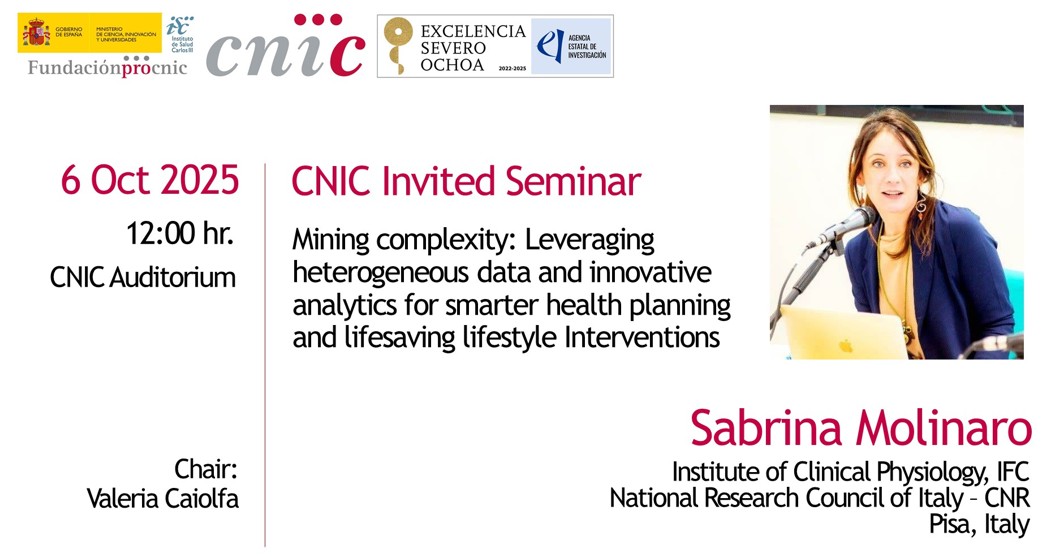
Sabrina Molinaro: “The best choices for public health aren’t always implemented immediately”

Sabrina Molinaro, Psy.D., M.S., Ph.D., is the Director of the Laboratory of Epidemiology and Health Services Research at the Institute of Clinical Physiology of the National Research Council (IFC-CNR), Italy. She leads a multidisciplinary team investigating population health, risk behaviours, and health system innovation. With over 50 coordinated research projects and more than 170 scientific publications, her work bridges epidemiology, data science, and economics to inform evidence-based public health policy. Since 2016, she has coordinated the European School Survey Project on Alcohol and Other Drugs (ESPAD), involving 49 European countries in collaboration with the European Monitoring Centre for Drugs and Drug Addiction (EMCDDA). Her current research focuses on modelling disease trajectories, integrating AI into precision medicine, and developing econometric tools to evaluate health policies.

  • Your research emphasizes integrating diverse disciplines—from psychology and epidemiology to data science and economics. How do you manage interdisciplinary collaboration within your research group to ensure coherent and productive outcomes?

The National Research Council is a governmental organization—it’s not like a university, because we don’t teach; we do research full time. When I started, my first degree was in psychology. I’m not a practicing psychologist now, but I think that foundation is very important. It trained me to look at human behavior and context, even though I realized early on that I wasn’t so interested in individual therapy. I tried it when I was young, but after a few cases, I understood that what fascinated me was not the individual story but the larger design—the behavior of populations.

That curiosity led me to statistics, then epidemiology and public health. I became interested in prevention—understanding not only what goes wrong in individuals, but why certain patterns repeat across communities. My doctoral work was on youth and drug use, and that opened many doors—PhD, postdoc, grants—and, in a way, shaped the trajectory of my career. But I never wanted to stay limited to one topic. Substance use is important, of course, but it’s only one of many risk factors that influence young people’s development. I wanted to look more broadly at health and society.

When I joined the Institute of Clinical Physiology in Pisa, which is similar to CNIC in Spain, my research expanded further. The Institute began as a cardiovascular research center with a small hospital attached. Our director at the time, Dr. Luigi Donato, was a visionary—he started, back in 1997, to collect data on every patient coming to the hospital. Over time, this became a massive database: clinical records, analytical results, imaging data—a kind of early biobank. He also built a data warehouse centered on the patient.

When I joined as an epidemiologist, my role was to make all this information usable for clinicians. That was the second chapter of my career: developing systems that integrate clinical, social, and behavioral data, allowing us to look at health in a 360-degree way. But soon, we realized that clinical data alone wasn’t enough. To really understand people, we need to know about their environment, lifestyle, job, and social context. So, we started to collect survey data on these aspects—what we now call a kind of “statistical twin” of each person.

Today, we talk about digital or artificial twins in health research, but the idea came from this: to build a model that can predict health outcomes by combining biological, behavioral, and social data. Because people’s behaviors—often those associated with “fun,” like alcohol, tobacco, or gambling—are also risk behaviors. Understanding these patterns is key to prevention.

Taxation on these products is still very low, even though their retail price is similar to traditional cigarettes

So, in terms of interdisciplinary collaboration, this is exactly what I do: bring together people from very different backgrounds—psychologists, clinicians, data scientists, economists—and find the common language between them. I often say I’m not an expert at anything, but I can talk with everyone. I’m not a cardiologist, not a psychologist, not a statistician, but I can help them build a model together. That’s what matters, connecting their expertise to understand the whole picture.

  •      How useful is all this information for public health? 

Absolutely, it’s fundamental—I agree with you. The challenge, however, is when you work with governments I often work with various ministries and with the central government and my role is to provide a clear understanding of what is true, what benefits public health, and what doesn’t. But then politics inevitably comes into play, and with it come many other competing interests. So, the best choices for public health aren’t always implemented immediately. That’s where public health research plays a crucial role: it pushes in the right direction.».
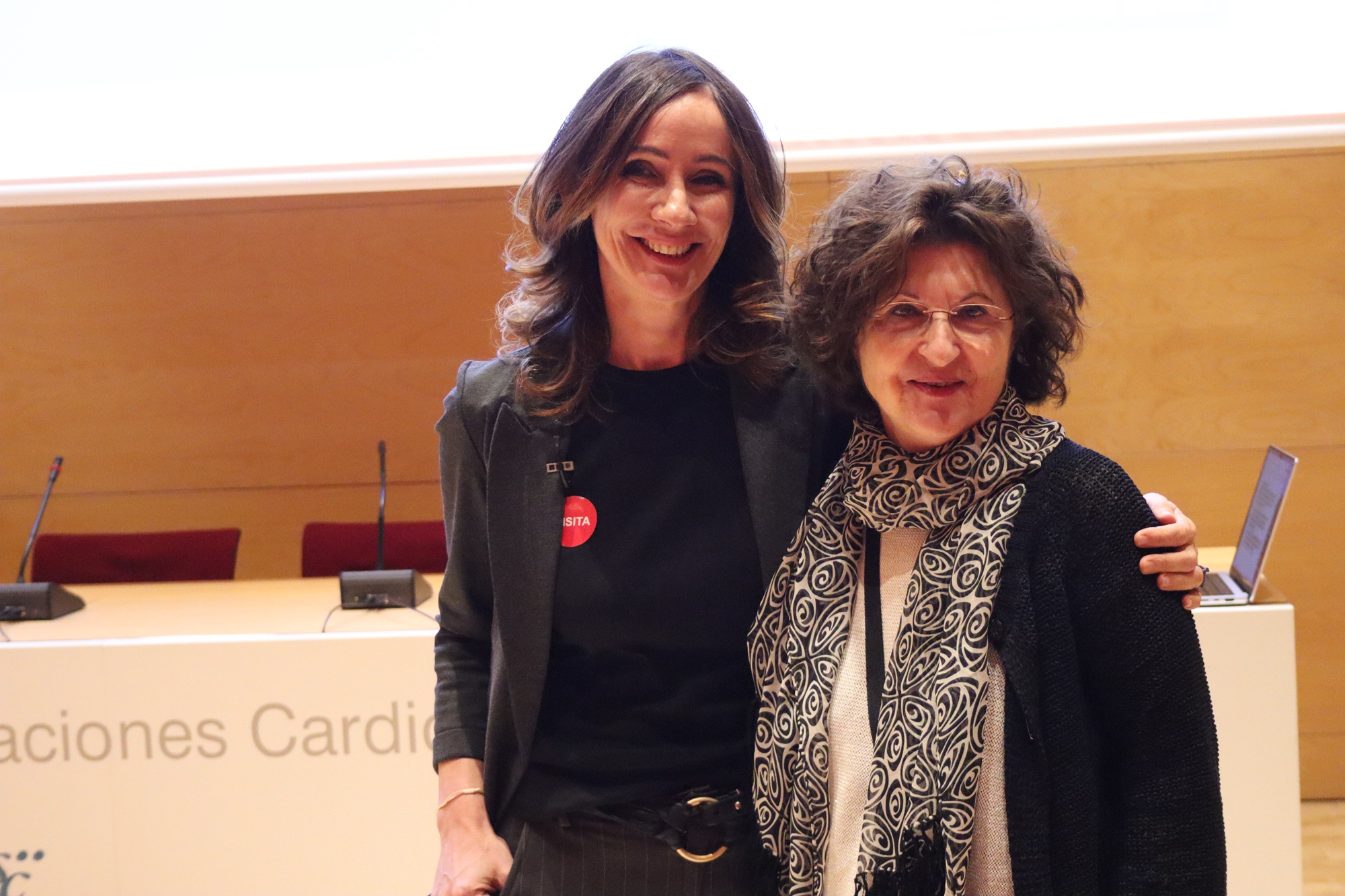
Sabrina y Valeria

For example, in Italy right now, there’s a major debate around electronic cigarettes. Among adolescents—students aged 15 to 19—we’ve seen a significant decline in traditional cigarette use since around 2007. Although there was a slight increase after the COVID pandemic, especially within family groups, the overall trend was downward.

  • That’s similar to what we’ve seen in Spain.

Yes, but what’s concerning is that the use of electronic cigarettes and heat-not-burn products has skyrocketed since COVID. As a result, the overall prevalence of nicotine use—both traditional and electronic—has returned to levels we saw 20 years ago. That means we’ve essentially lost two decades of prevention efforts. We spent years educating young people that smoking is harmful, and now they’re turning to these new devices, whose long-term health effects we still don’t fully understand.

This mirrors what happened in the mid-20th century, when traditional smoking became widespread. We’re facing a similar uncertainty now. What we do know is that nicotine is addictive, and tobacco is unquestionably harmful. These new products contain both, and we don’t yet know the full consequences.

Another concern is that many young people start with electronic cigarettes and eventually transition to traditional ones. And we’re having this debate without a clear public health stance against electronic cigarettes. Taxation on these products is still very low, even though their retail price is similar to traditional cigarettes. That means the tobacco industry profits significantly more from these newer products.

We’re actually going to the EU Parliament to advocate for increased taxation on electronic cigarettes. I’m not saying it’s the perfect solution, but it’s a step that acknowledges the potential harm. If we do nothing and remain passive, we’re essentially saying, “Yes, it’s a problem, but it’s also a source of income.”

  • Just like traditional tobacco; it’s a revenue stream for governments.

Exactly. And the same goes for gambling. In Italy, gambling generates around €156 billion annually. About 10% of that—roughly €15 billion—goes to the government through taxes. It’s a massive amount of money. We know gambling can be addictive, and while the government does allocate some resources to address gambling-related disorders, it’s like a spoonful of water in the sea—far from sufficient.

Back to tobacco use among youth: I’m not sure about the regulations in Italy, but in Spain, electronic devices are treated similarly to traditional tobacco. In the UK, however, the National Health Service actually recommends electronic cigarettes as a tool to help people quit smoking. I’ve had interesting discussions with colleagues from the UK about this. If we know these devices are harmful, why are they being recommended?

  • So, it seems to be a scientific and medical debate, with no universal consensus.

I completely understand. My response to those who advocate for harm reduction is this: if someone is a heavy smoker—say, 20 traditional cigarettes a day—then switching to electronic or heat-not-burn products might be a reasonable step. It’s not ideal, but it’s better than continuing with traditional cigarettes. That’s harm reduction.

But that’s a very different scenario from young people who are just starting to smoke. They’re not switching from 20 cigarettes a day, they’re starting with electronic devices and then moving on to other substances. And when we talk about flavored electronic cigarettes—papaya, mango, milk and mint—what are we really talking about? Have you ever met a heavy smoker who smokes milk and mint-flavored cigarettes?

It’s not reasonable. It’s not about quitting—it’s about marketing to young people. And that’s a serious public health concern.

  •  You also study social phenomena like Hikikomori—social withdrawal among young people. How does that fit into your research?

Yes, the Hikikomori phenomenon started in Japan in the 1990s, and I remember reading about it as a student, thinking, “This could never happen in Italy.” But now, our national student survey shows that around 2 4% of Italian students exhibit similar behaviors—severe social withdrawal.

These young people spend most of their time isolated in their rooms—sleeping, eating, studying, and gaming alone. Parents often don’t realize it’s a problem, because they think their child is “safe” at home, away from external dangers. But over time, isolation becomes total, and it’s very hard to reverse.

Part of the issue is societal: today’s young people live under high pressure, constantly controlled, and often find more comfort in the virtual world than in real social interactions. Over time, even those virtual connections fade, and they withdraw completely. This is not just a youth issue—it’s a reflection of the society we’re building.

  • If you had unlimited time and funding, what would you most like to study in the future?

I would like to develop models to monitor how our society is changing, using what we call the exposome approach. The exposome integrates all kinds of influences on health: behaviors, environmental exposures, genetics, and clinical data. My dream is to create a comprehensive model for prevention—one that helps us anticipate future risks before they become widespread.

Because we know populations are aging. That’s good, but only if people age in good health. If we become a society of fragile, chronically ill elderly people, that’s a challenge for everyone. So, I want to contribute to building a future where people live long, healthy, and active lives—where they are a resource, not a burden.

It may sound idealistic, but that’s my motivation: to help people stay healthy through better understanding, better data, and better prevention.
 

Go to Source

恭喜, Dr. Xie!

Jiale Xie, a PhD student who is under Prof. Feliu Maseras and Prof. Mónica H. Pérez-Temprano supervision, has successfully defended her PhD thesis entitled “HFIP-Hypervalent Iodine Synergy: Redox Platforms for Oxidative Bond Construction” publicly Thursday, 30 October.

The members of the evaluation committee were Prof. Ana Belén Cuenca (Institut Químic de Sarrià (IQS), Spain), Dr. Albert Solé-Daura (URV-ICIQ, Spain) and Dr. Ignacio Colomer Utrera (Instituto de Química Orgánica General (IQOG-CSIC), Spain).

Jiale Xie grew up in Hangzhou, China. She completed her Bachelor’s degree in Polymer Materials Engineering (2014–2018) and her Master’s degree in Organic Chemistry (2018–2021) at Hangzhou Normal University. Then, she moved to Tarragona to pursue her doctoral studies at ICIQ under the co‑supervision of Prof. Mónica H. Pérez‑Temprano and Prof. Feliu Maseras. Outside the lab, she enjoys photographing and going for seaside runs along the coast. Her PhD studies are supported by the China Scholarship Council (CSC).


Why did you become a scientist?

My initial motivation was pure curiosity. In primary school, a teacher showed us simple experiments that felt magical and sparked my interest. During my Bachelor’s studies, I began running my own experiments; the cool, dazzling phenomena drew me in and made me deeply curious to understand how they worked.

What do you want to achieve as a scientist?

I aim to build conceptually simple yet useful platforms by uniting experimental and computational thinking. Ultimately, I want to deliver practical chemistry methods and insights that accelerate the creation of new medicines and advanced materials.

What is your thesis about?

My thesis is titled “HFIP-Hypervalent Iodine Synergy: Redox Platforms for Oxidative Bond Construction.” It develops strategies that combine hexafluoroisopropanol (HFIP) with hypervalent iodine reagents to forge C–C, C–N and C–O bonds via single electron transfer, generating radical cation intermediates, uniting mechanistic experiments with DFT studies

What triggered your interest for the subject of your thesis?

Hypervalent iodine reagents are great alternatives to metal catalysts, while HFIP is known as a “magical” solvent. Although this combination was widely used, the specific role it played was not well studied, and I was very curious to understand that synergy.

What applications can your thesis have in the future?

My thesis provides not only synthetic tools but also a deep mechanistic understanding of HFIP’s multifaceted role. Hopefully, this insight will help open new avenues for the design and development of new reactions triggered by HFIP.

What ICIQ moment you´ll never forget? 

I’ll never forget my first ICIQ-URV PhD Day. While preparing, everyone around me was incredibly encouraging, and it was the moment I realized just how supportive the community is. I’ll also cherish the birthday surprises with my group.

What will you miss the most from ICIQ?

I’ll miss the people most, my groupmates, mentors, and the friendly, enthusiastic staff. I’ll also miss the vibrant seminar culture and the excellent core facilities (the lifesaving Glass Blowing Workshop!), which make research easier and give you the sense that any idea can be tested. And of course, the festive ICIQ events for Caga Tió and Castanyada.

What advice do you have for someone who’s starting their PhD now?

Find your scientific ‘why,’ talk to people often, and protect your physical and mental health. Small, consistent progress beats dramatic sprints.

Have you ever been emotional over an experiment/simulation? Why?

Yes. When a mechanistic hypothesis finally clicked, and the experiment worked exactly as predicted. It felt like the data were telling the same story.

Who/What has been your biggest influence/motivation?

My supervisors, Prof. Pérez-Temprano and Prof. Maseras, for their complementary ways of thinking, and my labmates for their constant encouragement and support.

What is your favourite molecule? 

Hexafluoroisopropanol (HFIP). It’s simple, yet it quietly rewires reactivity in surprising and useful ways.

If you were a piece of lab equipment, what would you be?

A UV-Vis spectrophotometer, because it provided many important information for my experimental phenomena.

Tell us something about you that people might not know… 

I am an avid knitter. It is a great way for me to find peace, meditate, and de-stress. In a way, it’s also quite like scientific research, you encounter problems and need to find ways to solve them. But when you finally complete a piece, the sense of accomplishment is fantastic.


La entrada 恭喜, Dr. Xie! se publicó primero en ICIQ.

Go to Source

MICIU Calls: 6 Fully-Funded PhD Scholarships at ICTA-UAB

Are you ready to shape the future of environmental and social research? The Institute of Environmental Science and Technology (ICTA-UAB) is offering six fully-funded PhD positions in the framework of the María de Maeztu Unit of Excellence.

Go to Source

La revolución de la bioinformática: descifrar el código de la vida para hacer realidad la medicina personalizada

Miembros del CNIO en las XV Jornadas de Bioinformática. / CNIO

En biología, descubrir ya no es lo que era. La investigación húmeda, de microscopio y pipeta, ya casi no existe sin la de silicio: programas informáticos que extraen la información oculta en un mar de datos. Esta disciplina en auge, la bioinformática, es la que ayuda a entender qué hace cada variante genética, cada proteína: ¿aumenta esa mutación el riesgo de cáncer? ¿interfiere en la eficacia del tratamiento?

La bioinformática trae la medicina personalizada. Y en su avance también se acerca hacia el objetivo –más fundamental aún– de descifrar el código de los sistemas vivos, y hacer realidad el sueño de convertir la biología en una ciencia capaz de predecir el desarrollo de un organismo a partir de las instrucciones genéticas inscritas en su ADN.

“Estamos en un momento fascinante”

Para Raúl Rabadán, director del Programa de Genómica Matemática y catedrático en los Departamentos de Biológica de Sistemas e Informática Biomédica en la Universidad de Columbia (Nueva York, EE. UU.), “la biología siempre ha sido una ciencia descriptiva; pero estamos en un momento fascinante, empezamos a estudiar el lenguaje [de la biología] y encontramos algo que empieza a funcionar. Estamos en medio de una revolución, tenemos que avanzar tanto como podamos y ver qué podemos encontrar”.

Rabadán, físico de formación, intervino en las recientes Jornadas de Bioinformática, coorganizadas por el CNIO, el Instituto Nacional de Bioinformática (INB/ELIXIR-ES), el Centro Nacional de Biotecnología (CNB-CSIC) y BioData.pt (ELIXIR-PT).

Celebradas cada dos años, en esta XV edición las Jornadas de Bioinformática han reunido en Madrid a más de 300 especialistas de España, Portugal y otros países del área mediterránea. El suyo es un perfil cada vez más abundante en los centros de investigación: llegan de las matemáticas, física e ingenierías fascinados por problemas biológicos que sólo ellos y ellas pueden resolver, porque implican buscar patrones ocultos en masas de datos. 

“Ya no hay resultados sin análisis bioinformático”

“Ahora, en biología ya no hay apenas resultados que no hayan pasado por un análisis bioinformático”, dice Fátima Al-Shahrour, jefa de la Unidad de Bioinformática del CNIO y coorganizadora de las Jornadas.

La genómica y la proteómica, que en los últimos años han aprendido a analizar con rapidez el ADN y los miles de proteínas en los organismos vivos, generan cantidades ingentes de datos. La bioinformática encontrará en ellos información útil.

“Partes, por ejemplo, de los datos de secuenciación de un genoma, y quieres detectar alteraciones moleculares asociadas a una determinada enfermedad”, explica Al-Shahrour; “desarrollas un método informático que te permite convertir esos datos en un resultado”. En bioinformática se usan la algoritmia, la informática y la estadística para identificar patrones en los datos y se crean programas específicos para bucear en terabytes de datos.

Bioinformática para decidir el mejor tratamiento

Al-Shahrour estudia en su grupo, en concreto, el problema de cómo las diferencias en las células de un mismo tumor inciden en la eficacia del tratamiento. La investigadora de su equipo en el CNIO María González expuso sus resultados al respecto en las jornadas.

“Ahora se da un tratamiento según el tipo de tumor, y se tiene en cuenta alguna mutación”, explica Al-Shahrour. “Pero sabemos que no todas las células tienen esa mutación, porque los tumores, cada tumor, son muy heterogéneos; y puede que las células que no tengan la mutación no respondan al tratamiento. Este es el primer estudio que tiene en cuenta cómo de heterogéneos son los tumores a nivel de célula única en sus diferentes capas: genética, transcriptómica y de su microambiente, y cómo eso afectaría a la propuesta terapéutica”.

Otros investigadores del CNIO expusieron su trabajo. Tomás Di Domenico investiga la aparición de resistencias a terapia en mieloma múltiple; sus resultados muestran el potencial de la secuenciación avanzada para diseñar terapias más personalizadas en este tumor. José Córdoba estudia las firmas mutacionales, patrones de mutaciones que reflejan procesos tumorales, y que a menudo se pueden asociar a factores específicos como el tabaco. Pablo Villoslada busca nuevos marcadores diagnósticos en el microbioma de pacientes con cáncer de páncreas.

Raúl Rabadán, en el escenario, presentado por Alfonso Valencia (INB/ELIXIR-ES). / CNIO

La gramática del lenguaje biológico

Rabadán presentó un modelo que utiliza inteligencia artificial para resolver un problema clásico en biología: predecir de qué tipo es una célula a partir de su ADN. Aunque el genoma sea el mismo en todas las células de un organismo, no todas las células son iguales –las de piel son distintas de las de músculo, de las sanguíneas, de las neuronas…–; la razón es que en cada tipo de célula se expresan –están activos– genes diferentes. A día de hoy, teniendo únicamente el ADN de una célula no es posible saber con certeza de qué tipo de célula se trata.

El modelo de Rabadán, publicado este año en Nature, se considera un avance significativo. Su grupo creó un modelo de aprendizaje automático y lo entrenó con datos de expresión génica de millones de células, obtenidas de tejidos humanos normales. Identificó después las reglas subyacentes, la gramática del lenguaje genético, y aplicó estas reglas inferidas a nuevas situaciones.

La ‘materia oscura’ del genoma

“Aprendemos la gramática en muchos estados celulares diferentes y después pasamos a una condición concreta, que puede ser un tipo de célula enferma o normal, y tratamos de predecir patrones a partir de esta información”, explica Rabadán.

Su grupo está usando este modelo para estudiar la llamada “materia oscura” del genoma, que es realmente la mayor parte del mismo. Las mutaciones que codifican proteínas representan solo el 1% de todas las encontradas en pacientes con cáncer; el 99 % restante son mutaciones en regiones que no ordenan la producción de proteínas.

“La gran mayoría de las mutaciones que se encuentran en los pacientes con cáncer se encuentran en las llamadas regiones oscuras del genoma. Estas mutaciones no afectan a la función de una proteína y en su mayoría siguen sin estar exploradas”, afirma Rabadán. “La idea es utilizar estos modelos para iluminar esa parte del genoma”.

Equilibrio de género

Las XV Jornadas de Bioinformática han incluido innovaciones en aplicaciones traslacionales en la salud humana, las ciencias ambientales y la biología de sistemas. Se han presentado estudios españoles y portugueses, pero también de grupos Francia, Alemania, India, Marruecos, Chile, Suecia, Turquía, Túnez y el Reino Unido.

Los organizadores destacan el equilibrio de género entre los participantes, un aspecto importante en un área de la ciencia –informática– aun predominantemente masculina. “La diversidad de orígenes y géneros es esencial para la creatividad, y creemos que esto tiene un impacto real en la ciencia de la bioinformática”, destaca Al-Shahrour, que recuerda ser casi la única mujer cuando empezó su carrera.

Sobre el Centro Nacional de Investigaciones Oncológicas (CNIO)

El Centro Nacional de Investigaciones Oncológicas (CNIO) es un centro público de investigación dependiente del Ministerio de Ciencia, Innovación y Universidades. Es el mayor centro de investigación en cáncer en España y uno de los más importantes en Europa. Integra a medio millar de científicos y científicas, más el personal de apoyo, que trabajan para mejorar la prevención, el diagnóstico y el tratamiento del cáncer.

La entrada La revolución de la bioinformática: descifrar el código de la vida para hacer realidad la medicina personalizada se publicó primero en CNIO.

Go to Source

LIGO, Virgo and KAGRA observed ‘second generation’ black holes for the first time

LVK announced the detection of two gravitational-wave signals — designated GW241011 and GW241110 — that indicate the merger of binary black holes exhibiting unusual mass ratios and spin orientations.

Go to Source

Sidebar