Author Archive

PlacHeart: an international network to understand how the placenta influences the cardiovascular health of mothers and children

The placenta is a vital organ during pregnancy, essential for fetal development and for adapting the mother’s body to the demands of gestation. The role of the placenta extends beyond nourishing the fetus, and its activity has profound impacts on maternal and fetal and infant cardiovascular health during and after pregnancy.

 “Failure of placental function can give rise to severe complications, such as cardiovascular disease in the mother and congenital heart defects in the baby. While there is evidence linking these conditions to placental dysfunction, the specific causes remain poorly understood and are often overlooked in clinical practice,”, explains Dr. José Luis de la Pompa, a researcher at the National Centre for Cardiovascular Research (CNIC) and a researcher at CIBER CV, whose group is participating in the project ’The Placenta in Maternal and Fetal Cardiovascular Health and Disease,” funded by the Leducq Foundation.

The PlacHeart network is dedicated to unravelling the molecular and cellular mechanisms that link the placenta to the cardiovascular health of mothers and children.

“This project focuses on the origins of heart defects and heart disease, particularly how these may begin during pregnancy, rather than later in life as traditionally believed. Although heart disease often manifests in people later in life, we’re asking whether its roots can be traced back to early development in the womb. This is a relatively new concept, as it is assumed that heart defects originate in the heart itself, not in a distant organ such as the placenta,” says Dr Ananth Karumanchi of Cedars-Sinai Medical Center (USA), who is coordinating the project alongside Dr. Didier Stainier at the Max Planck Institute for Heart and Lung Research (Germany).

Ya se han identificado media docena de genes implicados en el llamado “eje placenta-corazón”, cuya alteración en la placenta puede provocar malformaciones cardíacas en el feto

Dr Karumanchi adds that half a dozen genes involved in the so-called ‘placenta-heart axis’ have already been identified, whose alteration in the placenta can cause heart defects in the foetus. In addition, certain signalling pathways, such as the insulin-like growth factor pathway, have been found to be essential for maternal cardiovascular health. In pregnancies with pre-eclampsia, a molecule appears to block this pathway, which could explain the long-term vascular damage in affected women.

‘We are studying how a diseased placenta can secrete factors that damage the mother’s blood vessels, contributing to problems such as premature heart attacks, strokes, or vascular dementia. This could represent a new independent risk factor for heart disease in women, even greater than smoking in some cases,” adds Karumanchi.

“One of the most important clinical takeaways is that every physician should ask women about their pregnancy history as part of their annual exam?. Did the patient experience specific complications like preeclampsia or growth restriction? Was the baby born small? These can be strong predictors of future cardiovascular issues and should be treated as seriously as traditional risk factors like cholesterol or blood pressure,” says Karumanchi.

De la Pompa concluded that, “The ultimate goal is to improve the prevention and treatment of cardiovascular disease associated with placental dysfunction, improving the health of mothers and children worldwide.”
Go to Source

Las tecnologías y los proyectos de IMDEA Energía encuentran eco en Future Utility

La entrada Las tecnologías y los proyectos de IMDEA Energía encuentran eco en Future Utility se publicó primero en IMDEA ENERGÍA.

Go to Source

Two CRM researchers begin their Marie Skłodowska-Curie fellowships

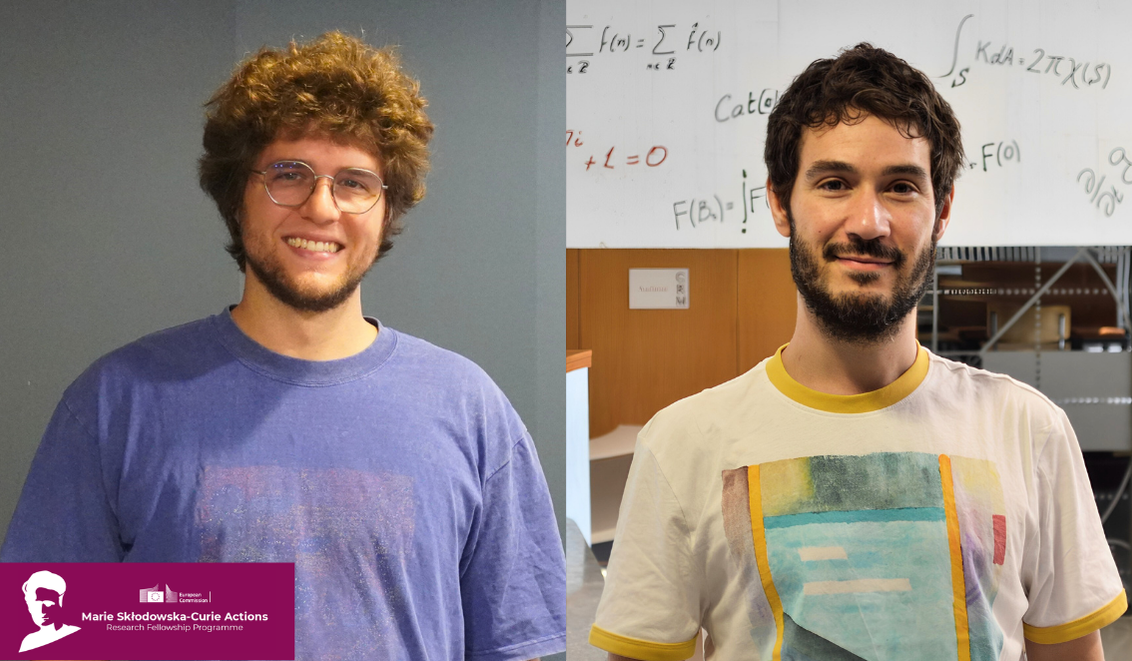
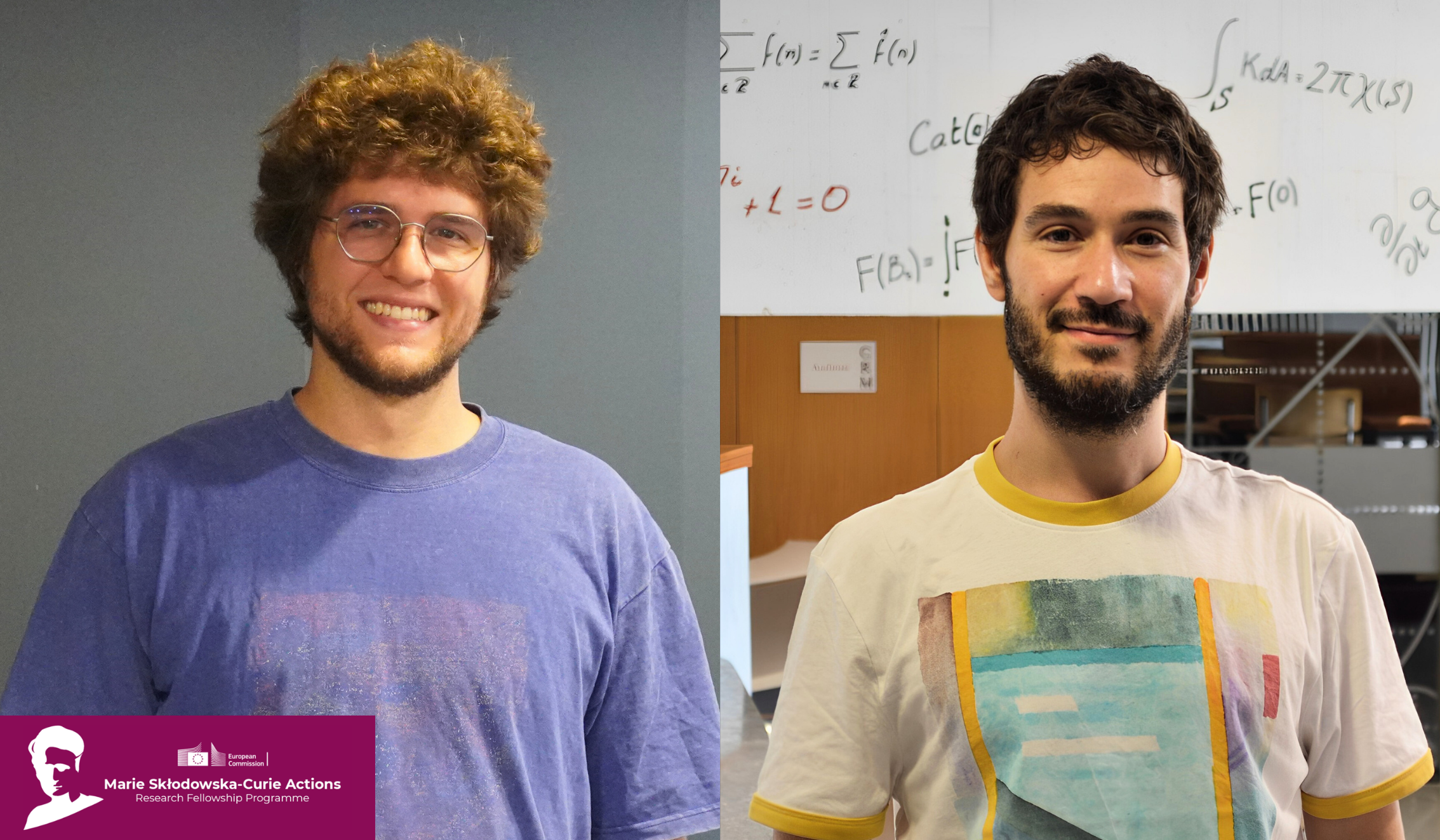
Gustavo Ferreira and Tássio Naia, CRM postdoctoral researchers and new Marie Skłodowska-Curie fellows.

  • Gustavo Ferreira and Tássio Naia, who joined the CRM in 2023 through the María de Maeztu programme, have started their Marie Skłodowska-Curie postdoctoral fellowships this September.

  • Their projects explore key questions in complex dynamics and probabilistic combinatorics.

Two postdoctoral researchers at the Centre de Recerca Matemàtica (CRM), Gustavo Ferreira and Tássio Naia, began their Marie Skłodowska-Curie postdoctoral fellowships in September. Both joined the CRM in 2023 through the María de Maeztu Unit of Excellence programme and are now launching independent projects that explore the frontiers of complex dynamics and probabilistic combinatorics.

Gustavo Ferreira: understanding the unknown within complex dynamics

Ferreira’s project, HyCoWanDoCoDyn (Hyperbolic Components and Wandering Domains in Complex Dynamics), aims to shed light on one of the most intriguing questions in the field: what happens inside hyperbolic components when the systems under study are no longer of finite type.

“In dynamics, we like what’s called hyperbolic dynamics; these are the things we understand best,” he explains. “But when you move from finite to infinite type, the behaviour of the system changes a lot, and it’s not clear what’s going on inside the hyperbolic components themselves. Those bits that were so well understood before are now less clear. So the project is trying to make sense of what is going on inside these components.”

“The Marie Curie is a huge opportunity to bring together all the work I’ve done in bits and pieces and put it into a cohesive whole.”

His research connects two areas that have long puzzled mathematicians: hyperbolicity and wandering domains. “There are two big obstacles to understanding them in this new context, and they are bigger domains and wandering domains,” Ferreira says. “Wandering domains, in particular, are something I’ve worked on before, and we’re finally in a place where we can try to understand them in this context.”

After two short postdoctoral positions in the UK, Ferreira highlights the importance of having long-term support to consolidate a line of research: “The Marie Curie really is a huge chance to drive the nail home on this project. It’s the opportunity to bring together all the work I’ve done in bits and pieces in different places and put it all together into a cohesive whole.”

Ferreira has already been part of the CRM and Barcelona’s mathematical community for two years. “It’s been a huge plus, honestly,” he says. “There’s a very strong dynamics and analysis community here in Barcelona. There’s always someone to knock on the door and ask, ‘Hey, do you know anything about this?’ And even if you don’t find the help you need right now in Barcelona, there’s always someone coming for a conference or a research visit.”

Tássio Naia: rainbow structures and the power of probability

Naia’s project, PARTIORI (Rainbow partitions and oriented structures in random graphs), explores the intersection of combinatorial design theory, Ramsey theory, and probabilistic combinatorics. “I’m studying questions about ‘rich’ networks, whose connections are classified or oriented,” he explains. “In such networks one can ask whether they necessarily contain large substructures of a certain type, or whether it is possible to decompose the network’s connections into layers, each exhibiting a specific behaviour of interest.”

His research focuses on decompositions of coloured networks into a few “rainbow” substructures (paths or cycles) under different colouring regimes, and on the existence of large oriented structures in random graphs. “Recently, very powerful tools have been developed to address this kind of problem, combining algorithmic, algebraic and semirandom approaches,” he says. “While most research has focused on rigid decompositions, I’m adapting and developing these techniques toward a more flexible framework, hoping to obtain more detailed results by taking advantage of this extra room to manoeuvre.”

“It’s very rewarding to receive positive feedback on a research plan that you’ve been building over time.”

Naia views the Marie Skłodowska-Curie fellowship as both an opportunity and a motivation: “Besides funding my research, the fellowship provides a framework to develop other aspects of my professional training. I plan to make the most of it. It’s also very rewarding to receive positive feedback on a research plan that you’ve been building over time.”

Reflecting on his experience at the CRM and in Barcelona, Naia underlines the value of collaboration and exposure: “The last two years have been enriching in many ways. I’ve interacted with researchers from other areas, gained practical experience in organising meetings, classes, and courses, and even in drafting proposals and budgets for scientific events. It’s been a fantastic experience, and I’m glad to continue what I hope will be many more years working with the CRM team.”

The fellowships mark an important milestone for both researchers and the CRM itself, which continues to strengthen its international research community through the European funding schemes. As Ferreira and Naia begin the next stage of their careers, their work highlights the breadth and vitality of mathematics being done in Barcelona, from the intricate geometry of complex dynamics to the hidden order of random networks.


Gustavo Rodrigues Ferreira is a postdoctoral researcher who has joined the Centre de Recerca Matemàtica to collaborate with Núria Fagella. He studied molecular sciences at the Universidade de Sao Paulo, obtaining an M. Sc. in dynamical systems at the Instituto de Matemática e Estatística of the Universidade de São Paulo (IME-USP) and a PhD from The Open University (UK).

His previous experience includes roles as an LMS Early Career Fellow at Imperial College London and, most recently, a Postdoctoral Research Associate at the University of Liverpool.

Tássio Naia is a Marie Skłodowska-Curie research fellow at the Centre de Recerca Matemàtica, where he works with Guillem Perarnau and the GAPCOMB-UPC group.

Before joining CRM, he held postdoctoral positions at LaBRI (Université de Bordeaux) and IME–USP, collaborating with Marthe Bonamy and Yoshiharu Kohayakawa.

He obtained his PhD from the University of Birmingham under the supervision of Richard Mycroft and Deryk Osthus.

His research interests lie in combinatorics, probability, and algorithms.

Personal website

CRM Comm

Pau Varela

CRMComm@crm.cat


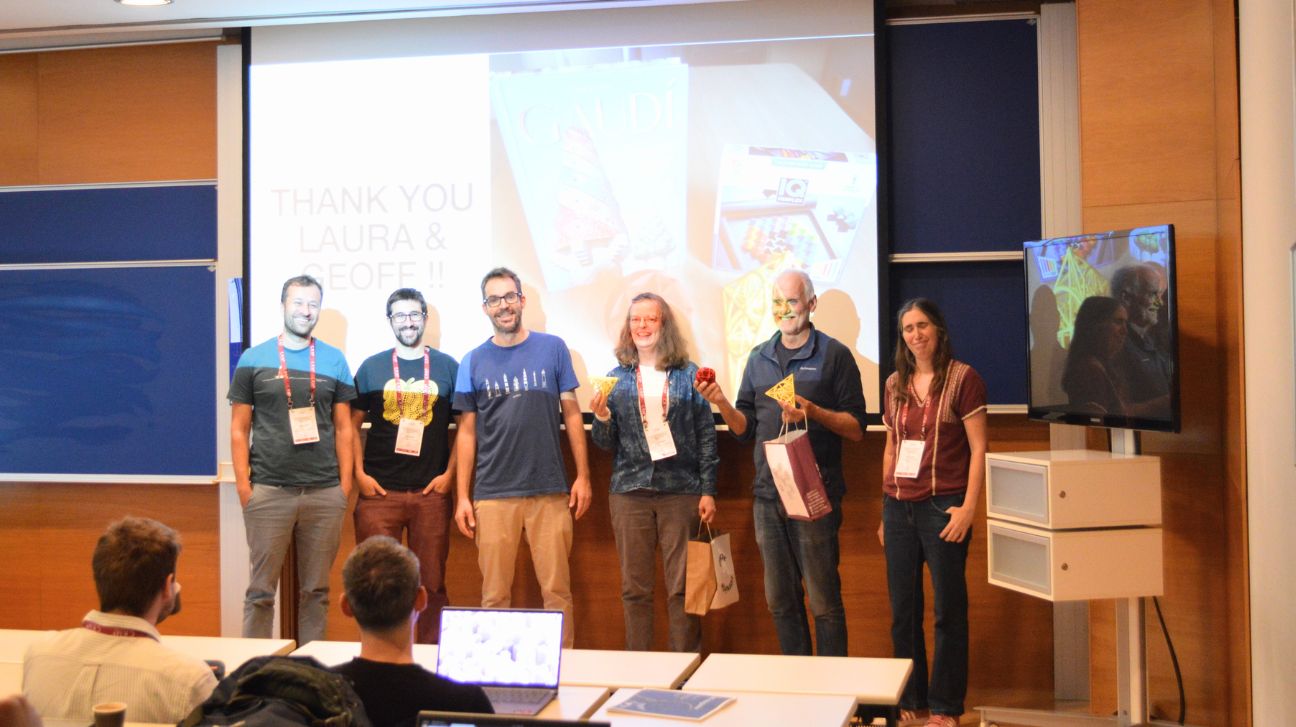
László Lovász receives the 2025 Erasmus Medal in Barcelona

László Lovász receives the 2025 Erasmus Medal in Barcelona

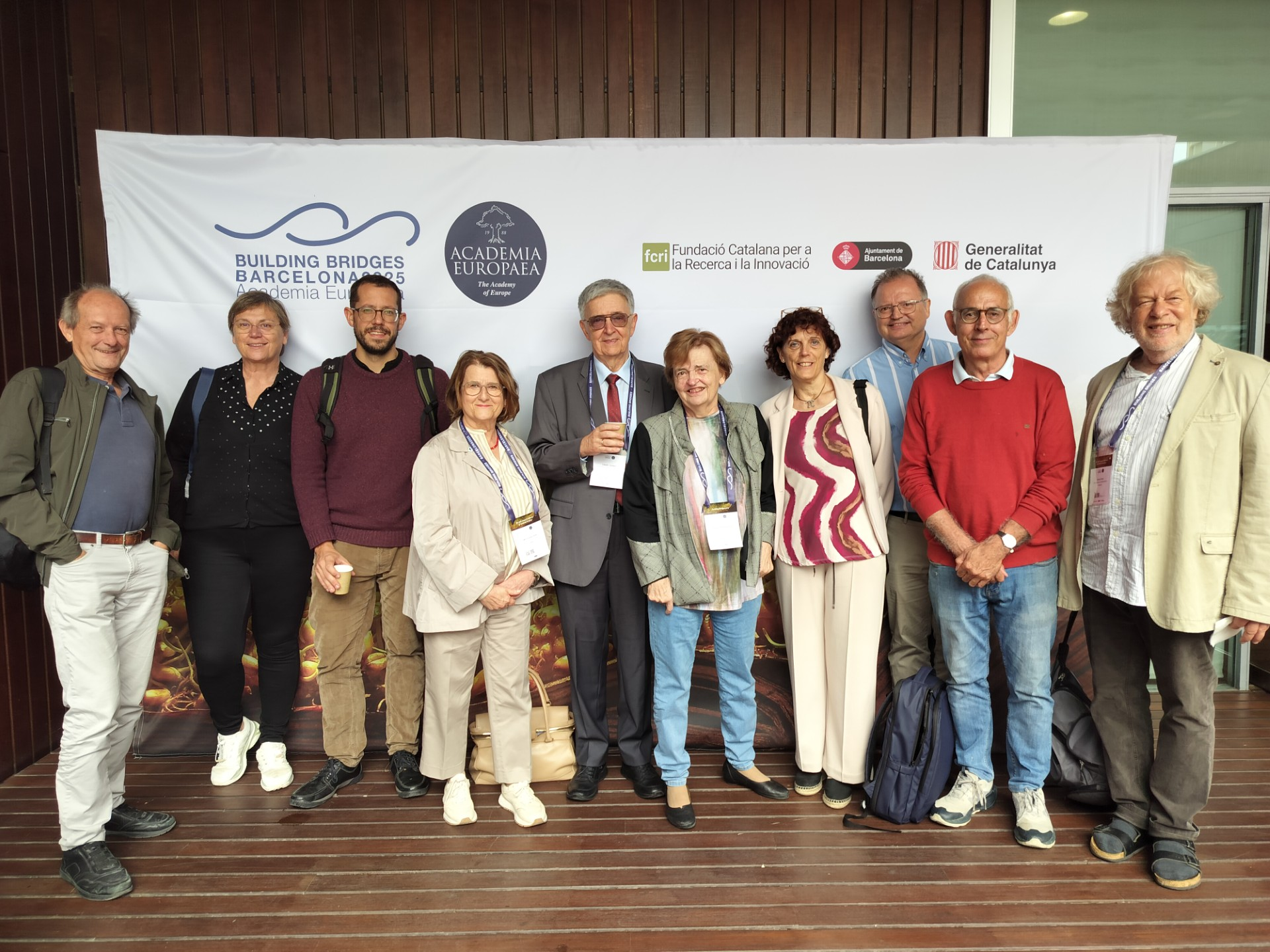
Mathematician László Lovász received the 2025 Erasmus Medal from the Academia Europaea yesterday at the PRBB in Barcelona, where he delivered the lecture “The Beauty of Mathematics”. Renowned for his work in graph theory and discrete mathematics, Lovász has shaped…

Combinatorial Geometry Takes Shape at the CRM

Combinatorial Geometry Takes Shape at the CRM

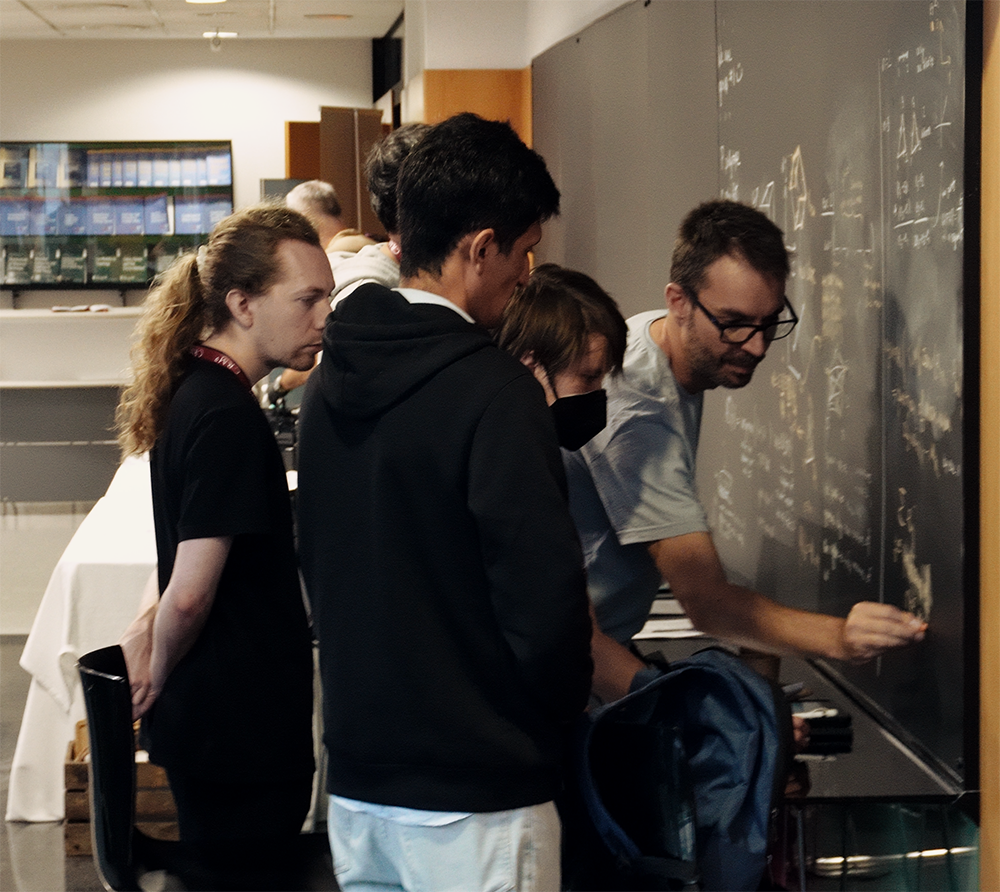
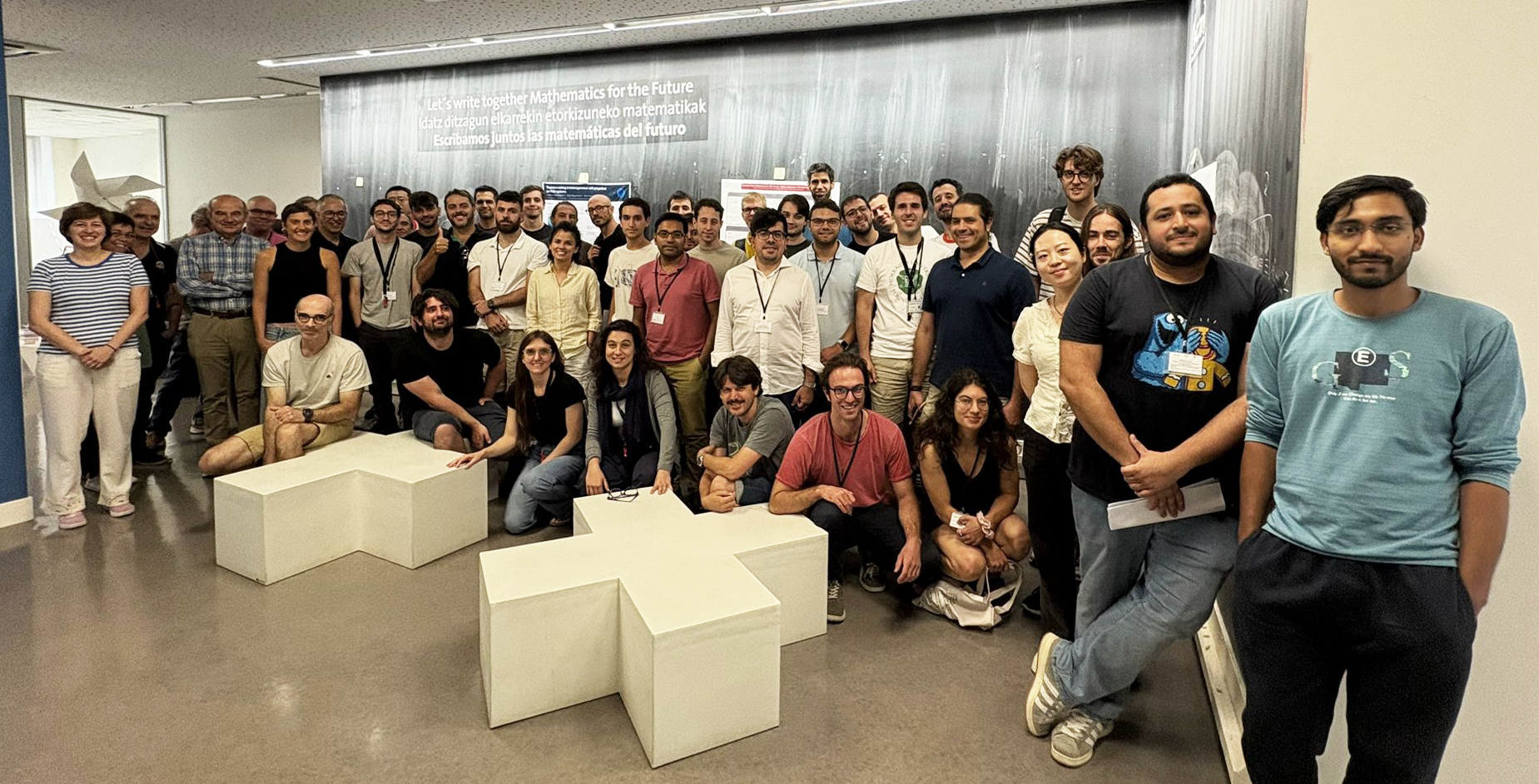
For one week in early October, the Centre de Recerca Matemàtica became a meeting ground for the world of combinatorial geometry. The Polytope Week research school gathered more than fifty participants from three continents to study the interplay…

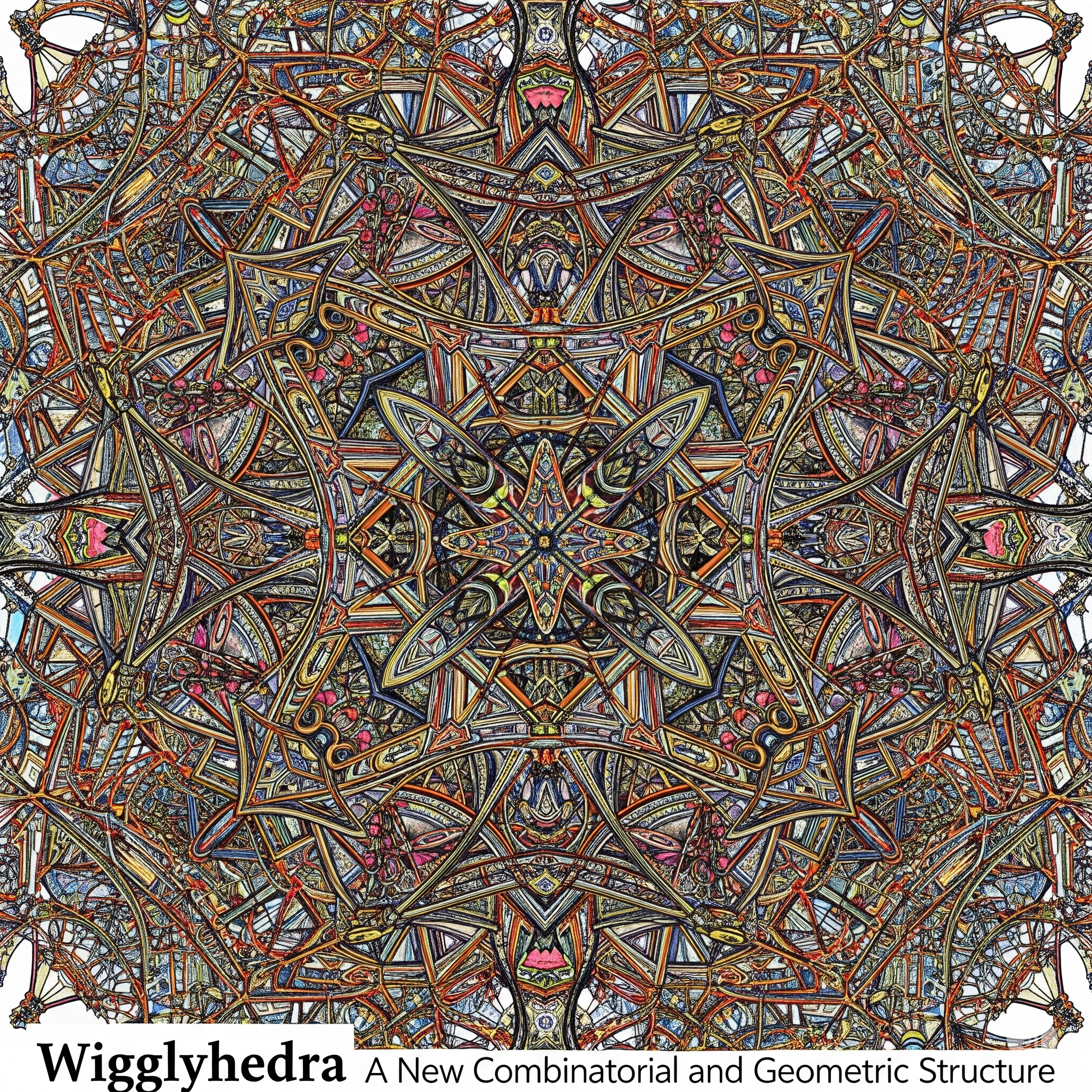
Wigglyhedra: A New Combinatorial and Geometric Structure

Wigglyhedra: A New Combinatorial and Geometric Structure

In the article “Wigglyhedra”, researchers Asilata Bapat (Australian National University) and Vincent Pilaud (Universitat de Barcelona – Centre de Recerca Matemàtica) introduce the wiggly complex, a novel combinatorial and geometric structure, along with its associated…

CRM at the Bilbao–Barcelona Analysis and PDE Meeting

CRM at the Bilbao–Barcelona Analysis and PDE Meeting

From September 3 to 5, 2025, the Basque Center for Applied Mathematics (BCAM) hosted the Bilbao–Barcelona Analysis and PDE Meeting. For three days, researchers from both cities met face to face, joined by colleagues from other institutions, to…

The post Two CRM researchers begin their Marie Skłodowska-Curie fellowships first appeared on Centre de Recerca Matemàtica.

Go to Source

Scientist and activist Mazin Qumsiyeh reflects on Palestinian ”ecocide” at the UAB

The director of the Palestine Institute for Biodiversity and Sustainability gave a conference at the Board Room of the Rectorat building on the current global crisis, and connected the severe humanitarian situation in Gaza with the ecological crisis threatening the present and future sustainability of human and natural communities.

Go to Source

¡Inicia una nueva temporada de PsychoBeers!

PsychoBeers
El primer encuentro de la temporada 2025/2026 se llevará a cabo el martes 28 de octubre en la Sala Planta Baja a las 20:30, bajo el título “Deporte y cerebro: Ni el ejercicio borra los traumas, ni la élite compite sin ellos”. Este encuentro abordará la relación entre la práctica deportiva, la salud mental y el funcionamiento del cerebro. Para ello, Luis Ciria, investigador del CIMCYC, presentará la charla “¿Puede el Crossfit sustituir a tu psicólog@?”, y Mikel Zabala, catedrático de Ciencias del Deporte de la UGR y entrenador de ciclismo, presentará “Lidiando con la mente del deportista de élite”.
Seguir leyendo

Go to Source

Apeiron Intelligence: New ICN2 Spin-off to Transform Design and Engineering of Innovative Advanced Materials

Born from the Theoretical and Computational Nanoscience Group and backed by over 30 years of scientific leadership, the company has developed a pioneering platform integrating atomic-scale simulations and artificial intelligence (AI) tools to drive innovation in materials science and technology.

Go to Source

OSCAR: la herramienta que mejora el análisis de tejidos biológicos 3D

El estudio de la morfogénesis, es decir, cómo los órganos y tejidos se forman y se desarrollan, ha dependido tradicionalmente de análisis simplificados. Los investigadores solían trabajar con secciones representativas de órganos, obteniendo solo fragmentos de información. Sin embargo, esta aproximación limita la comprensión real de los procesos biológicos, que son tridimensionales y a nivel celular.

“La morfogénesis ocurre en un espacio tridimensional, y reducirla a cortes planos es como intentar entender un edificio solo con fotografías de sus paredes”, explica Mario Ledesma-Terrón, autor principal del estudio.


Una solución para un problema histórico en biología del desarrollo

El principal obstáculo para un análisis más completo ha sido la calidad de las imágenes. Las técnicas de microscopía, especialmente en tejidos densos o en organismos vivos, generan imágenes con una baja relación señal-ruido, lo que dificulta que los softwares existentes segmenten correctamente las células. La segmentación es el proceso mediante el cual el software identifica y separa las distintas estructuras dentro de una imagen.

Para superar estas limitaciones, un equipo de científicos ha desarrollado OSCAR (Object Stitching by Clustering of Adjacent Regions), un software capaz de cuantificar con precisión células en imágenes 3D, incluso en condiciones difíciles. OSCAR combina aprendizaje automático y algoritmos estadísticos avanzados para detectar y segmentar células de manera confiable.

A diferencia de otras herramientas basadas en redes neuronales, OSCAR no requiere entrenamiento previo ni ajustes complicados: puede funcionar de manera automática en ordenadores convencionales, y además ofrece resultados más rápidos y precisos. Esto lo convierte en una opción accesible para laboratorios que no estén especializados en análisis de imagen avanzada.

En pruebas comparativas, OSCAR superó a otras soluciones en precisión, tanto en imágenes de prueba generadas digitalmente como en muestras reales obtenidas mediante microscopía confocal y de lámina de luz. La herramienta demostró ser capaz de identificar con exactitud cada célula, incluso cuando los núcleos celulares eran difíciles de distinguir.


Aplicaciones prácticas: del pez cebra a la medicina regenerativa

Como ejemplo de su potencial, los investigadores aplicaron OSCAR al estudio de la retina en embriones de pez cebra. El análisis mostró un crecimiento exponencial del número de células, un aumento de la densidad celular y una disminución progresiva del volumen nuclear promedio. Estos datos permiten entender mejor cómo se organiza y desarrolla el tejido, algo que antes era complicado de cuantificar.

Según los desarrolladores, “OSCAR combina precisión, facilidad de uso y rendimiento computacional optimizado, y creemos que será una herramienta valiosa para toda la comunidad científica”. Se espera que su aplicación se extienda más allá de la biología del desarrollo, incluyendo estudios de organoides, investigación de tumores y avances en medicina regenerativa.

El software ya está disponible para investigadores que deseen mejorar sus análisis de imágenes 3D con alta densidad celular, ofreciendo una alternativa robusta, rápida y accesible frente a las herramientas tradicionales que a menudo fallan en condiciones de baja calidad de imagen.

En un momento en el que la biología cuantitativa se vuelve cada vez más esencial, OSCAR promete transformar la forma en que los científicos estudian la formación de tejidos y órganos, brindando datos más completos y precisos sin necesidad de equipos complejos ni conocimientos avanzados en computación.


Referencia

Ledesma-Terrón M, Pérez-Dones D, Mazo-Durán D, Navarro-Martinez G, Gíron GG, Míguez DG. Object Stitching by Clustering of Adjacent Regions for accurate quantification of three-dimensional tissues. J Cell Sci. 2025 Sep 15;138(18):jcs264316. doi: 10.1242/jcs.264316. Epub 2025 Sep 26. PMID: 40879476.

La entrada OSCAR: la herramienta que mejora el análisis de tejidos biológicos 3D se publicó primero en Centro de Biología Molecular Severo Ochoa.

Go to Source

Scalar-Induced Gravitational Waves as a probe for Modified Gravity

Image
Scalar-Induced Gravitational Waves as a probe for Modified Gravity
Seminar

Scalar-Induced Gravitational Waves as a probe for Modified Gravity

Date
Place
DAM 7.24 Seminar Room

Abstract: An open question to answer is if we can use gravitational waves (GWs) to probe beyond General Relativity. Due to their weak interaction with matter, we hope to observe Primordial GWs which come in the form of a stochastic background (SGWB). One contribution to the latter arises from second-order effects and coupling of scalar fluctuations, known as “scalar-induced” GWs (SIGWs). In this talk, I present computations of the behavior of SIGW in modified gravity, specifically considering the f(R) modified gravity model. We concentrate on the understanding the effect of the first-order corrections to the source term and power spectrum w.r.t. General Relativity. By comparing the results of standard cosmology to its modification, we can see the order of the effect and how observations of this signature can help in improving our understanding.

Go to Source

ICIQ joins newly funded R&D&I networks to accelerate knowledge transfer

The Catalan Agency for Management of University and Research Grants (AGAUR) published the final resolution of the R&D&I Networks Grants, which support programs aimed at valorizing and transferring research results.

Among the networks that have received funding, ICIQ will actively participate in the following two:

The Xarxa RDI-IA is a network designed to provide transfer and valorization mechanisms to intensive research groups in Artificial Intelligence throughout Catalonia. With over 60 research groups from 25 different institutions, the network aims to consolidate the Catalan AI ecosystem and position it as a hub for research and innovation in Southern Europe.

ICIQ researchers Prof. Pau Ballester, Dr. Carla Casadevall, Prof. Núria López and Prof. Julio Lloret will contribute their expertise to this network.


The Xartec Salut is a network aimed at fostering R&D&I in the field of HealthTech by promoting the exchange of knowledge between research groups, institutions, hospitals and companies. The network comprises 117 research groups from 29 different institutions. It focuses on promoting company creation and offering more efficient instruments for technology transfer.

ICIQ researchers Prof. Pau Ballester, Prof. Emilio Palomares and Prof. Beatriz Prieto-Simón will participate in this network.


By joining these networks, ICIQ will work with other institutions and companies to apply their research in practical ways. This shows ICIQ’s commitment to tackle real-world problems through scientific research and innovation.

La entrada ICIQ joins newly funded R&D&I networks to accelerate knowledge transfer se publicó primero en ICIQ.

Go to Source

Cardiovascular health with a gender perspective: Experts from 21 European countries gather in Madrid for the JACARDI General Assembly

Health equity remains one of Europe’s most pressing challenges. Differences in access to care, diagnosis, and treatment continue to determine health outcomes across the region. Gender diversity is emerging as a particularly critical dimension, as women in Europe with cardiovascular disease face worse outcomes, from higher mortality after heart attacks to longer delays in receiving treatment. In addition, data from the European Society of Cardiology (ESC Atlas of Cardiology) reveal that 40% of women in the EU die from cardiovascular disease.

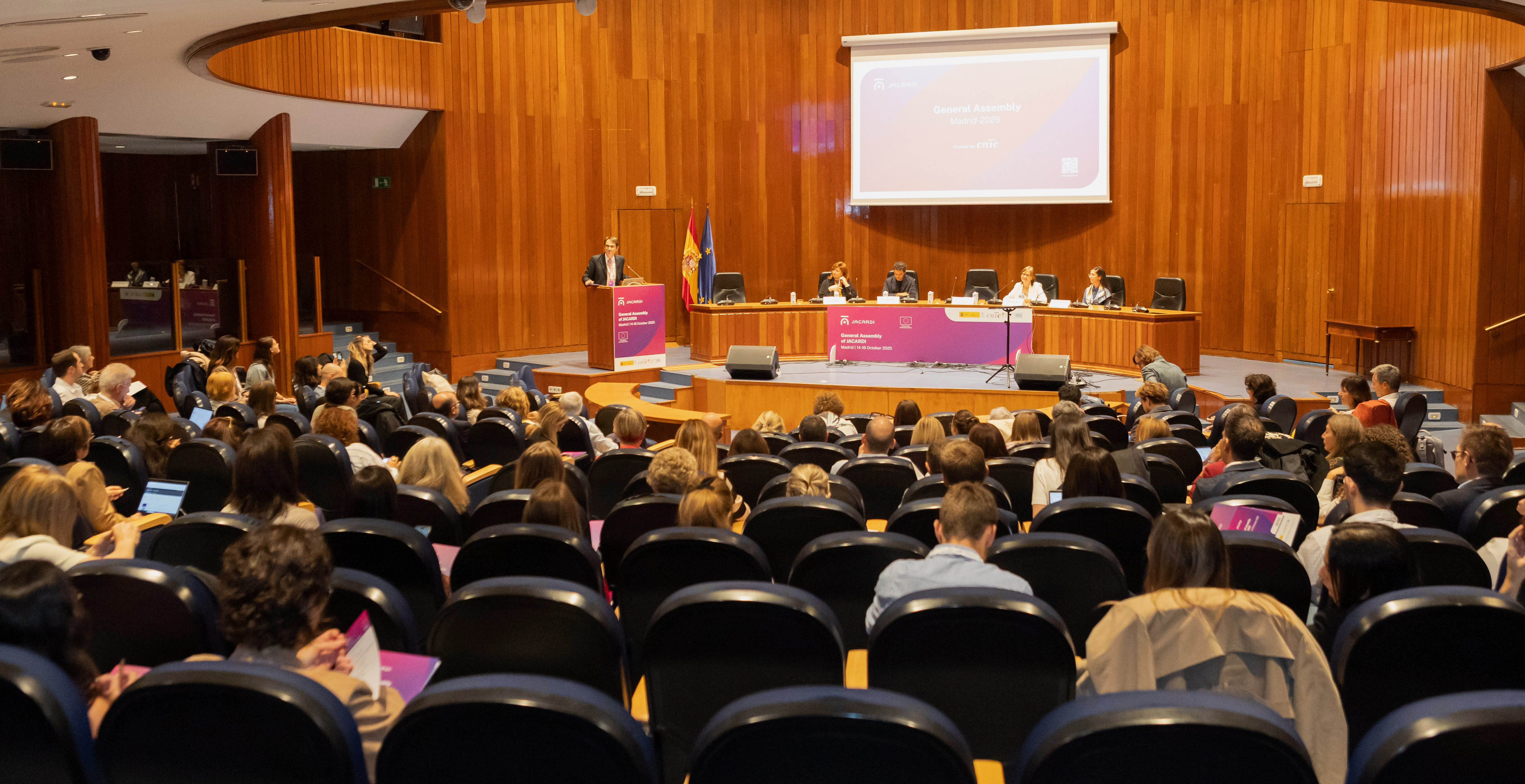
This difficult reality was the focus of discussions during the Third General Assembly of the Joint Action on Cardiovascular Diseases and Diabetes (JACARDI), which the Spanish National Center for Cardiovascular Research (CNIC) organized in Madrid from October 14 to 16, at the headquarters of the Ministry of Health and the Official College of Physicians of Madrid (ICOMEM).

The inauguration was attended by Marina Pollán, director of the Carlos III Health Institute (ISCIII); Dr. Valentín Fuster, general director of the CNIC; Antonio Parenti, director of Public Health at the European Commission (DG Sante); Maria Vasile, representative of the European Executive Agency for Health and Digital (HaDEA); Silvia Torres, general director of Health and Social Care Planning, Training, and Quality at the Regional Ministry of Health and Social Services of Extremadura; and Pedro Gullón, general director of Public Health and Health Equity at the Ministry of Health. 

The Assembly brought together more than 200 representatives from 21 European countries, as well as spokespersons from the European Commission, the WHO Regional Office for Europe, scientific societies, and patient organizations. This year’s program placed gender and equity at the center of the agenda, along with sustainability, data monitoring, and the upcoming EU Cardiovascular Health Plan.

JACARDI is a joint action of the European Union under the EU4Health program, which will run from 2023 to 2027. With 81 partner institutions in 21 countries, it coordinates European efforts to strengthen health literacy, improve early detection, promote integrated and person-centered care, empower patient self-management, and support the labor participation of people living with noncommunicable diseases.

With equitable access to prevention and quality care as a priority, participants in this assembly reflected on the progress made during the first two years of JACARDI, highlighting lessons learned and obstacles overcome, while improving care pathways in various settings across European health systems.

Focus on equity and diversity

“At the heart of JACARDI is the belief that healthcare systems should serve everyone, fairly and equitably. That is why equity and diversity are not secondary issues at JACARDI, but fundamental to everything we do. This General Assembly in Madrid is an opportunity to show that together we can accelerate change towards a more equitable and healthy future,” says Dr. Benedetta Armocida, coordinator of JACARDI.

«Women are more likely to die from a heart attack, yet they remain underrepresented in clinical trials» 

“Women are more likely to die from a heart attack, yet they remain underrepresented in clinical trials, leaving significant gaps in knowledge that perpetuate inequality in healthcare. Recognizing gender differences in cardiovascular disease is not about division, but about improving care to meet each person’s unique needs,” says Dr. Héctor Bueno, leader of the JACARDI working group on data availability and quality, coordinator of the clinical hospitalization and research area at the i+12 Research Institute at the Hospital 12 de Octubre in Madrid, and leader of a CNIC research group. 

European Cardiovascular Health Plan

The meeting took place at a crucial moment, as the European Commission is preparing the Cardiovascular Health Plan. By connecting JACARDI’s ideas and pilot experiences with this political momentum, the Assembly aims to strengthen motivation, collaboration, and collective capacity to reduce the burden of noncommunicable diseases across Europe.

To this end, a roundtable discussion dedicated to the EU Cardiovascular Health Plan was held during the event, with the participation of representatives from the European Commission’s Directorate-General for Health and Food Safety (DG SANTE), the European Public Health Alliance (EPHA), and scientific societies such as the European Society of Cardiology, the European Heart Network, the European Diabetes Forum, and the International Diabetes Federation.

The event also featured contributions from the WHO Regional Office for Europe and the european JA PreventNCD initiative on systems for monitoring and reducing health inequalities, as well as pilot experiences from Portugal, Spain, Iceland, Romania, Belgium, Ireland, Italy, and Poland, highlighting the initial results of the 143 JACARDI pilot projects.

Finally, areas such as sustainability and the translation of scientific evidence into real policies were explored, ensuring that JACARDI’s pilot actions contribute to long-term change. On October 15 and 16, specific sessions were held to explore particular areas of interest, such as health literacy, integrated care pathways, data accessibility, and patient self-management. These workshops were designed to facilitate in-depth discussions and promote practical ideas that improve health outcomes across Europe.


 JACARDI has received funding from the EU4Health Program 2021-2027 under Grant Agreement 101126953.

Go to Source

Episodic mass loss in extreme Red Supergiants

Image
Episodic mass loss in extreme Red Supergiants
Seminar

Episodic mass loss in extreme Red Supergiants

Date
Place
Pere Pascual V5.07 Room and via Zoom

Abstract: Red Supergiants (RSGs) are cool, evolved massive stars (8–30 M⊙) that represent the final evolutionary phase before a Type II supernova. However, the absence of luminous RSGs as confirmed SN progenitors has raised a sparkling debate about their fate. Mass loss is a critical factor in their evolution, and recent discoveries of large episodic mass-loss events suggest an alternative mechanism beyond steady winds. Yet, the frequency and impact of such episodes remain uncertain. In this work, we investigate two extreme RSGs using long-term photometry and multi-epoch spectroscopy. We find that [W60] B90 shows recurrent dimming events, consistent with episodic mass loss, and may be a more massive, subsolar metallicity analog of Betelgeuse. We also report a dramatic transformation in WOH G64, the most extreme RSG in the LMC. It recently transitioned into a Yellow Hypergiant in a fast, yet smooth transition. We identify it as part of a massive symbiotic system and propose that this evolution may result from a decades-long silent eruption or partial atmospheric ejection during a common-envelope phase. These findings challenge existing models of massive star evolution and highlight the need for further observational constraints.

Go to Source

恭喜, Dr. Meng!

Jingjing Meng, a PhD student who is under Prof. Julio Lloret-Fillol supervision, has successfully defended his PhD thesis entitled ” Transition Metal-Catalyzed Functional Group Transfer: Photoredox CN- Transfer from Acetonitrile and Electrochemical O Atom Transfer from Water” publicly Monday, 20 October.

The members of the evaluation committee were Prof. Maria González Bejar (Universitat de València), Dr. Arnau Call Quintana (Universitat de Girona) and Prof. Arjan W. Kleij (ICIQ)

Jingjing Meng is from China and obtained his Master’s degree at Shanghai Normal University. His hobbies include hiking, listening to music, and meditation, which help him stay calm and inspired both in and outside the lab. His PhD studies are supported by the China Scholarship Council (CSC).

Why did you become a scientist?

I love creating things that have never existed before. As a chemist, it’s fascinating to build new molecules and discover new reactivity. This creativity is what excites me most about science.

What triggered your interest for the subject of your thesis?

Before coming to ICIQ, I was mainly doing traditional organic synthesis. When I arrived here, I was impressed by my group’s work on photochemical and electrochemical CO2 reduction, which opened my eyes to green and energy-driven catalysis. That experience inspired me to pursue this direction for my PhD.

What applications can your thesis have in the future?

My work provides an example of combining different catalytic strategies to use abundant and sustainable raw materials for making value-added chemicals, while reducing environmental impact.

The thing that I like most about my thesis is…. 

Transforming simple and abundant reagents into useful products through green catalytic methodologies like photo- and electrocatalysis.

From the lessons learnt (or skills developed) at ICIQ, which one do you value the most?

Before coming to ICIQ, I mainly focused on synthetic work based on experience. After joining the group, I became more interested in mechanistic studies, and I also learned to use high-throughput experimentation (HTE) for data analysis. Most importantly, I learned to stay humble, curious, and eager to keep learning.

What will you miss the most from ICIQ?

I guess I will miss the time when I doing experiment with my colegues. I can still remember how much fun we make together while we doing our experiment in the lab under the happy music environment.

What do you wish you had known at the beginning of your PhD?

Working smart also requires working hard.

What advice do you have for someone who’s starting their PhD now?

Try to balance work and life, that’s an important part of the PhD journey too.

Who/What has been your biggest influence/motivation?

My supervisor, who is always patient, knowledgeable, and passionate about learning. His attitude toward science and curiosity in many fields deeply inspire me.

What is your favourite molecule? 

Water, which is simple, essential, and powerful.

If you were a piece of lab equipment, what would you be?

A glovebox, because it “breathes” like a human and protects sensitive chemistry at the same time.

La entrada 恭喜, Dr. Meng! se publicó primero en ICIQ.

Go to Source

Sidebar