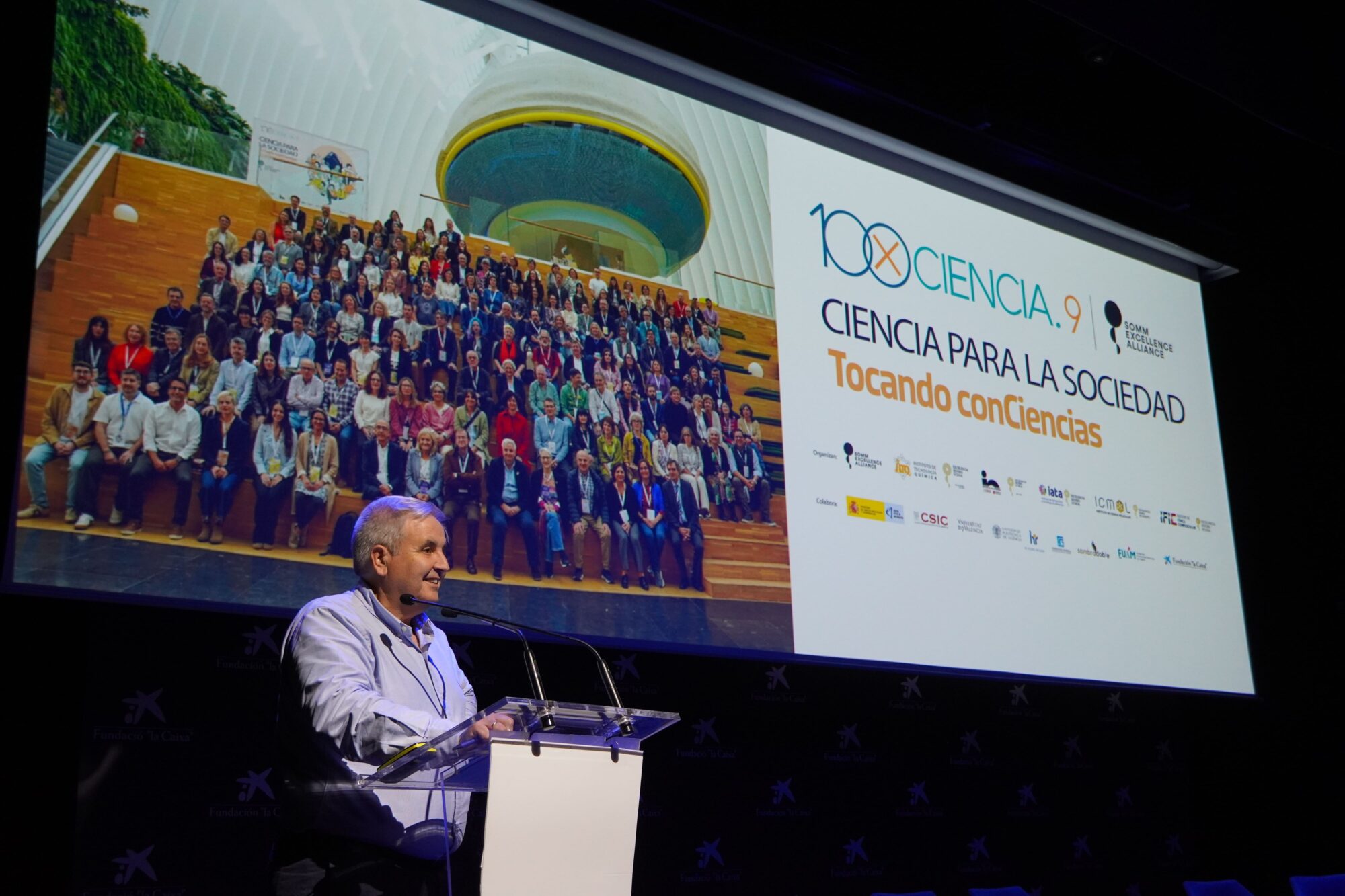
Los días 13 y 14 de noviembre CaixaForum Valencia acogió la novena edición de 100xCiencia, el congreso anual impulsado por la Alianza SOMMa, que reunió a cerca de 300 investigadores, responsables institucionales, gestores de I+D y representantes de la ciudadanía bajo el lema “Ciencia para la Sociedad, Tocando conciencias” y organizado por cinco instituciones de investigación de referencia de la Comunidad Valenciana con acreditación SO/MM: el Instituto de Agroquímica y Tecnología de Alimentos (IATA-CSIC), el Instituto de Ciencia Molecular (ICMol-UV), el Instituto de Tecnología Química (ITQ-UPV/CSIC), el Instituto de Física Corpuscular (IFIC-UV/CSIC) y el Instituto de Neurociencias (IN-CSIC/UMH).
Durante dos jornadas, el encuentro se consolidó como un espacio estratégico de reflexión y diálogo sobre el papel de la ciencia de excelencia en la transformación social, el diseño de políticas públicas y el fortalecimiento del sistema español de I+D+I.
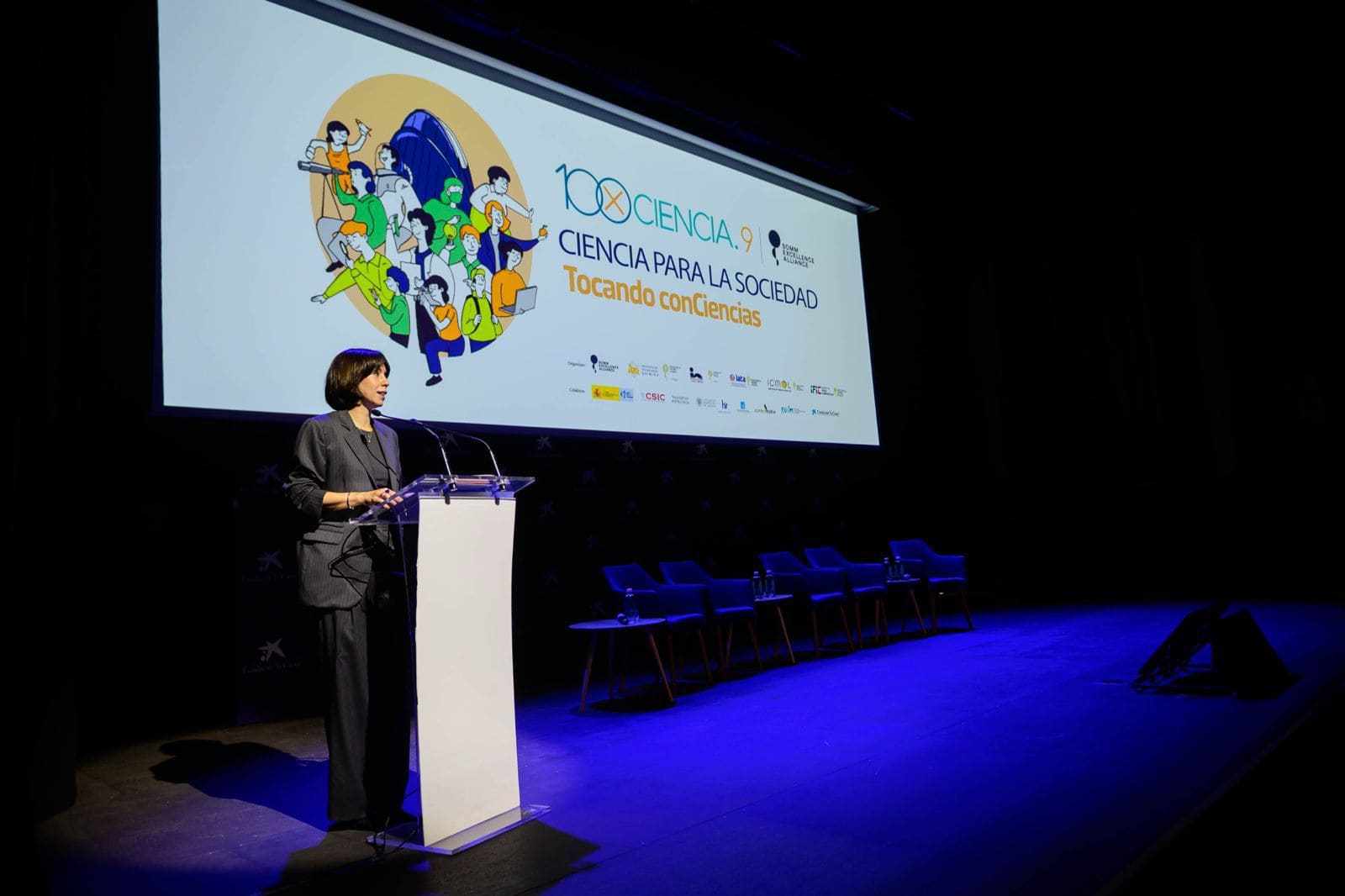
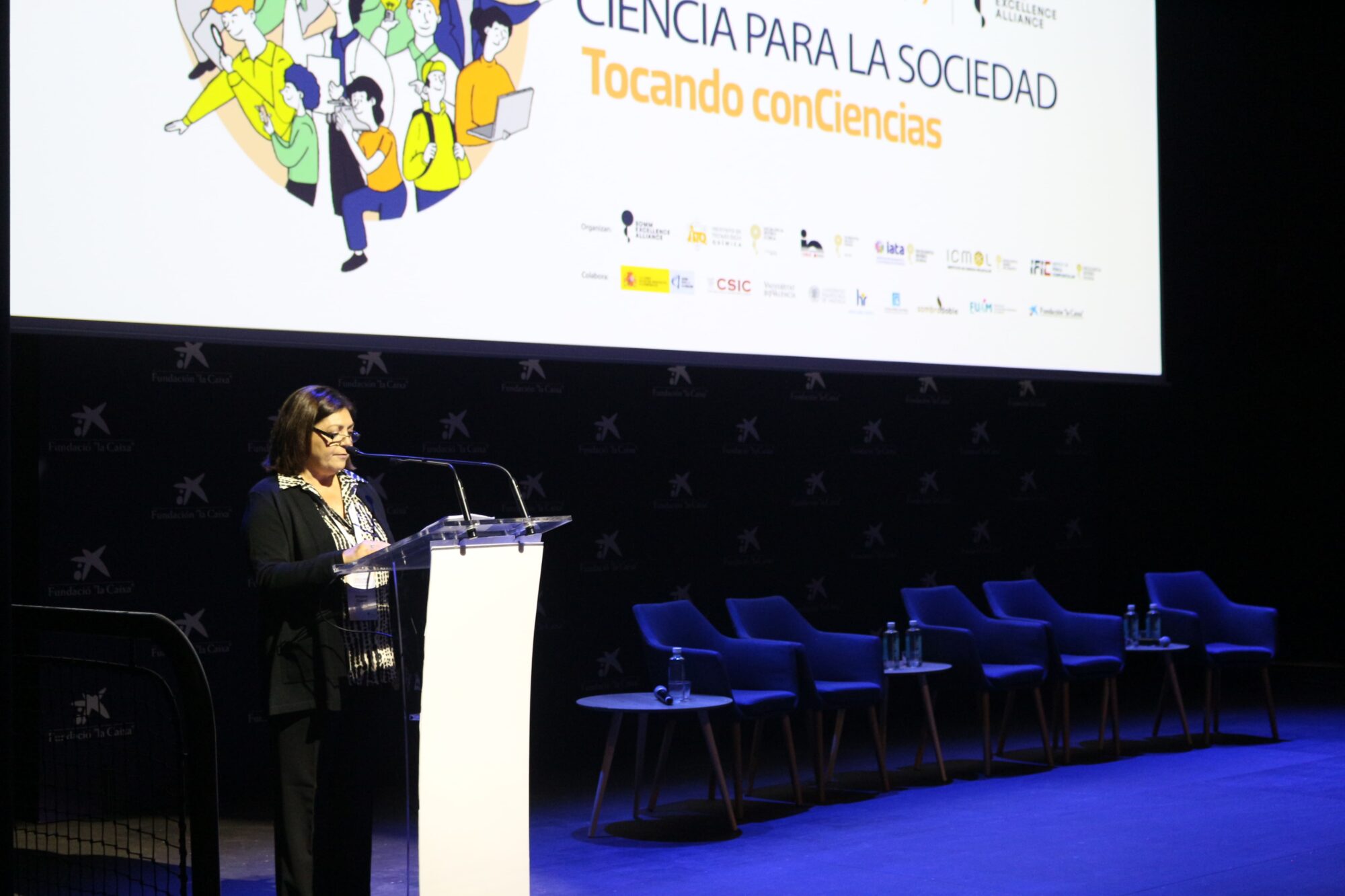
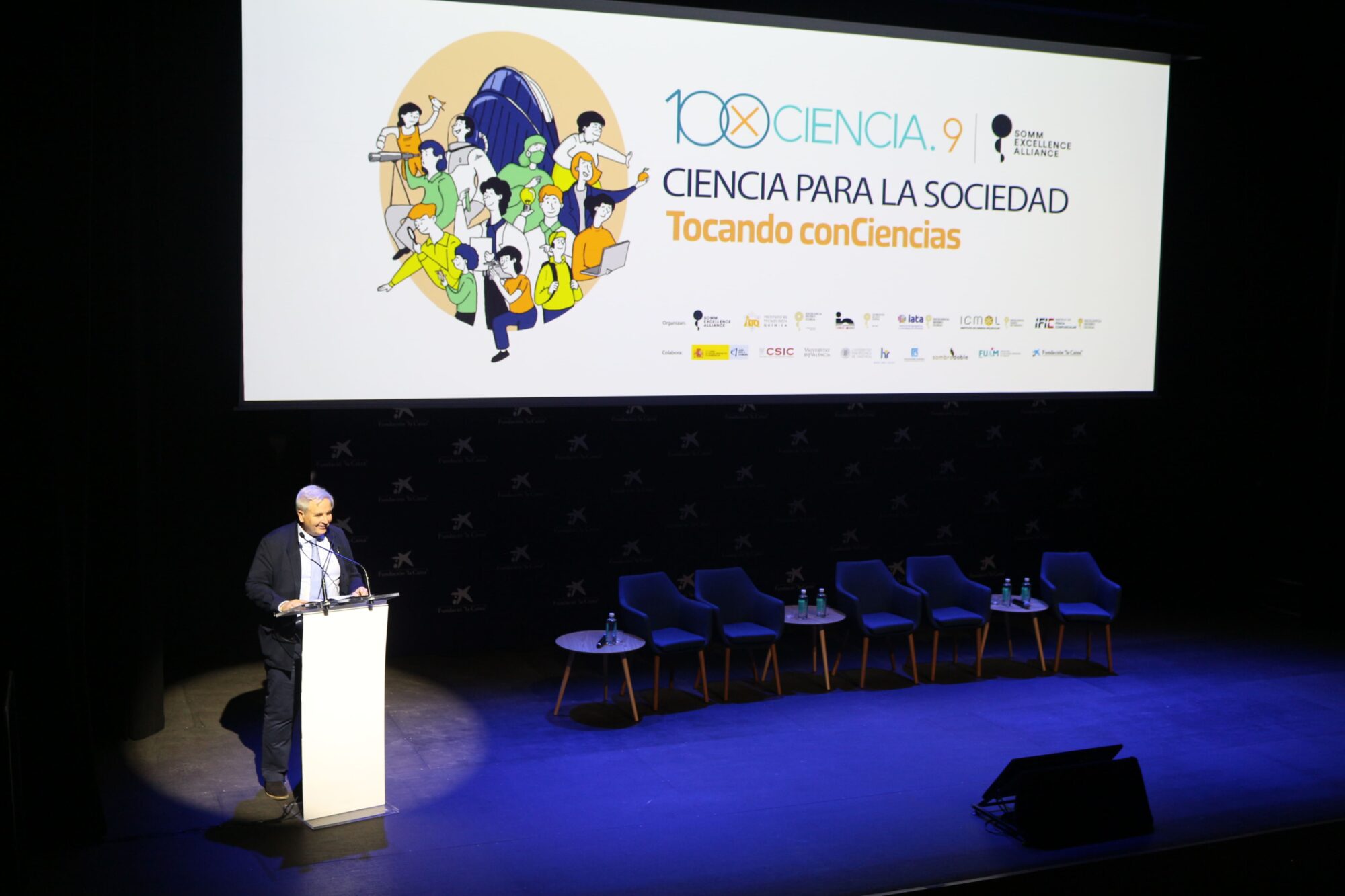
La inauguración corrió a cargo de la ministra de Ciencia, Innovación y Universidades, Diana Morant, acompañada por Amparo Querol en representación del comité organizador 100XCiencia.9 y Antonio Molina, presidente de SOMMa. Morant destacó el papel estratégico de los centros y unidades acreditados con los sellos Severo Ochoa y María de Maeztu como “motores esenciales del avance científico, la innovación y la transformación del país”.
Transferencia, integridad y asesoramiento: la ciencia como agente social
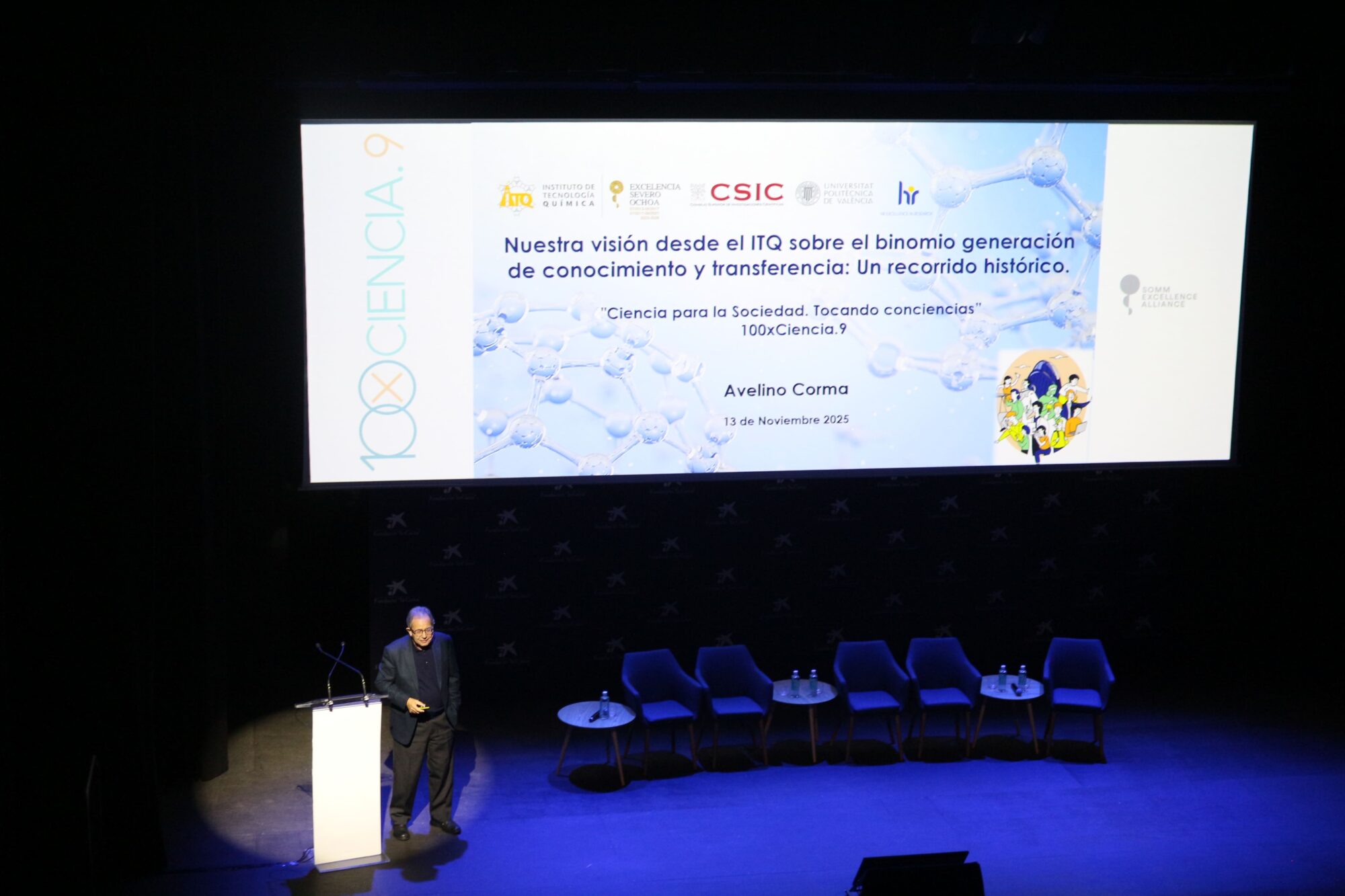
La conferencia inaugural del primer día, impartida por Avelino Corma (ITQ, UPV-CSIC), marcó uno de los ejes centrales del encuentro: la relación entre ciencia básica y transferencia. Corma repasó la trayectoria del ITQ demostrando cómo la investigación básica sostenida en el tiempo puede generar innovaciones industriales de enorme impacto.
El segundo día se abrió con la intervención de Pilar Goya (IQM-CSIC), centrada en la integridad científica y las buenas prácticas en investigación. Alertó sobre los riesgos derivados del aumento exponencial de publicaciones y el auge de las revistas depredadoras, defendiendo el papel crítico de la revisión por pares y la ética como pilares irrenunciables de la credibilidad científica.
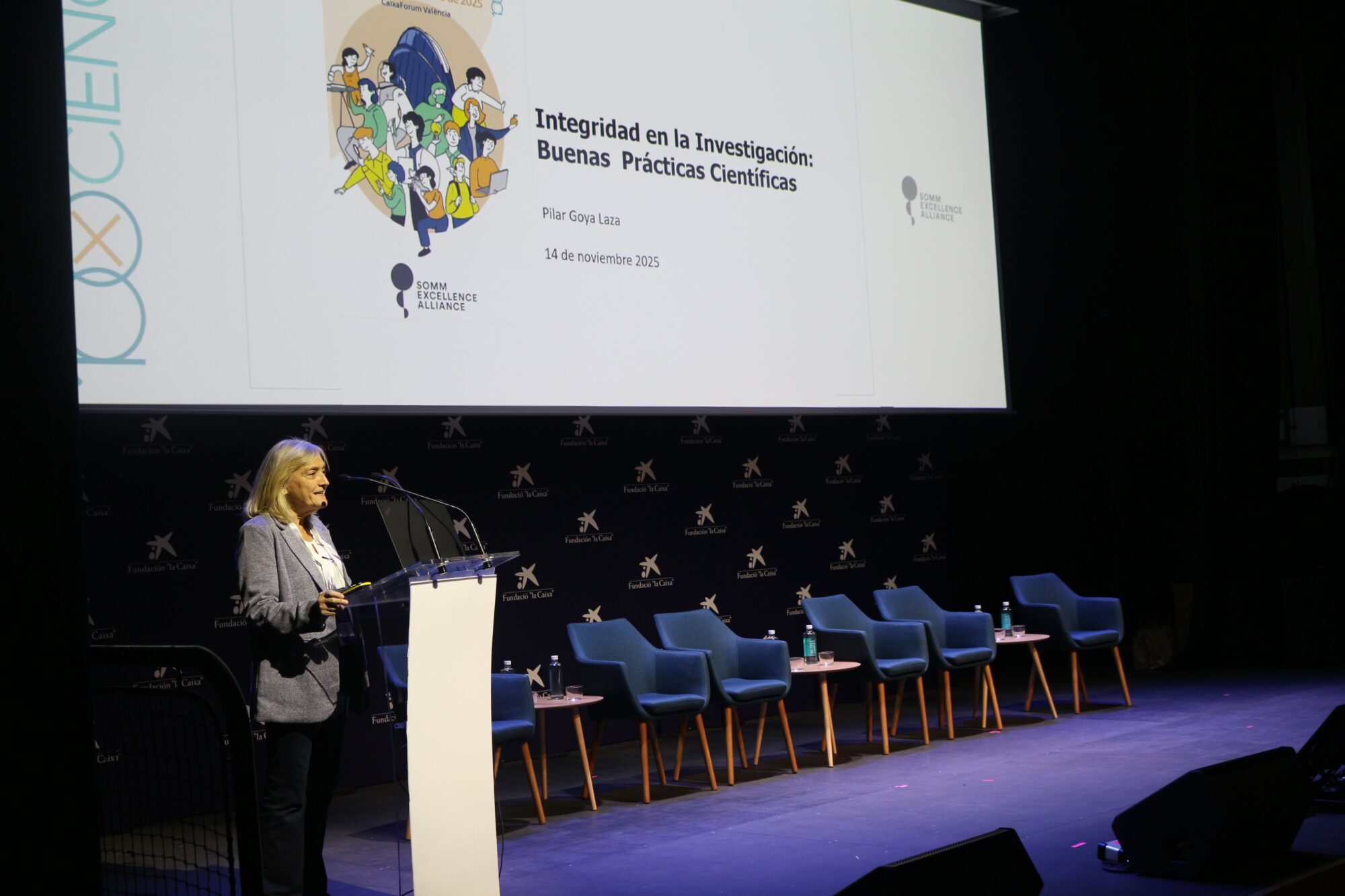
Ambas intervenciones fueron referenciadas en las conclusiones del presidente de SOMMa, Antonio Molina, quien subrayó que “la ciencia de excelencia no solo produce conocimiento; también tiene una responsabilidad esencial en la construcción de un sistema científico robusto, ético y útil para la sociedad”.
Políticas públicas, talento, IA, longevidad y sostenibilidad: un Congreso transversal
Las mesas redondas, celebradas a lo largo de ambas jornadas, sirvieron como un espacio privilegiado de debate y reflexión, abordando de manera integral algunos de los desafíos científicos, tecnológicos y sociales más urgentes que enfrenta la sociedad contemporánea.
Ciencia y políticas públicas
Expertos de la Oficina Nacional de Asesoramiento Científico, FECYT, CSIC y la Barcelona School of Economics coincidieron en la necesidad de incorporar la evidencia científica en el diseño de políticas, con estructuras estables de asesoramiento y una interacción fluida entre comunidad científica y administraciones para una democracia más robusta.
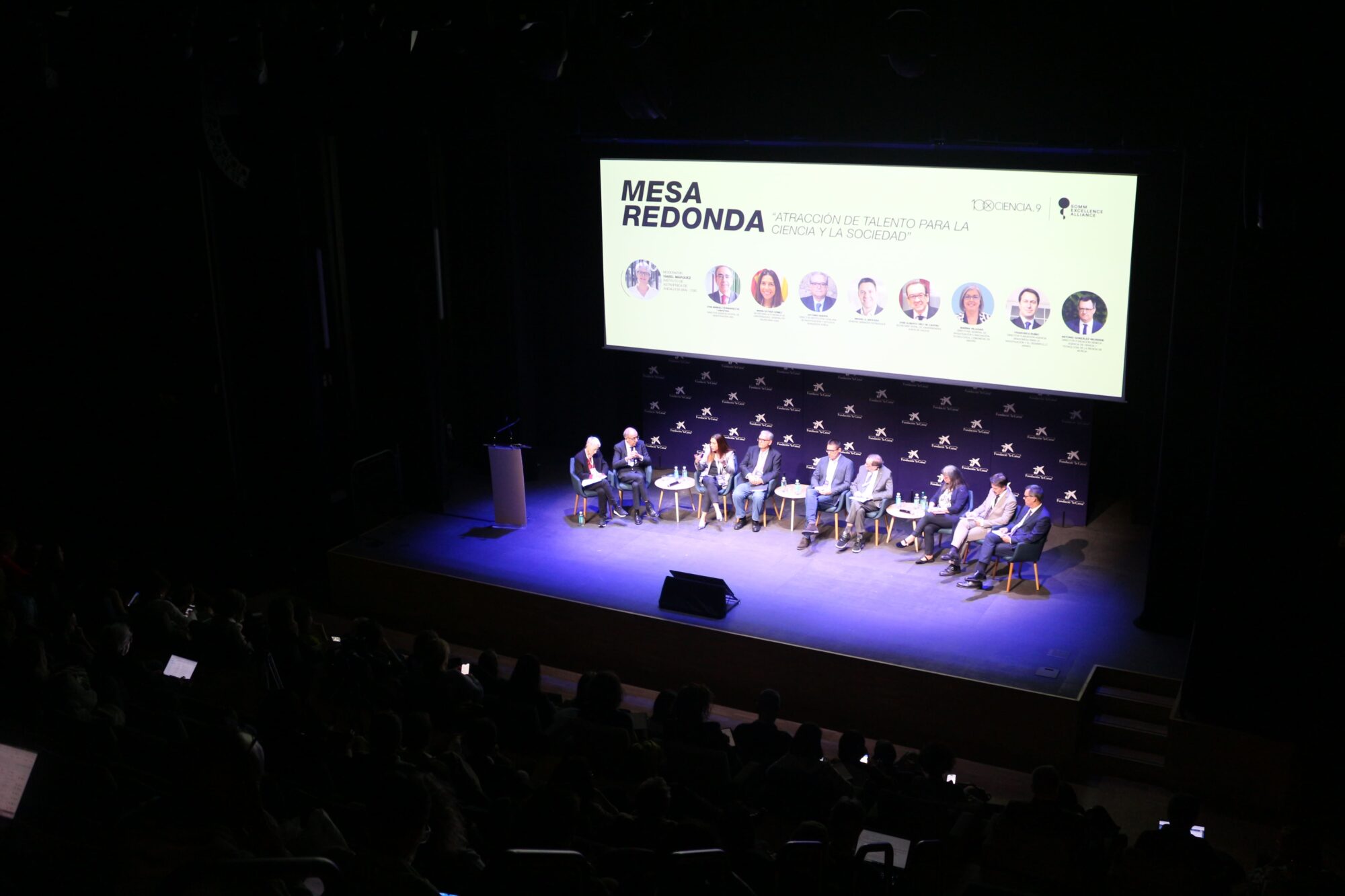
Atracción y retención de talento
Representantes autonómicos y responsables de programas como ICREA, IKERBASQUE, ARAID y Fundación Séneca compartieron experiencias para mejorar la movilidad, captación y estabilidad del personal investigador. Molina insistió en que “la retención es tan crítica como la atracción: el talento necesita condiciones, financiación y expectativas realistas”. La excelencia científica depende de las personas: sin talento cuidado y estable no hay sistema competitivo.
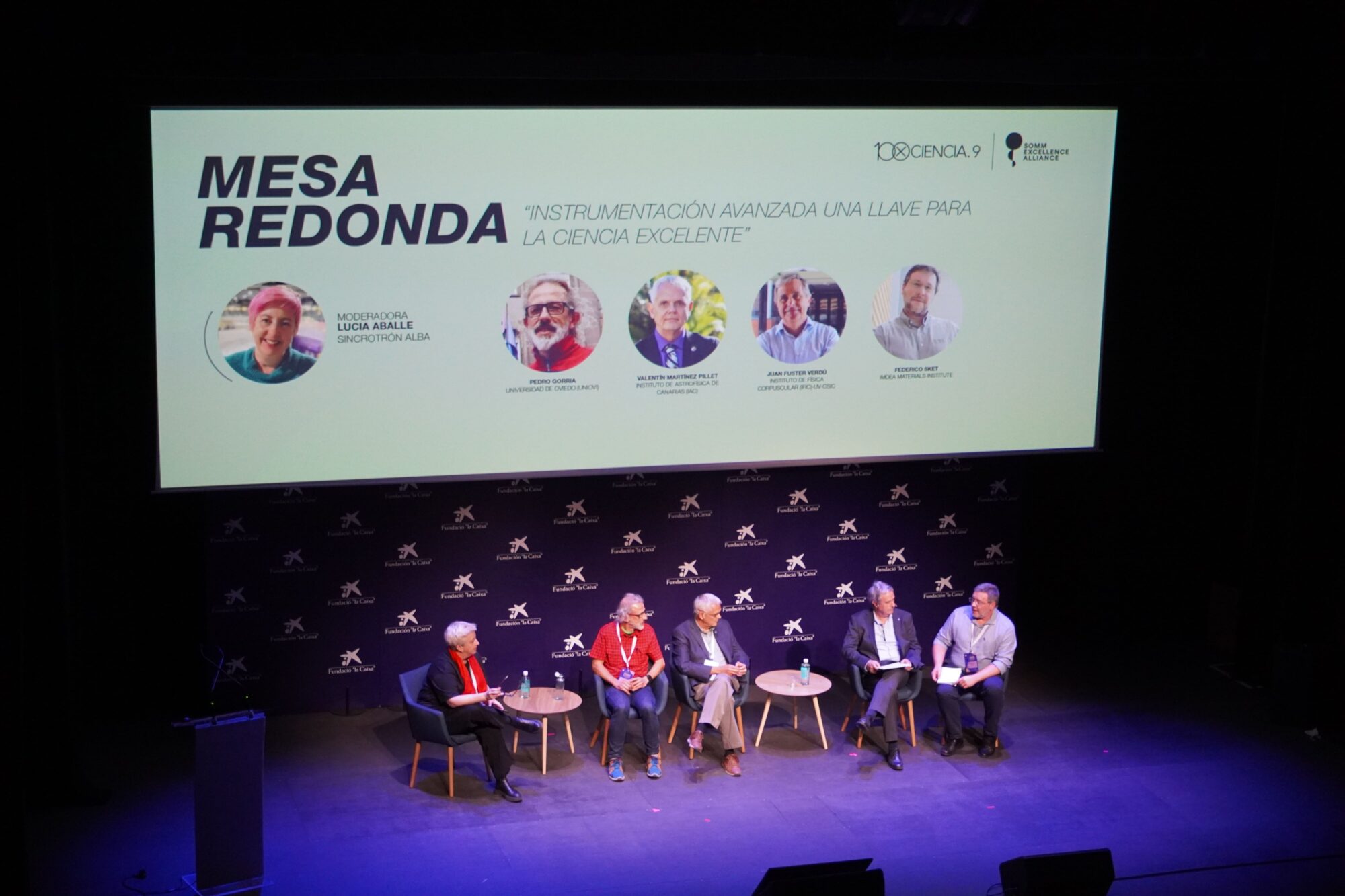
Materiales, nanotecnología e instrumentación
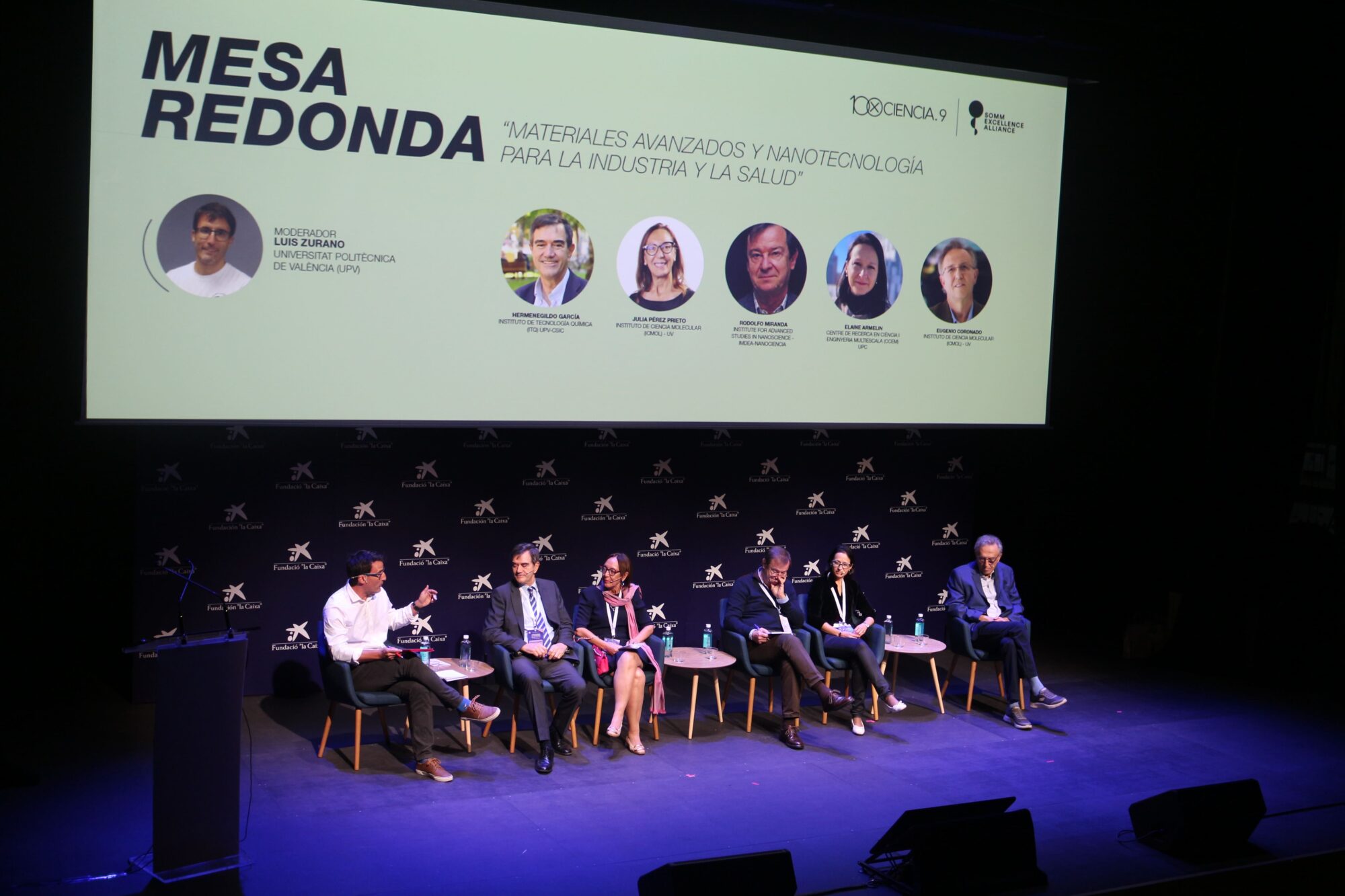
Las mesas sobre nanociencia e instrumentación avanzada evidenciaron el potencial de España en estos campos y señalaron retos persistentes, como la necesidad de reforzar la compra pública innovadora y reconocer la labor científica detrás de las grandes infraestructuras.
Inteligencia Artificial y ciencia de datos
Investigadores de CSIC, BCAM o el Barcelona Supercomputing Center destacaron las oportunidades de la IA para acelerar descubrimientos, pero también sus limitaciones: “Afortunadamente —señaló Molina durante las conclusiones— todavía no podemos fiarnos al 100% de la IA; necesitamos usarla de forma crítica y responsable”.
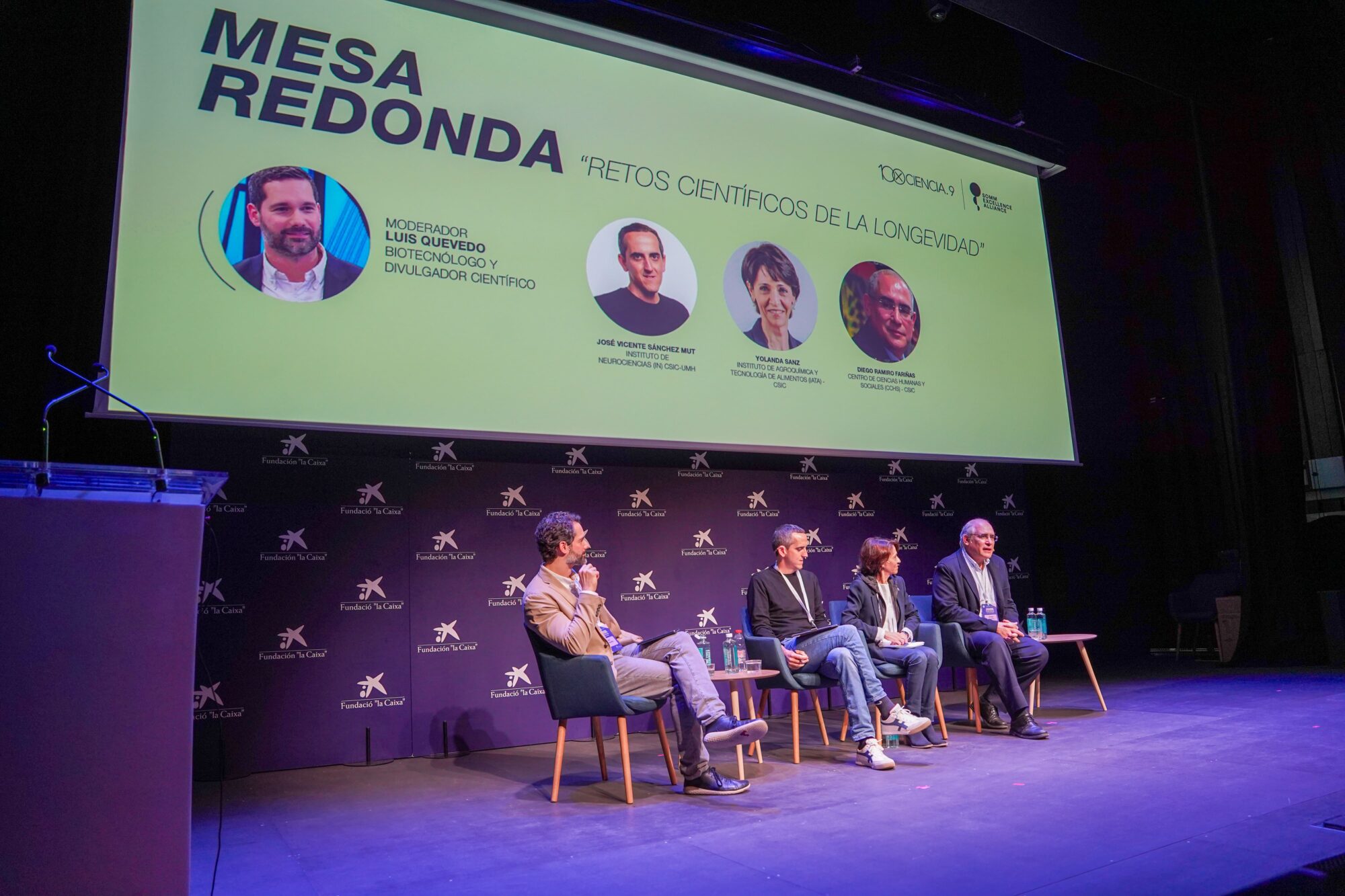
Longevidad y salud
Un diálogo amplio entre neurociencia, demografía, microbiota y ciencias sociales puso sobre la mesa los factores clave para afrontar los desafíos del envejecimiento, desde los biomarcadores a la epidemiología y las herramientas genómicas.
Sistemas alimentarios y energía
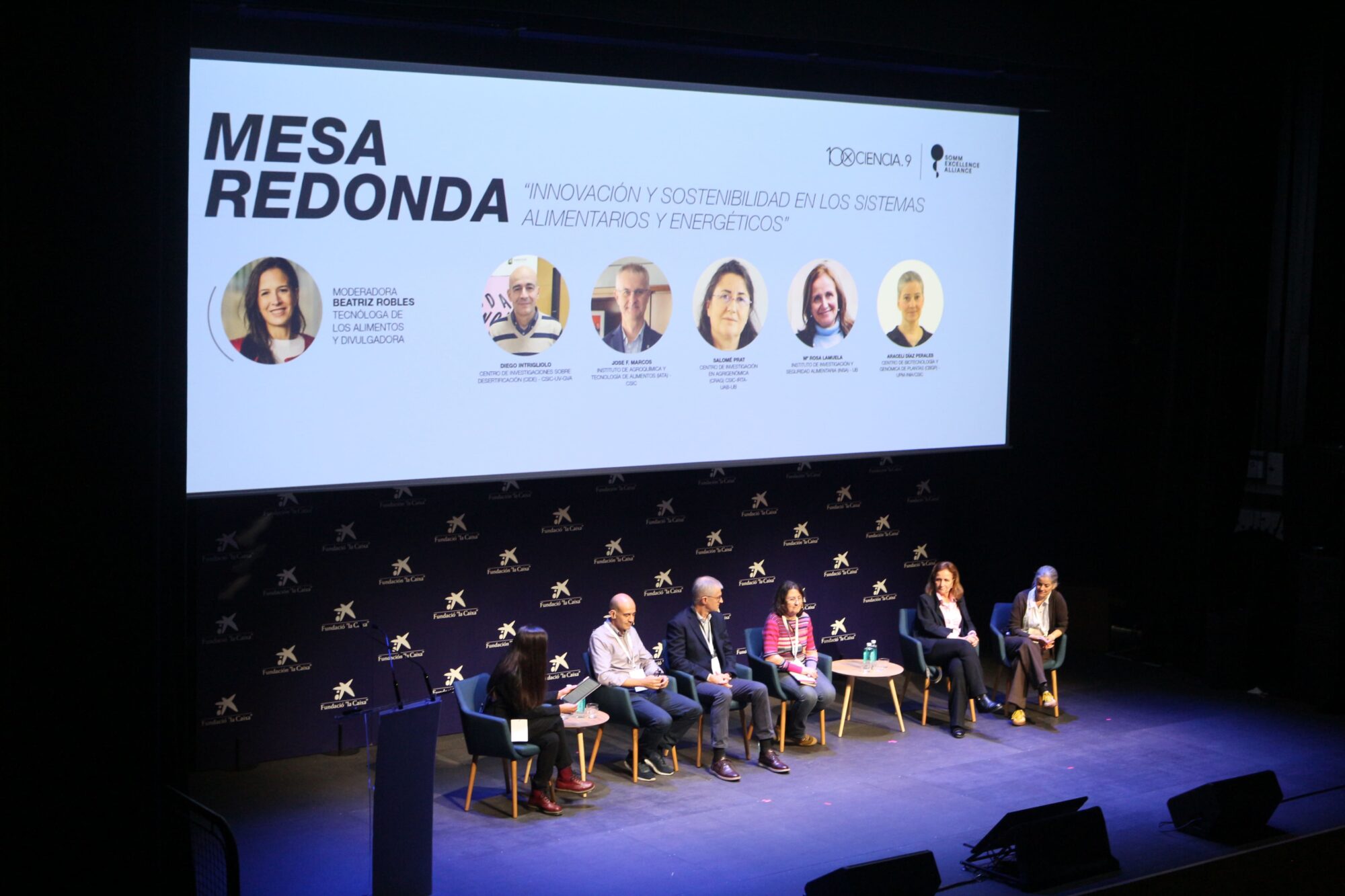
La sostenibilidad alimentaria y energética se abordó como un desafío transversal, marcado por el cambio climático y la seguridad alimentaria. Se subrayó que esta no se limita a la inocuidad, sino que implica garantizar alimentos accesibles, sostenibles y resilientes.

Un SOMMa más conectado: SOMMa Connect
Durante el congreso se anunció que 100xCiencia fue el punto de partida para SOMMa Connect, un encuentro anual destinado a consolidar la cooperación entre los centros y unidades de excelencia, reforzar los grupos de trabajo y potenciar el asesoramiento científico a las administraciones.
Molina señaló la importancia de mantener el espíritu colaborativo: “Cuando hacemos propuestas no lo hacemos solo para SOMMa, sino para mejorar todo el sistema español de I+D+I”.
Ciencia para la ciudadanía: divulgación, arte y música
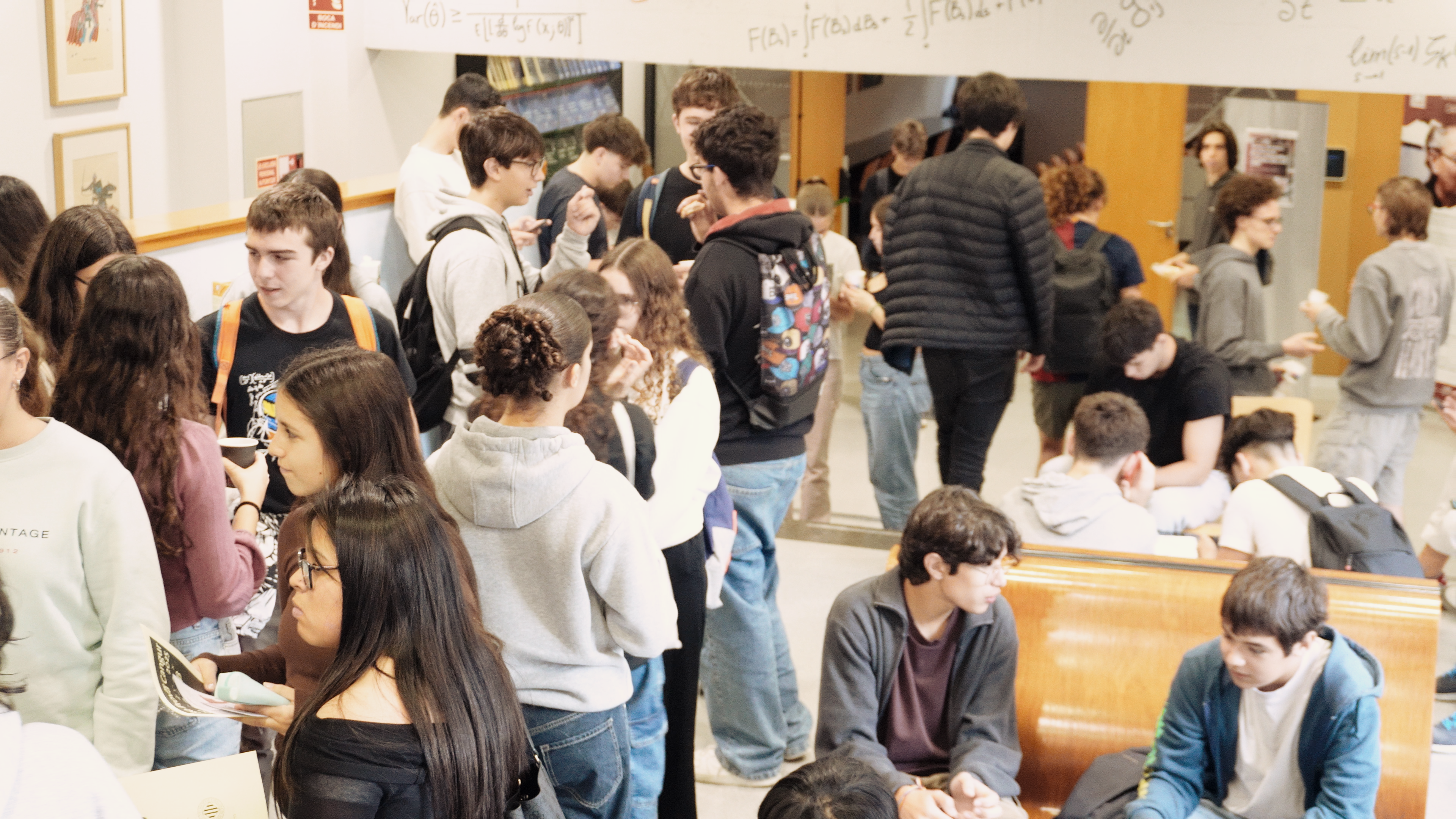
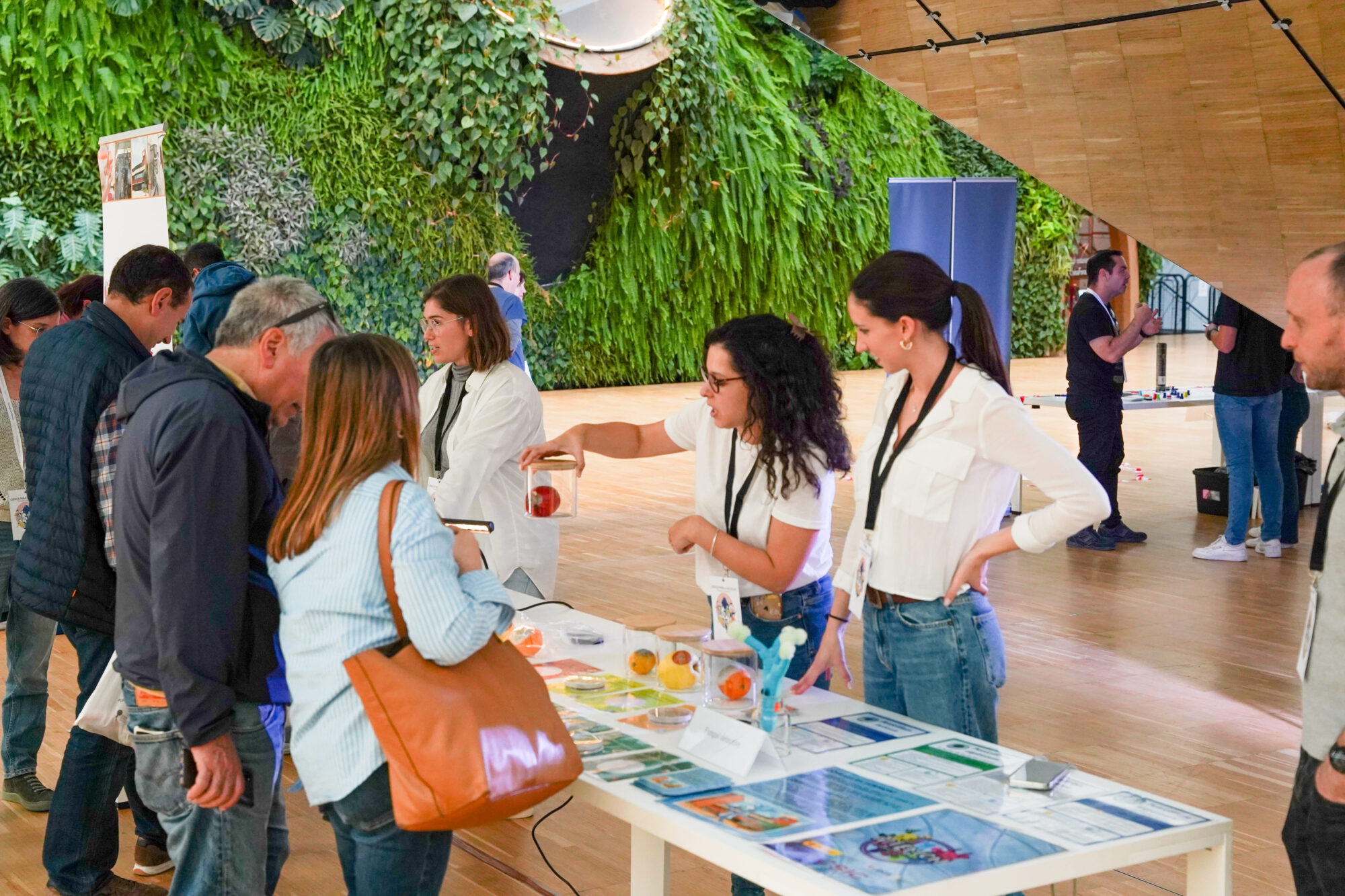
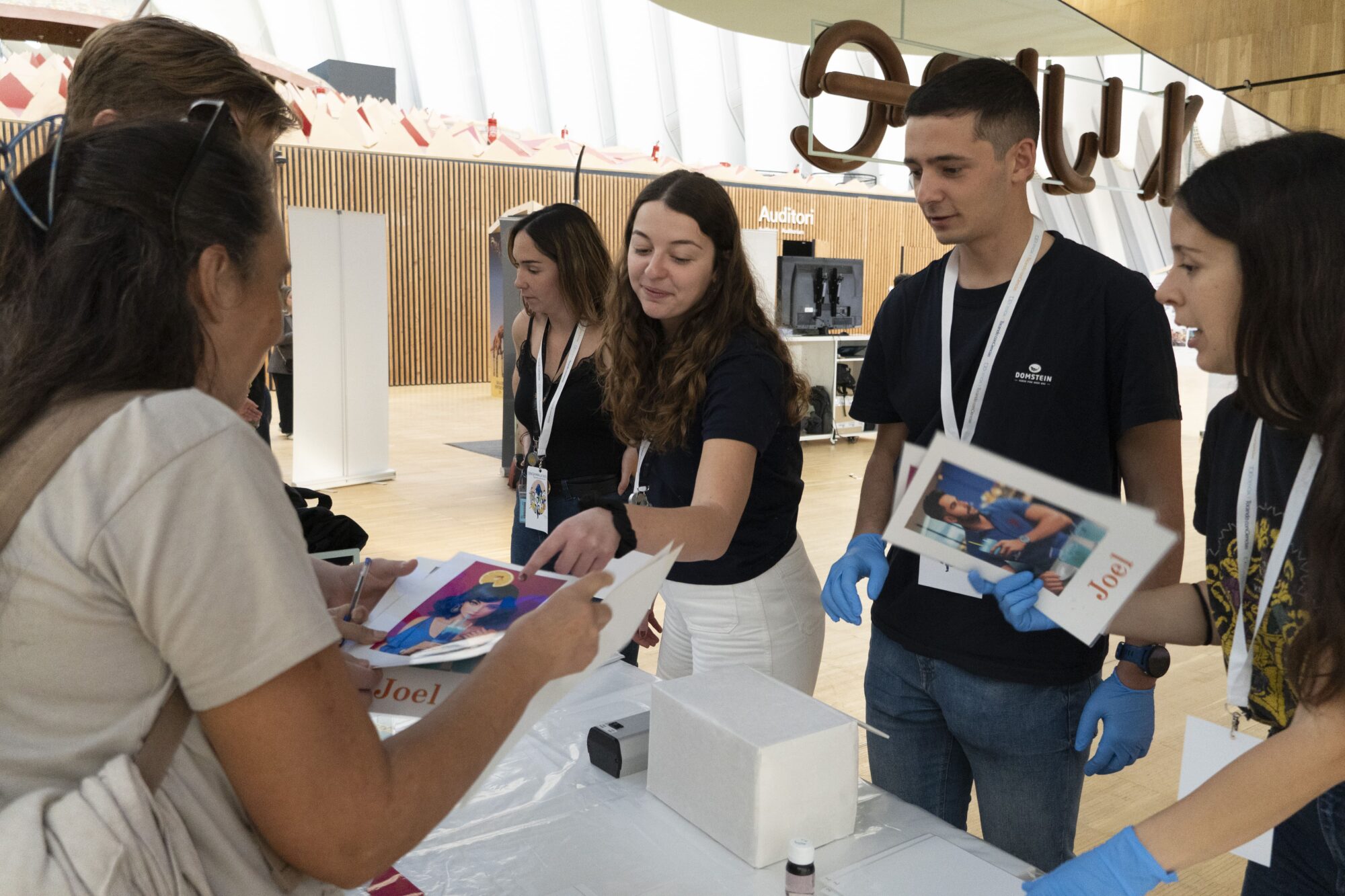
100xCiencia.9 dedicó la tarde del 14 de noviembre a actividades abiertas al público: charlas sobre fenómenos meteorológicos extremos, monólogos científicos, teatro químico y un concierto final de Soul Docks. Además, CaixaForum acogió talleres interactivos sobre hongos, aceleradores de partículas, neutrinos submarinos, magnetismo, química forense o neurociencia, liderados por los centros SO/MM de la Comunidad Valenciana.


Conclusiones: ciencia que escucha, conecta y transforma
El 100xCiencia.9 no buscó establecer conclusiones definitivas, sino promover una reflexión compartida sobre el papel de la ciencia en la sociedad contemporánea. A lo largo de las jornadas, se evidenció que la investigación de excelencia en España avanza no solo gracias a su capacidad para generar conocimiento fundamental, sino también por su creciente voluntad de participar activamente en el diseño de políticas públicas, reforzar el diálogo con la ciudadanía y consolidar un ecosistema científico más estable y cooperativo.
Los debates sobre talento, tecnologías emergentes, sostenibilidad o salud pusieron de manifiesto desafíos comunes y la necesidad de abordarlos de manera coordinada. En este sentido, el lanzamiento de SOMMa Connect supone un paso relevante para fortalecer la colaboración interna y proyectar una voz colectiva más robusta en defensa de un sistema de I+D+I competitivo, atractivo y alineado con las necesidades del país.
Así, 100xCiencia.9 reafirma el compromiso de SOMMa con una ciencia abierta, responsable y orientada al bien común. Más que cerrar una edición, el congreso consolidó una dirección estratégica: una comunidad científica que aspira a contribuir, con rigor y cohesión, al progreso social y al fortalecimiento del sistema español de ciencia e innovación.