Author Archive

Search for Eccentric Black Hole Coalescences during the Third Observing Run of LIGO and Virgo

Search for Eccentric Black Hole Coalescences during the Third Observing Run of LIGO and Virgo

Abac A.G.; Abbott R.; Abe H.; Acernese F.; Ackley K.; Adamcewicz C.; Adhicary S.; Adhikari N.; Adhikari R.X.; Adkins V.K.; Adya V.B.; Affeldt C.; Agarwal D.; Agathos M.; Aguiar O.D.; Aguilar I.; Aiello L.; Ain A.; Ajith P.; Akutsu T.; Albanesi S.; Alfaidi R.A.; Al-Jodah A.; Alléné C.; Allocca A.; Almualla M.; Altin P.A.; Álvarez-López S.; Amato A.; Amez-Droz L.; Amorosi A.; Anand S.; Ananyeva A.; Andersen R.; Anderson S.B.; Anderson W.G.; Andia M.; Ando M.; Andrade T.; Andres N.; Andrés-Carcason
Astrophysical Journal, Vol. 973, Num. ad65ce (2024)
Article

Go to Source

WEAVE First Light Observations: Origin and Dynamics of the Shock Front in Stephan’s Quintet

WEAVE First Light Observations: Origin and Dynamics of the Shock Front in Stephan’s Quintet

Arnaudova M.I.; Das S.; Smith D.J.B.; Hardcastle M.J.; Hatch N.; Trager S.C.; Smith R.J.; Drake A.B.; McGarry J.C.; Shenoy S.; Stott J.P.; Knapen J.H.; Hess K.M.; Duncan K.J.; Gloudemans A.; Best P.N.; García-Benito R.; Kondapally R.; Balcells M.; Couto G.S.; Abrams D.C.; Aguado D.; Aguerri J.A.L.; Barrena R.; Benn C.R.; Bensby T.; Berlanas S.R.; Bettoni D.; Cano-Infantes D.; Carrera R.; Concepción P.J.; Dalton G.B.; D’Ago G.; Dee K.; Domínguez-Palmero L.; Drew J.E.; Escott E.L.; Fariña C.; Foss
Monthly Notices of the Royal Astronomical Society, Vol. 535, (2024)
Article

Go to Source

El proyecto Your Breakthrough avanza en la creación de recursos para la alta capacidad intelectual

 Your Breakthrough
El proyecto europeo “Your Breakthrough: Smart solutions for smart minds” continúa avanzando en el desarrollo de soluciones digitales para mejorar la atención educativa al estudiantado con altas capacidades y favorecer su plena inclusión en los sistemas educativos europeos.
Seguir leyendo

Go to Source

The Project “Your Breakthrough” Advances Resource Creation for Intellectual Giftedness

 Your Breakthrough
The European project “Your Breakthrough: Smart solutions for smart minds” continues to advance in developing digital solutions aimed at improving educational support for gifted students and promoting their full inclusion in European education systems.
Seguir leyendo

Go to Source

Defensa tesis doctoral: «Design of advanced photoactive materials for solar fuels production»

El próximo 17 de octubre a las 11:00 horas tendrá lugar la defensa pública de la tesis doctoral de Alejandro García Eguizábal desarrollada en la Unidad de Procesos Fotoactivados de […]

La entrada Defensa tesis doctoral: «Design of advanced photoactive materials for solar fuels production» se publicó primero en IMDEA ENERGÍA.

Go to Source

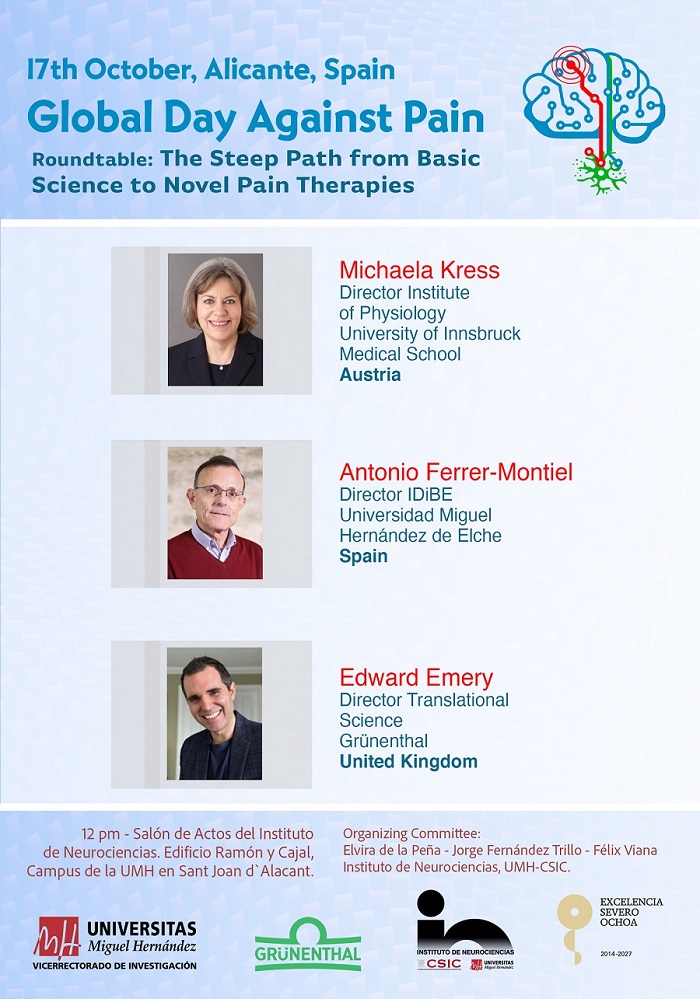
Round Table: ‘The Steep Path from Basic Science to Novel Pain Therapies’, 17 Oct 2025

To mark the Global Day Against Pain, celebrated on October 17th, the Institute for Neurosciences, a joint center of the Spanish National Research Council (CSIC) and Miguel Hernández University (UMH) of Elche, has organized a round table dedicated to current challenges in pain research and treatment, as part of the IN Seminar Series.

This event, promoted by the International Association for the Study of Pain (IASP), the European Pain Federation (EFIC), and the World Health Organization (WHO) since 2004, aims to raise awareness about the importance of improving the quality of life of people living with pain and to foster research and development of new therapies.

The round table, titled “The Steep Path from Basic Science to Novel Pain Therapies,” will take place on Friday, October 17th, 2025, at 12 pm, and will feature three international experts in pain research: Professor Michaela Kress (University of Innsbruck, Austria), Director of the Institute of Physiology and an expert in the development and modulation of nociceptor neurons by immune system signals; Professor Antonio Ferrer-Montiel (UMH, Spain), Director of the Institute for Research, Development and Innovation in Healthcare Biotechnology of Elche (IDiBE) and a specialist in the development of novel analgesic therapies targeting ion channels and neurotransmitters; and Dr. Edward Emery (Grünenthal, Germany), Director of Translational Research and an expert in the development of non-opioid analgesics focused on ion channels and neuroimmune pathways.

The speakers will share their experiences from academic, industrial, and pharmaceutical perspectives, offering complementary insights into the scientific, clinical, and regulatory challenges involved in developing effective therapies for chronic pain — a major social and healthcare issue affecting millions of people worldwide.

This event will be of particular interest to predoctoral and postdoctoral researchers, who will have the opportunity to actively participate in the discussion, asking questions about pain research and career development. Questions may be asked both in person and anonymously through the SLIDO app.

The event has been organized thanks to researchers Elvira de la Peña, Jorge Fernández, and Félix Viana from the Sensory Transduction and Nociception Laboratory, who coordinated the scientific program and the participation of the speakers. The round table has been made possible with the support of the Vice-Rectorate for Research of UMH and the pharmaceutical company Grünenthal.

More information can be found in the attached program.

Source: Institute for Neurosciences CSIC-UMH (in.comunicacion@umh.es)


La entrada Round Table: ‘The Steep Path from Basic Science to Novel Pain Therapies’, 17 Oct 2025 se publicó primero en Instituto de Neurociencias de Alicante.

Go to Source

Combinatorial Geometry Takes Shape at the CRM

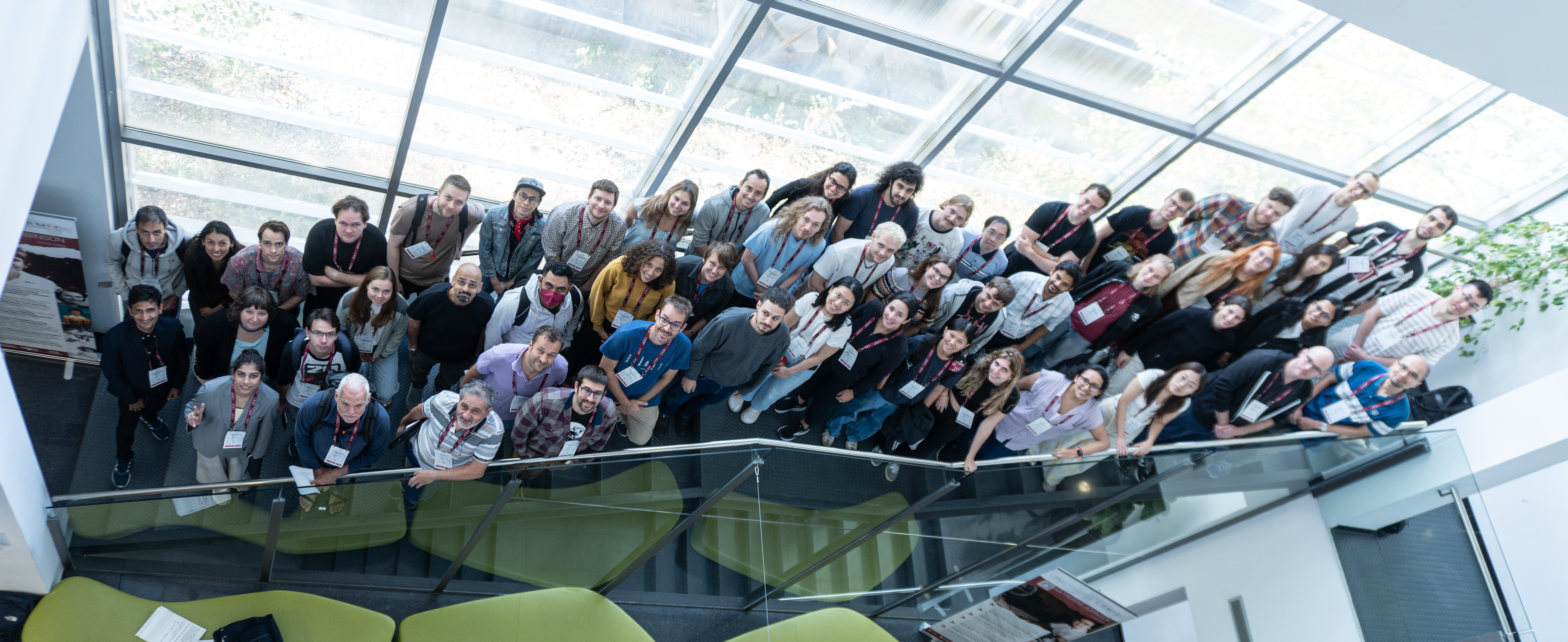
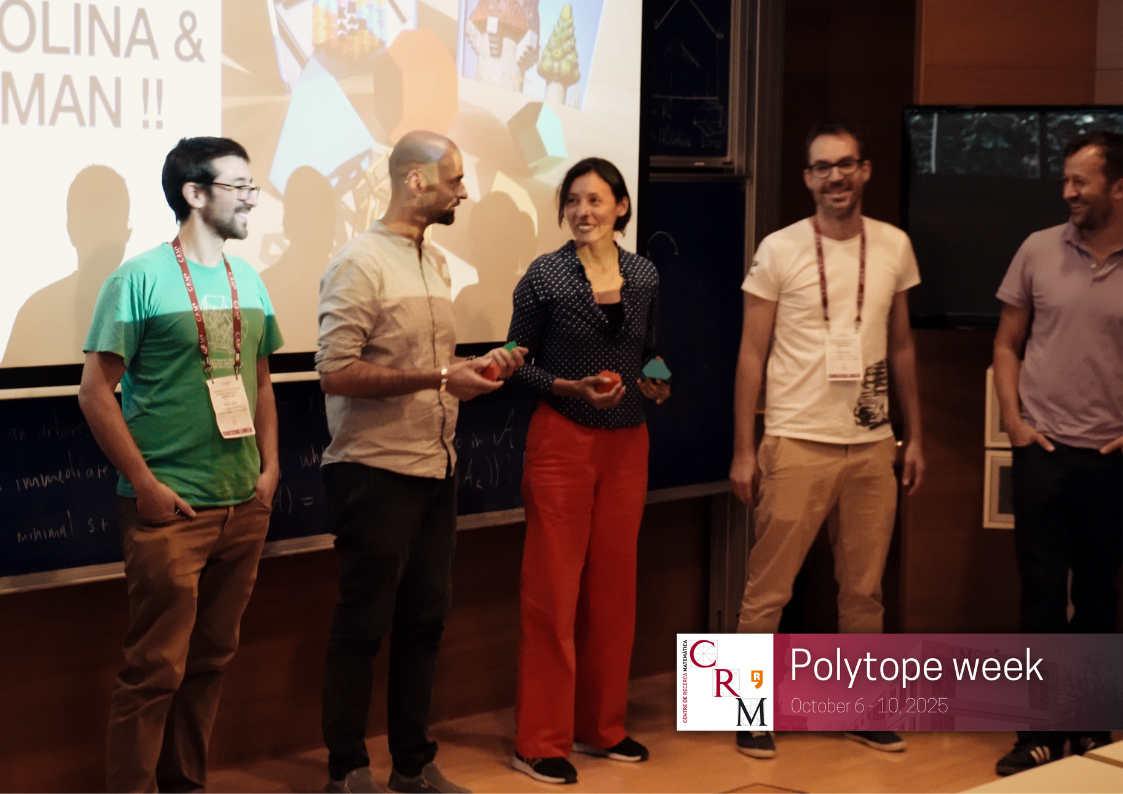
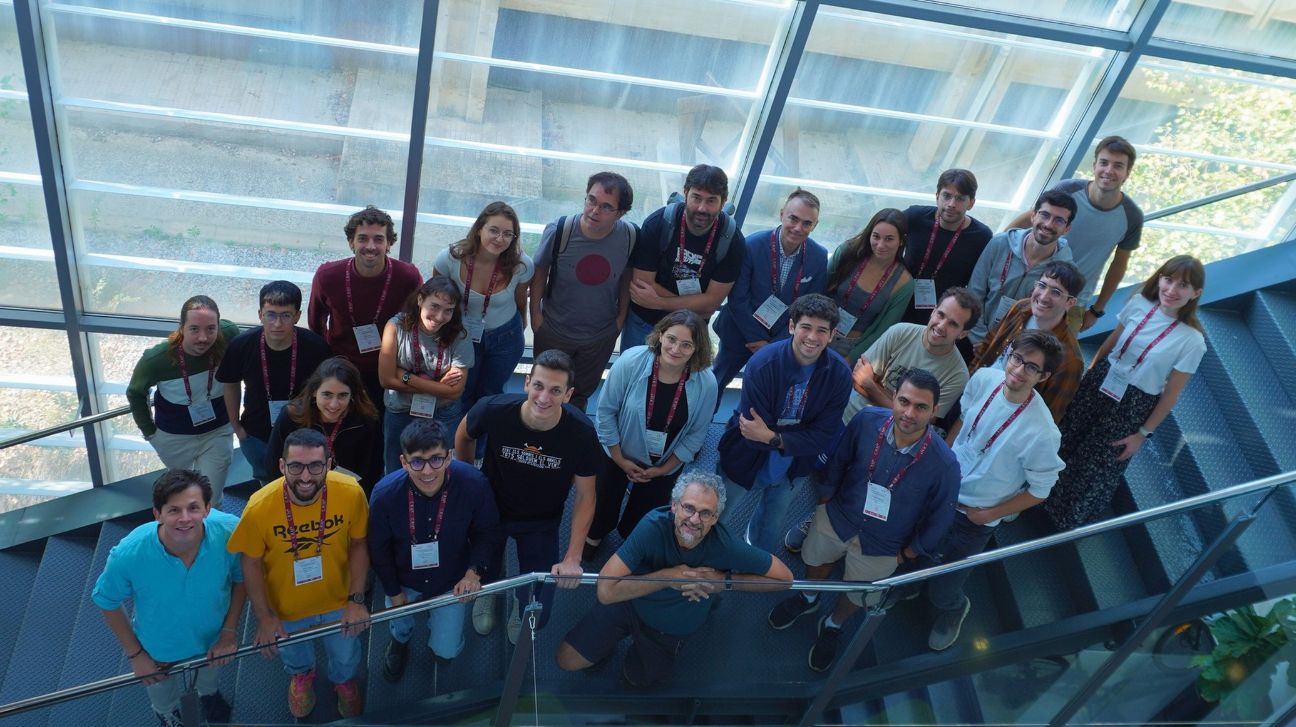
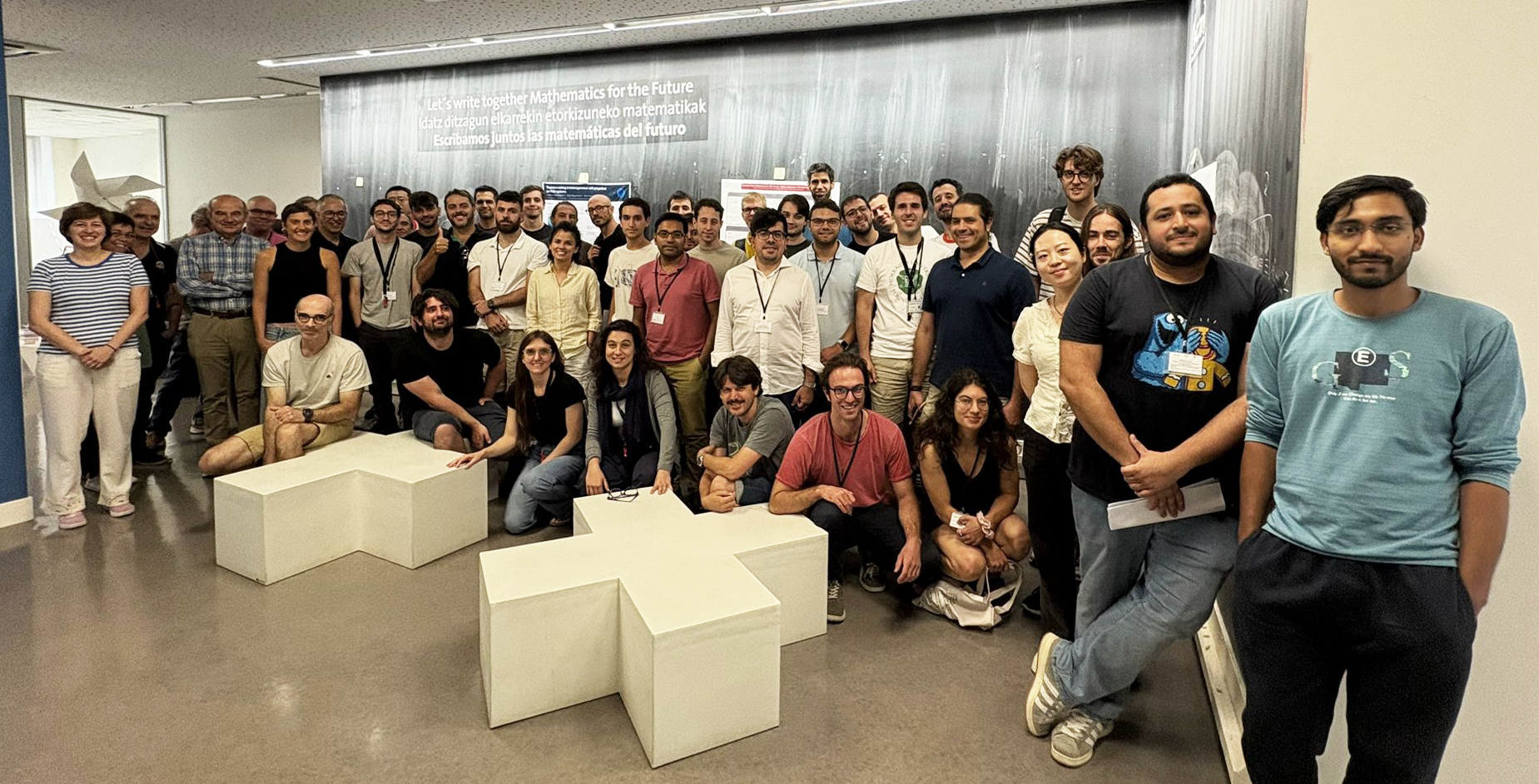
For one week in early October, the Centre de Recerca Matemàtica became a meeting ground for the world of combinatorial geometry. The Polytope Week research school gathered more than fifty participants from three continents to study the interplay between geometry and combinatorics through lectures, exercises, and open discussions. Carolina Benedetti (Universidad de los Andes) and Raman Sanyal (Goethe-Universität Frankfurt) led the two main minicourses, introducing current advances on matroids, positroids, and moduli polytopes.

From October 6 to 10, the Centre de Recerca Matemàtica hosted the Research School on Combinatorial Geometries and Geometric Combinatorics – Polytope Week, a meeting point for researchers exploring the rich territory where geometry and combinatorics intersect. The activity was part of the MDM Focused Research Programme on Combinatorial Geometries and Geometric Combinatorics, coordinated by Kolja Knauer, Anna de Mier, Arnau Padrol, Julian Pfeifle, and Vincent Pilaud.

The activity showcased the growing dialogue between geometry and combinatorics, highlighting how shared methods and perspectives can drive advances across both fields.

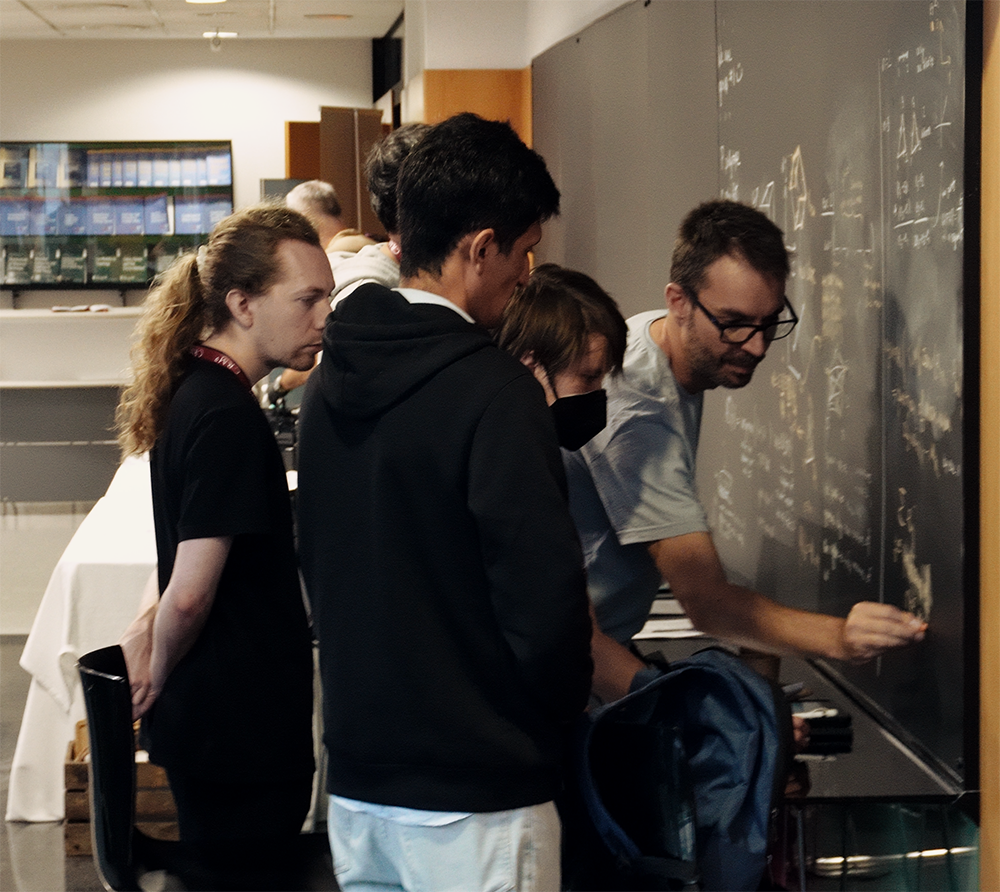
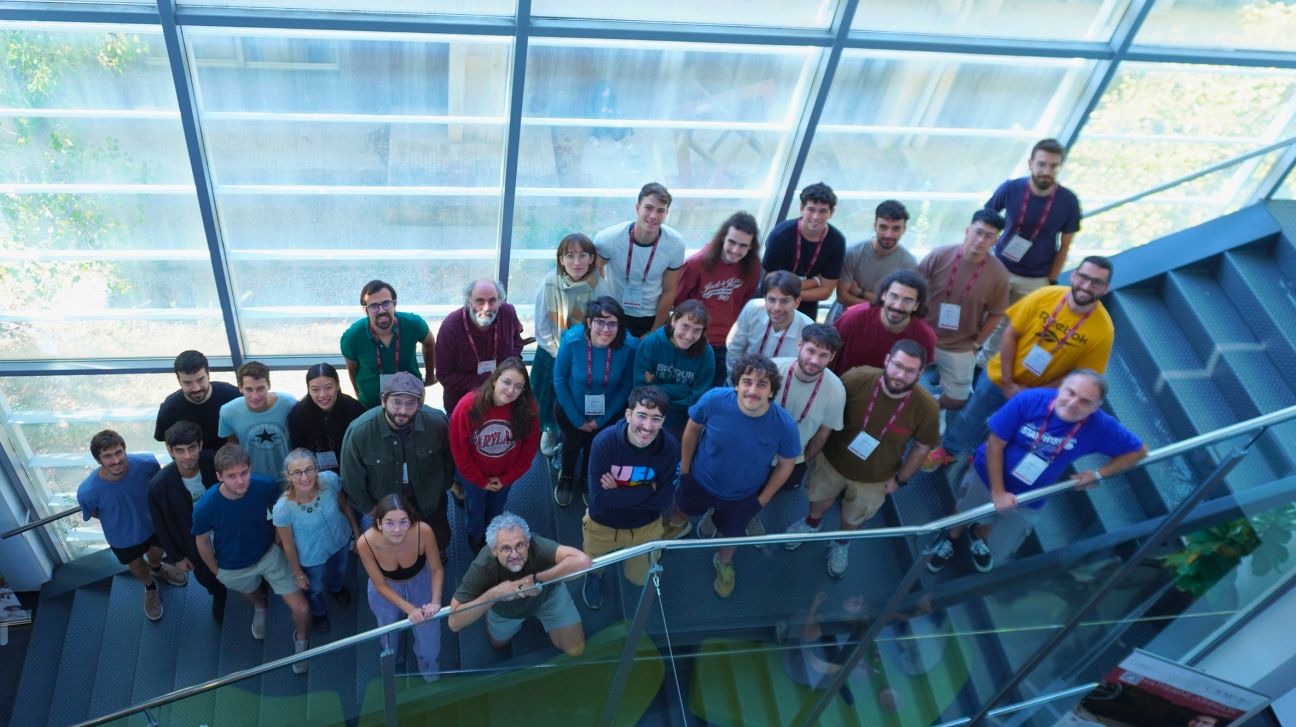
More than fifty participants from universities across Europe, America, and Asia filled the CRM Auditorium for five days of lectures, problem sessions, and informal discussions. The schedule alternated between theoretical insights and hands-on work, creating a rhythm that blended the rigor of advanced training with the atmosphere of a collaborative workshop.

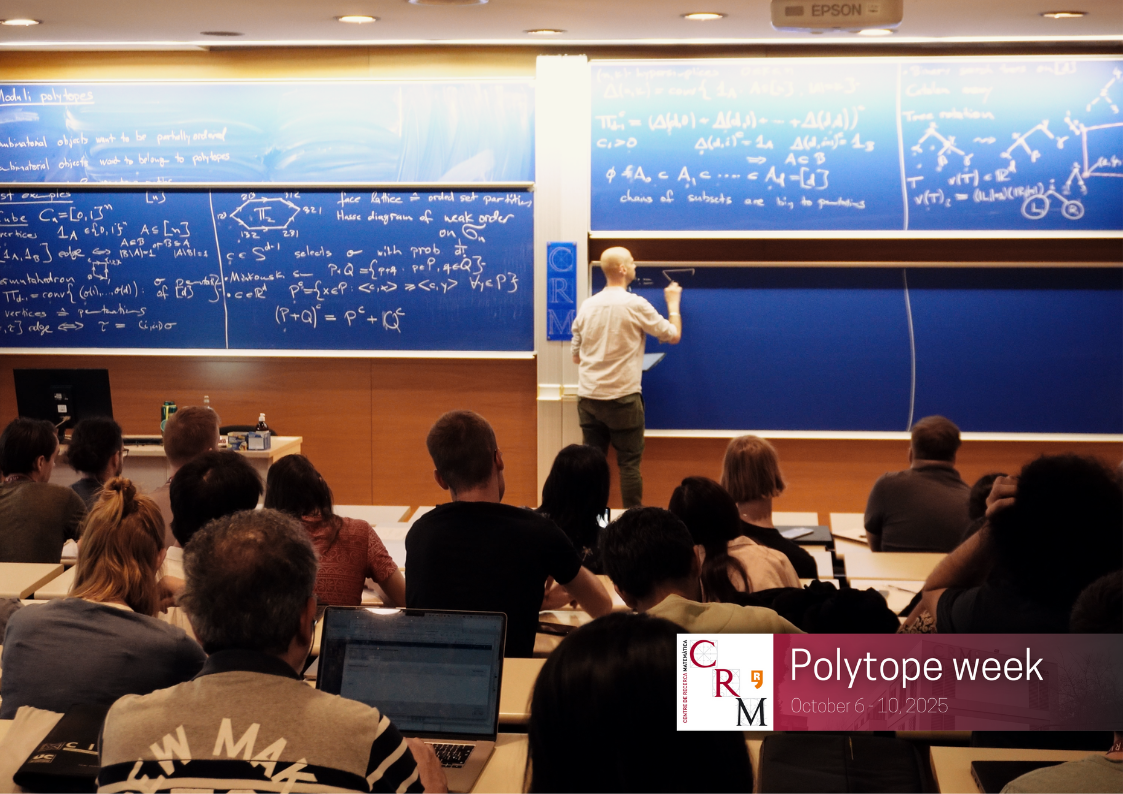
Carolina Benedetti (Universidad de los Andes) opened the week with her minicourse Perspectives on flags of matroids and positroids, introducing participants to a field that connects combinatorial structures with geometry and algebraic concepts from tropical mathematics. Through examples and open problems, Benedetti guided the audience toward questions still at the frontier of research, including subdivisions of polytopes linked to matroid theory.

In the second minicourse, Moduli polytopes: parametrizing combinatorial structures with polytopes, Raman Sanyal (Goethe-Universität Frankfurt) explored how complex discrete objects, such as permutations, rooted trees, or matroids, can be encoded as vertices of geometric shapes. His lectures revealed the capacity of this geometric viewpoint to understand, compare, and classify combinatorial structures.

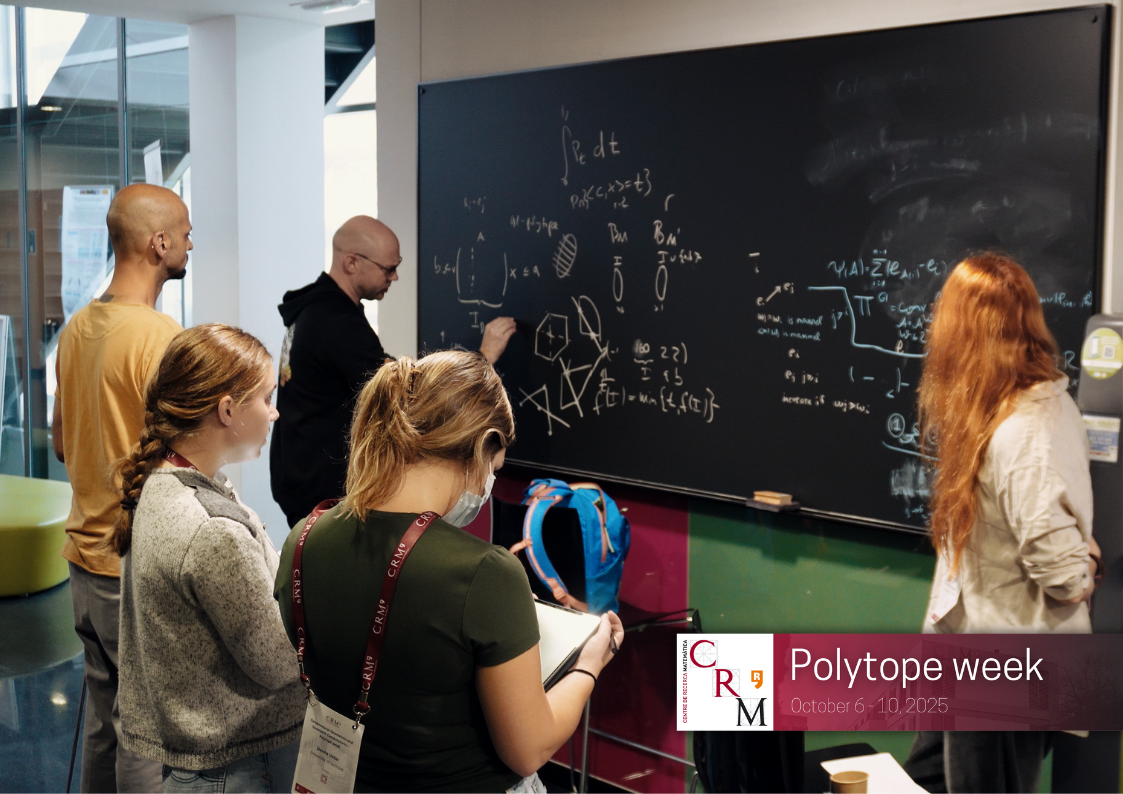
Afternoons were devoted to exercise sessions and group work, giving participants the chance to test ideas and develop small collaborative projects. The week also included a session for research presentations and a social dinner that carried discussions well beyond the blackboard.

By the end of the school, what began as a deep dive into the geometry of polytopes had become a broader exchange of perspectives and techniques, linking students and researchers at different stages of their careers. The Polytope Week confirmed the dynamism of the community around combinatorial geometry.

Subscribe for more CRM News

Stay updated to our mailing list to get the lastest information about CRM activities.

CRM Comm

Pau Varela

CRMComm@crm.cat


Combinatorial Geometry Takes Shape at the CRM

Combinatorial Geometry Takes Shape at the CRM

For one week in early October, the Centre de Recerca Matemàtica became a meeting ground for the world of combinatorial geometry. The Polytope Week research school gathered more than fifty participants from three continents to study the interplay…

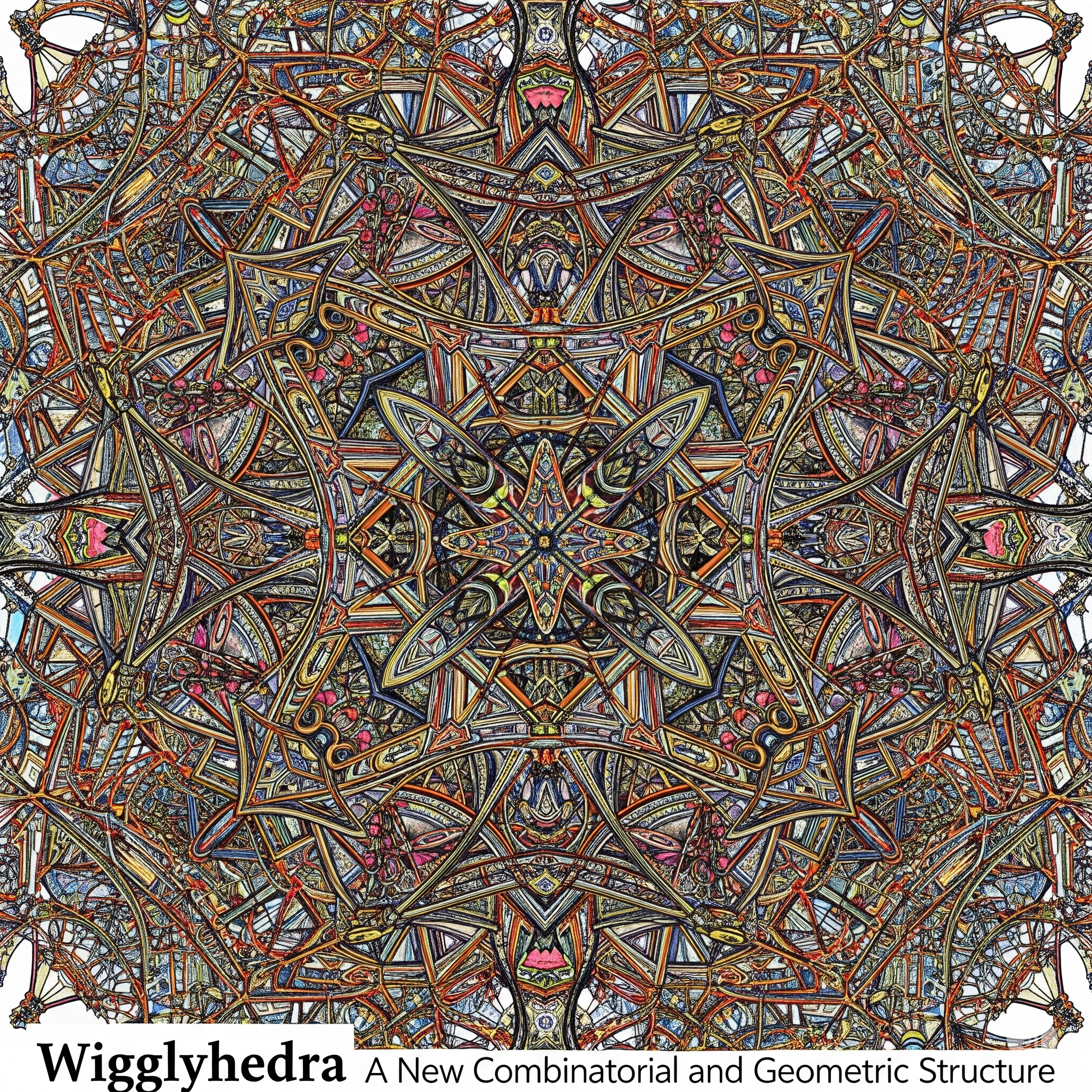
Wigglyhedra: A New Combinatorial and Geometric Structure

Wigglyhedra: A New Combinatorial and Geometric Structure

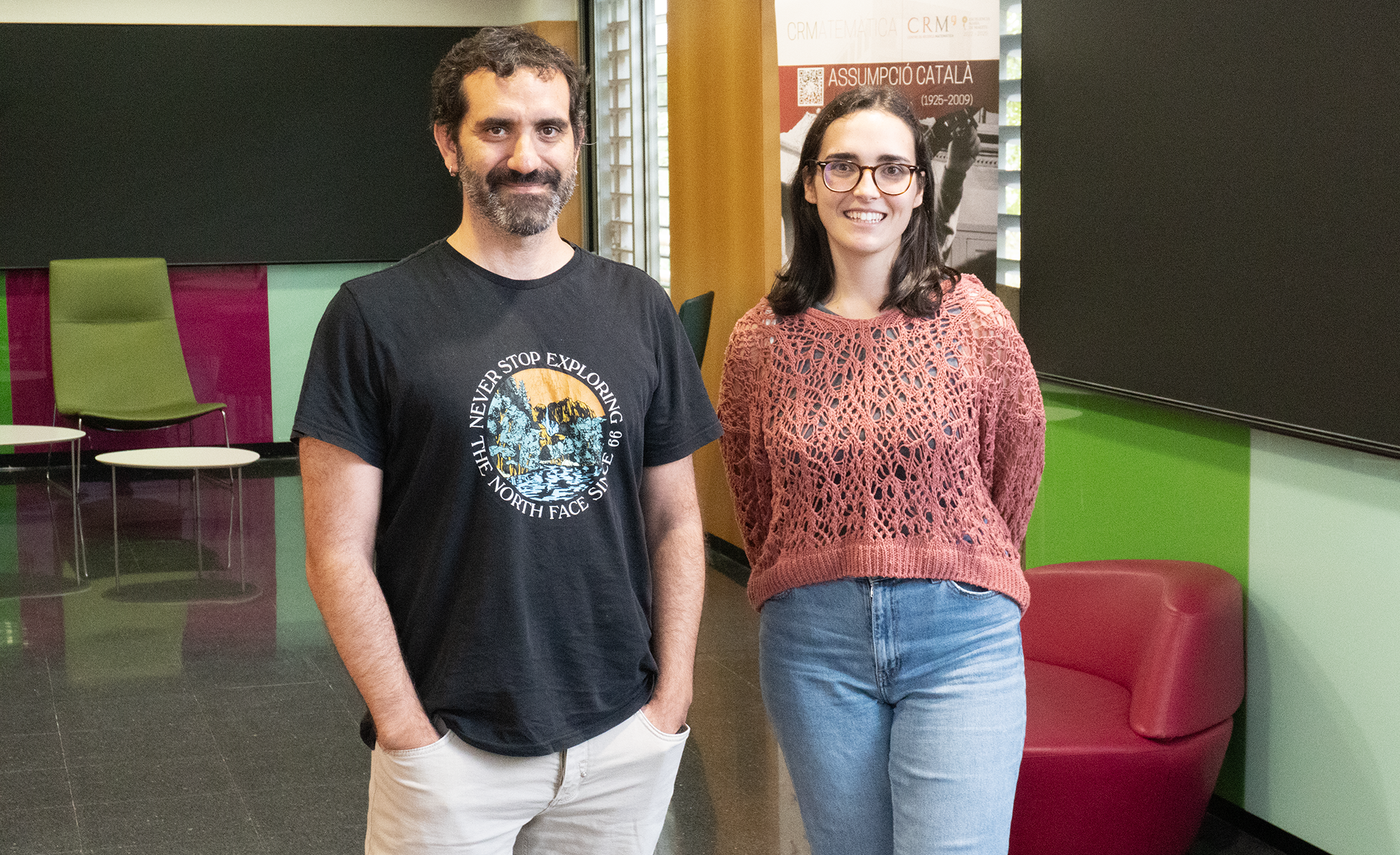
In the article “Wigglyhedra”, researchers Asilata Bapat (Australian National University) and Vincent Pilaud (Universitat de Barcelona – Centre de Recerca Matemàtica) introduce the wiggly complex, a novel combinatorial and geometric structure, along with its associated…

CRM at the Bilbao–Barcelona Analysis and PDE Meeting

CRM at the Bilbao–Barcelona Analysis and PDE Meeting

From September 3 to 5, 2025, the Basque Center for Applied Mathematics (BCAM) hosted the Bilbao–Barcelona Analysis and PDE Meeting. For three days, researchers from both cities met face to face, joined by colleagues from other institutions, to…

Javier Gómez-Serrano receives the  2025 R. E. Moore Prize

Javier Gómez-Serrano receives the 2025 R. E. Moore Prize

Javier Gómez-Serrano, professor at Brown University, has received the 2025 R. E. Moore Prize for Applications of Interval Analysis together with Tristan Buckmaster and Gonzalo Cao-Labora. The award honours their article Smooth imploding solutions…

The post Combinatorial Geometry Takes Shape at the CRM first appeared on Centre de Recerca Matemàtica.

Go to Source

Ivoro Ventures visits the CBGP

Pedro Álvarez, co-founder and general partner of the investment fund specializing in the Agritech, Foodtech, and Nutrition sectors, had the opportunity to visit CBGP’s state-of-the-art facilities and gain first-hand insight into its technological innovation initiative, CBGP-SOLUTIONS.

Go to Source

Functional and transcriptomic analysis identifies TEMPRANILLO-like 1 and 2 as regulators of the dormancy release in poplar

A new study, conducted by researchers at the CBGP, reveals the importance of these genes in regulating the dormancy transcriptome. The results obtained provide the necessary means to prevent future production losses caused by changing environmental conditions in temperate regions.

Go to Source

Palestinian scientist Mazin Qumsiyeh to speak at the UAB on global ecocide and environmental justice

Professor Mazin Qumsiyeh, founder and volunteer director of the Palestine Institute for Biodiversity and Sustainability at Bethlehem University, will give a talk entitled “The global ecocide and what to do about it: case study from Palestine” on Friday 17 October at 11:00 a.m., in the Board Room of the UAB Rectorat building.


Go to Source

Learning the Language of Complexity: XIII GEFENOL Summer School Highlights

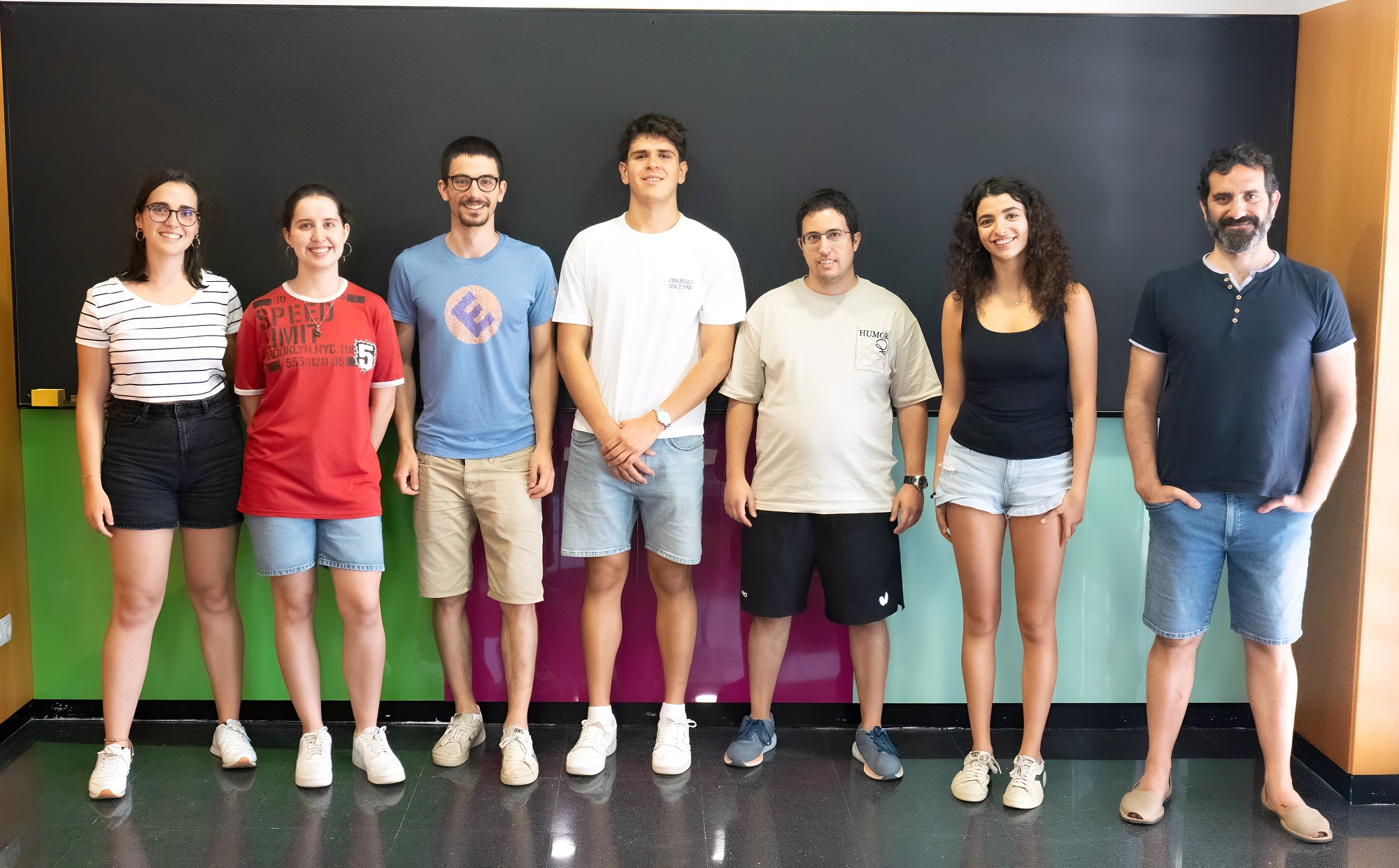
From October 6–10, 2025, the Centre de Recerca Matemàtica hosted the XIII GEFENOL-DIFENSC Summer School, bringing together young researchers and leading experts to explore the role of statistical physics in understanding complex systems. The program featured courses on cancer modeling, active matter, stochastic thermodynamics, and non-equilibrium phenomena, alongside tutorials, invited talks, and poster sessions that showcased cutting-edge research across disciplines.

From October 6 to 10, 2025, the Centre de Recerca Matemàtica (CRM) hosted the XIII GEFENOL-DIFENSC Summer School on Statistical Physics of Complex Systems. This international event aims to train young researchers in the use of statistical physics to understand complex systems—an approach that has proven essential in fields ranging from biology and ecology to information theory and social dynamics.

The program featured four main courses delivered by internationally renowned lecturers:

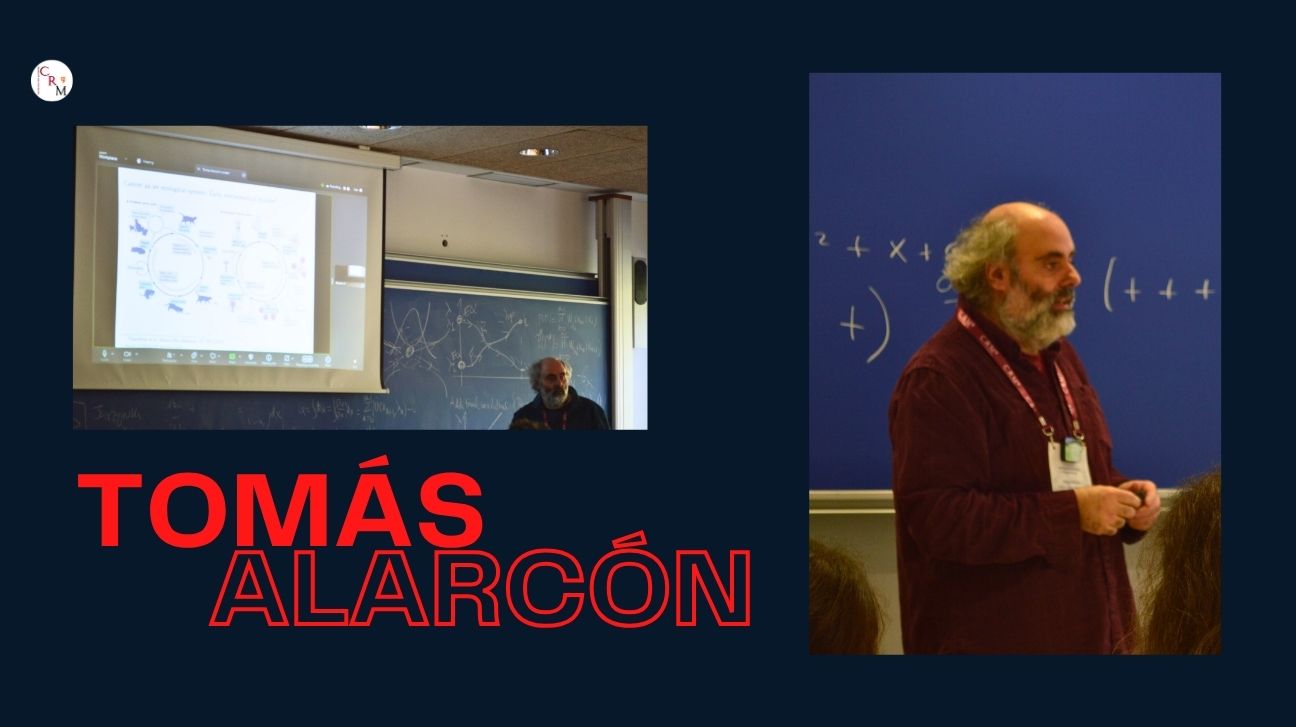
Tomás Alarcón (ICREA–CRM) delivered a course on Cancer as an Ecological Process, presenting tumours as evolving ecosystems. Mutated cells compete, cooperate, and adapt within hostile environments, offering new insights into why cancer emerges and why it remains so difficult to treat. Alarcón leads the cancer modelling group at CRM. His research focuses on mathematical biology, particularly multiscale and stochastic modelling of tumour growth, drug resistance, and tumour-induced angiogenesis. Since 2015, he has been an ICREA Research Professor and has helped position CRM as a reference centre in the application of mathematics to biomedicine.

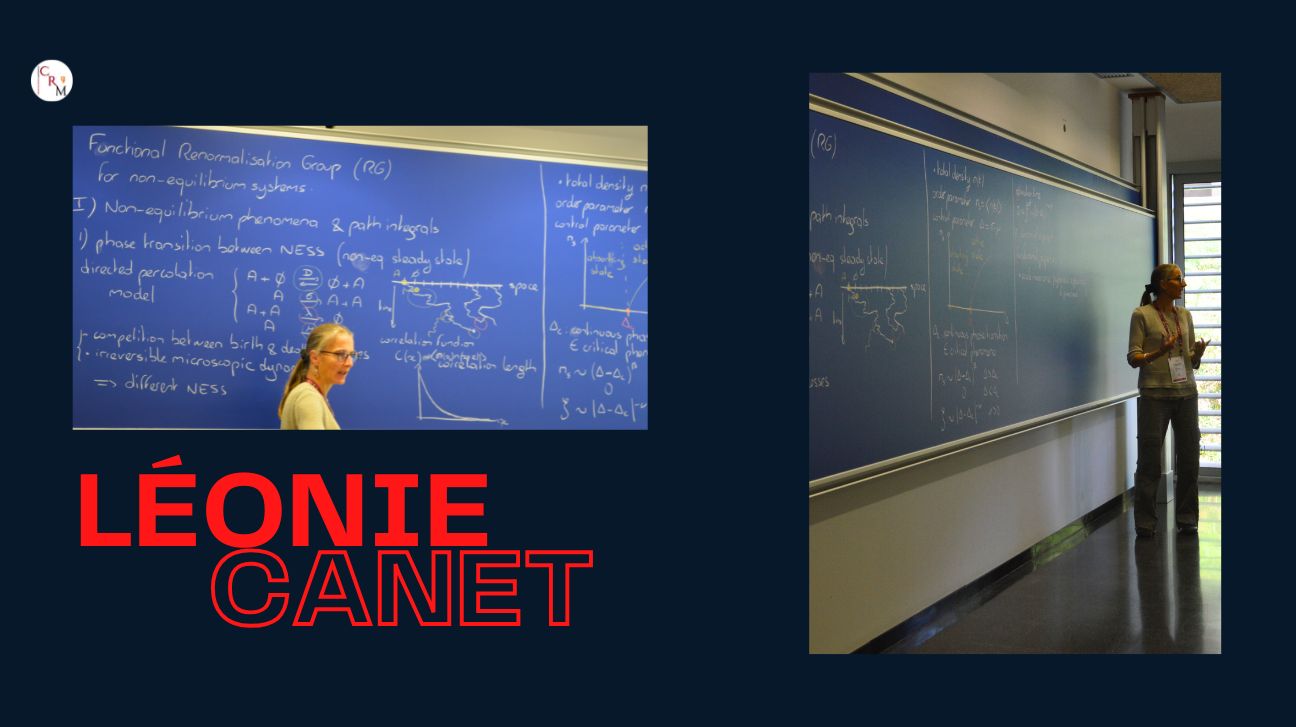
Léonie Canet (Université Grenoble Alpes) delivered a course on Functional Renormalisation Group for Nonequilibrium Systems, introducing the FRG formalism and its application to non-equilibrium critical phenomena. She focused on the kinetic roughening of stochastically growing interfaces, described by the Kardar-Parisi-Zhang equation. Canet is a prominent researcher in statistical physics, known for her contributions to non-perturbative renormalisation techniques and their use in understanding turbulence, reaction-diffusion systems, and universality far from equilibrium.

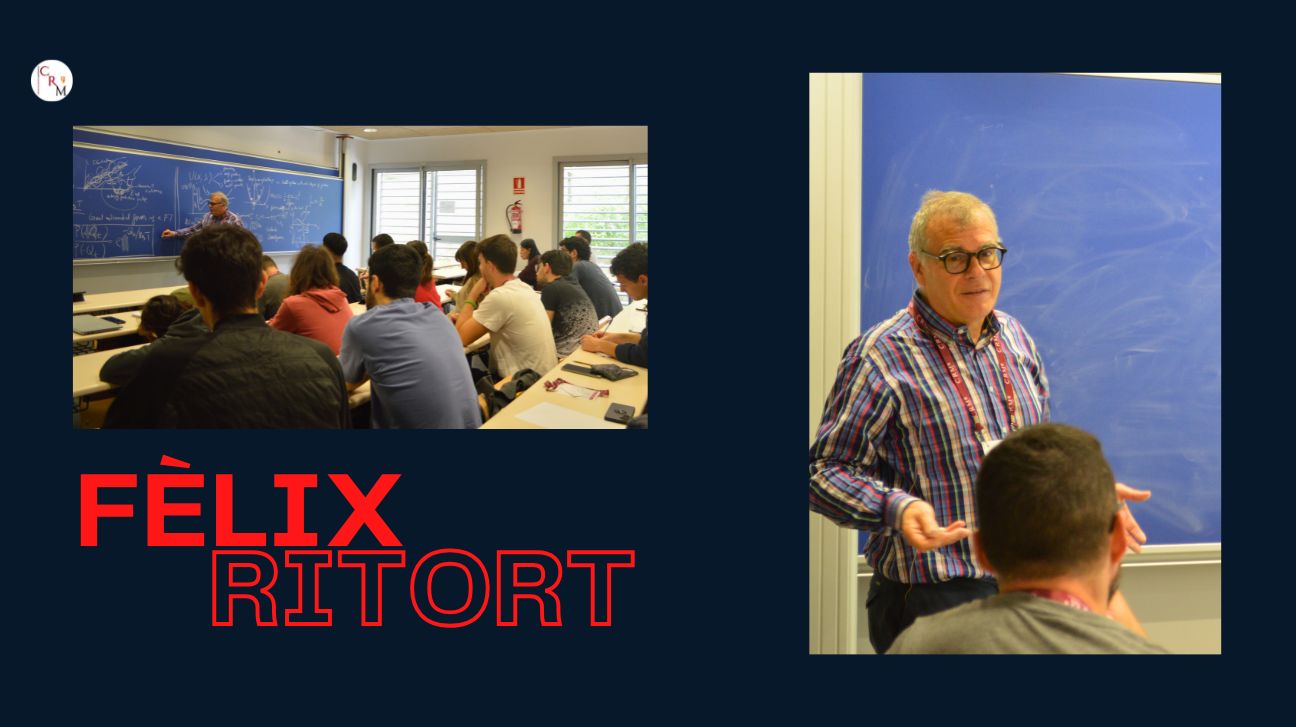
Fèlix Ritort (Universitat de Barcelona) delivered a course on Stochastic Thermodynamics: Theory and Experiments, presenting the essential concepts and tools to understand fluctuation theorems and the conversion of information into energy. Ritort is a full professor of condensed matter physics and leads the Small Biosystems Lab at UB, a world-renowned group in single-molecule biophysics. His research spans statistical physics, disordered systems, and non-equilibrium dynamics, with a strong focus on molecular thermodynamics. He earned his PhD under Nobel laureate Giorgio Parisi and has received multiple awards, including the ICREA Academia and the Bruker Prize for his contributions to molecular biophysics.

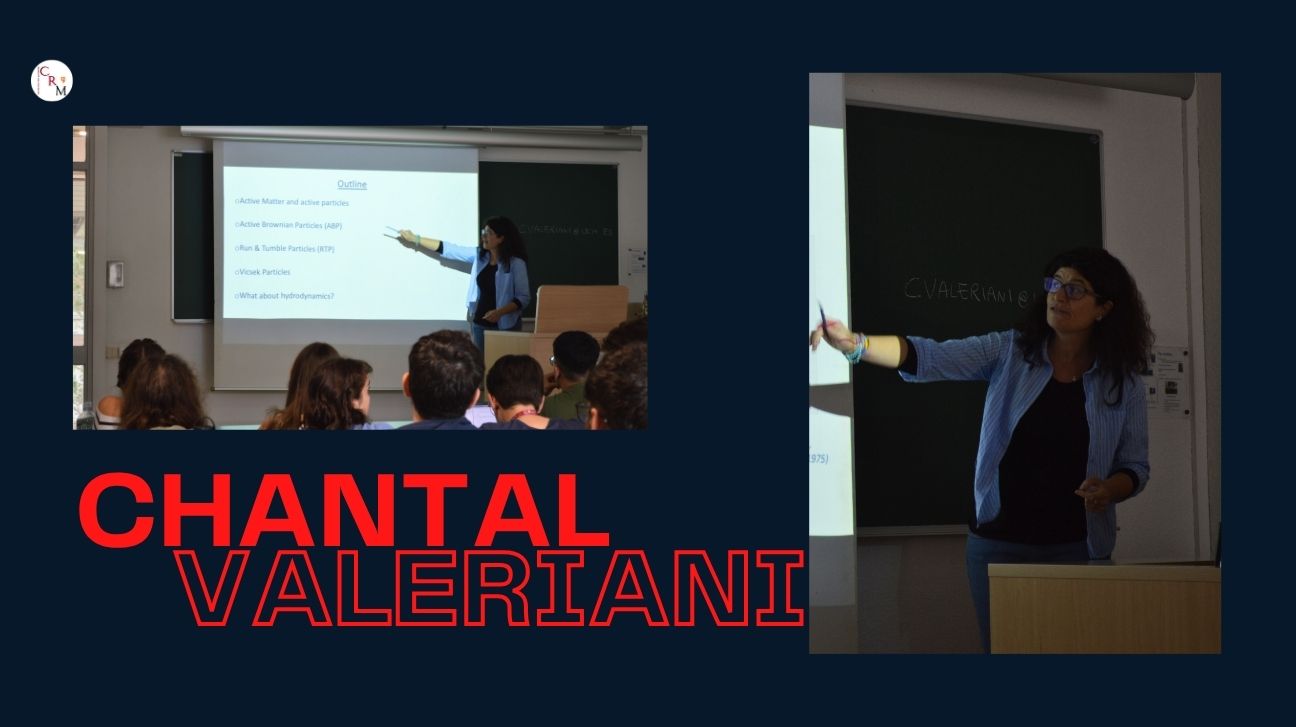
Chantal Valeriani (Universidad Complutense de Madrid) delivered a course on Collective Behaviour of Active Systems, focusing on how active matter—systems of energy-consuming units—exhibits large-scale collective motion. She introduced key models like Active Brownian Particles and the Vicsek model, and presented ActiveNet, a machine-learning tool that infers interaction forces from particle trajectories. With a PhD from the University of Amsterdam under Prof. Daan Frenkel and postdoctoral experience at the University of Edinburgh, she is a leading researcher in soft matter and active systems, and currently Associate Professor at UCM.

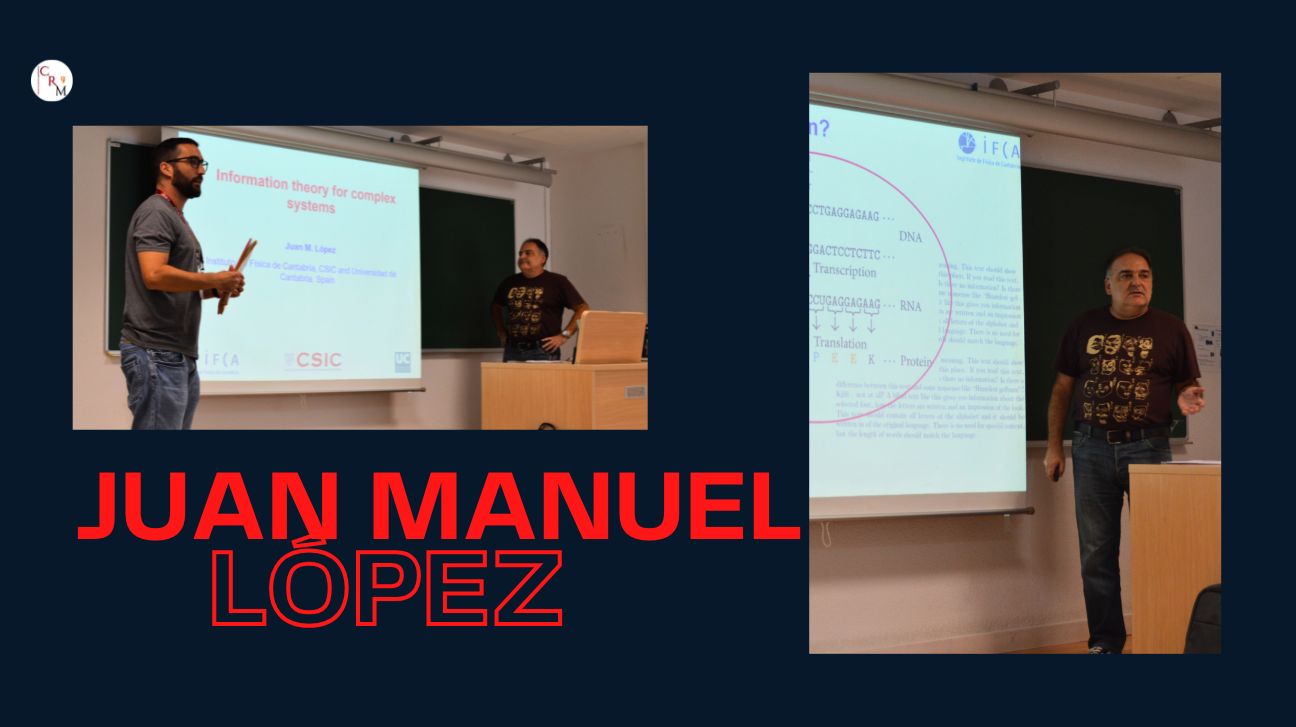
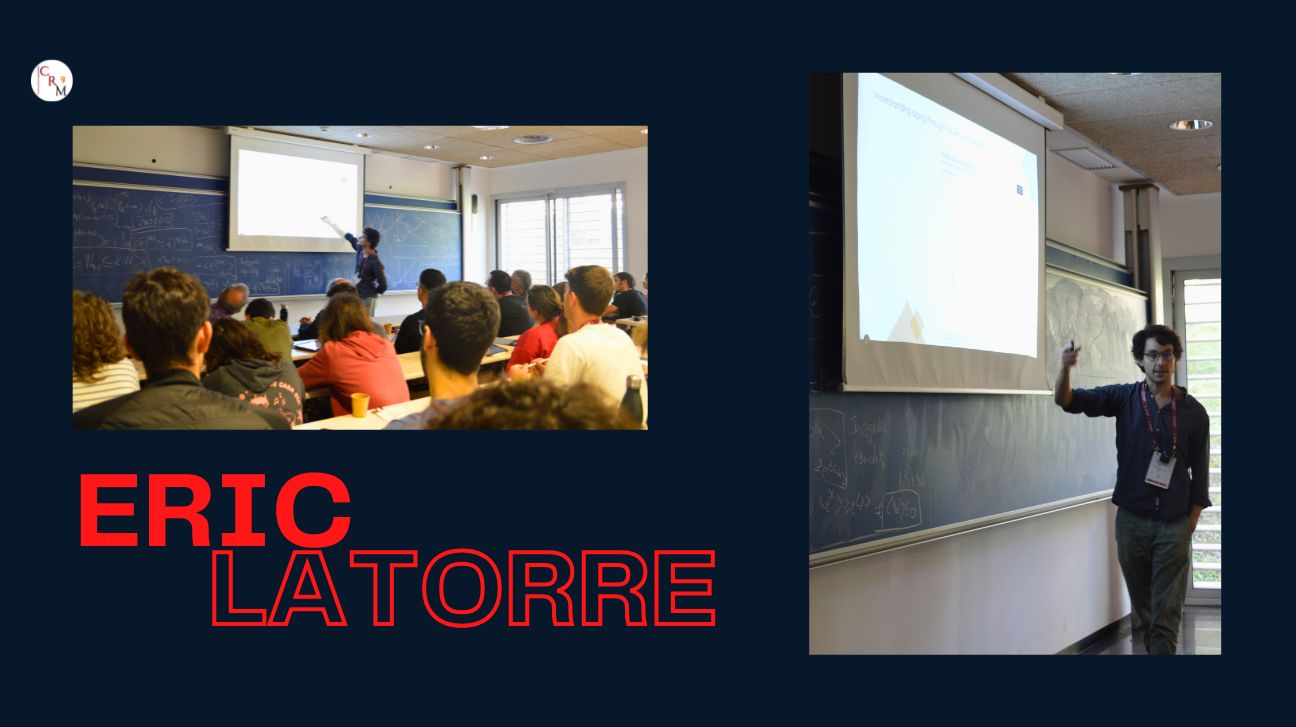
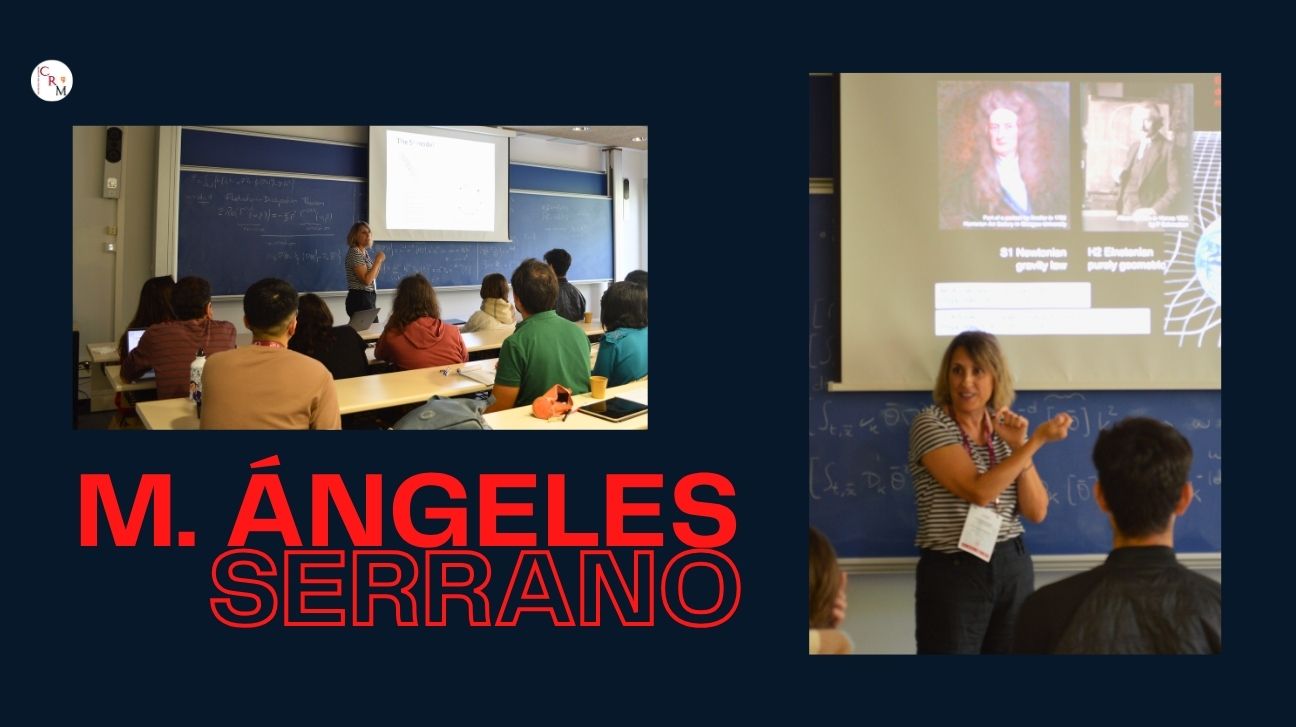
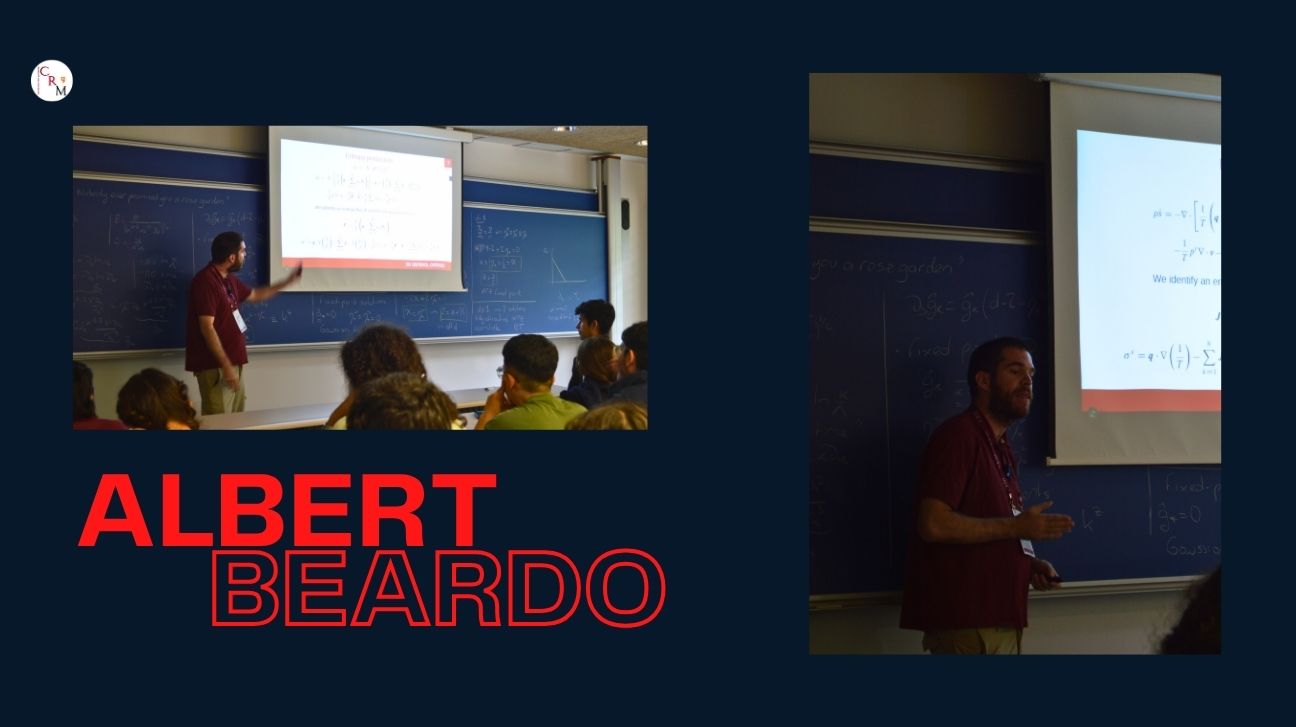
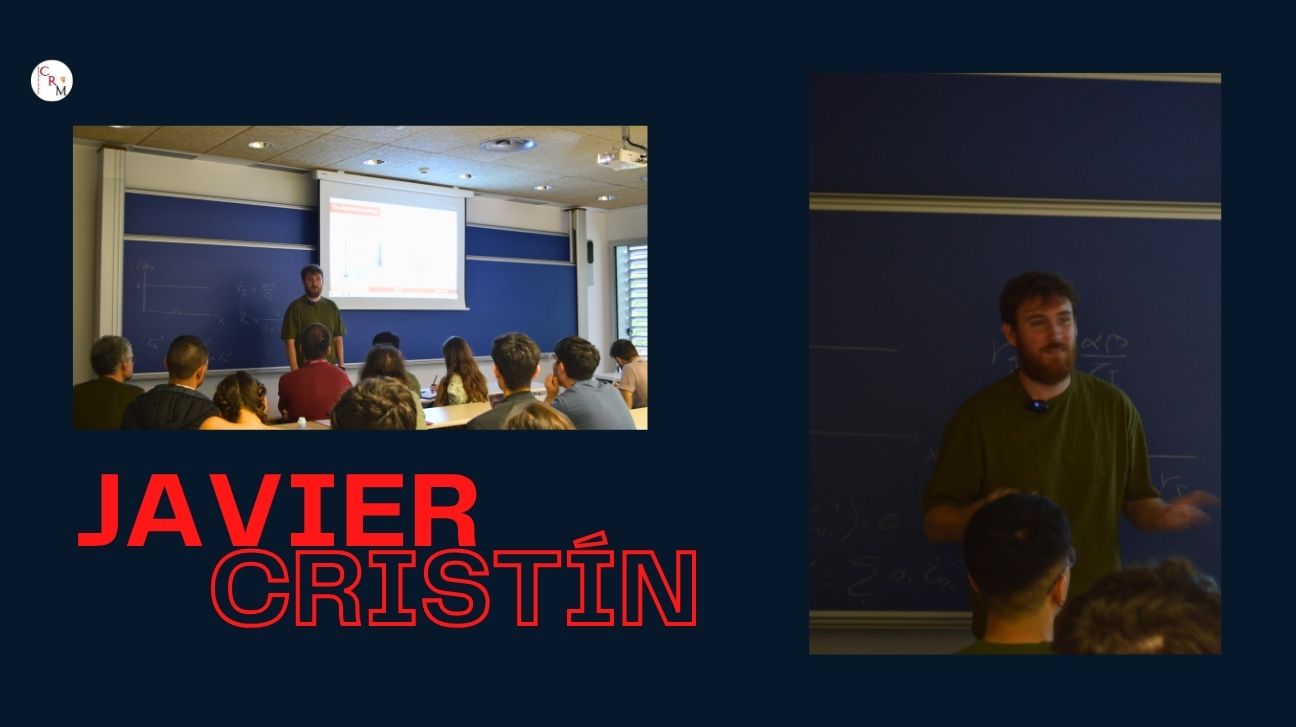
In addition to the main courses, the program was enriched by two invited tutorials: Juan Manuel López (Instituto de Física de Cantabria) introduced key ideas from information theory, while Isabel Pastor (Universitat de Barcelona) guided participants through a visit to Fèlix Ritort’s lab, offering a hands-on perspective on experimental biophysics. The school also featured invited talks on diverse topics: Albert Beardo (UAB) discussed transport phenomena beyond local equilibrium, Eric Latorre-Crespo (CRG–CRM) presented scaling laws in stem cell dynamics and aging, Javier Cristín (UAB) explored collective motion from spins to swarms, and M. Ángeles Serrano (ICREA–UB) addressed the statistical mechanics of hyperbolic random graphs. The event concluded with closing remarks by Jordi Mompart (UAB).

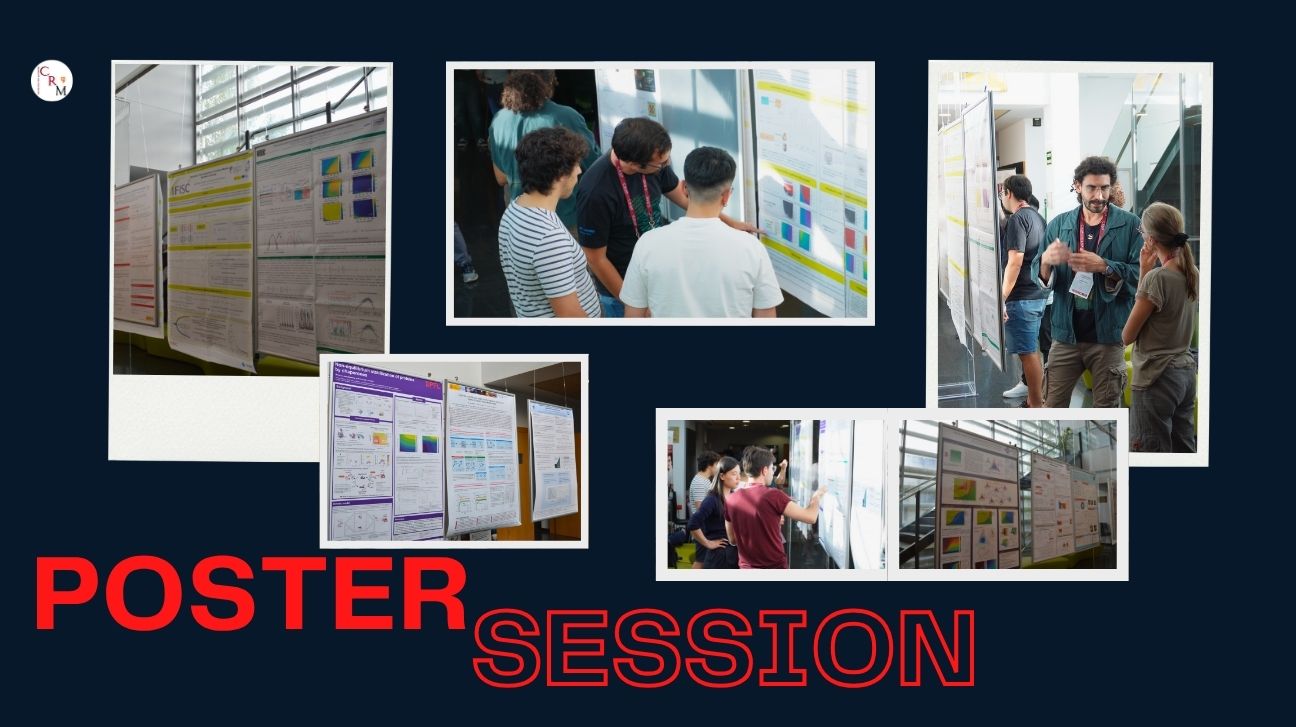
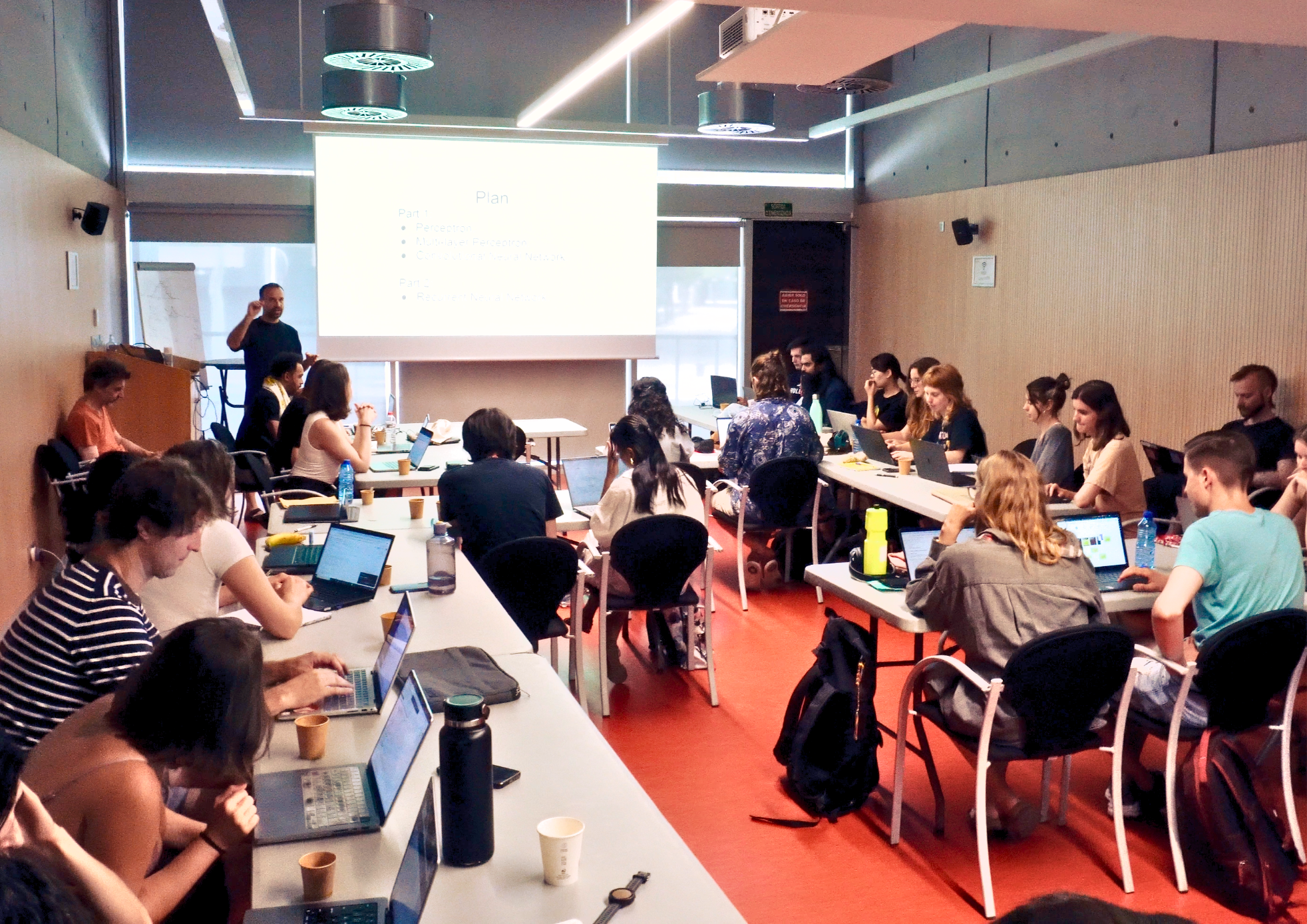
The school also featured a vibrant poster session and a series of contributed talks by early-career researchers, showcasing cutting-edge work on topics such as bacterial motility, stochastic dynamics in fish schooling, protein stabilization, chaotic population models, and network-based approaches to molecular complexity. Presenters came from institutions across Europe, including Roma Tre University, EPFL, King’s College London, Universitat Politècnica de Catalunya, and CSIC, among others. These sessions provided a dynamic space for scientific exchange and highlighted the diversity of approaches within the field of statistical physics of complex systems.

Subscribe for more CRM News

Stay updated to our mailing list to get the lastest information about CRM activities.

CRM Comm

Natalia Vallina

CRMComm@crm.cat


Wigglyhedra: A New Combinatorial and Geometric Structure

Wigglyhedra: A New Combinatorial and Geometric Structure

In the article “Wigglyhedra”, researchers Asilata Bapat (Australian National University) and Vincent Pilaud (Universitat de Barcelona – Centre de Recerca Matemàtica) introduce the wiggly complex, a novel combinatorial and geometric structure, along with its associated…

CRM at the Bilbao–Barcelona Analysis and PDE Meeting

CRM at the Bilbao–Barcelona Analysis and PDE Meeting

From September 3 to 5, 2025, the Basque Center for Applied Mathematics (BCAM) hosted the Bilbao–Barcelona Analysis and PDE Meeting. For three days, researchers from both cities met face to face, joined by colleagues from other institutions, to…

Javier Gómez-Serrano receives the  2025 R. E. Moore Prize

Javier Gómez-Serrano receives the 2025 R. E. Moore Prize

Javier Gómez-Serrano, professor at Brown University, has received the 2025 R. E. Moore Prize for Applications of Interval Analysis together with Tristan Buckmaster and Gonzalo Cao-Labora. The award honours their article Smooth imploding solutions…

The post Learning the Language of Complexity: XIII GEFENOL Summer School Highlights first appeared on Centre de Recerca Matemàtica.

Go to Source

PhD Fellowship (Pre-Selection Call) in Gravitational-wave lensing

PhD Fellowship (Pre-Selection Call) in Gravitational-wave lensing secretaria Mon, 13/10/2025 – 15:53
Deadline

The Institute of Cosmos Sciences of the University of Barcelona (ICCUB), recognized as a Unit of Excellence under the Severo Ochoa and María de Maeztu program, the highest distinction awarded to research institutes or centers in Spain, is launching a pre-selection call for  at least six PhD fellowships as part of its María de Maeztu Strategic Program. This initiative reflects ICCUB’s strong commitment to scientific excellence and the advancement of emerging research talent.

This pre-selection aims to identify highly motivated national and international candidates interested in pursuing a PhD in one of ICCUB’s core research areas: cosmology, astrophysics, gravitational waves, quantum technologies, and particle physics. Selected candidates will be invited to participate in the official selection process conducted by the University of Barcelona, which is required for formal admission and hiring.

ICCUB offers a dynamic, interdisciplinary research environment that fosters international collaboration and innovation, supported by cutting-edge infrastructure and a vibrant academic community. Located in Barcelona, a global hub for science and technology, the institute provides an ideal setting for early-stage researchers to launch their scientific careers while enjoying a rich and multicultural lifestyle.

The institute is actively involved in several major international collaborations, including LHCb, DESI, and Euclid, and plays a leading role in gravitational wave experiments such as the Virgo Collaboration, the Einstein Telescope Collaboration, and the LISA Consortium. ICCUB also contributes to large-scale astronomical surveys like ESA-Gaia, Weave, and SDSS-IV, as well as electromagnetic follow-up missions across various wavelengths, including BlackGEM, MAGIC, and LST.

About this project:

The successful applicant will conduct original research related to, among other topics, the development of waveform approximants to analyze the observed GW events, and the impact of waveform distortions induced by lensing caused by galaxies, stars or other compact objects. These will support the detection of primordial black holes and black hole population studies by enabling the detection and interpretation of magnified, distant GW sources.

They will be integrated in the gravitational waves group and work closely with colleagues in the ICCUB.


Opportunities at ICCUB:

The PhD fellows at ICCUB will benefit from a comprehensive and enriching training program designed to prepare them for successful careers in academia, industry, or scientific outreach. Each doctoral project is embedded within one of ICCUB’s strategic research challenges. Supervision is provided by experienced ICCUB researchers, often involving co-supervision to foster interdisciplinary perspectives and collaborative mentorship.

In addition to research, students will engage in a tailored training program that includes both technical and transferable skills: scientific seminars, ICCUB Colloquia, advanced instrumentation workshops, data science, research ethics, science communication, project management, and career development. ICCUB also encourages international mobility through short-term research stays at leading institutions worldwide, enhancing global scientific exchange and visibility.

Available positions:

Detailed descriptions of the research projects and host groups can be found in the links

Fellowship terms:

  • The fellowship includes funds for a predoctoral training contract for up to four years. The annual salary will be split into 12 monthly payments and distributed as follows:
    • The first year of PhD: 18.269,56 €/year
    • The second and third year of PhD: 22.032,36 € /year 
    • The fourth year of PhD: 24.468,15€/year
    • Predoctoral contracts are renewed annually for up to 4 years. Renewal is subject to satisfactory performance in the PhD studies and related research activities. If the doctoral degree is obtained before the predoctoral fellowship ends, a Postdoctoral Orientation Period (POP) can be funded from the time the doctoral degree is obtained until the end of the predoctoral fellowship, with a maximum duration of 12 months (i.e. predoc contract + POP = max. 4 years in total).
    • The fellowship includes full social security coverage through the Spanish Social Security system, providing access to the Spanish public health care system and pension and unemployment benefits.
  • Up to 7.000€ to cover the enrolment fees for the UB’s Physics doctoral program (for a maximum of 4 years) and carry out short stays in other institutions, companies or universities abroad. The research stays must have a minimum duration of one month and must be authorized by the doctoral supervisor/s.

Eligibility criteria:

The fellowships are addressed to graduate students of any nationality who fulfil the following eligibility criteria:

  • Applicants must hold a Bachelor’s and a Master’s Degree in Physics, Mathematics, Astronomy, Particle Physics, Cosmology, Electronics, Semiconductor Technology, Photonics, Quantum Technologies, Computer Science or a related discipline by September 2026
  • Be eligible for full-time enrollment in the UB Physics doctoral program for the 2026-2027 academic year by the time the fellowship starts, between September 2026 and January 2027.
  • Applicants must not hold a doctoral degree. Moreover, applicants are not eligible if they have benefited from a predoctoral training fellowship under the ‘Plan Estatal de Investigación, Desarrollo e Innovación Tecnológica’ or any of the previous Spanish National Plans by MICIU/AEI.
  • Applicants must have a thesis supervisor affiliated with the Institute of Cosmos Sciences.

Preferred skills:

  • An interest in computational modeling.
  • Working knowledge of the Linux operating systems.
  • The ability to collaborate and communicate well in English.
  • Good knowledge of the Python programming language, the knowledge of C will be considered an asset.
  • A solid background in general relativity, nuclear physics, and astrophysics is a plus.

Selection criteria:

A score of up to 100 points will be awarded, on the bases of the following criteria:

  1. Candidate’s academic and/or scientific-technical experience, up to 50 points
    1. Scientific and technical contributions, up to 45 points The academic record and other curricular merits of the candidate will be assessed, as well as their suitability for the tasks to be carried out based on training and professional experience.
    2. Mobility and internationalization, up to 5 points Short-term research stays in national and international institutions, universities, and industry will be assessed, considering the prestige of the entity hosting the stay and the activity carried out therein, as well as the impact of the research stays on the research career path of the candidate.
  2. Suitability of the candidate for the research activities to be carried out in the funded project, up to 50 points

The candidate’s suitability for the program, project, and planned research activities will be evaluated based on their prior training and experience. In this context, consideration will be given to the added value that undertaking the project would bring to their research career, as well as the value the candidate would contribute to the host institution and research groups.

If two or more applications receive the same final score, preference will be given to the candidate with the highest score for criterion 1. If the candidates remain tied, a draw will be made to select the winning candidate.

Application Process:

The entire application process will be completed online. To apply, please complete the application form and provide contact details for two referees. After submission, you will receive instructions on how to upload the following documents:

  • Curriculum Vitae, we welcome to use of the AEI template but this is not mandatory, in Spanish or English, which must list the merits the candidate wishes to be considered. The curriculum vitae template can be found here.
  • Official transcripts of BSc and MSc studies in PDF format, showing grades obtained. If the academic transcripts are not in Catalan, Spanish or English, applicants should also attach a translation in one of the above-mentioned languages, and the grading system should be explained.
  • Motivation letter with statement of research expertise and interests  and justificationof  their fit to the  project (max 3 pages).
  • The contact of two Reference Letter writers (referees will be contacted directly)

Reference letters must be sent directly by the referees through the on-line application system (the system will contact these scientists you named, asking them to submit their letters of reference after a few working days). Applications will only be considered once at least one reference letter has been received.

Please note:

  • In case of multiple applications to this call, the applicant should clearly indicate in their statement all the applications submitted or planned and indicate their prioritization in the motivation letter.
  • For any questions regarding the application process, please contact secretaria@icc.ub.edu.
  • Candidates must ensure that all information is included before the deadline. Incomplete applications will not be considered.

Important: Candidates who are shortlisted through the ICCUB pre-selection process will be invited to apply to the University of Barcelona’s call.

Key dates:

Application deadline: Until filled. Review of the applications will start on December 1st, 2025

Final resolution: February 2026

Pre-selection process:

The evaluation and pre-selection of the candidates will be conducted by the ICCUB María de Maeztu Committee for Predoctoral Training, following the guidelines set by the 2024 ‘Centros de Excelencia «Severo Ochoa» y Unidades «María de Maeztu»’ call for proposals, following the procedure below:

  • The selection will be based on the evaluation criteria described before.
  • At the late stages of the pre-selection process, short-listed candidates will be contacted for a personal interview.
  • All applicants will be informed of the final pre-selection decision by February 2026.

ICCUB follows in its selection processes a gender equality opportunity policy and a non-discrimination policy based on age, ethnic or social origin, religion or belief, sexual orientation, language and disability.

Funding:

These positions are financed by the State Agency for Research of the Spanish Ministry of Science, Innovation and Universities through the “Unit of Excellence María de Maeztu 04/2019-03/2031” awarded to the Institute of Cosmos Sciences, grant CEX2024-001451-M funded by MICIU/AEI/10.13039/501100011033.

The Unit of Excellence Maria de Maeztu recognition has been awarded by the Spanish Government in 2025 for the third time to the ICCUB, as a center with a highly competitive strategic research programmes in the frontiers of knowledge.
Go to Source

Sidebar