The conference brought together leading figures and experts to showcase cutting-edge research and support the vision of a regional Centre of Excellence in nanotechnology.
The conference brought together leading figures and experts to showcase cutting-edge research and support the vision of a regional Centre of Excellence in nanotechnology.
El próximo 14 de octubre de 2025, de 15:00 a 17:45 (hora de Pekín) / 09:00 a 11:45 (hora de Madrid), en el Auditorio del Instituto Cervantes (A1 Gongti Nanlu, Pekín) se celebrará el evento organizado por la Embajada de España, a través de la Oficina Española de Ciencia y Tecnología (CDTI-SOST China, Ministerio de Ciencia, Innovación y Universidades). Cuenta además con la colaboración de SOMMa (Alianza de Centros de Excelencia Severo Ochoa y Unidades de Excelencia María de Maeztu), la FECYT (Fundación Española para la Ciencia y la Tecnología), el CSIC (Consejo Superior de Investigaciones Científicas), el Instituto Cervantes de Pekín e instituciones chinas como el Consejo Nacional de Becas (CSC), la Academia China de las Ciencias (CAS) y la Fundación Nacional de Ciencias Naturales de China (NSFC).
Detalles del evento Fecha: 14 de octubre de 2025
 Hora: 15:00 – 17:45 (CST) / 09:00 – 11:45 (CET)
 Lugar: Auditorio del Instituto Cervantes (A1 Gongti Nanlu, Pekín)
 Formato híbrido | Interpretación simultánea ES ⇔ CN / segunda parte en inglés
 Inscripción: https://www.wjx.cn/vm/YTQhDop.aspx#
Esta sesión conjunta pondrá el foco en la excelencia investigadora y la ciencia de impacto, tanto en España como en China, y ofrecerá una plataforma eficaz para identificar y construir nuevas alianzas científicas internacionales, así como para intercambiar oportunidades de movilidad y circulación de talento.

Se presentará el Programa Nacional de Centros de Excelencia – Severo Ochoa y María de Maeztu, así como laAlianza SOMMa, la red de centros y unidades de excelencia en España que reúne bajo un mismo marco a los principales centros de excelencia españoles de todas las disciplinas, promoviendo su proyección internacional. Por su parte, la Academia China de las Ciencias (CAS) expondrá su red de centros de investigación e instrumentos para la cooperación internacional.
Asimismo, directores o científicos de referencia de cuatro centros de excelencia españoles y cuatro chinos en áreas como salud (medicina de precisión), matemáticas, cambio climático y ciencias marinas, y agricultura sostenible, presentarán sus principales líneas de investigación, capacidades competitivas y experiencias de cooperación, o en su caso, propondrán áreas concretas para nuevos intercambios o colaboraciones.
El encuentro aspira a fortalecer el conocimiento mutuo sobre las capacidades y complementariedades científicas entre España y China, de forma dirigida y efectiva, implicando a centros de excelencia de ambos países, ministerios competentes, principales agencias de financiación de la cooperación en I+D y movilidad, así como investigadores interesados en realizar estancias o estudios en España y/o China.
Está previsto la inauguración del evento cuente con la participación en línea del Dr. Juan Cruz Cigudosa, Secretario de Estado de Ciencia, Innovación y Universidades (MICIU, España), y del Dr. CHEN Jiachan, Viceministro de Ciencia y Tecnología (MOST, China).
La sesión concluirá con una mesa redonda que lleva por título “Conexión de Talento e Instrumentos de Financiación para Movilidad y Cooperación Científica, que contará con la participación de representantes del Consejo de Becas de China (CSC), la Fundación Nacional de Ciencias Naturales de China (NSFC), SOMMa, la FECYT (España/Euraxess España) y el CSIC.
El acto finalizará con una recepción café-té de networking ofrecida por la Oficina Española de Ciencia y Tecnología de la Embajada de España en Pekín.
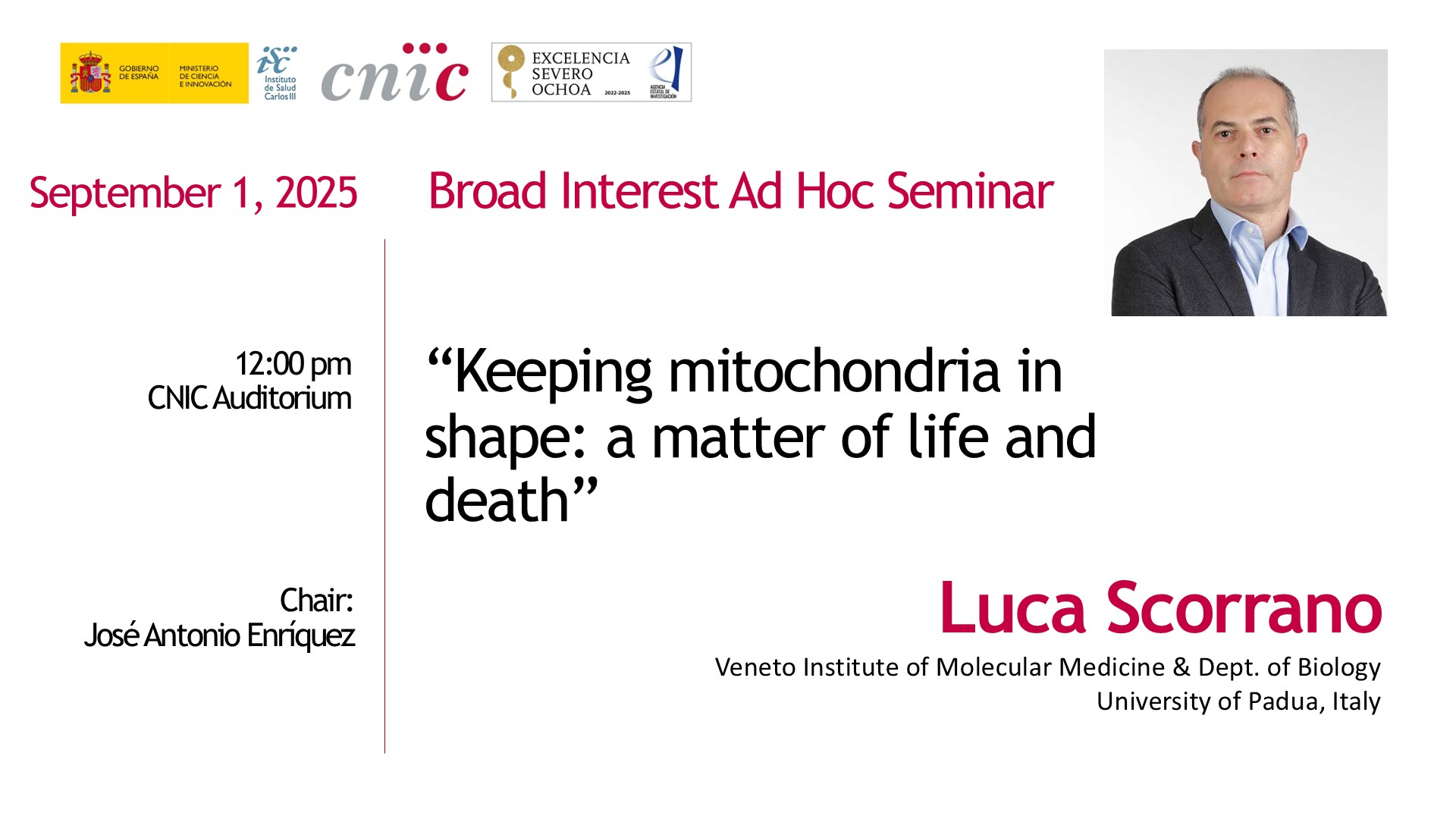
Luca Scorrano, M.D., Ph.D., is a Professor of Biochemistry at Padova University Medical School (Italy) whose work explores how mitochondrial structure dictates cellular function. His laboratory pioneered the discovery of cristae remodeling and mitochondrial dynamics, identified the MFN2/Ermit tether between ER and mitochondria, and revealed how mitochondrial shape controls processes from apoptosis and stem cell differentiation to heart development, progesterone synthesis, and defense against infection. Scorrano’s research has uncovered mechanisms behind optic atrophy, angiogenesis, adipocyte browning, and mitochondrial disorders, and his findings have led to potential targeted therapies. He has authored 231 papers, is a Clarivate Highly Cited Researcher (2021, 2022, 2024), EMBO member (2012), and Academia Europea member (2019).
I completed all the clinical requirements, and I’m still registered as an MD in Italy, so technically I could practice. But it’s better for patients that I don’t.
Not exactly. That’s why I love mitochondria. I found basic science far more intellectually stimulating. At the University of Padua, where I did my MD, there’s a long tradition in mitochondrial research, so joining a mitochondrial lab felt natural.
I initially started in a molecular oncology lab, but I didn’t find it very interesting. While still a medical student, I began visiting Paolo Bernardi’s lab, who later became my PhD mentor. After completing my MD and clinical rotations, I joined the PhD program under his supervision in the Department of Biomedical Sciences. That’s when I started doing hardcore basic science—bioenergetics, studying how mitochondria convert energy from food and regulate ion fluxes across the inner mitochondrial membrane.
During my PhD, I became fascinated by the role of mitochondria in programmed cell death—a field that was very prominent in the late 1990s. It was astonishing to see that this tiny cellular organelle, essential for converting food into usable energy, is also central to apoptosis, or cellular suicide. In other words, mitochondria are a double-edged sword: indispensable for life, yet equally essential for death.
In 1996, Xiaodong Wang made a remarkable discovery: a component of the same machinery used for ATP production—oxidative phosphorylation—also initiates apoptosis. This was a striking example of how nature repurposes the same system for multiple functions. Inspired by this, I went to Harvard Medical School to join Stan Korsmeyer’s lab, where I studied how mitochondria change shape during these processes. Korsmeyer, a founding father of apoptosis research, had discovered most of the genetic regulators of cell death.
Over the years, I’ve seen mitochondria evolve in our understanding—from “ATP factories” to central regulators of inflammation, cellular recycling, stem cell maintenance, metabolism, and many other cellular processes. The cardiovascular system is no exception: mitochondria are critical not only for producing the ATP needed for heart contraction, but also for vascular regulation, smooth muscle contraction, stem cell differentiation into cardiomyocytes, and angiogenesis. In my view, changes in mitochondrial shape are just as important as their bioenergetic functions.
My fascination with mitochondria has been like a “first love”—initially sparked by their role in energy metabolism, then deepened by their central role in regulating fundamental cellular processes. Over time, my research has expanded to include communication between mitochondria and other organelles. But, as with a first love, you never forget it—and I haven’t.
This is a fascinating concept. Evolutionary, mitochondria are descendants of archaeobacteria that invaded primordial cells. It’s a bit more complicated than that, but essentially, this parasitic relationship became mutually beneficial. Mitochondria could harness metabolites from the host cell, and their ATP production was far more efficient than glycolysis alone.
However, there was a challenge: these bacteria had their own replication machinery, which involved both fusion and division. Over evolutionary time, the host cell gained control by losing the bacterial genes responsible for division and instead using proteins—already employed to regulate other membrane systems—to control mitochondrial shape and behavior. This makes perfect evolutionary sense: the invading organelle provided a benefit but also posed a threat, which the host mitigated by integrating mitochondrial regulation into existing cellular signaling pathways.
This control is precise: the cell can direct mitochondria to specific locations, coordinate their division with the cell cycle, and manage asymmetric partitioning during division. But mitochondria are not passive—they can “take revenge.” If the cell damages their membranes, mitochondria release proteins that trigger cell death. If both inner and outer membranes are compromised, they release mitochondrial DNA, which the cell interprets as a viral infection, triggering inflammation.
Thus, control comes with a price. The organelle contains “venoms” that can harm the cell or organism if mismanaged. It’s a truly stimulating example of symbiosis: mitochondria are domesticated yet retain the capacity to defend themselves. During intracellular infections, mitochondria dynamically change shape to control invaders, serving as the first line of defense, while pathogens can manipulate them to escape at the right moment.
Studying mitochondrial morphology reveals the heart of this evolutionary battle between host and parasite. Perhaps the host has “won,” but only partially—evolution is never final. There is no ultimate victory, only ongoing adaptation.
Yes, it’s a complex topic. For example, during pregnancy, one critical moment occurs around the third month, when the site of hormone production needs to shift. Remarkably, all cholesterol-derived hormones—testosterone, progesterone, and estrogen—pass through intermediates produced in mitochondria. This means mitochondria are essential for sexual reproduction: without the right mitochondrial enzymes or the proper cholesterol supply at the correct time, sex hormone production would fail.
In mammals and birds, mitochondrial regulation of hormone synthesis is crucial for species conservation. At the level of the placenta’s syncytiotrophoblast, changes in mitochondrial shape ensure cholesterol delivery is precise, supporting progesterone production and maintaining pregnancy. Human pregnancy is intrinsically inefficient: only about 30% of unprotected intercourse at peak fertility results in a child, and most miscarriages occur around this critical third-month switch—exactly when mitochondrial shape changes are most important.
Problems with mitochondrial dynamics have also been linked to preeclampsia and eclampsia, which are major causes of maternal morbidity and mortality. While the exact mechanisms are not fully understood, these examples highlight how central mitochondria are across multiple biological processes.
Unfortunately, research into mitochondrial roles in pregnancy has lagged behind cardiovascular research, partly because it has been historically considered a “women’s issue.” Cardiovascular diseases, which primarily affect men in later life, have been studied more extensively. Nevertheless, we now know that mitochondrial shape and dynamics are critical for cardioprotection, determining the extent of damage during ischemia-reperfusion, remodeling the heart in cardiomyopathy, and supporting angiogenesis.
Mitochondrial diseases are among the most prevalent genetic disorders. Although they have diverse genetic causes, they often affect the same cellular pathways—similar to how different types of cancer impact common mechanisms yet have unique features. We are only now beginning to understand in depth how mitochondria function and what goes wrong with these disorders.
Research is challenging because there are relatively few patients, making clinical trials difficult, and funding is limited, so most work falls on academic laboratories. Despite these obstacles, we have a responsibility to improve patients’ lives. Currently, treatment is mostly supportive, which is frustrating, but I believe that in the next 10–15 years, breakthroughs will provide therapies that substantially improve quality of life.
Much like cancer, each mitochondrial disorder may require tailored therapies. To achieve this, we must first understand the fundamental principles of mitochondrial function and dysfunction. Our goal is not only to extend life but also to ensure patients can live with dignity. I remain closely connected with many mitochondrial disease patients and the associations that support them, which continually reinforces the urgency and importance of this work.

Todos los avances médicos y de investigación de las últimas décadas se sustentan sobre una capacidad humana recientemente adquirida: extraer información valiosa de cantidades ingentes de datos. Es lo que hace la bioinformática, en sí misma un área de investigación cada vez más importante y que en los últimos años crece además de forma sinérgica con la inteligencia artificial. La unidad de Bioinformática del Centro Nacional de Investigaciones Oncológicas (CNIO) es uno de los focos de esta disciplina en España y además ha creado escuela, en sentido muy literal.
El máster en bioinformática que hace más de 20 años puso en marcha el grupo pionero del CNIO es el semillero de la actual generación de personas expertas en bionformática en España: más de 400 jóvenes, muchos de los cuales impulsan hoy la investigación internacional.
En su configuración actual -desde 2017-, es el Máster de Bioinformática y Ciencia de Datos en Medicina Personalizada de Precisión y Salud, organizado conjuntamente por el Instituto de Salud Carlos III (ISCIII), el CNIO, el Barcelona Supercomputing Center-Centro Nacional de Supercomputación (BSC-CNS) y la Sociedad Española de Biotecnología (SEBiot). Se dirige a quienes tengan interés en la bioinformática aplicada al escenario clínico. Es uno de los pocos másters a escala internacional con la certificación de calidad docente en bioinformática otorgada por la International Society for Computational Biology (ISCB)


Su objetivo es formar especialistas en analizar resultados relevantes para el diagnóstico, pronóstico y tratamiento de las enfermedades, y para ello recurre a una treintena de profesores líderes en áreas muy diversas, dado que la bioinformática impacta en multitud de disciplinas.
Desarrollo y aplicación de algoritmos de IA y machine learning para análisis de imagen de pruebas clínicas; análisis y gestión de bigdata derivado de historias clínicas electrónicas; y generación e interpretación de datos fruto de tecnologías de secuenciación masiva en medicina de precisión, son algunas de las aplicaciones de bioinformática aplicada a la biomedicina.
Como explica Fátima Al-Shahrour, co-directora del Máster y jefa de la unidad de Bioinformática del CNIO, los graduados se familiarizan con herramientas con que «analizar y gestionar una gran cantidad de datos biomédicos, interpretar resultados en contextos clínicos y colaborar en equipos multidisciplinares junto a profesionales sanitarios, investigadores y técnicos”. Aplicarán también técnicas avanzadas de inteligencia artificial y aprendizaje automático, para resolver problemas concretos en investigación biomédica, diagnóstico clínico o desarrollo de terapias personalizadas.

Para Alfonso Valencia, co-director del Máster, profesor de Investigación ICREA y director del Departamento de Ciencias de la Vida del Barcelona Supercomputing Center – Centro Nacional de Supercomputación (BSC-CNS), «este máster no solo enseña a analizar datos sino a cambiar vidas. Cada algoritmo que desarrollan nuestros alumnos se traduce en diagnósticos más rápidos, tratamientos más efectivos y un sistema sanitario más sostenible».
Valencia, que dirigió la unidad de Bioinformática del CNIO hasta 2016, fundó el Máster hace mas de 20 años siendo un investigador del Centro Nacional de Biotecnología (CNB), en colaboración con los profesores de la Universidad Complutense de Madrid Federico Morán y Luis Vázquez.
Becas de la Fundación Instituto Roche
La Fundación Instituto Roche ofrece 4 becas de formación para cursar el Máster de Bioinformática y Ciencia de Datos en Medicina Personalizada de Precisión y Salud. Cada beca cubre el 80% del coste de la matrícula.
Para Valencia, esta colaboración «representa un reconocimiento a la importancia de la Bioinformática y Biología Computacional para el desarrollo de la biomedicina. Un hecho que es especialmente importante viniendo de la Fundación Instituto Roche, dada su destacada posición como observador y promotor del desarrollo de la Medicina Personalizada de Precisión en nuestro país”.
Consuelo Martín de Dios, directora gerente de la Fundación Instituto Roche, manifiesta que “este Máster representa una gran oportunidad para aquellos profesionales que deseen adquirir los conocimientos necesarios para desarrollar su profesión en uno de los campos biomédicos con mayor aplicación en el futuro. La ciencia de datos aplicada a la salud es ya una de las áreas más demandadas en el ámbito biomédico, por lo que tener formación especializada les ayudará a contribuir a la transformación del sistema sanitario”.
Los ganadores de las cuatro becas de la Fundación Instituto Roche este año son David Dueñas, Jorge Santos, Mario López y Sofía Trigo.

La entrada El máster que ha impulsado la bioinformática en España se enfoca en la medicina personalizada se publicó primero en CNIO.
El reciente Premio Nobel de Química ha sido otorgado a los Profesores Kitagawa, Robson y Yaghi por el desarrollo de redes metal-orgánicas, conocidos como MOFs por sus siglas en inglés. […]
La entrada Los materiales que cambiarán el futuro, el trabajo de IMDEA Energía con las redes metal-orgánicas del Nobel de Química se publicó primero en IMDEA ENERGÍA.

ICN2 had a strong presence at this year’s event, organised by the MAV Cluster and IN2UB, to mark the International Day of Nanoscience and Nanotechnology. The gathering brought together a wide range of experts from research, industry, and academia.
Adrian J. Brenes, a PhD student who is under Prof. Rubén Martín, Prof. Miquel À. Pericàs and Dr. Santiago Cañellas supervision has successfully defended his PhD thesis entitled “Halogen- and Hydrogen-Atom-Transfer Methodologies for Radical C-H and C-X functionalization” publicly on Thursday, 9 October.
The members of the evaluation committee were Prof. Elena Fernández (Universitat Rovira i Virgili), Dr. Ciril Jimeno (Institut de Química Avançada de Catalunya) and Prof. Xavier Companyó (Universitat de Barcelona).


La entrada Muchas felicidades, Dr. Brenes! se publicó primero en ICIQ.
Abstract: Following the discovery in 2015 by the LIGO collaboration of the first gravitational wave signal, and the very successful LISA Pathfinder mission, LISA (Laser Interferometer Space Antenna) has been finally adopted by ESA as a mission in January 2024. LISA will be launched mid of the next decade. A goal of LISA is to test general relativity (GR). I will also discuss possible tests of GR, some of which have been studied in my research group at the University of Zurich. Another way to test GR, in particular its foundations like the equivalence principle, is via very precise atomic clocks. Last April ACES (Atomic Clock Ensemble in Space) has been launched in space and joined the International Space Station. ACES contains a very precise Cesium atomic clock, called Pharao. I will discuss the present status of the GR tests with atomic clocks and give a short overview of the research which has been done on this topic in my group in the last years.
Diez investigadores del instituto IMDEA Energía han sido reconocidos entre el 2% de los científicos más influyentes del mundo en el ranking del año 2025, según la prestigiosa clasificación World’s […]
La entrada Diez investigadores de IMDEA Energía destacan entre los científicos más influyentes del mundo. se publicó primero en IMDEA ENERGÍA.
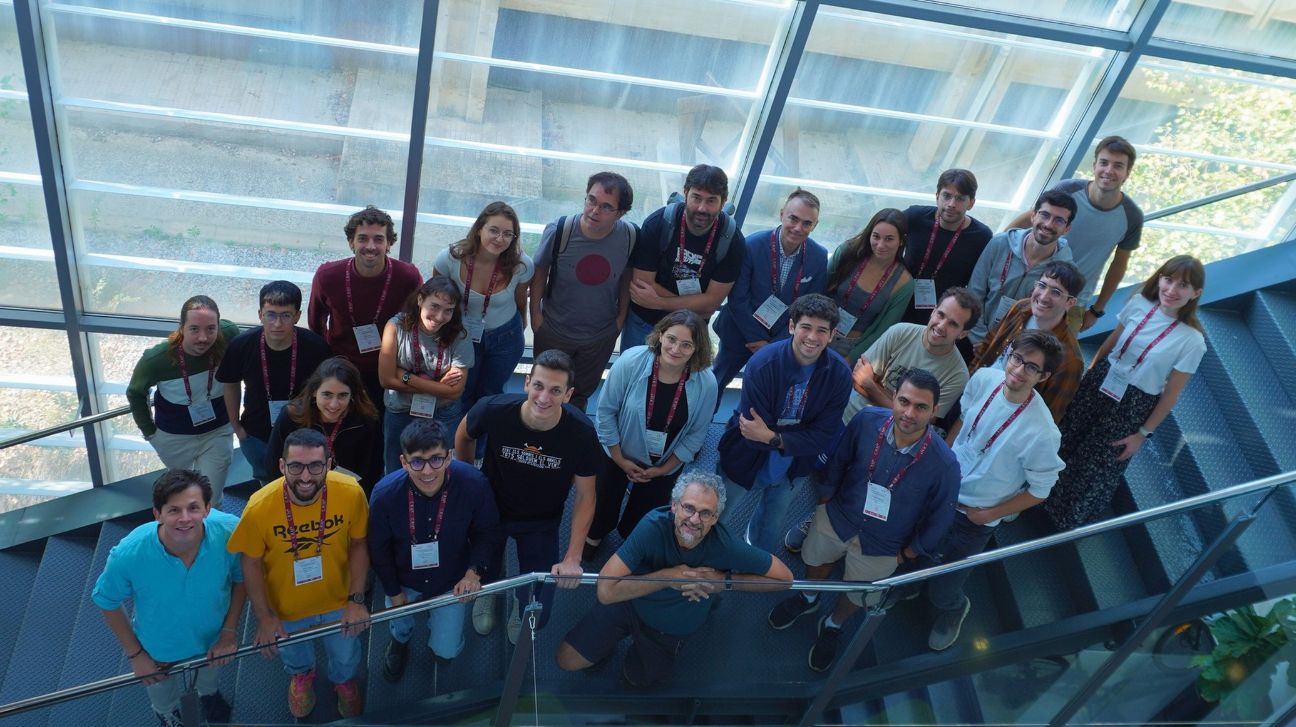
If there’s such a thing as a natural habitat for complexity, it’s definitely a room full of scientists arguing about it. From September 29 to October 3, 2025, the auditorium of the Centre de Recerca Matemàtica (CRM) became exactly that for the first Summer School of the Complex Systems Society (CS3): a living laboratory of ideas, all trying to decode how the world organises itself into chaos, and chaos into order.
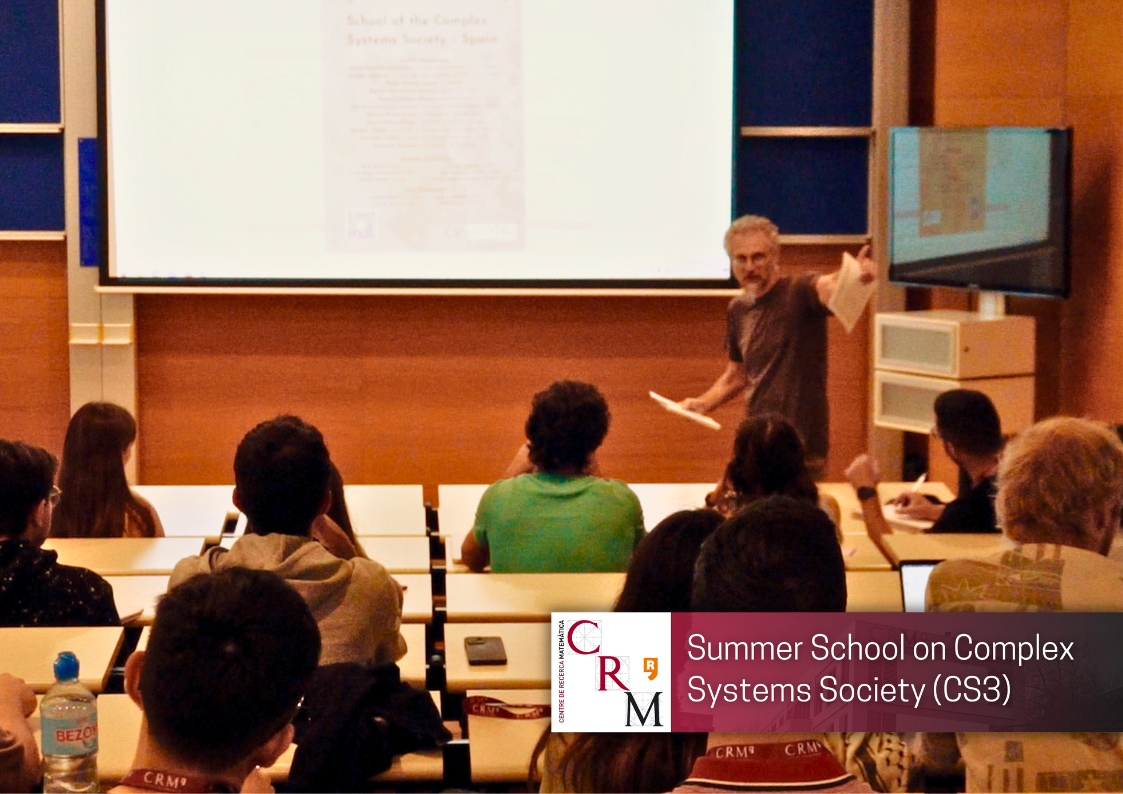
This was the inaugural edition of what is set to become a biennial tradition of the Complex Systems Society Spain (CS³), the Spanish Chapter of the Complex Systems Society, founded to connect and strengthen the country’s growing community of researchers in complex systems. CS³ promotes collaboration across disciplines, from physics and biology to economics and the social sciences, through meetings, workshops, and schools that bridge theory and application. For five days, the CRM transformed into a miniature ecosystem of its own with biologists, physicists, economists, and mathematicians orbiting a shared set of questions: How do systems grow, adapt, and eventually break down?
For five days, the CRM became a miniature ecosystem of its own; biologists, physicists, economists, and mathematicians orbiting a shared set of questions: How do systems grow, adapt, and eventually break down?
Invited lecturers included Bernat Corominas-Murtra (Graz University), who led a journey through embryonic development, a dance of feedback, mechanics, and stochastic magic that somehow yields a creature instead of chaos, and Gasper Tkačik (ISTA), who shifted the conversation to optimisation; the idea that genes, neurons, and ecosystems might all be nature’s way of solving problems with mathematical precision.
Antonio Turiel (CSIC) brought the tone down to the planetary scale and to Earth’s thermodynamic limits. His course on energy, entropy, and collapse was a sober reminder that no system, not even the global economy, escapes the second law. And finally, Karoline Wiesner (University of Potsdam) closed the circle, tracing the philosophical and computational foundations of complexity science; from randomness to emergence, from theory to the social sphere.
Afternoons brought a different rhythm: contributed talks and posters that spilt from the lecture hall into corridors and coffee lines. Among the invited talks, Guim Aguadé-Gorgorió compared tumours to ecosystems, David Moriña revealed the hidden mathematics of gender-based violence, and Jacobo Aguirre stretched the discussion to the stars, tracing how molecular complexity might arise in interstellar clouds. Even the pharmaceutical world joined in, with Núria Folguera-Blasco (AstraZeneca) showing how mathematical models guide drug development. Marta Sales-Pardo (URV) closed the loop, reminding everyone that even in science, our assumptions are often the most invisible variables.
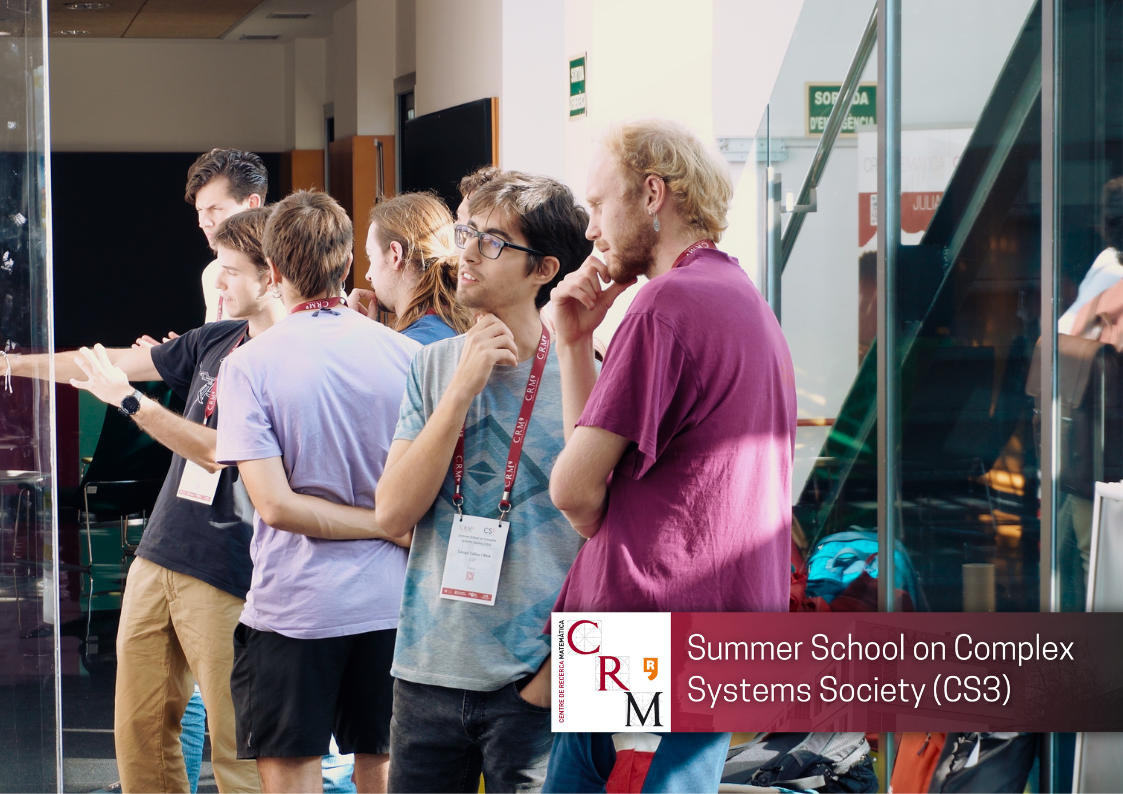
All in all, forty-seven participants from more than ten countries and over thirty institutions took part in the school; ten invited speakers, dozens of perspectives, and countless ideas exchanged over the course of five intense days.
|
|
CRM CommPau Varela
|
The first CS³ Summer School on Complex Systems transformed the Centre de Recerca Matemàtica into a crossroads of ideas, where physicists, biologists, economists, and mathematicians explored how order and chaos intertwine across nature and society….
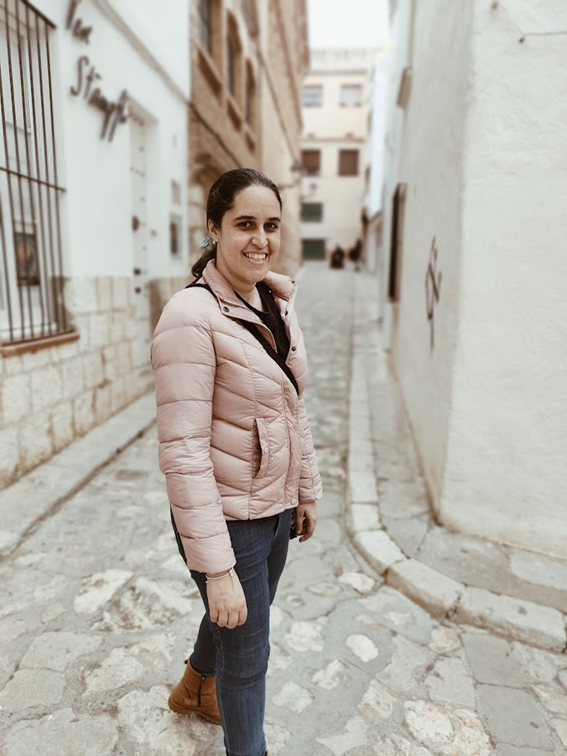
Full professor at the Universitat Politècnica de Catalunya and researcher at the Centre de Recerca Matemàtica, Jezabel Curbelo has been honored with the 2025 National Research Award for Young Researchers in the María Andresa Casamayor category (Mathematics and ICT)….
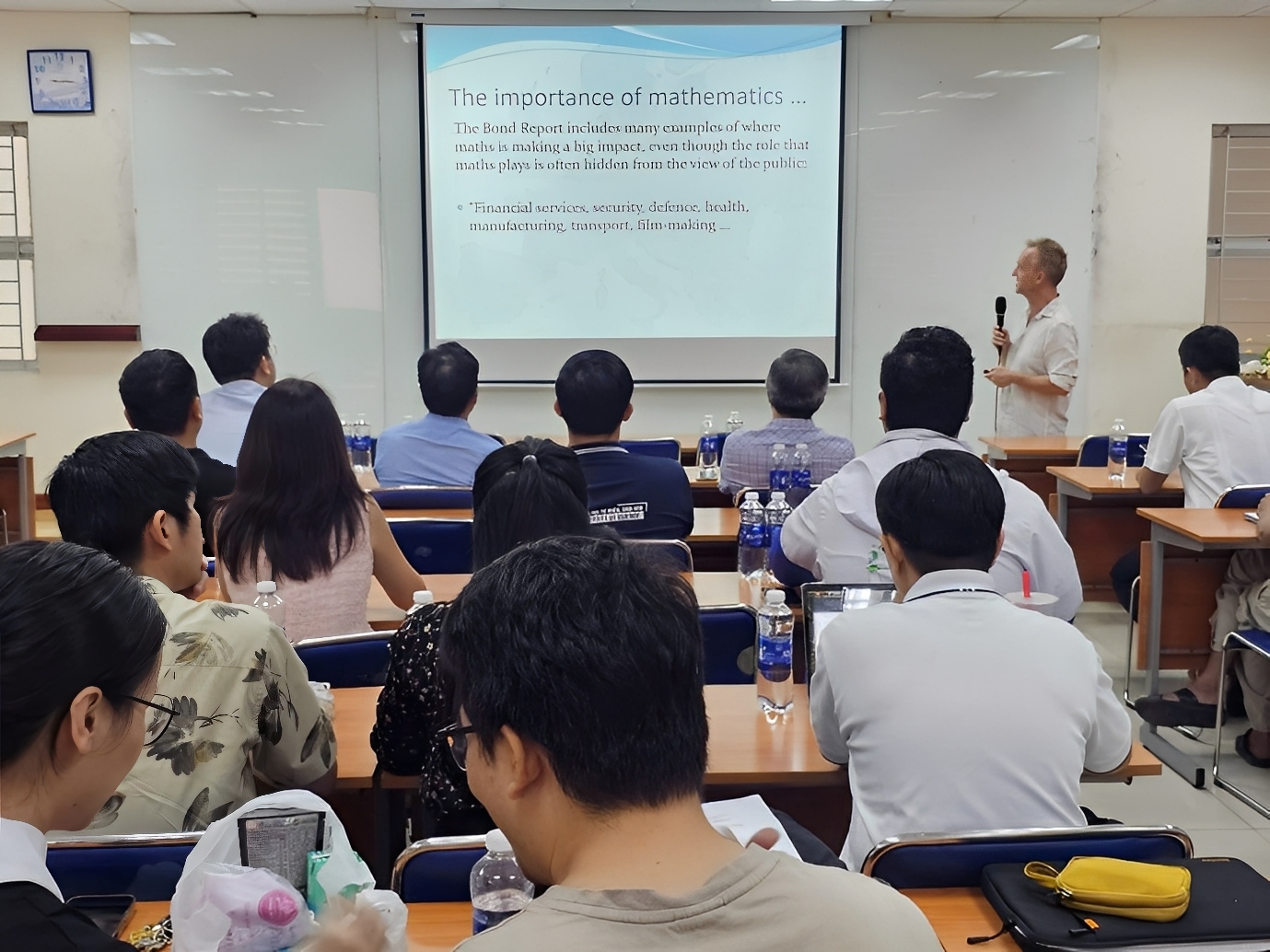
ICIAM Board and VIASM Members during a breakVietnam hosted the ICIAM Board Meeting and Workshop this September at the Vietnam Institute for Advanced Study in Mathematics (VIASM), gathering 70 delegates from five continents. CRM researcher Tim Myers attended as the…
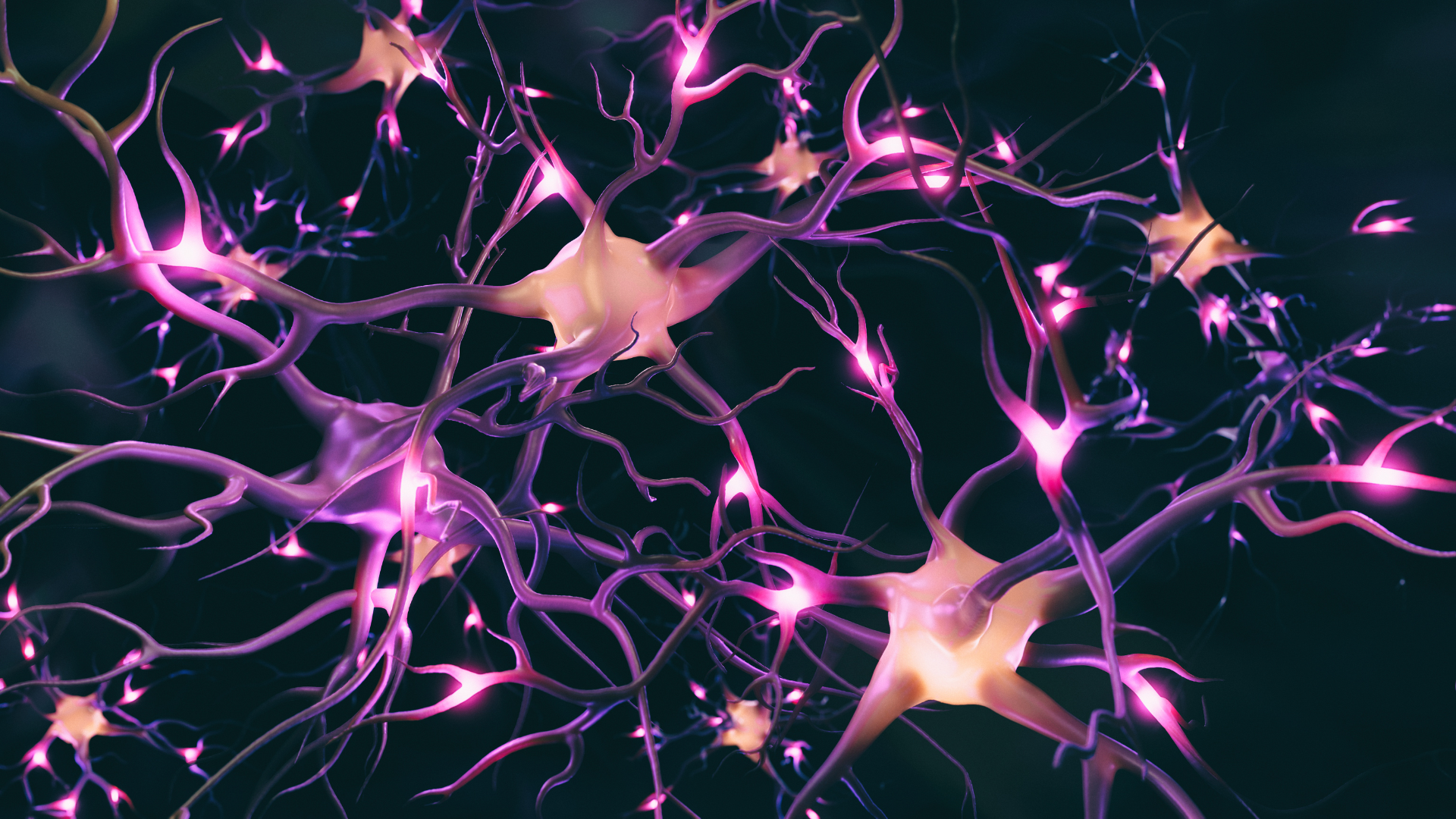
A paper recently published in Current Opinion in Neurobiology by Jens-Bastian Eppler, Matthias Kaschube, and Simon Rumpel shows that…
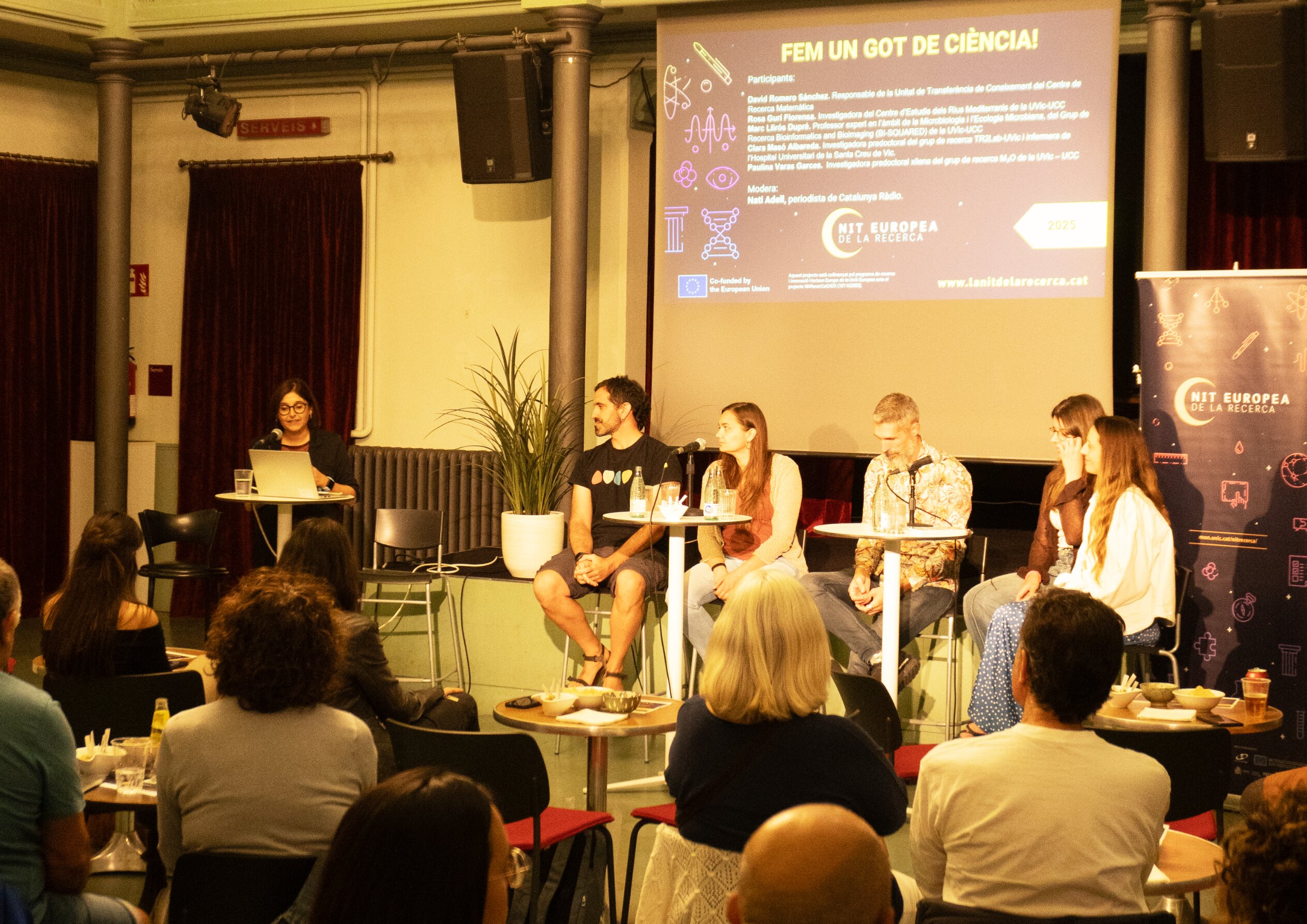
La Nit Europea de la Recerca va portar a Barcelona, l’Hospitalet i Vic tres investigadors del CRM que van mostrar la diversitat i la vitalitat de la recerca matemàtica. A la Casa Golferichs, Leticia Pardo (UB-CRM) va introduir el públic en el món dels fractals,…
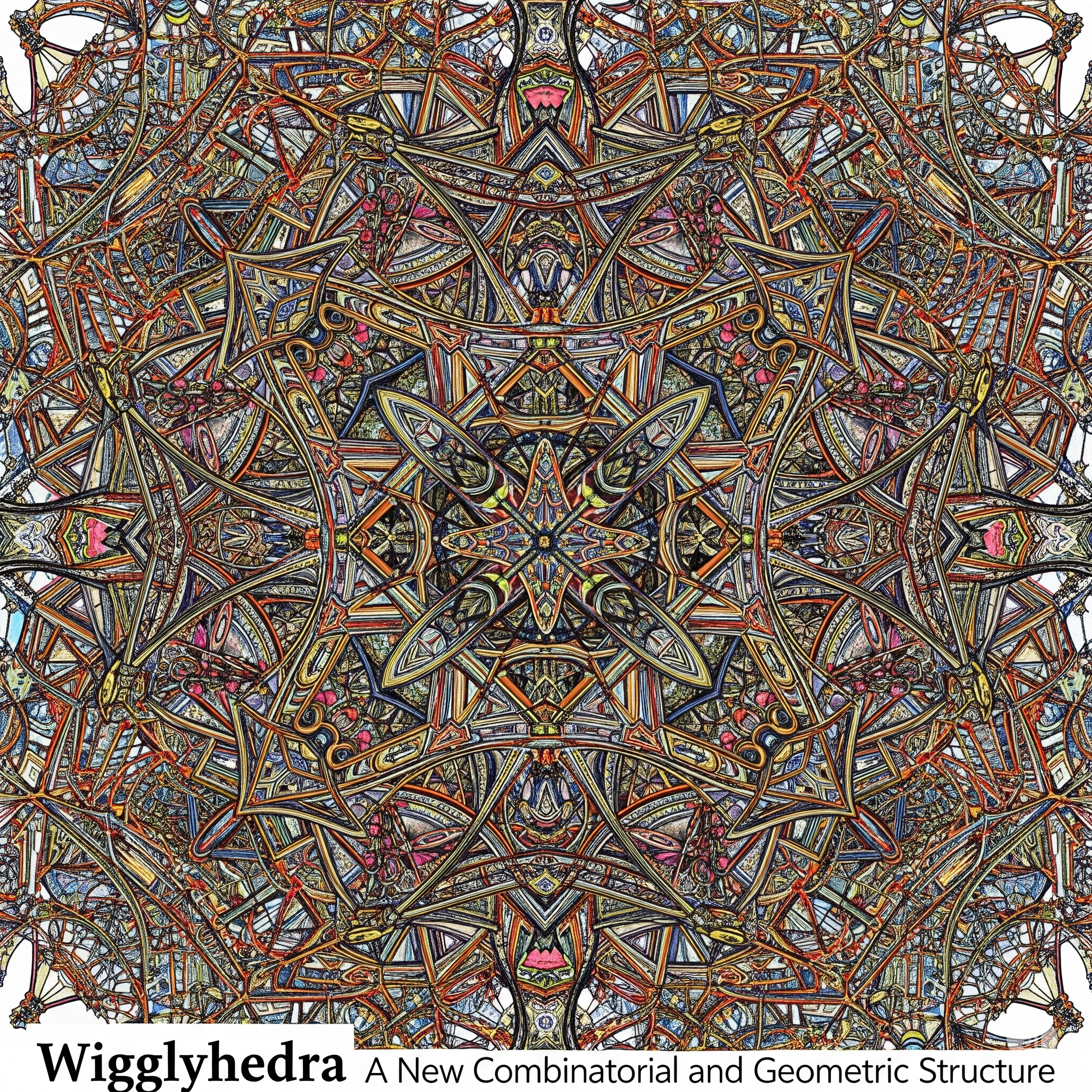
In the article “Wigglyhedra”, researchers Asilata Bapat (Australian National University) and Vincent Pilaud (Universitat de Barcelona – Centre de Recerca Matemàtica) introduce the wiggly complex, a novel combinatorial and geometric structure, along with its associated…
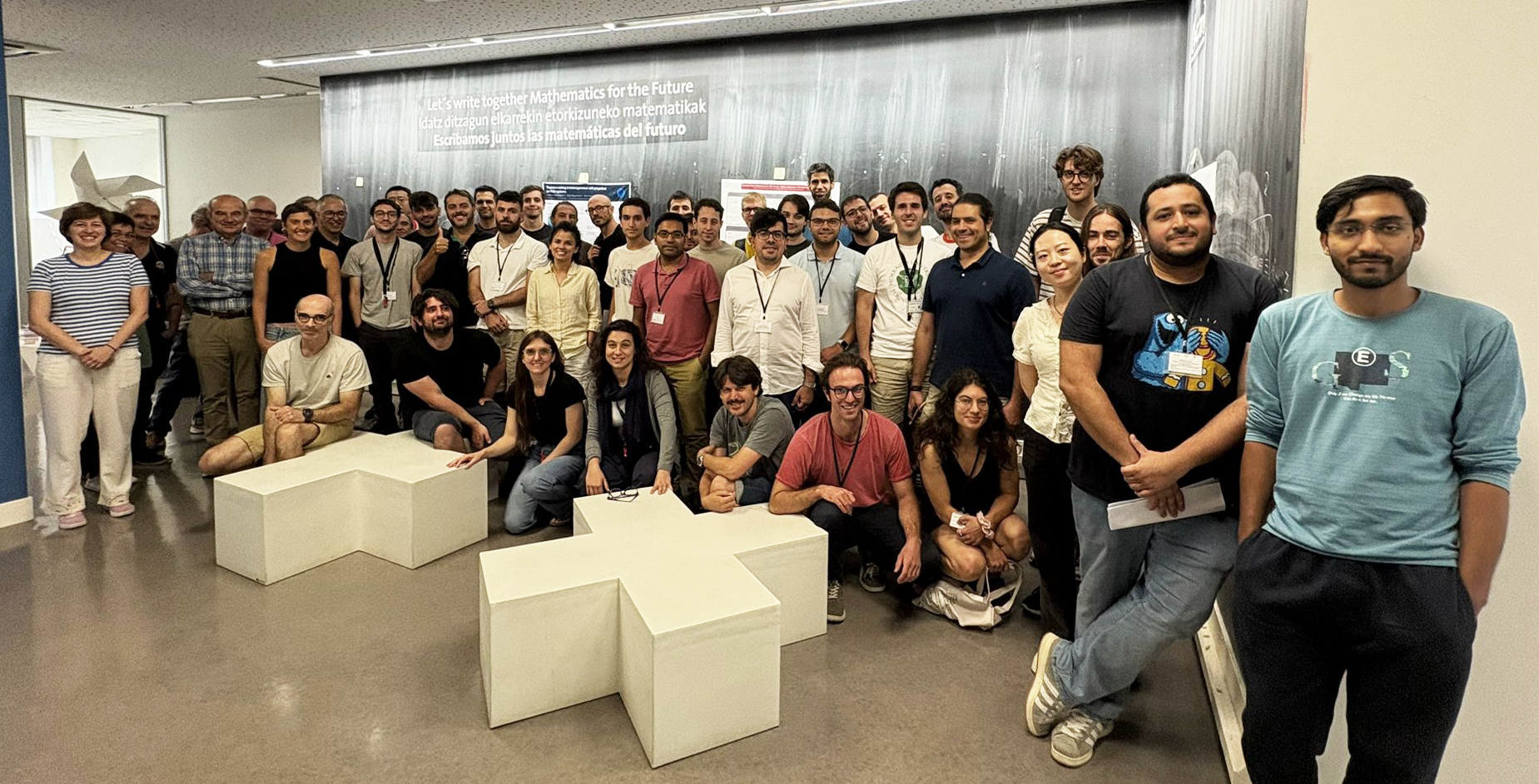
From September 3 to 5, 2025, the Basque Center for Applied Mathematics (BCAM) hosted the Bilbao–Barcelona Analysis and PDE Meeting. For three days, researchers from both cities met face to face, joined by colleagues from other institutions, to…

Javier Gómez-Serrano, professor at Brown University, has received the 2025 R. E. Moore Prize for Applications of Interval Analysis together with Tristan Buckmaster and Gonzalo Cao-Labora. The award honours their article Smooth imploding solutions…
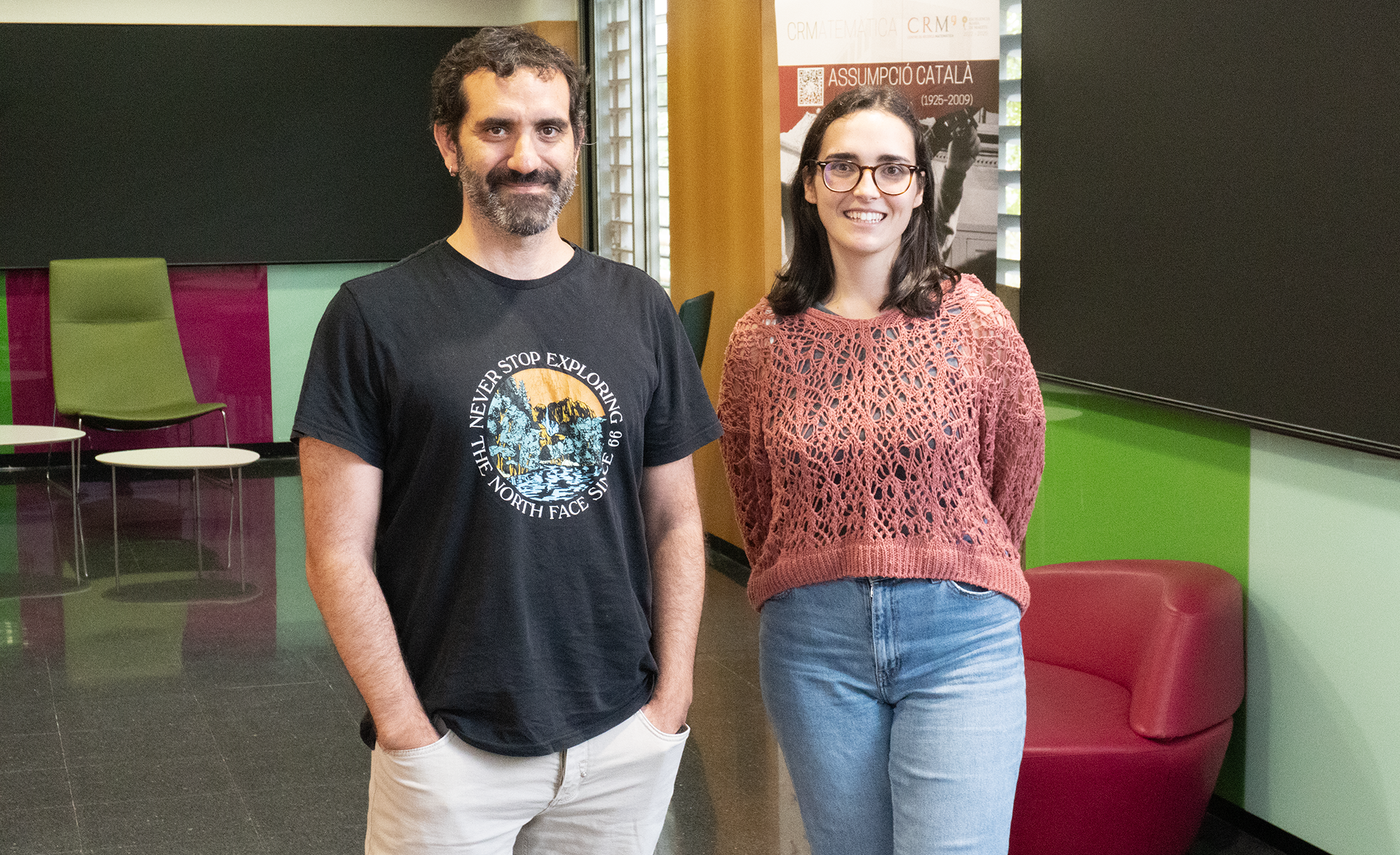
The Centre de Recerca Matemàtica (CRM) participates in Enhance Europe. This European research project explores how solar heat from asphalt can be harvested and reused as thermal energy in cities. Through its Knowledge Transfer Unit, CRM leads the…
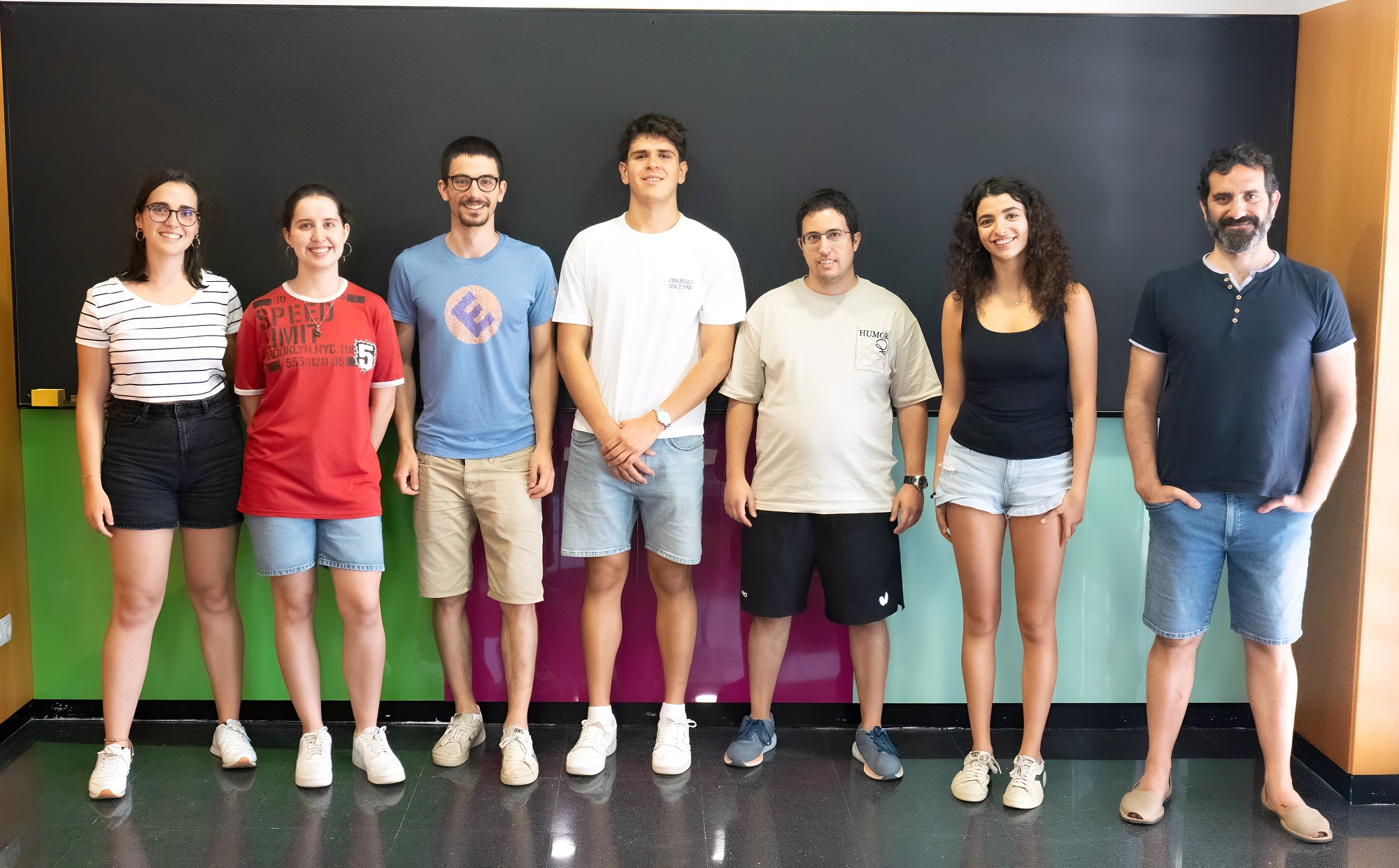
D’esquerra a dreta: Lucía Escudero, Clara Castelló, Marc Homs-Dones, Roger Carrillo, Manel Mas, Maria Borrell i David Romero. Per segon any, la Unitat de Transferència del CRM ha acollit tres estudiants del programa Joves i Ciència de la Fundació…
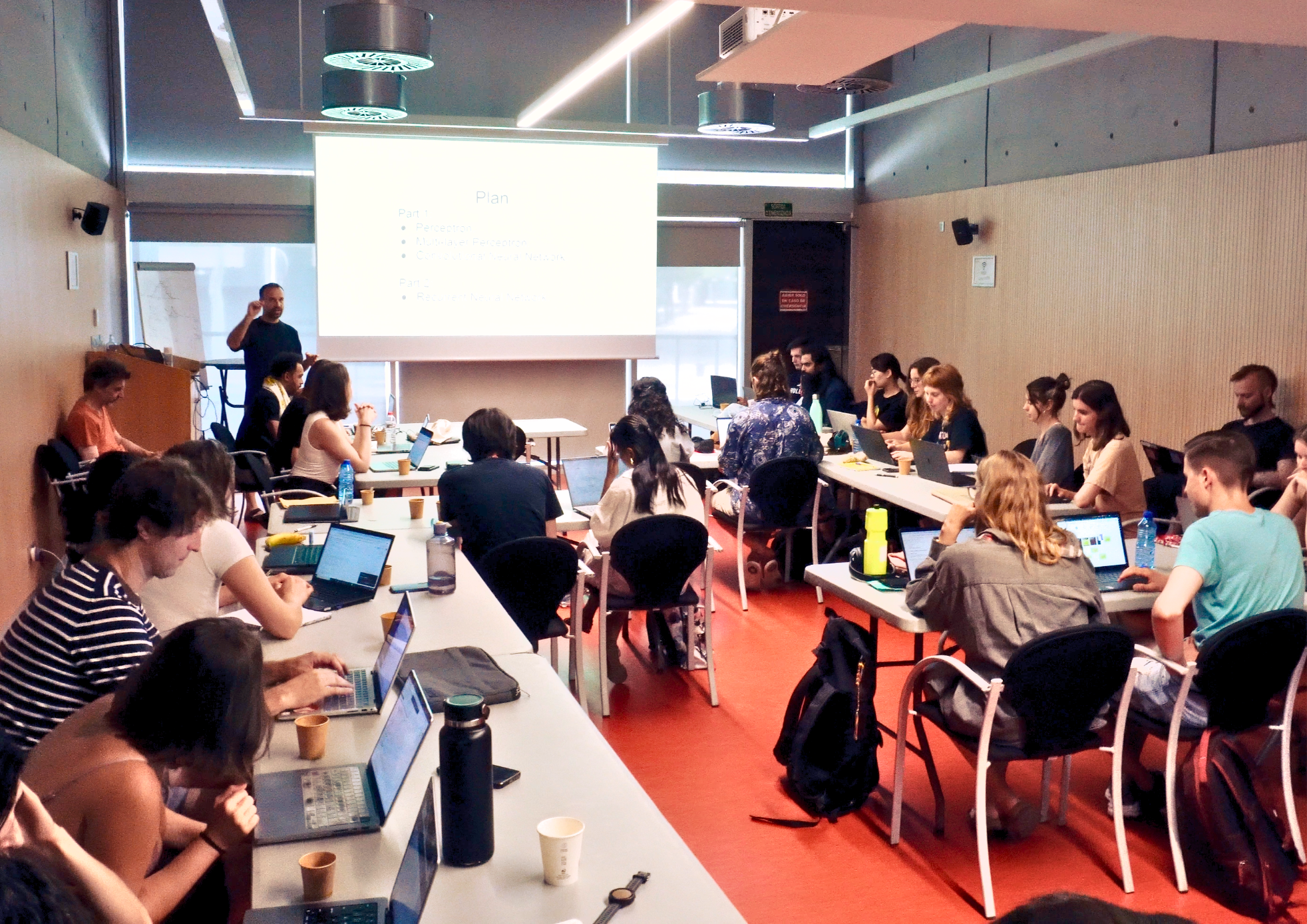
BAMB! 2025 brought together thirty early-career researchers in Barcelona for an intense nine-day training on model-based analysis of behaviour. Organised by the Centre de Recerca Matemàtica with top international researchers, the school combined…
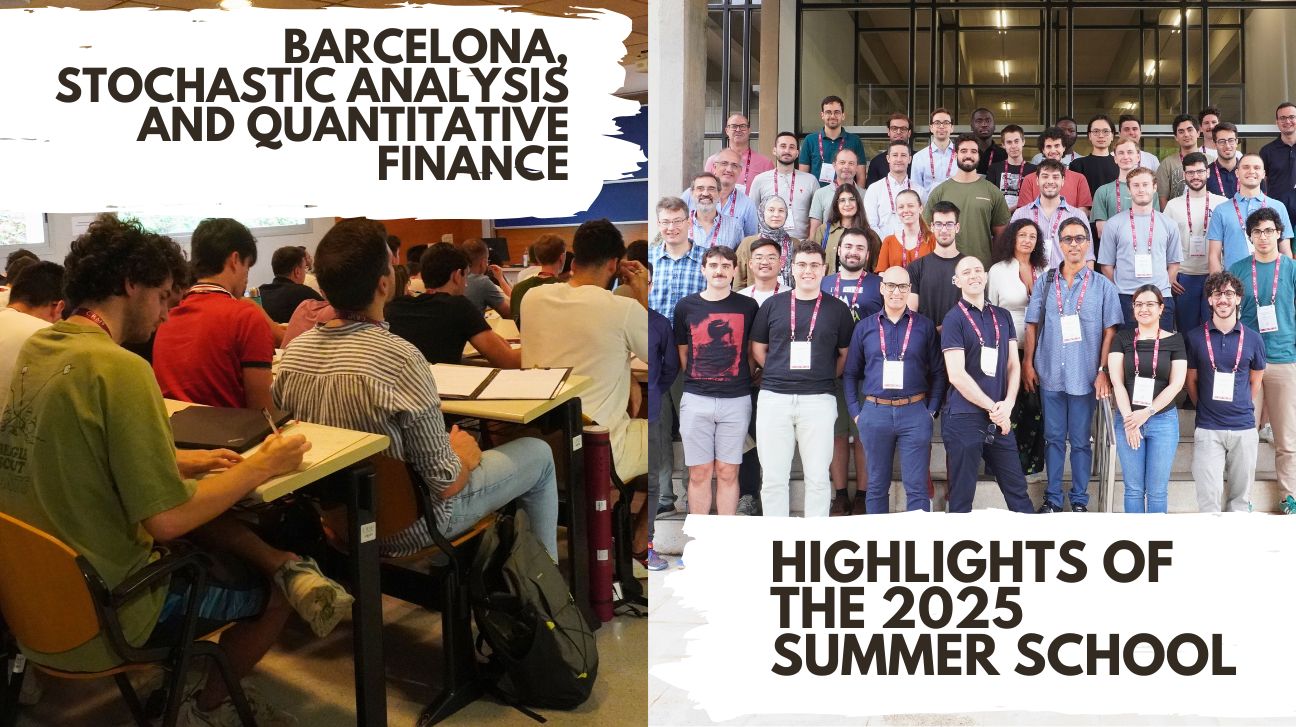
The 5th edition of the Barcelona Summer School on Stochastic Analysis and Quantitative Finance took place from July 21 to 25, 2025, at the Centre de Recerca Matemàtica (CRM), marking the revival of an academic tradition interrupted by the pandemic. The program offered…
The post A Week Inside Complexity: The First CS3 Summer School at the CRM first appeared on Centre de Recerca Matemàtica.
The fossil fuel industry is falling far short of its pledge to lead the energy transition, according to new research from ICTA-UAB. The study shows that the world’s largest oil and gas companies are responsible for only 1.42% of renewable energy projects worldwide.

Dr Marc Botifoll’s doctoral thesis, completed in 2024 as a member of the ICN2 Advanced Electron Nanoscopy Group, has won an Outstanding Doctoral Thesis Award, which recognises the ten best theses across all fields of research.