Author Archive

Álvaro Fernández Llamazares talks about ethnobotany in Armenia

ICTA-UAB researcher Álvaro Fernández Llamazares recently took part in the conference “Biological Sciences and Environmental Solutions for the Achievement of Sustainable Development Goals”, held from September 24 to 26 at Yerevan State University, Armenia. 

Go to Source

More than 750 researchers meet in Alicante for the XXVIII edition of the European Drosophila Research Conference (EDRC)

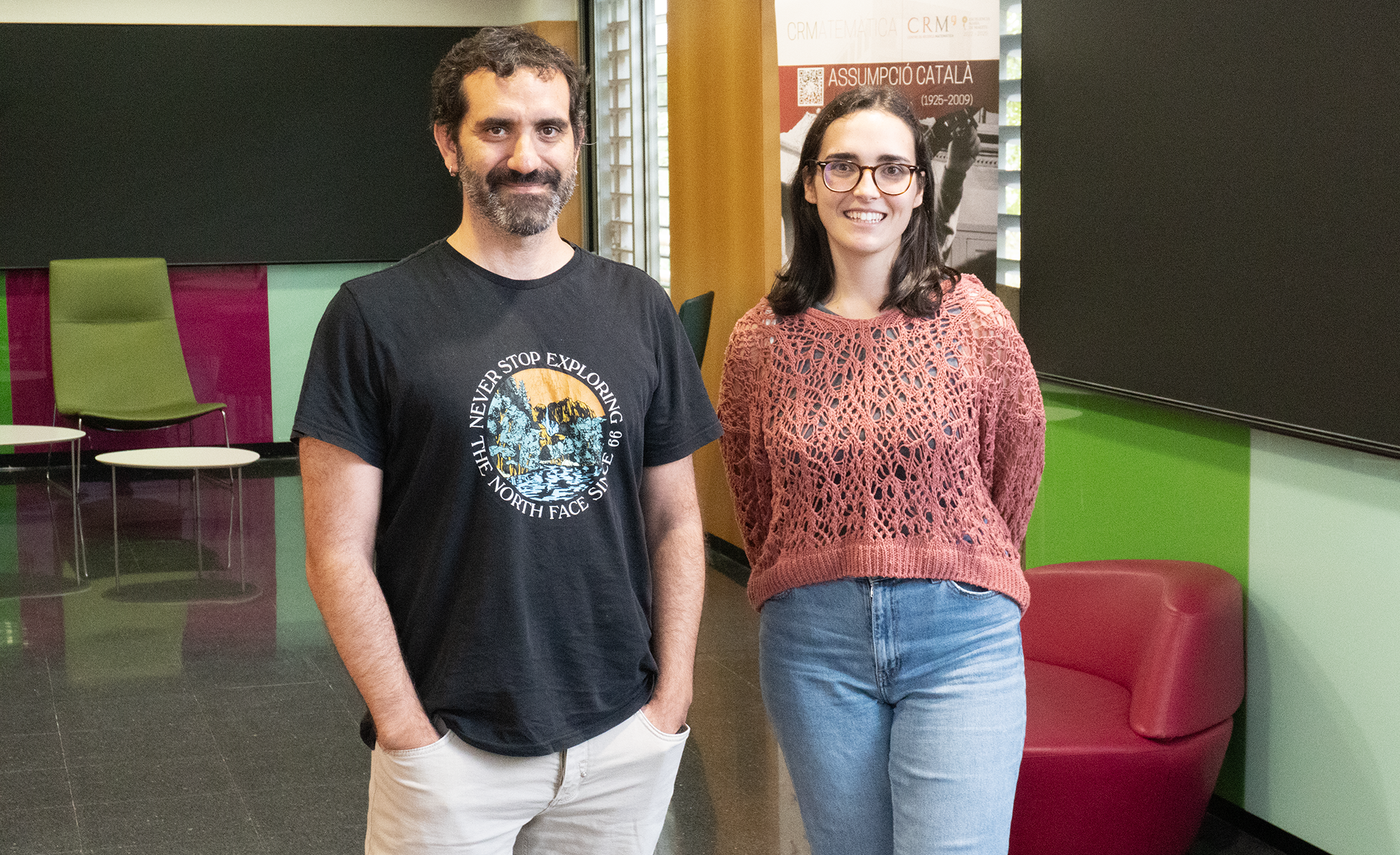
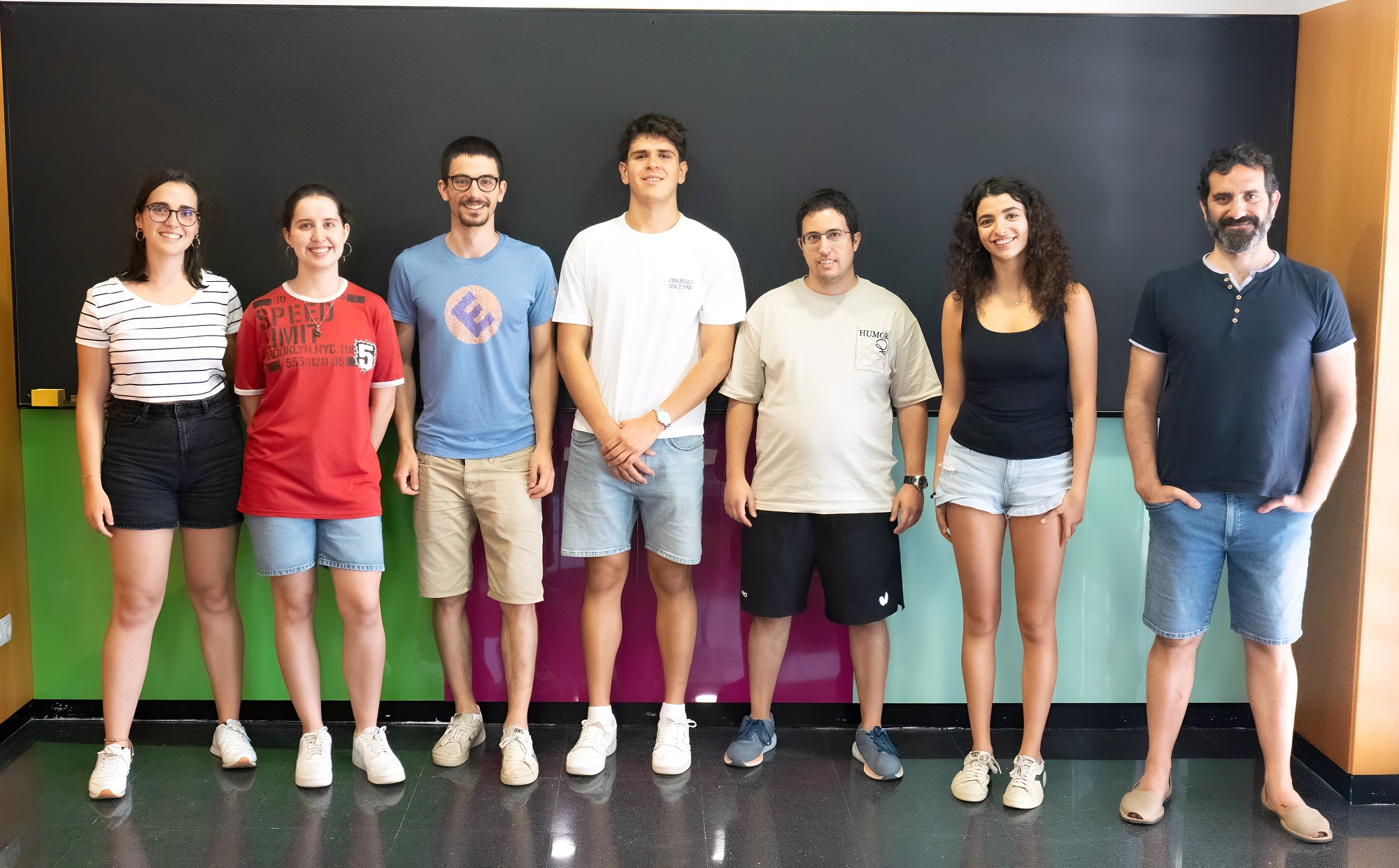
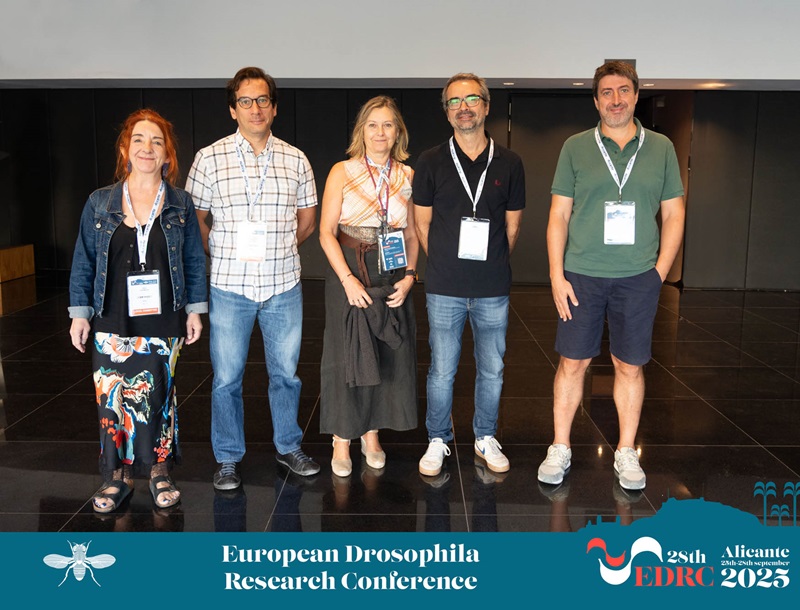
Photo: Local organizing committee of the 28th EDRC. From left to right: Ana Carmena, Juan Antonio Sánchez-Alcañiz, María Domínguez, Javier Morante, and José Carlos Pastor Pareja. Source: IN CSIC-UMH.

From September 25 to 28, Alicante hosted the XXVIII EDRC, the European Drosophila Research Conference, dedicated to Drosophila melanogaster, the fruit fly, an essential model organism for studying key processes in human health and disease. The congress, held at the Auditorio de la Diputación de Alicante (ADDA), brought together more than 750 scientists from over 40 countries who shared the latest scientific advances on major topics in contemporary biomedicine: cancer, the brain, immunology, metabolism and healthy aging, evolution, and the mechanisms that explain how organisms form and regenerate.

The program included 12 plenary lectures, more than 100 talks in 15 thematic sessions, workshops, and two poster sessions, with a strong participation of early-career researchers. This consolidates the event as a reference point for the future of biomedical science in Europe and positions Alicante as an international hub for cutting-edge research.

Among the most prominent plenary speakers were Cassandra Extavour (Harvard University, USA), a leading figure in developmental biology; Maria Cristina Gambetta (University of Lausanne, Switzerland), a specialist in transcription and chromatin; Lucía Prieto-Godino (Francis Crick Institute, UK), expert in physiology and metabolism; Yulong Li (Peking University, China), renowned for his methodological innovations in neuroscience; Marta Llimargas (IBMB-CSIC), expert in organogenesis; and Rubén Artero (University of Valencia), scientist and entrepreneur.

“We are delighted with the great turnout and the outstanding scientific level of this edition”, said María Domínguez, chair of the local organizing committee and Research Professor at the Spanish National Research Council (CSIC) at the Institute for Neuroscience (CSIC-UMH), a joint center of CSIC and the Miguel Hernández University (UMH) of Elche. “The congress has not only been a space to share cutting-edge knowledge and highlight emerging talent, but also an opportunity to strengthen international collaboration”.

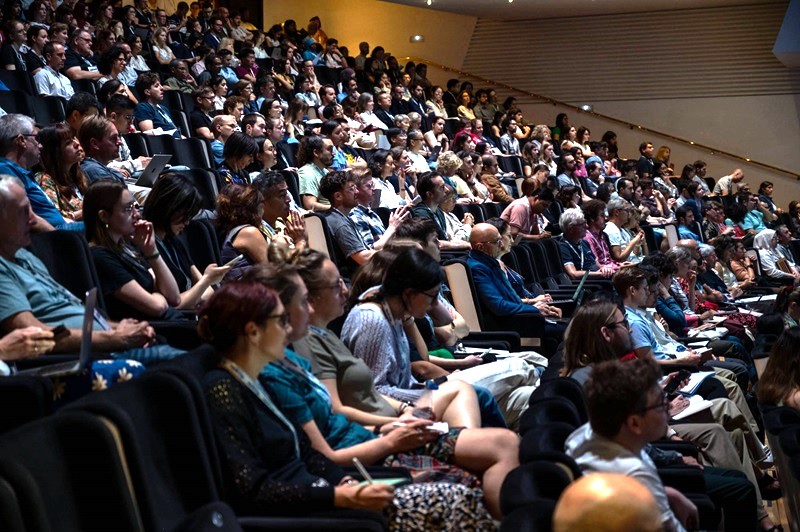
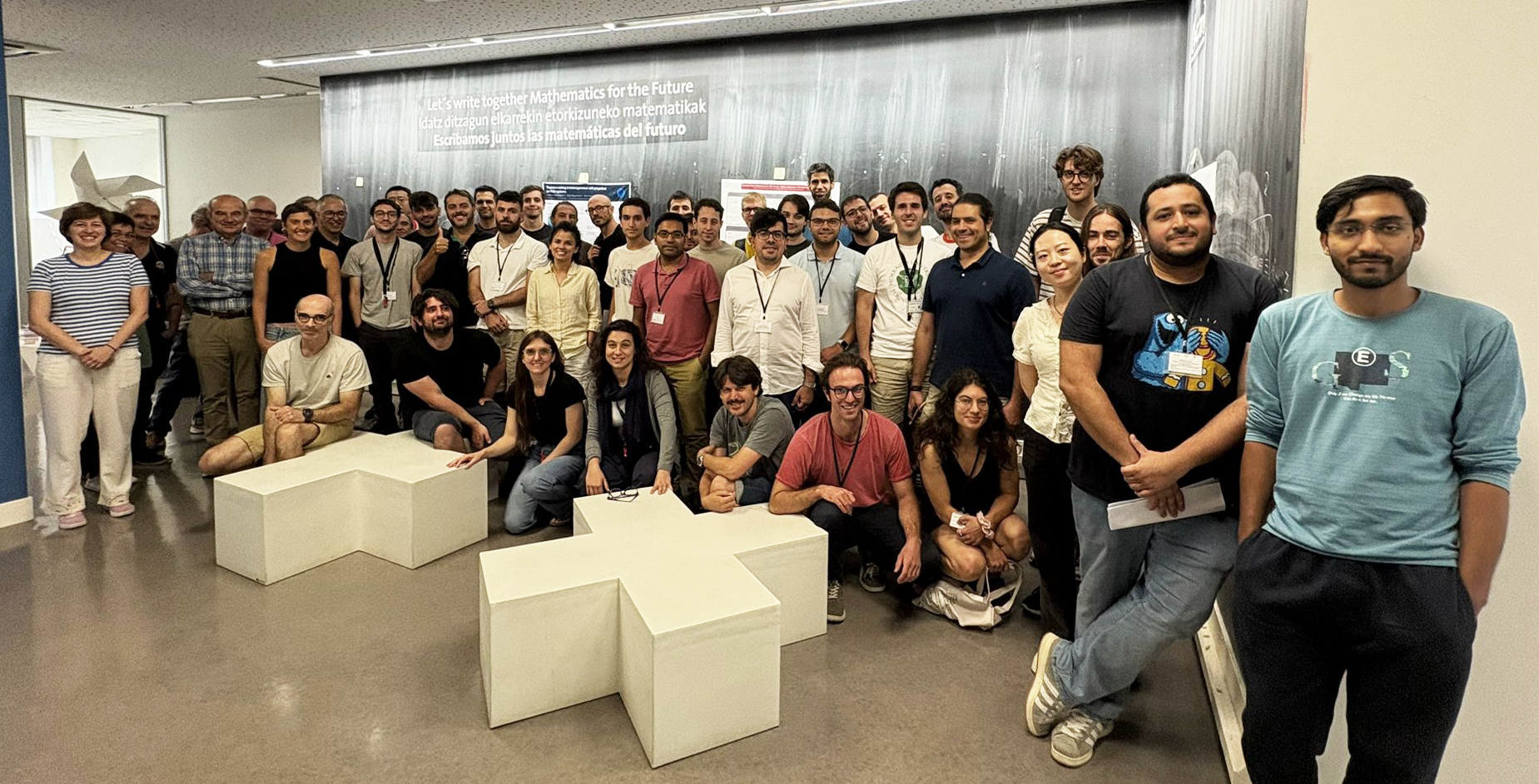
Attendees at the 28th EDRC, held at the ADDA from September 25 to 28. Source: IN CSIC-UMH

The meeting also served to raise awareness about the funding challenges threatening the continuity of FlyBase, the main reference database for the research community, and the urgent need to support the sustainability of this essential resource.

Alongside Domínguez, the organizing committee included researchers from the Institute for Neuroscience: Javier Morante, José Carlos Pastor Pareja, Juan Antonio Sánchez-Alcañiz, and Ana Carmena, who lead teams working with this model in high-impact projects.

Drosophila melanogaster is a key model for understanding complex biological processes such as development, the neurological basis of behavior, and disease. For more than a century, its use has enabled fundamental discoveries in genetics, development, and physiology, with direct impact on human health. Notably, twelve Nobel Prizes have recognized research conducted with this organism.

The European Drosophila Research Conference (EDRC), held biennially in different European cities, is the main international meeting point for this scientific community. After Barcelona (2013), Heidelberg (2015), London (2017), Lausanne (2019), and Lyon (2023), the selection of Alicante as the 2025 host reinforces the importance of the event.

The congress was supported by the Severo Ochoa Excellence Program of the Institute for Neuroscience (CSIC-UMH), the Miguel Hernández University, the Spanish State Research Agency – Ministry of Science, Innovation and Universities, the European Regional Development Fund (ERDF) of the European Union, the Conselleria d’Educació of the Generalitat Valenciana, and the Alicante City Council Tourism Department. The EDRC 2025 also received support from several biotechnology companies.

Source: Institute for Neurosciences CSIC-UMH (in.comunicacion@umh.es) 


La entrada More than 750 researchers meet in Alicante for the XXVIII edition of the European Drosophila Research Conference (EDRC) se publicó primero en Instituto de Neurociencias de Alicante.

Go to Source

The Spanish Association Against Cancer brings science closer to citizens from Alicante

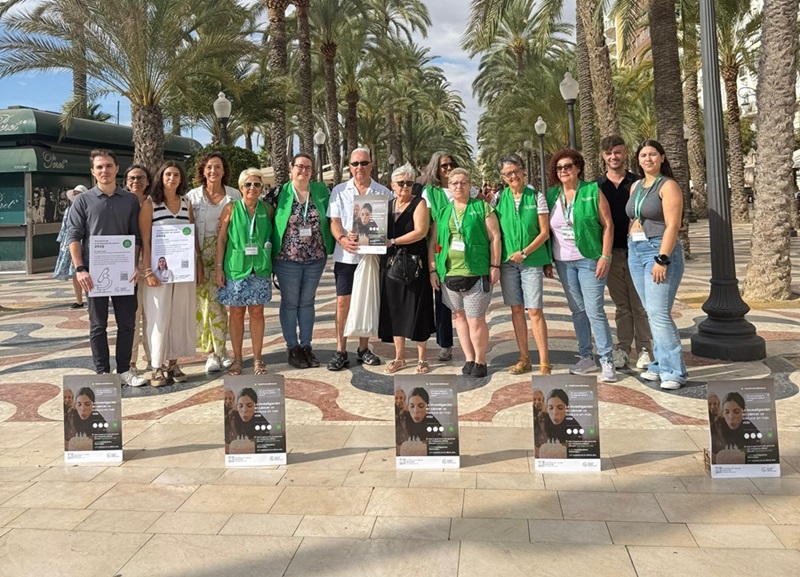
Photo: Volunteers and researchers from the Spanish Association Against Cancer on the Explanada in Alicante during World Cancer Research Day. Source: AECC Alicante.

On the occasion of World Cancer Research Day, the Spanish Association Against Cancer (AECC) in Alicante took to the streets of the city on September 24 to bring citizens closer to the scientific advances being developed in the province. Volunteers and researchers handed out test tubes containing information on projects funded in Alicante, led by prestigious teams and supported by the Association. Researchers Mario Aguilar and Raúl Jiménez from the Institute for Neurosciences (IN), a joint center of the Spanish National Research Council (CSIC) and Miguel Hernández University (UMH) in Elche, participated in the event. Jiménez also attended on behalf of the research team led by Ángela Nieto.

In 2024, the province of Alicante recorded 12.081 new cancer diagnoses, according to estimates from the Cancer Observatory. To address this reality, the Spanish Association Against Cancer is currently supporting seven research projects in the province, with an investment exceeding €950,000.

Among them is the work of Khalil Kass Youssef, who, with a Researcher Grant of €200.000, is studying the role of neurons in breast cancer progression and identifying vulnerabilities in highly resistant tumors such as bile duct and triple-negative breast cancers. “My professional goal has always been to improve patient care and public health through scientific advances and new cancer therapies. Thanks to a multidisciplinary and collaborative strategy, we have integrated advances in cancer biology and neuroscience, laying the foundations for new therapeutic approaches that take the tumor’s nervous environment into account”, Youssef highlighted.

Another ongoing project is led by Mario Aguilar, who, with an Ideas Semilla Grant of €19.950, is studying the brain mechanisms behind the placebo effect, to optimize cancer treatments. “Cancer research translates into more life. Thanks to the efforts of the scientific community and the support of associations like the AECC, today we are able to increase survival, improve patients’ quality of life, and bring advances closer to society. Research must be a collective priority, and basic research is the solution for the future: only by understanding the causes of the disease will we be able to cure it, and not just treat its symptoms. Investing in research means investing in the future of everyone”, Aguilar stressed.

Cancer research means more life

The Spanish Association Against Cancer is the largest cancer research network in Spain, supporting more than 2.300 researchers across 146 research centers located in 38 provinces, working on all phases of this disease development, from prevention to metastasis.

Within this framework, the Association presented the ‘Patient Advocacy’ program, a pioneering initiative in Spain that has, for the past five years, incorporated the voice of patients into the processes of selecting and monitoring cancer research projects. The goal is to provide a more realistic and closer view of patients’ clinical needs, strengthen their role as key players in decision-making, and promote the creation of tailored medical solutions. This approach, aligned with the international trend toward more inclusive and collaborative medical research, has a direct impact on public health by influencing the design of treatments, health policies, and prevention strategies.

About the Spanish Association Against Cancer

With more than 70 years of history, the Spanish Association Against Cancer is the reference organization in the fight against this disease in Spain. Its work covers prevention, comprehensive support for patients and families, and the promotion of cancer research. Through its Scientific Foundation, it funds high-quality projects through public calls and is today the social and private entity that allocates the most funds to cancer research in Spain, with €143 million invested in 750 projects.

The Association has 52 provincial offices and a presence in more than 2,000 municipalities, supported by a network of 3.000 volunteers, 728.000 members, and 1,261 professionals. In 2024 alone, the Association provided professional support services to more than 136.000 people.

More information: https://www.contraelcancer.es/es

Source: Instituto de Neurociencias CSIC-UMH (in.comunicacion@umh.es) / Alicante Provincial Office of the Spanish Association Against Cancer

La entrada The Spanish Association Against Cancer brings science closer to citizens from Alicante se publicó primero en Instituto de Neurociencias de Alicante.

Go to Source

Tim Myers represents ECMI at the ICIAM Board Meeting and promotes industrial mathematics in Vietnam

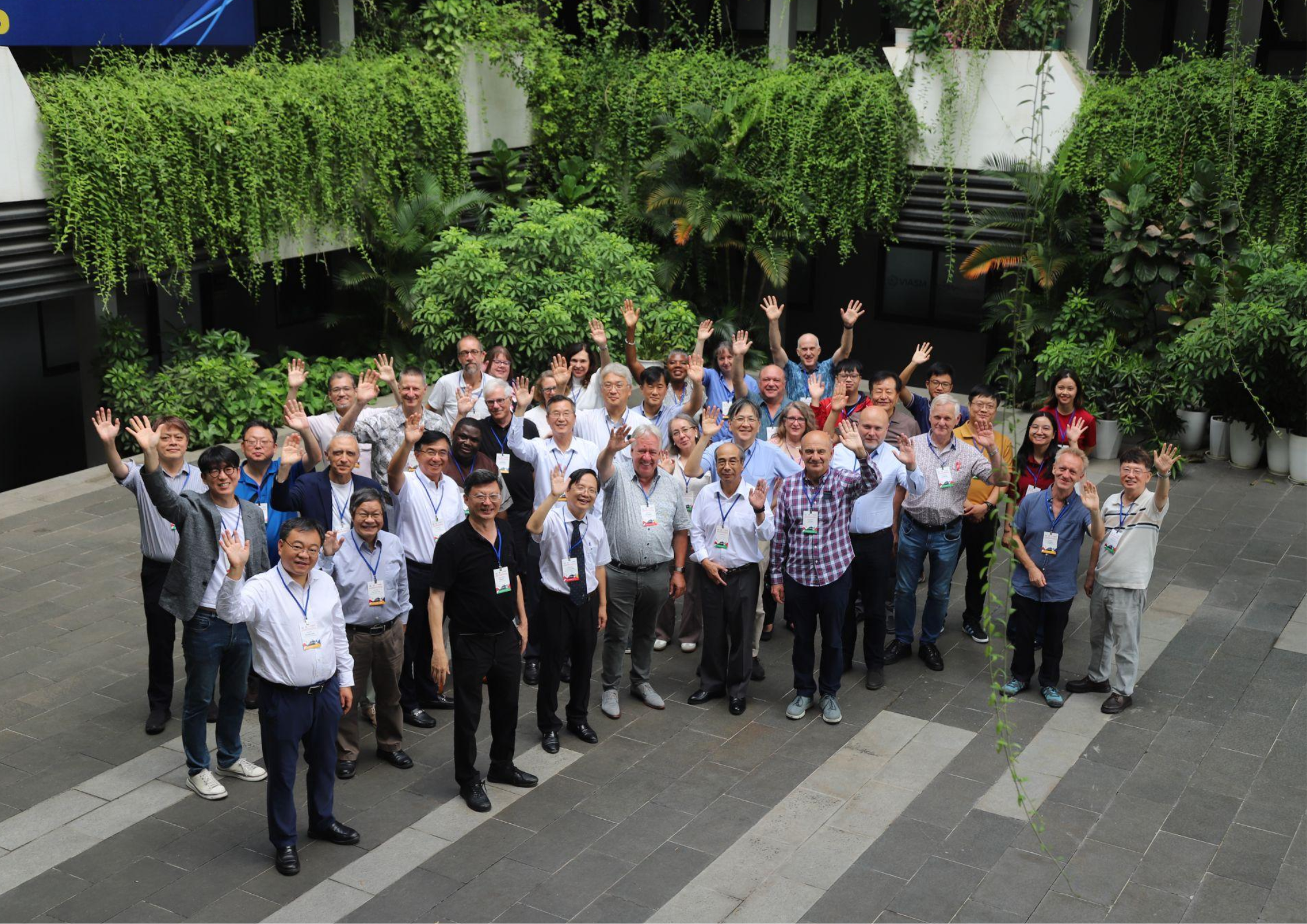
ICIAM Board and VIASM Members during a break

Vietnam hosted the ICIAM Board Meeting and Workshop this September at the Vietnam Institute for Advanced Study in Mathematics (VIASM), gathering 70 delegates from five continents. CRM researcher Tim Myers attended as the ECMI representative and later visited Ho Chi Minh University of Science to meet academics and companies on industrial mathematics initiatives.

This month, CRM researcher Tim Myers visited Vietnam to attend the International Council for Industrial and Applied Mathematics (ICIAM) board meeting, hosted by the Vietnam Institute for Advanced Study in Mathematics (VIASM), and to visit Ho Chi Minh University of Science.

The first part of the visit centred on the ICIAM board meeting and workshop in Hanoi. The meeting brought together representatives of major industrial and applied mathematics societies from around the world, with Spain well represented by Ángel Ramos (CUM), President of the Sociedad Española de Matemática Aplicada, Luis Vega (BCAM), ICIAM Officer, and Myers himself representing the European Consortium for Mathematics in Industry (ECMI). Other European societies also took part, with José Antonio Carrillo attending on behalf of the European Society for Mathematical and Theoretical Biology, and Eduard Campillo-Funollet representing the Institute for Mathematics and its Applications.
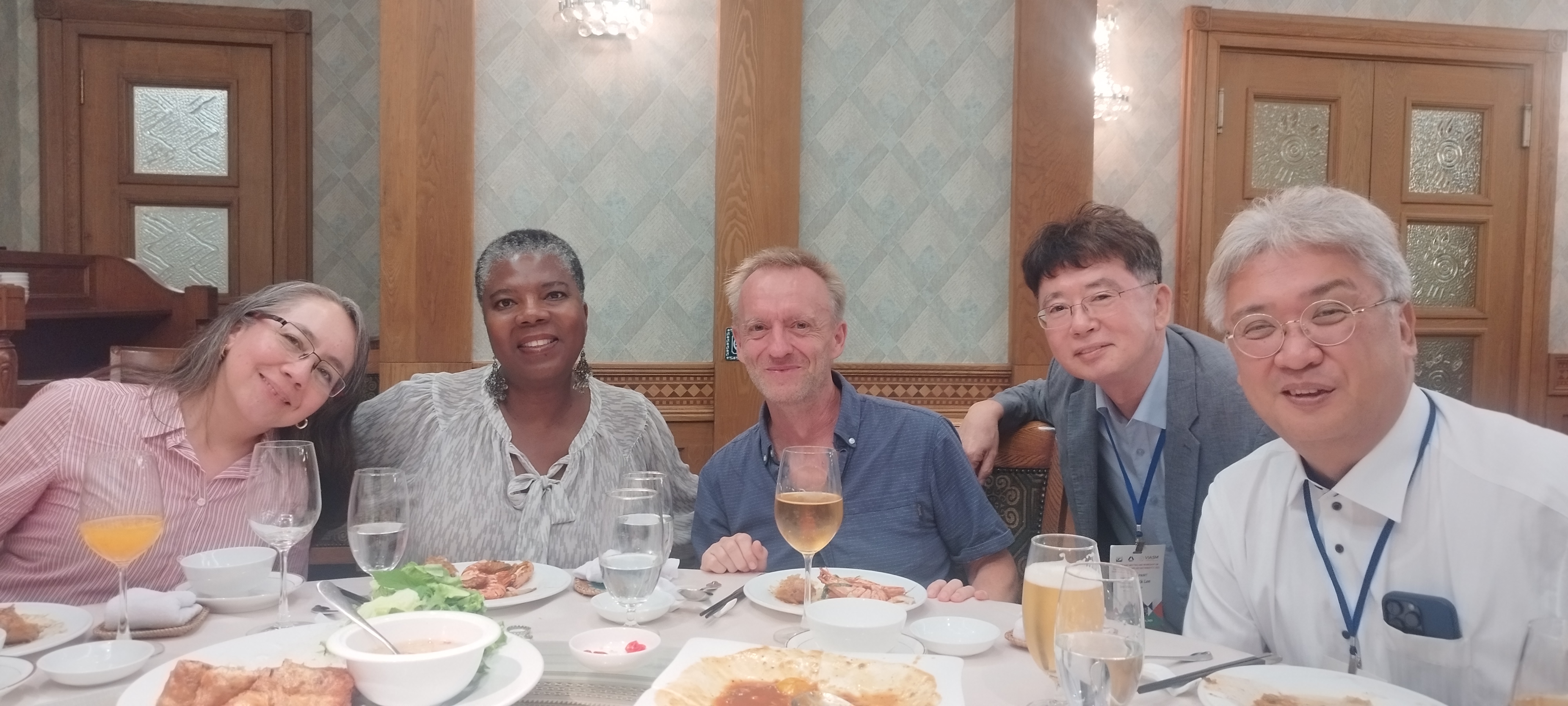
Post Board Meeting dinner, from left to right: Prof. Ivete Sánchez Bravo (Secretaria de Vinculación, Sociedad Mexicana de Matematicas), Prof. Suzanne Weekes (CEO, Society for Industrial and Applied Mathematics), Tim (CRM), Prof. Chang-Ock Lee (President, Korean Society for Industrial and Applied Mathematics), Prof. Kenji Kajiwara (Director of the Institute of Mathematics for Industry (IMI), Japan, Secretary of the Asia Pacific Consortium of Mathematics for Industry).

“By holding prestigious meetings in countries such as Vietnam we acknowledge their role in global mathematics as well as increase their visibility.”

The Workshop on Industrial and Applied Mathematics 2025 took place from September 11 to 12 at VIASM, jointly organised by ICIAM, the Vietnam Mathematical Society (VMS) and VIASM. The scientific programme featured 24 invited lectures by leading experts, covering applications of mathematics in areas as diverse as high-performance computing, nonlinear dynamical systems, water pollution modelling, partial differential equations and dispersive equations, and the role of mathematics in data science, health sciences and large-scale simulation. Alongside these talks, discussion sessions and exchanges fostered connections between Vietnamese researchers and their international counterparts.

The ICIAM board meeting, held the day after the workshop, brought together over 70 delegates from across five continents, representing countries such as the United States, Canada, Brazil, China, Japan, Korea, the United Kingdom, Germany, Spain, Australia, South Africa and Vietnam. Two key decisions were made: Prof. Sven Leyffer (Argonne National Laboratory, USA) was elected as the next ICIAM President, and Busan, South Korea, was selected to host the 2031 ICIAM Congress.
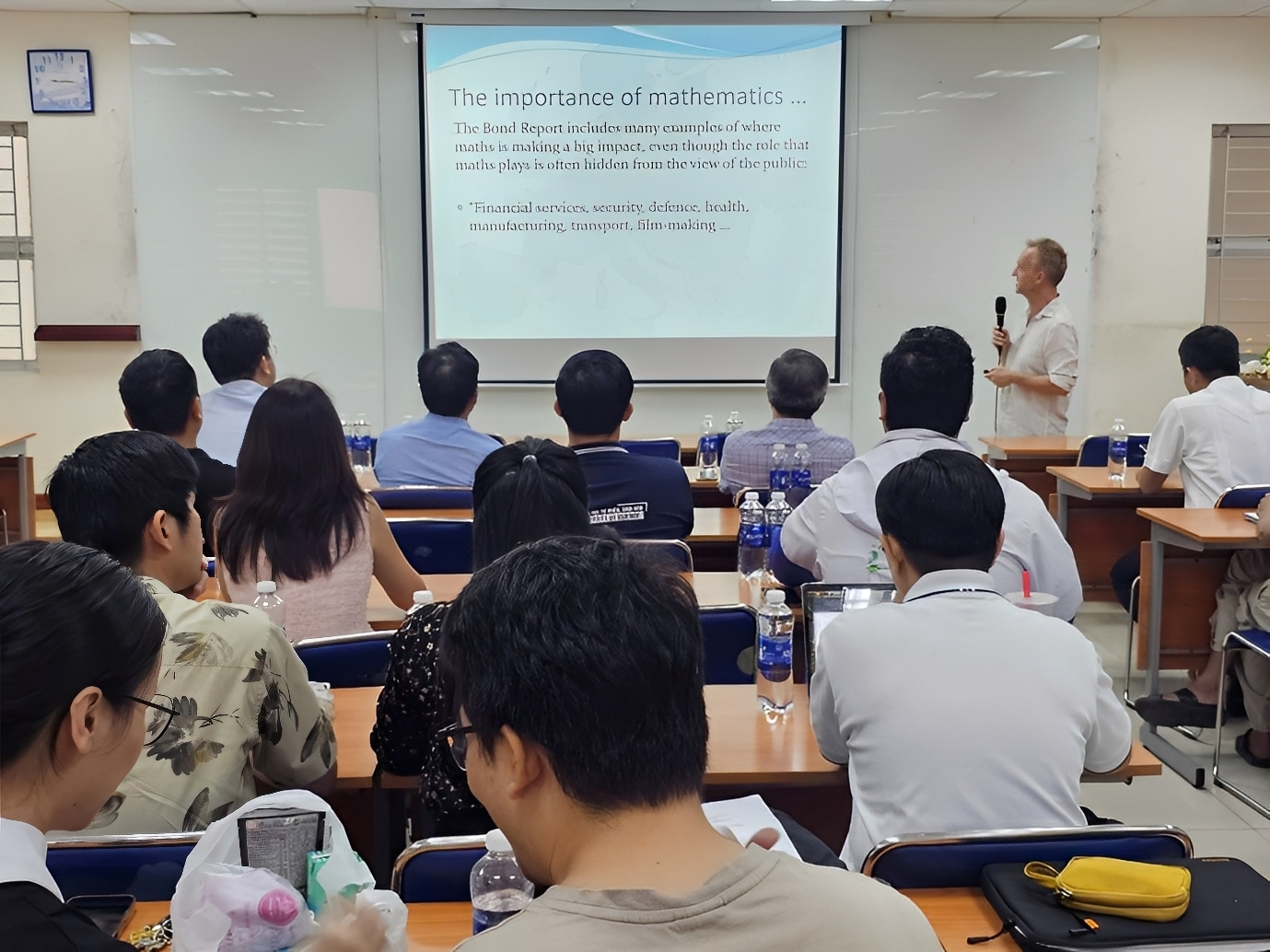
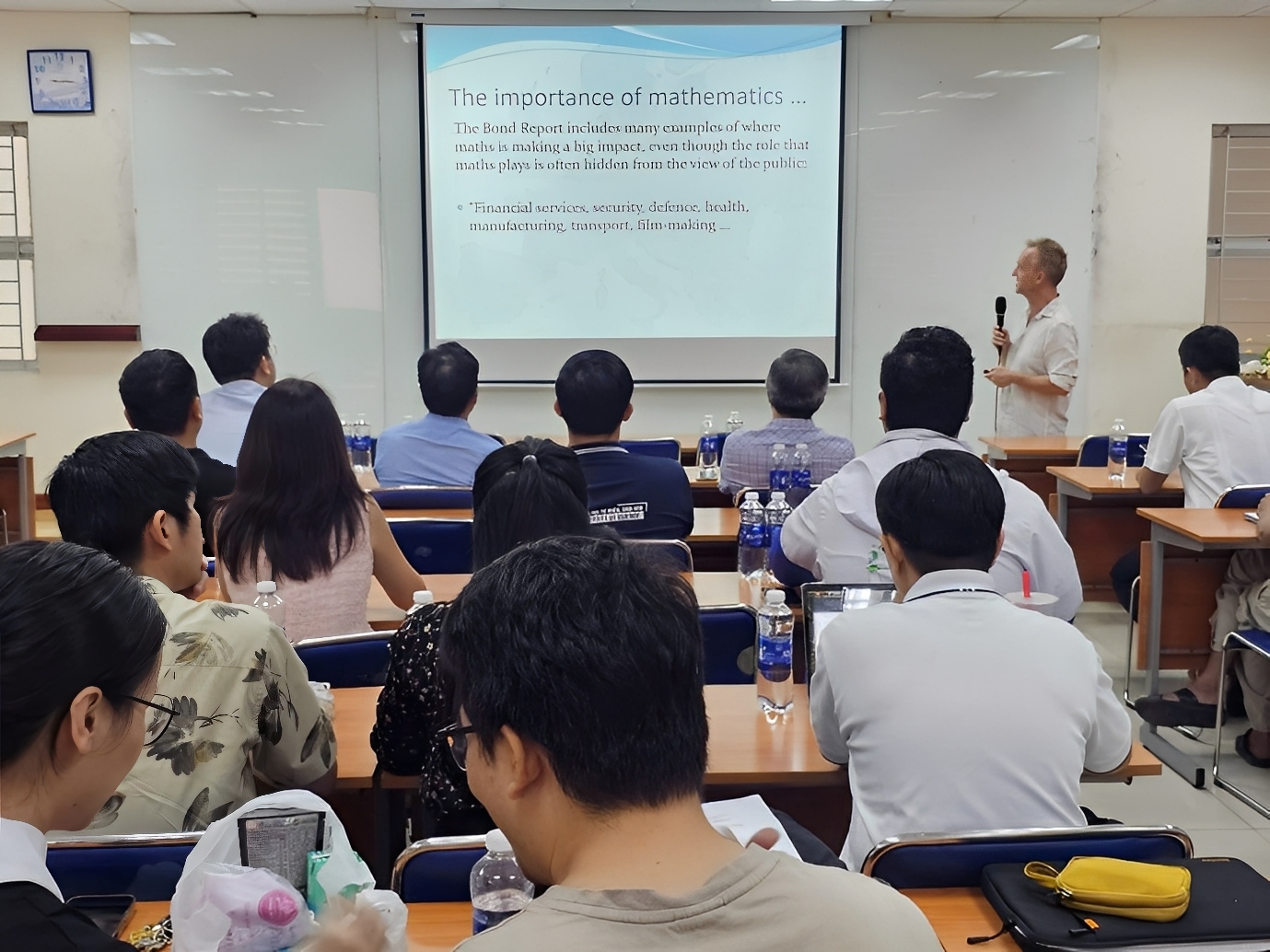
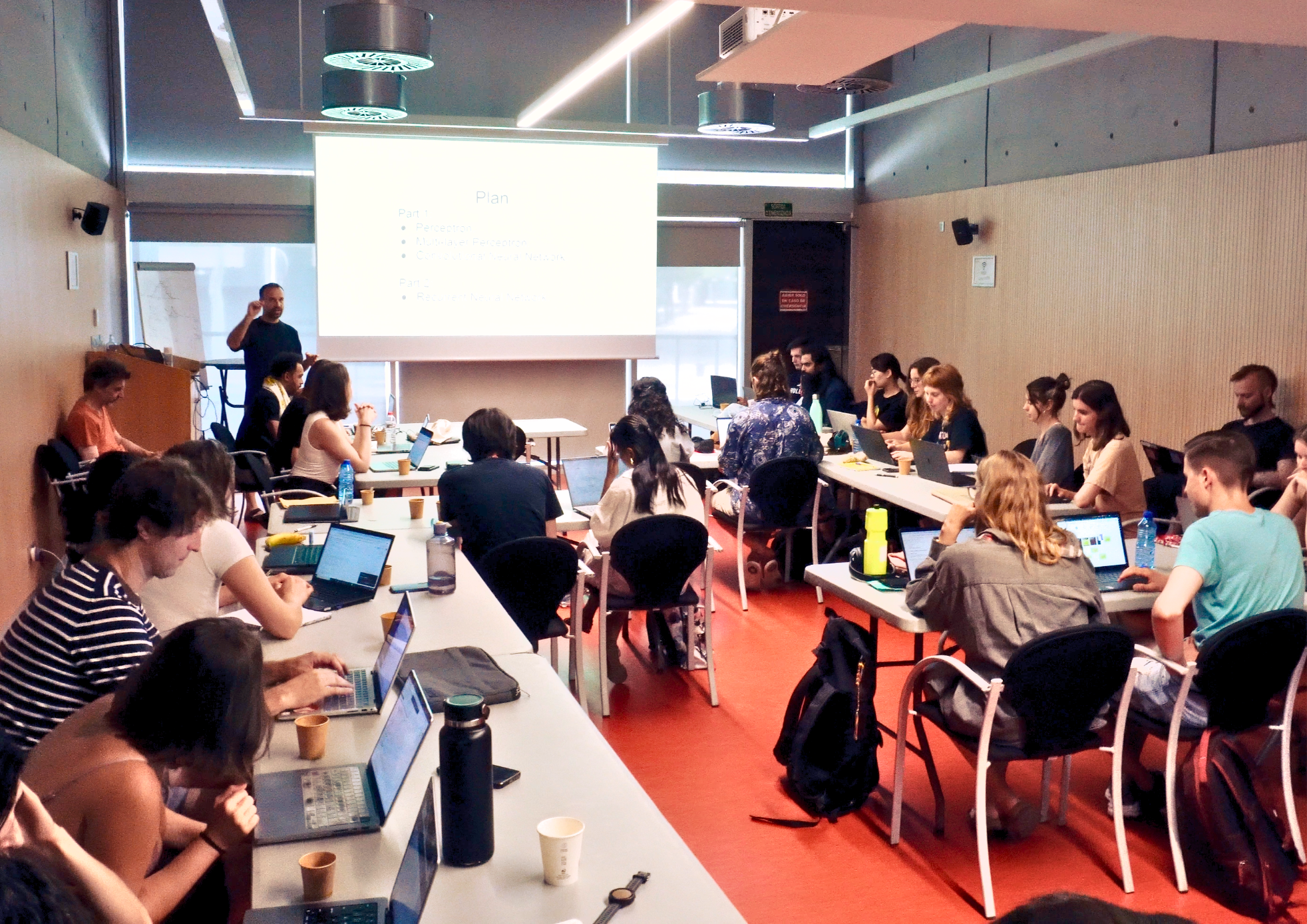
Myers discussing the role of mathematics in society at Ho Chi Min University of Science

Reflecting on the importance of hosting such events in Vietnam, Myers explained: “There is currently a large push to equalise the visibility of mathematics throughout the world. For many reasons, such as publication costs or research funding, Global South countries have a much lower international presence than more affluent countries (in terms of publications, influential researchers, journal editors, etc). By holding prestigious meetings in countries such as Vietnam — the ICIAM Board consists of world-renowned researchers — we acknowledge their role in global mathematics as well as increase their visibility.”

He also highlighted the concrete benefits of these visits: “Visiting academics can interact with policy makers in the local universities or the country. As an invited guest I often meet with university dignitaries to explain the role that mathematics can play in promoting university collaboration with industry. During the ICIAM meeting, Prof. Wil Schilders (ICIAM president), Prof. Hiraku Nakajima (International Mathematics Union president) and Prof. Yukari Ito (president elect of Asian-Oceanian Women in Mathematics) met with the Vietnamese Deputy Minister of Education and Training Nguyn Văn Phúc.”

After Hanoi, Myers travelled to Ho Chi Minh City, where he was a guest of honour at a meeting to showcase industrial mathematics and study groups with industry. The event included representatives from two companies: FPT, one of Vietnam’s largest IT service providers, and Tatoma, who focus on optimising seafood farming.
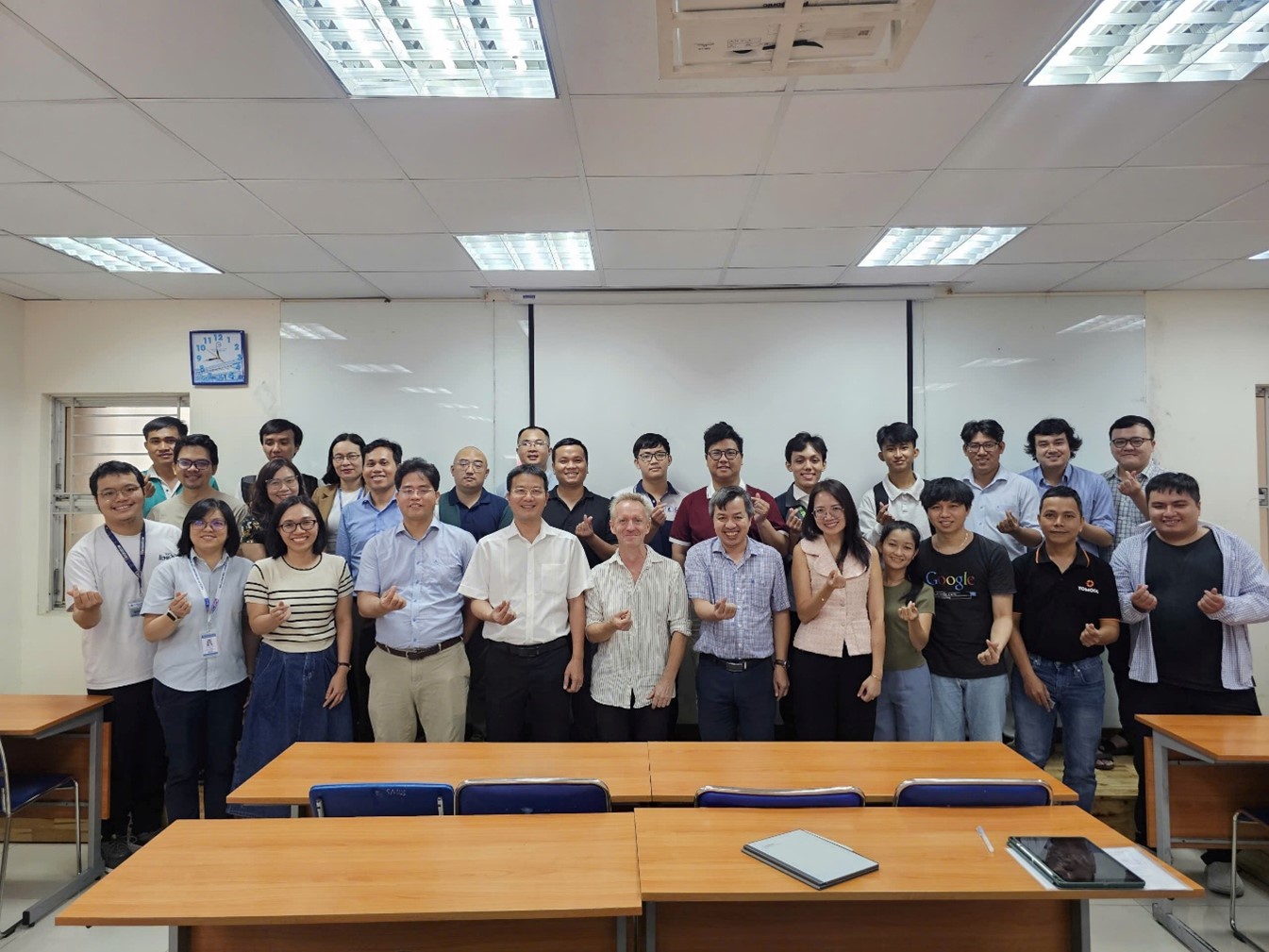
Attendees at the HCMUS meeting

Speaking about how such initiatives can take root, Myers stressed the importance of local engagement: “The key is always to find someone, or a group, willing to keep any initiative alive. Visiting international academics can help, but without the local effort, this will not achieve long-term success.” He also underlined the role of students: “They can learn how to apply mathematics to real-world problems, either at study groups or modelling weeks. In the future, if they stay at the university, they have the skill set to understand industrial problems; if they leave and are employed by industry, they provide a vital link to the universities and often bring problems back.”

Vietnam is part of the Global South, a group of countries that face structural challenges related to development and inequality. Hosting events such as the ICIAM board meeting and the Industrial and Applied Mathematics workshop helps promote industrial mathematics in the country’s leading universities, build closer ties with industry, and open up new funding opportunities as well as new mathematical challenges.
 

Tim Myers has over 30 years of experience in developing and analysing mathematical models for complex physical processes, with contributions spanning phase change, nanoscale optics, thin film flow, nanofluids, and the Heat Balance Integral Method. He promotes the practical use of mathematics as a Board Member of the European Consortium for Mathematics in Industry, co-ordinator of European Study Groups with Industry, and editor for both Mathematics in Industry Reports (CUP) and the Springer–RSME Book Series. He also serves on the European Mathematical Society’s Committee for Developing Countries and the Advisory Committee for the Eastern African Universities Mathematics Programme. His current research focuses on applying mathematics to environmental challenges, particularly the capture of contaminants.

Subscribe for more CRM News

Stay updated to our mailing list to get the lastest information about CRM activities.

CRM Comm

Pau Varela

CRMComm@crm.cat


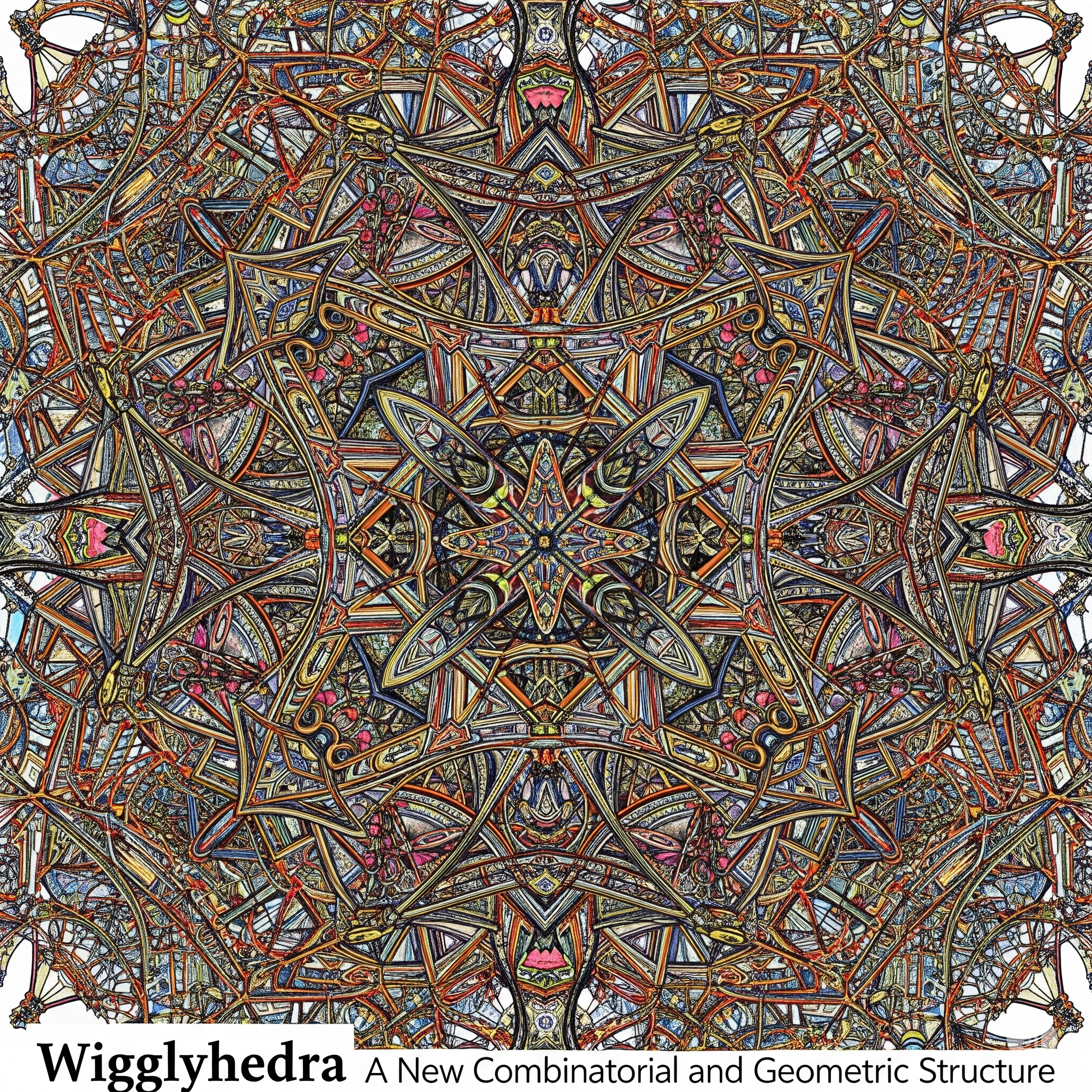
Wigglyhedra: A New Combinatorial and Geometric Structure

Wigglyhedra: A New Combinatorial and Geometric Structure

In the article “Wigglyhedra”, researchers Asilata Bapat (Australian National University) and Vincent Pilaud (Universitat de Barcelona – Centre de Recerca Matemàtica) introduce the wiggly complex, a novel combinatorial and geometric structure, along with its associated…

CRM at the Bilbao–Barcelona Analysis and PDE Meeting

CRM at the Bilbao–Barcelona Analysis and PDE Meeting

From September 3 to 5, 2025, the Basque Center for Applied Mathematics (BCAM) hosted the Bilbao–Barcelona Analysis and PDE Meeting. For three days, researchers from both cities met face to face, joined by colleagues from other institutions, to…

Javier Gómez-Serrano receives the  2025 R. E. Moore Prize

Javier Gómez-Serrano receives the 2025 R. E. Moore Prize

Javier Gómez-Serrano, professor at Brown University, has received the 2025 R. E. Moore Prize for Applications of Interval Analysis together with Tristan Buckmaster and Gonzalo Cao-Labora. The award honours their article Smooth imploding solutions…

The post Tim Myers represents ECMI at the ICIAM Board Meeting and promotes industrial mathematics in Vietnam first appeared on Centre de Recerca Matemàtica.

Go to Source

Dark solitons in spin-orbit-coupled Fermi gases

Image
Dark solitons in spin-orbit-coupled Fermi gases
Seminar

Dark solitons in spin-orbit-coupled Fermi gases

Date
Place
Pere Pascual V5.07 Room and via Zoom

Abstract: In the presence of spin-orbit coupling and a linear Zeeman field, an interacting Fermi gas exhibits a topological phase transition from a regular superfluid phase to a topological superfluid phase, where the latter phase supports Majorana zero modes. These modes are long sought objects by solid state experiments, since they can show a non-Abelian exchange  statistics with promising potential for applications. Such a motivation has also triggered the search for Majorana zero modes in ultra-cold Fermi gases. They can be found when the fermionic pairing vanishes locally, and thus they are associated either with the system boundary, as edge states, or with internal defects that locally destroy superfluidity, as pinned modes. 

A particularly interesting example of the latter phenomenon in quasi one dimensional gases is the dark soliton, which was theoretically shown to exhibit novel dynamics in the topological phase, qualitatively distinct from the regular behavior of solitons. We have studied this topological excitation and found that there is not only one, but two types of dark solitons in spin-orbit-coupled Fermi gases. The existence of two Fermi surfaces, with different characteristic energy and length scales that feature distinct condensation peaks of fermionic pairs, allows for the emergence of two different types of dark solitons in the regular superfluid phase, while only one type has continuation into the topological phase, where it hosts Majorana zero modes at the core. The detection and identification of the two types of solitons in ultracold-gas experiments requires probing both the fermionic density and the order parameter. 


 Acknowledgements

This event is part of the grant CEX2019-000918-M funded by MCIN/AEI/10.13039/501100011033.

MCIN AEI

Go to Source

Duality and dual models: past, present and future

Image
Duality and dual models: past, present and future
Seminar

Duality and dual models: past, present and future

Date
Place
Pere Pascual V5.07 Room and via Zoom

Abstract: Before the advent of duality (late 60s) two disconnected phenomena were studied in the dynamics of strong interactions: low-energy resonances and high-energy smooth asymptotic behavior. With the discovery of duality and its realization by the Veneziano model that unified the low- and high-energy regions the situation changed drastically. Various versions of dual models and their practical applications were proposed and applied to describe physical reactions. An important virtue of dual models is the possibility of their multiparticle generalizations. Duality also stimulated the birth of new ideas, including supersymmetry.


On the other hand, progress in further development and practical applications of dual models was limited by problems with unitarity, partially resolved by a group of theorists at the Bogolubov Institute for Theoretical Physics (Kiev, Ukraine), in the so-called Dual Amplitude with Mandelstam Analyticity (DAMA) by use of non-linear, complex Regge trajectories. A further development was related to off-mass-shell modifications of DAMA, known as MDAMA (V. Magas et al.). Recently we are witnessing a revival of the ideas of duality, partly in formal mathematical constructions such as q-deformed dual amplitude. 


The basic idea and goal remain topical and timely: understanding and unified description of various elastic and inelastic reactions in a wide range of kinematical variables. 


Acknowledgements

This event is part of the grant CEX2019-000918-M funded by MCIN/AEI/10.13039/501100011033.


MCIN AEI

Go to Source

IMDEA Energía celebra la Noche Europea de los Investigadores con Renovaland, un viaje interactivo por las energías limpias.

La entrada IMDEA Energía celebra la Noche Europea de los Investigadores con Renovaland, un viaje interactivo por las energías limpias. se publicó primero en IMDEA ENERGÍA.

Go to Source

Not-quite-primordial black holes

Image
Not-quite-primordial black holes
Seminar

Not-quite-primordial black holes

Date
Place
Pere Pascual V5.07 Room

Abstract: In this talk, I will discuss a new mechanism for the formation of seeds of supermassive black holes at early cosmic epochs. Enhanced density fluctuations with amplitudes that are not large enough to form primordial black holes post-inflation can still lead to collapsed dark matter halos at very early times. For halos forming prior to 1+z ~ 200, the Cosmic Microwave Background (CMB) is energetic enough to suppress the formation of molecular hydrogen, hence preventing cooling and fragmentation, as a consequence of which baryons falling into the potential well of the halo may undergo “direct collapse” into a black hole. I will show using a few illustrative models how this mechanism may account for the abundance of high-redshift black holes inferred from observations by the James Webb Space Telescope while remaining consistent with current limits from CMB spectral distortions. Limits on the primordial power spectrum are also derived by requiring that the universe not reionize too early.

Go to Source

The co-formation and evolution of star clusters and their host galaxies

Image
The co-formation and evolution of star clusters and their host galaxies
Seminar

The co-formation and evolution of star clusters and their host galaxies

Date
Place
DAM 7.24 Seminar Room

Abstract: Stellar clusters are critical constituents within galaxies. Widely studied in the Local Universe (albeit not understood), stunning observations by the James Webb Space Telescope are revealing the presence of massive star clusters in a variety of galactic environments across cosmic time. These observations raise questions about the formation, interaction and eventual fate of star clusters within galaxies: Does the process of star formation change over cosmic history? How will the energy released by massive stars in the massive star clusters affect the evolution of the galaxy? Can those clusters survive to the present day or will they disrupt into the stellar body of the galaxy? And are bright star clusters good tracers of their environment?

In the first part of my talk I will review current numerical approaches to model the intertwined evolution of star clusters and galaxies, and I will discuss their perks and caveats. I will also present SCALES, a novel method to model clusters built via gas accretion and hierarchical merging with sub-clusters implemented within the hydrodynamical code GIZMO, and I will discuss what physics are required to reproduce the formation of star cluster populations. For the second part of my talk, I will present current and upcoming efforts of expanding our knowledge of star cluster populations in galaxy clusters to earlier cosmic times using JWST/NIRCam imaging, and how can these datasets be used to map the mass distribution in these environments.

Go to Source

Structure and dynamics of the local group galaxies

Image
Structure and dynamics of the local group galaxies
Seminar

Structure and dynamics of the local group galaxies

Date
Place
DAM 7.24 Seminar Room

Abstract: As the expansion of the universe continues to accelerate, the internal secular evolution of galaxies becomes more important as the distance between galaxies generally increases. The largest galaxies in the local group provide an ideal laboratory due to their proximity to study the secular evolution processes driven by internal dynamical structures, such as a bar and spiral arms. I will review the key dynamical properties of local group galaxies, how they are distributed along the Hubble sequence, the signatures for ongoing secular evolution, and in turn how we may infer the dynamical properties of a central bar from such signatures.  Recent attempts in dynamical modelling of barred galaxies based on stellar and gaseous kinematics are also discussed.

Go to Source

Genetic mechanisms revealed that allow poplars to survive severe droughts

It was known that trees could survive extreme water shortages thanks to their ability to produce more numerous and smaller vessels, but the molecular mechanisms underlying this response were unknown. Now, a study led by CBGP researcher Daniel Conde reveals the key genes and pathways that control this plasticity, which could provide new tools for protecting forests and crops.

Go to Source

A new genetic mechanism has been discovered that acts as a clock in plant roots

An international team led by the CBM in collaboration with CBGP has discovered that plant roots have an “internal clock” that governs when and how cells divide. This discovery explains how plants coordinate their growth and could be used to develop crops with more resilient and efficient roots.

Go to Source

Sidebar