
Author Archive

Two new Super-Earths discovered around nearby red dwarfs

Only 25 years ago we did not know of any planets outside the Solar System. Today, though, we have a list of more than 3,500 exoplanets around other stars. There are a number of techniques for discovering them, and one of the most used is the radial velocity technique. This involves measuring the changes in the position and velocity of a star when the star and a planet in orbit around it rotate around their common centre of gravity. Depending on the relative masses of the two objects gravity will determine the magnitude of the change in velocity of the star, which can be measured using its observed spectrum.

Thanks to this technique, a group of astronomers headed by Alejandro Suárez Mascareño,  a PhD student of the Instituto de Astrofísica de Canarias (IAC) and the University of La Laguna (ULL), and his thesis directors Rafael Rebolo, Director of the IAC and Scientific Director of the Severo Ochoa Program of this institute, and Jonay Isaí González Hernández, IAC Ramón y Cajal researcher, have discovered two ‘super-Earth’ type planets, GJ 625 b and GJ 536 b, whose masses are around 3 and 5 Earth masses, respectively, in orbit around nearby red dwarf stars.

The observations that have led to these discoveries have been obtained with the HARPS (High Accuracy Radial velocity Planet Seeker) spectrograph on the 3.6m ESO Telescope at La Silla (Chile) and HARPS North, on the Telescopio Nazionale Galileo (TNG) at the Roque de los Muchachos Observatory, Garafia (La Palma).

GJ 625 b

At just 21 light-years away from us and with a mass almost three times that of the Earth, this is one of the least massive Super-earth-like planets known to date, and it is located at the limit of the habitable zone of the red dwarf star GJ 625.

“Since GJ625 is a relatively cool star”, explained Alejandro Suárez Mascareño, “the planet would be at the border of the habitable zone, where liquid water could exist. Also, depending on the composition of its atmosphere and its rotation, it could be potentially habitable”.

Artistic design of the super-Earth GJ 625 b and its star, GJ625 (Gliese 625). Credit: Gabriel Pérez, SMM (IAC)

Despite red dwarfs are the most common stars in the Universe, only a few hundred of earth-like planets are known orbiting around them to date. The majority of exoplanets have been discovered orbiting much more distant stars, using the transit method, in which the planet causes a minor ‘eclipse’ when it passes in front of the star. In contrast, only a few tens of rocky planets have been discovered around nearby stars with the radial velocity technique, and very few have been found in their habitability zones.

GJ 536 b

This exoplanet –the planet orbiting the star GJ 536- is not within the star’s habitable zone, but its short orbital period of 8.7 days and the luminosity of its star, a red dwarf which is quite cool and near to our Sun, make it an attractive candidate for investigating its atmospheric composition.

 “This rocky exoplanet is observable from both the northern and southern hemispheres”, comments Jonay Isaí González, “so that it is very interesting for future high stability spectrographs and in particular for the possible detection of another rocky planet in the habitability zone of the star”.

“To detect the planet”, states Rafael Rebolo “we had to measure the velocity of the star with an accuracy of the order of a metre per second. With the construction of the new instrument ESPRESSO, co-directed by the IAC, we will improve this accuracy by a factor of ten, and will be able to extend our search to planets with conditions very similar to Earth, around this and many other nearby stars”.

Image credits:

Front and in-text image “Artistic design of the super-Earth GJ 625 b and its star, GJ625 (Gliese 625)”, by Gabriel Pérez, SMM (IAC).
New advances in the modern field of Contact Geometry

The development of contact geometry is motivated by the fact that in quite a few spaces there is more than one contact structure, thereby posing the question of their classification. In 2015 the group led by ICMAT researcher Fran Presas published a paper in the journal “Annals of Mathematics”, which showed that at least one contact structure existed in every 5 dimensional manifold satisfying an obvious necessary condition. This work was a wake-up call that a few months later led to the proof of the existence of contact structures in any odd-dimensional spaces satisfying the obvious necessary topological condition. Now, Rogel Casals, José Luis Pérez, Álvaro del Pino, and Fran Presas have published an article entitled “Existence h-principle for Engel structures” in Inventiones Mathematicae, that contributes the first theorem on the existence of Engel structures in manifolds of dimension 4.

Contact structures are non-integrable distributions (a continuous selection of “admissible” directions at each point in space) defined in odd-dimensional geometric spaces; they are constructed in spaces or manifolds of dimension 2n+1 and select a linear subspace of 2n directions at each point. For instance, in a manifold of dimension 3, a plane is chosen at each point; one example is the mechanical system modelling a skateboard, which has three degrees of freedom: the two coordinates of its position on the plane, and the angle at which its axis is pointing. The distribution of “admissible” motions at each point is given by the line defined by the axis (one degree of freedom) and the angle (a second degree of freedom). The fact that it can reach any point in the space (moving by admissible motions from one triplet of coordinates to another) is a measure of the non-integrability of the distribution. The analogous objects in dimension 4 are Engel structures and are non-integrable 2-dimensional distributions.  

Non-integrable distributions are related to control theory, an interdisciplinary field of engineering and computational mathematics dealing with the behaviour of dynamical systems (those systems that evolve with time, such as the motion of a skateboard or a particle in a fluid) under a series of “controls” that correspond to the admissible directions. The theory studies geometric properties of the set of admissible trajectories and seeks to optimize observables such as the time spent and the energy consumed. Furthermore, non-integrable distributions represent classes of mechanical systems, and thus are closely related to symplectic geometry, which is the field of geometry arising from the study of Newton’s equations under the formalism of differential geometry.

It is for those reasons that non-integrable distributions are placed at the intersection of symplectic geometry, the abstract formalism of mechanical systems, and control theory, which studies the pathways and efficiency of the admissible trajectories of the distributions. A further important actor in play is the h-principle, a set of topological-geometric tools used for determining the existence and subsequent classification of certain classes of geometric structures. The h-principle or homotopy principle emerged in the 1960s for the study of geometric structures that are locally equivalent or isomorphic, but which globally may not be so. This field of research found its initial inspiration in theorems of isometric Euclidean embeddings with low regularity by John Nash (USA, 1928) and was extended to the theory of differentiable immersions by S. Smale (USA, 1930). Mikhail Gromov (Russia, 1943) formulated the general principle underlying these apparently different results. In his book “Partial Differential Relations”, Gromov employed the h-principle to find solutions to many types of partial differential equations.

Contact structures are also related to the theory of relativity and Hamiltonian dynamical systems. Their history goes back to Élie Cartan (France, 1869), who was the first person to study them locally and compare them with other classes of distributions.   

This research work took off as an independent field 40 years ago, although it was not until the 1980s that a leap forward was made in their understanding, specifically in the case of 3-dimensional spaces. Since then, interest in this area has continued to grow. Progress in the remaining dimensions began in 2015, when the group led by ICMAT researcher Fran Presas published a paper in the journal “Annals of Mathematics”, which showed that at least one contact structure existed in every 5 dimensional manifold satisfying an obvious necessary condition. This work was a wake-up call that a few months later led to the proof of the existence of contact structures in any odd-dimensional spaces satisfying the obvious necessary topological condition.

What motivated the development of contact geometry is that in quite a few spaces there is more than one contact structure, thereby posing the question of their classification. With that in mind, in the 1980s Gromov and Andreas Floer (Germany, 1956) developed the theory of pseudo-holomorphic curves and their associated invariants, a tool enabling different distributions to be distinguished. The zoology or classification of contact structures is currently a highly active research field because of the large number of examples found in these geometric spaces.

This year, together with Roger Casals, José Luis Pérez and Álvaro del Pino, Fran Presas has published an article entitled “Existence h-principle for Engel structures” in Inventiones Mathematicae. This work contributes the first theorem on the existence of Engel structures in manifolds of dimension 4. These types of geometric spaces possess special characteristics and constitute the less understood class of topologically stable distributions, a concept introduced by E. Cartan, and the study of these authors has applications in general relativity. The first pointer towards a possible application of the h-principle in Engel geometry was provided by T. Vogel in 2009, although it was not until 2017 when Roger Casals, José Luis Pérez, Álvaro del Pino and Fran Presas proved a totally general existence result by employing the homotopy principle. At present, the classification of Engel structures is still an emerging field. As in the case of contact geometry, maturity in the area would be reached if examples of spaces with at least two different Engel structures were to be found.

References:

Roger Casals, Dishant M. Pancholi, Francisco Presas. Almost contact 5-manifolds are contact. Annals of Mathematics. Pages 429-490 from Volume 182 (2015), Issue 2.

Casals, R., Pérez, J.L., del Pino, Á. et al. Existence h-principle for Engel structures. Invent. math. 210: 417 (2017).

About the authors:

Roger Casals is a CLE Moore Instructor at the Massachusetts Institute of Technology Department of Mathematics. He completed his PhD thesis at the ICMAT under the supervision of Fran Presas, for which he received the José Luis Rubio de Francia Prize from the Royal Spanish Mathematical Society in 2016. His research field is focused on symplectic and contact topology, the rigidity-flexibility dichotomy, the h-principle and groups of contactmorphisms.  

José Luis Pérez is a graduate student at the ICMAT. He graduated in mathematics from the University of Seville and is currently engaged in his PhD studies at the ICMAT, under the supervision of Fran Presas. His research field focuses on the area of symplectic topology, contact structures and Engel structures.

Álvaro del Pino is a postdoctoral researcher at the University of Utrecht, Holland. He completed his PhD at the ICMAT under the supervision of Fran Presas. He studies phenomena of flexibility in contact and symplectic topology. He is also interested in applications of the h-principle.

Fran Presas is a Senior Scientists at the CSIC and a member of the ICMAT. He gained his PhD in mathematics from the Complutense University of Madrid in the year 2000, and completed his post-doctoral studies at Stanford University. He works in the fields of high-dimensional contact topology, symplectic topology, geometric quantization, the general theory of foliations and the classification of Engel structures.

ERC Advanced Grant to expand work on agent expectations and their policy implications

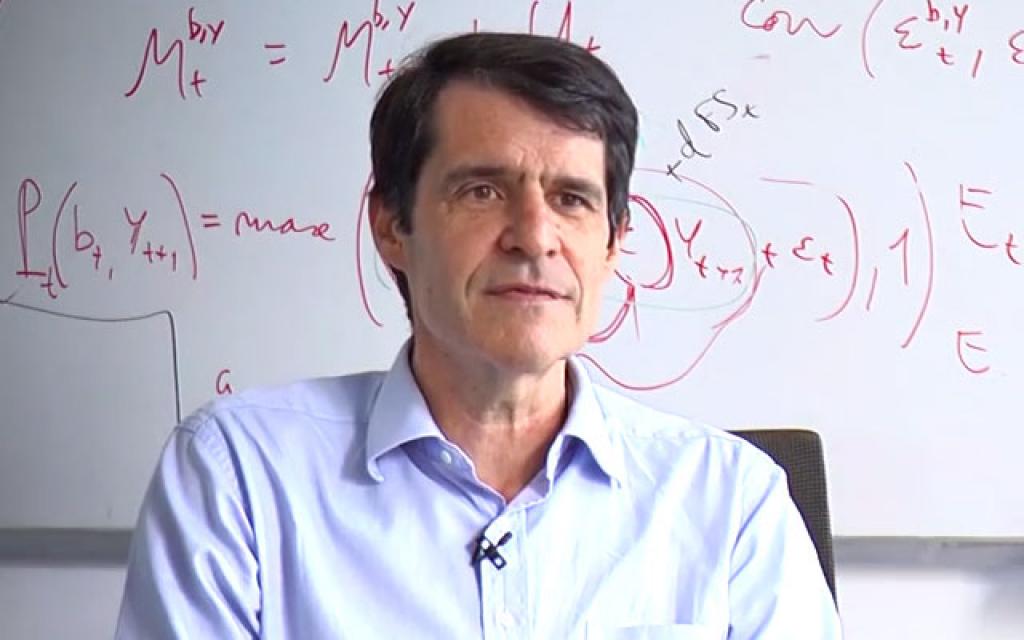
Barcelona GSE Research Professor Albert Marcet (ICREA-IAE, MOVE, and Barcelona GSE) has been awarded an Advanced Grant from the European Research Council for his project, “Asset Prices and Macro Policy when Agents Learn and are Heterogeneous.”

The ERC Advanced Grant is a competitive award for senior researchers conducting ground-breaking work at the highest level. The objective of the funding scheme is to give these researchers a chance to realize their most creative ideas and potentially produce results that will have a major impact on science, society and the economy. The grants are part of the EU’s Research and Innovation program, Horizon 2020.

Project proposals are evaluated by selected international peer reviewers, and scientific excellence is the sole criterion. This year the program received 2,167 applications and awarded 269 grants to senior research leaders in 27 different European countries. Only 19 projects in the field of Economics were selected to receive Advanced Grants.

With this new award, Affiliated Professors at the Barcelona Graduate School of Economics have received a total of 23 ERC grants:

  • 9 Starting Grants for researchers establishing their careers
  • 7 Consolidator Grants for mid-career researchers
  • 7 Advanced Grants for exceptional research leaders

See all ERC Grants in the Barcelona GSE research community

Agent expectations and their implications for asset pricing and policy

The new ERC project is a continuation of Prof. Marcet’s previous ERC-funded project (APMPAL), which also explored agent expectations and their implications for asset pricing, fiscal and monetary policy.

A conventional assumption in dynamic models is that agents form their expectations in a very sophisticated manner. In particular, that they have Rational Expectations (RE). Professor Marcet and his team have developed some tools to relax this assumption while retaining fully optimal behaviour by agents. They assume that agents are Internally Rational, that is, they have a slightly imperfect view of price behavior but they behave rationally given their system of beliefs. This is conceptually a small deviation from RE. The APMPAL developed some modelling tools to apply this idea and studied some empirical and policy implications for asset pricing, fiscal and monetary policy. It also developed tools for the analysis of policy under partial information.

The current project, APMPAL-HET intends to: i) develop further the theory of Internal Rationality and optimal policy under partial information, and to introduce investors and consumers that are heterogeneous in their expectations, ii) build models that are useful for policy analysis and iii) build different tools for prediction of macroeconomic and financial variables.

Prof. Albert Marcet
Prof. Albert Marcet

About Albert Marcet

Albert Marcet is ICREA Research Professor at the Institute for Economic Analysis (IAE-CSIC). He is AXA Research Chair on Macroeconomic Risk at the Barcelona Graduate School of Economics, where he is also Barcelona GSE Research Professor. He is associate researcher at the Center for Research on International Economics (CREI) and Director of MOVE (Markets, Organizations and Votes in Economics).

Previously, Prof. Marcet was Professor at the London School of Economics (LSE) and Universitat Pompeu Fabra (UPF). He is a Fellow of the Econometric Society and Research Fellow of CEPR. He has also served as President of the Spanish Economic Association (2007).

In 2016, he was awarded the Rei Jaume I Prize, which recognizes significant contributions by top Spanish scientists.

Cell autophagy, a key process in muscle regeneration during aging

The ability for skeletal muscle to regenerate depends on its stem cells, known as satellite cells, which are found in a resting state (quiescence) and are activated when damage occurs to the tissues. In tissues with little turnover, as is the case of skeletal muscle, this state of reversible quiescence  is the normal state throughout one’s lifetime. However, recent studies show that at geriatric ages, the normal resting state of the stem cells is substituted by a state of irreversible senescence, which results in a numerical and functional decrease in these satellite cells and a failure in muscle regeneration.

Although the mechanisms responsible for maintaining this quiescence, the preservation of the “bag” of stem cells, and the prevention of senescence during an individual’s lifetime remain unknown, research published in Nature coordinated by Pura Muñoz Cánoves, ICREA researcher and leader of the Cell Biology Unit at the Department of Experimental and Health Sciences (DCEXS) and CIBERNED member, has revealed the key role that autophagy, the mechanism by which cells are cleaned of toxic waste (damaged proteins and organelles) and maintain their internal equilibrium (cell homeostasis), plays in this process.

The study, carried on mice of different ages, demonstrates that satellite cells in young mice are equipped with protecting quality control mechanisms , such as autophagy, that actively repress the senescence programme, thus preserving cell integrity and aptitude.

Recovering autophagy means recovering muscle regeneration

Autophagy is the process that keeps the internal balance of proteins and organelles in the cells. It is an internal cleaning system for removing damaged cellular products and avoiding the accumulation of toxic waste, acting as a “quality controller”. According to the research, when the process of autophagy fails, aging starts, resulting in an accumulation of damaged proteins and organelles inside stem cells leading to senescence and exhaustion. To demonstrate this, the researchers genetically inhibited autophagy in satellite cells from young mice, which caused the rapid entry into senescence of satellite cells, resulting in muscle regeneration failure.

This work also shows how the restoration of autophagy reverses senescence and restores the regenerative functions of the old satellite cells, which is revealed as a key regulatory element in the death of stem cells and, therefore, as a possible strategy for combating the lack of muscle regeneration in sarcopenia (muscle loss caused by ageing and inactivity).

As Pura Muñoz-Cánoves says, “this work identifies the failure of autophagy as a determining factor of the regenerative capacity in muscle stem cells in the aged”. “As autophagy mechanisms have also been found deregulated in geriatric human muscle cells”, she adds, “these findings open the doors to investigation focused on attenuating the loss of regenerative capacity of the muscle in elderly people, which would give them greater independence and a better quality of life”.

Pura Muñoz-Cánoves
Pura Muñoz-Cánoves

This research was principally carried out by Laura García-Prat, and Eusebio Perdiguero, Laura Ortet, Vanessa Ruiz-Bonilla, Susana Gutarra and Antonio L. Serrano (Pompeu Fabra University and CIBERNED); Marta Martínez-Vicente (Vall D’Hebron Research Institute and CIBERNED); Javier Rodríguez-Ubreva and Esteban Ballestar (IDIBELL); Elena Rebollo (Instituto de Biología Molecular de Barcelona), and Marco Sandri (University of Padova), collaborated in it.

Image credits:

Front image picture of old lady from the Public Domain, downloaded and modified from Pixnio.

In-text image of Dr. Pura Muñoz-Cánoves by DCEXS.

The mechanism that positions the heart on the left

Our bodies show an external bilateral symmetry. However, there are many internal asymmetries. As such, our liver is on the right while the spleen and heart are on the left. During embryonic development, all these organs appear at the midline and later they are displaced to their final position. This process is essential for correct organ packaging and function. The heart must have its posterior pole pointing to the left in order to achieve the proper concordance with the vasculature.

Defects in L/R asymmetry arise in 1/10,000 humans, and the associated morbidity and mortality usually imply congenital heart defects (CHDs). According to data from the World Health Organization, every year more than 250,000 newborns die during the first weeks due to congenital anomalies. The most frequent serious congenital disorders are cardiac malformations, neural tube defects and Down syndrome. 50% of these malformations are cardiac, many of them related to the position of the heart.

Proposed model for heart looping in vertebrates. NT, neural tube; PP, posterior pole; OFT, outflow tract

The establishment of left–right asymmetries in vertebrate embryos was thought to depend on a signalling pathway mediated by Nodal–Pitx2 that induces left-side properties. Evidence indicated that right-side properties are specified as a default state, with the Nodal-driven pathway being repressed on the right-hand side by the epithelial–mesenchymal transition (EMT) factor Snail. Angela Nieto and colleagues analysed fish, chicken and mice and found that the normal asymmetric development of their hearts requires the activity of another signalling pathway. This BMP-driven pathway promotes the expression of EMT factors on the right-hand side of the lateral plate mesoderm, which induces cell movements that are necessary for the dextral looping of the heart. The authors of this work conclude that left–right asymmetries in vertebrates are set up by both Nodal- and BMP-driven pathways that are mutually repressed on the opposite side of the developing embryos. Thus, a differential L/R EMT produces asymmetric cell movements and forces, more prominent from the right, that drive heart laterality in vertebrates.

Reference:

Oscar H. Ocaña, Hakan Coskun, Carolina Minguillón, Prayag Murawala, Elly M. Tanaka, Joan Galcerán, Ramón Muñoz-Chápuli & M. Angela Nieto; Nature volume 549, pages 86–90 (07 September 2017); doi:10.1038/nature23454

Image credits:

Frontpage image “Heart with coronary arteries”, licensed from MedicalGraphics with a creative commons CC BY-ND 3.0 license.

In-text image provided by IN from original research article.

New DNA error repair machinery – opening prospects in biomedicine and industry

An article published in Nature Communications shows that some microorganisms have a hitherto unknown system for detection and correction of errors in the genetic material. This mechanism prevents some bacteria, such as Mycobacterium tuberculosis, from easily developing resistance to antibiotics. This research opens the door to the development of new strategies to combat antibiotic resistance of pathogenic bacteria. It can also be used to improve performance in biotechnological processes of industrial interest.

To correct errors produced during DNA replication, some bacteria and archaebacteria use machinery different from that previously known in other living organisms.

These are the findings in a paper published in the scientific journal Nature Communications. The study was led by Jesús Blázquez, a scientist at the Centro Nacional de Biotecnología of the CSIC (CNB-CSIC), with participation of the Institute of Biomedicine of Seville (IBIS-CSIC), the Hospital Virgen del Rocío of Seville, the Hospital Gregorio Marañón in Madrid and researchers from the United Kingdom and Norway.

According to the authors, this discovery could have applications in the development of solutions to public health problems and environmental pollution, and to help improve biotechnological processes of industrial interest.

Meticulous proofreaders of the genetic material

The vast majority of organisms has a system responsible for reviewing and correcting the errors that occur when DNA is copied, thus preventing large numbers of mutations. “If this process fails, mutations accumulate and produce new gene combinations, with critical consequences. For example, pathogenic bacteria could easily acquire resistance to certain antibiotics, which cease to be effective against infection,” Blázquez explains.

To date, this was a unique mechanism present in all living things. This study nonetheless shows that there is another, completely different mechanism.

“We discovered that some bacteria and archaeobacteria have a different correction system, in which the protein responsible for detecting and resolving these types of DNA errors is a protein called NucS”, explain Blázquez and Alfredo Castañeda (two authors of the study). “The activity of this protein prevents some bacteria such as Mycobacterium tuberculosis, which causes tuberculosis, from easily acquiring resistance to antibiotics.”

Tuberculosis is one of the deadliest diseases worldwide. There were nearly 1.8 million cases in 2015, and nearly 500,000 developed resistance to the two antibiotics most commonly used for treatment (WHO data), which forces a search for alternatives and greatly complicates treatment of the disease.

Mechanism of bacterial resistance development to antibiotics

“To combat the development of antibiotic resistance in pathogenic bacteria, the first step is to understand the natural mechanisms that control the generation of mutations. The discovery of this mechanism might offer us strategies to impede the development of antibiotic resistance and the emergence of what have been called superbugs.”
In addition, the researchers say that this discovery could facilitate the optimization of certain industrial processes.

New options for the biotechnology industry

“The discovery of this NucS-based system opens up numerous possibilities, since many microorganisms of industrial or ecological interest have such a system. For example, we can use genetic engineering to construct optimized variants of species such as Bifidobacterium and Streptomyces, widely used in industry”, Blázquez says.

The research group has submitted an international patent application for the development of mutants in species of biomedical and industrial interest, including Mycobacterium, Streptomyces, Bifidobacterium, Rhodococcus, Pyrococcus and Thermococcus, that lack the newly described DNA correction system. These modified strains could be useful in industrial processes that produce compounds of interest such as antibiotics, antitumor drugs, immunosuppressants, herbicides, insecticides, or improved variants for use in bioremediation.

Reference:

A. Castañeda-García, A. I. Prieto, J. Rodríguez-Beltrán, N. Alonso, D. Cantillon, C. Costas, L. Pérez, E. D. Zegeye, M. Herranz, P. Plociński , T. Tonjum, D. García de Viedma, M. Paget, S.J. Waddell, A. M. Rojas, A. J. Doherty and J. Blázquez. A non-canonical mismatch repair pathway in prokaryotes Nature Communications Doi: 10.1038/NCOMMS14246.

Image credits:

Frontcover image by Rocky Mountain Laboratories, NIAID, NIH – NIAID. Public Domain, https://commons.wikimedia.org/w/index.php?curid=104228

In-text image by NIAIN. This picture is in the public domain.

Basic mechanisms for root growth and cell replenishment

  • Interdisciplinary collaboration between physics and molecular biology enabled researchers to solve fundamental doubts on plant root growth.
  • These findings provide opportunities to create more drought-resistant plants, which is one of the most important problems in the current context of the climate change.

Understanding the functioning of root biology is crucial to know how plants suffer or adapt to adverse environmental conditions like droughts. Two recent studies describe these kinds of mechanisms: one of them, published in the journal Molecular Systems Biology, describes the process through which cells stop growing due cell differentiation; the second one, published in Journal of Cell Science, describes plants’ cell replenishment after being damaged.

The first study results from the researches carried out by the team of biologist Ana Caño Delgado, CSIC researcher in the Center for Research in Agricultural Genomics (CRAG), and physicist Marta Ibañes, from the Department of Condensed Matter Physics and the Institute of Complex Systems of the University of Barcelona (UBICS). The second study was conducted by the same team in CRAG.

How do cells know when to stop growing?

The Arabidopsis thaliana plant root, used in these studies, is a quite simple organ, in which cells with different functions are separated. Therefore, stem cells are on the tip, surrounded by daughter cells which are divided to produce root’s tissues. Daughter cells grow in length and differ from the others to acquire typical functions that allow the root to transport water and nutrients. In order for the root to grow and adapt to a new changing environment, this division, elongation and cell differentiation has to be perfectly coordinated.

Ibañes’ and Caño Delgado’s teams used three hypotheses to explain how cells know when to stop growing: a certain period of time passed since they got divided, they detect their root’s position, or cells are able to detect their size. To clarify which one of these hypotheses was the right one, researcher Irina Pavelescu, first author of the study, created three analytical and computational root growth models. These models were tested with real measures of cell length in Arabidopsis roots, carried out with confocal microscopy in CRAG. “The main conclusion of the study is that root cells know they reached the proper size and then they stop growing and end the differentiation. Therefore, they stop growing due their size”, says Marta Ibañes (UB, UBICS).

Thanks to mathematical models that were created, researchers could also explain the effect of the steroid plant hormones –brassinosteroids- in the root growth. In this case, they measured cells from Arabidopsis plants that, due a lack of receptor for steroid hormones, have a tiny root and stem. The study proved roots grew when, through molecular biology techniques with cell resolution, the brassinosteroid receptor was restored only in cells that divide, which points out that the effect of the hormone stays in the cell during its growth phase.  

CRAG and UB researchers find basic mechanisms for root growth and cell replenishment

Plant steroids are essential for cell regeneration

Simultaneously, the research team in CRAG led by Ana Caño Delgado discovered more details on the root growth and its post-damaged cell repair capacity, which have been published in the journal Journal of Cell Science. In particular, the published study states that, when root stem cells die due a genomic stress, a signal of steroid hormones is sent to reservoir stem cells so that these divide and replace the damaged ones. Thus, root growth is maintained, and so is the plant’s life.

“Plant steroids, unlike most of plant hormones, are not transported through long distances. However, our study proves that there is a transportation of these hormones at a short distance, and this is important for cell communication during cell renovation”, says Fidel Lozano Elena, pre-doctoral student in CRAG and first author of the study. “This more complex signalling system between cell groups make plants to be more resilient”, adds Ainoa Planas Riverola, also first author and PhD student in the group.

“If we can modulate these processes in the root, we can make roots stronger and better fixed, and therefore more resistant to the challenges of climate change”, says Ana Caño Delgado. We cannot forget that droughts are now the most severe problem in agriculture. In Spain, there have been several years with less rain than normal, and according to a recent report by Unión de Pequeños Agricultores y Ganaderos (union of small farmers and ranchers, UPA), in 2017, droughts caused losses of more than 3,600 million euros in the agricultural sector in Spain, mostly due a big loss of productivity in crops. This situation occurs in all continents, putting at risk the capacity to feed the growing population. “Therefore, it is necessary to get crops that, with less water, can produce safe and quality food in sufficient quantities”, concludes Caño Delgado.

These studies were funded by the Ministry of Economy, Industry and Competitiveness (MINECO), the European Molecular Biology Organization (EMBO), and the European Research Council, and the European Regional Development Fund (FEDER) and the Generalitat de Catalunya. 

Additional Image:

Root photo: Arabidopsis root seen with confocal microscopy. Stem cells have been marked with different colors. Those in red are the reservoir stem cells. Photo: Fidel Lozano Elena

Images can be downloaded from: https://drive.google.com/open?id=1M_TTlLaythArWBU9zcIGJEiwjco–5Ny

 Reference articles:

Irina Pavelescu, Josep Vilarrasa-Blasi, Ainoa Planas-Riverola, Mary-Paz González-García, Ana I. Caño-Delgado and Marta Ibañes. “A sizer model for cell differentiation in Arabidopsis thaliana root growth”.Molecular Systems Biology, January 2018. Doi: 10.15252/msb.20177687

 Fidel Lozano-Elena, Ainoa Planas-Riverola, Josep Vilarrasa-Blasi, Rebecca Schwab, Ana I. Caño-Delgado. “Paracrine brassinosteroid signaling at the stem cell niche controls cellular regeneration”, Journal of Cell Science, 2017: jcs.204065. Doi: 10.1242/jcs.204065

Further information:

Communication Area – Center for Research in Agricultural Genomic (CRAG)

Tel. +34 93 563 66 00 Ext. 3033

communication@cragenomica.es

Press OfficeUniversity of Barcelona

Tel. +34 93 403 55 44

premsa@ub.edu

Art inspired by science: artwork emerged from dialogues between Margarita Salas & Eva Lootz

  • ‘Binomio, a Dialogue between Art and Science’ is a pioneering initiative in Spain which brings together leading scientists and artists, to stimulate the exchange of ideas between two different but equally necessary worlds in order to understand reality.   
  • Lootz has created an audiovisual piece and 59 drawings which reflect on Salas’ research. The artwork is on display at the CNIO until 6th April. Funds raised from its sale will go to cancer research.  
  • “Scientists and artists have always faced the unknown and darkness head-on and we have not been afraid to look into it with an open mind in order to be able to learn”, pointed out Maria A. Blasco, Director of the CNIO.
  • “In our DNA as a foundation, we understand that both science and art are the product of human creation, that inspiration and effort feed scientific and artistic revelations or discoveries, and this is what we have been supporting in our exhibitions and activities, which often hybridise both fields”, highlighted Borja Baselga, Managing Director of the Banco Santander Foundation.

“A unique experience”. This is how Margarita Salas, a worldwide pioneer in molecular biology, has summed up what participating in Binomio has meant for her. The visual artist, Eva Lootz, her interlocutor in the project, does not skimp on adjectives either: “Being in direct contact with a pioneer in the deciphering of genetic languages has been fascinating for me”, she says. 

‘Binomio, a Dialogue between Art and Science’ is an initiative by the Spanish National Cancer Research Centre (CNIO), with the support of the Banco Santander Foundation, to bring together leading international scientists and artists and hence explore the common territories of scientific research and artistic creation. 

Binomio is based on a fundamental principle: both science and art are indispensable to understand and interpret the world. What’s more, art and science, as a product of the human mind can mutually inspire each other. “There are no insurmountable barriers between science and art”, pointed out Maria A. Blasco, Director of the CNIO. “Scientists and artists have always faced the unknown and darkness head-on and we have not been afraid to look into it with an open mind in order to be able to learn, to be able to see further”

Borja Baselga, Managing Director of the Banco Santander Foundation, has highlighted “the growing importance of women in science and art as a sign of progress in the Spanish society”, and he pointed out “the richness of this project by bringing together two women from different generations, on the exemplary ground of the fight of one of them, Margarita Salas, who was a pioneer in molecular research in a world that was practically forbidden for women at that time”.

From left to right, Maria A. Blasco, Borja Baselga, Margarita Salas, Eva Lootz, Amparo Garrido and Mireia Puigventós./ CNIO

Margarita Salas and Eva Lootz, scientist and artist, are the main features of the first edition of Binomio. From their conversations and meetings in recent months Lootz has created an audiovisual piece and a series of 59 drawings, designed as thoughts or “illuminations” that reflect on Salas’ main research lines.

The series of drawings are on display until 6th May, in the CNIO Entrance Hall, while the the audiovisual piece is on display in the CNIO Auditorium from Monday to Friday between 10.30am and 11.30am until the end of the exhibition (see website). Subsequently, the work will go on sale to raise funds for cancer research. The project was presented at the ARCO Art Fair on Friday 23rd February.

Salas: “Art is another passion for me”

Salas and Lootz have shared many hours in the laboratory. “In addition to my passion for science, art is another passion for me”, claimed Margarita Salas. “Therefore, the conversations about my scientific work with a great artist like Eva Lootz, which Eva has reflected in artwork of great beauty, have led to something I could not possibly imagine when the Binomio project was being considered. All my thanks to Eva for this amazing gift she has given us”. 

Lootz, winner of the National Prize for Plastic Arts, has always been interested in science, and she has incorporated “hydraulic subjects, mining technology and metallurgy” in her work throughout her career. Her sculptures explore the relationship between matter and language through elements such as sand, mercury and dry ice, as well as time and sound. Her participation in Binomio has been her first contact with the science that studies the language of the genes. 

Lootz: “A necessary dialogue in these times of change of era”

“I have had to familiarize myself with the world of molecular biology, which was totally unknown to me”, says Lootz. “Participating in this dialogue of art and science has been enriching and so necessary in these times of change of era”. 

For her, there is no doubt that “science and the arts must find each other again” to foster reflection on advances today that promise drastic social changes, ranging from artificial intelligence to drones, as well as biotechnology and genetic modification techniques .

Lootz also highlights another aspect of her relationship with Margarita: it has enabled her to “appreciate the courage, perseverance and determination of a woman at a time when research was the prerogative of men, who managed to indulge in her passion for knowledge but continues making significant contributions today”.

Binomio, dialogues between art and science

Binomio is inspired on the book published by CNIO Excelentes, with photographs by Amparo Garrido and texts by Mónica G. Salomone, which presents portraits and biographies of prestigious scientists. Binomio sets out to invite one of the Excelentes scientists and an artist each year to enter into a dialogue that leads to the creation of a unique piece (or pieces) by the artist. 

“Each artist is based on a motivation related to the scientific fact and the architect of an important discovery”, explains Mireia A. Puigventós, curator of the exhibition which opens now and coordinator of Binomio. “The objective is to intertwine a series of artistic visions whose link to science goes beyond techniques and the materials used; the creation process lies in the border that leads to new theoretical and aesthetic approaches”. 

Various international scientific organisations, such as CERN –the European Organization for Nuclear Research, in Geneva– or the European Southern Observatory (ESO), owner of some of the most powerful telescopes on the planet, have programmes to foster contact between science and art. In Spain, the implementation of such an activity by a research centre is less common. 

What is true is that from Leonardo da Vinci’s anatomical drawings to those of Santiago Ramón y Cajal, to mention just two examples, “no knowledge channel is impervious to the other”, says Puigventós. “Historically, we can find a lot of evidence of coexistence”. 

Blasco highlights that “both art and science need creativity, freedom, reflection, curiosity. At the CNIO, where these ingredients are combined to give rise to the best science, we have also provided the conditions to generate art too. Let’s enjoy it”.

300-year old problem obtains ERC Grant for a mathematician at BGSMath

Barcelona Graduate School of Mathematics (BGSMath)

In September 2017, UPC Associate Professor and BGSMath Faculty member Marcel Guàrdia, 35, received an ERC Starting Grant. The European Research Council carefully selects talented early-career scientists who are ready to work independently and awards them up to 1.5 million euros for a 5-year period. His ERC project focuses on “Instabilities and homoclinic phenomena in Hamiltonian systems”. Guardia’s Starting Grant is one of 11 such grants obtained in Spain, and the only one in mathematics.

Marcel’s scientific interests are mainly dynamical systems. “I study phenomena that evolve with time,” he explains. “It’s a field that pulls lots of strings: this is why I chose it in the first place.” Marcel’s areas of expertise are differential equations and Hamiltonian systems. Hamiltonian mechanics is a reformulation of classical mechanics that provides a more general understanding of the theory.

Celestial mechanics, a field where Marcel’s research is of application

During the past years, Marcel applied his studies to the classical 3-body problem in celestial mechanics, a problem over which mathematicians have puzzled for more than three centuries. The question is how three objects orbit one another according to the classic Newton’s laws of dynamics.

Together with his colleagues, he showed that in the majority of the cases, the three bodies can have oscillatory motions. Technically, he explains, the superior limit position is infinity, and the lower limit is a real number. In practice, the position of one of the planets oscillates between infinity and a region of the space, which – in physical terms – means that a planet can go as far as one wants, but it will always come back. This is called a “comet-like behavior.”

The most important article that convinced the ERC’s panel appeared in Inventiones Mathematicae in 2016. In it, Marcel Guàrdia and his co-authors studied a very special type of behavior of a restricted 3-body problem: a small mass taken to simplify equal to zero under the influence of the Newtonian gravitational force exerted by two massive bodies (for instance, the Sun and Jupiter).

Over the next years, and thanks to the ERC funding, Marcel will work on the dynamics of the N-body problem, looking for instabilities, while also extending his research on Schrödinger’s equation instability to other more general situations.

Calculation of Rosetta mission trajectories to comet 67P/Churyumov-Gerasimenko used techniques alike Marcel's (Source: ESA/NASA)
Calculation of Rosetta mission trajectories to comet 67P/Churyumov-Gerasimenko used techniques alike Marcel’s (Source: ESA/NASA)

“My most important working tools? They are called invariant manifolds, they are like highways, along which unstable behaviours travel,” he explains with a metaphor. Then he gives a practical example of how this field of mathematics is used in real life: “Space agencies use these techniques to calculate spaceships’ trajectories to minimise fuel usage,” he says.

SOMMa aims at promoting Spanish science of excellence and safeguarding its competitiveness

On past Monday March the 12th, representatives of the SOMM alliance, together with the Spanish State Secretary for R+D+i, Carmen Vela, met in Madrid, at the Spanish Ministry of Economy, Industry and Competitiveness. There, SOMMa presented the website of the alliance as well as the document entitled “SOMMa Position Paper: Actions required to safeguarding science competitiveness”, first contribution of the alliance towards science policy.

SOMMa aims at increasing the impact of Spanish research and to have a voice in science policy both in Spain and in Europe

Teresa Garcia-Milà, director of the Barcelona Graduate School of Economics (Barcelona GSE), and Vice-chair of the alliance, started pointing out that Spanish science does currently compete successfully at an international level. The union of centres and units into an alliance as SOMMa allows them to join efforts, further increasing their impact, while promoting collaboration and networking. SOMMa expects to contribute to enrich the Spanish R+D ecosystem in the long run.

The huge staff base of SOMMa, its sustained training rate of numerous Ph.D. graduates every year, the more than considerable combined funding of its members, and its impressive overall yearly research article output underscore its relevance. The translation of research into business materializes as well in the form of numerous patents, collaborations and contracts with companies, and an off-growth of spin-offs stemming from SOMMa member institutions.

Spanish Secretary of State R+D+I, Carmen Vela, acknowledging the relevance of the alliance, stressed the role of the Severo Ochoa and María de Maeztu programs in enhancing the impact of awardee institutions. The opportunity that the alliance provides for SOMMa members to work together, will expectedly allow to expand their competitiveness, and international leadership.

Luis Serrano, Carmen Vela and Teresa Garcia-Milà during the SOMMa presentation

Concerns are, alas, also raised during the event, as is stressed in the presented document by SOMMa and other supporting organizations from the science and innovation sectors. The decrease of public R+D funding, and the appearance of new, difficult to apply administrative duties may constrain Spanish science profoundly. To that regard, the need for an agreement on adequate regulations, within the framework of European legislation, which would safeguard the competitiveness of the sector is stressed.

Luis Serrano, president of SOMMa and director at CRG, agreed on the efforts of the Spanish State Secretariat for R+D+i to create and preserve the Severo Ochoa and María de Maeztu program even in light of the economic crisis and severe public budget adjustments. Regardless of that, he highlighted as well the importance of continued investment in science, which requires a long-running State agreement.

In concordance, SOMMa requests a firm commitment of the State to uphold funding levels. It is noted that both the funding and administrative situation requires of a resolute political will to be solved. Regarding the new administrative requirements, which put research institutions on the same level with public administrations, it is highlighted that those organisations are of a very different nature. The disregard of the particularities of research, in fact, potentially makes sustainable, high-level science impracticable. This situation is causing, yet, very serious problems to a number of research centres, situations that can potentially affect the rest of the Spanish R+D system.

SOMMa Position Paper: Actions required to safeguarding science competitiveness” draws the attention of politicians for the resolution of severe issues compromising Spanish research.

SOMMa attempts to draw the attention of the political class towards that direction: the document SOMMa Position Paper: Actions required to safeguarding science competitiveness exposes those issues, proposing possible solutions. In short, the problems described in the position paper are three: the criteria for VAT deduction, difficulties referring to personnel hiring regulations, and new public-tenders law.

Firstly, there is a need to have a clear, transparent regulation about the criteria for the deduction of VAT taxation on research funds. This would guarantee the legal safety of institutions, in a context in which VAT inspections are happening on a more systematic basis.

With current regulations, the VAT ratio deductible off research funding has no standardized methodology. This involves an arbitrary process generating asymmetries clearly detrimental to some, and potentially to many other institutions. In addition, the possibility of demands for retroactive reimbursement to the State of yet previously deducted VAT becomes a further threat to the economic viability of public research organizations.

The solution proposed to address this matter is to provide research and basic research in particular, with the category of economic activity, and the consideration of activity of general interest. The consequence of this would be that competitive funding for research would not be subject to VAT taxation.

Next, the modification of public-tender regulations for research centres and universities is proposed, without disregard of the related European regulations. This would allow adapting better to the needs and particular nature of research institutions. It would, as well, contribute to the needed administrative burden reduction.

Finally, the loosening of existing limits to the staff turnover rate, particularly for structural staff. In connection, enabling the inclusion of certain non-permanent, open-ended contract typologies. These contracts, eventually, could be financed with competitive funds from the State’s R+D+i Grants scheme. This would enable institutions to better adapt to the personnel requirements stemming from research.

Group picture of SOMMa representatives and Spanish State Secretary for R+D+i

Considering all the previous, SOMMa proposes to reach a transversal agreement that should be backed by all parliament groups, taking into account the exposed problems and solutions. This would benefit not only the centres and units of the alliance, but the R+D system in Spain as a whole.

Science, if it is to have a bright future, needs to be present in the political agenda. SOMMa hopes to be able to work together with the Spanish Secretariat for R+D+i in that direction, hopefully bearing fruitful results for the Spanish research ecosystem.

A fast MRI tech to revolutionize heart disease diagnostics

A close to eight-year long collaboration between CNIC and Philips has yielded a technological development which will reduce the diagnostics time, and accessibility of nuclear resonance diagnostics for heart disease from up to an hour, to only one minute or less. This opens up the possibility to increase drastically the number of patients which can potentially be diagnosed by means of resonance techniques. In Spain, affected by a chronic problem of long waiting lists for disease diagnostics, this can prove a boon in the fight to increase diagnostics coverage and decrease waiting time for appropriate treatment.

ESSOS – Technological development (CNIC & PHILIPS)

10 years of the Institute for Bioengineering of Catalonia (IBEC) celebrate its first ten years of research activity

It’s been a hair-raisingly fast climb up to the near top of the tree of centres in the Catalan research arena, with IBEC already holding its own alongside bigger and more established organizations for scientific output, number of ERC grants, patents, spin-offs, training programmes, national or EU-level stamps and endorsements, and other important indicators. 2017 saw the Institute for Bioengineering of Catalonia (IBEC) celebrate its first ten years of research activity.

IBEC's 10th Aniversary commemorative Logo
IBEC’s 10th Aniversary commemorative Logo

Fulfilling its first mission, which is to conduct basic and interdisciplinary research in bioengineering and nanomedicine at the highest international level, IBEC has published more than 740 indexed scientific papers in the last decade, more than half of them in the top decile of high-impact journals. Its 21 group leaders have achieved no fewer than 11 prestigious research grants from the European Research Council (ERC), and six of them have been supported by ICREA, the Catalan Institution for Research and Advanced Studies. The institute has coordinated five Europe- or worldwide consortia of EU-funded projects under FP7 and Horizon 2020, as well as being a partner in countless others. Its scientific breakthroughs have included the first functional splenon-on-a-chip, a new concept in biology, plithotaxis, pioneering breakthroughs in drugs controlled by light, uncovering crucial mechanisms in breast cancer, resolving a long-standing chemistry enigma, developing record-breaking nanojets, and many more.

To realize its mission to transfer its knowledge and technology to the biomedical sector, IBEC works with hospitals and industry to develop its research into products that can be brought to market and the bedside. With 23 patents under its belt and 3 spin-off companies, IBEC can claim with pride such advances as new pancreatic cancer molecules, a drowsiness indicator for vehicles, novel wound-healing particles, and many others in the pipeline.

In its efforts to achieve another mission, collaborations with international academia, IBEC has set up Memorandae of Understanding or other official alliances with organizations in thirteen countries. It was a creating partner of EIT Health, one of the largest publicly funded health initiatives in the world, and is part of countless other networks at international, national and local level. Its impressive internationality doesn’t hurt, either; 38 countries have supplied IBEC’s scientists and staff over the years.

With the last but not least of the missions – training the next generation of experts in healthcare technology – in mind, so far 104 PhD students have defended their theses at IBEC. Its students and other researchers have gone on to work in prestigious institutions and companies all over the world and have been part of some tremendous scientific advances.

These are undeniably impressive feats for a centre that, upon its launch at the end of 2006, was little more than five research groups from the UB and the UPC who had come together to pool their knowledge. IBEC’s hectic ascent towards its ultimate goal of becoming a world reference in bioengineering – not forgetting to improve health and quality of life in the process – was duly recognized in 2015 with a Severo Ochoa Excellence Award from the Spanish ministry in charge of research.

Sidebar