
Author Archive

Culture, Ethnicity, and Diversity

The current refugee crisis has highlighted the importance of understanding how ethnic and cultural differences affect social cohesion. What are the links between ethnicity and culture? What is the relationship between diversity and civil conflict? Are ethnic cleavages associated with deep differences in preferences, norms, values, and/or attitudes? Many people think so.

In developing countries, ethnic divisions are often blamed for lack of agreement on the broad goals of society, leading to dysfunctional governance and conflict. Countries with fractionalised ethnic compositions, especially in sub-Saharan Africa, South Asia and Southeast Asia, are prone to social tensions and civil conflicts. In developed countries, the recent rise of populist movements has brought to the fore issues of cultural identity, and there is a growing perception that immigration and multiculturalism may lead to the breakdown of social consensus.

The debate over Syrian refugees in Europe is at least as much about cultural values as it is about economic interests. Ortuño, Desmet and Romain Wacziarg conduct a systematic investigation of such links between ethnicity and culture. They investigate the empirical relationship between ethnicity and culture, defined as a vector of traits reflecting norms, values and attitudes.

Arabs are a major ethnicity in the Middle East (Kirkuk, Irak)

Using survey data for 76 countries, they find that ethnic identity is a significant predictor of cultural values, yet that within-group variation in culture trumps between-group variation. Thus, in contrast to the commonly held view, ethnic and cultural diversity are unrelated. Although only a small portion of a country’s overall cultural heterogeneity occurs between ethnic groups, they find that various political economy outcomes (such as civil conflict and public goods provision) worsen when there is greater overlap between ethnicity and culture; in other words, when ethnicity is strongly identified with cultural cleavages inside one country.

Klaus Desmet, Ignacio Ortuño and Romain Wacziarg: Culture, Ethnicity, and Diversity, American Economic Review

Featured in The Economist, Vox and other outlets.


Pictures used:

Front: picture of Sports Event in the U.S.A., in the public domain.

In-text: “Kirkuk Arabs – Flickr – Al Jazeera English.jpg“, licensed under the Creative Commons Attribution-Share Alike 2.0 Generic license.
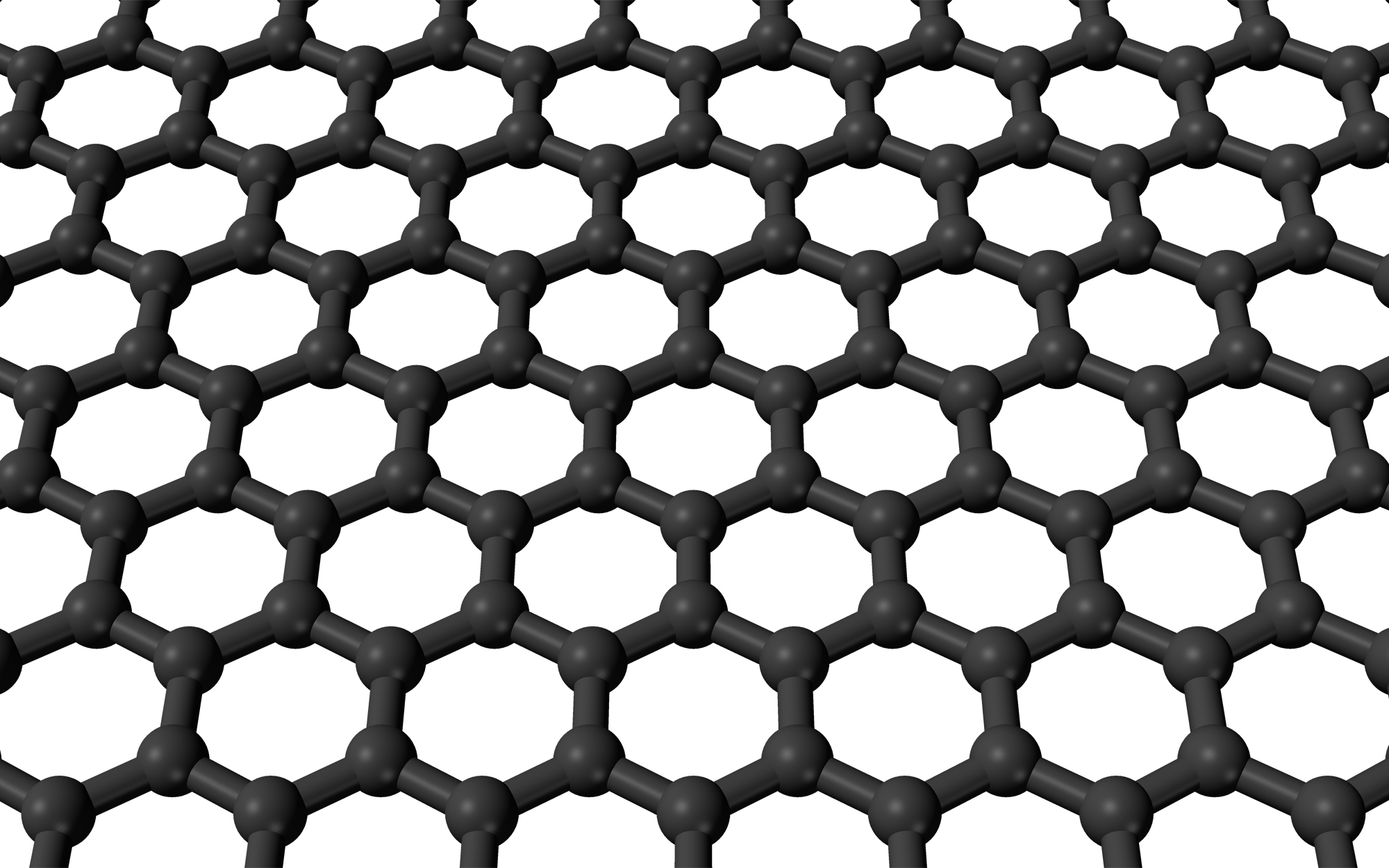
GRAPHENEA, a high-quality graphene producer

GRAPHENEA, nanoGUNE’s first start-up company launched in April 2010 as a joint venture of private investors and nanoGUNE, has become a world leader in the production of high-quality graphene. In 2013, Repsol and the Spanish Center for Industrial Technology Development (CDTI) signed an agreement to invest one million euros in GRAPHENEA. Following the foundational agreement of the company, in April 2015 nanoGUNE let GRAPHENEA fly alone.

The company, which at the end of 2016 was employing 18 people and was exporting graphene to 40 countries, supplies its products to universities, research centers, and industries worldwide. GRAPHENEA is also a partner of the European Graphene Flagship, which with a budget of one billion euros aims at taking graphene from the realm of academic laboratories into the European society in a period of ten years.

Graphene: a planar lattice of hexagonally distributed carbon atoms

FSSCat – towards federated Earth observation systems

Department of Signal Theory and Communications (COMMSENSLAB)

Copernicus Masters “ESA Sentinel Small Satellite Challenge” Prize 2017 and overall Copernicus Masters winner awarded to the FSSCat

FSSCat is an innovative satellite mission concept, consisting of two federated (“assembled”) 6U Cubesats in support of the Copernicus Land and Marine Environment services. These modules carry a variety of advanced electronics and measurement instruments: a dual microwave payload (a GNSS-Reflectometer and a L-band radiometer with interference detection/mitigation), and a multi-spectral optical payload to measure soil moisture, ice extent and thickness, and to detect melting ponds over ice. An included radio/optical inter-satellite link and an Iridium inter-satellite link to test some of the techniques and technologies for upcoming satellite federations.

FSSCat will be the precursor of a constellation of federated small satellites for Earth observation achieving high temporal resolution and moderate spatial resolution in a cost-effective manner. Thomas Beer, ESA’s Copernicus Policy Coordinator, said: “The Federated Satellite System 6U tandem mission for sea ice and soil moisture monitoring captured the interest of the challenge experts immediately. Not only because the mission concept shows a high degree of well thought-through technical novelties, but also because it will provide data that is complementary to the Sentinel fleet. This is especially true for the soil moisture monitoring component, which is not part of the current Sentinel portfolio.”

As a conclusion, Dr. Beer added: “The FSSCat mission development is good to go and due to its disruptive approach, we are confident that it will be seen as a breakthrough in procuring future small missions at ESA.” A starting point indeed for further developments in satellite technology and mission planning.

IGFAE’s Astroparticle Physics group contributes to two of the “Physics World Top Ten Breakthroughs of 2017”

Galician Institute of High Energy Physics (IGFAE)

The Physics World top 2017 Breakthrough of the Year awarded by the prestigious magazine Physics World has gone to the international team of astronomers and astrophysics that made the first ever multi-messenger observation involving gravitational waves and electromagnetic radiation from the merger of two neutron stars in a binary system in the galaxy NGC 4993 located about 130 million light-years from Earth. The Pierre Auger Collaboration contributed to this effort by searching for ultra-high energy neutrino emission from this remarkable source (Astrophysical Journal Letters 848 (2017) no.2, L12; Astrophysical Journal Letters 850 (2017) no. 2, L 35).

The latter publication illustrates the outstanding directional sensitivity of the Observatory for Earth Skimming Neutrinos. In addition, the Auger Collaboration has been awarded one of the Physics World top 10 breakthroughs of 2017, for the recent unveiling of the 50 year-old mystery about the origin of the highest energy cosmic rays, subatomic particles with energies about millions of times greater than the protons accelerated in the Large Hadron Collider. By studying the distribution of the arrival directions of more than 30,000 cosmic particles, the Pierre Auger Collaboration discovered that the ultra-high-energy cosmic rays have an extragalactic origin (Science 357, 1266-1270 (2017)).

The Astroparticle Physics group at IGFAE led by Prof. Enrique Zas contributed directly to these two breakthroughs. In the 90’s the group proposed to use the Surface Detector of the Auger Observatory to search for ultra-high energy neutrinos. Since then many members of the group have been leading this effort. “In this new era of the Multi-messenger Astronomy, exciting years await us in Astrophysics, Astronomy and Physics and the Pierre Auger Collaboration will keep contributing to this worldwide collaborative effort” says Jaime Alvarez-Muñiz who coordinates the search for neutrinos in Auger.

The group has also played a fundamental role in the second breakthrough achieved by the Auger Collaboration. By analysing inclined showers induced by ultra-high energy cosmic rays that arrive at Earth at large angles with respect to the vertical to the ground, the field of view of the Auger Observatory was extended towards the Northern hemisphere allowing the collaboration to compare the rates of cosmic rays from most directions in the sky and finding a dipolar anisotropy incompatible with a galactic origin. “We are very proud to have contributed to this exciting result that solves one of the open questions in modern Astrophysics. Our next step will be to identify the actual sources of cosmic rays thanks to the data collected with the upgrade of the observatory, the AugerPrime” says Inés Valiño, IGFAE researcher who coordinates the work devoted to the reconstruction and analysis of inclined air showers in Auger and to the measurement of the energy spectrum of ultra-high energy cosmic rays.

The Astroparticle Physics group is composed of five senior members (Jaime Alvarez-Muñiz, Gonzalo Parente, Inés Valiño, Ricardo Vázquez and Enrique Zas) and three young researches (Aida López Casado, Francisco Pedreira and Guillermo Torralba). The group participates in the Pierre Auger Observatory since 2002 when Spain became a full member of the Pierre Auger Collaboration consisting of more than 400 scientists from 20 countries.

ICMol takes part in a research on invisible magnetic molecules published in ‘Nature’, a step towards quantum computers

Institute of Molecular Science at University of Valencia (ICMOL-UV)

An international team of physicists and chemists, including scientists from the Institute of Molecular Science of the University of Valencia (ICMol), has developed a new strategy to improve the performance of quantum bits (qubits) for quantum computation: they are making these nanomagnets invisible to magnetic field noise, so the qubits behave as in a clean environment. The result, published in Nature, is another step towards one of the holy grails of modern applied Physics: the creation of quantum computers.

Compared to current computers and devices, based on transistors which process information bits in the binary form of 0s and 1s, quantum computers would bring about an exponential increase in speed when performing certain computational tasks. The enormous power of qubits – the quantum analogue of the bit in computing – may end up leaving the current machines behind and revolutionizing both fundamental and applied fields, for example computational chemistry and secure telecommunications.

These advances seem possible in the atomic and subatomic world, where the physical laws governing the behaviour of these quantum objects are very different from those of the ‘classical’ world where we live in. In particular magnetic molecules may play the role of minimal pieces with a built-in function, to be integrated into a more complex physical setup.

However, the development of these cutting-edge devices is extremely difficult to achieve because the quantum effects which they rely on are very fragile and sensitive to the environment. Indeed, magnetic noise is the major problem faced by quantum computing based on magnetic qubits. Qubits have to communicate with each other in an environment which, if too noisy, prevents an efficient quantum information storage and processing. Alas, up to now, the same strategies that reduce this noise also impede the necessary interaction between qubits, a major hurdle.

 ICMol takes part in a research on invisible magnetic molecules published in 'Nature', a step towards quantum computers 02/16/2018 Institute of Molecular Science at University of Valencia (ICMOL-UV)  An international team of physicists and chemists, including scientists from the Institute of Molecular Science of the University of Valencia (ICMol), has developed a new strategy to improve the performance of quantum bits (qubits) for quantum computation: they are making these nanomagnets invisible to magnetic field noise, so the qubits behave as in a clean environment. The result, published in Nature, is another step towards one of the holy grails of modern applied Physics: the creation of quantum computers.  Compared to current computers and devices, based on transistors which process information bits in the binary form of 0s and 1s, quantum computers would bring about an exponential increase in speed when performing certain computational tasks. The enormous power of qubits - the quantum analogue of the bit in computing - may end up leaving the current machines behind and revolutionizing both fundamental and applied fields, for example computational chemistry and secure telecommunications.  These advances seem possible in the atomic and subatomic world, where the physical laws governing the behaviour of these quantum objects are very different from those of the 'classical' world where we live in. In particular magnetic molecules may play the role of minimal pieces with a built-in function, to be integrated into a more complex physical setup.  However, the development of these cutting-edge devices is extremely difficult to achieve because the quantum effects which they rely on are very fragile and sensitive to the environment. Indeed, magnetic noise is the major problem faced by quantum computing based on magnetic qubits. Qubits have to communicate with each other in an environment which, if too noisy, prevents an efficient quantum information storage and processing. Alas, up to now, the same strategies that reduce this noise also impede the necessary interaction between qubits, a major hurdle. Thumbnail Simple representation of Quantum Bit excitation state
Simple representation of Quantum Bit excitation state

The recent achievement precisely consists in designing magnetic molecules that become invisible when interacting with a magnetic field. That is, they are able to communicate with each other without being affected by the magnetic noise generated by both the environment and the magnetic interactions generated between them when approaching. In this sense, they are analogous to metamaterials – materials invisible to light.

To achieve this kind of invisibility, they applied the same kind of processes used by Atomic Clocks: procedures which are known as Atomic Clocks Transitions. In these transitions the resonance frequency between two atomic states (or here, molecular states) is kept constant and insensitive to external perturbations, such as those produced by a magnetic field.

This is one more step essential step to continue advancing in the design of more robust magnetic qubits. In the short term, it will improve communication between them allowing to process quantum information more efficiently. In the longer term, it will enable to build quantum computers that use this kind of magnetic molecules as essential components.

For more information, please read:

Enhancing coherence in molecular spin qubits via atomic clock transitions, original article on Nature.

Making molecular-spin qubits more robust, outreach piece on Physics Today, where several independent experts in the field put this research in perspective.

Picture:

Modified from “Simple qubits”. Licensed under the Creative Commons Attribution-Share Alike 3.0 Unported license. From Wikimedia Commons, the free media repository. Original author: Clemens Adolphs

The study of a galactic microquasar provides the explanation for the structure of faraway radio galaxies

The results of a study published in Nature Communications allow researchers to progress in the study of the distribution of gravitational waves from distant sources

Barcelona, November 27, 2017. Researchers from the Institute of Cosmos Sciences of the University of Barcelona (ICCUB) and the University of Jaén have described, for the first time, the structure of a Z-shaped galactic microquasar. This astronomical object is considered to be a small-scale version of a winged radio galaxy, so far considered one of the distant sources which are potential emitters of gravitational waves. In this sense, the main conclusion of the study, published in Nature Communications, says that not all winged radio galaxies would be sources of gravitational waves, unlike what was thought so far.

A microquasar is an astronomical object fed by a stellar black hole, which is smaller than the ones at the centre of radio galaxies, and produces a radio jet towards opposite directions. In the study, researchers “could determine that the Z-shaped morphology of the studied microquasar, the GRS 1758-258, can be explained with hydrodynamic interactions with the surrounding medium” says Josep M. Paredes, from ICCUB.

This result can be extrapolated, suggesting that this scenario could work in winged radio galaxies, since these objects follow the same physical laws. So far, it was thought that those radio galaxies were X or Z shaped due to the merging of two black holes, a process in which gravitational waves are generated. When these waves are produced from such a long distance, it is not possible to distinguish them individually and a gravitational wave background noise is created.

“Our results allow us to reach the conclusion that not all winged radio galaxies would be an origin of gravitational waves, which was commonly believed so far –says Valentí Bosch Ramon, researcher from the ICCUB-, since some of them owe their structure to hydrodynamic processes that would not create these kind of waves. Considering these results, the background of gravitational waves would be weaker than what was thought so far” concludes the researcher.

Picture of the GRS 1758-258 microquasar, obtained with the Jansky Very Large Array radiotelescope at 5 GHz frequency radio wave

In order to determine the Z-shape of the GRS 1758-258 microquasar, several observations have been made with the Jansky Vergy Large Array in New Mexico (United States). The results have been added to all the observations of the same microquasar that were carried out in previous decades. Gathering all these data made it possible to reach the required sensitivity to describe the Z-shape of GRS 1758-258 and deduce the processes that formed it.

This study was conducted by a team of astrophysicists formed by the researchers of the University of Jaen Josep Martí and Pedro Luis Luque Escamilla and the researchers of the ICCUB Josep M. Paredes and Valentí Bosch Ramon.

IMDEA Nanociencia leads the research towards a bypass for neural reconnection at the spinal cord level

IMDEA Nanociencia is coordinating the ByAxon project funded by the European Union through the programme for Future and Emerging Technologies (FET-OPEN, € 3.7 M, 48 months). The consortium consists of four research centres, a hospital and a medium-size company bringing together the expertise from four different European countries (Spain, Italy, France and Germany), and will involves Material Science, Electronics, Biology and Clinics in order to develop a new technology based on Nanoscience with medical applications. The most ambitious goal is to fabricate a prototype of an active implant that could work directly at the spinal cord level, as a bypass. The fundamental purpose of the device would be to restore the electrical neural activity for the recovery of limb sensory and motor functions, acting as a local bridge in the spinal cord, something not possible with the current technology. The ByAxon project pursues the development of high-resolution magnetic sensors that could work at room temperature in vivo. These new sensors could be employed not only in medical devices, but also in brain-machine interfaces for daily life. This could, for instance, make wireless communication effective to enable computer and robot control by means of only thoughts. Magneto-resistive materials with stepped surfaces at the nanoscale will be employed to develop sensors able to detect the magnetic field produced by neural activity, and whose magnitude is 10.000 times smaller than the Earth’s magnetic field. Currently, it is only possible to detect such signals using magneto-encephalography, that requires the use of superconductive materials and hence, liquid nitrogen to operate. In parallel, the ByAxon researchers will work in the fabrication of electrodes of high compatibility and adhesion, thanks to a surface covered by conductive nanowires. These electrodes will emit electric pulses that trigger the neural activity, and could find applications in Parkinson treatments or retinal implants. ByAxon covers in this way the detection and production of neural activity with a new generation of interfaces of high resolution and flexibility. Ultimately, ByAxon seeks the interaction at local level in the spinal cord, instead of the brain, to create compact devices that could recover the lost functionalities in a spinal cord injury. The Hospital Nacional de Parapléjicos, together with the Institute of Material Science (CSIC) in Madrid lead the biocompatibility studies within the project. Hospital Nacional de Parapléjicos, from the Health Service of Castilla La Mancha has over 40 years of experience and has become a reference centre in the rehabilitation of spinal cord injury in Spain. The challenge that ByAxon faces is complex, currently strategies followed by other research groups towards the restoration of the neural activity have given few encouraging results. The alternative that the ByAxon consortium proposes is disruptive, and consists on developing new systems and structures based on nanotechnology that could potentially recover the connectivity lost in a spinal cord injury. According to Dr. Teresa González (IMDEA Nanociencia): “We will focus in to recovering the sensory functions. We would like the signals from the limbs to reach the brain. This is very important because it has been already demonstrated that the therapies that focus in recovering the sensory functions are, on average, more successful than the ones focused only in recovering the motor function.”

High-school students debate about the ethical and social implications of robotics with the support of researchers from IRI, CSIC-UPC

IRI, the Institut de Robòtica i Informàtica Industrial, a Joint University Research Institute of the Spanish National Research Council (CSIC) and the Universitat Politècnica de Catalunya (UPC), was involved in the last edition of the program “Young People, Science and Ethics” co-organised by the FCRi and “la Caixa” Foundation, in collaboration with the Government of Catalonia.

Students at the participant "Institut ICÀRIA" high-school
Students at the participant “Institut ICÀRIA” high-school

Its main objective is to stimulate youngsters’ critical capacity and encourage them to participate in ethical debates related to the social implications around current science-related issues such as climate change, biomedicine, nanotechnology and robotics. High school students debate and learn about the ethical aspects of scientific research and draw their own conclusions, with the support of scientists specialising in each subject and ethics experts.

The theme of the second edition, organised in the academic year 2017-2018, was the ethical implications of robotics and artificial intelligence. For this reason, several experts coming from IRI introduced various aspects of robotics to students and helped them identify and address the ethical issues surrounding them.

Sergi Foix from IRI in conversations about robotics with students

IRI’s researchers Gerard Canal, Sergi Foix, Anaís Garrell, and Joan Vallvé, visited a number of high-schools to debate on four roboethics topics: the impact of robotics in the labour market, the limits of artificial intelligence, affective relationships with robots, and robots in war. In addition, the students’ teachers were also trained in robotics by our researcher Pablo Jiménez.

Finally, a closing ceremony took place in CosmoCaixa Barcelona where all the participating students from the different schools got together to debate on the selected topics and to draw conclusions. Once the students presented their conclusions, IRI professor and ERC Grantee Carme Torras gave a conference about the connection amongst robotics, ethics and literature.

IRI participation in this activity was carried out in the framework of the IRI María de Maeztu Strategic Research Program on Human Centered Robotics, within the topic “ethical, regulatory and philosophical aspects of social robotics”.

Superconductors to improve energy efficiency

The Superconducting Materials and Large Scale Nanostructures (SUMAN) group has participated in the EU-funded project EUROTAPES, whose main goal is to develop superconducting tapes to improve energy efficiency in Europe. The project, which counts with the participation of excellent researchers in the field, and the involvement of leading global companies and universities, has produced 600 meters of superconducting tape with an innovative method that reduces superconductor production cost, simplifies the architecture of these materials, and improves their capacity in high magnetic fields at various temperature scales. The project has also obtained significant results in advanced magnetic research, which is a field in which reference centers in Europe work, such as CERN and ITER. In the long term, the project aims at increasing the competitiveness of renewable energy thanks to the possibility of building cheaper wind generators and producing a greater amount of energy.

Furthermore, the SUMAN group has also participated in the development of the first prototype of an electric superconducting generator for conventional medium power wind turbines (2 MW). This was done in cooperation with the Institute of Materials Science of Aragón (ICMA-CSIC-UNIZAR) and Gamesa Innovation and Technology. The use of superconducting materials simplifies the system, yielding higher reliability and efficiency, thus reducing maintenance needs. The advantages of this new type of electric generator using superconducting materials, compared to the conventional generators, are diverse: a) it simplifies the entire mechanical structure of the wind turbine as well as the electronic system; b) it simplifies assembly and maintenance, reduces the risk of breakdowns; c) the time of intervention before maintenance is needed is extended; and, d) in the near future, the cost will be reduced according to the rapid evolution of superconducting materials.

Superconductor tape generator of the EUROTAPES project

This breakthrough and the future implementation of this type of electric superconducting generator into wind turbines opens way to a different conception of these devices. This offers new perspectives to the wind power industry, allowing to make windmills more efficient and robust, and reducing the costs of energy production.

These two projects prove that superconducting materials will play a key role in the future  of energy generation and transport. These collaborations represent a clear case of successful technology transfer from research to their prospective industrial applications; in this case, in the field of wind power generation and energy transport. Research will certainly continue in this field to offer new innovative technological solutions for the industry.

A nanophenomenon that triggers the bone-repair process

Researchers of the ICN2 Oxide Nanophysics Group led by ICREA Prof. Gustau Catalan have resolved one of the great unknowns in bone remodelling: how the cells responsible for forming new bone tissue are called into action. Their work reveals the possible role of an electromechanical phenomenon at the nanoscale, flexoelectricity, not only in stimulating the cell response, but in precisely guiding it throughout the fracture repair process.

Prof. Gustau Catalan presenting the findings of his teams and collaborators

Researchers at the ICN2 Oxide Nanophysics Group led by ICREA Prof. Gustau Catalan have discovered that bone, too, is flexoelectric, positioning the possible role of flexoelectricity in the regeneration of bone tissue in and around the kind of microfractures incurred in bones on a daily basis. Their findings, published today in Advanced Materials with lead author Fabián Vásquez-Sancho, have potential implications for the prosthetics industry and the development of biomimetic self-healing materials.

Bones were already known to generate electricity under pressure, stimulating self-repair and remodelling. First reported in the late fifties, this was initially attributed to the piezoelectricity of bone’s organic component, collagen. However, studies have since observed markers of bone repair in the absence of collagen, suggesting that other effects are at play. In this work ICN2 researchers have revealed just such an effect: the flexoelectricity of bone’s mineral component.

Flexoelectricity is a property of some materials that causes them to emit a small voltage upon application of a non-uniform pressure. This response is extremely localised, becoming weaker as you move away from the point of maximum stress along a strain gradient. In microfractures it is localised to the leading edge or tip of the crack, an atomically small site that, by definition, concentrates the maximum strain a material is able to withstand before full rupture. The result is a an electric field of a magnitude that, at this local level, eclipses any background collagen piezoelectric effect.

By studying strain gradients in bones and pure bone mineral (hydroxyapatite), the researchers have been able to calculate the precise magnitude of this flexoelectric field. Their findings show that it is sufficiently large within the required 50 microns of the crack tip to be sensed by the cells responsible for bone repair, which would directly implicate flexoelectricity in this process.

Furthermore, since the cells responsible for synthesising new bone tissue (osteoblasts) are known to attach close to the tip, it would appear that the electric field distribution signals this point as the centre of damage, becoming a moving beacon for repair efforts as the crack is healed.

These results hold promise for the prosthetics industry, where new materials that reproduce or amplify this flexoelectric effect could be used to guide tissue regeneration and enable a more successful assimilation of implants.

The study was funded by an European Research Council grant, and has been led from the ICN2 with the collaboration of the Materials Science and Engineering Research Centre at the Universidad de Costa Rica (Costa Rica), the Computational Methods and Numerical Analysis Laboratory (LaCàN) at the Universitat Politècnica de Catalunya (Spain), and the École Politechnique Federale de Lausanne (EPFL, Switzerland).

A press conference with local and national media was held today at the Barcelona Institute of Science and Technology, of which the ICN2 is among the founding members.

Article reference:

F. Vasquez-Sancho, A. Abdollahi, D. Damjanovic, G. Catalan. Flexoelectricity in bones. Advanced Materials, 2018. DOI: 10.1002/adma.201705316

Interstellar molecules inspire new transformations

Carbynes – the new piece of chemistry’s Lego

Back in the 1930s, astronomers detected one of the first molecules in interstellar space – carbynes. The simplest carbyne, formed by carbon and hydrogen only, is nowadays considered one of the most basic ingredients for life. Despite the impact these molecules could have in synthesis, they had eluded chemists for years. But now, researchers at ICIQ discovered how to generate carbynes in the lab using visible light and photocatalysts. Led by Dr. Marcos García Suero, they created a new methodology that allows them to create chiral centres adding, like lego pieces, three different fragments to a carbyne.

Carbynes are inspired by interstellar chemistry (© Ella Maru Studio, Inc)

Carbon has the unique ability to bind four different atoms or molecules forming stable chiral structures. Carbynes are carbon species with a unique characteristic – three of these four ‘slots’ are free, ready to form new chemical bonds. This makes them a very reactive and unstable chemical species, hence they have remained largely unexplored in synthetic chemistry. Nevertheless, this interstellar species inspired Suero and his team to design a novel methodology they dubbed “assembly-point functionalization”. By carefully choosing different catalytic switches, activated with white or blue LED light, researchers at ICIQ managed to control carbyne precursors, and used them to achieve unprecedented transformations.

From left to right: A.M. del Hoyo, Z. Wang, M.G. Suero and A. Herraiz (© ICIQ)

Suero and his team used carbynes to add new chiral fragments to already ‘finished’ molecules, without having to alter the whole synthetic process from scratch – which is usually very problematic, expensive and time consuming. Suero’s group demonstrated the potential of their original idea by functionalizing drugs like duloxetine (antidepressant), paclitaxel (anticancer), fingolimod (multiple sclerosis) or ibuprofen. Moreover, carbynes could be used to connect medicines or drug candidates to specific ‘key’ fragments, to target them to their corresponding ‘keyhole’ receptors.

Although in an early stage, this discovery has the potential to significantly accelerate the drug discovery process, hopefully making better medicine available much faster.

Generating carbyne equivalents with photoredox catalysis
Z. Wang, A.G. Herraiz, A.M. del Hoyo, M.G. Suero.
Nature 2018, DOI: 10.1038/nature25185

The Freesound platform, an established world leader for audio exchange

Freesound, a collaborative platform for audio exchange

Freesound is a collaborative online platform, created in 2005 by the Music Technology research group (MTG) of the Department of Information and Communication Technologies (DTIC) at UPF, which allows musicians, artists and researchers to exchange sounds free of charge under a Creative Commons (CC) license. In all this time, the platform has become established in top slot and has become a well-known resource for various groups that use audio, probably the biggest repository of sounds with Creative Commons licences in existence.

Freesound uses an advanced search engine with technologies developed by the MTG. With this engine, users can browse, search and retrieve sound information, look for sounds based on their similarity and according to the semantic relations that are established on the basis of textual descriptions. Apart from the web portal, Freesound also offers an API that allows access to and re-use of data and sounds to researchers and developers outside the MTG.

Stunning progression in 10 years

On 2 January 2017, Freesound had 6,200,000 registered users who on average contribute to the platform 100 new sounds per day; just in 2016, 36,000 new sounds that correspond to 588 hours of audio and that join the 327,000 sounds contained on the platform and are available to users (4,400 hours). In terms of usage, users downloaded 16 million sounds from the platform in 2016 which, when added to the previous downloads makes a total of 94.2 million. The Freesound community is mainly located in the US (25.7%), the United Kingdom (6.3%), China (3.7%), and also to a lesser extent in India and in Italy (source: Alexa).

Freesound Labs, a meeting point for creative designers, developers and users

In 2009, Google Research gave an important boost to the platform with a grant of $35,000 that allowed implementing many enhancements to Freesound, improving the software and promoting the use of the product in the areas of research and musical creation from around the world.

Recently, Freesound Labs was launched, a useful tool for keeping track of all kinds of activities and projects that take place around Freesound. In the long term, the aim is to turn Freesound Labs into a portal in which the creators, developers, researchers, and users of the platform can share their projects and give them visibility. This would significantly increase Freesound’s potential impact, would give more value to the re-use of its contents and would adapt to the new requirements of the Freesound user community.

This promotional video of the project (2013) shows some of the capabilities available to the user, as well as some examples of the types of users that make up the Freesound community.

Sidebar