Author Archive

Trials to select a robot that will inspect the urban drainage network and the sewer system

·Trials take place to select a robot to inspect the urban sewers remotely.

·During the week of 10 July 2017, expert advisors in robotics, should decide on the two consortiums that would go on into the project’s next phases, which will have a duration of one year each.

The previous week, on 6 and 7 July 2017, selection trials for the first phase of the European project ECHORD++ – PDTI – Urban Robotics – Sewer Inspection were carried out in the Passeig Sant Joan, sewer system. Once the finalists have been selected, a prototype robot will be made and small-scale trials will be carried out in order to choose the most appropriate option.

Inspecting the urban sewers can be a demanding task, even more so if the network extends over 1800 km, as in Barcelona.

The three consortiums taking part in the project, ARSI (Aerial Robot for Sewer Inspection),  ROBODILLOS (A Networked Mobile Robotic Platform for Shared Autonomy Sewer Inspection Operations) and SIAR (Sewer Inspection Autonomous Robot), sent the relevant documentation for their proposals and carried out the in situ mobility, communication and autonomy tests.

During the second week of July, robotics experts advisors, will have to decide which two consortiums will go on to he following phases of the project, lasting one year each: Phase 2, in which the prototype robot for inspecting the sewer system will be finalised, and Phase 3, which will consist of small-scale trials with the aim of getting as close as possible to a commercially-viable product.

Further information about the project can be found on the www.echord.eu website, in the PDTI – Urban Robotics – Sewer inspection section.

Improving inspection work for the system

In November 2014, Barcelona was chosen to develop a pilot project for robots that inspect underground urban drainage systems and sewer systems, as part of the European Union’s ECHORD++ innovation programme.

This European consortium selected Barcelona City Council’s project for improving inspection work on drainage systems and fostering research into an innovative system, in order to find a technological solution which could be extended to other cities around the world.

This urban-robot pilot programme for inspecting drainage and sewer systems will finish in 2018, approximately.

Lower consumption and risk, greater precision in maintenance work

Using urban robots for inspecting the city’s drainage and sewer systems will provide greater precision in compiling and managing data, through the use of 3D-scanner technology; optimising maintenance work and reducing the consumption of energy and raw materials.

The robots will be able to determine the amount of sediments inside the drainage and sewer system galleries, obstructions in the channels, through the use of various sensors, and collect information on possible structural anomalies, subsidence incidents and the general state of conservation of the underground systems.

Furthermore, the inspections carried out by the robots can be monitored remotely, and all the information compiled from images, sounds and the various sensors will be stored in a database in order to improve the overall management of the systems.

Drone robot inspecting the sewers.

Inspection work on the urban drainage and sewer systems is currently performed manually by operational staff. In order to carry out these tasks, these professional operators have to work in confined spaces, with its associated risks, and perform their duties in extreme conditions of temperature and humidity, and in the presence of volatile substances, all of which makes carrying out any action in that environment extremely difficult and uncomfortable.

A 1,800 km drainage network with 15 rainwater-retention tanks

The City of Barcelona has a single rainwater and wastewater drainage system with a total extension of 1,800 km. 70% of the network is accessible or semi-accessible. while 30% of the channels are not accessible.

Barcelona’s urban drainage is vitally important because of some of the city’s determining characteristics, including its rainfall patterns, with some very high-intensity episodes, steep slopes in the mountainous areas and practically flat land nearer the seashore, with high population density and a high ratio of impermeable surface area throughout its territory..

In recent years, Barcelona City Council has put a lot of effort into reducing the impact of torrential rain on the environment, infrastructures and buildings, and minimising disruptions for the general public. It has provided the city with large-scale infrastructures and technological innovations.

Barcelona now has 15 rainwater-retention tanks, with a total regulated volume of 4,000,000 m3/year, as well as advanced management systems for the drainage network that make it possible to optimise the operation of the channels and reduce the risk of flooding and discharges into the environment.

Map of Dark Matter Made from Gravitational Lensing

High Energy Physics Institute at the Universitat Autònoma de Barcelona (IFAE – UAB)

IFAE led two of the 12 DES papers containing the cosmological results obtained from the analysis of the first-year data of the survey.

Four Spanish research centres, including two awarded a Severo Ochoa distinction and one awarded a Maria de Maeztu, belong to the Dark Energy Survey (DES) Collaboration, an international, collaborative effort to map hundreds of millions of galaxies, detect thousands of supernovae, and find patterns of cosmic structure that will reveal the nature of the mysterious dark energy that is accelerating the expansion of our Universe.

The DES-Spain group is integrated by the Centro de Investigaciones Energéticas, Medioambientales y Tecnológicas (CIEMAT), the Institut de Ciències de l’Espai (IEEC-CSIC), the Institut de Física d’Altes Energies (IFAE), and the Instituto de Física Teórica (UAM-CSIC). DES-Spain is one of the founding partners of the DES collaboration, and contributed both to the technical development of the project and to the physics program.

Most accurate measurement of the dark matter structure in the Universe

On August 2017, the Dark Energy Survey announced the measurement of the distribution of dark matter in the present-day cosmos. The new result was made with a precision that, for the first time, rivaled that of inferences coming from signals from the early Universe measured by the European Space Agency’s orbiting Planck observatory. Most notably, this result supports the theory that 26 percent of the Universe is in the form of dark matter and that space is filled with an also-unseen mysterious dark energy, which is causing the accelerating expansion of the universe and makes up 70 percent of it.

These results were published in a series of 12 papers containing the main cosmological results obtained from the analysis of the first-year data of the Dark Energy Survey, covering some 1500 sq. deg.  The group at Institut de Física d’Altes Energies (IFAE) led two of these 12 DES papers, dealing with the measurement of the correlation between the shapes of distant galaxies and the positions of closer galaxies (“galaxy-galaxy lensing”), and the development of a method to constrain the redshift distribution of distant galaxies through the measurement of angular correlations with a sample of galaxies of known redshift, respectively. The full set of papers can be found at the Dark Energy Survey website.

Scientists of IBM Zurich and IFT Madrid observe quantum anomalies in solid objects

Institute for Theoretical Physics (IFT)

An international team of physicists, in a joint collaboration including experts from the fields of materials physics and string theory, have observed a phenomenon, which until recently had been thought to have occurred only at distances of many hundreds of thousands of light-years away from Earth, or having been confined only to the initial existence moments of the Universe.

Using a newly discovered material called Weyl-type semi-metal, which is similar to a 3-d version of graphene, scientists from IBM Research have simulated a gravitational field in a test sample imposing on it a temperature gradient. The study was supervised by Prof. Kornelius Nielsch, Director of the Leibniz Institute for Solid State and Materials Research Dresden (IFW) and Prof. Claudia Felser, Director of the Max-Planck Institute for Chemical Physics of Solids from Dresden. After completing the described experiment and taking measures in a cryolaboratory at the University of Hamburg, a team of theoreticians from TU Dresde, UC Berkeley and the Spanish CSIC confirmed, by means of detailed calculi, that a quantum effect known as axial-gravitational anomaly was taking place.

The famous sentence stating that “energy is not created neither destroyed, it is only transformed”, may be one of the most famous expressions of conservation laws in physics. An example which refers to the conservation of energy, and is directly connected to the First Law of Thermodynamics. In opposition, the phenomenon encountered by IBM and IFT researchers may put this and other conservation laws into question, at least in the conditions of the experiment, and with the materials tested.

With those laws in sudden unexpected jeopardy, we become witnesses of an instant leap of the quantum world into the macroscopic reality. By it, we have to admit that particular, unusual types of matter can display quantum effects, forcing us to drop certain assumptions regarding our understanding of matter. Yet, also importantly, and translating this back into a more applied perspective, the results of this research could lead to a more complete model for the understanding of the primitive universe, also helping in the improvement of energy conversion processes in electronic devices.

More information, and public mentions:

– Nature

– Nature News

– Nota de prensa

 Scientific American

– The New York Times

– GIZMODO

– IBM

– Europa Press

– Cuatro

– Informativos Telecinco

– Tendencias 21

– NCYT

– Biqfr – CSIC

– Digital Plural

– Madri+d

– ABC

– Agencia SINC

– La Voz de Cádiz

– Tecnoxplora

– Investigación y Ciencia

– QUO

Front photo credit: Dr. Karl Landsteiner, co-author, explaining the finding – Credit: IBM Research. License: Attribution-NoDerivs 2.0 Generic (CC BY-ND 2.0)

Quantum Internet goes Hybrid

ICFO researchers report the first demonstration of an elementary link of a hybrid quantum information network, using a cold atomic cloud and a doped crystal as quantum nodes and single photons as information carriers. In a study published in Nature, ICFO researchers Nicolas Maring, Pau Farrera, Dr. Kutlu Kutluer, Dr. Margherita Mazzera, and Dr. Georg Heinze led by ICREA Prof. Hugues de Riedmatten, have achieved an elementary “hybrid” quantum network link and demonstrated for the first time photonic quantum communication between two very distinct quantum nodes placed in different laboratories, using a single photon as information carrier. The key elements of a Quantum Information Network are quantum nodes, that store and process the information, made up of matter systems like cold atomic gases or doped solids, among others, and communicating particles, mainly photons. While photons seem to be perfect information carriers, there is still uncertainty as to which matter system could be used as network node, as each system provides different functionalities. Therefore, the implementation of a hybrid network has been proposed, searching to combine the best capabilities of different material systems. Past studies have documented reliable transfers of quantum information between identical nodes, but this is the first time this has ever been achieved with a “hybrid” network of nodes. The ICFO researchers have been able to come up with a solution to making a hybrid quantum network work and solve the challenge of a reliable transfer of quantum states between different quantum nodes via single photons. A single photon needs to interact strongly and in a noise-free environment with the heterogeneous nodes or matter systems, which generally function at different wavelengths and bandwidths. As Nicolas Maring states ”it’s like having nodes speaking in two different languages. In order for them to communicate, it is necessary to convert the single photon’s properties so it can efficiently transfer all the information between these different nodes.” In their study, the ICFO researchers used two very distinct quantum nodes: the emitting node was a laser-cooled cloud of Rubidium atoms and the receiving node a crystal doped with Praseodymium ions. From the cold gas, they generated a quantum bit (qubit) encoded in a single photon with a very-narrow bandwidth and a wavelength of 780 nm. They then converted the photon to the telecommunication’s wavelength of 1552 nm to demonstrate that this network could be completely compatible with the current telecom C-band range. Subsequently, they sent it through an optical fiber from one lab to the other. Once in the second lab, the photon’s wavelength was converted to 606 nm in order to interact correctly and transfer the quantum state to the receiving doped crystal node. Upon interaction with the crystal, the photonic qubit was stored in the crystal for approximately 2.5 microseconds and retrieved with very high fidelity. The results of the study have shown that two very different quantum systems can be connected and can communicate by means of a single photon. As ICREA Prof. at ICFO Hugues de Riedmatten comments, “being able to connect quantum nodes with very different functionalities and capabilities and transmitting quantum bits by means of single photons between them represents an important milestone in the development of hybrid quantum networks”. The ability to perform back- and forth-conversion of photonic qubits at the telecom C-band wavelength shows that these systems would be completely compatible with the current telecom networks.   Additional information: Link to the paper Link to the research group led by ICREA Prof. at ICFO Hugues de Riedmatten Photograph(s) by ICFO/Scixel.  

IACTEC: The new technological and business collaboration space promoted by the IAC

IACTEC is a technological and business collaboration space set up by the Instituto de Astrofísica de Canarias (IAC) to promote collaboration between the public and private sectors by boosting the creation of quality employment and the generation of high added-value technological products with a high commercialization potential, both nationally and internationally.

IACTEC has been created as a key strategic environment for the development of talent and dynamic and innovative production practices in the Canary Islands and Spain, providing an accessible environment and abundant human, scientific, technological, and financial resources.

Strategic value

For decades now, the IAC has played a leading role in the development of advanced astrophysical instrumentation in Spain. That experience has further expanded in recent years with the construction of the Gran Telescopio de Canarias (GTC). The GTC was built and designed mainly by Spanish companies, which have become highly skilled in the development of space and astrophysics technologies. In collaboration with national and international businesses, the IAC has designed and built instruments for the biggest, most advanced and complex telescopes in the world.

IACTec building. Credit: Daniel López / IAC

Thanks to the technological skills acquired and the participation of Spain in the European Southern Observatory (ESO) and the European Space Agency (ESA), the IAC now has access to leading projects in the areas of astrophysics, both ground- and space-based, and a wide experience in the building of cooperative consortia. The climate of confidence generated in the technological and business sector is of great strategic value and provides direct access to contracts, opening up the possibility of competing for tenders with a high guarantee of success.

Lines of action

IACTEC, which in 2018 will have its definitive location in the Science and Technology Park of Tenerife (PCTT), in La Laguna, commences its activities advocating three lines of action for which the IAC already possesses key skills in strategic disciplines, such as optics, electronics, specialized software development, and precision mechanics. These three “first light” programs are: a) Microsatellites, which in its first phase will be designed for taking images of the Earth surface; b) Medical Technology, that will study applications for Biomedicine derived from the knowledge of the instrumentation for the capture and processing of the light; and c) Large Telescopes, which in turn consists of three projects related to the Cherenkov Telescope Array (CTA), the European Solar Telescope (EST) and the robotic Liverpool Telescope 2 (LT2).

The IACTEC team

IACTEC has a highly qualified team of professionals in the fields of engineering and science integrated within the structure of the IAC. It has the technical support of the Institute, particularly of the Instrumentation Division, which has 30 years’ technical knowledge in developing cutting-edge technology.

The Cabildo de Tenerife, through the “Agustín de Betancourt” – Fostering Knowledge and Technology Transfer Programme, has financed the recruitment of the first eight IACTEC engineers through the “IACTEC Technological Training” project. This programme plans to increase annually the number of people hired to reach, in 2020, the figure of 32 engineers at IACTEC.

More information:

IACTEC website

Press release: IACTEC a step nearer

BCAM collaborates with ETXE-TAR on the FRACTAL Project

This initiative represents the merge between Spanish Scientific Research and Industrial sectors and has been funded with more than 7 million euros by CDTI. The collaboration started in 2014 as part of BCAM’s ongoing efforts to work closely with industry and has already shown some promising results

FRACTAL – Development of Spanish-Technology Based Advanced Manufacturing and Prototyping Systems for Strategic Components via Laser Assisted Powder Sintering – is a project funded with 7 million euros by CDTI through CIEN Strategic Programme that is led by the Basque company ETXE-TAR. 6 other companies (ALME, SIMET, CESA, FAE, Mesurex and Lantec 2000) and 6 research centers, (UPM laser center, CEIT, UPV/EHU, Universitat de Barcelona and BCAM) also take part in the initiative. The project represents the merge between Spanish Scientific Research and Industrial sectors and its main goal is to place the country on the map of Additive Manufacturing technology.

With over 50 years of experience, ETXE-TAR possesses a strong reputation worldwide in the development of machine systems. They intend to introduce their own design of a new fast laser-cladding machine to the market, to be targeted for aeronautical industries. Laser Cladding is a new emerging technology for surface repairing, and 3D metal printing of complex geometries in aeronautical, automotive and other heavy industries. The method makes a stream of powder pass through a typically conical nozzle, depositing that powder on a surface, while a strong laser beam concentrating on them with the adequate focal point heats those powders up, melting them.

It is ill-known, how the quality of the process is affected by applying changes on the design of the nozzle. There, the a valuable contribution of research at BCAM can de made. The uniform distribution of the powder particles during the feeding, and the minimization of lost material are fundamental in this matter: Numerical and computer simulations can help tackle the complex physics of the process.

Researchers from the CFD (Computational Fluid Dynamics) group at BCAM, who have a strong background and experience in terms of code development and industrial applications, have been working with ETXE-TAR to design a suitable powder feeding system to be used with their new control laser device.

From a computational point of view, the project is challenging, because it is a multi-physics problem with several levels of complexity. Fluid flow governing equations are non-linear, the treatment of the powder behaviour is statistically complex, and affecting the deposition stream, and vice versa. In addition to the previous, the mixture of air and gas is very delicate, and the geometry of the nozzle is rather complex, completing indeed the picture of a complicated problem to be addressed.

The project of ETXE-TAR would have high impact in the field, ostensibly reducing beam deposition processing time. This would additionally be likely to lower associated energy costs, as laser production is an energetically costly technology. The collaboration started in 2014 as part of BCAM’s ongoing efforts to work closely with industry and has already shown some promising results.

Frontpage picture modified from:

Picture By Alchemist-hp (talk) www.pse-mendelejew.dederivative work: Purpy Pupple (talk) – Own work, CC BY-SA 3.0 de, https://commons.wikimedia.org/w/index.php?curid=7636785

Why college students should meet senior female mathematicians

On September 19th 2017, Nalini Joshi (University of Sydney) spoke about her research work and her professional career with students from the Universidad Autónoma de Madrid (UAM) in a debate chaired by Ana Bravo, a tenured lecturer at the UAM and chair of the ICMAT Gender Commission. Joshi, who was the first woman to hold a position as professor at the University of Sydney, is an international expert in the field of integrable systems and throughout her career has worked on many initiatives in favour of gender equality in mathematics. This debate was held at the UAM Faculty of Sciences.

Nalini Joshi (University of Sydney) develops mathematical methods for studying integrable systems that arise as models in physics. Her work has made her one of the leading researchers in Australia and an international expert in the field of integrable systems. Furthermore, Joshi, who was the first woman to obtain a professorship at the University of Sydney, has worked tirelessly against gender discrimination at the university, and to promote with the support of various institutions female presence in all the fields of science.

Together with UAM lecturer and head of the Gender Commission, Ana Bravo, who organized the event, Joshi adressed these issues during a meeting attended by university students that was held on September 19th 2017 at the Universidad Autónoma de Madrid Faculty of Science. “Our female students are demanding models”, said Bravo. “We need to show them that we are here; and that they can also be here in a few years”, she continued.

Nalini Joshi talks with university students about research in Mathematics

The activity formed part of the series of meetings entitled Diálogos sobre Género y Ciencia (Gender and Science Dialogues), to which leading international women researchers are invited to speak with university students, and share with them their experiences and thoughts about the situation of women in the mathematics research field. The aim of this programme, which is held annually as part of the ICMAT Gender Plan, is to provide students with role models of female mathematicians renowned worldwide for their research work, and promote consideration on gender issues in the university.

Nalini Joshi is head of the Department of Applied Mathematics at the University of Sydney, where she was the first women to attain a professorship, a position she obtained at this university in 1981, although later she went on to complete her doctorate at Princeton University in 1984. Between 2008 and 2010 she was president of the Australian mathematical Society. She has also undertaken various projects in order to advance gender equality in science via different institutions.

She has been a visiting researcher at different research centres, such as the Isaac Newton Institute, the University of Cambridge and the RIMS (Research Institute for Mathematical Sciences) at Kyoto University. She is the author of more than 100 research papers, many of which are devoted to nonlinear differential equations, with a particular focus on asymptotic methods. She is currently engaged in the creation of a geometric framework to reveal properties of critical solutions of nonlinear models that reflect universal structures in physical models.

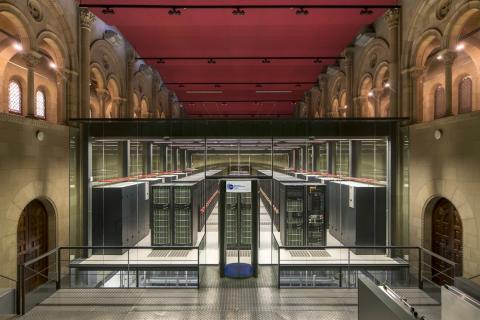
MareNostrum 4 begins operation

The MareNostrum supercomputer is beginning operation and starts executing applications for scientific research. MareNostrum 4, hosted by Barcelona Supercomputing Center, is entirely aimed at generating scientific knowledge and its computer architecture has been called ‘the most diverse and interesting in the world’ by international experts. The Spanish Ministry of Economy, Industry and Competitiveness has funded the purchase of the supercomputer, whose installation cost €34 million in total.

11.1 Petaflops of processing power

MareNostrum provides 11.1 Petaflops of processing power – that is, the capacity to perform 11.1 x (1015) operations per second– to scientific production. This is the capacity of the general-purpose cluster, the largest and most powerful part of the supercomputer, which will be increased thanks to the installation of three new, smaller-scale clusters, featuring emerging technologies, over the next few months. The capacity of 11.1 Petaflops is 10 times greater than that of MareNostrum 3, which was installed between 2012 and 2013.

According to the Top500 ranking published on 19 June, the MareNostrum 4 supercomputer’s general-purpose cluster is the third most powerful one in Europe and the thirteenth in the world. The Top500 list is based on how quickly supercomputers execute the high-performance linpack benchmark.

Barcelona Supercomputer Center's crown jewel: supercomputer MareNostrum 4
Barcelona Supercomputer Center’s crown jewel: supercomputer MareNostrum 4

A tool of great value for science

Supercomputers are used for basic and applied research thanks to their ability to perform large calculations, execute large simulations and analyse large amounts of data. Today, they are used in almost all scientific disciplines, from astrophysics and materials physics to biomedicine, and are used in engineering and industry.

During its first four months of operation, MareNostrum 4 is used for research projects on climate change, gravitational waves, a vaccination against AIDS, new radiation treatments to fight cancer and simulations relating to the production of fusion energy, among other areas.

Access via scientific committees

MareNostrum 4 is available to all scientists in Europe via a selection process managed by scientific committees. For the chance to use the supercomputer, researchers must submit a request to the Spanish Supercomputing Network (RES, according to its initials in Spanish) – which provides access to 16% of the computing hours available on the machine – or to PRACE (the Partnership for Advanced Computing in Europe) – which manages access to 80% of its computing hours. The remaining 4% is reserved for use by BSC researchers. The MareNostrum 4 supercomputer is designated as a Special Scientific/Technical Infrastructure Facility by the Spanish Ministry of Economy, Industry and Competitiveness.

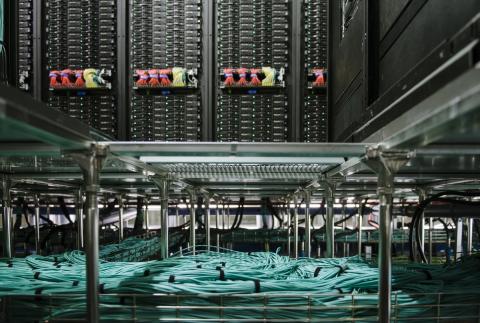
Detail of MareNostrum 4 power and data grid

Barcelona Supercomputing Center

Barcelona Supercomputing Center is the leading supercomputing centre in Spain. It specialises in High Performance Computing and its mission is twofold: to offer supercomputing facilities and services to Spanish and European scientists, and to create knowledge and technology to be transferred to society.

Barcelona Supercomputing Center employs 500 staff, of whom 27 form part of the Operations Department, which manages the supercomputer, and 400 who work in research across a wide range of areas. The Computer Sciences Department, which works to influence how future supercomputers will be built, programmed and used, is the centre’s largest department. Research is also carried out in the fields of personalised medicine and drug discovery, as well as climate change, air quality and engineering.

BSC is a Severo Ochoa Centre of Excellence and a leadership-level (Tier-0) member of the PRACE infrastructure, as well as managing the Spanish Supercomputing Network. It was created in 2005 and is a consortium formed by the Spanish Government Ministry of Economy, Industry and Competitiveness (60%), the Catalan Government Department of Enterprise and Knowledge (30%) and the Univeristat Politècnica de Catalunya (UPC) (10%).

MareNostrum 4: technical summary

MareNostrum 4 has been dubbed the most interesting supercomputer in the world thanks to the heterogeneity of the architecture it will include once installation of the supercomputer is complete. Its total speed will be 13.7 Petaflops. The supercomputer includes two separate parts: a general-purpose block and a block featuring emerging technologies. It has 5 storage racks with the capacity to store 14 Petabytes (14 million Gigabytes) of data. A high-speed Omnipath network connects all the components in the supercomputer to one another.

The general-purpose block has 48 racks with 3,456 nodes. Each node has two Intel Xeon Platinum chips, each with 24 processors, amounting to a total of 165,888 processors and a main memory of 390 Terabytes. Its peak performance is 11.15 Petaflops. While its performance is 10 times greater than its predecessor, MareNostrum 3, its energy consumption will only increase by 30% to 1.3 MW per year.

The block of emerging technologies is formed of clusters of three different technologies, which will be incorporated and updated as they become available on the market. These technologies are currently being developed in the United States and Japan to speed up the arrival of the new generation of pre-exascale supercomputers. They are as follows:

  • Cluster comprising IBM POWER9 and NVIDIA Volta GPUs, with a computational capacity of over 1.5 Petaflops. IBM and NVIDIA will use these processors for the Summit and Sierra supercomputers that the US Department of Energy has ordered for its Oak Ridge and Lawrence Livermore National Laboratories.
  • Cluster formed of Intel Knights Hill (KNH) processors, with a computational capacity of over 0.5 Petaflops. These are the same processors as those to be used in the Theta and Aurora supercomputers that the US Department of Energy has ordered for the Argonne National Laboratory.
  • Cluster composed of 64-bit ARMv8 processors in a prototype machine with a computational capacity of over 0.5 Petaflops. This cluster will use the cutting-edge technology of the Japanese supercomputer Post-K.

The aim of gradually incorporating these emerging technologies into MareNostrum 4 is to allow BSC to experiment with what are expected to be the most advanced technological developments over the next few years and evaluate their suitability for future iterations of MareNostrum.

MareNostrum 4 has a disk storage capacity of 14 Petabytes and is connected to BSC’s big data facilities, which have a total capacity of 24.6 Petabytes. Like its predecessors, MareNostrum 4 will also be connected to European research centres and European universities via the RedIris and Géant networks.

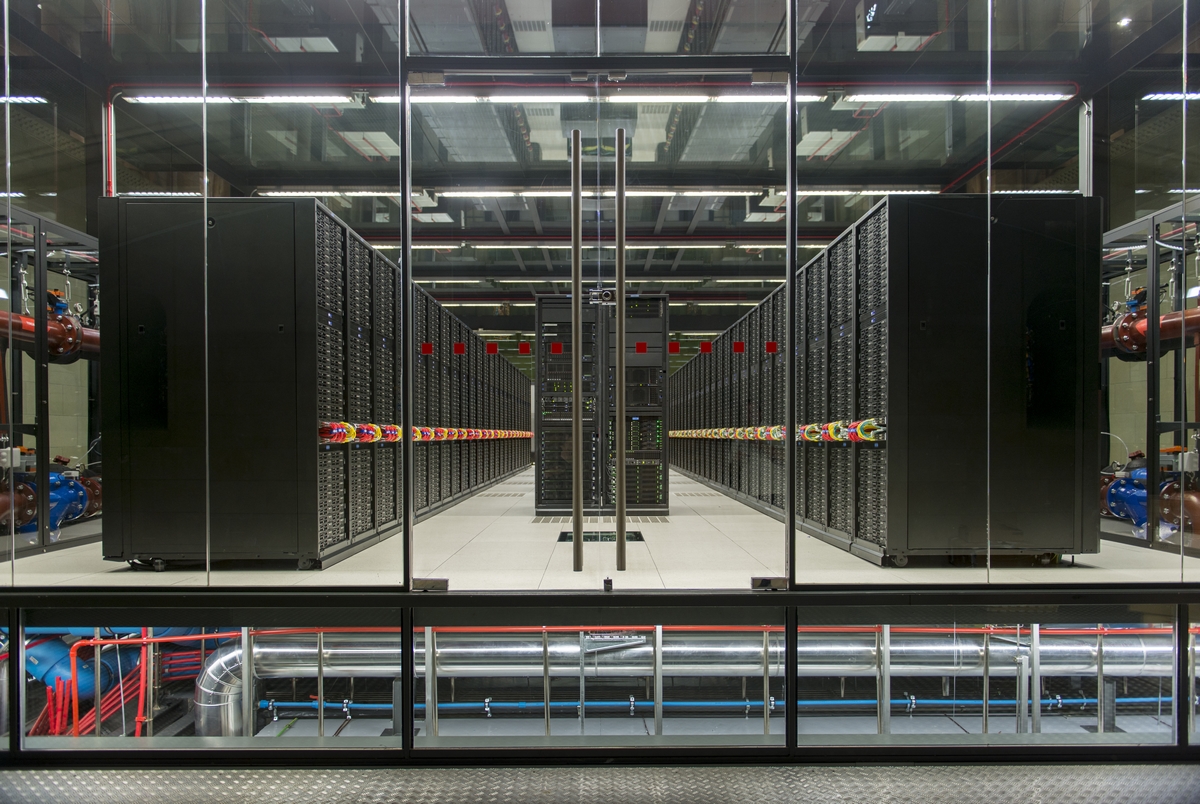
Mare Nostrum 4
Mare Nostrum 4

EJAtlas – Mapping Socio-Environmental Conflicts Around the World

  • The Environmental Justice Atlas (EJAtlas) monitors and maps the distribution of socio-environmental conflicts in the World
  • Over 2,500 identified conflicts are currently mapped
  • EJAtlas was launched in 2012 and is co-directed at the ICTA-UAB by Leah Temper and Joan Martínez-Alier

What is EJAtlas?

The Environmental Justice Atlas (EJAtlas), created by researchers of the ICTA-UAB, is an initiative created to monitor the distribution of ecological conflicts in the world. It includes over 2,500 cases of identified conflicts over the World. EJAtlas, which could also be called “the atlas of socio-environmental injustices and conflicts”, covers an increasing number of disputes over the World. A huge growth is being experienced in China, Bangladesh, Pakistan, Indonesia, Egypt, Ethiopia, and the Democratic Republic of the Congo, all large countries which until recently had no local collaborators.

Snapshot from EJAtlas showing India, the country with the highest number of registered conflicts.

Since its launch in 2012, the EJAtlas is co-directed at the ICTA-UAB by Leah Temper and Joan Martínez-Alier, and being coordinated by Daniela De Bene. Its objective is to create a comprehensive registry of socio-environmental conflicts around the world. Professor Martinez-Alier received in year 2016 an Advanced Grant (2M Euros) from the European Research Council to continue the project during the period 2016-2021. This has allowed to expand on the previous FP7 project EJOLT (Environmental Justice Organizations, Liabilities and Trade), creating the new project, entitled EnvJustice, A Global Movement for Environmental Justice: The EJAtlas. Importantly, the atlas also includes the support of the project Acknowl-EJ (2016-18), Academic-Activist Co-Produced Knowledge for Environmental Justice, directed by Dr Leah Temper at the ICTA-UAB.

“How many ecological distribution conflicts are there in the world? No one knows, but there is no doubt that there are many of them”, Dr Joan Martínez-Alier points out. The EJAtlas aims to collect the most significant cases from the past twenty or thirty years through a collaboration methodology involving both academics and activists, as explained in the 2015 paper by Leah Temper, D. Del Bene and J. Martinez-Alier, “Mapping the frontiers and front lines of global environmental justice: the EJAtlas”, published in the Journal of Political Ecology.

New cases identified are added to the Interactive Atlas, generating a related report on the conflict. At the same time, this global inventory allows creating a variety of maps using filters which allow, for instance, to detect those conflicts classified as the most serious. Dr Martínez-Alier highlights that it should not be overlooked that indicators of the degree of seriousness of environmental conflicts relate directly to the impact on lives of the local populations. This impact can range from pollution or other kind of damage, to, in the extreme cases, assassination of activists opposing a specific project.

Particular cases

EJAtlas allows conducting state-wide analyses, but the information it contains is even more interesting for cross-state thematic studies. Relatedly, several pre-filtered thematic maps are available to be browsed through. The available data, shows Dr. Martinez-alier, allows to notice some interesting trends.

For instance, one can find that the types of environmental conflicts in South America most often relate to mining, fossil fuel extraction, deforestation or land grabbing. By contrast, in Spain, where over 70 conflicts are reported yet, conflicts relate rather to the disposal of residues, to infrastructure building projects, to tourism pressure and its consequences, and to issues relating to nuclear power.

Detailed profiles are available: snapshot of the information available about the spillage at Aznalcóllar, Sevilla, April 1998

Using the inn-built filters, the atlas allows users to identify cases in which opposition to a project (mines, dams, palm oil plantations, incineration plants, etc.) was successful. In such cases, opposition managed to overturn a particularly damaging project, with the State perhaps even implementing regulations to act as counter-incentives for similar projects. The map includes at least 360 success cases, corresponding to 17% of total registries, the majority of which are located in South America, with close to 100 cases, and Western Europe, over 60.

In connection with the controversial subject of nuclear energy, related conflicts have been on the rise across Europe and other parts of the World. As nuclear power plants gradually age, their operation entails higher risks; alas, sustained economic interests prevent them from being shut down definitively. In Japan, for instance, as an aftermath to the notorious Fukushima disaster, numerous people have demostrated against the reopening of close to fifty nuclear power plants which had been shut down after the accident of year 2011.

There are also increasingly cases in which opposition to mining and coal burning or the extraction of oil and gas is linked not only to a local environmental threat, but also to the awareness of climate change caused by the excess of carbon dioxide emissions. Dr. Martínez-Alier also highlights conflicts related to sand extraction in order to obtain ilmenite (raw material for titanium), rutile and zirconium. Several of these kinds of conflicts were reported in Madagascar, South Africa and the Indian state of Tamil Nadu. Interestingly, these are matters even the co-director was unaware of in 2012. Undoubtedly, many more exist.

The co-director of the project points out that gas fracking – an activity consisting of extracting natural gas from non-conventional sites – is one of the newest issues. This issue is quite recent, and was something hardly talked about when the EJAtlas was presented in public for the first time in March 2014 (then including only some 920 entries). Connectin to this, stater Martínez-Alier, “the increase and change in social metabolism are main driver causes of conflict”. This suggests that the changes resulting from emerging economic and social realities potentially result in the appearance of antagonistic interests; and from them, possible conflicts.

There have been identified at least 260 cases in which environmental activists have been killed; the majority of them, in Latin America and Southern and South East Asia. Martínez-Alier, however, points out that this data is only partial, due to the fact that the atlas still does not have enough information on other areas of the globe in which fatalities may have occurred. The mapping will continue, with the help of the increasing network of collaborators, and hopefully will make EJAtlas the thorough source of information it aims to be.

Image credits:

Snapshots of the Environmental Justice Atlas from India and from the Aznalcollar tailings dam failure were manually taken from the user interface of EJ Atlas.

New evidence to the mechanism of vesicle fusion during neurotransmission

Researchers from the Structural Biology Unit (SBU) provided high resolution snapshots of a protein complex involved in the regulation of synaptic vesicle fusion. Published in the Proceedings of the National Academic of Sciences journal (PNAS), the study sheds new light into the understanding of the neurotransmission mechanism. Neurons are able to communicate with others through the liberation of neurotransmitters during synapses. Numerous proteins are recruited to the presynaptic space to execute a highly controlled process, resulting in the liberation of neurotransmitters to the synaptic cleft. Many of these proteins share C2 domains as common structural motifs, which are regulated by their binding to Ca2+, phospholipids, or other proteins, endowing them with properties helping to fine-tune the vesicle release mechanisms. Rabphilin-3A (Rph3A) is a membrane trafficking protein involved in the calcium-dependent regulation of secretory vesicle exocytosis in neurons and neuroendocrine cells. However, its exact role in the process still remains under debate. By the work of the research team of Dr. Nuria Verdaguer and collaborators, the structures of the membrane trafficking protein Rabphilin-3A (Rph3A) C2B domain in complex with other actors of the vesicle fusion process (as protein SNAP25 or the phosphoinositide PIP2 and Ca2+) were solved. The researchers of the “Structural Virology and large Biological Complexes” group discovered a membrane-binding mode in which the Rph3A-C2 domains operate in cooperation with PIP2/Ca2+ and SNAP25 adopting a conformation able to promote membrane bending. This result provides a model to explain how Rph3A regulates various steps of the vesicle fusion process, hence helping better understand signal transmission at the neuronal synapsis.   Reference: C. Ferrer-Orta, M.D. Pérez-Sánchez, T. Coronado-Parra, C. Silva, D.López-Martínez, J. Baltanás-Copado, J.C. Gómez-Fernández, S. Corbalán-García, N.Verdaguer. Structural characterization of the Rabphilin-3A-SNAP25 interaction. Proc Natl Acad Sci U S A. 2017 Jul 3;114(27):E5343-E5351.

The biotechnology company ZeClinics receives a grant of €1.87M from the European Commission

A grant awarded to ZeClininics allows it to develop and accelerate the commercialization of one of its flagship products: ZeCardio®, a predictive system for the analysis of the cardiovascular effects of drugs during the discovery phase.

One of the most important challenges for biotech companies is to get enough funding to turn their most innovative projects into reality. Especially those that may give significant returns to society in the form of technical innovation, yet whose development is a technological challenge with a high risk for the company that creates them.

The EU has awarded ZeClinics with the SME Instrument Phase 2, the most important and outstanding grant for small and medium-sized enterprises in Europe. This powerful funding tool is part of Horizon 2020, the EU’s main research and innovation programme, with a total budget of €77 billion to be invested in projects of excellence.

ZeClinics Founding team (from left to right): Ignasi Sahún, Simone Calzolari, Davide D'Amico i Javier Terriente - ZeClinics
ZeClinics Founding team (from left to right): Ignasi Sahún, Simone Calzolari, Davide D’Amico i Javier Terriente – ZeClinics

The objective of SME Instrument is to promote highly innovative projects, transforming them into concrete commercial solutions with high social and economic impact, both in Europe and globally. Proposing an innovative idea, though, is not enough to be financed by the SME Instrument. Its evaluators are faced with hundreds of excellent projects, yet only a few can finally be funded. “This impressive competition, oftentimes against more established companies than ZeClinics, makes us even prouder to achieve this distinction, but it also increases our responsibility to successfully complete this innovative project”, say the company founders, Davide D’Amico, Javier Terriente, Ignasi Sahún and Simone Calzolari.

ZeCardio®, will become a comprehensive platform allowing for the analysis, both in response to pharmacological treatments and genetic models of cardiovascular disease, of multiple parameters of cardiac physiology and vascular system in hundreds of zebrafish embryos. The automated acquisition of high-frequency videos of hearts and blood vessels will proceed via ZeCardio®. Thanks to its advanced image analysis algorithms, it will allow for the quantification of the most complex cardiotoxicity parameters, including those difficult to assess currently in preclinical models (as cardiac frequency, arrhythmias, atrio-ventricular blockage of 1st, 2nd and 3rd degree, or ejection fraction) and incorporating them to vascular physiology evaluation (as blood flow velocity in veins and arteries, vasodilation, vasoconstriction, etc.).

Through the use of ZeCardio, ZeClinics will be able to analyse all these parameters in an automated way and in a large number of individuals simultaneously (Industrial Scale-up). Therefore, this technology will substantially reduce time and, consequently, the resulting cost of analysis, providing the biotechnology, medical and pharmaceutical industries with a tool capable of achieving the early detection of cardiotoxicity in hundreds of thousands of molecules.

“This huge opportunity means that ZeClinics can accelerate much of its R&D pursuits and consolidate the bases of the  company to tackle even more ambitious challenges. The SME Instrument Phase 2 grant will allow us to achieve a business growth of more than 400% of future turnover and EBITDA, cover 70% of contracted personnel costs and increase our productive capacity by 500%”, conclude the founding members.

ZeClinics is supported by Pompeu Fabra University and was created by the researchers at the University, Davide D’Amico, Javier Terriente, Ignasi Sahún and Simone Calzolari. Its mission is to challenge the traditional drug discovery pipeline by offering a cheap, fast and reliable array of customized assays, to assess the safety and biomedical relevance of new molecules using zebrafish.

More than only photosynthesis: chloroplasts as plant growth regulators

Centre for Research in Agricultural Genomics (CRAG)

Researchers at the Centre for Research in Agricultural Genomics (CRAG) and the University of California, Berkeley, discover that under stress conditions, chloroplasts send signals to the cell nucleus to modify plant development.

The discovery of this signalling influencing develoment, contributes to understand how endosymbiotic organelles (as mitochondria and chloroplasts) can change the overall development of a plant organism. It also describes for the first time the molecular mechanism by which plants alter their development in response to excessive light.

Microscopic image of cells of Arabidopsis thaliana seedling stem

Microscopic image of cells of Arabidopsis thaliana seedling stem. Chloroplasts in green, cell nuclei in blue.

In 1967, the American biologist Lynn Margulis formulated her famous endosymbiosis theory, explaining the origin of mitochondria and chloroplast organelles inside eukaryotic cells. These organelles, once primitive bacteria, transferred most of their own genetic material to the cell nucleus. The cell nucleus, then containing most of the cell’s DNA, became the cell’s “director” and supplier of most cellular proteins. Thanks to its acquired directing role, the nucleus is constantly sending signals towards other organelles to perform important cell functions such as division or differentiation.

The function of mitochondria and chloroplasts as cell energy producers is well known. So is the fact that these organelles can transmit to the nucleus their status and needs, through what is known as retrograde signalling. Mitochondria and chloroplasts use retrograde signalling to request from the nucleus the proteins they need for energy production. Likewise, retrograde signalling has been shown in animal cells to also be important for a variety of other cellular functions besides energy production. For example, mitochondria signalling to the nucleus modulates important processes such as cell division or tumour progression.

Elena Monte and Guiomar Martín

E. Monte and G. Martín observing seedlings in the in vitro walk-in growth chamber

In the study, published in Nature Communications, the team led by the CSIC researcher at CRAG, Elena Monte, describes for the first time that the effects of retrograde signalling in plants go far beyond what had been described so far, being able to modulate the overall plant development. “We were surprised to discover that the signals coming from the chloroplasts have the ability to modify the development of the plant, circumventing the nucleus,” explains Guiomar Martín, PhD student at CRAG and first author of the article. “Just as mitochondria signalling to the nucleus regulates key processes in animals, we now know that in plants the chloroplasts can regulate development through a new mechanism that we have been able to describe at the molecular level,” adds the principal investigator of the study, Elena Monte.

References:

Guiomar Martín, Pablo Leivar, Dolores Ludevid, James M. Tepperman, Peter H. Quail & Elena Monte “Phytochrome and retrograde signalling pathways converge to antagonistically regulate a light-induced transcriptional network” Nature Communications. May, 2016

Sidebar