Author Archive

First formal meeting between the Minister Pedro Duque and the alliance of Severo Ochoa centres and María de Maeztu units, SOMMa

On past Monday, February the 11th, took place a formal meeting at the highest level between representatives of the ministry and the Severo Ochoa – María de Maeztu alliance (SOMMa). The gathering, that took place in the context of the visit of the Minister to the ALBA synchrotron, certified the first formal meeting between the alliance and the Minister Mr Pedro Duque.

From the part of the Ministry attended, together with Minister Pedro Duque, the general secretary of Science Policy Coordination Mr Rafael Rodrigo, and the director of the ministry cabinet, Ms Inmaculada Aguilar.

Attendees from the part of the SOMM alliance were its president Luis Serrano, Bruna Vives in representation of the managing directors of the SOMMa centres and units, Michela Bertero in representation of the European Open Science Policy of the European Commission, and the coordinator of SOMMa Joaquim Calbó.

Representatives of the Ministry (left) and of SOMMa (right). Minister Pedro Duque, sitting second on the upper left

The meeting allowed SOMMa to introduce itself formally to Minister Duque, as well as to establish new communication channels, providing the Minister with first-hand knowledge about the alliance. The aspects treated in the meeting revolved around subjects in the area of science policy, with a prominent place for the Royal Decree law (RD), “Real Decreto-ley 3/2019, de 8 de febrero”, that was passed establishing urgent measures in the area of science, technology, innovation and universities.

With regard to the RD as a whole, the alliance expressed its clearly positive evaluation, highlighting it as a step forward for science in Spain. Nonetheless, some doubts were made explicit about particular aspects of the text wording that could limit the real impact of long called-for measures. These referred to subjects as the establishment of indefinite-term contracts with charge to research projects, or to public tenders calls for minor contracts.

Other subjects treated were the problems associated to the application of VAT charges to science, the establishment of a multiannual budged for the State Agency of Research, the plan S and the implementation of an Open Science policy in Spain, as well as the future European Framework Programme. With regard to the latter, the importance of frontier research becoming an integral part of trans-national European projects was highlighted, stressing that sound research quality should remain the main criterion for evaluation.

Snapshot of a moment of the dialogue. To the upper right, the president of SOMM allliance, Luis Serrano

With the event yet concluded, the Ministry requested the alliance to provide supplemental information regarding some of the matters treated during the meeting, in order to contribute to better evaluate those subjects. Moreover, an offer was made by the Ministry to establish periodic meetings between the general secretary of Science Policy Coordination and the aggrupation of the managing directors of the alliance, something that was thanked and highly appreciated by SOMMa.

Finally, the representatives of the alliance expressed emphatically their disposition and the wish to sustain a fluent communication and collaboration with the Ministry, in favour of a solid science policy, favourable to research in Spain.

Reead the Spanish version below, or in this pdf (original text in Spanish).

Primer encuentro formal entre el ministro Pedro Duque y la alianza de centros Severo Ochoa y unidades María de Maeztu, SOMMa

El pasado lunes día 11 de febrero tuvo lugar una reunión formal al más alto nivel entre representantes del Ministerio de Ciencia, Innovación y Universidades, y la alianza Severo Ochoa – María de Maeztu (SOMMa). La reunión, producida en el marco de la visita del Ministro al sincrotrón ALBA, certificó el primer encuentro formal entre la alianza y el ministro don Pedro Duque.

Por parte del Ministerio asistieron, junto con el ministro Duque, el secretario general de coordinación de política científica, don Rafael Rodrigo, y la directora de gabinete del ministro, doña Immaculada Aguilar.

Por parte de la alianza SOMMa asistieron su presidente, Luis Serrano, en representación de los gerentes de los centros y unidades miembros de SOMMa, Bruna Vives, en representación de la European Open Science Policy Platform de la Comisión Europea, Michela Bertero, y el Coordinador de SOMMa, Joaquim Calbó.

El encuentro permitió a SOMMa presentarse formalmente al ministro Duque, así como establecer nuevos cauces de comunicación, proporcionando al ministro conocimiento de primera mano sobre la alianza. Los aspectos tratados en la reunión se centraron en temáticas del ámbito de la política científica, con un lugar prominente para el reciente Real Decreto-ley 3/2019, de 8 de febrero en que se establecen medidas urgentes en el ámbito de la Ciencia, la Tecnología, la Innovación y la Universidad.

Por lo que se refiere a dicho RD en su globalidad, la alianza transmitió su valoración claramente positiva, destacándolo como un paso hacia adelante para la ciencia en España. Sin embargo, se transmitieron algunas dudas sobre aspectos particulares de su redactado que pueden limitar el impacto real de unas medidas largamente demandadas. Éstas iban referidas a temáticas como el establecimiento de contratos indefinidos con cargo a proyecto o la contratación pública por obra menor.

Otros temas tratados fueron la problemática asociada a la aplicación del IVA en ciencia, el establecimiento de un presupuesto plurianual para la Agencia Estatal de Investigación, la implementación de una política de Ciencia Abierta en España y el Plan S, así como el futuro Programa Marco Europeo. Respecto a éste último punto, se resaltó por parte de SOMMa la importancia de que la investigación de frontera forme parte integrante de los futuros proyectos transnacionales europeos y que la calidad de la investigación siga siendo el principal criterio de evaluación.

Concluido el encuentro, por parte del Ministerio se emplazó a la alianza a suministrar información complementaria a algunas de las cuestiones tratadas en la reunión para contribuir a evaluar las problemáticas resaltadas desde SOMMa. Asimismo, se ofreció desde el Ministerio el establecimiento de reuniones periódicas entre el secretario general de Coordinación de Política Científica y la agrupación de todos los gerentes de la alianza, un ofrecimiento agradecido y valorado muy positivamente desde SOMMa.

Finalmente, los representantes de la alianza manifestaron enfáticamente su disposición y deseo de seguir manteniendo una comunicación fluida y colaboración con el Ministerio, en pos de una política científica sólida y favorable a la investigación en España.

25 genetic changes that could have extended human lifespan

  • A new method enables to identify 25 parallel mutations located in genes associated with wound healing, blood coagulation and cardiovascular disorders.
  • The research confirms that some genes that are beneficial in early stages of life are detrimental once the reproductive stage has ended.
  • The results could help to develop new drugs to treat ageing-related diseases.

Senescence, or biological ageing, refers to the general deterioration of an organism’s physiological functions, leading to increased susceptibility to diseases and ultimately death. A complex process that, among many other changes, involves the action of many genes.

Lifespan varies greatly across different animal species. Flies, for example, live for just four weeks, horses for close to thirty years, whereas some hedgehogs may live for up to two centuries. Why is the range of lifespans found in nature so broad? This is one of the basic and most intriguing questions faced by biologists.

Individuals of certain species of tortoises have been known to live for up to 150 years.

Potentially, human beings could live for up to 120 years, while the species of some close primates live for only half that period. In order to explain the reasons behind these differences, researchers led by scientists at the Institute of Evolutionary Biology (IBE), in collaboration with researchers at the Centre for Genomic Regulation (CRG), the University of Bristol and the University of Liverpool, have identified genes that may have been crucial in extending the life of our species, as well as that of primates with a longer lifespan.

The genomes of seventeen primate species were studied, including humans. From the standpoint of ageing, while primates are interesting because they are very similar, there are major differences across species in terms of longevity. Of the species studied, only three ― humans and two macaques ― lived longer than the common ancestor. This proves that “they have undergone a relatively rapid process of lifespan evolution”, explains Arcadi Navarro, ICREA research professor at the IBE and the leader of the study.

ICREA research professor Toni Gabaldón and his team compared these species to those of the remaining fourteen primate species, to detect the distinctive mutations present in those with longer life expectancy. “This would constitute very suggestive evidence that these genes have helped to extend their lives”, says Navarro, who is also Professor of the UPF and CRG collaborator. Following the comparison, twenty-five mutations were identified in genes associated with wound-healing, coagulation and a large number of cardiovascular conditions.

Of the studied species, only humans and two species of macaques have a longer lifespan than their common ancestor.

“The results are meaningful, because a flexible and adaptable control of coagulation mechanisms are required in species that live longer”, explains Gerard Muntané, the study’s leading author and a postdoctoral researcher at the IBE and at the Institut d’Investigació Sanitària Pere Virgili (IISPV). Moreover, adds Muntané, “they confirm the pleiotropy theory of ageing”. This model proposes that “certain mutations may have different effects depending on life-stage: they help us in the early stages but damage us in later stages, once the reproductive stage has ended”.

The research, published in the Molecular Biology & Evolution journal, confirms that some genes are beneficial in early stages of life, but are detrimental after the reproductive stage is finished. The authors suggest that the results could help to develop new therapeutic targets for treating ageing-related diseases and to demonstrate the potential of an evolutionary approach to medicine.

Image credits:

All images used are in the public domain, and were downloaded from Pexels.

Observations of a rare hypernova: completing the picture of the death of the most massive stars

  • A work led by the Institute of Astrophysics of Andalusia (IAA-CSIC) studies in detail the death of a massive star
  • The work, published in Nature, reports on a gamma-ray burst (GRB) and a hypernova arisen from this cosmic event
  • The discovery implies that the previously existing models about hypernovae will need to be revised

The deaths of stars

The end of the life cycle of a star can happen quietly in the case of low mass stars, such as the Sun. This is not the case, however, for very massive stars. These stars suffer extreme explosive events that can even outshine the brightness of the galaxy hosting them.

An international group of astronomers have done a detailed study of the death of a high-mass star that produced a gamma-ray burst (GRB) and a hypernova. Their research found a new component in this type of events. The study, published in Nature, provides a link completing the scenario that relates hypernovae with GRBs.

The study was coordinated by researchers of the High-Energy Transients and their Hosts (HETH) research group at IAA-CSIC. This group, led by Dr. Christina Thöne, studies the physics of transient astronomical phenomena, the environment in which they are produced and the galaxies that host them.

“The first hypernova was detected back in 1998 as a type of very energetic supernova that followed after a gamma-ray burst. This was the first evidence of the connection between supernovae and gamma ray bursts” says Luca Izzo, researcher of the HETH group.

Representation of hypernova showing the jets (diagonal axis) forming a cocoon surrounding the jet heads at the star surface

The scenario proposed to explain the phenomenon involves a star over 25 times more massive than the Sun. Once that star has exhausted its fuel, it suffers the collapse of its core. During the collapse, the nucleus of the star transforms either into a neutron star or a black hole. At the same time, two polar jets of matter are ejected. These jets drill through the external layers of the star and, once out of the star, produce detectable gamma-rays (the mentioned GRB). The external layers of the star are finally ejected due to the jets, generating a hypernova explosion, tens of times brighter than a typical supernova.

The direct connection between GRBs and hypernovae has been well established over the last 20 years. The opposite, however, is not so clear, as there have been several hypernovae that do not have an associated GRB. We can hence make a distinction between two types of hypernovae, depending on whether they display or not a detectable gamma ray burst.

“This work has allowed us to find the missing link between these two types of hypernova through the detection of an additional component: a sort of hot cocoon generated around the jet as it propagates through the outer layers of the progenitor star”, indicates Dr. Izzo (IAA-CSIC). “The jet transfers a significant part of its energy to the cocoon and, if it manages to reach the surface of the star, produces the gamma-ray emission that we know as GRB.”

In some cases, the jet can fail to pierce the external layers of the star and never emerge into the circumstellar medium if it lacks the necessary energy. It is in such circumstance that we would observe a hypernova but not a GRB. So, the cocoon detected in this study is the link between the two subtypes of hypernovae that had been studied. The “choked” (or “limited”) jets would explain the observed differences.

The event (or the story of a quick reaction)

On December 5, 2017, GRB 171205A was detected in a galaxy located 500 million light years from Earth. However far this may seem, this makes it the 4th closest long GRB ever observed. “Such events occur on average every ten years, so we immediately started an intense observing campaign to observe the emerging hypernova from the very early phases on, says Christina Thöne, researcher at the Institute of Astrophysics of Andalusia (IAA-CSIC), who participated in the discovery. In fact, with our early observations we managed to obtain the earliest detection of a hypernova to date: less than one day after the collapse of the star”.

Very early on, the first features of a hypernova were detected with the Gran Telescopio Canarias, on the island of La Palma. “This was only possible because the luminosity of the jet was much weaker than usual, as typically the jets outshine the hypernova during the first week – says Antonio de Ugarte Postigo, researcher at the Institute of Astrophysics of Andalusia (IAA-CSIC) who participated in the paper –. What we saw, however, was a very peculiar component, which showed unprecedented expansion velocities and chemical abundances that were different to the ones seen in similar events.”

Image of the explosion obtained by the Gran Telescopio Canarias during the period of maximum brightness of the event.

The peculiar chemical composition and high expansion speeds matched the expectations for the existence of a cocoon accompanying the jet on the surface of the star. This had been predicted but had been never observed before. The cocoon observed during the first days dragged material out from the interior of the star, and its chemical composition was determined in this study. After a few days, this component faded away, and the hypernova evolved in a way similar to those observed in the past.

The total energy emitted by the cocoon during the first days was larger than that of the GRB. This implies that the jet transferred a large part of its energy to the cocoon. However, it also indicates that the energy of the GRB depends to some degree on the interaction between the jet and the stellar material, and on the new component: the cocoon.

This discovery implies that the existing models must be revised: “While in the standard model of supernovae the collapse of the nucleus leads to quasi-spherical explosions, the evidence of such an energetic emission produced by the cocoon suggests that the jet plays an important role in core-collapse supernovae which means we will need to consider it in supernova explosion models”, concludes Izzo (IAA-CSIC).

Image credits:

All images kindly provided by the Instituto de Astrofísica de Andalucía. Artistic image of hypernova explosion displaying the jets, by Anna Serena Esposito.

Mycoplasma genitalium’s Cell Adhesion Mechanism Revealed

  • Mycoplasma genitalium is a sexually transmitted bacterium responsible for several genitourinary disorders. An estimated 1% of the adult population is infected with this bacterium.
  • The discovery opens the door to defining new therapeutic strategies to fight this pathogen which is becoming more and more resistant to current antibiotics.

The discovery

Researchers from the Molecular Biology Institute of Barcelona (IBMB-CSIC) and the Institute of Biotechnology and Biomedicine (IBB-UAB) have discovered the mechanism by which the bacterium Mycoplasma genitalium (Mgen) adheres to human cells. This adhesion is essential for the onset of bacterial infection and subsequent disease development.

The study, published in the journal Nature Communications, was led by Ignacio Fita, research lecturer of the Structural Biology Unit (SBU) at the IBMB-CSIC, and Oscar Quijada and Jaume Piñol, researchers from the Molecular Biology Lab, IBB-UAB. The first author of the study is David Aparicio, postdoctoral researcher at the IBMB-CSIC.

Mgen is an emerging pathogen responsible for several infectious genitourinary disorders. In men, it is the most common cause of urethritis (15-20%) while in women, it has been associated with cervicitis, pelvic inflammatory disease (PID), premature birth and spontaneous abortions.

So far, it was known that adherence to the genitourinary tract was possible thanks to proteins known as adhesins, which recognise specific cell surface receptors. In the case of Mgen, the cell receptors recognised are generically known as sialic acids. Other important pathogens such as the influenza virus also use sialic acid recognition and binding to adhere to host cells. IBMB-CSIC researchers determined the three-dimensional structure of the Mgen pathogen P110 adhesins that recognise and interact with the aforementioned sialic acids.

Adhesin structure made… crystal clear

“We made a crystal structure of the P110 adhesin bound to sialic acids and used X-rays to determine the exact position of the atoms within the protein, and we were able to define the structure three-dimensionally”, explains IBMB researcher David Aparicio. The experiments were conducted at XALOC beamline from the ALBA Synchrotron located in Cerdanyola del Vallès using X-ray crystallography.

SBU researchers Òscar Quijada and David Aparicio

At the same time, IBB-UAB scientists conducted in vivo studies with human cells and demonstrated that mutations in specific sites of the P110 protein prevent the adherence of Mgen. These results were fundamental to confirm the information obtained from the three-dimensional structure.

The results allow a better understanding of the molecular bases of the Mgen interaction with human cells. “On the one hand, we have obtained key information on the process of colonisation, that is how the pathogen comes into contact with the host cells. On the other hand, it allows us to develop alternative drugs capable of blocking Mgen’s cell adhesion, such as molecules mimicking the human cell receptors, or stimulating the formation of antibodies which can inhibit the function of these adhesins”, explains IBB research Oscar Quijada.

The research has led to an international patent application and a new collaboration with the Microbiology Department and research groups from the Vall d’Hebron Campus with the aim of fighting against the emergence of new resistances.

Antibiotic Resistance

Currently, Mgen infections are as frequent as gonorrhoea infections, one of the most common sexually transmitted diseases. In addition, Mgen is becoming a superbug capable of resisting all available antibiotics, which will soon leave humans with no alternative therapies to fight infections. Understanding the mechanism behind the infection can help to define new treatments which can fight it.

Transmission electron microscopy of Mycoplasma genitalium adhering to the surface of human cells (top) and entering them (below)

Antibiotic resistance is rising to dangerously high levels. Through genetic changes, many bacteria have developed the capacity to become resistant to antibiotics and continue to reproduce themselves. Although this is a natural process, inadequate use and abuse of these drugs are accelerating the process.

Given that Mgen is becoming resistant to all available antibiotics, finding an alternative therapeutic strategy is of utmost importance. The results obtained are essential for the design of new drugs thanks to the ability to define adhesion at molecular level.

Image credits:

Images were kindly provided by the Structural Biology Unit (SBU). Frontpage image edited from the provided TEM Mycoplasma genitalium pictures.

A fully automatic and real-time arrhythmia classifier

The electrocardiogram is the most powerful and key tool to diagnose cardiovascular diseases. IFISC researchers developed a fully automatic and real-time arrhythmia classifier based on a single ECG lead. The classification performance of the proposed model outperforms previous single-lead arrhythmia classifiers, achieving 85% success rate in patients with arrhythmia and 98% success in healthy subjects. These results are comparable to those obtained with state-of-the-art algorithms using multiple leads. The proposed method uses an Echo State Network (ESN) to classify ECG signals following the Association for the Advancement of Medical Instrumentation (AAMI) recommendations with an inter-patient scheme. In addition, the approach allows toi transfer the knowledge from one database to another without additional training.

Example of an electrocardiogram obtention method: the Holter monitor.

Part of the study was carried out in collaboration with the company Nuubo, a company with more than 10 years of experience in the development of biomedical solutions in the field of wireless monitoring using new materials. Nuubo has been pioneering in developing wearable devices to analyze heart activity. IFISC and Nuubo signed a collaboration agreement in 2015 to join forces and apply the IFISC group’s knowledge of neuro-inspired algorithms to ECG classification to improve the diagnostic performance of the company’s software. As a result, the system developed by IFISC and Nuubo was patented both in Spain and US in 2017.

In September 2018 Nuubo received approval from the U.S. Food & Drug Agency to market its product in the US. The company anticipated its entry into the American market in the fourth quarter of the year 2018.

Image credits:

Electrocardiogram pictures at article frontpage is in the public domain and was downloaded from Maxpixel.

In-text image of Holter monitor is in the public domain and was downloaded from Wikimedia Commons.

SOMM alliance: new Vice-chair appointed

  • Appointed Maria Blasco as vice chair of SOMMa, in substitution of Teresa Garcia-Milà
  • Prof. Maria Blasco took office at start January this year
  • A second office of vice chair has also been approved, that will be appointed in the close future

Maria Blasco, new vice Chair of SOMMa:

In January 2019, the Director of the Spanish National Cancer Research Centre (CNIO), Maria A. Blasco, took office as Vice-chair of SOMMa. The appointment of Blasco was actually done at the SOMMa General Assembly on 16 November 2018, following the 100xCiencia.3 Congress, held at the CNIO and co-organised with SOMMa itself. Blasco, who succeeded former Vice-President of SOMMa and Director of the Barcelona Graduate School of Economics, Teresa Garcia-Milà, will be in office for two years.

“I am greatly honoured to join the coordinating team at SOMMa as Vice-chair, a position in which Garcia-Milà has done an admirable job,” says Maria A. Blasco. “I will work together with the team on the effective implementation of the measures SOMMa has proposed to improve the administrative management of Spanish science, to boost its competitiveness and ensure its continuity in the long run”.

Luis Serrano, Director del Centre de Regulació Genòmica (CRG) and current SOMMa Chair, explains: “At SOMMa, we received with sadness the farewell of Teresa Garcia-Milà as Vice-chair, as she has held this position since its inception and has contributed greatly to the launch and success of the alliance. It is an honour and a privilege that a researcher of such high level as Maria A. Blasco has agreed to take over this role, and I am confident that together we will form an excellent team that will help push for science to improve and receive more support in our country”.

Maria Blasco and Teresa Garcia-Milà, newly appointed and previous vice chair of the alliance.

The General Assembly also approved the creation of the office of Deputy Vice-chair whose name, to be elected among the directors of SOMMa, will be announced soon.

The Severo Ochoa and María de Maeztu excellence accreditations are the greatest institutional recognition to scientific research in Spain. The selection and evaluation of research centres and units is carried out by an independent international committee of renowned scientists. Holders of the excellence accreditations cover a wide range of scientific disciplines, from physics and mathematics to environmental and life sciences, and including humanities as well.

In 2017, these centres established SOMMa, an alliance that has become a magnet for scientific talent in Spain – a think tank whose primary goal is to boost visibility of Spanish research as a sustainable ecosystem of excellence. First and foremost, SOMMa aims at creating a stable environment for Spanish science, and promoting and strengthening its economic and social impact, contacting policymakers and contributing ideas for relevant laws and regulations.

At the General Assembly held in November, the final resolution of the Severo Ochoa-María de Maeztu programme for 2018 came into effect. By virtue of this resolution, the applications submitted by the centres interested in joining the alliance were accepted, so that currently there are 48 SOMMa Centres and Units of Excellence.

On the past 100xCiencia.3:

The day before the meeting, representatives of the SOMMa centres met at CNIO to hold 100xCiencia.3: bridging Science and Society congress (the 1st since the alliance was established), which gathered politicians from different parties, science journalists and representatives of patient associations.

The secretary General for Scientific Policy at the Ministry of Science, Innovation and Universities, Rafael Rodrigo

In presence of the Secretary General for Scientific Policy at the Ministry of Science, Innovation and Universities, Rafael Rodrigo, a panel entitled ‘Scientists and science policy together for society’ gathered members of the science commission of the Spanish House Of Commons (representatives of political parties as PSOE, PP, Podemos, Ciudadanos and PdCat). They discussed the strengths and weaknesses of domestic science policies, and agreed on the need to implement measures as soon as possible to cut through red tape in order to improve the Spanish science and innovation system.

At the same event, Robert Huber, winner of the Nobel Prize for Chemistry, delivered a keynote speech. Renowned science journalists discussed the role of the media as channeling agents of science. Finally, there was a panel with the participation of representatives of CNIO, IrsiCaixa, the Patients Organisation Platform, the Spanish Foundation for Science and Technology (FECYT), and the Science Department of “La Caixa “Foundation, who addressed the importance of empowering stakeholders from civil society in scientific matters.

Original article in Spanish written and kindly provided by the CNIO communication office. Read also an extended account of the 100xCiencia.3 event co-organised between SOMMa and CNIO on our website, here. Picture of Maria Blasco kindly provided by CNIO.

A tale of integration of psychology and the neurosciences

Interview with Carles Escera, professor at the Faculty of Psychology, head of the research group BrainLab and former director of the Institute of Neurosciences of the University of Barcelona (UB). Escera talks about his years at the Institute and about the future. You can read the original interview on the website of the Institute of Neurosciences of the UB, here.

You have been the director of the Institute of Neuroscience for many years, was it a lot of work?

I have been the director of the Institute for eight years. Although the work did not have many complications, it required dedication, as there were many issues to attend to. Also, I directed the then Institute for Brain, Cognition and Behaviour Research (IR3C), which evolved to include also the neurosciences. We came to have three times the amount of researchers, six times the number of research lines and we became present in up to four diferent campuses: the complexity and the diversity grew a lot (by the establishment of the Institute of Neurosciences).

Carles Escera, former director of the Institute of Neurosciences of the UB.

How was IR3C (Institute on Brain, Cognition and Behaviour Research) born and with what purpose?

I think we were lucky to witness such a historical process in the field of psychology in the UB and in Spain. This is something that has yet happened in other places many years ago: the institutional recognition of scientific psychology. Although this concept existed already, there was a dichotomous and confronted view between the two epistemological views of psychology: that of Positive Psychology (concerned with the factors that contribute the most to a fulfilling life) and that of Phenomenology (the psychological study of subjective experience).

The creation of IR3C was the determining step towards the acceptance of psychology as a positivist science without distinctions among the academic community and society in general. After that, we started growing and we began functioning as a research institute. Actually, before becoming the Institute of Neurosciences and doing research on psychology, we were the third or fourth biggest institute of the University of Barcelona, regarding resource raising and publications.

Why did IRC3 transform into the Institute of Neurosciences?

The transition from IR3C to the Institute of Neurosciences was the consummation of the second globally accepted reality here. That is, psychology being part of neurosciences, and of brain sciences. We are what we are because we have a nervous system, a brain. A brain that interacts with our surroundings and that makes us an organism, an entity, but which never stops depending on the former (the nervous system)

Therefore, neuroscience is the way to understand these complex phenomena: it ranges from the observation of the ion exchange between neurons through its membrane, to the analysis of behaviour. Accepting psychology firstly as a positivist science, and then as a discipline in neurosciences, results from a natural evolution that has occurred in other universities as well.

What was the transformation process of the institute like?

The management was more complex after becoming the Institute of Neurosciences. Before that, with IR3C, its management covered an area mostly about psychology, and it was limited to one physical location too, Campus Mundet, where I knew everyone. The Institute of Neurosciences covers a wider area in which there are issues I do not know deeply about. It is distributed over four campuses and I do not know every researcher: it is harder to manage.

How were researchers invited to become members of the Institute?

The growth of the institute was done together with the Vice-rector’s Office of Research: we identified everyone working in neurosciences and invited them directly to take part in this. We conducted an open call to everyone interested in joining the Institute, and we had a positive response. There were about one-hundred researchers in the former IR3C. After that call, we received around two hundred applications.

Now that you are no longer the director of the Institute, what are your plans for the future?

Those are plans that have nothing to do with management… On the one hand, I would like to spend a sabbatical year abroad to do research. As I cannot do that, I would like to have a “functional” sabbatical. I mean, to be able to temporarily disengage and temporarily disconnect from some commitments. I want to focus on research and start new projects.

What are those new projects?

We started working on the creation of a new research institute. As the director of the Institute of Neurosciences, I was involved in all the creation phases of the institute and it is now fully functioning.

The new institution is the Research Institute of Sant Joan de Déu. It was created at the request of the Sant Joan de Déu Research Foundation with the collaboration of Hospital Sant Joan de Déu, the Parc Sanitari Sant Joan de Déu, the Institute of Biomedicine (IBUB), the Institute of Neurosciences of the UB, and the Research Centre for Biomedical Engineering of Universitat Politècnica de Catalunya (CREB).

These institutions have together created the institute, which is at the frontier between paedriatrics and human development during the cycle of life. It gathers five main areas of research: metabolic and adult diseases originated during childhood, infectious diseases, cancer, neurological diseases and rare diseases. There are, however, also some other fields of research as well.

The idea is to launch projects at the Hospital Sant Joan de Déu within the framework of the new research institute, where I want to develop my research line. In fact, we have yet launched a project studying a marker of brain activity in babies, with regard to the processing of language sounds. It could be applied to cases indicating a possible delay in neurodevelopment. The aim is to go one step further and offer a universal cognitive screening to be applied to all births, as it is a quick and bloodless test. We do not want to determine the characteristics of the physiological response but to be able to relate it, through a study of brain mapping, with the maturation of hearing.

Image credits:

Frontpage picture of Sigmund Freud downloaded from Wikimedia Commons, and licensed with an Attribution-ShareAlike 4.0 International (CC BY-SA 4.0) license.

Picture of Prof. Carles Escera taken with permission from the original article by the Institute of Neurosciences of the University of Barcelona.

MRS7145: First photoactive drug to fight Parkinson’s

  • An international team of researchers designs a photoactive drug for the treatment of Parkinson’s disease
  • The developed photoactive drug, MRS7145, proves effective in animal models
  • The novel therapeutic development could be the foundation for new therapies against Parkinson’s disease

Parkinson’s disease and a few pharmacological considerations

Parkinson’s is the second most common neurodegenerative disease after Alzheimer’s, affecting more than 1 % of the population. In this disease, dopamine, the neurotransmitter that controls the motor activity, is reduced. The cause is the progressive death of dopaminergic neurons, responsible for the synthesis of dopamine. This condition of the nervous system currently affects over 6 million people worldwide, figures that according to estimates of the World Health Organization (WHO) could rise to 12 million by 2030.

James Parkinson was the first person systematically describing Parkinson's, naming it "paralysis agitans" or "shaking palsy"
James Parkinson was the first person systematically describing Parkinson’s, naming it “paralysis agitans” or “shaking palsy”

Not only in the context of Parkinson’s, the therapeutic efficacy of conventional drugs is sometimes diminished due to factors such as the lack of an adequate spatial specificity and speed in the drug distribution, or sufficiently well-localised place of action (in short, the arrival and action at the desired place). The efficacy in patients of the traditional treatment for Parkinson’s (levodopa or L-DOPA) diminishes over time. This forces to gradually increase the administered dose, or switch to alternative drugs. In addition to the previous, the adverse effects of new drugs as uncontrolled movements in the body, motor fluctuations, etc. are an undesired common denominator in numerous patients.

The reasons exposed highlight the value of the development of optopharmacology, an innovative discipline based on the use of light of specific wavelength to control precisely the place and time of action of photoactive drugs to treat diseases. Such light-sensitive drugs can act with a precise timing and a controlled location of their action. This entails, in practice, shielding parts of the body that do not need treatment against any undesired action of the medication. This has the clear potential to decrease dramatically the adverse effects experienced by patients.

MRS7145: A new photoactive drug?

An international team involving, among others, the Institute of Neurosciences of the UB (UB Neuro), has designed the drug MRS7145, the first potentially therapeutic photoactive drug to fight Parkinson’s disease. The research, published in the Journal of Controlled Release, had the participation of five other research institutions: locally, the Faculty of Medicine and Health Sciences of the University of Barcelona, the Bellvitge Biomedical Research Institute (IDIBELL), and the Chemistry Department of the Autonomous University of Barcelona, and internationally, the US National Institutes of Health and the Colgate University.

MRS7145 is the first potential therapeutic photoactive drug to fight Parkinson’s disease. It is a photosensitive derivate from SCH442416, a selective antagonist (essentially, an inactivator) of the adenosine receptor A2A. Some A2A antagonist receptors have been suggested as potential drugs to fight Parkinson’s, as they are involved in the mechanism controlling movement.

MRS7145 is an inactive chemical compound that, after delivery to the desired location, can be activated using non-harmful visible light radiation (at the 405 nm wavelength). In an experiment with laboratory animals, a series of optical fibers were planted into the striated body of the brain, responsible for motor activity. This provided a localised irradiation able to hit the inactive drug, transforming it into its active counterpart.

Dr. Ciruela, leader of this research, with a few of his coworkers.

As describes the leader of this research, Lecturer Francisco Ciruela, “once the striated body is radiated with violet light, the active drug is released and blocks the adenosine A2A receptor. The blocking of adenosine receptors has an ‘administrating effect’ on the activity of dopamine”. This generates a pro-dopaminergic effect. That means that the dopamine-related activity in the brain, which is diminished in Parkinson’s patients, becomes effectively increased.

The impact on Parkinson’s treatment

Improving the precision of the space-time delivery of the actual drug to the desired site of action, and strengthening the adherence of the patient to the therapy are some of the benefits of optopharmacology in Parkinson’s. “A fine time-space precision will enable manipulating the neural circuits in close detail, enabling to direct their functioning for therapeutic and neuroprotective purposes”, said Dr. Ciruela.

“Nowadays, in addition, there are treatments that are based on the implementation of electrodes in the brain of patients with Parkinson’s to control the electric activity of neurons. In the same line, optical fibers could allow light to reach almost any part of the body (supplying spatial resolution). Organs could be radiated with light controlled by an electronic device regulating the intensity and time of radiation (providing time resolution).” Ciruela continues, “with a slow release system of the photoactive drug, such as a coupled patch with an irradiation device controlled remotely by a phone App, the doctor could control precisely the release of the most efficient dose of active drug in the place of action”.

Maintaining in the long run the commitment of patients to a set therapeutic regimen is a challenge in chronic diseases. Although the clinical application of this photoactive drug in patients is still far away, this pharmacological innovation could lead way to new therapeutical solutions for this chronic disease. It is therefore a step forward in the field of pharmacology to set innovative clinical protocols to improve patients’ quality of life.

Image credits:

Frontpage image Old Hands by Sharada Prasad CS downloaded and modified from Flickr and licensed with an Attribution 2.0 Generic (CC BY 2.0) license.

Image of James Parkinson, in the public domain, downloaded from Wikimedia Commons.

In-text image of researchers re-used with permission from the original article by the Institute of Neurosciences of the UB (UB Neuro).

CubeSat: a dynasty of catalan nanosatellites starts its orbit

  • 3Cat-1 is a nanosatellite developed at the NanoSat Lab of the Polytechnic University of Catalonia (UPC).
  • Aboard the PSLV-C43 Indian rocket, the satellite acquired its nominal orbit of 504 kilometers of height, in a success that comes after four previous attempts in recent years.
  • The 3Cat-1 Astronomical Observatory of Montsec will keep track of the satellite and its signals.

On past November, the 3Cat-1 nanosatellite successfully entered orbit. The satellite was developed at the Payload and Small Satellite Laboratory (NanoSat Lab) of the Polytechnic University of Catalonia (UPC) by a team of students. The launch, financed entirely by the Institute of Space Studies of Catalonia (IEEC), was carried out with the rocket PSLV-C43, launched from the Satish Dhawan Space Center in Sriharikota (India).

Fourth time lucky

The final launch of 3Cat-1 could take place only 4.5 years after the scheduled date. In April 2014 everything was ready for takeoff from Russia, aboard a Dnepr rocket. Unfortunately, the war between Russia and Ukraine, which had begun the same month, led to the cancellation of all the planned launches for that rocket.

Just over a year later, the small UPC satellite was waiting impatiently for another chance to get into orbit, this time aboard a Falcon 9 rocket from the SpaceX company. The launch was supposed to take place in July of 2015, but a few weeks before a Falcon 9 exploded in flight. This accident forced 3Cat-1 to wait for a new opportunity. Shortly after, a second explosion of Falcon 9 postponed, for the third time, the planned release date, and this time indefinitely.

Liftoff of a Dnepr rocket. 3Cat1 launch on a Dnepr rocket was cancelled in April 2014 due to the ruso-ukraininian conflict

Over the last two years the team had been searching for an alternative, which in the end turned out to be the PSLV-C43 Indian rocket. Ignasi Ribas said, “it has been a success, especially after the uncertainty and mishaps experienced in recent years.” Adriano Camps added that “we are very pleased that the launch has gone well. Now it’s time to wait and see if the signals are received correctly “.

The focus of the experiment

Once in orbit, the satellite began its experiments focusing on Earth observation and the validation and testing of space technologies. The monitoring of 3Cat-1 will be done by members of NanoSat Lab, from the communications station located at the Astronomical Observatory of Montsec (Sant Esteve de la Sarga, Lleida), a facility of the Catalan Government managed by IEEC.

The experiments on the satellite are six. The first of the technologies to be tested is a graphene transistor developed by the Stockholm Royal Institute of Technology (KTH, Sweden). The experiment within 3Cat-1 checks the behaviour of this graphene transistor in the aggressive conditions of space.

3Cat-1 houses experiments that aim, among other goals, to develop enhanced instrument performance in the harsh space conditions.

A commercial Geiger counter, an instrument measuring radioactive particles and ionizing radiation, analyses the effect of highly charged energy particles. The same device will be used to measure the impact of radiation on the other experiments onboard.

A resonant microelectromechanical system will measure, in situ for the first time, how monoatomic oxygen attacks a polymer used in electronics applications. This is particularly relevant since monoatomic oxygen is very reactive, and is present at low-altitude orbits.

Next, a new system of environmental energy collection created at the NanoSat Lab, together with a technology to transmit energy towards space wirelessly is also put to the test. The sixth and final load on board is a camera taking photographs of the Earth from space.

A Catalan dynasty

Despite being the second to actually reach space (3Cat-2 was launched on August 15, 2018), 3Cat-1 is the first of a series of small experimental satellites, the 3Cat, which follow the CubeSat standard. CubeSat nanosatellites are small volume devices: combinations of cubes about 10 centimeters wide, weighing between one and ten kilograms. Thanks to the use of standardized commercial components, they make it possible for students and researchers in university research groups to use CubeSat systems.

The ambitious project to design, manufacture and test the CubeSats series has lasted for the past seven years at the NanoSat Lab, a laboratory backed by the Barcelona School of Telecommunications Engineering (ETSETB) of the UPC with the support of the IEEC.

Adriano Camps, professor of the Department of Signal Theory and Communications and one of the managers at NanoSat Lab, said that “designing, building and testing CubeSats at the NanoSat Lab has been a unique and very enriching experience. I am very pleased to have helped to train dozens of engineers, integrating virtually all Telecommunications and Electronics subjects into just a cubic decimeter.” Ignasi Ribas, director of the IEEC, explained that “at the IEEC, we have been committed to the world of nanosatellites for years, as we believe it is an expanding area that supports the democratisation of access to space.”

Cubesat satellites in orbit around the Earth

Image Credits:

Close up of Dnepr launch vehicle during lift-off licensed from Wikimedia Commons, with an Attribution 2.5 Generic (CC BY 2.5) license.

Honeycomb Nebula picture licensed from NASA Hubble Space Telescope’s stream at Flickr, with a Attribution 2.0 Generic (CC BY 2.0) license.

Frontpage picture Hubble Team Unveils the Most Colorful View of Universe Captured by Space Telescope by the NASA Hubble Space Telescope in the public domain downloaded from Wikimedia Commons. Particular conditions apply. Authors: NASA, ESA, H. Teplitz and M. Rafelski (IPAC/Caltech), A. Koekemoer (STScI), R. Windhorst (Arizona State University), and Z. Levay (STScI)

Picture of cubesat satellites in orbit around the Earth kindly provided by COMMSENSLAB.

Severo Ochoa – María de Maeztu 2017 resolution: the Alliance grows

·The day after the past 100xCiencia.3, the final resolution of the Severo Ochoa and María de Maeztu awards were known

·All the new awardee institutions decide to join SOMMa

·This brings about further growth of the territorial and discipline coverage of SOMMa

Twelve cutting-edge Spanish institutions were awarded the “María de Maeztu” or “Severo Ochoa” distinctions of excellence on past November the 16th. These awards, that come with a notable economic provision of 2 or 4 million euros (for units and centres, respectively), will provide those funds over a timeframe of four years. One of the main purposes of this injection of funds: strengthening the research of the awardees and their environment, in a strive for excellence.

The Severo Ochoa and María de Maeztu distinctions, that recognise Spanish research institutions of excellence across all fields of knowledge, have created an opportunity to enlarge the alliance further with an outstanding repertoire of new research institutions. In the meantime, the following Severo Ochoa / María de Maeztu calls have yet been opened, which may entail a further growth of the alliance in the medium term.

Renewal of the pioneers, and joining of the new

Four centres that already were members of SOMMa have had their mentions of excellence renewed. One new Severo Ochoa centre and seven María de Maeztu units obtain this year the distinction for the first time. All of the new awardees have decided to join the SOMM Alliance, an initiative created in the year 2017 that defends and promotes the sustainability and excellence of research in Spain. A full list of the members can be found at the end of this article.

The reinforcement of SOMMa by institutions from Andalusia, Cantabria and the Balearic Islands results in the strengthening of the geographic distribution of the alliance and of the benefits of the Severo Ochoa / María de Maeztu programme. The repertoire of disciplines represented in SOMMa enriches with research fields such as astrobiology, computational chemistry, and interdisciplinary and systems physics provided by the new members. These add on top of fields of knowledge already present in the alliance as astrophysics, neuroscience, biomaterials or climate change studies, that are also reinforced by other of the new participants.

Group picture of participants in past 100xCiencia.3, with presence of almost all the alliance members

The considerable leverage of the combined SOMMa members increases with the resolution of the new Severo Ochoa – María de Maeztu call. Overall figures of funds, staff, scientific production and participation in collaborative and competitive projects by SOMMa members were yet remarkable, and increase now even further. In addition, this scientific prowess translates not only in scientific output numbers, but also in the growing creation of businesses and products generating economic and social benefits.

A larger SOMMa

New and veteran members of the still young alliance join forces to boost the economic and social impact of science. In line with this, the past and future actions of SOMMa aim at promoting an improving the legal framework for Spanish science bearing in mind the specificities of the research activity. Some of the examples of such actions include the demand of standardized criteria for VAT reduction, adjustment of the legislation regarding personnel recruitment or for public tender calls in research institutions, as can be read here.

With the recent resolution, SOMMa reinforces its condition as a Spanish pole of interdisciplinary knowledge, with and ever-increasing potential for collaboration, that it wants to leverage. Altogether, its potential grows as an actor and advocate in favour of the long-term sustainability of Spanish research in all fields, and for the Spanish research ecosystem as a whole.

Members of SOMMa having their Severo Ochoa mention renewed:

Institut català de nanociència i nanotecnología (ICN2)

Centro nacional de biotecnologia (CNB)

Basque Centre for Applied Mathematics (BCAM)

Instituto de neurociencias (IN)

New Severo Ochoa centre:

Instituto de astrofisica de andalucia (IAA)

New María de Maeztu units:

Instituto de fisica interdisciplinar y sistema complejos (IFISC)

BC3 Basque Centre for Climate Change

Asociación Centro de Investigación Cooperativa en Biomateriales (CIC biomaGUNE)

Institut de Neurociències de la Universidad de Barcelona (UBNeuro)

Centro de astrobiologia (CAB)

Instituto de Fisica de Cantabria (IFCA)

Institut de Quimica Teòrica i Computacional de la Universidad de Barcelona(IQTUB)

Picture Credits:

Group picture kindly provided by CNIO, as co-organizer of 100xCiencia.3

Frontpage picture of the Severo Ochoa award, kindly provided by the CRG.

100xCiencia.3: Science and society working together for the future

  • 100xciencia.3: Bridging science and society was a success, gathering numerous scientific institutions, scientists, journalists and politicians
  • The event featured the Nobel Prize for Chemistry Robert Huber, as well as debates on the science–society relationship and talks on citizen engagement
  • Representatives of five major political parties agreed on the implementation of measures to cut through red tape and to improve the science and innovation system

During the event, on November the 15th, representatives from the members of SOMMa met for the 100xCiencia.3 meeting. The alliance, encompassing 48 members, joined participants from other institutions, businesses and industry. This edition, the third since the creation of 100xCiencia, and the first since the foundation of SOMMa in October 2017, focused on the importance of the participation of society in science. The meeting was co-organized by SOMMa itself and Madrid’s CNIO, who hosted the event in its premises.

If you  could not attend but, you still would like to have a taste of what went on during the day, read on. You will find a panoramic albeit concise overview, as well as a direct link to one of the round tables, in case you would like to give it a look.

100xCiencia: opening

The opening of 100xCiencia.3 kick-started with the welcome by María Blasco, director of the CNIO, together with the president of SOMMa, Luis Serrano. Words of welcome were followed by an illustration about the CNIO and its activities, with an emphasis on its initiatives in the field of science engagement and education.

Group picture of the participants in 100xCiencia.3 at the entrance of the CNIO, in Madrid.

After the words of María Blasco, Luis Serrano presented the alliance, explaining about its members, the foundation of the alliance and its objectives. Serrano highlighted the importance of an increased visibility of science and research, of a more appropriate science policy and the associated regulations, and of the exchange of knowledge.

Serrano further stressed that there are initiatives that would lead to improvements of the situation of science in Spain, and that are not linked to any budget increases. These initiatives could be implemented in a short time, if political will is present, something that SOMMa would support.

Rafael Rodrigo, the Spanish Secretary General for the Coordination of Science Policy spoke next. Acknowledging the relevance of some of the demands of SOMMa, he reminded that an objective of the Severo Ochoa programme is the recognition and consolidation of world class Spanish research. Rodrigo added that an objective of the government is to stabilize and improve the management of the research system. He said, the time has come to develop the Law of Science, whose full implementation has been lagging behind since its approval, back in the year 2011.

According to further of his words, there is also a long way to go as far as science literacy in Spain is concerned. The same is true for the fostering of a deeper interest in science in our society. Concerning that, several projects aiming to close that gap would be presented during the day.

100xCiencia.3: the day

The notable Robert Huber, 1988 Nobel Prize of Chemistry for the determination of the structure of a photosynthetic reaction centre, took up the lead of the next part. Huber shared his experiences and insights with his talk “The century of vision: Protein structures for drug research”. Sometimes taken for granted, his words could not have stressed enough the key importance of technology to allow research and its output to explode in recent decades.

During the coffee break, there was chance to interact with Huber at a closer distance. In this more casual setting, some of the concerns of researchers were brought forth, connecting with the necessity of political measures to support the sustainability of Spanish science. Nonetheless, the existent excellent Spanish research offered reasons for optimism if adequate support to research is given, as reflected Huber himself in an interview later during the day.

Following this keynote lecture, three round tables took place during the day, as well as a generous selection of presentations about projects in science education and citizen engagement. Altogether, a pick of initiatives making research closer and more understandable, displaying its value, and in some cases even leading to published tangible discoveries. Many of them, initiatives with an accent on the appealing to the youth. You can take a look to the final programme (in Spanish) to see the full list.

Nayra Rodríguez-Eugenio, of the IAC, presenting project PETER, where students can explore the skies by themselves

The three round tables, each with a distinct flavour, involved different subjects and stakeholders orbiting around science and its interaction with deeply intertwined external aspects and actors: science and the media, science policy, and the scientific empowerment of society.

One round table led by notorious journalists and editors, noticeably stressed that journalism and science have not identical objectives, even if some of them are overlapping. The mission of journalism, it was reminded, is to inform about newsworthy events, rather than only to make science advances visible. This often includes science indeed, but it requires scientists to bear in mind, when addressing journalists, that not only scientific relevance, but also social relevance of a story matters.

A welcome piece of news came from another of the tables, with the presence of politicians of the PSOE, PP, Podemos, Ciudadanos and PdCat political parties. After the unfolding of the conversation, a seemingly unanimous agreement on several issues facing science was apparent. In this infrequent but appreciated display of political consensus, the present representatives of these parties agreed on the relevance of the demands of SOMMa in favour of research.

Such was the extent of the agreement, that the present representatives affirmed that solving the bureaucratic issues facing Spanish science could be a matter of weeks. The inconsistent VAT inspection criteria applied to research institutions seemed also straightforward to address. Thus, seemingly, specific measures would arise in the immediate future. These measures would have the added benefit of requiring of actions with a potentially neutral economic impact on Spanish State coffers.

Read the article on this round table by the journalist and moderator, Nuño Domínguez (for Materia – El País), right here. Watch the streamed round table directly here.

Discussion in the round table treating public engagement, governance paradigms and the scientific empowerment of citizens

The end of the day came with the final round table about the scientific empowerment of society. In this final dialogue, the concern was raised that society in the wide sense might be addressing global problems in a far too fragmentary way. The necessary transformation of the R+D+i system for the tackling of the challenges ahead requires not only of the deepening into the transdisciplinarity of research, but also the favouring of the participation of agents outside the academia. Moreover, the exchanges made possible by this could play a key part into addressing the philosophical and ethical challenges associated to the accelerated deployment of new technologies into our society.

Conclusion:

While the good news regarding political action are warmly welcome, the interplay of science, society at large and the political institutions needs to continue and get stronger. To this regard, meetings and fora as 100xCiencia.3 favouring this dialogue between the many involved actors are a positive step. Such events help to create opportunities for even more constructive changes to come. Come and join us next year in the following 100xCiencia.4, and do not hesitate: contribute to the conversation!

Picture credits:

All pictures used are taken by SOMMa, CRG or CNIO staff on-site.

Graphene carpets: better communication for neurons

After it was proven a couple of years ago that graphene can safely be used for electrode implants in the brain, research in this field has remained very active. Now a new development shows that the use of graphene can be not only safe, but also may be used to boost neurons.

The Carbon Bionanotechnology Laboratory at CIC biomaGUNE directed by the Ikerbasque Professor and AXA Chair holder Maurizio Prato participates in a study that reveals that graphene can enhance the activity of neurons, confirming the unique properties of this nanomaterial.

The research has been published in the prestigious journal Nature Nanotechnology and reports for the first time experimentally the phenomenon of ion ‘trapping’ by graphene carpets and its effect on the communication between neurons.

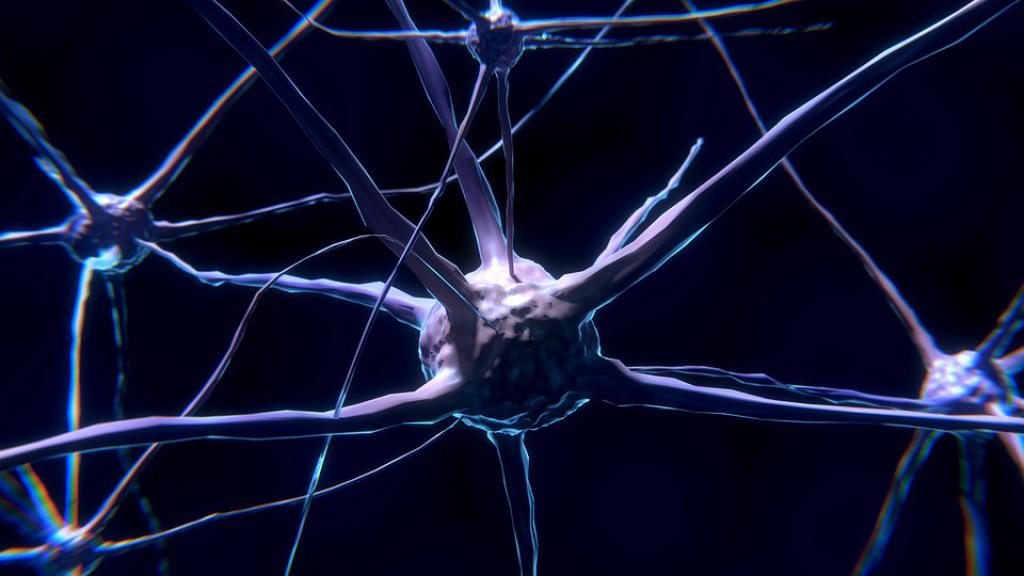
Representation of a neuron. By inducing the phenomenon of "Ion Trapping", their activity can be enhanced by graphene.
Representation of a neuron. By inducing the phenomenon of “Ion Trapping”, their activity can be enhanced by graphene.

The study led by SISSA – International School of Advanced Studies, in collaboration with the University of Antwerp, the University of Trieste, CIC biomaGUNE and the Institute of Science and Technology of Barcelona, analyzed the behavior of neurons grown on a single layer of graphene, observing a strengthening of their activity.

Through theoretical and experimental approaches the researchers have shown that such behaviour is due to reduced ion mobility, in particular of potassium, to the neuron-graphene interface. This phenomenon is commonly called ‘ion trapping’, already known at the theoretical level, but has been observed experimentally for the first time only now.

Image credits:

Graphene image is in the public domain, and was downloaded from MaxPixel.

Neuron image is in the public domain, and was downloaded from MaxPixel.

Sidebar