Author Archive

ERC advanced awards: SOMMa members reap their harvest

  • 222 ERC advanced grants awarded on Friday 29th March, summing a total of 540 Million Euro
  • Four of the ten grants to Spanish proposals were awarded to SOMMa members
  • SOMMa members research areas are quantum technologies, atmospheric dynamics and the very early origins of matter along with elusive mathematical model

The ERC awards

The European Research Council (ERC),  launched in the year 2007, is the most important European funding organisation for outstanding, ground-breaking research. Every year it selects and funds the very best, creative researchers of any nationality and age to run projects based in Europe. To accomplish that objective, it has three core grant schemes: Starting Grants, Consolidator Grants and Advanced Grants.

In the last ERC Advanced call, 222 researchers based in Europe were granted a project to contribute to major breakthroughs in scientific research. Of the 2,052 proposals submitted, only close to 11% were selected for funding. The countries eligible for ERC funding include those in the whole European Union, plus a number of associated countries. The ERC announced the recipients of its Advanced Grants competition on Friday, March the 29th. €540 million worth of funds are to be unlocked to allow the awardees to explore their most daring research ideas.

Spanish science has obtained its share of these prestigious and very competitive European grants. This has included a number of institutions linked to several Spanish universities and to the CSIC, as well as to SOMMa. The awards of this year include three SOMMa members, with a total of four ERC Advanced grants.

Developing quantum technologies: ICFO

The Institute of Photonic Sciences (ICFO) has been awarded not one, but up to two of these grants. Its researchers Profs. Antonio Acín and Maciej Lewenstein, both ICREA researchers, have been awarded each an ERC Advanced Grant. For both of them, it is not the first time, a testimony to their long-standing excellent research.

The research of Prof. Acín, entitled “Certification of quantum technologies” (CERQUTE) aims to provide the tools to achieve quantum certification. In a quantum computational system, this would ensure that it remains entangled, random, secure, and that it performs computations correctly. CERQUTE goes to the heart of the fundamental question of what distinguishes quantum from classical physics, and will provide the concepts and protocols necessary for the certification of quantum phenomena and technologies.

Quantum computation and technologies require a different paradigm of certification and security technologies

The project of Prof. Lewenstein, “NOvel Quantum simulators – connectIng Areas” (NOQIA) is a theoretical project aiming at introducing knowledge from other well-established research fields into new areas of application. It will leverage the expertise in quantum simulators, topological effects in physics or in quantum validation and certification. The new horizons opened will provide opportunities for research in the fields of machine learning and neural networks, largely used in many computational tasks. Attophysics, a discipline whose primary aim is to provide insights into the dynamics of electrons in molecules, will also benefit of the research.

Understanding atmospheric dynamics: ICTA

The Institute of Environmental Science and Technology of the Autonomous University of Barcelona (ICTA-UAB) had also one of its researchers awarded. Prof. Antoni Rosell-Melé aims to develop the project “New geochemical approach to reconstruct tropical palaeo-atmospheric dynamics” (PALADYN). His project aims at investigating the natural range of variability of the Hadley cell wind circulation system during past episodes of extreme warmth and cold.
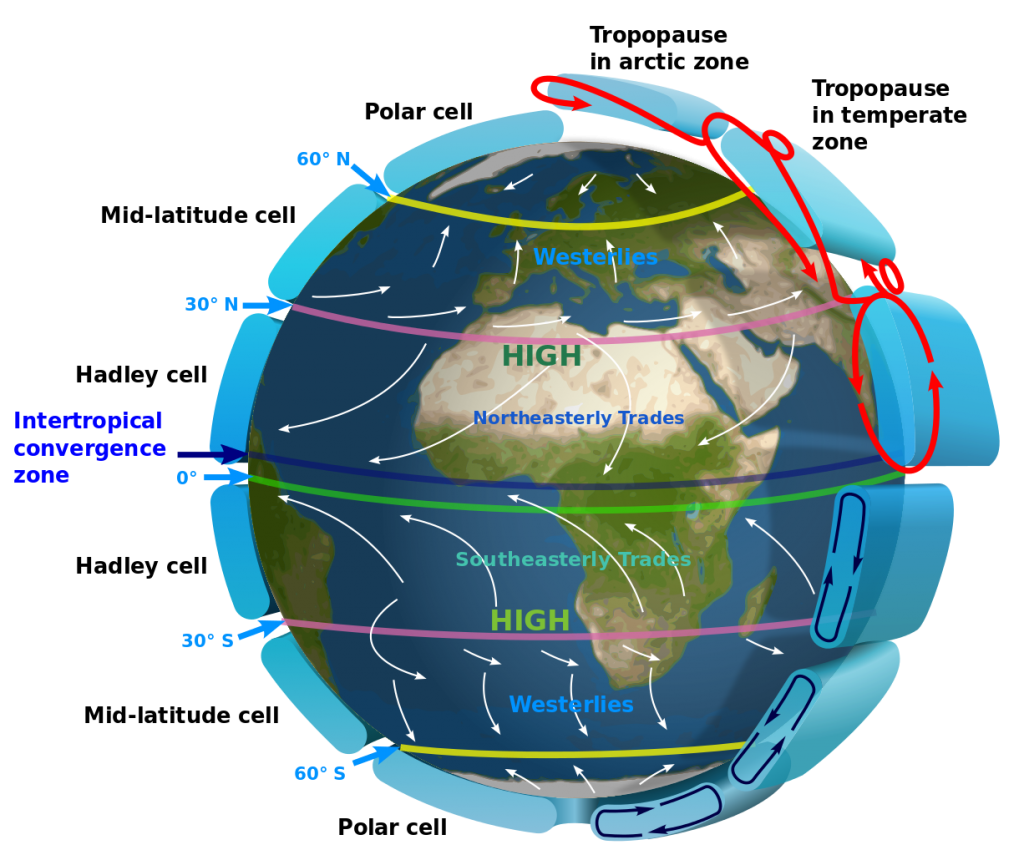
The Hadley cell wind circulation has very relevant repercussions in the climate of tropical and subtropical areas

The Hadley cell, or Hadley circulation, is a global scale tropical atmospheric wind circulation transporting air from the Equator, at heights of 10-15 km above the Earth surface, towards subtropical areas. This circulation is involved into creating several meteorology phenomena, including the occurrence of tropical rain-belts, hurricanes or subtropical deserts as the Kalahari Desert or the Australian Great Sandy Desert. This research will shed light into how natural and anthropogenic factors influence these processes. In a time in which climate change and its effects has become an ever-increasing global concern, this research will have growing relevance.

Researching the early matter of the universe: IGFAE

The last of the projects directly awarded to SOMMa members was granted to Prof. Carlos Salgado, director of the Galician Institute of High-Energy Physics (IGFAE). His project, “Yoctosecond imaging of QCD collectivity using jet observables” (YoctoLHC) addresses fundamental aspects of the study of matter. It directs its attention to a state of matter known as quark-gluon plasma, which was the state of the matter of the universe only a few millionths of a second after the Big Bang. The project involves studying basic aspects of the formation of that state of matter, with the use of particle accelerators.

Suring some of the first instants after the Big Bang, the state of matter was that of quark-gluon plasma, now object of study.

Some of the properties of the quark-gluon plasma are known after two decades of intense experimental study: its extremely low viscosity, as well as the fact that its temperature is hundreds of thousands of times higher than that inside the sun. Nonetheless, the physical mechanisms explaining how the quark-gluon plasma is so quickly formed from its constituent protons and neutrons remains elusive. The novel use of a technique mapping the very first instants (a few ioctoseconds) of the elementary particle collisions will allow to understand better how complexity arises from the most fundamental particles existing in nature.

An international collaboration: ICMAT with Finland

A fifth project, formally granted to researchers in Finland, is co-led by a SOMMa member, the Institute of Mathematical Sciences (CSIC-ICMAT), along with the Finnish Aalto University and University of Helsinki. The project, called “Quasiconformal Methods in Analysis and Applications” (QUAMAP) is directed by Kari Astala (Aalto University and CSIC-ICMAT), Daniel Faraco and Keith Rogers (CSIC-ICMAT) and Xiao Zhong (University of Helsinki). This is one of the only nine projects in mathematics granted in the recently resolved ERC Advanced call.

The project will develop tools for models that arise from physics’ mathematics. In particular, aspects of quantum mechanics, fluid mechanics, medicine tomography or materials science. The models that will be addressed are at the frontiers of current knowledge. To analyse them, the application of knowledge and tools from areas such as conformal geometry and non-linear Fourier analysis will be necessary. A central physical-mathematical model studied in the project is that of non-linear elasticity. Understanding its fine structure entails answering deep, complex mathematical questions, as the Morrey conjecture, a mathematical puzzle postulated in the 50’s, but yet unanswered.

Even more Spanish grantees:

In addition to the SOMMa grantees, other Spanish researchers managed to secure the funding of ERC advanced grants. Subjects as research in luminescent devices (University of Valencia), metal ion-linked catalytic molecules (Institute of Chemical Research of Catalonia), cognitive computing (Polytechnic University of Catalonia), plant growth strategies (Severo Ochoa Molecular Biology Centre), ocular implants (Institute of Optics) or marine bacterial interactions (Institute of Marine Sciences).

These and all the awardees share the exceptionality of their research and the leadership in their fields. The development of original, bold and sound research lines led by them will benefit the scientific community, and in the longer term, society at large. We wish them success in the endeavour. May their research open even more prospects for future science, to the benefit of society.

Image credits:

Cryptography and binary code image was downloaded and modified from Torange and licensed via an Attribution 4.0 International (CC BY 4.0) license.

Hadley cell diagram was downloaded from Wikimedia commons and licensed via an Attribution-ShareAlike 3.0 Unported (CC BY-SA 3.0) license.

Big Bang picture was downloaded from Pixabay and is in the public domain.
Basement membranes, cell matrices and the nidogen protein

  • A Chinese-Spanish collaboration led by Lola Martin-Bermudo revealed the role of the nidogen protein in Drosophila
  • The work details the effect of the loss of function of the domains of nidogen in different tissues and various stages of development
  • The findings challenge previously held ideas in the field of development and morphogenesis

Every tissue of the human body has a lining called the basement membrane. This structure has a role in the separation of internal and external body surfaces and is essential for the proper . This membrane is composed of thin layers of cells having specialized external cell matrices, which are structures outside, but associated to these cells.

The matrices are in fact scaffolds of proteins arranged in a mesh-like fashion their main components being proteins called laminin and “type IV” collagen, linked together by other proteins known as proteoglycans and nidogen (Ndg). In the described matrix ensemble, the function of nidogen has remained a controversial aspect, even though it was yet known that it plays a key role during organogenesis and late embryo development (particularly, regarding heart or lung development).

A chance encounter in the Matrix

During a Matrix meeting in the past, an encounter took place between researchers Jose C. Pastor-Pareja (School of Life Sciences, Tsinghua University, Beijing, China) and Lola Martin-Bermudo (GEM-DMC2, CABD, Seville, Spain), by which they realised that they were both researching about the nidogen protein.

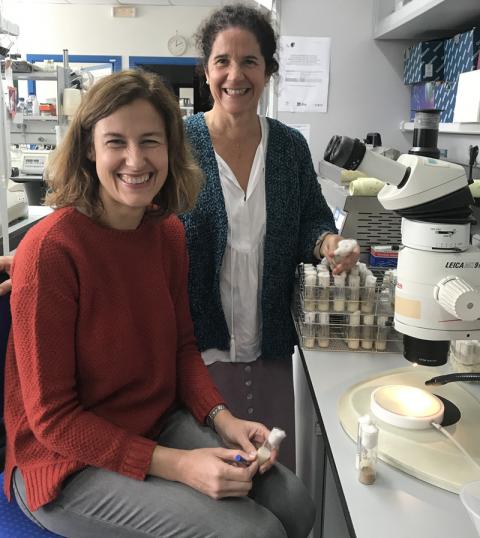
Lola Martin-Bermudo and a member of her team at their lab at GEM-DMC2, CABD

About that momentous encounter, Martin-Bermudo declared that ‘it was surprising to learn that Pastor-Pareja’s lab was also trying to isolate a nidogen mutant in Drosophila’. As they discussed on their research, the fact that in fruit fly there is only one nidogen variant while in vertebrates there are 2 isoforms of the protein also was highlighted, raising further questions for the future.

They found, the information from experiments in cell culture and animal models such as mouse and the worm Caenorhaditis elegans were clearly contradictory. On the one hand, the results from cell culture indicated that nidogen was essential to link the collagen and laminin matrix. Nidogen, additionally, conferred a higher stability to the matrix. Despite this, C. elegans and mouse mutants with impaired nidogen protein appeared nonetheless to be viable.

This apparent paradox led the researchers to wonder if cell culture experiments were reflecting adequately the situation occurring in the full organism. This could be pinpointing the requirement for a physical support in the use of cell cultures for obtaining solid scientific conclusions in this context.

A deal is struck… with positive outcomes

The mutual interest, but also heavy competition in their research field led Pastor-Pareja and Martin-Bermudo’s lab to join efforts to dissect the role of nidogen using the fruit fly Drosophila. A big effort was launched to map the parts of the nidogen protein interacting with collagen and laminin, as nidogen was thought to be a crucial component of the matrix.

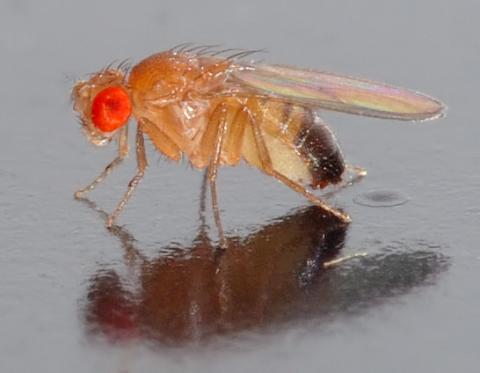
The fruit fly Drosophila melanogaster, a common model organism used to study morphogenesis.

Both labs isolated in parallel mutants with severely impaired, mutated nidogen protein. The mutant from Martin-Bermudo’s lab contained a defect in a crucial domain for the binging of nidogen to the other main proteins of the matrix. Detailed analysis of nidogen function during development and its role linking laminin and collagen took place. The mapping of the key domains involved in the binding showed that most of the conclusions previously drawn from cell culture experiments were not correct.

The work, published in PLOS Genetics, challenged several ideas previously held in the field of development and morphogenesis. One of its main conclusions was that several of the properties of nidogen are tissue-specific. It follows that in the hierarchy of the matrix assembly, the properties of that matrix are not only dependent on collagen and laminin but also on the nidogen protein. By the exhaustive analysis of nidogen function, it became clear that the function and the interaction of the components of the matrix depends on the tissue and moment of development.

Image credits:

Picture of researchers kindly provided by GEM-DMC2, CABD.

Fly on yellow flower picture dowloaded from Wikipedia (Portuguese) and licensed via a Attribution-ShareAlike 4.0 International (CC BY-SA 4.0).

Drosophila melanogaster picture downloaded from Wikimedia Commons and licensed via an Attribution-ShareAlike 2.5 Generic (CC BY-SA 2.5).

CARMENES the “planet-hunter”: exploring evaporating atmospheres and water vapour beyond the Solar System

  • The spectrograph CARMENES studies the Cosmos measuring the temperature, composition and movement of extrasolar planets
  • New approaches to the study of planets from the ground are developed with the CARMENES project
  • Eleven German and Spanish institutions take part in the CARMENES project, including the Instituto de Astrofísica de Andalucía, the Instituto de Astrofísica de Canarias and the Centro de Astrobiología

Ever increasing numbers of detected extrasolar planets

According to the Extrasolar Planets Encyclopaedia, as of March the 1st, 2019, a total of 3,999 confirmed exoplanets were confirmed, including some previously dubious claims dating from the late eighties. The current count of confirmed exoplanets is now even higher. This numerous pool of planets detected outside the Solar System give ample grounds for the study of the characteristics of these planets.

Instruments such as CARMENES, a high-resolution spectrograph, can undertake their study. Spectrographs as this are instruments used for the separation of light into its sub-component wavelengths. This provides information about the temperature, chemical composition, or the motion of cosmic entities such as galaxies, stars, planets or comets, among others. CARMENES is a high-tech equipment co-developed by the Institute of Astrophysics of Andalusia together with ten other outstanding partners of Spain and Germany (full list at the bottom).

On 12 March 2019, the 4000-mark of detected extrasolar planets in our galaxy was surpassed.

The device, installed at the Calar Alto Observatory (CAHA), in Almería, is performing yet as a leading instrument: it has analysed the proportion of helium and water vapour in the atmospheres of several exoplanets. It has yet offered data with better resolution than those of the Hubble Space Telescope and opened new avenues in atmospheric studies.

“CARMENES is really 2 instruments in 1, observing simultaneously in the visible and in the infrared. This allows us, on the one hand, to make direct detections of planets avoiding false positives and, on the other, to undertake the study of planetary atmospheres The latter is possible thanks to the infrared channel (CARMENES-NIR), which was developed at the Institute of Astrophysics of Andalusia and which is a reference in its field worldwide”, says Pedro J. Amado, researcher at the Institute of Astrophysics of Andalusia (IAA-CSIC) that has co-directed the development of CARMENES.

Evaporating atmospheres

Of the extrasolar planets found to date, many are classified as “hot jupiter” planets: giant gas planets that revolve around their star at a distance closer than that of Mercury to the Sun. The atmospheres of these planets suffer intense stellar radiation causing strong erosion, in some cases causing the full evaporation of their atmosphere.

“Studies of atmospheric escape in exoplanets have been made mostly by studying a spectral line of hydrogen, which requires observations from space”, as highlighted by Lisa Nortmann, a researcher at the Institute of Astrophysics of the Canary Islands (IAC) and who heads the study published in Science. However, adds Nortmann, “there is another tracer of atmospheric evaporation: helium, which we have observed from the ground with the CARMENES instrument in the planet WASP-69b, and which we interpret as a sign that its atmosphere is escaping and leaving a trace similar to the tail of a comet”.

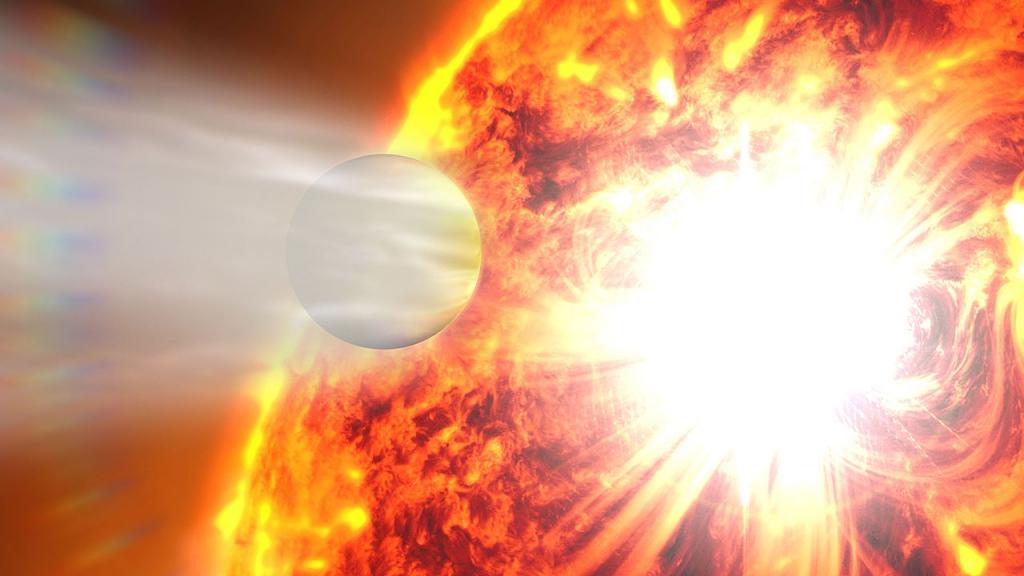
Depiction of a "Hot Jupiter" exoplanet, HD 189733 b, showing a comet-like tail due to atmosphere evaporation caused by the heat.
Depiction of a “Hot Jupiter” exoplanet, HD 189733 b, showing a comet-like tail due to atmosphere evaporation caused by the heat.

Helium is a very light atom that is found in the outermost layers of the atmospheres where it is present. Unlike hydrogen, it presents a metastable state: an unstable but relatively long-lived state known as the helium triplet. This helium triplet state had been proposed as sensor of exoplanetary atmospheres.

“However, the triplet [state] was not observed until this year, with the Hubble Space Telescope”, says Manuel López Puertas, a researcher at the Institute of Astrophysics of Andalusia (IAA-CSIC). “But it did it at low spectral resolution, that is, without detail. Our observations from the ground present a higher resolution, which allows us to know, after modelling the data, if atmospheric escape occurs, its extension, the speed at which it expands or how much mass it is losing. Thus, we have shown that we have a new method for studying the atmospheres of extrasolar planets, and we hope that it will have a wide application in the future”.

Water vapour: tracer of clouds and aerosols

CARMENES has premiered also in the study of water vapour in the atmospheres beyond the Solar System, addressing another “hot Jupiter” planet called HD 189733b. Water had already been detected from space at several times, but its detection by CARMENES strengthens the arsenal of methods for the analysis of exoplanetary atmospheres from the ground. So, the use of support 4-meter telescopes becomes a complement to space telescopes or to 8-10 meter telescopes.

The detection of water vapour is complex. It requires a detection technique different of that used for helium. Helium presents a very strong spectral absorption line and is not affected by the Earth’s atmosphere. Water, on the other hand, is a molecule with thousands of very weak spectral absorption lines instead of a single strong one. As an additional difficulty, the water vapour of the Earth atmosphere filters part of the relevant incident wavelengths of the light spectrum. This entails a notable difficulty for obtaining such signals with telescopes located on the ground.

Water vapour present in the Earth atmosphere interferes with attempts to measure from the ground its presence in exoplanets

“As a novelty, compared with previous works, we have obtained our data in several and different bands (or spectral regions) from those used up to now, which allows us to use this technique not only to detect water but also to detect the presence of clouds and aerosols. This study opens the door to the study of molecular compounds, such as methane, water or carbon dioxide, in exoatmospheres”, using CARMENES, concludes Alejandro Sánchez López, researcher at the IAA-CSIC.

Carmenes, the planet hunter team

CARMENES is a unique instrument in the world, both in precision and stability. It works in vacuum conditions and with temperatures controlled to the 1/1000th of a degree. To build such a finely-tuned tool, the efforts of an international team had to be coordinated.

The participants in Spain include the Institute of Astrophysics of Andalusia (IAA-CSIC), which co-leads the project and has developed the infrared channel, as well as the Institut de Ciències de l’Espai (IEEC-CSIC), the Complutense University of Madrid (UCM), the Institute of Astrophysics of the Canary Islands (IAC) and the Center for Astrobiology (CAB, CSIC-INTA). Support was also obtained from the Max Planck Society (MPG), the Spanish Higher Council for Scientific Research (CSIC) and the members of the CARMENES consortium, with contributions from the Spanish Ministry of Economy and Finance (MINECO), the states of Baden-Württemberg and Lower Saxony, the German Foundation for Science (DFG), the Klaus Tschira Foundation (KTS), the Junta de Andalucía and the European Union through FEDER / ERF funds.

Image credits

Cactus and Milky Way picture is in the public domain and was downloaded from Pixabay.

Exoplanet HD 189733 b picture is in the public domain and was downloaded from Wikimedia Commons.

Earth atmosphere picture is in the public domain and was downloaded from the NASA Astrobiology Institute.

Payment for environmental services: hurdles for their positive impact

  • Researchers suggest that payment for environmental services (PES) may have diminished results due to poor design
  • Rendering payment for environmental services a valuable tool to protect the environment, adaptation to cultural and socioeconomic context is key
  • Pressure from population growth and the production of commodities will make economic incentives a vital component of environmental conservation

Payment for Environmental Services

The Payment for Environmental Services (PES) is a practice emerged over the past 20 years. PES involves offering incentives (in cash or in kind) to land owners and farmers for managing their land so that it provides an ecological service to society. Such remunerated services typically include carbon sequestration to mitigate climate change, watershed management to provide clean water, or the protection of habitats and species, hence the protection of biodiversity.

Researchers published an article in the journal Nature Sustainability suggesting that shortcuts in design and execution of PES programmes may make them less effective. Such design defects would lower their capacity to provide the right incentives to land owners and, as a result, thwart the attempts to attain positive environmental impact via PES programmes.

The study has been conducted by the Basque Centre for Climate Change (BC3) and the Basque Foundation for Science

The study has been conducted by the Basque Centre for Climate Change (BC3) and the Basque Foundation for Science, Ikerbasque, together with partners from Brazil, Canada, Germany and France.

A silver bullet or just an important part of the solution?

The team of scientists analysed a new global dataset accrued from 70 PES projects over the past 20 years around the world. Design and implementation features, together their own field-based observations were taken into the analysis. PES programs assessed included watersheds, forest carbon and biodiversity schemes from Europe North America, South America, Asia, Australia, and Africa.

From their findings, authors highlighted, on the one hand, the relevance of PES to address environmental problems, to the benefit of society. They found, however, that PES programs are sometimes perceived by policymakers as a silver bullet. Their misconception potentially leads to misguided PES implementation when perhaps other policy programs would be better suited to deal with the goal of environmental protection.

“Well-designed and executed PES programmes can have an important role all around the world to protect the environment and benefit society” said Unai Pascual, Ikerbasque Professor at BC3. “In some situations PES can be applied to safeguard valuable environmental services for current and future generations that otherwise could be lost, but this comes at a cost as it requires that society offers adequate compensations to land owners for their efforts in undertaking land use practices in order to secure such environmental services.”

Sven Wunder, principal economist with the Center for International Forestry Research (CIFOR) said that “naturally enough, due to differences in contexts, priorities and goals, PES programs vary in design and execution”. “While we recognize variations in strategy will always exist, we note that PES designers often take impractical shortcuts, oversimplifying circumstances, leading to deficiencies in execution, and thus probably in impact.”

Difficulties arise, for example, when the beneficiaries from the environmental service offer the service provider less compensation than expected, when the institutional and legal framework for introducing and administering PES are lacking, and when the landholder’s control over the environmental service is weak, the report said.

Crescent lake oasis in Dunhuang, Gansu province, China. Oases are invaluable water resources in arid regions as the Gobi desert

Globally, given financial constraints and mounting environmental degradation, pressures are escalating to put conservation programs to more effective use while considering their social impact. This is especially so in regions where poverty and social problems are most prevalent.

“The role of different types of PES need to be evaluated carefully, as PES can have different impacts on different social groups, for example on people who require compensation for the environmental services they secure (e.g., upland landowners and landless farmers) as well as those who bear the costs of providing the payments (e.g. poor and rich water consumers in cities)”, said Unai Pascual.

As added Pascual, “such evaluations will allow to design better PES programmes by using the experience which we have accumulated over the last 20 years around the world. This should hopefully help achieve conservation impacts in ways that are environmentally effective, economically efficient and socially equitable.”

Image credits:

Picture of Small dam near Jatashankar temple (Pachmarhi Cantt, India) was downloaded from Wikimedia Commons and licensed via a Creative Commons Attribution-Share Alike 3.0 Unported (CC BY-SA 3.0) license.

Crescent lake oasis picture was downloaded from Maxpixel and is in the public domain.

Orphan Drug for an ultra-rare disease

  • New drug Ciclopirox developed in partnership between CIC bioGUNE and the venture capital firm CRB Inverbio
  • The drug treats congenital erythropoietic porphyria, an ultra-rare disease affecting 1 person out of every 1000000
  • Ciclopirox has been approved in the US, as well as in Europe

About Congenital Erythropoietic Porphyria:

Congenital erythropoietic porphyria (CEP), also known as Gunther disease, is an extremely rare inherited metabolic disorder affecting around 1 person in 1000000, according to the American Porphyria Foundation. Its symptoms often include severe cutaneous sensititivity, red coloration of the bones and teeth (erythrodontia), and a risk of deformities due to aggravated skin lesions.

The major symptom of this disorder is hypersensitivity of the skin to sunlight and some types of artificial light, bone loss, and the appearance of deformities due to aggravated or badly healed skin lesions. Porphyria patients require to undergo relevant habit adjustments, under which perhaps sunlight avoidance is one of the most frequent. Previously available treatments only relieved the symptomatology and no curative therapy was available for the disease.

This effect results from the deficient function of a protein called uroporphyrinogen lll cosynthase (UROS). This protein is the fourth enzyme in the biosynthetic pathway of heme, which is a molecular component of haemoglobin. The impaired function of this enzyme, results in the accumulation of excessive amounts of porphyrins, particularly in the bone marrow, plasma, red blood cells, urine, teeth, and bones.

Technology and investment leading to a new treatment:

Atlas Molecular Pharma  announced on April 2018 that the US Food & Drug Administration (FDA) granted the designation as Orphan-Drug of Ciclopirox (AMP-L2.7.D7) for the treatment of Congenital Erythropoietic Porphyria.  This recognition occurred only a few months after the European Medicines Agency (EMA) and the European Commission also approved Ciclopirox as Orphan Medicinal Product for the treatment of this disease.

“The favourable report from the European Medicines Agency and the approval of Ciclopirox as an orphan drug by the European Commission and the FDA are very important steps in the development of Ciclopirox for the treatment of Congenital Erythropoietic Porphyria.  ATLAS is currently securing appropriate funding for the clinical trials that demonstrate the benefit of ciclopirox in the treatment of this devastating disease. The new OMP and ODD status will facilitate the process and ultimately contribute to our goal of delivering Ciclopirox to patients suffering from Congenital Erythropoietic Porphyria at the earliest time possible”, said Dr. Emilio Díez, CEO and CSO of Atlas Molecular Pharma.

Dr. Oscar Millet, Director of the Laboratory of Protein Stability and Inherited Disease of the CIC bioGUNE, said that “understanding the molecular mechanism of this disease has enabled us to design a therapy based on pharmacological chaperones, molecules that bind to the defective protein fixing its stability problem and reversing its pathogenic effects”.

The EMA´s Orphan Medicinal Product program and the US FDA Orphan Drug designation provides orphan status to drugs and biologics that are being developed to address rare diseases or disorders that affect a very small percentage of the population. With the recognition in Europe and in the US of Ciclopirox as an orphan drug, Atlas will qualify for various incentives that will facilitate the launching of clinical trials on patients in the near future. These incentives include scientific advice and high-quality clinical trial protocol assistance, leading to effective and acceptably safe medicines for the benefit of patients.

This is the first time that an orphan drug has been approved by the European Commission and the US Food & Drug Administration in the Basque Country.

About ATLAS Molecular Pharma:

Atlas Molecular Pharma was founded in Derio (Spain)  in September 2015 by the Centre for Co-operative Research in Biosciences (CIC bioGUNE) and the Venture Capital firm CRB Inverbio. Atlas Molecular Pharma is currently supported by an experienced group of life science investors, including Kereon Partners, Carlos Simón (Igenomix) and CRB Inverbio, in addition to CIC bioGUNE.

The Atlas business model is to discover first-in-class, innovative therapeutics for the treatment of Rare and Ultra-Rare Diseases and license them to larger partners who will deliver them to market for the patients that need them.

Atlas Molecular Pharma has a proprietary technological platform approach (CHASSYS™) that is being used as a “drug discovery engine” to deliver a class of therapeutics named “pharmacological chaperones”  for the treatment of a range of Rare and ultra-Rare Diseases.

Image credits:

Person at dusk is in the public domain and was downloaded from Pxhere.

From Basic Liver Research to NASH drug therapy

Non-alcoholic steatohepatitis (NASH) is fatty liver disease, characterized by inflammation and fat accumulation in the liver, due to causes other than alcohol. Some studies suggest that actions like undergoing a diet, doing exercise, or using antiglycemic drugs could improve the course of the disease, but the approval of a specific, effective drug for NASH has remained a pending issue.

A new drug against NASH

Galmed Pharmaceuticals announced in June 2018 that their lead Non-alcoholic Steatohepatitis (NASH) drug candidate, Aramchol, had achieved a FDA- regulatory-approvable endpoint demonstrating NASH resolution in the Aramchol Phase 2b, 52-week ARREST trial.

Aramchol is a conjugate of cholic acid and arachidic acid, a first-in-class member of a novel family of synthetic Fatty-Acid/Bile-Acid Conjugates (FABACs). These positive results meant that the new drug was on track for Phase III initiation and further clinical evaluation of its efficacy in NASH.

Some therapeutic approaches exist, but no dedicated, efficient drug for NASH has been available since its discovery in the 90s

Pre-clinical studies on Aramchol were carried out at the AAALAC-certified animal facility from the Severo Ochoa Excellence research center CIC bioGUNE, led by General Director Prof. José Mª Mato and Prof. Juan Anguita. Professor Mato had described in a recent publication in collaboration with OWL Metabolomics that Aramchol exhibits a specific mechanism-of-action that targets both the metabolic alterations characterizing NASH-accumulation of lipids, lipotoxicity and oxidative stress as well as liver fibrosis.

Aramchol’s unique dual mechanism-of-action was first evaluated by a joint CIC bioGUNE / OWL Metabolomics research teams together with Galmed Pharmaceuticals and then further validated in patients with biopsy verified NASH within the latest ARREST trial Phase 2b update.  This scientific collaboration is a very good example of how knowledge generated in basic research can be transferred to ongoing research in the pharma industry. Knowledge transfers from the academic setting to industry with the ultimate goal of providing NASH patients with effective therapies.

About NASH, fatty liver

NASH is a clinically-relevant progressed form of non-alcoholic fatty liver disease (NAFLD), and is histologically defined as the presence of fat (steatosis) together with inflammation and hepatic damage. NASH can evolve to major hepatic damage, advanced fibrosis, cirrhosis and hepatocellular carcinoma (HCC). In the last few decades, the incidence of NAFLD has expanded rapidly and is currently the leading cause of chronic liver disease with a prevalence ranging between 10 and 40% in the adult population of Western countries, which progress to NASH in approximately 10-30% of the cases.

NASH is a serious liver condition leading to manifold negative consequences

In the USA, NASH is currently the second leading cause of liver transplant, and it has been estimated that it will be the first cause in the foreseeable future. Currently, there is no approved drug for NASH and treatments are aimed to control the associated comorbidities such as obesity, diabetes and hyperlipidemia. Today, the definitive diagnosis of NASH depends on performing an invasive liver biopsy, a medical procedure with some controversies due to the variability in sampling variation, inter-observer variability, high cost and patient safety risks.  This is one reason many current NASH patients are not appropriately diagnosed.

Image credits

Pills picture was downloaded from Flickr and licensed via a Creative Commons Attribution 2.0 Generic (CC BY 2.0) license.

Liver drawing is in the public domain and was downloaded from Pixabay.

Radiative heat transfer in the extreme near field

  • Researchers dispelled doubts regarding a theory key in nanotechnology research and develop.
  • Heat transfer between surfaces of the tested materials exhibit dramatic enhancements when their separation is reduced to only a few nanometers
  • Established a firm basis for the future design of novel technologies making use of nanoscale radiative heat transfer.

About radiative heat transfer:

Radiative heat transfer entails, as the wording indicates, the transfer of heat via radiation. Radiative heat transfer between objects at different temperatures is of fundamental importance in applications such as energy conversion, thermal management, lithography, data storage, and thermal microscopy.

In these contexts, the thermodynamic concept of black body takes practical importance. The black body represents an idealized object with the characteristic of absorbing all incident electromagnetic radiation (which includes visible light) completely. The black body also emits radiation in a way that is directly dependent on its temperature. Relatedly, the law of Stefan-Boltzmann for black bodies describes this radiation emission mathematically, setting a theoretical limit on the radiation that can be emitted.

Steel foundry. Metal at high temperature emits radiation of a wavelength dependent on its temperature

In the past, it was predicted that when the separation between two objects is small enough, the radiative heat transfer could be greatly enhanced above the theoretical limit set by the Stefan-Boltzmann law. If the distance is smaller than the “thermal wavelength” (in the order of 10 µm at room temperature), such heat transfer would be greatly increased. This enhancing effect is possible due to the contribution of waves that concentrate around the surface of the radiation-emitting bodies. That is, around the “near field” region of the electromagnetic field around the object. Such waves, also called evanescent waves, decay strongly with increasing distance.

Heat transfer predictions translate into reality:

In recent years, different experimental studies have confirmed the enhanced heat transfer predictions. Despite that, experiments exploring the radiative thermal transport in nanometric gaps have seriously questioned the understanding of how thermal radiation works at the nanoscale level.

As a result, doubts arose about the validity of the theory of fluctuational electrodynamics, the standard theory for the description of the phenomenon of near-field radiative heat transfer (NFRHT). NFRHT is a form of heat transfer that takes place at a very close distance to the emiting body: a distance smaller than λ/2π, being λ the wavelength of the radiation. NFRHT has enormous repercussions in Nano devices in which heat-transfer plays a significant role.

The doubts were resolved in a work published in Nature by a collaboration between the groups of Pramod Reddy and Edgar Meyhofer (University of Michigan), the IFIMAC researchers Víctor Fernández-Hurtado, Johannes Feist, Francisco J. García-Vidal and Juan Carlos Cuevas, and Homer Reid (Massachusetts Institute of Technology).

Calculated distribution of radiative heat transfer between a silica AFM tip and silica substrate separated by a few nanometers

The authors used a novel type of scanning thermal probe. The instrument was equipped with embedded thermocouples, that are devices used as high-precision temperature sensors. Measurements of NFRHT between different materials with separations as small as 2 nm were undertaken. It was shown how heat transfer between silica-silica (SiO2), silicon nitride-silicon nitride (Si3N4) and gold-gold (Au) surfaces exhibit dramatic enhancements of such heat transfer when the gap is reduced down to only a few nanometers.

Aftermath of the experiments:

After the experiments, state-of-the-art simulations using the framework of fluctuational electrodynamics were able to reproduce all the experimental observations flawlessly. By that reason, the results as a whole unambiguously demonstrated that the theory of fluctuational electrodynamics based on Maxwell’s equations remains valid. It provides an accurate description of the NFRHT between both metals and dielectrics all the way down to nanometer-size gaps.

This work by IFIMAC clarifies the fundamental mechanisms that govern the radiative heat transfer at the nanoscale and establishes a firm basis for the future design of novel technologies that make use of nanoscale radiative heat transfer.

Image credits:

Steel works picture is in the public domain and was downloaded from Pxhere.

Atomic Force Microscopy (AFM) picture was kindly provided by IFIMAC.

Genomic keys to the origin of vertebrates

  • An international team of scientists reports how a more complex and specialised gene regulation was pivotal in the origin of vertebrates
  • Genomic, epigenomic and gene expression data from several species provides keys about the functional changes giving rise to greater complexity in vertebrates
  • Results shed light on how genomic duplications in the origin of vertebrates contributed to diversify gene function, allowing for more complex morphology

Large international team assembled to tackle a complex problem

Vertebrates are an extremely diverse group of living organisms that has colonised virtually all of the planet’s ecosystems. This group, to which the human species belongs, shares a unique, complex set of gene regulation systems. Such complex regulation has allowed the information contained in their genome to produce hundreds of specialised cells, tissues and organs. Which were the changes in vertebrate ancestor genomes that decisively gave rise to this, is a long-standing debate.

Fossil of a bone fish skeleton, a testament to ancient vertebrates

An international team of scientists addressed this, co-led by Spanish researchers from the Centre for Genomic Regulation (CRG), the Pompeu Fabra University (UPF), the National Centre for Scientific Research (CNRS, from France) and the Gene Expression and Morphogenesis unit at the Centro Andaluz de Biología del Desarrollo Spanish National Research Council (CSIC). The work enjoyed also of the participation of researchers of the University of Barcelona in Spain, as well as of research groups in many countries including France, the United Kingdom, Australia, the Czech Republic, The Netherlands, Japan, China, Portugal, Italy, Taiwan, Norway and the United States, making it a major international effort with manifold contributions.

On the differences between vertebrates and invertebrates

The international team contributed to the description of the processes that helped to obtain the complexity and diversity of gene function and regulation during the transition from invertebrates to vertebrates. As explains Manuel Irimia of the Centre for Genomic Regulation, and one of the principal investigators of this work, “we conducted an exhaustive analysis of the genomic regulation of different species, finding two key differences between vertebrates and invertebrates, firstly, we observed that generally speaking our gene regulation is much more complex than that of invertebrates. The second difference is that we have copies of genes that originally performed only very general functions, but which in vertebrates went on to specialise in much more specific functions, particularly in the brain”.

The researchers studied the genomes of several species of vertebrates, such as the zebrafish or the medaka fish, as well as that of frogs, chickens, mice and humans. However, in order to understand the origin of the genomic regulation mechanisms that characterise vertebrates, they needed equivalent data from a closely-related species that would furnish information about the evolutionary transition between invertebrates and vertebrates.

The lancelet, a fish-like non-vertebrate organism that sheds light on the origins of vertebrates

That living being was the amphioxus or lancelet, a non-vertebrate fish-like species commonly used for the study of vertebrate origin. They sequenced its genome generated gene data they used to study the regulation of lancelet genes. “The amphioxus is an organism that has been used as a research model system since the 19th Century. Its genome has evolved very slowly, without the whole genome duplications present in vertebrates. For this reason, the amphioxus can serve as a reference in evolutionary comparisons to understand our lineage”, says Héctor Escriva, one of the leaders of the work and a researcher at the Sorbonne and at the CNRS in Banyuls sur Mer, France.

Complex gene regulation allows taking evolution one step further

The work, published in Nature, not only compares genomes, but also provides gene expression data. This is enriched by the addition of epigenomic data, which is data about reversible but inheritable DNA modifications that do not change the identity of the DNA sequence (i.e. this influences the expression of certain genes, but does not change the genes’ identity per se).

Taken together, this work furnishes unique information about the functional changes that gave rise to higher complexity in vertebrates, particularly in the nervous system. The scientists observed that, while the regulation of genes that are responsible for the basic anatomy has been maintained between species, vertebrates incorporate more regulatory regions that enabled them to take on new functions.

Jellyfish are among the oldest organisms alive, long preceding vertebrates in their appearance, and far simpler

“Just like studies performed in human beings, our own study gives us an overview of the genome’s different regulatory layers and a detailed description of vertebrates’ unique genomic regulation characteristics that gave rise to organisms with a much more complex morphology”, states José Luis Gómez-Skarmeta, another of the leaders of the work, from the Gene Expression and Morphogenesis unit at the Centro Andaluz de Biología del Desarrollo (CSICUniversidad Pablo de Olavide).

A key contribution of this work is the understanding of how the genomic duplications that occurred in the origin of vertebrates contributed to diversify gene function. Almost 50 years ago, it was suggested that these duplications were key to our origin, although many of the associated predictions could not be proven until now.

 “We observed that in most cases, there are copies of genes whose function becomes specialised in specific tissues. This is particularly evident in the brain, which has incorporated new functions that have likely been essential to vertebrates’ evolutionary success”, adds Ignacio Maeso, a researcher of the same institution, and one of the leading authors of the work.

This work constitutes an unprecedented resource for the scientific community that will enable to explore the elements of functional genomics maintained between species in greater depth and to study the changes that have given rise to vertebrate complexity.

Image credits:

Fossil bone fish skeleton picture is in the public domain and was downloaded from Pexels.

Branchiostoma lanceolatum picture was downloaded from Wikimedia Commons and licensed via an Attribution-ShareAlike 4.0 International license (CC BY-SA 4.0).

Yellow jellyfish picture is in the public domain and was donwloaded from Public Domain Pictures.

Scientists in expedition to the Himalayas with Alex Txikon

  • An expedition to K2 of BC3 with the Basque mountaineer Alex Txikon studies the impact of climate change on the Himalayas
  • The study of the Baltoro Glacier will contribute to the understanding of the sensitivity debris-covered glaciers to climate change
  • Novel communication strategies for climate change to be assayed relying on the visibility of the expedition

Mountains, climate change and the BALELLUR project

Mountains are one of the ecosystems most affected by climate change. There are still many gaps in the understanding of climate change impact on nature, as well as to the contributions of nature to human life and well-being. This is especially true in remote, vulnerable mountain communities.

Climate change in mountainous regions is diverse and often extreme, and its impact is amplified by the barriers to adaptation faced by these communities. At the same time, mountain tourism is becoming a challenge for these areas, raising new problems related to garbage disposal and threatening the cultural identity of communities.

The multidisciplinary BALELUR Project aims to ascertain the effects of climate change on the region and to raise awareness about them, as well as to study the Karakoram Anomaly, an anomalous cooling experienced in this mountain range in summer believed to happen because of an exclusive atmospheric circulation system active in the region.

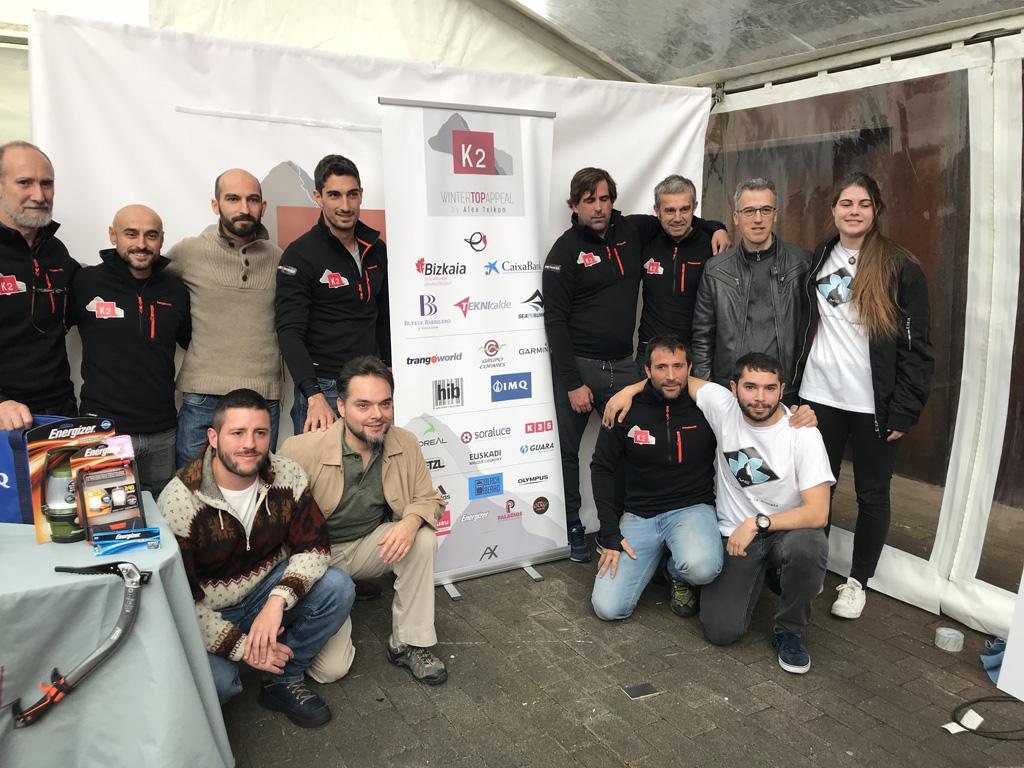
Picture of the expedition team of Alex Txikon with BC3 to the Karakoram range

The project, spearheaded by the Basque Centre for Climate Change (BC3), seeks to exploit the visibility generated by the expedition to underscore the problem of global warming through a series of pioneering initiatives, such as the use of solar panels and windmills to transmit the message that even an expedition must be sensitive to the problems of climate change.

The BC3, through the BALELUR Project, participates in mountaineer Alex Txikon’s WinterTopAppeal expedition to the summit of the K2 mountain, the second highest worldwide (8,611 m), only surpassed by Mt. Everest (8,848 m).

Scientific goals of the expedition

During the expedition, a BC3 researcher travelling together with Alex Txikon’s team is to conduct the experimental fieldwork: geophysical measurements, snow and soil sample collection at different heights, and more.

The scientific objectives of the mission include the determination of recent climate changes occurring in the glaciers and higher peaks of the Karakoram mountain range, attempting to estimate the human contribution to such changes.

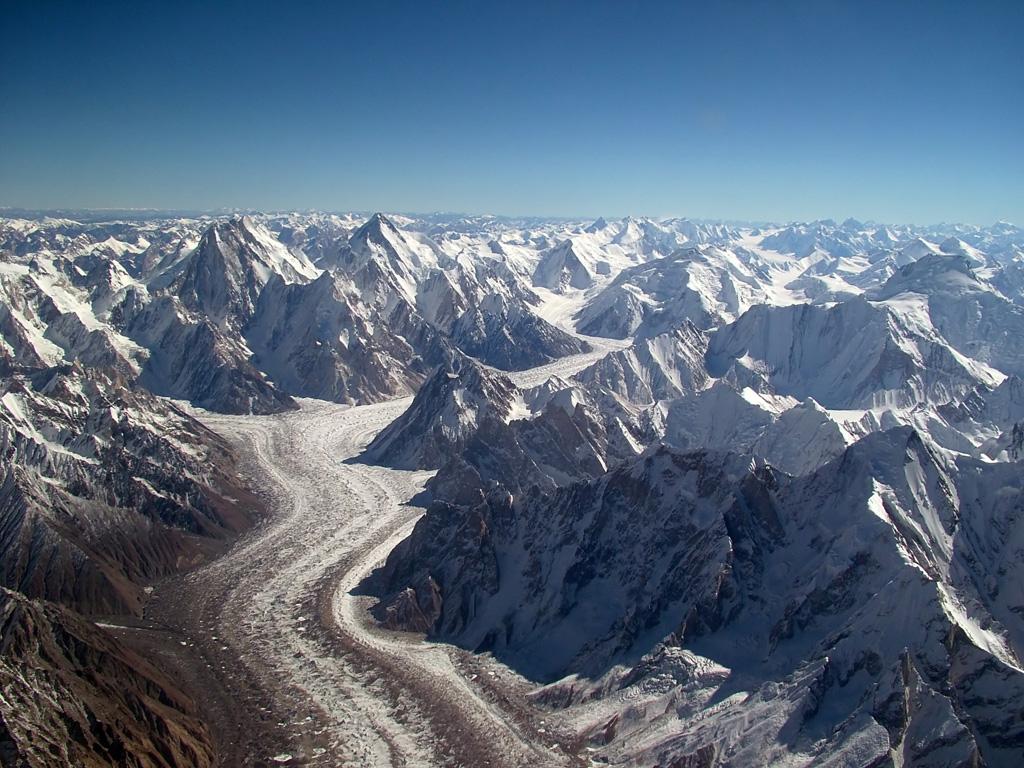
View of the Baltoro Glacier in the central Karakoram/Karakorum range

Geopositioning, radiative and geomorphological measurements of a debris-covered glacier, the Baltoro Glacier will contribute to better understand the interactions between debris and ice. At over 60 km in length, the Baltoro glacier is one of the largest valley glaciers in the world and has been the subject of numerous studies. As a debris-covered glacier, its mass balance (balance between the loss and gain of ice) also depends on the properties of the present debris. The study of their interaction will lead to better understanding of the sensitivity of this glacier to climate change.

Samples will be taken from the Baltoro Glacier around the K2 Base Camp and from the K2 peak. Snow is to be sampled, for the subsequent chemical analysis of isotopes, aerosols, and of black carbon, a strong climate-warming component consisting of particulate matter arise from incomplete combustion of diverse fuels. Recent precipitation history in the region will be estimated from the sampled snow.

Cooperation towards the summit

The BALELUR project is an opportunity to better understand how local glacier ecosystems evolve. The joint science-mountaineering expedition is also an opportunity for snow sample collection at high altitude and for testing novel communication strategies about climate change.

Collaboration between mountaineers and scientists is key to accessing snow sample collection at high altitudes and ascertaining the impact of global climate change in these places. Thanks to this project, BC3 seeks to contribute to the knowledge of the causes and consequences of climate change on this type of highly vulnerable ecosystem.

Image credits:

Image of the mountaineering expedition team was kindly provided by BC3.

Image of the Baltoro Glacier from the air was downloaded from Wikimedia Commons, and licensed with a Attribution 2.0 Generic (CC BY 2.0) license.

Long-term care and the family

Family has traditionally played an important role in providing care to the elderly everywhere in the World. However, ageing societies and the increase in female labour-force participation are putting pressure on governments to take a more active role in senior population care. When policymakers consider reform scenarios, it is of utmost importance that they take into account the magnitude of the response of informal caregiving.

Researchers Daniel Barczyk (McGill University, Montreal) and Matthias Kredler (ECO-UC3M, Madrid)

For example, if a country with high expenditures on nursing homes (as the U.S.) were to introduce free nursing-home care, one would expect a sizeable number of elderly, who were previously taken care of informally at home, to move to nursing homes. So, if one takes into account the response of families to economic incentives, what are the implications for policy makers?

Regarding this, researchers Daniel Barczyk (McGill University, Montreal) and Matthias Kredler (ECO-UC3M, Madrid) built a model in which parents and children interact strategically in the care decision and used it to study how long-term care (LTC) would fare in the U.S. context.

Their findings indicate that informal care responds strongly to even relatively small subsidies. This is in line with the large differences in how care is provided across rich countries, as documented in the follow-up article: “Southern European countries and the U.S.”. For instance, countries that provide low subsidies to formal care rely on family caregivers to a much larger extent than central and northern European countries. The latter provide much more generous funding, some of them spending up to 4% of GDP on formal long-term care services.

Results of this research suggest that informal-care subsidies may reduce reliance on formal care

The model predicts that an informal-care subsidy substantially reduces reliance on Medicaid (the U.S. government programme that pays for formal care), while the reduction of tax revenues caused by the reduction in caregivers’ labour supply is modest.

So, the informal-care subsidy turns out to be welfare-improving, as it keeps the elderly at home with the family (which they appreciate). In addition, this is relatively cheap as the increase in government spending on the subsidy is largely compensated by the savings from a reduced Medicaid programme. These results add to the social and economic considerations to be taken into account regarding policymaking in this field.

Image credits: Images were kindly provided by ECO-UC3M.

Atomic-scale Control of Graphene Magnetism by Using Hydrogen Atoms

  • IFIMAC and CIC nanoGUNE collaborated in the elusive experimental realisation of theoretical predictions of inducibility of magnetism in graphene
  • Successful induction of magnetism in graphene by means of chemiadsorption of hydrogen atoms
  • Results open way for fine-tuning of graphene magnetism and breakthroughs in computation and data storage

Graphene, its properties and promises

Graphene is still a relatively recent material, being isolated for the first time back in the year 2004. It displays many extraordinary physicochemical properties, including a very high conductivity, extreme mechanical strength, or a rather large white light absorption capacity (particularly, considering its one-atom thickness).

The incorporation of magnetism to the list of graphene properties has long been pursued. Nonetheless, despite its particular electronic characteristics, magnetism kept for years eluding the list of properties experimentally proven for graphene. Despite this, since the early days of graphene research theoretical predictions agreed that graphene could be magnetized at will by the adsorption of single hydrogen atoms. The realisation of such an adsorption phenomenon (a type of reversible adhesion of a molecule to a surface) in the necessary way remained elusive.

Graphene and hydrogen: a magnetic team

The efforts to reproduce the predictions experimentally had been unsuccessful, mainly due to the difficulties of providing at the same time an atomistic characterization (the precise “mapping” of the atoms present), together with the fine control of the hydrogenated graphene samples.

STM topography of single H atom chemisorbed on graphene. Lines illustrate the magnetic field induced by the H atom in graphene.

Research from an international team including the SOMMa members IFIMAC Condensed Matter Physics Center, and CIC NanoGune overcame this challenge, even going beyond theoretical expectations. Other participants encompassed the Department of Condensed Matter Physics and Nicolás Cabrera Institute of the Autonomous University of Madrid; the Neél Institute of the University of Grenoble – Alpes / Centre National de la Recherche Scientifique (France); and the Department of Physics of the Faculty of Science of the Zagazig University (Egypt).

The work showed how the absorption of single H atoms on graphene sheets magnetizes the graphene regions around them. In contrast to common magnetic materials, where the magnetic moment (or “magnetic force”) is localized in the small space of a few angstroms, the induced graphene magnetic moments on graphene sheets extends over several nanometers of its surface. In addition, it becomes possible to present an atomically modulated spin texture, in practice providing the means to better control the “shape” of the magnetic field generated.

Results proved that the induced magnetic moments couple strongly (i.e. add or neutralize each other) at very long distances, following a particular rule: magnetic moments were found to sum-up or neutralize one another depending on the relative H-H adsorption sites; that is, depending on the position of the involved atoms. Equally importantly, the controlled manipulation of single H atoms was achieved.

The unexpected possibility to arrange H atoms on graphene with any desired geometry will enable to do experiments restricted so far to a pure theoretical framework. The implications of these results entail that it is possible to tune selectively the collective magnetic properties of specific graphene regions.

Results of this development, explained in 3 minutes.

For example, the magnetization of selected graphene areas allows for injection in-situ of so-called “spin currents”. Such “spin currents” can be understood as “streams” of magnetic state change inside a material, as if a switch could turn on or off the magnetism exhibited by (parts of) that material. This, unlike happens in electromagnetism, would happen without the intervention of electric current. The results and their meaning are summarized in the video shown before.

The possibilities opened by selective magnetization of graphene also avoid the use of ferromagnetic electrodes and the problems associated with ferromagnet-graphene contacts (as for instance, “parasite” currents). Likewise, possibilities are opened for creating “spin valves” and magnetoresistive devices made of carbon, which anticipates unlimited uses of graphene in the discipline of spintronics, with enormous connotations in fields such as information storage or quantum computing, among others.

Image/video credits:

The image and video displayed were kindly provided by IFIMAC.

The Transmission of Inequality Across Generations

With socio-economic inequality a major public concern, researchers have long been interested in measuring how persistent inequalities are between generations. Do the descendants from successful families tend to remain successful? Or is there ‘intergenerational mobility’, such that an individual’s origin is not a prime determinant of his or her socio-economic status?

A study by Jan Stuhler from the Economy Department (ECO-UC3M) of the University Carlos III of Madrid and Sebastian Braun from the Kiel Institute for the World Economy examines the persistence of socio-economic status over four generations in twentieth century Germany.

The researchers conclude that, on average, about 60% of socio-economic prospects were transmitted from one generation to the next, irrespective of whether socio-economic success is measured in terms of educational or occupational advantages.

Mother and child playing. Does the socio-economic starting point determine social position later in life?

These findings imply that socio-economic inequalities do not disappear quickly but can persist over several generations. In other words, your great-grandparents’ socio-economic status still predicts your status today.

At first sight, these results seem at odds with prior evidence, which finds that in most developed countries only around 30-40% of socio-economic inequalities are being transmitted from parents to their children. This happens even more so in particularly immobile countries, such as the United States, and less in others, such as the Nordic countries. The found numbers seem to suggest that status differences disappear relatively quickly across generations.

But the contrast can be resolved by the observation that researchers have only approximate information about an individual’s socio-economic status. As a consequence, parents and children may appear less similar than they would be if we had more precise measurements of their characteristics and prospects (i.e. the socio-economic status). Braun and Stuhler show that by observing more than two generations, this ‘measurement error’ can – under certain assumptions about the structure of intergenerational transmission – be eliminated.

Researchers Jan Stuhler (Barcelona GSE) and Sebastian Braun (Kiel Institute for the World Economy)

Implementing this correction for multiple samples, they find that a persistence rate of about 60% is needed to explain the multigenerational pattern observed in German data. Their findings contribute to a growing body of research studying transmission patterns across more than two generations, which suggests that socio-economic inequality is more entrenched than previously thought.

In the late 1980s, economics Nobel laureate Gary Becker concluded that ‘abilities and other endowments that generate earnings are only weakly transmitted from parents to children’. With the arrival of better income data, economists found that Becker’s estimates were too low, and that inequality was more persistent than he and others believed. With the availability of multigenerational data, we have to revise those estimates upwards yet again.

Image credits:

Frontpage image picture of the motion picture “The Kid” (featuring Charles Chaplin), is in the public domain and was downloaded from Wikipedia.

Other pictures and graphs were kindly provided by ECO-UC3M.

Sidebar