Author Archive

The central event of the year Assumpció Català, the first female astronomy professor in the State, reflects on the situation of women in science

Image
L'acte central de l'any AssumpcióCatalà, primera professora astrònoma l'Estat, reflexiona sobre dones i ciència
Credits
Institut Català de les Dones, Generalitat de Catalunya
English

The central event of the Maria Assumpció Català i Poch year, which commemorates the first female astronomy professor in the State, was held this Monday at the Montsec Astronomical Park with a round table that reflected on the state of women in the scientific sector. The event was organized by the Catalan Women’s Institute, which promotes the commemoration; the University of Barcelona -where Català i Poch taught- and Ferrocarrils de la Generalitat de Catalunya (FGC), which manages the Astronomical Park, located in Àger (La Noguera).

The event aimed to remember the figure of Català i Poch through a traveling exhibition that the ICD has prepared to coincide with the 100th anniversary of her birth. The exhibition will be available on free loan to associations, local bodies and other institutions, as it is included in the ICD’s catalog of traveling exhibitions with a gender perspective, with 50 titles that make visible the contributions of women to history.

The president of the Catalan Women’s Institute, Sònica Guerra López, gave the institutional welcome together with the president of Ferrocarrils de la Generalitat de Catalunya, Carles Ruiz Novella, and the vice-rector of Culture, Memory and Heritage of the University of Barcelona, Agustí Alcoberro Pericay. The closing was given by the Minister of Equality and Feminism, Eva Menor Cantador.

During the event, hosted by journalist Mariví Chacón, three scientists from different generations debated the current situation of women in science: Nadejda Blagorodnova, professor at the Department of Quantum Physics and Astrophysics of the UB and member of the Institute of Cosmos Sciences of the University of Barcelona (ICCUB); Margarita Hernanz Carbó, professor at the Institute of Space Sciences of the CSIC, and Raquel Salvia Cos, member of the educational team of the Astronomical Park and master’s student in Astrophysics.


ICCUB researcher Nadejda Blagorodnova at the round table
ICCUB researcher Nadejda Blagorodnova at the round table “Women in Science” during the central act of the Assumpció Català year.


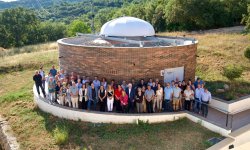
Català i Poch’s career was discussed by her nephew, Ramon Català i Pou; Francesca Figueras, professor at the Department of Quantum Physics and Astrophysics of the University of Barcelona and member of the Institute of Cosmos Sciences of the UB (ICCUB), and Dr. Trinitat Cadefau Surroca, who was her student. The event ended with a guided tour by the director of the Astronomical Park, Salvador Ribas Rubio, of the telescope named after Maria Assumpció Català i Poch. It is the largest in the park and was named after the astronomer in 2016.


ICCUB-IEEC researcher Francesca Figueras and Trinitat Cadefau discuss the traveling exhibition of Maria Assumpció Català during the central act
ICCUB-IEEC researcher Francesca Figueras and Trinitat Cadefau discuss the traveling exhibition of Maria Assumpció Català during the year Assumpció Català central act.


Català i Poch (Barcelona, 14 July 1925 – 3 July 2009) was the first woman to obtain a doctorate in Mathematics at the University of Barcelona (UB) in 1970 and worked as a professor of Mathematics and Astronomy at the UB. She carried out systematic observations of sunspots for more than thirty years and represented the State in the International Astronomical Union.


Year of Assumpció Català
 

As part of the milestones of the commemoration, the Park will also dedicate the Astronomy Festival to the astronomer, which this year reaches its 11th edition. In addition, the Catalan Women’s Institute is preparing a publication on her career.

The centenary of the Catalan Assumption is part of the Government’s commemorations for 2025, which annually agrees on the events and personalities that will be commemorated by the Generalitat de Catalunya. The objective is to highlight, recover and disseminate the memory of these events and personalities that have left their mark on the collective heritage of Catalans.


The telescope of the Montsec Astronomical Park
 

The largest telescope of the Montsec Astronomical Park, where this central event took place, has been named Assumpció Català since 2016, in homage to the astronomer who is a benchmark in research but also in scientific education. The Assumpció Català Poch telescope is a catadioptric telescope of Dall-Kirkham configuration with a diameter of 50 centimeters and is located in the Observatori-Aula, an area that combines observatory functions with a space equipped for 84 seated people to enjoy astronomical observation. This telescope is fully automated and contains the necessary equipment to obtain high-quality astronomical images.


Quotes


Minister for Equality and Feminism, Eva Menor Cantador

“The centenary of M. Assumpció Català is not just a commemoration: it is an act of reparation and of the future. It is an opportunity to look back with justice and look forward with responsibility. We must make her milestones visible, but we must also ensure that today’s girls can write their own history, without the limits that she had to break.”
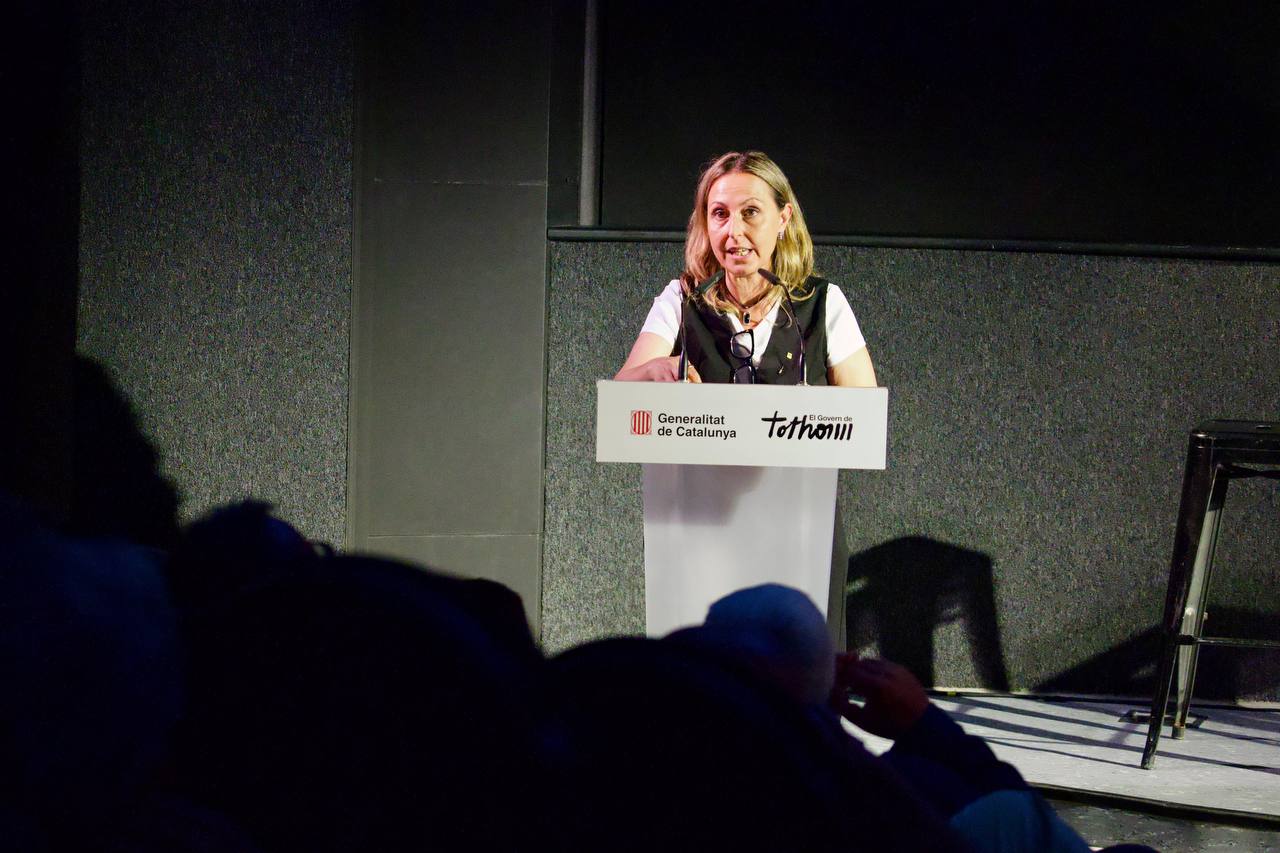
Consellera d'Igualtat i Feminisme, Eva Menor Cantador


President of the Catalan Women’s Institute, Sònia Guerra Lopez

“At the Catalan Women’s Institute we work to recover and make visible figures like Assumpció Català, a pioneering woman who history has silenced for too long. We claim her career not only as an act of justice, but as an essential pedagogical tool. Girls and young women need female role models to look up to, and Assumpció is light and inspiration for new scientific vocations.”
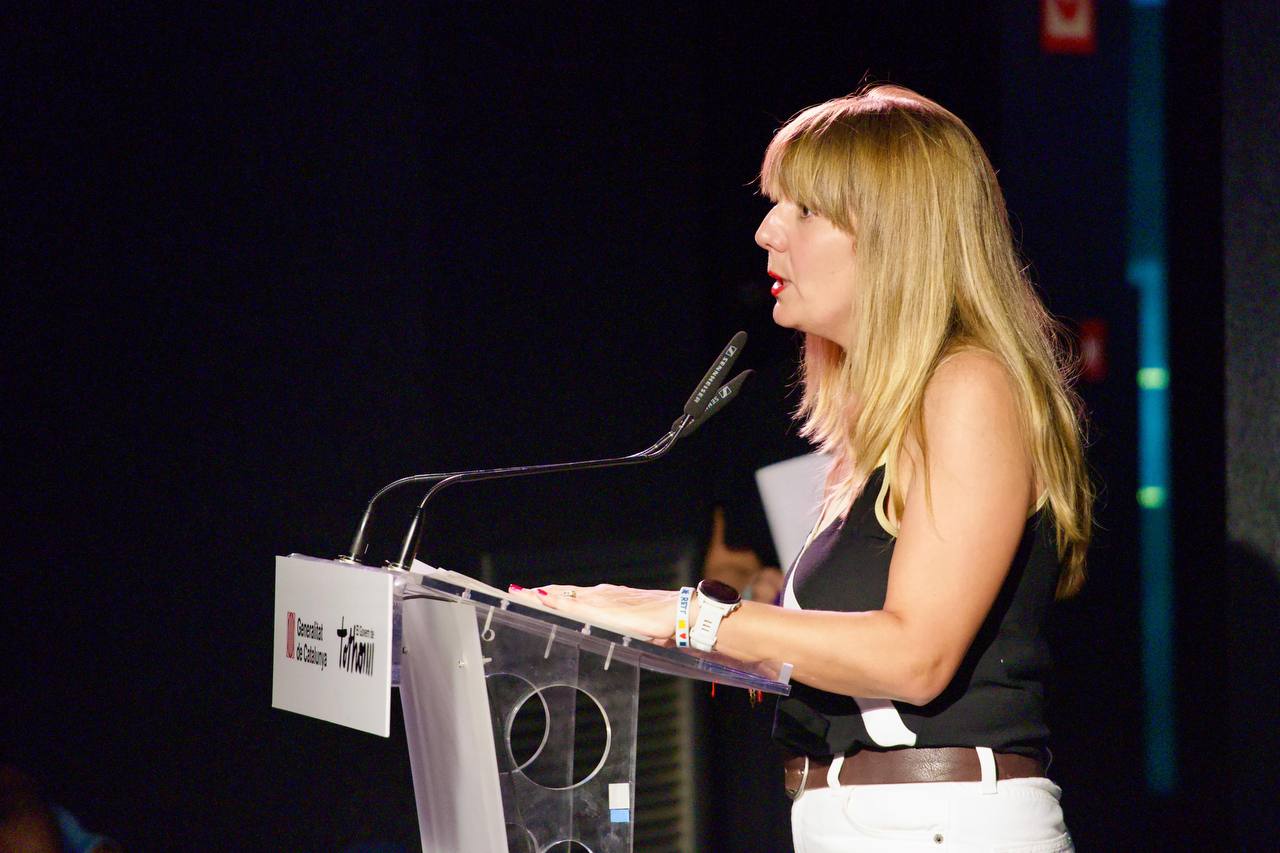
Presidenta de l'Institut Català de les Dones, Sònia Guerra Lopez


President of Ferrocarrils de la Generalitat de Catalunya, Carles Ruiz Novella

“The Montsec Astronomical Park is an extraordinary center for observing the sky, possibly the best observatory in the world, and where its most important telescope is named after Dr. Català Poch, the first female astronomy professor in the State who achieved a very important challenge for science and for women”.
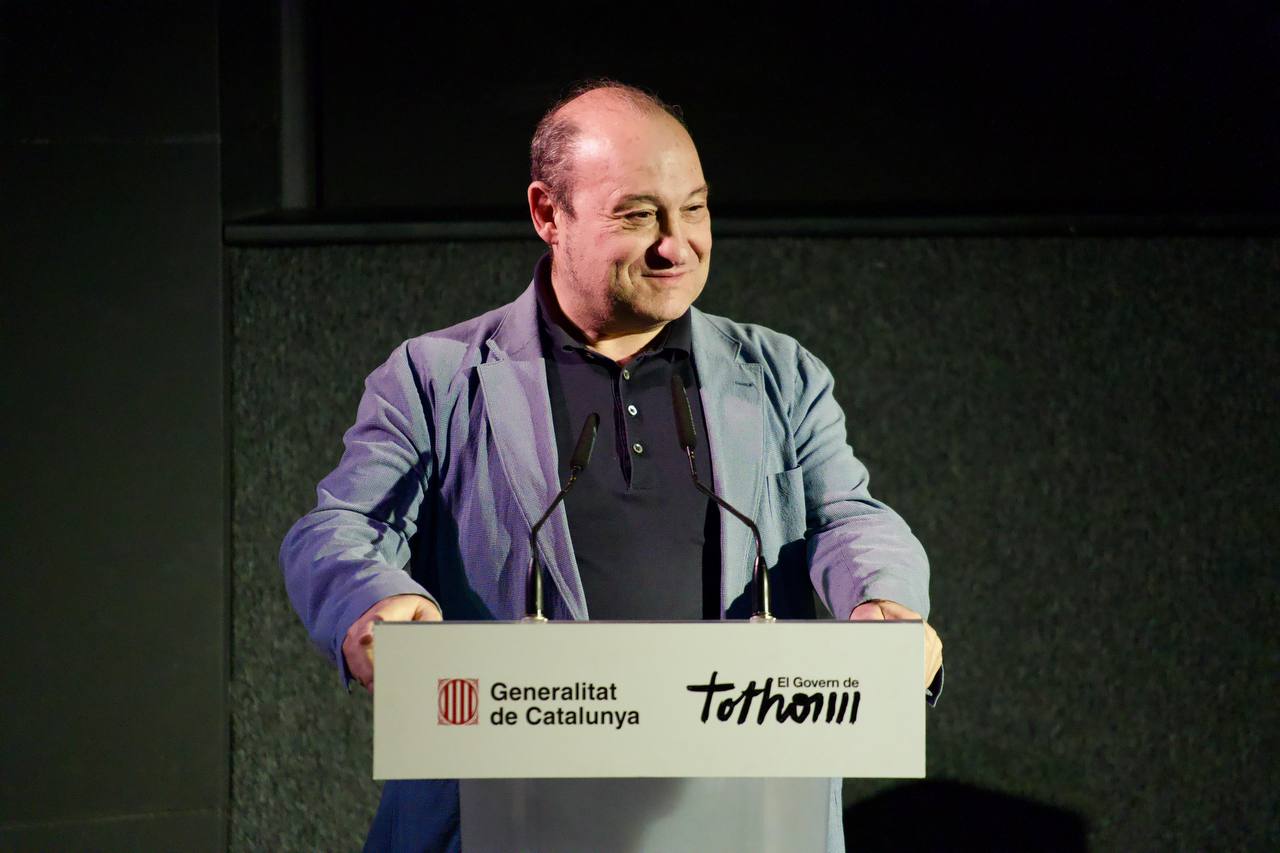
President de Ferrocarrils de la Generalitat de Catalunya, Carles Ruiz Novella


Vice-Rector for Culture, Memory and Heritage of the University of Barcelona, Agustí Alcoberro Pericay

“Institutions must preserve our history, but also our memory, that is, the memory of those who have helped us to be who we are. Assumpció Català was a great example of work, dedication and perseverance put at the service of an enormous talent. And now that we are in the midst of preparing for the 575th anniversary of the University of Barcelona, we will vindicate the enormous human capital of the UB, where Dr. Català plays a prominent role”.

Vicerector de Cultura, Memòria i Patrimoni de la Universitat de Barcelona, Agustí Alcoberro Pericay


News Type
Date
SEO Title
The central event of the year Assumpció Català, the first female astronomy professor in the State, reflects on the situation of women in science

Go to Source

Nuevo ensayo clínico contra el cáncer de piel más frecuente con un compuesto derivado de descubrimientos del CNIO

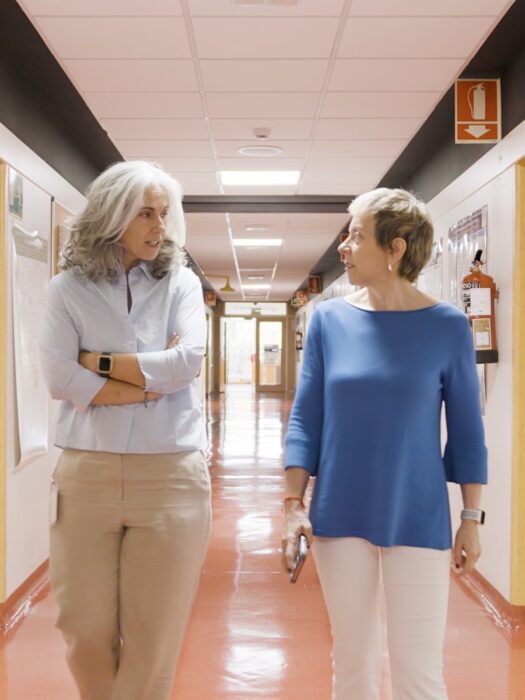
La investigadora del CNIO Marisol Soengas (izda.) y Marisol Quintero, CEO de Highlight Therapeutics, a la entrada del Centro Nacional de Investigaciones Oncológicas (CNIO). /Scienseed

Hace unos 15 años, en 2009, el equipo de la investigadora del Centro Nacional de Investigaciones Oncológicas (CNIO) Marisol Soengas descubrió una nueva forma de matar células tumorales: hacerles creer que han sido infectadas por un virus. Desarrollaron un compuesto, denominado BO-110, con una forma de actuación muy novedosa porque inducía la autodigestión de las células del melanoma, la forma más letal de cáncer de piel. El resultado fue tan llamativo que la revista Cancer Cell lo publicó en su portada.

BO-110 demostró eficacia en distintos modelos experimentales, y por su relevancia, sirvió de base para la creación de la primera compañía spin off del CNIO, Bioncotech Therapeutics. Bioncotech expandió su radio de acción, generó un derivado clínico, BO-112, y se convirtió en Highlight Therapeutics. Por primera vez se creaba una compañía para iniciar el desarrollo de un fármaco oncológico nacido de la investigación realizada en el CNIO.

“BO-110 nos sorprendió por su capacidad de atacar a células tumorales, pero todavía fue más interesante cuando demostramos una potente actividad en el sistema inmunitario”, indica Soengas.

“En los últimos años varios ensayos con pacientes han demostrado que BO-112 funciona como una alarma que despierta a las defensas del organismo, y las induce a atacar las células tumorales”, señala Marisol Quintero, ex-directora de Innovación del CNIO y actual CEO de Highlight Therapeutics.

Estudios independientes realizados en más de 20 centros clínicos en diversos países, algunos publicados recientemente, respaldan el uso de BO-112 como nueva estrategia para el tratamiento de distintos tipos tumorales resistentes a inmunoterapia.

Marisol Quintero (izda.), CEO de Highlight Therapeutics, y la investigadora del CNIO Marisol Soengas, en el Centro Nacional de Investigaciones Oncológicas (CNIO). /Scienseed

Inmunoterapia contra el cáncer de piel más frecuente

Ahora el CNIO une esfuerzos con Highlight Therapeutics para abordar el tratamiento del carcinoma basocelular, el cáncer de piel más frecuente, que afecta a más de cuatro millones de personas anualmente y cuya incidencia, además, está aumentando.

El estudio corresponde a un proyecto de colaboración público-privada financiado con casi tres millones de euros por el Ministerio de Ciencia, Innovación y Universidades. 

Highlight Therapeutics se encargará del ensayo clínico en distintos hospitales, y el CNIO analizará el mecanismo de acción de BO-112 y definirá marcadores de respuesta mediante la combinación de biopsias de pacientes con distintos modelos experimentales de cáncer de piel.  El proyecto se prolongará hasta el año 2027.

“Es un orgullo que mi investigación se convierta en un fármaco”

Soengas no oculta su satisfacción por ver que un resultado de su investigación tiene verdaderas posibilidades de convertirse en un fármaco para curar el cáncer: “Para mí es un orgullo que resultados de mi laboratorio resultaran en la creación de una start-up, la primera del CNIO. Esta compañía tiene ya seis ensayos en desarrollo en pacientes. Para nosotros es una ilusión poder contribuir al séptimo ensayo clínico, en este caso para probar BO112 en carcinoma basocelular, que es uno de los tumores más frecuentes en la actualidad”.

El riesgo de desarrollar un carcinoma basocelular a lo a lo largo de la vida es del 28% en hombres y 39% en mujeres. Cada año hay cuatro millones de nuevos casos en Europa y Estados Unidos, y su incidencia se duplica cada 25 años. Aunque generalmente el tumor está localizado y puede extirparse, la cirugía no siempre es viable o efectiva. La alta incidencia hace que sea urgente encontrar alternativas terapéuticas.

Para Quintero, “este proyecto es una colaboración natural entre Highlight Therapeutics y el CNIO, una colaboración que combina experiencia clínica y científica para explorar nuevos tratamientos en cáncer de piel. Sin duda beneficiará a ambas partes, y podría servir de base para ensayos clínicos futuros y otros desarrollos terapéuticos”.

Sobre el Centro Nacional de Investigaciones Oncológicas (CNIO)

El Centro Nacional de Investigaciones Oncológicas (CNIO) es un centro público de investigación dependiente del Ministerio de Ciencia, Innovación y Universidades. Es el mayor centro de investigación en cáncer en España y uno de los más importantes en Europa. Integra a medio millar de científicos y científicas, más el personal de apoyo, que trabajan para mejorar la prevención, el diagnóstico y el tratamiento del cáncer.

La entrada Nuevo ensayo clínico contra el cáncer de piel más frecuente con un compuesto derivado de descubrimientos del CNIO se publicó primero en CNIO.

Go to Source

One in four Spaniards allocates most of their income to housing 

A total of 40% of Spanish tenants spend more than 30% of their income on housing, surpassing the threshold that defines households as excessively overburdened in this area.

Go to Source

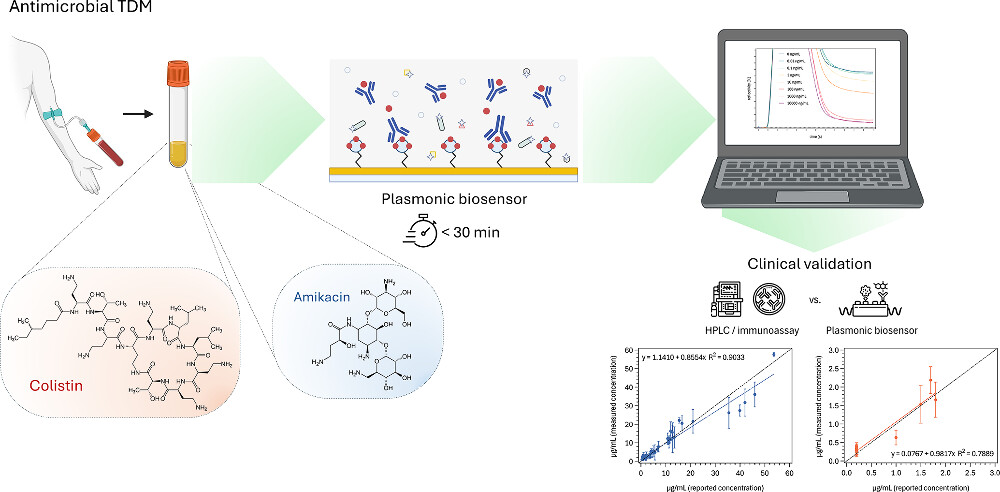
New Biosensor Enables Real-Time, Precise Monitoring of Antibiotic Treatments

Researchers at ICN2 have developed innovative, portable technology that facilitates personalised tracking of antibiotic levels in a patient’s bloodstream. This tool could significantly benefit the management of infections and support global efforts to combat antibiotic-resistant bacteria.

Go to Source

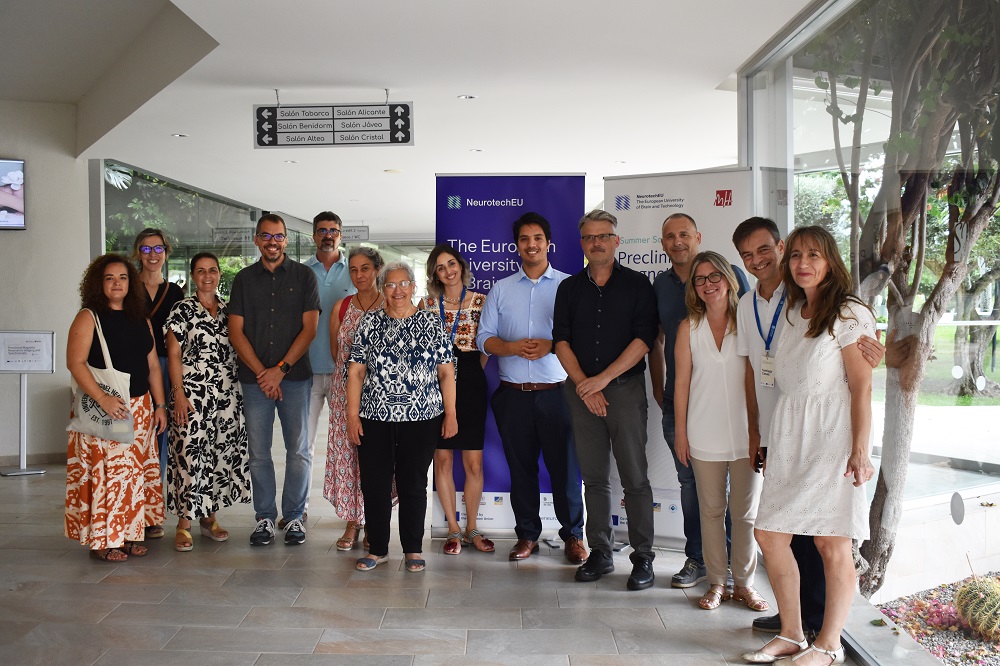
El secretario general y el coordinador de NeurotechEU visitan la UMH y el Instituto de Neurociencias

Durante los días 9 y 10 de julio la Universidad Miguel Hernández de Elche (UMH) ha recibido la visita del secretario general de la Universidad Europea del Cerebro y la Tecnología (NeurotechEU), Mark Vlek de Coningh, junto con el coordinador de la alianza, Richard van Wezel. Esta visita subraya el papel de la UMH como miembro de esta alianza de universidades europeas dedicada a la creación de un campus transnacional de neurotecnología.

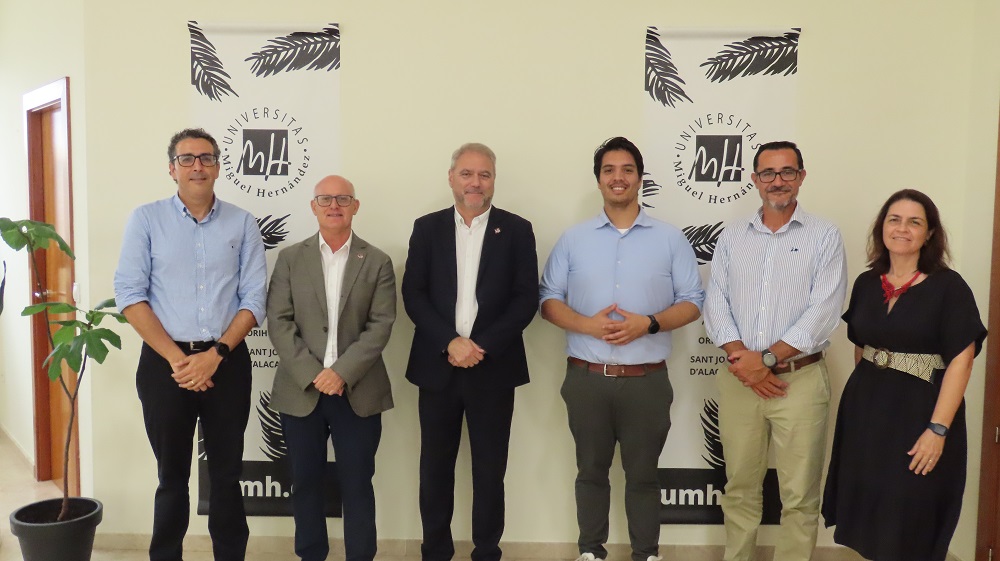
Vlek de Coningh y Van Wezel han sido recibidos por el Rector de la UMH, Juan José Ruiz; el vicerrector de Internacionalización y Cooperación, Vicente Micol; la vicerrectora de Estudios, Susana Fernández de Ávila; la directora del Servicio de Relaciones Internacionales, Inmaculada Blaya, y la líder de NeurotechEU en la UMH y directora del Instituto de Neurociencias (IN), centro mixto de la UMH y el Consejo Superior de Investigaciones Científicas (CSIC), Juana Gallar.

Con el objetivo de fortalecer los lazos de colaboración, revisar el progreso del proyecto y trazar futuras estrategias dentro del marco de NeurotechEU, el secretario general y el coordinador de la alianza han asistido a una serie de encuentros con el equipo gestor de la alianza en la UMH. El equipo gestor de NeurotechEU en la UMH está formado por las gestoras del proyecto María José Such, experta en aseguramiento de calidad, y Sonia Martín; la gestora de finanzas, Alicia Sanavio; la gestora de actividades para los estudiantes, Sandra Manzanero; y la responsable de comunicación, Júlia Santacreu. 

Además, en el encuentro ha participado el personal de UMH que colabora en la promoción de la movilidad entre las universidades socias de la alianza:  el vicerrector adjunto de Posicionamiento Institucional y Rankings, José Manuel Blanes; el vicerrector adjunto de Internacionalización, Alberto Martínez; y la experta en movilidad internacional, Mónica Candela.

Durante la visita, se han reunido también con varios profesores de la UMH implicados en la creación de contenidos docentes de NeurotechEU:  los profesores de Fisiología e investigadores del IN María del Carmen Acosta, Francisco Martini y Víctor Meseguer; la profesora de Fisioterapia y directora del Centro de Investigación Traslacional en Fisioterapia, María del Carmen Lillo, y los profesores de Ingeniería de Sistemas Eduardo Iáñez y Mario Ortiz. Asimismo, han visitado el IN CSIC-UMH, de la mano de uno de sus vicedirectores, Santiago Canals, que lidera el laboratorio Plasticidad de las redes neuronales, y de la investigadora Silvia De Santis, que lidera el laboratorio Biomarcadores de Imaging Traslacional. También visitaron el Brain-Machine Interface Systems Lab, de la mano de su director, José María Azorín.

Para completar su visita, Vlek de Coningh y Van Wezel han podido hablar con el delegado del rector para la Transformación Digital, Federico Botella, que contribuye al desarrollo de Campus+, la plataforma educativa de NeurotechEU, y con el delegado del rector de Campus Saludables y Deporte, Raúl Reina, que participa en las actividades sobre igualdad, diversidad e integración de NeurotechEU.

Finalmente, y con motivo de conocer mejor algunos servicios de la UMH, el secretario general y el coordinador de NeurotechEU han visitado el Centro Cyborg con Fernando Borrás, su director, y el Parque Científico con Oleksiy Oprysnyk, técnico del Área de Crecimiento Empresarial del mismo.

NeurotechEU es una alianza universitaria financiada por la Comisión Europea que busca potenciar la educación y la formación de futuros profesionales e investigadores en el área de la neurotecnología, con el objetivo de poner solución a problemas de salud relacionados con la neurociencia y la salud mental mediante tecnologías accesibles. Además de la UMH, la alianza NeurotechEU está formada actualmente por otras siete universidades europeas: la Universidad de Radboud de Nimega (Países Bajos), el Instituto Karolinska (Suecia), la Universidad de Bonn (Alemania), la Universidad del Bósforo (Turquía), Universidad de Medicina y Farmacia Iuliu Hatieganu (Rumanía), la Universidad de Lille (Francia) y la Universidad de Reikiavik (Islandia).

Fuente e imágenes: NeurotechEU UMH (neurotecheu@umh.es)

La entrada El secretario general y el coordinador de NeurotechEU visitan la UMH y el Instituto de Neurociencias se publicó primero en Instituto de Neurociencias de Alicante.

Go to Source

El SAAEI 2025, coorganizado por IMDEA Energía, reúne a más de 160 profesionales e investigadores en Aranjuez

La entrada El SAAEI 2025, coorganizado por IMDEA Energía, reúne a más de 160 profesionales e investigadores en Aranjuez se publicó primero en IMDEA ENERGÍA.

Go to Source

ERC Proof of Concept Grant awarded to Prof. Katherine Villa for pioneering PFAS detection technology

Prof. Katherine Villa, group leader at the Institute of Chemical Research of Catalonia (ICIQ), has been awarded a prestigious ERC Proof of Concept Grant for her project PhotoSERS. The project aims to develop light-powered microswimmers capable of selectively capturing and detecting harmful PFAS – also known as “forever chemicals” – from water, offering a sensitive, real-time monitoring solution for these persistent environmental pollutants.

The ERC Proof of Concept Grants support frontier researchers in exploring the commercial or societal potential of their research. Each €150,000 grant helps bridge the gap between ground-breaking science and real-world application. In the first round of the 2025 competition, 150 projects across Europe have been selected for funding, out of 480 proposals received, with over 31% success rate.  Spain stands out with 20 awarded projects, placing it among the top countries, alongside Germany (27) and the UK (17).

“With PhotoSERS, we aim to move beyond the lab and bring practical solutions for the detection of emerging pollutants,” said Prof. Villa. “This Proof of Concept Grant will help us take a critical step towards making our technology accessible and impactful in real-world environmental monitoring.”

Prof. Villa obtained her PhD in Chemistry from the Autonomous University of Barcelona and has developed a multidisciplinary career in top research centres across Europe. With over a decade of experience in photocatalysis, she has received several distinctions, including an ERC Starting Grant, a Consolidación Investigadora Grant, a BBVA Foundation Leonardo Grant, theRSEQ Young Investigator and the EuChemS Lecture Awards, among others. Her research focuses on nanomaterials, environmental remediation, and light-driven micro/nanomotors.


La entrada ERC Proof of Concept Grant awarded to Prof. Katherine Villa for pioneering PFAS detection technology se publicó primero en ICIQ.

Go to Source

Rayos gamma detectados en protoestrellas aportan nuevos datos sobre el origen de los rayos cósmicos

14/07/2025

Aunque las estrellas han sido objeto de estudio desde hace siglos, su formación sigue siendo un proceso enigmático, especialmente en el caso de las más masivas. Estas nacen en regiones muy densas de gas y polvo que dificultan su observación, y además son menos frecuentes que otras protoestrellas. Aun así, su impacto en el entorno es enorme: pueden lanzar potentes chorros de materia —o jets— que golpean el gas cercano y generan ondas de choque capaces de acelerar partículas casi a la velocidad de la luz. Estos procesos podrían estar detrás del origen de los rayos cósmicos, uno de los grandes misterios de la astrofísica.


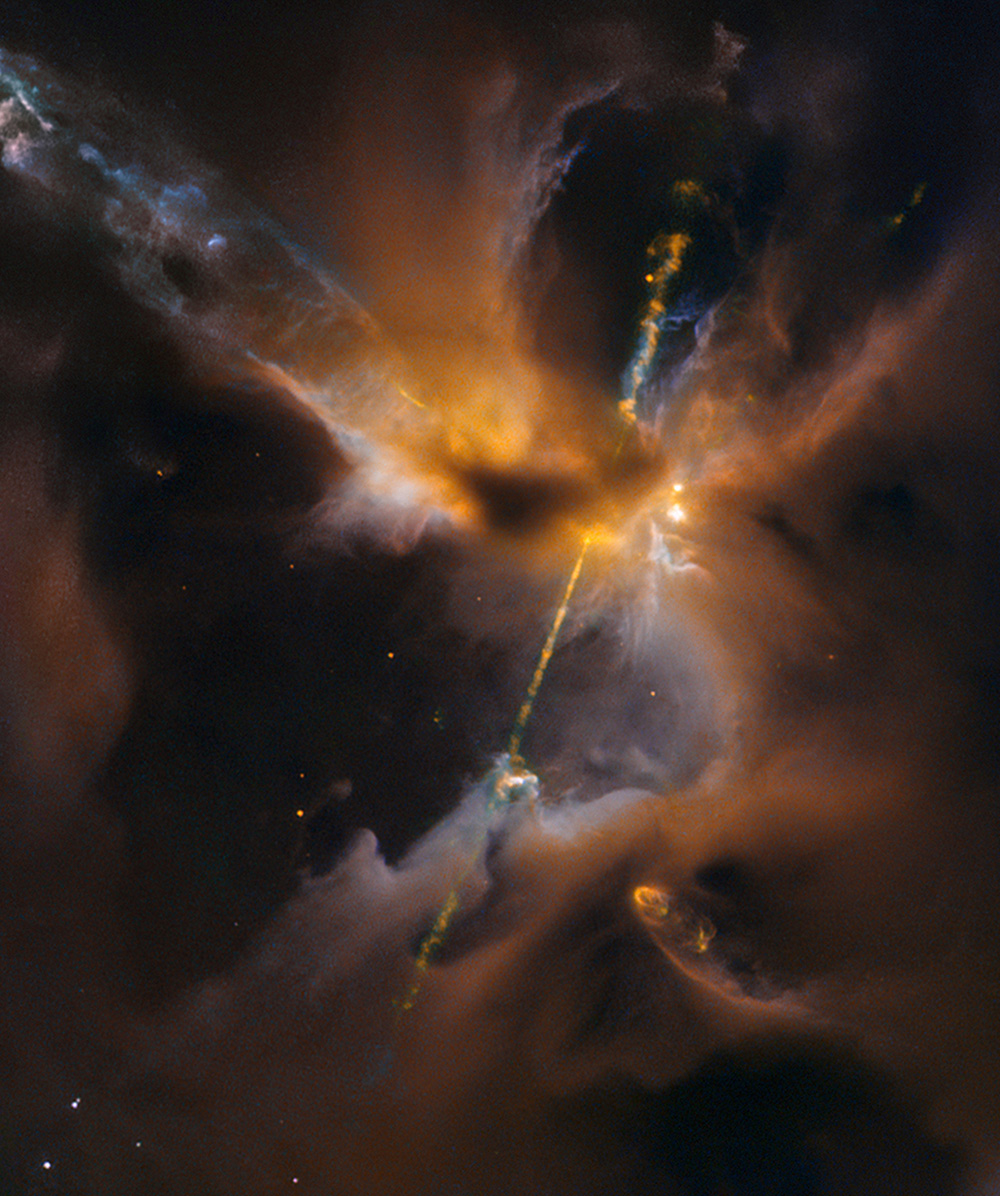
Imagen óptica de HH 24 tomada con el telescopio espacial Hubble, un ejemplo de jet protoestelar. Crédito: NASA and ESA; Acknowledgment: NASA, ESA, the Hubble Heritage (STScI/AURA)/Hubble-Europe (ESA) Collaboration, D. Padgett (GSFC), T. Megeath (University of Toledo), and B. Reipurth (University of Hawaii)


Ahora, un equipo científico ha confirmado que el sistema HH 80-81 —uno de los jets más potentes conocidos, lanzado por una protoestrella muy masiva aún en formación— emite rayos gamma, la forma más energética de luz en el universo. Se trata de una detección poco común en este tipo de objetos, y plantea la pregunta de si este tipo de sistemas tienen la capacidad de acelerar protones, el principal componente de los rayos cósmicos que llegan a la Tierra. Los resultados se han publicado en la revista Astronomy & Astrophysics.

“Este descubrimiento es importante porque nos acerca un paso más a entender el origen de los rayos cósmicos, y demuestra que las estrellas en formación pueden jugar un papel clave en este misterio de más de cien años”, explica Javier Méndez, investigador del IAA-CSIC y autor principal del estudio.

En la misma línea, Rubén López Coto, segundo autor del trabajo e investigador también en el IAA-CSIC, añade: “Descubrir cuál es el origen de los rayos cósmicos es esencial para entender la evolución del universo, y esta es otra pieza en el puzzle para desvelar los procesos de aceleración de estas partículas en nuestra galaxia”.


UNA PROTOESTRELLA CAPAZ DE GENERAR RAYOS GAMMA

Hasta ahora, se sabía que ciertos objetos extremos del universo —como los remanentes de supernovas o los agujeros negros en núcleos galácticos activos— podían acelerar partículas a velocidades muy altas y generar rayos cósmicos: partículas diminutas, pero muy energéticas, que llegan de forma constante a la Tierra desde el espacio. Sin embargo, no estaba claro si fenómenos tan tempranos como la formación de una estrella también podían desempeñar ese papel.

Este estudio, liderado y desarrollado por el Instituto de Astrofísica de Andalucía (IAA-CSIC), ha demostrado por primera vez que un chorro de materia expulsado por una protoestrella masiva puede emitir rayos gamma. Este tipo de emisión solo puede generarse por partículas subatómicas aceleradas en entornos extremadamente violentos, donde los campos electromagnéticos desempeñan un papel fundamental. Esto sugiere que los jets protoestelares podrían formar parte del llamado universo no térmico.

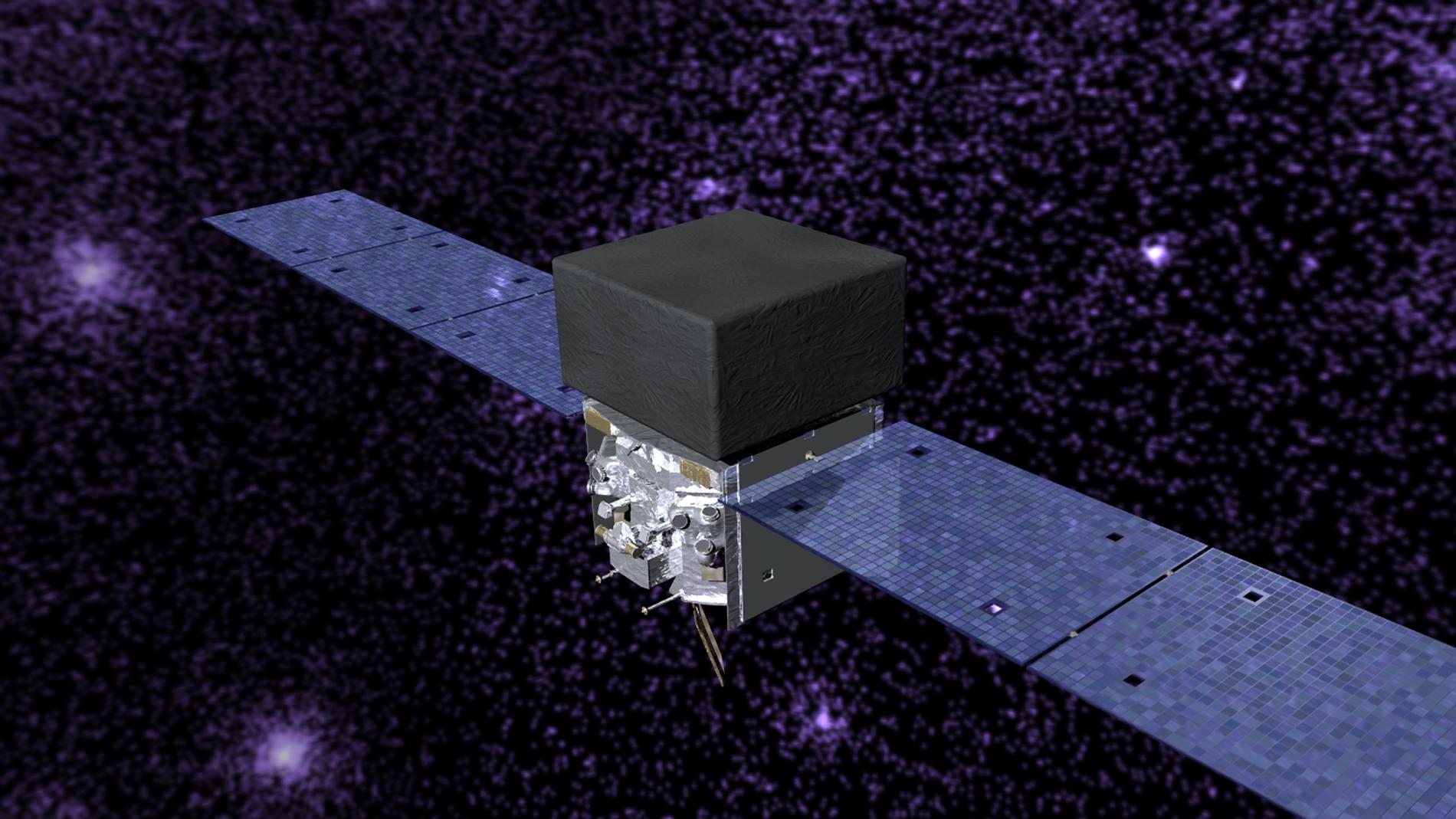
Para llegar a este resultado, desde el IAA-CSIC se han analizado quince años de datos del telescopio espacial Fermi-LAT de la NASA, un observatorio espacial especializado en la observación de rayos gamma. Esta larga serie de observaciones ha permitido mejorar significativamente la sensibilidad respecto a estudios previos, y aislar con mayor precisión la señal asociada al chorro HH 80-81.


Ilustración del telescopio espacial de rayos gamma Fermi. Créditos: NASA’s Goddard Space Flight Center/Conceptual Image Lab

“Dado que se trata de una fuente muy débil y situada cerca del plano de la Vía Láctea —una región con mucha emisión de fondo—, ha sido necesario aplicar criterios estrictos para filtrar los datos y centrarse solo en las energías más altas, donde la señal es más clara”, apunta el primer autor del estudio.

Además, el equipo investigador analizó con detalle el origen de la emisión detectada, ya que en la zona observada existen varias fuentes que podrían ser responsables. Sin embargo, las características no térmicas previamente detectadas en radio frecuencias y rayos X del jet HH 80-81, junto con su coincidencia exacta con la región de emisión, lo señalan como el candidato más probable. Estos resultados sugieren que HH 80-81 podría generar rayos gamma a través de procesos de aceleración de partículas, lo que refuerza su posible papel como una posible fuente de los rayos cósmicos que llegan hasta la Tierra.


Vista del plano galáctico en la esfera celeste con rayos gamma con el satélite Fermi-LAT. Créditos: J. Méndez-Gallego & S. Menchiari


“El estudio abre así nuevas vías para investigar este tipo de sistemas usando rayos gamma, y plantea la necesidad de futuras observaciones para conocer mejor la física extrema que se esconde en el nacimiento de las estrellas más masivas”, asegura Javier Méndez (IAA-CSIC). Y concluye: “Además, abre una nueva ventana para estudiar cómo estos objetos extremos influyen en la evolución del medio interestelar y en la dinámica de nuestra galaxia”.

Referencia: 
Más información: 
Contacto: 

Go to Source

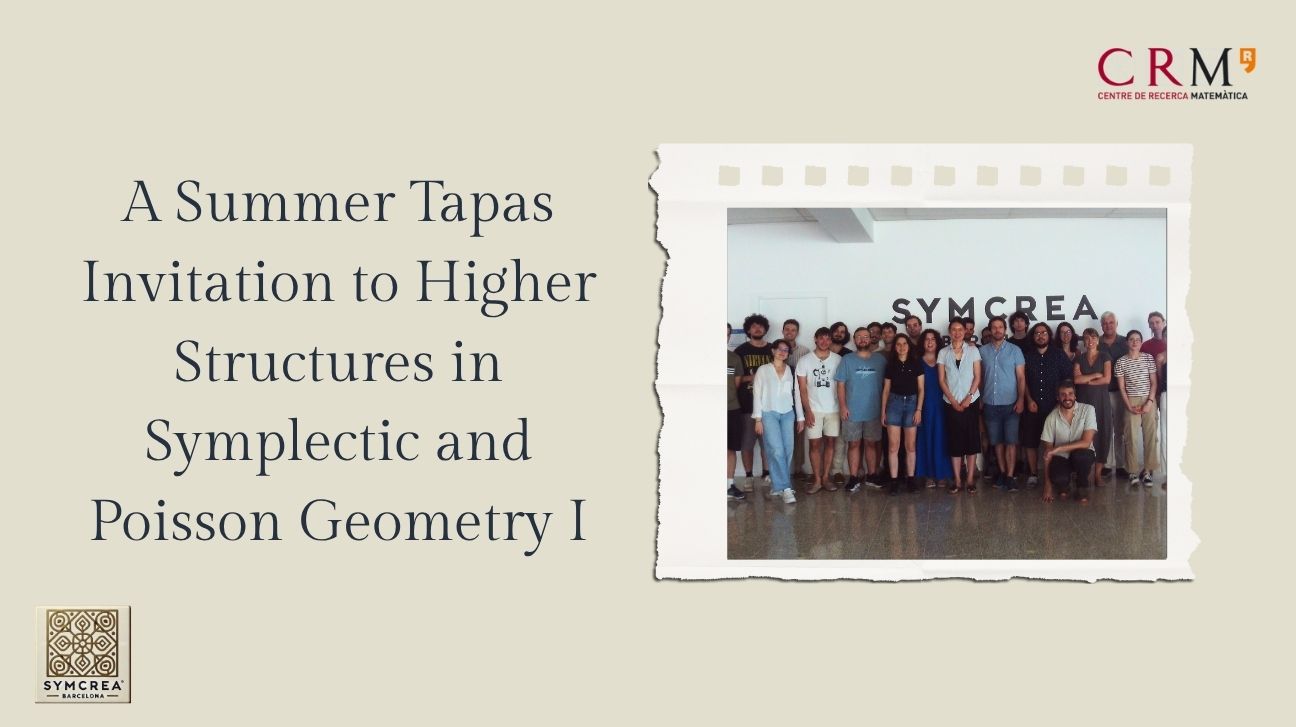
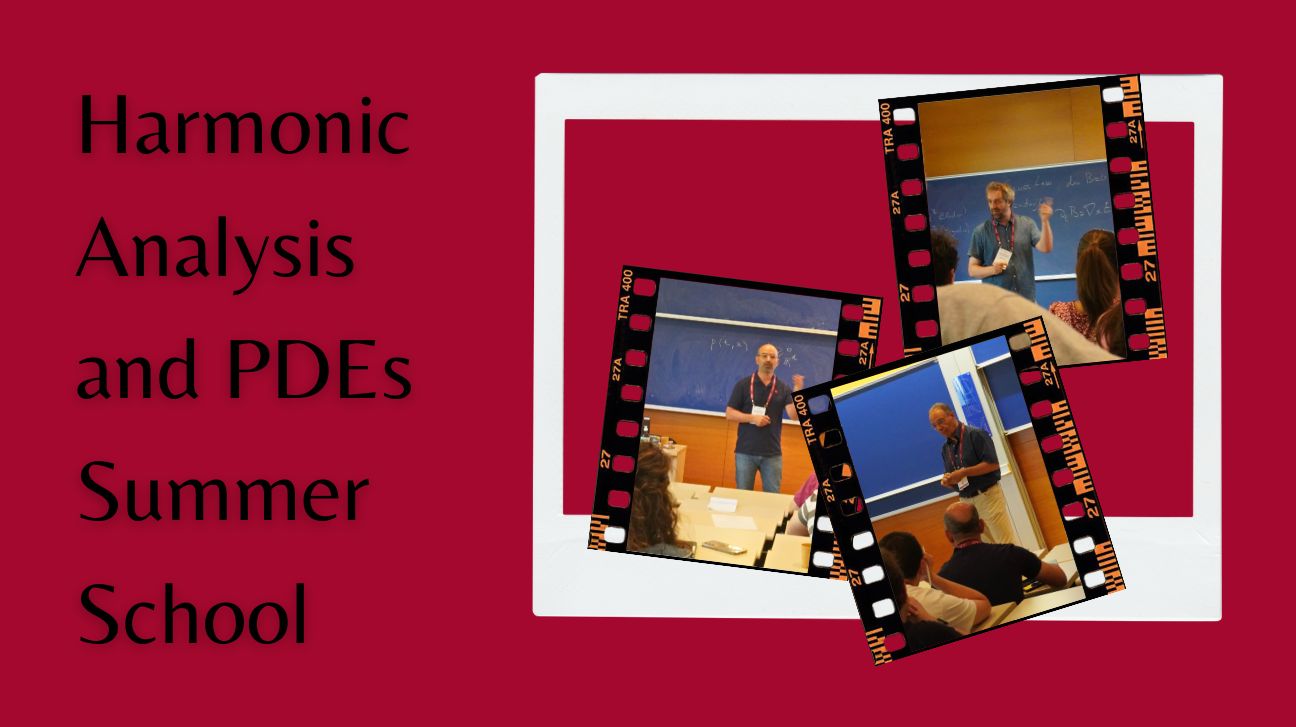
The CRM hosts a new edition of the Barcelona Introduction to Mathematical Research summer school

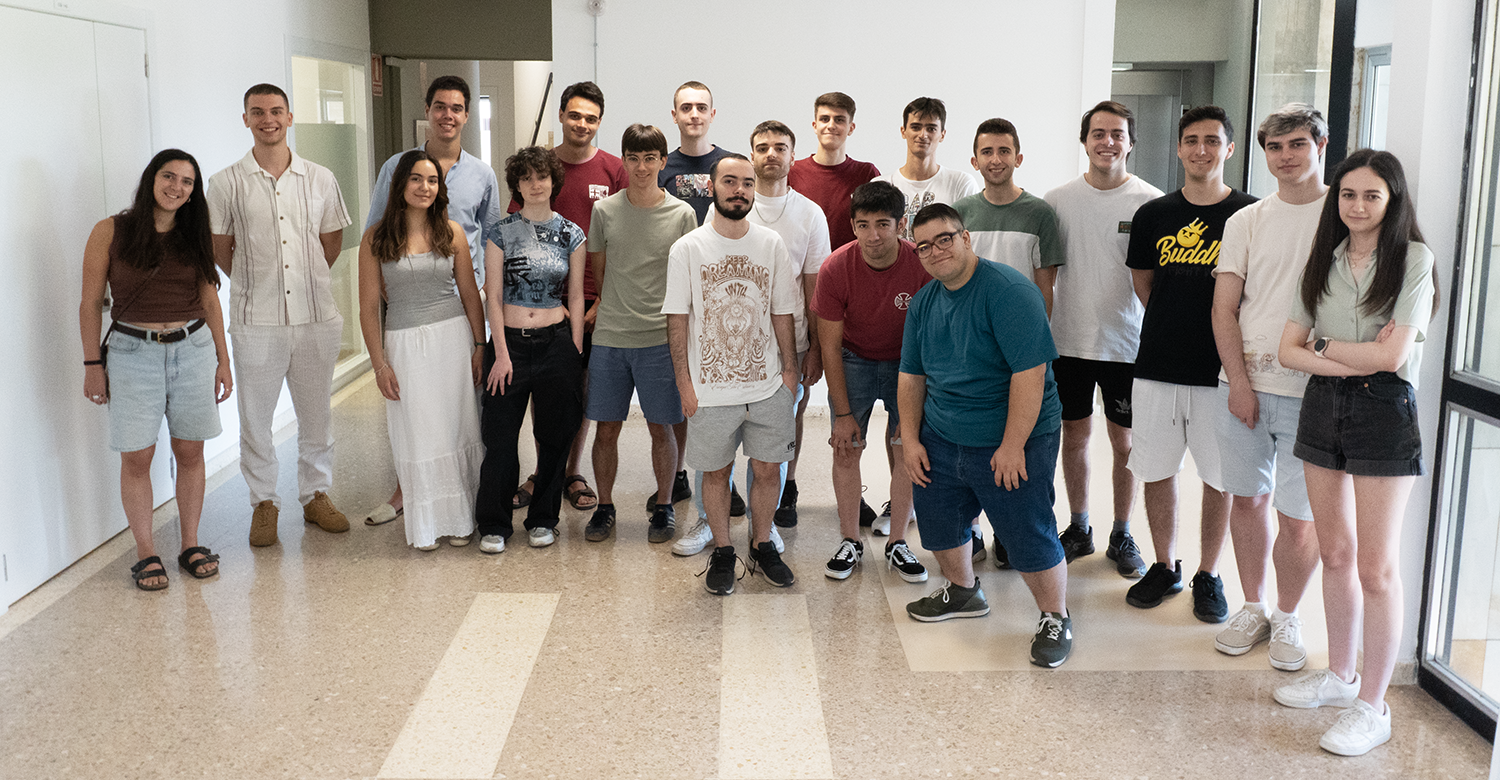
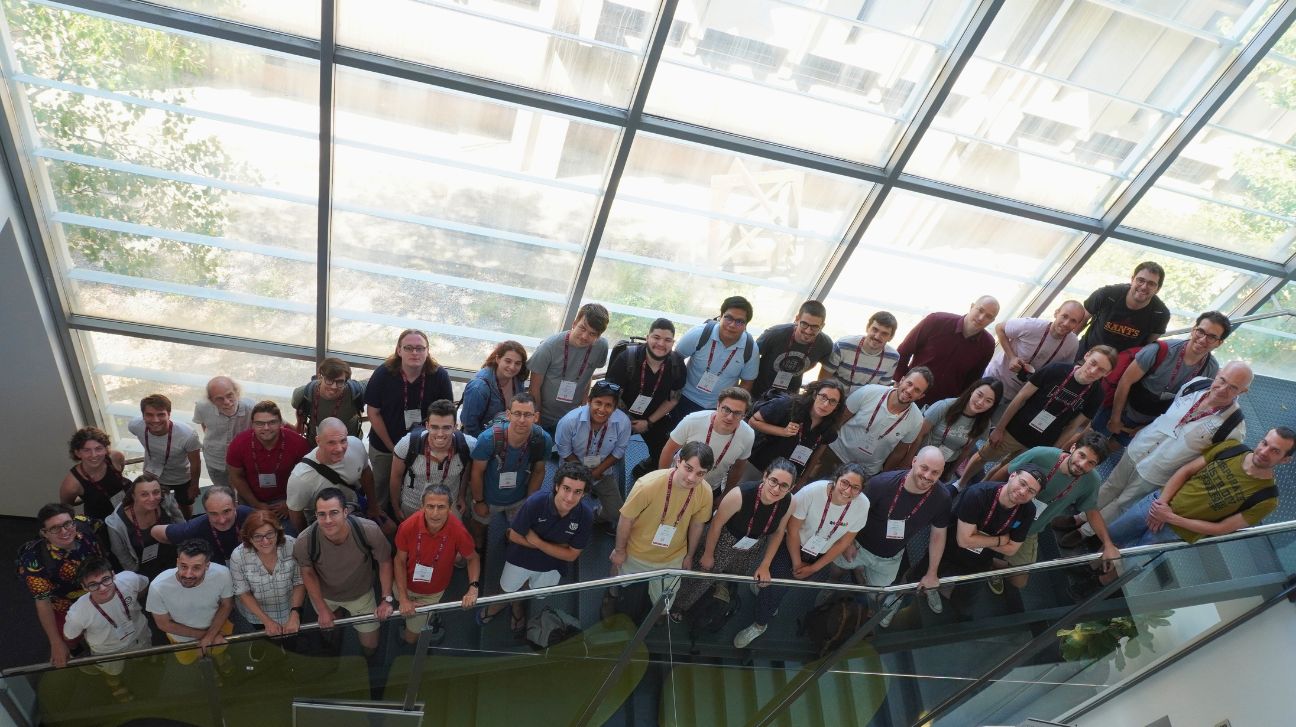
From June 30 to July 25, 2025, the CRM is organising a new edition of the Barcelona Introduction to Mathematical Research (BIMR), a summer school hosted at the Universitat Autònoma de Barcelona. The programme brings together 30 undergraduate mathematics students to explore research through hands-on projects, introductory minicourses, and mentoring activities. With over 20 research topics offered, ranging from analysis and dynamical systems to geometry, cryptography, and mathematical modelling, BIMR provides early exposure to the research environment in an engaging and collaborative setting.

From June 30 to July 25, the Universitat Autònoma de Barcelona is hosting a new edition of the BIMR 2025 – Barcelona Introduction to Mathematical Research summer school. This initiative is promoted by the BGSMath, the CRM’s training unit. The programme offers 30 undergraduate mathematics students the opportunity to engage with mathematical research for the first time, working side by side with active researchers.

At the heart of BIMR are the research projects, assigned according to the preferences of both students and supervisors. This year’s edition features over 20 projects across a wide range of fields, including analysis, PDEs, dynamical systems, algebra, geometry, cryptography and mathematical modelling. Participants will work on topics such as Gamma-convergence, braid theory, Hausdorff measures, optimal control systems, Baker domains, and chaotic dynamical systems applied to cryptography.

Four minicourses to open the doors to research

During the first two weeks, students attend four introductory minicourses, designed to provide an accessible yet rigorous view of cutting-edge topics in mathematics:

Introduction to Stallings automata and the geometry of subgroups of free groups, taught by Enric Ventura and Jordi Delgado (UPC), explores a geometric and algorithmic approach to studying subgroups of free groups. Using intuitive graphical representations and avoiding overly formal language, the course covers key results such as the Nielsen–Schreier theorem, the Schreier index formula, and the Hanna–Neumann inequality.

Markov chains, mixing times and applications, with Guillem Perarnau (UPC – CRM), offers an introduction to discrete Markov chains with a special focus on the concept of mixing time. The course combines spectral theory with classical examples (such as random walks on graphs) and explores applications in statistical physics and theoretical computer science.

Singular integrals, Hausdorff measures and capacities, taught by Laura Prat (UAB), introduces fundamental tools in harmonic analysis and geometric measure theory. The course covers Calderón-Zygmund integrals, Hausdorff measures applied to fractal sets, and various notions of capacity with applications in the study of removable sets and partial differential equations.

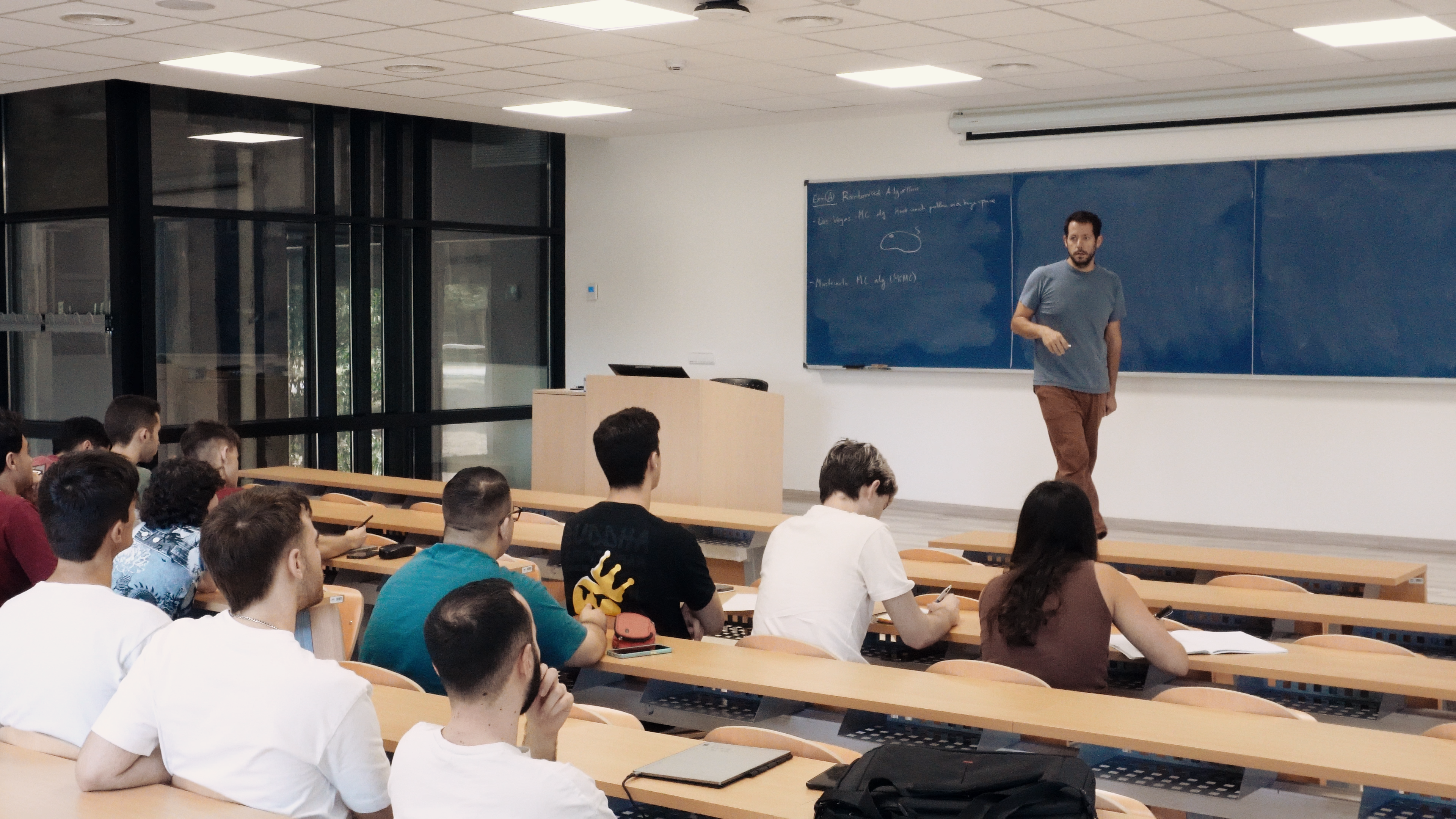
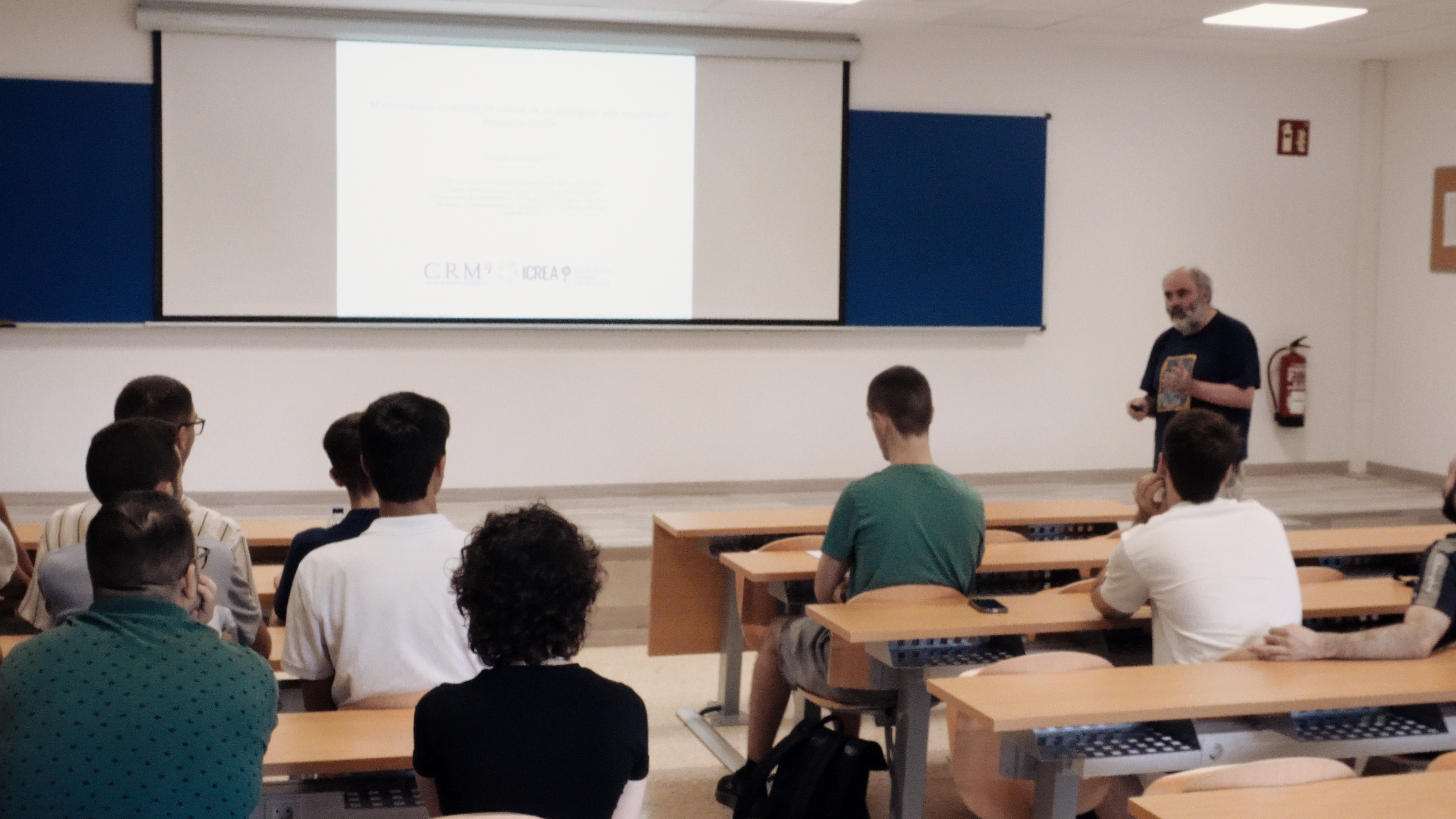
Mathematical modelling of cancer as an ecological and population dynamics system, with Tomás Alarcón (CRM), presents an innovative perspective on cancer biology through the lens of mathematics. The course shows how ecological tools and dynamical systems theory can help understand tumour behaviour as evolving ecosystems.

Beyond mathematics

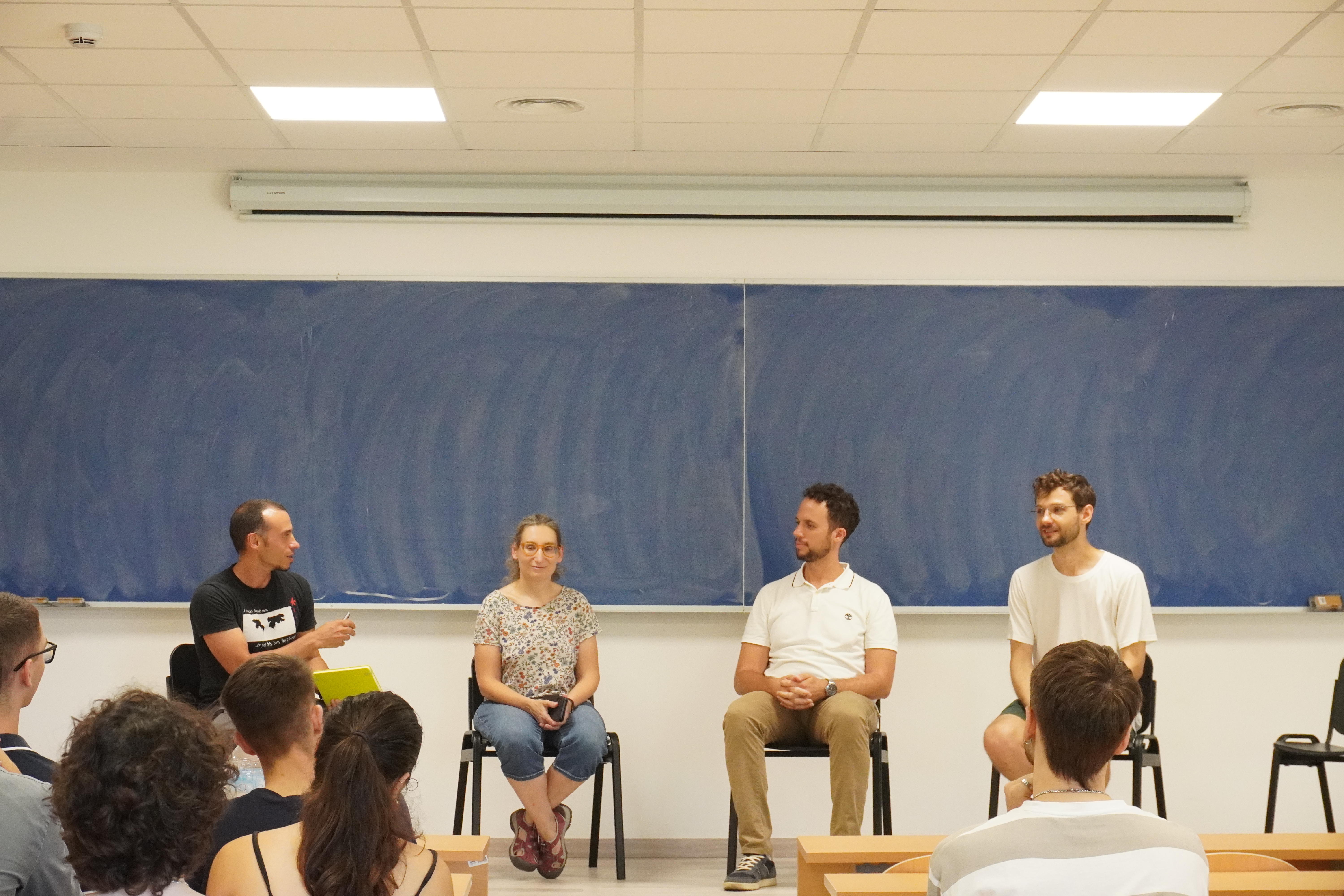
In addition to the academic programme, BIMR 2025 includes social and mentoring activities, such as a round table on academic careers, a public outreach talk, and weekly informal gatherings. For students living outside the metropolitan area of Barcelona, the CRM offers accommodation fellowships throughout July.

With this programme, BIMR aims to bring the research experience closer to a new generation of mathematicians and help spark scientific vocations early in their careers.

The programme is organised by Natàlia Castellana (Universitat Autònoma de Barcelona, CRM), Marc Masdéu (Universitat Autònoma de Barcelona, CRM), Xavier Ros-Oton (Universitat de Barcelona, ICREA, CRM) and Olli Saari (Universitat Politècnica de Catalunya, CRM), with the support of the BGSMath network.

Subscribe for more CRM News

Stay updated to our mailing list to get the lastest information about CRM activities.

CRM Comm

Pau Varela

CRMComm@crm.cat


JISD 2025 – Where Dynamical Systems Meet PDEs

JISD 2025 – Where Dynamical Systems Meet PDEs

JISD 2025, held at the Centre de Recerca Matemàtica (CRM) from June 30 to July 4, 2025, featured four advanced minicourses delivered by Dmitry Dolgopyat (on averaging and Fermi acceleration in dynamical systems), Serena Dipierro (on the theory of nonlocal minimal…

Hong Wang: On Solving Kakeya and Rethinking Restriction

Hong Wang: On Solving Kakeya and Rethinking Restriction

At the Modern Trends in Fourier Analysis conference held at the Centre de Recerca Matemàtica, mathematician Hong Wang (NYU Courant) presented a new approach to the Stein restriction conjecture, connecting it with geometric incidence problems…

The post The CRM hosts a new edition of the Barcelona Introduction to Mathematical Research summer school first appeared on Centre de Recerca Matemàtica.

Go to Source

¿Por qué vemos antes el dónut que la manzana? El papel del hambre, las calorías y el etiquetado

hambre, las calorías y el etiquetado
Un estudio del Grupo Neuroplasticidad y Aprendizaje del CIMCYC han confirmado que cuando tenemos hambre, los alimentos altamente calóricos captan nuestra atención más rápidamente, un sesgo evolutivo que hoy puede contribuir al consumo excesivo. Sin embargo, su estudio, adaptado a la dieta española, no encontró que las etiquetas nutricionales como NutriScore influyan en la sensación de saciedad o en la atención hacia la comida, sugiriendo la necesidad de más investigación sobre la efectividad de estos sistemas.

Seguir leyendo

Go to Source

Postdoctoral Junior Leader fellowships Incoming at CIMCYC

Entrada al centro CIMCYC

”la Caixa” Foundation grants 20 postdoctoral fellowships for researchers of any nationality to carry out a research project in a STEM discipline at universities and research centres of accredited excellence.
Seguir leyendo

Go to Source

Why Do We See the Donut before the Apple? The Role of Hunger, Calories and Nutritional Labeling

hambre, las calorías y el etiquetado
A study by CIMCYC’s Neuroplasticity and Learning Group has confirmed that when we are hungry, high-calorie foods capture our attention more quickly, an evolutionary bias that today may contribute to overconsumption. However, their study, adapted to the Spanish diet, did not find that nutritional labels such as NutriScore influence satiety or attention to food, suggesting the need for more research on the effectiveness of these systems.

Seguir leyendo

Go to Source

Sidebar