Author Archive

Graphene 2025: ICN2 Demonstrates Leadership in 2D Materials Research and Innovation

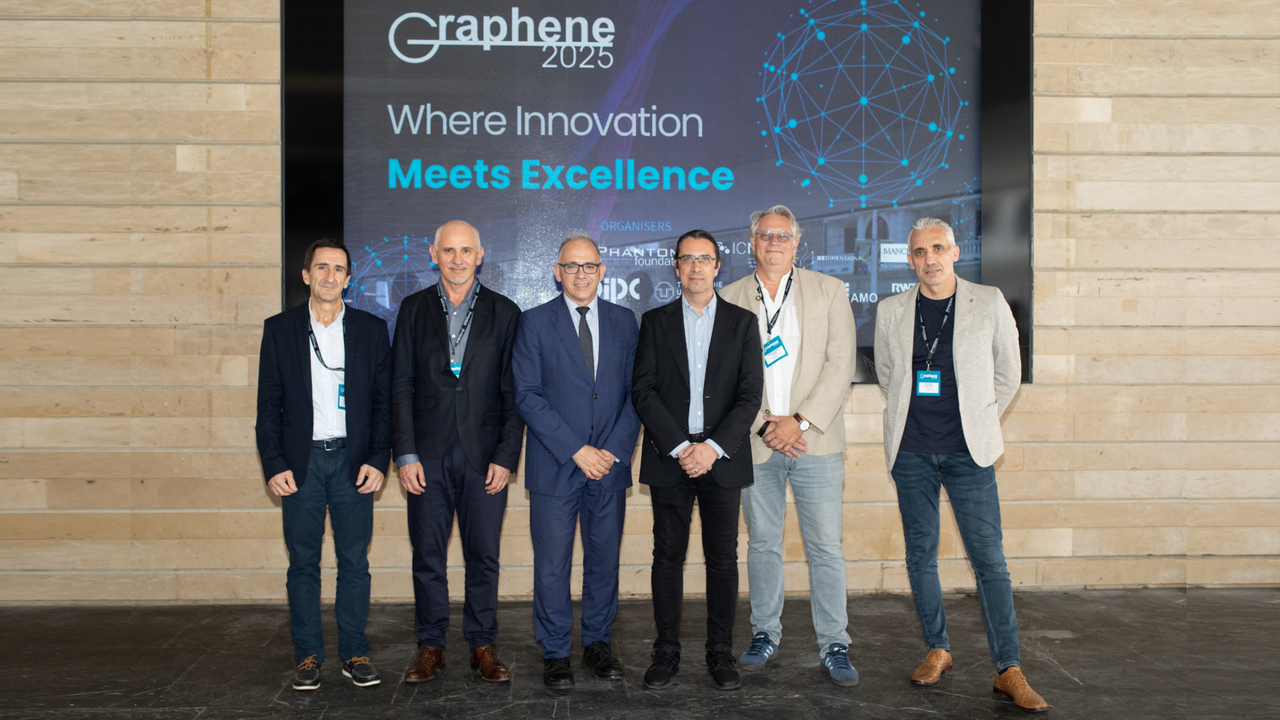
The institute played a central role in Graphene 2025, the main European conference on graphene and two-dimensional materials. ICN2’s involvement in both the scientific programme and the organisation of the event reflects its strategic focus on this field.

Go to Source

Urban policies in Brazil advance housing but fail to curb urban expansion

Brazil’s national urban policies have achieved clear progress in expanding housing and improving basic services in 27 major cities over the past 30 years, yet they have failed to control urban expansion, a key challenge for sustainable development. This is the main finding of a study conducted by Beatriz Pierri Daunt at ICTA-UAB.

Go to Source

Un estudio en el que participa la UMH evidencia la necesidad de replantear los tratamientos contra la adicción al alcohol

Dos años después de finalizar un programa de tratamiento, las personas con dependencia alcohólica moderada o grave siguen mostrando una elevada reactividad ante estímulos relacionados con el alcohol y están en riesgo de recaída. Así lo revela un nuevo estudio publicado en la revista Frontiers in Psychiatry liderado por el catedrático de la Universidad Complutense de Madrid Gabriel Rubio, en colaboración con el catedrático de la Universidad Miguel Hernández de Elche (UMH) Jorge Manzanares. Los resultados apuntan a la necesidad de revisar tanto la duración como el enfoque de los tratamientos actuales. Por ello, los expertos recomiendan implementar programas de apoyo a la recuperación.

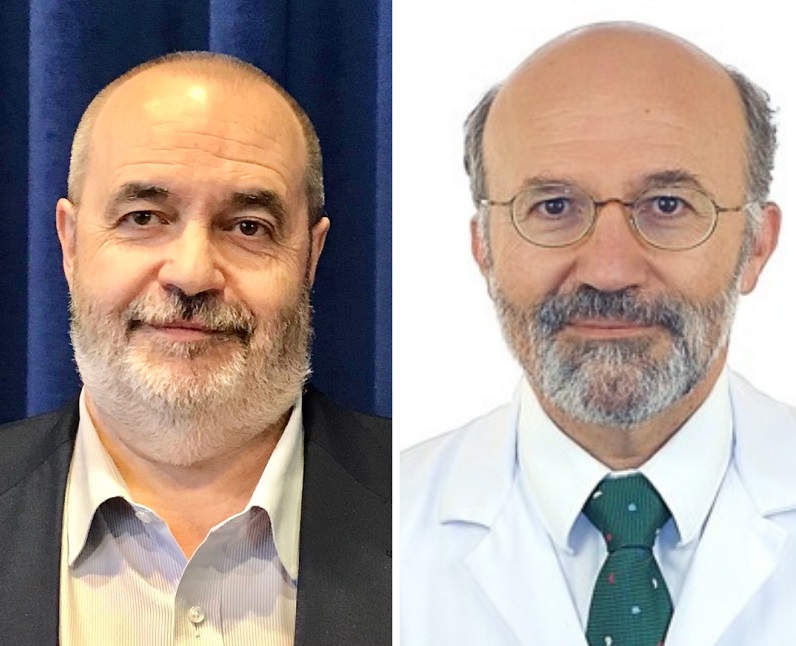
Foto: Jorge Manzanares, catedrático de Farmacología de la UMH (izquierda), y Gabriel Rubio, catedrático de Psiquiatría de la Universidad Complutense de Madrid (derecha).

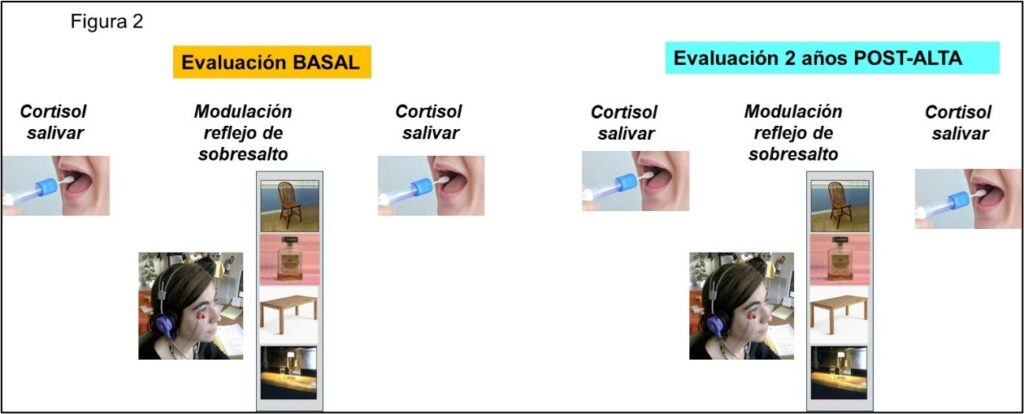
Según explican los investigadores, es posible evaluar la presencia de ciertos marcadores biológicos de la adicción. En este estudio, se ha tenido en cuenta la respuesta al cortisol cuando los pacientes observaban imágenes relacionadas con el alcohol. Es sabido que el cortisol es una hormona que el cuerpo libera en situaciones de estrés. Los resultados indican que la reactividad hacia las imágenes de alcohol y los niveles de cortisol antes y después de su visualización no se modifican significativamente ni siquiera tras años de abstinencia. “El cortisol es un buen indicador del impacto que tiene un estímulo en nuestro cuerpo, y hemos observado que su concentración aumenta cuando una persona se expone a imágenes o situaciones que su cerebro relaciona con el alcohol”, explica el profesor Manzanares, quien realiza su investigación en el Instituto de Neurociencias, centro mixto de la UMH y el Consejo Superior de Investigaciones Científicas (CSIC).

“Este tipo de reactividad ocurre de forma automática, sin necesidad de que la persona tenga deseos conscientes de beber”, aclara el Dr. Rubio. Según los expertos, el problema no es tanto tener “altos niveles de cortisol” como que el sistema de respuesta al estrés no funciona adecuadamente. Este patrón de respuesta, conocido como blunted cortisol response, es un indicio de sobrecarga del eje del estrés.  “Es decir, una persona con adicción al alcohol, aunque está en abstinencia, tiene activada de forma permanente su respuesta de estrés, lo que facilita que priorice el consumo de alcohol y el riesgo de recaída”, aclaran los expertos.

Además, los investigadores observaron que esta alteración era más marcada en hombres y en personas que habían tenido recaídas durante el proceso, lo que sugiere que la vulnerabilidad al estrés puede mantenerse con el tiempo. “Considerando que medir el cortisol en saliva es un procedimiento sencillo y poco invasivo, podría utilizarse como herramienta para identificar a quienes tienen más riesgo de sufrir recaídas o problemas médicos relacionados con el estrés crónico”, apunta el profesor de Farmacología de la UMH.

En este estudio se evaluaron 154 pacientes del Programa de Tratamiento del Alcoholismo del Hospital Universitario 12 de octubre (Madrid) en dos momentos: al inicio del tratamiento y dos años después de finalizarlo. Los síntomas de ansiedad, depresión e impulsividad disminuyeron con el tiempo. Por el contrario, los niveles de reactividad a estímulos visuales relacionados con el alcohol y la respuesta del cortisol se mantuvieron estables. Además, los pacientes seguían presentando diferencias marcadas respecto a un grupo control de personas sin problemas de adicción.

El psiquiatra del Hospital Universitario 12 de octubre e investigador de la Universidad Complutense Gabriel Rubio destaca que estos datos confirman el carácter crónico del Trastorno por Uso de Alcohol: “Los resultados subrayan que dejar de beber no significa haberse recuperado de la adicción. Las huellas que deja el alcohol en el cerebro requieren estrategias de recuperación sostenidas en el tiempo, al menos durante 5 años, y personalizadas”. Según el experto, es crucial implementar programas de continuidad de cuidados que apoyen a las personas en recuperación en su entorno habitual, para evitar recaídas y consolidar una recuperación basada en valores.

Este trabajo ha sido financiado por el proyecto PI22/00355 del Instituto de Salud Carlos III (ISCIII), cofinanciado por la Unión Europea. También ha contado con el apoyo de la Oficina Regional de Salud Mental de la Comunidad de Madrid, la Federación de Ex-Alcohólicos de la Comunidad de Madrid y la Red de Investigación en Atención Primaria de Adicciones (RIAPAd). El Instituto de Neurociencias UMH-CSIC, donde se ha llevado a cabo parte del estudio, cuenta con la distinción Centro de Excelencia Severo Ochoa (CEX2021-001165-S).

Acceso al artículo: Rubio, G., Marin, M., Martín-Arriscado Arroba, C., Rubio-Escobar, E., Arias, F., Torregrosa, A. B., & Manzanares, J. «Changes in neurobiological markers of reactivity to alcohol-related stimuli in alcohol-dependent patients after two years of treatment.» Frontiers in Psychiatry, 16, 1613169.
DOI: https://doi.org/10.3389/fpsyt.2025.1613169

Fuente: Servicio de Comunicación de la UMH (comunicacion@umh.es)

La entrada Un estudio en el que participa la UMH evidencia la necesidad de replantear los tratamientos contra la adicción al alcohol se publicó primero en Instituto de Neurociencias de Alicante.

Go to Source

Nigel Hitchin recibe la prestigiosa Medalla De Morgan de la Sociedad Matemática de Londres

Nigel J. Hitchin, profesor emérito de la Universidad de Oxford y codirector del Laboratorio Nigel Hitchin – Ngô Bảo Châu del ICMAT, ha sido galardonado con la Medalla De Morgan 2025 de la Sociedad Matemática de Londres, en reconocimiento a sus contribuciones a la geometría diferencial y su conexión con la física teórica.

Nigel Hitchin, impartiendo una conferencia en el ICMAT. Imagen: Laura M. Iraola/ ICMAT.

La Sociedad Matemática de Londres (LMS, por sus siglas en inglés) ha concedido la Medalla De Morgan 2025 a Nigel Hitchin, Emeritus Savilian Professor of Geometry en la Universidad de Oxford y codirector del Laboratorio Nigel Hitchin – Ngô Bảo Châu del ICMAT. Este premio, uno de los máximos honores en el mundo de las matemáticas británicas, se le concede “por sus profundas contribuciones a la geometría diferencial, tendiendo puentes entre las matemáticas y la física teórica, por abrir numerosas vías de investigación y por su servicio a la comunidad matemática», según indica la Sociedad.

El trabajo de Hitchin ha tenido un profundo impacto en un amplio espectro de las matemáticas modernas y la física teórica. Se sitúa en la intersección de la geometría diferencial, la geometría algebraica y el estudio de las ecuaciones de la física teórica. Sus contribuciones se han aplicado en diversos contextos, como las teorías gauge, la correspondencia de Langlands, la simetría espejo, la correspondencia de Hodge no abeliana, o la teoría de Teichmueller de rango superior.

“Las contribuciones de Hitchin a las matemáticas son inmensas y de enorme impacto. Entre ellas cabe destacar la teoría de fibrados de Higgs», Oscar García-Prada (ICMAT-CSIC).

“Las contribuciones de Hitchin a las matemáticas son inmensas y de enorme impacto. Entre ellas cabe destacar la teoría de fibrados de Higgs, introducida en uno de sus artículos seminales en 1987. Los espacios de moduli de fibrados de Higgs tienen una riquísima estructura geométrica, en la que se puede distinguir la fibración de Hitchin, que aparece en otro de sus artículos seminales en 1987. Esta fibración juega un papel central en la demostración de Ngô Bảo Châu del Lema Fundamental de la correspondencia de Langlands, que le valió la Medalla Fields en 2010”, afirma Oscar García–Prada, profesor de investigación del Consejo Superior de Investigaciones Científicas (CSIC) en el ICMAT.

Otra de las teorías fundamentales de Hitchin es la denominada geometría generalizada, que introdujo a principios de los 2000. “Esta teoría, que, en cierto sentido, aúna la geometría compleja y la geometría simpléctica, está en pleno desarrollo y cuenta con enormes aplicaciones”, declara García-Prada. También destaca su construcción de las denominadas componentes de Hitchin, que han dado lugar a la emergente teoría de Teichmueller de rango superior.

En varios de estos temas se enmarca la colaboración de Hitchin con el grupo de geometría del ICMAT, liderado por García-Prada. Esta interacción ha tomado especial fuerza a través del programa de Laboratorios ICMAT-Severo Ochoa, en el que Hitchin participa desde su primera edición en 2012 y cuya cuarta edición está en marcha, hasta 2028. “Representa un enorme privilegio y orgullo para el ICMAT contar con su colaboración continuada a lo largo de los años, en particular, en el contexto del programa de laboratorios del ICMAT”, asegura García-Prada.

En septiembre de 2026 el ICMAT acogerá un congreso científico de celebración del 80 cumpleaños de Hitchin, “para honrar su enorme influencia en el panorama internacional de la geometría y, en particular, en el equipo del ICMAT”, explica García-Prada.


De derecha a izquierda: Nigel Hitchin, acompañado de Oscar Garcia-Prada y Ngô Bảo Châu (coordinador y codirector del Lab ICMAT-SO, respectivamente). Imagen: Ágata Timón/ ICMAT.

Nigel Hitchin, ‘gigante’ de la investigación matemática

Nigel Hitchin es Emeritus Savilian Professor of Geometry en la Universidad de Oxford (Reino Unido). Completó su doctorado en la misma universidad bajo la supervisión de Sir Michael Atiyah y posteriormente ocupó un puesto posdoctoral en el Instituto de Estudios Avanzados (IAS, por sus siglas en inglés, EE. UU.) de 1971 a 1973. Tras un año en el Instituto Courant (EE. UU.), regresó a Oxford. Fue catedrático en la Universidad de Warwick (Reino Unido) de 1990 a 1994 y en la Universidad de Cambridge (Reino Unido) de 1994 a 1997. En 1997, volvió a Oxford, hasta la actualidad. En la noticia publicada en esta universidad sobre el premio, afirman: “Hay muy pocos matemáticos con un impacto similar tanto en las matemáticas como en la física teórica. Nigel Hitchin ha iniciado varias áreas nuevas de las matemáticas a lo largo de su carrera y ha construido nuevos puentes entre las matemáticas y la física teórica. Es un verdadero gigante en la comunidad de investigación matemática”.

Entre sus numerosos honores, al que ahora se suma la Medalla De Morgan, destacan el Premio Shaw en Ciencias Matemáticas (2016), el Premio Whitehead (1980), el Premio Berwick (1990) y el Premio Polya (2002), así como la Medalla Sylvester de la Royal Society (2000). Además, es Fellow de la Royal Society y de la American Mathematical Society.

Premios LMS 2025

La entrega de la Medalla De Morgan 2025 está prevista durante una ceremonia organizada por la LMS, que se celebrará en los próximos meses. Junto a Hitchin también han sido distinguidos los siguientes investigadorese investigadoras: Julia Gog ha recibido la Medalla Naylor; Rachel Camina, el Premio Anne Bennett; y András Juhász, el Premio Berwick.

La entrada Nigel Hitchin recibe la prestigiosa Medalla De Morgan de la Sociedad Matemática de Londres se publicó primero en ICMAT.

Go to Source

Young science talents visit ICIQ after winning Repte Experimenta

The Institute of Chemical Research of Catalonia (ICIQ) once again took part in Repte Experimenta, a science outreach programme funded by FECYT and led by the Universitat Rovira i Virgili (URV) and aimed at students aged 11 to 13. As one of the project’s partner institutions, ICIQ contributed to several stages of the initiative and, as in previous years, hosted the winning teams at its outreach and educational laboratory for a hands-on scientific workshop.

This edition of the programme, which ran throughout the 2024–2025 academic year, involved around 900 students. Over four guided sessions, student teams developed their own experiments using everyday materials. Each team was mentored by scientific advisors from collaborating institutions. From ICIQ, the collaborators were Laura Hernández Eguía, Joan Guillem Mayans, Marta Llorens i Fons, Anna Arnanz Canti and Joan V. Estornell.

The final event, Fira Experimenta 2025, took place on 6 June at URV’s Sescelades campus. Around 150 students attended the fair divided into 35 teams who showcased their projects to the general public and a panel of judges from different institutions and companies.

As part of the prize, the winning teams visited ICIQ’s facilities, where they participated in a scape room at the outreach lab. The session allowed students to carry out real chemistry experiments and gain a deeper understanding of the scientific method.

“It’s always inspiring to welcome young students who are genuinely curious and enthusiastic about science,” said Laura Hernández Eguía, Manager of the ICIQ Comunication and Outreach unit. “By giving them access to a real research environment, we hope to encourage their interest in science and show them that chemistry is not only useful, but also exciting and creative.

“We believe in learning by doing — because it’s by touching, testing, and experimenting that knowledge truly takes root. The Repte Experimenta a l’aula project brings science to life for students, transforming classrooms into spaces of active exploration. When students build hypotheses, conduct hands-on experiments, and observe real outcomes, concepts stop being abstract and become meaningful. This is where true learning happens,” added Barbara Vastenavond, executive director of Repte Experimenta.

Repte Experimenta, launched in 2019, has been promoted by the Universitat Rovira i Virgili (URV) and collaborates with Universitat Autònoma de Barcelona and the Institute of Chemical Research of Catalonia, the Institute for Agrifood Research and Technology, and the Spanish Foundation for Science and Technology – Ministry of Science and Innovation for its public sector involvement. On the private side, it is supported by ELIX Polymers, BASF, DuPont Water Solutions, Messer Ibérica, Ercros, URAIS, Gomà-Camps, BioTech BioSecurity, and the Tarragona Water Consortium (CAT). The project promotes inquiry-based learning and science communication among early secondary-school students through creative, team-based experimentation.


La entrada Young science talents visit ICIQ after winning Repte Experimenta se publicó primero en ICIQ.

Go to Source

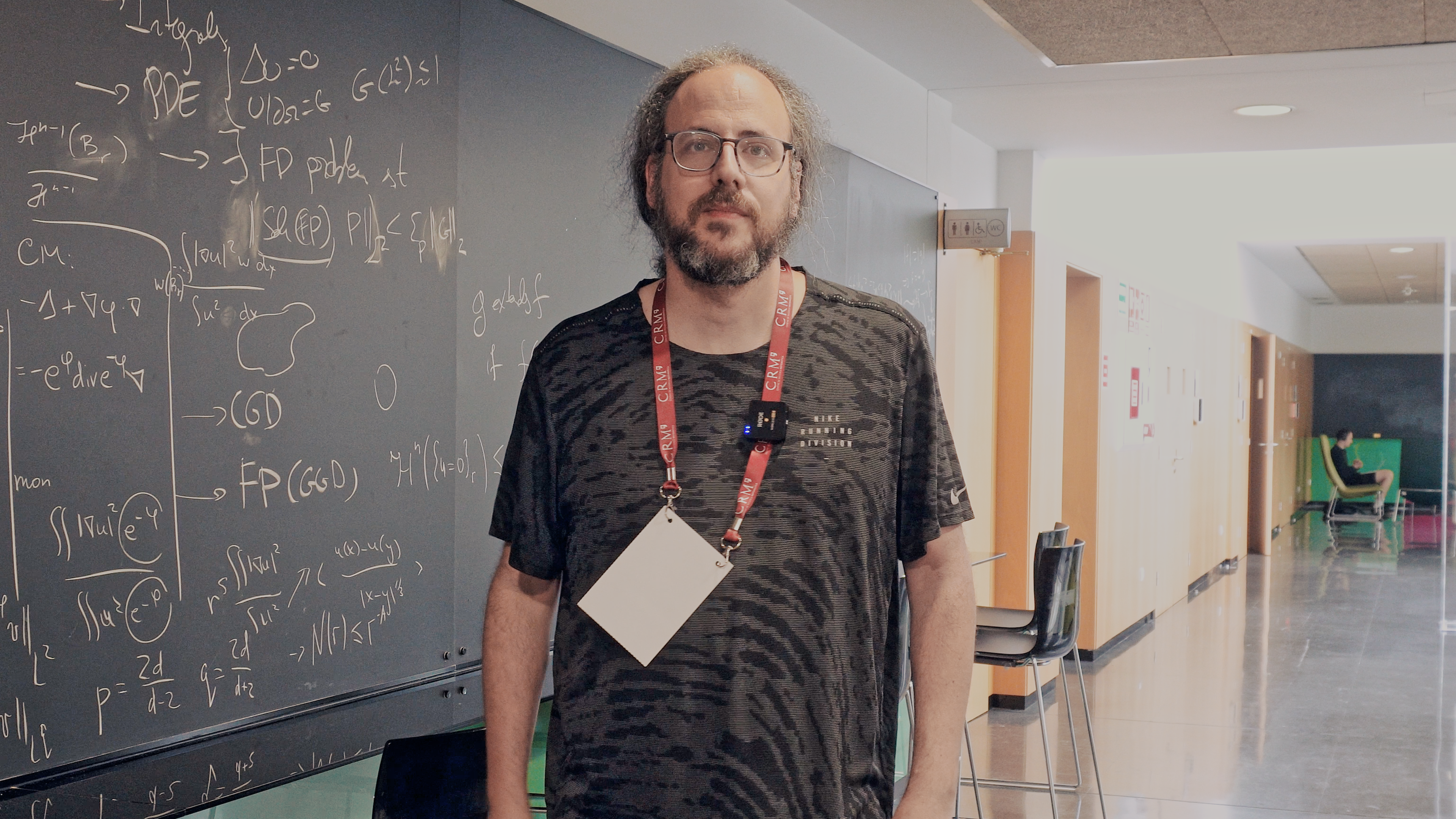
Niclas Rieger defends his PhD thesis on data-driven climate analysis and marine pollution

Niclas Rieger defended his PhD thesis at the Institut de Ciències del Mar, culminating a research journey focused on extracting insights from both massive climate datasets and scarce environmental observations. Developed within the European CAFE project, his work combined machine learning and statistical tools to accelerate climate data analysis and improve understanding of marine plastic pollution. 

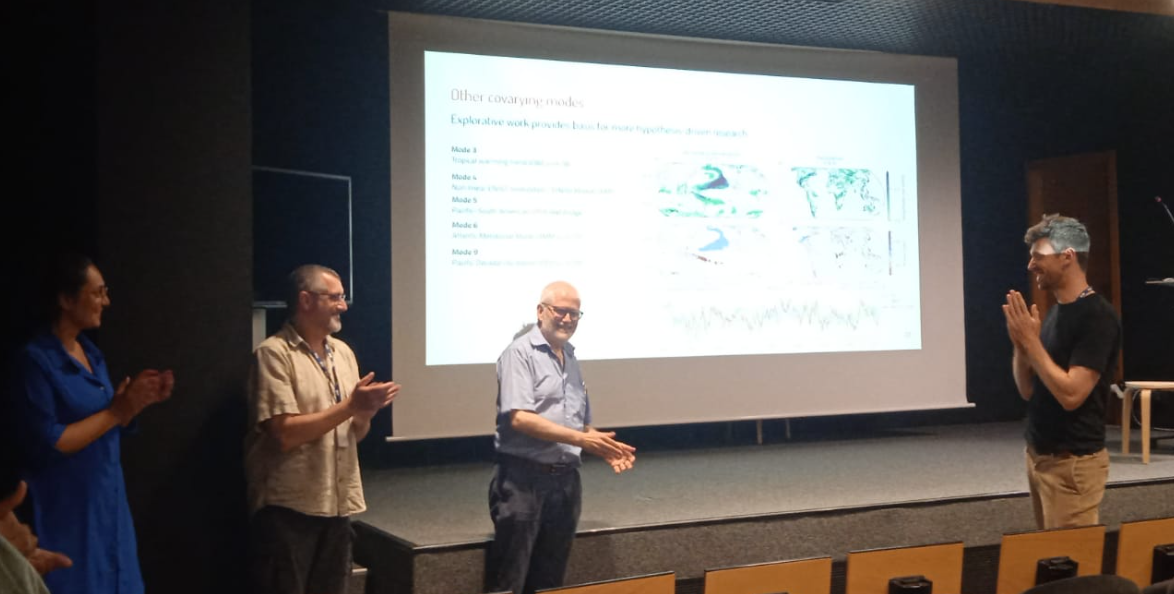
On June 10th, Niclas Rieger successfully defended his doctoral thesis Data-Driven Modelling in Dense and Scarce Data Regimes: Applications to Climate Data and Marine Plastic Pollution at the Institut de Ciències del Mar (ICM), marking the end of a PhD journey that has taken him across institutions, countries and disciplines in pursuit of a simple yet daunting question: how can we extract meaningful insights from data that is either overwhelming in volume or frustratingly incomplete?

The thesis was part of the European project CAFE (Climate Advanced Forecasting of sub-seasonal Extremes), an interdisciplinary training network coordinated by CRM and designed to improve the sub-seasonal predictability of extreme weather events. With climate extremes such as heatwaves, cold surges or tropical storms becoming increasingly disruptive, the CAFE project set out to equip a new generation of researchers with tools from climate science, statistical physics, complex networks and machine learning. Niclas was one of twelve early-stage researchers in the network and collaborated with teams across Europe, including the ICM, the Max Planck Institute for the Physics of Complex Systems, and the European Centre for Medium-Range Weather Forecasts (ECMWF).
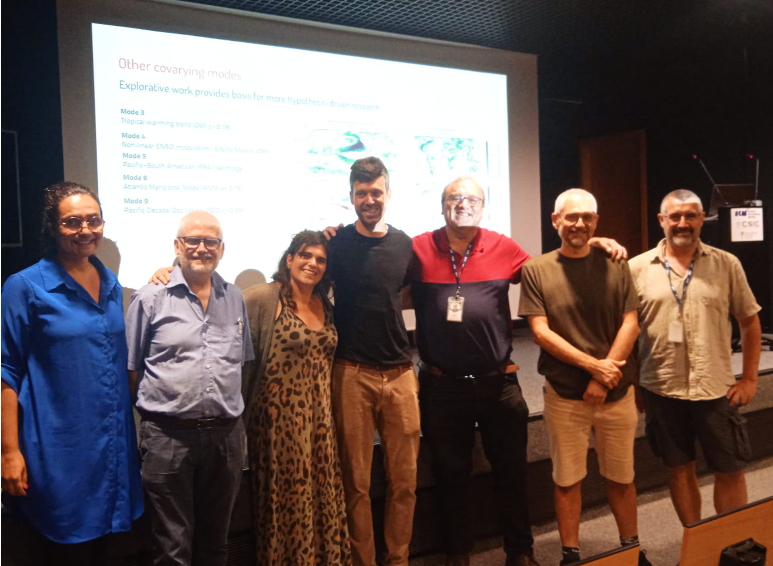
Throughout his thesis, carried out at CRM, Niclas tackled a dual challenge that’s becoming increasingly central to environmental science. On one end of the spectrum, massive climate datasets, spanning petabytes, must be processed efficiently to uncover subtle, large-scale patterns. On the other hand, issues like marine plastic pollution often suffer from a lack of data, with scattered, irregular measurements that make trend detection difficult. “I kept running into the same dilemma,” he explains. “Climate data was everywhere, but when I looked for measurements of beach litter, I found just a handful. I wanted to know how we can still reach sound conclusions in both situations.”

To address this, he developed two complementary lines of work. For data-rich scenarios, he created xeofs, an open-source Python library that allows researchers to process climate datasets roughly ten times faster than before, revealing teleconnection patterns and subtle links between weather phenomena in distant regions of the globe. For data-poor contexts, such as beach litter surveys, he turned to Bayesian modelling to build predictive maps of seasonal pollution hotspots in the North-East Atlantic, complete with uncertainty bands that highlight where monitoring needs to improve.

“Whether you’re drowning in data or struggling to find any, the right mathematical tools can still help you extract insights that matter”.

His time in the CAFE network also gave him a broader view of scientific collaboration. “It felt like a tour of Europe’s climate science kitchens. Every institute had its own recipes, data techniques, ways of framing problems, and even cultural habits. That variety really sharpened my skills, but also showed me that meaningful progress tends to come from complementary teams rather than solo efforts.”

That collaborative spirit paid off in unexpected ways. After releasing his climate analysis code as open source, a data scientist from a weather-forecasting company reached out, proposing a new feature. What began as a casual pull request turned into a fruitful co-development that improved the tool for both academic research and operational use.

Looking back, Niclas reflects that the most important lesson from his PhD was “stay curious, but protect your focus.” With so many shiny methods and new ideas on offer, it’s easy to get lost. “The key is to balance exploration with disciplined follow-through. That’s how you turn a sea of possibilities into results you can stand behind.”

The thesis was co-supervised by Álvaro Corral (UAB-CRM), Estrella Olmedo and Antonio Turiel (ICM), and is part of the doctoral program in Physics at the Universitat Autònoma de Barcelona. With this milestone, Niclas joins a new generation of interdisciplinary researchers prepared to confront the complex environmental challenges of our time, not just with more data, but with smarter ways to read it.

 

Subscribe for more CRM News

Stay updated to our mailing list to get the lastest information about CRM activities.

CRM Comm

Pau Varela

CRMComm@crm.cat


JISD 2025 – Where Dynamical Systems Meet PDEs

JISD 2025 – Where Dynamical Systems Meet PDEs

JISD 2025, held at the Centre de Recerca Matemàtica (CRM) from June 30 to July 4, 2025, featured four advanced minicourses delivered by Dmitry Dolgopyat (on averaging and Fermi acceleration in dynamical systems), Serena Dipierro (on the theory of nonlocal minimal…

Hong Wang: On Solving Kakeya and Rethinking Restriction

Hong Wang: On Solving Kakeya and Rethinking Restriction

At the Modern Trends in Fourier Analysis conference held at the Centre de Recerca Matemàtica, mathematician Hong Wang (NYU Courant) presented a new approach to the Stein restriction conjecture, connecting it with geometric incidence problems…

The post Niclas Rieger defends his PhD thesis on data-driven climate analysis and marine pollution first appeared on Centre de Recerca Matemàtica.

Go to Source

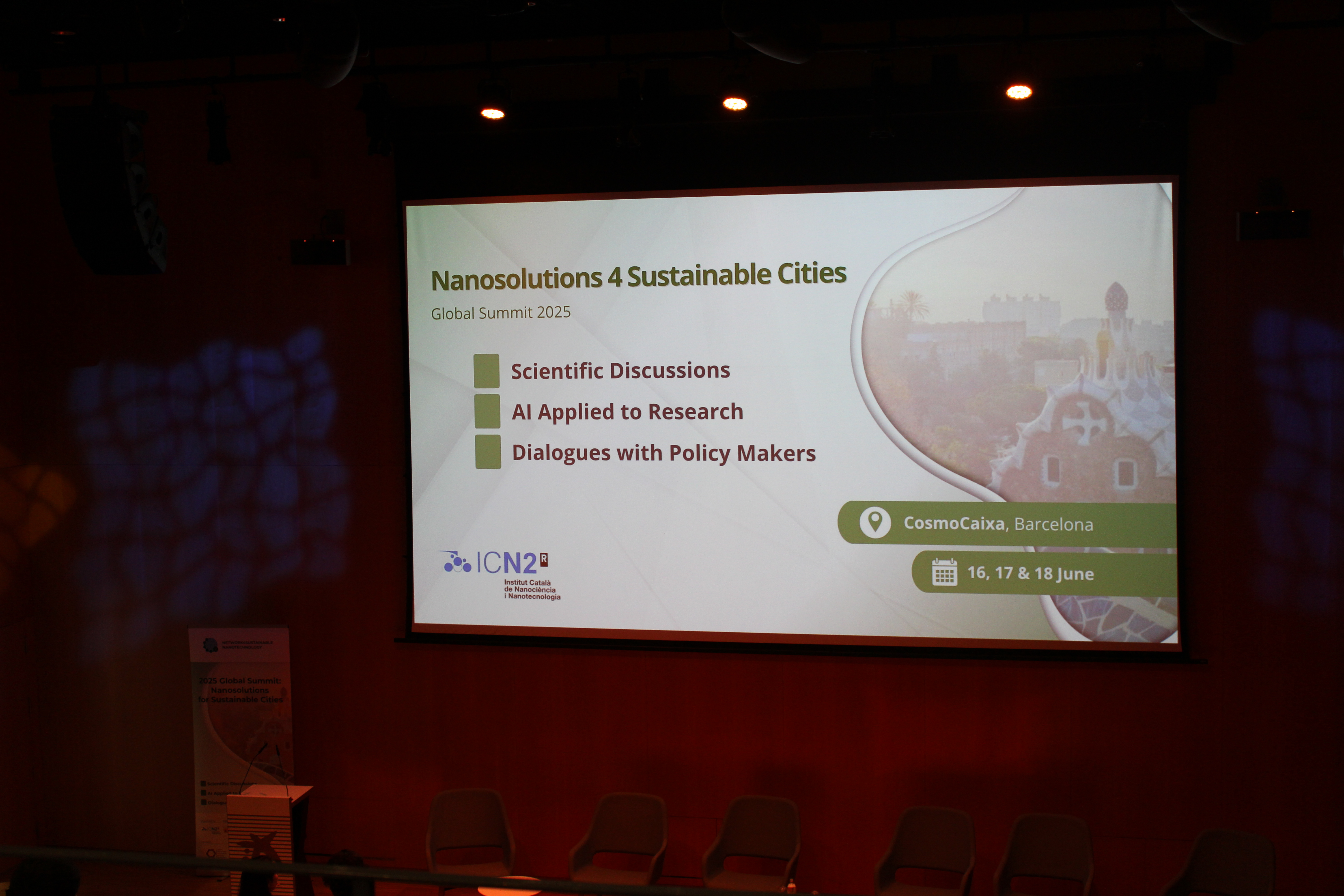
The N4SNano Global Summit 2025 Highlights the Key Role of Nanotechnology in Building More Sustainable and Efficient Cities

The event, held in Barcelona and organised by ICN2, brought together leading international experts in nanotechnology and sustainability. It provided an exceptional opportunity for debate and knowledge exchange.

Go to Source

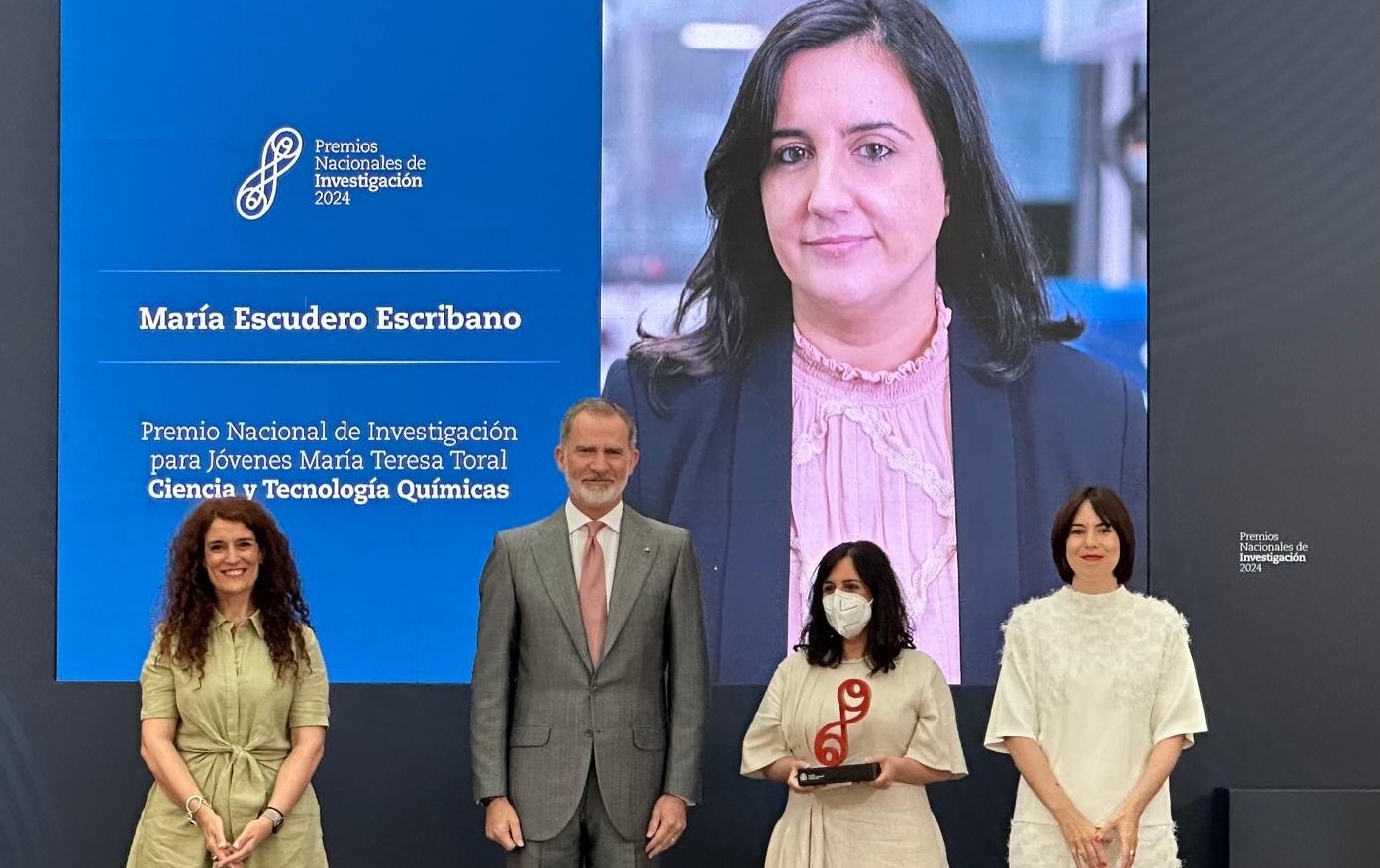
Prof. María Escudero Honoured at the Spanish National Research Awards Ceremony

During the official event presided over by King Felipe VI, the ICN2 Group Leader received the “María Teresa Toral” Award for Young Researchers, in recognition of her outstanding career in chemical science and technology.

Go to Source

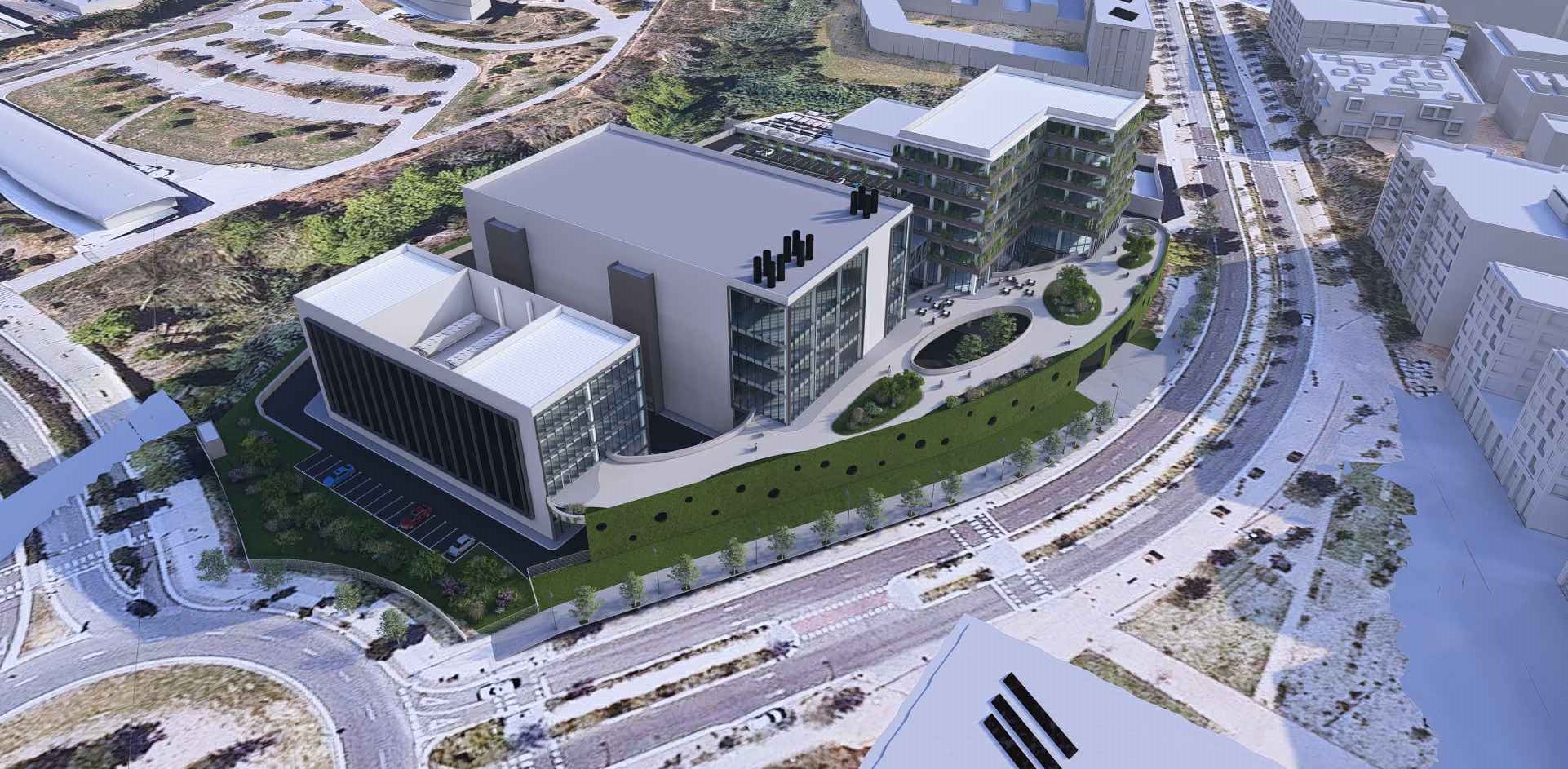
The Catalan Government, in Collaboration with ICN2, Launches the InnoFAB Foundation to Establish a State-of-the-art Semiconductor Technology Centre

The new organisation will count on ICN2 as a key partner, contributing its expertise in cutting-edge research and innovation to the development of the project.

Go to Source

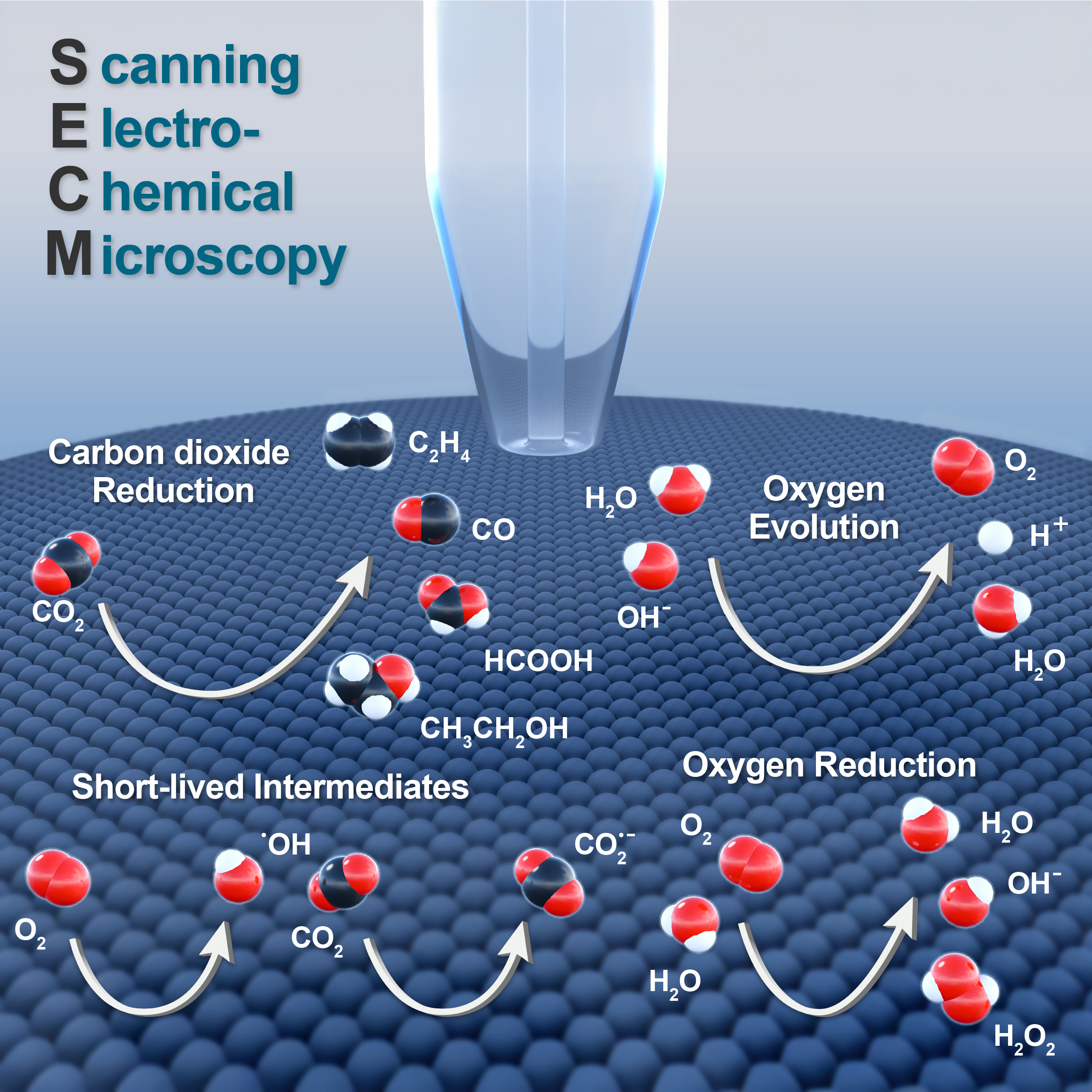
Mapping Electrocatalytic Reactions: A Key Step in the Energy Transition

ICN2 researchers explore the potential applications of scanning electrochemical microscopy (SECM) for the real-time monitoring of electrocatalytic conversion reactions, making it a powerful tool for understanding and designing more efficient energy technologies.

Go to Source

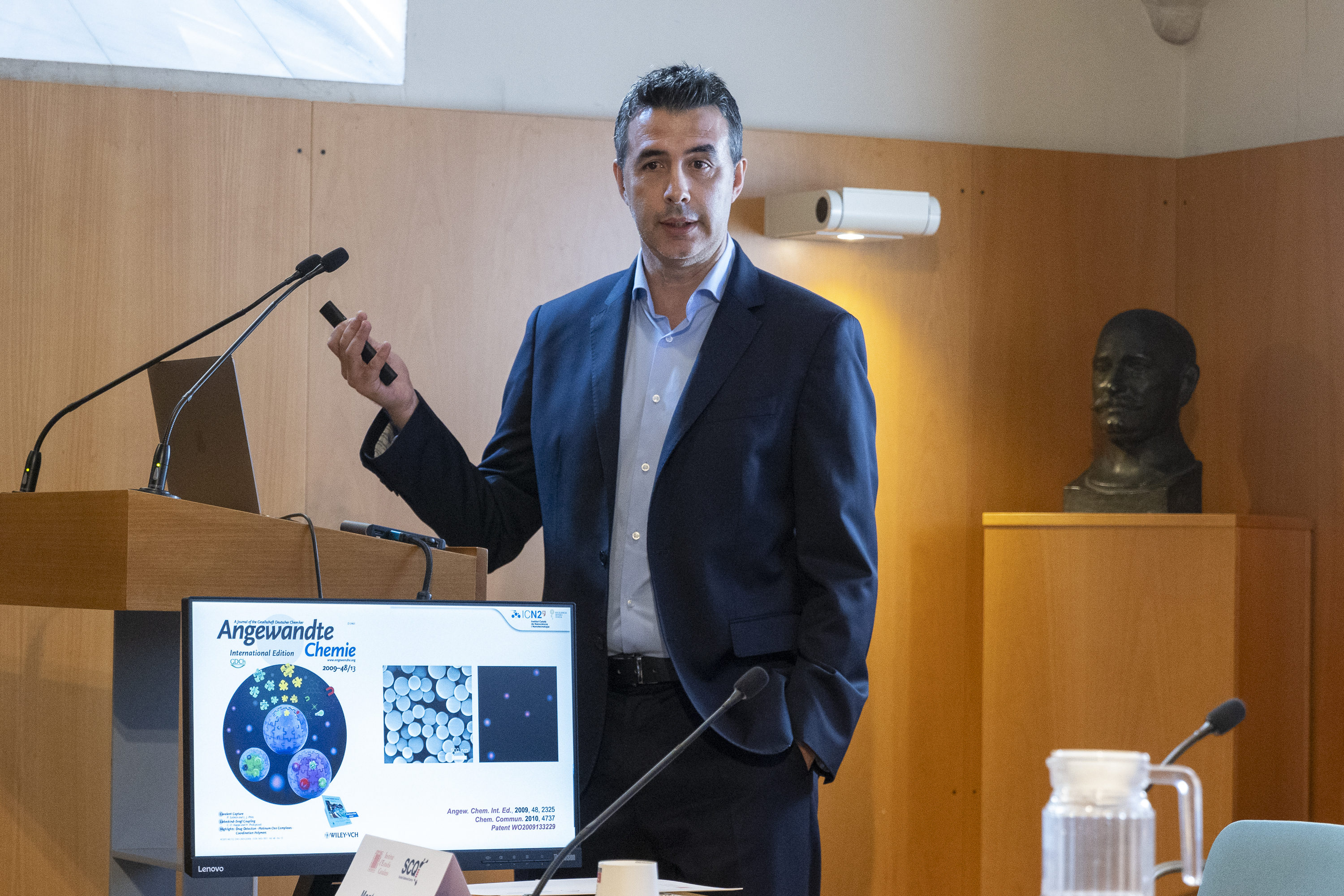
The Catalan Society of Chemistry Recognises Prof. Daniel Maspoch’s Research Career

At the 2025 awards ceremony, the ICN2 Group Leader received the Scientific Excellence prize for his outstanding achievements in chemistry.

Go to Source

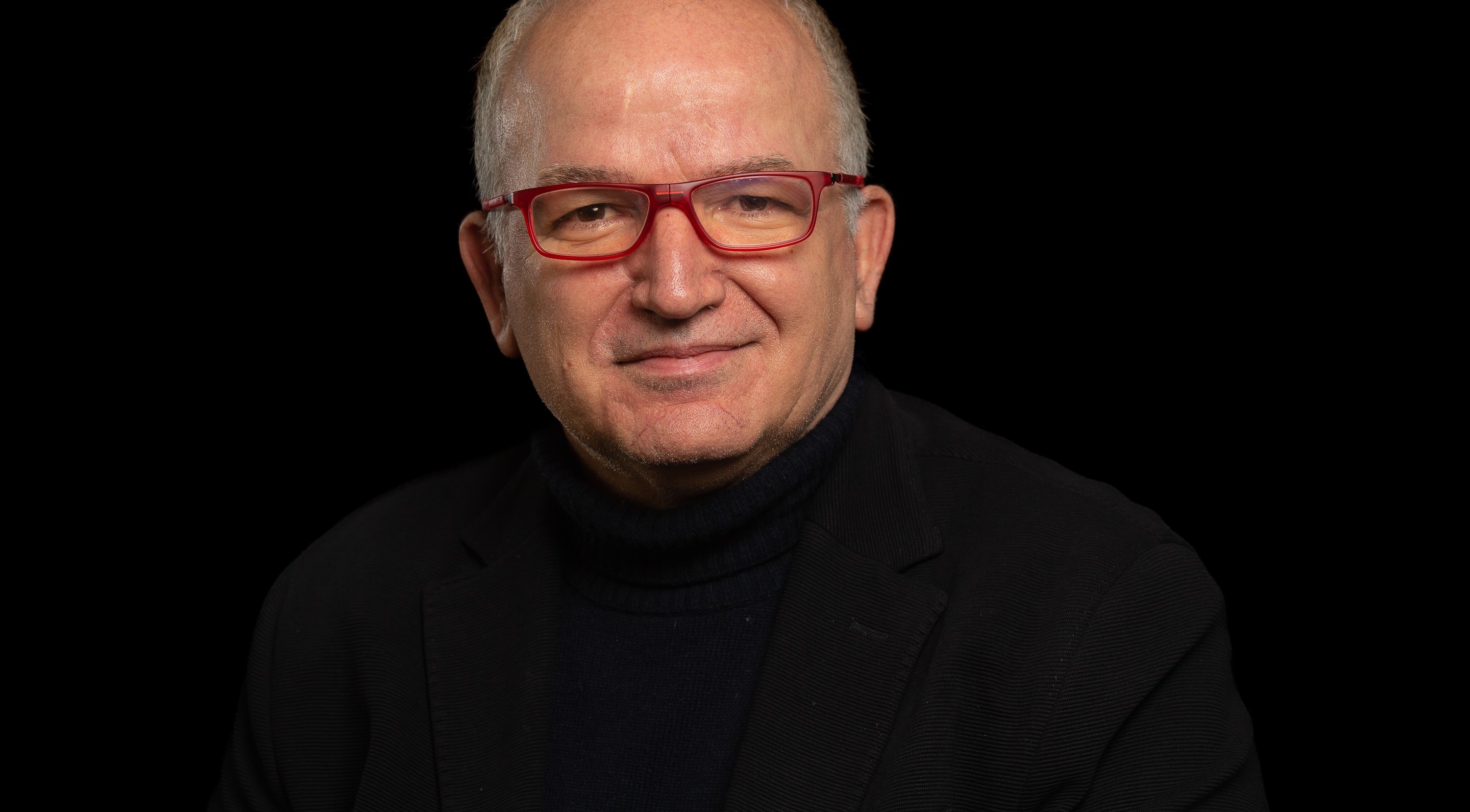
Prof. Arben Merkoçi Joins the Institut d’Estudis Catalans (IEC)

The ICN2 Group Leader becomes a member of the Science and Technology Section of this leading institution, committed to standardising, protecting and promoting the Catalan language and culture.

Go to Source

Sidebar