Author Archive

The D-Carbonize doctoral candidates present their ongoing research at the Industry Workshop in Heidelberg

From 27 to 29 May 2026, the D-Carbonize consortium gathered at Heidelberg University (Germany) for an Industry Workshop. The three-day event brought together all doctoral candidates (DCs), consortium partners and supervisors and were offered scientific presentations, training sessions and discussions focusing on industrial angles regarding sustainable carbon cycles, CO₂ valorization and circular chemistry.

The workshop opened on Wednesday with welcoming remarks from Stephen Hashmi (Heidelberg University) and the scientific coordinator Arjan Kleij (ICIQ), who highlighted the importance of interdisciplinary collaboration within the D-Carbonize network.

The first day was dedicated to presentations from the doctoral candidates, providing an opportunity to share recent research advances among all participants and receive feedback from all supervisors regarding the progress of their projects. A board meeting held at the end of the first day enabled the project partners to review the progress and discuss upcoming activities and actions.

The second and third day focused on training sessions designed to complement the scientific expertise of all DCs and strengthen their professional development. Participants engaged in dedicated sessions aiming at expansion of their technical knowledge and fostering interdisciplinary skills, while also continuing scientific discussions in a collaborative environment.

Among the invited speakers were Dr. Coralie Jehanno (Polykey Polymers), who discussed the transfer of sustainable technologies from the laboratory to the market; Prof. Dr. Sabine Chourbaji (Heidelberg University), who addressed the use of animal experiments in the testing of new chemicals, and the social acceptance aspects related to these activities; Dr. Andrea Ruiu (DOW), who presented recycling programs to turn waste into value; Dr. Christian Krueger (BASF) who shared perspectives on Life Cycle Assessment, and finally Dr. Jean-Pierre Lindner (BASF) discussed the opportunities and challenges associated with the use of renewable resources.

The D-Carbonize Industry Workshop once again demonstrated the project’s commitment to combine advanced research with interdisciplinary training, supporting the development of the next generation of researchers working toward sustainable chemistry, circular carbon technologies and lower-emission materials systems.


This project has received funding from the European Union (Marie Sklodowska-Curie Grant Agreement No 101073223)

La entrada The D-Carbonize doctoral candidates present their ongoing research at the Industry Workshop in Heidelberg se publicó primero en ICIQ.

Go to Source

Stellar Autopsies: Shredded Evidence from Galactic Centres

Image
Stellar Autopsies: Shredded Evidence from Galactic Centres
Seminar

Stellar Autopsies: Shredded Evidence from Galactic Centres

Date
Place
Pere Pascual V5.07 Room

Abstract: When a star wanders too close to a supermassive black hole (SMBH) lurking in a galaxy’s nucleus, it meets an unfortunate end: shredded apart by the black hole’s gravitational field, its remains fuel a luminous, panchromatic transient flare — a tidal disruption event (TDE). By their very nature, TDEs are a unique tool for probing SMBHs and their existence was predicted by theorists since the 80s. The first candidates were discovered in the X-ray regime in the late 90s and only at 2006 the detections of potential candidates in the optical and UV began. Since then, thanks to the rapid development of dedicated large surveys for time-domain astronomy, the number of detected candidates has surpassed 100. However, even though TDEs are now routinely discovered by surveys, the physics underlying the emission mechanism that powers them has remained elusive.
 
Spectroscopically, the first optical spectrum of a TDE was obtained in 2007; it displayed broad emission features around Hα, Hβ and He II λ4686 and, to-date, these remain  the most characteristic spectral features for a nuclear transient to be classified as a TDE. Nevertheless, since then we have come to understand that the spectral properties of optical/UV TDEs show a large diversity, potential evolution with time and, occasionally, unique features that are puzzling and challenging to understand.
 
In this talk, I will attempt to give a concise review of TDEs and their spectral properties in the optical/UV, and discuss potential links between those properties and the geometrical structures, as well as their (still) elusive emission mechanism.

Go to Source

Medipix meeting in Barcelona

IFAE hosted the Medipix Collaboration Meeting in Barcelona, bringing together over 50 international participants for scientific discussions and visits to IFAE laboratories, IMB-CNM, and ALBA Synchrotron.

Go to Source

ARRAKIHS, the first ESA Science Programme mission led by Spain, enters its development phase ahead of its 2030 launch

ARRAKIHS has entered its development phase ahead of its planned launch in 2030 and will explore the low surface brightness Universe to study galaxy formation and dark matter. IFAE contributes to the mission by leading the characterization and calibration of its infrared detectors.

Go to Source

El CIMCYC celebra sus VIII Jornadas de Investigación para conectar la ciencia con agentes sociales

viii jornadas CIMCYC sociedad
El Centro de Investigación Mente, Cerebro y Comportamiento (CIMCYC) de la Universidad de Granada celebrará los próximos 11 y 12 de junio sus VIII Jornadas de Investigación, bajo el lema “Ciencia al servicio de la sociedad”.
Seguir leyendo

Go to Source

A touch of chemistry, a spark of madness: Bojos per la Química concludes another successful edition

The 2026 edition of Bojos per la Química, jointly organised by ICIQ and Fundació Catalunya La Pedrera, has come to an end after six months of activities designed to bring high school students closer to chemistry and scientific research.

Throughout the programme, students coming from different parts of Catalonia attended regular sessions at ICIQ, where they explored different areas of chemistry through laboratory activities, hands-on experiments and discussions with researchers. These experiences allowed them to discover how research is carried out, interact with scientists at different stages of their careers and gain first-hand insight into the many opportunities that chemistry can offer.

This year’s programme concluded with two special closing events that celebrated not only what students had learned, but also the community built throughout the experience.

The first took place at ICIQ, where students welcomed their families to the institute and became science communicators for a day. Through a series of experiments prepared and explained by the participants themselves, parents and relatives had the opportunity to experience first-hand some of the activities and concepts explored during the programme. The event offered a unique opportunity for students to share their enthusiasm for chemistry while demonstrating the knowledge, confidence and communication skills they had developed over the past months.

“The family closing event is always one of the highlights of the programme,” says Joan Guillem Mayans, coordinator of Bojos per la Química at ICIQ. “It is a chance for students to step into the role of communicators and share what they have learned with the people who have supported them throughout the experience. Seeing them explain experiments with confidence and enthusiasm is one of the clearest signs of how much they have grown during these months.”

A second closing event was held at Món Sant Benet, bringing together participants from all the Bojos per la Ciència programmes organised by Fundació Catalunya La Pedrera. The gathering allowed students from different scientific disciplines to present their projects, exchange experiences and discover the work carried out by their peers. For many participants, it was an inspiring opportunity to learn from students working in other fields and to gain a broader perspective on the diversity of scientific disciplines and careers.

Beyond the knowledge acquired during the sessions, Bojos per la Química also helps create lasting connections between students and the scientific community. Over the years, several former participants have maintained their relationship with ICIQ, returning to the institute for internships, master’s studies or doctoral research. Many continue to share their experiences with younger students, becoming ambassadors of the programme and encouraging future generations to explore careers in science.

“For many participants, Bojos per la Química is their first opportunity to step inside a research institute and discover what science looks like beyond the classroom,” says Laura Hernández, Head of Communication and Outreach at ICIQ. “Years later, some of them come back as students, researchers or collaborators. Seeing that progression reminds us that the impact of the programme goes far beyond the six months we spend together. In some cases, it is the beginning of a much longer journey with chemistry and with ICIQ.”

For many students, Bojos per la Química ends in June. For some, however, it marks the beginning of a much longer journey with chemistry and with ICIQ.


La entrada A touch of chemistry, a spark of madness: Bojos per la Química concludes another successful edition se publicó primero en ICIQ.

Go to Source

Hypatia 2026: Modelling Life, Sharing Ideas

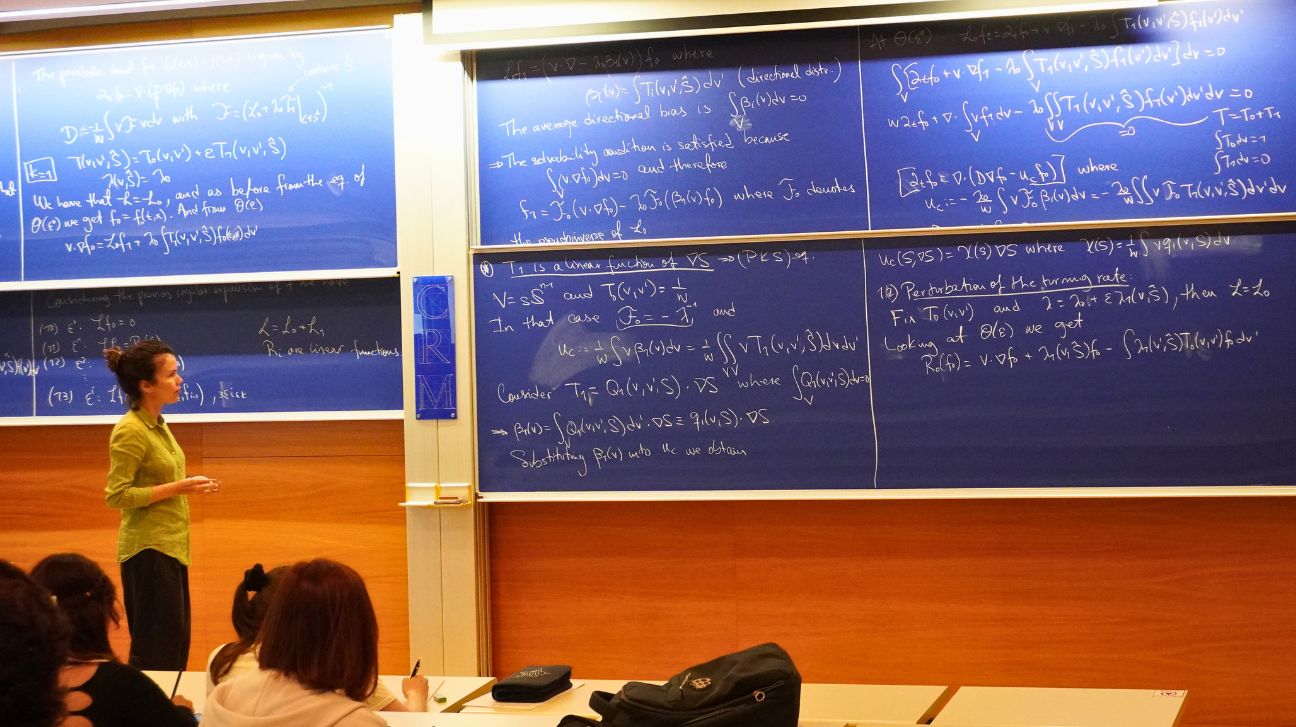
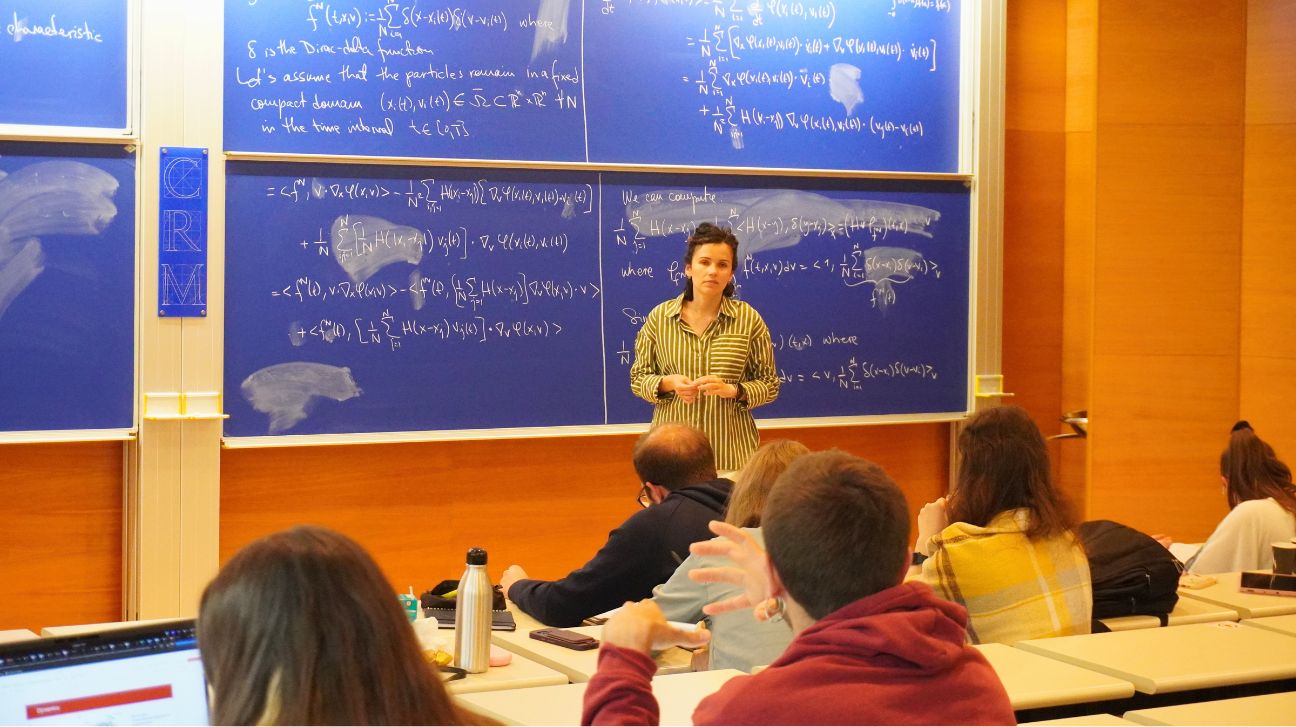
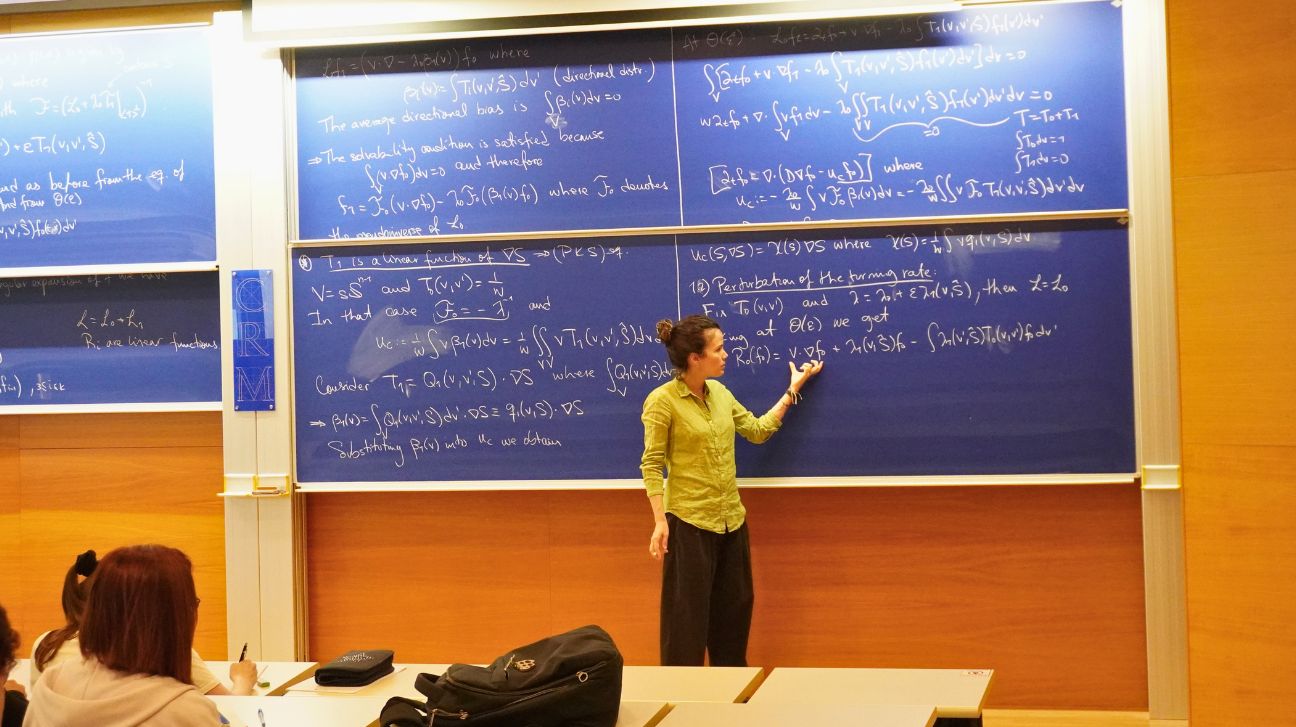
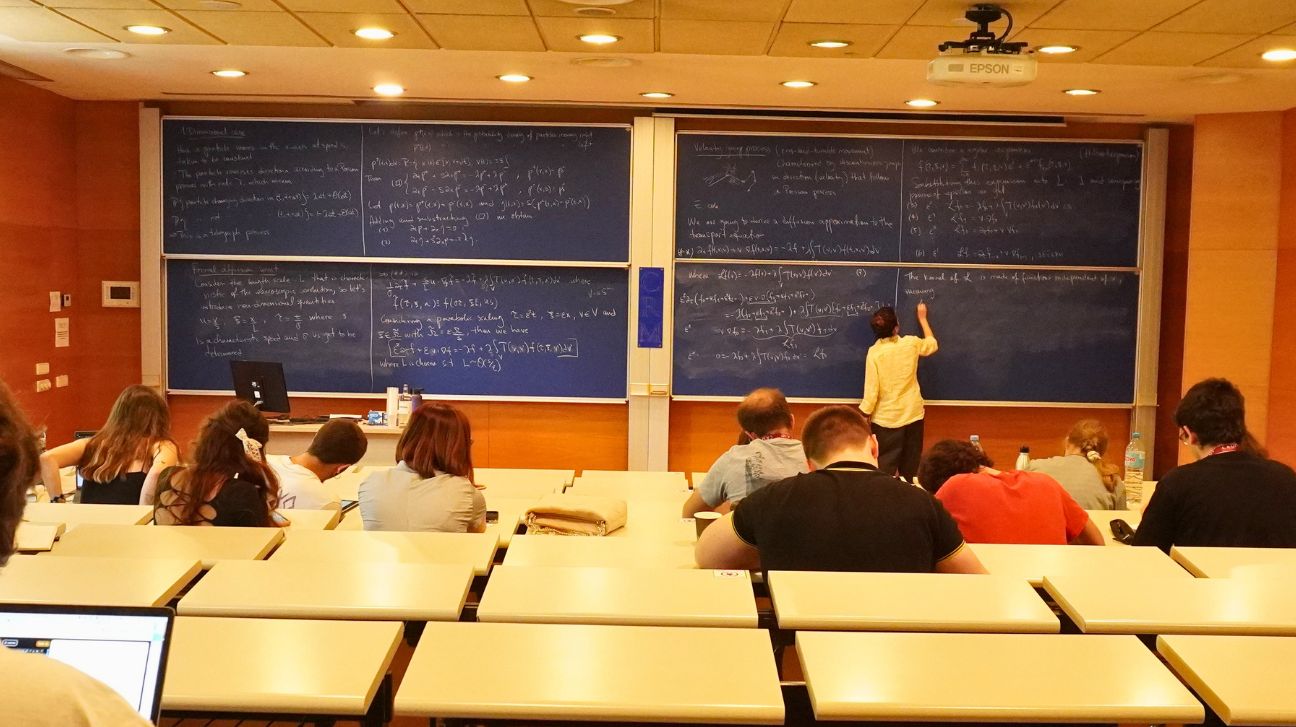
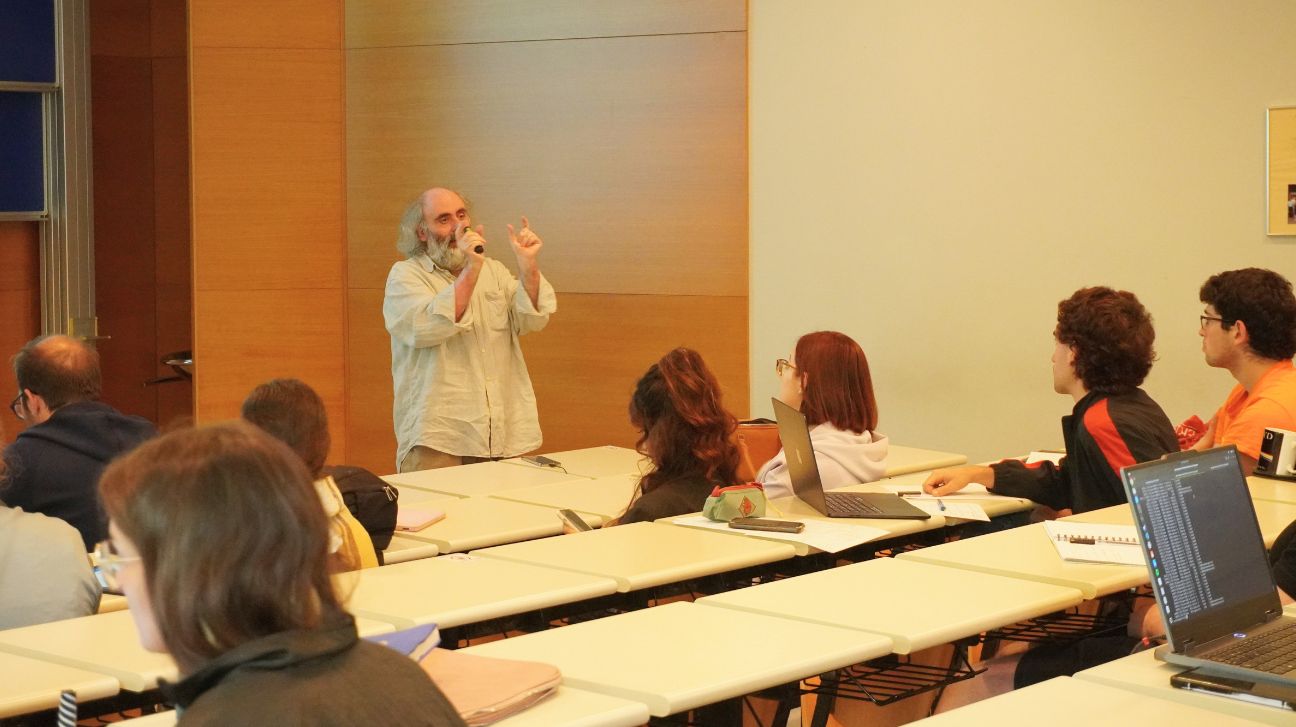
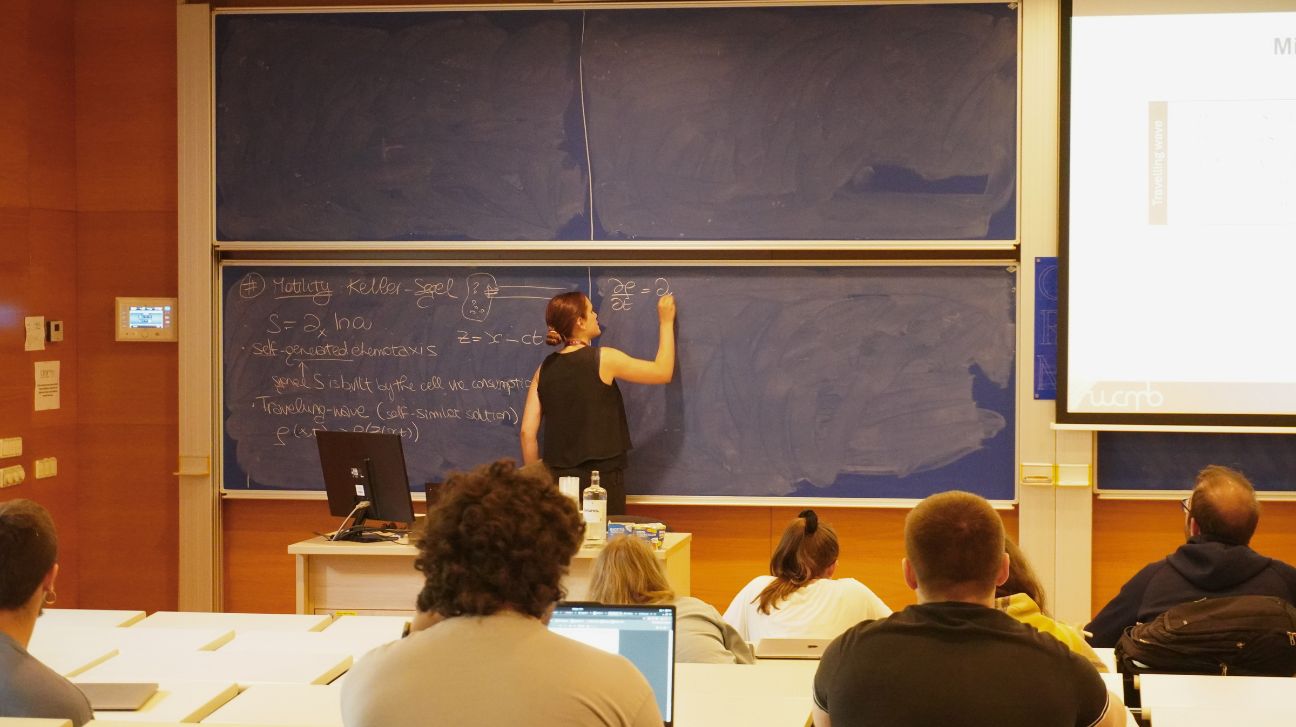
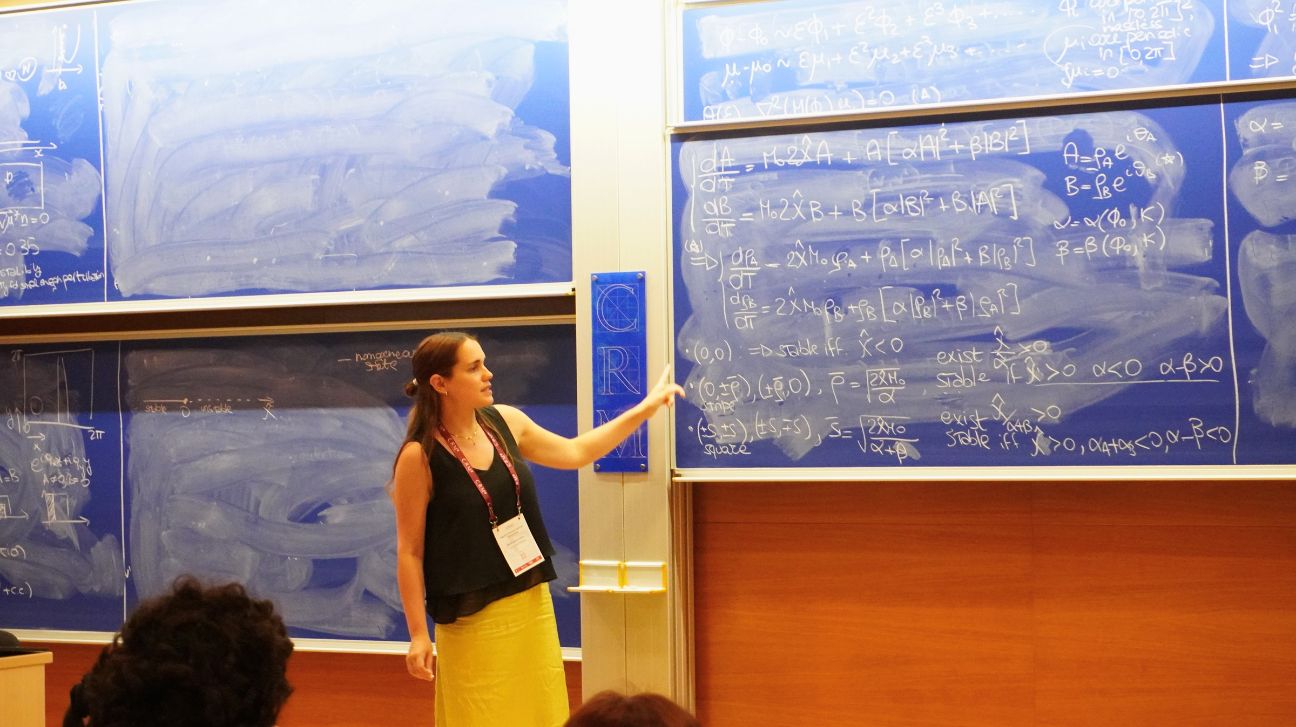
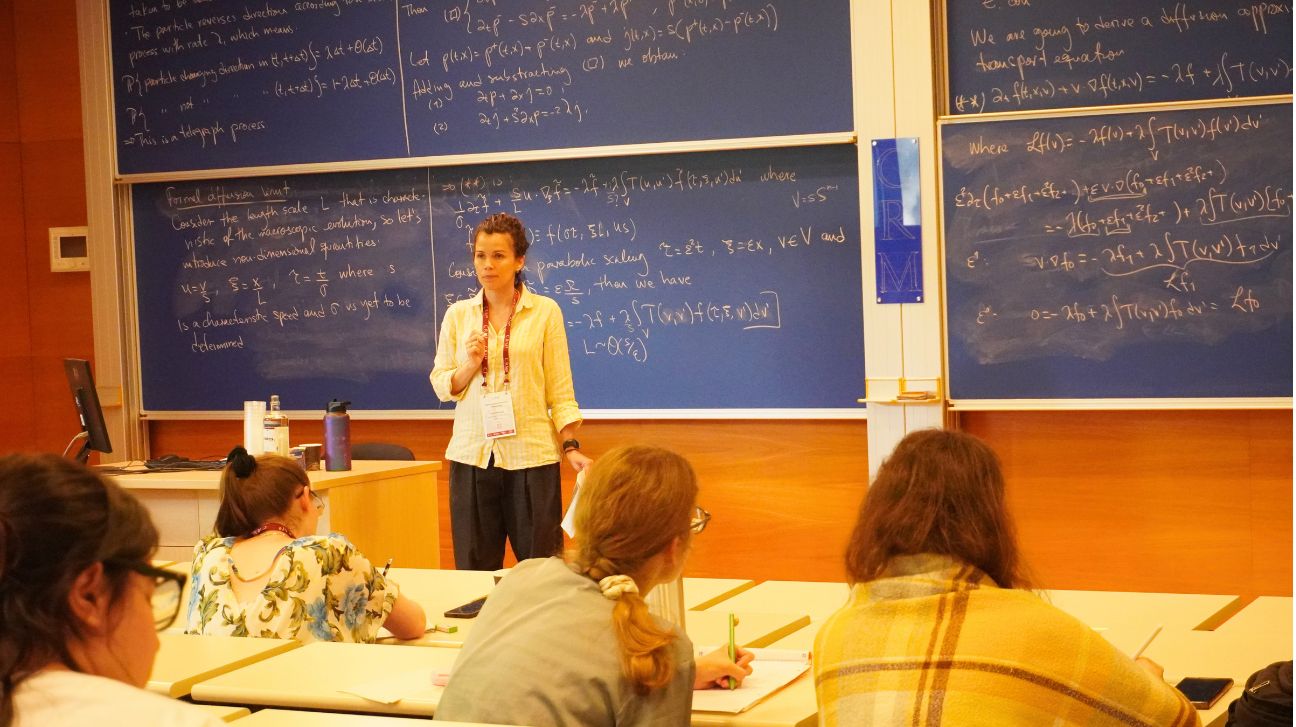
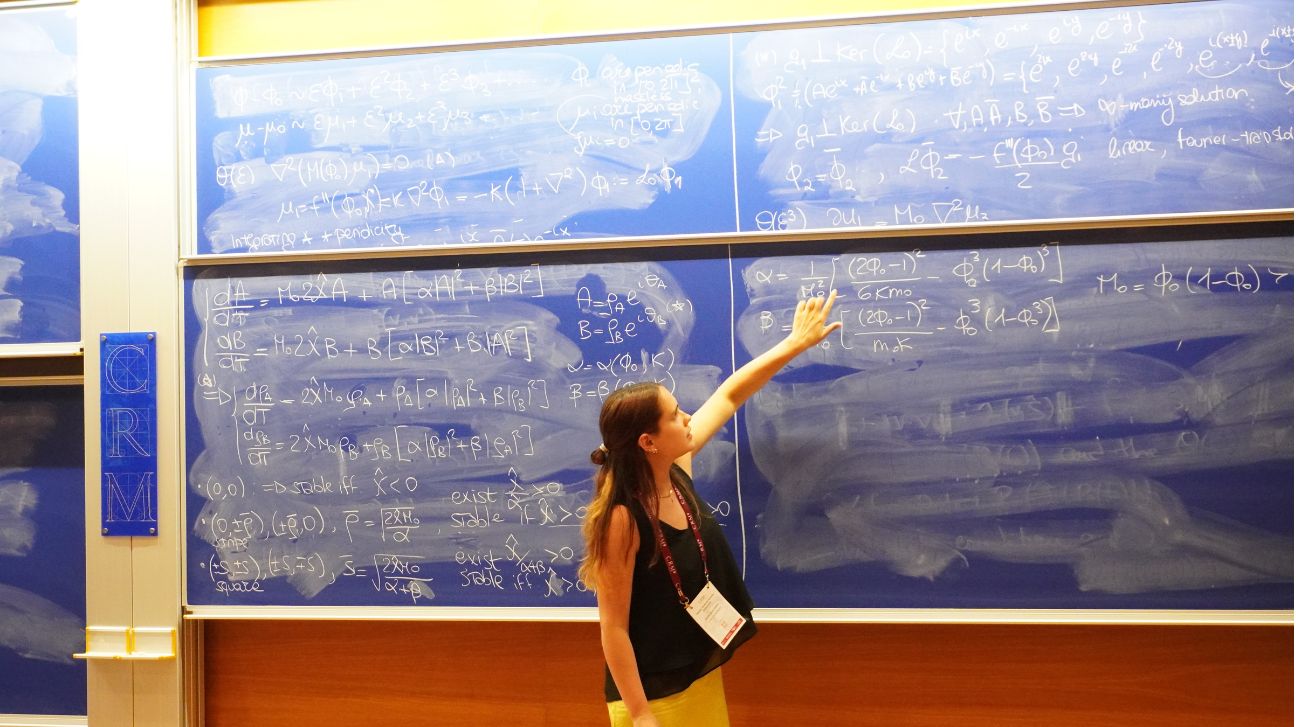
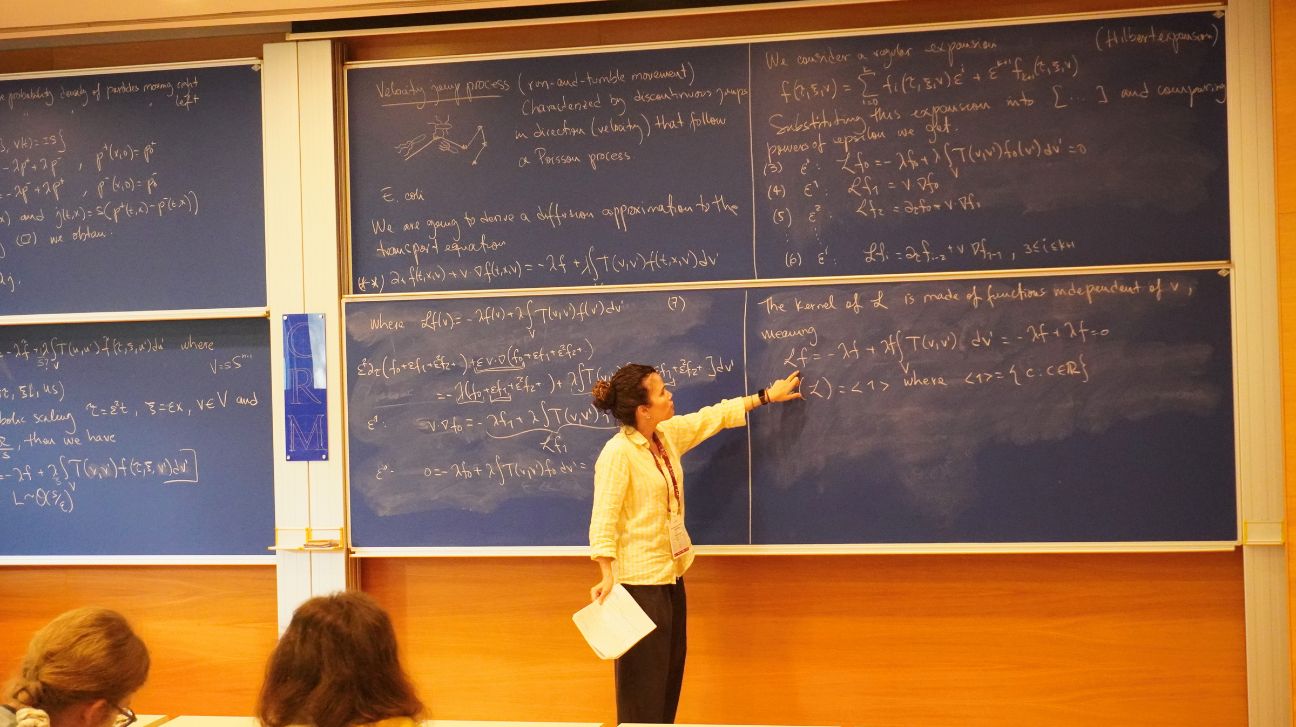
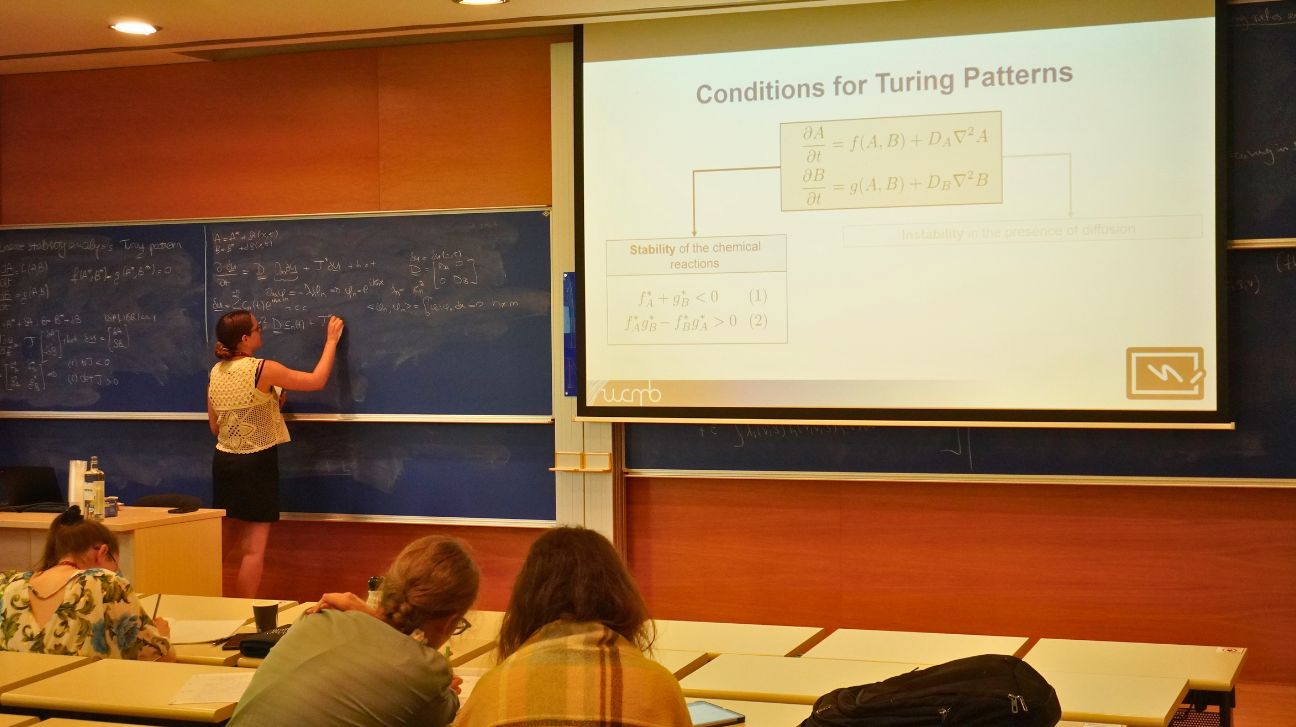
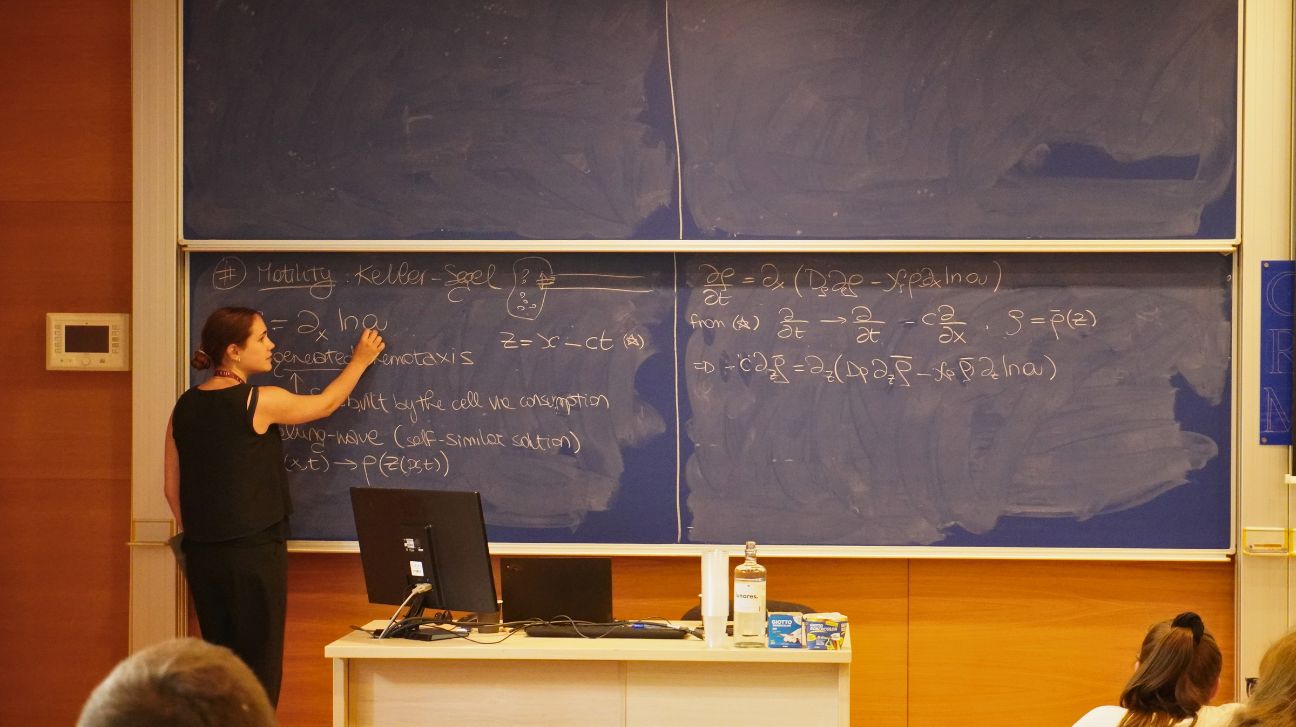
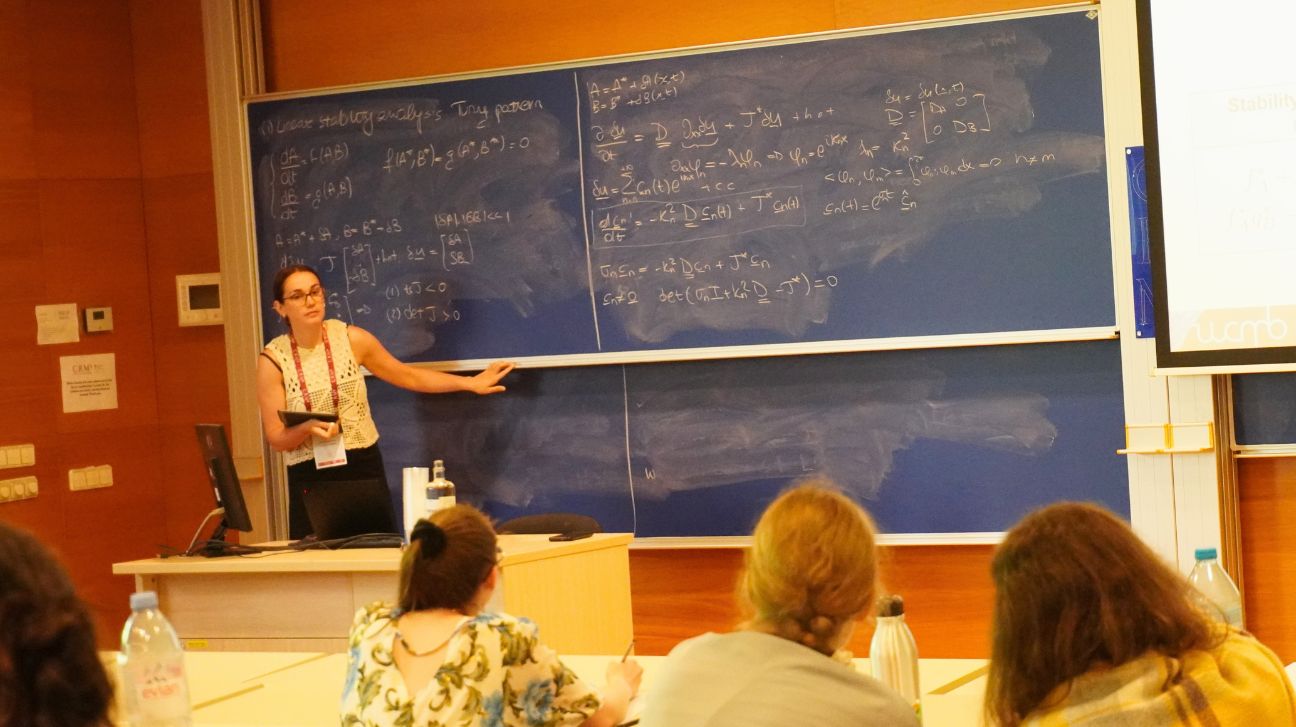
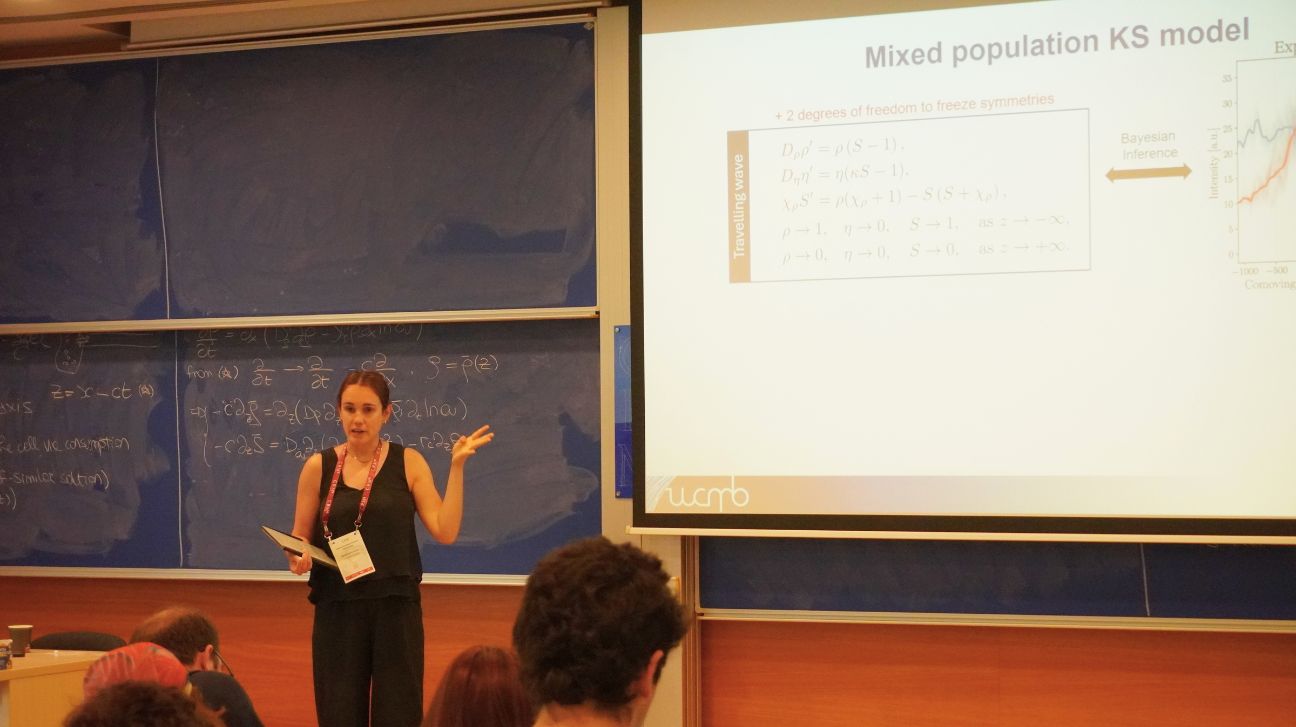
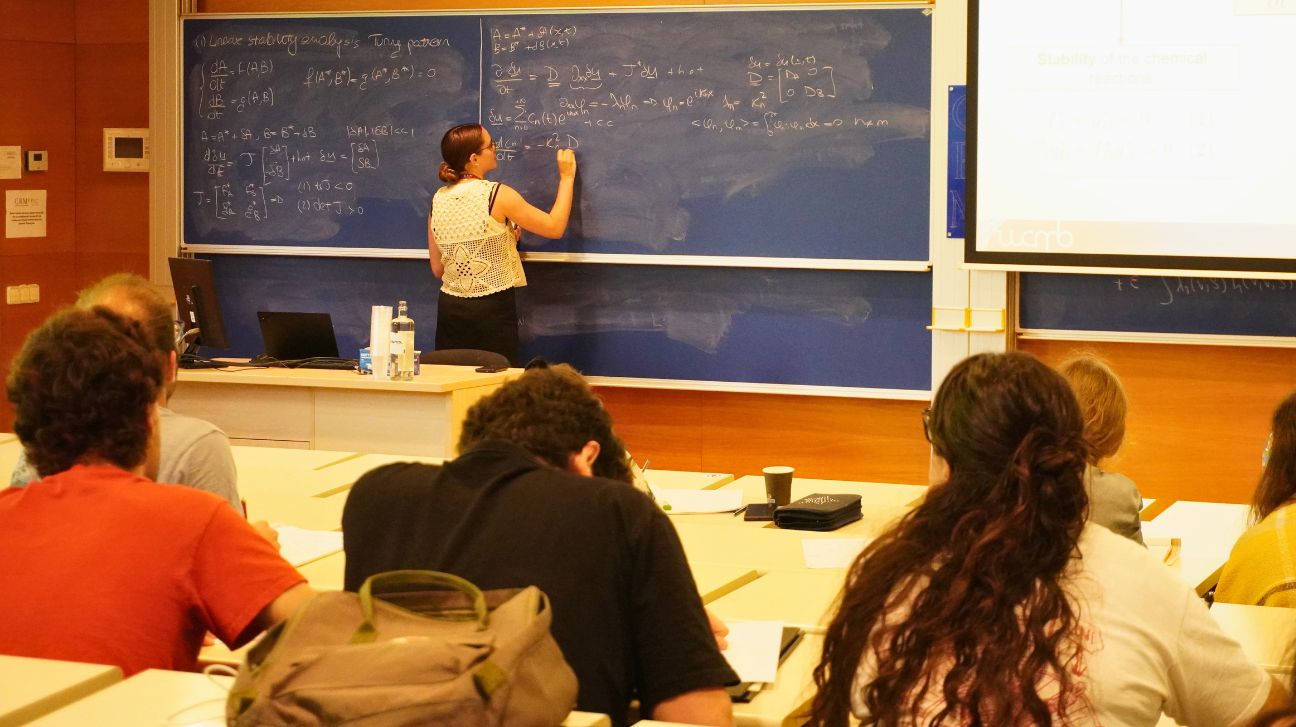
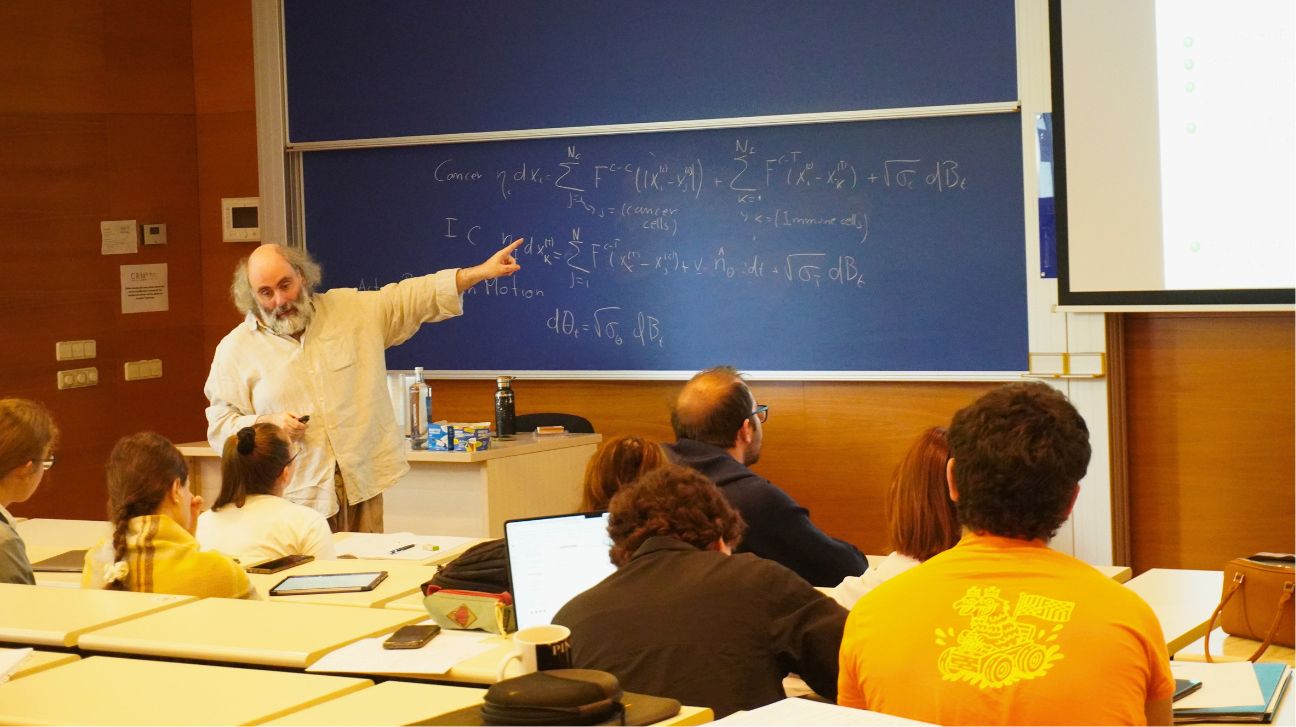
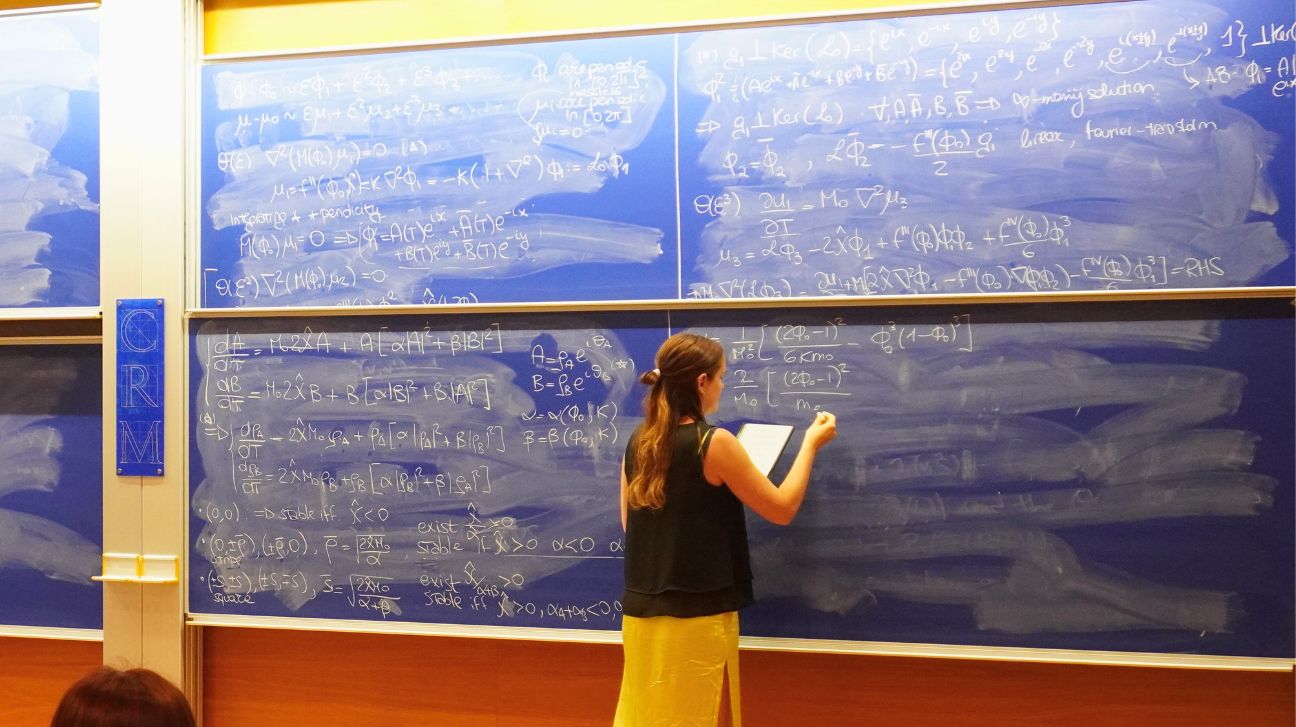
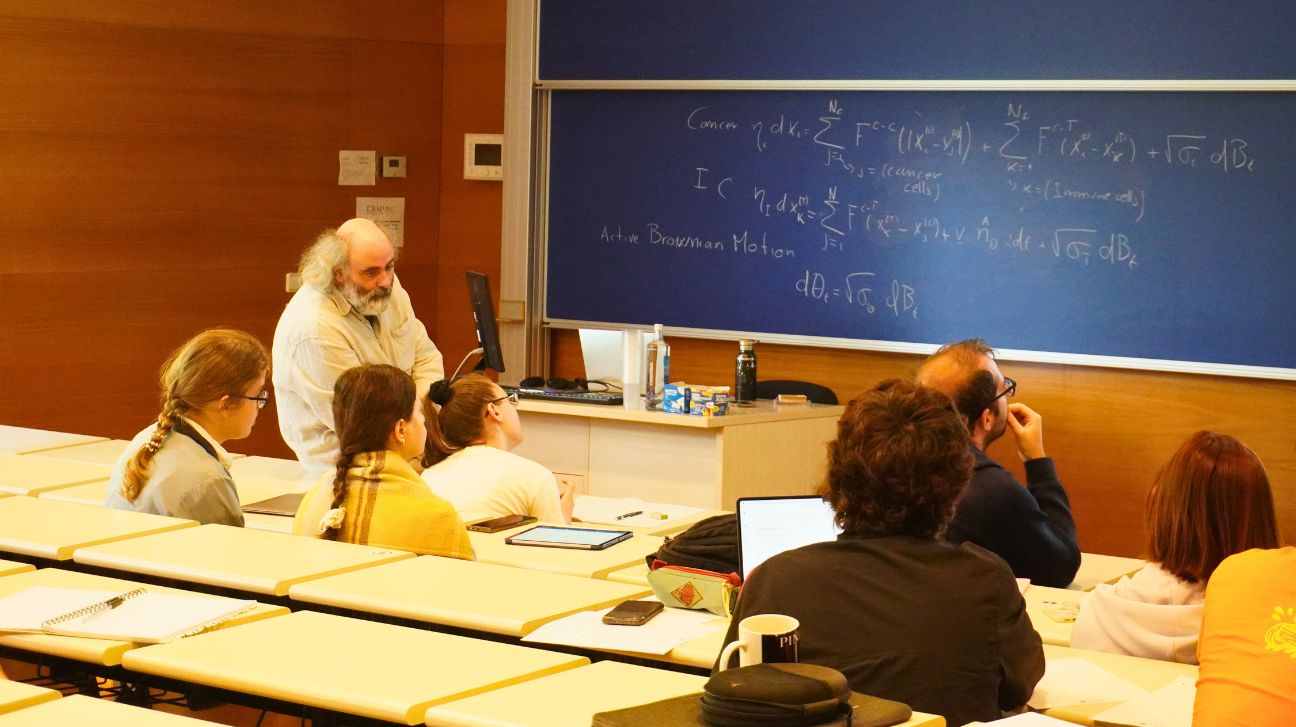
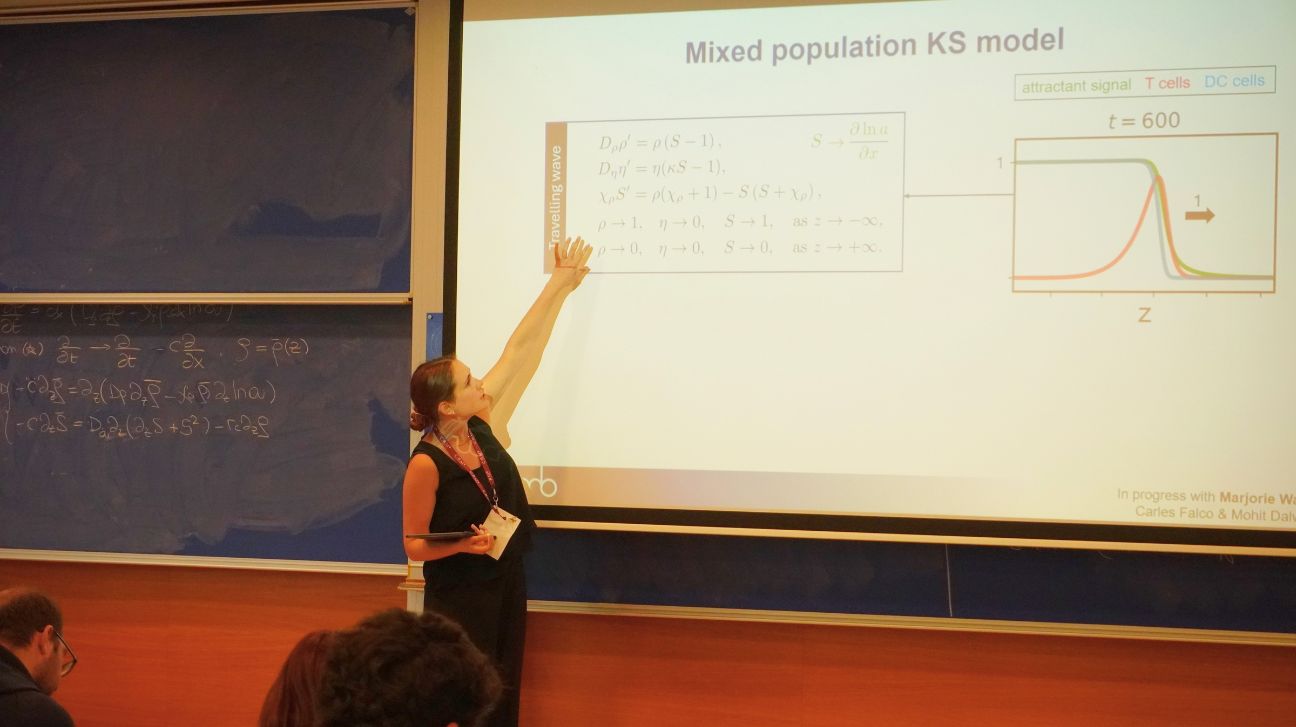
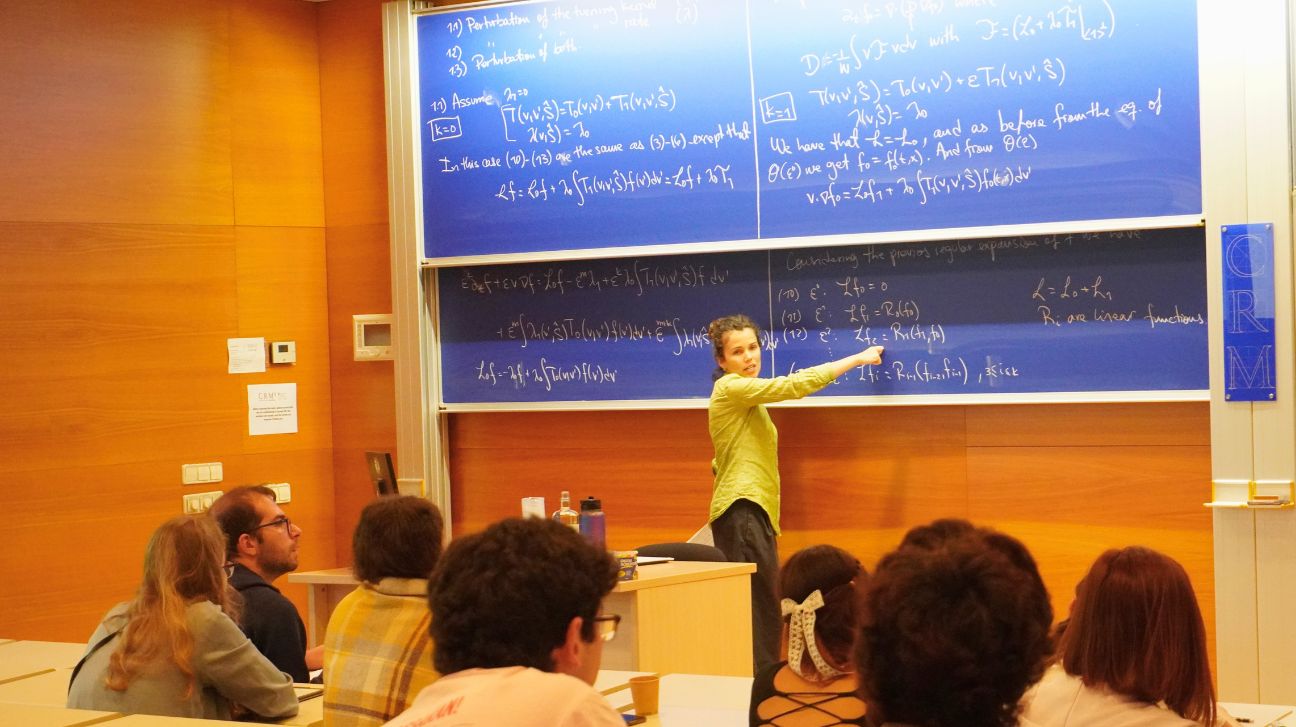
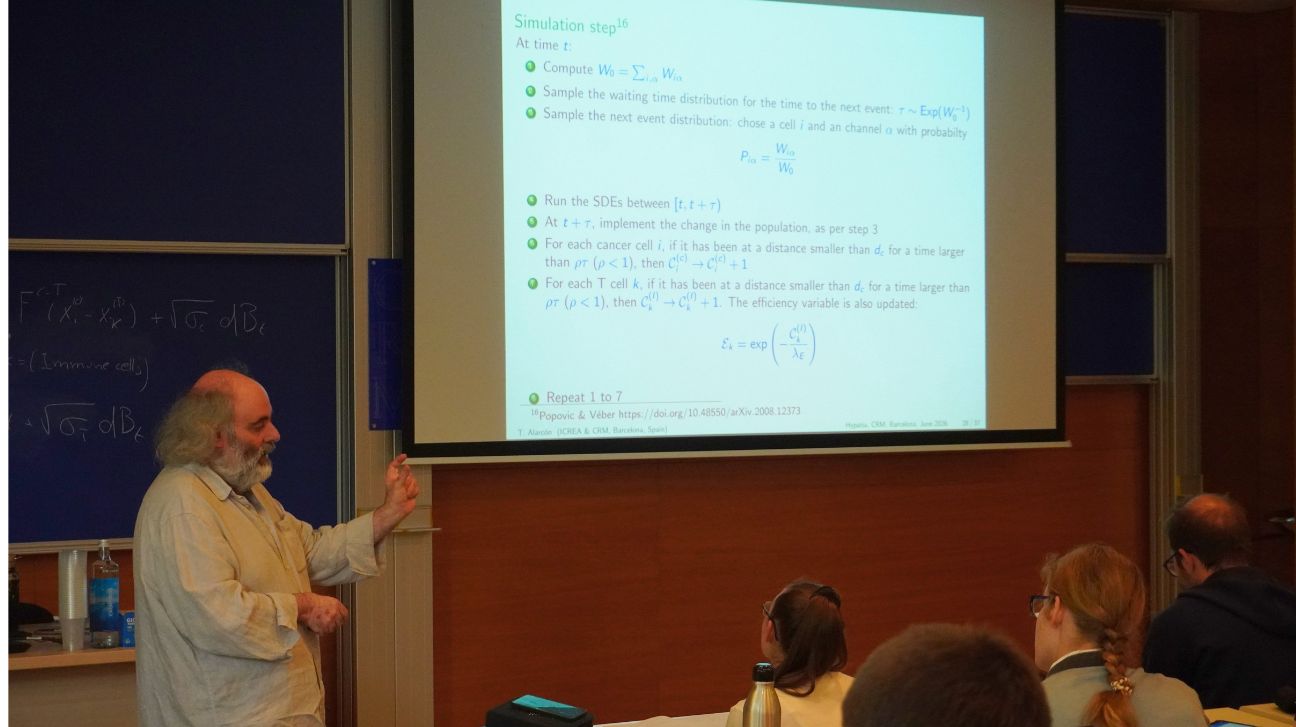
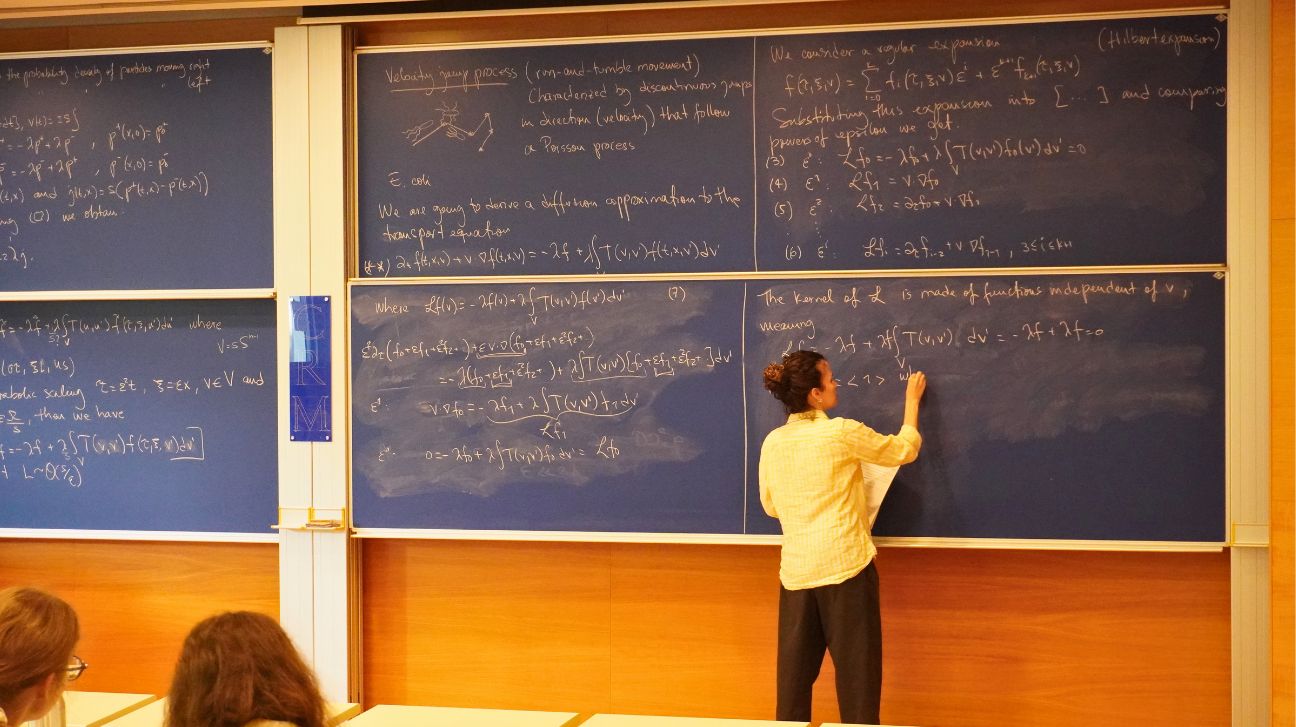
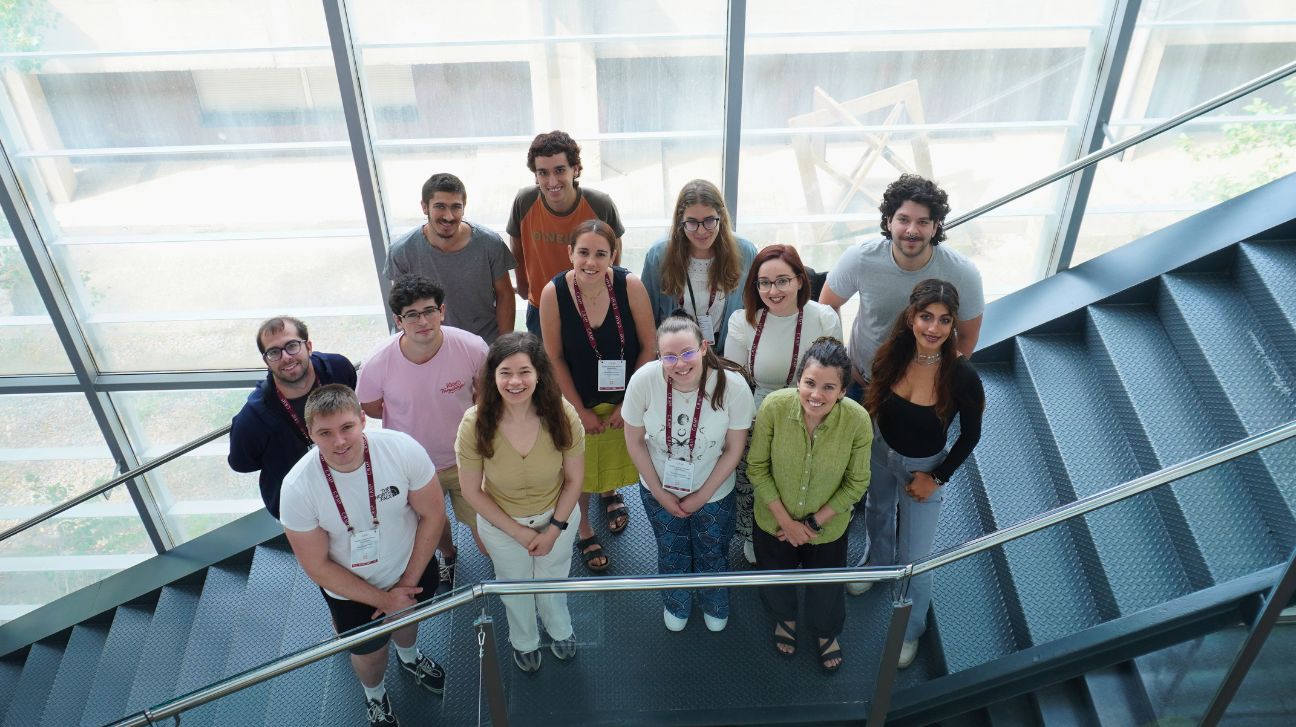
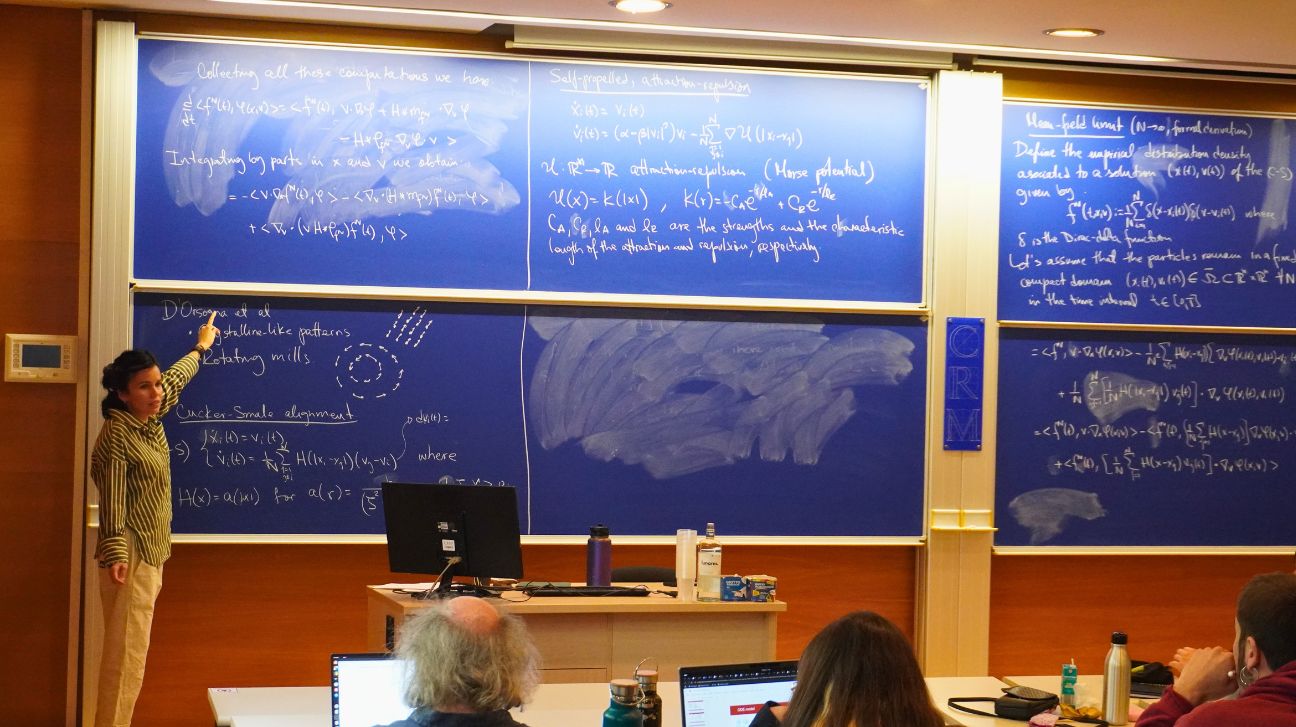
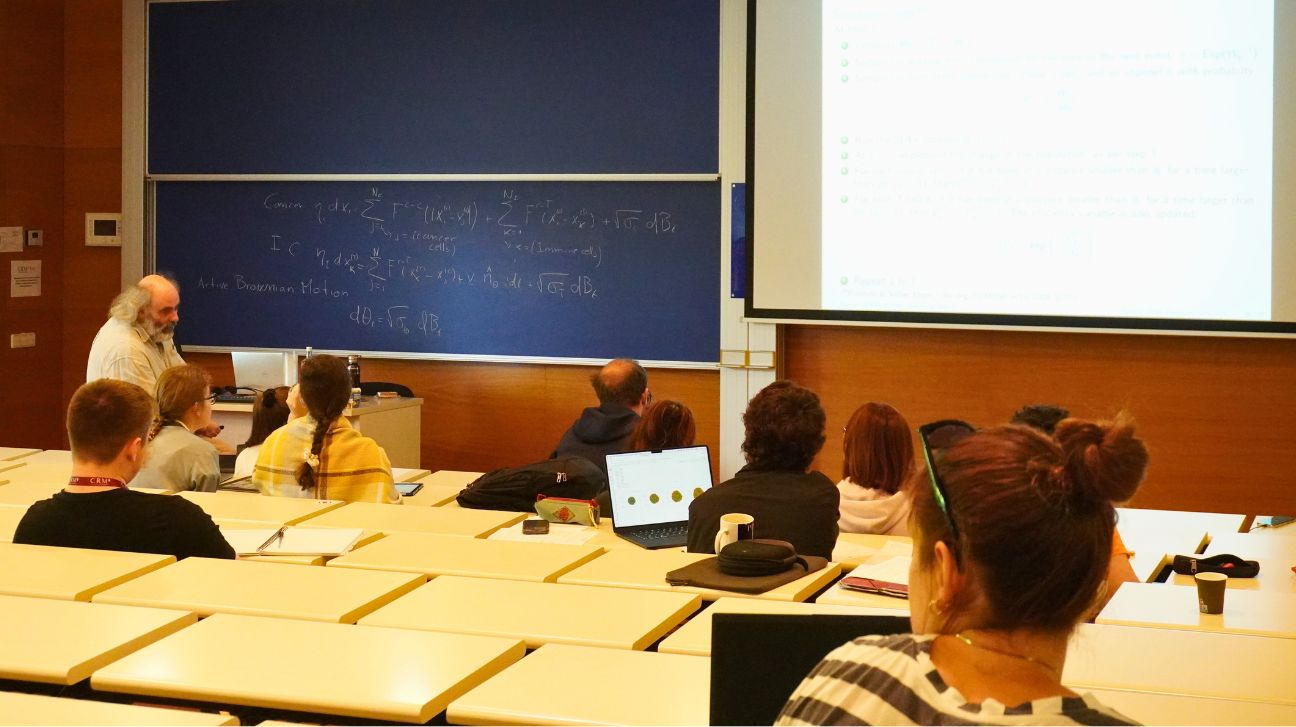
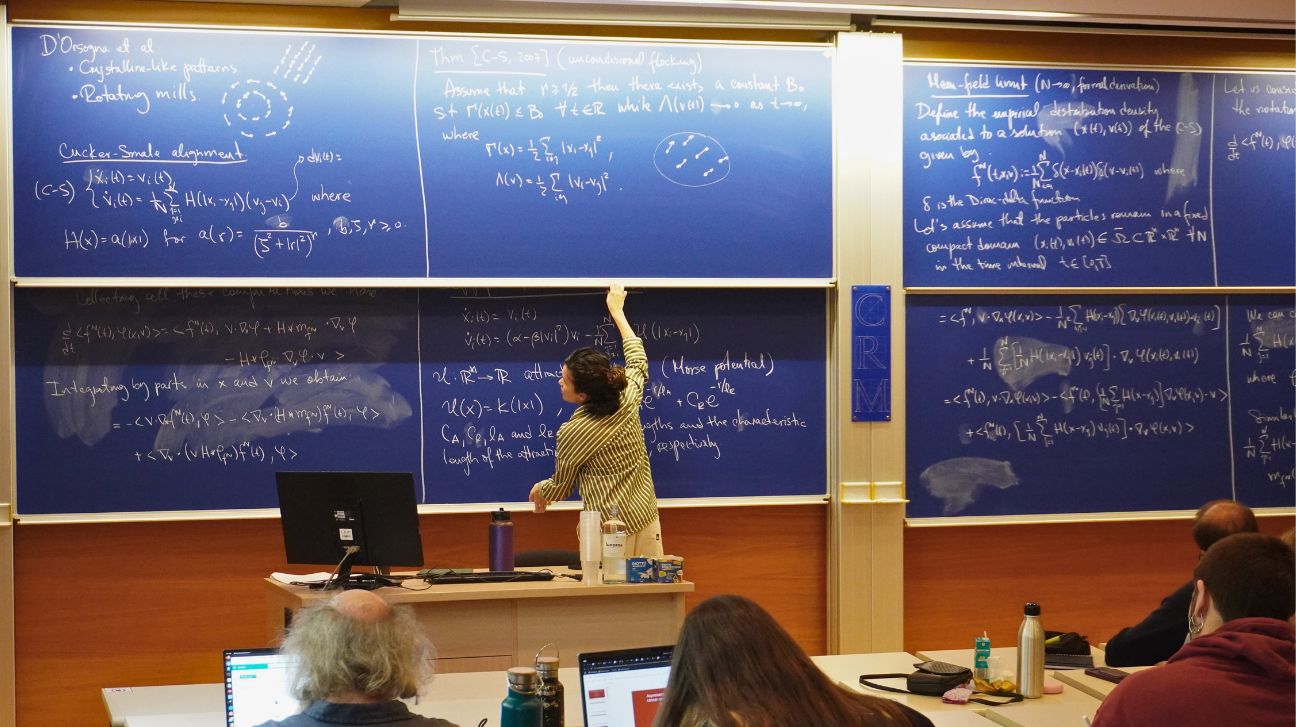
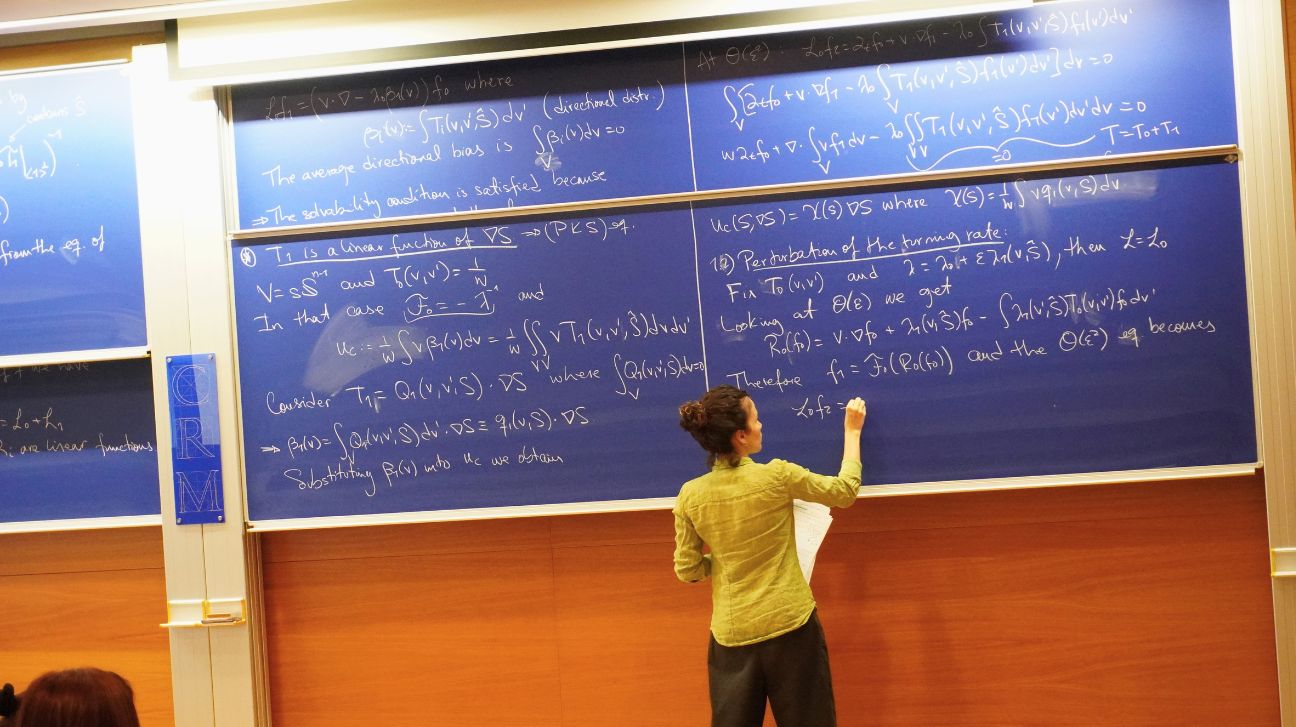
From June 8 to 11, 2026, the Centre de Recerca Matemàtica (CRM) hosted a new edition of the Hypatia Graduate Summer School, a space for advanced training and scientific exchange for young researchers in mathematics and its applications.

This year’s school revolved around two main courses focused on the role of mathematical modelling in complex biological systems. On the one hand, Partial Differential Equations for Biology and Beyond, taught by Gissell Estrada (UPC–CRM) and Tomás Alarcón (ICREA–CRM), introduced key partial differential equation frameworks used to describe biological phenomena across different scales, from cellular dynamics to collective processes. The course emphasised core ideas, illustrative examples, and the connections between modelling, analysis, and emergent behaviour, highlighting the versatility of PDEs in modern mathematical biology.

On the other hand, Giulia Laura Celora (University of Oxford) delivered the course Exploring Self-Organisation in Biology through Mathematical Modelling, focusing on the mechanisms of self-organisation in biological systems—where order must be maintained for life to function—and on how mathematical modelling helps us understand the emergence of complex structures. The course explored a range of modelling approaches used to study the macroscopic dynamics of biological self-organisation, with applications spanning embryonic development, tissue morphodynamics, and cancer progression.

Beyond the theoretical sessions, the school maintained a participatory and dynamic atmosphere through activities designed to foster dialogue and connections among participants. Among them, a film discussion centred on Gifted provided a starting point for collective reflection on the notion of talent—what it is, how it can be recognised, and how it is nurtured—as well as on different educational models. The conversation also highlighted the importance of emotional and social education in the development of young individuals, opening a space to reflect on how academic environments can better support diverse forms of ability.

True to its spirit, the Hypatia Graduate Summer School once again created a close, critical, and collaborative environment, placing the spotlight on the role of mathematics in understanding life while reinforcing its commitment to the visibility and promotion of young women researchers in science.

Newsletter

Get the latest CRM news and activities delivered to your inbox

Subscribe now

Recent newsletters →
Hypatia 2026: Modelling Life, Sharing Ideas

Hypatia 2026: Modelling Life, Sharing Ideas

From June 8 to 11, 2026, the Centre de Recerca Matemàtica (CRM) hosted a new edition of the Hypatia Graduate Summer School, a space for advanced training and scientific exchange for young researchers in mathematics and its applications. This year’s school revolved…

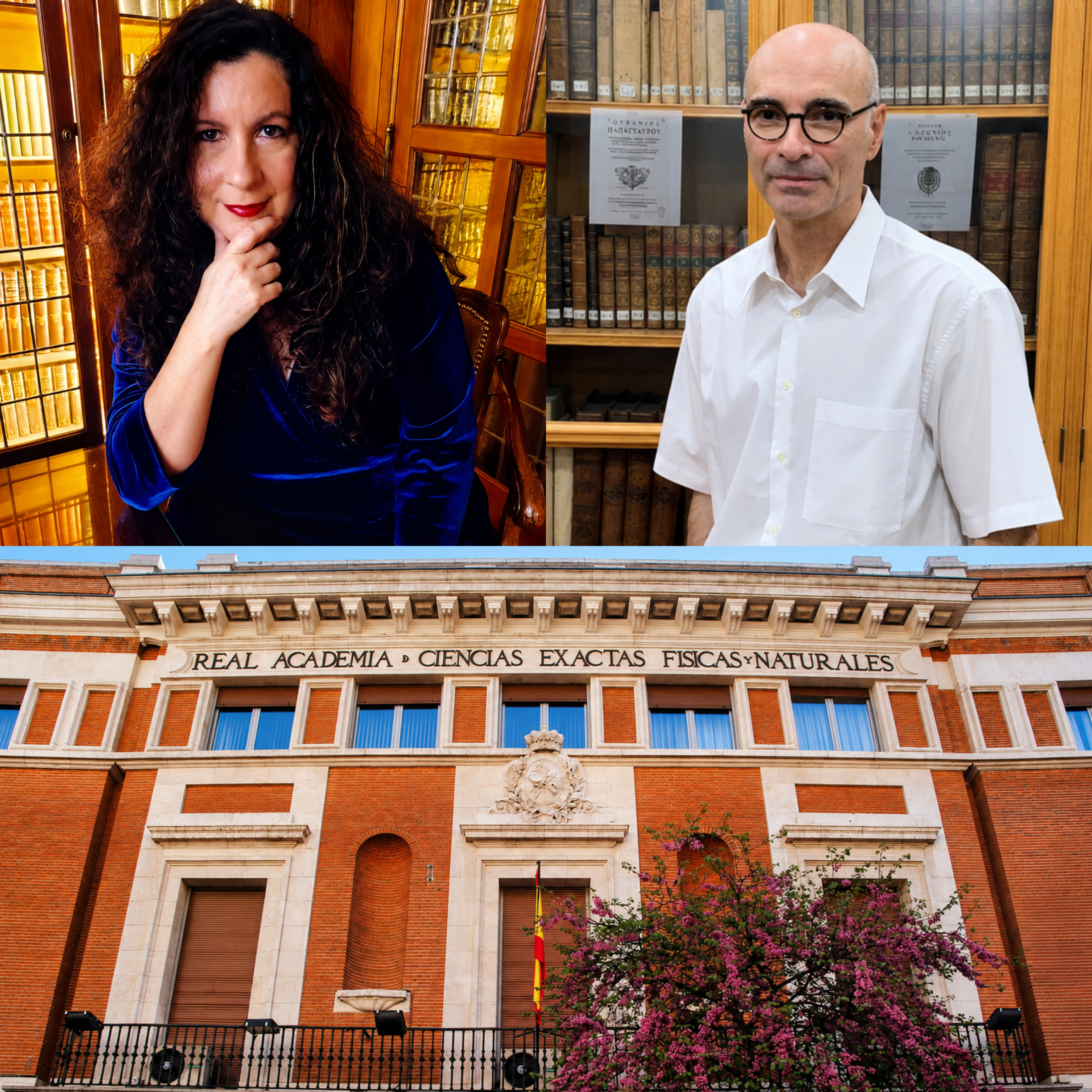
Eva Miranda and Xavier Tolsa elected to the Royal Academy of Sciences

Eva Miranda and Xavier Tolsa elected to the Royal Academy of Sciences

Spain’s Royal Academy of Sciences has elected two mathematicians from the CRM community to its Mathematics section within the space of a month.The plenary of Spain’s Royal Academy of Exact, Physical and Natural Sciences has elected Eva Miranda (UPC, CRM) a…

CRM Comm

Natalia Vallina

CRMComm@crm.cat


The post Hypatia 2026: Modelling Life, Sharing Ideas first appeared on Centre de Recerca Matemàtica.

Go to Source

2026 Bojos per la Ciència Programme Concludes Another Successful Edition

ICN2 and IFAE have once again coordinated the Physics course of the Bojos per la Ciència programme, organised by Fundació Catalunya La Pedrera. Over the past few months, secondary school students from across Catalonia have had the opportunity to immerse in cutting-edge science through practical sessions at leading research centres.

Go to Source

Climate change to alter sea-land breeze and increase ozone pollution in Barcelona

Climate change will profoundly alter the dynamics of sea and land breezes in the Barcelona metropolitan area, trapping larger amounts of air pollutants over coastal areas and increasing health risks for millions of people. This is the conclusion of a study conducted by ICTA-UAB, Spain, which produced high-resolution projections of future sea and land breeze behaviour and air quality under climate change scenarios for 2050 and 2100.

Go to Source

ICTA-UAB Best Prizes awarded to female postdoctoral researchers 

Lucía Muñoz Sueiro and Amalia Calderón-Argelich are the two ICTA-UAB female postdoctoral researchers awarded in the third edition of the ICTA-UAB Best Prizes, launched within the framework of the institute’s Gender Policy.

Go to Source

Nature: Cells Have a Secret Power Line: Scientists Discover How the Nucleus Gets Its Own Private Energy Supply

For decades, biologists assumed a cell’s energy simply diffused to wherever it was needed. It turns out the most important destination of all has a private delivery line An international team of scientists led by Dr. Ivan Menendez-Montes, Assistant Professor at the University of Arizona, and Dr. Hesham A. Sadek, Director of the Sarver Heart Center at the University of Arizona and Group Leader at the Centro Nacional de Investigaciones Cardiovasculares Carlos III (CNIC), has uncovered a previously unknown mechanism through which mitochondria directly supply energy to the cell nucleus.

Published in Nature, the study demonstrates that mitochondria, the power house of the cell,  physically dock at control center of the cell, the nucleus, though its main gate – the nuclear pore complexes. This creates a highly efficient system for delivering energy and metabolites directly into the nucleus. Turns out that rather than flooding a house with heat and hoping it reaches every room, the system is more like running a dedicated power cable straight to the control center. The findings challenge the long-standing view that mitochondrial products, such as ATP, diffuse freely through the cytoplasm before reaching the nucleus.

Mitochondria and the nucleus are known to maintain a close functional relationship. The nucleus supplies proteins required for mitochondrial function, while mitochondria provide energy and metabolites essential for cellular activities. Until now, it was assumed that these mitochondrial products reached the nucleus through passive diffusion. The new study reveals that mitochondria and the nucleus have evolved a much more efficient mechanism.

Using advanced microscopy, proteomics, genetic engineering and animal models, the researchers discovered that mitochondria physically attach to the nuclear pore complex through an interaction between the mitochondrial protein VDAC1 and the nuclear pore protein RANBP2. This contact enables the direct delivery of energy-rich molecules to the nucleus, supporting processes such as gene regulation, chromatin remodeling, transcription and cellular differentiation.

The connection is astonishingly precise. When the researchers nudged the mitochondria just 500 nanometers away from the nucleus — a gap thousands of times thinner than a human hair — the nucleus’s energy supply collapsed almost to zero. Unplug the cable, and the lights go out. To investigate the biological importance of these contacts, the team generated cellular and animal models in which the interaction between mitochondria and nuclear pores was disrupted without affecting the ability of mitochondria to produce energy.

The consequences were dramatic. Cells lacking these contacts failed to differentiate properly into cardiomyocytes, the contractile cells of the heart. Likewise, mouse embryos carrying mutations that disrupted the interaction died before birth and exhibited severe developmental abnormalities affecting both the heart and the nervous system.

I think that this is an important discovery, not only for the heart, but across all eukaryotic cell types. We found that these contacts are present in every cell type we analyzed.” Hesham Sadek said, “The research possibilities that our results represent are huge. Almost every field studying human pathophysiology can apply our results and determine how they interact in the context of their study model”.

“This was a surprising a fascinating result. We started this project trying to find how the mitochondrial oxidants, known as ROS, reached the DNA in the nucleus and stops the innate ability of the heart to repair itself”” Ivan Menendez-Montes add. “What we found here was even bigger. We have seen that the mitochondria and the nucleus have coordinated so much, that have developed a system in which the nucleus gets its own exclusive energy delivery service”.

The study represents eight years of collaborative research involving 38 scientists from more than ten institutions worldwide. In addition to Dr. Sadek, CNIC researchers who participated in the work include Dr. José Antonio Enríquez, Dr. Miguel Torres, Dr. Jesús Vázquez, Dr. Fátima Sánchez-Cabo, Dr. Consuelo Marín-Vicente, Dr. Manuel José Gómez and Dr. Enrique Calvo.

The findings establish a new paradigm in cell biology by showing that the nucleus is not fueled solely through passive diffusion but receives energy through direct physical interactions with mitochondria. The researchers believe that understanding how these contacts are regulated could have important implications for developmental biology, regenerative medicine, cardiovascular disease, cancer and aging. In other words, a connection too small to see may help explain how hearts form, how diseases take hold, and how our cells age — and learning to control it could open doors to new treatments.

This work was supported by multiple national and international funding agencies. American Heart Association Postdoctoral; Fundación Alfonso Martín Escudero; U.S. National Institutes of Health; the Cancer Prevention and Research Institute of Texas; the Hamon Center for Regenerative Science and Medicine, and the Leducq Foundation through the network “Redox Regulation of Cardiomyocyte Renewal”. Additional support was provided by the U.S. Army Research Office (ARO); the U.S. National Science Foundation (NSF), the National Medical Research Council of Singapore, and Singapore’s Ministry of Education Academic Research Fund.

Go to Source

¿Cómo resuelve el cerebro las imágenes ambiguas?

 ¿Cómo resuelve el cerebro las imágenes ambiguas?
Investigadores/as del Centro de Investigación Mente, Cerebro y Comportamiento (CIMCYC) de la Universidad de Granada, en colaboración con Martin N. Hebart (Justus Liebig University Giessen y el Max Planck Institute for Human Cognitive and Brain Sciences), han publicado un nuevo estudio que explora cómo el cerebro da sentido a la información visual ambigua.
Seguir leyendo

Go to Source

Sidebar