Author Archive

The Institute for Neurosciences CSIC – UMH receives more than €3.1 million in the 2024 National Knowledge Generation call

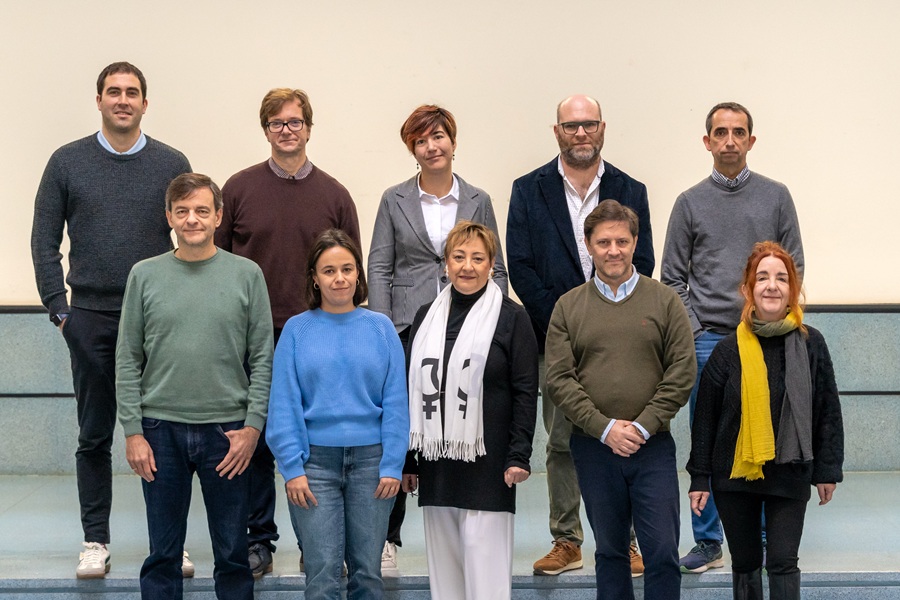
Part of the IN CSIC-UMH research team leading projects funded under the 2024 Knowledge Generation call. From left to right, top to bottom: Javier Aguilera, Ramón Reig, Alerie Guzmán, Khalil Kass Youssef, Víctor Borrell, Santiago Canals, Mª Salud García, Ángela Nieto, José P. López Atalaya, and Ana Carmena. Source: IN CSIC-UMH.

The Institute for Neurosciences (IN), a joint centre of the Spanish National Research Council (CSIC) and Miguel Hernández University of Elche (UMH), has secured €3,199,875 in funding for the development of 11 research projects under the 2024 Knowledge Generation call of the Ministry of Science, Innovation and Universities, one of the main competitive programmes within Spain’s R&D system. With these new grants, the IN currently has 33 active projects funded under the State R&D&I Plan, reflecting the strength and continuity of its scientific activity.

The funded research focuses on the basic and pathological mechanisms of the nervous system. The projects range from cortical development and memory formation to multiple sclerosis, the origin, progression, and innervation of cancer, gut neuroimmunology, advanced neuromodulation, and rare neuropathological disorders, including the identification of biomarkers with diagnostic and therapeutic potential. Furthermore, the funding will allow the consolidation of emerging research groups, the launch of new lines of investigation, the strengthening of knowledge transfer, and the training of four predoctoral researchers, ensuring the continuity and impact of the IN’s scientific activity.

Cutting-edge research on the nervous system

Researcher Guillermina López Bendito leads the project ‘Interaction between Spontaneous Activity and Genetic Programs in Cortical Organization of Sensory Modalities’. Over three years, her team will investigate how the cerebral cortex organizes into specific functional areas through the interplay between genetic programs and spontaneous neuronal activity, even before birth. Using advanced transcriptomic and neuronal imaging techniques, the project aims to elucidate how these mechanisms shape cortical identity and sensory processing, with potential implications for addressing neurodevelopmental disorders that affect sensory function.
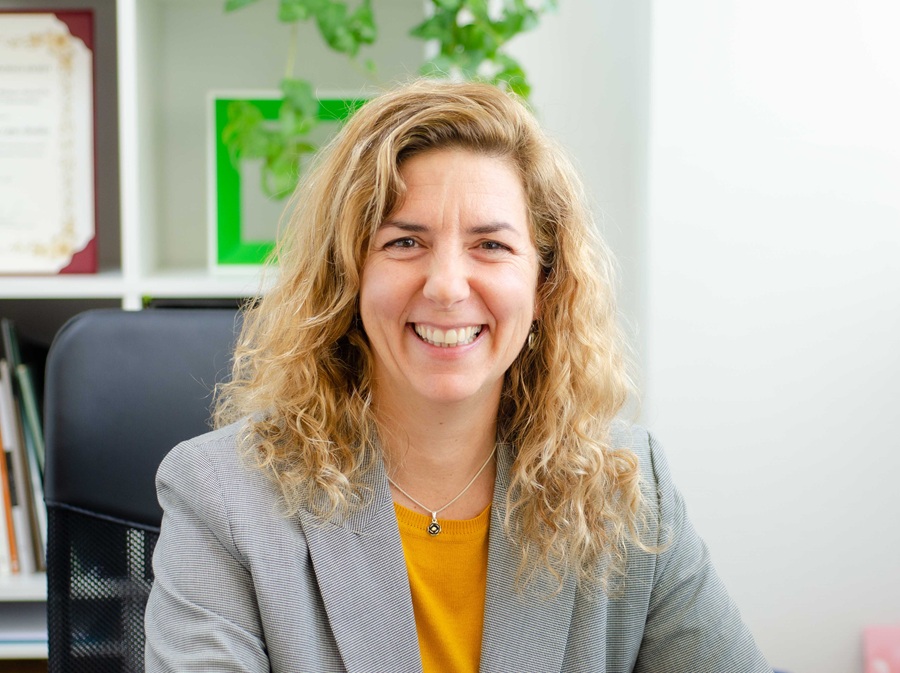
Researcher Guillermina López Bendito in her office at the Institute for Neurosciences.

Over three years, researcher Ángela Nieto will lead the project “Interactome and Cellular Plasticity in Tumor Evolution and Metastatic Potential.” Her team will study how tumor cells change and adapt, and how they interact with their microenvironment, to understand why some tumors become more aggressive and acquire metastatic capacity. Developed in collaboration with the MD Anderson Cancer Center Spain Foundation, the project aims to identify which tumors are at higher risk and which may respond better to treatment, to develop strategies to block metastasis, increase tumor vulnerability to the immune system, and ultimately improve patients’ survival and quality of life.

Researcher Ana Carmena de la Cruz leads the project ‘Asymmetric Cell Division in Nervous System Development and Tumorigenesis: Redundancy and Cell Competition’. Over three years, her team will study how stem cells in the central nervous system divide asymmetrically to generate cellular diversity and maintain tissue homeostasis, and how errors in this process can promote tumor formation. Specifically, the project will examine whether such errors can trigger mechanisms of cell competition that may either limit or favour tumor growth, thereby contributing to a deeper understanding of cancer biology and the development of potential therapeutic strategies.

Over four years, researcher Javier Aguilera will lead the project ‘Study of Intestinal Paracellular Pathways and Mucosal Neuroimmune Interactions in Constipation’. The project aims to investigate the mechanisms underlying chronic constipation and abdominal pain by analysing how the intestinal barrier is disrupted and how the nervous and immune systems interact. The project will combine experimental models and patient samples to identify key factors and lay the groundwork for new non-surgical treatments. The research is carried out in collaboration with the Digestive Diseases Unit of Dr. Balmis University General Hospital–Alicante Health and Biomedical Research Institute (ISABIAL), and the Flemish Institute for Biotechnology (VIB, Belgium).

Researcher Alerie Guzmán de la Fuente leads the project ‘Epigenetic Inflammatory Memory of OPCs in Multiple Sclerosis: A Double-Edged Sword in Aging and Remyelination’. Over three years, her team will study how oligodendrocyte progenitor cells (OPCs) retain a memory of previous inflammatory events through epigenetic modifications, and how this “memory” can either promote or hinder myelin regeneration in the central nervous system. This research aims to elucidate the molecular mechanisms that regulate inflammatory memory and its impact on the progression of multiple sclerosis, laying the groundwork for future therapeutic strategies to modulate inflammation and promote remyelination.

Over three years, researcher Santiago Canals Gamoneda will lead the project ‘Temporal Interference and Digitally Enhanced Neuromodulation to Improve Memory Formation: An Experimental Perspective’. His team will develop innovative neuromodulation strategies to enhance memory formation in animal models, combining experimental and computational approaches. The project will employ an advanced technique to selectively stimulate deep brain regions and will use digital brain models to personalize stimulation and adapt it to each individual. Coordinated with the IFISC in Palma de Mallorca, the research has potential implications for the treatment of neurological and psychiatric disorders and could lay the groundwork for future translational applications in humans.

Researcher Khalil Kass Youssef leads the project ‘Neuronal Control of Epithelial Tissues: The Role of Sympathetic Innervation in Mammary Gland Homeostasis and Breast Cancer’. Over three years, his team will study how the nervous system communicates with epithelial cells to regulate their behavior, plasticity, and vulnerability to disease. The project aims to elucidate this neuroepithelial dialogue to uncover new mechanisms of tissue regeneration and maintenance, with potential applications for reducing risk and improving the treatment of degenerative diseases and various types of cancer.

Durante tres años, el investigador Víctor Borrell liderará el proyecto ‘Generando nuevos tipos celulares del cerebro mediante genómica evolutiva’. El equipo de Borrell estudiará cómo la diversidad de células madre neurales ha permitido la aparición de nuevos tipos celulares en la corteza cerebral a lo largo de la evolución. El proyecto combina modelos animales estratégicos, desde reptiles hasta mamíferos, y técnicas genómicas avanzadas para identificar los mecanismos que generaron esta diversidad, proporcionando claves sobre cómo se formaron tejidos complejos, incluido el cerebro humano.

Researcher Ramón Reig leads the project ‘Beyond the Midline Fusion Theory in the Mouse Vibrissal System’. Over three years, his team will study how the brain processes tactile information arriving from both sides of the body, using the mouse whisker system as a model. The project seeks to understand why certain neurons receive and “copy” signals from both sides of the snout via the corpus callosum, and what functional advantages this mechanism provides during exploration, revealing how different types of neurons contribute to tactile communication between the two cerebral hemispheres.

Over three years, researcher José P. López-Atalaya will lead the project ‘Neuropathological Mechanisms in Type I Interferonopathy Caused by RELA Mutations’. His team will study this rare autoinflammatory disease in which the immune system remains chronically activated, leading to inflammation and neurological damage. The project will analyze how these mutations affect immune cells in the brain and the cerebral vasculature, and will evaluate potential strategies to counteract their effects on neuronal circuits, to advance towards therapeutic interventions that preserve or restore neurological function in patients.

Researcher Mª Salud García Gutiérrez, together with researcher Jorge Manzanares, leads the project ‘Identification of Biomarkers as Prognostic Predictors and Therapeutic Guides, and New Pharmacological Treatments in Post-Traumatic Stress Disorder’. The project will run for four years and involves collaboration with researchers from Hospital 12 de Octubre and the Central Defence Hospital Gómez Ulla. The team will study post-traumatic stress disorder (PTSD) to advance towards more personalized treatments, analyzing biological samples from patients to identify markers that can predict response to therapies. The research will combine clinical studies with experimental models and will evaluate new pharmacological strategies, contributing to improved therapeutic approaches for a disorder with a high personal and social impact.

The grants have been awarded by the Spanish State Research Agency, within the framework of the State Programme for Research and Experimental Development of the 2024–2027 State Plan for Scientific, Technical and Innovation Research, with European co-funding through the European Regional Development Fund (ERDF) and the European Social Fund Plus (ESF+).

Source: Institute for Neurosciences CSIC-UMH (in.comunicacion@umh.es) / UMH Communication Service (comunicacion@umh.es)


La entrada The Institute for Neurosciences CSIC – UMH receives more than €3.1 million in the 2024 National Knowledge Generation call se publicó primero en Instituto de Neurociencias de Alicante.
Go to Source

Barcelona + didactics + CRM = CITAD 8

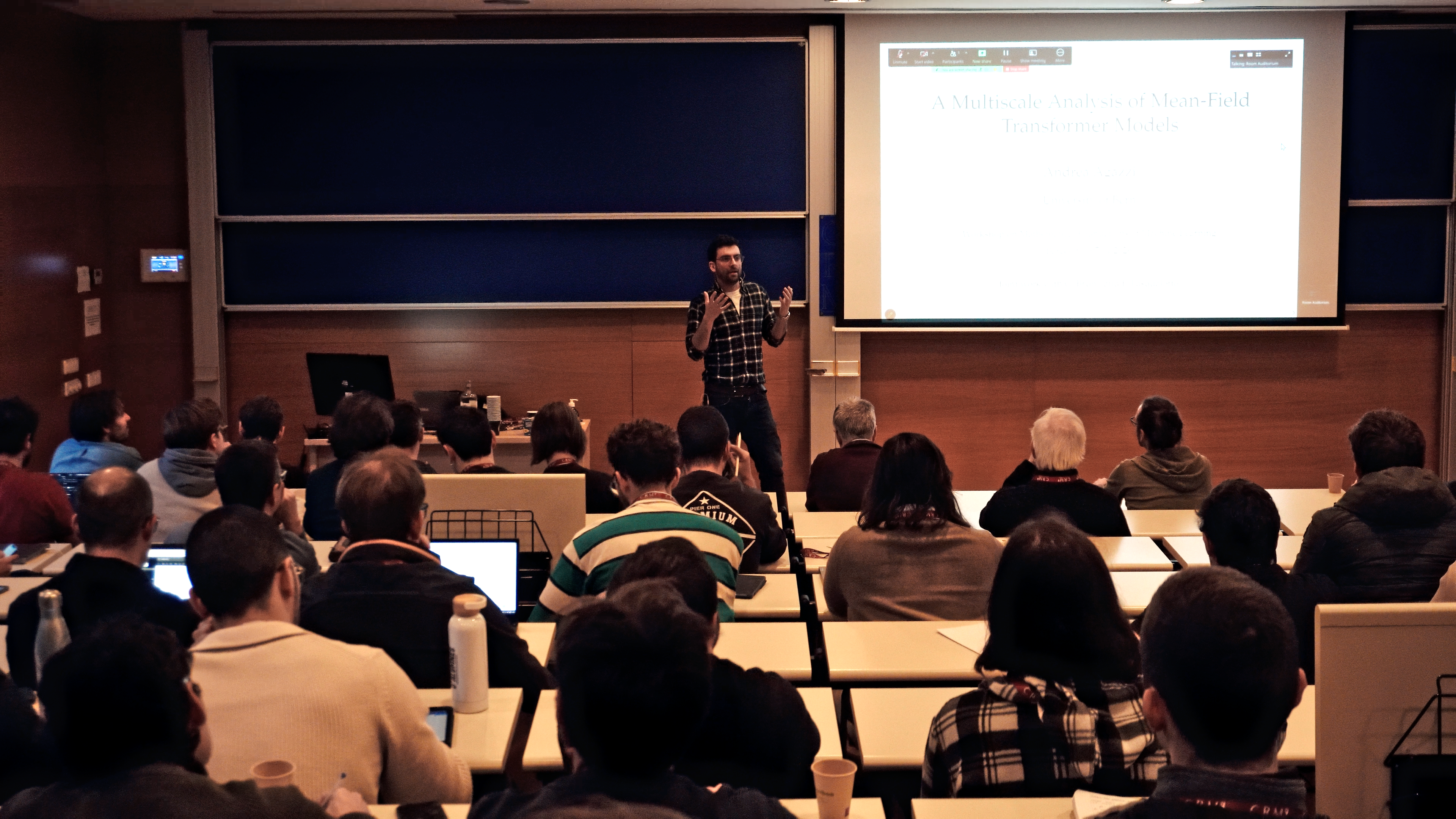
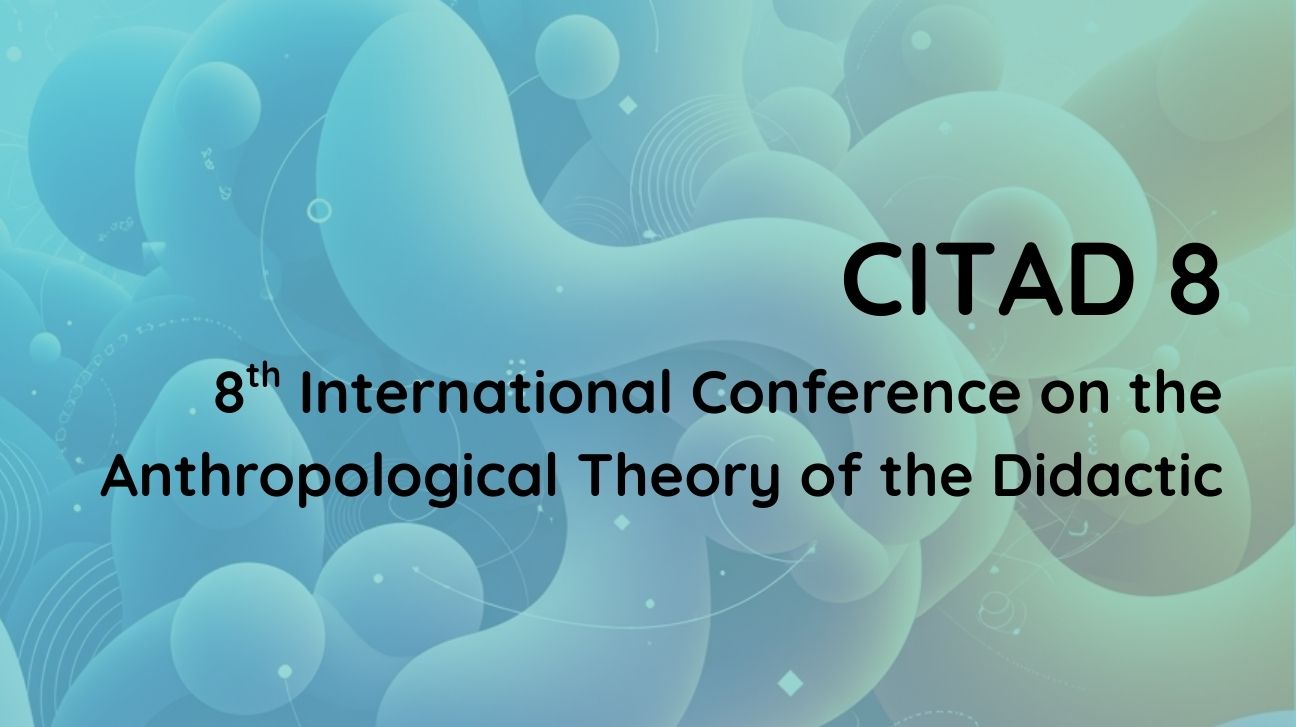
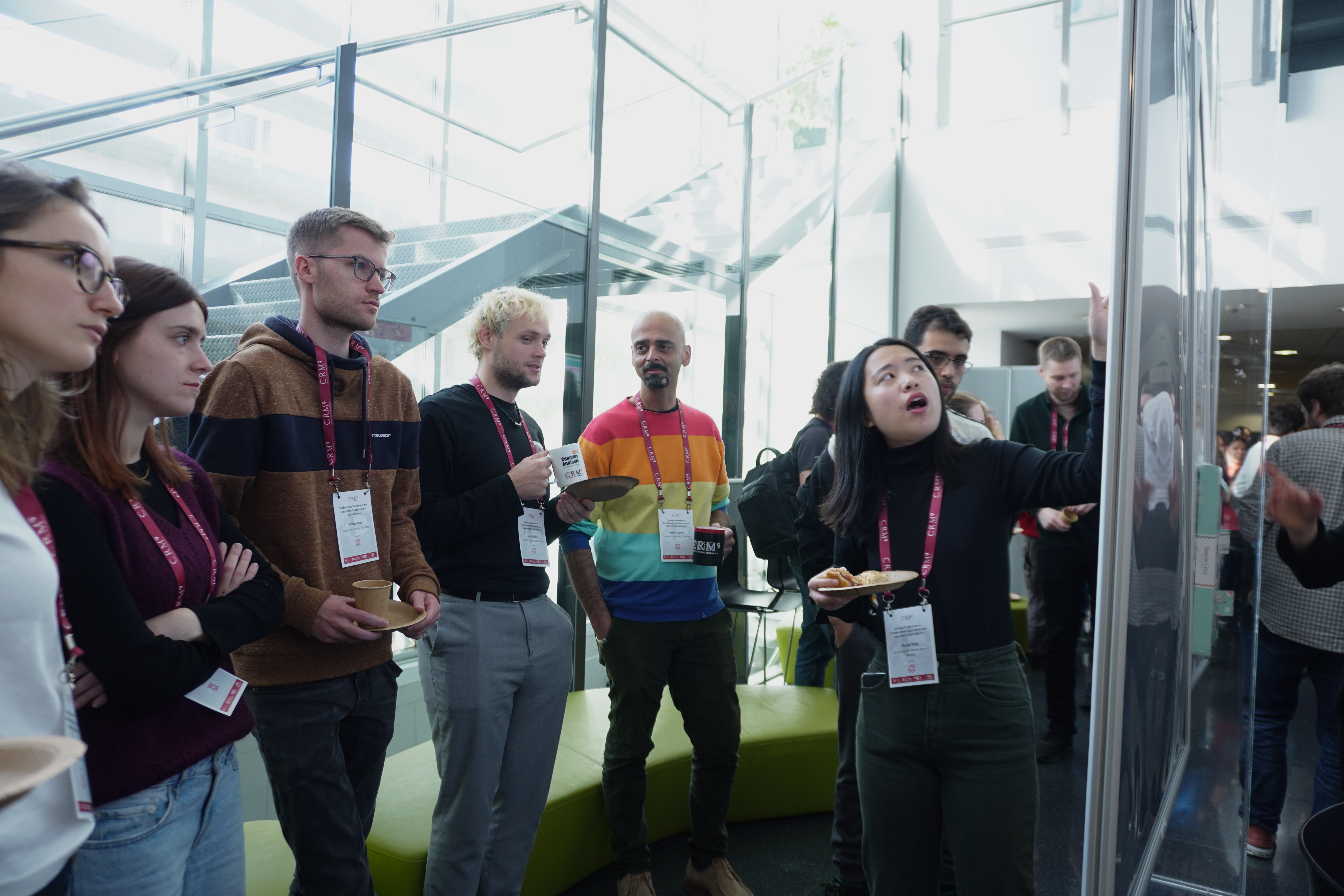
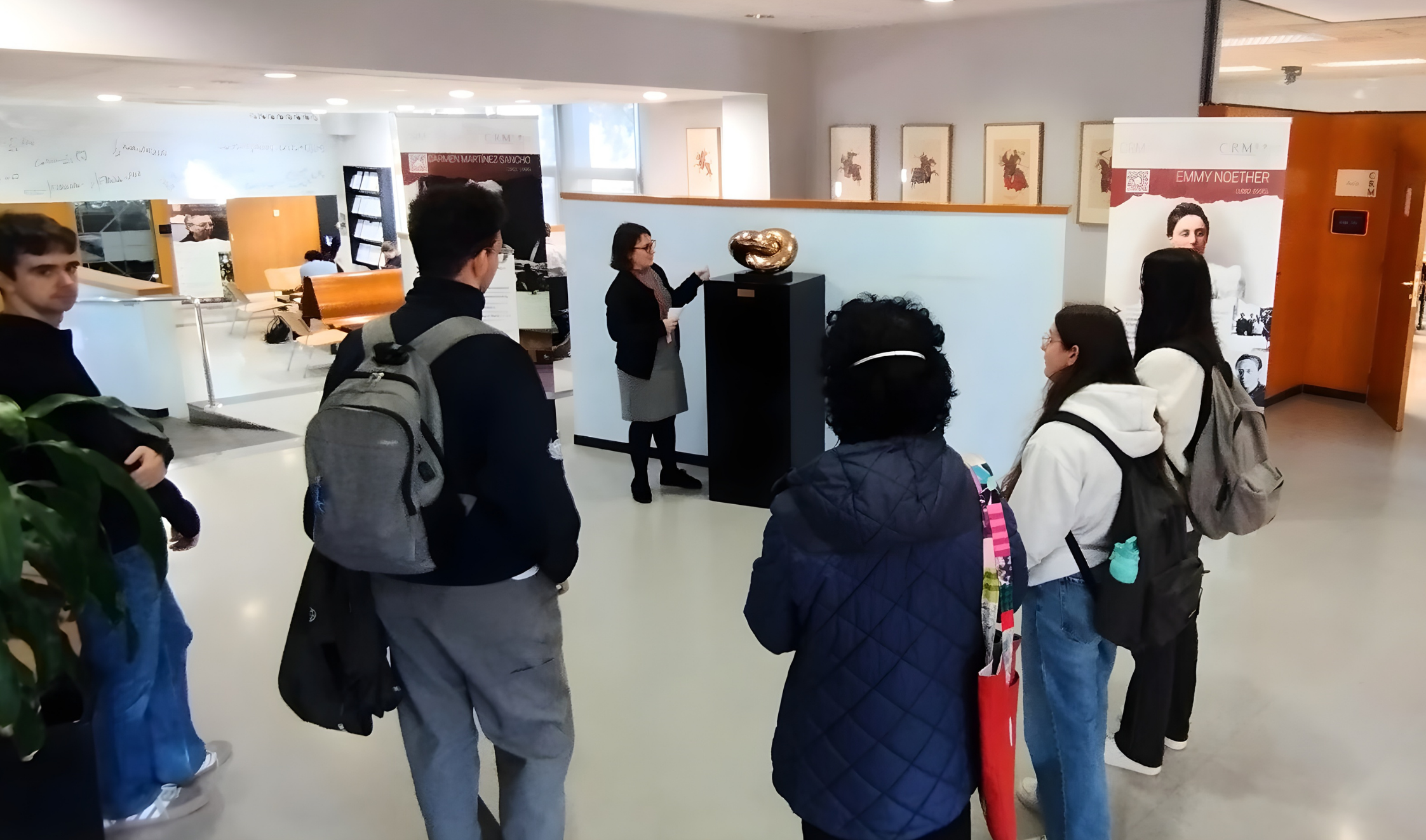
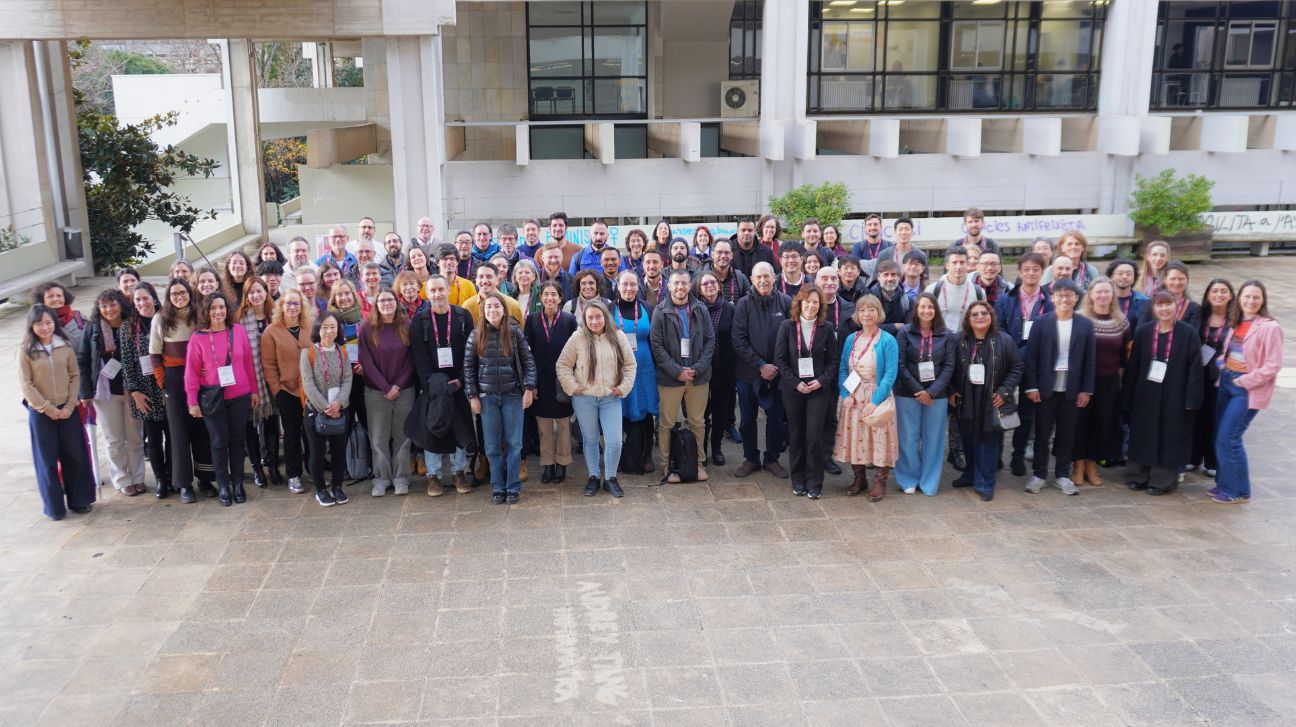
From 19 to 23 January 2026, the CRM hosted the 8th International Conference on the Anthropological Theory of the Didactic (CITAD 8), a leading international event in the field of didactics research that brought together researchers from different countries in Barcelona.

The conference is fully embedded in the study of the processes of teaching, learning and the transmission of knowledge. In this sense, holding CITAD 8 at the CRM strengthens the dialogue between mathematical research and educational reflection, while highlighting the Centre’s openness to hosting interdisciplinary scientific events.

A space to reflect on research in didactics

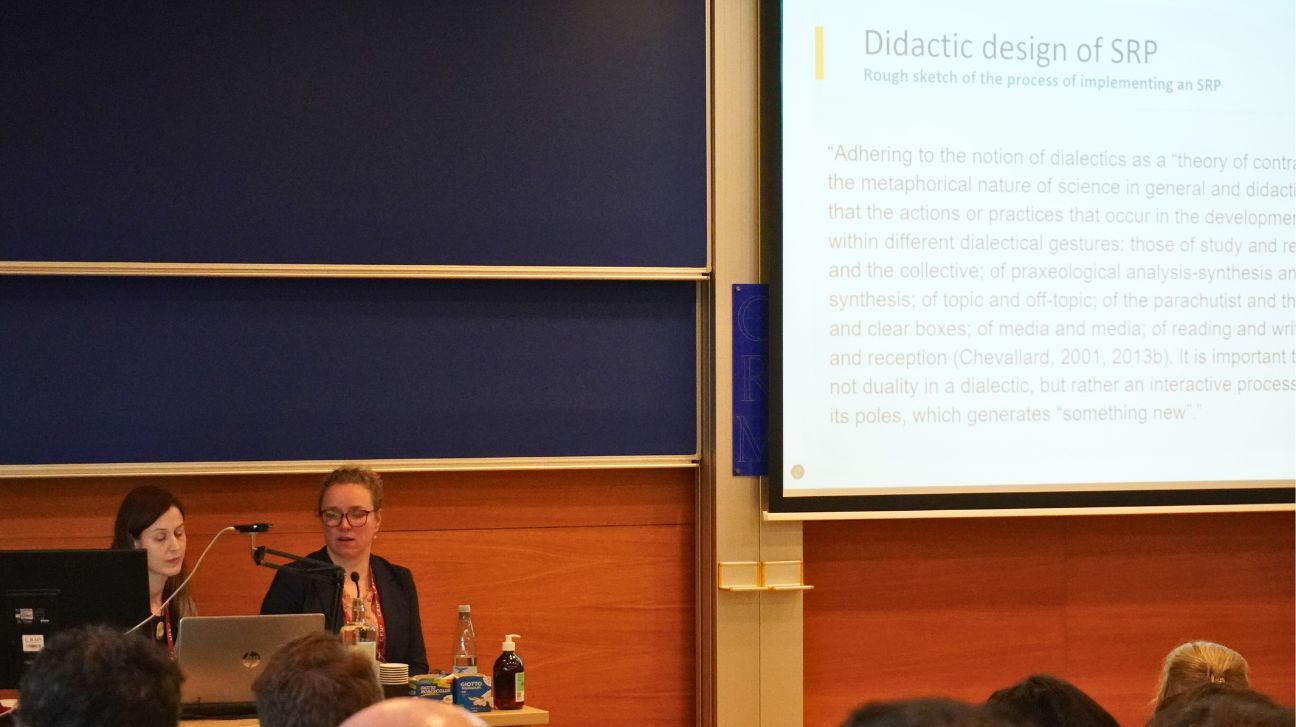
Under the title Research praxeologies in the Anthropological Theory of the Didactic, CITAD 8 aimed primarily to provide an updated overview of advances in ATD, both in terms of basic research and its links with education systems and teacher education. The conference also addressed the main open problems in the field, as well as the challenges involved in extending the conceptual and methodological frameworks of ATD to other domains.

One of the cross-cutting themes of the conference was the reflection on research praxeologies: how research is conducted within ATD, which conceptual tools are mobilised, and what specific characteristics this theoretical framework presents when applied to diverse contexts.

Three scientific axes

The scientific programme of the conference was structured around three main axes:

  • Axis 1. Society and the curriculum problem: questioning works, focusing on the analysis of the curriculum as a dynamic object, subject to historical, institutional and epistemological transformations. This axis included descriptive, retrospective and prospective studies on the selection and organisation of the content to be taught, as well as on processes of didactic transposition.
  • Axis 2. Society and the curriculum problem: enriching and questioning the world, devoted to exploring the so-called paradigm of questioning the world in educational institutions. Contributions analysed the conditions that enable—or hinder—the existence of teaching practices based on inquiry, the study of open questions, and the articulation of different domains of knowledge.
  • Axis 3. The professions, focusing on the professionalisation of teaching and, more broadly, on professional education in diverse contexts. This axis addressed contemporary social changes—such as digitalisation, artificial intelligence and ecological transition—and the role that ATD can play in understanding and accompanying these transformations.

Key figures and international debate

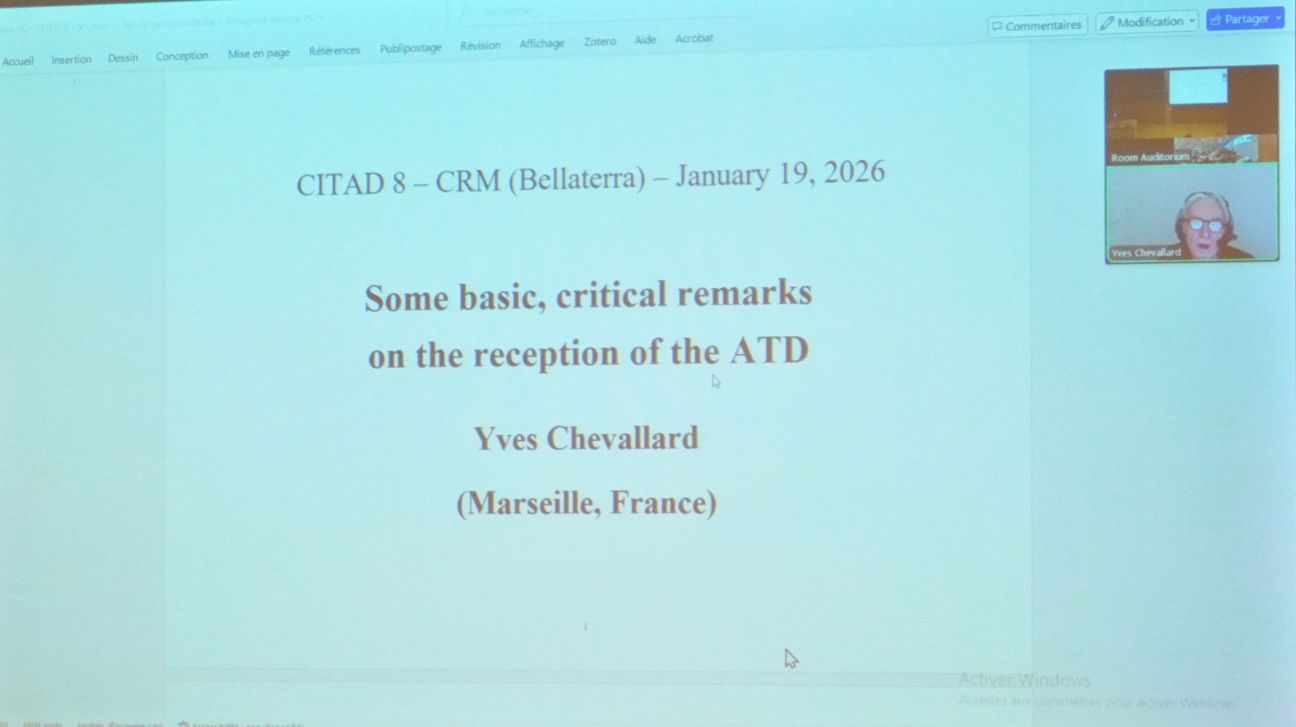
The conference featured the participation of leading international researchers in the field of didactics. Among them, special mention should be made of Yves Chevallard, founder of the Anthropological Theory of the Didactic, whose contribution was one of the highlights of the conference and generated extensive theoretical and methodological discussion.

The diversity of the participants’ institutional and geographical backgrounds enriched the debates and further consolidated CITAD 8 as a high-level international forum.

A space for early-career researchers

As in previous editions, the conference included a seminar specifically devoted to PhD students, held on the first day. This seminar provided doctoral students with the opportunity to present their research projects and discuss them with experienced researchers, fostering intergenerational exchange and academic mentoring.

For the CRM, it was an honour to host CITAD 8, a conference with a long-standing international trajectory that reinforces the Centre’s commitment to high-quality research, scientific exchange and openness to diverse disciplines and approaches. The event also highlights Barcelona’s role as a meeting point for international educational and scientific reflection.

Subscribe for more CRM News

Stay updated to our mailing list to get the lastest information about CRM activities.

CRM Comm

Natalia Vallina

CRMComm@crm.cat


Barcelona + didactics + CRM = CITAD 8

Barcelona + didactics + CRM = CITAD 8

From 19 to 23 January 2026, the CRM hosted the 8th International Conference on the Anthropological Theory of the Didactic (CITAD 8), a leading international event in the field of didactics research that brought together researchers from different countries in…

Seeing Through Walls: María Ángeles García Ferrero at CRM

Seeing Through Walls: María Ángeles García Ferrero at CRM

From October to November 2025, María Ángeles García Ferrero held the CRM Chair of Excellence, collaborating with Joaquim Ortega-Cerdà on concentration inequalities and teaching a BGSMath course on the topic. Her main research focuses on the Calderón problem,…

BAMB! 2025: Participants Return to the CRM for Research Stays

BAMB! 2025: Participants Return to the CRM for Research Stays

In October 2025, the Centre de Recerca Matemàtica hosted Josefine Meyer (ISTA) and Cate MacColl (University of Queensland) for a month-long research stay following their participation in the BAMB! Summer School. Despite studying vastly different subjects, from…

The post Barcelona + didactics + CRM = CITAD 8 first appeared on Centre de Recerca Matemàtica.

Go to Source

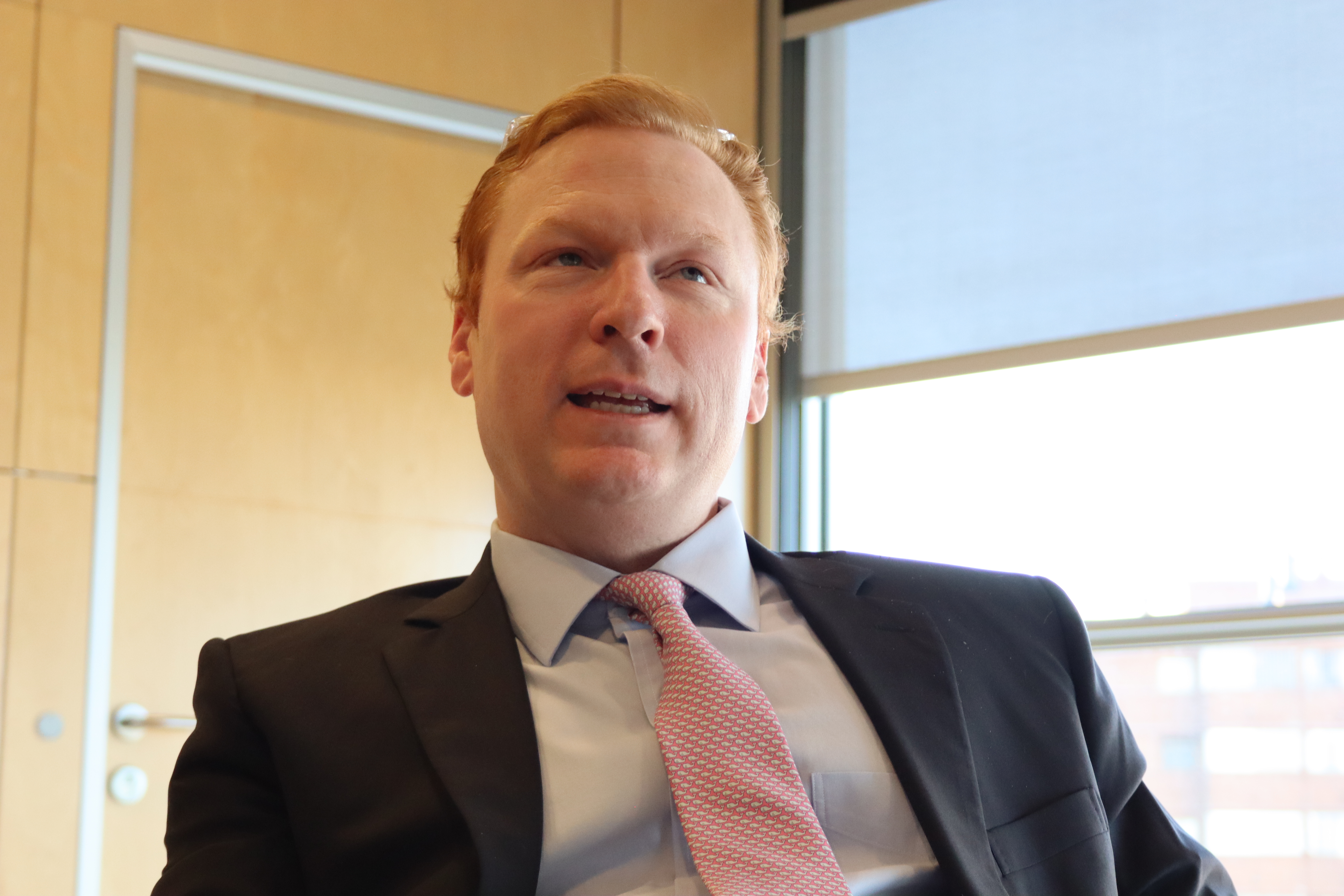
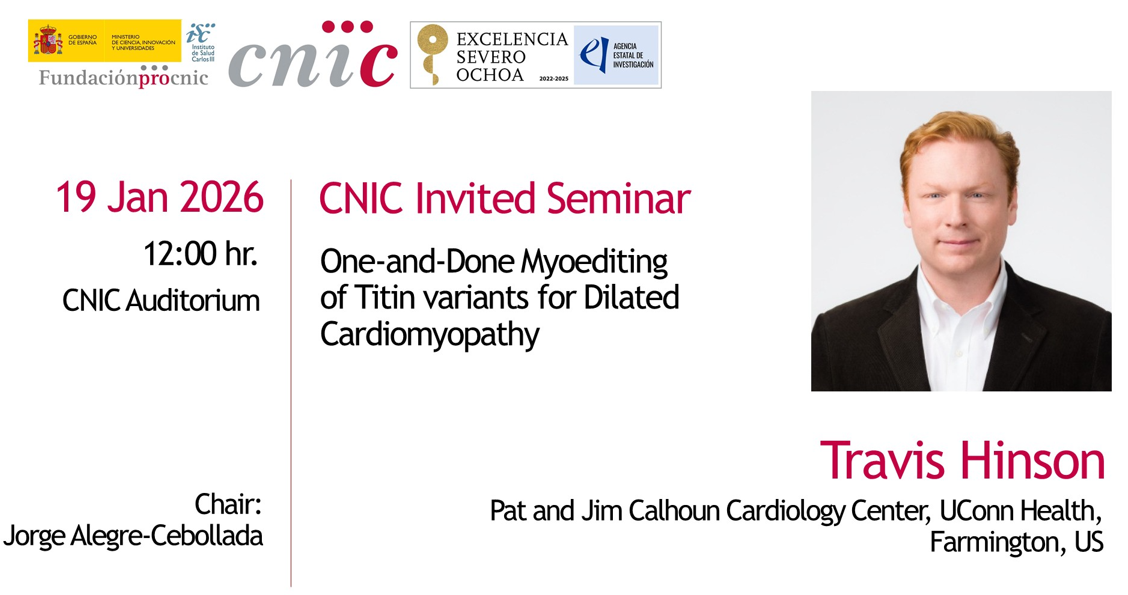
Travis Hinson: “Those of us in research and medicine have a duty to educate better, to be more honest, more open, and more transparent”

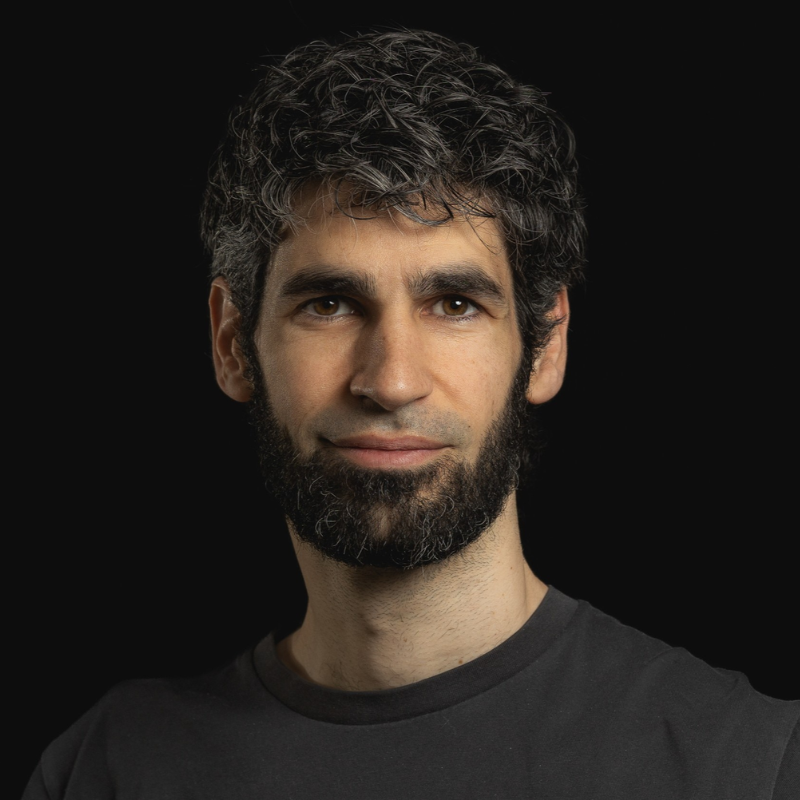
Dr. Travis Hinson is an NIH-funded physician–scientist and clinical cardiologist specializing in inherited cardiovascular diseases. He is the Jim Calhoun Endowed Associate Professor of Cardiology and Genetics at The Jackson Laboratory for Genomic Medicine in Farmington, Connecticut, a precision medicine genomics institute. He also serves as Founding Director of Cardiovascular Genetics at UConn Health, where he provides clinical care for patients with inherited cardiovascular disorders. Dr. Hinson’s research focuses on developing best-in-class human and animal models of cardiovascular disease, integrating human stem cell biology, tissue engineering, microphysiological systems, genome editing, and mouse models. His laboratory is advancing a next generation of genome editing–based therapeutics aimed at treating inherited cardiovascular diseases that remain inadequately addressed by current therapies. Dr. Hinson received his M.D. from Harvard Medical School, completed residency training at Massachusetts General Hospital, and completed a Fellowship in Cardiovascular Medicine at Brigham and Women’s Hospital.

  • You are a medical doctor but not a PhD in science. How, where, and when did you start to be interested in science, in basic science? Because when I read about you, most of your work seems to be in basic science.

When I was in secondary school, I loved science, and I thought I was actually going to be an engineer. The reason I liked engineering was because science was applied to important problems for people. I was around a lot of people in the chemical industry, so I decided to do chemical engineering.

I started university thinking I was going to be an engineer. In the U.S., you enter university and you can change direction. During my first year, I worked in the summer at a chemical engineering company, and I realized it was not a good fit for me.

At the same time, I had a research experience in a biological engineering group doing tissue engineering on artificial vascular grafts, and I really enjoyed that. So I decided to switch into medicine.

I did it because I always loved science, but instead of engineering, I felt that in medicine I could apply science directly to human life and suffering. From the beginning, I loved scientific discovery, and medicine allowed me to do that for patients and in a disease-oriented way.

In the United States, you first do undergraduate studies. I did mine in chemistry and then applied to medical school at the end of undergrad. I then went down the path of doing research as an MD.

My mentors only had MD degrees. Christine Seidman, for example, was one of my mentors; she is a cardiovascular genetics researcher and also did research without a PhD. She told me that you can get the training you need as an MD by supplementing with fellowships. So I always integrated research into my training, not through a formal PhD, but through other routes.

I’ve always been interested in science and medicine because it allowed me to apply science to human disease and suffering. Science has always been my ultimate interest.

  • You probably have the best of both worlds: you enjoy your research, and you also see patients. That way, you can take questions that arise in the clinic and try to solve them in the lab.”

Yes, I’m a firm believer that when you immerse yourself in a problem, you want to see all aspects of it. As a clinician, I see patients directly: what their hearts look like on imaging, what heart failure looks like clinically, what the treatments and complications are. That experience inspires me to work harder in the lab and gives me perspectives on questions you might not think about without clinical exposure.

The clinical side provides excitement and a clear sense of importance because I see people suffering, but it also gives me unique perspectives on research questions.

A lot of my work is guided by the ultimate goal of impacting people. There is a spectrum: some fundamental work focuses on basic cellular and molecular processes, which are extremely important, but I’m not as well trained to study those in isolation. I try to study processes that are closer to human disease.

So I’m on the translational side. Even though I do basic research, it always has disease or human relevance, partly because of my clinical experience.

  • What do you mean by “reading” the genetic code of heart failure, and how do genomic approaches improve our understanding beyond traditional cardiology models?

I think “decoding” is the perfect word. Imagine I come in and I don’t speak Spanish at all. When I hear Spanish, I hear sounds and grammar, but I don’t understand the meaning.

The genome is similar. We see letters, spelling, grammar, and rules, but if we don’t understand them, it’s just noise. Decoding means turning that noise into meaning.

It’s like wartime codebreaking, listening to encrypted messages and trying to make sense of them. We’re trying to take a very complex genetic code of billions of nucleotides and distill what it means for patients. It’s ambitious, but we’re trying to play a small part in that process.

  • How do you figure it out?

One of our main goals is designing experiments that help us decode that meaning. If we find a genetic variant—a misspelling—and don’t know what it does, we can build a system in a cell or a mouse that contains only that variant and study its effects.

We can see how it affects force production, gene expression, or cellular markers. By isolating one change and observing its consequences, we can decode its function.

  • But you decode something very specific. How do you translate that to something bigger, like a tissue, an animal, or a human?

That’s a great point. We know the general functions of many proteins, especially those involved in heart contraction and pumping. The diseases we study are ultimately about too much or too little pumping.

We build cellular systems focused on that readout, but cells alone aren’t enough. So we use tissue engineering and other technologies to make systems that are more physiological and integrative. The heart has many cell types, and we try to incorporate that complexity.

We know what heart failure looks like in patients from imaging and clinical data, and we try to connect that to what we see in cells and tissues.

I often use a car analogy. The sarcomere—the structure I study—is like the engine. You can have too much horsepower or too little. Either is bad. You need the right amount for the car. If the engine is too powerful, you wear out the tires and brakes; if it’s too weak, the car doesn’t move properly.

Genetic changes can cause too much or too little “horsepower,” and our goal is to identify and correct that imbalance, using gene therapy or drugs.

  • What technologies do you use to understand this complex scenario?

We create engineered heart tissues from human stem cells, three-dimensional mini heart tissues with human cells and a biophysical environment similar to the real heart. We use microfabrication and semiconductor technologies to build them.

We study calcium flux using advanced microscopy, use echocardiography to image mouse hearts, and apply next-generation sequencing and proteomics for molecular characterization.

We also use genome editors, which allow us to introduce patient-specific variants into our models and potentially correct them therapeutically.

  • Once you have decoded the genetic code of heart failure, how close are you to rewriting it?

Rewriting is definitely a goal. There are two main approaches. One is directly correcting the variant using CRISPR-based technologies. The other is correcting the consequence of the mutation.

For example, if a mutation causes reduced protein production (haploinsufficiency), we can activate the gene to increase protein levels without fixing the mutation itself.

We now know patient sequences, we can identify harmful variants, and we have tools to safely rewrite or compensate for them.

Twenty years ago, developing a therapy required massive pharmaceutical infrastructure. Genome editing has changed that; it puts therapeutic development into the hands of geneticists and physician-scientists. This is a golden era for people like me.

Photo

  • Cardiovascular disease is a global pandemic. Do you think these technologies will change the scenario in the next 10–20 years?

Globally, cardiovascular disease remains the leading cause of death. Public health interventions—blood pressure control, diet, addressing obesity—are likely to have the greatest impact in the next 10–20 years.

Genetic therapies will show proof of concept in that timeframe, but they will initially be expensive and limited to small populations. Over time, they’ll become cheaper and more accessible.

Public health measures are still the most impactful, but genetic therapies will mature and eventually contribute significantly.

  • Do you still see patients?

Yes, every Wednesday I see patients in a precision cardiovascular clinic. We evaluate suspected genetic cardiovascular diseases -heart failure, arrhythmias, aortic disease, early heart attacks-.

We help identify genetic risks not just for patients but for their families. Often, by the time the first patient presents, the disease is advanced. But identifying family members early allows prevention and early treatment.

Genetics shifts medicine toward prevention at the family level, which is far more effective.

  • Do you think governments should do more to promote healthy habits, given that many people don’t believe obesity or hypertension are serious risks?

Physicians need to do a better job of education. Nutrition is very hard to study, which leads to conflicting advice. In the U.S., the influence of the food industry on politics is a real problem. Your director, Dr. Valentin Fuster, has been a strong proponent of education; I’ve heard he even has a Sesame Street puppet. That’s an example of using a children’s TV show to educate people at a very young age about the importance of good health care, and I think that’s very important.

One thing I would emphasize about nutrition is that it is not an easily researched field. It’s very difficult to study, and as a result, it leads to what I would call heterogeneity in advice. I think the current situation in the United States reflects this.

First of all, it’s very important that companies do not have so much influence over government policies and recommendations. In the United States, the food industry has a significant influence on politics. This represents a missed opportunity for physicians to advise the government more effectively. The reason is that when physicians try to do so, the food industry pushes back, because they make money by selling products. As a result, there is too much corporate influence in U.S. politics.

  • I think it’s the same here in Europe.

But I think it’s worse in the United States. I don’t know much about European politics, but what I can tell you about the United States is that lobby groups essentially represent industry, whether it’s the dairy industry, the beef industry, tobacco, or others.

Historically, these groups fund politicians, and as a result, politicians who receive funding from those industries are often hesitant to speak out or vote against them. Until money is taken out of politics, it will always be an uphill battle.

I also think it goes both ways. Another important issue that you didn’t mention is that vaccinations are under attack in the United States, which is crazy.

  • It’s unbelievable.

Truly unbelievable. However, I can understand how vaccine companies have historically developed vaccines: when you run a clinical trial, the vaccine works, just like a drug.

Like drugs, the medications we use are generally tested in robust clinical trials involving large populations, with clear measurements of outcomes. The way this works is that we look at averages: on average, people benefit from the drugs that are approved. However, it’s inevitable that some individuals will experience serious side effects. For example, in a trial of 10,000 people, maybe five have a severe adverse reaction, while 100 people benefit. If you are one of the five who experience that side effect, it understandably feels like a very bad outcome for you.

Vaccines work the same way. If you run a clinical trial with 20,000 people, on average the vaccine is protective and helps the population. However, there may be a small number—say, five people—who develop an autoimmune condition. The current administration is focusing on those few cases and shaping policy around them, rather than considering the overall benefit to the population. Personally, I don’t think that’s the right approach.

At the same time, I also don’t think it’s right for governments to claim that vaccines have absolutely no side effects. They do have side effects. But on average, the benefit is far greater. The problem is that scientists and doctors have not always educated the public in a balanced and honest way.

All we really need to say is this: if a million people receive a vaccine, on average they are going to live longer. However, we cannot rule out that three or four people may develop an autoimmune disease, and we won’t know in advance who those people will be. So you are much more likely to benefit than to be harmed, but there will still be some adverse events. We need to be honest about that.

Sometimes public health has the right goal—which is to promote vaccination—but the messaging can be flawed. We also need to acknowledge that perhaps one in 10,000 people may develop a condition such as a polyneuropathy or something like multiple sclerosis. Even so, the overall outcome is much better for the population.

I think we need to give people more credit and assume they can understand nuance. When we don’t communicate honestly and someone experiences a complication, trust is lost. We saw this during COVID. People were told they would be “cured,” but then some individuals—such as teenage boys—developed myocarditis. In most cases it resolves on its own, but we weren’t transparent about that risk.

We should have said: yes, this may happen in a small number of cases, but it is still far better than not being vaccinated. Or we should have explained that vaccination reduces severity rather than guaranteeing immunity. Instead, people were told, “Once you get it, you’re fine.” When they then got infected again, trust eroded, and that loss of trust led people to support voices that focus only on the rare adverse cases.

The point I’m trying to make is that those of us in research and medicine have a duty to educate better—to be more honest, more open, and more transparent. Transparency is key.

  • You mentioned the COVID vaccines; these companies are not especially transparent.

No, they’re not, and they’re also legally protected. In the United States—and in many cases worldwide—you generally can’t sue vaccine manufacturers if you experience a serious adverse event. They are largely immune from liability. There is a legitimate reason for this: without that protection, vaccine companies likely wouldn’t have a viable business model, and we need vaccines. So that immunity was granted for a reason.

However, today that immunity is often perceived differently. Because the pharmaceutical industry funds politicians, it can appear as though companies are paying for immunity so they can sell large volumes of drugs. That creates the perception of a conflict of interest. While there is a legitimate rationale behind liability protection, we need to be honest about it, discuss it openly, and be transparent. That’s my opinion, and it’s a very complex issue.

People no longer see diseases like measles, so they forget how serious they are. We know what will happen: vaccination rates will drop, measles and other severe diseases will return, and then people will say, “Okay, now I want the vaccine.”

This pattern repeats itself. We’re at one point in the cycle now. When people start to see the negative consequences again, they’ll change their minds. And then, 30 years later, the same thing will happen again. When there’s no measles, mumps, rubella, or hepatitis B, people become complacent. When these diseases reappear, they realize why vaccines were necessary. Humans forget, that’s just how we are.


Go to Source

IMDEA Energía acerca la ciencia sostenible a las aulas en el Día la Educación Ambiental

La entrada IMDEA Energía acerca la ciencia sostenible a las aulas en el Día la Educación Ambiental se publicó primero en IMDEA ENERGÍA.

Go to Source

Prof. Klaas-Jan Tielrooij Awarded an ERC PoC Grant to Advance a High-Precision Industrial Measurement Technology

The THICOHERENTERA project will develop graphene-based photodetectors to measure the thickness of thin material layers without contact and in real time.

Go to Source

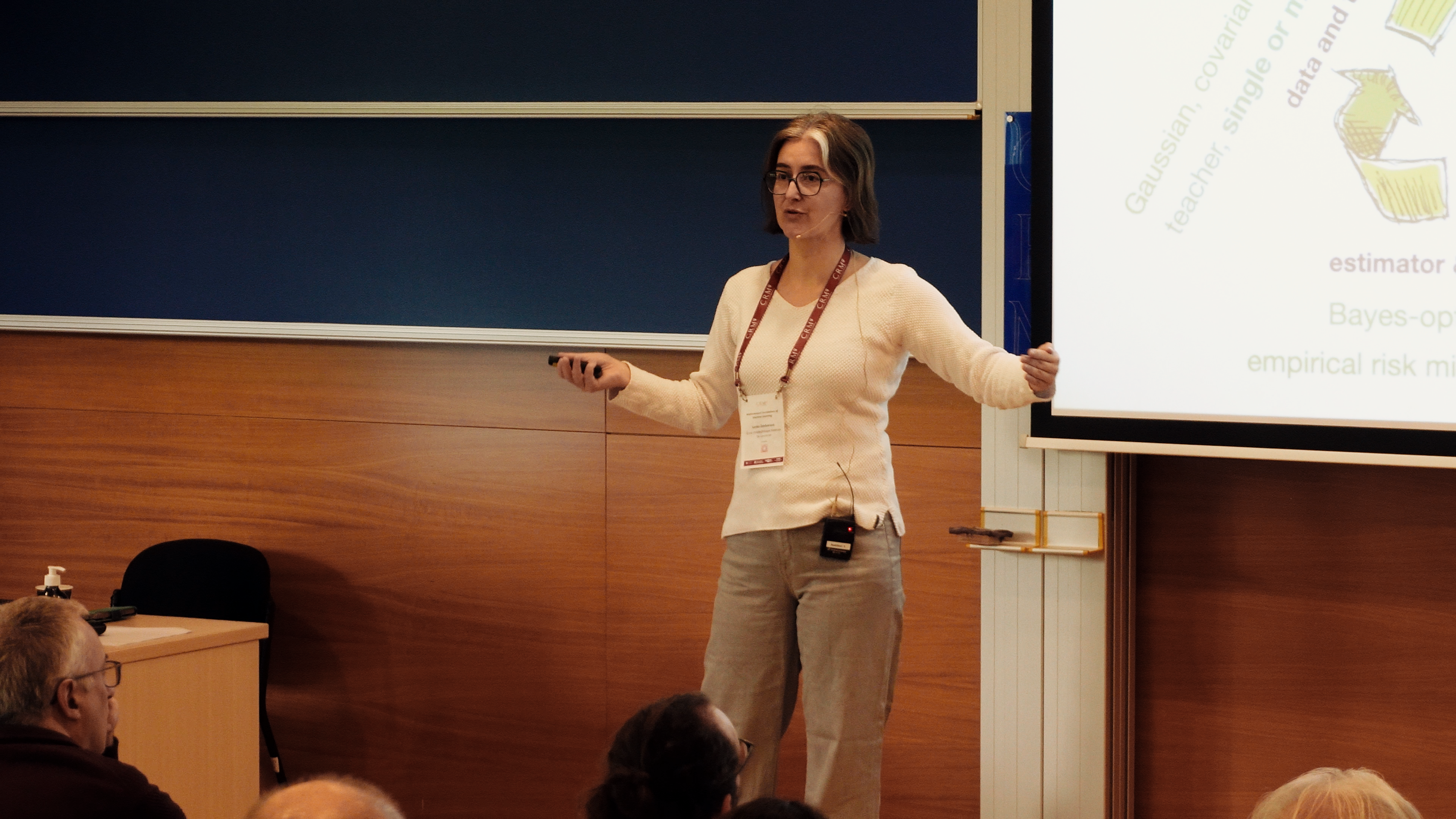
Mathematics and Machine Learning: Barcelona Workshop Brings Disciplines Together

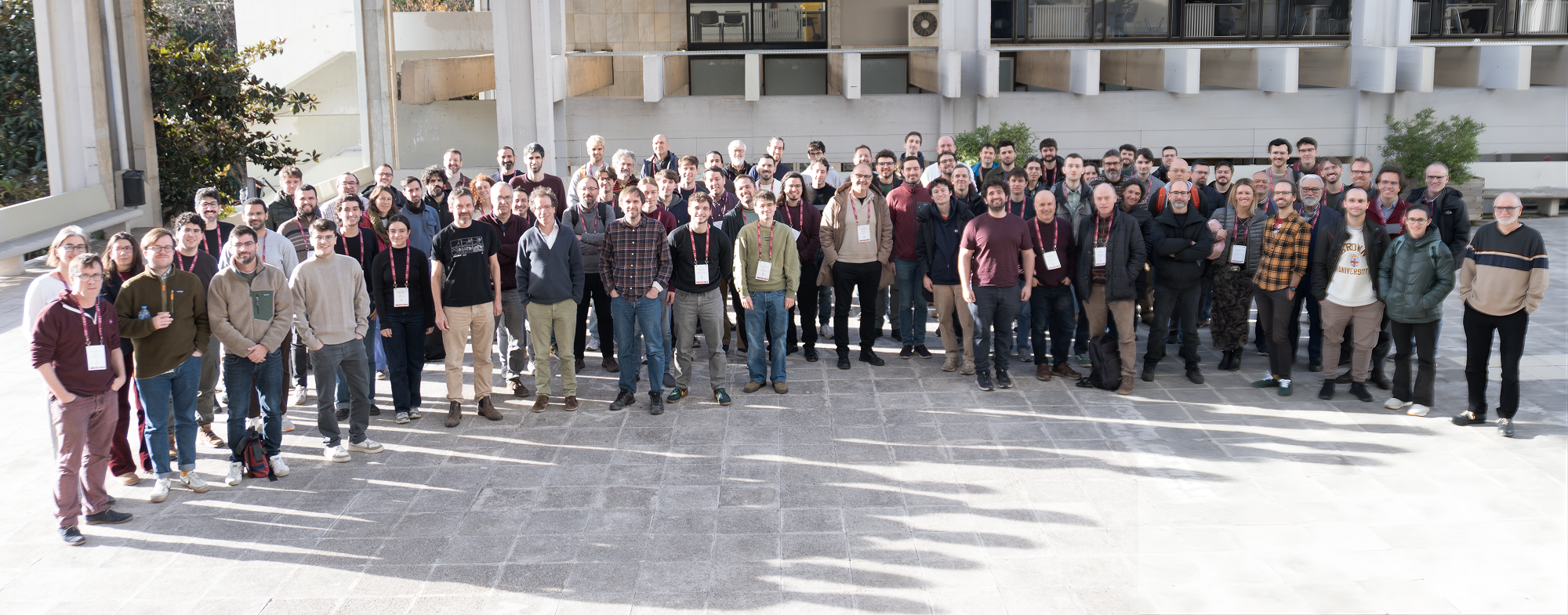
Over 100 researchers gathered at the Centre de Recerca Matemàtica to explore the mathematical foundations needed to understand modern artificial intelligence. The three-day workshop brought together mathematicians working on PDEs, probability, dynamical systems, and optimal transport to address fundamental questions about neural networks, from efficiency and interpretability to the mysteries of why these systems work so well.

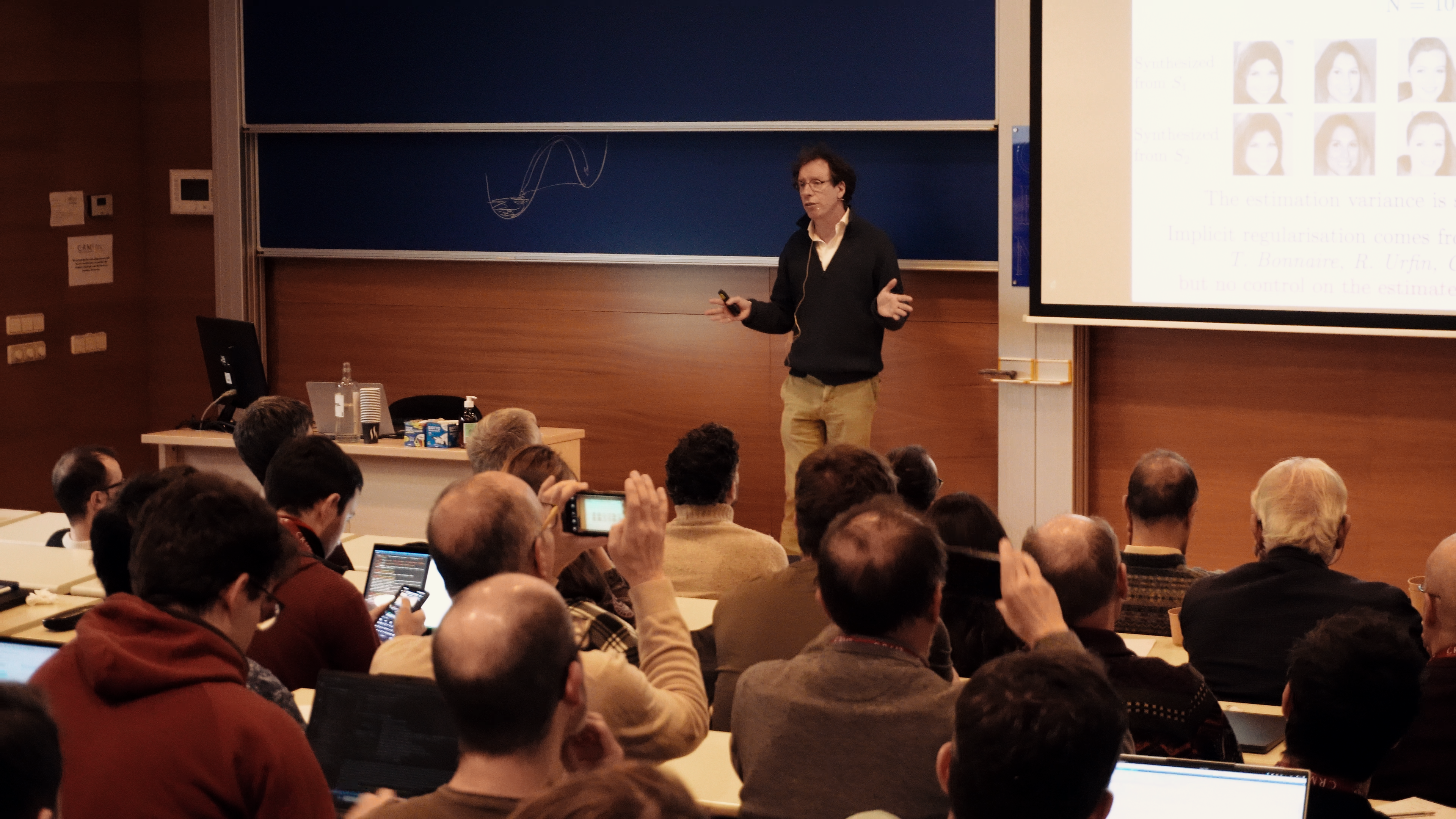
The Centre de Recerca Matemàtica hosted the Mathematical Foundations of Machine Learning: PDEs, Probability, and Dynamics workshop from January 7-9, 2026, bringing together over 100 participants to address fundamental questions about the mathematical principles underlying modern artificial intelligence. Organised by Joan Bruna (Courant Institute, NYU), Xavier Ros-Oton (UB-ICREA-CRM), and Domènec Ruiz-Balet (UB), the workshop aimed to bridge the growing gap between machine learning’s empirical successes and its theoretical understanding.

The workshop featured presentations from leading researchers addressing core theoretical questions through diverse mathematical perspectives. Stéphane Mallat, (Collège de France & ENS), recipient of the 2025 CNRS Gold Medal, presented Moment Guided Diffusion for Maximum Entropy Generation, connecting classical maximum entropy methods with contemporary sampling techniques. “The topic is at the interface of older statistical techniques and much more recent techniques about learning how to sample probability distributions with these machine learning techniques,” he explained. “Understanding the bridge between these older techniques and what is being done now defines mathematical environments in which are easier to understand the properties of these newer algorithms.”

His work addresses the curse of dimensionality, how neural networks learn probability distributions despite exponentially exploding parameter spaces. “If you think of deep neural networks, what they are doing is learning probability distributions. Now, you cannot learn probability distribution when you have a very large number of parameters because the set of possibilities is exploding,” Mallat noted. Understanding how neural networks overcome this challenge represents “a very beautiful fundamental problem that touches all ranges of knowledge, which we are now trying to tackle from a math point of view.”

Aside from efficiency, mathematical understanding offers interpretability. “When you apply them to physics to predict the weather, somewhere they can understand the underlying structure of the physics,” Mallat explained. “What kind of information do they extract? How can we understand that mathematically?”

Lenka Zdeborová (EPFL) spoke on Generalization in Attention-Based Models, applying methods from statistical physics to understand attention mechanisms. Her research demonstrates that attention need not be harder to understand mathematically than feedforward networks. “We in essence conceptualise away some of the difficulty and bring it to a set of models that can be solved using very similar tools,” she explained.

The workshop brought together invited speakers working across different mathematical approaches to machine learning theory. Gabriel Peyré (CNRS & ENS) presented Diffusion Flows and Optimal Transport in Machine Learning, examining how optimal transport methods apply to flow matching, Wasserstein gradient flows, and token probability evolution in transformers. Eric Vanden-Eijnden (Courant Institute, NYU) spoke on Beyond Diffusions with Stochastic Interpolants, introducing a framework that unifies flow-based and diffusion-based generative models. Gergely Neu (UPF) discussed optimal transport distances for Markov chains, demonstrating equivalence between bisimulation metrics and optimal transport distances.

Eulàlia Nualart (UPF-BSE) addressed the convergence of continuous-time stochastic gradient descent, while Borjan Geshkovski (INRIA) presented work on transformers as interacting particle systems. Andrea Agazzi (University of Bern) spoke on mean-field analysis of transformer models, and Jaume de Dios Pont (ETH Zurich) presented bounds for log-concave sampling. Roberto Rubio (UAB) contributed a pure mathematician’s perspective. The program also included Xavier Fernàndez-Real (EPFL), Gábor Lugosi (ICREA-UPF), and Maria Prat (Brown).

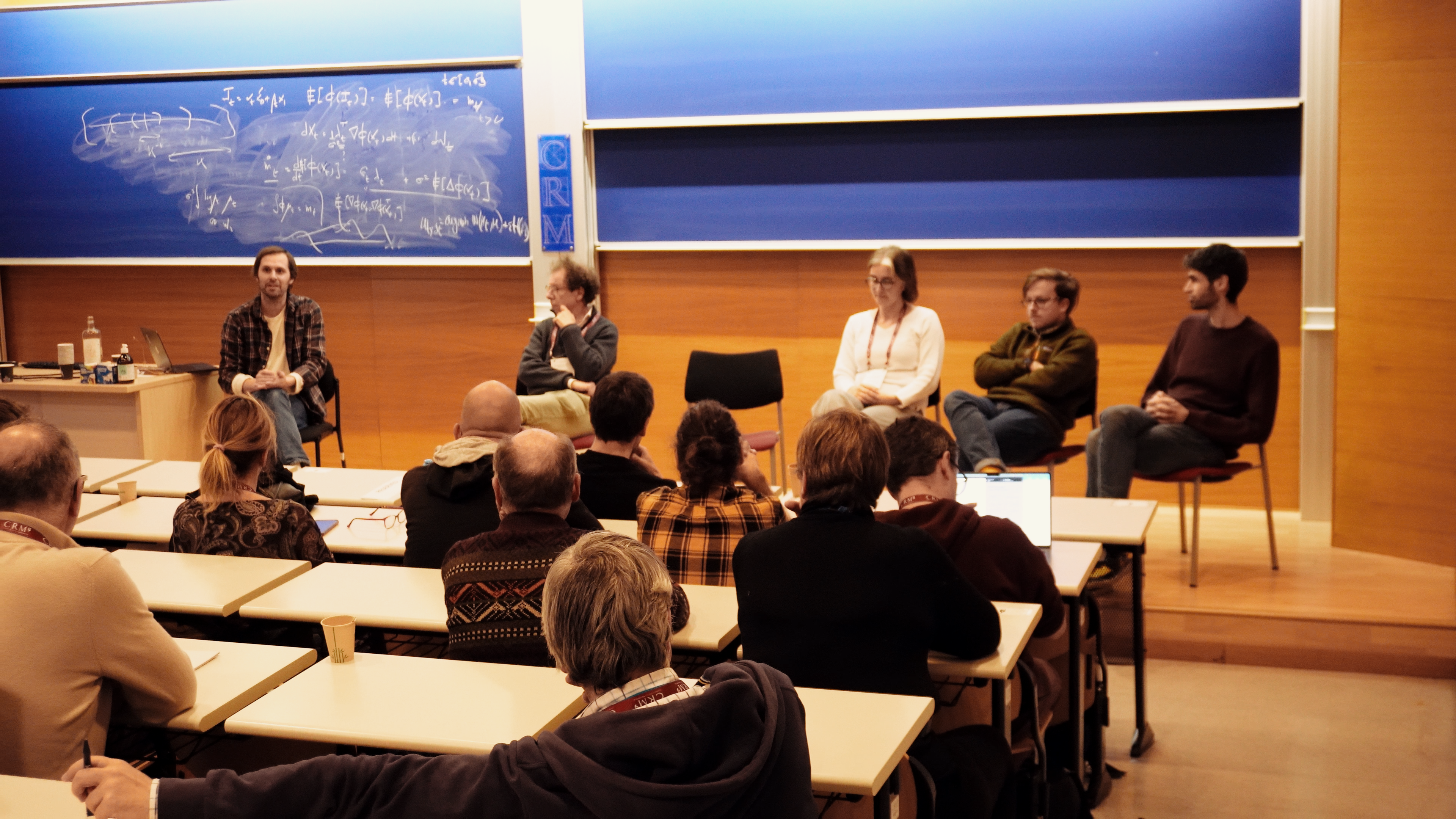
Beyond the technical presentations, the workshop featured a round table and debate session where participants engaged in open discussion about the current state of research at the intersection of mathematics and machine learning, examining both progress made and challenges ahead in developing rigorous theoretical foundations for AI systems.


The Challenge

“Mathematics is very much behind,” explained Stéphane Mallat in an interview during the workshop. “Most of these results are engineering results. Very impressive, very spectacular, but we don’t really understand the underlying mathematics.” This gap carries practical consequences. “These algorithms take a lot of energy to optimise. It requires a lot of data,” Mallat noted. “Understanding of math is about potentially improving them.”

Lenka Zdeborová drew a historical parallel. “If we compare the steam engine in the 18th century to the AI revolution today, back then, also the trains were running, the companies were running, but we were not really understanding the scientific principles,” she observed. “It’s only half a century later that with Carnot and his work, we found what the boundaries of efficiency are.” The analogy extends directly to artificial intelligence. “AI today uses a lot of data, a lot of electricity to train it. And you could think that one cannot do better, but we don’t know scientifically,” Zdeborová continued. “If we can do better, this would save a lot of resources, and the understanding would lead to that.”

“We are really now entering a phase where theoretical progress through theoretical understanding is going to be a major driver for future progress.”
— Joan Bruna, NYU Courant Institute

Joan Bruna, who served on the workshop’s scientific committee, characterised the current moment as transformative. “AI has completely transformed from a very small discipline in the corner of computer science. Now it’s really a central part of society,” he said. “I think that AI is definitely ready to bring new problems, new interesting mathematical questions that we need to study.” This integration follows historical precedent. “Physics brought PDEs. We also have problems in engineering that brought harmonic analysis,” Bruna noted. Mallat reinforced this with deeper historical context: “In the history of math, most branches of mathematics have been evolving from applied problems. If you think 4,000 years ago, the appearance of geometry from the Egyptians, that was for measuring the surface of the fields.”

“Dynamics is really at the heart of machine learning,” Bruna explained. “We see it appearing in many, many different areas. Training neural networks involves some dynamical process of gradient descent. We also see dynamics as features progress across layers. We now also see dynamics when we do generative modeling with diffusion models and flow matching.” Barcelona’s expertise in PDEs, dynamical systems, and probability made it a natural venue. “What we hope is that maybe in the future we can also bring other areas of mathematics together,” Bruna added.


Open Questions: Old and New

Beyond bringing new methodological tools, interdisciplinary work offers intellectual freedom. “As a social species, we tend to be influenced by the biases of our community,” Zdeborová reflected. “When we go and see how different communities are asking the same questions, they do it very differently. That forces us to rethink all those biases and, in a sense, free ourselves from them. And really go towards the core of the scientific questioning without the biases created by the community.”For Mallat, it represents the bridge-building that has characterised his career: “What I like the most is to be in between, going from the applications, but trying to understand the essence of the math that is behind.”

The workshop emphasised optimism about theoretical mathematics shaping AI’s trajectory, with many students and young researchers among the participants. “We are really now entering a phase where theoretical progress through theoretical understanding is going to be a major driver for future progress,” Bruna added. For those considering entering the field, he offered direct encouragement: “Mathematics has a very important role to play. Do not hesitate to reach out to people on the applied side; there are always interesting questions that can be brought together by connecting mathematics with the practical aspects of the problem.”

With over 100 participants engaging across disciplinary boundaries, the workshop established a foundation for continued work at the intersection of rigorous mathematical theory and contemporary AI challenges, demonstrating Barcelona’s strengths while creating opportunities for collaboration between researchers working on mathematical foundations and practical machine learning systems.

Recordings of all workshop talks are available on the CRM YouTube channel, along with a video featuring interviews with Stéphane Mallat, Lenka Zdeborová, and Joan Bruna discussing the workshop’s key themes.

Subscribe for more CRM News

Stay updated to our mailing list to get the lastest information about CRM activities.

CRM Comm

Pau Varela

CRMComm@crm.cat


Barcelona + didactics + CRM = CITAD 8

Barcelona + didactics + CRM = CITAD 8

From 19 to 23 January 2026, the CRM hosted the 8th International Conference on the Anthropological Theory of the Didactic (CITAD 8), a leading international event in the field of didactics research that brought together researchers from different countries in…

Seeing Through Walls: María Ángeles García Ferrero at CRM

Seeing Through Walls: María Ángeles García Ferrero at CRM

From October to November 2025, María Ángeles García Ferrero held the CRM Chair of Excellence, collaborating with Joaquim Ortega-Cerdà on concentration inequalities and teaching a BGSMath course on the topic. Her main research focuses on the Calderón problem,…

BAMB! 2025: Participants Return to the CRM for Research Stays

BAMB! 2025: Participants Return to the CRM for Research Stays

In October 2025, the Centre de Recerca Matemàtica hosted Josefine Meyer (ISTA) and Cate MacColl (University of Queensland) for a month-long research stay following their participation in the BAMB! Summer School. Despite studying vastly different subjects, from…

The post Mathematics and Machine Learning: Barcelona Workshop Brings Disciplines Together first appeared on Centre de Recerca Matemàtica.

Go to Source

El grupo de Barbacid en el CNIO elimina tumores de páncreas en ratones por completo y sin que aparezcan resistencias

Grupo de Oncología Molecular del Centro Nacional de Investigaciones Oncológicas (CNIO)/ MadMoviex. CNIO

En España se diagnostican cada año más de 10.300 casos de cáncer de páncreas, uno de los tumores más agresivos. Su detección en fases avanzadas, y la falta de terapias eficaces, hace que la supervivencia cinco años tras el diagnóstico sea inferior al 10%. Pero la investigación está despegando, y empezando a cambiar el paradigma tras décadas de muy escasos avances.

Mariano Barbacid, jefe del Grupo de Oncología Experimental del Centro Nacional de Investigaciones Oncológicas (CNIO), ha diseñado una terapia que consigue eliminar tumores de páncreas en ratones de manera completa y duradera, y sin efectos secundarios notables. El estudio se publica en la revista PNAS (Proceedings of the National Academy of Sciences), con Carmen Guerra como co-autora principal y Vasiliki Liaki y Sara Barrambana como primeras autoras.

“Estos estudios abren una vía para diseñar nuevas terapias combinadas que puedan mejorar la supervivencia de los pacientes con adenocarcinoma ductal de páncreas [el cáncer de páncreas más común]”, afirman los autores en PNAS. “Estos resultados marcan el rumbo para desarrollar nuevos ensayos clínicos”.

Eliminar la resistencia al tratamiento

Los primeros fármacos dirigidos a dianas moleculares de cáncer de páncreas se aprobaron en 2021, después de medio siglo sin mejoras respecto a la quimioterapia convencional. Estos nuevos fármacos bloquean la acción de KRAS, un gen mutado en el 90% de las personas con cáncer de páncreas; su eficacia sin embargo es modesta, porque al cabo de unos meses el tumor se vuelve resistente.

Este problema de las resistencias a los fármacos inhibidores de KRAS es el que aborda el nuevo estudio de Barbacid, pionero tanto en la investigación de KRAS como en el desarrollo de modelos animales para cáncer de páncreas.

La estrategia del grupo del CNIO ha sido bloquear la acción del oncogén KRAS en tres puntos, en vez de solo en uno -es más difícil que una viga se parta si se la fija al techo por tres sitios, en lugar de solo en un punto-. Y, en efecto, después de eliminar genéticamente tres moléculas de la vía de señalización de KRAS en modelos de ratón, los tumores desaparecieron de manera permanente.

Contra tres eslabones de la cadena

Aplicar la misma estrategia en pacientes implica buscar fármacos que bloqueen la vía molecular de KRAS en los mismos tres puntos. El equipo empleó una terapia triple, que combinaba un inhibidor de KRAS disponible para estudios experimentales (daraxonrasib); un fármaco aprobado para ciertos adenocarcinomas de pulmón (afatinib); y un degradador de proteínas (SD36).

El tratamiento se aplicó a tres modelos de ratón de adenocarcinoma ductal de páncreas, y en todos se indujo “una regresión significativa y duradera de estos tumores experimentales sin provocar toxicidades significativas”, escriben los autores.

“Este estudio describe una terapia triple combinada (…) que induce la regresión robusta de modelos experimentales de adenocarcinoma ductal de páncreas, y evita la aparición de resistencias. Esta triple combinación es bien tolerada en ratones”, afirman en PNAS.

Hacia un ensayo clínico, pero todavía no

En cuanto a los siguientes pasos, Barbacid explica que “es importante entender que, si bien nunca se habían obtenido resultados experimentales como los aquí descritos, todavía no estamos en condiciones de llevar a cabo ensayos clínicos con la triple terapia”.

“El camino para optimizar la terapia de triple combinación descrita aquí para su uso en un escenario clínico no será fácil”, se afirma en PNAS. “(..) A pesar de las limitaciones actuales, estos resultados podrían abrir la puerta a nuevas opciones terapéuticas para mejorar el resultado clínico de los pacientes con adenocarcinoma ductal de páncreas en un futuro no muy lejano”.

Financiación

Este estudio ha sido financiado por la Fundación CRIS Contra el Cáncer; el Consejo Europeo de Investigación (ERC); la Agencia Estatal de Investigación en cofinanciación con el Fondo de Desarrollo Regional Europeo; fondos Next Generation de la Unión Europea; el Centro de Investigación Biomédica en Red (CIBERONC); y el Instituto de Salud Carlos III.

Sobre el Centro Nacional de Investigaciones Oncológicas (CNIO)

 El Centro Nacional de Investigaciones Oncológicas (CNIO) es un centro público de investigación dependiente del Ministerio de Ciencia, Innovación y Universidades. Es el mayor centro de investigación en cáncer en España y uno de los más importantes en Europa. Integra a medio millar de científicos y científicas, más el personal de apoyo, que trabajan para mejorar la prevención, el diagnóstico y el tratamiento del cáncer.

Más información:

La entrada El grupo de Barbacid en el CNIO elimina tumores de páncreas en ratones por completo y sin que aparezcan resistencias se publicó primero en CNIO.

Go to Source

Measurement of (Formula presented), (Formula presented), and (Formula presented) Decay Parameters Using (Formula presented) Decays

Measurement of (Formula presented), (Formula presented), and (Formula presented) Decay Parameters Using (Formula presented) Decays

Dekkers S.; Egede U.; Fujii Y.; Hadavizadeh T.; Henderson R.D.L.; Lane J.J.; Liu F.L.; Monk M.; Song R.; Walton E.J.; Ward J.A.; Bediaga I.B.; Camargo Magalhaes P.; Cruz Torres M.; De Freitas Carneiro Da Graca U.; De Miranda J.M.; dos Reis A.C.; Falcao L.N.; Gomes A.; Massafferri A.; Santoro L.; Sundfeld D.; Torres Machado D.; Amato S.; De Paula L.; Ferreira Rodrigues F.; Gandelman M.; Hicheur A.; Lopes J.H.; Nasteva I.; Nogarolli P.; Otalora Goicochea J.M.; Polycarpo E.; Rangel M.S.; Souza De P
Physical Review Letters, Vol. 133, Num. 261804 (2024)
Article

Go to Source

Origin and Full Characterization of the Secondary (Assembly) Halo Bias

Origin and Full Characterization of the Secondary (Assembly) Halo Bias

Salvador-Solé E.; Manrique A.; Agulló E.
Astrophysical Journal, Vol. 976, Num. 47 (2024)
Article

Go to Source

Field redefinitions and evolutions in relativistic Navier-Stokes

Field redefinitions and evolutions in relativistic Navier-Stokes

Bea Y.; Figueras P.
Journal of High Energy Physics, Vol. 2024, Num. 110 (2024)
Article

Go to Source

Consistent theories for the DESI dark energy fit

Consistent theories for the DESI dark energy fit

Notari A.; Redi M.; Tesi A.
Journal of Cosmology and Astroparticle Physics, Vol. 2024, Num. 025 (2024)
Article

Go to Source

Coulomb confinement in the Hamiltonian limit

Coulomb confinement in the Hamiltonian limit

Dawid S.M.; Smith W.A.; Rodas A.; Perry R.J.; Fernández-Ramírez C.; Swanson E.S.; Szczepaniak A.P.
Physical Review D, Vol. 110, Num. 094509 (2024)
Article

Go to Source

Sidebar