Author Archive

Bringing Order to Chaos: A New Roadmap for High-Entropy Catalysts

A perspective article led by ICN2 researchers explores the great potential of high-entropy materials, as well as the opportunities and challenges related to their design and application. These materials are emerging as one of the most promising options for electrocatalysis and sustainable chemistry.

Go to Source

Double BIST Ignite Award for ICIQ Research

The BIST Forum has held a new edition at CosmoCaixa with the aim of consolidating knowledge transfer and the creation of new industry based on scientific research. The conference has had outstanding institutional support from the Minister of Research and Universities of the Government of Catalonia, Núria Montserrat, the Minister of Industry and Tourism, Jordi Hereu, and the Deputy Mayor of Barcelona, Maria Eugènia Gay.

As a keynote speaker, the President of the European Investment Bank, Nadia Calviño, analysed the strategic role of frontier research as a driver to shape the industry of the future.

The annual meeting of the BIST scientific community, made up of seven major research centres of the CERCA system (CRG, ICFO, ICIQ, ICN2, IFAE, and IRB Barcelona) has served to discuss which organisational, legal and funding elements are necessary to capitalise on the scientific discoveries made in Europe and in our country, in order to generate a new scalable industry that allows us to maintain our social model.

BIST Ignite Award

The BIST Forum also hosted the BIST Ignite Awards, designed to foster new partnerships between BIST centres, fostering interdisciplinary approaches to address complex scientific challenges. And in this 8th edition, two projects with representation from the ICIQ have been selected in the following calls.

BIST Ignite Seed, call for new proposals:

· RADIANT Project

Raman-Accelerated Deep-learning Imaging and Nanoscale Thermometry (RADIANT), presented by Dr. Timm Swoboda, postdoc at ICN2 and Dr. Hind Benzidi, postdoc at ICIQ.

This project will receive 20,000 euros of initial funding to support its development, subsidized by the participating centers.

BIST Ignite Award call:

· Breath-CO2 Project

Breaking Boundaries with the New Generation of Chiral Hybrids for CO2-Electrolysers through Atomic-Scale Visualization, presented by Dra. Alba Garzón Manjón, Associate Researcher at ICN2, Dr. Felipe Andrés Garcés Pineda, Ramon y Cajal Researcher at ICIQ, and Dra. Viktoria Golovanova, postdoc at ICFO.

This project received initial recognition from the BIST Ignite Seed in 2025. And in this edition, it has been consolidated with the BIST Ignite, in its second phase and will receive €50,000 in funding for its execution.

La entrada Double BIST Ignite Award for ICIQ Research se publicó primero en ICIQ.

Go to Source

ICIQ celebrates International Women’s Day with a roundtable on breaking barriers in science

To mark International Women’s Day, the Institute of Chemical Research of Catalonia (ICIQ) hosted a roundtable discussion titled “Breaking Barriers in Science: Women’s Voices at ICIQ.” The event brought together researchers and staff from across the institute to reflect on the challenges and opportunities women encounter in scientific careers.

The roundtable was conducted by Prof. Mónica H. Pérez-Temprano, Group Leader at ICIQ, and featured a diverse panel representing different stages and roles within the research ecosystem: Prof. Bahareh Kherzi, ICREA Professor and Associated Researcher at ICIQ, Dr. Stephanie G.E. Amos, postdoctoral researcher in the group of Prof. Arjan W. Kleij, Meritxell Díaz, technician at the Chromatography, Thermal Analysis & Electrochemistry Unit in the Scientific Core Facilities and Belén Francisca Gómez Arteaga, PhD student under the IVORI Programme in the group of Prof. Rubén Martín.

The discussion addressed structural barriers that continue to affect women’s careers in science, particularly in leadership positions. As highlighted by Prof. Kherzi, women still occupy a smaller proportion of senior roles, partly due to challenges related to work–life balance and career progression. She also stressed the importance of retaining talented researchers and ensuring that institutions create environments where they can develop their careers successfully.

Dr. Stephanie G.E. Amos emphasised the importance of fair and transparent selection criteria in shaping career progression. She noted that, beyond improving hiring processes, broader cultural change is also required.

Participants also reflected on how scientific success is defined and evaluated. Meritxell Díaz pointed out that traditional metrics often overlook the realities of modern careers: “Success should not be measured solely by the amount of time you dedicate to work,” she said. She also highlighted the importance of incorporating gender perspectives into institutional policies, increasing women’s representation in decision-making positions, and establishing dedicated roles within organisations to address equality and gender-related issues.

The conversation also touched on the concept of intersectionality. Belén Francisca Gómez Arteaga underlined that the research system has historically been designed around male career patterns and that achieving balance requires acknowledging diverse experiences and identities. “This is not only about gender,” she explained, “but also about intersectionality and adapting the system to new realities.”

During the discussion, Mónica H. Pérez-Temprano reflected on the gender gap in applications for leadership positions, noting that women still tend to apply less frequently. Sharing her own experience, she highlighted how encouragement and mentorship can play a key role: someone once encouraged her to apply to ICIQ, she said, and that opportunity allowed her to become part of the change she now advocates for. She also stressed the need for greater transparency in evaluation systems and broader criteria that go beyond purely scientific indicators.

The debate also highlighted the importance of recognising the wide range of roles that make research possible and of promoting more collaborative and empathetic working environments. Participants emphasised the need to value diversity within organisations and to develop policies that support talent retention, particularly by reducing the uncertainty associated with short-term contracts. They also highlighted the importance of strengthening training in management and leadership to foster more inclusive and transparent institutional models capable of reshaping the “rules of the game.”

The roundtable, which lasted around one hour, was attended by more than 80 people at the ICIQ Auditorium. The session concluded with an open discussion with the audience and with a question from a male attendee: “What can we do?”a reminder that progress depends on collective commitment. In this spirit, ICIQ reaffirmed its commitment to promoting community engagement and shared responsibility in advancing a more equitable and inclusive research environment.

The event was organised by the ICIQ Equality Commission as part of the institute’s programme to commemorate International Women’s Day on 8 March. Additional activities included a quiz and several awareness initiatives open to the entire institute, aimed at encouraging reflection on gender equality and fostering a more inclusive research environment.


La entrada ICIQ celebrates International Women’s Day with a roundtable on breaking barriers in science se publicó primero en ICIQ.

Go to Source

ICIQ presents the pilot plant project to decarbonise Catalan industry at the BIST Forum

As part of the BIST Forum 2026, held this Friday at the CosmoCaixa in Barcelona, the Institute of Chemical Research of Catalonia (ICIQ) has presented the decarbonisation project that promotes the deployment of four mobile pilot plants. These units will test cutting-edge CO₂ capture and use technologies to reduce emissions in industries that are difficult to abate, such as petrochemicals, cement, steel and waste incineration. This is a pioneering project, financed by the European Union with ERDF funds and developed in collaboration with the industrial sector, also in collaboration with Eurecat and the URV, which can place Catalonia at the forefront of the fight against climate change.

The project, as an example of the potential of frontier research to provide disruptive solutions, was presented by Dr. Júlia Viladoms, head of the Industrial Decarbonization Unit of the ICIQ. During his speech, he stressed that the initiative is not only a technological milestone, but a strategic tool: “We want to demonstrate that, from research centres, it is possible to promote technology transfer and innovation projects with a real impact on the territory“, she said.

Precisely, the annual meeting of the BIST scientific community has addressed how to generate new industry from scientific research. The conference, organised by the seven major research centres of the CERCA system (CRG, ICFO, ICIQ, ICN2, IFAE, and IRB Barcelona) was attended by the Minister of Research and Universities from de Government of Catalonia, Núria Montserrat; the Minister of Industry and Tourism, Jordi Hereu; and the Deputy Mayor of Barcelona City Council, Maria Eugènia Gay. As an exceptional guest, the president of the European Investment Bank and former Minister of Economy, Nadia Calviño, has analysed with other experts the potential of frontier search to shape the industry of the future.

Why is the decarbonization project important?

With this project, ICIQ provides the knowledge and tools for companies in Catalonia to make the transition towards a decarbonised future and a circular and sustainable production model in line with the change in the European and global economic model.

Industry is responsible for a significant portion of CO₂ emissions, and electrifying processes or replacing fuels is not always feasible. This project responds to this challenge with innovative solutions that will make it possible to move towards the climate neutrality set by the European Union for 2050.

Collaboration between research centers such as ICIQ and companies is essential. Without this binomial, innovation does not reach the market. Our goal is to make these technologies viable and scalable,” said Dr. Júlia Viladoms.

Four technologies that will make a difference

Mobile pilot plants incorporate four complementary approaches:

Each capture unit (1-3) can reach up to 250 kg of CO₂ per day, helping to validate scalable solutions for sectors where emission reduction is more complex. It is about recycling CO₂ and creating synergies between different industrial sectors to move towards a more sustainable common future. In other words, CO₂ will go from waste to being a useful asset for industry, a new raw material.

Investment and impact

With a total investment of €27 million from the European Union (€22M from the ERDF Programme of Catalonia 2021-2027 within the framework of the STEP initiative) and the Government of the Catalonia (€5M from the 2023 budget), the project foresees the manufacture and validation of the plants from 2026, their installation in industrial environments in 2027 and technological improvement until 2029. Catalonia is thus positioned as a European benchmark in innovation for industrial decarbonisation.

Call for collaboration

These units will function as itinerant laboratories, facilitating experimentation and the optimization of processes that help reduce emissions. Interested companies will be able to access these pilot plants through open calls, promoting technology transfer and collaboration between research and industry.

In this context, ICIQ plays a key role in providing new materials and scientific knowledge for CO₂ capture and conversion technologies, consolidating research as a fundamental pillar of this project.


La entrada ICIQ presents the pilot plant project to decarbonise Catalan industry at the BIST Forum se publicó primero en ICIQ.

Go to Source

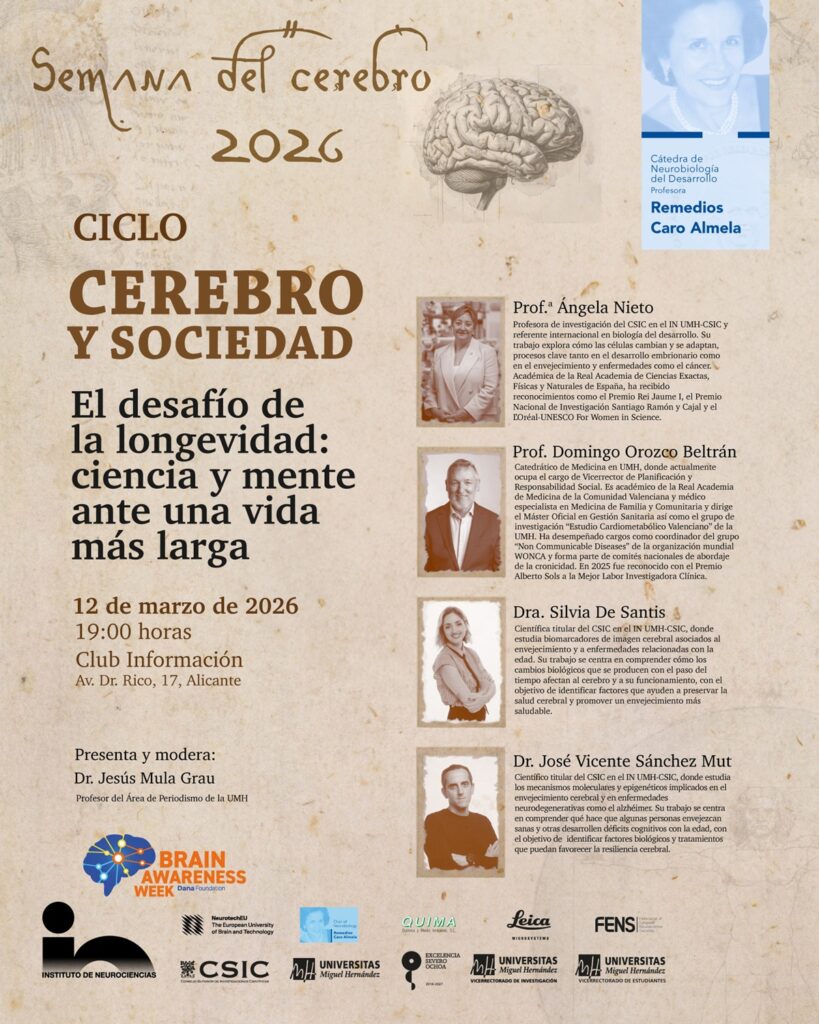
Brain and Society 2026 Series, March 12

Brain and Society 2026 Series: ‘The Challenge of Longevity: Science and the Mind in an Age of Longer Lives’, March 12

(Read the information poster in the attached PDF document)

The Institute for Neurosciences (IN), a joint center of Miguel Hernández University of Elche (UMH) and the Spanish National Research Council (CSIC), will once again host the Brain and Society series, supported by the Remedios Caro Almela Chair of Neurobiology. As part of this series, the round table discussion ‘The Challenge of Longevity: Science and the Mind in an Age of Longer Lives’ will take place on Thursday, 12 March, at 7:00 p.m. at Club Información, Alicante (Av. Dr. Rico, 17).

The session will be moderated by Jesús Mula Grau, professor in the UMH Journalism Area, and will feature the participation of distinguished specialists:

Ángela Nieto, CSIC Research Professor at the IN UMH-CSIC, where she leads the Cell Plasticity in Development and Disease laboratory and directs the Cell Plasticity in Brain Disease and Repair scientific programme. Nieto is an international reference in developmental biology, and her research investigates how cells change and adapt—processes that are essential both in embryonic development and in aging and diseases such as cancer. She has been recognized with the Rei Jaume I Award, the Santiago Ramón y Cajal National Research Award, and the L’Oréal-UNESCO For Women in Science Award, and is a member of the Royal Academy of Exact, Physical, and Natural Sciences of Spain.

Domingo Orozco Beltrán, Professor of Medicine and Vice-Rector for Planning and Social Responsibility at UMH. Orozco is a specialist in Family and Community Medicine and directs the Official Master’s in Health Management, as well as the research group Valencian Cardiometabolic Study. He has received the Alberto Sols Award for Best Clinical Research and has held national and international positions in the management of chronic diseases.

Silvia De Santis, CSIC Staff Scientist at the IN UMH-CSIC, where she leads the Translational Imaging Biomarkers laboratory. De Santis specializes in brain imaging biomarkers associated with aging and age-related diseases. Her work aims to understand how biological changes affect the brain and how to preserve brain health to promote healthier aging.

José Vicente Sánchez Mut, CSIC Staff Scientist at the IN UMH-CSIC, where he leads the Functional Epi-Genomics of Aging and Alzheimer’s Disease laboratory. Sánchez Mut studies the molecular and epigenetic mechanisms involved in brain aging and neurodegenerative diseases such as Alzheimer’s. His research seeks to identify factors that promote brain resilience and cognitive health in later life.

The session, open to the public until full capacity is reached, offers a unique opportunity to learn how science investigates longevity and to reflect on the challenges of an increasingly long life.

Source: Institute for Neurosciences UMH-CSIC (in.comunicacion@umh.es)

La entrada Brain and Society 2026 Series, March 12 se publicó primero en Instituto de Neurociencias de Alicante.

Go to Source

Conferencia: “Tiempos de reordenación patriarcal: la batalla cultural antifeminista”

Conferencia:
El día 10 de marzo, a las 13.00h en el Aula Magna de la Facultad de Psicología, será impartida la conferencia “Tiempos de reordenación patriarcal: la batalla cultural antifeminista”, por Carmen Ruiz Repullo, profesora de la Universidad de Granada.
Seguir leyendo

Go to Source

Talk: “Times of Patriarchal Reorganization: The Anti-Feminist Cultural Battle”

Conferencia:
El día 10 de marzo, a las 13.00h en el Aula Magna de la Facultad de Psicología, será impartida la conferencia “Tiempos de reordenación patriarcal: la batalla cultural antifeminista”, por Carmen Ruiz Repullo, profesora de la Universidad de Granada.
Seguir leyendo

Go to Source

El grupo Logopedia Experimental y Aplicada registra la plataforma INVENTAPALABRAS

INVENTAPALABRAS, nueva plataforma para enseñar a leer e intervenir las dificultades lectoras
Investigadores del Centro de Investigación Mente, Cerebro y Comportamiento (CIMCYC) de la Universidad de Granada, pertenecientes al grupo de investigación Logopedia Experimental y Aplicada, coordinado por la investigadora Juana Muñoz López, han desarrollado el software INVENTAPALABRRAS para enseñar a leer e intervenir en las dificultades lectoras de manera personalizada e inclusiva, tanto en el aula como en sesiones individuales (niños, niñas y personas adultas). Esta plataforma ha sido registrada en la Oficina de Transferencia de Resultados de Investigación (OTRI), por su carácter innovador y su potencial de transferencia.
Seguir leyendo

Go to Source

The “Experimental and Applied Speech Therapy” Group Registers the INVENTAPALABRAS Platform

INVENTAPALABRAS, nueva plataforma para enseñar a leer e intervenir las dificultades lectoras
Investigadores del Centro de Investigación Mente, Cerebro y Comportamiento (CIMCYC) de la Universidad de Granada, pertenecientes al grupo de investigación Logopedia Experimental y Aplicada, coordinado por la investigadora Juana Muñoz López, han desarrollado el software INVENTAPALABRRAS para enseñar a leer e intervenir en las dificultades lectoras de manera personalizada e inclusiva, tanto en el aula como en sesiones individuales (niños, niñas y personas adultas). Esta plataforma ha sido registrada en la Oficina de Transferencia de Resultados de Investigación (OTRI), por su carácter innovador y su potencial de transferencia.
Seguir leyendo

Go to Source

Justin Perry: “In science, we are wrong all the time”

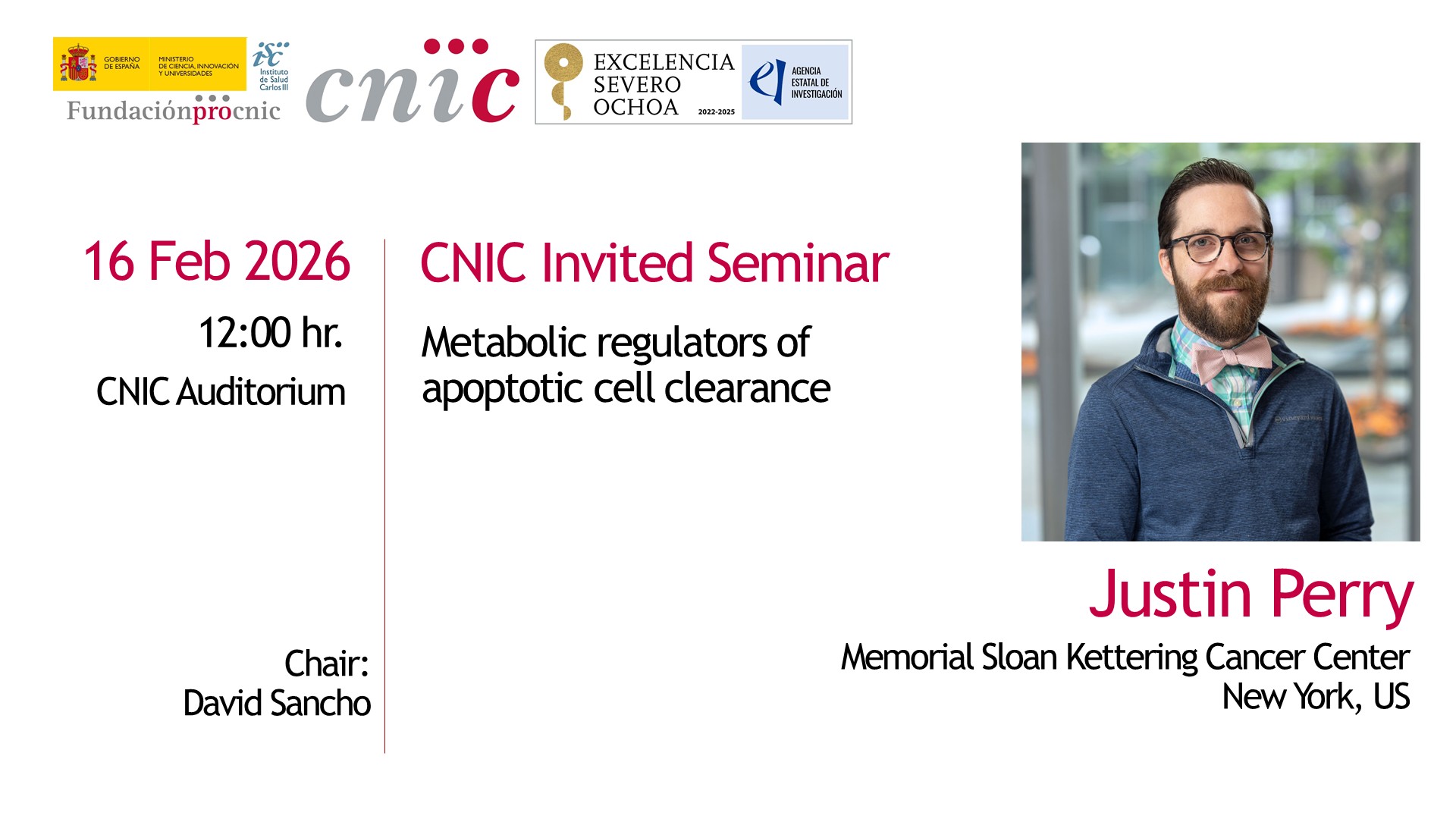
Justin Perry is an Associate Member in the Immunology Program of the Sloan Kettering Institut at Memorial Sloan Kettering Cancer Center and an Assistant Professor in the Immunology and Microbial Pathogenesis Program at Weill Cornell Medical Cente. He obtained an M.A. in Clinical Psychology, followed by a Ph.D. in Immunology from Washington University in St. Louis. Research in the Perry Lab broadly focuses on understanding the mechanisms underlying the “healthy” clearance of dying cells, known as efferocytosis. The Perry Lab combines techniques from immunology, cell biology, metabolism, and informatics to address how phagocytes, such as macrophages, handle the immense burden of efferocytosis. In particular, the lab studies how a phagocyte manages the massive influx of biological material in extreme tissue environments, how this relates to host immune function and homeostasis, and how these processes are exploited or go awry in disease. For his work at SKI, he received various awards, including a V Foundation Scholar Award, a Pew Foundation Biomedical Scholars Award, and the NIH Director’s New Innovator Award.

  • How do you usually explain your research to non-specialists or to the general public?

My lab studies cells that eat other cells and other debris. The human body turns over about 3 million cells per second. It is basically the size of a football field that turns over every day. This is really important for every tissue and every organ. In the developing organism, when the brain is growing, those neurons that make up your brain have to die and be turned over — that is a classic example. We study that process, literally the clearance of those dead and dying cells to make room for new cells to come in.

  • What is this process useful for?

During development, it helps organize and shape tissues into the appropriate structure, etc. As we age, for instance, in your intestines or in your lungs, those tissues are made up of cells called epithelial cells. They are getting old and have to be replaced. But in order to replace them, you have to get rid of the old ones first. That process is called cell death, and those dead cells have to be cleared. Otherwise, they can lead to autoimmune disease, chronic inflammatory disease, and atherosclerosis. And those are the reasons why it is an important and useful process. The downside to the process is that it can be exploited by cancer. When cancer develops, it takes advantage of this cell death clearance process to promote its own growth.

  • What has been your most significant discovery in this field?

We recently published that, thinking about development, the young brain has to develop in an organized manner. And it turns out that high fructose corn syrup, or high fructose.

  • Are you referring to the paper you published in Nature?

Yes, correct. And so it turns out that high fructose can be transmitted from mother to the developing organism. Even when you’re in your younger years, if you’re a young child consuming high fructose, this fructose suppresses that normal clearance process. This negatively affects how the brain develops, how a child’s brain develops, making children more susceptible to different psychological disorders, anxiety disorders, etc., and so on.
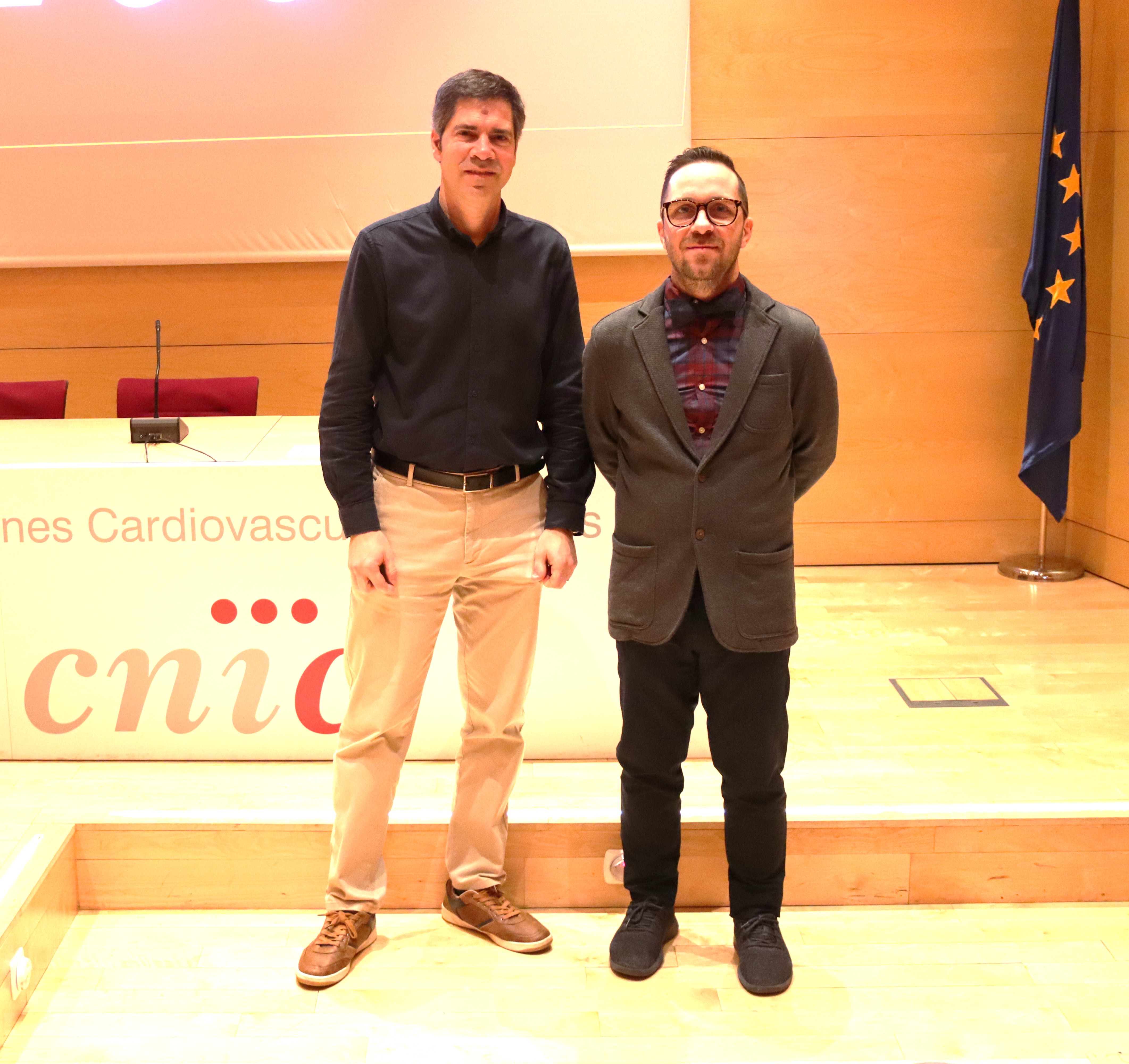
 David SAncho y Justin Perry

  • What is wrong if dying cells are not cleared properly??

All sorts of things. It depends on which tissue or organ we are talking about. So the classic examples I like to give are — what’s a good example? The classic example would be during pregnancy. A mother has to produce milk to feed the baby. After that happens, all of those cells and the material that was made have to be cleared or removed. And if that doesn’t happen, then you are unable to lactate in the future. It can negatively affect lactation.

On the other side, in males, everyday millions of germ cells, or sperm, die and have to be cleared. And if they’re not cleared, it leads to infertility in men.

We have a manuscript coming out in a week that shows that in multiple different tissues — lung, liver, and also in male testes — microplastics accumulate in these tissues, in the cells that do dead cell clearance, preventing them from doing this. And so that’s a possible contributor to rising infertility in the world.

Every tissue has this process. In the lung, your lung epithelium is important for breathing and gas exchange. If you don’t have this cell turnover process, then you get accumulation of important material in the lung called surfactant. This is what happens in patients with cystic fibrosis, for instance. They are susceptible to infection, they have trouble breathing, and you have fluid buildup. It can also lead to asthma and other lung complications.

This is an amazing cardiovascular research institute, and the classic examples there are in atherosclerosis. In the early stages of cell death and lipid buildup, macrophages — the cells that perform this clearance process — are trying to prevent plaque buildup. They are trying to remove dying cells. If that doesn’t happen, if you have a failure of this process, then it can lead to accumulation of cholesterol, plaque formation, etc.

Another really good example is in neurodegeneration. In Alzheimer’s disease or frontotemporal dementia, you have dying neurons that have to be cleared. This happens in all of our brains as we age. Cells in your brain called microglia — which are macrophages (macrophage literally means “big eater”) — eat this debris. As we get older, our cells are less capable of doing this process, making us more susceptible to neurodegeneration, osteoporosis, or other bone-related diseases. Aging is another area where this becomes very relevant..

  • Is there any method or treatment to promote this process when it doesn’t occur properly?

This is literally the front edge of what we’re trying to do. By understanding these processes, we can reverse engineering them.

In the context of fructose, without disclosing too much, we are trying to come up with ways of safely addressing it. You’re not going to give a drug to children. If I’m a parent — and I am — I don’t want to give my kids drugs to counteract fructose consumption. But, for instance, if you could come up with something safe that could go into these foods and compete with fructose, preventing it from entering the cells — because we identified the specific protein that allows these metabolites into cells — you could competitively inhibit fructose metabolism in those cells. We are finding that there are molecules that look similar but are metabolized differently.

The other example is more engineering-based. My lab does a lot of cell-based therapeutics. In the microplastic case, those cells are already filled with microplastics. The problem is that we have not evolved with plastics. We don’t recognize them as harmful. Our cells ingest them but don’t mount an inflammatory response. However, their presence indirectly prevents clearance.

We have developed enzymatic replacement approaches, engineering macrophages to detoxify cells. That’s literally where we are now. One of the fructose-related methods also appears beneficial in solid cancer contexts. We are planning to start a phase I clinical trial this year in lung and breast cancer patients.

  • How did you become interested in science?

I studied psychology first. I am a trained clinical psychologist. Then I did a biology PhD afterward. I was always interested in the biological underpinnings of psychology. As an undergraduate at the University of Alaska Anchorage, I worked on biofeedback — using biological information like skin temperature to learn to regulate it consciously.

I was always interested in taking unconscious biological processes and making them conscious. Even now, I still think in terms of psychology and neuropsychology. I still volunteer and see middle and high school students for therapy. Mental health is a global issue, especially among children, and I’ve kept that part of me active.

  • Do you think your psychology knowledge enriches your career as an immunologist?

When I moved into biology, I thought I was leaving psychology behind. But half the job of leading a lab is psychology. Building an environment where people feel valued and supported requires it.

In science, we are wrong all the time. Many interesting projects come from being wrong. Teaching trainees that being wrong is exciting is important. Psychology has definitely helped with that.

  • When you arrived at Sloan Kettering, Joan Massagué described you as “an outstanding scientist and immunologist” and said he was confident you would make an important contribution to science. What did you think when you heard that??

Joan also helped start an institute here in Spain as well. When I met Joan, he was already the director of Sloan Kettering. But a lot of times I talk to my trainees and they forget that he discovered TGF-beta, basically discovered the functions of TGF-beta, which is one of the most important molecules not just in cancer, but in immunology and beyond. He’s a bona fide, incredible scientist.

Any time Joan — and also our president at the time, Craig Thompson — would come to your talks and ask questions, it was significant. So to have their respect and to have them as colleagues recognizing your work is incredible.

I have a ton of appreciation and respect for Joan. He’s an incredible scientist, and I had the fortune of collaborating with him a few times on some of the things they do. He’s still going incredibly strong. I hope to be that successful and as good at continuing to do science as he is.

  • What would you like to achieve in your career?

The ultimate goal of a PhD is contributing fundamental knowledge. But Sloan Kettering has also allowed me to pursue another goal, which is to see a therapeutic move from its earliest stages all the way through to FDA approval. I genuinely want to see something through that entire process. The idea of developing a therapy that actually reaches patients — especially patients for whom no other treatment has worked — is incredibly exciting to me. Ultimately, though, when I was interviewing for jobs — this is a fun story — I met with a really famous scientist, Ruth Lehmann, who now leads the Broad Institute. At the time, she was directing a program at NYU that I was interviewing for. She asked me, “What would your two-sentence description of your science be for the National Academy of Sciences?” Imagine getting that question during a job interview. What are you going to be remembered for? What defines your work?

At the time, I didn’t answer it this way, but what I really wanted to say was twofold. First, that the work done by the trainees in my lab helps explain the biological process we study — efferocytosis — and establishes it alongside major processes like autophagy. I want it to be part of the broader scientific conversation about how it contributes to, or prevents, multiple diseases. Second, I want to train enough people who can go on to do this work themselves — so I don’t have to. So really, the goal is for people to say: “This group helped define why this process is so important across many diseases.” And then to see my trainees go off and study it in different contexts — one focusing on Lyme disease and tick-borne pathogens, another studying it in sepsis, and so on. Then they can carry it forward… and maybe I can retire to a cabin in New Hampshire. Or Alaska — I’m from Alaska, after all. We hunt and fish and do all of that. That’s the plan.



Go to Source

The visit of the External Scientific Advisory Committee (ESAB) to the IAA-CSIC concludes

On March 3, 4 and 5, the Institute of Astrophysics of Andalusia (IAA-CSIC) received a visit from its External Scientific Advisory Committee (ESAB), made up of internationally renowned researchers. The main objective of the meeting was to review the center’s activities and offer advice for future lines of action.

Go to Source

Several ICN2 Spin-offs Showcase their Technologies at Mobile World Congress Barcelona 2026

Companies such as Apeiron Intelligence, Distinkt and INBRAIN took part in the official programme of 4YFN, part of MWC Barcelona and a key meeting point for leading innovation-driven startups.

Go to Source

Sidebar