Author Archive

María Casanova investigará el cáncer de ovario avanzado con una ayuda de la Fundación BBVA

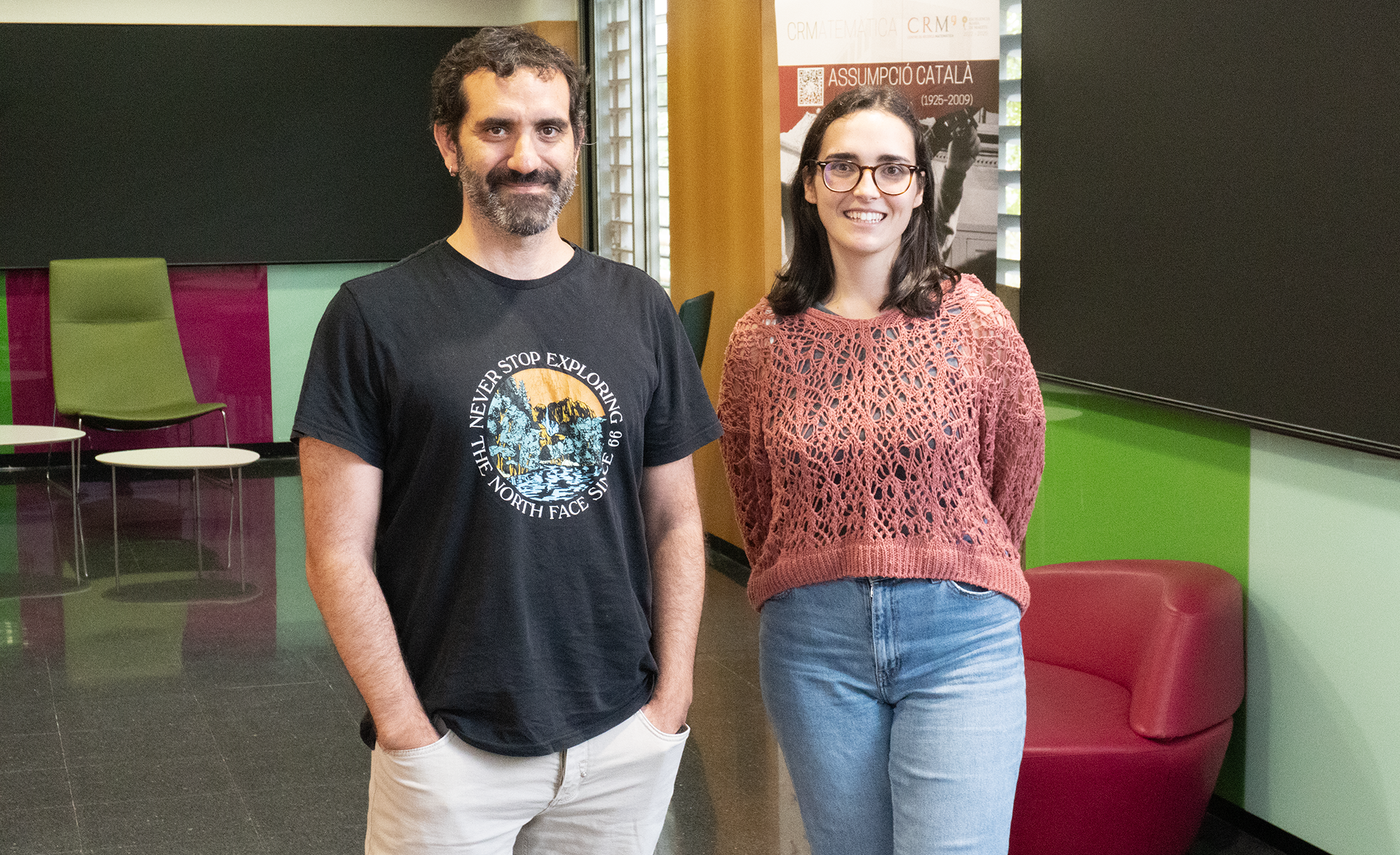
María Casanova-Acebes, jefa del Grupo de Inmunidad del Cáncer del CNIO. / Laura M. Lombardía. CNIO

El cáncer de ovario avanzado es difícil de tratar, y solo el 15% de las pacientes sobrevive más de cinco años. Uno de los retos más urgentes de la investigación actual en este tumor es identificar biomarcadores de metástasis y de resistencia al tratamiento. Ambos fenómenos serán estudiados en detalle por la investigadora del Centro Nacional de Investigaciones Oncológicas (CNIO) María Casanova-Acebes gracias a una ayuda de la Fundación BBVA.

Casanova-Acebes, que dirige el Grupo de Inmunidad del Cáncer del CNIO, analizará un tipo de mutaciones en células de la sangre de las que se sospecha podrían iniciar el cáncer de ovario y promover su diseminación. En trabajos anteriores Casanova ha hallado evidencias de que estas mutaciones, conocidas como CHIP, modifican las defensas del organismo y facilitan la expansión del cáncer de ovario y sus metástasis. Sin embargo, hasta hace poco no había buenos modelos animales con que seguir avanzando en esta línea de investigación.

El proyecto financiado por la Fundación BBVA, llamado CHIP-OC: Hematopoyesis clonal de potencial indeterminado en cáncer de ovario, permitirá a la investigadora del CNIO y su grupo analizar si, y cómo, las mutaciones CHIP merman las defensas e impulsan la diseminación del cáncer de ovario. El grupo usará modelos en animales y muestras de pacientes.

Como explica Casanova, “nuestros principales objetivos, respaldados por datos preliminares muy sólidos, son explorar si las células con mutaciones CHIP desencadenan el cáncer de ovario avanzado y la progresión metastásica; y esclarecer si las mutaciones CHIP promueven la resistencia a la quimioterapia”.

Comprender las bases moleculares y la relación de las mutaciones CHIO con las alteraciones del sistema inmunitario en el cáncer de ovario avanzado abrirá nuevas oportunidades terapéuticas para este tumor”, añade.

La ayuda, de 50.000 euros, es una beca Leonardo de la Fundación BBVA en la categoría de Biomedicina. Es una convocatoria que financia «proyectos individuales, desarrollados por profesionales que se encuentran en un momento decisivo de su carrera laboral: investigadores y creadores de entre 30 y 45 años, un estadio intermedio de su trayectoria con un gran potencial de crecimiento», explica la Fundación BBVA.

Un grupo que investiga la relación entre el cáncer y los horarios del cuerpo

Este proyecto se une a otros ya en marcha en el grupo, que es conocido por investigar la relación entre el cáncer y las defensas del organismo, el sistema inmunitario. Uno de los resultados de su investigación es que las células tumorales intentan burlar al sistema inmunitario distorsionando su ajuste a los ritmos circadianos del cuerpo.

El fenómeno es considerado tan relevante que el Consejo Europeo de Investigación concedió a la investigadora del CNIO 1.5 millones de euros para estudiarlo durante 5 años. El objetivo último de este proyecto europeo llamado INN-TIME es descubrir cómo ajustar la aplicación de los tratamientos contra el cáncer a los horarios en que resulten más efectivos.

La entrada María Casanova investigará el cáncer de ovario avanzado con una ayuda de la Fundación BBVA se publicó primero en CNIO.

Go to Source

II Machine Learning Methods for Complex and Quantum Systems

Image
II Machine Learning Methods for Complex and Quantum Systems
Conference

II Machine Learning Methods for Complex and Quantum Systems

Date
Place
“Aula Magna Enric Casassas”, Physics Faculty

The 2nd Machine Learning Methods for Complex and Quantum Systems will be hosted by the Institute of Cosmos Sciences of the University of Barcelona on 10-12 June, 2026. This conference follows the meeting previously held in Camerino (Italy).
Go to Source

Six researchers from the IN CSIC-UMH are among the most cited worldwide, according to the Stanford Ranking

A total of 50 scientists affiliated with the Miguel Hernández University (UMH) of Elche have been recognized among the most cited researchers worldwide, according to the ranking compiled by Stanford University and the academic publisher Elsevier, based on data extracted from the Scopus bibliographic database. Six of them belong to the Institute for Neurosciences (IN), a joint center of the Spanish National Research Council (CSIC) and UMH.

This internationally recognized ranking evaluates the influence and impact of scientific output using advanced bibliometric indicators. Through the so-called C-index, the study considers not only the total number of citations received but also their quality, providing a more accurate assessment of researchers’ performance and scientific projection.

Being included in this ranking is an explicit recognition of research excellence and academic leadership, positioning UMH and the Institute for Neurosciences as international references across multiple scientific disciplines.

In the edition published in September 2025, two independent lists were produced: one reflecting cumulative career impact and another analyzing performance exclusively during 2024. In both cases, the 100,000 researchers with the highest C-index were selected, as well as all those in the top 2% percentile within their respective fields of knowledge.

The six IN researchers, along with their areas of expertise, are listed alphabetically:

Carlos Belmonte (Physiology), founder of the IN in 1990 and professor emeritus at UMH, is a pioneer in the study of ocular sensory physiology. He described the neural mechanisms of pain receptors in the cornea and conjunctiva, fundamental for understanding ocular nociception and conditions such as dry eye.

Víctor Borrell (Developmental Neurobiology), who leads the Neurogénesis and Cortical Expansion laboratory and the Scientific Program on Neural stem cell regulation and differentiation, has demonstrated how neuronal progenitors generate the expansion and folding of the cerebral cortex, unraveling processes that explain human brain evolution and the basis of neurological disorders..

Juan Lerma (Cellular and Systems Neurobiology), director of the Synaptic Physiology laboratory, where he discovered a subtype of glutamate receptors, the kainate receptors, and revealed their role in neuronal communication and synaptic plasticity, key findings for understanding epilepsy, schizophrenia, and other diseases.

Salvador Martínez (Human Anatomy and Embryology), who directs the Neurobiology of Mental, Neurodegenerative, and Neuro-oncological Diseases laboratory. His research has identified brain development alterations associated with psychiatric and neurodegenerative disorders and tumors, providing experimental models for their study and early diagnosis.

Ángela Nieto (Developmental Neurobiology), director of the Cell Plasticity in Development and Disease laboratory and the Scientific Program on Cell Plasticity in Brain Disease and Repair. An international reference in the study of epithelial-mesenchymal transition (EMT), she demonstrated its role not only in embryonic development but also in tumor progression and fibrosis, bridging developmental biology and translational medicine.

Félix Viana (Cellular and Systems Neurobiology), who leads the Sensory Transduction and Nociception laboratory and the Scientific Program on Neurobiology of Pain & Inflammation. He has characterized ion channels involved in detecting thermal and chemical stimuli, revealing sensory transduction mechanisms that generate pain, with implications for developing new analgesics.

The complete list and the methodology used can be consulted at the following link: https://elsevier.digitalcommonsdata.com/datasets/btchxktzyw/8

Source: UMH Communication Service (comunicacion@umh.es) / Institute for Neurosciences CSIC-UMH (in.comunicacion@umh.es)


La entrada Six researchers from the IN CSIC-UMH are among the most cited worldwide, according to the Stanford Ranking se publicó primero en Instituto de Neurociencias de Alicante.

Go to Source

ICIQ brings chemistry to the European Researchers’ Night

Nearly 5,000 people enjoyed science at Plaça Corsini in Tarragona during the European Researchers’ Night, held on 26 and 27 September. The initiative, coordinated by URV with the participation of CERCA research centres in the region, brought together more than 200 researchers in over 50 workshops. Among them, ICIQ had a prominent presence, bringing chemistry and research on sustainability and energy closer to both families and adults.

ICIQ workshops at Plaça Corsini

ICIQ offered two interactive workshops for all audiences:

– Landscape Laboratory: led by Joan Guillem Mayans and coordinated by Laura Hernández Eguía, with the collaboration of a team of young ICIQ researchers: Anna Arnanz, Francesco Calogero, Alejandro Delgado, Alisa Denisiuk, Rebeca Ferrer, Valero Gimeno, Ricardo Hortigón, Guillaume Mollaert, Luis Merchante, Leonardo Pagliano, Marta Romero, Liliana Santamaría and Miguel Sellés. Participants experimented with erupting volcanoes, marine gardens, silver mirrors and quicksand.
– The SUPERVAL Game: coordinated by Marta Llorens Fons and Arnau Jordà, this card game introduced the carbon and nitrogen cycles, showing the impact of human activity on ecosystems and highlighting more sustainable practices.

Micro-talks: research in first person

ICIQ also contributed to the scientific micro-talks held at Racó de la Palma in Reus on 20 September:

– Marta Llorens Fons (Communication Unit) spoke about antibiotic resistance and the European NanoCarbaOne project, which develops new technologies to detect resistant enzymes.
– Sergi Danés (Prof. Lloret-Fillol’s group) presented research on photoelectrocatalytic solar fuels, a sustainable alternative to fossil fuels inspired by natural photosynthesis.

CaixaForum Tarragona: science face to face

European Researchers’ Night activities also reached CaixaForum Tarragona, where ICIQ researchers engaged with the public in innovative formats:

– Speed Dating: João Marcos Gonçalves (Prof. Villa’s group) shared his research in a dynamic setting that encouraged direct interaction and scientific curiosity.
– Late Show – Research on Stage: Anthony Jesús Martínez Bustos (Prof. Villa’s group) delivered the talk “The fantastic voyage with micromotors”, showing how these tiny chemical motors open new avenues in nanotechnology.

Talks in secondary schools

During the week of 22–30 September, secondary schools across the region welcomed researchers. From ICIQ, María Jesús Ramírez (Innovalab Unit) gave the talk “Condensed matter: what happens when atoms get organised” at Campclar High School.

A European collaborative project

The European Researchers’ Night is celebrated simultaneously in more than 460 European cities. In Tarragona, it is coordinated by URV with the participation of CERCA research centres, including ICIQ. This event represents a unique opportunity to bring research closer to society and inspire future generations of scientists.

Through its workshops, talks and activities, ICIQ reaffirms its commitment to outreach and to promoting science as a driver of social transformation.


The scientific workshops conducted during European Researchers Night 2025 at Corsini Square, Reus, CaixaForum i Campclar were promoted in the framework of the actions of the European project ERN-ApuliaMED, HORIZON-MSCA-2023-CITIZENS-01 – GA 101162513

La entrada ICIQ brings chemistry to the European Researchers’ Night se publicó primero en ICIQ.

Go to Source

Superhydrophilic Ferromagnetic Filters: A Novel Strategy for Sterilising Air and Eliminating Viruses like SARS-CoV-2

This reusable, low-power technology, co-developed by ICN2 researchers, uses low-temperature evaporation to efficiently disinfect indoor air, generating the required heat through electromagnetic induction.

Go to Source

Aurelio Juste appointed Physics Coordinator of the ATLAS experiment at CERN

Aurelio Juste, ICREA Research Professor at IFAE, will lead the scientific programme of one of the world’s largest particle physics experiments starting October 2025.

Go to Source

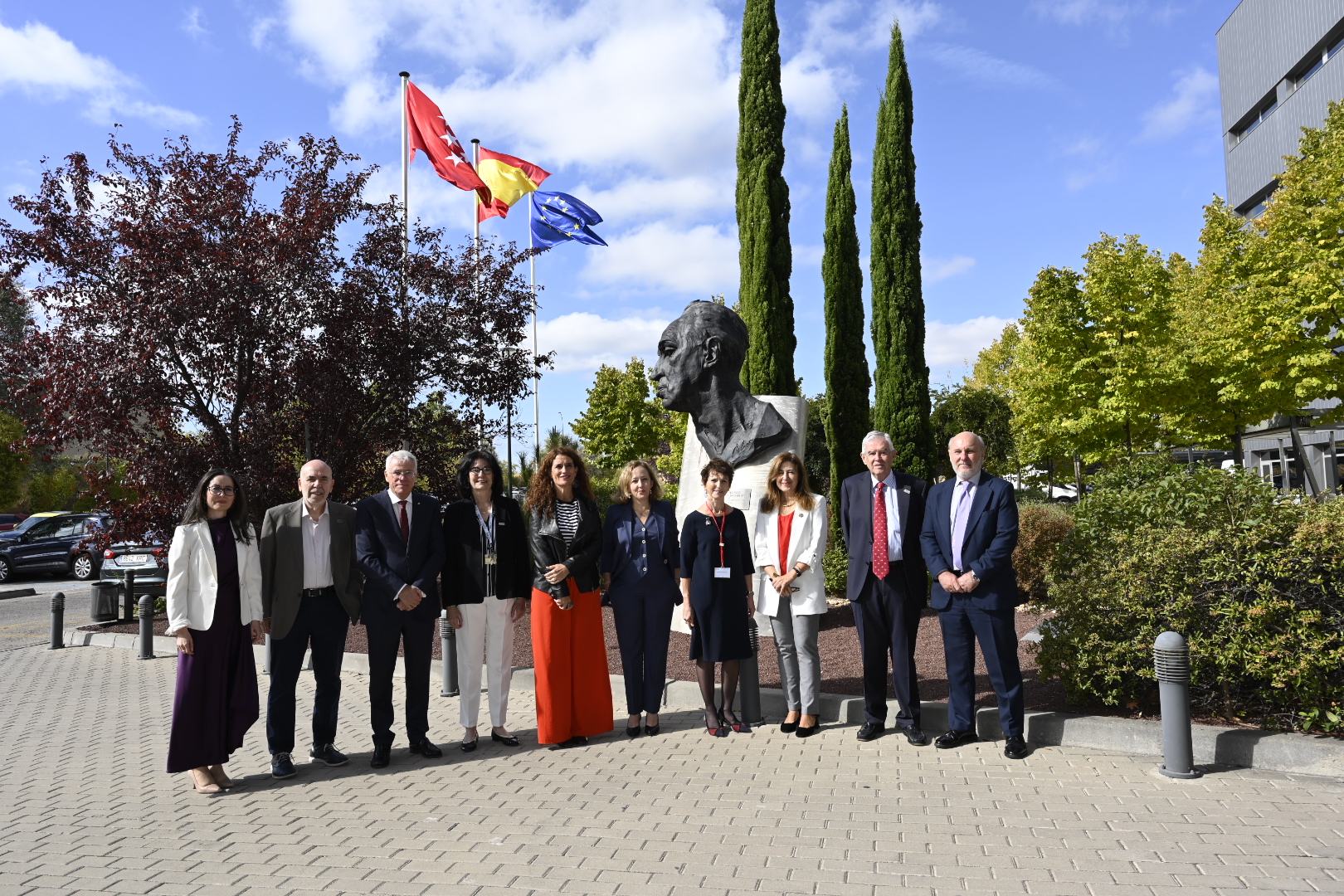
50 años descodificando la vida: el Centro de Biología Molecular Severo Ochoa celebra su aniversario con la élite mundial de la biología molecular

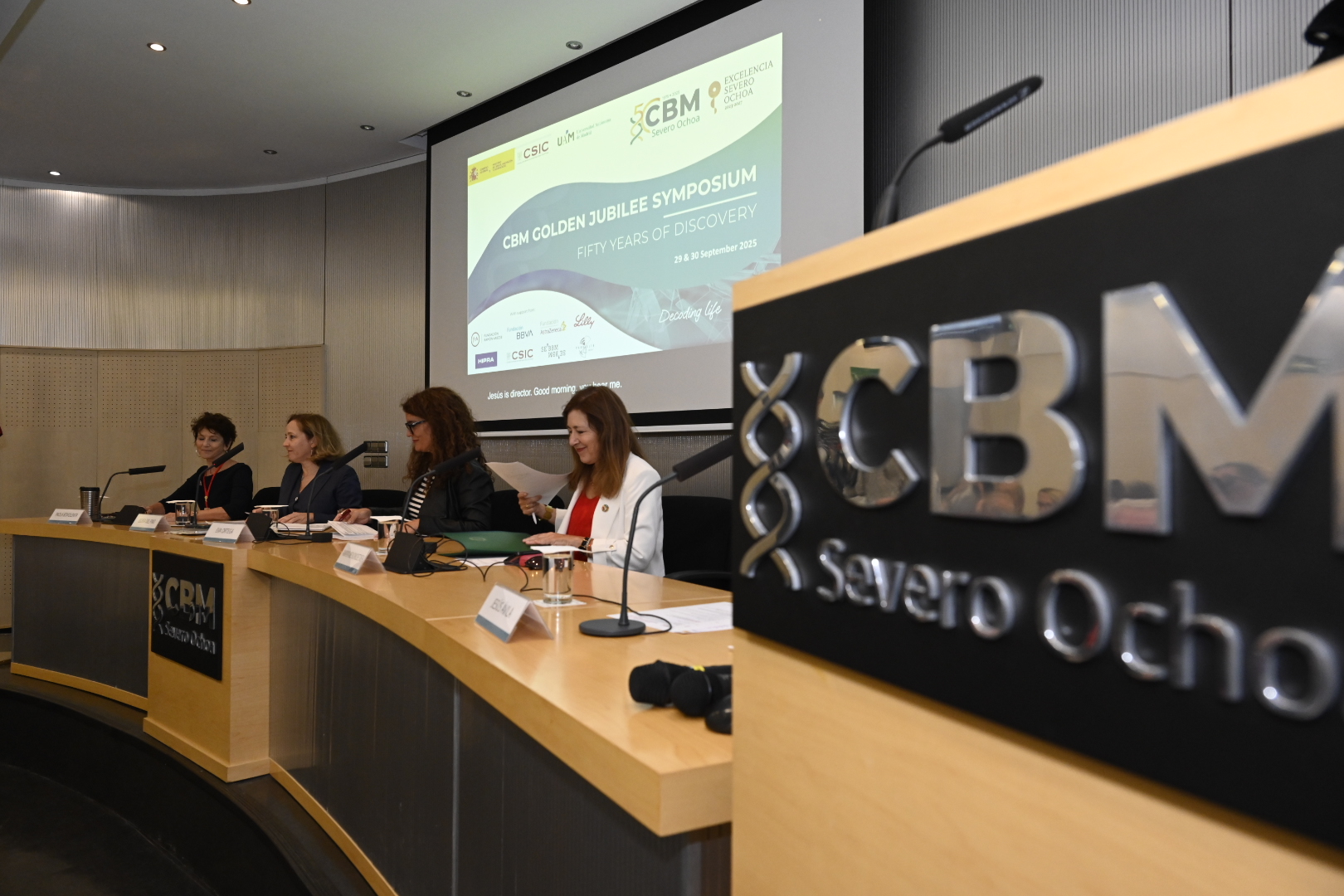
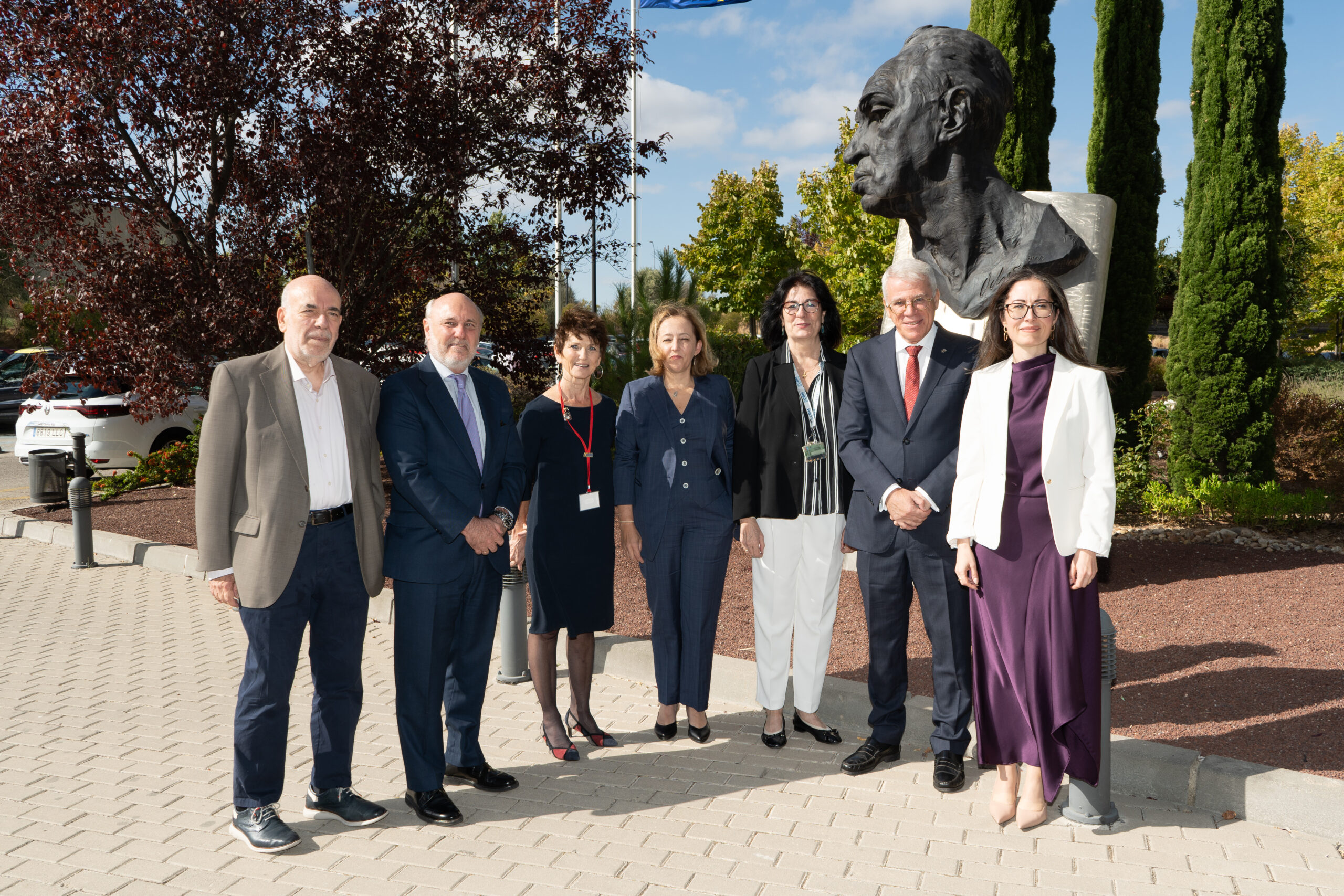
El Centro de Biología Molecular Severo Ochoa (CBM, CSIC-UAM) celebra los días 29 y 30 de septiembre su cincuentenario con el simposio internacional “Golden Jubilee Symposium: Fifty years of Discovery”, un encuentro que sitúa a Madrid en el epicentro de la ciencia biomédica global.

El simposio, punto central de las celebraciones, combinó un acto institucional y una conferencia científica de altísimo nivel, con sesiones que incluyen conferencias individuales y mesas redondas sobre el futuro de la biología molecular en Europa y el papel de la Escuela del CBM.

Más de diez ponentes de prestigio mundial participaron en el programa, entre ellos Svante Pääbo, David Julius, Michael Hall, Elaine Fuchs, Michael Young, María Elena Bottazzi, Pascale Cossart o Mark Davis, todos ellos galardonados con los premios científicos más relevantes a nivel internacional, como Nobel, Lasker, Princesa de Asturias o BBVA Fronteras del Conocimiento.

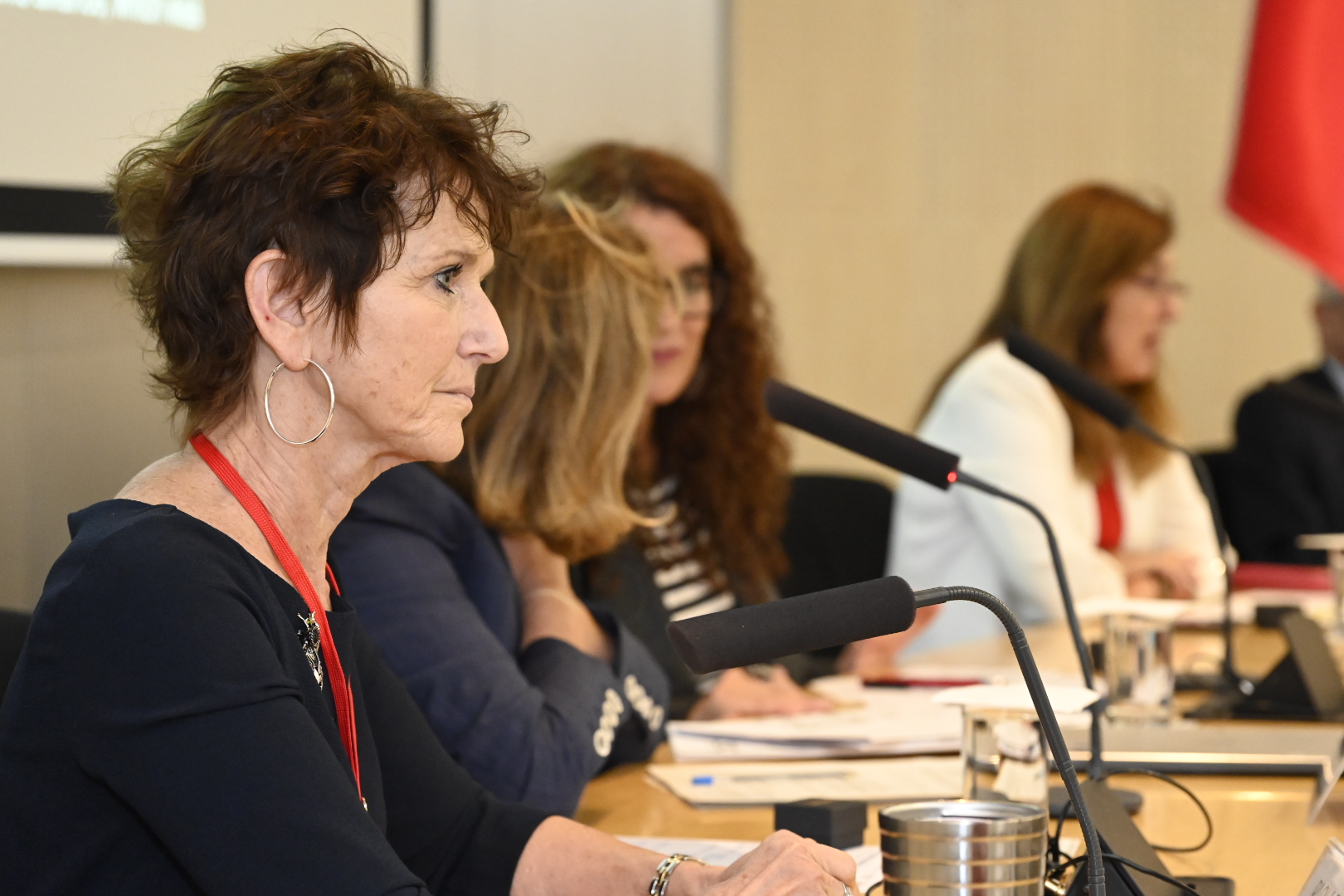
El lema del CBM, “Decoding Life”, refleja su misión: explorar los secretos de la vida para generar conocimiento que mejore la salud y la calidad de vida de las personas. Cada línea de investigación, desde inmunología y cáncer hasta neurociencia, metabolismo o enfermedades infecciosas, contribuye a este objetivo. La directora del CBM, Paola Bovolenta, asegura que el CBM es hoy un centro de investigación vivo, dinámico, y profundamente comprometido con la ciencia, la formación y la sociedad. Somos un centro de investigación de vanguardia, un lugar donde la curiosidad y la innovación se unen para ampliar los límites del conocimiento.

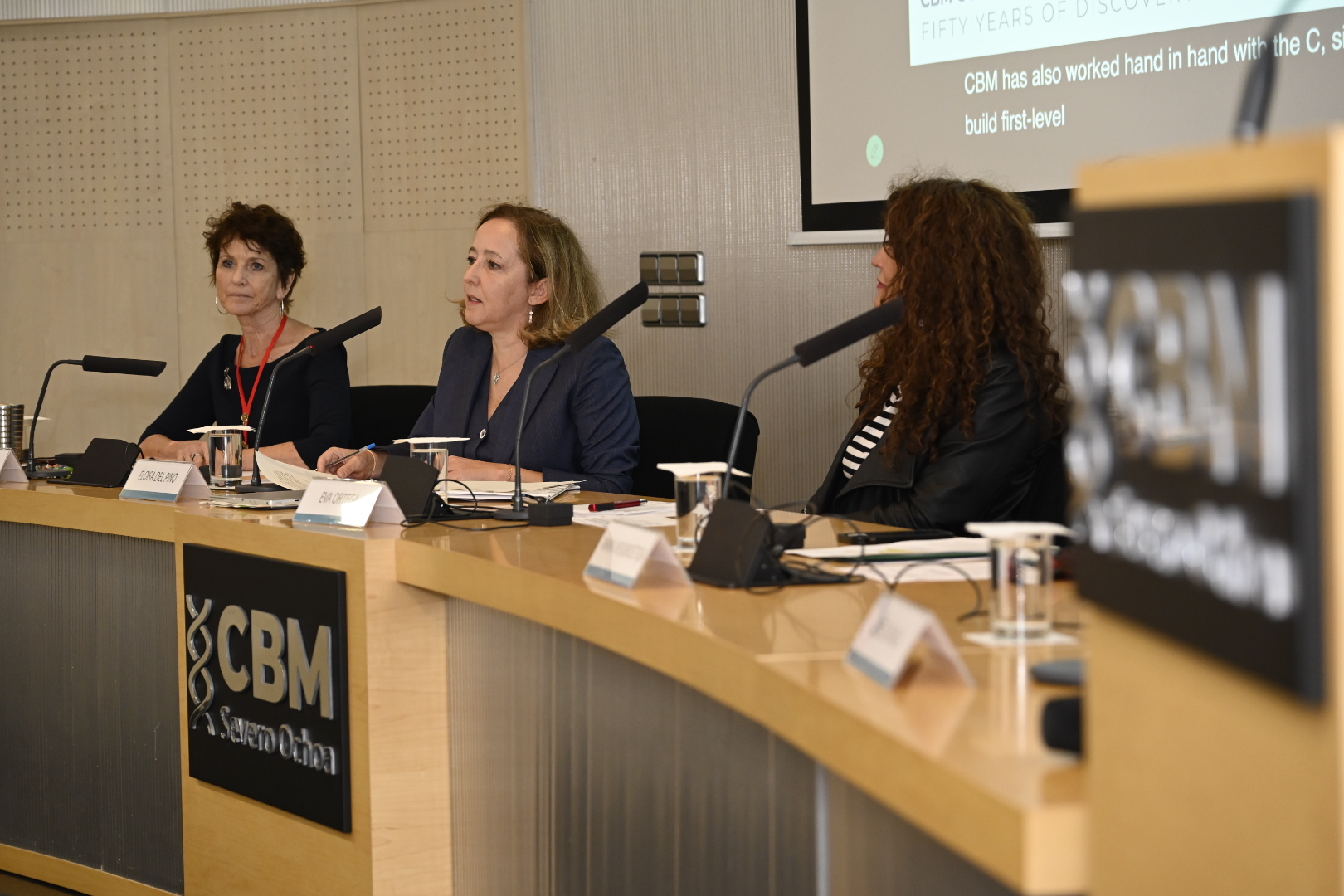
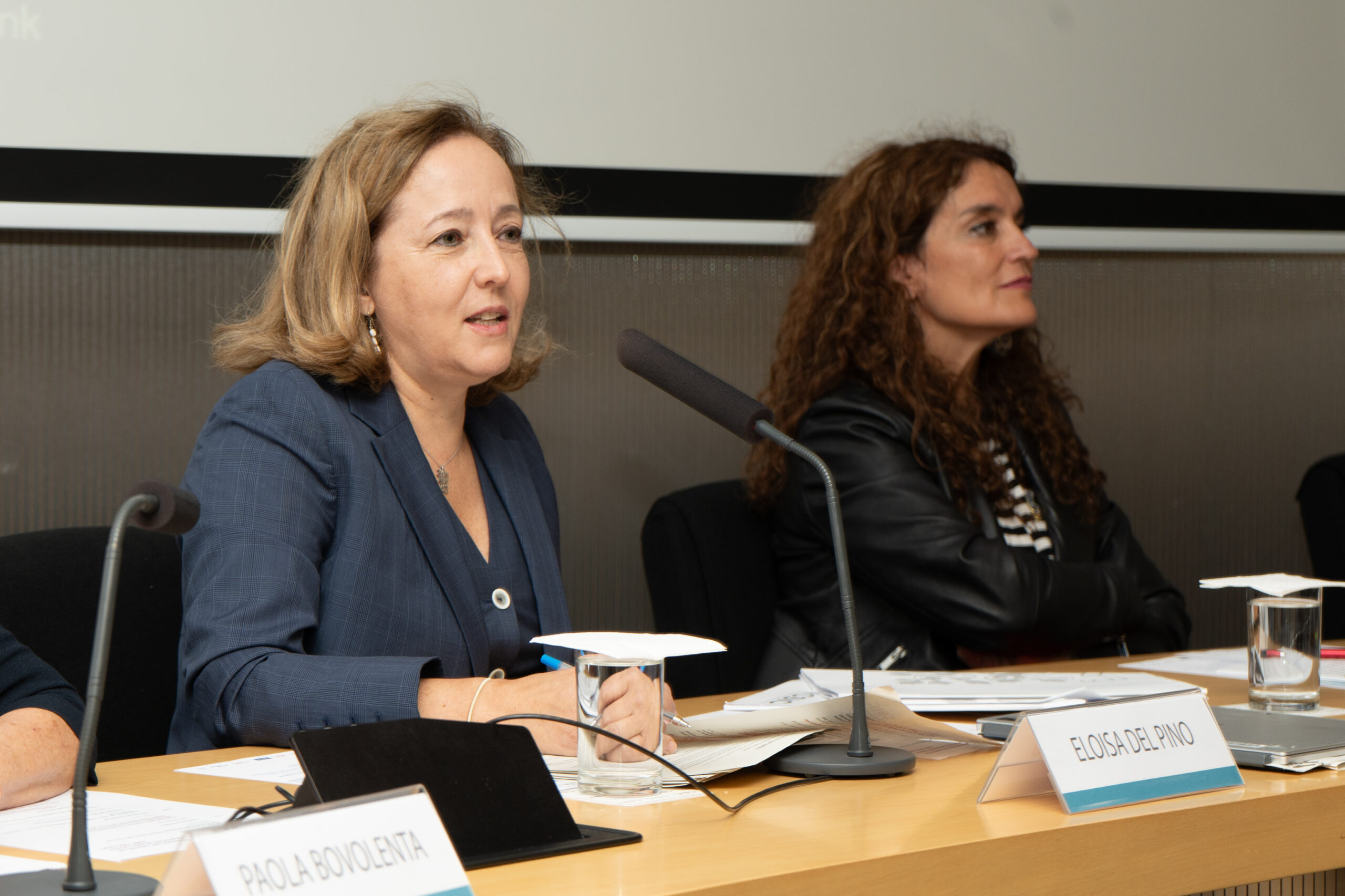
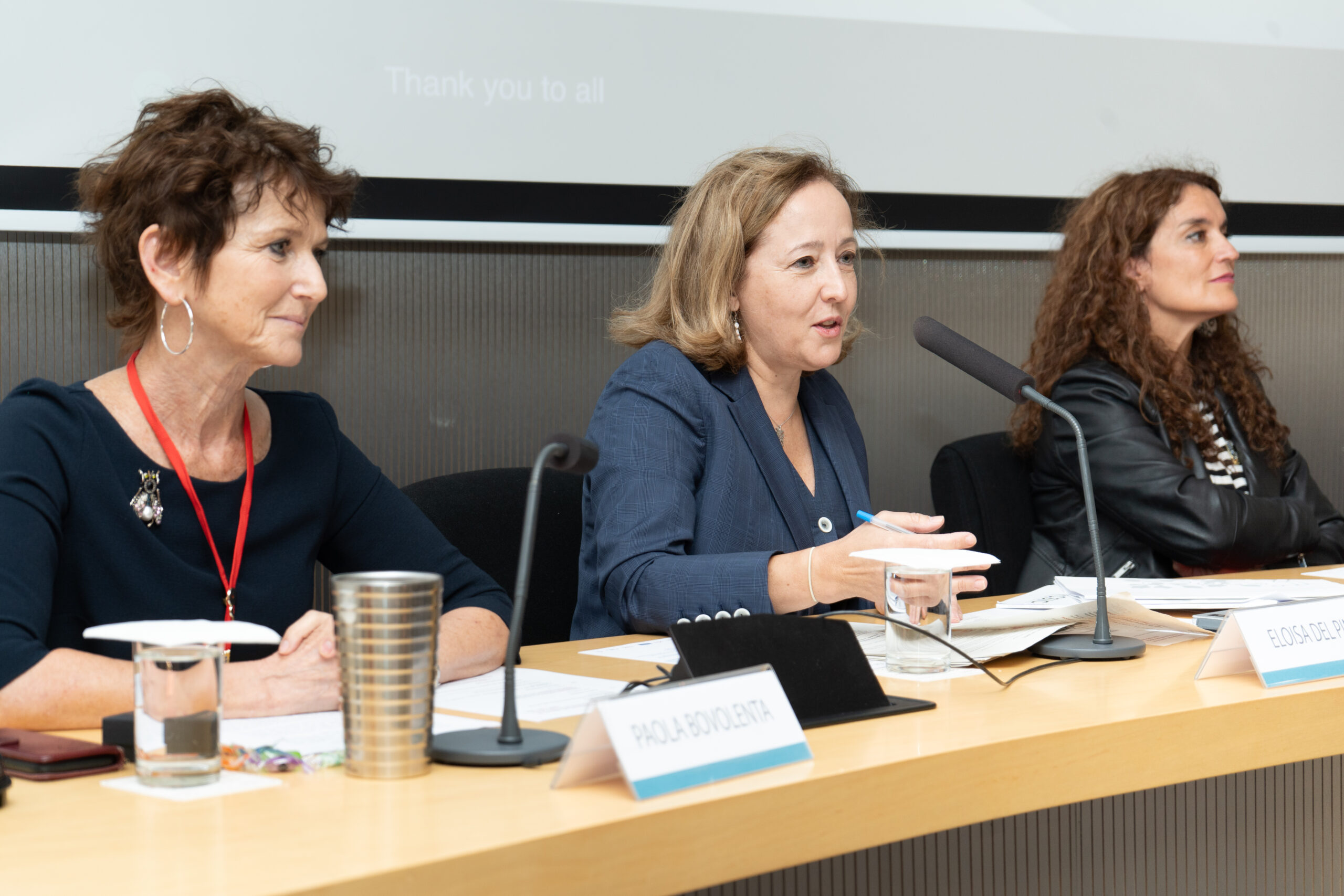
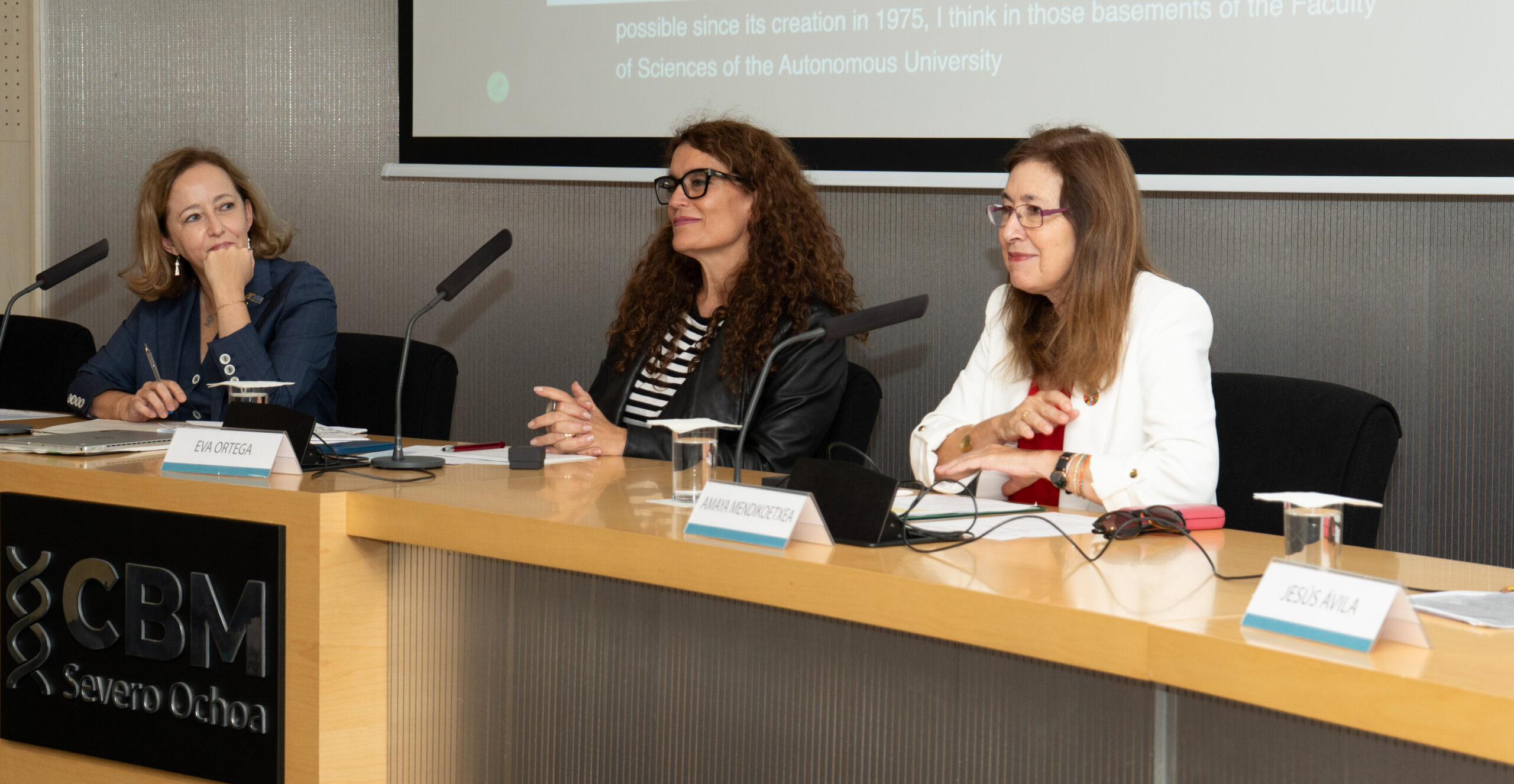
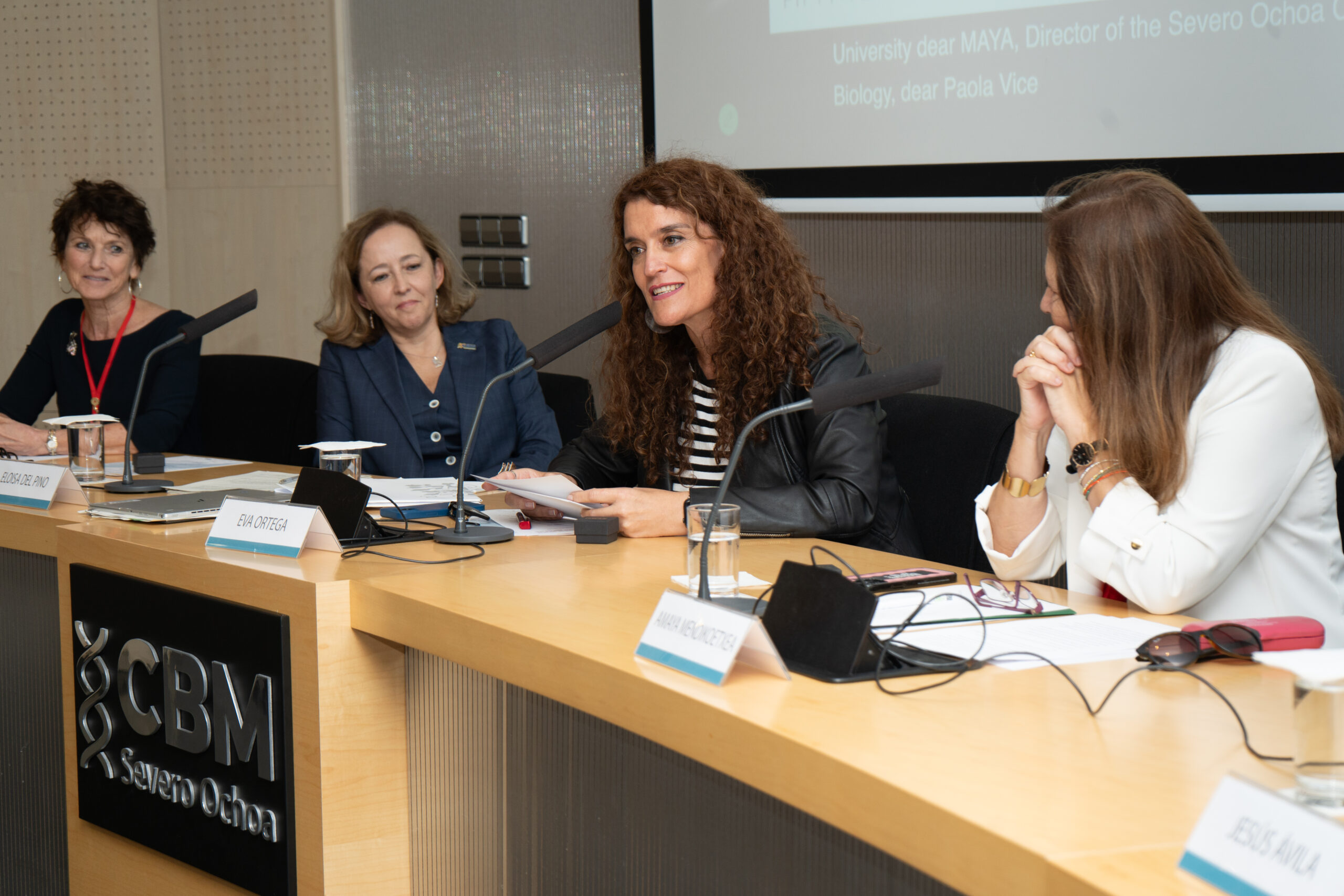
El acto institucional del día 29 reunió más de 90 invitados institucionales. Durante su intervención en el acto, la presidenta del CSIC, Eloísa del Pino, ha puesto en valor la investigación de este centro mixto del CSIC, que destaca por su importante producción científica y la transferencia de tecnología a la industria y la clínica.

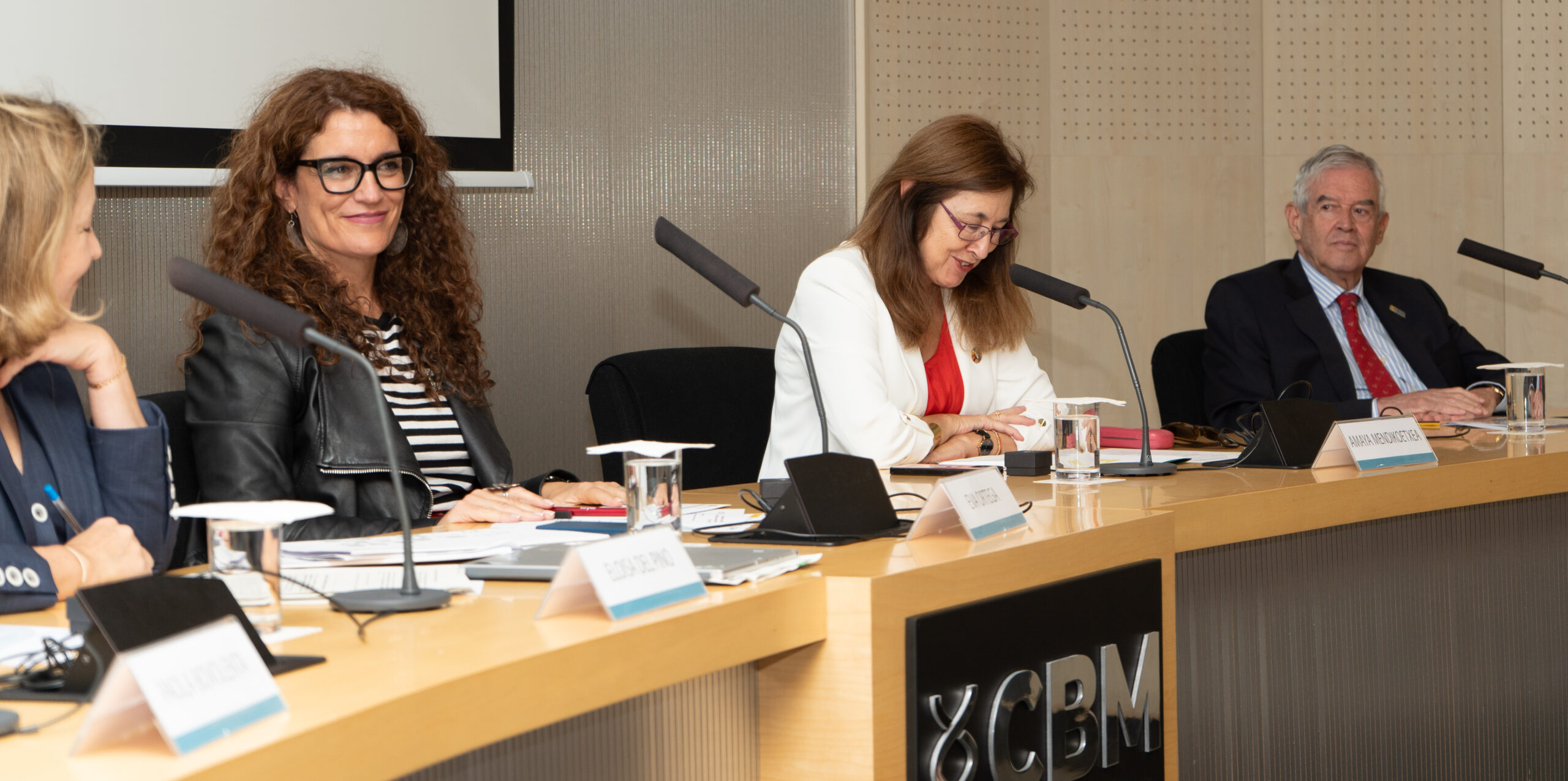
“El cincuentenario del CBM es la mejor ocasión para renovar la alianza entre CSIC y la Universidad en el marco del campus de excelencia. Debemos atrevernos a soñar en grande, porque el futuro vendrá de la ciencia, de la tecnología y del humanismo”, añadió Amaya Mendikoetxea, Rectora de la UAM.

Eva Ortega Paíno, Secretaria General de Investigación, concluyó: “Estos cincuenta años que resumen excelencia científica, un compromiso claro con la sociedad e investigación en áreas que han transformado nuestra comprensión de la vida. El CBM ha contribuido a descubrimientos fundamentales y ha formado a generaciones de jóvenes investigadores e investigadoras.”

El simposio incluye conferencias y mesas redondas sobre los últimos avances en biología molecular y su futuro en Europa y en el mundo, así como el papel del CBM en la formación de nuevos científicos.

El CBM en cifras

El CBM cerró el bienio 2023–24 consolidado como centro líder en biomedicina molecular, con 946 personas en plantilla y una intensa actividad científica:

  • 600 publicaciones en revistas internacionales.
  • 42 solicitudes de patentes y 39 convenios con empresas.
  • 28,6 millones de euros en fondos competitivos captados.
  • 31 premios obtenidos por su personal investigador.
  • 67 tesis doctorales y 223 trabajos fin de grado y máster defendidos.
  • 211 seminarios científicos organizados.

En transferencia y colaboración, el centro mantiene alianzas con empresas como Artax Biopharma, HIPRA, 4basebio o Sener Mobility, además de sinergias estratégicas con el CNB y las plataformas PTI del CSIC.

La actividad divulgadora del CBM también experimentó un fuerte crecimiento, con más de 4.500 asistentes a sus actividades de ciencia ciudadana, 110 voluntarios de divulgación y un aumento de 19.000 seguidores en redes sociales en un solo año.


Un futuro con bases sólidas

El CBM ha reforzado su apuesta por el talento joven con la creación de 6 nuevas líneas de investigación, la contratación de postdocs y doctorandos internacionales, y programas pioneros de mentoring como TRAIN@CBM. Sus renovadas infraestructuras incluyen plataformas de genómica funcional, análisis biocomputacional, bioinformática y microscopía avanzada.

En el plano internacional, el centro coordina tres redes de formación doctoral (MSCA-ITN) y ha aumentado su visibilidad y captación de talento joven.


Apoyos institucionales

Las celebraciones contaron con el apoyo de Fundación Ramón Areces, Fundación BBVA, Fundación AstraZeneca, Lilly, Hipra, CSIC, la Sociedad Española de Bioquímica y Biología Molecular (SEBBM) y Paso Alto Group.

Con este encuentro, el CBM celebró medio siglo de historia reafirmando su papel como centro de referencia internacional en investigación biomédica, y mirando hacia el futuro con una comunidad científica comprometida en seguir impulsando la biología molecular de excelencia en España y en Europa.


CBM Comunicación

La entrada 50 años descodificando la vida: el Centro de Biología Molecular Severo Ochoa celebra su aniversario con la élite mundial de la biología molecular se publicó primero en Centro de Biología Molecular Severo Ochoa.

Go to Source

Outreach event – From Particles to Patients: Detector Technology & Molecular Imaging

Image
Positron emission tomography
Other activity

Outreach event – From Particles to Patients: Detector Technology & Molecular Imaging

Date
Place
Auditori Antoni Caparros, Parc Científic de Barcelona (PCB)

Join us for a special outreach event dedicated to medical imaging technologies, where science meets healthcare innovation. This event is part of ICCUB’s commitment to public engagement and knowledge transfer, showcasing how cutting-edge physics research contributes to improving diagnostic tools and patient outcomes.

The event will highlight ICCUB’s participation in the PetVision project, a European Pathfinder initiative aiming to revolutionize Positron Emission Tomography (PET) through ultrafast time-of-flight imaging. Petvision brings together leading institutions across Europe to develop next-generation detectors and imaging systems for functional medical diagnostics.

Registration is required: Event Agenda and registration


Invited speakers


Prof. Georges El Fakhri

Georges El Kakhri

Elizabeth Mears and House Jameson Professor of Radiology and Biomedical Imaging
Yale University School of Medicine
Director, Yale PET Center
Vice Chair for Scientific Research, Radiology & Biomedical Imaging

Prof. Georges El Fakhri is a global leader in molecular imaging, specializing in PET, SPECT, and MRI technologies for brain, cardiac, and cancer diagnostics. His pioneering work includes tau PET imaging for Alzheimer’s, quantitative myocardial blood flow, and machine learning in radiotherapy. He earned his Ph.D. in medical physics from the University of Paris XI and trained at Harvard Medical School. Before joining Yale in 2023, he directed the Gordon Center for Medical Imaging at MGH. With over 350 publications and 23 patents, his NIH-funded research has shaped modern biomedical imaging for over 25 years.


Prof. Rok Pestotnik

Prof. Rok Pestotnik

Jožef Stefan Institute, Ljubljana, Slovenia
Coordinator of the PETVISION EIC Pathfinder Project

Prof. Rok Pestotnik is a senior researcher at the Jožef Stefan Institute and an expert in experimental particle physics and instrumentation. With nearly 30 years of experience, he has contributed to major international collaborations including HERA-B, Belle, ALICE, and LHCb. His research focuses on Cherenkov photon detectors, fast timing photon detection, and applying particle physics technologies to medical imaging. As coordinator of the PETVISION project, he leads efforts to develop ultrafast time-of-flight PET scanners for improved cancer diagnostics. His work exemplifies the fusion of fundamental physics with healthcare innovation through interdisciplinary collaboration and technology transfer.


Prof. Roser Sala Llonch

Prof. Roser Sala Llonch

Associate Professor, Department of Biomedicine, Universitat de Barcelona
Head of the Biomedical Imaging Research Group

Prof. Roser Sala Llonch is an associate professor at the University of Barcelona and head of the Biomedical Imaging Research Group. Her work focuses on the development of advanced neuroimaging techniques, including PET, SPECT, and MRI, to study brain structure and function in both healthy individuals and patients with neurodegenerative diseases. She applies statistical modeling and machine learning to analyze multimodal brain images and predict disease progression. Her research integrates physics, engineering, and clinical data, contributing to translational diagnostics in Alzheimer’s and Parkinson’s disease. She also leads projects on cognitive health and brain connectivity in post-COVID patients.


Learn More

·         ICCUB Outreach

·         ICCUB Technology Unit

·         PETVISION Project

·         Event Agenda on Indico

Go to Source

Álvaro Fernández Llamazares talks about ethnobotany in Armenia

ICTA-UAB researcher Álvaro Fernández Llamazares recently took part in the conference “Biological Sciences and Environmental Solutions for the Achievement of Sustainable Development Goals”, held from September 24 to 26 at Yerevan State University, Armenia. 

Go to Source

More than 750 researchers meet in Alicante for the XXVIII edition of the European Drosophila Research Conference (EDRC)

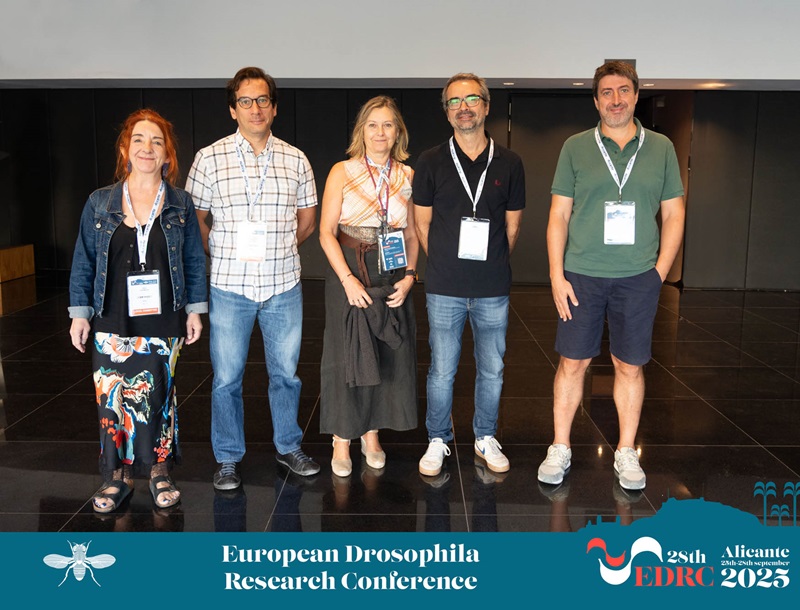
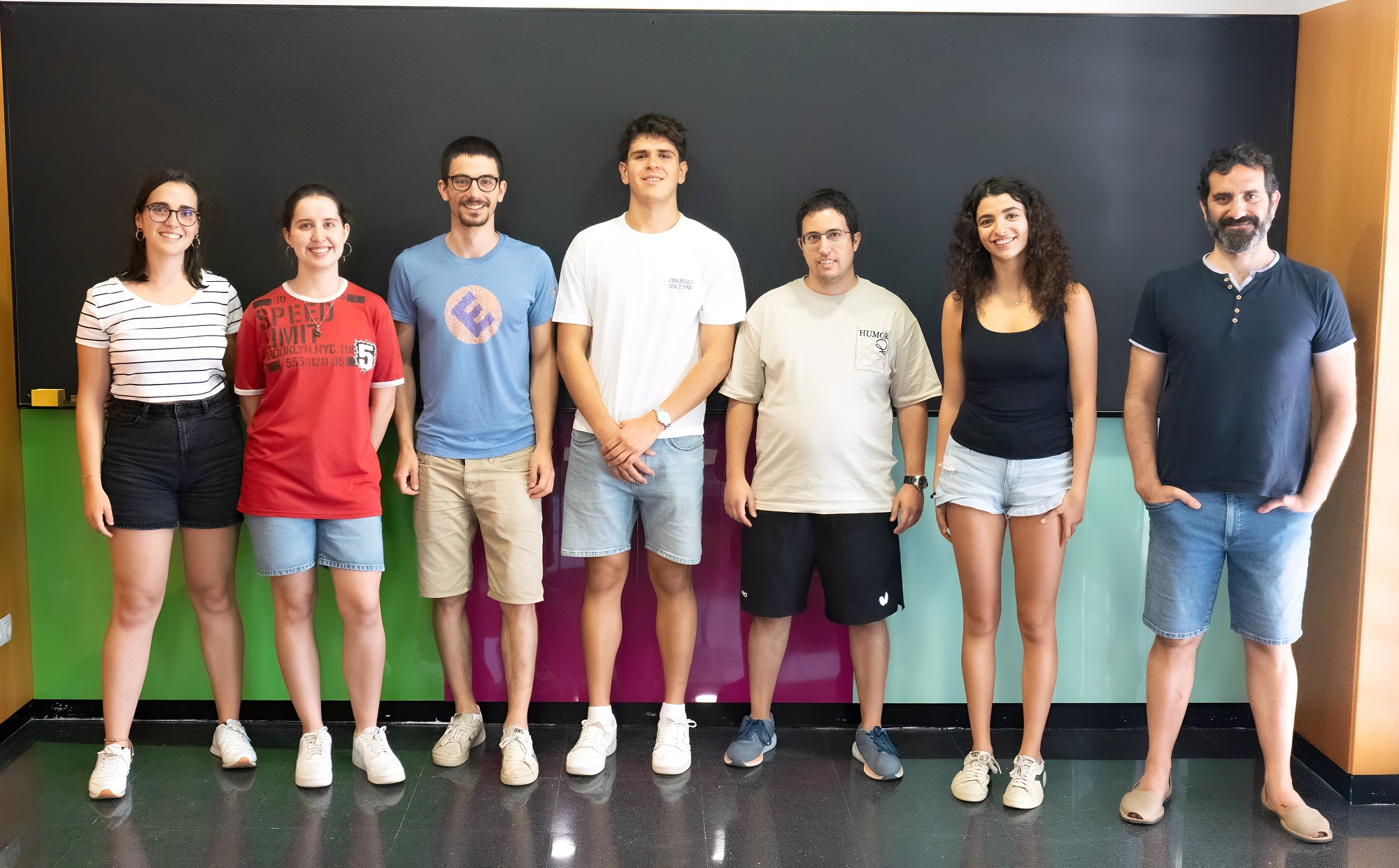
Photo: Local organizing committee of the 28th EDRC. From left to right: Ana Carmena, Juan Antonio Sánchez-Alcañiz, María Domínguez, Javier Morante, and José Carlos Pastor Pareja. Source: IN CSIC-UMH.

From September 25 to 28, Alicante hosted the XXVIII EDRC, the European Drosophila Research Conference, dedicated to Drosophila melanogaster, the fruit fly, an essential model organism for studying key processes in human health and disease. The congress, held at the Auditorio de la Diputación de Alicante (ADDA), brought together more than 750 scientists from over 40 countries who shared the latest scientific advances on major topics in contemporary biomedicine: cancer, the brain, immunology, metabolism and healthy aging, evolution, and the mechanisms that explain how organisms form and regenerate.

The program included 12 plenary lectures, more than 100 talks in 15 thematic sessions, workshops, and two poster sessions, with a strong participation of early-career researchers. This consolidates the event as a reference point for the future of biomedical science in Europe and positions Alicante as an international hub for cutting-edge research.

Among the most prominent plenary speakers were Cassandra Extavour (Harvard University, USA), a leading figure in developmental biology; Maria Cristina Gambetta (University of Lausanne, Switzerland), a specialist in transcription and chromatin; Lucía Prieto-Godino (Francis Crick Institute, UK), expert in physiology and metabolism; Yulong Li (Peking University, China), renowned for his methodological innovations in neuroscience; Marta Llimargas (IBMB-CSIC), expert in organogenesis; and Rubén Artero (University of Valencia), scientist and entrepreneur.

“We are delighted with the great turnout and the outstanding scientific level of this edition”, said María Domínguez, chair of the local organizing committee and Research Professor at the Spanish National Research Council (CSIC) at the Institute for Neuroscience (CSIC-UMH), a joint center of CSIC and the Miguel Hernández University (UMH) of Elche. “The congress has not only been a space to share cutting-edge knowledge and highlight emerging talent, but also an opportunity to strengthen international collaboration”.

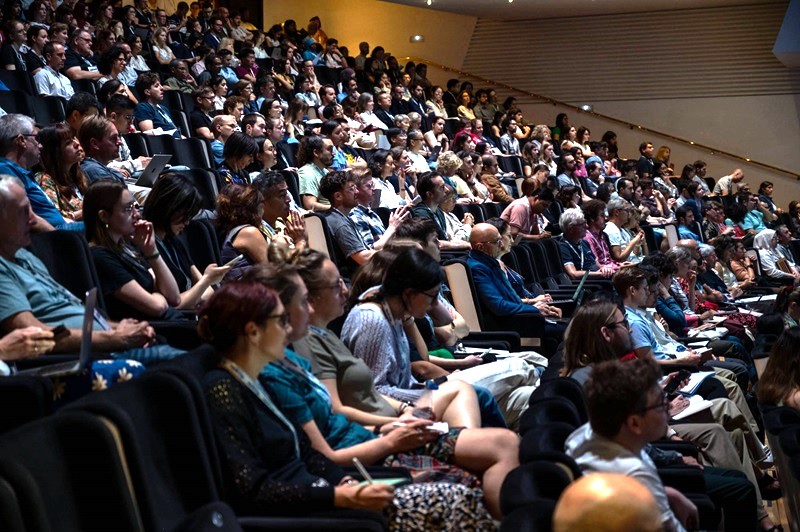
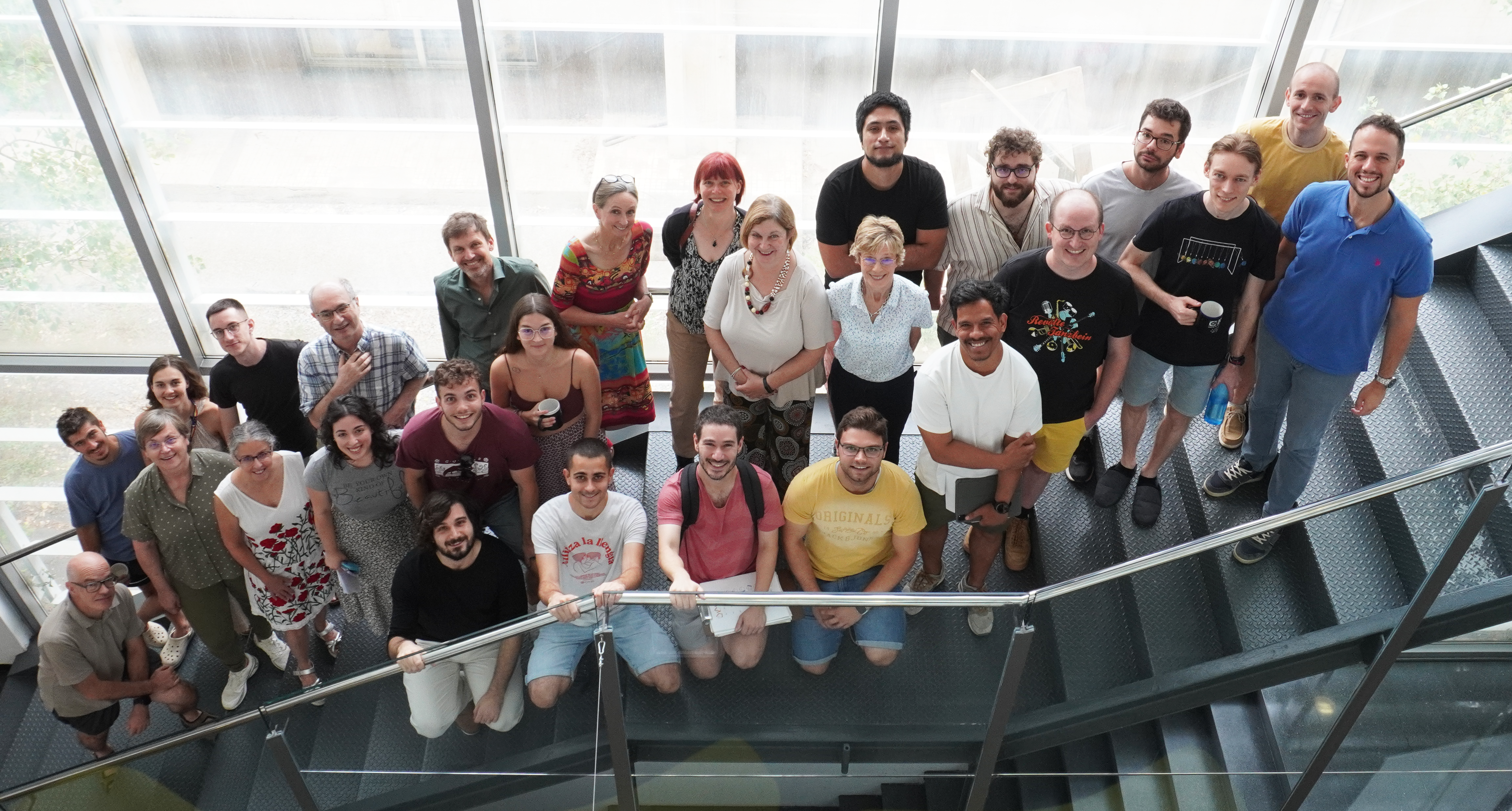
Attendees at the 28th EDRC, held at the ADDA from September 25 to 28. Source: IN CSIC-UMH

The meeting also served to raise awareness about the funding challenges threatening the continuity of FlyBase, the main reference database for the research community, and the urgent need to support the sustainability of this essential resource.

Alongside Domínguez, the organizing committee included researchers from the Institute for Neuroscience: Javier Morante, José Carlos Pastor Pareja, Juan Antonio Sánchez-Alcañiz, and Ana Carmena, who lead teams working with this model in high-impact projects.

Drosophila melanogaster is a key model for understanding complex biological processes such as development, the neurological basis of behavior, and disease. For more than a century, its use has enabled fundamental discoveries in genetics, development, and physiology, with direct impact on human health. Notably, twelve Nobel Prizes have recognized research conducted with this organism.

The European Drosophila Research Conference (EDRC), held biennially in different European cities, is the main international meeting point for this scientific community. After Barcelona (2013), Heidelberg (2015), London (2017), Lausanne (2019), and Lyon (2023), the selection of Alicante as the 2025 host reinforces the importance of the event.

The congress was supported by the Severo Ochoa Excellence Program of the Institute for Neuroscience (CSIC-UMH), the Miguel Hernández University, the Spanish State Research Agency – Ministry of Science, Innovation and Universities, the European Regional Development Fund (ERDF) of the European Union, the Conselleria d’Educació of the Generalitat Valenciana, and the Alicante City Council Tourism Department. The EDRC 2025 also received support from several biotechnology companies.

Source: Institute for Neurosciences CSIC-UMH (in.comunicacion@umh.es) 


La entrada More than 750 researchers meet in Alicante for the XXVIII edition of the European Drosophila Research Conference (EDRC) se publicó primero en Instituto de Neurociencias de Alicante.

Go to Source

The Spanish Association Against Cancer brings science closer to citizens from Alicante

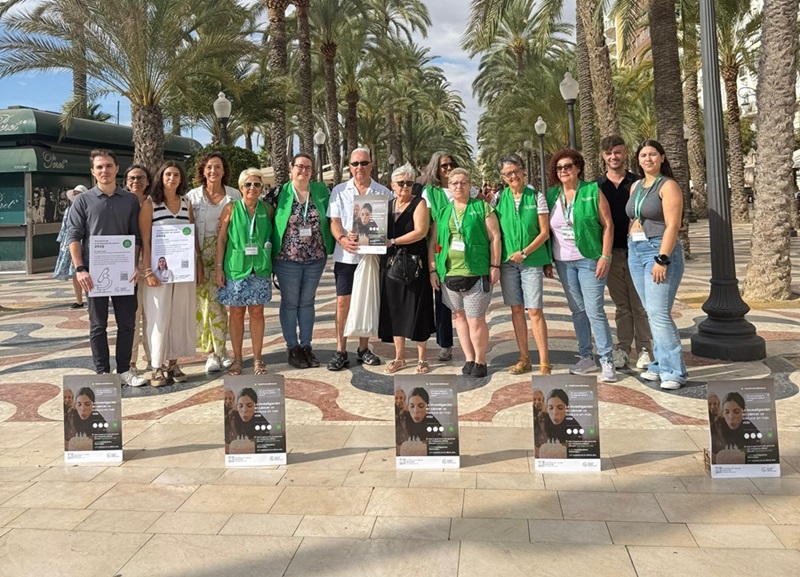
Photo: Volunteers and researchers from the Spanish Association Against Cancer on the Explanada in Alicante during World Cancer Research Day. Source: AECC Alicante.

On the occasion of World Cancer Research Day, the Spanish Association Against Cancer (AECC) in Alicante took to the streets of the city on September 24 to bring citizens closer to the scientific advances being developed in the province. Volunteers and researchers handed out test tubes containing information on projects funded in Alicante, led by prestigious teams and supported by the Association. Researchers Mario Aguilar and Raúl Jiménez from the Institute for Neurosciences (IN), a joint center of the Spanish National Research Council (CSIC) and Miguel Hernández University (UMH) in Elche, participated in the event. Jiménez also attended on behalf of the research team led by Ángela Nieto.

In 2024, the province of Alicante recorded 12.081 new cancer diagnoses, according to estimates from the Cancer Observatory. To address this reality, the Spanish Association Against Cancer is currently supporting seven research projects in the province, with an investment exceeding €950,000.

Among them is the work of Khalil Kass Youssef, who, with a Researcher Grant of €200.000, is studying the role of neurons in breast cancer progression and identifying vulnerabilities in highly resistant tumors such as bile duct and triple-negative breast cancers. “My professional goal has always been to improve patient care and public health through scientific advances and new cancer therapies. Thanks to a multidisciplinary and collaborative strategy, we have integrated advances in cancer biology and neuroscience, laying the foundations for new therapeutic approaches that take the tumor’s nervous environment into account”, Youssef highlighted.

Another ongoing project is led by Mario Aguilar, who, with an Ideas Semilla Grant of €19.950, is studying the brain mechanisms behind the placebo effect, to optimize cancer treatments. “Cancer research translates into more life. Thanks to the efforts of the scientific community and the support of associations like the AECC, today we are able to increase survival, improve patients’ quality of life, and bring advances closer to society. Research must be a collective priority, and basic research is the solution for the future: only by understanding the causes of the disease will we be able to cure it, and not just treat its symptoms. Investing in research means investing in the future of everyone”, Aguilar stressed.

Cancer research means more life

The Spanish Association Against Cancer is the largest cancer research network in Spain, supporting more than 2.300 researchers across 146 research centers located in 38 provinces, working on all phases of this disease development, from prevention to metastasis.

Within this framework, the Association presented the ‘Patient Advocacy’ program, a pioneering initiative in Spain that has, for the past five years, incorporated the voice of patients into the processes of selecting and monitoring cancer research projects. The goal is to provide a more realistic and closer view of patients’ clinical needs, strengthen their role as key players in decision-making, and promote the creation of tailored medical solutions. This approach, aligned with the international trend toward more inclusive and collaborative medical research, has a direct impact on public health by influencing the design of treatments, health policies, and prevention strategies.

About the Spanish Association Against Cancer

With more than 70 years of history, the Spanish Association Against Cancer is the reference organization in the fight against this disease in Spain. Its work covers prevention, comprehensive support for patients and families, and the promotion of cancer research. Through its Scientific Foundation, it funds high-quality projects through public calls and is today the social and private entity that allocates the most funds to cancer research in Spain, with €143 million invested in 750 projects.

The Association has 52 provincial offices and a presence in more than 2,000 municipalities, supported by a network of 3.000 volunteers, 728.000 members, and 1,261 professionals. In 2024 alone, the Association provided professional support services to more than 136.000 people.

More information: https://www.contraelcancer.es/es

Source: Instituto de Neurociencias CSIC-UMH (in.comunicacion@umh.es) / Alicante Provincial Office of the Spanish Association Against Cancer

La entrada The Spanish Association Against Cancer brings science closer to citizens from Alicante se publicó primero en Instituto de Neurociencias de Alicante.

Go to Source

Tim Myers represents ECMI at the ICIAM Board Meeting and promotes industrial mathematics in Vietnam

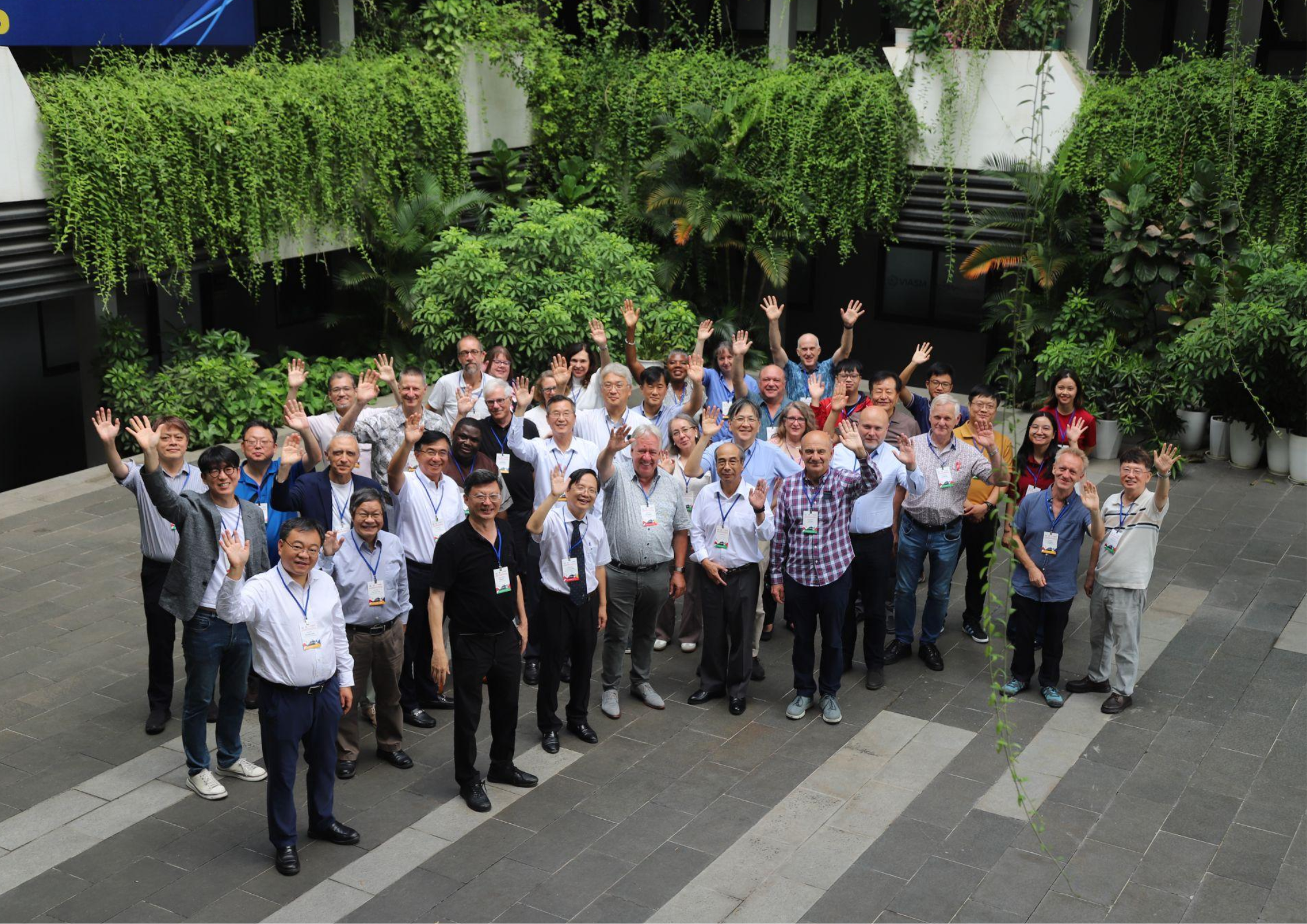
ICIAM Board and VIASM Members during a break

Vietnam hosted the ICIAM Board Meeting and Workshop this September at the Vietnam Institute for Advanced Study in Mathematics (VIASM), gathering 70 delegates from five continents. CRM researcher Tim Myers attended as the ECMI representative and later visited Ho Chi Minh University of Science to meet academics and companies on industrial mathematics initiatives.

This month, CRM researcher Tim Myers visited Vietnam to attend the International Council for Industrial and Applied Mathematics (ICIAM) board meeting, hosted by the Vietnam Institute for Advanced Study in Mathematics (VIASM), and to visit Ho Chi Minh University of Science.

The first part of the visit centred on the ICIAM board meeting and workshop in Hanoi. The meeting brought together representatives of major industrial and applied mathematics societies from around the world, with Spain well represented by Ángel Ramos (CUM), President of the Sociedad Española de Matemática Aplicada, Luis Vega (BCAM), ICIAM Officer, and Myers himself representing the European Consortium for Mathematics in Industry (ECMI). Other European societies also took part, with José Antonio Carrillo attending on behalf of the European Society for Mathematical and Theoretical Biology, and Eduard Campillo-Funollet representing the Institute for Mathematics and its Applications.

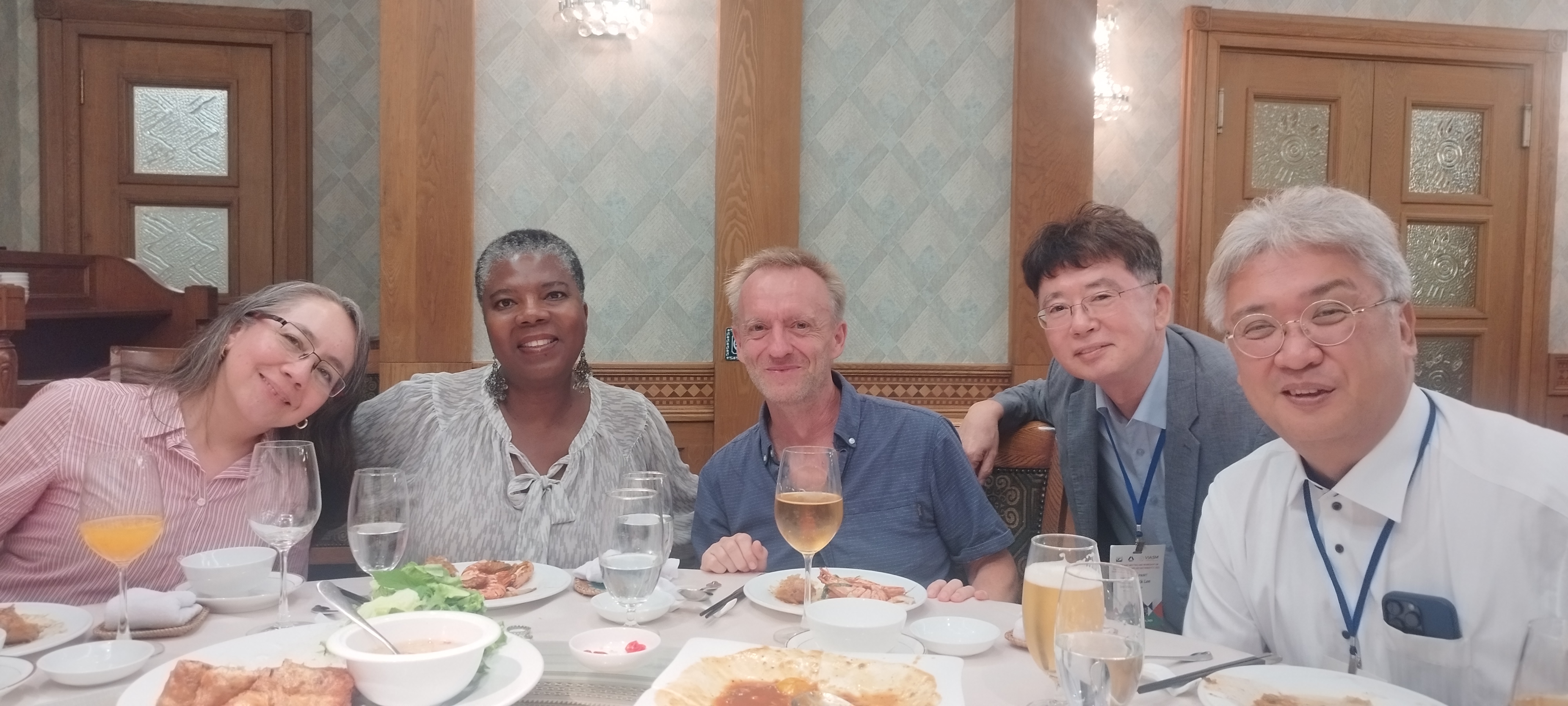
Post Board Meeting dinner, from left to right: Prof. Ivete Sánchez Bravo (Secretaria de Vinculación, Sociedad Mexicana de Matematicas), Prof. Suzanne Weekes (CEO, Society for Industrial and Applied Mathematics), Tim (CRM), Prof. Chang-Ock Lee (President, Korean Society for Industrial and Applied Mathematics), Prof. Kenji Kajiwara (Director of the Institute of Mathematics for Industry (IMI), Japan, Secretary of the Asia Pacific Consortium of Mathematics for Industry).

“By holding prestigious meetings in countries such as Vietnam we acknowledge their role in global mathematics as well as increase their visibility.”

The Workshop on Industrial and Applied Mathematics 2025 took place from September 11 to 12 at VIASM, jointly organised by ICIAM, the Vietnam Mathematical Society (VMS) and VIASM. The scientific programme featured 24 invited lectures by leading experts, covering applications of mathematics in areas as diverse as high-performance computing, nonlinear dynamical systems, water pollution modelling, partial differential equations and dispersive equations, and the role of mathematics in data science, health sciences and large-scale simulation. Alongside these talks, discussion sessions and exchanges fostered connections between Vietnamese researchers and their international counterparts.

The ICIAM board meeting, held the day after the workshop, brought together over 70 delegates from across five continents, representing countries such as the United States, Canada, Brazil, China, Japan, Korea, the United Kingdom, Germany, Spain, Australia, South Africa and Vietnam. Two key decisions were made: Prof. Sven Leyffer (Argonne National Laboratory, USA) was elected as the next ICIAM President, and Busan, South Korea, was selected to host the 2031 ICIAM Congress.

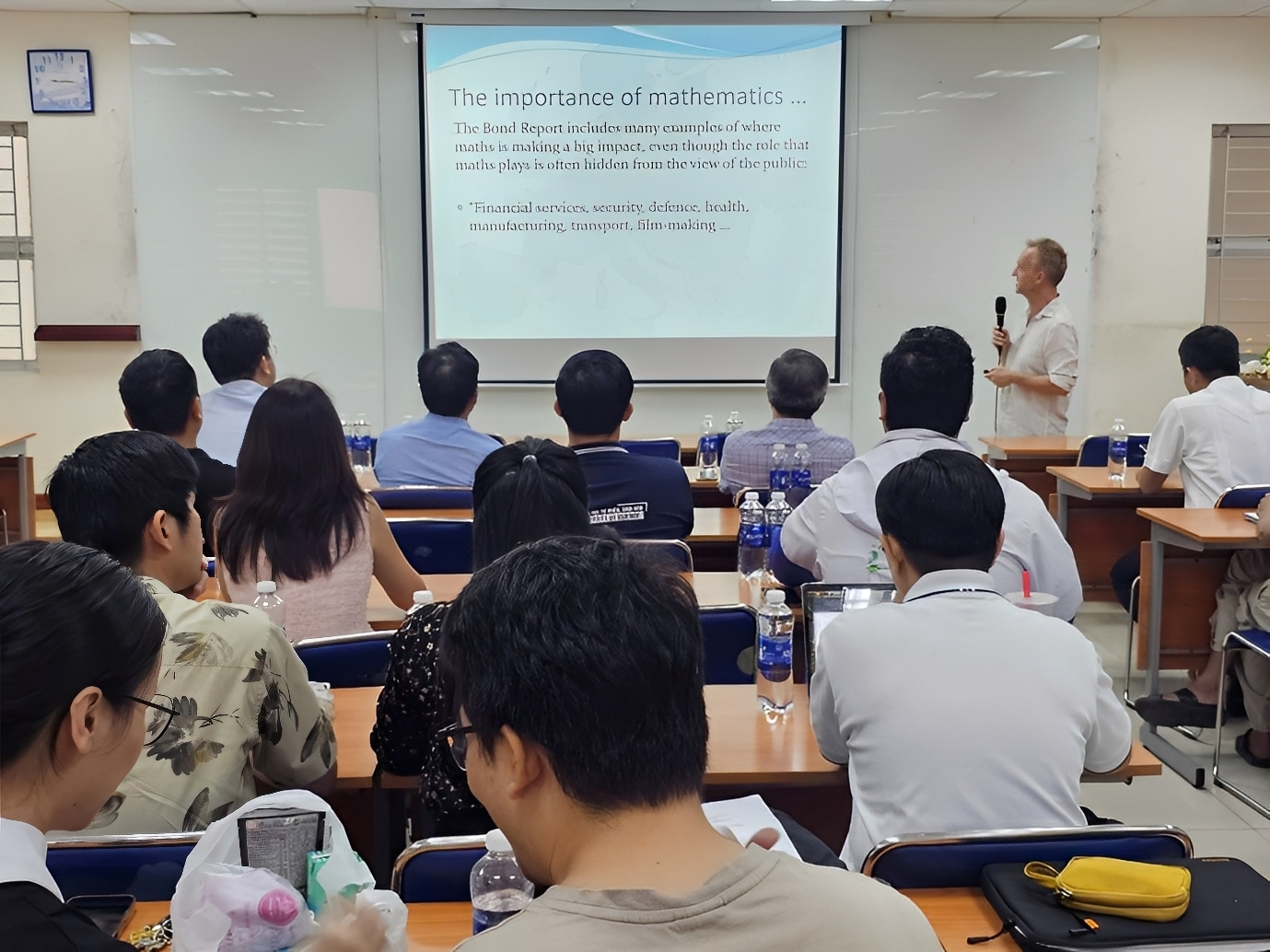
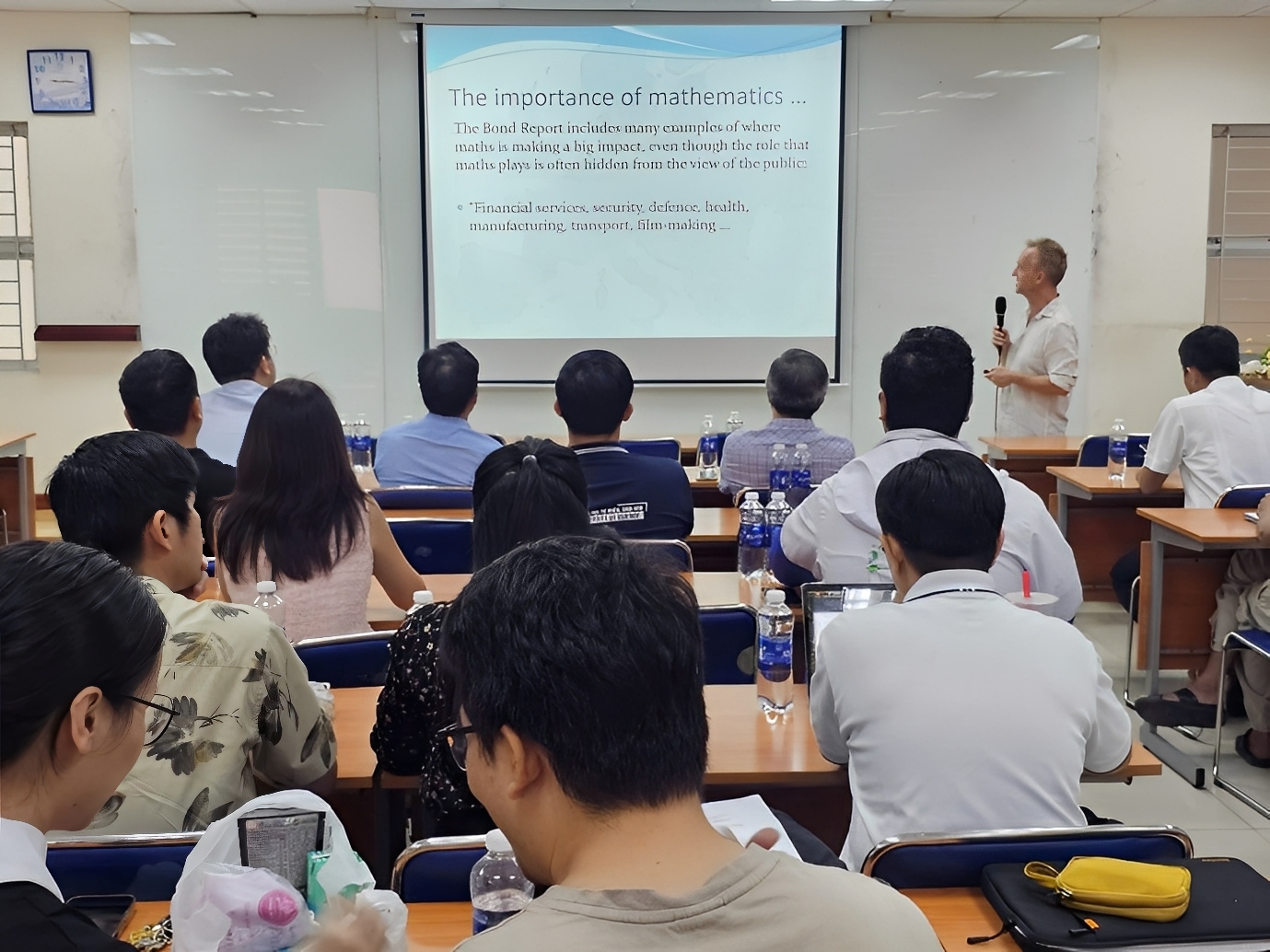
Myers discussing the role of mathematics in society at Ho Chi Min University of Science

Reflecting on the importance of hosting such events in Vietnam, Myers explained: “There is currently a large push to equalise the visibility of mathematics throughout the world. For many reasons, such as publication costs or research funding, Global South countries have a much lower international presence than more affluent countries (in terms of publications, influential researchers, journal editors, etc). By holding prestigious meetings in countries such as Vietnam — the ICIAM Board consists of world-renowned researchers — we acknowledge their role in global mathematics as well as increase their visibility.”

He also highlighted the concrete benefits of these visits: “Visiting academics can interact with policy makers in the local universities or the country. As an invited guest I often meet with university dignitaries to explain the role that mathematics can play in promoting university collaboration with industry. During the ICIAM meeting, Prof. Wil Schilders (ICIAM president), Prof. Hiraku Nakajima (International Mathematics Union president) and Prof. Yukari Ito (president elect of Asian-Oceanian Women in Mathematics) met with the Vietnamese Deputy Minister of Education and Training Nguyn Văn Phúc.”

After Hanoi, Myers travelled to Ho Chi Minh City, where he was a guest of honour at a meeting to showcase industrial mathematics and study groups with industry. The event included representatives from two companies: FPT, one of Vietnam’s largest IT service providers, and Tatoma, who focus on optimising seafood farming.

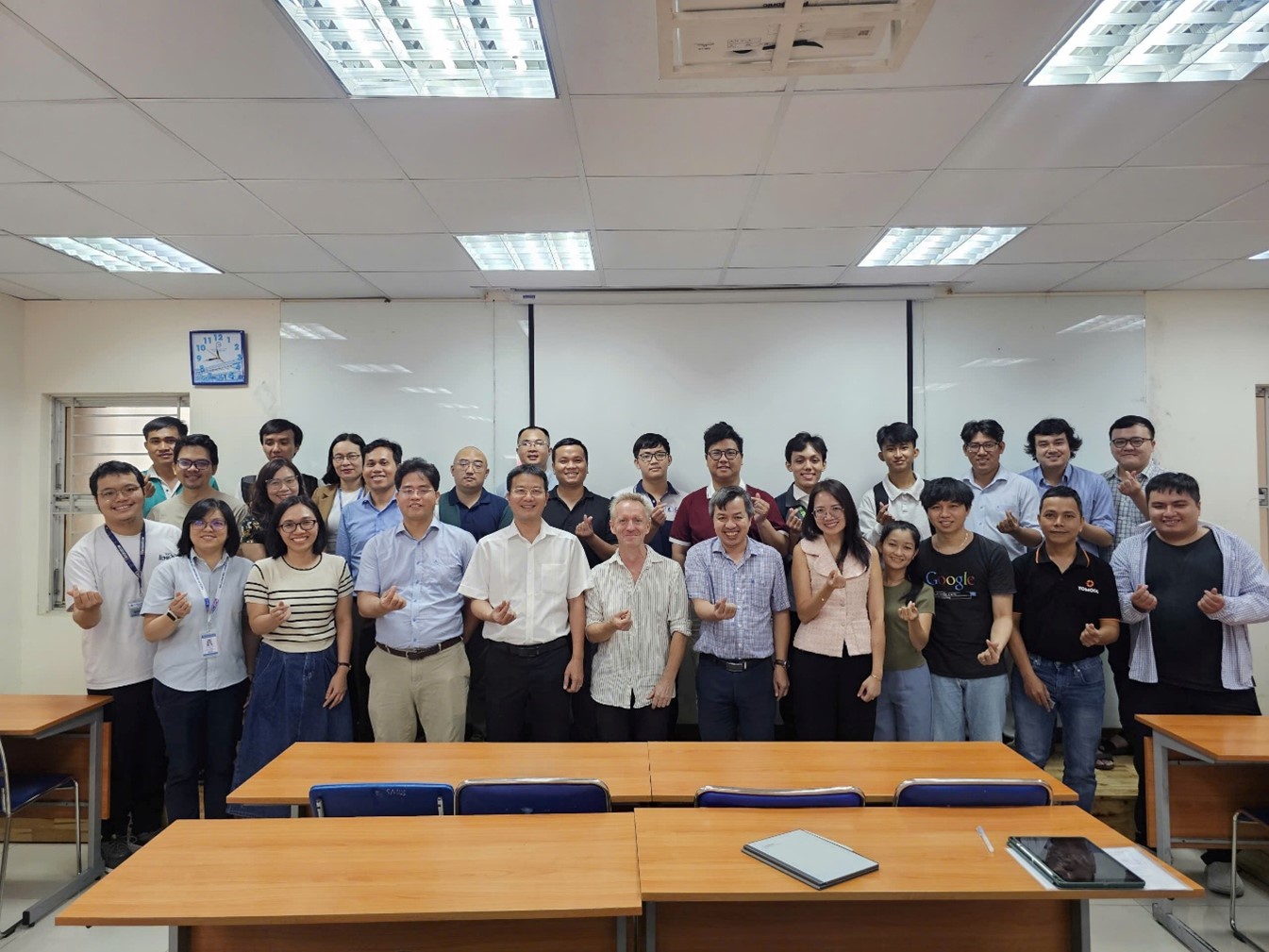
Attendees at the HCMUS meeting

Speaking about how such initiatives can take root, Myers stressed the importance of local engagement: “The key is always to find someone, or a group, willing to keep any initiative alive. Visiting international academics can help, but without the local effort, this will not achieve long-term success.” He also underlined the role of students: “They can learn how to apply mathematics to real-world problems, either at study groups or modelling weeks. In the future, if they stay at the university, they have the skill set to understand industrial problems; if they leave and are employed by industry, they provide a vital link to the universities and often bring problems back.”

Vietnam is part of the Global South, a group of countries that face structural challenges related to development and inequality. Hosting events such as the ICIAM board meeting and the Industrial and Applied Mathematics workshop helps promote industrial mathematics in the country’s leading universities, build closer ties with industry, and open up new funding opportunities as well as new mathematical challenges.


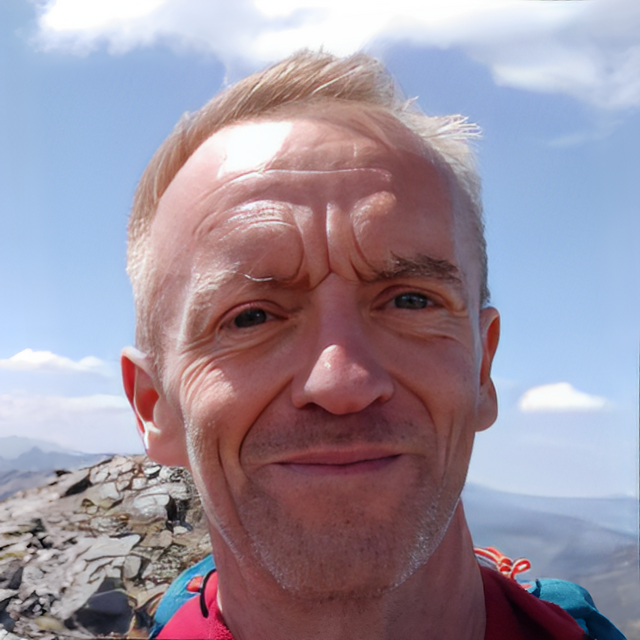
Tim Myers has over 30 years of experience in developing and analysing mathematical models for complex physical processes, with contributions spanning phase change, nanoscale optics, thin film flow, nanofluids, and the Heat Balance Integral Method. He promotes the practical use of mathematics as a Board Member of the European Consortium for Mathematics in Industry, co-ordinator of European Study Groups with Industry, and editor for both Mathematics in Industry Reports (CUP) and the Springer–RSME Book Series. He also serves on the European Mathematical Society’s Committee for Developing Countries and the Advisory Committee for the Eastern African Universities Mathematics Programme. His current research focuses on applying mathematics to environmental challenges, particularly the capture of contaminants.

Subscribe for more CRM News

Stay updated to our mailing list to get the lastest information about CRM activities.

CRM Comm

Pau Varela

CRMComm@crm.cat


Wigglyhedra: A New Combinatorial and Geometric Structure

Wigglyhedra: A New Combinatorial and Geometric Structure

In the article “Wigglyhedra”, researchers Asilata Bapat (Australian National University) and Vincent Pilaud (Universitat de Barcelona – Centre de Recerca Matemàtica) introduce the wiggly complex, a novel combinatorial and geometric structure, along with its associated…

CRM at the Bilbao–Barcelona Analysis and PDE Meeting

CRM at the Bilbao–Barcelona Analysis and PDE Meeting

From September 3 to 5, 2025, the Basque Center for Applied Mathematics (BCAM) hosted the Bilbao–Barcelona Analysis and PDE Meeting. For three days, researchers from both cities met face to face, joined by colleagues from other institutions, to…

Javier Gómez-Serrano receives the  2025 R. E. Moore Prize

Javier Gómez-Serrano receives the 2025 R. E. Moore Prize

Javier Gómez-Serrano, professor at Brown University, has received the 2025 R. E. Moore Prize for Applications of Interval Analysis together with Tristan Buckmaster and Gonzalo Cao-Labora. The award honours their article Smooth imploding solutions…

The post Tim Myers represents ECMI at the ICIAM Board Meeting and promotes industrial mathematics in Vietnam first appeared on Centre de Recerca Matemàtica.

Go to Source

Sidebar